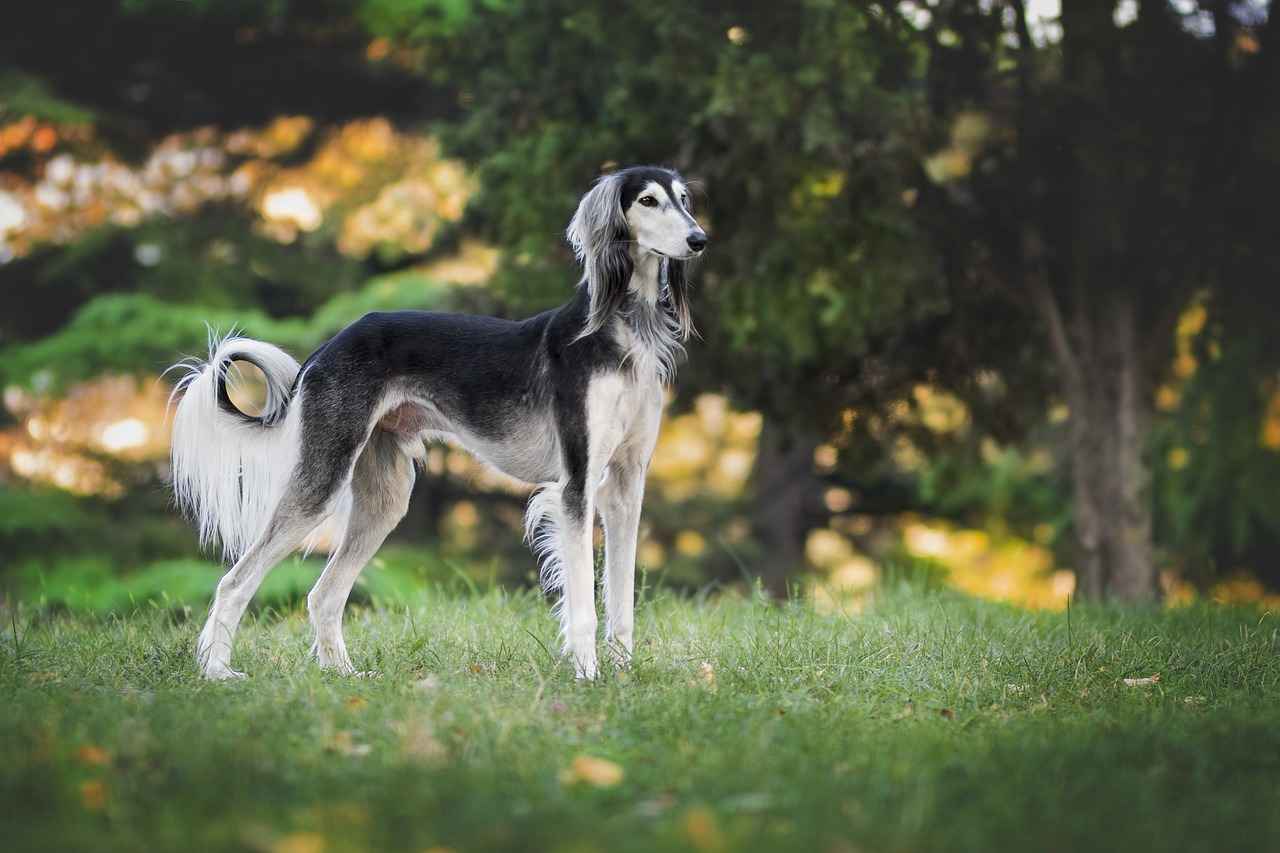
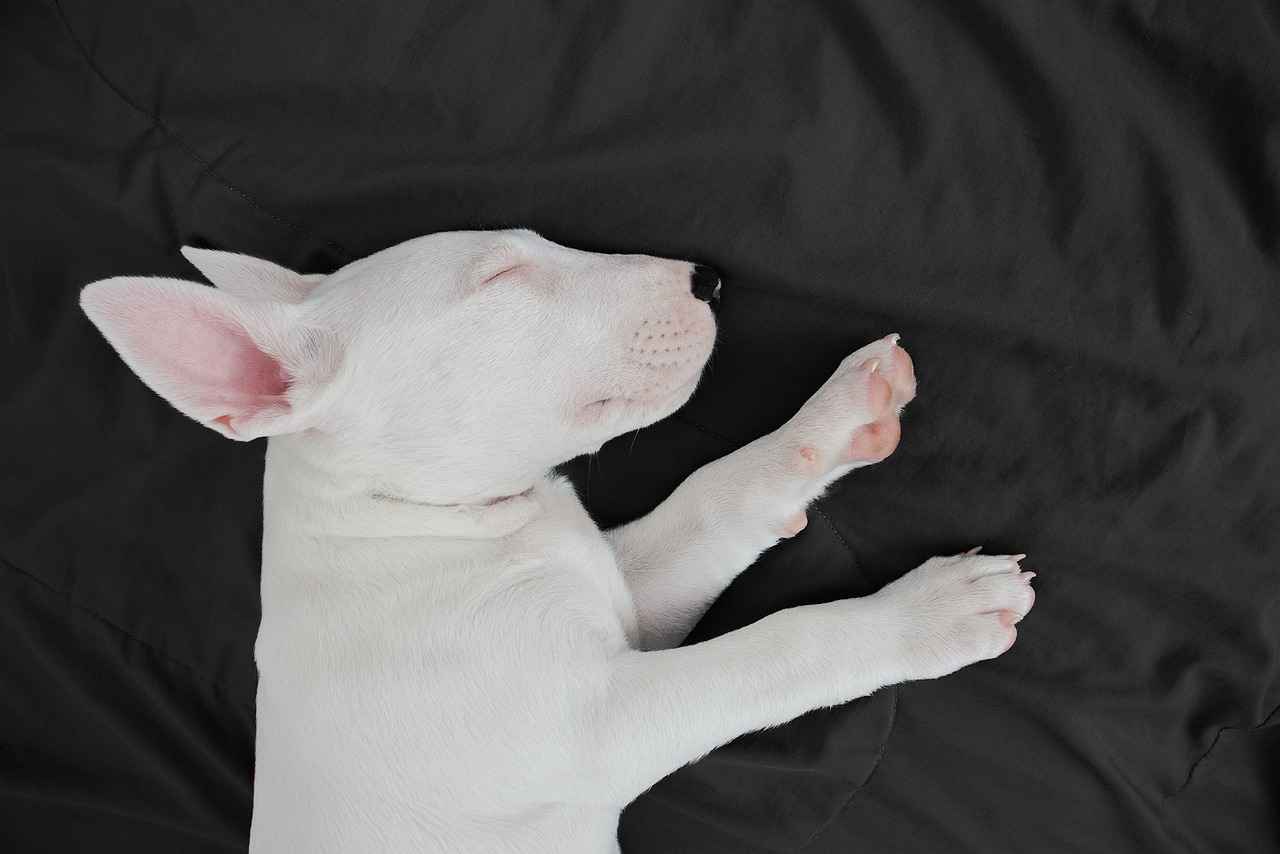
Have you ever wondered why do dogs have wet noses? This simple yet intriguing question leads us to fascinating insights about our furry friends. A dog’s nose isn’t just for sniffing out their favorite treats; it plays a crucial role in their overall health and behavior. But what makes it moist? Could it be a sign of something deeper? In this article, we will explore the science behind dog nose moisture and uncover the reasons why a wet nose is often considered a sign of a healthy pup. Did you know that a dog’s sense of smell is up to 100,000 times more powerful than ours? This remarkable ability is enhanced by the unique properties of their wet noses. But there’s more to this story! What other fascinating facts about dog noses could surprise you? From temperature regulation to emotional cues, understanding these aspects can strengthen the bond between you and your canine companion. Stay tuned as we dive into the captivating world of dogs and their wet noses, revealing all the secrets that make them so special. Don’t miss out on discovering the truth behind this canine curiosity!
\n\nThe Science Behind a Dog's Wet Nose: What You Need to Know
\n\n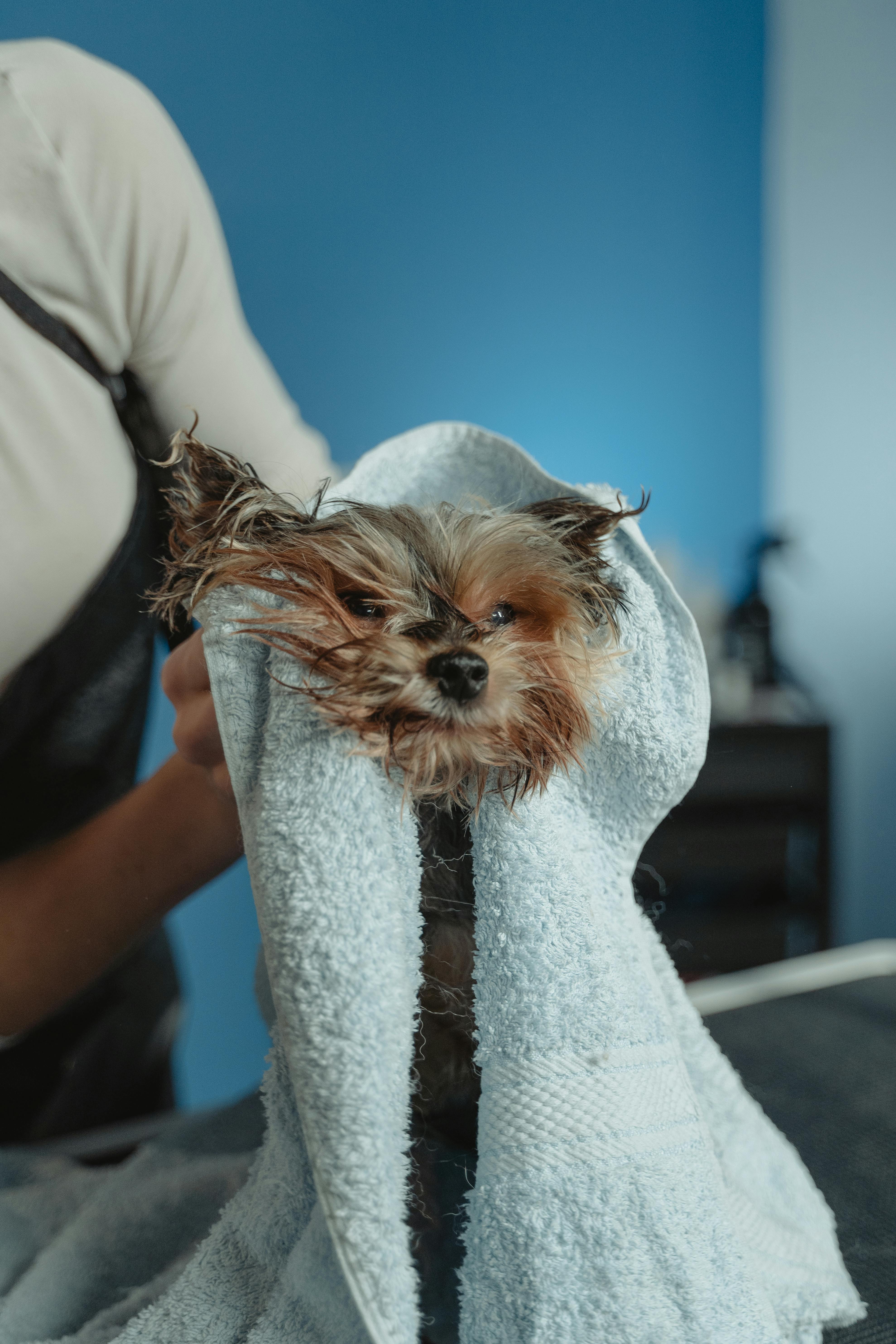 \n\n
\n\nHave you ever wondered why dogs have wet noses? This might seem like a simple question, but the answer is both fascinating and complex. The moistness of a dog’s nose is not just a random trait; it’s actually a result of evolution, biology, and behavior. Understanding the science behind a dog’s wet nose can reveal a lot about their health, senses, and even their emotions. Let’s dive into the reasons that make dog noses so special!
\nThe Anatomy of a Dog's Nose
\nA dog's nose is more than just a cute feature; it’s a sophisticated organ. The outer layer of the nose is called the rhinarium, which is the part that you see. This layer is moist because it has glands that produce mucus. This mucus not only keeps the nose wet but also helps in capturing scent particles from the air.
\n- \n
- Nasal Glands: These glands secrete moisture and help in scent detection. \n
- Scent Receptors: Dogs have up to 300 million scent receptors in their noses, compared to about 5 million in humans. This makes their sense of smell incredibly powerful. \n
- Temperature Regulation: A wet nose can help cool a dog’s body temperature, especially during hot weather. \n
Why is a Wet Nose Important?
\nThe wetness of a dog’s nose serves several important functions:
\n- \n
- Enhanced Smelling Ability: The moisture on the nose captures scent particles in the air, increasing a dog’s ability to smell. \n
- Health Indicator: Generally, a wet nose is associated with a healthy dog. If a dog’s nose becomes dry or cracked, it could indicate illness or dehydration. \n
- Thermal Regulation: Dogs do not sweat like humans; instead, they rely on panting and their noses to help regulate body temperature. \n
Historical Perspectives on Dog Noses
\nHistorically, dogs have been companions to humans for thousands of years. The evolution of their noses has been influenced by their roles as hunters, herders, and companions. Ancient cultures valued dogs for their keen sense of smell, which was essential for hunting and tracking.
\n- \n
- Ancient Hunting Tools: Dogs were used in ancient civilizations to track game and find food due to their incredible olfactory senses. \n
- Cultural Beliefs: In many cultures, a dog’s nose was seen as a sign of its health and ability to perform tasks. \n
Comparisons with Other Animals
\nWhen comparing a dog's nose with other animals, it becomes clear just how special it is:
\n| Animal | \nScent Receptors | \nNose Moisture | \n
|---|---|---|
| Dogs | \n300 million | \nHigh | \n
| Cats | \n50-80 million | \nModerate | \n
| Humans | \n5 million | \nLow | \n
| Elephants | \n2,000 genes (smell) | \nMoist during activity | \n
As you can see, dogs are equipped with a nose that is far superior in terms of scent detection compared to many other species.
\nPractical Examples of Nose Functionality
\nYou may notice your dog’s nose changing throughout the day or season. Wetness can vary based on several factors:
\n- \n
- Weather: Hot and dry conditions can lead to a drier nose, while cooler, humid weather keeps it moist. \n
- Activity Level: After exercise, a dog’s nose might be wetter due to increased panting and body heat. \n
- Health Status: Regular vet check-ups are important; your dog’s nose can be an indicator of their overall health. \n
Common Misconceptions
\nThere are plenty of myths surrounding a dog’s nose that need clarification. For example:
\n- \n
- A Cold Nose Means a Sick Dog: This is not true! A dog’s nose temperature can vary and does not necessarily indicate health. \n
- All Dogs Have Wet Noses: While most dogs do, some breeds may naturally have drier noses due to their genetics. \n
What You Should Know
\nWhen caring for your dog, it’s important to monitor their nose as part of their overall health. Here are some tips to keep in mind:
\n- \n
- Hydration: Ensure your dog has access to fresh water, especially in warm weather. \n
- Regular Check-ups: Visit the vet regularly to catch any potential health issues early. \n
- Observe Changes: If you notice any significant changes in your dog’s nose, such as persistent dryness or cracks, consult your veterinarian. \n
Understanding the science behind a dog's wet nose can enhance the way you care for your furry friend. It’s more than just a cute feature; it’s a crucial part of their health and well-being. Each time you give your dog a pat on the head and feel that cool, wet nose, remember that it’s a symbol of their incredible biology and your bond with them.
\n\n5 Fascinating Reasons Why Dogs Have Wet Noses and What It Means
\n\n\n\nDogs are often considered as man's best friend, and one of the most curious traits they have is their wet noses. Many dog owners have probably wondered, "why do dogs have wet noses?" There’s more to this quirky feature than just a fun fact. It’s actually tied to their biology and behavior. Let’s dive into 5 fascinating reasons why dogs have wet noses and what it really means.
\n1. Enhanced Sense of Smell
\nOne of the primary reasons for a dog’s wet nose is it helps enhance their sense of smell. The moisture on their nose helps to capture scent particles from the air. This makes it easier for them to identify smells, which is essential for their survival and communication.
\n- \n
- Dogs have approximately 220 million scent receptors, compared to a human's 5 million. \n
- Wet noses also help to dissolve scent particles, allowing for better detection. \n
2. Temperature Regulation
\nBelieve it or not, a dog's wet nose plays a role in regulating their body temperature. Unlike humans, who sweat to cool down, dogs don’t have the same luxury. They primarily rely on panting and the moisture in their noses to keep cool.
\n- \n
- When a dog is overheated, the moisture evaporates off their nose, helping to lower their body temperature. \n
- This means that a wet nose can indicate a healthy dog, as it shows their body is functioning properly. \n
3. Communication Tool
\nDogs communicate in many ways, and their wet noses play a part in that too! When dogs greet each other, they often sniff each other’s noses. This behavior is how they gather information about one another, like their health, mood, and even what they’ve eaten.
\n- \n
- A wet nose can signal to other dogs that they are friendly and approachable. \n
- Different dogs have different scents, and sniffing helps establish social hierarchies and relationships. \n
4. Natural Lubrication
\nThe moisture on a dog’s nose isn’t just for show; it serves the purpose of keeping their nose healthy. The wetness helps to keep the skin on their noses hydrated, preventing cracking and discomfort.
\n- \n
- A dry nose can sometimes indicate dehydration or illness. \n
- Regularly checking your dog’s nose can be a simple way to monitor their health. \n
5. Instinctual Behavior
\nDogs have evolved over thousands of years, and their wet noses are a result of instinctual behavior passed down through generations. In the wild, a wet nose was crucial for hunting and survival. It helped them track prey and navigate their environment.
\n- \n
- Puppies are born with a wet nose, which is a sign of vitality and health. \n
- As dogs age, their noses can sometimes become drier, but this is not always a cause for concern. \n
Quick Reference Table: Reasons for Wet Noses
\n| Reason | \nExplanation | \n
|---|---|
| Enhanced Sense of Smell | \nHelps capture scent particles for better detection. | \n
| Temperature Regulation | \nAids in cooling down the body through evaporation. | \n
| Communication Tool | \nSignals friendliness and gathers information about others. | \n
| Natural Lubrication | \nKeeps the nose hydrated, preventing cracking. | \n
| Instinctual Behavior | \nEssential for survival and hunting in wild ancestors. | \n
Comparing Wet Noses to Dry Noses
\n- \n
- Wet Nose: Indicates hydration, health, and active scent detection. \n
- Dry Nose: Could indicate illness, dehydration, or simply normal variations in moisture levels. \n
Practical Examples of Nose Health
\n- \n
- Normal Wetness: Your dog’s nose is moist and cool; this is usually a good sign. \n
- Dry and Cracked: If your dog’s nose is dry for an extended period, consider consulting a vet. \n
- Persistent Wetness: Excessively wet noses might indicate allergies or infections. \n
Understanding why dogs have wet noses gives owners insight into their furry friends' health and behaviors. It’s a fascinating aspect that connects us more deeply to our pets. Next time you lean down to give your pup a scratch, take note of that wet nose! It’s not just a cute quirk; it’s a window into their world.
\nBy recognizing these traits and what they mean, dog owners can better care for and bond with their beloved companions.
\n\nIs a Wet Nose a Sign of Health? Uncovering the Truth About Your Dog's Snout
\n\n\nIs a wet nose a sign of health? This question has puzzled dog owners for ages. Many people think that a moist snout signals a happy and healthy pup. But is this really the case? In this article, we will uncover the truth about your dog's snout and explore why do dogs have wet noses. You might be surprised by what you find out!
\nWhy Do Dogs Have Wet Noses?
\nDogs noses are wet for a few reasons, and they play an important role in their overall health. Here is a list of some of the reasons why your dog's nose might be wet:
\n- \n
- \n
Cooling Mechanism: Just like humans sweat to cool down, dogs can use their noses to regulate their body temperature. The moisture on their noses evaporates, helping to keep them cool.
\n \n - \n
Scent Enhancement: Dogs are known for their incredible sense of smell. A wet nose helps capture scent particles in the air, making it easier for them to detect smells. The moisture acts like a sponge, improving their olfactory function.
\n \n - \n
Health Indicator: While a wet nose is often seen as a sign of health, it’s not the only indicator. Dogs can have a wet nose and still be unwell, and vice versa.
\n \n
The Science Behind the Wet Nose
\nDogs have specialized glands in their noses that produce moisture. This helps them gather and identify scents better. The wetness also helps to keep their noses clean, which is essential for their sense of smell.
\n- \n
- \n
Nasal Glands: These glands secrete mucus that keeps the nose moist. This moisture is essential for trapping scent particles.
\n \n - \n
Temperature Regulation: During hot weather, a wet nose can help dogs cool down. The evaporation of moisture on their noses helps to lower their body temperature.
\n \n - \n
Behavioral Aspect: Dogs often lick their noses, which can add to the moisture. This behavior might be more common when they are curious or excited.
\n \n
Is a Wet Nose Always a Sign of Health?
\nThough a wet nose can be a positive sign, it doesn't always mean your dog is healthy. Here are some indicators to consider:
\n- \n
- \n
Temperature: A dog’s nose can be warm or dry for various reasons. For instance, right after a nap, it may be warm but doesn’t necessarily indicate illness.
\n \n - \n
Other Symptoms: If your dog has a wet nose but is showing signs of lethargy, coughing, or loss of appetite, it’s essential to consult your veterinarian.
\n \n - \n
Breed Differences: Certain breeds have different nose characteristics. Some breeds may naturally have drier noses.
\n \n
Common Myths About Dog Noses
\nThere are a few myths surrounding dog noses that are worth debunking. Here are some common ones:
\n- \n
- \n
Myth 1: A warm nose means a sick dog: While many people believe a warm nose indicates illness, it’s not always true. Dogs can have warm noses for many reasons.
\n \n - \n
Myth 2: All healthy dogs have wet noses: As mentioned earlier, some healthy dogs can have dry noses, especially depending on their breed or environmental factors.
\n \n - \n
Myth 3: Dogs don’t need to drink water if their noses are wet: Moist noses don’t replace the need for hydration. Always ensure your pup has access to fresh water.
\n \n
Practical Tips for Dog Owners
\nTo ensure your dog remains happy and healthy, consider these practical tips:
\n- \n
- \n
Regular Vet Check-ups: Regular visits to the veterinarian can help monitor your dog's overall health, including nose condition.
\n \n - \n
Stay Hydrated: Always make sure your dog has access to clean, fresh water. Hydration is key for keeping their nose moist.
\n \n - \n
Watch for Changes: Keep an eye on your dog’s nose and overall behavior. If you notice any changes, don’t hesitate to reach out to a vet.
\n \n - \n
Grooming Matters: Regular grooming can help your dog’s skin and coat health, which can indirectly affect their nose.
\n \n - \n
Outdoor Activities: Engage your dog in outdoor activities to stimulate their sense of smell and keep them active.
\n \n
Understanding why do dogs have wet noses is fascinating and can help you care for your furry friend. While a wet nose can indicate health, it’s not the sole indicator of well-being. Always listen to your dog's overall health signals and consult your vet when in doubt. By keeping these points in mind, you can ensure your dog stays happy, healthy, and ready for their next adventure!
\n\nThe Role of a Wet Nose in a Dog's Sense of Smell: A Deep Dive
\n\n \n\n
\n\nThe fascinating world of dogs is full of mysteries, and one of the most intriguing aspects is their sense of smell. Ever wondered why do dogs have wet noses? This question leads us to explore the role of a wet nose in a dog’s remarkable olfactory abilities. Dogs, with their powerful noses, can detect scents that humans can't even imagine. But what part does that dampness play?
\nUnderstanding the Wet Nose Phenomenon
\nSo, let's start with the basics. A dog’s nose is often moist, and this is not just for show. The wetness helps to enhance their sense of smell. Here’s how:
\n- \n
- Moisture retention: The damp surface of a dog’s nose traps scent particles, making it easier for them to pick up on various smells. \n
- Temperature regulation: A wet nose helps cool down a dog’s body. Dogs don’t sweat like humans do; instead, they rely on panting and the moisture on their noses to help regulate their body temperature. \n
- Sense of taste: Dogs also use their noses to taste things. The moisture helps dissolve scent particles which are then absorbed by the olfactory receptors. \n
Evolution and Historical Context
\nDogs have been companions to humans for thousands of years. Their ancestors, wolves, were skilled hunters, and their keen sense of smell was crucial for survival. Over time, dogs have been bred for specific tasks, including hunting, herding, and companionship.
\n- \n
- Domestication: When dogs became domesticated, their sense of smell remained one of their most important traits. \n
- Working dogs: Various breeds have been developed for specialized roles, such as search and rescue, detection of drugs, or even medical alerts. \n
The Anatomy of a Dog’s Nose
\nUnderstanding why do dogs have wet noses involves diving into their anatomy. The structure of a dog’s nose is specially designed for olfactory functions:
\n- \n
- Olfactory receptors: Dogs have around 220 million olfactory receptors compared to a human's 5 million. This is a massive difference! \n
- Jacobsen's organ: Also known as the vomeronasal organ, this helps dogs detect pheromones, which are important for communication with other dogs and animals. \n
- Nasal turbinates: These are thin bones in the nasal cavity that increase the surface area for scent detection. \n
The Role of Temperature
\nThe temperature of a dog's nose can also tell you a lot about their health. A normal wet nose is usually a sign of hydration and health. However, if a dog’s nose is dry and cracked, it could indicate dehydration or illness. Here’s a quick reference:
\n- \n
- Wet Nose: Healthy, hydrated dog. \n
- Dry Nose: Possible dehydration or fever. \n
- Warm Nose: Could indicate a rise in body temperature or illness. \n
Fun Facts About Dog Noses
\n- \n
- Unique Patterns: Just like human fingerprints, every dog’s nose print is unique. \n
- Scent Discrimination: Dogs can differentiate between various scents and can even detect emotional states through olfaction. \n
- Nose Work: Some dogs participate in nose work trials, where they use their sense of smell to find hidden objects. \n
Practical Implications
\nUnderstanding the significance of a wet nose can help dog owners be more aware of their pet's health and well-being. Here are some practical tips:
\n- \n
- Regular Hydration: Ensure your dog drinks enough water, especially in hot weather. \n
- Health Checks: Monitor your dog’s nose. If it changes dramatically, consult a vet. \n
- Training Exercises: Engage in scent games to stimulate your dog’s natural abilities. \n
Comparisons to Human Senses
\nWhen you compare a dog’s sense of smell to a human's, the differences are astounding. Here’s a quick comparison:
\n| Aspect | \nDogs | \nHumans | \n
|---|---|---|
| Olfactory Receptors | \n~220 million | \n~5 million | \n
| Scent Detection | \nCan identify scents in parts per trillion | \nCan identify scents in parts per million | \n
| Nose Shape | \nMoist and broad | \nDry and less pronounced | \n
In conclusion, dogs having wet noses is not merely a charming trait but a vital component of their extraordinary ability to smell. The wetness of their noses plays a key role in trapping scent particles, temperature regulation, and even taste. As we continue to learn about our canine companions, understanding their biological traits can enhance the bond we share with them and contribute to their overall well-being. So next time you see your furry friend with a moist nose, remember that it’s not just cute — it’s a sign of their remarkable sensory capabilities!
\n\nCurious Canines: How a Wet Nose Helps Dogs Communicate and Interact
\n\n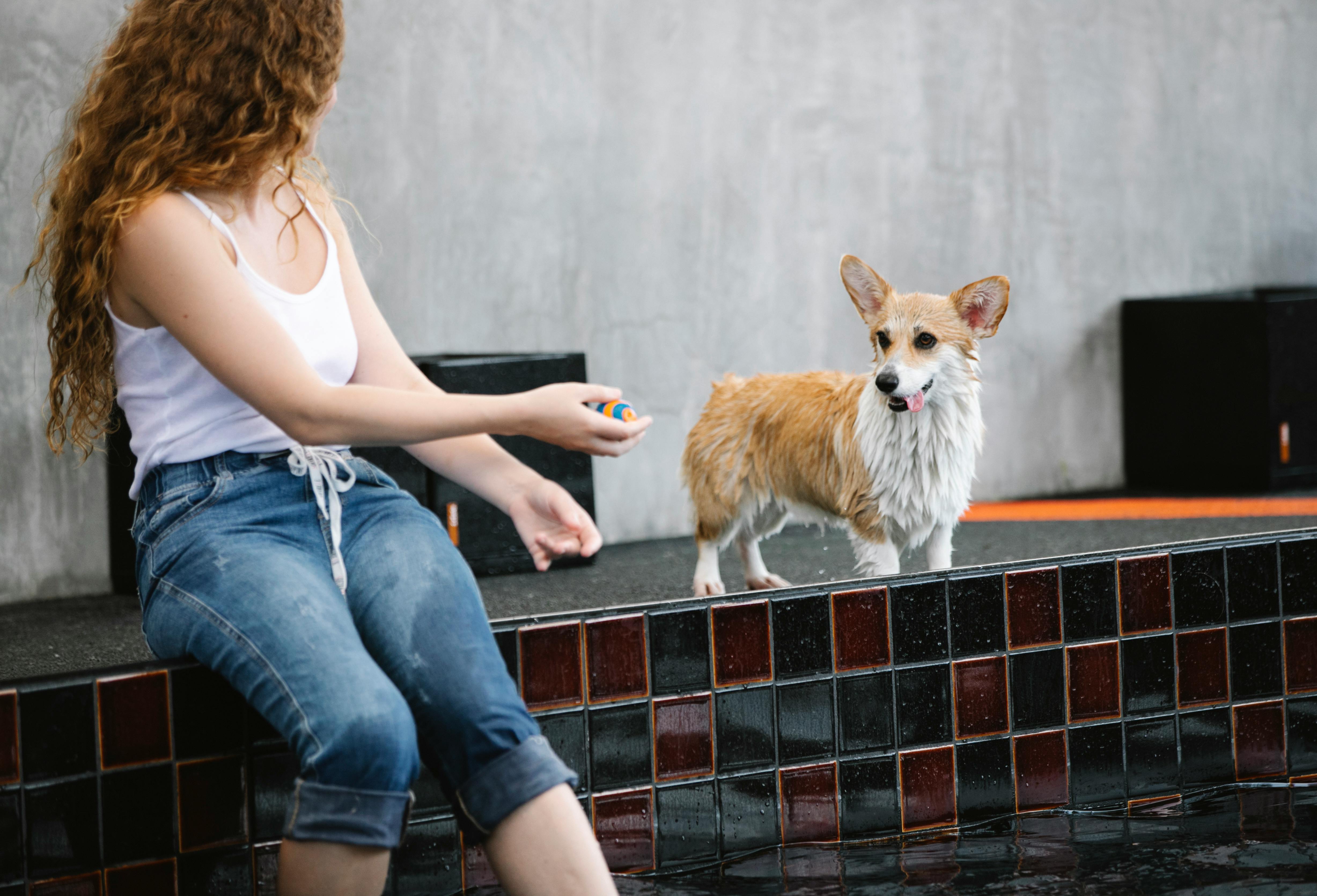 \n\n
\n\nIn the world of our furry companions, one of the most intriguing features of dogs is their wet noses. You might have pondered, why do dogs have wet noses? It's not just a quirky trait; it serves multiple purposes that enhance their ability to communicate and interact with the world around them. The truth is, a wet nose is more than just a cute characteristic—it’s a vital part of a dog's sensory system and social interactions.
\nThe Science Behind Wet Noses
\nDogs have wet noses primarily because of their unique biology. Here's a breakdown of the reasons why:
\n- \n
- Cooling Mechanism: Dogs don't sweat like humans. They cool themselves down through panting and by having moisture on their noses. The wetness helps to regulate their body temperature. \n
- Enhanced Smell: A wet nose improves a dog's sense of smell. The moisture helps to capture scent particles in the air, making it easier for them to detect different odors. This is crucial for their survival instincts. \n
- Communication Tool: Dogs use their noses to communicate with each other and with humans. A wet nose can indicate excitement, affection, or even stress. It’s their way of saying “hello” or “I’m here.” \n
- Health Indicator: The state of a dog’s nose can be an indicator of their health. A dry nose might suggest dehydration or illness, while a wet nose is often associated with a happy and healthy dog. \n
Historical Context of Dogs and Their Noses
\nDogs have been companions to humans for thousands of years. Historically, their ability to smell has been utilized for various purposes, including hunting, herding, and detecting danger. Ancient civilizations recognized the value of a dog's sense of smell, leading to their domestication.
\n- \n
- In ancient Egypt, dogs were revered and often depicted in artwork. \n
- The Romans used dogs for hunting and as guard animals. \n
- In modern times, dogs are trained to assist in search and rescue operations, drug detection, and even medical alerts. \n
Fun Facts About Dogs' Wet Noses
\nDid you know that not all dogs have the same type of wetness on their noses? Here’s some fun tidbits about canine noses:
\n- \n
- Nose Print Uniqueness: Just like human fingerprints, each dog’s nose print is unique. This could be used for identification! \n
- Size Matters: Larger breeds often have wetter noses compared to smaller breeds, but this isn’t a strict rule. \n
- Temperature Sensitivity: Dogs’ noses are more sensitive to temperature changes, which helps them detect heat sources or changes in their environment. \n
How Wet Noses Impact Dog Interactions
\nWet noses are a crucial part of how dogs interact socially. Here are some ways in which a wet nose can affect their relationships with humans and other dogs:
\n- \n
- Greeting Rituals: When dogs meet each other, they often sniff noses. This is their way of gathering information about each other. The moisture on their noses helps them exchange scents. \n
- Affection Display: A wet nose nudging you can mean a dog is seeking attention or affection. It’s their soft way of saying they love you. \n
- Stress Signals: Sometimes, if a dog’s nose is unusually dry, it may indicate stress or discomfort. Keeping an eye on your dog’s nose can alert you to their emotional state. \n
Practical Insights for Dog Owners
\nAs a dog owner, understanding the importance of your dog's wet nose can help you care for them better. Here are some tips to keep in mind:
\n- \n
- Regular Check-ups: Monitor your dog's nose for changes. A sudden dryness or cracking could signal a health issue. \n
- Hydration: Ensure your dog is well-hydrated, especially during hot weather, as this can affect the moisture of their nose. \n
- Watch for Signs: If your dog’s behavior changes, consider their nose condition. It can be a reflection of their overall health. \n
Summary
\nSo, why do dogs have wet noses? It’s a fascinating truth that intertwines biology, behavior, and history. These moist noses are not merely for show; they play essential roles in cooling, smelling, and communicating. Observing your dog’s nose can provide insights into their health and emotional state, making it a vital aspect of responsible pet ownership.
\nIn the end, understanding the significance of a wet nose can enhance the bond between you and your curious canine companion. Embrace the wet-nosed moments—they're not just adorable; they're packed with meaning!
\n\nWet Noses and Dog Behavior: What Your Pup's Snout is Telling You
\n\n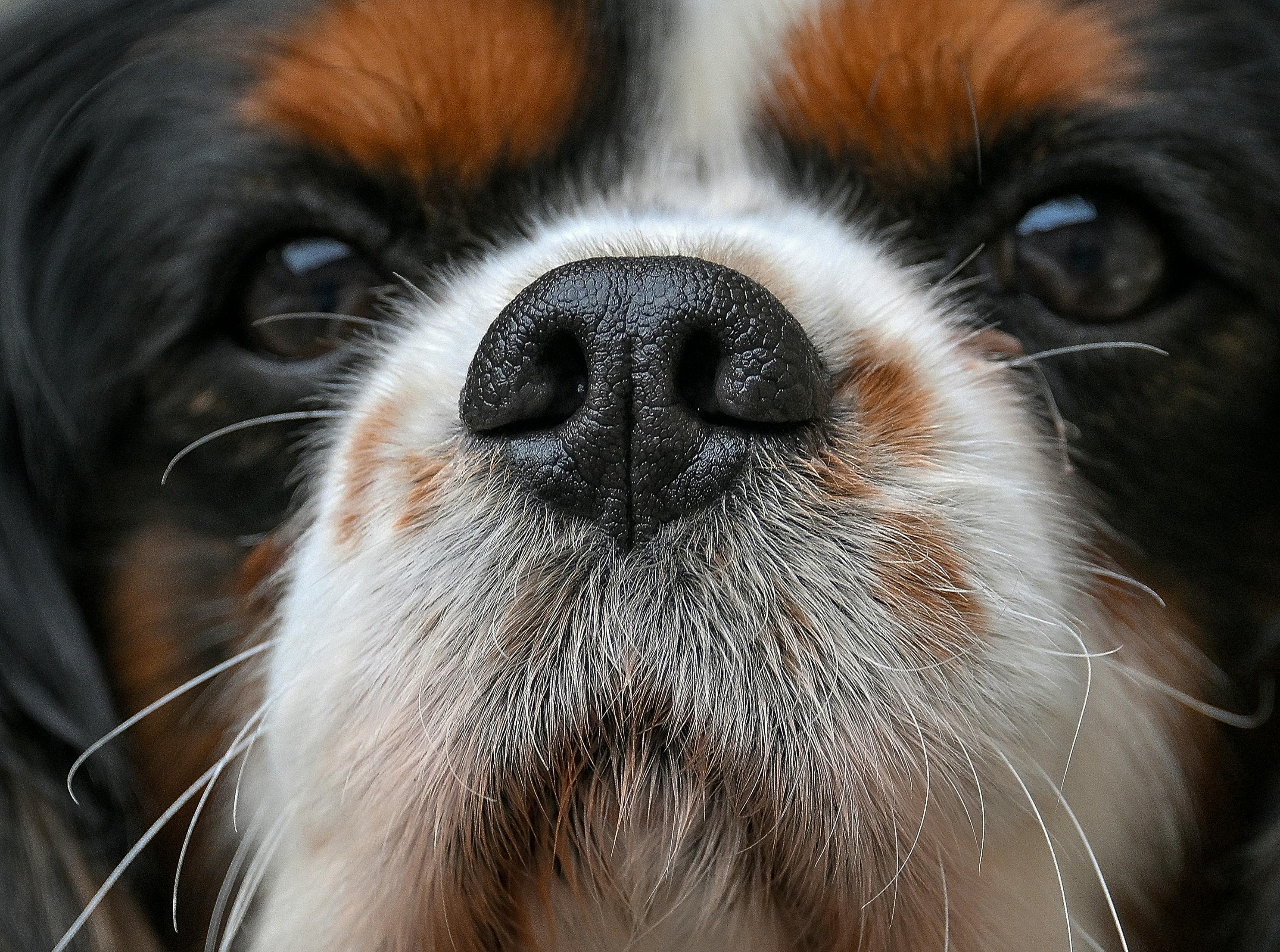 \n\n
\n\nUnderstanding your dog’s behavior can be a puzzling experience, especially when it comes to something as simple as their wet noses. You may have noticed that your pup’s snout is often wet, and you might wonder, why do dogs have wet noses? This characteristic is more than just a quirky trait; it plays an important role in their health and communication. Let’s dive into the fascinating truth behind why dog noses are wet and what they can tell us about our furry friends.
\nThe Science Behind Wet Noses
\nDog noses are wet for a variety of reasons. The moisture serves several practical purposes:
\n- \n
- \n
Enhanced Smell: A wet nose helps to trap scent particles in the air, improving a dog's ability to smell. Dogs have an extraordinary olfactory system, and their wet noses assist in this. When the nose is moist, it can absorb more scent molecules, making your dog an even better scent detective.
\n \n - \n
Temperature Regulation: Just like humans sweat, dogs also need a way to regulate their body temperature. A wet nose can help in cooling down their body. When they pant, the moisture on their nose helps to evaporate heat.
\n \n - \n
Health Indicator: The condition of a dog's nose can be a reflection of their health. A healthy dog usually has a moist, cool nose, while a dry or cracked nose can indicate dehydration or illness.
\n \n
Interesting Facts About Dog Noses
\nDid you know that a dog's sense of smell is 40 times better than a human's? This incredible ability is largely due to their wet noses. Here are some interesting facts:
\n- \n
- \n
Dogs have about 300 million scent receptors in their noses, whereas humans have only about 5 million.
\n \n - \n
The texture of a dog’s nose is unique, much like a human fingerprint. No two dog noses are alike!
\n \n - \n
Dogs can detect certain diseases, including cancer and diabetes, by smelling breath or skin samples.
\n \n
Why Do Dogs Lick Their Noses?
\nYou might often see your dog licking their nose. This behavior is normal and can be explained by a few reasons:
\n- \n
- \n
Cleaning: Dogs lick their noses to keep them clean and moist. This is important for maintaining their sense of smell.
\n \n - \n
Stress or Anxiety: Sometimes, dogs lick their noses when they are nervous or uncomfortable. If you notice this behavior often, it might be a sign to check in on their emotional state.
\n \n - \n
Communication: Licking can also be a way for dogs to communicate. It can signify submission or a desire to calm themselves in a stressful situation.
\n \n
Common Myths About Dog Noses
\nThere are many myths surrounding the wet noses of dogs. Let’s debunk a few:
\n- \n
- \n
Myth: A warm, dry nose means a dog is sick.
\n- \n
- Truth: While a consistently warm or dry nose can be a sign of illness, it is not a definitive indicator. Dogs can have various nose temperatures depending on activity, environment, and health. \n
\n - \n
Myth: Dogs can’t see color.
\n- \n
- Truth: While dogs do see colors differently than humans, they can see some colors, particularly blue and yellow. \n
\n - \n
Myth: All dogs have wet noses all the time.
\n- \n
- Truth: It’s normal for a dog's nose to be dry sometimes, especially in hot weather or after sleeping. \n
\n
Practical Tips for Nose Care
\nMaintaining your dog’s nose is essential for their overall health. Here are some tips:
\n- \n
- \n
Hydration: Ensure your dog has access to fresh water at all times. Dehydration can lead to a dry nose.
\n \n - \n
Regular Checkups: Visit your veterinarian regularly to monitor your dog’s health and nose condition.
\n \n - \n
Avoid Irritants: Keep your dog away from harsh chemicals or substances that might irritate their nose.
\n \n - \n
Moisturize if Needed: If your dog has a persistently dry nose, consult your vet for appropriate moisturizers or treatments.
\n \n - \n
Observe Changes: Keep an eye on any significant changes in your dog’s nose, such as persistent dryness, cracks, or discoloration.
\n \n
In summary, the wet noses of dogs are more than just an adorable feature; they serve crucial roles in health and communication. Understanding the science, myths, and care related to dog noses can enhance your bond with your furry companion. So next time you pet your pup, remember that their wet nose is not just cute; it tells you a lot about their well-being!
\n\n7 Surprising Facts About Dog Noses: Why Wetness Matters More Than You Think
\n\n \n\n
\n\nDogs noses are one of the most fascinating and often misunderstood features of our furry friends. You might think they are just cute and wet, but there's a lot more going on than meets the eye. Let's dive into 7 surprising facts about dog noses that explain why their wetness matters more than you think.
\nThe Science of Wet Noses
\nYou ever notice that dogs’ noses are always wet? It turns out, the moisture on a dog’s nose serves a purpose. The wetness helps them to absorb scent chemicals better. When the nose is moist, those scent particles stick to it, letting dogs smell things more clearly.
\n- \n
- Enhanced Scent Detection: A wet nose increases olfactory reception. \n
- Temperature Regulation: Moisture helps cool down their body. \n
- Health Indicator: Changes in wetness can indicate health issues. \n
Why Do Dogs Have Wet Noses?
\nWet noses are not just a quirk of nature; they are vital for a dog's sense of smell. Unlike humans, who primarily rely on vision, dogs have a highly developed sense of smell, estimated to be 10,000 to 100,000 times more sensitive than ours. The wetness helps them capture the scent particles in the air.
\n- \n
- Sniffing Mechanism: Dogs have a unique structure in their noses that separates air into different chambers, enhancing their ability to analyze scents. \n
- Scent Memory: Dogs can remember scents for years. They can recognize their owner’s scent even after a long time apart. \n
Historical Context of Dog Noses
\nDogs have evolved from wolves, and their noses have also adapted over thousands of years. Early domesticated dogs likely had wet noses for a survival advantage, allowing them to detect food and predators more effectively.
\n- \n
- Evolutionary Advantage: Wet noses likely helped early dogs find food more easily. \n
- Selective Breeding: Different breeds have different nose shapes, affecting how they smell. For instance, Bloodhounds have longer noses, which helps them track scents over long distances. \n
Fun Facts About Dog Noses
\n- \n
- Unique Nose Prints: Just like human fingerprints, each dog has a unique nose print. They can be used to identify them! \n
- Temperature Regulation: A dog’s nose helps them cool down. When a dog pants, moist air from their nose helps lower their body temperature. \n
- Health Barometer: A dog’s nose can be a health indicator. A dry, hot nose may signal a fever or dehydration, while a cold, damp nose is typically healthy. \n
- Breed Differences: Different breeds have varying nose shapes and sizes, affecting how they smell. For instance, hounds tend to have longer noses compared to terriers. \n
- Scent Discrimination: Dogs can differentiate between scents even if they are mixed. They are used in search and rescue operations thanks to this ability. \n
- Scent Memory: Dogs have an impressive memory for scents. They can remember smells for years, and it guides their behavior and interactions. \n
- Nose Color: A dog’s nose can change color due to sunlight exposure or health issues, indicating something might be off. \n
Why Wetness Matters More Than You Think
\nWet noses are crucial for a dog's survival. The moisture not only aids in scent detection but also helps them cool off. Dogs don’t sweat like humans; they rely on panting and their noses for temperature regulation.
\n- \n
- Sweat Glands: Dogs have very few sweat glands. Most of their temperature regulation happens through their nose and panting. \n
- Health Monitoring: If your dog's nose suddenly becomes dry, it might be time for a vet visit. Other health issues can also manifest through changes in the nose's appearance. \n
Caring for Your Dog’s Nose
\nTaking care of your dog's nose is important, especially in different weather conditions. Here are some practical tips:
\n- \n
- Keep it Moisturized: In dry conditions, consider using dog-safe nose balm to prevent cracking. \n
- Regular Checks: Inspect your dog’s nose for any signs of injury or unusual changes in color or texture. \n
- Hydration: Ensure your dog is well-hydrated, as dehydration can lead to a dry nose. \n
By understanding the fascinating truth behind dog noses, you can better appreciate how important they are for their overall health and well-being. Dogs communicate and interact with the world largely through their noses, and keeping them healthy is crucial for their happiness and longevity.
\n\nHow Weather Affects Your Dog's Nose: Insights into Canine Physiology
\n\n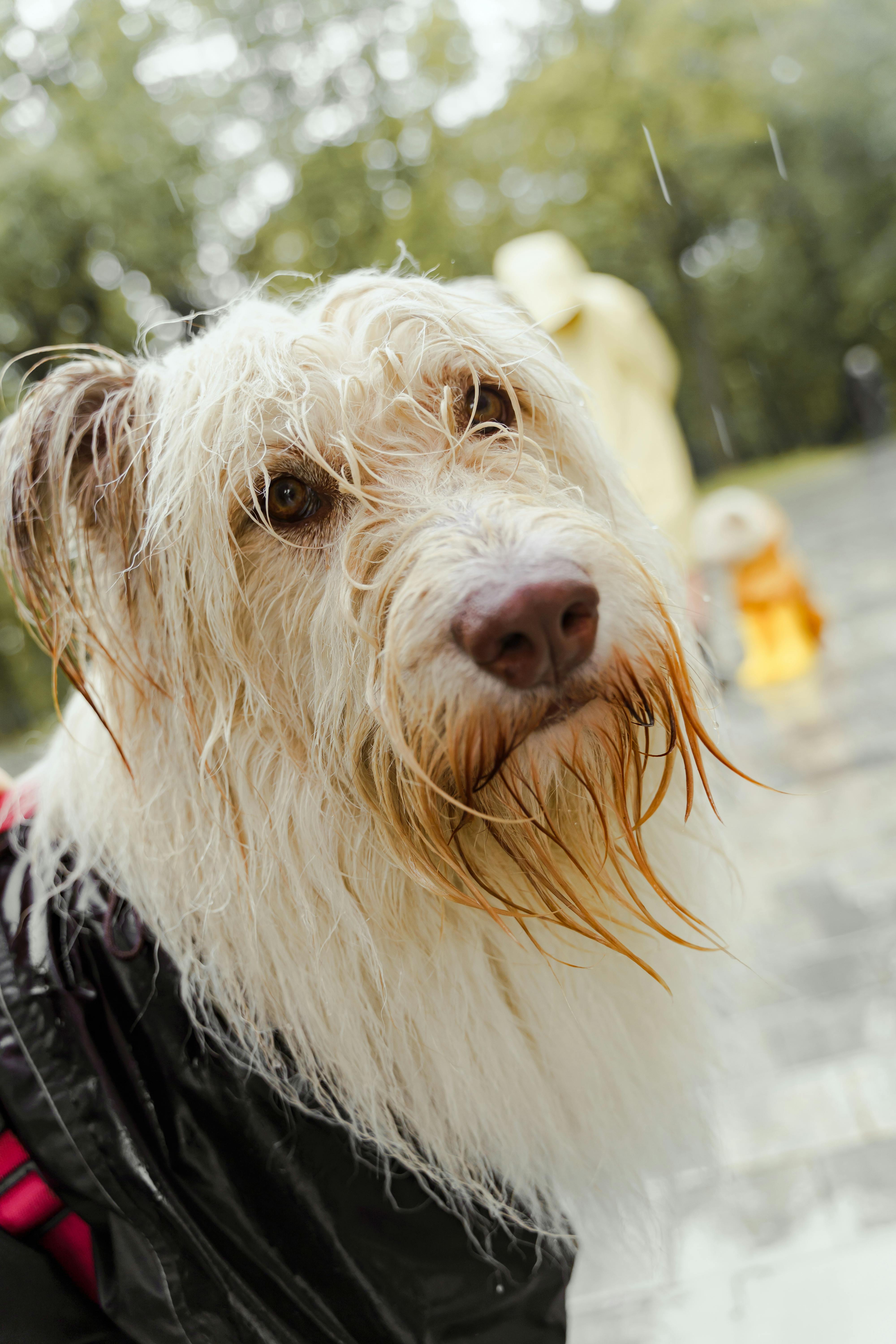 \n\n
\n\nEver wonder, why do dogs have wet noses? This question has puzzled many dog owners and animal lovers. There’s a fascinating science behind it, one that intertwines with canine physiology and the environment. Dogs’ noses are not just a cute feature; they play a vital role in their health and sensory perception. But did you know that the weather can have a significant impact on your dog's nose? Let’s dive into this intriguing topic to understand how weather affects your dog’s nose and the reasons behind that delightful wetness.
\nThe Anatomy of a Dog's Nose
\nFirst off, it’s important to understand how a dog’s nose works. Dogs have a complex olfactory system that allows them to smell things humans can’t even imagine. The wetness of a dog’s nose is part of this system. Here are some key points about their anatomy:
\n- \n
- Moisture helps with scent absorption: A wet nose can absorb scent molecules from the environment more effectively. This makes them better at detecting smells. \n
- Temperature regulation: Dogs sweat through their noses, which helps regulate their body temperature, especially on hot days. \n
- Health indicator: A sudden change in the moisture level of a dog’s nose can indicate health issues. A dry nose might suggest dehydration or illness. \n
Why Do Dogs Have Wet Noses?
\nNow, let’s answer the burning question: Why do dogs have wet noses? The answer lies in their evolutionary biology and how they interact with their environment. Here’s a breakdown of the reasons:
\n- \n
- \n
Scent Detection: As mentioned earlier, moisture on the nose aids in scent detection. It helps to trap scent particles, allowing dogs to pick up smells better than they could with a dry nose.
\n \n - \n
Cooling Mechanism: Dogs cannot sweat like humans. Their primary way of cooling off is through panting and the dampness of their noses. The moisture evaporates, helping to keep them cool.
\n \n - \n
Health and Hydration: A wet nose can indicate that a dog is well-hydrated. If a dog’s nose feels excessively dry, it might be time to check their water intake.
\n \n - \n
Communication: Dogs communicate their mood through body language, including their noses. A wet, cool nose can indicate a relaxed and happy dog.
\n \n
How Weather Influences Your Dog's Nose
\nThe weather not only affects humans but dogs too. Here's how different weather conditions can impact the wetness of a dog’s nose:
\n- \n
- Hot Weather: During hot days, a dog’s nose may dry out faster. If your dog’s nose is dry and they are panting excessively, they might be overheating. \n
- Cold Weather: In cold and dry conditions, a dog’s nose can also become dry. Frostbite is a real concern for some breeds, particularly those with less fur on their noses. \n
- Humidity: High humidity levels often keep dogs’ noses wet, making it easier for them to smell. However, it can also lead to issues like fungal infections if not managed properly. \n
Signs of a Healthy Nose
\nYour dog’s nose can tell you a lot about its health. Here’s a quick list of what to look for:
\n- \n
- Moisture Level: Generally, a healthy dog nose is moist but not excessively wet. \n
- Color: A healthy nose should be a consistent color. Sudden changes could indicate health issues. \n
- Cracks or Sores: These can be signs of dehydration or other health problems. \n
Practical Tips For Dog Owners
\nHere are some practical tips to ensure your dog’s nose stays healthy, regardless of the weather:
\n- \n
- Hydration: Always provide fresh water, especially during hot days. Dehydration can lead to a dry nose. \n
- Check for Irritants: Sometimes, environmental factors like pollen or dust can irritate a dog’s nose. Keep an eye out for any unusual behavior. \n
- Regular Vet Visits: Keep up with regular check-ups to catch any potential health issues early. \n
Interesting Dog Nose Facts
\nDid you know that each dog’s nose print is unique, much like human fingerprints? Here are a few more fun facts:
\n- \n
- Dogs have up to 300 million scent receptors, compared to about 6 million in humans. \n
- The wetness of their noses can change throughout the day based on activity levels. \n
- Certain breeds, like Bloodhounds, are known for their exceptional sense of smell, thanks to their unique nose structure. \n
Understanding why dogs have wet noses and how weather affects them can enhance your bond with your furry friend. By paying attention to their nose and overall wellbeing, you can ensure they remain healthy and happy in any kind of weather. So next time you notice your dog's wet nose, you can appreciate the fascinating science behind it!
\n\nThe Connection Between Dog Noses and Temperature Regulation: What Pet Owners Must Know
\n\n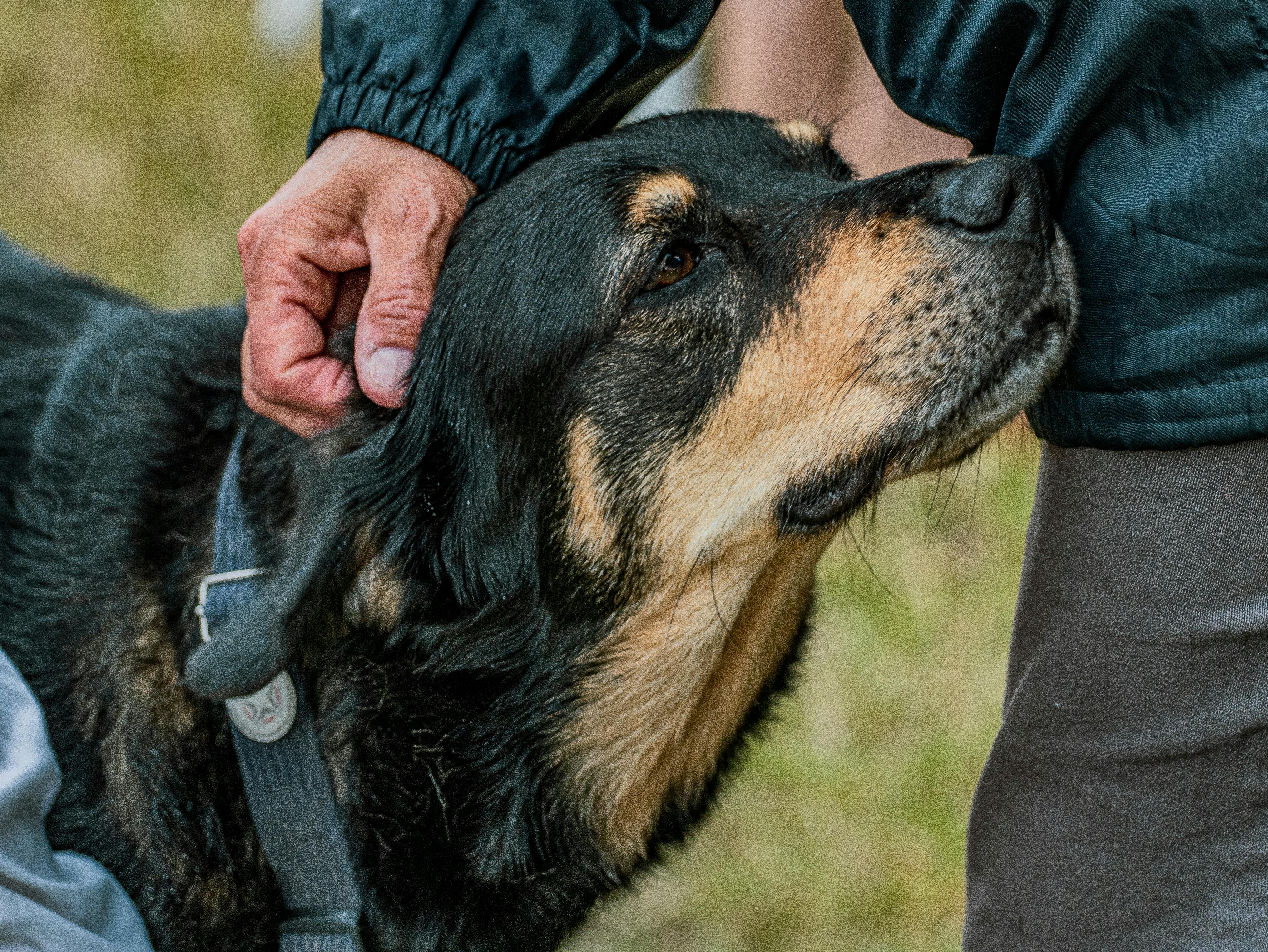 \n\n
\n\nHave you ever wondered why your dog's nose feels cold and wet? It's like a little mystery every pet owner should be curious about. There's actually a fascinating connection between dog noses and how they regulate temperature, which is something every pet owner must know. So, let's dive into the interesting world of canine noses and discover why do dogs have wet noses.
\nUnderstanding the Anatomy of a Dog's Nose
\nA dog’s nose is not just for show. It's a complex organ that plays a crucial role in their everyday lives. The moist surface of a dog’s nose helps them pick up scents more effectively. This is due to a special layer of tissue called the olfactory epithelium, which contains millions of smell receptors. Dogs have about 220 million scent receptors, compared to humans who only have around 5 million. This difference explains why dogs are so great at tracking scents and why they can find lost items or identify substances like drugs and explosives.
\n- \n
- Key Functions of a Dog's Nose:
- \n
- Scent Detection: The primary function of a dog’s nose is to detect smells. \n
- Temperature Regulation: A wet nose helps in cooling down the dog’s body. \n
- Health Indicators: A dog’s nose can tell you something about their health. \n
\n
The Role of Wetness in Temperature Regulation
\nSo, why do dogs have wet noses, and how does it help them stay cool? The wetness of a dog’s nose is crucial for thermoregulation. When a dog pants, moisture evaporates from their nose and mouth, which cools down their body. This is especially important during hot weather. The wet surface of the nose also absorbs heat from the environment, helping to regulate their body temperature more effectively.
\n- \n
- How Dogs Cool Down:
- \n
- Panting: Dogs cool down primarily by panting, which releases heat through evaporation. \n
- Nose Moisture: The wetness of a dog’s nose contributes to this cooling process. \n
- Body Positioning: Dogs may also lie in cool spots to help manage their body temperature. \n
\n
Historical Insights on Dog Noses
\nHistorically, the wet nose phenomenon has puzzled many. Ancient civilizations recognized that dogs with wet noses seemed healthier than those with dry noses. This belief persists to this day, where many pet owners check for wetness as a sign of their dog's well-being. In fact, a dry nose in a dog can indicate various health issues, including dehydration or illness.
\n- \n
- Common Beliefs About Dog Noses:
- \n
- A wet nose equals a healthy dog. \n
- A dry nose can mean the dog is sick or dehydrated. \n
- Dogs may have different nose temperatures based on their environment. \n
\n
Fun Facts About Dog Noses
\n- \n
- Dogs have unique nose prints, just like human fingerprints, which can be used to identify them. \n
- The moisture on a dog’s nose comes from a combination of saliva and the secretion of mucous glands. \n
- Some breeds, like the Bloodhound, have an extraordinary sense of smell, making them excellent tracking dogs. \n
Comparing Dog Noses to Other Animals
\nIt's interesting to compare dog noses to those of other animals. For instance, cats also have wet noses, but their scent detection capabilities are not as advanced as dogs. Horses, on the other hand, have a very different cooling system that relies more on sweating rather than the moisture of their noses.
\n- \n
- Comparison Table: \n
| Animal | \nNose Wetness | \nScent Detection Ability | \n
|---|---|---|
| Dogs | \nGenerally wet | \nHighly developed | \n
| Cats | \nModerately wet | \nModerate development | \n
| Horses | \nDry | \nLow development | \n
Practical Tips for Pet Owners
\nKeeping your dog’s nose healthy is part of being a responsible pet owner. Here are some tips:
\n- \n
- Hydration: Ensure your dog has plenty of fresh water, especially on hot days. \n
- Regular Check-Ups: Visit the vet regularly to monitor your dog’s health, including their nose. \n
- Temperature Awareness: Be mindful of how your dog reacts in hot weather. If they pant excessively or seem lethargic, it might be time to cool them down or seek veterinary advice. \n
Understanding why do dogs have wet noses is not just a fun fact to share with friends; it’s essential for every pet owner. The connection between dog noses and temperature regulation can help you ensure your furry friend stays healthy and comfortable. By paying attention to your dog's nose and overall well-being, you can contribute to their happiness and health. Remember, a little knowledge goes a long way in pet care!
\n\nMyth-Busting: Common Misconceptions About Dogs and Their Wet Noses Explained
\n\n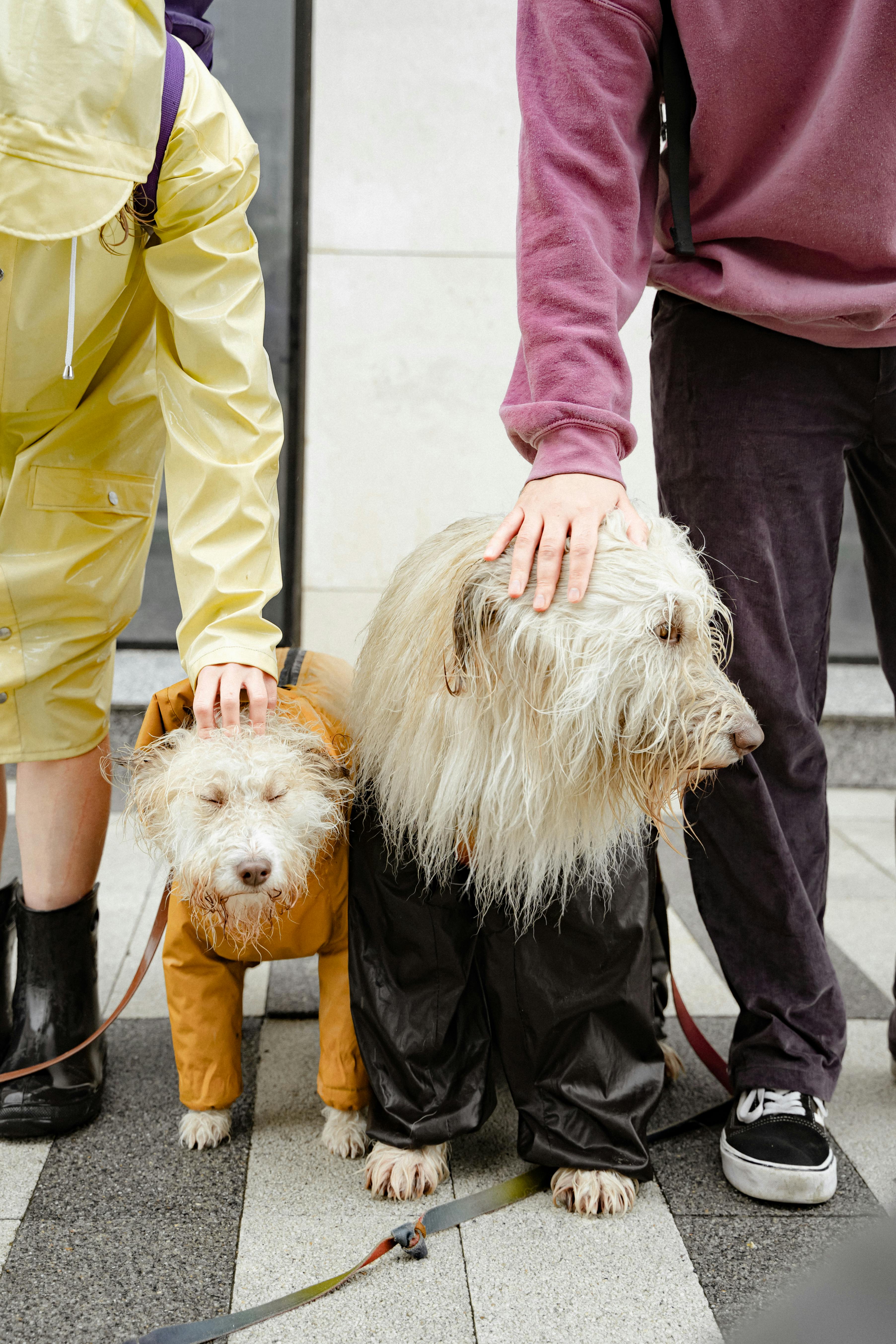 \n\n
\n\nDogs are often regarded as man's best friend, but there exists a common question that many people wonder about. Why do dogs have wet noses? This seemingly simple query leads us to explore a range of misconceptions surrounding our furry companions and their unique features. In this article, we gonna take a closer look at the fascinating truth behind those chilly, moist noses and debunk some of the myths that have sprung up around this topic.
\nThe Science Behind Wet Noses
\nFirst off, it’s important to understand the biological reasons for why dogs have wet noses. The moisture that covers a dog's nose is not just random. It plays a crucial role in their sense of smell. Dogs have an extraordinary sense of smell, estimated to be anywhere from 10,000 to 100,000 times more sensitive than humans. Their wet noses help capture scent particles from the air, enhancing their ability to detect different odors.
\n- \n
- Cooling Mechanism: A wet nose helps to cool down a dog’s body temperature. Dogs don’t sweat like humans do; instead, they rely on panting and the moisture of their noses to regulate heat. \n
- Scent Detection: The moisture on a dog's nose helps to absorb scent particles. This is why they are able to sniff out things that are virtually undetectable to us. \n
Common Misconceptions
\nNow, let’s address some of the common myths about dogs and their wet noses. Many people believe things that just ain't true!
\n- \n
- \n
Myth: A Wet Nose Means a Healthy Dog
\n
\nFact: While a wet nose can be a sign of health, it doesn’t always indicate that a dog is not sick. Dogs can have wet noses even when they’re feeling unwell. \n - \n
Myth: All Dogs Have Wet Noses
\n
\nFact: Some breeds may naturally have drier noses. For instance, bulldogs and pugs often have less moisture on their noses due to their facial structure. \n - \n
Myth: Dogs Lick Their Noses to Keep Them Wet
\n
\nFact: While dogs do lick their noses, the wetness is primarily due to other factors, like the glands in their noses producing moisture. \n
Historical Context and Evolution
\nOver time, dogs evolved from wolves, who also had wet noses. This characteristic likely helped them in hunting and survival. Wolves needed to track scents over vast distances, and having a wet nose was advantageous for their hunting strategies.
\n- \n
- Domestication Period: As dogs became domesticated, their wet noses remained an important feature. The breeds we see today have retained this trait, although specific breed characteristics have varied widely. \n
Why Do Dogs’ Noses Change?
\nYou might notice that your dog's nose changes from wet to dry and back again. This is completely normal and can be attributed to a few factors:
\n- \n
- Weather Conditions: In dry weather, a dog's nose might become drier. \n
- Health Issues: If a dog’s nose becomes excessively dry or cracked, it could be a sign of dehydration or health problems. \n
- Diet: A poor diet can lead to changes in a dog's skin and nose moisture levels. \n
Practical Examples
\nHere’s a quick look at how you can monitor your dog’s nose health:
\n- \n
- Check Regularly: Make a habit of checking your dog’s nose daily. Look for cracks, dryness, or changes in color. \n
- Hydration: Ensure your dog is always well-hydrated. Dehydration can lead to a dry nose. \n
- Vet Visits: Regular veterinary check-ups can help detect any underlying health issues that may affect your dog’s nose. \n
Dogs’ Nose Colors
\nYou may also ask why some dogs have black noses while others have pink ones. This is due to genetics and pigmentation. Here’s a breakdown:
\n- \n
- Black Noses: Common in breeds like Labradors and German Shepherds. \n
- Pink Noses: Often seen in breeds like Dalmatians and some terriers. \n
Final Thoughts
\nSo, the next time you pet your dog and feel their wet nose, remember it’s not just a quirky feature. It’s a vital part of their biology that plays a significant role in their ability to smell and regulate body temperature. Understanding the truths and myths surrounding your dog’s wet nose can deepen your bond with your furry friend. Dogs are fascinating creatures, and their noses are just one of the many reasons why we love them so much!
\n\nConclusion
\n\nIn conclusion, the characteristic wet nose of dogs serves multiple essential functions, contributing to their overall health and sensory capabilities. The moisture on their noses plays a crucial role in enhancing their sense of smell, allowing them to detect scents more effectively. Additionally, a wet nose helps regulate their body temperature and indicates hydration levels. Understanding these biological advantages can deepen our appreciation for our furry companions and their unique adaptations. As responsible pet owners, it's vital to monitor our dogs' nose health, ensuring they remain moist and healthy. If you notice any significant changes in your dog's nose, such as excessive dryness or cracking, consult with a veterinarian for further guidance. Embrace the wonders of your dog's anatomy and continue to nurture their well-being, as a happy and healthy dog is a true joy to have in our lives.
\n\n