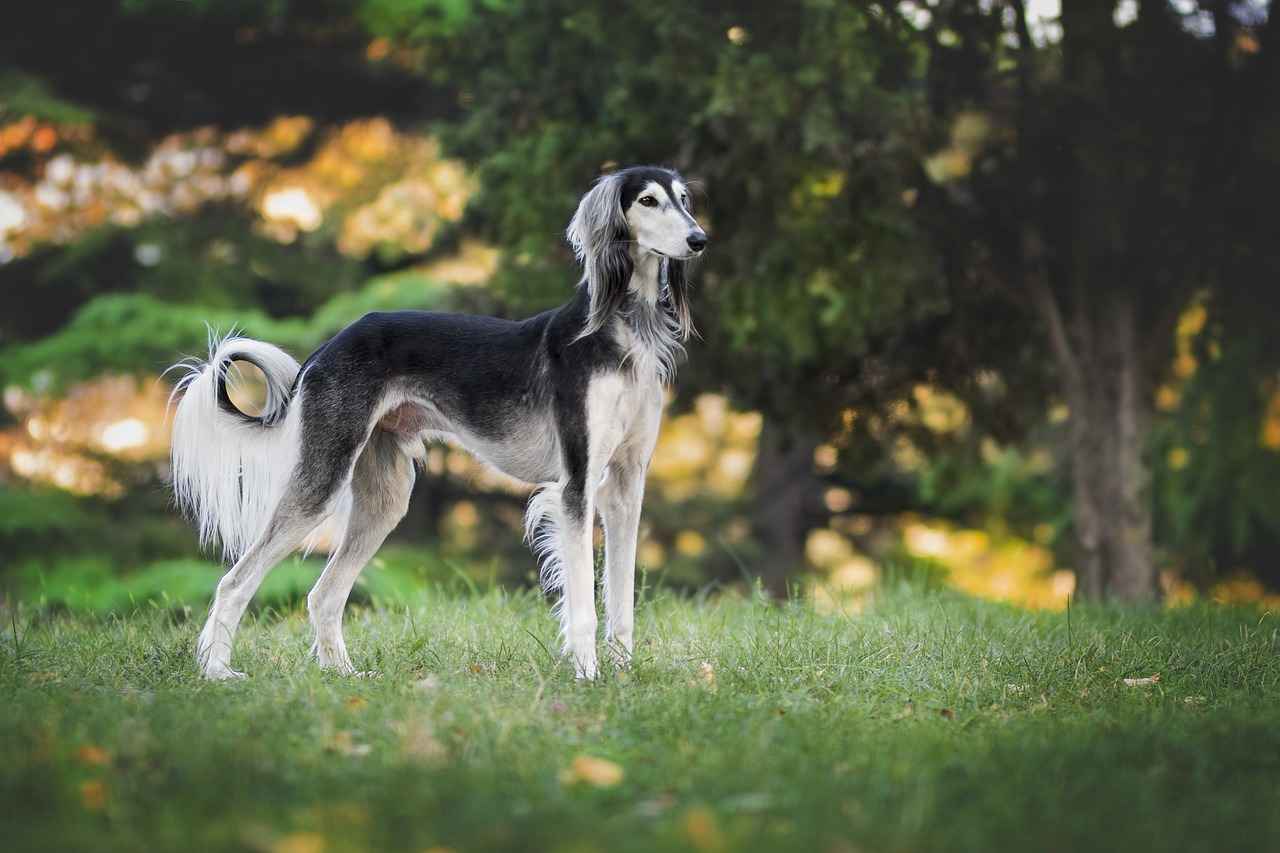
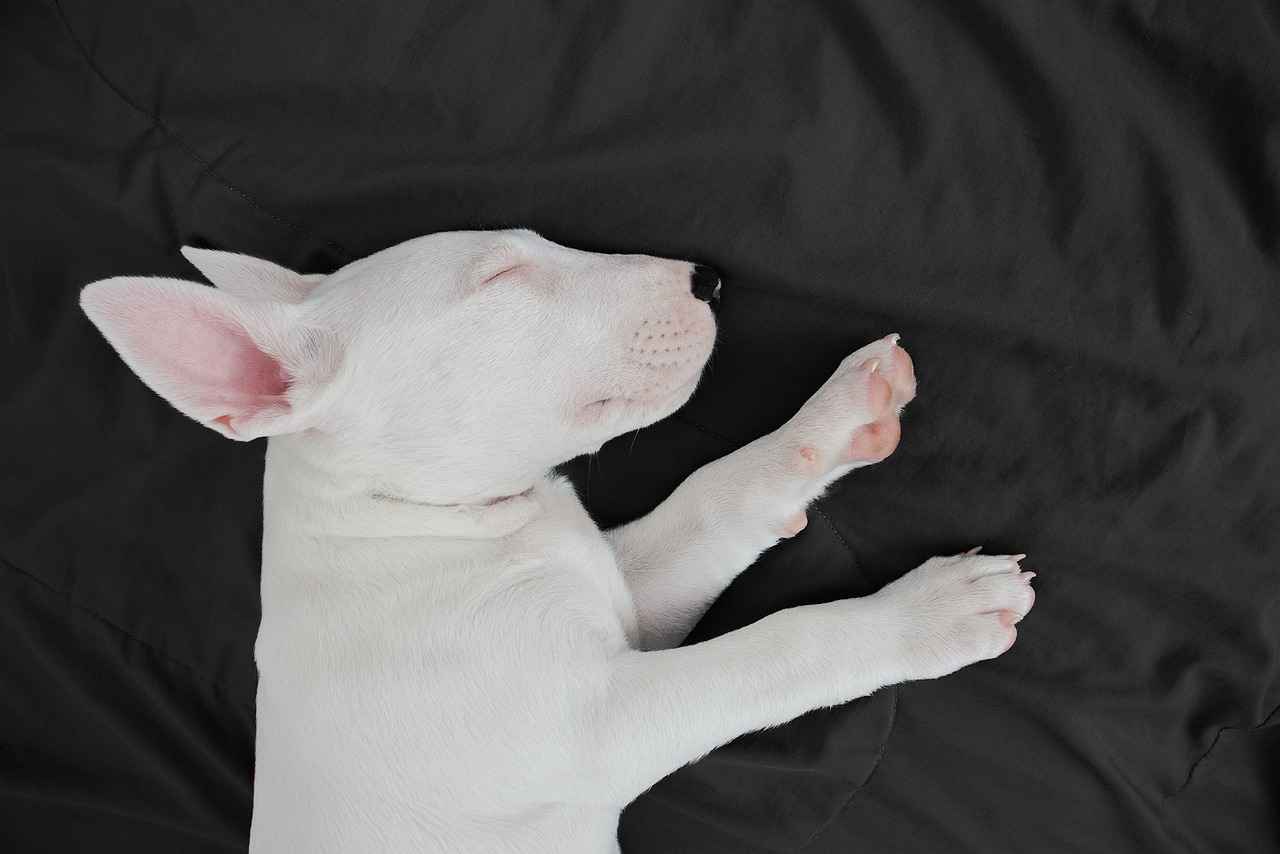
Have you ever wondered why do dogs have wet noses? This curious characteristic of our furry friends is not just for show; it plays a crucial role in their health and behavior. In this post, we will uncover the fascinating truth behind this intriguing question. Many dog owners often ask, "Is a wet nose a sign of a healthy dog?" The answer might surprise you! A dog’s nose is not only moistened for sensory reasons, but it also serves as a vital tool for temperature regulation. Did you know that a wet nose can enhance a dog's sense of smell by absorbing scent particles more effectively? This is why understanding why do dogs have wet noses is essential for any pet lover. As we explore the science and benefits of this unique trait, you might find yourself asking more questions. Are wet noses always a good sign? What does it mean when a dog’s nose is dry? Join us on this journey to discover the truth and learn more about your canine companion's health and habits! Get ready to dive into the world of dog noses and uncover secrets that every dog owner should know!
\n\nThe Science Behind Wet Noses: Why Are Dogs' Noses Always Damp?
\n\n \n\n
\n\nDogs are often called man's best friend, and one of the most endearing features of our furry companions is their wet noses. But why do dogs have wet noses? This question leads us down a fascinating path of science, biology, and even a bit of history. So let’s dive into the intriguing science behind wet noses and uncover the amazing truth.
\nThe Function of a Dog's Nose
\nDogs have an incredible sense of smell, which is vastly superior to that of humans. In fact, it is known that a dog's sense of smell can be anywhere from 10,000 to 100,000 times more sensitive than ours. This heightened sense is highly dependent on the moisture level of their noses. Here is how that works:
\n- \n
- Moisture Enhances Smell: A damp nose helps to trap scent particles, which allows dogs to better analyze odors. The moisture on their noses captures these particles, making it easier for the olfactory receptors to detect and interpret smells. \n
- Thermoregulation: Dogs do not sweat like humans do. Instead, they primarily regulate their body temperature through panting and, in some cases, through their noses. A wet nose can help cool them down slightly. \n
Why Are Dog Noses Damp?
\nThe dampness of a dog’s nose can be attributed to several factors. Dogs naturally produce mucus, which keeps their noses moist. Here’s a breakdown of why their noses are usually wet:
\n- \n
- Natural Secretion: Dogs’ noses have specialized glands that secrete a thin layer of mucus. This mucus not only keeps the nose moist but also serves to capture scent molecules. \n
- Environment: Humidity and weather conditions can influence how wet a dog’s nose is. On a rainy day, for example, you might notice that your dog’s nose is particularly moist. \n
- Health Indicators: A wet nose is often considered a sign of a healthy dog. Conversely, a dry or cracked nose can indicate dehydration, illness, or other health issues. \n
Historical Context of Dog Noses
\nInterestingly, the unique structure of a dog’s nose has evolved over thousands of years. Here's a brief timeline:
\n- \n
- Ancient Times: Dogs were domesticated from wolves, and their sense of smell was crucial for hunting and survival. Early humans quickly realized that dogs could help them find food by scent. \n
- Selective Breeding: Over time, specific breeds were developed for particular tasks, such as hunting, herding, or guarding. These roles often emphasized keen senses, including the nose. \n
- Modern Science: Today, the study of canine olfaction has become a field of research. Scientists are exploring how dogs can detect diseases like cancer or even predict seizures. \n
Interesting Facts About Dog Noses
\nHere are some fascinating facts that might surprise you:
\n- \n
- Unique Patterns: Just like human fingerprints, each dog’s nose print is unique. This means that a nose print can potentially be used for identification. \n
- Color Variation: The color of a dog’s nose can vary greatly, from black to brown to pink. This variation does not typically affect their sense of smell. \n
- Temperature: A dog’s nose temperature can change based on their activity level. After playing, their noses may be warmer due to increased blood flow. \n
Comparison: Dog Noses vs. Human Noses
\nLet’s look at how dog noses stack up against human noses:
\n| Feature | \nDog Nose | \nHuman Nose | \n
|---|---|---|
| Sense of Smell | \n10,000 - 100,000 times better | \nLimited sensitivity | \n
| Moisture Level | \nNaturally moist | \nDry unless affected by illness | \n
| Identification | \nUnique nose prints | \nFingerprints are unique | \n
Practical Examples of Dog Nose Uses
\nUnderstanding the science behind wet noses isn’t just for trivia—there are real-world applications:
\n- \n
- Search and Rescue: Dogs are trained to locate missing persons using their smell. Their wet noses help them track scents more effectively. \n
- Medical Detection: Some dogs are trained to detect diseases like diabetes, cancer, and even infections by smelling changes in body odor. \n
- Therapy and Service: Dogs can provide emotional support and assist those with disabilities. Their keen sense of smell plays a role in alerting to changes in their owner’s health. \n
The question of why do dogs have wet noses leads us to appreciate the complexity and functionality of these beloved pets. Their wet noses are not just cute features; they are essential tools for survival, communication, and companionship. Understanding this science can deepen the bond between dogs and their humans, making us appreciate every wagging tail and joyful bark a little more.
\n\n5 Fascinating Reasons Dogs Have Wet Noses That Will Surprise You!
\n\n \n\n
\n\nDogs are known as man's best friend, and one of their most intriguing features is their wet noses. If you've ever wondered, "Why do dogs have wet noses?" you’re not alone! It’s a question that has puzzled many pet owners and animal lovers. Let's dive into five fascinating reasons that will surprise you.
\n1. Enhanced Sense of Smell
\nDid you know that a dog's sense of smell is about 10,000 to 100,000 times more acute than humans? One of the reasons for this incredible ability is their wet noses. The moisture on a dog's nose helps to trap scent particles, enhancing their ability to smell. When a dog sniffs, the wet surface of their nose absorbs odor molecules which allows their olfactory receptors to detect a wider variety of scents.
\n- \n
- Dogs have up to 300 million olfactory receptors. \n
- Humans only have about 5 million. \n
- A wet nose can help in identifying different scents more quickly. \n
2. Thermoregulation
\nAnother surprising reason is that dogs use their noses to help regulate body temperature. Dogs don’t sweat like humans do; they primarily cool off through their noses and paw pads. The moisture on their nose evaporates, which can help lower their body temperature. So when you see your dog panting and their nose is wet, it's likely they are trying to cool down.
\n- \n
- Normal dog body temperature: 101°F to 102.5°F. \n
- Dogs sweat very little, primarily through their noses and feet. \n
3. Communication Tool
\nDogs are social animals, and their wet noses play a role in how they communicate with other dogs and humans. A friendly nudge with a wet nose can be an invitation to play or a sign of affection. Dogs often greet each other by sniffing noses, which is a way of exchanging information about each other’s health, mood, and even diet.
\n- \n
- A dog’s nose can pick up pheromones, which are chemical signals. \n
- Wet noses can indicate a dog is excited or happy. \n
4. Health Indicator
\nBelieve it or not, the condition of a dog’s nose can actually serve as an indicator of their health. A wet, cool nose is often associated with a healthy dog, while a dry or cracked nose could indicate dehydration or illness. However, it’s important to note that not all dry noses are a cause for concern. Factors like weather, activity level, and even breed can influence nose moisture.
\n- \n
- Normal nose texture: Moist and cool. \n
- Signs of concern: Cracked, dry, or excessively warm nose. \n
5. Evolutionary Advantage
\nFrom an evolutionary standpoint, having a wet nose gives dogs an advantage in the wild. A wet nose can help them track prey more effectively. The moisture helps to collect scent particles, making them better hunters. Furthermore, being able to detect subtle changes in their environment can be crucial for survival. Dogs with wet noses were likely more successful in finding food and avoiding danger, leading to this trait being passed down through generations.
\n- \n
- Wet noses help with survival in the wild. \n
- This trait has been refined over thousands of years of evolution. \n
Fun Facts About Dog Noses
\n- \n
- Dog noses come in various colors, including black, pink, and spotted. \n
- Each dog's nose print is unique, much like human fingerprints. \n
- Certain breeds, like Bloodhounds, have an exceptional sense of smell and can even track scents that are days old. \n
When you think about why dogs have wet noses, it’s clear that this simple feature plays multiple crucial roles in a dog's life. From enhancing their sense of smell to aiding in communication and regulating their body temperature, the wet nose is a fascinating aspect of canine biology. Next time you cuddle with your furry friend and feel that cool, moist nose against your skin, remember all the extraordinary reasons behind it.
\n\nDo Wet Noses Mean a Healthier Dog? Discover the Truth About Canine Health.
\n\n \n\n
\n\nMany dog owners often wonder about the significance of their furry friends' wet noses. It's a common belief that a wet nose indicates a healthier dog. But is that really true? Let’s try to uncover the fascinating truth behind those adorable, moist snouts and explore why do dogs have wet noses in the first place.
\nThe Science Behind Wet Noses
\nA dog's nose is more than just a cute feature; it serves critical functions. The moisture on a dog's nose is largely due to the secretion of mucous. This wetness helps dogs absorb scent chemicals from the environment. When a dog inhales, scent particles stick to the nose, which enhances their ability to smell. Here are some key points about wet noses:
\n- \n
- Enhanced Smell: Wet noses help capture scent particles, improving a dog's olfactory senses. \n
- Cooling Mechanism: Dogs do not sweat like humans; instead, they cool off through their noses and paw pads. \n
- Health Indicator: While a wet nose is generally a sign of good health, it’s not the only indicator. Other factors should be considered. \n
Why Do Dogs Have Wet Noses?
\nNow, let’s dig deeper into the reasons for the wetness. Dogs have moist noses for several reasons:
\n- \n
- Scent Detection: As mentioned earlier, a wet nose helps in trapping scent particles, which is essential for a dog's hunting and survival instincts. \n
- Temperature Regulation: The moisture evaporating from the nose helps to regulate a dog's body temperature, especially on hot days. \n
- Health Indicators: A wet nose can sometimes indicate that a dog is well-hydrated and healthy, but it’s not a definitive sign. \n
Common Myths About Wet Noses
\nThere are many myths surrounding the wetness of a dog's nose. Let's clear up some misconceptions:
\n- \n
- Myth 1: A Wet Nose Equals a Healthy Dog: While a wet nose might suggest hydration, it does not guarantee good health. Dogs can have dry noses and still be perfectly fine. \n
- Myth 2: All Dogs Have Wet Noses: Some breeds, like Bulldogs or Pugs, may naturally have drier noses, and that is normal for them. \n
- Myth 3: A Warm Nose Means Illness: A warm or dry nose can be a sign of fever, but it doesn't always mean the dog is sick. Other symptoms should be considered. \n
What Can Affect a Dog's Nose Moisture?
\nSeveral factors come into play that can affect the moisture of a dog's nose. Understanding these can help dog owners monitor their pets' health better:
\n- \n
- Weather Conditions: During hot or dry weather, a dog's nose may dry out more quickly than usual. \n
- Hydration Levels: A well-hydrated dog is more likely to have a moist nose. Dehydration can lead to a dry, cracked nose. \n
- Health Conditions: Certain medical issues like allergies, infections, or even autoimmune diseases can affect nose moisture. \n
Signs of a Healthy Dog
\nBesides a wet nose, there are other signs to look for to determine if your dog is healthy. Consider these indicators:
\n- \n
- Energy Levels: Is your dog playful and energetic? \n
- Appetite: A healthy dog usually has a good appetite. \n
- Coat Condition: A shiny and clean coat is often a sign of good health. \n
- Behavior: Normal and consistent behavior patterns can indicate a healthy state. \n
When to Consult a Veterinarian
\nIf you notice significant changes in your dog’s nose or overall health, it’s important to consult a veterinarian. Here are some signs that should prompt a visit:
\n- \n
- Persistent dryness or cracking of the nose. \n
- Discharge from the nose that seems abnormal. \n
- Behavioral changes, like lethargy or loss of appetite. \n
- Any signs of distress or discomfort. \n
Understanding why dogs have wet noses and the implications of their moisture can help owners keep their pets healthy. While a wet nose is a cute feature, it’s essential to remember that it is just one aspect of canine health. Always keep an eye on other indicators and seek veterinary advice when necessary for the wellbeing of your furry friend.
\n\nHow a Dog's Wet Nose Enhances Their Sense of Smell: The Incredible Biology Explained.
\n\n \n\n
\n\nDogs are often known as man's best friend, and one of the most fascinating features of these loyal companions is their wet noses. You might have wondered, why do dogs have wet noses? The answer involves some incredible biology that enhances their sense of smell in extraordinary ways. Let’s uncover the fascinating truth about why dogs’ noses are wet and how this feature contributes to their remarkable olfactory abilities.
\nThe Anatomy of a Dog's Nose
\nFirst off, a dog's nose is not just a simple organ; it’s a highly sophisticated biological structure. The surface of a dog’s nose is covered in a layer of moist tissue called the rhinarium. This tissue helps to increase the surface area available for detecting scents. Did you know that dogs have up to 300 million olfactory receptors in their noses? In comparison, humans only have about 5 million. This huge difference explains why dogs can detect scents that are completely undetectable to us.
\nHow a Wet Nose Works
\nSo, how does the moisture play a role in their sense of smell? When a dog’s nose is wet, it helps to trap scent particles from the air. The moisture creates a thin film over the olfactory receptors, which enhances their ability to absorb and process smells. Here’s a simple breakdown of the process:
\n- \n
- Scent Particles: When a dog sniffs, tiny scent particles get trapped in the moisture on their nose. \n
- Absorption: The moisture allows these particles to dissolve, making it easier for the olfactory receptors to recognize them. \n
- Signal Transmission: Once absorbed, these particles send signals to the dog’s brain, which can interpret different scents. \n
Why Are Dog Noses Wet?
\nThere are several reasons dogs have wet noses, and each one contributes to their amazing sense of smell and overall health. Here’s a list of some key reasons:
\n- \n
- Enhanced Scent Detection: As mentioned earlier, a wet nose traps scent particles, allowing for better absorption. \n
- Cooling Mechanism: Dogs do not sweat like humans; instead, they cool themselves through their noses. The moisture evaporates, helping regulate body temperature. \n
- Health Indicator: A wet nose is often a sign of a healthy dog. If a dog’s nose becomes dry, it could indicate illness or dehydration. \n
Historical Context of Dog Noses
\nHistorically, dogs have been bred for specific purposes, many of which rely heavily on their sense of smell. For example:
\n- \n
- Hunting Dogs: Breeds like Bloodhounds and Beagles were developed primarily for tracking and hunting due to their superior scent detection abilities. \n
- Service Dogs: Many service dogs are trained to detect medical conditions, such as diabetes or seizures, showcasing their incredible olfactory skills. \n
Comparing Dog Noses to Human Noses
\nIt’s interesting to compare how dogs and humans utilize their noses. Here’s a quick comparison:
\n| Feature | \nDogs | \nHumans | \n
|---|---|---|
| Olfactory Receptors | \n~300 million | \n~5 million | \n
| Sense of Smell | \nHighly developed | \nLess developed | \n
| Functionality | \nTracking, detecting scents | \nBasic scent detection | \n
| Moisture | \nEssential for scent detection | \nNot necessary | \n
Practical Examples of Dog Smell Abilities
\nDogs have been used in various fields due to their remarkable sense of smell. Some practical examples include:
\n- \n
- Search and Rescue: Dogs can locate missing persons or people trapped in disasters. \n
- Medical Detection: Certain breeds can detect diseases like cancer and diabetes through scent. \n
- Law Enforcement: Dogs are used to sniff out drugs, explosives, and even currency. \n
Conclusion
\nThe biology behind a dog's wet nose is truly incredible. It’s not just an adorable feature, but a vital part of how they experience the world. The moisture on their nose plays a crucial role in enhancing their sense of smell, which is far more advanced than ours. Understanding why dogs have wet noses not only helps us appreciate these amazing animals more but also sheds light on their health and behavior. So the next time you get a nose nudge from your furry friend, remember the incredible biology at play!
\n\nIs Your Dog's Nose Too Dry? Signs of Dehydration You Shouldn't Ignore!
\n\n \n\n
\n\nIs your dog's nose too dry? This question might seem simple, but it can lead to an important conversation about your furry friend’s health. Dogs, like people, can face issues with dehydration, and knowing the signs is crucial for keeping them healthy.
\nUnderstanding Canine Nose Moisture
\nFirst off, let’s talk about why do dogs have wet noses in the first place. A dog’s nose is typically moist, and this wetness serves several purposes. The moisture helps them smell better. Yes, you heard it right! A wet nose helps absorb scent chemicals in the air, allowing dogs to pick up on smells more effectively. But, what happens when that nose gets too dry?
\nSigns of Dehydration in Dogs
\nWhen a dog’s nose is dry, it may be a sign something is wrong. Here’s what you should look for if you think your dog might be dehydrated:
\n- \n
- Dry Nose: This is the most obvious sign. If your dog’s nose feels warm and dry to the touch, it might be worth checking further. \n
- Lethargy: If your dog is more tired than usual, it could be a sign of dehydration. They might not want to play or go for walks. \n
- Loss of Appetite: A dog that isn't drinking enough water may also refuse its food. \n
- Sunken Eyes: If you notice your dog’s eyes look sunken or dull, this could indicate dehydration. \n
- Excessive Panting: If your dog is panting a lot, especially when not active, this can be a warning sign. \n
Other Factors Affecting Nose Moisture
\nThere are many reasons a dog’s nose might be dry, and not all are related to dehydration. Here’s a breakdown of some common factors:
\n- \n
- Weather Conditions: Hot, dry weather can cause a dog’s nose to dry out. \n
- Health Issues: Conditions like allergies, skin infections, or autoimmune diseases can affect nose moisture. \n
- Age: Older dogs might have drier noses due to natural aging processes. \n
Why Wet Noses Are Important
\nWet noses don’t just smell better! They actually play a role in thermoregulation, helping dogs maintain a comfortable body temperature. A dog’s nose cools down the blood flow in their head, which can help prevent overheating during warm weather or after strenuous activities.
\nQuick Facts About Dog Noses
\n- \n
- Temperature Regulation: Dogs can cool their bodies down through panting, but a wet nose also helps regulate their temperature. \n
- Health Indicator: A dog’s nose can reflect its overall health. A consistently dry nose can be a signal to consult with a vet. \n
- Normal Changes: It’s normal for a dog’s nose to change from wet to dry throughout the day, depending on their activities. \n
Tips for Keeping Your Dog Hydrated
\nIf you’re worried about dehydration, there are several steps you can take to keep your dog feeling their best:
\n- \n
- Fresh Water: Always make sure your dog has access to fresh and clean water. Change it daily and keep the bowl clean. \n
- Wet Food: Incorporating wet dog food can increase your dog's water intake. \n
- Ice Cubes: On hot days, give your dog ice cubes as a treat! They can chew on them and stay hydrated at the same time. \n
When to See a Vet
\nIf you notice any signs of dehydration or if your dog’s nose stays dry for an extended period, it’s best to get a vet’s opinion. A professional can thoroughly assess your dog’s health and suggest any necessary treatments. Dehydration can lead to serious health issues if not addressed quickly.
\nFinal Thoughts
\nIn short, keeping an eye on your dog's nose can be a good indicator of their overall health. Wet noses are typically a sign of a happy, healthy pup, while a dry nose may suggest something is off. Maintaining hydration and being aware of your dog’s behavior can make all the difference. Always consult with a veterinarian if you have concerns about your dog's health. After all, a happy dog means a happy owner!
\n\nThe Role of Temperature Regulation: How Wet Noses Keep Dogs Cool and Comfortable.
\n\n \n\n
\n\nDogs have always been known for their peculiarities, and one of the most fascinating aspects of our canine companions is their wet noses. You might wonder, why do dogs have wet noses? It turns out, the answer is much more than just a quirky feature of their anatomy. Understanding the role of temperature regulation and how wet noses help keep dogs cool and comfortable can give us insight into their health and behavior.
\nThe Science Behind Wet Noses
\nFirst off, let’s talk about why a dog’s nose is wet. A dog’s nose is covered in mucous membranes that help with moisture. This moisture is important because it plays a big role in thermoregulation, which is the process of maintaining an optimal temperature. When a dog’s body heats up, it needs a way to cool down, and that’s where the wet nose come in.
\n- \n
- Evaporation: The moisture on a dog’s nose evaporates, which lowers the temperature of the blood vessels right underneath the surface. This cooling effect helps keep the dog’s overall body temperature in check. \n
- Scent Detection: Wet noses also enhance a dog’s sense of smell. The moisture helps to trap scent particles in the air, making it easier for dogs to pick up on various odors. This is why dogs are such great trackers! \n
The Role of Temperature Regulation
\nNow, let's dive deeper into how temperature regulation works for dogs. Unlike humans, dogs don’t sweat. Instead, they rely on panting and their wet noses to help cool down. When a dog pants, moisture evaporates from their tongue and respiratory tract, helping to release heat. However, the wet nose provides an additional cooling mechanism.
\n- \n
- Normal Body Temperature: A healthy dog's normal body temperature ranges from 101°F to 102.5°F. If they get too hot, it can lead to heatstroke, which is dangerous. \n
- Signs of Overheating: Look for signs like excessive panting, drooling, or lethargy. If you notice these, it might be time to help your furry friend cool down. \n
Importance of Hydration
\nKeeping your dog hydrated is critical for maintaining that moisture on their nose. Dehydration can lead to dry noses, which can indicate health issues. So always make sure your dog has access to fresh water, especially during hot weather.
\n- \n
- Signs of Dehydration:
- \n
- Dry gums \n
- Lethargy \n
- Loss of appetite \n
- Skin elasticity (if you pinch the skin and it doesn’t bounce back quickly, it’s a sign of dehydration). \n
\n
Historical Insights
\nDogs have evolved over thousands of years to adapt to different climates, and their wet noses are a reflection of that evolution. Ancient breeds, such as the Basenji and the Saluki, have wet noses that help them thrive in warmer climates. It’s interesting to think about how domestication and environment have shaped this feature over time.
\n- \n
- Evolutionary Traits:
- \n
- Wet noses help in hunting by enhancing scent detection. \n
- They have a cooling function that evolved to suit varying climates. \n
\n
Practical Care Tips
\nTo ensure your dog's nose remains healthy and functional, here are some practical care tips:
\n- \n
- Regular Vet Check-ups: Regular visits to the vet can help catch any issues with your dog's nose early on. \n
- Monitor Nose Condition: Keep an eye on the moisture level of your dog’s nose. A dry nose could indicate a health problem. \n
- Hydration: Always ensure your dog is well-hydrated, especially on hot days. \n
- Avoid Overheating: Limit exercise during peak heat hours and provide shade when outside. \n
Fun Facts About Dogs and Their Noses
\n- \n
- Dogs have about 220 million scent receptors in their noses, compared to a human’s 5 million. \n
- The uniqueness of a dog’s nose print is similar to a human fingerprint; no two dogs have the same nose print. \n
- Wet noses not only help with temperature regulation but also serve as a communication tool among dogs; they often sniff each other’s noses as a form of greeting. \n
Understanding why dogs have wet noses is not just an interesting trivia; it gives us a glimpse into their health and well-being. Keeping our dogs cool and comfortable is essential, especially in the summer months. So next time you see your dog’s wet nose, remember the important role it plays in their life!
\n\nWet Noses and Dog Behavior: What Your Pup's Nose Can Reveal About Their Mood.
\n\n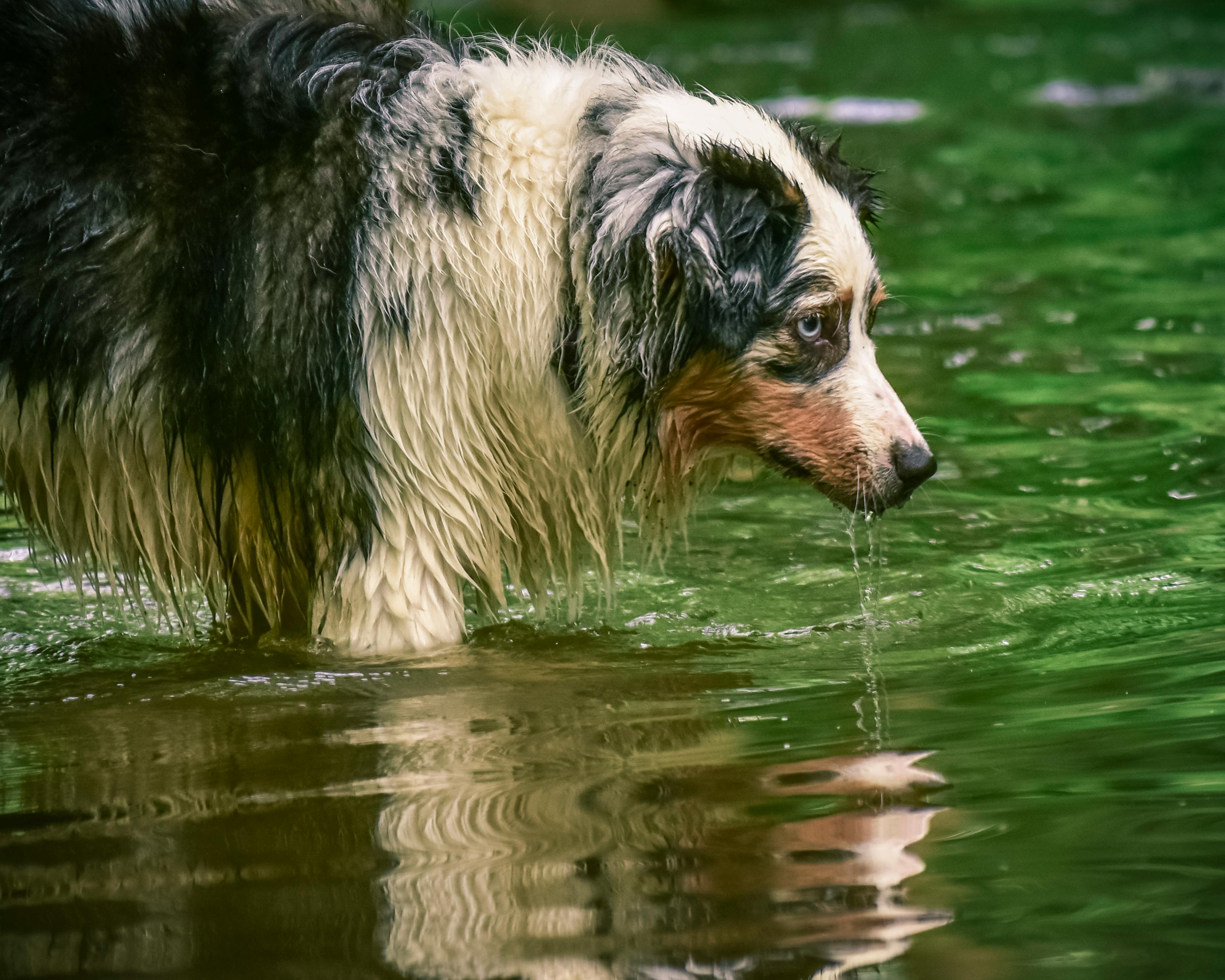 \n\n
\n\nIf you ever notice your dog’s wet nose, you might wonder why it’s that way and what it could mean for their mood. Wet noses and dog behavior are closely related, and understanding this can help you connect better with your furry friend. Most pet owners just think that their pups have wet noses because they’re just wet, but there’s a lot more going on beneath the surface. Let’s dive into the fascinating world of your dog’s nose and what it reveals about their emotions, health, and instincts.
\nWhy Do Dogs Have Wet Noses?
\nThe reason dogs have wet noses is quite simple and also a bit complex. A wet nose helps dogs to smell better. Their sense of smell is far superior than ours, and a moist nose helps to capture scent particles more effectively. Here’s a breakdown of how it works:
\n- \n
- Scent Enhancement: A wet surface helps retain scent molecules, allowing dogs to identify various smells more clearly. \n
- Cooling Mechanism: Dogs do not sweat like humans. Instead, their noses help regulate body temperature when they’re warm. \n
- Health Indicator: A wet nose is often a sign of good health in dogs, while a dry nose could indicate dehydration or illness. \n
The Science of a Dog's Nose
\nDid you know that a dog’s nose has more than 300 million smell receptors? In comparison, humans only have about 5 million. This amazing organ does more than just sniffing; it plays a vital role in communication too.
\n- \n
- Nasal Mucus: When a dog’s nose is wet, it’s often because of nasal mucus. This mucus helps them trap scents. \n
- Temperature Regulation: Dogs can also cool off their bodies through their noses by panting. The moisture evaporates, which helps lower their body temperature. \n
What Can Their Wet Nose Tell You?
\nThe condition of your dog’s nose can reveal a lot about their mood and health. Here’s a handy guide that explains what it might mean:
\n- \n
- Wet and Cool: Your pup is likely feeling happy and healthy. This is the ideal state for a dog’s nose. \n
- Dry and Warm: This could indicate that they are dehydrated or possibly sick. \n
- Excessively Wet: If a dog has a constantly dripping nose, it may be a sign of allergies or a respiratory infection. \n
Behavioral Indicators Linked to Wet Noses
\nUnderstanding dog behavior involves more than just looking at their nose. Here’s some common behaviors associated with different nose conditions:
\n- \n
- Playful and Excited: When your dog’s nose is wet and they’re bouncing around, it’s a sure sign they’re ready to play. \n
- Calm and Relaxed: If your dog is lying down with a cool, wet nose, they are likely feeling safe and content. \n
- Anxious or Nervous: A dog that has a dry, warm nose while panting might be feeling anxious or stressed. \n
The Role of Environment
\nThe environment can also impact your dog's nose condition. Here's how:
\n- \n
- Humidity Levels: In a humid environment, your dog’s nose may stay wet longer. \n
- Temperature Changes: Hot weather can dry out a dog's nose, leading to potential health issues. \n
- Allergens: Seasonal allergies can cause a dog’s nose to become excessively wet or runny. \n
Common Myths About Dog Noses
\nThere are several myths surrounding dogs and their noses that can mislead pet owners. Here are a few of them:
\n- \n
- Myth: A warm nose means a dog is sick.
- \n
- Fact: Nose temperature is not a reliable indicator of health. \n
\n - Myth: Dogs can only identify smells by licking.
- \n
- Fact: Dogs can sniff with their noses, and licking helps to process the scents. \n
\n
Practical Tips for Caring for Your Dog’s Nose
\nHere’s a brief list of things you can do to help maintain your dog’s nasal health:
\n- \n
- Hydration: Ensure your dog has access to fresh water at all times. \n
- Regular Checkups: Visit the vet regularly to catch any potential nose-related health issues. \n
- Observe Changes: Keep an eye on any sudden changes in nose temperature or wetness. \n
Being aware of your dog’s nose condition and behavior can help you understand them better. It’s not just about a wet nose; it’s about what it signifies regarding their mood and health. So next time you see your pup with a wet nose, take a moment to appreciate the science and emotion behind it! Keeping an eye on those wet noses can be an essential part of being a responsible dog owner.
\n\nThe Myth of Cold Noses: Why a Wet Nose Doesn't Always Indicate a Healthy Dog.
\n\n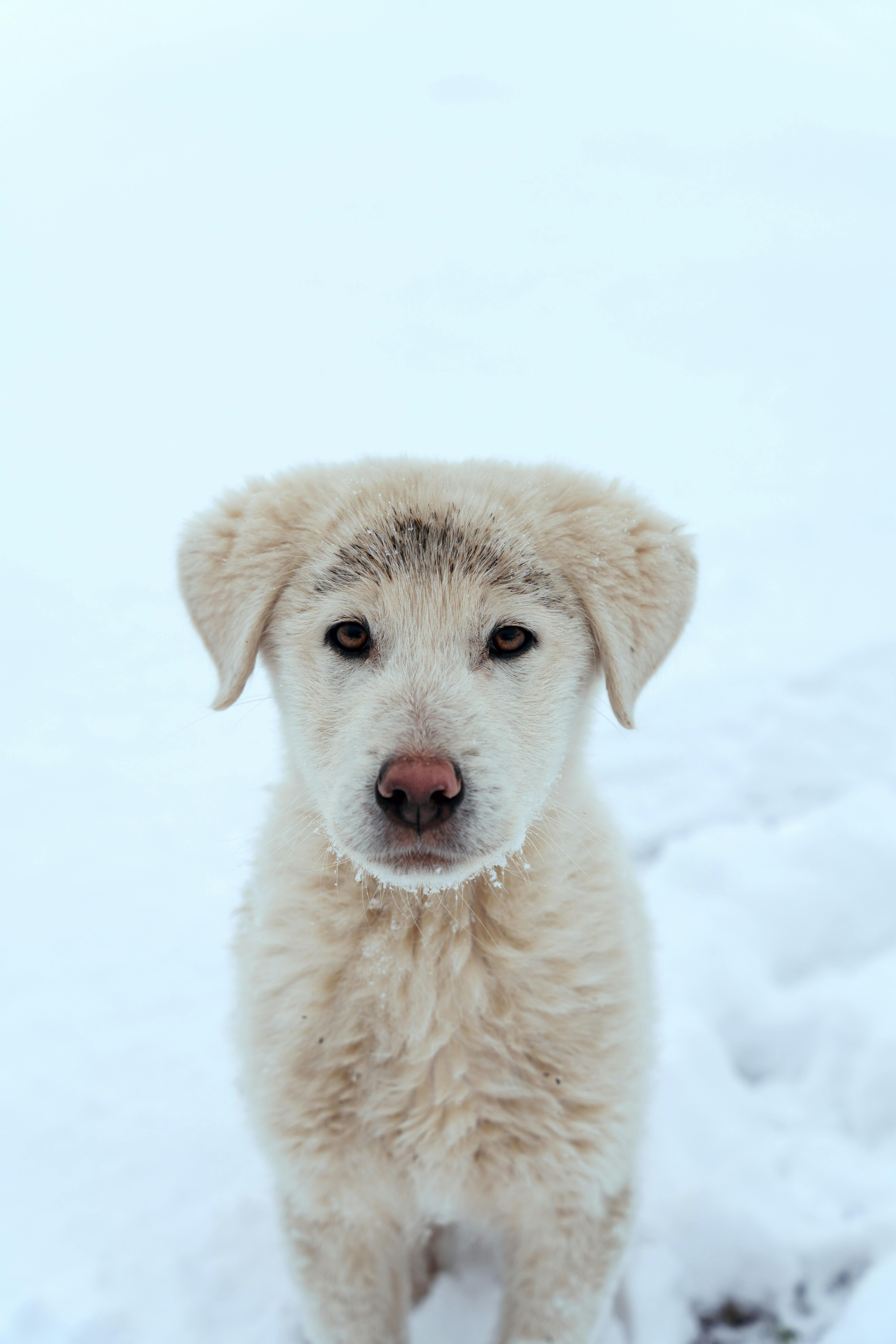 \n\n
\n\nWhen you see a dog with a wet nose, you might think it’s a sign of good health. Many people believe that a moist nose indicates that a dog is happy and well. However, this notion isn't entirely accurate. There’s a lot more to the story of why dogs have wet noses, and the truth might surprise you. Let's explore the fascinating world of canine noses and debunk the myth surrounding wet noses.
\nWhy Do Dogs Have Wet Noses?
\nDogs have wet noses for several reasons, and understanding these reasons gives insight into your furry friend's health and behavior. The moisture on a dog's nose serves important functions:
\n- \n
- \n
Scent Enhancement: A wet nose helps dogs absorb scents better. The moisture allows odor particles to stick, making it easier for them to smell the world around them. This is crucial for their survival as they rely heavily on their sense of smell.
\n \n - \n
Thermoregulation: Dogs don’t sweat like humans do. Instead, they release heat through their noses and paw pads. A wet nose can help keep them cool in warm weather, making it a vital part of their temperature regulation system.
\n \n - \n
Communication: Dogs use their noses to communicate with other dogs and animals. A wet nose might indicate excitement or curiosity, which are crucial for social interactions.
\n \n
The Myth of Cold Noses
\nMany pet owners assume that a cold, wet nose means that their dog is healthy. While it’s true that dogs often have cold noses, this isn’t a reliable health indicator. Here’s why:
\n- \n
- \n
Variability in Temperature: A dog's nose temperature can fluctuate throughout the day. Various factors, like activity level, environment, and even time of day, can affect whether a dog’s nose is warm or cold. For instance, a dog's nose might warm up after being outside in the sun or when they're resting.
\n \n - \n
Health Conditions: Some health issues can cause a dog's nose to become dry or warm. Conditions like fever, dehydration, or certain infections can lead to changes in the moisture level of a dog's nose. Thus, relying solely on the temperature or moisture of the nose isn’t a good way to gauge health.
\n \n - \n
Aging and Breed Differences: Different breeds have different nose characteristics, and as dogs age, their noses may also change. Older dogs might not have the same moisture levels as younger dogs, so it’s not fair to judge their health based only on their nose condition.
\n \n
What Should You Look For Instead?
\nRather than focusing on the wetness of a dog's nose, it's better to observe other signs of health and happiness. Some indicators include:
\n- \n
- \n
Physical Activity: An active dog that enjoys playtime and exercise is usually a sign of good health.
\n \n - \n
Appetite: Healthy dogs have a consistent appetite. Sudden changes in eating habits can indicate issues.
\n \n - \n
Grooming Habits: Dogs that groom themselves regularly and maintain a clean coat are likely healthy.
\n \n - \n
Behavior: Look for signs of happiness, such as wagging tails, playful behavior, and social interaction with humans and other animals.
\n \n
Common Misconceptions About Dog Noses
\nMany myths exist surrounding dog noses that can mislead pet owners. Here’s a quick breakdown:
\n- \n
- \n
Myth: A dry nose means a dog is sick.
\n- \n
- Truth: A dog's nose can be dry for many reasons, including weather conditions or just waking up. \n
\n - \n
Myth: All dogs have cold noses.
\n- \n
- Truth: Not all dogs have cold noses all the time. It can change based on their activity and health. \n
\n - \n
Myth: You can tell if a dog has a fever by touching its nose.
\n- \n
- Truth: The only reliable way to check a dog's temperature is with a thermometer. \n
\n
Practical Tips for Dog Owners
\nHere are some practical tips to ensure your dog remains healthy, regardless of their nose condition:
\n- \n
- \n
Regular Vet Check-ups: Ensure your dog visits the vet regularly for health check-ups.
\n \n - \n
Monitor Behavior: Keep an eye on your dog’s behavior and any changes in habits.
\n \n - \n
Hydration: Make sure your dog has access to fresh water, especially during hot weather.
\n \n - \n
Nutrition: Provide a balanced diet that meets their nutritional needs.
\n \n - \n
Exercise: Engage in regular physical activity to keep your dog fit.
\n \n
In summary, while a wet nose can be a common feature of many dogs, it shouldn't be your only measure of their health. Understanding the true reasons behind the moisture on a dog's snout, along with a broader look at their overall well-being, offers a more accurate picture of your furry friend’s health. Embracing the complexity of canine physiology helps ensure that our pups lead happy, healthy lives.
\n\nUnderstanding Dog Noses: How Wetness Affects Their Communication and Interaction.
\n\n \n\n
\n\nDogs are known for their amazing ability to communicate, and one of the most intriguing aspects of this communication is their noses. Why do dogs have wet noses? This question leads to a fascinating insight into their behavior, health, and interactions. Wet noses are not just a cute feature; they play a crucial role in how dogs perceive the world around them. In this piece, we will explore the reasons behind wet dog noses and how it affects their communication and interaction with humans and other dogs.
\nThe Science Behind Wet Noses
\nDogs have wet noses for several reasons that relate to their biology and evolutionary history. A wet nose helps dogs to:
\n- \n
- Enhance their sense of smell: Canines possess an extraordinary sense of smell, estimated to be 10,000 to 100,000 times more acute than humans. The moisture on their noses helps to capture scent particles from the air, making it easier for them to detect smells. \n
- Regulate body temperature: Dogs don't sweat like humans do. Instead, they rely on their noses to help cool themselves. The moisture evaporating from their noses helps to lower their body temperature, especially during hot weather. \n
- Signal health: A dog's nose can be an indicator of its health. A consistently dry or warm nose can sometimes signal a problem, such as dehydration or illness. Conversely, a moist nose is generally a sign of a healthy dog. \n
Historical Context of Dog Noses
\nThroughout history, dogs have been companions to humans, and their noses have always played a significant role in their development and relationship with people. Ancient cultures recognized the unique abilities of dogs, which were often bred for specific tasks, such as hunting and herding. These tasks relied heavily on their keen sense of smell.
\n- \n
- In ancient Egypt, for example, dogs were revered and often depicted in art, emphasizing their importance in society. \n
- In medieval Europe, dogs were used for hunting and tracking, showcasing their olfactory prowess. \n
The wetness of a dog's nose became a hallmark of a healthy and capable companion.
\nWhy Do Dogs Have Wet Noses? The Fascinating Truth Uncovered
\nSo, why exactly do dogs have wet noses? Let's break it down further:
\n- \n
- \n
Moisture and Scent Detection: The wetness on a dog’s nose helps to dissolve scent particles, making it easier for them to detect them. Dogs have specialized olfactory receptors that analyze these scents and provide a rich tapestry of information about their environment.
\n \n - \n
Temperature Regulation: Dogs pant to cool down, but their noses contribute too. The moisture evaporates, much like sweat does for humans, helping them maintain an optimal body temperature during hot days.
\n \n - \n
Social Interactions: A wet nose can also indicate friendliness. When dogs greet each other or humans, they often use their noses to sniff, which is a form of communication. A wet nose can signal curiosity, affection, or even a playful attitude.
\n \n - \n
Health Indicators: While a wet nose is generally a sign of good health, it’s not always the case. Factors such as weather, activity level, and overall health can impact the moisture level. Owners should be observant of changes in their dog's nose and seek veterinary advice if unusual patterns appear.
\n \n
Common Misconceptions About Dog Noses
\nThere are several myths surrounding dog noses that can lead to misunderstandings. Here are a few:
\n- \n
- A dry nose = a sick dog: While a dry nose can indicate illness, it’s not a definitive sign. Many factors influence nose moisture, including weather and activity. \n
- All dogs have wet noses: Not every dog has the same nose moisture. Breeds like Bulldogs may have drier noses due to their unique physical features. \n
- Dogs can’t smell if their nose is dry: This isn’t true. Dogs can still smell even if their nose is not wet, but a moist nose may enhance their abilities. \n
Practical Examples of Communication Through Noses
\nDogs communicate a lot through their noses. For instance:
\n- \n
- Greeting: When meeting another dog, they often sniff each other’s noses and rear to gather information about each other. \n
- Exploring: Dogs use their noses to explore their surroundings. A wet nose can indicate excitement when they discover something new. \n
Dogs are fascinating creatures, and understanding their noses can deepen our appreciation for them. The wetness of a dog's nose is not just a physical characteristic; it’s a vital part of their sensory world and communication methods. Knowing the reasons behind their wet noses can enhance our interactions with them, fostering a better bond between humans and dogs. So, next time you see a dog with a wet nose, remember the important role it plays in their life!
\n\nFun Facts About Dog Noses: What Makes Them Unique and Essential for Your Pet!
\n\n \n\n
\n\nDogs, they say, are man's best friend, and their unique characteristics, like their noses, play a huge role in that bond. But, have you ever wondered why do dogs have wet noses? This question leads us down a fascinating path exploring the science behind those adorable snouts. Let’s dive into some fun facts about dog noses that’ll amaze you and maybe even help you understand your furry companion better.
\nFun Facts About Dog Noses
\n- \n
- \n
Incredible Sense of Smell: \nDogs have an extraordinary olfactory system. Their noses contain up to 300 million olfactory receptors compared to about 5 million in humans. This means they can detect scents at incredibly low concentrations, making them excellent at tracking and detecting individuals or substances.
\n \n - \n
Unique Nose Prints: \nJust like human fingerprints, every dog has a unique nose print. The patterns of ridges and creases on a dog’s nose can actually be used for identification, although it’s not as common as using fingerprints for humans.
\n \n - \n
Wet Noses for Enhanced Smell: \nEver notice how a dog’s nose is usually wet? This moisture helps to trap scent particles from the air, making it easier for them to identify smells. So, a wet nose is not just a quirk; it plays a crucial role in their ability to smell.
\n \n - \n
Temperature Regulation: \nDogs don’t sweat like humans. Instead, they cool down through their noses. The moisture on their noses evaporates, which helps regulate their body temperature. It’s a natural way for them to cool off, especially after a game of fetch!
\n \n - \n
Nose Color Variations:\nDog noses come in many colors, ranging from black to pink, and even liver-colored. The color can change with the seasons, especially in breeds like the Siberian Husky, whose noses may lighten during winter.
\n \n - \n
Health Indicators: \nBelieve it or not, a dog's nose can also indicate their health. A dry, cracked nose may suggest dehydration or illness, while a wet, cool nose is often a sign of a healthy dog.
\n \n
Why Do Dogs Have Wet Noses?
\nNow, let's take a closer look at why do dogs have wet noses. The wetness of a dog's nose serves several essential purposes:
\n- \n
- \n
Enhanced Smell: As mentioned, moisture on the nose helps capture scent particles, boosting their olfactory capabilities.
\n \n - \n
Cooling Mechanism: The evaporation of moisture keeps them cool and helps maintain their body temperature.
\n \n - \n
Communication Tool: Dogs often use their noses to explore their worlds. A wet nose might also be a way for them to communicate with other dogs and animals.
\n \n - \n
Health Monitoring: Changes in the moisture level of their nose can indicate shifts in health, alerting owners when something might be wrong.
\n \n
Comparing Dog Noses to Human Noses
\n| Feature | \nDog Noses | \nHuman Noses | \n
|---|---|---|
| Number of Receptors | \nUp to 300 million | \nAbout 5 million | \n
| Nostrils | \nBroad and flaring | \nNarrow and defined | \n
| Wetness | \nUsually wet | \nUsually dry | \n
| Smell Capability | \nHighly developed | \nLess sensitive | \n
| Temperature Regulation | \nEvaporates moisture | \nSweats through skin | \n
Practical Examples of Dog Nose Uses
\n- \n
- \n
Tracking: Dogs are trained to track scents in search and rescue operations, making use of their incredible smelling abilities.
\n \n - \n
Medical Detection: Some dogs can detect diseases like cancer or diabetes by smelling changes in human body odors.
\n \n - \n
Service Dogs: Many service dogs use their noses to assist people with disabilities, such as locating items or sensing anxiety before it becomes overwhelming.
\n \n
The Fascinating Truth About Dog Noses
\nDog noses are truly remarkable! They serve not just as a tool for smelling but also for cooling down and even communicating. Understanding the mechanics and significance of a dog's nose can enhance the way we interact with our pets. Plus, knowing that those wet noses are indicators of their health can make us more attentive pet owners.
\nIn the end, the next time your dog nuzzles you with that wet nose, remember that it’s not just a cute gesture; it’s a reminder of their unique physiological traits that make them such incredible companions. Embrace the quirks and enjoy the bond that those wet noses represent!
\n\nConclusion
\n\nIn conclusion, the wet noses of dogs serve several vital functions that contribute to their overall health and well-being. The moisture on their noses enhances their sense of smell, allowing them to explore and understand their environment more effectively. Additionally, the wetness helps regulate their body temperature, acting as a natural cooling mechanism. The presence of mucus on a dog's nose also plays a role in trapping scent particles, further improving their olfactory abilities. Understanding these aspects not only deepens our appreciation for our furry companions but also emphasizes the importance of regular veterinary care. To ensure your dog's nose remains healthy, monitor any significant changes in moisture levels or appearance, and consult your veterinarian if concerns arise. Embrace the unique characteristics of your dog and celebrate their fascinating biology—after all, a wet nose is just one of the many reasons why dogs are truly special companions!
\n\n