Have you ever wondered, why do dogs have wet noses? It's a question that many pet owners ponder, and the answer is not only fascinating but also reveals a lot about our furry friends. A dog's wet nose can seem like a quirky trait, but did you know it serves important purposes? In this blog post, we will uncover the truth behind why dogs have wet noses and how it affects their health and behavior. Is it just for cooling down, or is there more to it? The secret might surprise you! Wet noses are not just a charming feature; they play a crucial role in a dog’s sense of smell, helping them detect scents better than we ever could. Plus, there are numerous benefits of a wet nose, from hydration to temperature regulation. Curious about the science behind it? Join us as we dive deep into this captivating topic and explore the mysteries of dog noses! Whether you're a seasoned dog owner or just love learning about animals, this article is sure to keep you engaged and informed. Let’s find out together: What makes a dog’s nose wet and why is it so essential to their well-being?
The Science Behind Wet Noses: Why Do Dogs Have This Unique Trait?

Have you ever wondered why dogs noses are wet? This common trait in dogs isn’t just a quirk, it's a fascinating aspect of their biology. The science behind wet noses can give us insights not only into our furry friends, but also into their health and behavior. Let’s dive into the unique world of why dogs have wet noses and uncover the truth behind this intriguing characteristic.
The Biology of Wet Noses
Dog noses are often moist due to a number of biological factors. The moisture comes from a combination of sweat glands and saliva. Dogs have special glands in their noses that produce mucus, which helps to keep the surface damp. This dampness plays a crucial role in their sense of smell.
- Sweat Glands: Dogs primarily sweat through their paw pads and not their noses. The moisture you feel on a dog’s nose is not sweat but rather mucus.
- Saliva: Dogs frequently lick their noses, which adds to the moisture. This licking helps to keep their noses clean and aids in their smelling ability.
Why is Moisture Important?
A wet nose is more than just a cute feature; it serves several important functions. Here’s how:
- Enhanced Smell: The moisture on a dog’s nose helps to capture scent particles from the air, improving their olfactory capabilities. This is why dogs can often sniff out things that humans cannot even detect.
- Temperature Regulation: A wet nose can help dogs regulate their body temperature. Since dogs don’t sweat like humans, their moist noses can assist in cooling them down.
- Health Indicator: A healthy dog usually has a moist and cool nose. If a dog’s nose is dry or excessively warm, it could indicate dehydration or illness.
Historical Context of Dog Noses
Dogs have evolved alongside humans for thousands of years, and their noses have played a vital role in their domestication. Ancient cultures recognized the importance of a dog's sense of smell. For instance:
- Tracking Game: Early hunters relied on dogs to track game using their incredible sense of smell.
- Search and Rescue: Even today, dogs are trained to find missing persons through scent detection, showcasing the importance of their wet noses.
Comparisons with Other Animals
When you compare dogs to other animals, their noses stand out significantly. Here’s a quick comparison:
| Animal | Nose Type | Moisture Level | Smelling Ability |
|---|---|---|---|
| Dogs | Wet Noses | High | Exceptional |
| Cats | Dry Noses | Moderate | Good |
| Elephants | Trunk Nose | Moist | Excellent |
| Bears | Wet Noses | High | Outstanding |
As you can see, many animals have adapted their noses for specific purposes, but dogs uniquely benefit from their wet nose trait.
Fun Facts About Dog Noses
- Unique Patterns: Just like human fingerprints, every dog has a unique nose print that can be used for identification.
- Temperature Sensitivity: Dogs can detect changes in temperature through their noses, which helps them sense their environment better.
- Scent Memory: Dogs can remember scents for years. This strong memory may be linked to their wet noses, which trap scent particles more effectively.
Practical Examples of Nose Care
To maintain your dog's nose health, here are some practical tips:
- Hydration: Ensure your dog drinks enough water to keep their nose moist.
- Avoid Harsh Conditions: Protect your dog’s nose from extreme weather—too much sun can lead to dryness or burns.
- Regular Check-ups: Keep an eye on your dog’s nose condition. If it appears excessively dry or cracked, consult your veterinarian.
Why Do Dogs Have Wet Noses? Uncover The Fascinating Truth!
The mystery of why do dogs have wet noses is not just a trivial question. It’s an inquiry that opens the door to understanding canine biology, health, and behavior. The wetness of a dog’s nose is a vital part of how they interact with the world. From enhancing their sense of smell to helping them cool down, their noses are equipped with biological wonders that serve essential functions.
In conclusion, knowing about your dog's wet nose can offer important insights into their overall health and behavior. This fascinating trait is just one of the many reasons why dogs are such remarkable companions. So next time you feel that cool, moist nose nuzzling you, remember the science and purpose behind it!
5 Fascinating Facts About Dog Noses That Will Surprise You!
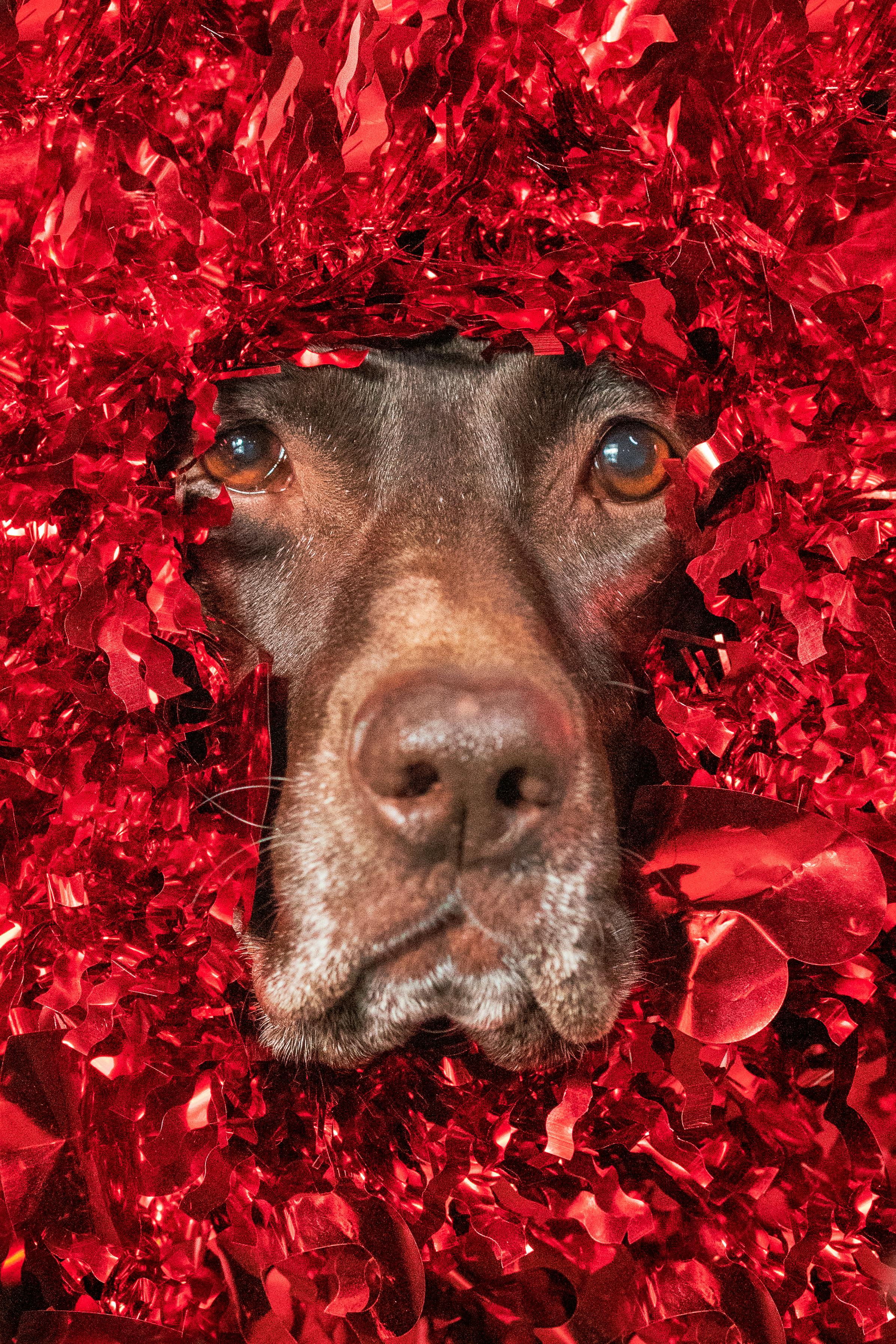
Dogs are often called man’s best friend, but there are some things about them that many people don’t know. One of the most intriguing features of our canine companions is their noses. You might have wondered, why do dogs have wet noses? Well, there’s fascinating science behind it, and it’s not just for fun! Here are 5 surprising facts about dog noses that will surely catch your attention.
1. The Wetness is Functional
You ever notice how a dog’s nose is always wet? This wetness isn't just a quirky trait; it serves a purpose. A dog’s nose helps to absorb scent chemicals. The moisture on their noses captures scent particles from the air, making it easier for dogs to smell. This is because dogs have a much more acute sense of smell compared to humans—estimated to be anywhere from 10,000 to 100,000 times more sensitive! The wetness helps in maximizing their olfactory abilities.
2. Unique Nose Prints
Just like human fingerprints, each dog has a unique nose print. The patterns of ridges and creases on a dog's nose can be used for identification. In fact, some people even use nose prints for dog identification purposes, similar to how fingerprints are used in humans. This is pretty cool, right? You could literally have a doggie ID based on their nose!
3. Temperature Regulation
You may be surprised to learn that a dog’s nose also plays a role in temperature regulation. Dogs don’t sweat like humans do. Instead, they cool off through panting and by having a moist nose. When a dog’s nose is wet, it helps to cool down their body temperature. This is especially important during hot weather when overheating can become a serious concern for dogs.
4. Health Indicators
A dog’s nose can also tell you a lot about their health. A healthy dog usually has a cool, moist nose. On the other hand, if a dog’s nose becomes dry or excessively warm, it can be an indicator of an underlying health issue. Here are some common nose-related signs to watch for:
- Dry and Cracked Nose: Could indicate dehydration or illness.
- Excessively Wet Nose: Might be a sign of allergies or other irritants.
- Color Changes: A sudden change in color (from pink to dark) can be a cause for concern.
It's always good to keep an eye on your dog's nose, as it can be an early warning system for potential health problems.
5. Nose and Sense of Smell Training
Dogs are used in various sectors due to their incredible sense of smell. They are trained to detect drugs, explosives, and even certain medical conditions. For example, some dogs can smell changes in blood sugar levels in diabetics or detect cancer in humans. This is often referred to as "nose work," a sport that involves teaching dogs to use their noses to find specific scents. Training can be fun and engaging, and it gives dogs a chance to use their natural abilities.
Fun Facts About Dog Noses
- Nasal Mucus: The moisture on their noses comes from a special mucus that helps capture scent particles.
- Scent Discrimination: Dogs can differentiate between thousands of different scents, which is why they excel in search and rescue operations.
- Nose Size Variation: The size and shape of a dog’s nose can also impact its sense of smell. Breeds like Bloodhounds have larger noses that help them track scents over long distances.
Comparing Dog Noses to Human Noses
| Feature | Dog Nose | Human Nose |
|---|---|---|
| Sensitivity | 10,000 to 100,000 times more | Limited sensitivity |
| Moisture | Always moist | Varies, usually dry |
| Identification | Unique patterns | Unique fingerprints |
| Purpose | Smell and temperature regulation | Smell and breathing |
The next time you cuddle with your furry friend, take a moment to appreciate that wet nose. It's not just an adorable feature; it’s a crucial part of what makes dogs so unique. Their noses are packed with functionality, from helping them stay cool to sniffing out things we could only imagine. Isn’t it fascinating how much our dogs' noses reveal about their world? So, the next time you see that wet nose, remember, it’s doing a lot more than you might think!
Wet Noses and Dog Health: What Every Pet Owner Should Know
Owning a dog is a rewarding experience that comes with a variety of responsibilities. One curious aspect of dog health that often raises questions among pet owners is their noses. Wet noses are often thought to be a sign of a healthy dog, but what does this actually mean? Why do dogs have wet noses, and how does it relate to their overall well-being? Let’s dive into this fascinating topic and uncover the truth behind those moist snouts.
The Science Behind Wet Noses
Dogs have wet noses for a couple of reasons. First, it helps them to regulate their body temperature. Unlike humans who sweat to cool down, dogs primarily rely on panting and their nose. The moisture on a dog’s nose evaporates, creating a cooling effect. It is important for every pet owner to understand this, especially in hot weather.
Second, a wet nose enhances a dog’s sense of smell. The moisture on their nose captures scent particles from the environment, which helps them to identify different smells better. This is particularly crucial for breeds that are known for their keen sense of smell, like Bloodhounds or Beagles.
Why Are Dog Noses Wet?
There are several reasons why a dog’s nose might be wet. Here are some key points:
- Natural Moisture: Dogs produce mucus that keeps their noses moist, which is normal.
- Licking: Dogs often lick their noses, which adds moisture.
- Humidity: Weather conditions can affect how wet a dog's nose is – humid days often result in wetter noses.
- Health Indicators: A sudden change in moisture levels can signal health issues, which is something pet owners should watch for.
Historical Context of Dog Noses
The evolution of dogs has led to their unique physiological traits, including their noses. Historically, dogs were bred for various purposes—hunting, herding, and companionship. Each of these roles relied heavily on their sense of smell. Ancient civilizations recognized the importance of a dog’s nose, and it was often said that a dog could smell things that humans couldn’t even imagine!
The Importance of a Wet Nose
A wet nose is often associated with a healthy dog, but it’s essential to understand what it signifies. Here are a few thoughts on the importance of a wet nose:
- Indicates Hydration: A moist nose can indicate that the dog is well-hydrated.
- Health Monitoring: If a dog’s nose becomes dry or cracked, it might be a sign of dehydration or illness.
- Behavioral Insight: Dogs with wet noses are usually more active and alert.
Signs of Potential Health Problems
While a wet nose is generally a good sign, there are exceptions. Pet owners should watch for the following signs:
- Dry Nose: A persistently dry nose could indicate dehydration or fever.
- Cracking or Bleeding: This could be a sign of a skin condition or allergy.
- Change in Color: A dog’s nose can change color due to health issues, including autoimmune diseases.
- Excessive Discharge: A runny nose or discharge may be a sign of an infection or respiratory issue.
Practical Tips for Dog Owners
Here are some tips to maintain your dog’s health related to their noses:
- Regular Vet Visits: Regular check-ups can help catch any issues early on.
- Hydration: Ensure your dog always has access to fresh water, especially in warmer months.
- Observe Changes: Keep an eye on any changes in your dog’s nose and behavior.
- Grooming: Regular grooming can help maintain the skin around the nose, preventing dryness or irritation.
Fun Facts About Dog Noses
- Dogs have about 220 million scent receptors in their noses compared to a human’s 5 million.
- A dog’s nose print is unique, much like a human fingerprint.
- Some breeds, like the Bloodhound, can detect scents that are days or even weeks old!
Understanding why dogs have wet noses can deepen the bond between pet owners and their furry friends. The health of a dog is intricately connected to many factors, including their nose's condition. By staying informed and attentive, pet owners can ensure their dogs live happy, healthy lives. So next time you give your pup a pat, take a moment to appreciate that wet nose and what it represents in their overall health.
Do Wet Noses Mean a Healthy Dog? Exploring the Connection

Have you ever wondered why do dogs have wet noses? Many pet owners believe that a wet nose is a sign of a healthy dog. But is this true? Let's dive into the fascinating connection between wet noses and canine health, exploring the reasons behind those moist little snouts.
The Science Behind Wet Noses
Dogs noses are often wet because of a couple of reasons. First, they have a special gland that helps produce mucus. This mucus helps to enhance their sense of smell. Canines have an amazing olfactory system, and a wet nose helps trap scent particles in the air, making it easier for them to detect smells.
Here’s some interesting facts about why dogs have wet noses:
- Humidity: Dogs’ noses can become wet due to humidity in the air or when they drink water.
- Licking: Dogs often lick their noses, which keeps it moist and can aid in their sense of smell.
- Temperature Regulation: A wet nose helps to cool off a dog’s body. The moisture evaporates, which can help them stay cool on hot days.
What Does a Wet Nose Mean for Dog Health?
So, does a wet nose mean a healthy dog? Not necessarily. While a moist nose can indicate certain health aspects, it isn’t the only measure of a dog’s wellness. Here are some points to consider:
- Temperature: A wet nose can help regulate body temperature, but a dog’s overall temperature is more important. Normal body temperature for dogs ranges from 101 to 102.5 degrees Fahrenheit. If your dog has a warm or dry nose and shows signs of illness, like lethargy or loss of appetite, it might be time to visit a vet.
- Dehydration: A dry nose can be a sign of dehydration or illness. If your dog’s nose is excessively dry or cracked, that could indicate a health issue.
- Nasal Discharge: A wet nose with clear discharge is usually normal. However, if you notice colored discharge, it could mean an infection and should be checked by a vet.
Common Misconceptions About Dog Noses
It's easy to fall for some myths surrounding dog noses. Here are some common misconceptions:
- A Wet Nose Equals Good Health: While it can be a sign of a healthy dog, many factors contribute to a dog’s health.
- Dogs Can't Get Sick with Wet Noses: Dogs with wet noses can still get sick. Always monitor other symptoms.
- Nose Color Indicates Health: The color of a dog’s nose can change due to various reasons, including breed traits and environment.
The Importance of Regular Vet Check-ups
Regular check-ups are crucial for maintaining your dog's health. A vet can provide valuable information about your dog’s overall well-being beyond just the appearance of their nose. Here’s what a vet might check during an examination:
- Physical Examination: Checking the dog’s body condition, coat, and skin health.
- Temperature Check: Taking the dog’s temperature to ensure it's within the normal range.
- Hydration Levels: Assessing if the dog is well-hydrated.
Caring for Your Dog's Nose
Ensuring your dog’s nose stays healthy is part of good pet care. Here are some tips:
- Hydration: Always provide fresh water to keep your dog hydrated.
- Limit Exposure to Extreme Weather: Protect your dog’s nose from sunburn in hot weather and frostbite in extreme cold.
- Inspect Regularly: Check for cracks, dryness, or unusual discharge.
Final Thoughts
In conclusion, while a wet nose can be a good indicator of certain aspects of a dog’s health, it is not an absolute measure. Many factors contribute to a dog’s well-being, and it's essential to keep an eye on their overall health. Understanding why do dogs have wet noses and the connection to their health can help you be a more informed pet owner. Monitoring your dog’s behavior, regular vet visits, and providing proper care are all crucial in ensuring your furry companion stays happy and healthy. So next time you pet your dog and feel that wet nose, remember there’s more to it than meets the eye!
Why Are Dog Noses Wet? The Evolutionary Benefits Explained
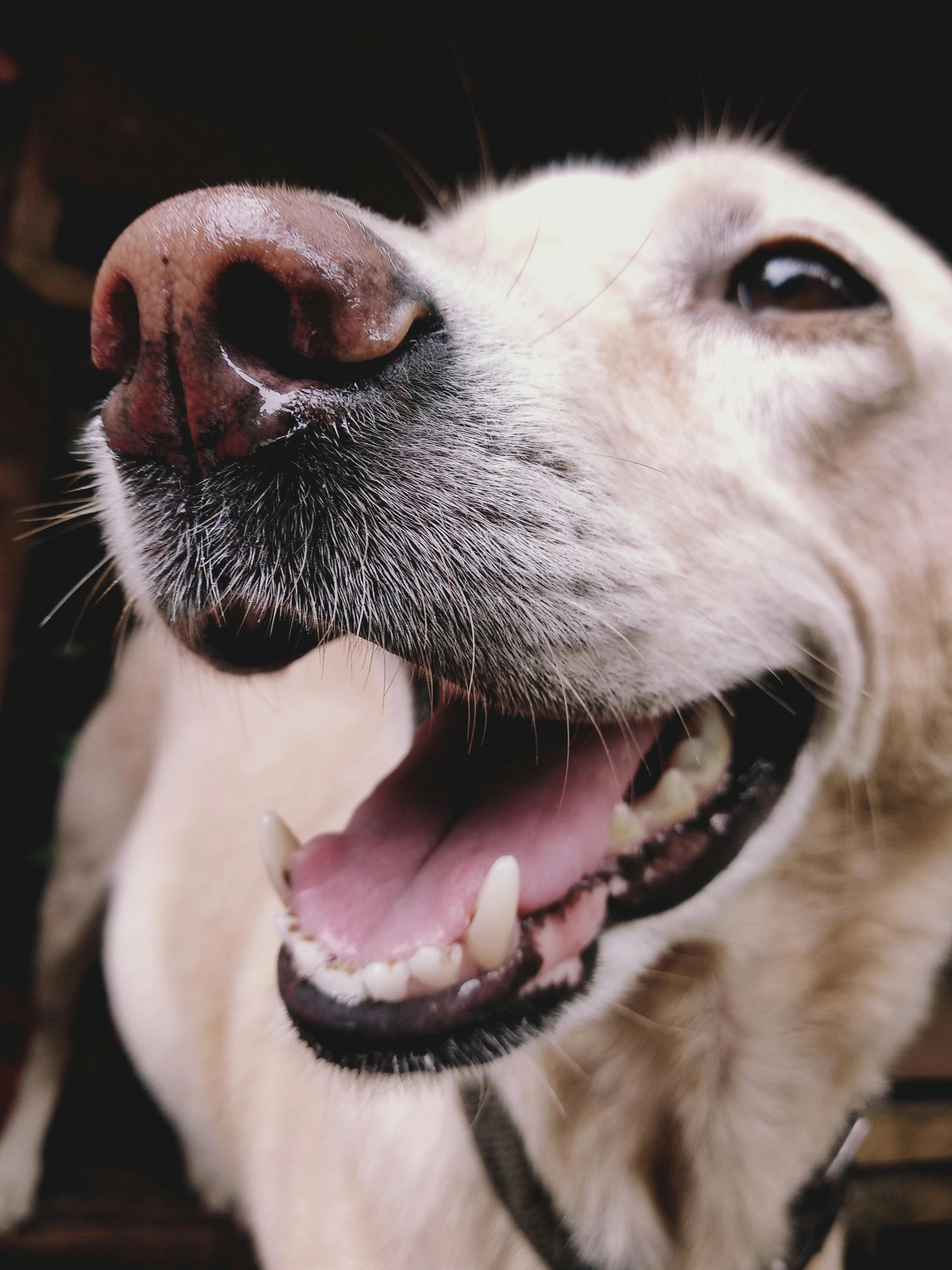
Have you ever wondered why dogs have wet noses? It’s a common question, and it leads to a fascinating exploration of canine biology and behavior. Wet noses are often seen as a normal feature of dogs, but there’s a lot more to it. The evolutionary benefits of wet noses are not just a quirky trait, but there are practical reasons behind it too. Let’s dive into this intriguing topic together.
The Science Behind Wet Noses
Dog noses are wet for several reasons, mostly related to their unique physiology. The moisture on their noses comes from a combination of factors, including:
- Mucus Production: Dogs produce mucus that keeps their noses moist. This mucus helps them in scent detection.
- Sweat Glands: Unlike humans who sweat all over, dogs primarily sweat through their paw pads. The moisture on their noses helps cool them down.
- Scent Enhancement: A wet nose can capture scent particles better than a dry one, enhancing a dog’s sense of smell. They have about 220 million scent receptors, compared to humans who only have about 5 million.
Evolutionary Advantages of Wet Noses
The evolutionary benefits of wet noses are numerous. They have developed to help dogs survive and thrive in their environments. Here are some key points on how wet noses play a role in their evolution:
- Enhanced Smell: Wetness helps in capturing scent particles, allowing dogs to detect smells better. This is crucial for hunting and finding food.
- Thermoregulation: Keeping their noses moist assists in regulating body temperature. It’s a way for dogs to cool off, especially when they can’t sweat through their skin.
- Communication: Dogs also use their noses to communicate with each other. A moist nose can be an indicator of health and vitality, signaling to other dogs that they are fit and ready to interact.
Dogs and Their Senses: A Comparison
Let’s take a look at how dogs’ senses compare with human senses, particularly focusing on the nose.
| Feature | Dogs | Humans |
|---|---|---|
| Smell Receptors | 220 million | 5 million |
| Taste Buds | About 1,700 | About 9,000 |
| Vision | Color-blind | Color-sensitive |
| Hearing | High frequencies | Moderate range |
As you can see, dogs have a remarkable advantage when it comes to their sense of smell. This is where their wet noses play a crucial role.
Historical Context
Dogs have evolved from wolves, and their noses have adapted over thousands of years. Early domesticated dogs needed to hunt for food and protect their human companions. The ability to smell better was essential, and wet noses became a beneficial trait. Over time, those with wetter noses thrived and passed on their genes.
Fun Facts About Dog Noses
- Unique Patterns: Just like human fingerprints, every dog’s nose print is unique. This means that you can actually identify dogs by their nose patterns!
- Temperature Regulation: A dog’s nose temperature can indicate its health. A cooler, moist nose usually means a dog is healthy, while a hot, dry nose can be a sign of illness.
- Licking Behavior: Dogs often lick their noses to keep them moist and to gather scents from their environment. This behavior is instinctual.
Why Wet Noses Matter for Dog Owners
For dog owners, understanding why dogs have wet noses can help in recognizing their pets' health. Here are some practical tips:
- Monitor Nose Condition: A change from wet to dry can indicate health issues. If the nose is persistently dry, it may be worth consulting with a vet.
- Encourage Hydration: Ensure your dog has access to plenty of water. Proper hydration supports nose moisture.
- Be Observant: Watch for changes in behavior. If your dog is less active or shows signs of discomfort, their nose condition may be a clue.
Dogs have wet noses for a mix of reasons, primarily to enhance their sense of smell and maintain body temperature. This unique biological feature allows them to connect with the world around them in ways that humans can only imagine. Understanding these aspects can deepen the bond between you and your furry friend while ensuring they stay healthy and happy.
How Dogs Use Their Wet Noses to Experience the World

Dogs are known for many things, but their wet noses are among the most fascinating. Have you ever wondered why do dogs have wet noses? It's not just for show, there’s actually some pretty cool science behind it. Dogs use their noses to experience the world in ways that we humans can’t even imagine. Let's dive into the captivating truth about why those noses are damp and what it means for our furry friends.
The Science Behind Wet Noses
When you think about it, a dog's nose is more than just a cute feature. It’s like a super-sensor for them. The wetness of a dog's nose serves several purposes that enhance their ability to smell and interact with their environment.
Enhanced Smell: A wet nose helps to capture scent particles better. When the nose is moist, it absorbs these particles more efficiently. This allows dogs to detect smells at incredibly low concentrations, sometimes up to 100,000 times better than humans!
Temperature Regulation: Just like we sweat to cool down, dogs also use their noses for temperature regulation. When they lick their noses, it helps to evaporate moisture, which cools them down. This is especially important since dogs don’t sweat like we do.
Health Indicator: The condition of a dog’s nose can also signify health. A healthy dog usually has a moist nose, while a dry or cracked nose might indicate illness or dehydration. Though not always the case, it’s good to keep an eye on your pup’s sniffer!
Why Are Dog Noses Wet?
So, why do dogs have wet noses? It’s fascinating how evolution has shaped this feature over time. Here’s a quick historical context:
Ancestral Traits: Dogs evolved from wolves, which also have wet noses. This trait likely helped them in hunting and survival by enhancing their sense of smell.
Adaptation: As dogs became domesticated, their wet noses remained a crucial adaptation for scent detection. It allowed them to bond with humans and other animals by interpreting smells more effectively.
Different Breeds, Different Noses: It’s also worth noting that different dog breeds have varying nose structures. Breeds like Bloodhounds have extremely long and wet noses, while Bulldogs have shorter ones, affecting their olfactory abilities.
Fun Facts About Dog Noses
Unique Patterns: Every dog has a unique nose print, much like human fingerprints. This can be used for identification purposes if ever needed!
Scent Receptors: Dogs have approximately 300 million scent receptors in their noses, compared to about 5 million in humans. This incredible number contributes to their powerful sense of smell.
Nasal Turbinates: Dogs have complex nasal turbinates, which are structures within their noses that help to filter and humidify the air they breathe, enhancing their ability to smell even further.
Practical Examples of How Dogs Use Their Noses
Dogs utilize their noses in various ways, from daily activities to specialized tasks. Here are some common examples:
Finding Food: Dogs can locate food that’s buried or hidden. They can sniff out treats in a matter of seconds, which is why they often have their noses to the ground during walks.
Tracking: Many working dogs are trained to track scents. This includes search and rescue dogs, who can find missing persons, or police dogs that track criminals.
Detecting Diseases: Believe it or not, some dogs can even detect diseases like cancer or diabetes by smelling the unique scents associated with those conditions.
The Importance of Nose Care
While we often focus on a dog's overall health, taking care of their noses is equally important. Here are some tips on how to maintain your dog's nose health:
Hydration: Make sure your dog drinks plenty of water to keep their nose moist.
Regular Checks: Look for any cracks or dryness. If their nose appears excessively dry or shows signs of irritation, consult a vet.
Avoid Irritants: Keep your dog away from harsh chemicals or allergens that might irritate their nose.
Dogs’ wet noses are a marvel of nature and an essential tool for their interaction with the world around them. From smelling food to detecting diseases, their noses do more than we can comprehend. Understanding the reasons behind that wetness not only helps us appreciate our furry friends more but also allows us to ensure their health and happiness. So, the next time you give your dog a scratch on the head, don’t forget to check out that wonderful wet nose!
The Role of a Dog’s Wet Nose in Communication and Bonding

Dogs are one of the most beloved pets around the globe. Their weird little quirks and traits often fascinate us, and one of the most interesting features is their wet noses. You might have wondered, "Why do dogs have wet noses?" and "What role does a dog's wet nose play in communication and bonding?" Well, let’s uncover the fascinating truth about it!
The Science Behind Wet Noses
So, to start with, a dog's nose is not just for show. It’s a complex organ that helps them to understand the world. A dog's nose is moist because it helps to enhance their sense of smell. You see, the moisture on a dog's nose helps to trap scent particles. This is super important since dogs have an incredible sense of smell — they can detect odors at incredibly low concentrations. In fact, some studies suggest that a dog's sense of smell is anywhere from 10,000 to 100,000 times more sensitive than humans.
Communication Through Scent
Dogs communicate a lot through their noses, and wet ones makes that communication even more effective. Here’s how it works:
- Scent Tracking: A wet nose can pick up more scents. When dogs sniff each other, they gather information about another dog’s identity, mood, and even health.
- Social Interactions: A dog might greet you by nudging your hand with their wet nose, encouraging you to pet them. This is a way of connecting and showing affection.
- Territorial Marking: Dogs have scent glands in their noses that they use to mark their territory. A wet nose can spread their scent more effectively.
Historical Context of Dogs' Noses
Dogs have been companions to humans for thousands of years. In ancient times, dogs were bred for specific abilities, including hunting and herding. Their wet noses played a crucial role in these activities. For example, hunting dogs had to track scents over great distances, and a moist nose was key to their success.
The Role of a Wet Nose in Bonding
Bonding with your dog is super important for both their emotional well-being and yours. A wet nose can signal a dog's emotions and intentions. When a dog approaches with a wet nose, it often means they are happy, curious, or want some attention. Here are some practical examples of how you can bond with your dog, considering their wet nose:
- Playtime: Engage your dog in games where they use their nose, like hide and seek with treats. Their wet nose will help them sniff out the hidden goodies.
- Training Sessions: Use their natural inclination to sniff as a part of training. Reward them when they successfully use their nose to follow commands.
Interesting Facts About Dogs’ Noses
- Temperature Regulation: Dogs also use their noses to help cool down. When they pant, the moisture from their noses evaporates, which helps regulate their body temperature.
- Unique Prints: Like human fingerprints, dogs have unique nose prints. Some dog owners even use these prints for identification!
- Health Indicator: A wet nose can sometimes indicate good health. However, if a dog's nose is dry or cracked, it may signal dehydration or illness, so keep an eye on it.
The Importance of Nose Health
Keeping your dog's nose healthy is just as important as any other part of their body. Here are some tips to maintain their nose health:
- Hydration: Make sure your dog always has access to fresh water, as hydration impacts nose moisture.
- Avoid Irritants: Steer clear of any harsh chemicals or allergens that could irritate their nose.
- Regular Check-ups: Routine vet check-ups can help catch any potential issues early on.
Dogs and Their Emotional Spectrum
Dogs, as social animals, express a range of emotions, and their wet noses play a role in this emotional spectrum. When a dog’s wet nose touches you, it can be a sign of affection or a request for attention. Here’s a simple list of emotions dogs might convey through their wet noses:
- Affection: A soft nudge or a gentle poke with their nose.
- Playfulness: Sniffing and licking when they want to play.
- Curiosity: A quick touch of their nose when investigating something new.
In summary, a dog's wet nose serves many important functions, from enhancing their sense of smell to fostering communication and bonding. The moistness of their noses plays a key role in their interactions with the world and with you. Next time your furry friend greets you with a wet nose, remember the fascinating truth behind it!
Can a Dog's Wet Nose Indicate Illness? Understanding the Signs
When you think about dogs, their wet noses are one of the most striking features that come to mind. Many dog owners wonder what it means when their furry companions have a cold, wet nose. Some people even think a wet nose means a dog is healthy. But, can a dog's wet nose indicate illness? In this article, we dive into the fascinating truth about why dogs have wet noses and what it might mean for their health.
Why Do Dogs Have Wet Noses?
Dogs have wet noses for several reasons. First off, it's a natural trait that helps them with their sense of smell. A moist nose can enhance a dog's ability to detect scents. Here’s a quick breakdown of why their noses are often wet:
- Enhanced Smell: A wet nose can trap scent particles better, making it easier for dogs to smell.
- Cooling Mechanism: Dogs don’t sweat like humans do. Instead, a wet nose can help regulate their body temperature.
- Health Indicator: Often, a wet nose indicates hydration and overall good health.
Can a Dog's Wet Nose Indicate Illness?
While a wet nose is usually a sign of a healthy dog, it is not a definitive health indicator. There are situations when a wet nose may indicate something is wrong. Here are some signs to watch for:
- Excessive Dryness: A dry nose can signal dehydration or illness. If your dog’s nose is unusually dry, it could be a cause for concern.
- Nasal Discharge: If there’s discharge coming from the nose, it could indicate an infection or allergies.
- Changes in Temperature: If your dog’s nose is hot and dry, it might be a sign of fever or illness.
The Science Behind Dog Noses
Understanding dog noses goes beyond just their wetness. Here are some interesting facts:
- Scent Receptors: Dogs have about 300 million scent receptors in their noses, compared to about 5 million in humans. This makes their sense of smell extremely powerful.
- Nasal Structure: The structure of a dog's nose allows for better air circulation, which helps keep it moist.
- Behavioral Signals: Dogs often use their noses to communicate. A dog may sniff another dog’s nose as a greeting.
Comparison: Wet vs. Dry Nose
Here's a little comparison to help understand when a wet nose is good and when it might be cause for concern:
Wet Nose Signs:
- Healthy hydration
- Good temperature regulation
- Engaged and alert behavior
Dry Nose Signs:
- Potential dehydration
- Possible illness
- Lack of energy or lethargy
Common Myths About Dog Noses
There are many myths surrounding dog noses that aren’t true. Here are some of the most common misconceptions:
- Myth 1: A wet nose means a dog is always healthy.
- Myth 2: If a dog has a warm nose, it always means they have a fever.
- Myth 3: All dogs have wet noses. Some breeds, like Bulldogs, may have drier noses naturally.
Practical Examples of Nose Health
Next time you’re petting your dog, check their nose. Here are some practical examples of what to look for:
- Normal Wet Nose: Your dog’s nose feels cool and moist, and they are acting normally. This is usually a sign of good health.
- Dry and Cracked Nose: If the nose is dry, cracks are visible, and your dog is lethargic, it might be time for a vet visit.
- Nasal Discharge: If you see mucus or blood, it’s important to seek veterinary care immediately.
When to Consult a Vet
Knowing when to call the vet is crucial for your dog’s health. Here’s a quick list of signs that warrant a vet visit:
- Persistent dryness or cracking of the nose
- Discharge from the nose that has not resolved
- Changes in behavior, such as lethargy or loss of appetite
- Signs of pain or discomfort around the nose
Understanding your dog’s nose can be vital in monitoring their health. Remember that while a wet nose usually indicates a happy, healthy dog, it should be just one part of a broader picture of your pet's wellness. Keep an eye on their overall behavior and physical condition, and don't hesitate to reach out to a veterinarian for any concerns. Your furry friend depends on you to keep them healthy and happy!
7 Reasons Why Your Dog's Nose Is Wet and What It Means
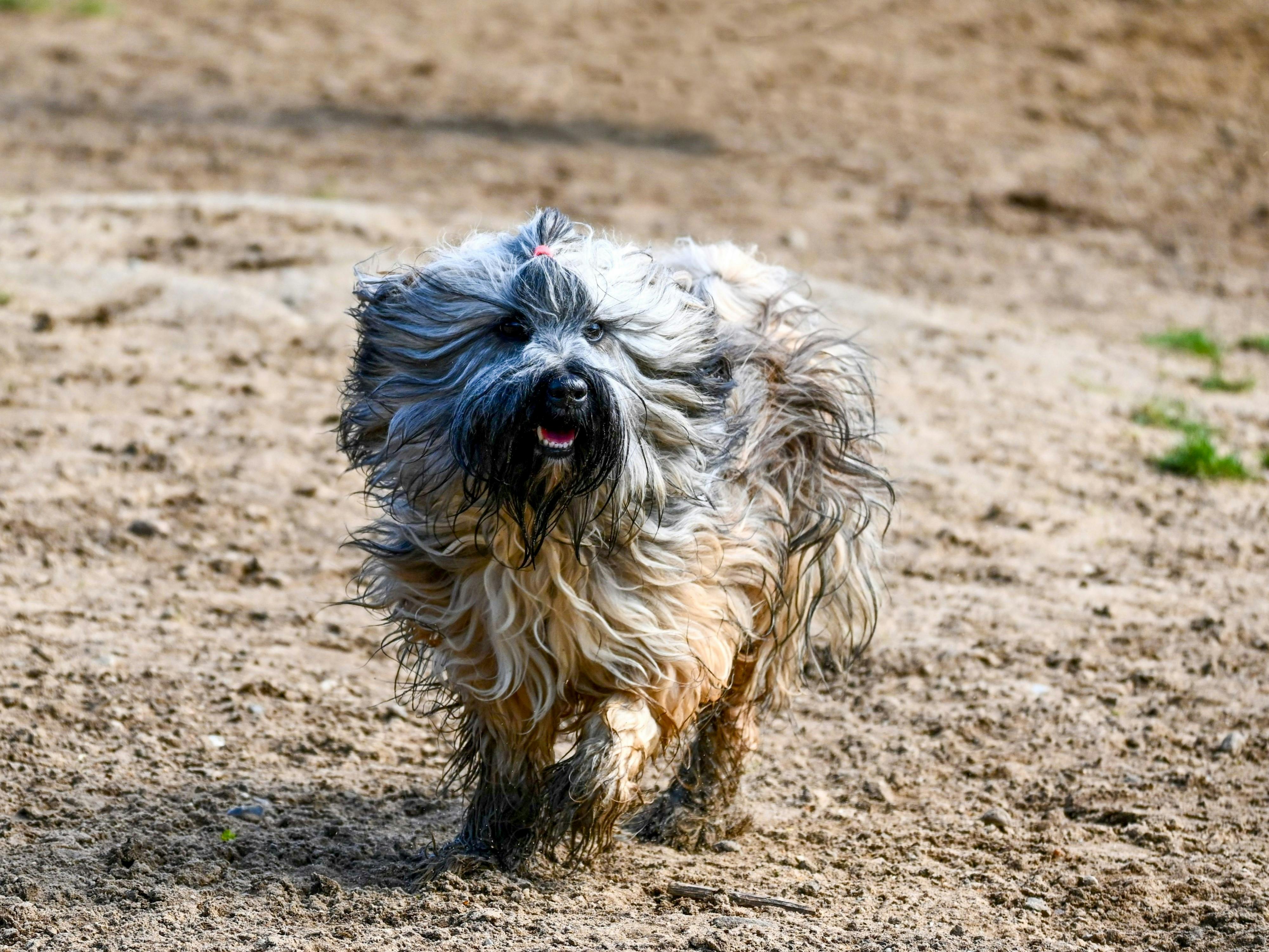
Dogs are truly man's best friend, and one of the most interesting characteristics about them is their wet noses. Have you ever wondered why do dogs have wet noses? It’s a question that many pet owners ask. In this article, we’ll explore 7 reasons why your dog’s nose is wet and what it means. Let’s uncover the fascinating truth behind those adorable, moist noses!
1. Natural Cooling Mechanism
One of the primary reasons your dog’s nose is wet is because it helps them regulate their body temperature. Dogs don’t sweat like humans do. Instead, they rely on panting and the moisture from their noses to cool down. When a dog’s nose is wet, it can help evaporate the moisture and provide a cooling effect. This is particularly important during hot weather or after vigorous play.
2. Enhanced Sense of Smell
Did you know that a wet nose can enhance a dog’s sense of smell? A dog’s nose is packed with scent receptors, and having a moist surface helps to capture scent particles in the air. When the nose is wet, it can absorb more scents, allowing dogs to detect smells better than we can imagine. This is one reason why dogs are often used in search and rescue operations or as service animals.
3. Protection Against Germs
A dog’s nose has natural antibacterial properties that can help protect them from infections. The moisture on their noses can trap dust and allergens, preventing them from entering their airways. Additionally, the wetness can help keep the nose clean and free from irritants. So, a wet nose is not just a quirky trait; it serves an important health function too!
4. Signals of Health
Most dog owners may not realize, but a wet nose can be an indicator of your dog’s health. Generally, a healthy dog has a moist, cool nose. However, if the nose becomes dry or excessively warm, it could signal potential health issues. Here are some signs to watch for regarding your dog's nose:
- Wet and cool: Generally healthy
- Dry and warm: Possible fever or dehydration
- Excessively dry: Might indicate allergies or illness
- Cracked or sore: Could be a sign of a more serious condition
5. Social Interaction
Dogs use their noses not just to smell, but also to communicate with other dogs. A wet nose is often a sign of a friendly and approachable dog. When dogs meet each other, they will often sniff noses; it’s a way of greeting and gathering information about each other. So, when your dog approaches another dog with their wet nose, they’re engaging in a social ritual that’s been around for ages.
6. Hydration Indicator
Surprisingly, the moisture level of your dog's nose can also indicate their hydration status. If a dog is well-hydrated, their nose will generally be moist. However, if you notice that it’s becoming dry, it could be a sign that your pup needs more water. Always keep fresh water available and monitor their drinking habits, especially in warmer months.
7. Environmental Factors
Lastly, environmental factors play a big role in how wet your dog’s nose is. Dogs often have wetter noses after being outside in the rain or snow. Humidity levels can also affect how moist their noses are. If it’s a dry or windy day, you might notice your dog’s nose becoming drier than usual. Conversely, after a good romp in the grass or a swim, expect their noses to be extra wet!
Important Takeaways
Here’s a quick summary of the 7 reasons why your dog's nose is wet:
- Cooling Mechanism: Helps regulate body temperature.
- Enhanced Smell: Improves their ability to pick up scents.
- Protection: Acts as a barrier against germs and allergens.
- Health Indicator: Reflects their overall health status.
- Social Behavior: Used in communication with other dogs.
- Hydration Indicator: Shows their hydration level.
- Environmental Influence: Affected by weather and surroundings.
Understanding why do dogs have wet noses can deepen your bond with your furry companion. It’s not just an adorable feature; it plays significant roles in their health and behavior. So next time you give your dog a good scratch behind the ears and feel that wet nose against your hand, remember all the fascinating reasons behind it. Your dog's nose is more than just cute; it's a window into their health and well-being!
Exploring the Myths: Wet Dog Noses vs. Dry Dog Noses Explained
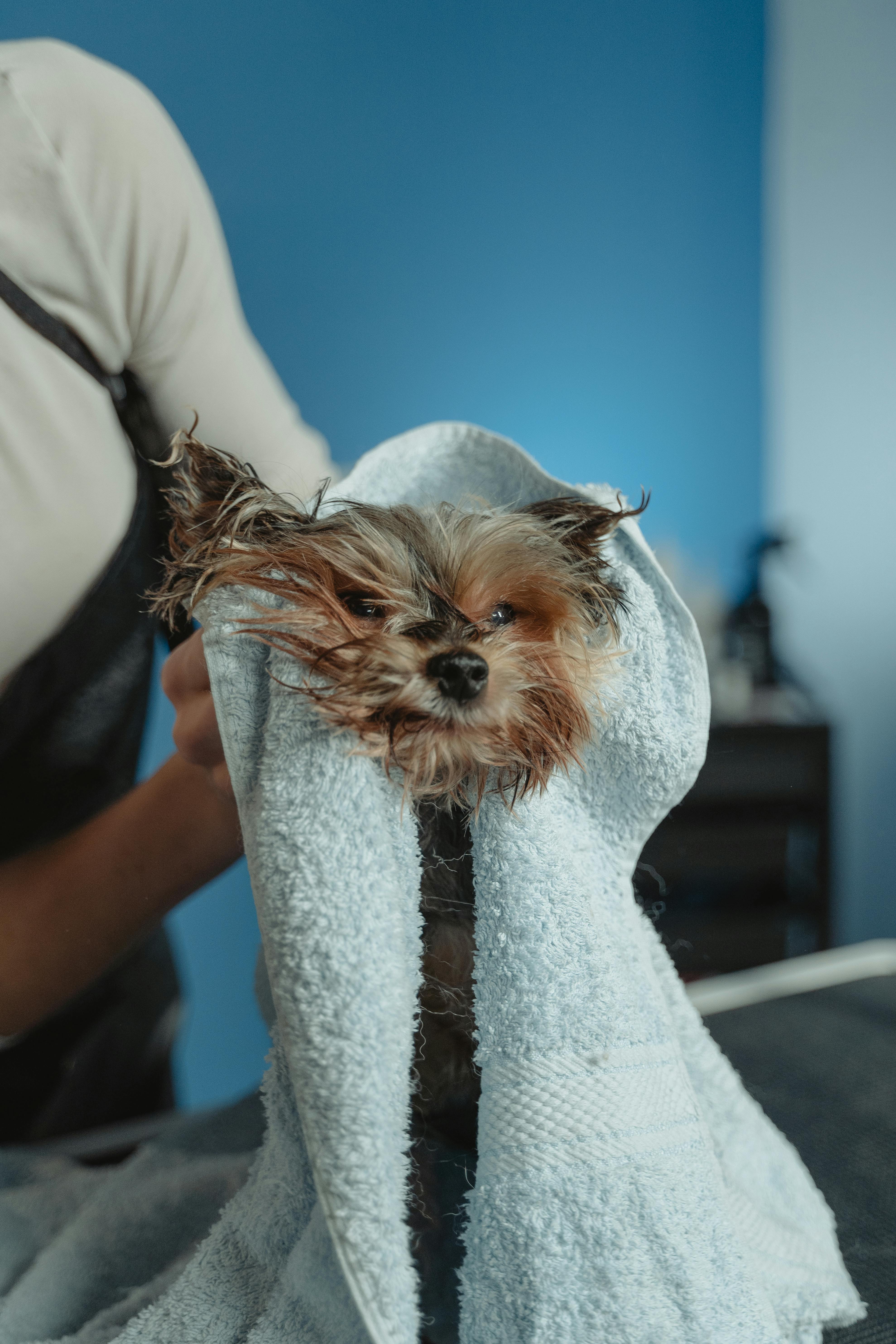
Dogs are one of the most beloved pets around the world. They bring joy, companionship, and sometimes a little bit of mischief to our lives. One of the most curious things about dogs is their noses. Have you ever wonder why dogs have wet noses? It's a question that seems simple but it leads to so many myths and misunderstandings. So, let's explore the reality behind wet dog noses versus dry dog noses and uncover the fascinating truth.
The Science Behind Wet Noses
First off, most people think that a wet nose is a sign of a healthy dog, but it’s not that straightforward. Wet noses are usually due to the secretion of mucus from the nasal membranes. This moisture helps dogs to better sense the world around them.
- Dogs have a highly developed sense of smell, way better than humans.
- The moisture on their noses helps to capture scent particles from the air.
- It’s like a natural way for them to enhance their sniffing abilities.
Moreover, when dogs sniff around, they are actually breathing in these scent particles, which are then processed by their olfactory system. This system is so advanced that it allows dogs to detect certain smells that humans can’t even imagine.
Myths About Dog Nose Conditions
Many people believe that a dog’s nose can tell you about their health. But that’s not entirely accurate. Here are some common myths:
Myth: A dry nose means a sick dog.
- Fact: Dogs can have dry noses for various reasons, including environmental factors or even just being asleep.
Myth: A wet nose means a dog is healthy.
- Fact: While wet noses can indicate hydration, they’re not the ultimate health indicator.
Myth: Dogs only have wet noses when they are excited.
- Fact: Dogs can have wet noses at any time, regardless of their mood.
What Causes a Dog's Nose to be Dry?
There are several reasons why a dog's nose might be dry. Here’s a list of some common causes:
- Dehydration: If a dog isn't drinking enough water, their nose can dry out.
- Weather Conditions: Hot or windy weather can lead to a dry nose.
- Allergic Reactions: Certain allergies can cause dryness or irritation.
- Age: Older dogs might have drier noses as they age.
Environmental Factors Affecting Nose Moisture
The dog's surroundings can play a big role in their nose condition. Dogs living in arid climates might have drier noses compared to those in humid environments.
- Heat Exposure: Dogs left in hot cars or under the sun for too long may develop dry noses.
- Indoor Heating: During winters, indoor heating can dry out the air, affecting a dog’s nose.
Health Indicators to Watch For
While a dry nose isn’t always a cause for alarm, dog owners should be mindful of other health indicators. Here’s what you should look for:
- Changes in Appetite: If your dog is not eating or drinking, it could be a sign of illness.
- Behavior Changes: Lethargy or unusual behavior should be noted.
- Nasal Discharge: Any unusual discharge can indicate health issues.
Comparing Wet to Dry Noses
Here’s a quick comparison of wet and dry noses in dogs:
| Feature | Wet Nose | Dry Nose |
|---|---|---|
| Sensory Ability | Enhanced sense of smell | Reduced scent detection |
| Health Indicator | Not a definitive sign of health | Can indicate dehydration or illness |
| Environmental Impact | Often cool and moist | Can be affected by heat or dryness |
Practical Tips for Dog Owners
If you notice your dog’s nose is frequently dry, consider these tips:
- Ensure Hydration: Always provide fresh water for your dog.
- Avoid Extreme Weather: Try to keep your dog indoors during extreme weather conditions.
- Regular Vet Check-ups: Routine check-ups help catch potential health issues early.
Understanding why dogs have wet noses can help pet owners better care for their furry friends. It’s important to separate the myths from the facts. While a wet nose can indicate certain things, it’s not the be-all and end-all of a dog’s health. Always consult a vet should you have concerns about your dog’s nose or overall health. So next time you see your dog with that adorable wet nose, appreciate the science behind it, and give them a little extra love. They surely deserve it!
Conclusion
In conclusion, the wet noses of dogs serve several important purposes that contribute to their overall health and sensory capabilities. As we explored, a moist nose helps enhance their sense of smell, allowing them to detect scents more efficiently due to the increased surface area for olfactory receptors. Additionally, a wet nose plays a vital role in thermoregulation, helping dogs maintain their body temperature. While a wet nose is often considered a sign of a healthy dog, it’s essential to monitor any changes, as they could indicate underlying health issues. Understanding why dogs have wet noses not only deepens our appreciation for these loyal companions but also encourages us to care for their well-being. If you're a dog owner, take a moment to observe your pet's nose and overall health, and consult your veterinarian if you notice any unusual changes. Remember, a happy dog is a healthy dog!