Have you ever wondered why do dogs have wet noses? This intriguing question has captivated dog lovers and pet enthusiasts alike. A dog's nose isn't just a cute feature; it serves important functions that affect their health and behavior. In this article, we'll uncover the fascinating facts behind this characteristic, exploring topics like dog health, sense of smell, and even the role of a wet nose in communication. Have you noticed how a dog's nose feels cool and moist? This unique trait helps them to regulate their body temperature and enhances their ability to smell. Dogs possess an extraordinary sense of smell, and their wet noses play a crucial role in this. But why exactly is it wet? Is it just a fun fact, or does it have deeper implications for your furry friend's well-being? Dive into this exploration and discover the science behind canine noses. Whether you're a new puppy owner or a seasoned dog parent, understanding why do dogs have wet noses can deepen your appreciation for these loyal companions. Join us as we unravel the mystery of canine noses and what they reveal about our beloved pets!
The Science Behind Canine Nasal Moisture: Why Are Dog Noses Wet?
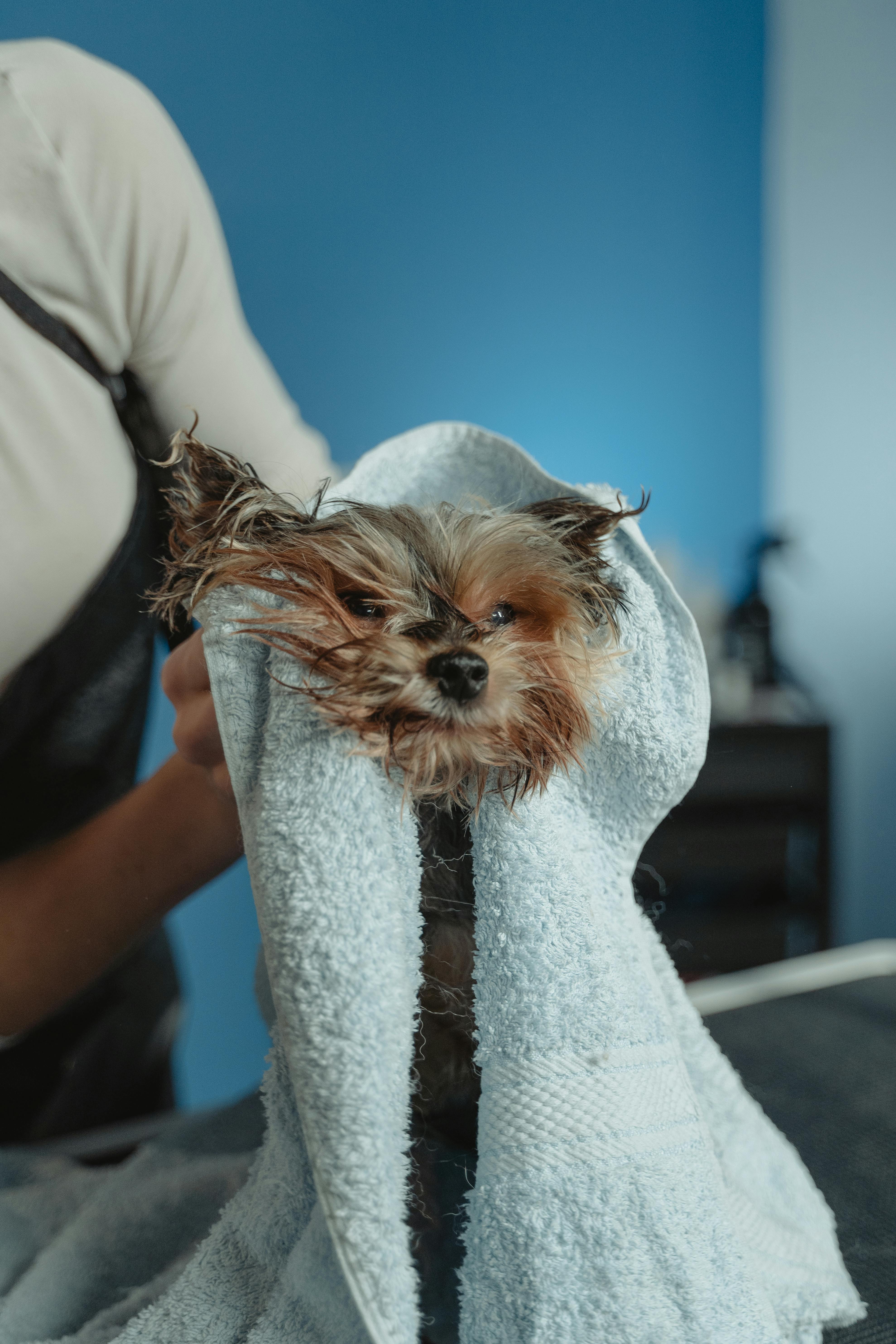
Have you ever wondered why dogs have wet noses? It’s a question that many pet owners ask, and the answer is more scientific than you might think. While it may seem like a simple trait, there’s actually a lot of fascinating biology behind your furry friend’s moist snout. This article will uncover the science behind canine nasal moisture and help you understand why those wet noses are more than just cute.
The Basics of Dog Noses
Dogs have some of the most sensitive noses in the animal kingdom. Their sense of smell is estimated to be anywhere from 10,000 to 100,000 times more acute than humans. This extraordinary olfactory ability is partly due to their wet noses. But what exactly is the purpose of that moisture? Let's explore.
The Function of Nasal Moisture
Nasal moisture serves several important functions for dogs:
Enhanced Smell: Wet noses help trap scent particles in the air. When a dog sniffs, the moisture on their nose captures these particles, making it easier for them to detect various smells. The moisture also helps to dissolve scent molecules, which makes them more accessible to the olfactory receptors in the nose.
Temperature Regulation: Dogs regulate their body temperature through panting, but their noses also play a role. A moist nose can help cool a dog down, especially during hot weather. The evaporation of moisture from the nose can aid in thermoregulation.
Health Indicator: A dog’s nose can give insight into their health. Typically, a warm or dry nose can indicate sickness, while a cool and moist nose is often a sign of a healthy dog.
Anatomy of a Dog’s Nose
To understand why dogs have wet noses, it helps to look at the anatomy:
Nasal Mucosa: The inside of a dog's nose is lined with a special tissue known as the nasal mucosa. This tissue produces mucus, which helps keep the nose moist.
Olfactory Receptors: Dogs have a high density of olfactory receptors, which are vital for detecting scents. The moisture on the nose helps these receptors work more effectively.
Licking Behavior: Dogs often lick their noses. This is not just a cute behavior; it’s practical. When they lick their noses, they’re rehydrating that area, which enhances their sense of smell even further.
Why Are Some Dog Noses Dry?
It’s important to note that not every dog has a wet nose all the time. Factors that can lead to a dry nose include:
Weather Conditions: Hot, dry weather can cause a dog’s nose to dry out.
Dehydration: If a dog isn’t drinking enough water, it can affect the moisture levels in their nose.
Health Issues: Certain health problems can lead to a dry nose, like fever or allergies.
Aging: Older dogs may experience changes in their skin, including their noses, leading to dryness.
Fun Facts About Dog Noses
Here’s a few interesting tidbits about dog noses:
Unique Nose Prints: Just like human fingerprints, each dog’s nose print is unique. This means that it could theoretically be used for identification purposes.
Color Variations: Dog noses come in various colors, from black to pink, and these can change due to temperature, health, or even the breed of the dog.
Nose and Taste: Dogs have fewer taste buds than humans, but they do have a keen sense of taste that works in tandem with their sense of smell. A wet nose can enhance this experience.
Comparison: Dog Noses vs. Human Noses
Let’s look at how dog noses compare to human noses:
| Feature | Dog Noses | Human Noses |
|---|---|---|
| Sensitivity | 10,000 to 100,000 times greater | Relatively lower sensitivity |
| Moisture Purpose | Enhances smell, regulates temp | Primarily for moisture and warmth |
| Olfactory Receptors | Approximately 300 million | About 5 million |
| Unique Prints | Yes | No |
By examining these differences, it becomes clear why a dog’s wet nose is not just a charming characteristic but a crucial tool for survival and communication.
The next time you pet your dog, remember that their wet nose is doing a lot more than just being adorable. It’s a fascinating blend of biology and behavior that showcases the incredible adaptations of our canine companions. Understanding why dogs have wet noses helps us appreciate them even more. So, keep those noses moist and healthy, and enjoy the wonderful world of scents they bring into your life!
5 Amazing Reasons Why Your Dog’s Nose is Always Wet: Discover the Benefits!

Dogs are fascinating creatures, and one of they’re most endearing traits is their wet noses. If you ever wondered why do dogs have wet noses, you’re not alone! It’s a common question among dog lovers and pet owners alike. Here’s a look at 5 amazing reasons why your dog’s nose is always wet, and you might be surprised at the benefits this little feature brings!
1. Enhanced Sense of Smell
Dogs have an incredible sense of smell, far superior than humans. A wet nose helps them to absorb scent molecules better. When their nose is wet, it can capture more of these particles. That's why you often see dogs sniffing around, their noses glistening with moisture. This ability allows them to detect things like food, other animals, and even changes in their owner’s emotions.
Some interesting facts:
- Dogs have about 220 million scent receptors compared to humans, who have around 5 million.
- The moisture on their noses comes from a combination of mucus and saliva, which helps to trap scents.
2. Temperature Regulation
Did you know that a dog’s nose also play a role in regulating body temperature? When dogs pant, they’re cooling down, but their noses help too. A wet nose can cool off as the moisture evaporates, helping to keep your dog comfortable. This is especially important during hot weather.
Here’s how it works:
- The moisture on the nose evaporates, similar to how sweating cools humans down.
- It allows dogs to maintain a stable body temperature even on warm days.
3. Health Indicator
A dog’s nose can tell you a lot about their health. Generally, a healthy dog has a cool and moist nose. If you notice it’s dry or warm, it could be a sign of dehydration or illness. Keep an eye out for changes in their nose condition as it may indicate they needs vet attention.
Signs to watch for:
- Dryness could mean dehydration.
- Warmness might indicate a fever or health issues.
4. Communication Tool
Dogs communicate in many ways, and their noses play a part in that too! When dogs meet, they often sniff each other's noses. This behavior is their way of gathering information about the other dog. It’s like a handshake, but with a lot more detail involved!
Consider this:
- Dogs use their noses to build a profile of other dogs or even humans.
- They can learn about emotions, health, and even diet through scent.
5. Lubrication and Protection
The wetness of a dog’s nose helps protect it from dirt and debris. The moisture acts as a lubricant which can be essential when they’re digging or exploring their surroundings. It helps to keep their nose sensitive and functional for all the sniffing they do.
Benefits include:
- Protects against irritants and pathogens.
- Keeps their sense of smell sharp and effective.
What if Your Dog's Nose is Too Dry?
If you ever notice your dog's nose is excessively dry or cracked, it could be time to take some action. Here are some steps you can take:
- Ensure they’re drinking enough water.
- Use a humidifier in their environment if it’s dry.
- Consult a veterinarian for advice if the condition persists.
Quick Comparison: Wet Nose vs. Dry Nose
| Wet Nose | Dry Nose |
|---|---|
| Cool to the touch | Warm or hot |
| Healthy indicator | Potential health concern |
| Better sense of smell | Might indicate dehydration |
| Good for temperature regulation | May need vet attention |
In the end, the wetness of a dog’s nose is not just a cute feature but serves multiple beneficial purposes. From enhancing their sense of smell to acting as a vital health indicator, these wet noses are truly amazing! Next time you pet your furry friend, take a moment to appreciate everything their wet nose does. Understanding the reasons why dogs have wet noses can deepen your bond and appreciation for them. Your dog is more than just a pet; they’re a complex and wonderful companion!
Is Your Dog's Wet Nose a Sign of Health? Unveiling the Truth!
Is Your Dog's Wet Nose a Sign of Health? Unveiling the Truth!
When you own a dog, you probably notice their wet noses. But have you ever wonder if this is a sign of health? It’s a common belief that a wet nose is a good indicator of a dog’s wellness. However, does it really mean your furry friend is healthy? Let’s dive into the science behind it and uncover some fascinating facts about why do dogs have wet noses.
The Science Behind Wet Noses
Dogs have wet noses for several reasons, and it’s not just about health. The moisture on a dog’s nose plays a crucial role in their sense of smell, which is far superior to humans. The wetness helps to capture scent particles in the air. This is why when you see your dog sniffing around, they often have that shiny, wet nose.
Here are a few interesting facts about dogs’ noses:
- Enhanced Scent Detection: The wet surface helps dogs pick up scents more efficiently.
- Cooling Mechanism: Dogs can’t sweat like humans do, so moisture on their nose helps with temperature regulation.
- Health Indicator: While a wet nose can indicate a healthy dog, it’s not the only sign of wellness.
Why Do Dogs Have Wet Noses? Uncover This Fascinating Fact!
Now, let's explore the reasons why dogs’ noses are typically wet. It’s not just about looking cute! Here’s a list of the primary reasons:
- Natural Secretions: Dogs produce mucus that keeps their noses moist. This secretion helps them with their olfactory sense.
- Licking: Dogs often lick their noses, which adds to the moisture. They do this as part of grooming, and it also helps with scent detection.
- Environmental Factors: A dog may have a wet nose after being outside, especially if it's humid or they've been drinking water.
Are There Exceptions to the Rule?
While a wet nose is often a sign of a healthy dog, there are exceptions. A dog can have a wet nose and still be unwell. Here are some things to consider:
- Temperature: A warm nose could indicate a fever, especially if it’s dry.
- Behavior: If your dog is lethargic or not eating, it’s crucial to consult a vet, regardless of their nose wetness.
- Nasal Discharge: If there’s discharge, it could be a sign of infection or allergies.
Comparing Wet vs. Dry Noses
To better understand the implications of a dog’s nose moisture, let’s look at a simple comparison.
Wet Nose:
- Often associated with health
- Increases scent detection
- Cool to the touch
Dry Nose:
- Could indicate dehydration or illness
- May lead to decreased sense of smell
- Warm to the touch, depending on the situation
Practical Examples of Nose Care
Keeping your dog's nose healthy is important. Here’s a list of practical tips:
- Regular Vet Check-ups: Make sure to have routine vet visits to monitor your dog's overall health.
- Hydration: Always provide fresh water to keep your dog hydrated.
- Protect from Elements: In extreme weather, use dog-safe balms to protect their noses from drying out.
Fun Fact: The History of Dog Noses
The relationship between dogs and their noses goes way back. Dogs were domesticated thousands of years ago, and their sense of smell was naturally selected for hunting and herding. Ancient cultures often relied on dogs to track game or even locate missing persons. That’s how important their noses became!
Final Thoughts
So, is your dog’s wet nose a sign of health? It can be, but it’s not the only factor to consider. Dogs are complex creatures, and their health can’t be determined just by the moisture on their noses. Pay attention to their behavior, temperature, and overall health. If you have any concerns about your dog’s wellness, don’t hesitate to reach out to a veterinarian. Understanding why do dogs have wet noses is just one part of being a responsible pet owner!
Why Do Dogs Have Wet Noses? Exploring Their Unique Physiology

Dogs are often considered man's best friend, and they come with a lot of quirky traits that make them unique. One of the most common questions people asks is, "Why do dogs have wet noses?" This question sparks curiosity and reflects our deeper interest in understanding our furry companions. The truth is, a dog's wet nose serves several important functions that contribute to their overall health and behavior.
The Physiology Behind Wet Noses
A dog's nose is moist for a bunch of reasons, primarily related to their physiology. Unlike humans, dogs have a special structure in their noses, called the olfactory epithelium, which is involved in their sense of smell. Here’s a breakdown of some important points:
- Enhanced Smell: The wetness helps to trap scent particles from the air. This is why dogs can smell things much better than humans.
- Temperature Regulation: Dogs do not sweat like humans do. Instead, they cool themselves through panting and having a moist nose. Moisture evaporating from the nose helps to lower their body temperature.
- Health Indicator: A dog's nose can be a sign of their health. A wet, cool nose can indicate a healthy pup, while a dry nose might suggest dehydration or illness.
Historical Insights
Historically, a dog’s wet nose has been a topic of fascination. Ancient civilizations believed that dogs had magical powers, often associating their wet noses with their ability to sense danger or detect changes in the environment. The Greeks and Romans viewed dogs as symbols of loyalty and vigilance, attributing their keen sense of smell to their divine nature.
Fun Facts About Dog Noses
- Unique Patterns: Just like human fingerprints, every dog’s nose print is unique. This means you can actually identify a dog by their nose print!
- Scent Detection: Dogs have around 220 million scent receptors in their noses, compared to about 5 million in humans. This makes them able to detect certain scents at incredibly low concentrations.
- Wetness Levels: The level of wetness can vary from dog to dog, and it can change throughout the day. Factors like weather, activity level, and health can influence how wet a dog’s nose is.
Why Do Dogs Have Wet Noses? Exploring Further
Delving deeper into the reasons behind why dogs have wet noses, we can see how this feature plays a significant role in their daily lives. Here are some comparisons to illustrate:
- Dogs vs. Cats: Unlike dogs, cats have dry noses most of the time. This difference is partly because cats rely more on their sense of sight and hearing than smell.
- Dogs in the Wild: In nature, a wet nose helps wild dogs find food and avoid predators by picking up scents more effectively, which is crucial for survival.
Practical Advice for Dog Owners
As a dog owner, understanding the significance of your dog’s nose can help you care for your pet better. Here’s a quick list of tips:
- Regular Check-Ups: Keep an eye on your dog’s nose for any changes. A sudden change from wet to dry could be a sign of health issues.
- Hydration: Make sure your dog is drinking enough water. A dry nose can indicate dehydration.
- Daily Cleaning: Regularly wipe your dog's nose with a damp cloth to keep it clean and free of irritants.
The Importance of Nose Wetness in Behavior
A wet nose can also affect how dogs interact with their environment and other animals. Dogs often greet each other by sniffing noses, which is a way of gathering information about each other. This behavior is vital for social interactions among dogs and can even help them establish hierarchies within a pack.
Conclusion
Understanding why dogs have wet noses is not just a trivial pursuit; it reveals a lot about their biology and behavior. A wet nose serves multiple functions that are essential for a dog’s health and their interaction with the world. The next time you pet your furry friend and feel that cool, damp nose, remember that it's not just a cute feature but an integral part of what makes dogs such incredible companions.
Can a Dog’s Wet Nose Predict Their Mood? Fascinating Insights Revealed!
Dogs have been our loyal companions for thousands of years, but many of us often wonder, can a dog’s wet nose really predict their mood? This question leads us down a fascinating path of understanding canine behavior, biology, and a bit of history. So, let’s dive into this interesting topic and uncover why dogs have wet noses and what it might mean for their emotional state.
Why Do Dogs Have Wet Noses?
The wetness of a dog’s nose isn’t just a cute feature; it serves several practical purposes. Here’s a breakdown of some reasons why dogs have wet noses:
Enhanced Smell: A wet nose helps capture scent particles in the air better than a dry one. When the nose is moist, it can absorb more scents, which is crucial for dogs since they rely heavily on their sense of smell to understand the world around them.
Cooling Mechanism: Dogs don’t sweat like humans do. Instead, they use their noses to help cool down their bodies. The moisture evaporates, which helps regulate their body temperature.
Health Indicator: The condition of a dog’s nose can also indicate health. A wet and cool nose usually means a dog is healthy, while a dry or cracked nose might be a sign of dehydration or other health issues.
Can a Dog’s Wet Nose Predict Their Mood?
While a wet nose can give some clues about a dog’s health, its ability to predict mood is more complicated. Here are some insights that can help understand this connection:
Excitement and Playfulness: When dogs are excited or playful, their noses tend to be wetter. This is often due to increased panting or activity, which can lead to more moisture on their noses.
Calm and Relaxed: A calm dog may have a cooler, wet nose, indicating they are content. When a dog is relaxed, they are not overly stimulated, which allows their nose to maintain moisture.
Stress or Anxiety: On the other hand, a dog that is stressed or anxious might show signs of a dry nose. This can be a result of their body reacting to stress, causing dehydration or increased panting without enough moisture replenishment.
Historical Context of Dogs’ Noses
Throughout history, dogs have been recognized for their keen sense of smell. In ancient times, they were used for hunting and herding. Their wet noses likely played a significant role in their ability to track scents over long distances. This historical reliance on dogs’ noses paved the way for their use in search and rescue missions today.
Fascinating Facts About Dogs’ Noses
Variety in Shapes and Sizes: Just like humans have unique fingerprints, dogs have unique nose prints. Each dog’s nose print is as distinct as a human fingerprint.
Temperature Regulation: A dog’s nose can change temperature based on their environment. A cooler, wet nose in warm weather can help them feel more comfortable.
Different Breeds, Different Noses: Different dog breeds can have noses that vary in moisture levels. For example, brachycephalic breeds (like Bulldogs) may have less moisture due to their facial structure.
Practical Examples of Nose Behavior
If you’re trying to gauge your dog’s mood based on their nose, here are some practical examples:
Wet and Cold Nose: Your dog is likely relaxed and happy. They might be ready for some cuddles or playtime.
Warm and Dry Nose: Keep an eye on them. They may be dehydrated, especially after play. Offer them water.
Nose Licking: If your dog is constantly licking their nose, it’s possible they are anxious or trying to self-soothe.
Tips for Keeping Your Dog’s Nose Healthy
Hydration: Always provide fresh water to keep your dog hydrated; this helps maintain a healthy nose.
Regular Vet Check-ups: Regular veterinary visits can catch any potential health issues early, including those affecting your dog's nose.
Avoid Irritants: Keep your dog away from harsh chemicals and environmental irritants that could dry out their nose.
Monitor Changes: If you notice any sudden changes in your dog’s nose condition, such as excessive dryness or cracking, it might be worth consulting your vet.
In summary, while a dog’s wet nose might not be a definitive predictor of their mood, it certainly plays an important role in their overall health and behavior. Understanding these nuances can deepen the bond between you and your furry friend. Observing their nose can be one of many tools to better interpret their feelings and needs.
The Evolutionary Purpose of Wet Noses in Dogs: A Deep Dive

When you think about dogs, their wet noses might seem like a simple, ordinary feature, but actually, there's a lot more going on under the surface. Why do dogs have wet noses? This question can lead us on a fascinating journey into the biology, behavior, and history of our canine companions. Understanding the evolutionary purpose of wet noses in dogs not only helps us appreciate our furry friends better but also sheds light on their unique adaptations.
The Science Behind Wet Noses
Dogs' noses are wet because they have a special mucus that helps them smell better. The moisture on a dog's nose helps capture scent particles from the air. This is really important since dogs have an incredible sense of smell, estimated to be 10,000 to 100,000 times more sensitive than humans. A wet nose helps them pick up on scents more effectively.
- Scent Detection: Wet noses help dogs detect scents better.
- Temperature Regulation: A moist nose can help dogs cool down.
- Health Indicator: A change in nose moisture can signal health issues.
Evolutionary Purpose
Dogs are descendants of wolves, and their evolutionary journey has shaped various traits, including their noses. A wet nose might have helped early canines track prey and find mates. As they evolved alongside humans, these traits became even more pronounced, making them valuable partners in hunting and companionship.
- Tracking Prey: Wet noses helped early dogs sniff out food.
- Social Interaction: Dogs use their noses to communicate with each other.
- Adaptation: Wet noses are a sign of a healthy dog, signaling that they are well-hydrated.
How Wet Noses Work
The anatomy of a dog's nose is quite fascinating. It is made up of various structures that work together to enhance their sense of smell. The wet surface of the nose contains olfactory receptors that are sensitive to different scents.
- Olfactory Receptors: Dogs have millions of these receptors, far more than humans.
- Jacobsen's Organ: This organ helps dogs process scents more effectively.
- Moisture Glands: These glands keep the nose wet.
Comparing Dog Noses to Other Animals
It's interesting to see how dogs' noses compare with other animals. For example, cats and rodents have dry noses, while some animals like pigs have wet noses, too. Here’s a simple comparison:
| Animal | Nose Type | Scent Sensitivity |
|---|---|---|
| Dog | Wet | Very High |
| Cat | Dry | High |
| Pig | Wet | High |
| Human | Dry | Moderate |
Practical Examples of Wet Nose Benefits
The benefits of a wet nose extend beyond just smell. For instance, when dogs greet humans, they often wet their noses by licking, which can be a sign of affection and trust. Here are some practical examples:
- Greeting Behavior: A wet nose can make interactions feel more friendly.
- Health Monitoring: A dog's nose can indicate health; for example, a dry, cracked nose might suggest dehydration.
- Emotional Connection: The act of nudging with a wet nose can be a way to seek attention or comfort.
The Health Aspect of Wet Noses
While wet noses are generally a sign of health, there can be exceptions. If you notice your dog's nose is excessively dry or cracked, it could indicate dehydration or other health issues. Here are signs to watch out for:
- Dryness: If the nose is dry and flaky, consult a vet.
- Discharge: Any unusual discharge could signal an infection.
- Change in Temperature: A warm nose might indicate fever or illness.
Cultural Significance of Wet Noses
In many cultures, a dog's wet nose is associated with loyalty and companionship. They have been depicted in art and literature as symbols of love and fidelity. The wet nose often signifies a dog's eagerness to please and connect with their human counterparts.
Final Thoughts
The evolutionary purpose of wet noses in dogs goes far beyond mere aesthetics. It serves multiple roles in scent detection, health monitoring, and social interaction. Understanding this unique feature not only enhances our appreciation for dogs but also reminds us of the intricate bond we share with these remarkable animals. So, next time you give your furry friend a pat, take a moment to appreciate the wonder of their wet nose, a small but significant part of what makes them so special.
How a Wet Nose Helps Dogs Smell Better: The Incredible Senses of Canines
Dogs are truly fascinating creatures, and one of the most intriguing aspects of them is their incredible sense of smell. Ever wonder why do dogs have wet noses? This simple yet everyday feature actually plays a crucial role in enhancing their olfactory abilities. Let’s dive into the science behind those moist noses and explore how they help dogs smell better than we could ever imagine.
The Anatomy of a Dog’s Nose
Dogs have a unique nose structure that’s different from humans. Their noses have a larger surface area, which is lined with olfactory receptors. Here's some more info:
- Olfactory Receptors: Dogs have around 300 million olfactory receptors compared to only about 5 million in humans. This gives them a heightened ability to detect scents.
- Jacobsen’s Organ: This is a special organ that helps dogs analyze smells further. It’s located in the roof of their mouth and works alongside their noses.
These anatomical features, combined with their natural wet noses, contribute to their extraordinary sense of smell.
The Importance of a Wet Nose
So, why do dogs have wet noses? The moisture on a dog’s nose serves several important functions:
- Enhanced Smell Absorption: A wet nose can capture scent particles better than a dry one. When the nose is moist, it helps trap these scent molecules, allowing dogs to process more smells.
- Cooling Mechanism: Just like sweating helps humans cool down, a wet nose helps dogs regulate their body temperature. It evaporates moisture, which cools them down slightly.
- Health Indicator: The state of a dog’s nose can indicate its health. A cold, wet nose is often viewed as a sign of a healthy dog, while a dry, warm nose might suggest illness.
Historical Context
Dogs have been companions to humans for thousands of years, and their sense of smell has been heightened by selective breeding. Certain breeds have been cultivated for specific tasks, like hunting or detecting drugs, which requires strong olfactory skills. For example, Bloodhounds are renowned for their tracking abilities, mainly due to their impressive sense of smell.
Fun Facts About Dogs' Sense of Smell
- Dogs can smell certain substances, like drugs or explosives, at incredibly low concentrations.
- They can detect diseases such as cancer by sensing specific compounds in a person's breath or skin.
- Dogs can differentiate between similar scents, allowing them to distinguish between different individuals.
Comparison: Dogs vs. Humans
The differences between dog and human olfactory senses are staggering. Here’s a simple comparison:
| Feature | Dogs | Humans |
|---|---|---|
| Olfactory Receptors | ~300 million | ~5 million |
| Scent Discrimination | Can differentiate between thousands of scents | Limited ability |
| Smell Processing | Process smells in layers | Less complex processing |
Practical Applications
Dogs' incredible sense of smell is not just a party trick; it has real-world applications. Here are some roles that utilize their olfactory skills:
- Search and Rescue: Dogs are often used in search and rescue operations. Their ability to track scents can lead rescuers to missing persons.
- Detection Work: Dogs are trained to detect drugs, explosives, and even certain medical conditions. Their keen sense of smell makes them invaluable in law enforcement and medical fields.
- Therapy and Support: Some dogs are trained to detect anxiety or panic attacks, providing comfort to individuals who need emotional support.
How to Care for Your Dog's Nose
To maintain that all-important wetness, here are some tips for dog owners:
- Ensure your dog stays hydrated. Fresh water should always be available.
- Avoid exposing your dog to extreme heat for long periods.
- Regular vet check-ups can help identify any health issues affecting their nose.
Understanding why do dogs have wet noses gives us insight into their amazing abilities. These furry companions rely on their noses not just for smelling but for understanding the world around them. Their wet noses are a small but mighty feature that enhances their lives and ours. Next time you see a dog with a wet nose, remember that there’s more than meets the eye—or in this case, the nose!
What Your Dog’s Wet Nose Says About Their Health: Signs to Watch For
When you see your dog with a wet nose, it might be easy to think it's just a cute trait. But actually, a dog's wet nose can tell you a lot about their health. Many pet owners often wonder, "Why do dogs have wet noses?" This question leads us down a fascinating path of understanding canine biology and what those moisture levels mean. So let’s dive into the science behind those adorable, damp noses and what they can signify about your furry friend’s wellbeing.
The Science Behind Wet Noses
Dogs have wet noses for a few compelling reasons. First off, their noses are covered in a thin layer of mucus, which helps them absorb scents better. A wet nose enhances a dog's ability to smell, which is vital for their survival instincts. When dogs sniff, the moisture on their noses captures scent particles from the air, making it easier for them to identify different smells.
Here’s some more about why dog noses are typically moist:
- Cooling Mechanism: Dogs don’t sweat like humans do, so they rely on their noses to help regulate body temperature. A wet nose can help cool them down.
- Health Indicator: Changes in the moisture level of a dog's nose can indicate health issues. A dry nose might point to dehydration or illness, while excessive moisture could mean an allergy or infection.
Why Do Dogs Have Wet Noses?
The question of "why do dogs have wet noses?" goes deeper than just biology. Historically speaking, dogs evolved from wolves, who also had wet noses. This characteristic has been passed down through generations. Wet noses were beneficial for survival, helping these animals detect prey and navigate their environments.
In more detail, here are some interesting factors contributing to this phenomenon:
- Breed Variation: Some breeds naturally have drier noses than others. For instance, Bulldogs and Pugs might have less moisture than retrievers or hounds.
- Environmental Factors: Weather conditions also play a role. For example, humid environments can lead to wetter noses, whereas dry, arid climates can contribute to drier noses.
- Health Conditions: Certain medical issues, like nasal tumors or infections, can affect the moisture level.
Signs to Watch For
Monitoring your dog’s nose can actually be a helpful way to gauge their overall health. Here’s a list of signs to keep an eye on:
- Dry Nose: If your dog’s nose is unusually dry, it could be a sign of dehydration, fever, or an allergic reaction.
- Cracked or Flaky Skin: This might indicate allergies or skin infections.
- Excessive Moisture: If your dog’s nose is constantly dripping, it could signal an upper respiratory infection or other health issues.
- Change in Color: A healthy nose is usually black or brown, depending on the breed. If you notice a sudden color change, consult a vet.
- Temperature Changes: A warm nose can be a sign of fever, while a cool nose is generally considered healthy.
Practical Examples
To illustrate the importance of a dog’s nose health, let’s consider a couple of scenarios:
Daisy the Labrador: Her nose is usually moist and cool, but on a particular day, it was dry and warm. Her owner noticed she wasn't as active and took her to the vet. Turns out, she had a slight fever due to an infection that was easily treated.
Max the Beagle: Max’s nose was excessively wet and drippy. His owner thought it was normal until they noticed he was sneezing a lot and had a runny nose. A vet visit revealed he had an allergy to pollen.
Quick Tips for Keeping Your Dog Healthy
- Hydration: Always ensure your dog has access to fresh water.
- Regular Vet Check-ups: Routine visits can help catch any potential issues early.
- Watch Their Diet: A balanced diet can promote overall health, including skin and coat condition.
- Grooming: Regular grooming can help keep their skin and nose healthy.
In summary, a dog's wet nose is more than just a cute trait; it can be a window into their overall health. By understanding what different moisture levels mean, pet owners can better care for their beloved companions. So the next time you notice your dog’s nose, take a moment to check in on their health too!
Debunking Myths: Wet Noses vs. Dry Noses in Dogs – What’s Normal?

When it comes to dogs, their noses is one of the most interesting features. You might have heard many myths about wet noses versus dry noses in dogs. Some people believes that a wet nose means a dog is healthy while a dry nose indicates illness. But is that really true? This article will debunk some of those myths and explore why do dogs have wet noses. Let’s dive into this fascinating fact!
The Science Behind Wet and Dry Noses
First, let’s understand the basic anatomy of a dog’s nose. The nose of dogs contains a lot of moisture, and it helps them in various ways. A wet nose is typically due to mucus, which keeps it cool and enhances their sense of smell.
- Dogs have about 300 million smell receptors in their noses, compare to humans, who have only about 5 million.
- A wet nose also helps to absorb scent particles, making it easier for dogs to detect smells from their surroundings.
- Dogs lick their noses frequently, which adds more moisture.
Why Do Dogs Have Wet Noses?
Now, you might still be wondering, why do dogs have wet noses? Here are some interesting points:
Temperature Regulation: Dogs can’t sweat like humans do. A wet nose helps to regulate their body temperature. When they breathe out, the moisture evaporates, cooling their bodies.
Enhanced Smell: A wet surface traps scent particles better. This is why dogs are so good at tracking scents and hunting.
Health Indicator: While a wet nose is often a sign of a healthy dog, it’s not the only indicator. Other factors should be considered, like behavior, appetite, and energy levels.
Myths About Wet and Dry Noses
Many myths surrounds the topic of wet and dry noses. Let’s bust some of them!
Myth #1: A wet nose means a healthy dog.
- Fact: While many healthy dogs have wet noses, some dogs with dry noses can still be perfectly fine. Health isn’t just about the nose!
Myth #2: A dry nose means your dog is sick.
- Fact: A dry nose can be normal for some dogs, especially when they’re sleeping or during hot weather. Check for other symptoms.
Myth #3: Dogs with wet noses are more affectionate.
- Fact: A dog’s affection depends more on their personality and bond with the owner than on the moisture level of their nose.
Understanding Nose Temperature
The temperature of a dog's nose can also varies. A warm, dry nose might indicate a fever, but it’s not a foolproof way to gauge health. Here’s how to evaluate a dog’s nose temperature:
- Cold Nose: Often indicates a cool environment or a resting dog.
- Warm Nose: Could suggest that the dog is active, stressed, or may have a slight fever if it’s persistently warm.
Recognizing Health Issues
While a wet nose is generally a good sign, there are conditions to watch for:
- Persistent Dryness: This can indicate dehydration or other health issues.
- Cracked or Bleeding Nose: This could be a sign of allergies, infections, or other serious conditions.
- Excessive Moisture: If your dog’s nose is excessively wet or running, it might be a sign of nasal discharge or illness.
Practical Tips for Dog Owners
Here are some practical tips for dog owners to maintain their pet’s nose health:
- Hydration: Always ensure your dog has access to fresh water.
- Check Environment: Make sure the living environment isn’t too dry or too humid.
- Regular Vet Checkups: Regular vet visits can help catch any potential health issues early.
Conclusion
Understanding the complexities of why do dogs have wet noses and separating myths from facts is essential for every dog owner. A wet nose can be a fascinating aspect of a dog’s health but shouldn’t be the only thing you rely on to determine their well-being. Always pay attention to other signs, like behavior and energy levels.
By keeping informed and observant, you can ensure your furry friend stays healthy and happy, regardless of whether their nose is wet or dry.
Curious About Canine Anatomy? Here’s Why Dogs Have Wet Noses!
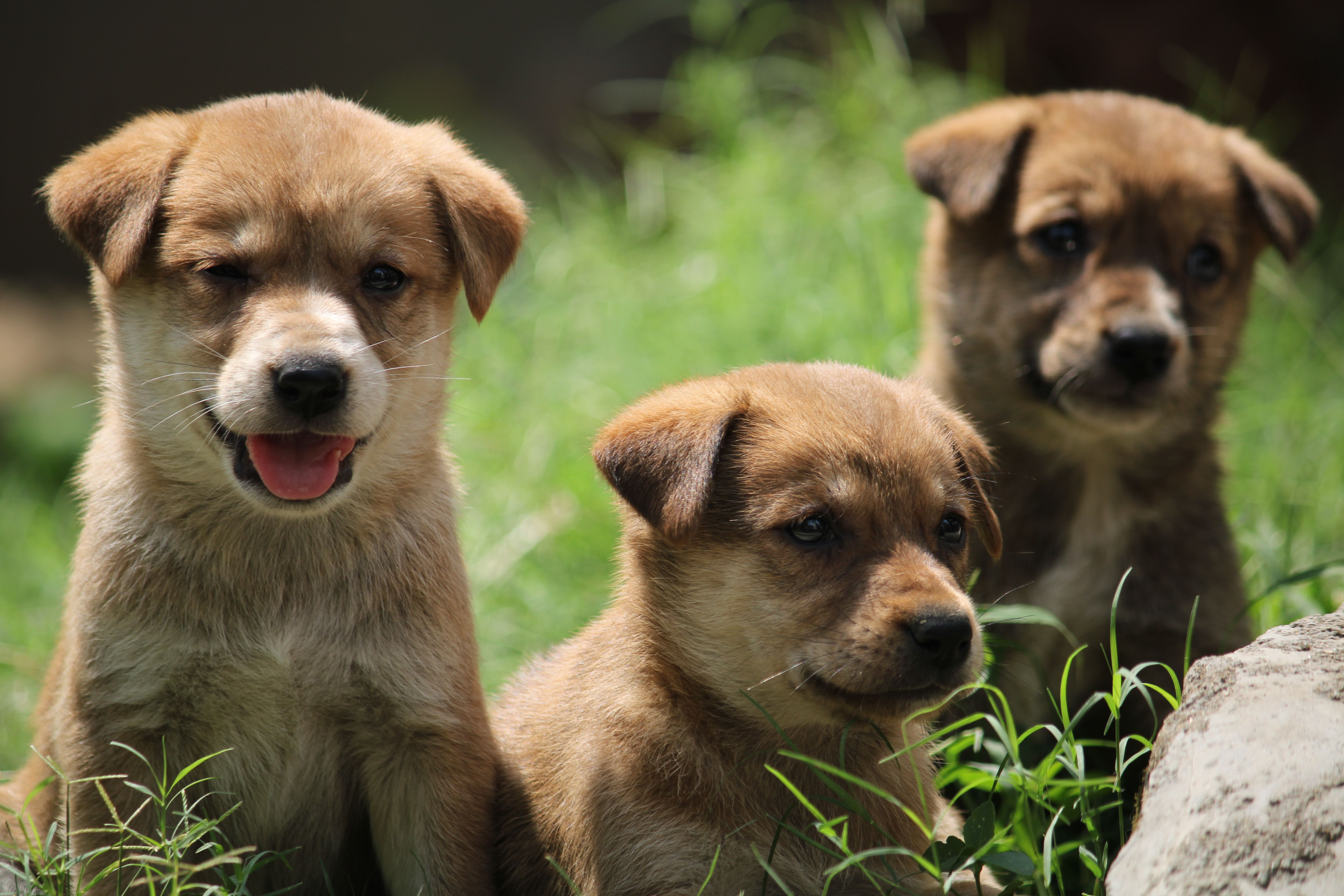
Have you ever wondered why dogs have wet noses? You’re not alone. Many dog owners and animal lovers are often curious about this unique feature. The wetness of a dog’s nose isn't just for show; it serves various important functions. Let’s take a closer look at this fascinating aspect of canine anatomy.
The Science Behind Wet Noses
Dogs have wet noses because it helps them smell better. Their sense of smell is about 10,000 to 100,000 times more sensitive than humans. A wet nose can trap scent molecules better. This is due to the moisture that accumulates on their nose, which helps to dissolve those scent particles, allowing dogs to pick up scents more efficiently.
Here are some key points about why dogs have wet noses:
- Enhanced Scent Detection: The moisture helps capture odor particles.
- Thermoregulation: A wet nose can also help regulate a dog’s body temperature.
- Healthy Indicator: A wet nose can be a sign of a healthy dog; dry noses might indicate illness or dehydration.
Historical Context of Canine Noses
Historically, dogs were bred for specific purposes, such as hunting, herding, or guarding. Each breed has unique traits, and their noses have evolved for these tasks. For instance, bloodhounds are known for their incredible scent abilities, largely due to their wet noses.
Interestingly, dogs have been companions to humans for thousands of years. The domestication of dogs can be traced back to at least 15,000 years ago, with evidence suggesting that they were used for hunting and protection. Over time, their anatomy, including their noses, became adapted to meet the needs of their roles in human society.
What Happens When a Dog’s Nose is Dry?
A dog’s nose is typically wet, but it can become dry under various circumstances. Here’s a few reasons why that might happen:
- Heat: If a dog is hot, they may have a dry nose.
- Dehydration: Insufficient water intake can lead to a dry nose.
- Illness: Certain health issues can cause changes in a dog’s nose moisture.
However, it's important to note that a dry nose doesn't always mean something is wrong. Sometimes, dogs just get dry noses from being in a particularly dry environment.
Fun Facts About Dog Noses
- Unique Nose Prints: Just like human fingerprints, every dog has a unique nose print. This means that in a way, you could identify a dog by their nose!
- Scent Discrimination: Dogs can distinguish between different scents, even if they are mixed together. They can smell individual ingredients in a dish.
- Nasal Turbinates: Dogs have complex structures in their noses called turbinates, which increase surface area and enhance their ability to detect scents.
Comparison of Dog Noses to Human Noses
Here’s a simple comparison between dog noses and human noses:
| Feature | Dog Nose | Human Nose |
|---|---|---|
| Sense of Smell | 10,000 to 100,000 times better | Much less sensitive |
| Moisture Function | Helps in scent detection | Not primarily for scent |
| Unique Prints | Yes | No |
| Temperature Regulation | Yes | Limited |
Practical Examples of Nose Use in Dogs
- Search and Rescue: Dogs with exceptional nose abilities are often used in search and rescue missions. They can locate missing persons through scent.
- Detection Work: Many law enforcement agencies use dogs to detect drugs, explosives, and even certain medical conditions.
- Companionship: Dogs use their noses to understand the world around them, helping them connect with their human companions.
Recognizing the significance of a dog’s wet nose can help dog owners appreciate their furry friends even more. Not only does it play a role in their health and well-being, but it also connects them to their instincts and heritage as animals that have worked alongside humans for generations.
So next time you give your dog a pat, don't forget to give their nose a little rub too! It’s more than just a cute feature; it's a vital part of what makes dogs such amazing companions.
Conclusion
In conclusion, the wet noses of dogs serve several essential purposes that contribute to their overall health and ability to interact with the world around them. From enhancing their sense of smell to regulating body temperature, a moist nose plays a crucial role in canine physiology. The moisture helps trap scent particles, making it easier for dogs to detect various smells, which is vital for their communication and navigation. Additionally, the cooling effect of a wet nose aids in thermoregulation, especially during warmer months. Understanding these functions not only deepens our appreciation for our furry friends but also highlights the importance of regular health check-ups to ensure their noses—and overall well-being—are in optimal condition. As a dog owner, take a moment to observe your pet's nose and appreciate the remarkable biology behind it. Share your insights and experiences with fellow dog lovers to foster a community that celebrates the unique traits of our canine companions.