
Have you ever wondered why do dogs have wet noses? This intriguing question has puzzled pet owners and animal lovers alike for centuries. Dogs’ noses are not just adorable features; they serve crucial functions that are essential for their health and wellbeing. A wet nose can mean more than just a cute touch on your cheek; it’s a window into your furry friend’s world! But why exactly is this the case? Is it simply a quirk of nature, or does it have deeper, fascinating reasons? Many people may not know that a wet nose helps dogs smell better, as moisture enhances their sense of smell, making it up to 100,000 times more sensitive than ours! Additionally, a wet nose can regulate their body temperature, acting as a natural cooling system. So, what other secrets does your dog’s nose hold? Join us as we uncover the science behind wet noses, explore the benefits they provide, and delve into why this unique feature is essential for your furry companion’s health. Are you ready to discover the fascinating reasons behind those adorable wet noses? Let’s dive in!
The Science Behind Why Dogs Have Wet Noses: A Deep Dive into Canine Anatomy

When you pet a dog, you might notice that their noses are often wet. It’s a curious thing, right? Many people ask, “Why do dogs have wet noses?” Well, it turns out there’s quite a bit of science behind this. From the anatomy of canines to their evolutionary traits, let’s dive deep into the fascinating reasons why those adorable wet noses exist.
The Anatomy of a Dog’s Nose
First off, a dog’s nose is more than just a cute feature; it’s a highly specialized organ. Dogs have a complex structure in their noses, which allows them to sniff out scents better than humans can. Here are some key points about canine noses:
- Olfactory Receptors: Dogs have up to 300 million olfactory receptors, compared to a human’s mere 5 million. This means they can detect smells at incredibly low concentrations.
- Moisture: The wetness of a dog’s nose plays a crucial role in their sense of smell. The moisture helps to dissolve scent particles, making it easier for the olfactory receptors to pick up aromas.
- Temperature Regulation: Dogs also use their noses to help regulate body temperature. When they pant, moisture from their noses evaporates, which helps cool them down.
Why Are Dog Noses Wet?
Now, let’s get into the nitty-gritty of why dogs have wet noses. Here are some of the main reasons:
Scent Detection: The wetness enhances their ability to smell. The more moisture there is, the better they can absorb scents. It’s like having a sponge that soaks up aromas.
Health Indicator: A wet nose is often a sign of a healthy dog. If a dog’s nose is dry or cracked, it may indicate dehydration or illness. However, this isn’t always the case; environmental factors can also play a role.
Cooling Mechanism: Just like humans sweat, dogs lose heat through their noses. A wet nose helps to keep them cool, especially during hot weather.
Communication Tool: Dogs use their noses to communicate with each other. A wet nose can signal excitement or interest, making it part of their social interactions.
Historical Context of Dog Noses
The fascinating history of dogs dates back thousands of years. Their ancestors, wolves, also had wet noses. Over time, through domestication and evolution, dogs adapted to have even more sensitive and functional noses. The variation in breeds has also led to different nose shapes and moisture levels. Some breeds like Bloodhounds are known for their exceptional sense of smell, while others may not rely on their noses as much.
Comparison: Dog Noses vs. Human Noses
It’s interesting to compare how dogs and humans experience the world through their noses. Here’s a simple table to highlight the differences:
| Feature | Dog Noses | Human Noses |
|---|---|---|
| Number of Receptors | 300 million | 5 million |
| Scent Detection | Extremely sensitive | Less sensitive |
| Moisture Function | Aids in scent absorption | Not a significant factor |
| Health Indicator | Wet = Healthy | Dryness not always a sign |
Practical Examples of Dogs Using Their Noses
Dogs use their noses for various practical purposes. Here are some examples:
- Search and Rescue: Dogs are trained to sniff out missing persons or victims in disasters. Their noses can detect scents that humans can’t even imagine.
- Detection Work: Police and military dogs use their noses to find drugs, explosives, or other illegal substances. Their ability to sniff out these items is unmatched.
- Therapeutic Roles: Some dogs are trained to detect medical conditions in humans, such as low blood sugar or impending seizures, using their incredible sense of smell.
Fun Facts About Dog Noses
- Each dog’s nose has a unique pattern, much like human fingerprints.
- Dogs can detect certain diseases, including cancer, through scent.
- Nose prints are so unique that they can be used for identification, just like fingerprints!
So the next time you give your furry friend a pat on the head, take a moment to appreciate their wet nose. It’s not just a cute feature; it’s a marvel of evolution and anatomy. Those wet noses are essential for their health, communication, and survival. Understanding the science behind this can deepen our appreciation for our canine companions. Dogs truly are remarkable creatures.
5 Fascinating Reasons Your Dog’s Nose is Always Wet: What You Need to Know

Have you ever wondered why your dog’s nose is always wet? It’s a common sight, and many dog owners probably just think it’s cute. But there’s more to it than just an adorable feature. Understanding the science behind your pup’s wet nose can help you care for them better and appreciate their quirks. So, let’s dive into this fascinating topic!
The Science of a Wet Nose
First off, let’s talk about the anatomy of a dog’s nose. The surface of a dog’s nose is covered in a special type of skin that is different from the rest of their body. This skin is thin, sensitive, and has many glands. These glands produce moisture, which helps with several functionalities.
Thermoregulation: Dogs, unlike humans, do not sweat through their skin. Instead, they rely on their noses to help cool down. The moisture evaporates, which is like how sweat works for us. So when you see your dog’s nose wet, it might be because they are trying to keep cool.
Enhanced Smell: Dogs have an incredible sense of smell, much better than humans. The wetness on their nose helps to capture scent particles from the air. A wet nose can absorb scents better than a dry one, helping your dog to detect smells more effectively.
Health Indicator: A dog’s nose can also be an indicator of their health. Generally, a wet nose is a sign of a healthy dog. If your dog’s nose becomes excessively dry or cracked, it might be time to consult a veterinarian.
Historical Context of Dog Noses
The role of a dog’s nose has been acknowledged for centuries. In ancient cultures, dogs were revered for their hunting abilities. Their keen sense of smell was critical for tracking down prey. This historical significance is part of why dogs have been bred for specific traits, including the moisture of the nose.
- Scent Hounds: Breeds like Bloodhounds and Beagles have particularly moist noses, making them excellent trackers. Their history shows that a wet nose isn’t just for show; it has a purpose that has been honed over generations.
Why Do Dogs Have Wet Noses? The Fascinating Reasons
Cooling Mechanism: As mentioned, moisture evaporates from the nose, which helps regulate body temperature. This is particularly important on hot days when dogs are more prone to overheating.
Scent Detection: The wet surface of a dog’s nose helps in trapping scent particles. The more moisture, the better they can detect different smells. This makes them well-suited for various tasks, from search and rescue to sniffing out contraband.
Communication: Dogs also use their noses to communicate with other dogs. The scent they leave behind can tell other dogs a lot about them, such as their identity, health, and even mood.
Protection: The moisture on a dog’s nose can help keep it from drying out and cracking. A healthy nose is less susceptible to infections and other issues, which can arise from a dry surface.
Hydration Indicator: Interestingly, the moisture level of a dog’s nose can sometimes indicate their hydration level. A wet nose usually means they’re well-hydrated, while a dry nose can be a sign of dehydration.
Common Myths About Dog Noses
There are a lot of myths floating around regarding dog noses. Here’s a quick list of some common misconceptions:
Myth: A warm nose means a dog is sick.
- Fact: A dog’s nose temperature can vary due to many factors, including activity and weather.
Myth: All dogs have wet noses.
- Fact: Some dogs, particularly certain breeds, may have drier noses due to genetics or health conditions.
Myth: A wet nose means a dog is healthy.
- Fact: While a wet nose is generally a good sign, it’s not the only indicator of health. Always look at other signs and consult a vet.
Practical Care for Your Dog’s Nose
Taking care of your dog’s nose is essential. Here are a few tips:
- Regular Check-ups: Regular vet visits can help ensure that your dog’s nose is healthy.
- Hydration: Make sure your dog has access to fresh water, especially in hot weather.
- Avoid Harsh Chemicals: If you use cleaning products, ensure they’re pet-friendly to prevent any irritation.
Understanding why dogs have wet noses can deepen your bond with your furry friend. Their wet noses tell a story of evolution, adaptation, and health. So the next time you give your pup a good scratch behind the ears, take a moment to appreciate that wet nose and all the fascinating reasons behind it!
Do Wet Noses Indicate Health? Uncovering the Truth About Your Dog’s Snout
When it comes to our furry friends, wet noses often raises questions among pet owners. Many people wonder, do wet noses indicate health? This question has puzzled dog lovers for ages, and understanding the reasons behind a dog’s wet snout can help us better care for our beloved companions. So, why do dogs have wet noses? Let’s dive into this fascinating topic and uncover the truth about your dog’s snout.
The Basics of a Dog’s Nose
Dogs, as we all know, have a unique sense of smell. But their noses is not just for sniffing out treats or tracking down a squirrel. The wetness of a dog’s nose serves several purposes, both physiological and behavioral.
- Moisture Regulation: A wet nose helps to cool down a dog and regulates their body temperature. Dogs sweat through their paws but mainly rely on panting and the moisture on their noses to keep cool.
- Enhanced Smell: The moisture on a dog’s nose helps to trap scent particles, enhancing their ability to smell. It’s like a sponge that absorbs fragrances from the air, making it easier for dogs to detect odors.
- Health Indicator: While a wet nose is generally a sign of a healthy dog, it’s not the only indicator. A dry nose doesn’t necessarily mean illness, and a wet nose can still be associated with health issues.
Why Are Dog Noses Wet?
There are several reasons why dogs have wet noses, and understanding them can help you care better for your pup.
- Natural Physiology: Dogs have specialized glands in their noses that produce moisture. This is a natural part of their anatomy and helps them navigate their environment.
- Behavioral Reasons: Sometimes, a dog’s nose gets wet from exploration. Dogs often lick their noses, especially when they’re excited or curious, which adds moisture.
- Environmental Factors: Humidity and temperature can affect how wet a dog’s nose is. On a hot day, you might find your dog’s nose is wetter than usual.
The Health Connection: What Does It Mean?
While many believe that a wet nose equals a healthy dog, it’s important to look at the bigger picture. Here’s a list of factors to consider when evaluating your dog’s health:
- Nose Temperature: A warm, dry nose can sometimes suggest fever or dehydration. However, a warm nose alone is not a definitive sign of illness.
- Behavior Changes: If your dog’s nose suddenly becomes dry, and they are lethargic, or not eating, it may warrant a vet visit.
- Discharge: If there’s unusual discharge from the nose, it could indicate allergies or respiratory problems.
- Skin Condition: Cracking or flaking skin around the nose might suggest health issues, such as dermatitis.
Fun Facts About Dog Noses
Uncovering the truth about dog noses can be quite fascinating. Here are some fun facts:
- Dogs have about 300 million olfactory receptors in their noses, compared to about 5 million in humans.
- Each dog’s nose print is unique, much like human fingerprints.
- Dogs can detect certain diseases in humans, including cancer and diabetes, through their sense of smell.
Comparing Dog Noses to Other Animals
Dogs are not the only animals with wet noses. Here’s a quick comparison of wet noses in various animals:
| Animal | Wet Nose? | Purpose |
|---|---|---|
| Dog | Yes | Enhanced smell, temperature regulation |
| Cat | Sometimes | Similar to dogs, but less pronounced |
| Cow | Yes | Helps regulate body temperature |
| Pig | Yes | Important for rooting and foraging |
Practical Tips for Dog Owners
Here are some practical tips to keep your dog’s nose healthy:
- Regular Vet Visits: Ensure routine check-ups to monitor your dog’s health.
- Hydration: Always provide plenty of water to keep your dog hydrated, which can affect nose wetness.
- Observation: Pay attention to any changes in your dog’s nose or overall behavior.
Wet noses can be an indicator of health, but they aren’t the whole story. It’s essential for dog owners to observe their pets closely and recognize that a wet nose is just one piece of the puzzle. By understanding the functions of a dog’s nose and observing other signs of health, you can ensure your furry friend remains happy and healthy. So next time you pet your dog, take a moment to appreciate their amazing noses and the science behind them!
How a Dog’s Wet Nose Enhances Their Sense of Smell: The Surprising Connection
Dogs are truly fascinating creatures, and their sense of smell is one of the most impressive aspects of their biology. You may have noticed that your furry friend’s nose is often wet, but have you ever wondered why? There’s a surprising connection between a dog’s wet nose and their incredible ability to smell. So why do dogs have wet noses? Let’s dive into this intriguing subject.
The Anatomy of a Dog’s Nose
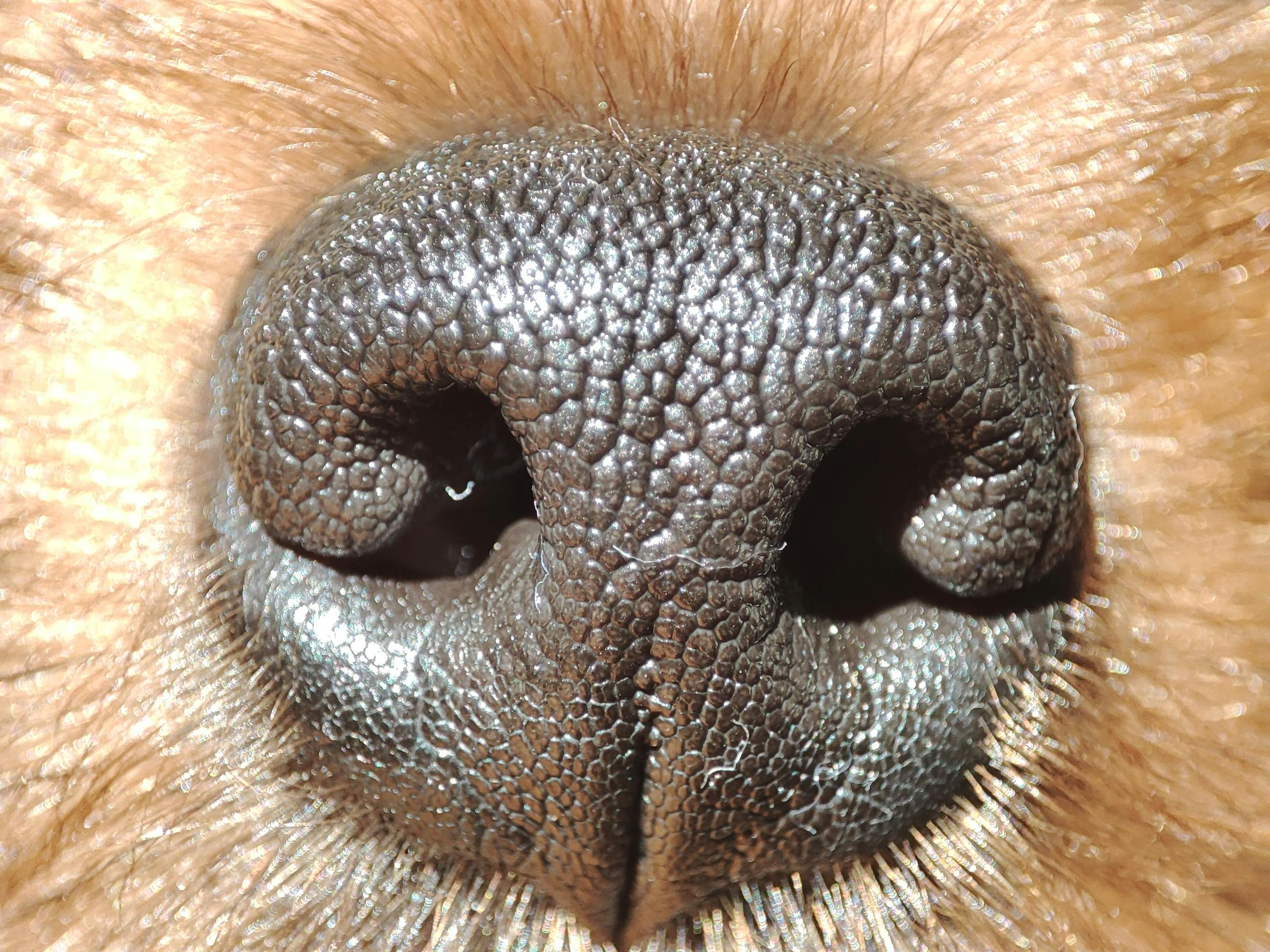
Dog noses are a wonder of evolution. The surface of a dog’s nose is covered with mucous membranes, which play a crucial role in their olfactory system. Here’s some important points about dog noses:
- Dogs have up to 300 million smell receptors, compared to about 6 million in humans.
- The wetness of their noses helps to capture scent particles in the air.
- Moisture on a dog’s nose enhances their sense of smell because it allows scent molecules to dissolve better, which makes it easier for the olfactory receptors to detect them.
Why Is a Dog’s Nose Wet?
You might be asking yourself, why do dogs have wet noses anyway? Well, there are multiple reasons for this phenomenon:
Enhanced Scent Detection: The wet surface allows for better adhesion of scent particles. When a dog has a wet nose, it can pick up scents more effectively.
Temperature Regulation: Dogs do not sweat like humans. The coolness of a wet nose helps them regulate their body temperature, especially during hot weather.
Health Indicator: A wet nose is often a sign of a healthy dog. If your dog’s nose feels dry, it might be worth checking their health, though not always a definitive indicator of illness.
The Science Behind the Wet Nose
Dogs’ wet noses are not just for show. There’s science behind it! The moistness is due to a combination of secretions from the nasal glands and saliva. This combination works like an olfactory sponge, picking up various scents from the environment.
Olfactory Receptors: These receptors are what dogs use to interpret smells. The wetness helps to keep these receptors functioning at an optimal level.
Vomeronasal Organ: Dogs also have a special organ called the vomeronasal organ, which helps them detect pheromones. A wet nose can enhance the effectiveness of this organ too.
Interesting Comparisons
When comparing dogs to humans, the differences in smell perception are staggering. Here’s a simple comparison:
| Feature | Humans | Dogs |
|---|---|---|
| Smell Receptors | 5-6 million | 300 million |
| Scent Discrimination | 1,000 scents | 10,000,000 scents |
| Nose Texture | Dry | Wet |
Practical Examples
Have you ever wondered how dogs can find lost items or track scents? Their ability to use their noses is remarkable. For instance, search and rescue dogs are trained to locate missing persons, thanks to their incredible sense of smell. They can pick up on a person’s scent even if they have been missing for days.
Another example is how dogs can detect medical conditions. Some dogs are trained to sniff out diseases like cancer or low blood sugar. Their wet noses are a key part of their ability to perform these incredible tasks.
Historical Context
Historically, dogs have been companions for humans for thousands of years. Their sense of smell has been utilized in various ways, from hunting to herding. Ancient civilizations recognized their abilities, and even today, we see dogs in roles such as police work and therapy.
Fun Facts About Dog Noses
- Every dog has a unique nose print, much like human fingerprints.
- Dogs can identify scents at incredibly low concentrations, sometimes in parts per trillion.
- The temperature of a dog’s nose can vary depending on their activity level. After exercise, it might be a little warmer.
The connection between a dog’s wet nose and their sense of smell is indeed fascinating. It’s amazing to think about how something as simple as moisture can make such a difference in a dog’s ability to interact with the world. Understanding why dogs have wet noses helps to appreciate the incredible capabilities of our canine companions. So next time you give your dog a pat, take a moment to marvel at that moist little nose, and remember all the wonders it can do!
The Role of Moisture in Dogs’ Noses: Why It’s Essential for Their Well-Being
The role of moisture in dogs’ noses is quite fascinating and its really essential for their well-being. If you ever wondered, “Why do dogs have wet noses?” you’re not alone! Many pet owners have noticed that their canine companions often have a moist snout, and this characteristic serves a variety of important functions. Let’s explore the science and reasons behind those adorable wet noses.
The Anatomy of a Dog’s Nose
Dogs have a unique nose structure that helps them smell and interact with their environment. The moist surface of their noses is covered with a special type of skin that helps absorb scent molecules. This skin is often referred to as “rhinarium.” Its texture and moisture level are key players in how dogs perceive the world around them.
- Nasal Turbinates: These are bony structures inside a dog’s nose that help filter and humidify the air they breathe.
- Olfactory Receptors: Dogs have up to 300 million olfactory receptors compared to the mere 5 million in humans. This makes their sense of smell incredibly powerful.
Why Do Dogs Have Wet Noses?
There’s multiple reasons why dogs have wet noses, and it’s more than just cute aesthetics. Here’s a list highlighting the main factors:
- Scent Detection: Moisture helps to trap scent particles, making it easier for dogs to pick up on different smells. A wet nose is more effective for smelling than a dry one.
- Temperature Regulation: Dogs don’t sweat like humans do. Their noses help in regulating body temperature. The moisture evaporating from their noses can provide a cooling effect.
- Health Indicator: The wetness of a dog’s nose can be an indicator of their health. A dry nose may suggest dehydration or illness, while a moist nose generally means the dog is healthy.
The Science Behind Nose Moisture
So, why is moisture so important? Well, it all goes back to the science of scent. When dogs sniff, they draw air into their noses, and this air passes over their olfactory receptors. Moist surfaces help to dissolve scent chemicals, allowing dogs to identify and interpret smells more efficiently. This is called “olfactory perception.”
- Evolutionary Advantage: Throughout history, dogs have developed strong olfactory abilities to survive. Their ancestors relied on their sense of smell for hunting and foraging, and this trait has been passed down through generations.
Practical Examples of Nose Functionality
Let’s consider some everyday examples of how a dog’s wet nose plays a role in their well-being:
- Tracking: Working dogs, like search and rescue or police dogs, depend heavily on their noses. A moist nose helps them track scents over long distances.
- Social Interaction: Dogs often greet each other with a nose-to-nose sniff. The moisture on their noses helps them gather information about other dogs, such as their health or emotional state.
- Finding Food: Dogs use their noses to locate food. A wet nose can detect smells from far away, guiding them to their next meal.
Interesting Facts About Dogs’ Noses
- Color Variations: The color of a dog’s nose can vary based on breed, but typically it’s black, brown, or pink. Interestingly, a dog’s nose color can change with the seasons or temperature.
- Nose Prints: Just like human fingerprints, each dog’s nose print is unique! This can be used as a form of identification.
- Humidity Levels: Dogs can sense changes in humidity levels with their noses. This helps them detect weather changes, like an approaching storm.
Conclusion
The moisture in dogs’ noses isn’t just for show. It’s a critical aspect of their biology that supports their health, enhances their social interactions, and aids in their survival instincts. When you see your dog with their wet nose, remember that it’s not just cute, but a vital part of what makes them the incredible creatures that they are. Understanding the reasons behind why do dogs have wet noses gives us a deeper appreciation for their unique physiology and their role in our lives.
Exploring the Myth: Do Wet Noses Mean a Dog is Sick? Find Out Here!

Many dog owners wonder about their furry friends’ wet noses and what it might mean. Is it true that a wet nose indicates sickness? Or is there more to the story? In this article, we will explore the fascinating reasons behind why do dogs have wet noses and unravel the myths surrounding them.
What’s the Deal with Wet Noses?
First off, let’s look at what a dog’s nose is made of. A dog’s nose is covered in a thin layer of skin and has a unique structure that allows them to smell things way better than humans. The wetness of a dog’s nose can be attributed to several reasons:
- Moisture from the Environment: Dogs often lick their noses to keep them moist, which helps them absorb scent molecules.
- Sweat Glands: Unlike humans, dogs don’t sweat through their skin. They have sweat glands in their paw pads, but most of their temperature regulation happens through their nose.
- Health Indicators: A wet nose is usually a sign of a healthy dog, but it doesn’t mean they are always healthy.
Common Myths About Dog Noses
There are lots of myths floating around about wet noses. One of the biggest misconceptions is that a wet nose means a dog is sick. But let’s break that down:
- Myth 1: Wet Nose = Sick Dog: Not true! Dogs can have wet noses when they are healthy too. A dry nose could indicate dehydration or other health issues, but a wet nose alone isn’t a reliable indicator of sickness.
- Myth 2: Temperature Check: Some people think they can check a dog’s health just by touching their nose. This is not a good way to gauge a dog’s health because the nose temperature can vary for different reasons.
Why Do Dogs Have Wet Noses?
Now, let’s dive deeper into the reasons behind those moist noses. Here are some fascinating reasons:
Enhances Sense of Smell: A wet nose helps trap scent particles and enhances a dog’s ability to smell. This is why dogs can sniff out drugs or even locate missing persons.
Cooling Mechanism: When it’s hot, a dog’s moist nose helps them cool down. The moisture evaporating off their nose can help regulate their body temperature.
Communication Tool: Dogs communicate with each other through smell, and the wetness of their noses can also play a role in that communication.
Health Monitoring: Regularly checking a dog’s nose can give owners clues about their health. For instance, if a dog’s nose suddenly becomes dry and cracked, it might be time for a vet visit.
When to Worry About Your Dog’s Nose
While a wet nose is usually a good sign, there are some instances when it might indicate a problem. Here’s a quick list to help you monitor your dog’s nose:
- Dry and Cracked Nose: Could be a sign of dehydration or a skin condition.
- Excessively Wet Nose: Could indicate a nasal infection or allergies.
- Discoloration: If the nose changes color, it may need medical attention.
- Foul Odor: A smelly nose can signal an infection or other health issues.
Fun Facts About Dog Noses
Let’s not forget how amazing dog noses are! Here are some fun facts:
- Dogs have about 300 million smell receptors in their noses compared to about 6 million in humans.
- The shape of a dog’s nose can even affect their sense of smell; some breeds are better at smelling than others.
- A dog’s nose print is unique, much like a human fingerprint, and can be used to identify them.
In Conclusion
Wet noses are just part of what makes dogs such interesting companions. They help with smelling, cooling, and communication. It’s important to recognize that while a wet nose is often a sign of health, it’s not the only indicator. Regular vet check-ups and being attentive to your dog’s overall behavior is key! So, the next time someone asks you if a wet nose means a dog is sick, you can confidently share the fascinating facts and myths surrounding this common canine trait!
The Evolutionary Benefits of Wet Noses in Dogs: Nature’s Design Explained
Dogs are often known for their charm, loyalty, and their wet noses. Have you ever wondered why do dogs have wet noses? Well, there’s more to it than just being cute. The evolutionary benefits of wet noses in dogs are fascinating and reveal a lot about how nature has designed these incredible creatures.
The Science Behind Wet Noses
Wet noses in dogs serve several important functions that aid their survival and quality of life. It’s not just a quirky trait; it’s a result of millions of years of evolution. Here are some reasons why dog noses are wet:
Enhanced Sense of Smell: Dogs have an extraordinary sense of smell, which is up to 100,000 times more sensitive than humans. A wet nose helps to capture scent molecules better. The moisture on their nose absorbs these scents, allowing dogs to detect smells more effectively.
Cooling Mechanism: Just like humans sweat to cool down, dogs use their noses to help regulate their body temperature. The moisture evaporates, helping to cool their bodies. This is especially important during hot weather or after intense activity.
Health Indicator: A wet nose can indicate a dog’s health status. Generally, a healthy dog has a moist nose, while a dry nose could mean they are sick or dehydrated. However, it’s not always the case, as various factors can affect nose moisture.
Historical Context of Wet Noses
Historically, dogs have evolved from wolves, who also had moist noses. The ancestors of modern dogs relied on their keen sense of smell for hunting and survival. As dogs became domesticated, they still retained this important trait.
Wolves and Early Dogs: The ancestors of dogs were pack hunters. Their wet noses were essential for tracking scents of prey. This ability to smell has been refined over generations and is still critical to many breeds today.
Domestication: When humans started breeding dogs for specific tasks, like herding or hunting, the wet nose trait remained beneficial. It helped dogs perform their jobs effectively, whether it was tracking scents or finding their way home.
The Anatomy of a Dog’s Nose
Understanding the anatomy of a dog’s nose can provide insights into why it’s essential for their survival.
Nasal Mucosa: The moist surface of their nose is covered with a special type of tissue called the nasal mucosa, which is rich in olfactory receptors. These receptors are what allow dogs to interpret different smells.
Temperature Regulation: The moistness of their nose also helps with thermoregulation. It can help cool their blood vessels that are close to the surface of the nose, which is important during exertion or in high temperatures.
Fun Facts About Dog Noses
Unique Prints: Just like human fingerprints, every dog has a unique nose print. This could be used for identification, although it’s not as common as using microchips.
Color Changes: The color of a dog’s nose can change due to various reasons including temperature, health, or even seasonal changes. Some dogs may have a darker nose in winter and a lighter one in summer.
Nose Work: Many dog breeds are trained for scent detection in various fields such as search and rescue, law enforcement, and even medical detection. Their wet noses play a crucial role in this ability to identify scents.
Practical Implications for Dog Owners
As a dog owner, it’s essential to understand the significance of a wet nose. Here’s a brief list of things to consider:
Health Monitoring: Regularly check your dog’s nose. A healthy nose is usually cool and moist. If it becomes persistently dry or cracked, consult a veterinarian.
Hydration: Ensure your dog remains hydrated, especially during warm weather, to maintain that wet nose.
Nose Care: Protect your dog’s nose from extreme weather. Cold winters can lead to chapped and dry noses, and some dogs might benefit from nose balms.
In summary, the wet noses of dogs are not just a charming feature but a vital aspect of their biology and survival. The evolutionary benefits they offer are profound, providing dogs with excellent sensory capabilities and aiding in temperature regulation. Understanding these fascinating reasons can help dog owners appreciate their furry friends even more.
Why Does My Dog’s Nose Change from Wet to Dry? Understanding the Fluctuations

Every dog owner has probably noticed how their furry friend’s nose can change from wet to dry. You might have wondered, “Why does my dog’s nose change from wet to dry?” It’s a common question and understanding it can help you be more in tune with your pet’s health. Let’s dive into this fascinating topic and explore the reasons behind a dog’s wet nose and why it can fluctuate throughout the day.
Why Do Dogs Have Wet Noses?
Dogs have wet noses for a variety of reasons, and it’s not just because they like to stick their snouts into water bowls. Here are some interesting facts about why dog noses tend to be moist:
Temperature Regulation: A dog’s nose can help them stay cool. Just like humans sweat, dogs release moisture through their noses which helps them maintain a comfortable body temperature.
Enhanced Smell: Moisture on a dog’s nose can enhance their sense of smell. The wet surface helps trap scent particles, making it easier for dogs to pick up on scents. This is why dogs can be such great trackers.
Health Indicator: A dog’s nose can be a good indicator of their health. In general, a wet nose is seen as a sign of a healthy dog. If the nose becomes persistently dry, it may be worth consulting a veterinarian.
Behavioral Reasons: Dogs also use their noses to communicate. A wet nose might be a sign of excitement or curiosity. When a dog is sniffing around or exploring, their nose tends to be more moist.
The Fluctuations: Why Does My Dog’s Nose Change from Wet to Dry?
Now, let’s talk about the changes from wet to dry. It’s not unusual for a dog’s nose to fluctuate throughout the day. Here are some reasons why this happens:
Environmental Factors: Weather plays a significant role. On hot, dry days, your dog’s nose may become drier. Similarly, when it’s humid or raining, their nose can get wetter.
Health Changes: Sometimes, illness can cause a dog’s nose to change. A fever or dehydration can lead to a dry nose. If you notice other symptoms like lethargy or loss of appetite, it’s best to consult a vet.
Activity Level: After a long walk or playtime, a dog’s nose may dry out. Physical activity can cause them to lose moisture.
Age: Older dogs may have drier noses compared to puppies. As dogs age, their skin and mucous membranes can lose some of their moisture.
Common Misconceptions About Dog Nose Moisture
There’s a lot of myths surrounding dog noses. Here are a few that need to be debunked:
“A dry nose means my dog is sick.” Not all dry noses are a cause for alarm. Many dogs have dry noses due to natural variation or environmental factors.
“Dogs with wet noses are always healthy.” While a wet nose can indicate health, it’s not the only factor. Always look for other signs of health.
“Dogs can’t get sunburn on their noses.” This is false! Dogs can indeed get sunburn, particularly on the nose, which can lead to dryness.
When to Be Concerned About Your Dog’s Nose
While fluctuations in nose moisture are usually normal, there are times you might need to pay closer attention. Here are some signs to watch for:
Continuous Dryness: If your dog’s nose stays dry for an extended period, it may indicate dehydration or illness.
Cracking or Bleeding: If you notice cracks or bleeding around the nose, it is important to seek veterinary care immediately.
Behavioral Changes: If your dog is less active, not eating, or showing unusual behavior alongside a dry nose, it could be a sign of something more serious.
Nasal Discharge: Green or yellow discharge can indicate an infection or other health issues.
Understanding why your dog’s nose changes from wet to dry can provide insights into their health and well-being. While a wet nose is typically a sign of health, fluctuations are normal and can be influenced by many factors. Just keep an eye on their overall behavior and health, and don’t hesitate to reach out to a veterinarian if you notice anything unusual. Your furry friend relies on you to keep them happy and healthy, after all!
7 Common Questions About Dogs’ Wet Noses Answered by Experts
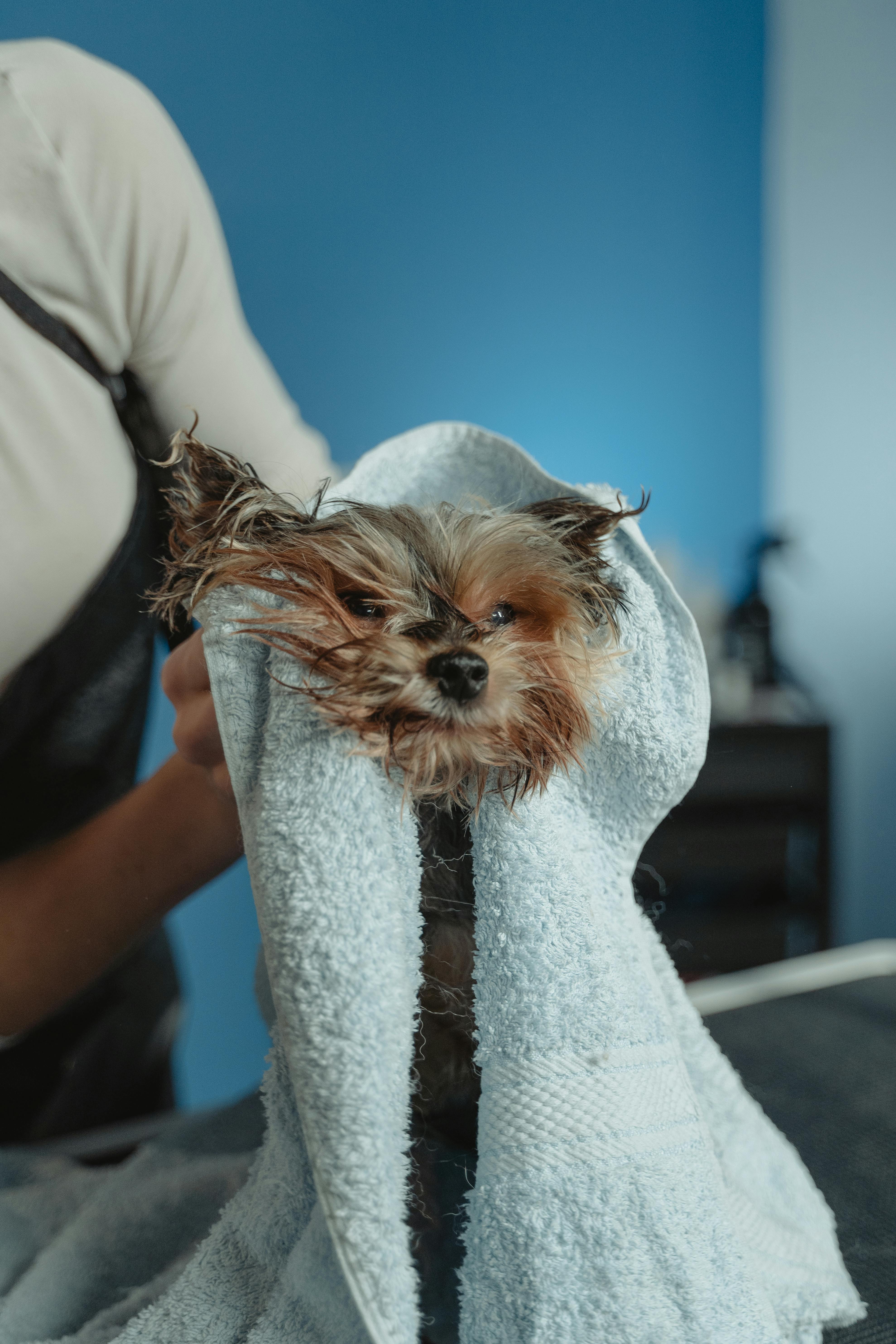
Dogs are beloved companions for many, and their wet noses are often a subject of curiosity. You might be wondering, why do dogs have wet noses? This question has intrigued pet owners and experts alike for years. To satisfy that curiosity, we’ve compiled seven common questions about dogs’ wet noses, answered by experts in the field.
1. What makes a dog’s nose wet?
Dog noses are wet because they secrete a mucous that helps enhance their sense of smell. You see, dogs have an incredible olfactory system, and a moist nose helps to trap scent particles, maximizing their ability to detect odors. When their noses are wet, it helps them sniff out all those fascinating scents during walks or playtime.
2. Is a wet nose a sign of good health?
A wet nose can often indicate that a dog is healthy, but it’s not a definitive measure. Here’s a quick breakdown:
- Wet Nose: Generally healthy and hydrated.
- Dry Nose: Could be normal, but may also indicate dehydration or illness.
- Warm Nose: Often a sign of fever or an underlying condition.
It’s important to look at the overall behavior and condition of the dog rather than the nose alone.
3. Do all dogs have wet noses?
Most dogs do have wet noses, but not all of them. Some dog breeds have drier noses due to their genetics or environmental factors. For instance, brachycephalic breeds like Bulldogs or Pugs might have less moisture on their noses due to their unique facial structures. So, if you see a dog with a dry nose, don’t panic! It could just be their normal.
4. How can I keep my dog’s nose healthy?
Maintaining a healthy nose is less complicated than you might think. Here are some practical tips:
- Hydration: Ensure your dog has access to fresh water.
- Humidity: In dry climates, consider using a humidifier to help keep moisture in the air.
- Regular Vet Visits: Routine check-ups can help catch any potential issues early.
5. Why does my dog’s nose change from wet to dry?
It’s common for a dog’s nose to fluctuate between wet and dry. Various factors can contribute to this change. For example:
- Temperature: Hot weather can dry out a dog’s nose.
- Activity Level: After playing, a dog might have a drier nose.
- Health: Illness or allergies can also affect moisture levels.
If the change in moisture is accompanied by other symptoms, like lethargy or loss of appetite, it may be time to consult a veterinarian.
6. Can dogs get sunburned on their noses?
Yes, dogs can get sunburned on their noses, especially those with light-colored or thin fur. Here’s how to protect them:
- Limit sun exposure: Avoid long walks during peak sunlight hours.
- Use dog-safe sunscreen: There are products made specifically for dogs.
- Provide shade: Ensure your dog has a shaded area to retreat to when outdoors.
7. What do dogs do with their noses?
Dogs use their noses for various reasons, and it’s not just about smelling! Here’s a list of functions:
- Communication: Dogs greet each other with nose touches to gather information.
- Exploration: They explore their environment, discovering new scents.
- Hunting: Many breeds were developed for hunting and rely heavily on their sense of smell.
Dogs’ noses are truly fascinating and play a vital role in their daily lives.
When you consider all these aspects, it’s clear that a dog’s wet nose is more than just a cute feature. It serves several important functions, from enhancing their sense of smell to indicating their health status. So the next time you see your furry friend with a wet nose, remember all the incredible reasons behind it.
Each dog is unique, and their noses tell a story of their health and well-being. Understanding why they have wet noses can help you be a more attentive and caring pet owner. Always keep an eye on your canine companion’s overall condition, and enjoy the precious moments you share together!
The Secret Life of Your Dog’s Nose: How Wetness Affects Behavior and Communication

The nose of your dog is more than just a cute feature; it’s like a complex sensory organ that plays a huge role in how they interact with the world. You ever wonder why do dogs have wet noses? Well, there’s actually a fascinating science behind it. A wet nose can indicate a lot about your furry friend’s health and mood, and it also affects their behavior and communication. Let’s dive into the secret life of your dog’s nose and uncover the reasons behind that delightful wetness!
The Science of a Wet Nose
So, why exactly is your dog’s nose wet? The moisture on their nose helps enhance their sense of smell. Dogs have about 220 million scent receptors in their noses, compared to a human’s mere 5 million. This allows them to detect scents far better than we can! The wetness helps to trap scent particles, making it easier for your pup to identify different smells in their environment.
Here’s a quick breakdown of how it works:
- Scent trapping: Moisture holds scent particles, allowing for better detection.
- Temperature regulation: A wet nose helps to cool down dogs, similar to how sweat works for humans.
- Health indicator: A change in moisture could signal illness or dehydration.
The Role of Wetness in Behavior and Communication
Dog noses aren’t just for smelling; they’re also key players in how dogs communicate with each other and with us. The wetness of a dog’s nose can signal a lot of things:
- Excitement: A dog might have a wetter nose when they are excited or happy.
- Relaxation: When dogs are calm and comfortable, their noses may be moist, indicating they are ready to socialize.
- Stress or Illness: If a dog’s nose is excessively dry, it could be a sign of stress, fever, or dehydration.
Dogs also engage in “nose to nose” greetings, which is how they communicate. They use their sense of smell to gather information about other dogs, their environment, and even humans. A wet nose enhances this communication.
Historical Context
Throughout history, dogs have been known for their exceptional sense of smell. In ancient times, dogs were used for hunting and tracking, thanks to their keen noses. They were bred for specific traits, including that wet, sensitive nose. Different breeds have different levels of olfactory abilities, but all dogs rely on their noses to understand their surroundings.
Why Do Dogs Have Wet Noses? The Fascination Behind It
Evolutionary Advantage: Wet noses help dogs detect scents more effectively. Their ancestors relied on this ability to hunt and survive in the wild.
Health Benefits: A wet nose helps in regulating body temperature, which is vital for their overall health.
Bonding Tool: Dogs often touch their noses to other dogs and humans as a way to bond. The wetness is inviting and encourages social interactions.
Fun Facts About Dog Noses
- Dogs have unique nose prints, much like human fingerprints.
- The color of a dog’s nose can change with age or health status.
- Some breeds, like Bloodhounds, have been known to smell scents that are days old!
Tips for Keeping Your Dog’s Nose Healthy
- Hydration: Ensure your dog drinks enough water, as hydration affects nose moisture.
- Environment: Keep them in a comfortable temperature; extreme heat can dry out their noses.
- Regular Vet Check-Ups: Monitor for any unusual changes in their nose’s moisture level, as it might indicate health issues.
Comparison of Nose Conditions
Here’s a simple table comparing different nose conditions and what they might mean:
| Condition | Description | Possible Causes |
|---|---|---|
| Wet Nose | Normal moisture level | Healthy and hydrated dog |
| Dry Nose | Lack of moisture | Dehydration, fever, or stress |
| Cracked Nose | Surface damage | Allergies or environmental factors |
| Runny Nose | Excess moisture | Possible respiratory issue |
Understanding why do dogs have wet noses enhances our appreciation for their complex nature. These fascinating creatures rely on that little wet part of their face to navigate their world and connect with us. So, the next time you notice the wetness on your dog’s nose, remember, it’s not just adorable — it’s a vital part of how they experience life!
Conclusion
In conclusion, the wet noses of dogs serve several important purposes, from enhancing their sense of smell to regulating body temperature. The moisture on a dog’s nose helps to capture scent particles, making their already impressive olfactory abilities even more effective. Additionally, the cooling effect of a wet nose contributes to their overall body temperature regulation, especially during warmer weather. While the texture and moisture levels can vary among individual dogs, understanding the science behind this unique characteristic allows us to appreciate our furry friends even more. As pet owners, it’s essential to pay attention to our dogs’ health, including their nose condition, as changes can indicate potential health issues. So, the next time you greet your canine companion, take a moment to marvel at their wet nose and remember the fascinating biology behind it. Share your thoughts or experiences with your dog’s wet nose in the comments!
