
Have you ever wondered why do dogs have wet noses? This fascinating trait often leaves pet owners curious and intrigued. A dog’s nose isn’t just adorable; it plays a crucial role in their overall health and communication. But what makes these wet noses so important? Is it merely for cooling down, or is there more beneath the surface? As we dive into the science behind canine anatomy, we will uncover the secrets of this unique characteristic. You may ask yourself, do all dogs have wet noses, or are there exceptions? Understanding the reasons behind this natural phenomenon will not only satisfy your curiosity but also enhance your bond with your furry friend. In this article, we’ll explore the benefits of a dog’s wet nose, how it helps them detect scents, and what it means for their well-being. You’ll also discover interesting facts that might surprise you! So, if you’re eager to learn about the mystery of wet noses and their significance in a dog’s life, keep reading to unveil the truth behind this adorable characteristic. Your dog’s nose might just hold the key to understanding them better!
The Science Behind Wet Noses: Why Are Dogs’ Noses So Moist?
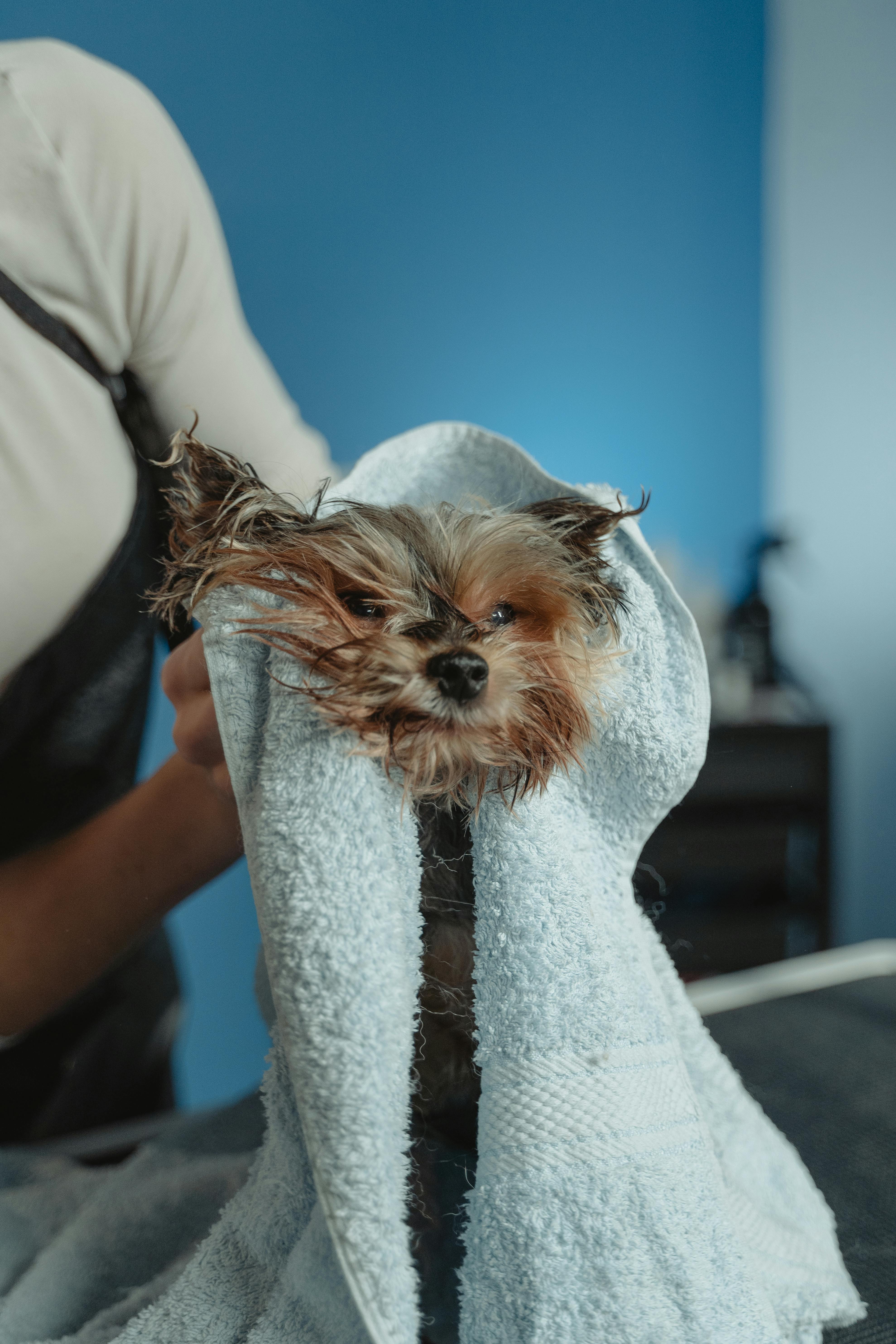
Dogs are one of the most beloved pets around the world, and one of the most adorable traits they have is their wet noses. But why do dogs have wet noses? This question is more than just a curiosity; it touches on the science behind canine anatomy, behavior, and even their health. Let’s dive into this fascinating topic and uncover the reasons behind those moist noses.
The Anatomy of a Dog’s Nose
First off, it’s important to know how a dog’s nose works. The canine nose is not just a mere appendage; it is a complex organ. Unlike human noses, which are relatively simple, dog’s noses are covered in a specialized layer of skin called the rhinarium. This layer contains a lot of sweat glands, which helps in keeping their noses moist.
- Moisture Production: Dogs produce mucus in their noses which helps to keep it wet. This moisture is crucial for their sense of smell.
- Sweat Glands: Dogs have sweat glands in their noses that help regulate the moisture levels. However, they primarily sweat through their paw pads.
Why Are Dogs’ Noses So Moist?
So, why do dogs have wet noses? One of the main reasons is that a moist nose enhances their sense of smell. Dogs are known for having an extraordinary olfactory system, with some breeds having up to 300 million olfactory receptors. In comparison, humans have about 5 million. When a dog’s nose is wet, it can more effectively capture scent particles from the air.
Here are some of the benefits of having a wet nose:
- Better Scent Detection: Wetness helps in trapping scent particles, making it easier for dogs to identify smells.
- Temperature Regulation: Moist noses can also help dogs cool off, as evaporation of moisture can lower their body temperature.
- Health Indicator: A dog’s nose can often be a sign of their health. A consistently dry or warm nose can indicate dehydration or illness.
Historical Context of Dog Noses
Dogs have lived alongside humans for thousands of years, and their noses have played a crucial role throughout history. In ancient times, dogs were often used for hunting, tracking, and even herding livestock. Their ability to smell has been a major factor in their domestication and usefulness to humans.
- Tracking and Hunting: Early humans relied on dogs to track game, thanks to their keen sense of smell.
- Working Dogs: Today, dogs are still used in various jobs that require a strong sense of smell, like search and rescue, drug detection, and even detecting diseases like cancer.
Fun Facts About Dogs’ Noses
- Dogs can differentiate between various smells, even in extremely small quantities.
- Each dog’s nose print is unique, much like human fingerprints.
- The reason dogs sniff each other is to gather information, including health status and emotional state.
Comparisons: Dog Noses vs. Human Noses
It’s also interesting to compare dog noses with human noses:
| Feature | Dog Noses | Human Noses |
|---|---|---|
| Number of Receptors | Up to 300 million | About 5 million |
| Moisture Level | Generally moist | Generally dry |
| Scent Detection | Highly sensitive | Less sensitive |
| Primary Function | Smelling | Breathing and smelling |
Practical Examples of Wet Nose Benefits
In everyday life, a dog’s wet nose can provide practical benefits:
- Detecting Illness: Some pet owners notice changes in their dog’s nose when they are not feeling well. A dry nose can sometimes indicate a fever.
- Social Interaction: Dogs often greet each other with nose-to-nose contact, using their wet noses to gather information about one another.
The moisture on a dog’s nose is not just a cute feature; it serves important functions that contribute to their health and communication. Understanding why dogs have wet noses helps us appreciate these furry friends even more.
So next time you give your four-legged companion a scratch behind the ears and notice their wet nose, remember that this characteristic is part of what makes dogs such incredible beings, equipped with the senses that enable them to navigate and connect with the world around them.
Top 5 Reasons Dogs Have Wet Noses: More Than Just a Cute Trait
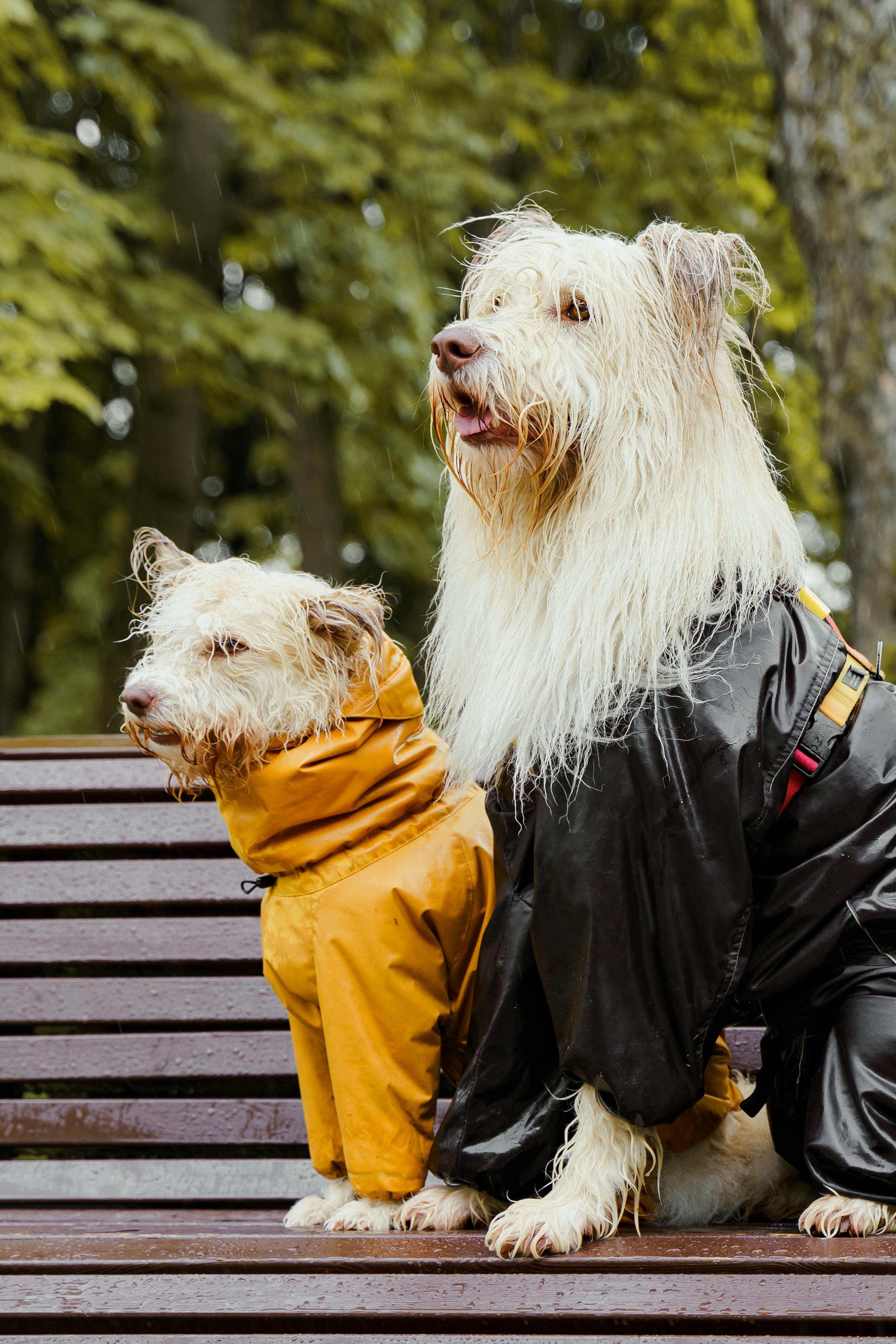
Dogs, those furry companions of ours, have so many endearing traits, but one of the most interesting is their wet noses. You might think it’s just a cute characteristic, but there’s actually a lot more going on! So, why do dogs have wet noses? Let’s explore the top 5 reasons behind this fascinating trait, revealing not just the science, but also some fun facts along the way.
1. Enhanced Sense of Smell
One of the primary reasons why dogs have wet noses is because it helps them smell better. Dogs have an extraordinary sense of smell, which is estimated to be tens of thousands to possibly even 100,000 times more sensitive than humans. The moisture on their noses helps to capture scent particles in the air, allowing them to detect smells more effectively.
- When a dog sniffs, the wet surface of the nose absorbs these particles.
- This moisture also helps to keep the olfactory receptors, which are responsible for detecting smells, functioning optimally.
It’s like having a built-in scent-enhancer!
2. Temperature Regulation
Another key reason for a dog’s wet nose is temperature regulation. Just like humans sweat, dogs have their own methods of staying cool. Their noses play a role in thermoregulation.
- A wet nose can help dissipate heat.
- By keeping their noses moist, dogs can maintain a lower body temperature, especially during warmer days.
It’s kind of like having a natural air conditioner! Dogs often lick their noses, which helps keep them cool and comfortable.
3. Health Indicator
A dog’s wet nose can also be an indicator of its health. While a wet nose is often considered a sign of a healthy dog, it’s important to note that this isn’t always the case.
- A dry nose can indicate dehydration or illness.
- Conversely, a persistently wet nose may also signal a health issue, like allergies or infections.
So, paying attention to your dog’s nose can be an essential part of monitoring their overall health. Make sure to consult your veterinarian if you notice significant changes.
4. Communication Tool
Dogs are social animals, and they use their noses for communication as well. A wet nose can be a way of expressing emotions or intentions.
- Dogs often use their noses to greet each other.
- A nuzzle from a wet nose can signal affection, curiosity, or even anxiety.
It’s a fascinating way of connecting with one another in the canine world! The next time your pooch nudges you with their cold, damp nose, they might just be saying “Hey, I love you!”
5. Evolutionary Advantage
From an evolutionary perspective, having a wet nose might have provided early canines with survival advantages. This trait likely developed over time to enhance their hunting and foraging skills.
- Wet noses helped early dogs track prey more effectively.
- It could also assist in detecting danger through scent, contributing to their survival in the wild.
This evolutionary trait has been passed down through generations, making wet noses a common characteristic in dogs today.
Fun Facts About Dog Noses
- Dogs have unique nose prints, similar to human fingerprints, which can be used for identification.
- The color of a dog’s nose can change with temperature and emotional state.
- Some breeds, like the Bloodhound, are known for their incredible scent-tracking abilities, thanks in part to their moist noses.
Comparison: Dog Noses vs. Human Noses
Here’s a quick comparison of dog noses and human noses that highlights why dogs have the upper hand in sniffing around:
- Scent Detection: Dogs can detect a wider range of scents than humans.
- Moisture: Dogs’ noses are naturally moist, while human noses are usually dry.
- Olfactory Receptors: Dogs have about 300 million olfactory receptors, compared to humans’ 6 million.
Summary
In summary, the reasons why dogs have wet noses goes far beyond just being cute. From enhancing their sense of smell to regulating temperature and even serving as a health indicator, wet noses are a fundamental part of what makes dogs special.
So next time you notice your pup’s moist nose, remember that it’s more than just a charming trait; it’s a complex adaptation that plays a crucial role in their lives. Understanding these reasons not only deepens our appreciation for our furry friends but also helps us take better care of them. After all, a happy dog is a healthy dog!
How a Dog’s Wet Nose Affects Their Sense of Smell: Unraveling the Mystery

Dogs are known for their incredible sense of smell, which is way better than ours. One interesting aspect of this amazing ability is their wet noses. You might have wondered why do dogs have wet noses? What purpose does it serve? Well, let’s unravel this mystery and explore how a dog’s wet nose affects their sense of smell.
The Science of Smell in Dogs
Dogs have around 220 million scent receptors in their noses compared to humans who only have about 5 million. This difference is huge! But it’s not just the number of receptors that makes dogs such great sniffers. The structure of a dog’s nose, along with its wetness, plays a crucial role in enhancing their olfactory capabilities.
- Scent Receptors: Dogs have more types of scent receptors than humans. This allows them to detect a wider variety of smells.
- Olfactory Bulb: The part of the dog’s brain that processes smells is much larger proportionately than in humans, making them more adept at analyzing scents.
- Jacobsen’s Organ: This is an additional olfactory structure that helps dogs detect pheromones, which are chemical signals used for communication.
Why Are Dog Noses Wet?
So, why do dogs have wet noses? The moisture on a dog’s nose is crucial for a few reasons.
- Enhanced Smell: A wet nose helps to trap scent particles in the air. When the nose is wet, it can absorb more scents, which helps dogs identify smells better.
- Thermoregulation: Dogs don’t sweat like humans do. Their wet noses help regulate their body temperature by cooling them down through evaporation.
- Health Indicator: A wet nose is often a sign of a healthy dog. If a dog’s nose is dry, it could indicate illness or dehydration, although this isn’t always the case.
Historical Context of Dogs and Their Noses
Throughout history, dogs have been regarded as scent hounds, used for tracking, hunting, and search and rescue operations. The development of their incredible sense of smell has been essential for their roles alongside humans.
- Tracking Animals: Early humans relied on dogs to track game, which helped in hunting.
- Search and Rescue: Today, dogs are trained to find missing persons, detect drugs, or even sniff out diseases like cancer.
- Service Dogs: Many service dogs are trained to detect medical conditions such as seizures or low blood sugar levels through scent.
Comparisons: Dogs vs. Humans
Here’s a quick comparison of how dogs and humans differ in terms of smell:
| Feature | Dogs | Humans |
|---|---|---|
| Number of Receptors | 220 million | 5 million |
| Olfactory Bulb Size | Proportionately larger | Smaller |
| Sense of Smell Range | 10,000 to 100,000 times better | Limited |
| Ability to Detect Scents | Can differentiate complex smells | Less effective |
Practical Examples of Dogs Using Their Noses
Dogs use their noses in many ways that showcase their amazing abilities. Here’s a few examples:
- Detecting Drugs: Police dogs are trained to sniff out illegal substances, often finding things that humans can’t see.
- Finding Lost People: Search and rescue dogs can find missing people in disaster areas by following their scent.
- Medical Alerts: Some dogs can detect illnesses in humans simply by smelling their breath or skin.
Fun Facts About Dog Noses
- Every dog’s nose print is unique, similar to a human fingerprint.
- The wetness of a dog’s nose can also help them cool down. They can lose heat through evaporation from their nose.
- Dogs can smell fear! They can detect changes in body odor when someone is scared or anxious.
It’s fascinating to think about how a dog’s wet nose plays such a significant role in their life and their relationship with humans. The next time you give your furry friend a pat, you might appreciate that wet, cool nose just a bit more. It’s not just cute; it’s a powerful tool for communication, survival, and connection.
Can a Wet Nose Indicate a Dog’s Health? Discover What You Need to Know
Can a Wet Nose Indicate a Dog’s Health? Discover What You Need to Know
When you think about dogs, many people immediately think of their wet noses. But have you ever wonder why do dogs have wet noses? Is it just a cute feature or does it indicate something more about their health? These questions can leads us to explore the fascinating world of canine health and behavior. Let’s dive in!
Why Do Dogs Have Wet Noses?
Dogs noses are often wet for several reasons. First, it helps them in their sense of smell, which is highly developed in dogs. A wet nose can trap scent particles better, enhancing their olfactory abilities. But that’s not the only reason! Here are some key factors contributing to a dog’s wet nose:
- Cooling Mechanism: Dogs don’t sweat like humans. Instead, they cool off primarily through their noses and paw pads. A wet nose can help regulate their body temperature.
- Health Indicator: A dog’s wet nose can sometimes indicate its overall health. A healthy dog usually has a moist nose, while a dry or cracked nose might signal problems such as dehydration or illness.
- Nasal Mucus: Dogs produce mucus which keeps their noses moist. This mucus is essential for trapping scents and maintaining moisture.
The Health Connection: What a Wet Nose Could Mean
Many pet owners have often pondered if a wet nose is a sign of good health. Here’s a quick breakdown of what different nose conditions could mean:
- Wet and Cool Nose: This is usually a sign of a healthy dog. It signifies that your pet is hydrated and his bodily functions are operating well.
- Dry Nose: A dry nose can suggest dehydration, fever, or other health issues. However, it can also just be a normal variation depending on the time of day or the environment.
- Cracked or Flaky Nose: This might indicate allergies, infections, or even sunburn. It’s essential to consult a vet if you notice this condition.
- Nasal Discharge: If your dog has a runny nose, it could be due to allergies, a cold, or sinusitis. Always keep an eye on other symptoms.
Historical Context of Dogs’ Wet Noses
Historically, the domestication of dogs began thousands of years ago. The traits of dogs have been shaped by their interactions with humans. For example, dogs were breed for specific tasks, like hunting or herding, and their wet noses evolved alongside these roles. The wetness of their noses probably helped them track scents more effectively, leading them to become better hunting companions.
Practical Examples of Nose Condition Monitoring
Checking your dog’s nose is simple and can be done regularly. Here’s how you can monitor changes:
- Daily Checks: Spend a minute each day to gently touch your dog’s nose. Note if it’s wet, cool, or dry.
- Observe Behavior: Is your dog acting lethargic or showing signs of discomfort? These could be indicators of health issues.
- Track Hydration: Ensure that your dog has access to fresh water. Hydration directly influences the moisture of their nose.
Quick Tips for Dog Owners
To help maintain your dog’s health, consider these quick tips:
- Regular Vet Visits: Schedule annual check-ups to keep track of any potential health issues.
- Balanced Diet: Feed your dog high-quality food that meets their nutritional needs.
- Hydration: Always provide fresh water, especially during hot weather.
- Watch for Changes: Any sudden changes in your dog’s nose condition or behavior should be evaluated by a veterinarian.
Comparisons: Wet Nose vs. Dry Nose
Here’s a quick comparison of wet and dry noses in dogs:
| Condition | Wet Nose | Dry Nose |
|---|---|---|
| Health Status | Usually healthy | Could be unhealthy |
| Hydration Level | Well-hydrated | May indicate dehydration |
| Temperature | Cool to the touch | Often warmer |
| Common Issues | Rarely indicates illness | May suggest health problems |
Understanding your dog’s nose can provide insights into their overall well-being. While a wet nose doesn’t guarantee that a dog is perfectly healthy, it can often be a good indicator. Regularly monitoring your dog’s nose condition, along with overall health, can help you catch potential issues early.
So, next time you see your furry friend’s wet nose, remember that it’s not just a charming feature. It’s a part of their health story! Keep an eye on those changes, and you will help ensure your pup stays happy and healthy.
The Evolutionary Advantage of Wet Noses in Dogs: A Deep Dive

Dogs have been our loyal companions for thousands of years, and one of the most interesting features they possess is their wet noses. This little detail might seem insignificant to some, but it actually plays a big role in how dogs interact with the world. So, why do dogs have wet noses? Let’s uncover this fascinating trait and explore the evolutionary advantage of wet noses in dogs.
The Science Behind Wet Noses
A dog’s nose serves several important functions, most of which are linked to their survival and well-being. The wetness of a dog’s nose is mainly due to the secretion of mucus from glands located in the nasal passages. This moisture helps in a few key ways:
Enhanced Smell: Dogs have an extraordinary sense of smell, estimated to be anywhere from 10,000 to 100,000 times more acute than humans. A wet nose aids in capturing scent particles from the air. This moisture helps to trap odors, allowing the olfactory receptors to pick up more information and resulting in a more vivid perception of their environment.
Temperature Regulation: Just like humans sweat to cool down, dogs also rely on their noses to help regulate body temperature. When a dog pants, the moisture on their nose evaporates, which contributes to cooling them down. This is particularly important for dogs during hot weather or strenuous activity.
Communication: Dogs use their noses to communicate with other dogs and animals. A wet nose can indicate a more receptive state, as it shows the dog is in an alert and active mode. This is critical for social interactions.
Historical Context of Dogs’ Noses
The evolution of the dog can be traced back to wolves, which were domesticated over 15,000 years ago. Wolf ancestors also had wet noses, and this characteristic likely provided them with similar advantages. The ability to smell food and detect predators would have been crucial for survival. As dogs evolved alongside humans, those with better olfactory abilities were more likely to assist in hunting and gathering, thus becoming favored companions.
Fun Facts About Dog Noses
Unique Patterns: Just like human fingerprints, each dog’s nose print is unique. This means it could potentially be used as a form of identification.
Nasal Heat Sensors: Dogs’ noses are not just cold and wet; they also have heat sensors that can detect warm-blooded animals. This ability helps them in hunting and tracking.
Natural Moisturizer: The mucus from a dog’s nose is actually a natural moisturizer, helping to keep the surface of the nose healthy and functional.
Comparison of Dog Noses to Human Noses
While both humans and dogs have noses that serve the purpose of smelling, there are significant differences. Here’s a comparison:
| Aspect | Human Nose | Dog Nose |
|---|---|---|
| Smell Sensitivity | Moderate | Extremely High |
| Moisture | Dry (mostly) | Wet |
| Functionality | Breathing & Smell | Enhanced Smell & Communication |
| Unique Identification | No | Yes |
Practical Examples of How Wet Noses Benefit Dogs
Tracking: In search and rescue missions, dogs utilize their wet noses to track scents over long distances, which can be life-saving.
Hunting: Many hunting dogs are trained to use their noses to locate prey, making them invaluable partners for hunters.
Health Detection: Some studies suggest that dogs can detect diseases like cancer or diabetes by smelling changes in a person’s body odor. Their wet noses help in this sensitive detection process.
The Implications of Dry Noses
While a wet nose is generally a sign of health in dogs, a dry nose can sometimes indicate health issues. If a dog’s nose is excessively dry, cracked, or warm, it could be a sign of dehydration or illness. Owners should keep an eye on their dog’s nose condition and consult a veterinarian if any changes are observed.
Conclusion
In summary, the wet noses of dogs are not just an endearing trait but rather a vital aspect of their biology that provides multiple evolutionary advantages. From enhancing their sense of smell to aiding in communication and temperature regulation, these wet noses play a crucial role in a dog’s life. Understanding this fascinating feature not only deepens our appreciation of dogs but also highlights the complex relationship we have with them. The next time you pet a dog and feel that wet nose, remember it’s more than just a cute detail; it’s an evolutionary tool that has helped dogs thrive alongside humans for generations.
Are All Dogs’ Noses Wet? Exploring Variations Across Breeds
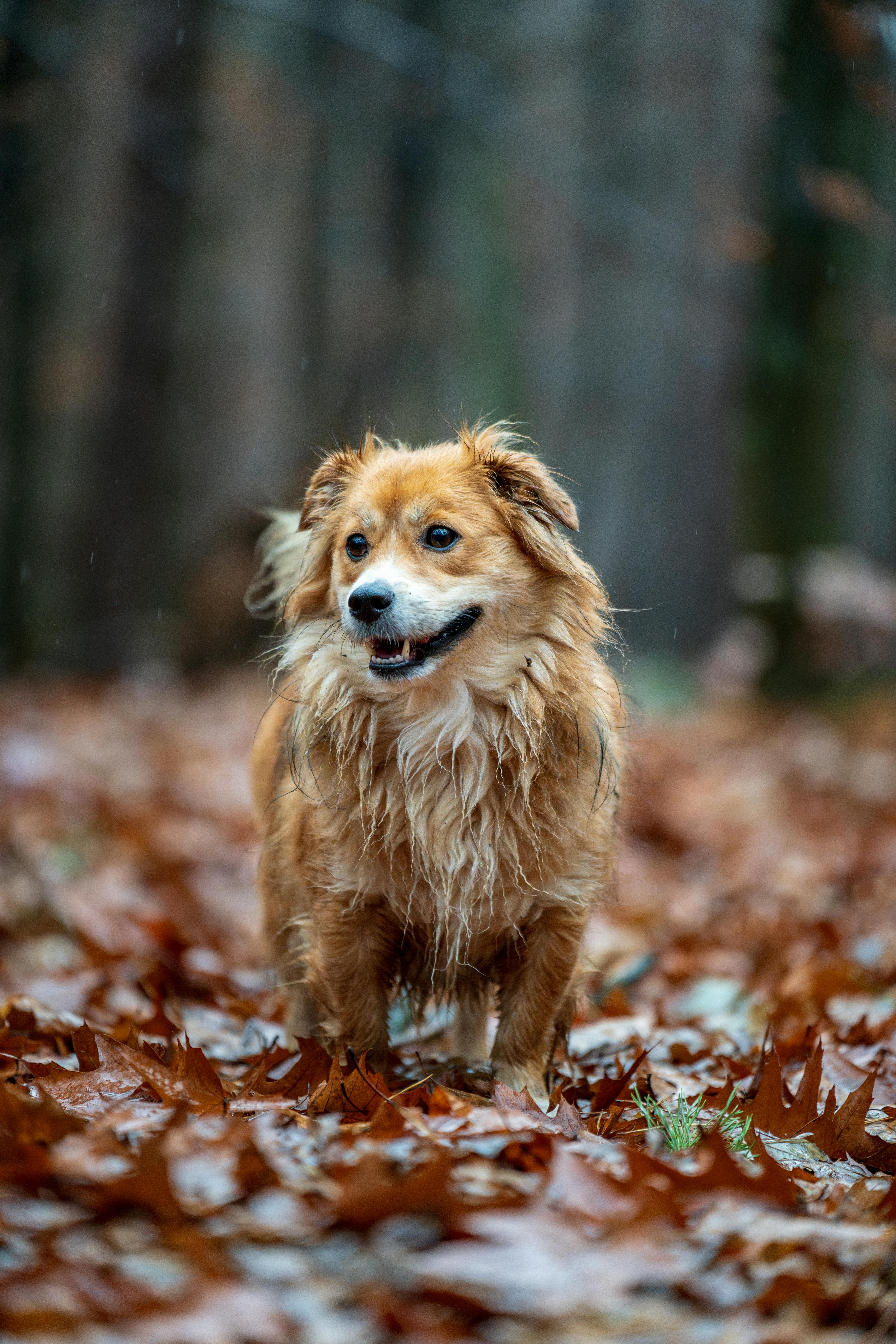
Have you ever notice how dogs’ noses feel when you touch them? They’re usually wet, right? But, this leads to a curious question: Are all dogs’ noses wet? And why do dogs have wet noses in the first place? Let’s dive into the fascinating world of our furry friends and uncover the reasons behind this unique trait, along with how it can vary across different breeds.
Are All Dogs’ Noses Wet?
Not every dog has a consistently wet nose. While many dogs have moist noses, it can vary greatly depending on several factors like breed, health, and environment. For instance:
- Breeds with Dry Noses: Some breeds, like Bulldogs or Shih Tzus, tend to have drier noses. Their unique facial structures can affect moisture retention.
- Health Issues: A change in a dog’s nose moisture can indicate health problems. If a dog’s nose becomes persistently dry or cracked, it could signal dehydration or a fever.
- Environmental Factors: Weather plays a big role. Hot, dry climates can cause a dog’s nose to dry out quickly, while humid areas generally keep noses moist.
Why Do Dogs Have Wet Noses?
Dogs’ noses are wet for several reasons that serve important functions. Here are a few key points:
- Enhanced Sense of Smell: A wet nose helps trap scent particles in the air, boosting a dog’s olfactory capabilities. This is crucial since dogs rely heavily on smell to understand their surroundings.
- Temperature Regulation: Dogs don’t sweat like humans do. Their wet noses can help cool them down. The moisture evaporates, which helps to lower their body temperature.
- Health Indicator: A dog’s nose can be a good indicator of their health. A cool, moist nose often indicates a healthy pup, while changes could suggest illness.
Variations Across Breeds
Different dog breeds have varying nose characteristics due to genetics and breeding practices. Here’s a comparison of how some breeds differ:
| Breed | Nose Moisture Level | Characteristics |
|---|---|---|
| Labrador | Generally wet | Known for their friendly demeanor and strong noses |
| Bulldog | Often dry | Short snout, higher tendency for drier noses |
| Poodle | Mostly wet | Curly coat, retains moisture well |
| Dachshund | Varies | Long snout, moist in cooler climates |
| Chihuahua | Can be dry | Small size affects water retention |
Fun Facts About Dog Noses
- Unique Patterns: Just like human fingerprints, no two dog noses are alike. Each dog has a unique nose print.
- Temperature Checkers: A dog’s nose can be cooler than their body temperature, which helps them regulate heat.
- Nose Work: Dogs are often used in search and rescue missions because of their incredible ability to smell even the faintest scents.
What Affects Nose Moisture?
Several factors can cause changes in a dog’s nose moisture. Here are some of them:
- Diet and Hydration: A well-hydrated dog usually has a moist nose. If a dog isn’t drinking enough water, their nose may become dry.
- Seasonal Changes: Cold winters can dry out a dog’s nose, while summer heat can also lead to dehydration.
- Age: Older dogs may experience more dryness in their noses, similar to how humans may have drier skin as they age.
What to Do About a Dry Nose
If you’ve notice your dog has a dry nose, here are some steps you could take:
- Increase Water Intake: Make sure your dog is drinking plenty of water.
- Humidifier: During dry seasons, using a humidifier in your home can help keep your dog’s nose moist.
- Consult a Vet: If the dryness persists, it’s a good idea to see a veterinarian. They can check for underlying health issues.
Understanding why dogs have wet noses and the variations across different breeds can be quite enlightening. It’s just one of the many unique traits that make dogs so fascinating. Whether your dog has a wet or dry nose, it’s clear that these furry companions have some amazing biology working for them!
What Your Dog’s Wet Nose Says About Their Emotions and Behavior

Have you ever wondered what your dog’s wet nose says about their emotions and behavior? You might have noticed how your furry friend’s nose is often damp, and it’s more than just an adorable trait. In fact, there’s a fascinating blend of science and emotion behind why dogs have wet noses. Let’s dive into the reasons behind this unique characteristic and what it can signal about your dog’s feelings and health.
Why Do Dogs Have Wet Noses?
Dogs typically have wet noses because of several reasons. A wet nose helps them gather scent molecules in the air better than a dry one, which is super important for their sense of smell. But there’s more to it than just sniffing! Here are some key points to consider:
- Scent Detection: The moisture on a dog’s nose helps to trap scent particles. When they lick their nose, they can better absorb these scents, making their sense of smell even sharper.
- Thermoregulation: Dogs don’t sweat like humans do, so having a wet nose can also help them cool down. It’s like a natural air-conditioning system.
- Health Indicator: A wet nose is often seen as a sign of a healthy dog. However, if a dog’s nose is excessively dry or cracked, it might indicate dehydration or a health issue.
The Emotional Side of Your Dog’s Wet Nose
Your dog’s wet nose can also be a window into their emotional state. Dogs are expressive creatures, and their body language can tell you a lot. Here’s how their nose can reflect their feelings:
- Happy and Playful: If your dog approaches you with a wet nose and wagging tail, they’re probably feeling excited and happy to see you. A wet nose can indicate enthusiasm, especially during playtime.
- Curious and Investigative: When your dog is sniffing around with a moist nose, they’re likely exploring their environment. Curiosity is a natural behavior in dogs, and their wet noses help them gather information about their surroundings.
- Comfort-Seeking: Sometimes, a dog may nuzzle their wet nose against you when they’re looking for comfort or reassurance. This affectionate gesture can be a way for them to bond with you.
What A Dry Nose Might Mean
Not all nose conditions are created equal! A dry nose can sometimes be a cause for concern, depending on the context. Here’s a quick breakdown of what a dry nose might mean:
- Health Issues: A persistently dry nose may indicate dehydration, fever, or other health problems. If your dog’s nose has been dry for a long time, it’s worth consulting a vet.
- Environmental Factors: Weather can play a significant role. Hot, dry conditions might lead to a dry nose.
- Sleep Time: Dogs can have a dry nose when they’re asleep; this is normal and usually nothing to worry about.
Common Myths About Wet Noses
There are many misconceptions surrounding dog noses. It’s important to separate fact from fiction to understand your furry companion better. Here’s some common myths:
- Myth 1: A cold nose means a healthy dog. While wet noses are often a sign of good health, it’s not a foolproof indicator. Dogs can have a warm, dry nose and still be perfectly healthy.
- Myth 2: Dogs only lick their noses to keep them moist. Dogs lick their noses for various reasons, including stress relief and to enhance their sense of smell.
- Myth 3: All dogs have wet noses. This isn’t the case. Some breeds, due to their genetic makeup, may have drier noses than others.
Fun Facts About Dog Noses
Did you know that a dog’s sense of smell is 10,000 to 100,000 times more sensitive than humans? Here are some fun facts about dog noses:
- Unique Patterns: Just like human fingerprints, each dog has a unique nose print that can be used to identify them.
- Scent Memory: Dogs can remember scents for years, which is why they often recognize their owners even after a long time apart.
- Wet Noses and Bonding: Dogs often use their noses to bond with humans. The act of nudging or nuzzling with their noses is a way of showing affection.
Understanding why dogs have wet noses helps you communicate better with your furry friend. Their emotions can be read through their noses, and knowing what those little signals mean can strengthen your bond. By paying attention to your dog’s behavior and nose condition, you can respond better to their needs and feelings. So next time your pup greets you with a wet nose, take a moment to appreciate the science and emotion behind it!
From Cooling Mechanism to Sensory Tool: The Multifunctional Role of Wet Noses

Dogs are often called man’s best friend. One of the most intriguing features of dogs is their wet noses. But, why do dogs have wet noses? It’s a question that many people asks, and the answer isn’t just simple. Wet noses serve multiple functions which benefits dogs in various ways. Let’s dive into this fascinating subject, exploring the multifunctional role of wet noses in our furry companions.
The Biology Behind Wet Noses
A dog’s nose is a complex organ, with its wetness playing crucial roles in several biological processes. Dog noses are covered in mucus, which keeps them moist. But why is that moisture so important? Here are some key reasons:
Enhanced Smell: Dogs have an extraordinary sense of smell, which is 10,000 to 100,000 times more sensitive than humans. The moisture on their noses helps to capture scent particles from the air. When the particles dissolve in the mucus, it allows dogs to detect smells better.
Thermoregulation: Just like humans sweat to cool down, dogs use their noses to help regulate their body temperature. The wetness on the nose evaporates, providing a cooling effect. This is especially useful on hot days when dogs might struggle to keep cool.
Health Indicator: A dog’s nose can also be an indicator of its health. Typically, a healthy dog will have a moist and cool nose. If a dog’s nose is excessively dry or warm, it might be a sign of illness or dehydration.
Historical Context of Canine Noses
Historically, dogs have been used for various purposes, including hunting and tracking. Their wet noses likely played a significant role in their ability to perform these tasks effectively. In ancient times, canines were bred for specific traits, including scent detection. The importance of a wet nose in enhancing scent tracking cannot be overstated.
Tracking Game: Early hunters relied on dogs to track and retrieve game animals. The wet nose helped the dog pick up scents from the ground and the air, making them invaluable companions for survival.
Working Dogs: Various working dogs, such as search and rescue or drug detection dogs, depend heavily on their sense of smell. The moisture on their noses supports their ability to differentiate between scents, which is crucial in their line of work.
The Multifunctional Roles of Wet Noses
Wet noses in dogs aren’t just for show; they serve multiple purposes that contribute to a dog’s overall well-being. Here, we can break down some of the fascinating roles they play:
Scent Detection: As mentioned earlier, the wetness of a dog’s nose is essential for detecting scents. Dogs have a special organ, the Jacobsen’s organ, that assists in analyzing smells. The wet nose helps in trapping scent molecules, allowing access to this organ.
Communication Tool: Dogs communicate in many ways, and their noses play a part in that. When dogs greet each other, they often sniff each other’s noses. This is a way of gathering information about the other dog, such as health, mood, and even diet.
Environmental Awareness: Wet noses help dogs to understand their environment better. By sniffing around, they can gather information about other animals, people, and even changes in their surroundings. This is crucial for their survival instincts.
Fun Facts About Dog Noses
Unique Prints: Just like human fingerprints, every dog’s nose has a unique pattern. This can actually be used for identification in some cases.
Temperature Regulation: When dogs are hot, their noses may feel warmer. This is because they are actively using their noses to help cool themselves down.
Lifesaver: Some dogs have been trained to detect medical conditions like diabetes or seizures. Their keen sense of smell and wet noses play a vital role in this ability.
Care For Your Dog’s Nose
Keeping your dog’s nose healthy is important. Here are some tips:
Hydration: Make sure your dog has plenty of fresh water. A well-hydrated dog is more likely to have a healthy nose.
Check for Dryness: If your dog’s nose seems excessively dry or cracked, consult your veterinarian. This could be a sign of dehydration or an underlying health issue.
Avoid Irritants: Keep your dog away from harsh chemicals or irritants that could affect their nose.
The wet nose of a dog is much more than just a cute feature. It plays critical roles in their health, communication, and survival. Understanding why dogs have wet noses can deepen the bond we share with them, reminding us of their fascinating biology and history. Next time you see your furry friend, take a moment to appreciate the multifunctional role of their wet nose.
How to Keep Your Dog’s Nose Healthy: Tips for Pet Owners
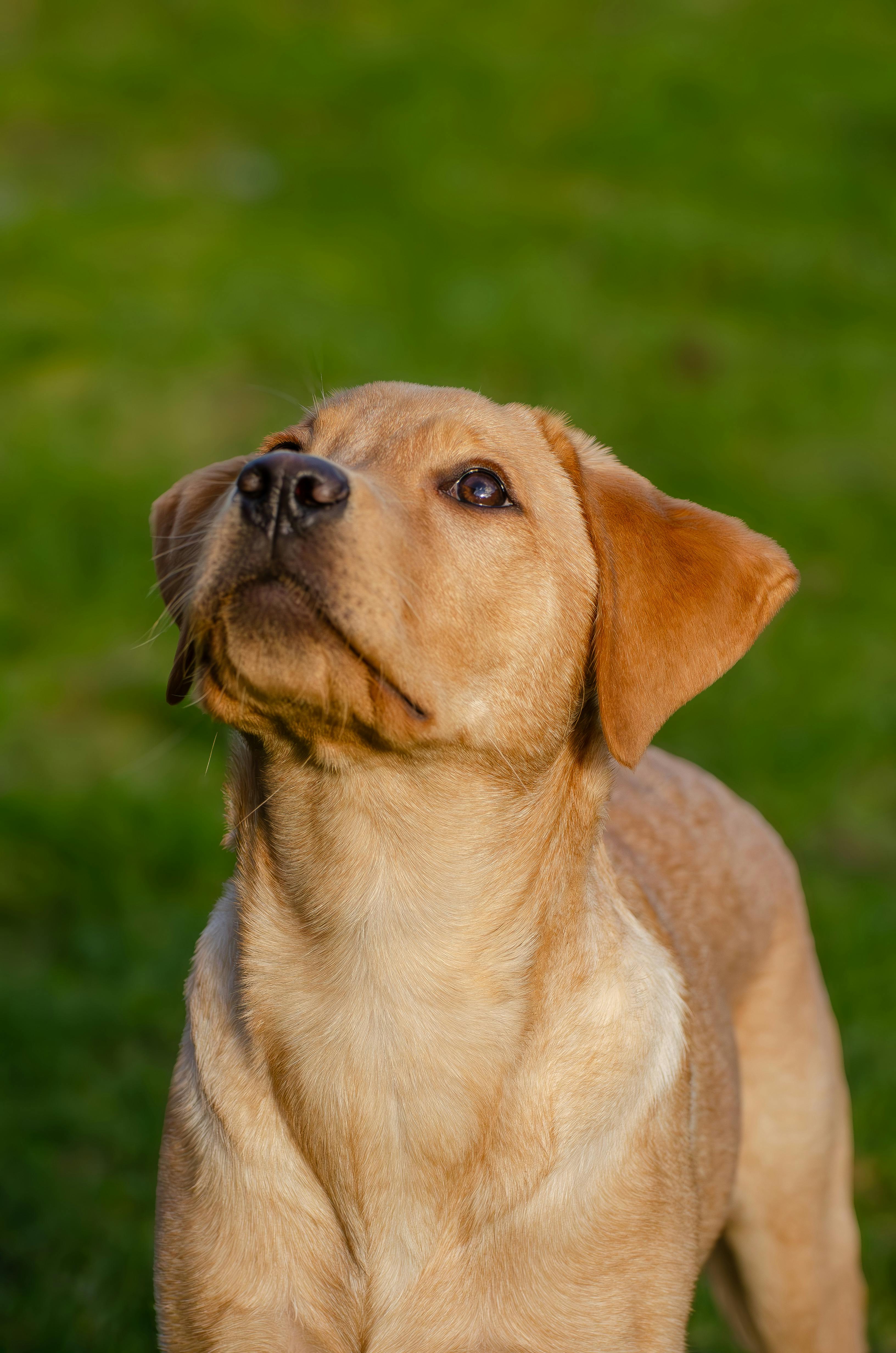
Every dog owner know how important it is to keep their furry friends healthy and happy. One often-overlooked aspect of dog health is the nose. You might notice your dog’s nose is often wet, but have you ever wondered why? Or how to keep that nose in tip-top shape? Well, let’s dive into the fascinating world of dog noses and discover some great tips for keeping them healthy!
Why Do Dogs Have Wet Noses?
So, why is it that dogs have those wet noses? It’s actually pretty interesting! A dog’s nose serve multiple purposes, and the moisture plays a key role in how they interact with the world around them. Here’s some reasons why dogs’ noses are wet:
Scent Detection: Dogs have a remarkable sense of smell, and the moisture on their nose helps to capture scent particles in the air. This makes it easier for them to detect different smells, which is why they are often used in search and rescue missions.
Temperature Regulation: Just like humans sweat to cool down, dogs use their noses to help regulate their body temperature. When a dog pants, the moisture on their noses evaporates, helping to cool them down.
Health Indicator: A dog’s nose can sometimes indicate their health. A healthy nose is often moist and cool, but if it becomes dry, cracked, or excessively warm, it could be a sign of health issues.
Keeping Your Dog’s Nose Healthy
Now that you understand the reasons behind a wet nose, let’s talk about how to keep it healthy! Here are some practical tips:
Regular Cleaning: Sometimes dirt and debris can build up on your dog’s nose, causing irritation. Use a damp cloth to gently wipe your dog’s nose regularly.
Hydration: Ensure your dog has access to fresh water at all times. Proper hydration helps maintain the moisture on their nose, plus it’s vital for their overall health.
Moisturizing: If you notice your dog’s nose is getting dry, you can apply a pet-safe moisturizer. There are specific balms available designed for canine noses.
Healthy Diet: A balanced diet contributes to overall health, including skin and nose health. Consult with your vet about the best food for your pup.
Avoid Allergens: Pollen, dust, and certain chemicals can irritate your dog’s nose. Try to limit your dog’s exposure to known allergens, especially during allergy season.
Veterinary Checkups: Regular vet visits are crucial. If you notice any changes in your dog’s nose, like cracking or excessive dryness, bring it up with your vet to rule out any serious issues.
Fun Facts About Dog Noses
Unique Patterns: Just like human fingerprints, every dog’s nose print is unique. It can actually be used to identify them!
Nose Temperature: The temperature of a dog’s nose can fluctuate. While a cool, moist nose is typically a sign of a healthy dog, a warm nose does not always mean they are sick.
Sensitivity: Dogs have over 300 million smell receptors in their noses, compared to about six million in humans. This is why they can detect drugs, bombs, or even some diseases.
Nose Color: The color of a dog’s nose can vary. Some dogs have black noses, while others may have pink or brown ones, and this can be influenced by breed or genetics.
Observing Changes in Your Dog’s Nose
If you notice any of the following changes in your dog’s nose, it may be time to consult a veterinarian:
- Persistent dryness or cracking
- Swelling or redness
- Discharge that is excessive or has an unusual color
- Changes in temperature (suddenly warmer than usual)
A dog’s nose is not just a cute feature; it serves important functions that are crucial for their well-being. Knowing how to keep it healthy is vital for every pet owner. Remember, taking good care of your dog’s nose can enhance their quality of life!
By understanding why dogs have wet noses and how to maintain their health, you’re not just a pet owner, but also a responsible caregiver. After all, our furry friends rely on us for their health and happiness. So go ahead and give those adorable noses the attention they deserve!
Fascinating Facts About Dog Noses: Why Wetness Matters More Than You Think
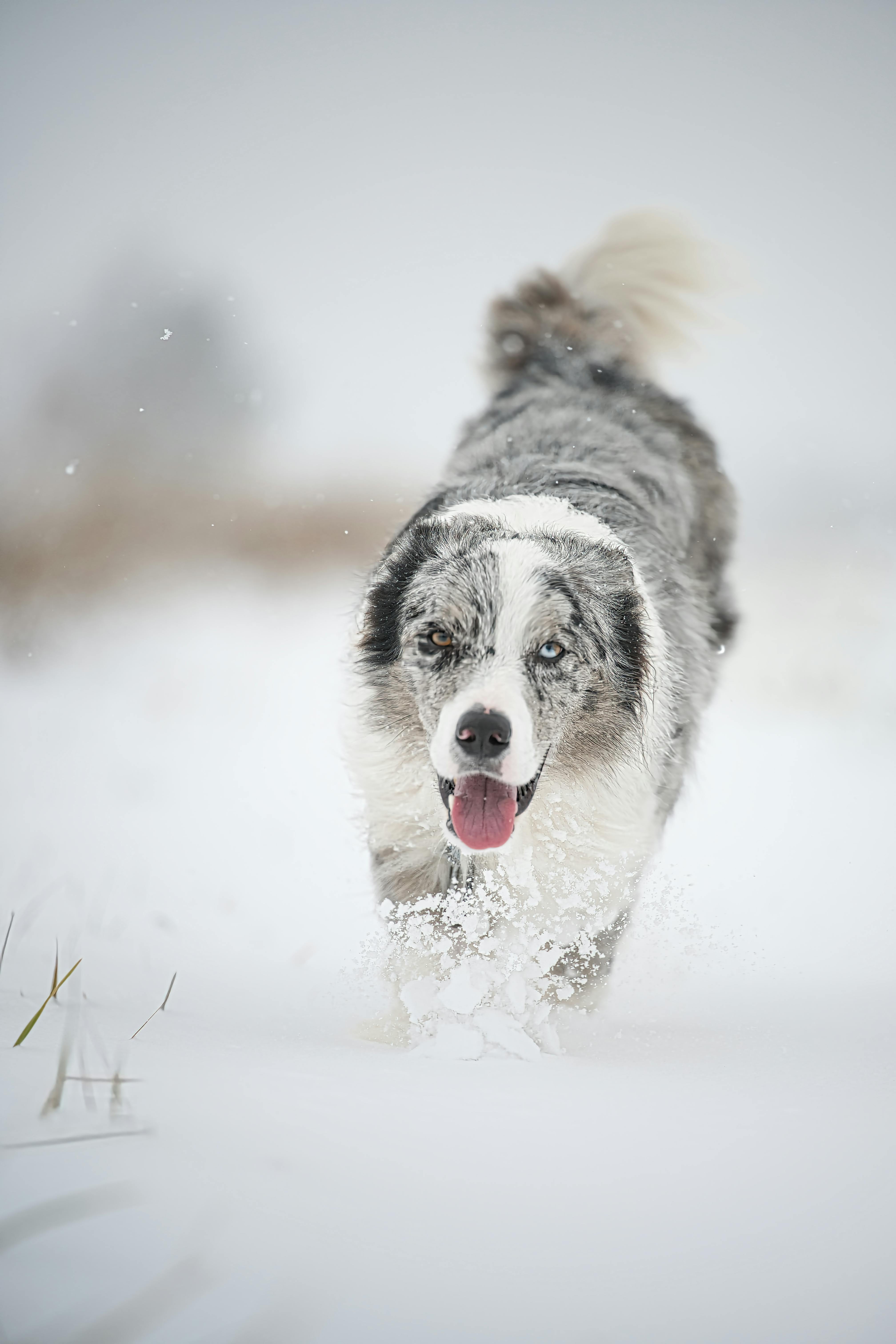
Ever noticed how your furry friend’s nose is always wet? It’s not just for show, there are several reasons behind this fascinating trait. Dog noses are not only cute but they also play a vital role in their health and senses. In this article, we gonna explore why do dogs have wet noses, how this wetness impacts their daily lives, and some interesting facts that might surprise you!
The Science of a Dog’s Nose
Dog noses are made up of a complex structure. The surface is covered with mucous membranes, which keeps it moist. This wetness is essential because dogs have a remarkable sense of smell, estimated to be anywhere from 10,000 to 100,000 times more sensitive than humans. Here’s some reasons why this moisture matters:
- Enhanced Smell: The wetness helps to capture scent particles from the air. When a dog inhales, these particles stick to the moisture, allowing their olfactory receptors to pick them up more efficiently.
- Thermoregulation: Dogs don’t sweat like humans. They primarily regulate their body temperature through panting and letting moisture evaporate from their noses.
- Health Indicator: A dog’s nose can tell a lot about its health. A cold, wet nose usually indicates a healthy dog, while a dry or warm nose might be a sign of illness.
Why Do Dogs Have Wet Noses?
So why exactly do dogs have wet noses? There are some fascinating reasons behind this phenomenon. Here are a few key points to consider:
Scent Detection: A plethora of scent receptors in a dog’s nose means they’re naturally equipped to detect odors. The moisture enhances their ability to pick up on these scents.
Cooling Mechanism: During hot weather, a wet nose can help cool down a dog’s body temperature. The evaporation of moisture from the nose helps in this process.
Communication Tool: Dogs often use their noses to communicate with each other. A wet nose can signal a friendly approach, while a dry nose might indicate stress or illness.
Fun Facts About Dog Noses
Here’s a list of some fun and lesser-known facts about dog noses that you might enjoy!
- Unique Patterns: Just like human fingerprints, every dog’s nose print is unique. This means it can actually be used for identification purposes!
- Size Matters: The size of a dog’s nose can vary greatly depending on the breed. Larger breeds typically have bigger noses, which can contribute to their enhanced sense of smell.
- Sniffing Techniques: Dogs sniff in a specific manner. They often take short, quick breaths to gather scent particles more effectively.
Historical Context of Dog Noses
Dogs have been companions to humans for thousands of years. Historically, their incredible sense of smell has been utilized in various roles, such as hunting, search and rescue, and even detecting diseases. Ancient Egyptians revered dogs and recognized their keen sense of smell, using them in various roles from hunting to protection.
Comparison: Wet vs. Dry Noses
Here’s a simple comparison to illustrate the differences between wet and dry noses in dogs:
| Feature | Wet Nose | Dry Nose |
|---|---|---|
| Health Indicator | Generally healthy | Possible illness |
| Scent Detection | More effective | Less effective |
| Body Temperature | Helps cool | May indicate overheating |
Practical Examples of Nose Health
Maintaining a dog’s nose health is essential. Here are some tips for dog owners:
- Hydration: Ensure your dog has plenty of fresh water available to keep their nose moist.
- Check Regularly: Monitor your dog’s nose for changes in moisture. A sudden dry nose might require a vet visit.
- Avoid Irritants: Keep your dog away from harsh chemicals or allergens that could dry out their nose.
In summary, understanding why do dogs have wet noses is important for any dog owner. Not only does it play a crucial role in their scent abilities, but it also serves as a health indicator. Next time you give your pup a pat, take a moment to appreciate that wet nose and all the fascinating things it represents!
Conclusion
In conclusion, the wet noses of dogs serve several important functions that contribute to their overall health and sensory capabilities. We explored how moisture enhances their sense of smell, allowing them to detect scents more effectively, and how it plays a role in thermoregulation, helping them cool down. Additionally, the moisture on their noses can provide insights into their health status, as changes in this characteristic can indicate underlying issues. Understanding these aspects not only deepens our appreciation for our canine companions but also highlights the importance of regular veterinary check-ups to ensure their well-being. As you observe your dog’s wet nose, remember that it is a vital part of their anatomy, serving multiple essential purposes. So, the next time you pet your furry friend, take a moment to appreciate the unique features that make them special and consider sharing this knowledge with fellow dog lovers!
