
Have you ever wondered why do dogs have wet noses? This fascinating secret not only intrigues dog lovers but also reveals essential insights into canine health and behavior. A dog’s nose is more than just a cute feature; it serves vital functions that can affect their overall well-being. In fact, many people ask, “Is a dog’s wet nose a sign of illness?” The answer is often more complex than what you think! With every sniff and nuzzle, a dog’s wet nose plays a key role in their sense of smell, which is far superior to that of humans. But, why does this wetness matter? It helps enhance their olfactory abilities and keeps them cool. Imagine discovering how your furry friend uses their nose to interact with the world! Join us as we dive into the science behind this curious phenomenon and uncover the surprising benefits of a wet nose in dogs. Are you ready to explore the hidden truths behind your pup’s adorable snout? Let’s embark on this exciting journey to understand why do dogs have wet noses and what it means for their health and happiness!
The Science Behind Canine Noses: Why Are Dogs’ Noses Always Wet?
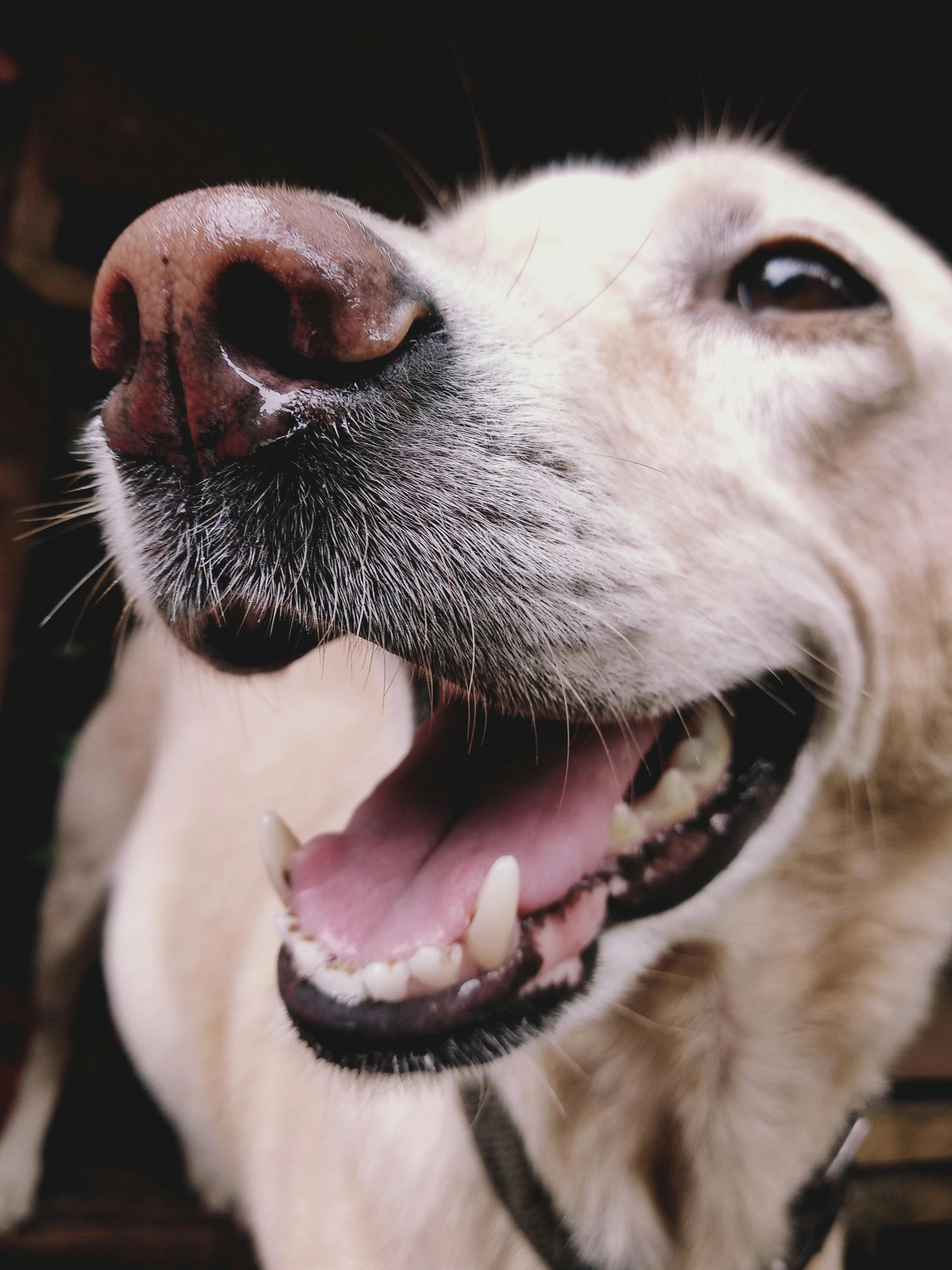
Have you ever wonder why dogs’ noses are always wet? It’s a common sight, and many dog owners might think it’s just one of those things that make our furry companions unique. But there’s actual science behind it, and it goes beyond just moisture. Understanding why dogs have wet noses can reveal a lot about their health and their incredible sense of smell. Let’s dive into this fascinating secret.
The Anatomy of a Dog’s Nose
Dog noses are complex organs, way more than just a cute feature. They have a lot of nerve endings and are sensitive to touch. The surface of a dog’s nose contains mucus, which help them to capture scent particles better. Here are some key points about the anatomy:
- Moisture: A wet nose helps to trap scent particles. The moisture in the nose can absorb these particles, enhancing the dog’s ability to smell.
- Temperature Regulation: Dogs can’t sweat like humans do. Their noses help them to cool down by evaporating moisture.
- Nasal Structure: The intricate structure of a dog’s nose allows them to differentiate between a vast array of smells. They have up to 300 million smell receptors, compared to a human’s 5 million.
Why Are Dogs’ Noses Wet?
Why do dogs have wet noses? It’s not just a random characteristic. There are several reasons behind this phenomenon:
Enhanced Smell: The wetness allows for better olfactory reception, which means dogs can identify scents more accurately. This is crucial for their roles in search and rescue, hunting, and even therapy.
Cooling Effect: Wet noses can help maintain a dog’s body temperature. When the moisture evaporates, it cools their body, similar to how sweat works for humans.
Health Indicator: A wet nose is often seen as a sign of a healthy dog. If a dog’s nose is dry or cracked, it might indicate health issues like dehydration or fever.
Historical Context
The fascinating relationship between humans and dogs goes back thousands of years. Early domesticated dogs relied on their incredible sense of smell for hunting and tracking. The wet nose was likely advantageous for survival, helping them to sniff out food and evade dangers. As humans began to breed dogs for specific tasks, those with more effective noses were favored.
Practical Examples of Dog Noses in Action
Dogs’ noses are not just wet; they’re working constantly. Here’s how they use them in various fields:
Search and Rescue: Trained dogs can detect human scents buried under rubble. Their noses are essential in locating survivors after disasters.
Medical Detection: Some dogs can detect diseases like cancer by smelling specific chemical markers in a person’s breath or skin.
Law Enforcement: K9 units utilize dogs for sniffing out drugs or explosives. Their wet noses help them to identify even trace amounts of substances.
Fascinating Comparisons
Let’s compare dog noses to human noses to highlight just how remarkable they are:
Number of Olfactory Receptors:
- Dogs: 300 million
- Humans: 5 million
Ability to Distinguish Scents:
- Dogs: Can identify thousands of different scents.
- Humans: Generally can distinguish a few thousand.
Scent Tracking:
- Dogs: Can track a scent for miles.
- Humans: Typically struggle to follow a scent even for short distances.
Fun Facts About Dog Noses
Color Variations: Not all dog noses are black. Some breeds have pink or liver-colored noses, and it can change with the seasons.
Unique Patterns: Just like human fingerprints, each dog’s nose has a unique pattern.
Health Monitoring: A dog owner can often tell if their pet is sick based on changes in their nose’s moisture level or texture.
Final Thoughts
So, why do dogs have wet noses? It’s a combination of evolution, biology, and practicality. The moisture in their noses is essential for their incredible sense of smell, helps regulate their body temperature, and can even be a sign of their health. Understanding this fascinating aspect of canine biology not only deepens our appreciation for dogs but also highlights the special bond we share with them. Next time you pet your dog and feel that wet nose, remember there’s more going on than meets the eye.
Top 5 Fascinating Facts About Dog Noses: What Makes Them Unique?
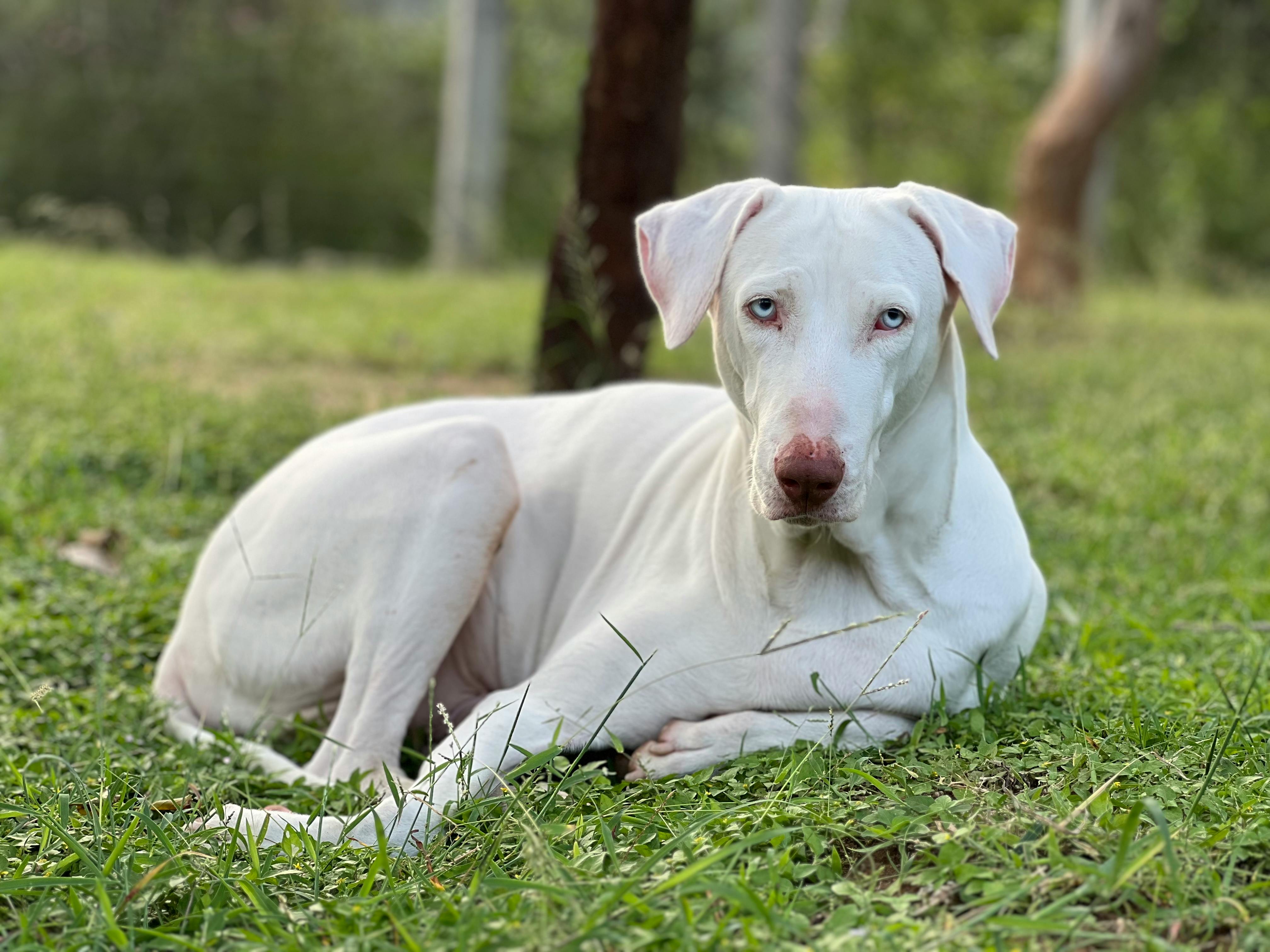
Dogs are fascinating creatures, and one of their most unique features is their noses. Have you ever wondered why dogs have wet noses? Or what makes their noses so special? Let’s uncover some intriguing facts about dog noses that you probably didn’t know!
1. Dogs Have Incredible Smell Capabilities
One of the most fascinating things about dog noses is their amazing ability to smell. Dogs can detect smells at least 10,000 to 100,000 times better than humans. This is because their noses contain up to 300 million scent receptors, compared to a human’s mere 5 million. This is not just a small difference, it’s a huge one!
2. The Wet Nose Mystery
You might ask, “Why do dogs have wet noses?” Well, it turns out that the moisture on a dog’s nose serves important purposes. The wetness helps them absorb scent particles from the air, enhancing their ability to smell. Plus, the wetness can cool them down, which is especially helpful during hot weather.
- Benefits of Wet Noses:
- Enhances olfactory receptors
- Helps to cool the dog down
- Keeps the nose healthy and moist
3. Unique Nose Prints
Another incredible fact is that just like human fingerprints, every dog has a unique nose print. The patterns of ridges and creases on their noses are distinctive and can actually be used to identify them. This is not commonly known, but it’s true!
- Fun Fact: In the past, some dog owners have used nose prints as a means of identification, similar to how we use fingerprints for humans.
4. The Role of the Nose in Communication
Dogs use their noses not only for smelling but also for communicating with other dogs. When two dogs meet, they often sniff each other’s noses to gather information about each other, such as emotional state, health, and even diet. It’s their way of shaking hands, so to speak!
- Communication via Smell:
- Identify health status
- Understand emotional states
- Gather information about diet
5. The Science Behind Wet Noses
You may be curious about how a dog’s nose stays wet. Dogs have special glands in their noses that produce a thin layer of mucus. This mucus is not just there for show; it plays a key role in their sense of smell. When a dog inhales, this mucus helps to capture scent particles and sends them to the brain for analysis. It’s like having a built-in air filter!
Comparisons with Humans
Dogs and humans have very different noses, and it’s interesting to look at some comparisons:
| Feature | Dogs | Humans |
|---|---|---|
| Scent Receptors | ~300 million | ~5 million |
| Ability to Smell | 10,000 – 100,000 times better | Limited |
| Nose Print Unique-ness | Yes | No |
| Nose Moisture Purpose | Enhances smell, cools down | Not applicable |
Practical Examples of Dogs’ Smelling Abilities
Dogs are often used in various fields because of their incredible sense of smell. Here are a few examples:
- Search and Rescue: Dogs can find missing persons by tracking their scent.
- Drug Detection: Law enforcement uses specially trained dogs to sniff out illegal substances.
- Medical Detection: Some dogs can even be trained to detect diseases like cancer just by smelling a person’s breath or skin.
Historical Context
Historically, dogs have been used for hunting and tracking since ancient times. Their keen sense of smell was vital for survival, helping humans to locate food and avoid danger. Even today, we continue to harness this natural ability in various fields, from law enforcement to medical research.
The next time you see a dog, take a moment to appreciate their amazing nose! Not only does it serve crucial functions for their health and well-being, but it also connects them to the world in ways we can only begin to understand. With such remarkable features, it’s no wonder dogs have been considered man’s best friend for centuries.
Do Wet Noses Indicate a Healthy Dog? Debunking Common Myths

Do Wet Noses Indicate a Healthy Dog? Debunking Common Myths, Why Do Dogs Have Wet Noses? Discover This Fascinating Secret!
When you think about dogs, one of the first things that pop into mind is their cute little wet noses, right? But many dog owners often wonder if a wet nose means their furry friend is healthy. While we all love giving our dogs a good pat on the head, it’s time to dive into the science behind those moist noses and what they truly mean for our canine companions. Spoiler alert: wet noses don’t always indicate health!
The Science Behind Wet Noses
Dogs have wet noses due to a combination of physiology and behavior. The moisture on their noses helps them in a few ways, like:
- Enhanced Sense of Smell: The wetness helps capture scent particles, which makes their sense of smell even sharper. Dogs can smell things at such a great distance!
- Temperature Regulation: Wet noses can help dogs cool down. Unlike humans who sweat, dogs mainly rely on their noses and panting to regulate body temperature.
- Natural Behavior: Dogs lick their noses frequently. It’s a natural behavior that keeps their noses moist and enhances their ability to smell.
Debunking Common Myths
There are plenty of myths floating around about dog health, and wet noses often get lumped into that category. Here are a few common misconceptions:
Myth: A Wet Nose Equals a Healthy Dog
Reality: While a wet nose can indicate that a dog is well-hydrated, it’s not the only sign of health. Dogs can have dry noses and still be perfectly fine.Myth: A Dry Nose Means Illness
Reality: A dry nose can result from various factors, including weather changes, allergies, or even just waking up. It ain’t always a sign of sickness.Myth: You Should Worry If Your Dog’s Nose Is Hot
Reality: A warm nose does not automatically mean your dog has a fever. The best way to check for fever is to take your dog’s temperature with a thermometer.
Why Do Dogs Have Wet Noses?
Now that we’ve cleared up some myths, let’s explore why dogs actually have wet noses in the first place. There’s more to it than just hydration!
Scent Detection: Dogs have a sense of smell that is about 40 times better than humans. Keeping their noses wet helps them detect scents better. Imagine trying to sniff out dinner with a dry nose — not easy!
Licking Behavior: Dogs often lick their noses to keep them moist. This behavior is instinctual and helps them stay alert to their surroundings. It’s how they interact with their environment.
Cooling Mechanism: Dogs don’t sweat the same way we do. A wet nose acts as a cooling mechanism, helping them to regulate temperature when they get too hot.
What Can Affect Your Dog’s Nose Moisture?
Several factors can affect whether your dog’s nose is wet or dry:
- Environmental Conditions: Hot, dry weather can lead to a drier nose. Conversely, a humid environment might contribute to a wetter nose.
- Health Factors: Certain illnesses or conditions can lead to changes in nose moisture. If you notice consistent dryness or unusual changes, it might be worth consulting a vet.
- Age: Older dogs might have different moisture levels in their noses compared to younger pups. It’s a natural part of aging.
Signs of a Healthy Dog Beyond the Nose
While a wet nose might be one sign of health, it’s important to look at the whole picture. Here are some things to watch for:
- Bright Eyes: Clear, bright eyes without discharge are a good sign.
- Good Appetite: If your dog is eating well and maintaining a healthy weight, that’s usually a good indicator.
- Active Behavior: A playful dog is often a healthy dog. Watch for signs of lethargy or lack of interest in activities they usually enjoy.
- Regular Bathroom Habits: Consistent and normal bathroom habits are another sign of a healthy dog.
Final Thoughts
So, do wet noses indicate a healthy dog? Well, it’s not that simple. While a moist nose can be a sign of hydration and good health, it’s just one piece of the puzzle. Paying attention to other signs of health and behavior is crucial for ensuring your furry friend stays happy and healthy. Remember, if you ever have concerns about your dog’s health, consulting with a veterinarian is always the best option. Wet or dry, your dog’s love is what truly matters!
Why Do Some Dogs Have Drier Noses? Understanding the Variations

Have you ever wondered why do dogs have drier noses sometimes? Or why is it that their noses are often wet? It’s a curious thing, and many pet owners find themselves puzzled by these variations. Dogs are fascinating creatures, and their noses tell a lot about their health, emotions, and even the environment around them. Let’s dive into the reasons behind why some dogs have drier noses and why others tend to be moist.
The Basics of Dog Noses
Dogs have highly sensitive noses, which are one of their most incredible features. The wetness of a dog’s nose can vary for several reasons, and understanding these can help you keep your furry friend happy and healthy. A wet nose helps dogs in many ways, such as:
- Enhanced Sense of Smell: A moist nose can trap scents better, allowing dogs to detect smells more effectively.
- Temperature Regulation: Dogs don’t sweat like humans do. Instead, a wet nose can help them cool down.
- Health Indicator: Changes in a dog’s nose can indicate health issues. A dry nose could signal dehydration or illness, while a wet nose usually suggests they are healthy.
Why Do Some Dogs Have Drier Noses?
There are many reasons why a dog’s nose might be drier than usual. Here are some common causes:
- Weather Conditions: Dry air, especially during winter months, can lead to dryness in noses. Dogs that live in areas with low humidity may experience this more often.
- Dehydration: Just like humans, dogs need to stay hydrated. If they don’t drink enough water, their nose may dry out.
- Health Issues: Conditions like allergies, autoimmune diseases, or even some infections can cause a dog’s nose to become dry.
- Age: As dogs get older, their noses may naturally become drier. This is a normal part of aging.
- Breed Variation: Certain breeds are more prone to having dry noses, like Bulldogs or Pugs. Their unique facial structure can affect nose moisture.
Why Do Dogs Have Wet Noses?
Now, let’s explore why so many dogs have wet noses. The moisture is crucial for various reasons:
- Scent Detection: Wet noses absorb scent particles better, which is why dogs rely on this ability for hunting and tracking.
- Cooling Mechanism: Dogs pant to cool down, but a wet nose also helps to regulate their body temperature.
- Health Monitoring: A wet nose generally indicates a healthy dog. It can also be a sign of their emotional state—excited dogs often have wetter noses.
Comparing Dry and Wet Noses
Here’s a quick comparison to help visualize the differences between dry and wet noses:
| Aspect | Dry Nose | Wet Nose |
|---|---|---|
| Scent Absorption | Less effective at absorbing scents | More effective at absorbing scents |
| Temperature | May indicate overheating or dehydration | Typically cooler, helps in regulation |
| Health Indicator | Could indicate health issues | Generally a sign of good health |
| Seasonal Impact | More common in dry weather | Can be more prevalent in humid weather |
What Can You Do About a Dry Nose?
If you notice your dog has a persistently dry nose, there are several things you can do:
- Hydration: Ensure your dog drinks enough water. Fresh water should always be available.
- Humidifier: Consider using a humidifier in your home, especially during winter months.
- Veterinary Check-Up: If dryness persists, consult with a veterinarian. They can rule out any underlying health issues.
- Nose Balm: There are pet-safe balms available that can moisturize your dog’s nose if needed.
Understanding Nose Colors
Besides moisture levels, the color of a dog’s nose can change too. For example, a dog’s nose can become lighter or darker depending on health, mood, or even seasons. Here’s a breakdown of potential nose colors and their meanings:
- Black: Common in many breeds, usually indicates a healthy dog.
- Brown: Some breeds like Liver Spaniels have brown noses, which is normal for them.
- Pink or Red: Can indicate irritation or sunburn; should be monitored.
- Spots: Sometimes, dogs have spotted noses, which can be perfectly normal.
Dogs are amazing animals, and their noses are a crucial part of their identity and function. Whether wet or dry, understanding these variations can help you take better care of your furry friend. So next time you pet your dog, take a moment to appreciate their unique nose and what it says about their health and well-being.
The Role of a Dog’s Nose in Communication: Wet or Dry, What Does It Mean?
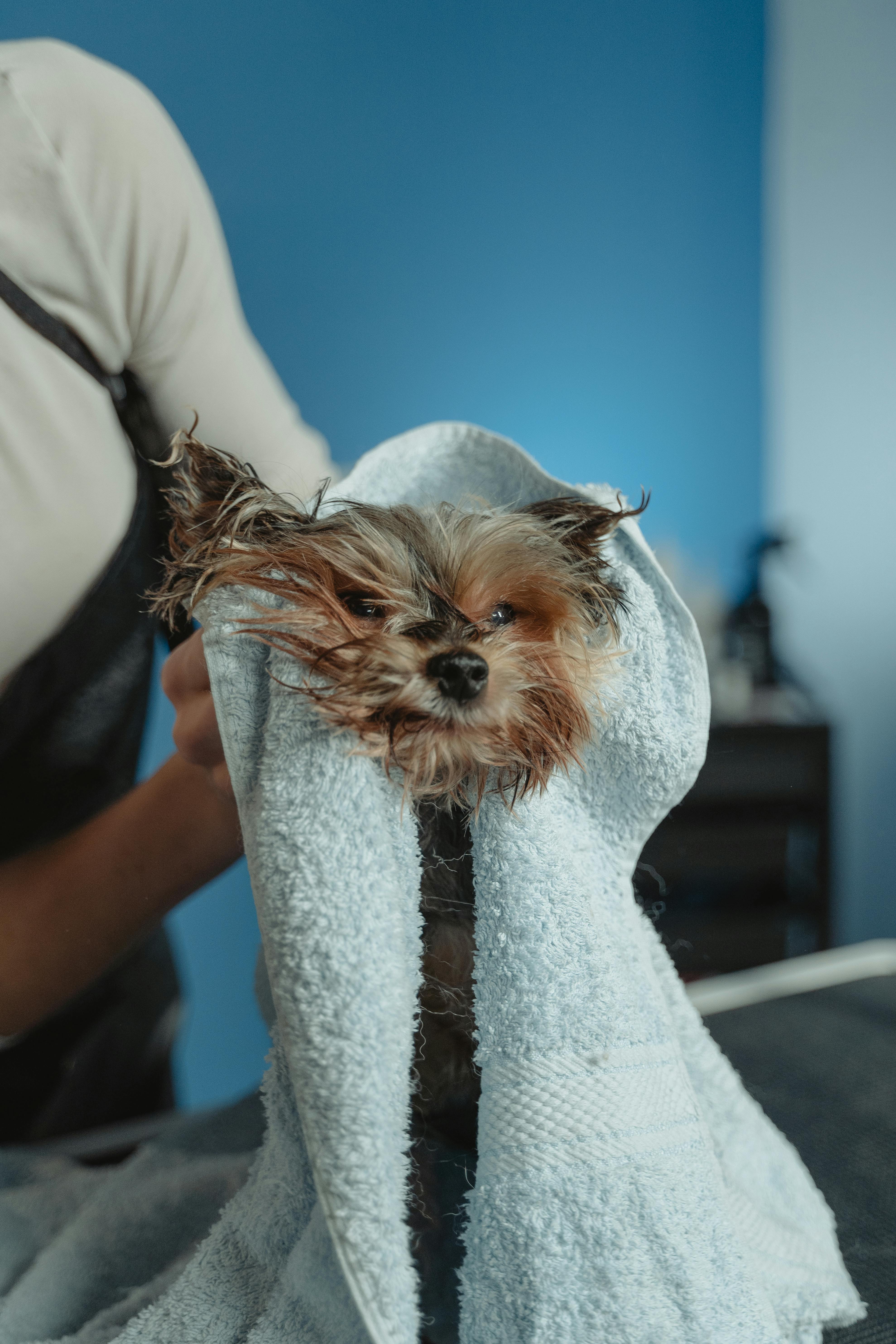
When you think about dogs, one of the first things that pop into mind is probably their adorable faces and wagging tails. But have you ever considered the role of a dog’s nose in communication? Yep, that wet or dry nose of theirs holds a lot of secrets! In this article, we will dive into why dogs have wet noses, what it means when their noses are dry or wet, and the fascinating world of canine communication through their sense of smell.
The Science Behind a Dog’s Nose
Dogs have an incredible sense of smell, which is about 10,000 to 100,000 times more sensitive than humans. This incredible capability is partly due to their wet noses. But why is it wet? The moisture helps to capture scent particles, enhancing their ability to detect different odors. When a dog sniffs, the moisture on their nose acts like a sponge, soaking up the scents around them. This is why a dog’s nose is often cold and wet—it’s actually working hard to gather information from the environment.
Wet vs. Dry: What Does It Mean?
A dog’s nose can vary in moisture for many reasons. Here’s a quick breakdown:
Wet Nose:
- Indicates a healthy and happy dog.
- Enhances their ability to pick up scents.
- Dogs often lick their noses to keep them moist.
Dry Nose:
- Can suggest dehydration or illness.
- Could indicate that the dog is overheated or stressed.
- Not always a sign of a problem; some dogs naturally have drier noses.
Understanding these differences can help dog owners monitor their pet’s health. If a dog’s nose suddenly changes from wet to dry for an extended period, it might be a good idea to check with a vet.
Why Do Dogs Have Wet Noses?
Dogs have wet noses for several reasons, all relating to their survival and communication.
Scent Enhancement: The moisture on their noses captures more scent particles, making them more effective at picking up smells. This is crucial for hunting and finding food.
Cooling Mechanism: Just like humans sweat, dogs can cool down through their noses. When they breathe, the moisture evaporates, helping regulate their temperature.
Sign of Emotional State: A dog’s nose can reflect their mood. A wet nose might indicate excitement or happiness, while a dry nose could suggest stress or discomfort.
The Importance of Nose Communication
Dogs communicate not just through barking but also through their noses. Here are some ways they use their noses:
Scent Marking: Dogs often use their noses to smell where other dogs have marked their territory. They can gather information about the other dogs, including their identity and even their health.
Social Interactions: When dogs greet each other, they often sniff each other’s noses and behinds. This helps them learn about each other’s health, diet, and mood.
Emotional Detection: Dogs can smell human emotions through pheromones. If a person is stressed, a dog may pick up on that through their sense of smell.
Fun Facts About Dog Noses
- Dogs have about 300 million smell receptors in their noses compared to humans who only have about 5 million.
- The unique patterns of a dog’s nose are like a fingerprint – no two are alike!
- Dogs can detect certain diseases in humans, like diabetes or cancer, by smelling their breath or skin.
Conclusion
The wetness or dryness of a dog’s nose is a fascinating indicator of their health and emotional state. Understanding these signs can help pet owners better communicate with their furry friends. The next time you see your dog with a wet nose, remember—it’s not just cute; it’s a window into their world! Keep observing and learning about your dog’s unique ways of communication; it could lead to a stronger bond and a healthier lifestyle for both of you.
How to Care for Your Dog’s Nose: Tips for Keeping It Moist and Healthy

Dogs noses are one of those fascinating things that we often overlook. You ever wonder why do dogs have wet noses? It’s not just for looks. There’s a whole bunch of reasons behind it that can actually teach us a lot about our furry friends. If you have a dog, you probably want to know how to care for your dog’s nose to keep it moist and healthy. So, here’s some tips and interesting facts you might find useful.
Why Do Dogs Have Wet Noses?
First off, let’s talk about those wet noses. Dogs have moist noses because it helps them smell better. Believe it or not, a dog’s sense of smell is way stronger than ours. A wet nose helps to capture scent particles and makes it easier for them to identify different smells in their environment.
- Dogs have up to 300 million smell receptors in their noses compared to about 6 million in humans.
- The moisture on a dog’s nose is due to mucous, which helps to dissolve scent particles.
- This wetness also helps dogs regulate their body temperature. When they breathe out, the moisture evaporates, cooling them down.
Fascinating, right? But that’s not all. A moist nose can also be a sign of a dog’s overall health. If your dog’s nose is dry, it might mean something’s off.
How to Care for Your Dog’s Nose
Keeping your dog’s nose healthy is pretty important. Here’s a list of tips to make sure their nose stays moist and in good shape:
- Hydration: Make sure your dog has plenty of fresh water. Dehydration can lead to a dry nose.
- Humidity: If you live in a dry area, consider using a humidifier in your home. Dogs thrive in a humid environment.
- Sun Protection: Just like humans, dogs can get sunburns too. Use pet-safe sunscreen on their nose if they’ll be in the sun for long periods.
- Regular Checks: Take a look at your dog’s nose often. If you notice cracks, sores, or unusual dryness, consult your vet.
- Nutritional Support: Feed your dog a balanced diet rich in fatty acids. This can help keep their skin and nose healthy.
Signs of Nose Problems
Sometimes, a dog’s nose can show signs that something might be wrong. Here’s what to look out for:
- Cracks or fissures in the nose
- Excessive dryness or flakiness
- Bleeding or discharge
- Changes in color or texture
If you see any of these symptoms, it’s best to visit a vet for a check-up. Early intervention can help prevent more serious issues.
Fun Facts About Dogs’ Noses
Did you know that dogs have unique nose prints? Just like human fingerprints, each dog has a distinct pattern on their nose. Here’s some other cool stuff about dog noses:
- Dogs can smell certain diseases, like cancer or diabetes, in humans.
- The wetness of a dog’s nose can change throughout the day. It’s normal for it to be drier in the morning and wetter later.
- Dogs can even use their noses to communicate with other dogs by leaving scent trails.
Comparison: Dogs vs. Other Animals
Here’s a quick comparison of how dogs’ noses stack up against some other animals:
| Animal | Number of Smell Receptors | Nose Wetness Function |
|---|---|---|
| Dogs | 300 million | Smelling, temperature regulation |
| Cats | 50-80 million | Smelling, but less effective than dogs |
| Elephants | 2,000 genes for smell | Exceptional sense of smell, used for foraging |
| Humans | 6 million | Smelling, but much less effective than dogs |
As you can see, dogs are pretty remarkable when it comes to their sense of smell compared to other animals.
Keeping Your Dog Happy
A healthy nose is just one part of keeping your dog happy. Regular exercise, mental stimulation, and socialization are equally important. Make sure you spend quality time with your dog to strengthen your bond. Whether it’s a walk in the park or playing fetch, your dog will appreciate the effort.
So now you know why do dogs have wet noses and how to care for your dog’s nose. Keeping it moist and healthy is not just about looks, it’s essential for their overall well-being. By following the tips above and being attentive to your dog’s needs, you can ensure that their nose remains an asset in their everyday adventures.
The Connection Between Weather and Wet Dog Noses: What You Need to Know

When you think about dogs, their wet noses probably pop to mind. But have you ever wondered why are they always moist? And how does the weather affect this fascinating feature? Let’s dive into the connection between weather and wet dog noses, and uncover the reasons behind those adorable, damp snouts.
The Science Behind Wet Dog Noses
First off, why do dogs have wet noses? It’s not just for show! A wet nose is essential for a dog’s sense of smell. The moisture on their noses helps to trap scent particles, enhancing their olfactory abilities. Dogs have around 220 million scent receptors, compared to humans’ mere 5 million. This means that their noses play a crucial role in how they interact with the world.
It’s kinda like how we use our eyes to see; dogs use their noses to understand their environment. A wet nose also helps to regulate their body temperature. As they pant and breathe, the moisture on their noses evaporates, which cools them down.
How Weather Affects Dog Noses
Now, lets take a look at how different weather conditions can impact the moisture level of dog noses. Here’s a quick breakdown:
- Humidity: High humidity can make dog noses more moist. The air has more water vapor, so their noses remain wet.
- Cold Weather: In colder climates, dog noses can become drier. This is because the air is often less humid, leading to dehydration of the nose surface.
- Hot Weather: Extreme heat can dry out a dog’s nose if they’re not drinking enough water. Dogs may need extra hydration during summer months to keep those noses wet.
- Rainy Days: Rainy weather often means a wetter environment, so you might notice your dog’s nose is especially damp after a walk in the rain.
The Role of Breed and Age
Different breeds have different nose characteristics. For instance, brachycephalic breeds like Bulldogs or Pugs sometimes have flatter noses which can affect moisture retention. Older dogs may also have drier noses compared to younger pups.
Here’s a quick list of how breed and age can affect nose moisture:
- Brachycephalic Breeds: Often have drier noses.
- Active Dogs: May have wetter noses due to increased panting.
- Senior Dogs: Generally have drier noses, sometimes indicating health issues.
Health Indicators
A dog’s nose can also indicate their health. While a wet nose is usually a sign of a healthy dog, there are exceptions. Here’s what to look for:
- Dry Nose: Could indicate dehydration, fever, or illness.
- Cracked Nose: This might suggest a skin condition or allergies.
- Excessively Runny Nose: This could be a sign of allergies, infections, or other health issues.
Fun Facts About Dog Noses
Did you know that dogs have unique nose prints, much like human fingerprints? Here are some other interesting tidbits:
- Dogs can detect certain diseases, like cancer or diabetes, through their sense of smell.
- A dog’s nose temperature can fluctuate, which might be affected by their environment.
- Dogs use their noses to communicate with other dogs through scent marking.
Practical Tips for Keeping Your Dog’s Nose Healthy
Maintaining your dog’s nose is important. Here are some quick tips:
- Hydration: Always provide fresh water, especially in hot weather.
- Moisturize: If your dog has a dry nose, consider using a dog-safe moisturizer.
- Regular Vet Visits: Keep up with veterinary check-ups to catch any potential health issues early.
- Watch for Changes: Monitor your dog’s nose for any unusual changes in texture or moisture.
Conclusion
Understanding the connection between weather and wet dog noses can help you keep your furry friend healthy and happy. Wet noses aren’t just cute; they are vital for a dog’s sense of smell and overall well-being. So, the next time you see your pup with a damp snout, remember that it’s not just a quirk—it’s a fascinating part of their biology, influenced by the world around them. Keep those noses wet and your dogs healthy!
Curious Canines: Why Do Dogs Lick Their Noses? The Surprising Answer!
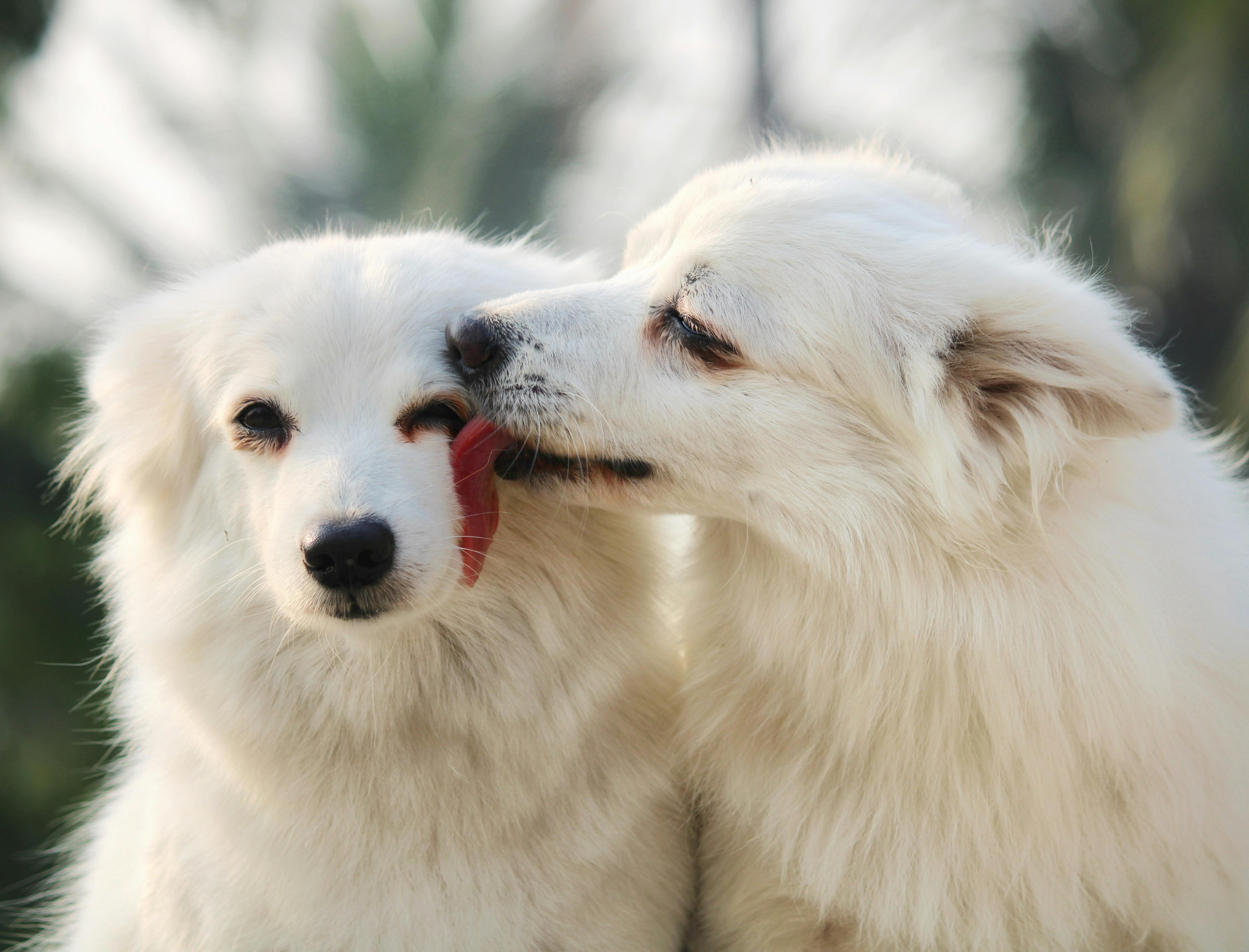
Have you ever wonder why dogs lick their noses? It’s such a common sight, yet many of us don’t really think about it. Dogs and their curious behaviors often leave us scratching our heads. One of the most fascinating things about dogs, after their wagging tails and floppy ears, is their wet noses. But why do dogs have wet noses anyway? Let’s dive into this intriguing topic and explore the surprising answers together.
The Basics of a Dog’s Nose
First off, let’s talk about what makes a dog’s nose so unique. A dog’s nose is not just for show. It’s a powerful tool that helps them interact with the world around them. But a wet nose isn’t just an aesthetic feature; it serves several practical purposes. Here’s some of the key reasons why dogs have wet noses:
Temperature Regulation: Dogs don’t sweat like humans. Instead, they cool off through their noses and panting. A wet nose helps to regulate their body temperature more efficiently.
Enhanced Smell: The moisture on a dog’s nose helps to trap scent particles. This means that when they sniff around, they can pick up more smells than a dry nose would allow.
Health Indicator: A wet nose can be a sign of a healthy dog. If a dog’s nose is unusually dry or cracked, it might indicate illness or dehydration.
Why Do Dogs Lick Their Noses?
Now, moving on to the licking part. Dogs lick their noses for several reasons, and it’s more than just a quirky habit. Here are some of the major reasons why:
Taste and Smell: Dogs have an incredible sense of smell, but licking helps them to taste what they are smelling. When they lick, they’re trying to absorb more information about their environment.
Cleanliness: Just like us, dogs want to keep their noses clean. They might lick away dirt or food residue from their snouts.
Nervous Habit: Sometimes, dogs lick their noses when they are anxious or stressed. It’s a way for them to self-soothe in uncomfortable situations.
The Fascinating Secret of Wet Noses
It’s kind of amazing to think about how much a simple wet nose can tell us. Many dog owners might not realize that the wetness of a dog’s nose can change throughout the day. Factors like weather, activity level, and even health issues can all affect the moisture level in a dog’s nose. Here are some interesting facts:
Weather Impact: A dog’s nose might be wetter when it’s humid outside but could dry up a bit in dry or windy conditions.
Health Check: While a wet nose is often a sign of health, if you notice sudden changes in moisture levels, it could be worth a trip to the vet.
Age Factor: Older dogs might have drier noses than younger ones. This doesn’t always mean something is wrong, but it’s good to keep an eye out.
Comparing Dogs’ Noses to Other Animals
Dogs aren’t the only animals with unique noses. Let’s take a look at how their noses stack up against other pets:
| Animal | Nose Characteristics |
|---|---|
| Dogs | Wet, sensitive, great for smell |
| Cats | Dry, less sensitive, but still good |
| Elephants | Long trunks, great for smell and touch |
| Snakes | Forked tongues, sense of smell through air |
By comparing these different animals, we can see how each species has evolved their noses to adapt to their environments.
Practical Examples of Nose Behavior
When observing your dog’s behavior, you might notice some interesting patterns. Here are a few examples:
Sniffing the Ground: When out for a walk, dogs often sniff the ground. This is their way of gathering information about who has been there before them.
Licking After Eating: If your pup licks their nose after a meal, it’s likely they are just cleaning up and savoring the last tastes.
Curious Exploration: Dogs often lick new objects or people as a way to explore and learn more about them.
Understanding why dogs lick their noses and have wet noses can deepens our bond with them. It shows us that they communicate and interact with the world in ways we might not fully understand. Next time you see your dog giving their nose a good lick, remember that it’s just part of their curious nature. They might be gathering information, staying clean, or just trying to cool off. Isn’t it fascinating how much there is to learn from our furry friends?
Wet Noses and Emotions: Can You Read Your Dog’s Feelings Through Their Nose?
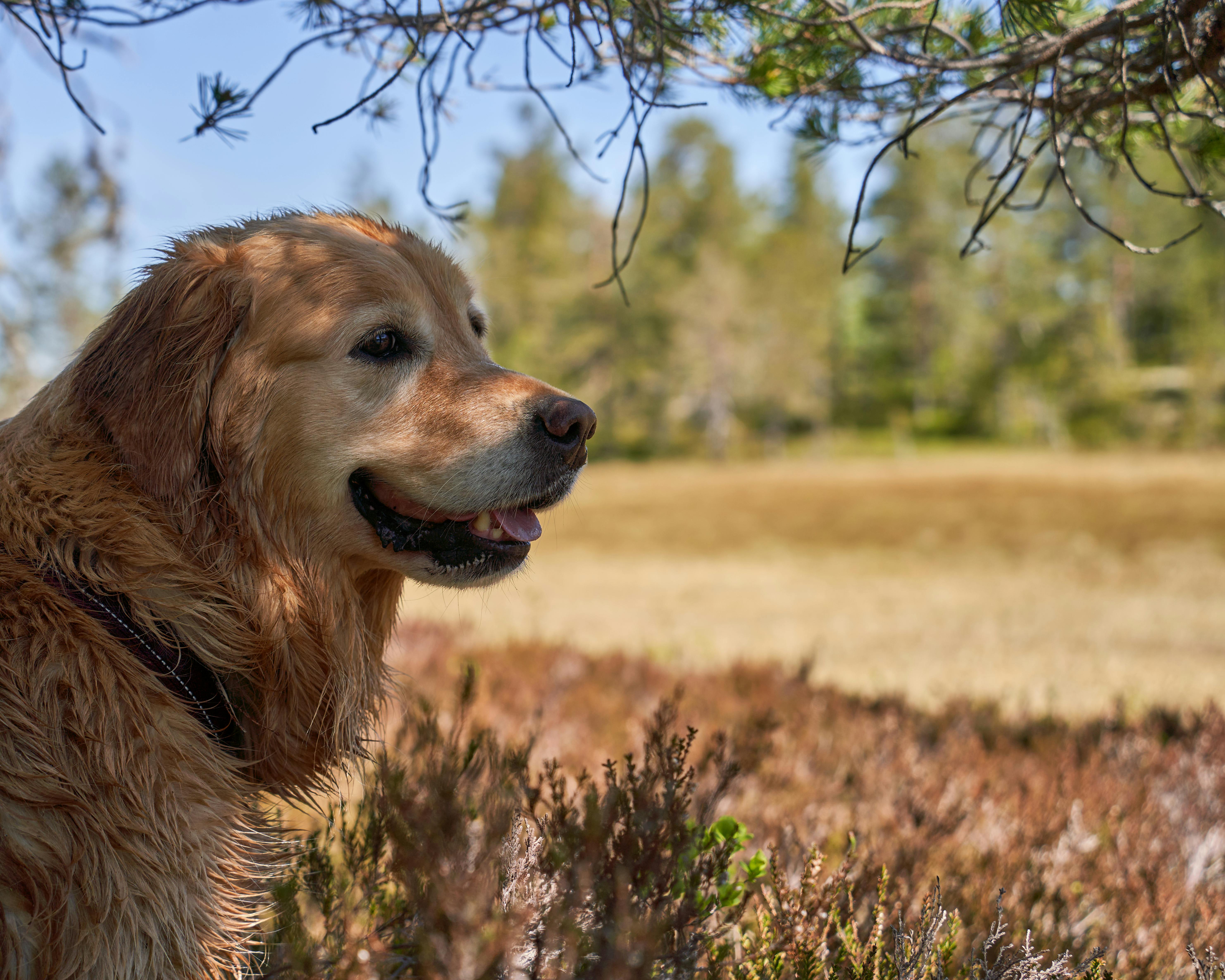
Ever wonder why your dog’s nose is always wet? It’s not just because they love to sniff everything in sight! Wet noses are more than just a cute feature; they actually play a crucial role in a dog’s health and emotional state. In this article, we delve into the reasons behind those moist noses, what they might be telling us about our furry friends’ feelings, and why this fascinating aspect of dog biology deserves more attention.
Why Do Dogs Have Wet Noses?
Dogs have wet noses for several interesting reasons. One of the primary reasons is that moisture helps enhance their sense of smell. A dog’s sense of smell is already incredibly strong—estimated to be 10,000 to 100,000 times more acute than that of humans! The wetness on their noses traps scent particles, allowing them to detect and identify smells more effectively.
Here’s a quick list of reasons for a dog’s wet nose:
- Scent Enhancement: Wet noses help capture scent particles.
- Temperature Regulation: A moist nose can help cool down a dog and regulate body temperature.
- Health Indicator: Changes in nose moisture can signal health issues.
- Communication Tool: Dogs can express emotions through their noses.
The Link Between Wet Noses and Emotions
You might ask yourself, how can a wet nose relate to a dog’s feelings? Well, dogs are emotional creatures, and their physical state often reflects their mood. A wet nose can indicate that a dog is alert and engaged with their environment. When they are excited, scared, or anxious, their noses might feel even wetter than usual.
On the other hand, a dry nose can sometimes be a sign of stress or illness. Here are some feelings that can be linked to a dog’s nose condition:
- Happy and Playful: Wet and cool nose, wagging tail.
- Anxious or Scared: Wet but may also feel warm; they might hide or avoid interaction.
- Ill or Unwell: Dry nose, lethargy, lack of interest in food or play.
What Makes a Dog’s Nose Different from Human Noses?
Dogs’ noses are specially designed for their needs. Here’s a comparison of dog noses versus human noses:
| Feature | Dog Nose | Human Nose |
|---|---|---|
| Moisture | Always moist | Generally dry |
| Sensitivity | Much more sensitive | Less sensitive |
| Olfactory Receptors | About 220 million | About 5 million |
| Shape | Broad and flat | Narrow and pointed |
Fun Facts About Dogs’ Noses
- Unique Patterns: Just like human fingerprints, every dog has a unique nose print.
- Thermal Detection: Dogs can even detect heat through their noses, which helps when tracking animals.
- Nose-Worthy Health: A wet nose usually indicates hydration; however, a change in moisture levels can indicate health problems. For example, a dry nose could suggest fever or dehydration.
Keeping Your Dog’s Nose Healthy
To ensure your dog maintains a healthy nose, consider these tips:
- Hydration: Always provide fresh water; hydration is vital for a moist nose.
- Regular Check-ups: Regular vet visits can help spot any potential health issues early.
- Watch for Changes: Be alert to any changes in your dog’s nose or behavior.
Understanding Your Dog’s Needs
Dogs communicate in various ways, and their noses are just one part of their complex emotional language. Paying attention to the moisture and temperature of your dog’s nose can give you clues about their feelings and physical health. For example, if your dog’s nose has suddenly gone dry, it might be time to investigate potential causes.
- Observe Body Language: Look for signs like wagging tails or lowered ears.
- Engage with Play: Regular playtime can enhance your dog’s mood and keep their nose healthy.
- Create a Comfortable Environment: Ensure your dog feels safe and relaxed at home.
Our furry friends are often masters at masking their emotions, but by understanding the significance of their wet noses, we can better interpret their feelings and needs. After all, a happy dog often means a wet nose! So, the next time you notice your dog’s nose, remember that it’s not just an adorable feature but a window into their emotional world and well-being.
What to Do if Your Dog’s Nose Is Too Dry: Signs and Solutions
When you own a dog, you probably notice their wet nose right away. It’s a common belief that a wet nose means a dog is healthy, while a dry nose could be a sign of something wrong. But what happens if your dog’s nose is too dry? Is it a cause for concern? Let’s explore the signs of a dry nose, why dogs usually have wet noses, and some solutions to keep your furry friend’s nose moist and healthy.
Signs of a Dry Nose in Dogs
A dog’s nose can tell you a lot about their health. Here are some signs that your dog’s nose might be too dry:
- Cracking or Flaking: If you see cracks or flakes on your dog’s nose, it could indicate dehydration or other health issues.
- Color Changes: A dry nose may change color, appearing lighter or more pale than usual.
- Excessive Scratching: If your dog is scratching at their nose frequently, it might be dry or itchy.
- Lack of Moisture: A dry nose feels warm to the touch and lacks the usual moisture that you expect.
- Behavior Changes: If your dog seems lethargic or less active than normal, it may be connected to their nose condition.
If you notice one or more of these signs, it might be time to consult a veterinarian.
Possible Causes of a Dry Nose
Understanding why your dog’s nose is dry can help in figuring out the right treatment. Here are some common causes:
- Dehydration: Just like humans, dogs need water. If they’re not drinking enough, their nose can get dry.
- Allergies: Environmental factors like pollen or dust could irritate your dog’s nose, causing dryness.
- Weather Conditions: Hot or windy weather can dry out your dog’s nose. Winter months can also be tough due to dry air.
- Medical Conditions: Certain health issues such as autoimmune diseases or infections can lead to a dry nose.
- Age: Older dogs may naturally have drier noses than younger ones.
Solutions for a Dry Nose
If you discover that your dog’s nose is too dry, there are several things you can do to help. Here’s a handy list of solutions:
- Increase Water Intake: Ensure your dog has access to fresh water at all times. You can also add some wet dog food to their diet.
- Use a Humidifier: If you live in a dry climate, a humidifier can add moisture to the air, helping your dog’s nose.
- Apply Nose Balm: There are balms specifically made for dogs that can keep their nose moist. Be sure to choose a pet-safe product.
- Vet Visit: If dryness persists, it’s essential to consult your veterinarian for a thorough examination.
Why Do Dogs Have Wet Noses? Discover This Fascinating Secret!
Now, let’s dive into the science behind why dogs have wet noses in the first place. A wet nose isn’t just cute; it serves several important purposes:
- Enhanced Sense of Smell: Dogs have a remarkable sense of smell, and a wet nose helps to capture scent particles, making their olfactory abilities more acute.
- Cooling Mechanism: A dog’s nose helps regulate their body temperature. The moisture evaporates, which cools them off.
- Health Indicator: A wet nose often signifies good health. When a dog is sick, their nose can become dry.
The Fascinating Anatomy of a Dog’s Nose
Here’s a quick look at the anatomy and functions of a dog’s nose:
- Nasal Passages: Dogs have long nasal passages that warm and humidify the air they breathe.
- Moisture Production: Mucous glands in the nose produce moisture, keeping it wet and functional.
- Sensory Receptors: The nose contains millions of sensory receptors that help dogs detect smells far better than humans can.
Comparing Wet and Dry Noses: What’s Normal?
Wet Nose Characteristics:
- Cool to the touch.
- Often shiny and smooth.
- Indicates a healthy dog.
Dry Nose Characteristics:
- Warm or hot to the touch.
- Cracked or flaky appearance.
- Can signal potential health issues.
While a wet nose is often a sign of good health, it’s important to note that the occasional dry nose doesn’t always mean your dog is sick. Context and accompanying symptoms matter.
Being attentive to your dog’s nose condition can help you catch health issues early. Whether it’s just a case of dry weather or something more serious, being informed is key. If you notice changes in your dog’s nose, don’t hesitate to reach out to your veterinarian. After all, our furry friends rely on us to keep them healthy and happy!
Conclusion
In conclusion, the wet noses of dogs serve several important functions, contributing to their overall health and sensory capabilities. The moisture on their noses aids in enhancing their sense of smell, allowing them to detect scents more effectively, which is crucial for their communication and navigation of the world around them. Additionally, a wet nose helps regulate their body temperature and keeps them cool, especially during physical activity. Understanding the science behind this unique characteristic not only deepens our appreciation for these loyal companions but also highlights the importance of regular health check-ups to ensure their well-being. So, the next time you notice your dog’s wet nose, remember that it’s a sign of their vitality and a reminder of the fascinating biology that makes dogs such remarkable pets. Consider sharing this knowledge with fellow dog lovers to promote awareness and appreciation for our furry friends!
