
Have you ever wondered, why do dogs have wet noses? This intriguing question often leads to fascinating insights about our furry friends. A wet nose is not just a cute feature; it serves vital purposes that contribute to a dog’s overall health and behavior. Dogs’ noses are uniquely designed to help them detect scents, regulate body temperature, and even express emotions. But what makes a dog’s nose moist? Is it solely for enhanced smell or is there more to the story? In this post, we will dive into the science behind those adorable, damp noses and uncover the fascinating truth that many dog owners might not know. You might be surprised to learn how your dog’s wet nose plays a crucial role in their daily life and interactions. So, if you’re curious about the benefits of a dog’s wet nose and how it affects their health and happiness, keep reading! You won’t want to miss the enlightening facts and insights that could deepen your connection with your beloved pet. Let’s embark on this journey to unravel the mysteries behind why do dogs have wet noses and discover what makes them so special!
The Science Behind Canine Noses: Why Are They Always So Wet?
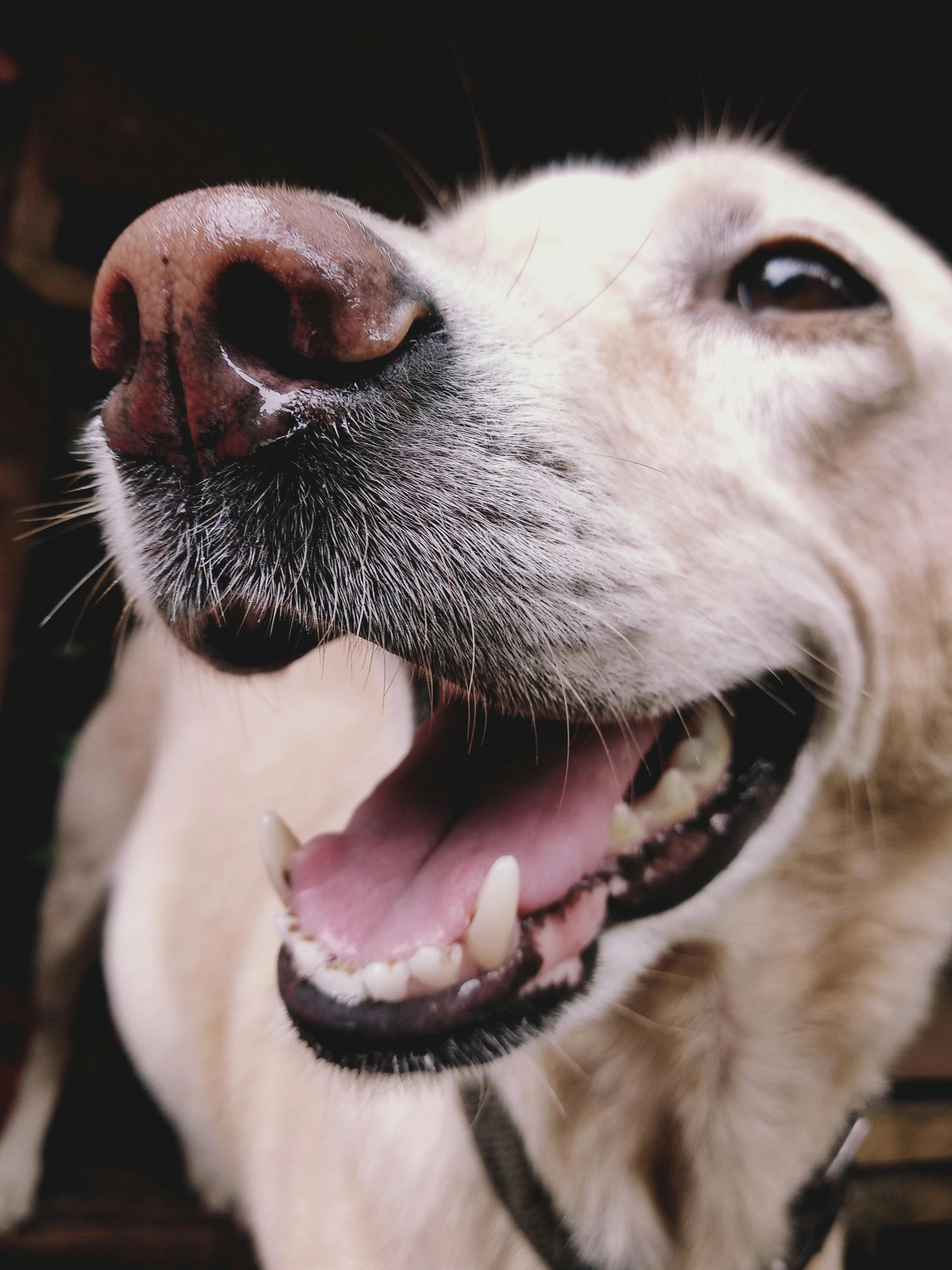
Dogs have always fascinated humans, especially with their unique features. One of the most noticeable things about dogs is their noses. Ever wondered why do dogs have wet noses? It’s not just for show! The science behind canine noses is quite interesting, and it reveals a lot about how these animals are adapted to their environment.
Why Are Dog Noses Wet?
Dog noses are often wet for a couple of reasons, and it seems like a simple thing, but it’s actually quite complex. The moisture on their noses comes from a few key factors:
Sweat Glands: Dogs have sweat glands, but they’re mostly located in their paw pads. Their noses stay moist because they lick them frequently, which helps them regulate temperature.
Enhanced Scent Detection: A wet nose helps dogs pick up scents more effectively. The moisture captures scent particles, allowing them to identify smells better. This is why dogs are great trackers!
Cooling Mechanism: Just like humans sweat to cool down, dogs also use their noses to help regulate their body temperature. A wet nose can help cool a dog down on a hot day.
The Role of Nasal Mucosa
The anatomy of a dog’s nose is quite fascinating. The wetness is primarily attributed to the nasal mucosa, which is a membrane lining their nasal passages. Here’s why it matters:
Scent Absorption: The nasal mucosa helps absorb scent particles. A moist surface can pick up more particles, which is essential for a dog’s sense of smell.
Temperature Regulation: This membrane also plays a role in regulating the temperature of the air inhaled. Cooler air is important for their overall health.
Health Indicator: The moisture level of a dog’s nose can also indicate their health. A dry nose might signal dehydration or illness, while a wet nose is generally a sign of a healthy, happy pup.
Dogs vs. Other Animals
When you compare dogs to other animals, their noses are quite unique. Let’s look at how dog noses stack up against other animals:
| Animal | Nose Type | Wetness Level | Scent Detection Ability |
|---|---|---|---|
| Dogs | Moist, with nasal mucosa | High | Excellent |
| Cats | Mostly dry | Low | Good |
| Elephants | Trunk-based, moist | High | Exceptional |
| Humans | Dry, with some moisture | Low | Limited |
As you can see, dogs are among the best in the animal kingdom when it comes to scent detection. Their wet noses play a crucial role in this ability.
Fun Facts About Dog Noses
Dogs’ noses are more than just wet surfaces; they’re a gateway to understanding how dogs interact with the world around them. Here are some fun facts:
Unique Patterns: Just like human fingerprints, every dog has a unique nose print. This can be used for identification!
Temperature Sensitivity: Dogs can detect changes in temperature through their noses. This ability helps them sense their environment better.
Health Monitoring: A dog’s nose can change throughout the day; it can be wet in the morning and dryer by evening. Consistent changes might warrant a vet visit.
Nasal Turbinates: Dogs have complex structures in their noses called turbinates, which help to warm, humidify, and filter the air they breathe.
What to Do if Your Dog’s Nose is Dry
Noticing a dry nose in your dog is something that should be taken seriously. Here are some common causes and what you could do:
Dehydration: Make sure your dog has access to fresh water at all times.
Health Issues: If a dry nose persists, it’s wise to consult a vet. Certain illnesses can cause this symptom.
Environment: Dry air, especially in winter, can lead to dry noses. Using a humidifier can help.
Allergies: Allergies can also result in a dry nose. Identifying and eliminating allergens can improve conditions.
In summary, the science behind why do dogs have wet noses is a mix of biology, anatomy, and evolution. These wet noses are not just a simple characteristic but a vital part of how dogs perceive their world and stay healthy. Understanding this unique feature can enhance the bond between you and your furry friend. So next time you see that wet nose, remember the fascinating truth behind it!
7 Surprising Benefits of a Dog’s Wet Nose You Didn’t Know About
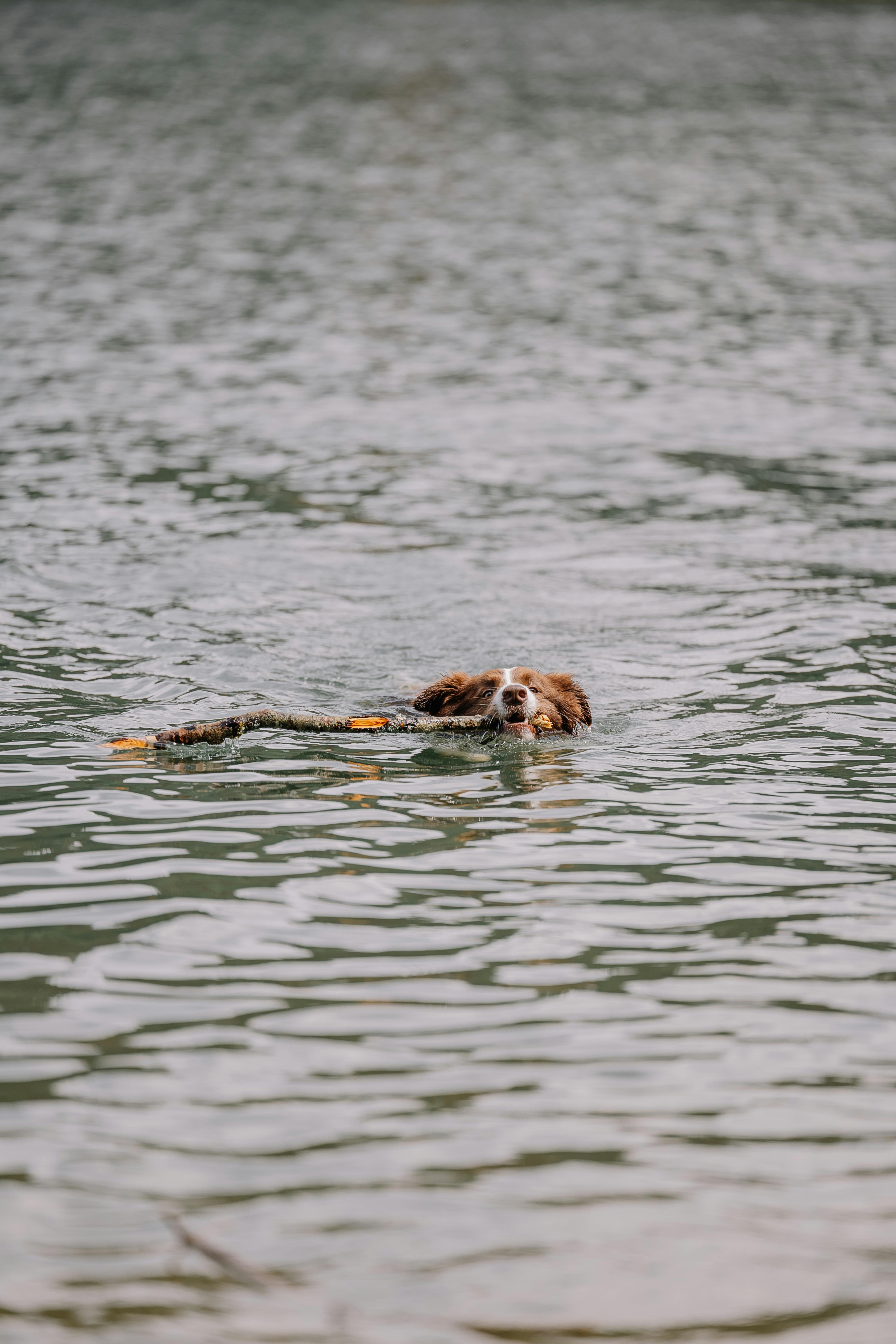
Dogs are one of the most beloved pets around the world, and their wet noses are often a source of both curiosity and affection. The question “Why do dogs have wet noses?” have puzzled many dog owners and enthusiasts. But did you know that a dog’s wet nose can offer more than just a cute touch? There’s a whole bunch of surprising benefits that comes with it. Here’s a look at 7 surprising benefits of a dog’s wet nose you didn’t know about!
1. Temperature Regulation
One of the main reasons why dogs have wet noses is to help them regulate their body temperature. Just like sweating helps humans cool down, dogs use their noses to help stay comfortable. The moisture on a dog’s nose evaporates and cools them down. This is especially important during hot summer days when overheating is a risk.
2. Enhanced Sense of Smell
A wet nose can enhance a dog’s sense of smell. The moisture helps trap scent particles, making it easier for dogs to identify different smells. This is why dogs are often used in search and rescue missions or in detecting drugs. Their ability to sniff out things is incredible!
- Dogs have up to 300 million olfactory receptors in their noses.
- The part of a dog’s brain that processes smells is 40 times larger than that of humans.
3. Communication Tool
Dogs communicate in many ways, and their noses play a role in this. A wet nose can signal a dog’s mood. When a dog nudges you with their moist nose, it might mean they are seeking attention or affection. On the other hand, a dry nose could indicate stress or discomfort. Understanding these subtle cues could strengthen the bond between you and your furry friend.
4. Health Indicator
You might not have thought about it but a dog’s nose can be a good indicator of their health. A consistently dry or cracked nose might signal dehydration or illness. Regularly checking your dog’s nose can be a simple way to monitor their well-being. Here’s a quick guide to nose conditions:
- Wet and Cool: Usually healthy.
- Dry and Warm: Possible fever or dehydration.
- Cracked or Flaky: May need veterinary attention.
5. Natural Lubrication
Another interesting fact about wet noses is that they produce a natural lubricant. This helps to keep their nasal passages moist, which is essential for smelling. When a dog sniffs something, the moisture helps to dissolve the scent, allowing them to better interpret what they smell. This natural lubrication is just another part of what makes dogs such excellent sniffers!
6. Social Interactions
Dogs are pack animals, and their wet noses play a role in social interactions. They often greet each other with a nose touch, which is a way of saying “hello.” This behavior is part of their instinct and can help establish social bonds. So, the next time your dog greets another dog with a wet nose, remember that it’s more than just a friendly gesture—it’s part of their social structure!
7. Playful Nature
A wet nose can also be a sign of a playful dog. Many dogs will often approach humans or other animals with a wet nose, inviting them to play. It adds an element of fun and engagement to their interactions. Whether it’s a nudge to get your attention for fetch or a gentle poke during a game, their wet noses are often a precursor to a good time.
Why Do Dogs Have Wet Noses?
So, why do dogs have wet noses? The evolutionary background of this trait can be traced back to their wild ancestors. Wet noses helped them survive by enhancing their ability to smell food, find mates, and detect danger. In addition, the wetness of their noses serves practical purposes to keep them cool and hydrated.
Interesting Facts About Dog Noses
- Dogs can smell about 10,000 to 100,000 times better than humans.
- The unique pattern of a dog’s nose is similar to a fingerprint and can be used for identification.
- Dogs have a special organ (Jacobsen’s organ) that allows them to detect pheromones, enhancing their sense of smell even more.
The next time you notice your furry friend’s wet nose, think about all the amazing things it does for them. From regulating temperature to enhancing their sense of smell and even playing a role in communication, a dog’s wet nose is truly fascinating! Understanding these benefits not only deepens your appreciation for your dog but can also lead to a healthier and happier relationship with your pet.
Do Wet Noses Mean Healthy Dogs? Uncovering the Truth About Canine Health
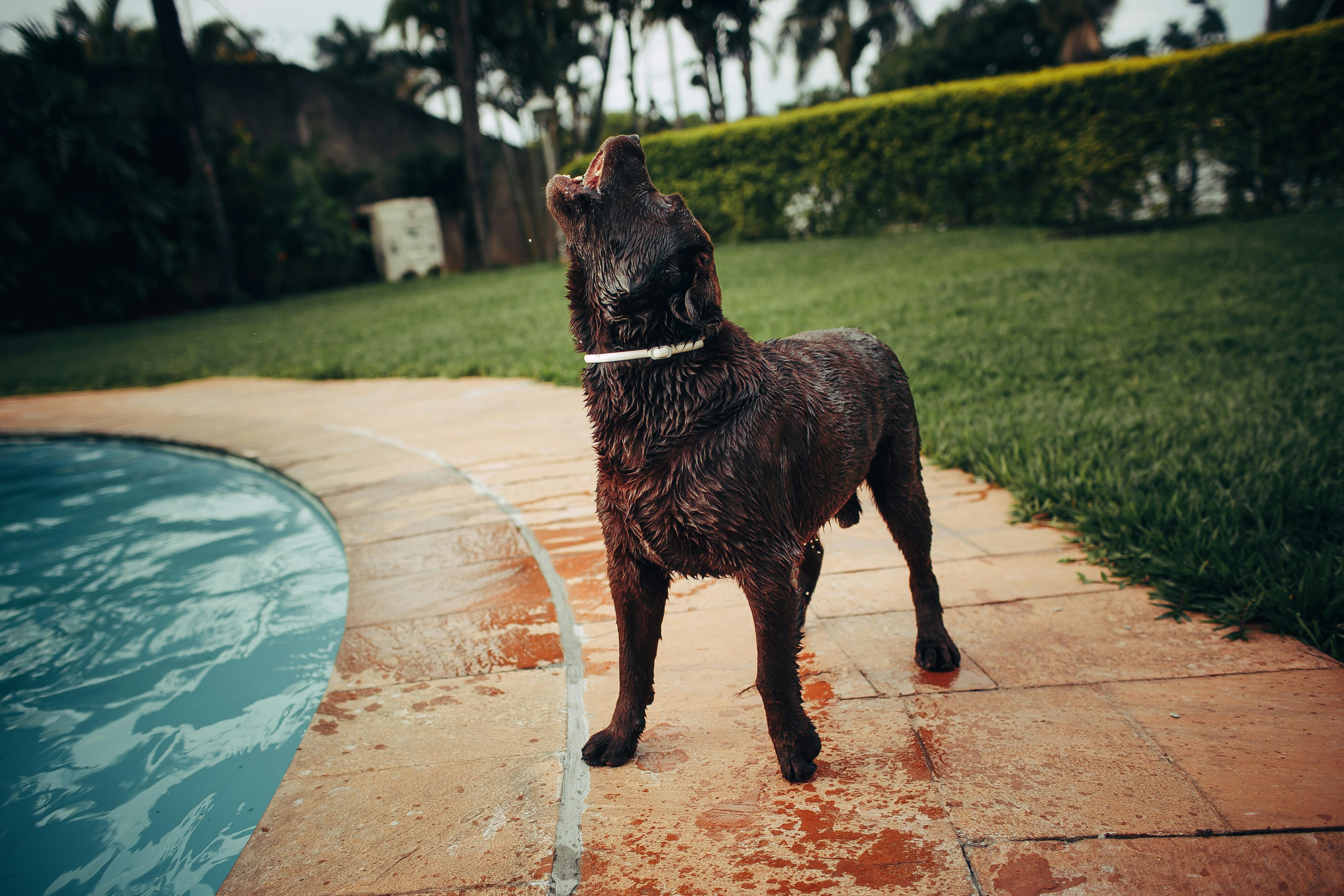
Do wet noses mean healthy dogs? This is a question many dog owners ask, often linking a dog’s wet nose with overall wellness. However, does this notion hold any water, or is it just a myth that’s been passed down through generations? Let’s dive into the fascinating world of canine health and explore the reasons behind those wet noses.
Why Do Dogs Have Wet Noses?
Dogs have wet noses for several reasons, and it’s not just for show. A wet nose can serve various functions that relate to their health and senses. Here are some key points to consider:
Cooling Mechanism: Dogs don’t sweat like humans do. Instead, they regulate body temperature through their noses and panting. The moisture on their noses helps to cool them down.
Sense of Smell: Wet noses enhance a dog’s ability to smell. The moisture helps to capture scent particles from the air, making it easier for dogs to detect odors. This is especially important since dogs have an extraordinary sense of smell, far superior to humans.
Communication Tool: A dog’s nose can also convey information about its mood or health. A wet, cold nose might suggest a relaxed and healthy pup, while a dry or hot nose could indicate stress or illness.
Health Indicator: While a wet nose is often seen as a sign of good health, it’s not the only indicator. Various factors like hydration, temperature, and overall wellness play a crucial role in your dog’s health status.
The Myth of the Wet Nose
Many people, especially new dog owners, think a wet nose is a surefire sign that their dog is healthy. But this isn’t fully true. Here’s a quick breakdown of the pros and cons of relying on nose moisture as an indicator:
Pros:
- Generally, dogs with wet noses tend to be well-hydrated.
- Wet noses can correlate with alertness and activity levels.
Cons:
- Dogs can have dry noses and still be perfectly healthy.
- Environmental factors, like humidity and temperature, can affect nose wetness.
- Illnesses can sometimes cause a dog’s nose to be excessively wet or dry.
What Other Signs Indicate Canine Health?
While a wet nose can be an indicator of health, it’s important to look at the bigger picture. Here are some other signs that can signal your dog’s health:
- Eyes: Bright, clear eyes are generally an indicator of a healthy dog, while cloudy or dull eyes may suggest a health issue.
- Energy Levels: Active and playful dogs usually indicate good health. A sudden lethargy can be a red flag.
- Eating and Drinking Habits: A change in appetite or water intake can signify health problems.
- Coat Condition: A shiny, clean coat is often a sign of good health, while a dull or flaky coat can be a cause for concern.
Practical Examples of Nose Health
- Normal Conditions: On a typical day, your dog’s nose might be moist and cool after a walk or playtime, which is perfectly normal.
- Illness Indicators: If you notice your dog’s nose is excessively dry or cracked, it could be a sign of dehydration or illness.
- Temperature Changes: On a hot day, your dog’s nose might become dryer due to high temperatures. Keep an eye on other symptoms to gauge their health better.
Comparing Wet and Dry Noses
Here’s a simple comparison table to illustrate the characteristics of wet and dry noses in dogs:
| Wet Nose | Dry Nose |
|---|---|
| Cool to touch | Warm to touch |
| Often seen in active dogs | Can be seen in resting dogs |
| Enhanced sense of smell | May indicate dehydration |
| Usually indicates hydration | May suggest illness or stress |
Understanding your dog’s nose condition is just one piece of the puzzle in assessing their overall health. Regular veterinary check-ups, a balanced diet, and plenty of exercises are all essential for keeping your furry friend in tip-top shape.
So, do wet noses mean healthy dogs? Not necessarily. While a wet nose can be an indicator of good health, it is not the only factor to consider. Paying close attention to other signs of health, such as energy levels, appetite, and coat condition, is crucial for maintaining your dog’s well-being. By understanding the fascinating truth behind the canine nose, you can better navigate your pet’s health needs, ensuring a long and happy life together.
The Fascinating Role of Mucus: Why Your Dog’s Nose Is Always Damp
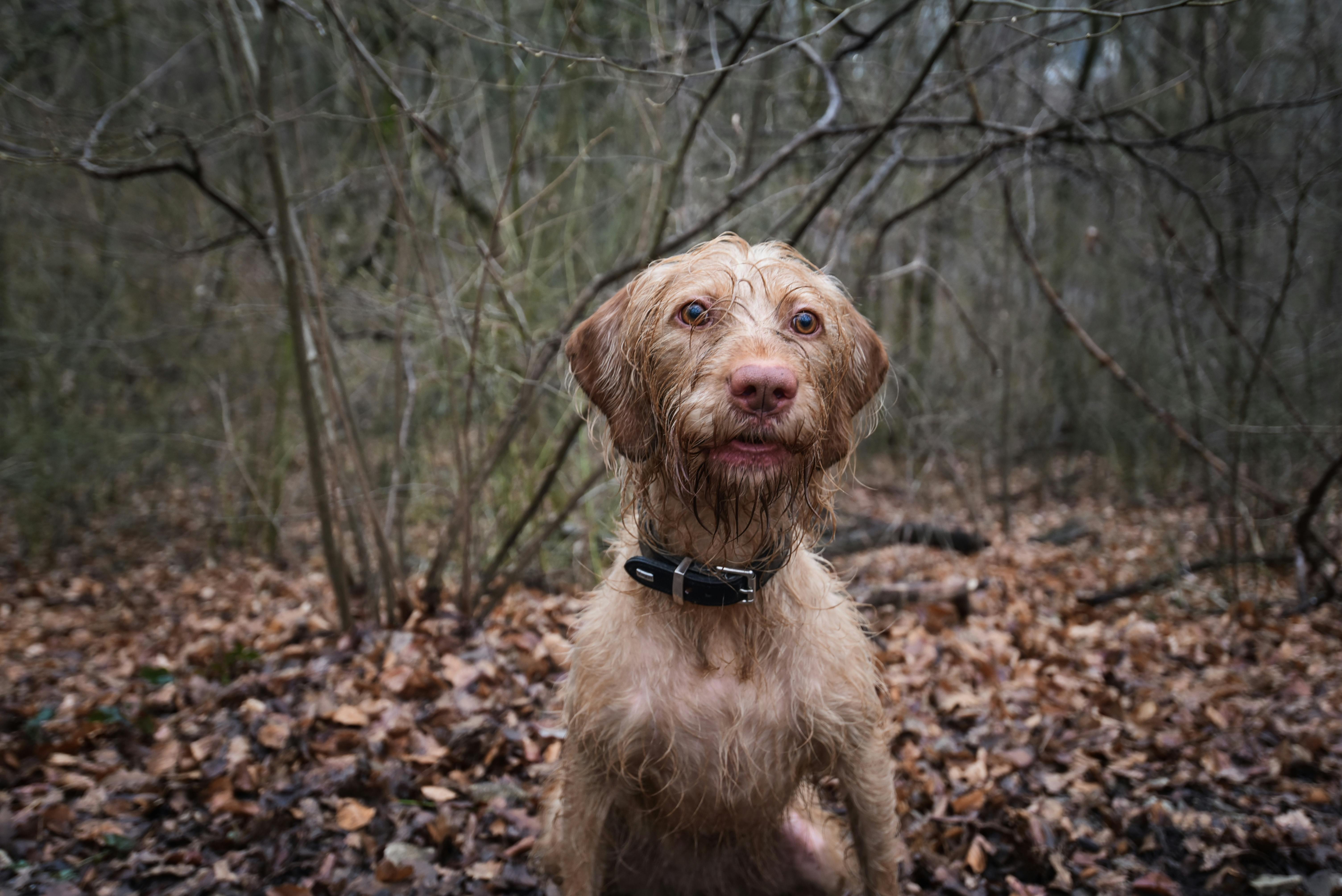
Dogs are often seen with their noses glistening and damp, making many people wonder, why do dogs have wet noses? The answer is actually more fascinating than most people realize. Mucus plays a key role in keeping your furry friend’s nose moist, and this serves several important functions. Let’s dive into the intriguing truth behind why your dog’s nose is always damp and the role that mucus plays in their overall health and behavior.
The Purpose of a Wet Nose
A dog’s wet nose is not just a quirky trait; it’s actually essential for their sensory abilities. Here are some of the reasons why a moist nose is important for dogs:
Enhanced Smell: The moisture on a dog’s nose helps to absorb scent particles from the air. Dogs have an incredible sense of smell, estimated to be 10,000 to 100,000 times more sensitive than humans. A damp nose increases their ability to detect different smells.
Temperature Regulation: Dogs don’t sweat like humans do. Instead, they rely on their noses to help regulate body temperature. The moisture evaporates from their noses, which can help cool them down.
Health Indicator: The condition of a dog’s nose can also indicate their health. A healthy dog typically has a cool, wet nose. Dryness or excessive discharge may signal a health issue, so it’s worth monitoring.
Communication: Dogs use their noses to gather information about their environment and communicate with other animals. The wetness helps them pick up scents that convey important messages.
How Mucus Works in Your Dog’s Nose
Mucus is a gel-like substance that is produced by mucous membranes. In dogs, this mucus serves several functions:
Barrier Against Pathogens: Mucus helps trap dust, pollen, and allergens, preventing them from entering the respiratory system. This is particularly important for dogs that spend a lot of time outdoors.
Hydration for Olfactory Cells: The olfactory cells in a dog’s nose need to stay moist to function properly. If they dry out, the dog’s ability to smell can decrease.
Facilitating Heat Exchange: Mucus helps to maintain the temperature of the air entering the lungs, which is vital for respiratory health.
Historical Perspective on Dog Noses
The structure of a dog’s nose has evolved over thousands of years. Domesticated dogs descended from wolves, which relied on their keen sense of smell for hunting and survival. Over time, selective breeding has enhanced these abilities, leading to a variety of breeds with different nose shapes and sizes. For example:
Bloodhounds: Known for their exceptional sense of smell, they have long, droopy noses that help retain moisture and absorb scent particles.
Bulldogs: With shorter noses, these breeds may not have the same olfactory capabilities, but they still benefit from a moist nose.
Dogs’ Nose Care: What You Should Know
While a wet nose is usually a sign of good health, there are some things to consider for your dog’s nose care:
Hydration: Ensure your dog is well-hydrated. Dehydration can lead to a dry nose, which can be a sign of health problems.
Environment: Hot weather can dry out a dog’s nose. Keep them in shaded areas and offer plenty of fresh water.
Watch for Changes: If your dog’s nose suddenly becomes dry, cracked, or has unusual discharge, it might be a good idea to consult a veterinarian.
Fun Facts About Dogs’ Noses
Dogs can distinguish between different scents and can even detect specific diseases in humans, such as cancer or diabetes.
The wetness of a dog’s nose can actually change depending on their mood or activity level. For example, after playing outside, a dog’s nose may be wetter due to increased mucus production.
Dogs have unique nose prints, similar to human fingerprints, which can be used for identification.
The color of a dog’s nose can vary by breed and can also change with age, commonly darkening as they mature.
In summary, the wetness of your dog’s nose is not just an oddity; it’s an important aspect of their biology that serves multiple purposes. From enhancing their sense of smell to helping regulate body temperature, mucus plays a crucial role in a dog’s life. So, the next time you see your pup with that shiny, damp nose, remember that it’s not just cute—it’s a sign of their remarkable adaptation to the world around them.
How a Wet Nose Enhances Your Dog’s Sense of Smell: The Hidden Mechanics
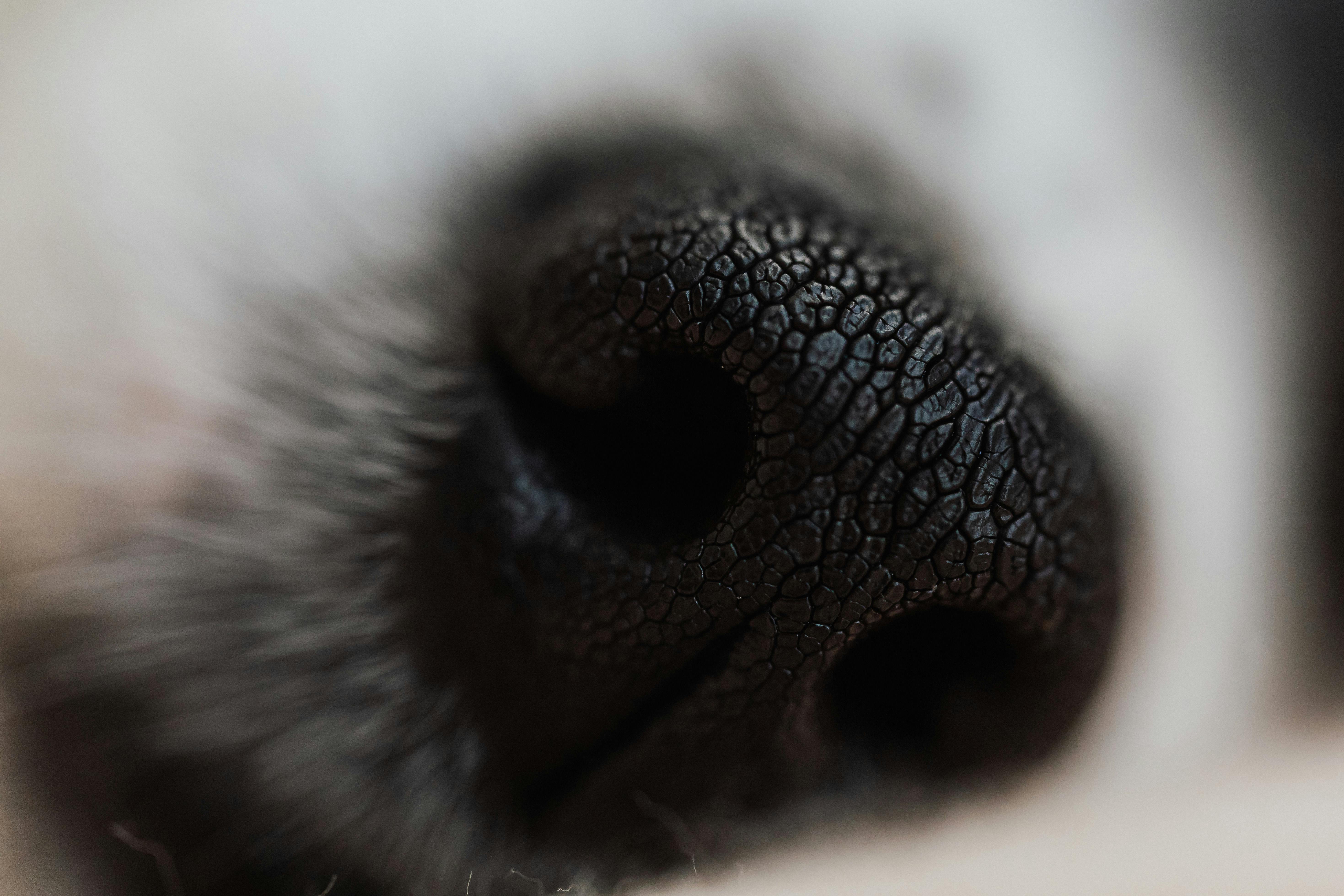
Dogs are amazing creatures, and one of their most fascinating features is their wet nose. You ever wonder why do dogs have wet noses? This seemingly simple question uncovers some intriguing truths about our furry friends. It’s not just an adorable trait; there’s really some science behind it! Let’s dive into the hidden mechanics of how a wet nose enhances a dog’s sense of smell.
The Science Behind the Wet Nose
The wetness of a dog’s nose plays a critical role in their ability to smell. It’s like a superpower! The moisture on their noses helps to capture scent particles from the air. When the nose is wet, it creates a better surface for these particles to stick to, which allows dogs to detect odors more efficiently. Isn’t that cool?
- Scent Detection: Dogs have up to 300 million smell receptors, compared to humans who only have about 5 million! This difference means dogs can identify smells at incredibly low concentrations.
- Moisture Absorption: The wetness from the nose helps absorb scent particles, making them more accessible for the olfactory receptors in the nasal cavity.
- Thermal Regulation: Dogs also use their noses to help regulate their body temperature. Just like humans sweat, dogs can cool off through their noses.
Evolutionary Aspects of Wet Noses
Historically, dogs have evolved to be excellent hunters and companions, and their wet noses are a result of that. Many experts believe that this trait has been critical for their survival.
- Hunting: In the wild, being able to smell prey from far away gives dogs a hunting advantage. A wet nose enhances that ability, making it easier for them to pick up on scents in their environment.
- Communication: Wet noses also play a role in how dogs communicate with each other and with humans. They often greet each other by sniffing, and a wet nose can indicate a dog is healthy and alert.
Why Do Some Dogs Have Drier Noses?
Now you might think, if wet noses are so great, why do some dogs have dry noses? Well, there are several reasons for this phenomenon:
- Dehydration: Just like humans, if a dog is not drinking enough water, their nose can become dry. It’s important for dog owners to make sure their pets stay hydrated.
- Allergies: Allergic reactions can cause a dog’s nose to dry out. If you notice persistent dryness, it may be a good idea to consult a vet.
- Health Conditions: Certain health issues can cause a dry nose. If a dog’s nose is consistently dry and cracked, it could indicate a more serious problem.
Fun Facts About Dog Noses
Let’s take a moment to highlight some fun and interesting facts about dog noses:
- Unique Patterns: Every dog’s nose has a unique pattern, much like a human fingerprint. This means no two noses are alike!
- Temperature Sensitivity: A dog’s nose can change temperature depending on their mood or environment. A cool, wet nose usually indicates a happy dog!
- Sense of Time: Dogs can even use their noses to perceive time. They can smell the difference in pheromones over time, which can help them understand when their owners are due home.
How to Care For Your Dog’s Nose
Taking care of your dog’s nose is important for their overall health. Here’s a quick list of tips to ensure your dog’s nose stays moist and healthy:
- Hydration: Always provide fresh, clean water to ensure proper hydration.
- Humidifiers: In dry climates or during winter months, consider using a humidifier to keep the air moist.
- Regular Vet Check-ups: Regular visits to the vet can help catch any potential issues early on.
Comparing Dog Noses to Human Noses
Let’s look at how dog noses stack up against human noses in a quick comparison:
| Feature | Dog Nose | Human Nose |
|---|---|---|
| Smell Receptors | 300 million | 5 million |
| Scent Detection Ability | Excellent | Fair |
| Wetness | Naturally moist | Varies |
| Unique Patterns | Yes (like fingerprints) | No |
Dogs’ noses are fascinating and serve multiple purposes beyond just being cute! Their wet noses are critical for their sensory perception and play a significant role in their communication. Understanding why do dogs have wet noses can enhance your appreciation for these wonderful companions. So, next time you see a wet nose, remember the incredible mechanics behind it!
Why Do Dogs Lick Their Noses? Understanding This Quirky Behavior
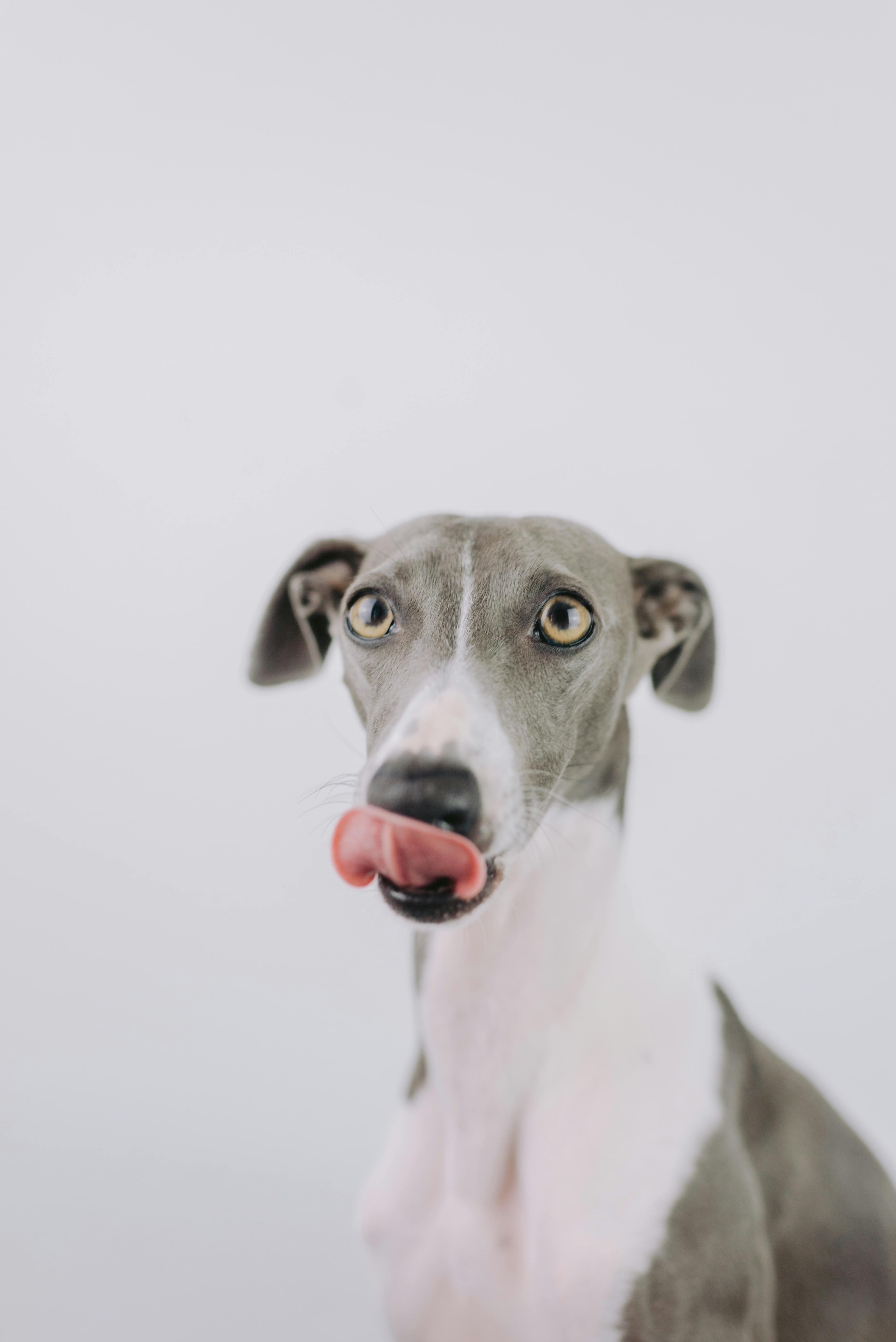
Have you ever wondered why do dogs lick their noses? It’s a quirky behavior that many dog owners observe but often don’t understand. Ever seen your furry friend doing it and thought, “What’s going on here?” Well, it turns out, there’s a lot more to this than meets the eye. Dogs licking their noses is actually a fascinating behavior that has both practical and instinctual roots. Plus, there is a common question that follows this: Why do dogs have wet noses? Let’s dive into these intriguing canine characteristics.
The Science Behind Nose Licking
Dogs lick their noses for various reasons. Sometimes they just feel the need to keep their noses clean, just like how we might wipe our faces. But it’s also a way for them to communicate and gather information. Their noses are powerful tools; they are packed with scent receptors that help dogs understand their environment.
Here are some reasons why dogs lick their noses:
- Hydration: Licking their noses keeps them moist and helps with the sense of smell. A wet nose can pick up more scent particles.
- Grooming: Just like cats, dogs will groom themselves. It’s a natural instinct to keep clean.
- Stress Relief: Dogs may lick their noses when they feel anxious or stressed. It can be a self-soothing action, similar to how some people bite their nails.
- Communication: A dog might lick its nose when it’s unsure about a situation. It can signal submission or uncertainty to other dogs or even humans.
Why Do Dogs Have Wet Noses?
So, why do dogs have wet noses? The moisture on a dog’s nose is not just for show. It has several important functions that help them interact with the world. Here’s a closer look.
- Enhanced Smell: The moisture on the nose helps to dissolve scent particles, making it easier for dogs to detect different smells. The more wet their nose, the better they can smell.
- Cooling Mechanism: Dogs don’t sweat like humans. Instead, they regulate their body temperature through panting and by keeping their noses moist. A wet nose helps them cool down, especially on hot days.
- Health Indicator: A wet nose is generally a sign of a healthy dog. However, if it becomes dry or cracked, it might indicate health issues. Always check with a vet if you notice changes in your dog’s nose condition.
Fun Facts About Dog Noses
- Dogs have around 300 million scent receptors in their noses compared to about 5 million in humans. This makes their sense of smell incredibly powerful.
- The shape and size of a dog’s nose can vary greatly among breeds, affecting their smelling abilities. Bloodhounds, for example, are renowned for their tracking capabilities due to their unique nose structure.
- Dogs can even differentiate between human emotions based on scent. They can smell the difference between fear and happiness!
Differences Between Dog Breeds
Different breeds have different nose characteristics. Here’s a quick comparison:
| Breed | Nose Type | Smell Sensitivity |
|---|---|---|
| Bloodhound | Long, droopy | Extremely high |
| Beagle | Short, compact | Very high |
| Pug | Flat, wrinkled | Moderate |
| Chihuahua | Small, delicate | Moderate to high |
Common Misconceptions
Many people have misconceptions about why dogs have wet noses. Some think it’s because they are sick or dehydrated, but that’s not usually the case. Here are some myths debunked:
Myth: A dry nose means a dog is sick.
Fact: While changes in nose moisture can indicate health issues, a dry nose alone does not confirm illness.
Myth: All dogs have the same nose type.
Fact: Nose shapes and sensitivities differ significantly among breeds.
Practical Tips for Dog Owners
If you’re a dog owner, understanding these behaviors can help you take better care of your furry friend. Here are some practical tips:
- Regularly check your dog’s nose for dryness or cracks.
- Keep your dog hydrated, especially during hot weather.
- Observe any changes in licking behavior or nose texture, and consult a vet if necessary.
Understanding why do dogs lick their noses and why they have wet noses can deepen the bond you share with your pet. It’s fascinating to realize that these quirky behaviors are rooted in instinct and biology, serving important purposes in their lives. Embrace these unique traits, and you’ll appreciate your dog’s quirks even more!
Can Weather Affect Your Dog’s Nose Moisture? Exploring Environmental Factors

Many dog owners often notice their furry friends have wet noses, and they might wonder, “Why do dogs have wet noses?” It’s a common question, but not everyone knows the fascinating truth behind it. This article will dive into the reasons behind dogs’ wet noses and explore if weather can affect this moisture, revealing some surprising environmental factors at play.
Why Do Dogs Have Wet Noses?
A dog’s nose is more than just an adorable feature. It serves several important functions. Here’s a list of some key reasons:
Sense of Smell: Dogs have an incredible sense of smell, estimated to be between 10,000 to 100,000 times more sensitive than humans. The moisture on their nose helps enhance this sense by trapping scent particles.
Thermoregulation: Dogs don’t sweat like humans do. Instead, they cool themselves off through their noses and paw pads. A moist nose can help regulate their body temperature, especially in warmer weather.
Health Indicator: The moisture level of a dog’s nose can indicate their health. A very dry nose might suggest dehydration or illness, while a moist one is generally a sign of a healthy pup.
Can Weather Affect Your Dog’s Nose Moisture?
Now, let’s talk about the weather. There are many factors in the environment that can influence how moist or dry your dog’s nose is. Some of these include:
Humidity: High humidity levels can keep a dog’s nose moist. In contrast, dry air, like that in winter, often leads to drier noses.
Temperature: Hot weather can lead to increased moisture as dogs pant and their bodies try to cool down. Cold temperatures could dry out their noses.
Rain: When it rains, dogs tend to get more moisture on their noses from the environment.
Indoor Climate: Heating systems in winter can dry out the air inside homes, which might contribute to a dog’s nose becoming drier. Using humidifiers can help maintain moisture levels.
Interesting Facts About Dogs’ Noses
Dogs noses are quite fascinating, and here’s some interesting trivia that might surprise you:
Unique Patterns: Just like human fingerprints, each dog has a unique nose print that can be used for identification.
Nose Color: The color of a dog’s nose can vary widely, from black to pink, and this can change based on breed, genetics, and even health conditions.
Temperature Sensitivity: Dogs’ noses are sensitive to temperature, which can help them detect changes in their environment or the presence of food.
Environmental Factors Influencing Nose Moisture
Understanding how different environmental factors can affect your dog’s nose moisture can help you take better care of your furry friend. Here’s a quick comparison:
| Factor | Effect on Nose Moisture |
|---|---|
| High Humidity | Increases moisture, keeping the nose wet |
| Low Humidity | Can cause dryness, making the nose feel dry |
| Extreme Cold | Can lead to increased drying and chapping |
| Extreme Heat | Can lead to excessive moisture due to panting |
| Indoor Heating | Often dries out the air, leading to a dry nose |
| Rainy Weather | Increases moisture from environmental exposure |
Practical Tips for Monitoring Your Dog’s Nose
As a dog owner, you might want to monitor your pet’s nose moisture. Here’s how you can keep an eye on it:
Regular Checks: Make it a habit to check your dog’s nose daily for changes in moisture.
Hydration: Ensure your dog is well-hydrated, especially during dry months, to help maintain moisture in their nose.
Environmental Adjustments: If you notice your dog’s nose is dry, consider using a humidifier in your home or adjusting their environment to help with moisture levels.
Veterinary Advice: If a dog’s nose remains persistently dry or exhibits unusual changes, consult a veterinarian as this could indicate an underlying health issue.
Final Thoughts
In summary, the moisture on a dog’s nose serves critical purposes, from enhancing their sense of smell to regulating their body temperature. Weather, humidity, and even indoor climate can significantly affect this moisture level. By understanding these factors, dog owners can better care for their pets and ensure they remain healthy and happy. Always remember, a wet nose doesn’t just signify a happy dog; it can also tell you a lot about their well-being!
5 Common Myths About Dog Noses Debunked: What Every Pet Owner Should Know
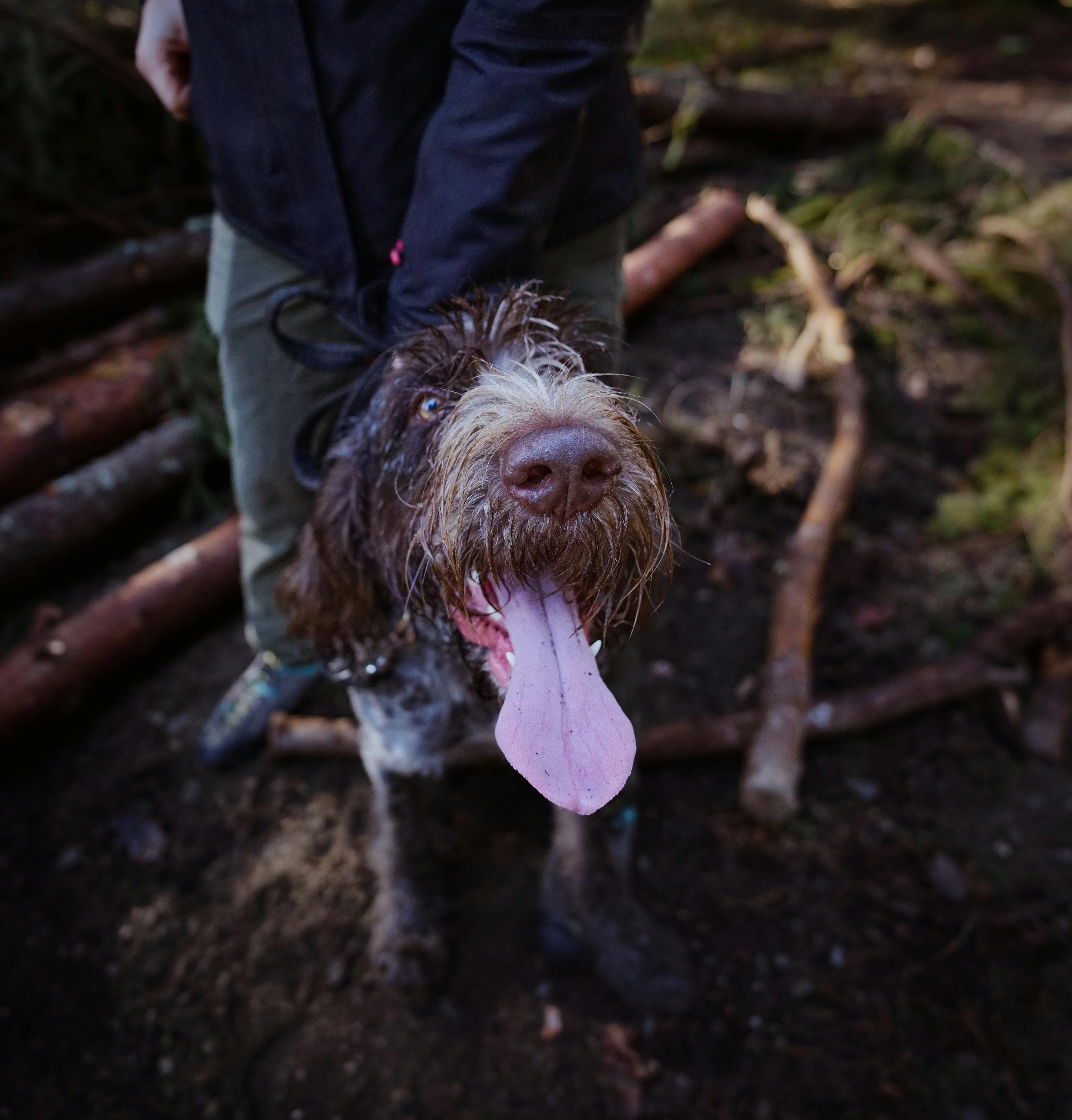
When it comes to our furry friends, there’s a lot of myths floating around, especially about their noses. Many pet owners often wonder, why do dogs have wet noses? Well, it’s important to separate facts from fiction. Here we go, debunking five common myths about dog noses that every pet owner should know.
Myth 1: Wet Noses Mean a Dog is Healthy
Many people believe that if a dog’s nose is wet, it’s a sign of good health. While a wet nose can indicate hydration and well-being, it’s not a definitive health marker. Dogs noses can be wet for many reasons like just drinking water or being outside in the rain. A dog can be sick yet still have a wet nose. So, don’t just rely on that wetness to gauge your pet’s health.
Myth 2: Dry Noses Always Indicate Illness
On the flip side, some think that a dry nose means a dog is sick. This isn’t entirely true either. Just like humans, dogs can have varying nose conditions throughout the day. Factors such as the weather, activity level, and even the time of day can affect how moist or dry a dog’s nose is. Sometimes, a dry nose is just a sign that your dog needs more water or is simply waking up from a nap.
Myth 3: Dogs Can’t Smell if Their Nose is Dry
Another myth that circulates is that a dog cannot smell properly if their nose is dry. This is far from the truth. Dogs have an incredible olfactory sense, and the ability to smell is not solely dependent on the moisture of their noses. The sensory cells in a dog’s nose can function regardless of wetness. So if you see your dog’s nose looking a little parched, don’t assume they’re unable to sniff out that delicious treat you’ve hidden.
Myth 4: Dogs Only Use Their Noses to Smell
Many folks may think that a dog’s nose is only for smelling. While it’s true they have a super sniffer, their noses also serves other purposes. Dogs can use their noses to help regulate their body temperature. By panting, they expel moisture and cool down, but the nose plays a role too. The moisture on their noses can help in thermoregulation, aiding in keeping them cool during hot days.
Myth 5: All Dog Noses are the Same
This is far from the truth. Just like humans have unique fingerprints, dogs have unique nose prints too! Each dog’s nose has a distinct pattern of ridges and creases. This uniqueness can actually be used for identification purposes, similar to how we use fingerprints. So, next time you look at your dog’s nose, remember, it’s as unique as they are!
Why Do Dogs Have Wet Noses? Discover the Fascinating Truth!
Now that we’ve debunked some myths, let’s dive deeper into the fascinating reality of dog noses. The wetness of a dog’s nose serves several functions and is part of their anatomy.
Enhanced Smell: A wet nose helps to capture scent particles. When the nose is moist, it can absorb more scent molecules, enhancing their smelling ability. This is why you may see dogs frequently licking their noses.
Temperature Regulation: Wet noses can help in thermoregulation. Dogs sweat very little and their main way of cooling down is through panting, but the moisture on their noses also helps keep them cool.
Health Indicator: While we’ve discussed that a wet nose isn’t a definitive sign of health, it can still be an indicator of a dog’s hydration levels. A consistently dry nose could be a sign of dehydration or other health issues, but it’s best to consult a vet for a proper evaluation.
Communication Tool: Dogs often use their noses to communicate with each other. A sniff can convey information about another dog’s identity, mood, and even health status.
Part of Their Sensory System: The nose contains a complex system of sensory receptors that make up a dog’s sense of smell. They are equipped with millions of scent receptors, making their noses highly specialized organs.
Becoming a responsible pet owner means understanding the facts about your dog’s health and behavior. By debunking these myths, you can be better informed to take care of your furry friend. Always consult with a veterinarian if you have concerns about your pet’s health, especially if you notice changes in their nose or behavior. Just remember, while a wet nose can be cute and fascinating, it’s just one piece of the puzzle when it comes to your dog’s overall well-being.
The Connection Between Dog Emotions and Nose Wetness: What’s the Link?
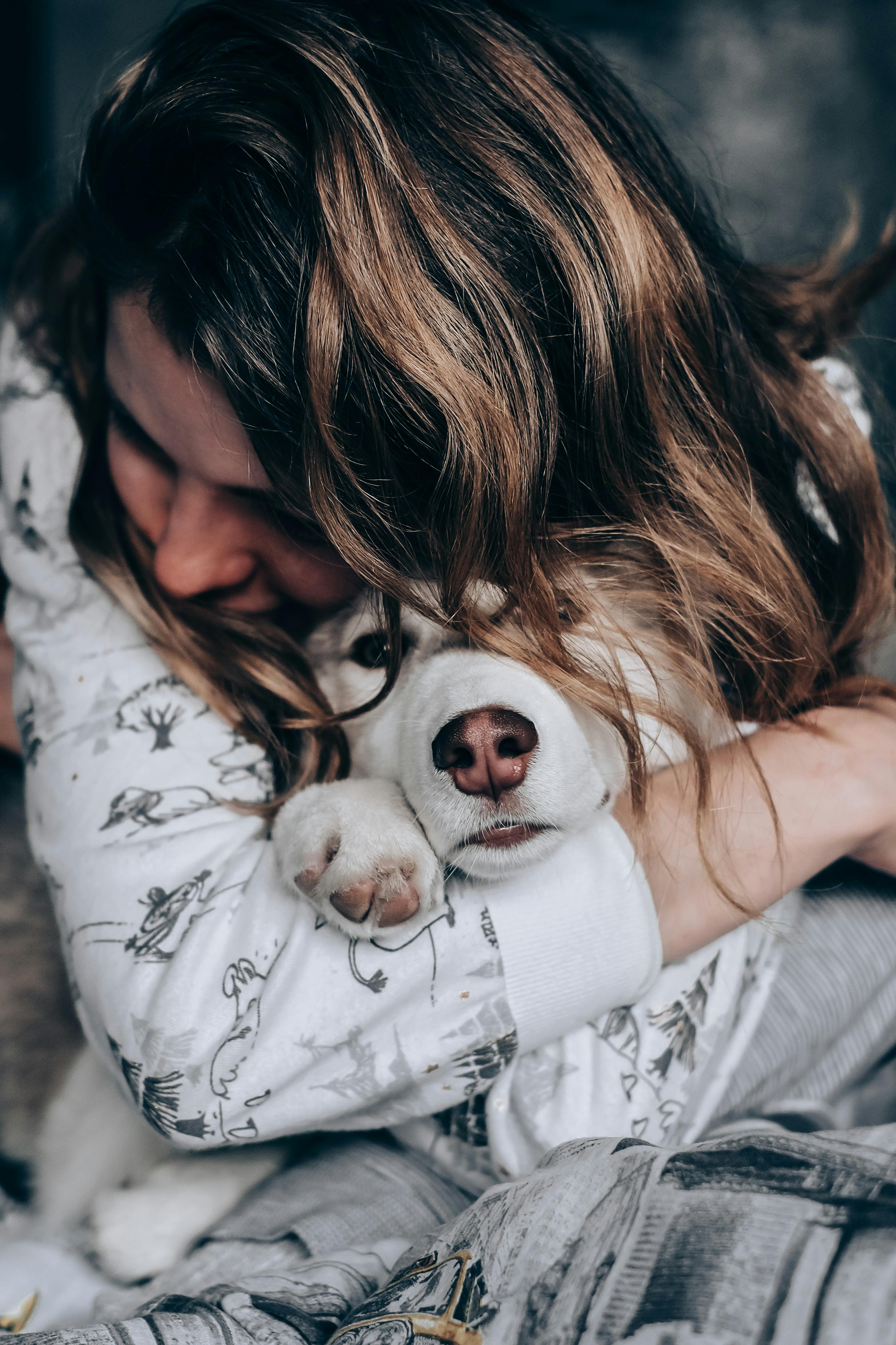
Have you ever wondered about the fascinating world of dog emotions? One of the most curious aspects of our furry friends is their wet noses. Why do dogs have wet noses, and what might be the connection between their emotional states and the moisture on that adorable snout? Let’s dive into this intriguing subject, exploring the science and the emotional implications of those wet noses.
The Science Behind Wet Noses
Dogs have wet noses for many reasons. One of the primary reasons is that it helps them with their sense of smell. A dog’s nose is packed with olfactory receptors — around 300 million of them, compared to a human’s measly 5 million. The moisture on their noses helps to capture scent particles, which can make their sense of smell even sharper. This is why a wet nose is not just a cute feature but a crucial aspect of their biology.
- Temperature Regulation: Dogs can’t sweat like humans, so they use their noses to help regulate body temperature. When a dog pants, moisture evaporates from their nose, helping cool them down.
- Health Indicator: A dog’s nose can also be an indicator of health. A healthy dog usually has a moist, cool nose. A dry or warm nose might signal illness, but this isn’t always the case.
Emotional Connection: The Nose and Feelings
Dogs express their emotions in various ways, and their wet noses can be a clue to how they feel. For example, if a dog is feeling happy or excited, they might be more prone to having a wet nose. On the other hand, if they are stressed or scared, their noses may become dry.
Here are some emotional states associated with wet noses:
- Happy: When dogs are joyful, they often have a moist nose as they pant and play.
- Curious: A dog that’s exploring its environment with a wet nose might be feeling inquisitive, sniffing out new scents.
- Anxious: Stress or anxiety can lead to a dry nose, indicating that the dog might be uncomfortable.
Why Do Dogs Have Wet Noses? Discover the Fascinating Truth!
To understand the reasons behind a dog’s wet nose, we can look at both physiological and behavioral factors. Here are some points to consider:
- Anatomy: The structure of a dog’s nose is designed to enhance their sense of smell. The mucous membranes keep the nose moist, which aids in scent detection.
- Behavior: Dogs often lick their noses, which keeps them wet. Licking is also a behavior that shows they’re engaged or focused on something, like when they’re sniffing around.
- Health Considerations: While wet noses are typically a sign of good health, some breeds can have different nose moisture levels. For example, Bulldogs may naturally have drier noses due to their skin folds.
Comparing Wet and Dry Noses
It can be helpful to compare the characteristics of wet and dry noses in dogs. Here’s a simple table to illustrate:
| Characteristic | Wet Nose | Dry Nose |
|---|---|---|
| Temperature | Cool and moist | Warm or hot |
| Health Indicator | Usually healthy | May indicate illness |
| Emotional State | Happy, excited, engaged | Anxious, stressed, sick |
Practical Tips for Dog Owners
Understanding your dog’s nose can help you provide better care and recognize their emotional needs. Here are some practical tips:
- Monitor Nose Condition: Check your dog’s nose regularly. If it’s persistently dry and warm, it might be time to consult your vet.
- Watch for Changes: Notice any sudden changes in moisture levels. A shift could indicate stress or health issues.
- Engagement Activities: Keep your dog engaged and stimulated through play and activities. A happy dog often has a wet nose!
In conclusion, the link between dog emotions and nose wetness is a fascinating topic that intertwines biology and behavior. While the science behind a wet nose reveals much about a dog’s health and olfactory abilities, the emotional aspects highlight how our furry companions express feelings. So, the next time you pet your dog and feel that cool, wet nose, remember that it’s more than just a cute feature — it’s a reflection of their emotional world!
Keeping Your Dog’s Nose Healthy: Tips for Pet Owners on Nose Care
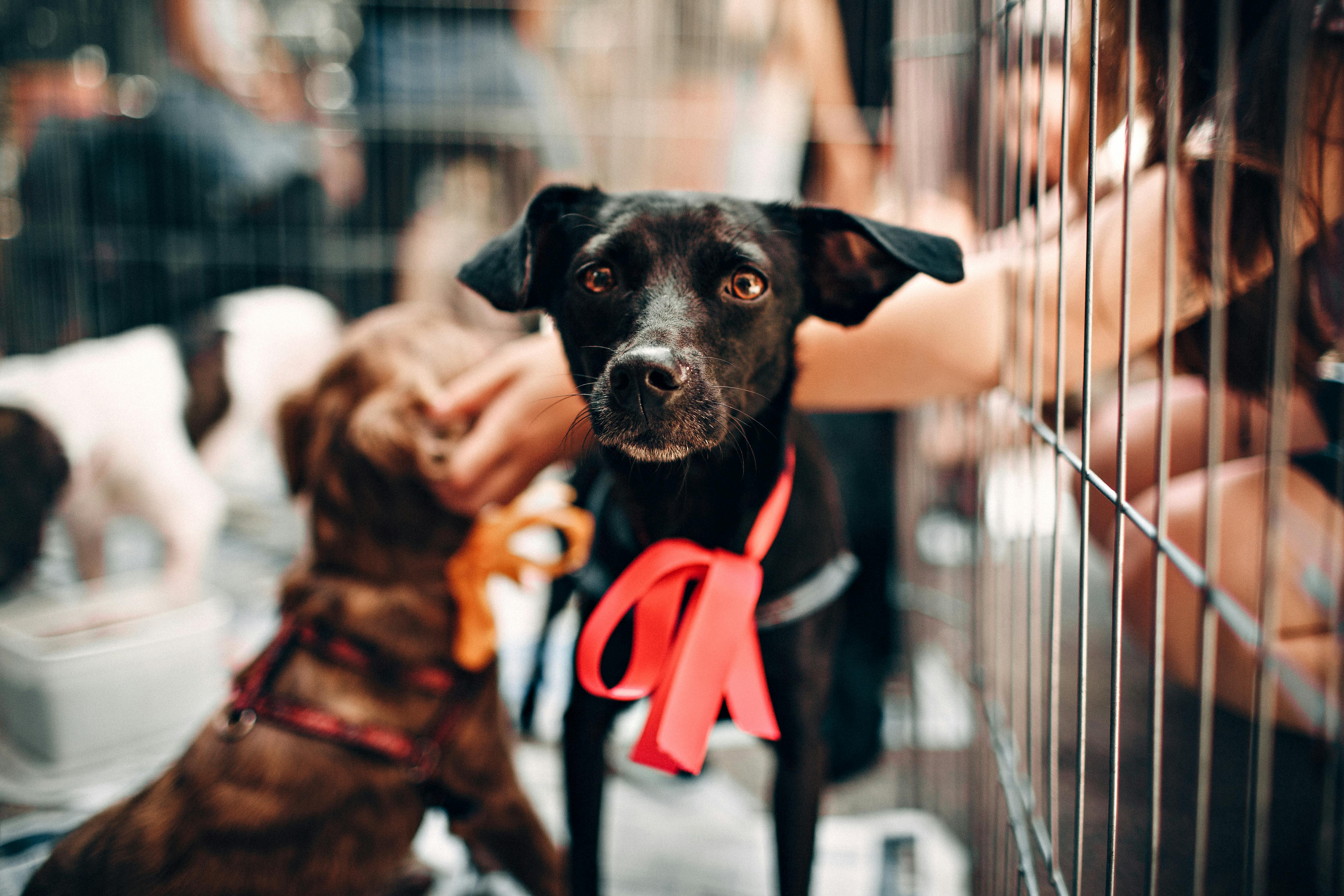
When you own a dog, you gotta pay attention to all parts of them, especially their nose. Many dog owners wonder, why do dogs have wet noses? Well, it’s not just for show! A dog’s nose is more than a cute feature; it plays an important role in their overall health and well-being. In this article, we gonna explore the fascinating truth behind dog noses, why they’re wet, and how to keep your furry friend’s nose healthy.
Why Do Dogs Have Wet Noses?
Dogs have wet noses for several reasons. First off, a wet nose helps with their sense of smell. Did you know that a dog’s sense of smell is about 40 times better than ours? The moisture helps to capture and absorb scent particles, making it easier for them to identify smells. This is why dogs are often used in search and rescue missions, as well as in detecting drugs or diseases.
Another reason is thermoregulation. Dogs don’t sweat like humans do. Instead, they regulate their body temperature through panting and their nose. A cooler nose means a cooler body, helping them to manage their internal temperature.
Here are some interesting points about dog noses:
- Moisture: The moisture on a dog’s nose comes from mucus and saliva, which helps enhance their sense of smell.
- Health Indicator: A healthy dog usually has a cool, moist nose. If it’s dry or hot, it might indicate a health issue.
- Scent Receptors: Dogs have around 300 million scent receptors in their noses, compared to a human’s 5 million.
Keeping Your Dog’s Nose Healthy
Maintaining your dog’s nose health is crucial for their overall well-being. Here are some tips for pet owners to keep their furry friend’s nose in tip-top shape:
Regular Vet Check-ups: Regular check-ups help to catch any potential nose problems before they become serious. Your vet can identify signs of infections or allergies.
Hydration: Make sure your dog is drinking enough water. Dehydration can lead to a dry nose, which can be uncomfortable for them.
Limit Sun Exposure: Just like humans, dogs can get sunburned. If your dog spends a lot of time outside, consider using pet-safe sunscreen on their nose.
Watch for Allergens: Pollen, dust, and other allergens can irritate your dog’s nose. If you notice excessive sneezing or a runny nose, consult your vet.
Clean Their Nose: Wipe off any dirt or debris using a damp cloth. Avoid using harsh chemicals or products that can irritate their skin.
Check for Cracks: If you notice any cracks or sores on their nose, it’s best to see a vet. This can be a sign of an underlying condition.
Fun Facts About Dog Noses
- Unique Patterns: Just like human fingerprints, every dog has a unique nose print that can be used for identification.
- Sniffing Speed: Dogs can sniff about 20 times per second. Their ability to detect odors is simply amazing!
- Temperature Check: A dog’s nose can actually change temperature throughout the day. It may be cooler in the morning and warmer in the afternoon.
Common Nose Problems in Dogs
While many dogs will have healthy noses, there are some common issues that pet owners should be aware of:
- Dry Nose: Can be caused by dehydration or environmental factors.
- Nasal Infections: Symptoms include discharge, swelling, or bleeding.
- Hyperkeratosis: This is a condition where the skin on the nose becomes thick and crusty.
Here’s a quick comparison of common nose conditions:
| Condition | Symptoms | Possible Causes |
|---|---|---|
| Dry Nose | Cracks, flaking | Dehydration, weather |
| Nasal Infections | Discharge, swelling | Bacterial or viral infection |
| Hyperkeratosis | Thickened skin, crusty spots | Genetic condition, allergies |
Keeping your dog’s nose healthy is just as important as caring for any other part of their body. It’s a big part of their health, and a little bit of attention goes a long way.
Remember, if you ever have concerns about your dog’s nose or overall health, it’s always best to consult with a veterinarian. They can provide you with the right guidance tailored to your furry friend’s needs. So give your pup some extra love today, and keep that nose healthy and shiny!
Conclusion
In conclusion, the wet noses of dogs serve several crucial purposes, from enhancing their sense of smell to regulating body temperature. The moisture on a dog’s nose helps to capture scent particles, making it easier for them to detect and identify various odors, which is vital for their communication and interaction with the world. Additionally, the cooling effect of a wet nose plays a role in thermoregulation, helping dogs maintain a comfortable body temperature. Understanding these functions not only deepens our appreciation for our canine companions but also highlights the importance of their unique biology. As dog owners, we can support our pets’ health by ensuring they stay hydrated and providing a comfortable environment. So, the next time you notice your dog’s wet nose, remember the fascinating science behind it and cherish the bond you share with your furry friend. Share your thoughts about your dog’s nose in the comments below!
