
Have you ever wondered why do dogs have wet noses? This seemingly simple question hides a fascinating secret that many pet owners overlook. Dogs’ noses are not just cute; they serve various significant purposes that contribute to their health and well-being. The moisture on a dog’s nose aids in enhancing their sense of smell, which is crucial for their communication and interaction with the world. In fact, did you know that a dog’s sense of smell is up to 100,000 times more sensitive than a human’s? How incredible is that? But the question still remains, why exactly is their noses wet? This intriguing topic not only captivates dog lovers but also offers insight into the behaviors and biology of our furry friends. From dog health tips to understanding canine emotions, the wetness of a dog’s nose can reveal a lot. So, if you’re curious about the science behind wet noses or looking for answers to why your pup’s nose feels damp, you’re in the right place! Join us as we uncover the secrets behind this delightful canine feature and what it means for your beloved pet.
The Science Behind Wet Noses: Why Do Dogs Have This Unique Trait?

Dogs are one of the most beloved pets around the world, and their unique traits often fascinate us. One prominent feature that stands out is their wet noses. But have you ever wondered why do dogs have wet noses? This question leads to a deeper understanding of canine biology, behavior, and even history. In this article, we uncover the science behind wet noses and explore the fascinating reasons for this distinctive trait.
The Biology of a Dog’s Nose
The nose of a dog is not just for show; it serves multiple important functions. The moist surface of a dog’s nose helps to enhance their sense of smell. Dogs have an extraordinary olfactory system, with up to 300 million scent receptors compared to a human’s 5 million. This incredible sense of smell is partly due to that wetness. But why exactly is it wet?
Moisture helps capture scent particles: When a dog’s nose is wet, it can trap scent molecules better. This makes it easier for them to detect different smells in their environment.
Cooling mechanism: Dogs don’t sweat like humans do. Instead, they cool down through their noses and paw pads. A wet nose can help regulate body temperature, especially during hot weather.
Health Indicator: A dog’s nose can reflect their health. A wet, cool nose often indicates a happy and healthy pup, while a dry, hot nose might suggest illness or dehydration.
Historical Context of Wet Noses
Historically, the role of a dog’s nose has been acknowledged for centuries. Ancient civilizations regarded dogs as companions and helpers, primarily because of their keen sense of smell. For instance:
Hunting and Tracking: Early humans relied on dogs with strong noses for hunting and tracking prey. This partnership enhanced survival rates, and it was crucial for gathering food in ancient societies.
Medicinal Uses: Dogs have been known to detect certain diseases through their sense of smell. Some cultures even trained dogs to identify illnesses like cancer or diabetes long before modern medical technology could do so.
Why Do Dogs Have Wet Noses? Uncover This Fascinating Secret!
So, let’s break down the reasons why dogs have wet noses even further:
Enhanced Scent Detection: Wet noses help dogs absorb scent molecules. This is similar to how a sponge absorbs water, which in turn enhances their ability to pick up on various odors.
Behavioral Traits: Dogs often lick their noses, which helps to keep them moist. This behavior can also be a sign of anxiety or excitement in certain situations.
Environmental Factors: A dog’s nose may become wetter in humid environments. This is because the moisture in the air can help maintain the wetness of their noses.
Comparing Dog Noses to Other Animals
To appreciate the uniqueness of a dog’s wet nose, let’s compare it with other animals:
| Animal | Nose Type | Moisture Level | Functionality |
|---|---|---|---|
| Dogs | Wet, Cool Nose | High | Enhanced smell, cooling |
| Cats | Slightly Wet | Moderate | Good smell but not as sensitive |
| Elephants | Trunk Moisture | High | Smell, touch, and drinking |
| Cows | Dry, Flat Nose | Low | Limited smell detection |
As seen in the table, dogs have one of the most effective nose designs among animals. This aids in their ability to perform various roles, from companionship to assistance in search and rescue operations.
Practical Examples of Wet Nose Benefits
Search and Rescue: Dogs with wet noses are often trained in search and rescue missions. Their ability to detect scents can lead rescuers to lost individuals or even in finding criminal evidence.
Therapeutic Roles: Therapy dogs often use their noses to detect emotional states in humans. Their wet noses can bring comfort to those in distress, as they often rely on their sense of smell to gauge human emotions.
Health Monitoring: Some dog owners have noted changes in their pets’ noses before signs of illness appear. This can serve as an early warning system for pet owners.
The science behind wet noses in dogs shows us that there’s much more than meets the eye. Understanding why do dogs have wet noses not only gives insight into canine biology but also strengthens our bond with these remarkable creatures. Their wet noses are a testament to their evolutionary journey and the roles they play in our lives. So, the next time you pet your furry friend, take a moment to appreciate the science and history behind that unique wet nose!
Top 5 Reasons Your Dog’s Nose is Always Wet: A Closer Look at Canine Physiology
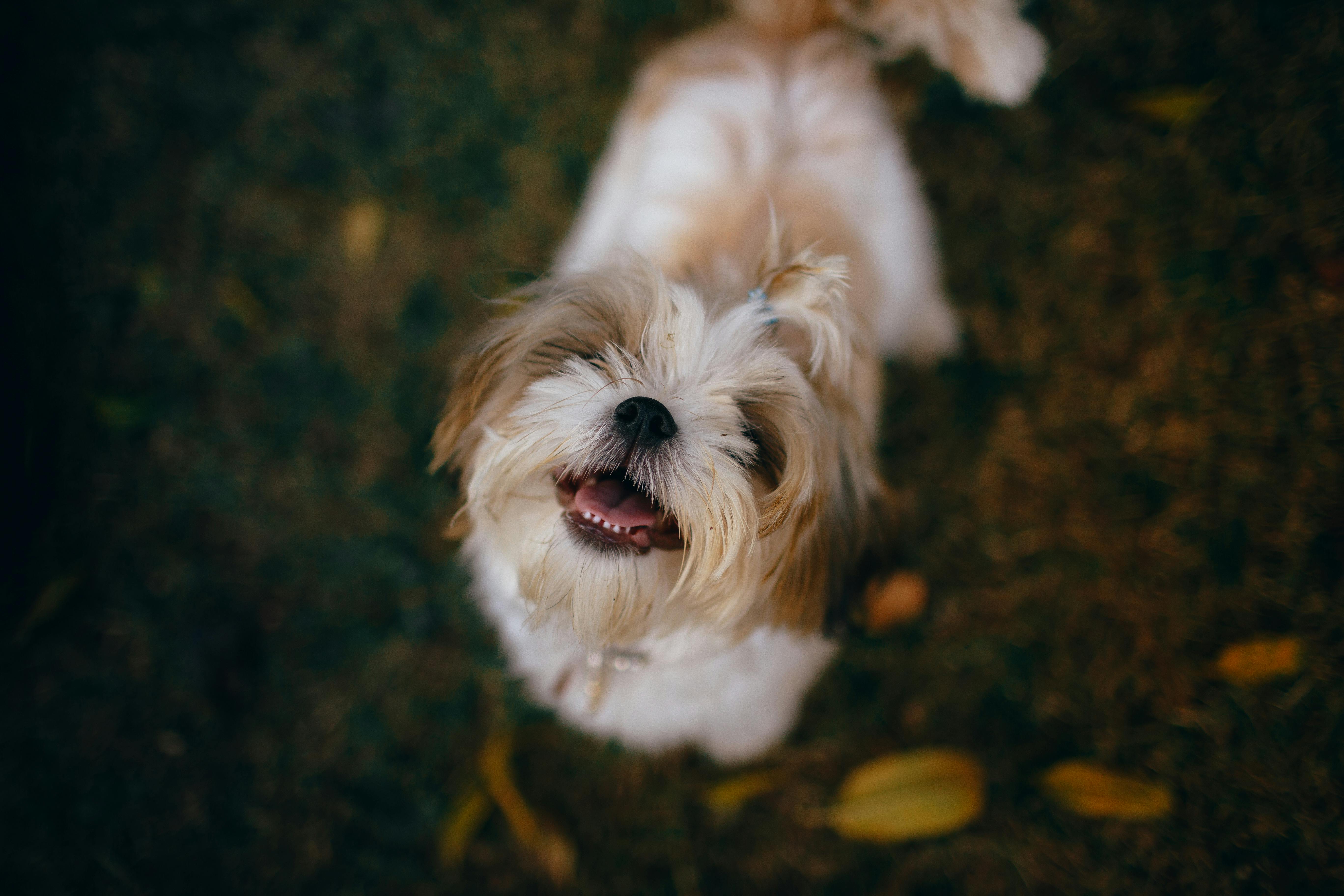
Dogs are often called man’s best friend, and one of their most fascinating features is their wet nose. You might have wondered, “Why do dogs have wet noses?” Well, there are some interesting reasons behind this, so let’s take a closer look at the top 5 reasons your dog’s nose is always wet, along with some insights into canine physiology that will leave you amazed.
1. Temperature Regulation
Just like humans sweat to cool down, dogs have a unique way of regulating their body temperature. Their wet noses help them stay cool. When a dog pants, moisture evaporates from their nose, which helps to lower their body temperature. This is particularly important because dogs don’t sweat like humans do, and their primary method of cooling off relies on this nasal moisture.
- Dogs have sweat glands, but they are mostly in their paw pads.
- A wet nose can help lower a dog’s body temperature by a few degrees.
- This mechanism is especially useful during hot weather or after exercise.
2. Enhanced Sense of Smell
Dogs have an incredible sense of smell that is thousands of times more sensitive than that of humans. A wet nose plays a crucial role in this. When a dog’s nose is moist, it helps to trap scent particles from the air. This makes it easier for them to identify and track scents. So, when your dog has that wet nose, it’s not just for show – it’s a functional part of their anatomy!
- A dog’s sense of smell can be up to 300 million olfactory receptors.
- The moisture on their nose helps dissolve scent particles.
- This is why dogs are often used in search and rescue missions or detection work.
3. Communication Tool
Believe it or not, a dog’s nose can also serve as a communication tool. Dogs often use their noses to greet each other, as well as humans. A wet nose can indicate excitement or friendliness. When your dog nudges you with their wet nose, it might be their way of saying “Hi!” or “Let’s play!”
- Dogs often greet other dogs by sniffing noses.
- A wet nose can indicate a happy and healthy dog.
- It’s a form of social interaction that helps them connect with others.
4. Natural Moisture Production
Dogs’ noses are naturally moist due to a combination of factors, including mucus secretion and environmental exposure. This moisture keeps their noses cool and helps them pick up scents more effectively. If you notice your dog’s nose becoming dry, it might be a sign of dehydration or health issues.
- On average, a dog’s nose stays wet through natural mucus production.
- Environmental factors, such as humidity, can affect nose moisture.
- A dry nose might require a vet’s attention if it persists.
5. Health Indicator
A wet nose can sometimes be a sign of a healthy dog, but it’s not always the case. While a normal wet nose is common in healthy dogs, changes in moisture levels can indicate health issues. If a dog’s nose is excessively dry, cracked, or hot, it may be worth a trip to the vet.
- A healthy dog generally has a cool and wet nose.
- Temperature, hydration, and illness can affect nose moisture.
- If you’re worried, consult a veterinarian for advice.
Final Thoughts
Understanding why do dogs have wet noses can enhance your appreciation for these furry companions. Dogs utilize their wet noses for a variety of important functions, including temperature regulation, smell enhancement, and social interactions. Keeping an eye on your dog’s nose can even serve as a health indicator. So, next time you feel that cold, wet nose nudge you, remember the fascinating physiology that makes it possible! A dog’s nose is more than just an adorable feature; it’s a multifunctional tool that plays a crucial role in their lives. Whether they’re sniffing out a treat or just saying hello, that wet nose is a testament to their unique biology.
Is a Wet Nose Healthy? Discover What Your Dog’s Moisture Levels Mean
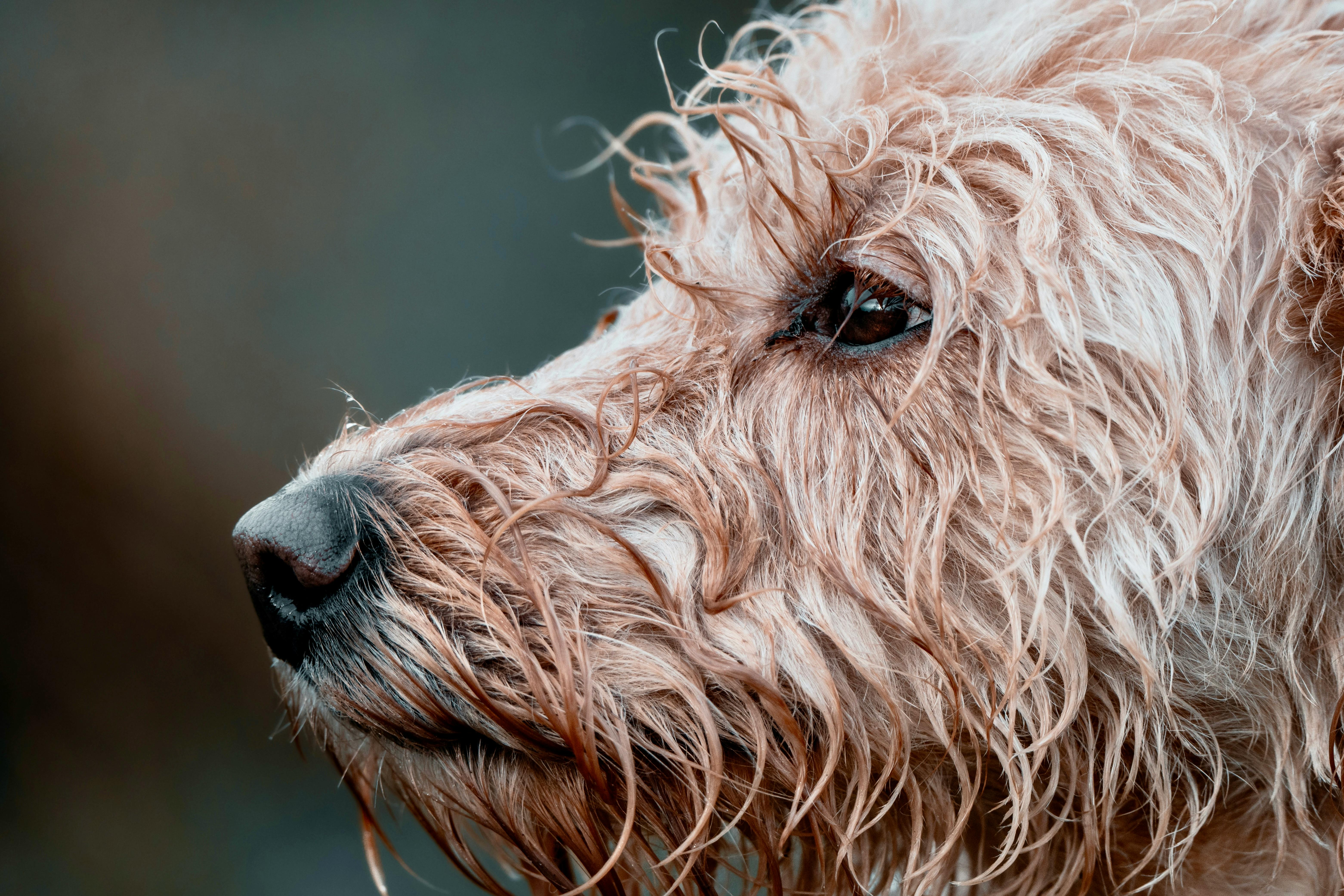
Many dog owners often wonder: is a wet nose healthy? The moistness of a dog’s nose is something that fascinates many pet lovers, yet few understand what it really means. So, let’s dive into why dogs have wet noses and what those moisture levels might indicate about their health.
Why Do Dogs Have Wet Noses?
Dogs have wet noses for several reasons. The most common explanations include:
- Cooling Mechanism: Just like humans sweat to cool down, dogs use their noses to help regulate their body temperature. The moisture evaporates, providing a cooling effect.
- Sense of Smell: A wet nose can enhance a dog’s sense of smell. Moisture helps to capture scent particles, making it easier for dogs to detect different odors in the environment.
- Health Indicator: The state of a dog’s nose can sometimes indicate their health. A healthy dog usually has a cool, moist nose, but there are exceptions.
It’s interesting to note that not all dogs have the same level of moisture in their noses. Factors like breed, environment, and overall health can affect this.
What Does a Wet Nose Mean for Your Dog’s Health?
So, what’s the deal with a wet nose? Is it just a quirky dog trait or does it have deeper implications? Here’s what you should know:
- Healthy Dogs: A moist nose is often associated with good health. If your dog’s nose feels cool and wet, it usually means they are well-hydrated and not running a fever.
- Dry Nose: A dry, cracked nose might indicate dehydration or illness. However, it’s not always a cause for concern. A dog’s nose can dry out due to hot weather or after a nap.
- Nasal Discharge: If you notice excessive discharge or a change in color, it might be a sign of allergies or infections and should be checked by a vet.
Factors Influencing Nose Moisture
Here are some factors that might influence the moisture levels:
- Weather Conditions: In hot, dry weather, dogs may have drier noses. Conversely, in humid conditions, noses are usually wetter.
- Activity Levels: After playing or exercising, dogs might have a more moist nose due to increased panting and hydration.
- Health Issues: Conditions like kennel cough or canine distemper can affect nose moisture. Always keep an eye on any other symptoms.
Common Misconceptions About Dog Noses
There are a few myths surrounding dog noses that often mislead owners. Here are some of them:
- Warm Noses Mean Illness: While a warm nose can indicate fever, it’s not a definitive sign of illness. Dogs have varying body temperatures, and their nose temperature can fluctuate.
- Wet Noses Are Always Healthy: While wet noses are generally a good sign, they are not the only indicator of health. Always consider other symptoms and behaviors.
- Breed Differences Don’t Matter: Some breeds, like bulldogs, have naturally drier noses due to their facial structure. It’s important to take breed into account when assessing health.
Observing Your Dog’s Nose
To maintain your dog’s health, it’s essential to regularly check their nose. Here’s how to observe effectively:
- Check Consistency: Is the moisture level consistent? A sudden change might be worth noting.
- Look for Color Changes: A healthy nose is usually pink to black, depending on the breed. Look for any discoloration.
- Monitor Other Symptoms: If your dog shows signs of lethargy, loss of appetite, or unusual behavior alongside nose changes, it’s time to consult a vet.
Final Thoughts
Understanding your dog’s nose can unveil secrets about their health. While a wet nose is often a sign of a happy, healthy pup, it’s not the only metric to consider. By being observant and understanding the factors that affect moisture levels, you can ensure your furry friend remains in top shape. Always remember that if you have concerns about your dog’s health, consulting with a veterinarian is the best course of action. Your dog’s well-being is worth it!
How Do Dogs Use Their Wet Noses to Enhance Their Sense of Smell?
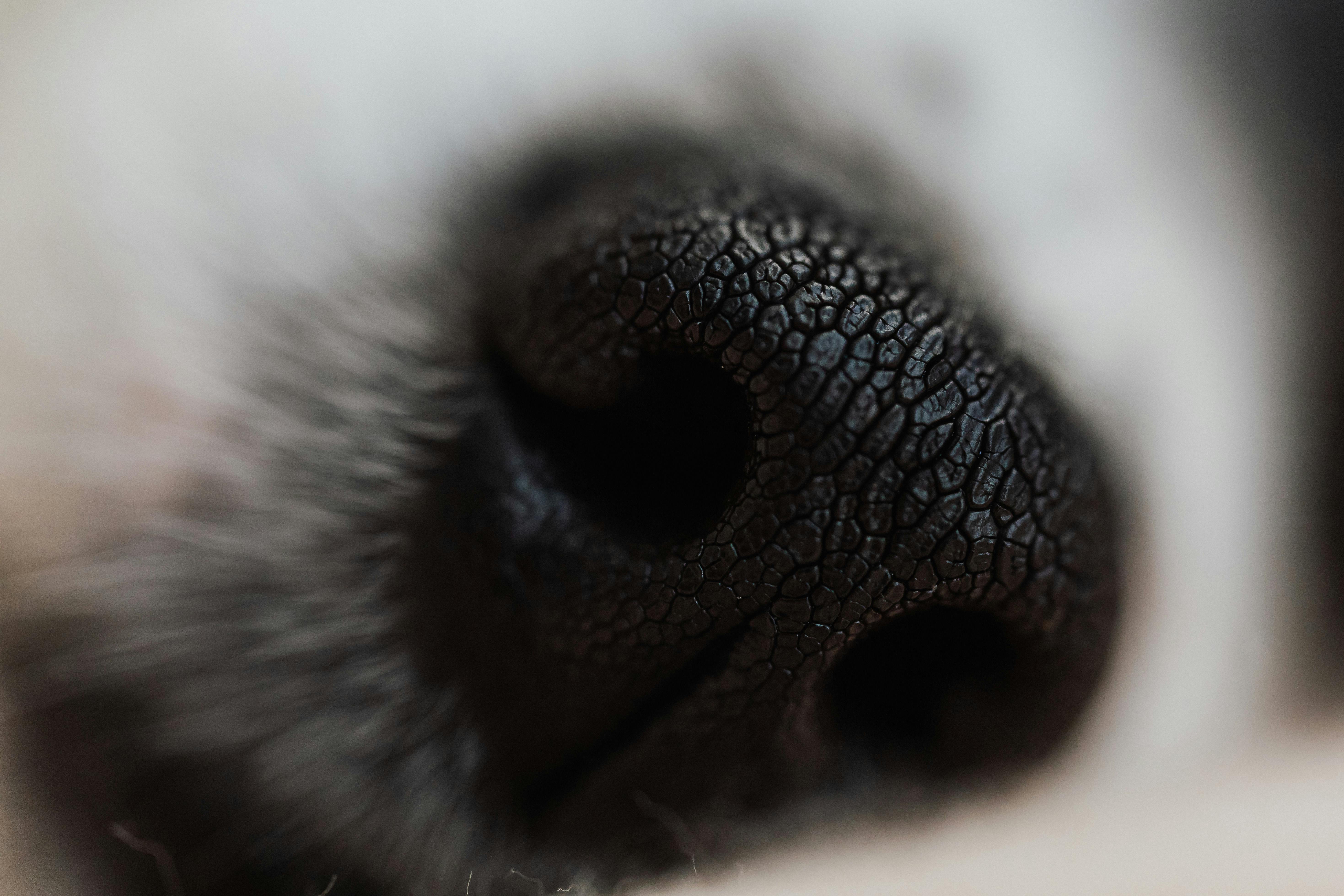
Dogs, those beloved companions, have many unique traits that make them fascinating creatures. One of the most intriguing characteristics about dogs is their noses. Have you ever wondered why do dogs have wet noses? It’s not just for show; their wet noses play a critical role in enhancing their sense of smell.
The Science Behind a Dog’s Nose
The reason dogs have wet noses is largely due to the anatomy and physiology of their scent detection. A dog’s nose contains a vast array of scent receptors—estimated to be around 300 million, compared to a human’s mere 5 million. This extraordinary difference enables dogs to detect scents at incredibly low concentrations. But, how do dogs use their wet noses to enhance their sense of smell?
Moisture Helps Capture Scent Molecules: The wetness of a dog’s nose helps to trap scent particles from the air. When a dog sniffs, the moisture on their nose collects these particles, making it easier for them to analyze the odor.
Temperature Regulation: A wet nose also helps regulate a dog’s body temperature. Dogs don’t sweat like humans do. Instead, they cool themselves through panting. The moisture on their noses can assist in the cooling process as well.
Scent Discrimination: The wet surface of a dog’s nose provides a larger area for scent particles to adhere to, enhancing their ability to discriminate between different smells. This is why dogs are often used in search and rescue operations, narcotics detection, and even medical alert roles.
Historical Context of Dog Senses
Historically, dogs have been living alongside humans for thousands of years, serving various roles, from hunters to companions. Ancient civilizations recognized the extraordinary olfactory capabilities of dogs.
Hunting Companions: In prehistoric times, dogs were bred for their hunting abilities. Their keen sense of smell was essential for locating game, which directly influenced human survival.
Working Dogs: As societies evolved, dogs were used in various roles, including shepherding, guarding, and even in law enforcement, showcasing their superior olfactory skills.
Interesting Facts About Dog Noses
Unique Nose Prints: Just like human fingerprints, every dog has a unique nose print, which can be used for identification purposes.
Temperature Sensitivity: A dog’s sense of smell is not only acute but also very sensitive to temperature. Warmer odors can travel differently than cooler ones, and dogs can often sense these variations.
Scent Memory: Dogs have an impressive scent memory, allowing them to remember scents for years. This is why they can recognize their owners even after long periods apart.
How Dogs Use Their Noses in Everyday Life
Dogs rely on their noses not just for work but also in their day-to-day lives. Here’s how:
Social Interactions: Dogs greet each other with nose-to-nose contact, gathering information about the other dog through scent.
Finding Food: A dog uses its nose to locate food, whether it be their dinner or something they shouldn’t have found on a walk.
Exploring Environment: Dogs use their noses to explore their environment, providing them with information about their surroundings.
Differences Between Dog and Human Senses
It’s interesting to compare how dogs and humans perceive the world.
| Feature | Dogs | Humans |
|---|---|---|
| Number of Scent Receptors | ~300 million | ~5 million |
| Sense of Smell | Highly developed | Less developed |
| Nose Temperature | Sensitive to changes | Not applicable |
Practical Examples of Dog Nose Usage
Search and Rescue: Dogs trained for search and rescue can locate missing persons in various environments because of their remarkable sense of smell.
Medical Detection: Certain breeds are trained to detect diseases like cancer or diabetes through scent, showcasing their incredible olfactory capabilities.
Therapy and Companionship: Dogs can sense human emotions through scent, often providing comfort to those in distress.
In short, the wet noses of dogs serve critical purposes, enhancing their sense of smell and contributing to their unique abilities. Their noses are not just for sniffing; they are vital tools for communication, survival, and companionship. Whether they are tracking scents in the great outdoors or simply seeking a familiar face, dogs truly have a remarkable sense of smell that continues to amaze us. If you ever find yourself pondering why do dogs have wet noses, remember that those little features are much more than they seem—they are a gateway to a fascinating world of scents and smells that only our canine friends can fully appreciate.
Wet Noses and Canine Communication: What Your Dog is Trying to Tell You
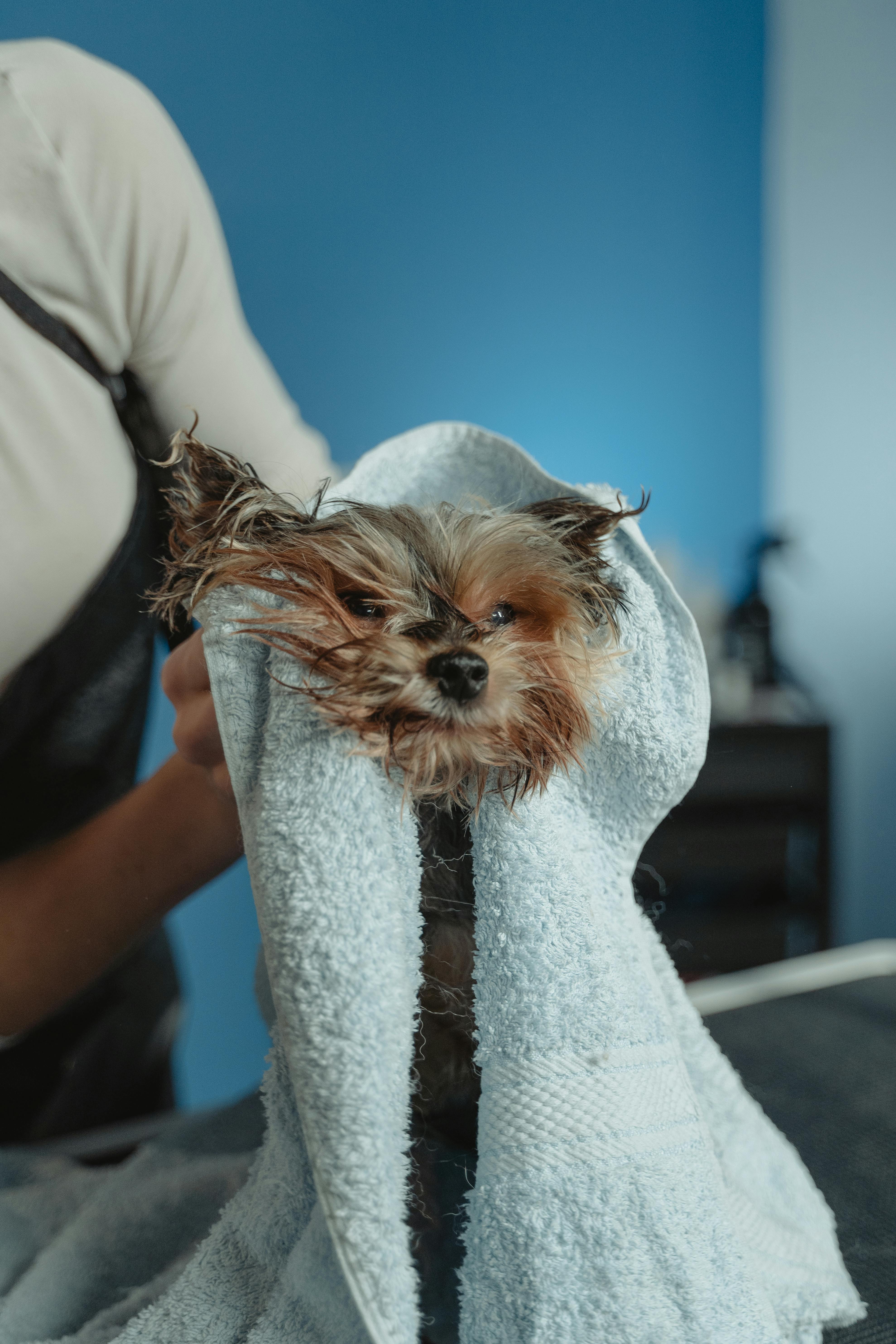
Dogs, our furry companions, have a way of communicating that often goes unnoticed. One of the most intriguing aspects of canine communication is their wet noses. But have you ever wondered, why do dogs have wet noses? This seemingly simple question opens up a world of fascinating insights into dog behavior and health. Let’s dive into this topic and uncover what your dog might be trying to tell you with that moist little nose of theirs.
The Science Behind Wet Noses
The moisture on a dog’s nose serves several important purposes. A wet nose helps dogs to enhance their sense of smell, which is already way stronger than humans. The wetness allows scent molecules to adhere better, making it easier for your pup to sniff out all kinds of things. Besides, it helps regulate their body temperature too. Unlike humans, dogs don’t sweat through their skin, so they rely on their noses to cool down.
- Dogs’ noses are moist because of a thin layer of mucous.
- They have scent receptors that are around 40 times more than humans.
- A wet nose can help detect changes in the environment, like temperature and humidity.
Historical Context of Dogs and Their Noses
Dogs have been companions to humans for thousands of years. The domestication of dogs likely began around 15,000 years ago. Early humans might have noticed that dogs with wet noses were better at tracking scents and hunting. Over time, this evolutionary trait became significant. The relationship between humans and dogs transformed, and wet noses became a symbol of a healthy and attentive dog.
What Does Your Dog’s Wet Nose Mean?
A wet nose is often associated with health in dogs, but it’s not the only indicator. Here’s a little breakdown of what a wet nose can signify:
- Healthy and Happy: If your dog’s nose is wet and cool, it usually means they are in good health.
- Temperature Regulation: A wet nose helps them cool down, especially after exercise.
- Curiosity and Exploration: Dogs use their noses to explore the world; a wet nose indicates they’ve been sniffing around.
When to Be Concerned About a Dry Nose
Though a wet nose is often a sign of a happy dog, there are times when a dry nose could indicate something is wrong. If your dog’s nose is unusually dry or cracked, it might be a sign of health issues. Here’s when you should be concerned:
- Persistent dryness that doesn’t go away.
- Cracking or bleeding on the nose.
- Accompanied by other symptoms, like lethargy or lack of appetite.
- Sudden changes in nose temperature or moisture levels.
Canine Communication: What Your Dog is Telling You
Dogs communicate in many ways, and their noses play a huge part in that. Here are some ways your dog uses their nose to tell you something:
- Excitement: A wet nose can indicate enthusiasm when greeting you.
- Curiosity: When sniffing something new, they are trying to gather information about their surroundings.
- Stress or Anxiety: A dry, warm nose might indicate that your dog is stressed or anxious.
Fun Facts About Dog Noses
- Dogs have an exceptional ability to detect certain diseases, like cancer or diabetes, through their sense of smell.
- The color of a dog’s nose can vary by breed, but it usually is black or brown.
- Dogs can smell up to 100,000 times better than humans!
How to Care for Your Dog’s Nose
Keeping your dog’s nose healthy is important, but it doesn’t require much effort. Here are some tips to ensure that your pup’s nose stays in tip-top shape:
- Hydration: Ensure your dog drinks plenty of water to stay hydrated.
- Moisturizers: If your dog’s nose seems dry, you can try pet-safe moisturizers.
- Regular Vet Check-ups: Regular visits to the vet can help catch any potential health issues early on.
By understanding what your dog’s wet nose means, you can improve your bond with your furry friend. It’s not just a cute feature; it’s an essential part of their health and communication. So the next time you see that wet nose, remember the fascinating world behind it. Keep an eye on those little signals, and you will be well on your way to becoming a better dog owner.
The Surprising Benefits of a Wet Nose: Why It Matters for Your Dog’s Health

Dogs are often called man’s best friend, and one of the most fascinating features about these loyal companions is their wet noses. Have you ever wondered why do dogs have wet noses? It’s not just for show. There’s actually a lot more to it than you might think, and the benefits of a wet nose can surprise you.
The Science Behind a Wet Nose
First off, let’s dive into the biology of it. A dog’s nose is typically wet due to mucous secretions which help in smelling. Yes, dogs have an incredible sense of smell, up to 100,000 times better than humans, and their wet noses play a big role in that. When the mucous dries up, it can hinder their ability to pick up scents. So, keeping that nose moist is kinda critical for their health and well-being.
- Mucous Production: Dogs have specialized glands in their noses that produce mucous, which helps capture scent particles.
- Temperature Regulation: A wet nose can help cool a dog down. Just like humans sweat, dogs use their noses in a way to regulate body temperature.
- Health Indicator: A wet nose can indicate good health. If your dog’s nose is dry or cracked, it may signal dehydration, fever, or even illness.
Historical Context of the Wet Nose
Historically, dogs with wet noses have been more favored. In ancient Egypt, for example, dogs were revered, and their physical traits were closely observed. The wet nose was seen as a sign of a healthy dog. Many cultures believed that the moisture on a dog’s nose was a reflection of its vitality and ability to hunt.
The Surprising Benefits of a Wet Nose
Now let’s talk about the benefits of that wet nose. It’s not just about smelling things better. There are several surprising perks that come along with it:
- Enhanced Sense of Smell: As mentioned, a wet nose helps dogs smell better. The moisture allows scent particles to adhere, making it easier for their brains to interpret smells.
- Cooler Body Temperature: Dogs don’t sweat like we do. Instead, they cool off through panting and their noses. A wet nose can help keep their body temperatures down, especially in warm weather.
- Health Monitoring: A wet nose can be a quick health check. If it’s dry or extremely warm, it could mean something is off with your dog. Regular checks can help catch issues early.
- Better Interaction: Dogs use their noses to communicate too. A wet nose can be a friendly nudge, a way of saying “hello” or “let’s play.”
Interesting Comparisons
Let’s compare dogs with other animals. Many mammals have wet noses, but not all. Take this look at how different pets compare:
- Cats: Their noses are often dry and can indicate good health, unlike dogs.
- Rabbits: They also have wet noses, but they use them differently for scent detection.
- Pigs: Known for their wet noses, pigs use their sense of smell extensively for foraging.
Practical Examples of Nose Health
When you’re caring for your dog, pay attention to those wet noses. Here’s how you can help maintain their health:
- Hydration: Always ensure your dog has access to fresh water. Dehydration can lead to a dry nose.
- Regular Check-ups: Take your dog to the vet for regular health check-ups. They can assess the condition of your dog’s nose and overall health.
- Humidity: In dry climates, consider using a humidifier in your home to keep your dog’s nose moist.
Fun Facts About Dog Noses
- Unique Patterns: Just like human fingerprints, each dog has a unique nose print.
- Scent Discrimination: Dogs can distinguish odors at incredibly low concentrations, thanks in part to their wet noses.
- Temperature Sensitivity: Dogs can sense temperature changes in their environment through their noses, which can alert them to dangers.
So, the next time you notice your furry friend’s wet nose, remember it’s more than just a cute feature. It’s a vital part of their health and well-being. It helps them stay cool, enhances their sense of smell, and can even serve as an indicator of their overall health. Understanding why do dogs have wet noses can deepen your appreciation for your four-legged companion and ensure that you are caring for them properly.
Should You Worry About Your Dog’s Nose Drying Out? Common Myths Debunked
Have you ever noticed your dog’s nose feelin’ a little dry? Maybe you got worried and started thinkin’ something was wrong. But should you really be worried about your dog’s nose drying out? There’s a lot of myths and misconceptions floating around, and we’re here to clear up the confusion. Let’s dive into the world of dog noses, why they’re usually wet, and what it really means if they become dry.
Why Do Dogs Have Wet Noses?
First off, you might be wonderin’, why do dogs have wet noses in the first place? Well, there’s actually several reasons that are both fascinating and a bit scientific.
Temperature Regulation: Wet noses help dogs cool down. Just like humans sweat, dogs can lose heat through their noses. When the moisture evaporates, it can lower their body temperature.
Enhanced Sense of Smell: Dogs have an incredible sense of smell. A moist nose helps to capture scent particles better. The wetness can trap these particles, makin’ it easier for dogs to sniff out things.
Health Indicator: A dog’s nose is often considered a sign of their overall health. A wet, cool nose typically indicates that a dog is healthy and hydrated, while a dry nose can be a sign of dehydration or illness.
Common Myths About Dog Noses
There’s a lot of myths out there about dog noses that can confuse pet owners. Let’s bust a few of them.
Myth 1: A Dry Nose Means My Dog Is Sick
This is a common misconception. While a dry nose can indicate health issues, it isn’t always the case. Dogs can have dry noses for many reasons, including weather conditions or just waking up from a nap.Myth 2: Dogs Only Lick Their Noses When They’re Nervous
Dogs lick their noses for various reasons, like tasting the air to gather more scent information, not just when they’re anxious.Myth 3: All Dogs Have Wet Noses
Some breeds, especially brachycephalic ones like Bulldogs and Pugs, can have drier noses naturally. It doesn’t mean they are unhealthy.
Factors That Influence Nose Moisture
So, what makes a dog’s nose dry? There are several factors that can contribute to this change:
Weather Conditions: Hot, dry weather can lead to a dry nose. Just like humans can get chapped lips, dogs can experience the same.
Health Conditions: Some medical issues can cause dryness, such as autoimmune diseases, allergies, or infections.
Dehydration: If a dog isn’t drinking enough water, their nose might dry out. Always make sure they have access to fresh water.
Age: Older dogs might experience changes in skin and nose moisture, just like we do.
Signs to Watch For
If you notice your dog’s nose has dried out, keep an eye out for other symptoms that could indicate a problem. Here’s a quick list:
- Excessive thirst or urination
- Loss of appetite
- Lethargy
- Coughing or sneezing
- Discharge from the nose
- Changes in behavior
If your dog shows any of these signs along with a dry nose, it might be time to schedule an appointment with your vet.
Keeping Your Dog’s Nose Healthy
There are several ways to help keep your dog’s nose moist and healthy:
Hydration: Always provide your pet with plenty of clean water. Hydration is key to keeping their nose healthy.
Humidifier: If you live in a dry climate, consider using a humidifier indoors. This can help maintain moisture in the air, benefiting your dog’s nose.
Nose Balms: There are dog-safe balms available that can help moisturize a dry nose. Consult your vet before applying any products.
Regular Vet Checkups: Regular visits to the vet are important. They can help catch any potential health issues early.
Final Thoughts
So, should you worry about your dog’s nose drying out? It depends. While a dry nose can sometimes indicate health issues, it’s not always a cause for alarm. Understanding the facts behind why dogs have wet noses and recognizing the myths can help you be a better pet owner. Always keep an eye on your furry friend’s overall health, and don’t hesitate to consult a vet if you’re concerned. Your dog’s nose might just be a fascinating little detail, but it plays a big role in their health and well-being!
Wet Noses and Emotional Bonding: How They Help Dogs Connect with Humans

Dogs have been known as man’s best friend for a long time, and one of the most endearing traits of our furry companions is their wet noses. Have you ever wondered why do dogs have wet noses? It’s not just a random quirk; there’s an intriguing blend of biology, behavior, and emotional connection involved. So, let’s dig into the fascinating world of wet noses and how they play a role in emotional bonding between dogs and humans.
The Science Behind Wet Noses
Dogs’ noses are wet for several reasons, and it’s not just because they love to sniff everything. The moisture on a dog’s nose serves important functions:
- Temperature Regulation: Just like humans sweat to cool down, dogs use their moist noses to regulate their body temperature. The evaporation of moisture from the nose helps them stay cool.
- Enhanced Sense of Smell: A wet nose can absorb scent molecules more effectively. This enhances their olfactory senses, allowing dogs to smell things that are imperceptible to humans.
- Health Indicator: A wet nose can also be a sign of good health in dogs. While a dry nose may indicate dehydration or illness, a moist nose generally means the dog is well-hydrated and healthy.
Emotional Connection and Bonding
But it’s not all just about biology. The wetness of a dog’s nose plays a crucial role in emotional bonding. Dogs are incredibly intuitive creatures, and their ability to connect with humans emotionally is remarkable. Here’s how their wet noses contribute:
- Greeting Rituals: When dogs meet humans, they often nuzzle their noses against people. This behavior is a form of greeting and shows affection. The wetness of their noses can be comforting, inviting trust and connection.
- Scent Communication: Dogs communicate through scent, and their wet noses help in this process. They can pick up on human emotions and pheromones, which helps them understand how their owners feel.
- Comforting Touch: Many people find the sensation of a dog’s wet nose soothing. When a dog nudges you with their nose, it can be a way to seek attention or comfort, reinforcing the emotional bond between you and your pet.
The Historical Perspective
Historically, dogs have been companions to humans for thousands of years. Their wet noses and affectionate nature have been noted in various cultures around the world. For instance:
- Ancient Egypt: Dogs were often depicted in ancient Egyptian art, showcasing their role as loyal companions. Their wet noses were seen as a symbol of their affectionate nature.
- European Folklore: In many European tales, dogs were portrayed as guardians and friends, with their wet noses symbolizing their readiness to protect and comfort their human counterparts.
Fun Facts About Dog Noses
Here are some fun facts that might surprise you about dog noses:
- Each dog’s nose print is unique, similar to a human fingerprint.
- A dog’s sense of smell is 10,000 to 100,000 times more acute than ours.
- Dogs sweat through their paw pads, but their noses help with cooling too.
Comparisons and Observations
Comparing dogs to other pets, their noses are quite remarkable. For instance, cats have less moist noses and rely more on their other senses. Here’s a quick comparison:
Dogs:
- Wet nose for scent absorption
- Emotional connection through nuzzling
- Use nose for cooling
Cats:
- Generally drier noses
- Less physical nuzzling
- Rely on sight and hearing more than smell
The Importance of a Healthy Nose
It’s crucial for pet owners to pay attention to the condition of their dog’s nose. A nose that’s too dry or cracked could indicate health problems. Here are a few things to check:
- Texture: A healthy dog’s nose should be moist and smooth.
- Color: Changes in color could indicate issues; a nose that is too pale or too red may need a vet check-up.
- Temperature: A warm nose might signal fever or illness, especially if accompanied by other symptoms.
Final Thoughts
So, next time you see a dog with a wet nose, remember that it’s more than just an adorable feature. It’s a blend of biological function and emotional connection that helps dogs bond with humans. Their wet noses not only help them interact with the world but also deepen the relationships they share with us. Understanding this fascinating aspect of our canine friends can enrich our experience as pet owners and strengthen the bond we share with these loving creatures.
Can Weather Affect Your Dog’s Nose Moisture? Understanding Environmental Factors
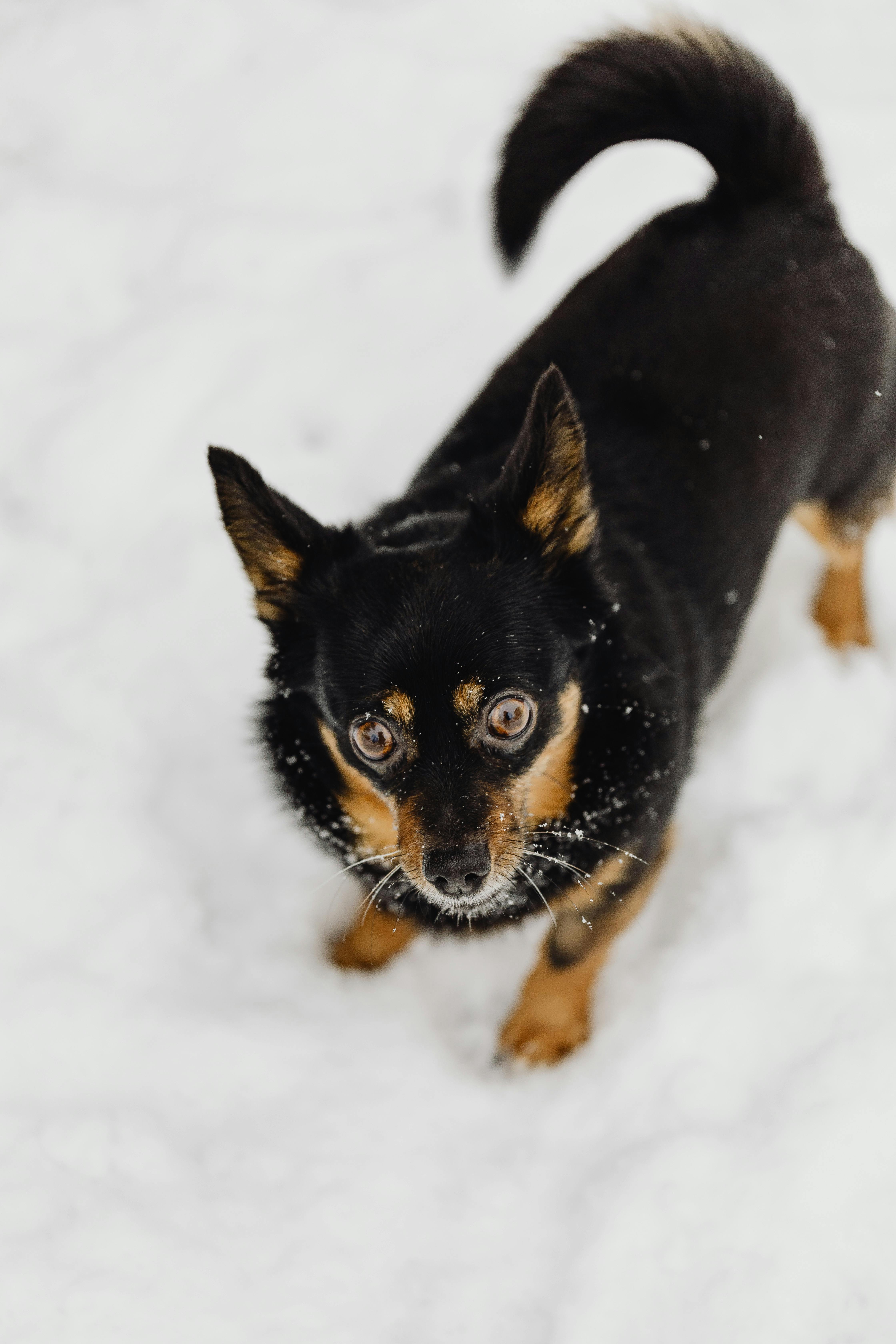
Dogs are known for many charming traits, and one of those is their wet noses. Ever wonder why your furry friend’s nose is often damp? Or can the weather actually play a role in this? In this article, we will dig into the mysteries behind why do dogs have wet noses and explore how environmental factors may influence their moisture levels.
Why Do Dogs Have Wet Noses?
The first thing that pops into people’s minds when they think about dog noses is their wetness. It’s fascinating, right? It’s not just for show! A wet nose plays an important role in a dog’s overall health and sensory perception. Here’s a few reasons:
Temperature Regulation: Dogs can’t sweat like humans do. Their primary method of cooling off is through their noses. The moisture helps to cool the blood flowing through their nasal passages, which can then cool their body.
Enhanced Smell: A wet nose helps capture scent particles from the air. This is why dogs have such an incredible sense of smell! The moisture on their noses allows scent molecules to dissolve, making it easier for dogs to detect different aromas.
Health Indicator: A dog’s nose can actually tell you a lot about their health. Generally, a healthy dog has a moist, cool nose. If it becomes dry or cracks, it might indicate dehydration or illness.
Can Weather Affect Your Dog’s Nose Moisture?
Absolutely, yes! The weather can have a significant impact on how moist or dry a dog’s nose is. Let’s take a look at some of the environmental factors that might influence this:
Humidity Levels: High humidity can make a dog’s nose wetter because there’s more moisture in the air. On the other hand, dry and arid conditions can lead to a drier nose.
Temperature Changes: Hot weather can cause a dog to pant more, potentially leading to a drier nose. Conversely, in cooler weather, dogs might have moister noses due to the drop in temperature.
Seasonal Changes: During winter, the cold air can dry out a dog’s nose, while spring and summer may have them sporting a nice, moist texture.
Indoor Climate: Heating systems during winter can reduce indoor humidity, causing dry noses. It’s worth considering a humidifier if you notice your pup’s nose getting dry.
Fascinating Facts About Dog Noses
Did you know that dog noses are as unique as human fingerprints? Here’s a few more interesting facts about dog noses:
Nasal Patterns: Just like humans have unique fingerprints, each dog has a distinctive nose print. This could potentially be used for identification.
Sensory Power: A dog’s sense of smell is estimated to be between 10,000 to 100,000 times more sensitive than that of humans! This makes their wet noses an essential tool for sniffing out a variety of things.
Color Variation: The color of a dog’s nose can vary widely depending on the breed. Some breeds have pink noses, while others have black or even spotted noses.
Common Misconceptions About Dog Nose Moisture
It’s easy to find misinformation about dogs. Here are some common myths debunked:
Myth: A dry nose means a dog is sick.
Fact: While a dry nose can indicate health issues, it’s not a definitive sign. Dogs can have dry noses for many reasons.Myth: Dogs should always have wet noses.
Fact: It’s normal for noses to vary in moisture throughout the day. Factors like activity level and environment play a role.Myth: A warm nose is a sign of fever.
Fact: A dog’s nose temperature can change based on various factors and isn’t a reliable indication of health.
Practical Tips for Monitoring Your Dog’s Nose
Keeping an eye on your dog’s nose can be a good way to monitor their health. Here’s what to look for:
Regular Checks: Observe your dog’s nose daily. A sudden change in moisture or color can be an indicator of a health issue.
Stay Hydrated: Make sure your dog drinks enough water. Dehydration can lead to a drier nose.
Humidify: If your home tends to be dry, consider using a humidifier, especially during winter.
Consult a Vet: If you notice persistent changes or other symptoms, like lethargy or loss of appetite, it’s best to consult a veterinarian.
Understanding your dog’s nose can be more than just a quirky trait; it’s a window into their health and well-being. The next time you see your pup with a wet nose, remember all the fascinating reasons behind it, and how environmental factors can play a role in this natural phenomenon.
Curious About Dog Noses? 7 Fascinating Facts You Didn’t Know About Wet Noses
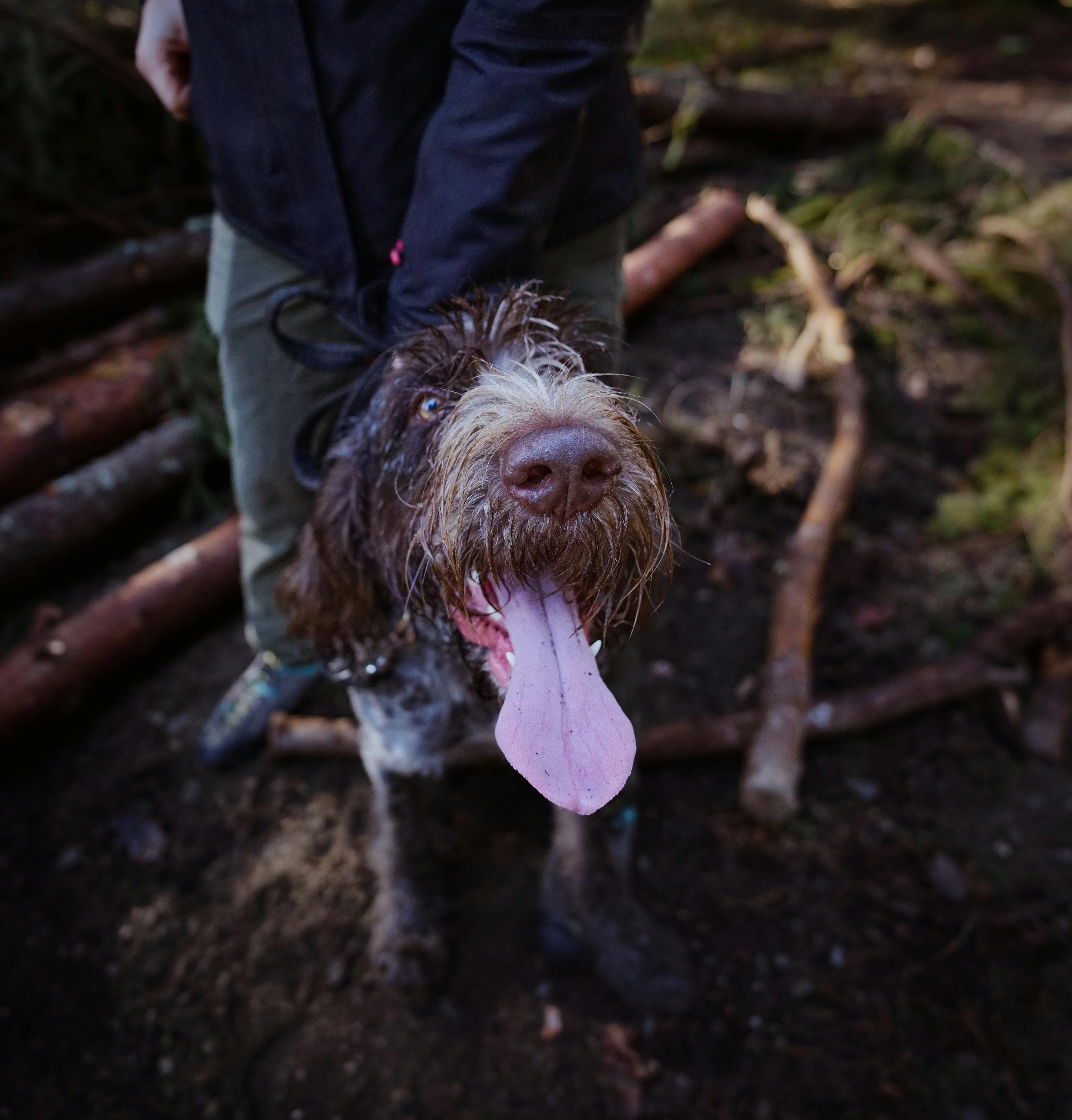
Curious About Dog Noses? 7 Fascinating Facts You Didn’t Know About Wet Noses, Why Do Dogs Have Wet Noses? Uncover This Fascinating Secret!
Have you ever wonder why dogs have wet noses? It’s one of those things that seem odd, but it actually serves important purposes. Dog noses, particularly their wetness, is a topic that could spark curiosity in any pet lover or dog owner. Wet noses are not just cute; they play a crucial role in a dog’s health, behavior, and ability to interact with the world. Below, we will explore seven fascinating facts about dog noses that might just surprise you.
1. Dogs Have More Than Just a Sense of Smell
It’s commonly known that dogs have an exceptional sense of smell, but did you know that they have up to 300 million olfactory receptors in their noses? In comparison, humans only have about 5 million. This incredible number allows dogs to detect scents at incredibly low concentrations, making them invaluable in various fields like search and rescue, therapy, and even detecting diseases.
2. The Secret of Wetness
So, why do dogs have wet noses? The moisture on their noses helps to enhance their sense of smell. When a dog’s nose is wet, it can better absorb scent particles from the environment. This is because water helps to dissolve the scent molecules, making it easier for dogs to detect and identify different odors. Additionally, a wet nose also cools the dog, acting as a sort of air conditioning system when they are overheating.
3. Nose Print Identification
Just like human fingerprints, each dog has a unique nose print. The pattern of ridges and creases on a dog’s nose is as distinctive as a fingerprint. Some pet owners have even registered their dog’s nose print for identification purposes. This could come in handy if a dog ever gets lost; a vet or shelter could use the nose print to verify ownership.
4. Dogs Can Sense Emotions
Dogs are not just furry companions; they are also sensitive to human emotions. Their wet noses play a part in this too! When a dog sniffs a person, they can pick up on pheromones and sweat which carry emotional cues. This is why dogs often seem to know when their owners are sad or anxious. They can sense changes in body chemistry, and their wet noses help facilitate this communication.
5. Nose Temperature and Health
A common belief is that a dog’s nose temperature can indicate their health. A cool, wet nose is often associated with a healthy dog, while a warm, dry nose might suggest illness. However, this isn’t always accurate. The temperature and moisture of a dog’s nose can fluctuate due to many reasons, including the weather or recent activity. Therefore, while a dog’s nose can give clues about health, it shouldn’t be the only factor considered.
6. The Role of Breed Differences
Different breeds can exhibit variations in nose moisture and shape. For instance, brachycephalic breeds (like Bulldogs and Pugs), often have shorter noses which might affect their sniffing ability. These dogs may have drier noses more frequently than breeds with longer noses, such as Bloodhounds. The effectiveness of a dog’s sense of smell can depend on its breed, age, and even health condition.
7. The Importance of Nose Care
Just like any other part of a dog’s body, nose care is important. Dry or cracked noses can indicate dehydration or health issues. To keep a dog’s nose healthy, ensure they have access to fresh water and consider using a pet-safe moisturizer if their nose appears excessively dry. Regular vet check-ups can also help spot any underlying issues related to a dog’s nose.
Here’s a quick overview of dog nose facts:
- Olfactory Receptors: Dogs have about 300 million receptors; humans have only 5 million.
- Moisture Function: Wet noses help absorb scent particles and cool dogs down.
- Unique Identification: Dog nose prints are unique and can be used for identification.
- Emotion Sensing: Dogs pick up on human emotions through scent.
- Health Indicator: Nose temperature can suggest health but isn’t always reliable.
- Breed Variations: Different breeds have different nose shapes, affecting moisture levels.
- Nose Care: Keep a dog’s nose hydrated and healthy through proper care.
Understanding the science behind why do dogs have wet noses helps us appreciate our furry friends even more. Their noses aren’t just adorable; they are essential tools for communication and interaction with the world around them. So, the next time you snuggle with your dog and feel that wet nose against your skin, remember all the fascinating things it can do!
Conclusion
In conclusion, the wet noses of dogs serve several crucial purposes that contribute to their overall health and behavior. The moisture helps enhance their sense of smell, allowing them to better detect scents in their environment, which is essential for their communication and navigation. Additionally, a wet nose can help regulate their body temperature, acting as a natural cooling mechanism. While a wet nose is often seen as a sign of a healthy dog, it’s important to remember that changes in moisture levels can indicate health issues, so regular monitoring is essential. As dog owners, we should embrace these unique characteristics that make our furry companions special. Next time you interact with your dog, take a moment to appreciate that wet nose—it’s not just an adorable feature, but a testament to their extraordinary biology. Share your thoughts or experiences with us, and let’s celebrate the wonderful world of our canine friends!
