
Have you ever wonder why do dogs have wet noses? This quirky characteristic of our furry friends is not just for show; it’s actually a fascinating topic! Wet noses in dogs serve several important purposes that many pet owners might not be aware of. From enhancing their sense of smell to regulating body temperature, the science behind this adorable trait is both surprising and intriguing. But why exactly do dogs’ noses feel so moist? Is it just a sign they are healthy, or could it be something more? In this article, we will explore the truth behind wet noses in dogs and uncover the reasons that make them essential for canine communication and overall well-being. You’ll be amazed at how much your dog’s nose can reveal about their health and emotions! Plus, we’ll dive into trending topics related to dog health, canine behavior, and more! So, if you’re curious about the science of your dog’s nose and its impact on their life, read on to discover the secrets behind why do dogs have wet noses and what it means for your beloved pet. Don’t miss out on this essential knowledge for every dog lover!
The Science Behind Wet Noses: Why Do Dogs Need to Keep Them Moist?

Dogs are one of the most beloved companions for humans, and their unique traits often fascinate us. One of the particularly interesting characteristics of dogs is their wet noses. Most dog owners probably never thought too much about why their furry friends’ noses are moist. So, why do dogs have wet noses? The science behind this phenomenon reveals some surprising truths that can deepen your understanding of canine biology.
The Science of Wet Noses
A dog’s nose isn’t just wet for no reason. There’s actual science that explains how it benefits them. The moisture on a dog’s nose helps to enhance their sense of smell. Dogs have an extraordinary olfactory system, and their noses play a crucial role in that. The wetness of their noses helps to capture scent particles from the air. When these particles get trapped in the moisture, it increases the surface area for odor detection, allowing dogs to smell things many times better than humans do.
- Increased Sensitivity: A wet nose is more sensitive to smells than a dry one.
- Scent Detection: Dogs can detect certain smells at parts per trillion, thanks to their moist noses.
- Cooling Mechanism: A wet nose helps regulate a dog’s body temperature, similar to how sweat helps humans.
Why Do Dogs Need to Keep Them Moist?
Okay, so now we know they need moisture for better smell. But why is it essential for health? A dry nose can be a sign of dehydration, allergies, or even a potential illness. Keeping noses moist helps dogs maintain overall well-being and ensures their sense of smell is functioning at its peak.
Here’s some reasons why moisture is vital:
- Prevention of Illness: A moist nose can indicate good health. If your dog’s nose suddenly becomes dry, it might be worth consulting a vet.
- Improved Communication: Dogs communicate through scents. A moist nose helps them understand their environment, particularly through pheromones.
- Temperature Regulation: Just like humans sweat, dogs can lose heat through their noses when they are too warm.
Historical Context
Dogs have lived alongside humans for thousands of years. They’ve evolved as hunters, companions, and workers. Their noses have developed to serve specific functions, which include not just smelling but also social interactions. Historically, dogs have used their noses to track scents, find food, and even detect dangers.
- Tracking: Early hunting dogs needed wet noses for tracking scents over long distances.
- Social Interactions: Wet noses help dogs communicate with each other by picking up scents from other animals.
- Survival Instincts: Dogs that could smell better had a higher chance of survival, thus passing those traits to future generations.
Fun Facts About Dog Noses
Here’s a list of interesting facts that might surprise you about dog noses:
- Unique Patterns: Just like human fingerprints, every dog’s nose print is unique.
- Temperature Check: A dog’s nose can change temperature depending on their health. A warm, dry nose can sometimes indicate a fever.
- Nasal Turbinates: Dogs have complex structures in their noses called nasal turbinates which help them process smells efficiently.
Comparisons to Human Noses
Let’s put dog noses against human noses to see the differences:
| Feature | Dog Noses | Human Noses |
|---|---|---|
| Sensitivity | Extremely high | Relatively low |
| Moisture | Always moist | Can be dry |
| Function | Primary smelling organ | Breathing, limited smelling |
| Temperature Regulation | Good for cooling | Not significant |
Practical Examples of Nose Health
Keeping a dog’s nose healthy is important for their overall well-being. Here are some practical tips to maintain that moisture:
- Hydration: Ensure your dog has constant access to fresh water. Dehydration can lead to a dry nose.
- Humidity: If you live in a dry climate, consider using a humidifier to keep the air moist.
- Diet: A balanced diet with adequate fats can help keep your dog’s nose healthy.
- Regular Vet Check-ups: Keeping up with vet visits can help catch any potential issues early.
Understanding why dogs have wet noses not only satisfies curiosity but also helps dog owners make informed decisions about their pet’s health. A moist nose is a sign of a happy, healthy dog. So next time you see your dog’s wet nose, you’ll know just how much it matters! Embrace the quirks and wonders of your furry friend; every detail, including those wet noses, adds to the magic of having a dog.
Top 5 Fascinating Reasons Your Dog’s Nose is Always Wet
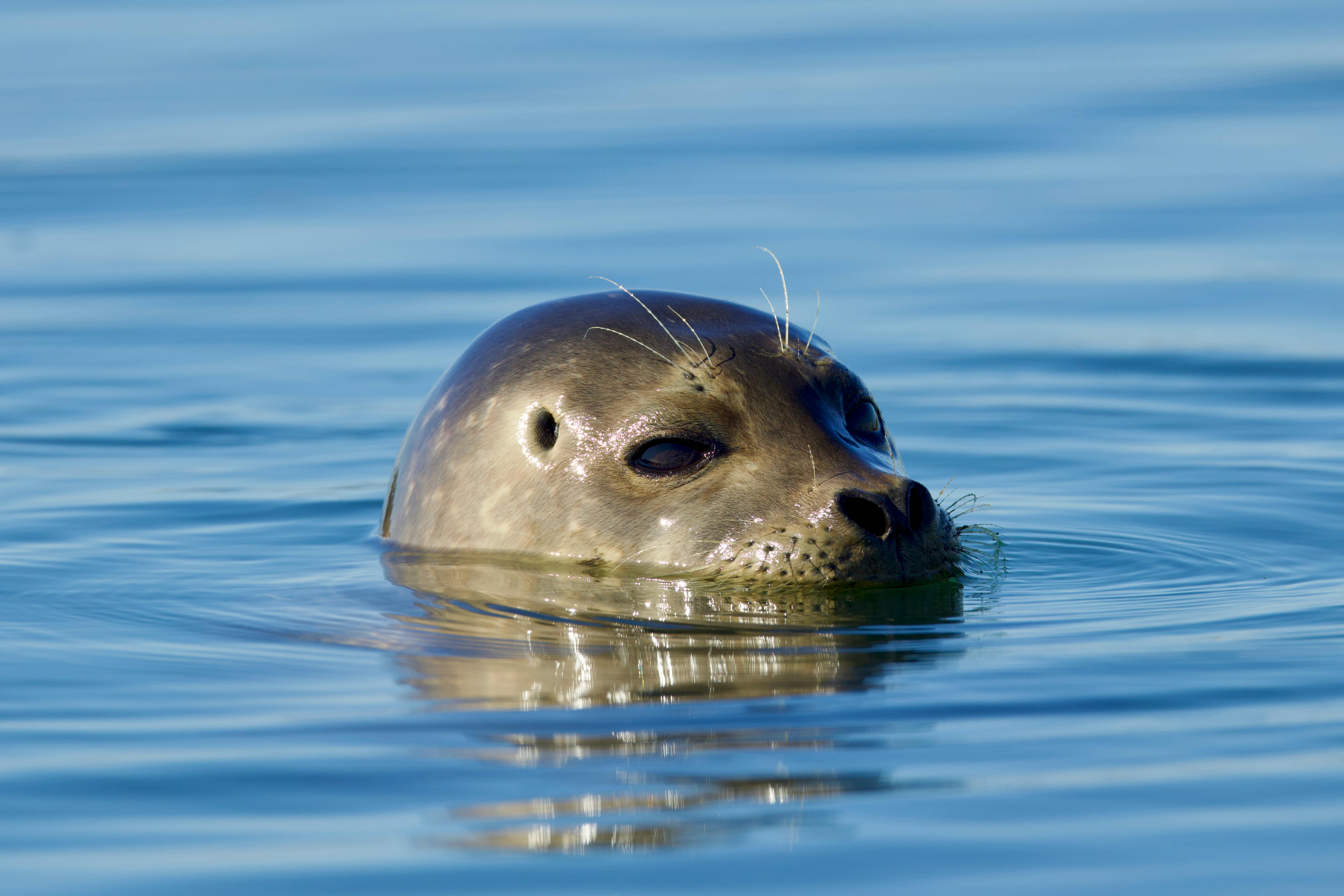
Have you ever wondered why dogs have wet noses? It’s one of those peculiar traits that many dog owners have noticed but not everyone knows why it happens. Dogs noses are wet, and it’s not just for show. There’s actually some fascinating science behind it. Let’s explore the top five reasons your dog’s nose is always wet and uncover the surprising truth behind this curious canine characteristic.
1. Temperature Regulation
One of the main reasons dogs have wet noses is to help regulate their body temperature. Dogs don’t sweat like humans do; instead, they cool down through panting. A moist nose helps in this process. The moisture on their noses evaporates, which cools their blood vessels and contributes to overall temperature regulation. It’s pretty interesting how nature works, right?
- Dogs sweat primarily through:
- Paw pads
- Panting
- Moist nose
2. Enhanced Sense of Smell
Another reason for the wetness is because it enhances a dog’s sense of smell. Dogs have a much more advanced olfactory system than humans. The moisture on their noses helps to trap scent particles, making it easier for them to detect and process smells. When a dog sniffs, the moisture on their nose collects these particles, allowing them to analyze scents more effectively. It’s like having a built-in scent trap!
- Interesting fact: Dogs have up to 300 million smell receptors in their noses, while humans have only about 5 million. This is why your dog can sniff out treats or track scents with such precision.
3. Communication and Social Interaction
Dogs use their noses for more than just sniffing out smelly things. Wet noses can also play a role in communication among dogs. When a dog meets another dog, they often sniff each other’s noses as a form of greeting. A moist nose can signal health and vitality, so a wet nose could indicate a friendly or playful demeanor. Dogs can read a lot from each other’s scents, and a wet nose ensures they don’t miss important social cues.
- Key points in dog communication:
- Wet noses signify friendliness
- Smelling each other is part of social interaction
- Dogs can learn about each other’s health through scent
4. Environmental Factors
The environment can also impact how wet your dog’s nose is. For example, humidity and temperature play significant roles. On a hot, humid day, your dog’s nose might be wetter than usual. Likewise, when it’s cold outside, your dog may have a drier nose. It’s a natural response to the surroundings. So, if you notice changes in your dog’s nose, it could be due to the weather conditions!
- Factors affecting nose moisture:
- Temperature
- Humidity levels
- Activity level
5. Health Indicators
A wet nose can often be a sign of good health, but it’s not the only indicator. Changes in your dog’s nose could signal health issues. A dry or cracked nose can mean dehydration or illness. While a wet nose is typically a sign to celebrate, keeping an eye on your dog’s overall health is crucial. If you notice persistent dryness, it might be worth consulting a veterinarian.
- Signs to watch for:
- Consistently dry nose
- Cracking or peeling
- Changes in color or texture
Table of Dog Nose Conditions
| Condition | Wet Nose | Dry Nose | Possible Cause |
|---|---|---|---|
| Normal | Yes | No | Healthy dog |
| Dehydration | No | Yes | Lack of water intake |
| Allergies | Sometimes | Sometimes | Environmental allergens |
| Illness | Sometimes | Yes | Underlying health issue |
Understanding why dogs have wet noses can deepen your connection with your furry friend. It’s not just an adorable quirk; it serves vital functions for their health and communication. Next time you pet your dog and feel that wet nose, remember it’s more than just a cute feature—it’s a remarkable part of how they navigate and interact with the world! So the next time someone asks, “Why do dogs have wet noses?” you can share these intriguing insights!
Is a Wet Nose a Sign of Health? Uncovering the Truth About Dog Nose Moisture

Is a Wet Nose a Sign of Health? Uncovering the Truth About Dog Nose Moisture, Why Do Dogs Have Wet Noses? The Surprising Truth Revealed!
When you see your dog with a wet nose, you might think it’s a sign of good health. But is that really the case? Many dog owners wonder why do dogs have wet noses and what it means about their furry companions’ well-being. In this article, we will explore the reasons behind wet noses in dogs, debunk some myths, and provide you with the facts you need to know.
Why Do Dogs Have Wet Noses?
Dogs noses are often wet, and there’s a few reasons for this phenomenon. The moisture on a dog’s nose helps enhance their sense of smell. Dogs have an incredible sense of smell, which is way better than humans. A wet nose allows them to absorb scent chemicals more effectively. Some of the reasons why dogs have wet noses include:
- Scent Absorption: The moisture on their nose helps capture scent particles in the air. This allows dogs to pick up more smells than if their noses were dry.
- Temperature Regulation: Dogs cannot sweat like humans. Instead, they cool themselves down through panting and the moisture on the nose helps in regulating their body temperature.
- Health Indicator: While not always a definitive sign, a wet nose can be an indication of a healthy dog. However, it is not the only measure of well-being.
The Myths Around Wet Noses
There’s a lot of myths surrounding the wetness of a dog’s nose. Some people believe that if a dog’s nose is dry, it means they are sick, which isn’t entirely true. A dog’s nose can be affected by various factors like the weather, the environment, and even how much they’ve been playing. Some common myths include:
- Myth 1: A dry nose means a sick dog.
- Myth 2: A wet nose always indicates health.
- Myth 3: All dogs’ noses are wet all the time.
The Science Behind Dog Nose Moisture
The moisture on a dog’s nose is due to secretions from the mucous glands. This moisture serves several purposes:
- Enhanced Smell: The wetness helps in binding scent particles, thus improving their olfactory perception.
- Cooling Mechanism: As mentioned earlier, it helps regulate their body temperature.
- Communication: Dogs also use their noses to communicate with other dogs. A moist nose may indicate that they are curious or excited.
Factors That Influence Nose Moisture
There are many factors that can cause the moisture levels of a dog’s nose to change. Here’s a list of some factors that can influence this:
- Weather Conditions: Cold or dry weather can lead to drier noses.
- Hydration Levels: A dehydrated dog may have a dryer nose.
- Health Issues: Certain health conditions can affect the moisture level. If there is a sudden change, it might warrant a vet visit.
Comparing Wet and Dry Noses
Understanding the differences between wet and dry noses can help you monitor your dog’s health better. Here’s a simple comparison:
Wet Nose
- Usually cool to the touch
- Indicates moisture which helps smell
- Can vary with environment
Dry Nose
- Warmer and sometimes cracked
- May indicate dehydration or health issues
- Can be normal for certain breeds or in specific situations
Practical Examples
Let’s look at a few scenarios to understand better:
- Scenario 1: Your dog comes in from outside after playing in the rain. Their nose is wet. This is normal and shows they are happy and healthy.
- Scenario 2: In winter, your dog’s nose feels dry and warm. If they are acting normally otherwise, it may not be a concern. However, if they seem lethargic, a vet visit is recommended.
- Scenario 3: If your dog’s nose suddenly becomes excessively dry and cracked, it could indicate a problem, and you should consult a veterinarian.
Monitoring your dog’s nose is just one part of keeping an eye on their overall health.
In summary, while a wet nose can be a sign of a healthy dog, it’s not a definitive one. Various factors affect nose moisture, and it’s important to consider the whole picture when assessing your dog’s health. Always consult with a veterinarian if you notice any significant changes in your dog’s behavior or health. Remember, your dog relies on you to keep them happy and healthy!
7 Surprising Benefits of a Wet Nose in Dogs: What Every Pet Owner Should Know
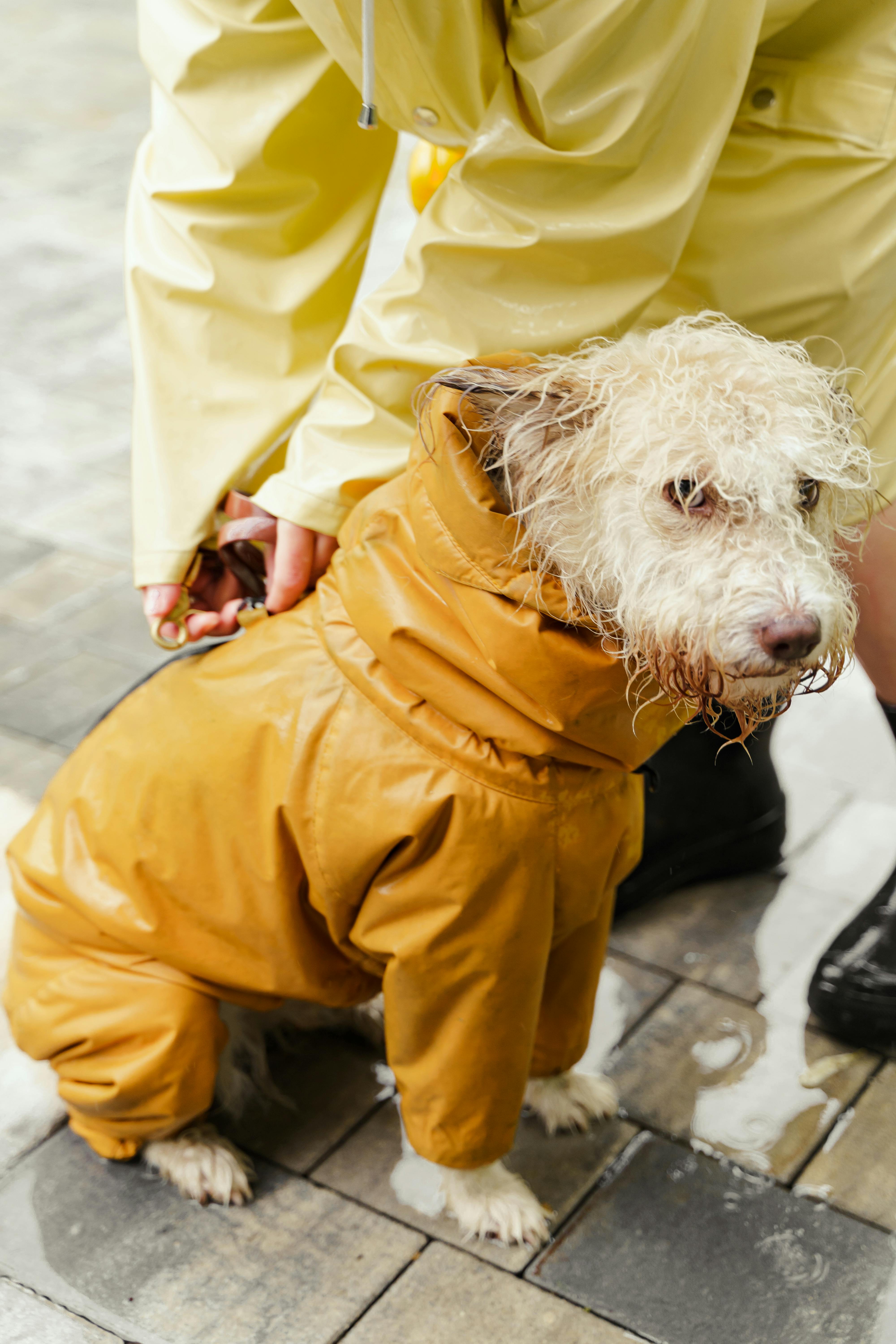
Dogs, those lovable furry companions, have lots of quirks. One of the most interesting things about them is their wet noses. You might have wondered, why do dogs have wet noses? This peculiar trait is not just for show. There are surprising benefits that come with those damp little snouts. Let’s dive into this wet-nosed mystery and uncover 7 surprising benefits of having a wet nose, something every pet owner should know.
1. Enhanced Sense of Smell
Dogs noses, wet or not, are incredibly powerful. But a wet nose helps enhance their sense of smell even more. The moisture on a dog’s nose captures scent particles from the air, allowing them to detect smells much better than us humans. A dry nose might mean they’re not picking up all the scents around them.
- Dogs have about 220 million smell receptors.
- Humans only have about 5 million.
2. Temperature Regulation
A wet nose helps dogs regulate their body temperature. Just like how sweating cools us down, dogs can lose heat through their noses. When they’re feeling hot, their noses tend to get wetter. This is especially important during hot summer days when they need to stay cool.
- Dogs pant to help regulate temperature, but their wet noses plays a role too.
- Dogs with longer snouts often have more efficient cooling systems.
3. Communication Tool
Have you ever noticed your dog nudging you with their nose? A wet nose can also be a form of communication. Dogs use their noses to express affection, seek attention, or even show excitement. The moisture of their nose can indicate their emotional state too.
- A wet nose can mean your dog is happy and healthy.
- A dry nose might signal that they need more hydration, or it could be a sign of illness.
4. Health Indicator
The condition of your dog’s nose can be a health indicator. A wet and cool nose usually indicates that the dog is healthy. Conversely, a persistently dry or cracked nose can indicate various health issues.
- If a dog’s nose is warm, it might be a sign of fever.
- Changes in nose texture or moisture levels should prompt a visit to the vet.
5. Social Bonding
Dogs are social creatures, and their wet noses play a role in bonding with other dogs and humans. Dogs greet each other by sniffing, and a moist nose encourages this behavior. It helps them gather information about their surroundings and the other animals or people they encounter.
- Dogs have unique scents that they recognize through their noses.
- This social interaction helps create strong bonds within communities of pets.
6. Encourages Hydration
A wet nose is a sign that your dog is well-hydrated. This is critical for their health, as dehydration can lead to serious issues. Dogs often lick their noses, which helps keep them hydrated, but it also encourages them to drink more water.
- Dogs should drink about an ounce of water per pound of body weight daily.
- If your dog’s nose is dry, it might be a good idea to monitor their water intake.
7. Greater Awareness of Surroundings
When dogs have wet noses, they’re more aware of their surroundings. The moisture allows them to pick up scents and environmental cues. This means that they can identify potential dangers or interesting things much quicker than if their noses were dry.
- Wet noses help dogs detect food, other animals, and even people from afar.
- This heightened awareness is essential for their survival instincts.
Why Do Dogs Have Wet Noses? The Surprising Truth Revealed!
So, why do dogs have wet noses? It’s not just a quirk of nature; it’s an evolutionary trait that serves multiple purposes. From enhancing their sense of smell to regulating their temperature, a wet nose is vital for a dog’s health and well-being.
Moreover, understanding these benefits can help pet owners take better care of their furry friends. Keeping an eye on the condition of your dog’s nose can be a simple yet effective way to monitor their health.
In summary, the wet noses of dogs are not merely cute features; they are critical to a dog’s functioning and health. Paying attention to these small details can lead to a happier, healthier life for your pet. So next time you see that damp little snout, remember just how important it is!
How Do Dogs Use Their Wet Noses to Understand the World Around Them?
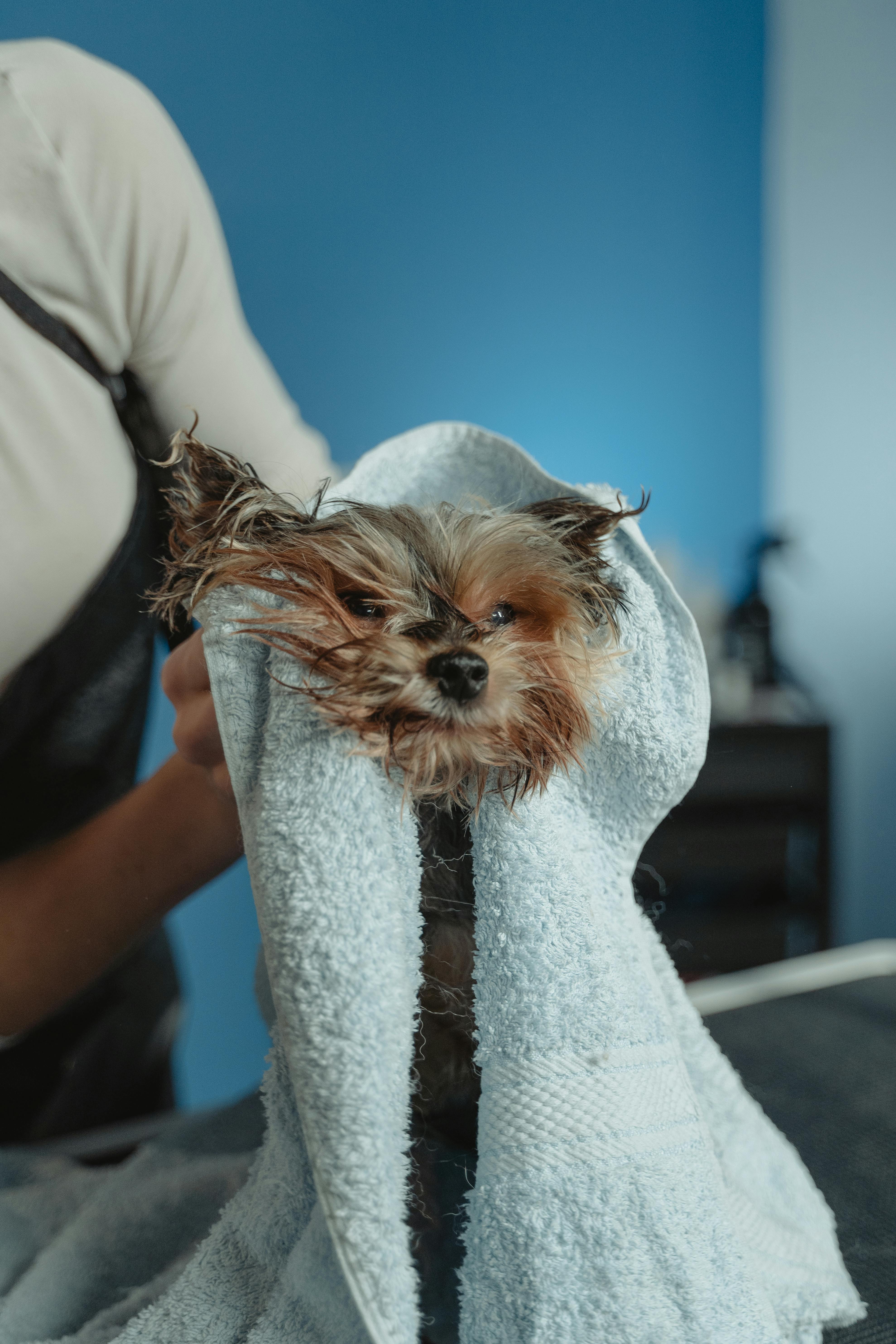
Dog noses are kinda fascinating, right? Ever wonder why they’re wet and what all that moisture does for them? Dogs have this superpower of smelling, which helps them understand their surroundings in ways we can’t even imagine. Let’s dive into the world of our furry friends and find out how their wet noses play a vital role in their lives.
The Science Behind Wet Noses
So, why do dogs have wet noses? Well, there’s actually a few reasons for that moistness. A wet nose helps enhance a dog’s sense of smell. Their noses are packed with scent receptors, and moisture helps to capture scent particles. When a dog sniffs around, the wetness allows those tiny scent molecules to stick better, making it simpler for them to identify different smells.
- Dogs have up to 300 million scent receptors, compared to humans’ 5 million.
- The wetness on their noses helps them absorb and process smells better.
- A dog’s sense of smell is estimated to be between 10,000 to 100,000 times more sensitive than ours.
How Do Dogs Use Their Wet Noses to Understand the World Around Them?
Dogs are like little detectives when they sniff around. They use their noses to gather information about their environment, other animals, and even humans. Here’s how they do it:
Identifying Other Animals: When a dog sniffs another dog, they can gather information about that dog’s age, gender, health, and even emotional state. It’s like a full profile just from a good whiff!
Finding Food: Dogs can smell food from miles away. The wetness on their noses helps them pick up on the more subtle scents, leading them to their next meal or snack.
Detecting Danger: Dogs can smell fear or stress in humans. Their wet noses help them pick up on pheromones that indicate when someone is afraid or anxious, which can be crucial for service dogs or therapy dogs.
Navigating Their World: The moisture on their noses also helps them detect changes in the environment, like humidity or temperature, which allows them to orient themselves better in their surroundings.
Why Is A Wet Nose So Important?
The wetness of a dog’s nose isn’t just for show. It plays several essential roles:
Thermoregulation: Dogs can’t sweat like humans do. Their wet noses help to cool them down when they pant. The evaporation of moisture contributes to their body temperature regulation.
Health Indicator: A dog’s wet nose can also be an indicator of their health. A dry or excessively warm nose may suggest that something isn’t right, like dehydration or fever.
Social Interaction: Dogs often greet each other with a nose touch or sniff, and a wet nose can create a friendly, inviting atmosphere. This is how they communicate and bond with each other.
The Surprising Truth Revealed!
There’s some interesting history behind why dogs have developed this unique feature. The evolution of dogs from wolves has greatly influenced their sense of smell. Wolves rely heavily on their noses for hunting and survival. Over thousands of years, domesticated dogs have retained this remarkable ability, which still serves them well in our homes and lives.
Fun Facts About Dog Noses
- Dogs have a unique nose print, much like human fingerprints. It can actually be used to identify them!
- The color of a dog’s nose doesn’t affect its smelling ability; both black and pink noses are equally capable of detecting scents.
- Dogs can even detect diseases like cancer and diabetes through their sense of smell, which is being utilized in some medical research.
Practical Example: How to Keep Your Dog’s Nose Healthy
Keeping a dog’s nose in good shape is important. Here are a few tips:
- Hydration: Always provide fresh water so your dog stays hydrated.
- Moisturizing: If you notice your dog’s nose is too dry, consider using a dog-safe moisturizer.
- Regular Vet Check-ups: Regular visits to the vet can help catch any potential issues early.
In conclusion, the wet nose of a dog is much more than a cute feature; it’s a vital tool that helps them navigate and understand the world. With their incredible sense of smell and the role that moisture plays in enhancing it, dogs are truly remarkable creatures. So, next time you pet your pooch and feel that damp little nose, remember just how much it contributes to their experience of life!
The Role of Temperature Regulation: Why Dogs’ Noses Stay Cool and Wet
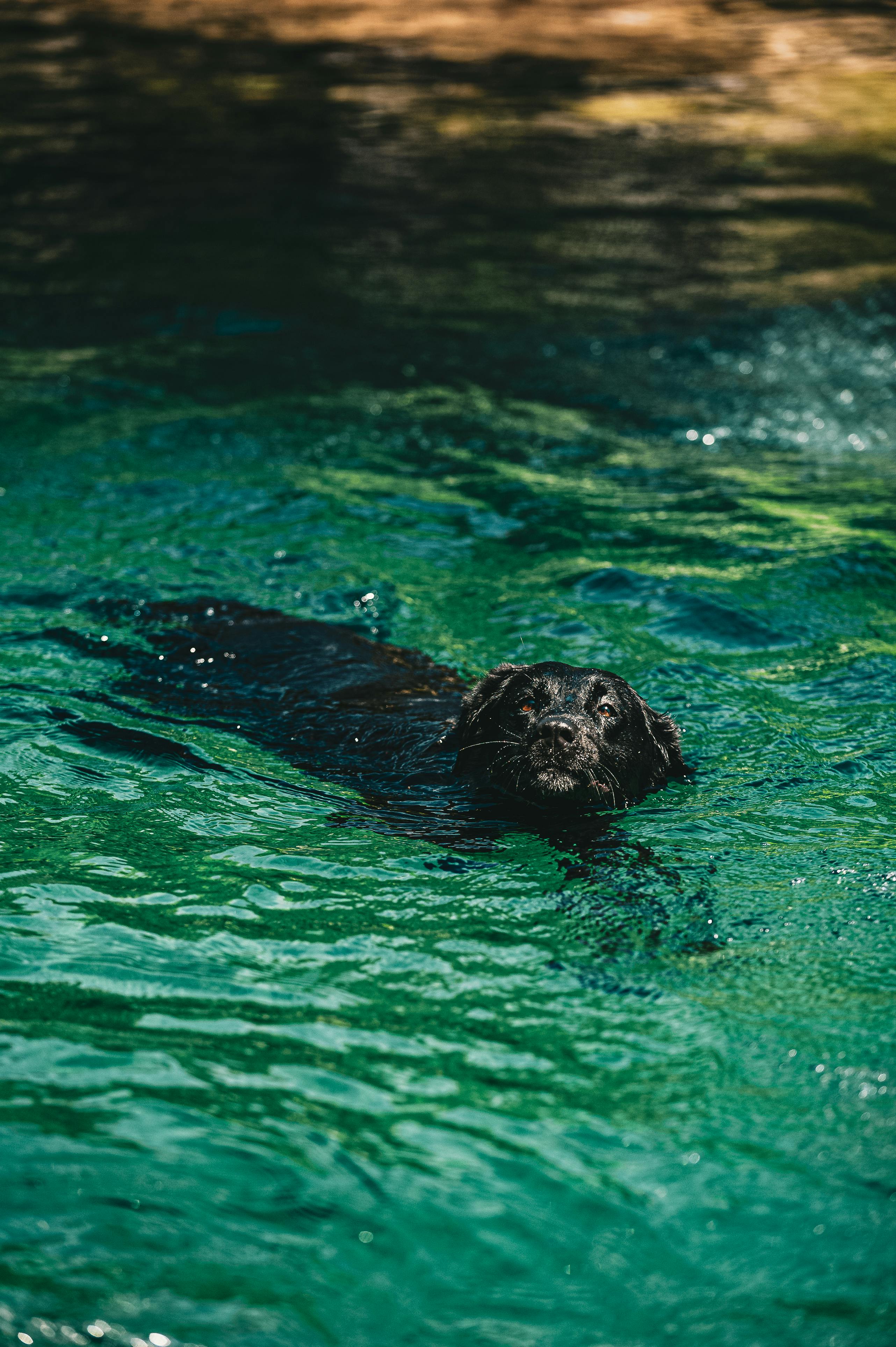
Dogs are some of the most beloved pets in the world, and their unique physical traits often spark curiosity among dog lovers. One of these peculiarities, that really catch people’s attention, is why do dogs have wet noses? It’s a question that many pet owners ask, and the answer is both fascinating and complex.
What Makes Dogs’ Noses Wet?
Dogs have wet noses primarily due to a combination of factors related to their biology and the role of temperature regulation. The moisture found on a dog’s nose helps them to sense the environment better. A wet nose is often a sign that the dog is healthy, as it plays an important role in their ability to smell and cool themselves down.
- Dogs’ noses are covered with a thin layer of mucus.
- This mucus helps to capture scent particles.
- The wetness enhances their olfactory capabilities, making them better at detecting smells.
Temperature Regulation in Dogs
Temperature regulation is crucial for dogs, and their noses play a key part in this process. Unlike humans who sweat to cool down, dogs primarily rely on panting and their noses. When a dog has a wet nose, it can help to lower its body temperature effectively.
- Cooling Mechanism: The moisture evaporates, which helps to cool the dog’s body.
- Scent Detection: A wet nose can absorb scent particles more effectively, which is why dogs often sniff things before they decide to smell them.
Why Do Dogs’ Noses Stay Cool?
The coolness of a dog’s nose can be attributed to several biological factors. Here are a few notable ones:
- Blood Flow: The nose contains a lot of blood vessels close to the surface, which helps to regulate temperature.
- Nasal Mucosa: This special tissue helps to keep the nose moist and cool.
- Humidity Levels: Dogs may also adapt their nose’s moisture based on the humidity levels in their environment.
Historical Perspective on Dogs’ Noses
Historically, the anatomy of a dog’s nose has evolved for various reasons. Early domesticated dogs used their keen sense of smell for hunting and tracking, so having a wet nose would have been advantageous. Over time, the physiological features that aided in this capability were passed down through generations.
- Breeds and Noses: Certain breeds, like Bloodhounds, have exceptionally wet noses due to their high reliance on scent for tracking.
- Evolutionary Advantage: Dogs with better scent detection abilities likely had greater survival rates.
Common Myths About Dogs’ Noses
There are a number of myths surrounding the significance of a dog’s nose. Here are some common misconceptions:
Myth 1: A warm nose means a dog is sick.
- Reality: Dogs’ noses can vary in temperature for many reasons unrelated to health.
Myth 2: A dry nose is always a sign of dehydration.
- Reality: Many factors, including climate and activity level, affect nose moisture.
Myth 3: Dogs’ noses should always be wet.
- Reality: A nose can be dry sometimes without indicating health problems.
Fun Facts About Dogs’ Noses
- Dogs have approximately 220 million scent receptors in their noses, compared to about 5 million in humans.
- Their ability to detect certain scents is estimated to be 10,000 to 100,000 times better than that of humans.
- The shape and structure of a dog’s nose can differ significantly between breeds, influencing their scenting abilities.
Practical Tips for Dog Owners
If you’re a pet owner, here are some practical tips to ensure your dog’s nose stays healthy:
- Hydration: Always provide fresh water to keep your dog hydrated.
- Environment: Be aware of the climate; hot weather can dry out a dog’s nose.
- Veterinary Check-ups: Regular vet visits can help catch any underlying issues that might affect your dog’s health, including their nose.
Understanding the role of temperature regulation and why do dogs have wet noses can enhance the bond between you and your furry friend. It’s a reminder of how unique and special dogs are in our lives, and how their bodies have adapted to thrive alongside humans. So the next time you notice your dog’s cool, wet nose, remember it’s not just cute—it’s a remarkable part of their biology!
Curious Canines: What Your Dog’s Wet Nose Says About Their Emotions
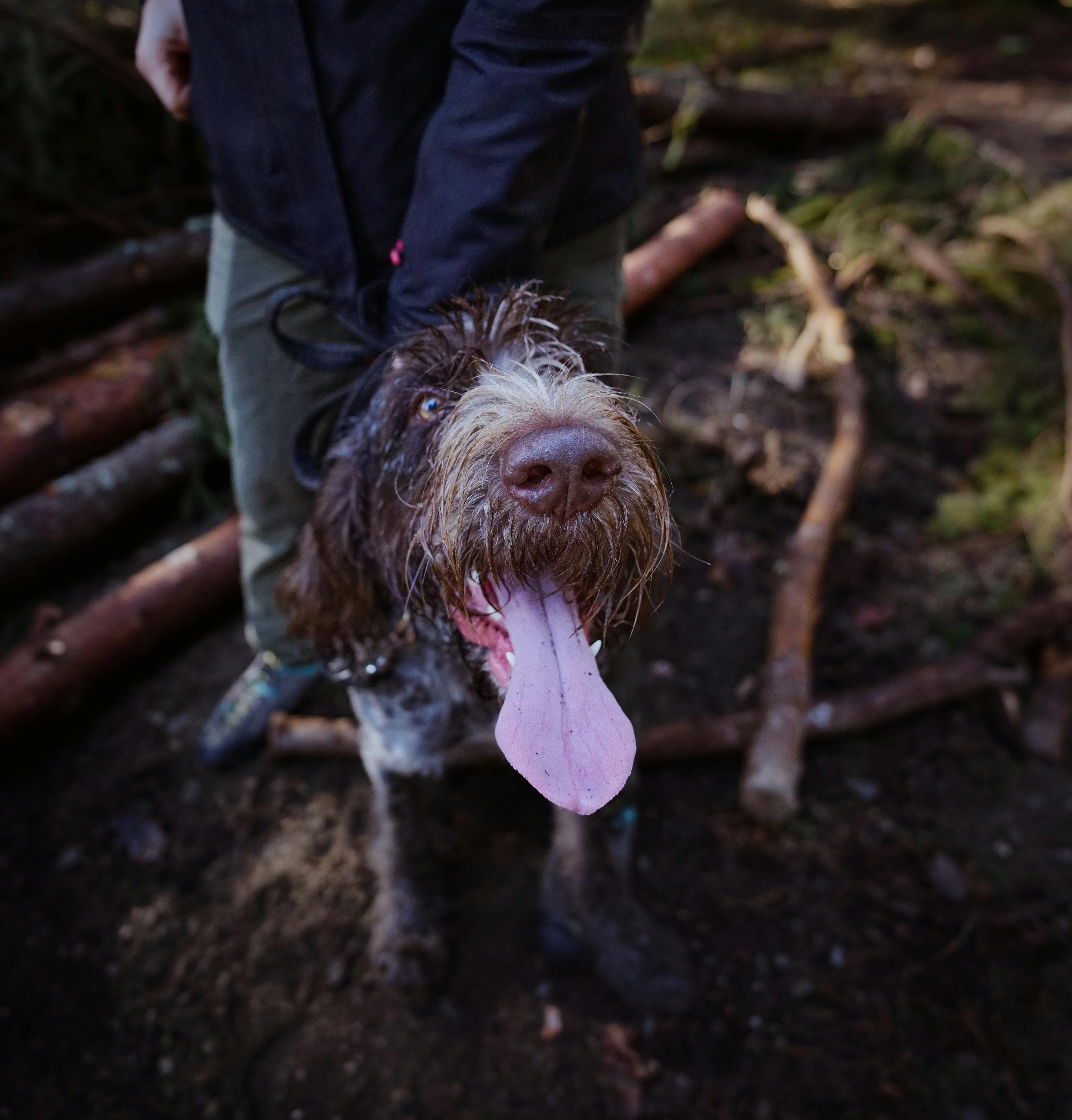
When you think about dogs, one of the first things that come to mind might be their wet noses. Have you ever wondered why is it that their noses are always damp? Or what that wet nose means about how they feel? Dogs can’t talk, but they sure communicate a lot through their body language and behavior. In this article, we gonna explore the curious world of our canine friends and what their wet noses might reveal about their emotions.
Why Do Dogs Have Wet Noses?
Dogs have wet noses for several reasons, some of which are pretty fascinating. First off, a wet nose helps them to smell better. Dogs have an exceptional sense of smell – it’s estimated to be 10,000 to 100,000 times more sensitive than humans. When their noses are moist, it helps to absorb scent particles from the air, allowing them to detect smells more effectively.
Other reasons why dog’s noses are wet include:
- Cooling Mechanism: Dogs don’t sweat like humans do. Instead, they can cool down through their noses. The moisture helps regulate their body temperature.
- Health Indicator: A healthy dog usually has a cool, moist nose. If a dog’s nose is dry or warm, it could signal potential health issues.
- Grooming: Dogs often lick their noses. This behavior keeps their noses clean and moist, and it could also be a soothing action for them.
What Your Dog’s Wet Nose Says About Their Emotions
Dogs communicate through more than just barks or growls. Their wet noses can reflect how they feel, too. Here’s a breakdown of what their noses may be saying:
- Excitement: If your dog’s nose is especially wet and they are wagging their tail or jumping around, it often indicates they are thrilled.
- Curiosity: A wet nose can signal that a dog is intrigued by something. They might sniff around with enthusiasm, showing they wanna learn more about their environment.
- Calmness: A moist nose when the dog is relaxed or resting could mean they feel safe and secure in their surroundings.
- Anxiety or Stress: If a dog’s nose becomes unusually dry, it could indicate that they are feeling stressed or anxious. This might be the case during loud noises like thunderstorms or fireworks.
Historical Context of Dogs’ Noses
Dogs have been companions to humans for thousands of years, and their noses have been a topic of interest for just as long. Ancient civilizations believed that dogs were connected to supernatural realms, and their keen sense of smell was seen as a gift. In fact, some cultures even thought that dogs could smell emotional changes in humans, which may still hold some truth today.
Fun Facts About Dogs’ Noses
Here are some interesting tidbits about those adorable wet noses:
- Dogs have about 300 million smell receptors in their noses, compared to about 5 million in humans.
- The unique pattern of a dog’s nose print is as individual as a human fingerprint.
- Dogs can detect certain diseases, like cancer, by smelling changes in the body.
Tips for Caring for Your Dog’s Nose
Keeping your dog’s nose healthy is important, too. Here’s how you can do that:
- Regular Vet Checkups: Make sure to take your dog to the vet regularly. They can help identify any potential issues with your dog’s nose.
- Hydration: Ensure your dog is drinking enough water. Dehydration can lead to a dry nose.
- Avoid Irritants: Protect your dog’s nose from harsh chemicals or allergens that could cause irritation.
Conclusion
Understanding your dog’s wet nose can help you better interpret their emotions and overall health. From excitement to anxiety, a dog’s nose can tell you a lot if you just pay attention. So next time you see your furry friend with that adorable, damp nose, think about all the things it might be saying about how they feel. It’s just one more way our curious canines communicate with us in their own special language. Always remember to keep their noses healthy and consult a vet if you notice any unusual changes. Your dog’s well-being depends on it!
Debunking Myths: Wet Noses and Dog Health—What You Really Need to Know
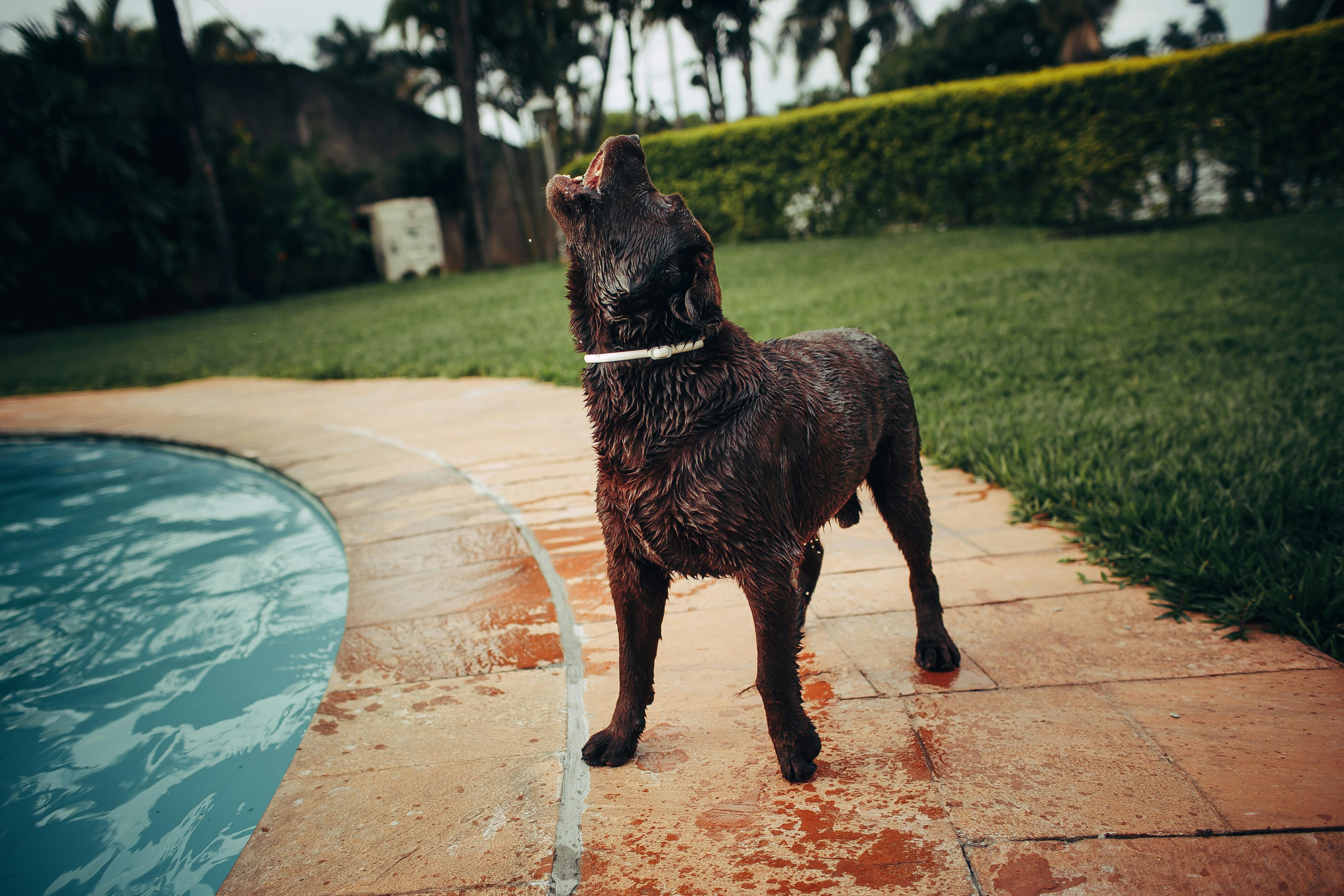
When we think about our furry friends, one of the first things that comes to mind is usually their noses. Many people wonder, “Why do dogs have wet noses?” This question often leads to a bunch of myths and misconceptions about dog health. So, let’s dive into the truth behind those wet noses and dispel some common myths surrounding them.
Understanding the Wet Nose Phenomenon
A dog’s nose is not just cute; it serves a purpose. The wetness of a dog’s nose is mainly due to the secretion of mucus, which helps to enhance their sense of smell. The moisture on their nose traps scent particles, making it easier for them to detect various smells in their environment. This is crucial for dogs, as their sense of smell is estimated to be anywhere from 10,000 to 100,000 times more sensitive than that of humans!
Common Myths About Wet Noses
Myth: A Wet Nose Means a Healthy Dog
- Many people believe that if a dog’s nose is wet, it must be healthy. However, while a moist nose can indicate a healthy pup, it’s not a definitive sign. A dog can have a wet nose and still be sick. Conversely, a dry nose doesn’t necessarily mean there’s a health issue. Factors such as weather, activity level, and even the time of day can affect nose moisture.
Myth: Dogs Lick Their Noses to Cool Off
- Some folks think dogs lick their noses to regulate body temperature. But this isn’t true. Dogs do cool down mainly through panting, and while licking their noses can help keep it moist for scent detection, it’s not a cooling mechanism.
Myth: Wet Noses Are Always Associated with Illness
- Just because a dog has a wet nose doesn’t mean it’s sick. It can be a normal part of their physiology. Illness can be indicated by other symptoms like lethargy, loss of appetite, or changes in behavior, not just by the condition of their nose.
Reasons for Nose Wetness
- Natural Secretion: Dogs produce mucus to keep their noses moist.
- Environmental Factors: Humidity and temperature can influence how wet a dog’s nose gets.
- Behavioral Traits: Dogs often lick their noses, adding moisture and keeping their sense of smell sharp.
What You Should Pay Attention To
While a wet nose is generally normal, there are other signs that can indicate a dog’s health status. Here’s a quick checklist of symptoms to watch for:
- Changes in Appetite: If your dog suddenly stops eating, it could be a sign of an underlying issue.
- Energy Levels: A sudden drop in energy might indicate something is wrong.
- Behavior Changes: If your usually social dog becomes withdrawn, it may be time for a vet check.
- Nose Changes: If a dog’s nose becomes excessively dry, cracked, or shows signs of discharge, it warrants a vet visit.
Historical Context of Dog Noses
Historically, humans have relied on dogs for various tasks, from hunting to herding. Their keen sense of smell has always been an asset. Ancient civilizations recognized this, using dogs for tracking and detecting scents. This relationship has evolved, and now we see dogs employed in search-and-rescue missions and even in medical detection.
Fun Facts About Dog Noses
- Unique Patterns: Just like human fingerprints, each dog’s nose print is unique.
- Scent Detection: Dogs can be trained to detect diseases like cancer, diabetes, and even COVID-19 through scent.
- Temperature Regulation: Dogs sweat through their paws, but their noses also play a small role in regulating body temperature.
Comparison: Dog Noses vs. Human Noses
| Feature | Dog Nose | Human Nose |
|---|---|---|
| Sense of Smell | 10,000 to 100,000 times more sensitive | Relatively less sensitive |
| Nose Wetness | Naturally moist for scent trapping | Can be dry or moist |
| Temperature Regulation | Limited, primarily through panting | Can cool through moisture |
Understanding why dogs have wet noses is crucial for any pet owner. Those wet noses are not just adorable; they serve significant purposes.
So, the next time someone asks you, “Why do dogs have wet noses?” you can confidently share the facts and debunk some of the myths surrounding this fascinating aspect of dog health. Remember, it’s always best to consult a veterinarian for any concerns about your dog’s health rather than relying solely on myths or assumptions. Dogs bring us so much joy, and understanding their health better helps strengthen our bond with them.
10 Interesting Facts About Dog Noses That Will Change Your Perspective
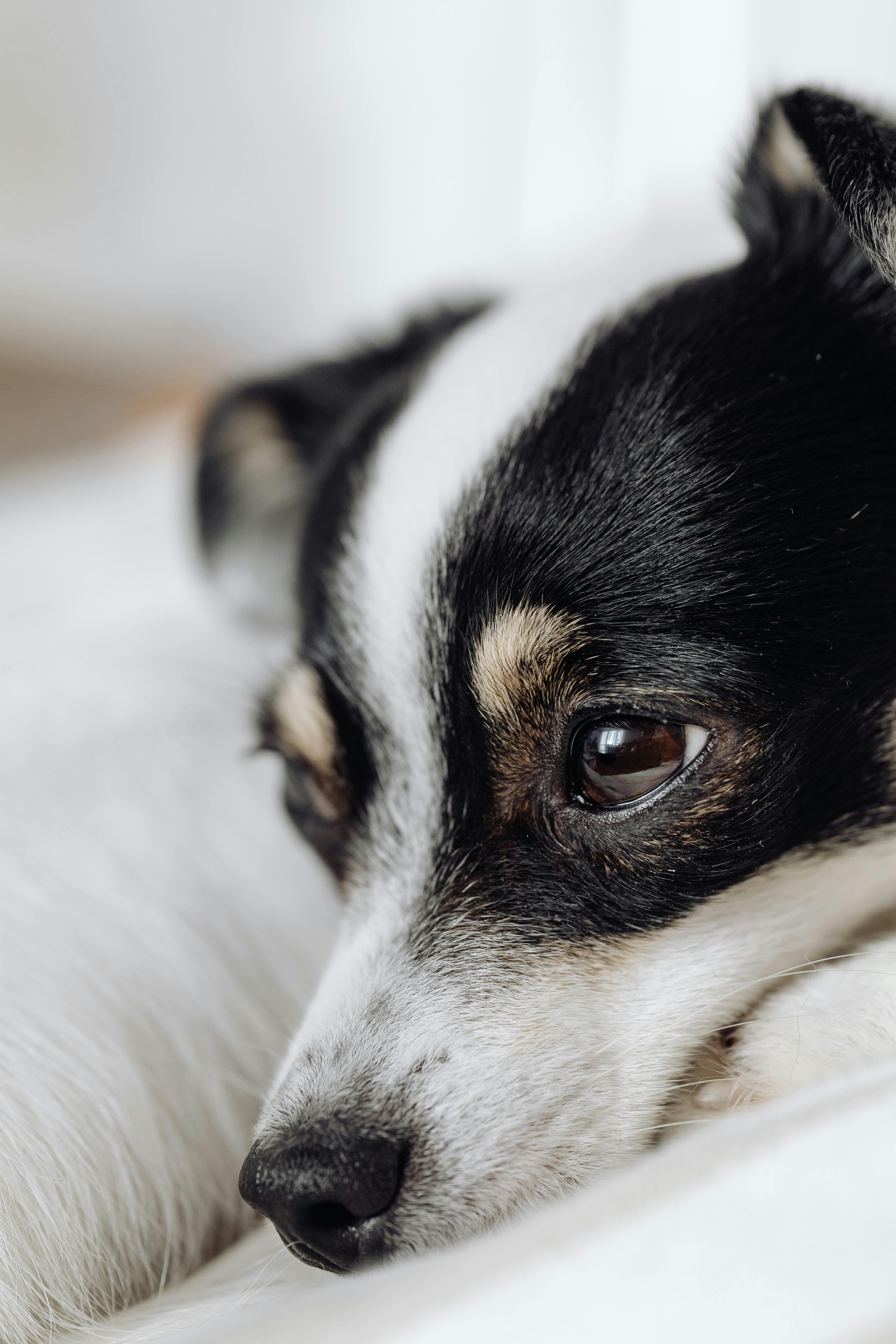
When it comes to our furry friends, doggies are full of surprises. One of the most fascinating aspects of dogs is their noses, especially the fact that they are often wet. If you’ve ever wondered why do dogs have wet noses, you’re not alone. In fact, the wetness of a dog’s nose plays a crucial role in their health and ability to interact with the world. Here’s a look at 10 interesting facts about dog noses that will totally change your perspective on these wonderful creatures!
1. The Science Behind Wet Noses
Dogs have moist noses for a couple of reasons. The first reason being that it helps them sense smells better. A wet nose captures more scent particles from the air, which allows dogs to smell things much more acutely than humans can. Also, a wet nose helps to regulate a dog’s body temperature. Just like how we sweat, dogs can lose heat through their noses!
2. The Role of Mucus
The mucus that coats a dog’s nose is not just for show. It contains proteins that help to absorb scent molecules. This means that when you see your dog sniffing around, they are actually using their noses to gather information about their environment. Isn’t that incredible?
3. Unique Nose Prints
Every dog has a unique nose print, much like a human fingerprint! This means that you could actually use your dog’s nose print for identification. Some organizations even advocate for using nose prints as a means to identify lost pets.
4. Dogs vs. Humans: The Smell Comparison
Humans have about 5 million scent receptors in their noses, while dogs have around 220 million! This incredible difference means that dogs can detect smells that are 40 times weaker than what humans can. For example, while we might be able to smell a delicious pizza from a block away, a dog could smell it from several miles away.
5. Wet Noses and Health Indicators
A dog’s wet nose can also be an indicator of their health. Generally, a cool, wet nose is a sign of a healthy dog. If a dog’s nose is dry or warm, it might indicate an illness. But remember, this is not a foolproof method. Always consult your vet if you notice significant changes in your dog’s nose or overall behavior.
6. Noses and Emotional Connection
Dogs also use their noses to connect with their human companions. When a dog smells you, they are gathering information about your emotional state. They can sense your stress, happiness, or even sadness through your scent. This is one of the reasons why dogs are so great at providing emotional support.
7. The Evolution of Dog Noses
Dogs have evolved from wolves, and their sense of smell has drastically improved over thousands of years. They have developed specialized functions in their olfactory systems that make them incredibly adept at sniffing out food, other animals, and even diseases like cancer in humans.
8. Dogs and Their Sense of Direction
Believe it or not, dogs can actually use their sense of smell to navigate. They can follow scent trails over long distances, which has historically been used in hunting and tracking. Some breeds, like Bloodhounds, are particularly good at this and can follow a scent trail that’s several days old!
9. The Effect of Weather on Nose Wetness
Interestingly, the weather can affect how wet a dog’s nose is. On hot days, you might find your dog’s nose is a little drier. This is a natural response to heat. Conversely, during cooler or rainy days, their noses tend to be wetter.
10. The Cultural Significance of Dog Noses
In various cultures, a dog’s nose is seen as a symbol of loyalty and companionship. This perception has led to many myths and stories about dogs and their noses throughout history. For instance, in some traditions, a wet nose is thought to bring good luck!
Quick Facts About Dog Noses
- Scent Receptors: Dogs have about 220 million; humans have 5 million.
- Nose Prints: Unique to each dog, just like fingerprints.
- Health Indicator: A cool, wet nose often signals a healthy dog.
- Smell Navigation: Dogs can track scents over long distances and even days old.
Understanding why do dogs have wet noses not only enriches our appreciation for these amazing animals but also deepens our bond with them. So next time you give your pup a scratch behind the ears, remember that their wet noses are not just adorable, they’re also a gateway to a whole world of scents and emotions that connects them to us. Isn’t that a beautiful thought?
How to Care for Your Dog’s Nose: Tips for Maintaining Optimal Moisture Levels
When it comes to our furry friends, many of us often wonder about the unique features they have. One of the most curious aspects of dogs is their wet noses. Have you ever thought about why do dogs have wet noses? Well, there is more than just a cute factor to it! Understanding how to care for your dog’s nose is also essential for their overall health. So, let’s dive into the fascinating world of canine noses and how to maintain their moisture levels.
Why Do Dogs Have Wet Noses?
Dogs’ noses is wet for several reasons, and it’s not just for show. The moisture in a dog’s nose serves important functions. Here are some key points to consider:
Enhanced Scent Detection: Dogs’ noses are equipped with a special mucous that helps trap scent particles. This makes it easier for them to identify different smells, which is why they have an extraordinary sense of smell compared to humans.
Cooling Mechanism: Just like sweating in humans, dogs lose heat through their noses. A wet nose helps to regulate their body temperature, especially on hot days.
Health Indicator: A wet nose is often a sign of a healthy dog. If your dog’s nose suddenly becomes dry or cracked, it might indicate dehydration or illness. It’s always good to keep an eye on those changes.
How to Care for Your Dog’s Nose
Caring for your dog’s nose isn’t something that should be overlooked. Here are tips for maintaining optimal moisture levels in your dog’s nose:
Keep Them Hydrated: It’s crucial to ensure your dog is drinking enough water. Dehydration can lead to a dry nose. Make sure you provide fresh water daily.
Regular Check-ups: Visits to the vet should include nose inspections. Your veterinarian can spot issues that might not be obvious, such as infections or allergies.
Avoid Irritants: Stay away from strong cleaning products or air fresheners that can irritate your dog’s sensitive nose. Natural products are often a safer choice.
Nose Balms: Just like our lips can chap, dogs’ noses can too. Using a pet-safe nose balm can help maintain moisture levels and prevent cracking.
Monitor for Changes: If you notice any unusual changes in your dog’s nose, such as discoloration or excessive dryness, consult your vet. Early detection can make a big difference.
Moisture Levels: What’s Normal?
Knowing what a normal nose looks like is essential. Here’s a simple guide:
- Normal: Moist and cool to the touch.
- Slightly Dry: This can be okay, especially after waking up, but should return to normal within a short time.
- Excessively Dry: Can indicate dehydration or health issues, and should be checked by a vet.
- Cracked or Bleeding: This is a sign that immediate veterinary attention is needed.
Fun Facts About Dog Noses
Did you know that a dog’s nose print is as unique as a human fingerprint? Here are more interesting tidbits about dog noses:
- Dogs have approximately 300 million scent receptors in their noses, compared to about 6 million in humans.
- The wetness of a dog’s nose can vary with the weather. For example, they might have drier noses on a hot day.
- Dogs can detect certain diseases, including cancer, through their sense of smell.
- The color of a dog’s nose can change with the seasons – some dogs have “winter noses” that are darker in cold months.
The Bottom Line
Understanding why do dogs have wet noses and how to care for them is essential for any dog owner. A wet nose is not just an adorable feature; it’s a vital part of their health and well-being. By keeping your dog’s nose moist, monitoring for changes, and providing plenty of hydration, you can help ensure they remain happy and healthy. So next time you give your pet a little pat on the head, take a moment to appreciate that wet nose and all the incredible things that come with it! Remember, happy dog, happy life!
Conclusion
In conclusion, the wet noses of dogs serve multiple important purposes, from enhancing their sense of smell to regulating body temperature. Dogs have a unique ability to absorb moisture through their nasal passages, which helps them detect scents more effectively. Additionally, a wet nose can indicate a healthy dog, as it often signifies hydration and good overall health. While the reasons behind this fascinating feature are rooted in biology, it also underscores the deep bond we share with our canine companions. Understanding why dogs have wet noses can deepen our appreciation for their unique anatomy and behaviors. So, the next time you notice that familiar cool touch against your skin, remember the vital role it plays in your dog’s life. Embrace your pet’s quirks and ensure they stay healthy and hydrated—because a happy pup with a wet nose is a joy to behold!
