
Have you ever wondered, why do dogs have wet noses? This intriguing question sparks curiosity among pet owners and animal lovers alike! The mystery behind a dog’s wet nose is not just a quirky trait; it’s a sign of their health and wellbeing. In this blog post, we will explore the fascinating reasons behind this unique phenomenon. You might be surprised to learn that a dog’s wet nose serves multiple purposes, from enhancing their sense of smell to regulating their body temperature. Have you noticed your furry friend’s nose feeling cool and moist? This is actually a natural characteristic that helps them better interact with their environment. As we dive deeper into the reasons why dogs have wet noses, you’ll discover how this feature plays a vital role in their communication and emotional state. Plus, we’ll discuss common myths and facts that every dog owner should know! So, if you’re curious about the science behind your pet’s adorable snout, keep reading! Understanding the importance of a wet nose can help you care for your pup even better. Join us on this journey to uncover the secrets that make your dog so special!
Unveiling the Mystery: Why Do Dogs Have Wet Noses? The Science Behind It Explained

Dogs are more than just loyal companions; they are also fascinating creatures with some intriguing biological traits. One of the most common questions pet owners often ask is, “Why do dogs have wet noses?” This seemingly simple question uncovers a world of science and evolutionary purpose behind the moistness that many of us find endearing. So, let’s dive into this topic, exploring the reasons why dogs have wet noses and what it means for their health and behavior.
The Biological Purpose of a Wet Nose
Dogs’ noses are wet for very good reasons, mostly related to their health and sense of smell. A wet nose is not just a cute trait; it’s essential for a dog’s survival. Here’s a breakdown of the main reasons:
Enhanced Sense of Smell: Dogs have a remarkable olfactory system, and moisture helps to capture scent particles. When a dog’s nose is wet, it can absorb these molecules better, which enhances their ability to smell. This is crucial for their communication and hunting instincts.
Cooling Mechanism: Dogs don’t sweat like humans do. Instead, they cool off through panting and the moisture on their noses. The evaporation of this moisture helps regulate their body temperature, especially during hot weather.
Health Indicator: A wet nose can indicate good health in dogs. While a dry nose isn’t necessarily a sign of illness, a significantly dry or cracked nose might suggest dehydration or health issues. Regular checks on your dog’s nose can be an easy way to monitor their health.
The Science Behind Nasal Moisture
Understanding the science behind why dogs have wet noses can be complicated, but here’s the gist. The moisture you feel on a dog’s nose comes from a combination of mucus and saliva. When dogs lick their noses, the saliva helps keep the nose hydrated. The moisture also creates a surface that can absorb scent particles, making it easier for dogs to interpret the world around them.
Historical Context and Evolution
Historically, dogs developed wet noses as they evolved from wolves. Wolves, like their domesticated counterparts, rely heavily on their sense of smell for survival. Over time, those with wetter noses may have had advantages when hunting and navigating their environments. This innate characteristic has been passed down through generations, making it a defining trait of modern dogs.
A Comparison: Dogs vs. Other Animals
To understand just how special a dog’s nose is, let’s compare it to other animals.
| Animal | Nose Type | Functionality |
|---|---|---|
| Dogs | Wet and cold | Enhanced sense of smell, cooling |
| Cats | Dry and warm | Good sense of smell, but less sensitive |
| Horses | Dry and warm | Primarily used for communication |
| Humans | Warm and dry | Limited sense of smell |
From this table, you can see that dogs have unique adaptations that contribute to their survival and ability to interact with the world. Their wet noses are a crucial part of their sensory system.
Fun Facts About Dog Noses
Here are some fun facts about dog noses that you might find interesting:
- Dogs have up to 300 million smell receptors, compared to about 5 million in humans.
- The shape of a dog’s nose can vary greatly between breeds, affecting their sense of smell.
- Dogs can identify scents in parts per trillion, making them exceptional at scent detection tasks.
- A dog’s nose print is unique, much like a human fingerprint, and can be used for identification.
Practical Examples of Nose Use
Dogs use their noses in various practical ways, including:
- Search and Rescue: Dogs are often employed in search-and-rescue missions to locate missing persons.
- Detecting Diseases: Some dogs are trained to detect certain diseases, including cancer, through scent.
- Tracking: Dogs can follow scent trails, making them useful in hunting and law enforcement.
Incorporating this knowledge about why do dogs have wet noses can enrich your understanding of your furry friend. It’s not just a quirk; it’s a blend of biology, evolution, and practical function.
A wet nose is a hallmark of a healthy dog, so cherish those moments when your pup nudges you with their moist snout. It’s not just a greeting; it’s a reminder of the complex and fascinating biology of dogs. Understanding these traits can deepen the bond you share with your canine companion, making every wag of the tail even more special.
Top 5 Fascinating Reasons Dogs Have Moist Noses – Discover the Benefits!

Dogs are often known for their playful nature, but have you ever wondered why do dogs have wet noses? It’s not just an adorable trait; there’s actually some fascinating reasons behind it. In fact, moist noses can provide a wealth of benefits to our furry friends. So let’s dive into the top five reasons dogs have those delightful damp noses and discover what it means for their health and happiness.
1. Enhanced Sense of Smell
One of the main reasons why dogs have wet noses is that moisture helps to enhance their sense of smell. Dogs possess an incredible olfactory system, which is way more sensitive than human noses. The wetness on a dog’s nose traps scent particles, making it easier for them to pick up different smells. This is why when you see your pup sniffing around, they are actually gathering tons of information about their environment.
- Dogs have up to 300 million smell receptors.
- Human noses have only about 5 million.
- A wet nose can increase scent detection by up to 40%.
2. Temperature Regulation
Did you know that dogs don’t sweat like humans? Instead, they regulate their body temperature through panting and their noses. A moist nose helps dogs cool off. When they breathe, the moisture evaporates, helping to lower their body temperature. This is especially important on warm days or after intense playtime.
- Dogs can struggle with overheating.
- A wet nose can indicate a healthy thermoregulation process.
- Keeping your dog hydrated is vital for this process.
3. Health Indicator
A dog’s wet nose can also be a good indicator of their health. Veterinarians often check a dog’s nose when assessing their overall condition. A healthy dog generally has a moist and cool nose, while a dry or excessively warm nose can sometimes be a sign of illness. However, it is important to remember that this is not an absolute rule. Each dog is unique, and their nose condition can vary throughout the day.
- Normal nose moisture can fluctuate.
- Dryness may indicate dehydration or fever.
- Always consult a vet for health concerns.
4. Communication Tool
Dogs are very social animals, and their noses play a significant role in communication. When dogs greet each other, they often sniff noses as a way of exchanging information. This behavior allows them to gather details about each other’s health, diet, and even emotional state. A moist nose may signal that a dog is relaxed and feeling friendly, while a dry nose may indicate stress.
- Sniffing is a primary form of dog communication.
- A wet nose can suggest a friendly disposition.
- Dogs use their sense of smell to understand each other better.
5. Natural Lubrication
Finally, a wet nose serves a practical purpose by providing natural lubrication. This moisture acts as a barrier against dust and allergens that could irritate a dog’s nasal passages. A dog’s nose is lined with mucous membranes, which help keep the nose moist and clean, allowing for better function overall.
- Moisture helps filter out allergens.
- Keeps nasal passages clear.
- Supports overall health of the respiratory system.
Additional Insights
To better understand why do dogs have wet noses, consider these facts:
- Nose Variations: Different breeds may have different nose textures and moisture levels, which can depend on genetics and environment.
- Environmental Factors: Weather, humidity, and even a dog’s activity level can affect how moist their noses are.
- Behavioral Changes: A dog may have a wetter nose when they are excited or after drinking water.
In summary, the wet noses of our furry companions are not merely cute; they serve multiple fascinating purposes. From enhancing their sense of smell to acting as indicators of health, these moist noses play essential roles in a dog’s life. So, the next time you see your pup with that adorable wet nose, appreciate the science behind it! Understanding these aspects can strengthen the bond between you and your dog, ensuring that you both enjoy a happy, healthy life together.
Is Your Dog’s Wet Nose a Sign of Health? Exploring Common Myths and Facts

Is your dog’s wet nose a sign of health? This question has been floating around for ages, and there’s a lot to unpack. Many dog owners believe a wet nose means their furry friend is healthy, but is that really the case? Let’s dive into the science, common myths, and some fascinating facts about why do dogs have wet noses.
The Science Behind Wet Noses
Dog noses are often wet, and there’s a reason for that. The moisture on a dog’s nose comes from the mucous membranes that line the nostrils. Dogs, just like humans, sweat, but they don’t sweat like we do. Instead, they regulate their body temperature through panting and other means. A wet nose helps them cool down and also helps them to smell better.
Why Do Dogs Have Wet Noses?
There are several reasons for the moistness of a dog’s nose:
- Thermoregulation: Dogs lose heat through their noses, which is essential for regulating their body temperature.
- Enhanced Smell: The moisture on a dog’s nose help to capture scent particles, making their sense of smell even more acute.
- Health Monitoring: A wet nose can be an indicator of health, but it’s not the only one.
Common Myths Surrounding Wet Noses
Many myths exist about wet noses and canine health. Here are some that you might have heard:
A Wet Nose Equals a Healthy Dog: This is a common belief, but it’s not entirely accurate. While a wet nose can indicate good health, it’s not a definitive sign. Dogs can still be ill even if their noses are moist.
A Dry Nose Means Illness: Not necessarily. A dog’s nose can be dry for various reasons, like sleeping or being in a warm environment. It doesn’t always mean they are sick.
Only Certain Breeds Have Wet Noses: All dogs can have wet noses, regardless of their breed. The degree of moisture can vary based on individual dog’s physiology and environment.
How to Tell if Your Dog is Healthy
Instead of solely relying on your dog’s nose, consider these other indicators of health:
- Energy Levels: Is your dog active and playful? Low energy can be a sign of health issues.
- Appetite: A sudden change in eating habits may indicate a problem.
- Behavior Changes: Any unusual behavior can be a sign of discomfort or illness.
- Coat Condition: A shiny, clean coat usually indicates good health.
Fun Facts About Dog Noses
Let’s take a look at some fascinating facts:
- Unique Patterns: Just like human fingerprints, every dog’s nose has a unique pattern.
- Scent Detection: Dogs have up to 300 million smell receptors in their noses, compared to a human’s 5 million. This makes their sense of smell incredibly powerful.
- Nose Temperature: While a cold, wet nose is often seen as a sign of health, a warm, dry nose can also be normal if accompanied by other signs of health.
Practical Tips for Dog Owners
Here are some tips for maintaining your dog’s health and monitoring their nose condition:
- Regular Vet Check-ups: Schedule routine check-ups to ensure your dog is healthy overall.
- Monitor Hydration: Make sure your dog has access to fresh water. Dehydration can lead to dry noses.
- Observe Changes: Keep an eye on any changes in your dog’s nose and overall health, and consult your vet if something seems off.
Conclusion
So, is your dog’s wet nose a definitive sign of health? Not exactly. While it can be an indicator, it’s essential to consider other factors when assessing your dog’s wellbeing. A wet nose can help them smell better, regulate temperature, and it’s just one piece of the health puzzle. Keeping an eye on your dog’s overall behavior, appetite, and energy levels is crucial. Regular vet visits and being attentive can help ensure your furry friend stays happy and healthy. Enjoy those wet nose cuddles, but remember, health is more than just a moist nose!
How Do Wet Noses Help Dogs Experience the World? Unlocking Their Super Senses

Dogs are known for their loyalty and companionship, but have you ever wondered how they experience the world around them? One of the most fascinating aspects of a dog’s anatomy is their wet noses. So, why do dogs have wet noses? It’s more than just a cute feature; it plays a crucial role in how they understand their environment. Let’s dive into the science behind those wet noses and discover how they help dogs unlock their super senses.
The Science Behind Wet Noses
Wet noses in dogs serves multiple purposes. Firstly, it helps to enhance their sense of smell. A dog’s sense of smell is incredibly powerful, estimated to be anywhere from 10,000 to 100,000 times more sensitive than that of humans. This heightened olfactory ability is partly due to the moisture on their noses. When a dog’s nose is wet, it can capture scent particles more effectively.
Here’s how it works:
- Moisture Capture: The wetness helps to trap scent molecules, allowing the receptors in the dog’s nose to pick up on them.
- Temperature Regulation: A wet nose also helps to cool down the dog’s body temperature. Dogs don’t sweat like humans do, so their noses play a role in regulating their overall body heat.
- Health Indicator: Interestingly, a dog’s nose can be an indicator of health. A wet, cool nose usually means the dog is healthy, while a dry, hot nose might suggest illness or dehydration.
Historical Context of Dog Noses
Historically speaking, dogs have been bred for specific tasks, many of which relied heavily on their sense of smell. From hunting to search and rescue operations, their wet noses have played a vital role in their effectiveness.
- Hunting Breeds: Breeds like Bloodhounds have been specifically bred for their incredible olfactory abilities, which are enhanced by their wet noses.
- Service Dogs: Many service dogs, like those used in law enforcement, rely on their sense of smell to detect drugs, explosives, and even medical conditions in humans.
The Role of Nasal Structure
Dog noses are not just wet; they are also highly specialized. The structure of a dog’s nose includes many components that contribute to their excellent sense of smell:
- Olfactory Receptors: Dogs have up to 300 million olfactory receptors in their noses, compared to about 5 million in humans.
- Jacobsen’s Organ: Also known as the vomeronasal organ, this helps dogs detect pheromones, which are chemical signals that can influence behavior and communication.
- Nasal Turbinates: These are small bones in the nasal cavity that help increase the surface area for scent detection.
Practical Examples of Nose Functionality
To illustrate the importance of a dog’s nose, here are some practical examples:
- Tracking: Dogs can follow a scent trail that is days or even weeks old. This is why they are often used in search and rescue missions.
- Detection: Dogs can be trained to detect certain smells, such as the scent of cancer cells or the presence of drugs. Their wet noses allow them to pick up these specific odors quickly.
- Social Interaction: Dogs use their noses to gather information about other animals and humans. A simple sniff can tell them about another dog’s health, diet, and mood.
Benefits of a Wet Nose for Dogs
Having a wet nose is beneficial for dogs in many ways:
- Enhanced Smell: As discussed, a wet nose captures scents better, making dogs more aware of their surroundings.
- Cooling Mechanism: Wet noses help regulate body temperature, which is crucial during warm weather.
- Health Monitoring: Owners can often gauge their dog’s health based on the condition of their nose.
Fun Facts About Dog Noses
- Dogs’ noses can come in various colors, including black, brown, and pink, depending on the breed.
- Each dog’s nose print is unique, much like a human fingerprint.
- Dogs can even detect certain diseases, including diabetes and cancer, simply through smell.
In summary, the wet noses of dogs are not just an adorable feature; they are a key aspect of how dogs interact with the world. Their superior sense of smell, enhanced by the moisture of their noses, allows them to perform incredible tasks that benefit both themselves and humans alike. Understanding why dogs have wet noses gives us a deeper appreciation for these amazing animals and how they experience life. The next time you see a dog with a shiny, wet nose, remember the superpowers it holds!
Curious Canines: What Causes a Dog’s Nose to Be Wet? Insights from Veterinary Experts
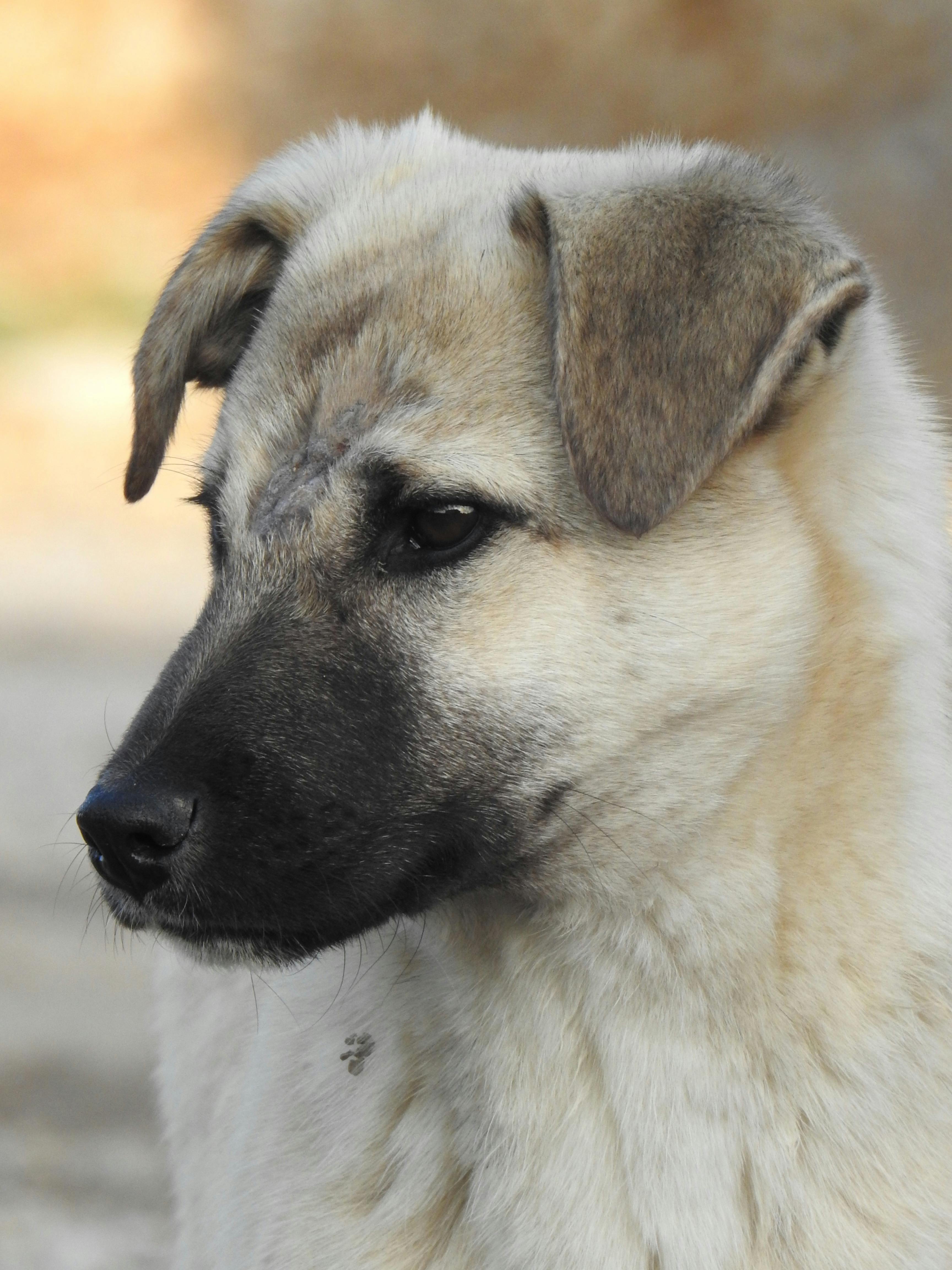
Dogs are often known for their curious behaviors, and one of the most intriguing features of our furry friends is their wet noses. If you ever wondered, “Why do dogs have wet noses?” you are not alone. Many pet owners find themselves pondering this question, and the answers can be both fascinating and informative. Here, we’ll dive into the reasons behind a dog’s wet nose, insights from veterinary experts, and some interesting facts that will shed light on this curious canine characteristic.
The Science Behind Wet Noses
First off, it’s important to know that a dog’s nose is not just for show. It serves multiple functions that play a crucial role in a dog’s health and wellbeing. The moisture on a dog’s nose, which often feels cool and wet, actually helps enhance their sense of smell. Dogs have an incredible olfactory system, and moisture on their noses helps to dissolve scent particles, making it easier for them to detect different smells.
- Enhanced Smell: A wet nose helps dogs to pick up scents better.
- Temperature Regulation: Some believe a wet nose helps dogs cool down.
- Health Indicator: A healthy dog typically has a moist nose, while a dry nose may indicate illness or dehydration.
Why Do Dogs Have Wet Noses?
The wetness of a dog’s nose can be attributed to several factors. Here are some reasons why you might notice your dog’s nose is often damp:
Nasal Glands: Dogs have specialized glands in their noses that produce moisture. This moisture helps them to sense smells better and stay alert.
Panting: Dogs often pant to cool down, and this can lead to moisture accumulation on their noses. When they breathe, the air moisture mixes with their nasal secretions.
Licking: Dogs frequently lick their noses. This behavior not just keeps their noses wet but also helps them gather information about their environment, like the scents of food or other animals.
Environmental Factors: Weather can also play a part. On humid days, noses might stay wetter for longer, and dry climates can lead to drier noses.
Health Conditions: Sometimes, a dog’s nose might become dry or cracked due to health issues. If you notice a significant change in your dog’s nose, it may be worth consulting a veterinarian.
Historical Context and Fun Facts
Did you know that the wet nose of a dog has been studied for centuries? Ancient cultures believed that a dog’s nose could predict weather changes, and many still hold onto that belief today. Here are some fun facts about dog noses:
- Dogs Have Unique Nose Prints: Just like human fingerprints, every dog has a unique nose print. This could potentially be used for identification purposes.
- Highly Sensitive: A dog’s sense of smell is estimated to be between 10,000 to 100,000 times more sensitive than humans.
- Color Matters: The color of a dog’s nose, whether black, brown, or pink, does not affect its wetness or overall function.
Practical Insights from Veterinary Experts
Veterinary experts often emphasize the importance of keeping an eye on your dog’s nose. A wet nose is usually a sign of a healthy dog, but changes can indicate underlying issues. Here’s what experts suggest to monitor:
- Check the Moisture Level: A consistently dry nose could indicate dehydration or illness. If your dog’s nose is unusually dry and cracked, it may be time for a vet visit.
- Look for Other Symptoms: Accompanying symptoms such as lethargy, loss of appetite, or excessive drooling can signal health problems.
- Hydration is Key: Always ensure your dog has access to fresh water, especially on hot days to prevent dehydration.
What to Do if Your Dog’s Nose is Dry
If you notice your dog’s nose is dry, here’s a simple checklist of actions:
- Hydration: Ensure your pet drinks enough water.
- Humidity: Use a humidifier in dry climates.
- Veterinary Visit: If dryness persists, consult your veterinarian for advice.
Understanding the reasons behind your dog’s wet nose can deepen your appreciation for these amazing animals. It’s not just a cute feature; it serves important functions in their health and behavior. So the next time you pet your dog and feel that moist nose, you’ll know there’s a lot more going on than meets the eye.
7 Surprising Facts About Dogs’ Wet Noses That Every Pet Owner Should Know
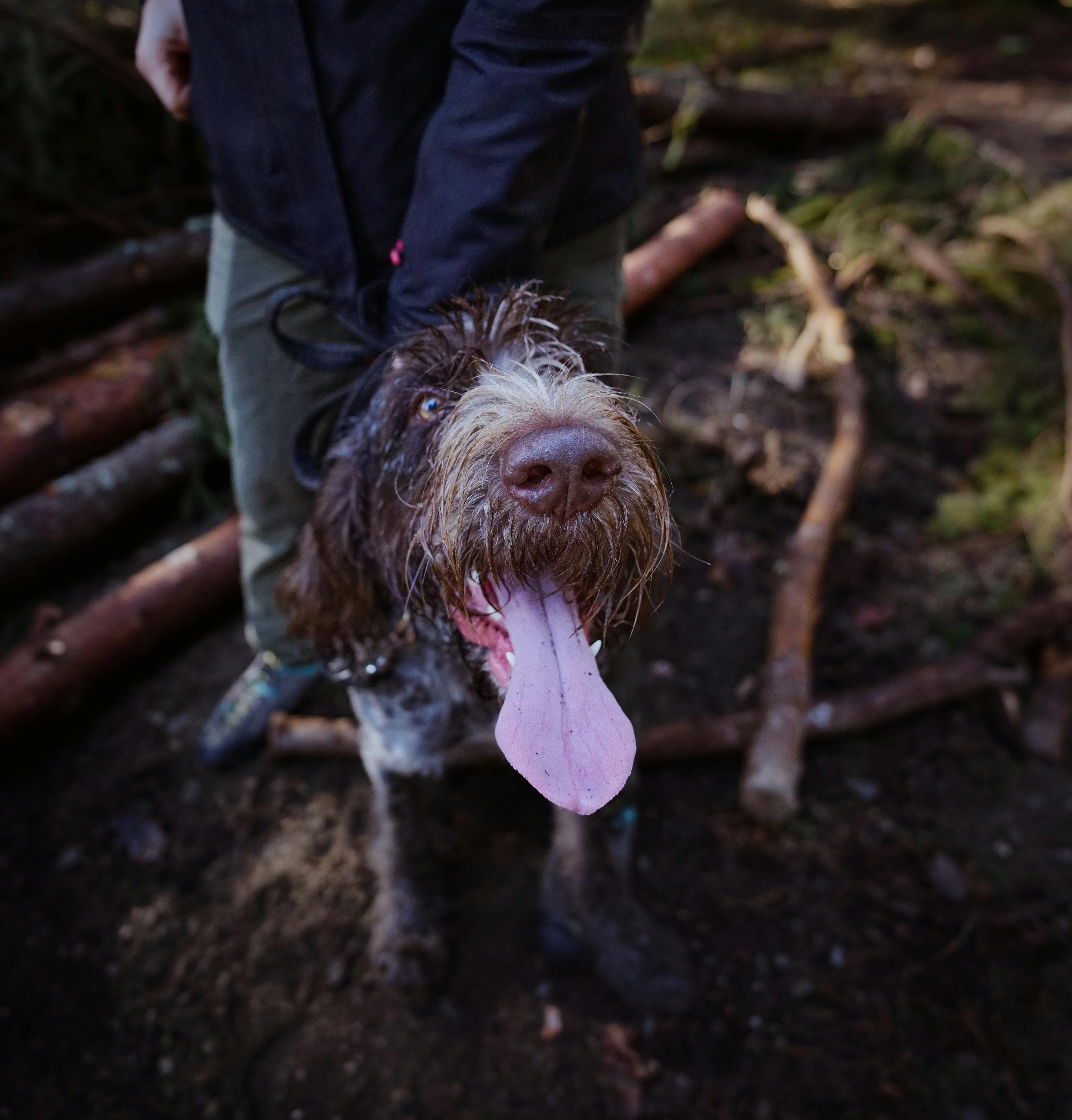
Dogs are often known as man’s best friend, but did you ever wonder why their noses are always wet? It’s one of those quirky traits that seem so common yet so fascinating. Let’s dive into 7 surprising facts about dogs’ wet noses that every pet owner should know. It might change how you look at your furry friend!
1. Why Are Dogs’ Noses Wet?
One of the most common questions pet owners ask is, “Why do dogs have wet noses?” The answer lies in their biology. Dogs have moisture on their noses that helps enhance their sense of smell. They have special glands that secrete a thin layer of mucus, which helps capture scent particles. This moist surface allows them to detect even the faintest smells, making them incredible hunters and companions.
2. Cooling Mechanism
Did you know that a dog’s wet nose helps keep them cool? Dogs don’t sweat like humans do; instead, they rely on panting and the moisture on their noses to help regulate their body temperature. When the moisture evaporates, it cools the blood in the surrounding blood vessels, which can help to lower their overall body temperature. This is why you might notice your dog’s nose is particularly wet after a long run or a hot day.
3. Health Indicator
A dog’s nose can tell you a lot about their health, but it’s not always as simple as “wet equals good.” A healthy dog usually has a moist, cool nose, but there can be fluctuations. For instance, a dog might have a dry nose if they’re feeling under the weather or dehydrated. Here’s a quick list of what different nose conditions could mean:
- Wet and Cool: Healthy and hydrated.
- Dry and Warm: Possible fever or dehydration.
- Cracked or Peeling: Skin issues or allergies.
- Excessively Runny: Possible infection or allergies.
4. Unique to Each Dog
Just like fingerprints, a dog’s nose print is unique! Each dog has a distinct nose pattern, making it an interesting and personal aspect of their identity. Some shelters have started using nose prints for identification purposes, just as they do with fingerprints for humans. So, if you ever thought of getting your dog registered, now you know their nose could be their ID!
5. Dogs and Human Emotions
It’s fascinating how dogs can sense human emotions, and their wet noses play a role in this too! When a dog interacts with humans, they use their noses to smell the scents left by us, which can include emotional pheromones. This might explain why your dog seems to know when you’re sad or happy—those wet noses can smell the difference!
6. Breed Variations
Not all dog breeds have the same type of nose. Some breeds have longer, wetter noses, while others have shorter, drier ones. For example:
- Hounds: Known for their long noses, they have an excellent sense of smell.
- Bulldogs: Their flat faces lead to shorter noses, which can sometimes be drier.
- Retrievers: Often have wet noses and are known for their friendly nature.
These variations can affect their overall sense of smell and how they interact with the environment.
7. The Role of Environment
The environment can greatly influence how wet a dog’s nose is. Humidity, temperature, and even how much they’ve been drinking all play a part. For example, in dry weather, you might notice your dog’s nose is drier than usual. It’s important to keep your dog hydrated, especially during hot summer months, to help maintain that healthy, wet nose.
Fun Facts About Dogs’ Noses
- Dogs have up to 300 million scent glands, compared to about 6 million in humans.
- The wetness of a dog’s nose helps to absorb scent particles, making it easier for them to smell.
- A dog can detect certain odors in parts per trillion—wow!
In conclusion, the next time you give your dog a pat on the head and feel that wet nose, remember all these fascinating facts. Their wet noses are not just adorable; they serve numerous important functions that enhance your dog’s life and their ability to connect with you. Keep these intriguing insights in mind as you navigate the joys and challenges of pet ownership!
The Role of a Wet Nose in Dog Behavior: What It Means for Their Communication
Dogs are often referred to as man’s best friend, and there’s no denying their ability to communicate with us in unique ways. One of the most fascinating aspects of dog behavior is the role of their noses, particularly when they are wet. Ever wonder why do dogs have wet noses? This question takes us into the intriguing world of canine communication and behavior.
The Science Behind a Dog’s Wet Nose
Dogs have wet noses for several reasons. First and foremost, the moisture on their noses helps them to detect scents more effectively. Dogs possess an incredible sense of smell, estimated to be anywhere from 10,000 to 100,000 times more sensitive than humans. A wet nose assists in capturing scent particles from the air, which helps them to identify their surroundings, other animals, and even us.
- Enhanced Smell: The moisture helps absorb scent chemicals, improving their ability to identify different smells.
- Thermoregulation: Wet noses also play a role in regulating a dog’s body temperature. When a dog pants, the evaporation from their wet nose helps cool them down.
- Health Indicator: A wet nose is often seen as a sign of a healthy dog, while a dry or cracked nose might indicate dehydration or health issues.
Why Do Dogs Have Wet Noses?
To understand the reasons behind a dog’s wet nose, it’s helpful to look at a few key aspects:
- Personal Grooming: Dogs lick their noses frequently, keeping them moist. This behavior is not just about cleanliness; it also helps in scent detection.
- Environmental Interaction: Dogs are curious creatures. They often poke their noses into various places, which can lead to their noses picking up moisture from surfaces, like grass or water.
- Communication Tool: A dog’s nose can tell us a lot about their emotions. A wet and cold nose may indicate a relaxed or happy dog, while a dry and warm nose might mean they’re feeling unwell or stressed.
The Role of a Wet Nose in Dog Behavior
The wetness of a dog’s nose can also serve as a communication signal. Dogs are social animals, and they use their noses to interact not only with humans but also with other dogs. Here’s how it works:
- Scent Marking: Dogs often use their noses to leave scent marks in their environment, which communicates their presence to other dogs.
- Social Interaction: When dogs meet, they sniff each other’s noses and behinds as a way of greeting and gathering information about each other.
- Emotional State: A dog’s nose can reflect their emotional state. For example, when they’re excited or happy, their noses might be more moist, while stress can lead to a drier nose.
Fascinating Facts About Dog Noses
Here are some additional intriguing facts about dog noses that may surprise you:
- Dogs have around 300 million scent receptors, compared to the approximately 5 million in humans.
- The unique pattern of a dog’s nose is as individual as a human fingerprint, which can be used for identification.
- Dogs can detect certain diseases, such as cancer, by sniffing a person’s breath or skin. Their noses can pick up on specific volatile organic compounds that are emitted by cancer cells.
Common Misconceptions about Dog Noses
There are also some misconceptions about dog noses that need clarification:
- A Wet Nose Equals a Healthy Dog: While a wet nose is commonly seen as a sign of health, not all healthy dogs have wet noses all the time.
- All Dogs Have Wet Noses: Some breeds, especially brachycephalic dogs (like Bulldogs), may have drier noses due to their facial structure.
- Nose Color: The color of a dog’s nose does not determine its health or behavior. It can vary based on breed and genetics.
Practical Tips for Dog Owners
As a dog owner, it’s important to monitor your dog’s nose condition. Here are some tips:
- Hydration: Ensure your dog stays hydrated to maintain a healthy moisture level in their nose.
- Regular Check-ups: Regular veterinary check-ups can help catch any health issues early.
- Observe Behavior: If you notice a sudden change in your dog’s nose moisture or behavior, consult with a veterinarian.
The role of a wet nose in dog behavior is much more than just a cute feature. It’s a vital part of how dogs communicate, interact with their environment, and even express their health. Understanding this aspect of your dog can enhance your bond and deepen your appreciation for these remarkable animals. So the next time you pet your furry friend, take a moment to appreciate that wet nose and all it signifies!
Why Does Your Dog’s Nose Change Temperature? Understanding the Science Behind It

When you see your dog, one of the first things you probably notice is the wet nose. But have you ever asked yourself, why does your dog’s nose change temperature? Is it just a normal occurrence, or does it signify something more? Understanding the science behind it can be quite fascinating, and it connects to why dogs have wet noses in the first place!
The Science of Dog Nose Temperature
Dogs’ noses are remarkably sensitive and can change in temperature for various reasons. A common myth is that a warm nose means a dog is sick, while a cool one indicates good health. But this isn’t entirely accurate! Dogs’ noses fluctuates in temperature due to several factors:
- Environmental Conditions: If it’s hot outside, your dog’s nose may warm up. Similarly, if they’ve been playing, their body temperature might rise, leading to a warmer nose.
- Health Status: A sick dog might have changes in nose temperature but it’s not a foolproof indicator. Other symptoms should be considered to determine health.
- Activity Level: After vigorous exercise, your dog’s nose can become warmer due to increased blood flow and activity.
- Humidity and Temperature: A dog’s nose can feel cooler in dry, hot weather and warmer in humid, cooler conditions.
Why Do Dogs Have Wet Noses?
Now, let’s delve into the wetness of a dog’s nose. Ever wonder why dogs have wet noses? It’s not just for show! There’s a lot of science behind it. Here are some reasons:
- Enhanced Sense of Smell: A dog’s nose is not just cute; it’s also a powerful tool. The moisture on their nose helps trap scent particles, making it easier for them to smell. This is why dogs have such an exceptional sense of smell compared to humans.
- Thermoregulation: Dogs don’t sweat like humans. Instead, they cool off through their noses. The wetness helps maintain a lower temperature, especially on warm days or after exercise.
- Health Indicator: While a wet nose is generally a sign of a healthy dog, changes in moisture can indicate health issues. A persistently dry nose can suggest dehydration, while excessive wetness might indicate allergies or other health concerns.
Historical Context of Dog Noses
Dogs have been companions to humans for thousands of years. Over time, their noses have evolved to suit their needs as hunters and guardians. In ancient times, dogs were bred for specific tasks that required strong senses, particularly smell. This is why so many breeds have distinct nose shapes and sizes. For example:
- Bloodhounds: Known for their incredible tracking abilities, they have long, droopy noses that help them capture scents.
- Terriers: Smaller breeds like Jack Russell Terriers have short noses but still maintain a keen sense of smell, tailored for hunting small game.
Fun Facts About Dog Noses
- Unique Patterns: Just like human fingerprints, every dog’s nose has a unique pattern. This can be used for identification.
- Nose Temperature: The average dog nose temperature is around 88 to 100 degrees Fahrenheit. However, this can vary based on several factors mentioned earlier.
- Wet vs. Dry: A wet nose is not just a sign of health but also signifies a happy dog. Many pet owners notice that their dogs tend to have wetter noses when they are excited or playing.
Practical Tips for Dog Owners
As a dog owner, it’s important to monitor your dog’s nose and overall health. Here are some practical tips:
- Regular Checks: Make it a habit to check your dog’s nose regularly. Look for any unusual changes in moisture or temperature.
- Hydration: Ensure your dog stays hydrated, especially in warmer weather, to keep their nose moist.
- Veterinarian Visits: Regular check-ups with your vet can help catch any potential health issues early on.
In summary, the temperature and moisture of your dog’s nose can tell you much about their health and well-being. Understanding the science behind why dogs have wet noses and the factors that influence nose temperature can help you become a more informed and attentive pet owner. So next time you notice your dog’s nose, remember it’s not just a cute feature, but a fascinating aspect of canine biology!
Can a Dry Nose Indicate Health Issues in Dogs? What Every Dog Parent Should Be Aware Of

Every dog parent wonders about their furry friend’s health, and one common concern is whether a dry nose can signal problems. While many of us may believe a warm or dry nose indicates illness, that’s not always true. Let’s delve into this fascinating topic and explore why dogs have wet noses in the first place.
Understanding the Dog Nose
A dog’s nose is one of the most sensitive areas of their body. It’s packed with olfactory receptors, which helps them smell things we can’t even fathom. But why are some noses wet while others are dry?
Dogs have wet noses because it helps them smell better! The moisture on their nose captures scent particles in the air, making it easier for them to identify various smells. This moist surface is important for their sense of smell, which is far superior to that of humans.
Can a Dry Nose Indicate Health Issues in Dogs?
Now, let’s address the main question: can a dry nose indicate health issues? The answer is not as straightforward as you might think. Here are some factors to take into consideration:
Temperature and Environment: A dog’s nose can dry out due to hot weather or being in a dry room. If your pup has been lounging in the sun, it’s likely their nose will feel dry, but that doesn’t mean they’re sick.
Hydration Levels: Just like humans, dogs need to stay hydrated. If your dog isn’t drinking enough water, it could lead to a dry nose. Ensuring your dog has constant access to fresh water is essential.
Health Conditions: Certain health issues can cause a dry nose, such as:
- Fever: If your dog has a fever, their nose may feel warm and dry.
- Allergies: Allergies can cause skin irritation, which might affect the nose.
- Nasal Infections: Infections can lead to symptoms like nasal discharge, which might make a nose dry.
Age Factors: Older dogs may have drier noses due to decreased oil production, which can be completely normal.
Signs to Watch For
If you’re worried about your dog’s nose being dry, it’s wise to look for other symptoms. Here are some signs that could indicate an underlying health issue:
- Lethargy or decreased activity.
- Changes in appetite or drinking habits.
- Vomiting or diarrhea.
- Coughing or sneezing.
- Nasal discharge that is abnormal.
If you notice any of these symptoms along with a dry nose, it might be time to consult your veterinarian.
Fun Facts About Dog Noses
Did you know that a dog’s sense of smell is estimated to be anywhere from 10,000 to 100,000 times more sensitive than a human’s? This is why their noses are often wet; it helps enhance their ability to detect scents!
Each dog’s nose has a unique pattern, much like a human fingerprint. This uniqueness can even be used for identification!
Dogs can sweat through their paws, but they primarily regulate their body temperature through panting and having a moist nose.
A healthy dog’s nose can change throughout the day. For instance, after a good nap, their nose might be drier than after a fun play session outside.
Why Do Dogs Have Wet Noses?
Let’s summarize some fascinating reasons why dogs have wet noses:
- Enhanced Smell: The moisture captures scent particles, enhancing their sense of smell.
- Temperature Regulation: A moist nose helps regulate their body temperature, especially in warm climates.
- Health Indicator: A wet nose is often perceived as a sign of a healthy dog, although it’s not the sole indicator.
Practical Tips
If you’re concerned about your dog’s nose, here are some practical tips:
- Ensure proper hydration by providing plenty of fresh water daily.
- Monitor your dog’s behavior and look for any additional symptoms.
- If the dry nose persists or worsens, consult your veterinarian for a thorough examination.
In the end, while a dry nose can sometimes indicate health issues, it’s not always a cause for concern. Many factors can influence your dog’s nose condition, and it’s essential to look at the bigger picture. Understanding your pup’s overall health is key, and being observant can make a world of difference. Remember, every dog is unique, and getting to know your furry friend will help you be the best pet parent possible!
Wet Noses and Dog Emotions: How Your Pup’s Nose Reflects Their Feelings and Needs
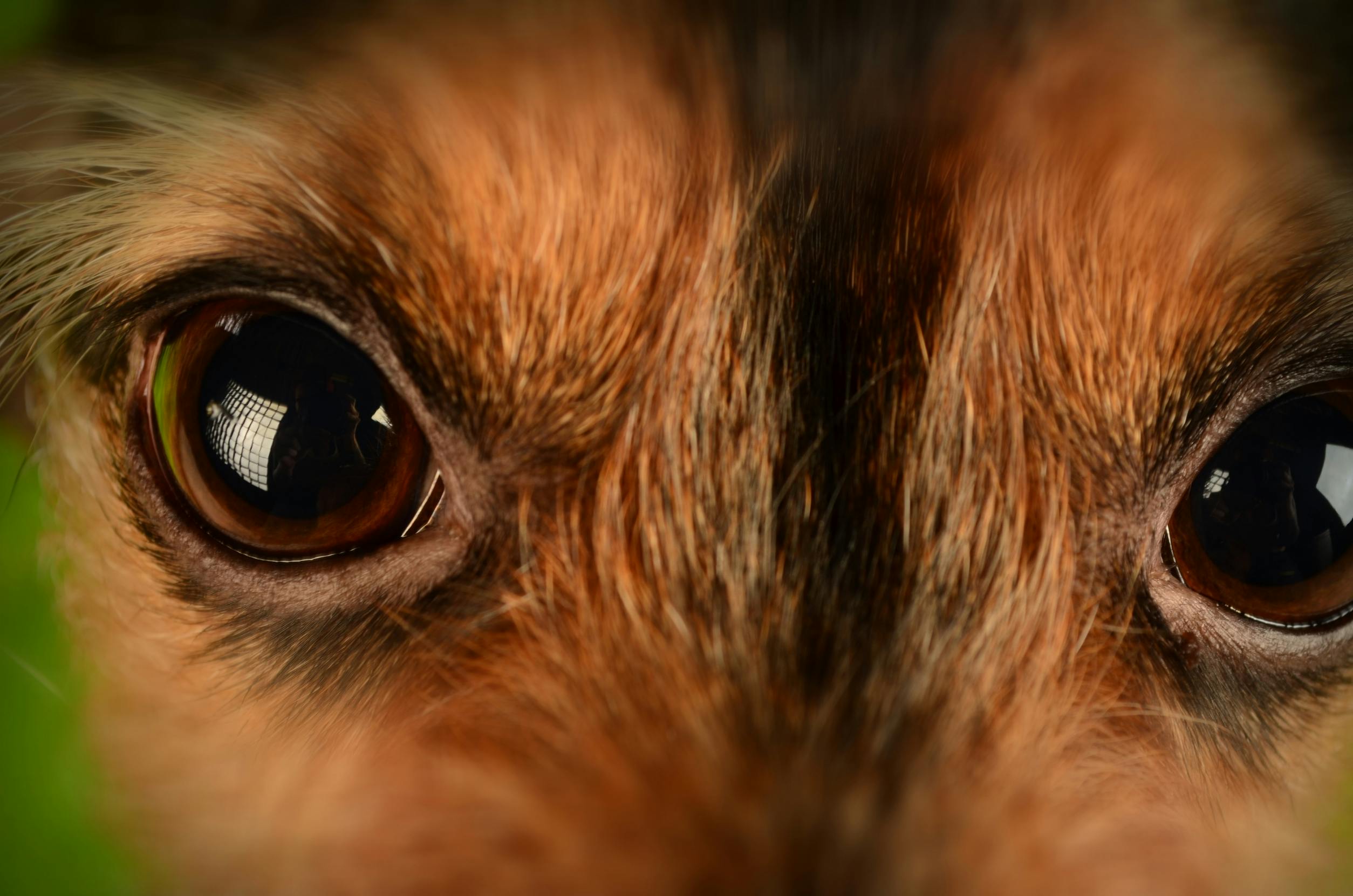
Have you ever noticed how your dog’s nose feels? You know, that cool, wet sensation when they nuzzle up to you? Many dog owners wonder, why do dogs have wet noses? It turns out, there’s a lot more than just a simple answer. Wet noses are not just a quirk, they actually reflect your pup’s emotions and needs. Let’s dive into the fascinating world of canine noses, and what they can tell us about our furry friends.
The Science Behind Wet Noses
Dogs have wet noses for several reasons, and it’s not just to be cute. The moisture on their snouts serves many important functions:
- Thermoregulation: Dogs don’t sweat like humans. Instead, they rely on their noses to help regulate body temperature. A wet nose helps to cool them down, especially after a good romp in the park.
- Enhanced Smell: A moist surface helps capture scent molecules in the air. This is why dogs have such an incredible sense of smell! Their noses help them sniff out everything from food to people to other animals.
- Health Indicator: The condition of a dog’s nose can indicate their health. A healthy dog usually has a moist, cool nose. If it’s dry or warm, it might signal illness or dehydration.
Emotional Indicators
Dogs are known for their emotional intelligence. Their wet noses can also reflect their feelings. Here’s how:
- Happy and Excited: When your dog is feeling joyful, expect a wet nose. They tend to lick their noses more when they are happy.
- Anxious or Stressed: A dog that is anxious might have a dry nose. If your pup seems uneasy, their nose may feel warmer and drier than usual.
- Curious: When dogs are exploring or investigating, they often wet their noses as they sniff around. It’s their way of gathering information about their environment.
The Role of Body Language
Understanding a dog’s body language is essential. Wet noses are just one part of how they communicate. Here are some other signs to look for:
- Tail Wagging: A wagging tail often indicates excitement, but the position matters. A high wag usually means happiness, while a low wag can indicate uncertainty.
- Ears: Dogs’ ears can tell you a lot. Pricked ears mean they’re alert, while ears pinned back can signal fear or submission.
- Eyes: Soft, relaxed eyes usually mean your dog is comfortable. If their eyes are wide or darting, they might feel threatened or anxious.
Recognizing Your Dog’s Needs
Understanding your dog’s emotional state is key to ensuring their well-being. Here’s how you can interpret their nose and body language in different scenarios:
- When Meeting New People: If your dog approaches with a wet nose and relaxed body, they’re likely friendly. If they back away with a dry nose, they might need some space.
- During Playtime: A wet nose and playful body language (like a play bow) indicate your dog is ready to have fun! If their nose starts to dry out, it could mean they’re getting tired.
- Signs of Illness: Keep an eye on your dog’s nose. If it’s persistently dry, along with other symptoms like lethargy or loss of appetite, it might be time for a vet visit.
Fun Facts About Dog Noses
- Unique Patterns: Just like human fingerprints, every dog has a unique nose print! This can actually be used for identification.
- Temperature Sense: Dogs can sense changes in temperature through their noses, which helps them detect food that might be spoiled.
- Oldest Dog Breeds: Some of the oldest breeds, like the Basenji, have less prominent noses, but they still rely on their sense of smell for social interactions.
Caring for Your Dog’s Nose
Taking care of your dog’s nose is important. Here’s a quick checklist:
- Hydration: Make sure your dog has access to fresh water at all times. A hydrated dog is a healthy dog.
- Regular Vet Checkups: Keep up with regular veterinary visits to monitor your dog’s overall health, including their nose.
- Avoid Irritants: Be mindful of environmental factors that can dry out your dog’s nose, like harsh weather or strong chemicals.
Understanding your dog’s nose is like opening a window into their world. A wet nose can tell you so much about their feelings, needs, and health. By paying attention to this little detail, you can strengthen your bond with your furry companion and ensure they’re happy and healthy. So next time your pup nudges you with that moist snout, take a moment to appreciate the emotions behind it!
Conclusion
In conclusion, dogs have wet noses primarily due to the physiological and evolutionary advantages that moisture provides. The wetness enhances their sense of smell, which is crucial for communication and environmental awareness. Additionally, the moisture helps regulate their body temperature, acting as a natural cooling mechanism. This unique feature not only aids in their survival but also strengthens the bond between dogs and their humans, as a wet nose is often a sign of affection and playfulness. By understanding the science behind this characteristic, dog owners can appreciate their pets even more. Next time you feel that familiar wet nose against your hand, remember that it’s not just a quirky trait; it’s a vital part of what makes dogs such remarkable companions. Embrace the joy and health of your furry friend by ensuring they receive plenty of love, attention, and regular vet check-ups to keep that nose wet and happy!
