
Have you ever wondered, why do dogs have wet noses? It’s one of those adorable traits that makes our furry friends even more charming! A dog’s nose isn’t just cute; it serves several fascinating purposes. In this blog post, we will explore the science behind those moist noses and the important role they play in a dog’s health and behavior. Did you know that a wet nose can help regulate your dog’s body temperature? Or that it enhances their sense of smell, making them incredible at sniffing out things? This curiosity-driven journey into the world of canine anatomy will answer all your questions and maybe even leave you with more! As you read on, you’ll discover how the wetness of a dog’s nose can indicate their health status and how it relates to their emotions. So, if you’re asking yourself, why do dogs have wet noses, you’re in the right place! Get ready to dive deep into this intriguing topic and uncover the secrets that make our pets so unique. Whether you’re a new dog owner or a seasoned pet lover, understanding your dog’s nose can enhance the bond you share.
The Science Behind Canine Noses: Why Are Dogs’ Noses Wet?
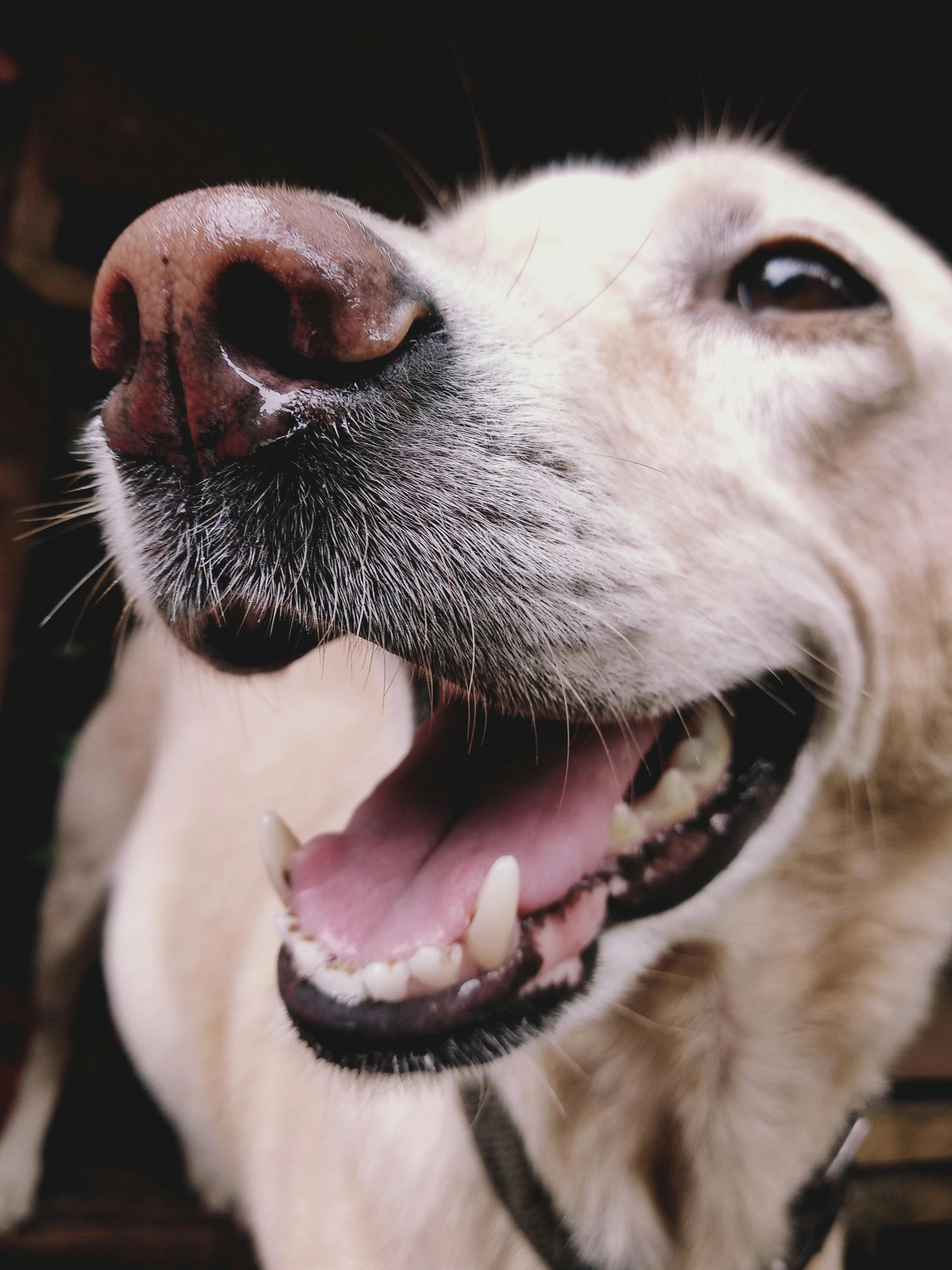
Dogs have been companions to humans for thousands of years, and their unique features often spark curiosity. One of the most interesting characteristics of dogs is their noses, especially how wet they usually are. So, why do dogs have wet noses? Let’s explore the science behind canine noses and uncover the fascinating reasons for this intriguing phenomenon.
The Anatomy of a Dog’s Nose
A dog’s nose is a complex organ that serves multiple functions. The surface of a dog’s nose is covered in a layer of mucus, which keeps it moist. This moisture is essential for the sense of smell, which is far superior to that of humans. Here are some key components of a dog’s nose:
- Olfactory Receptors: Dogs have about 300 million olfactory receptors in their noses, compared to a human’s 5 million. This allows them to detect scents at incredibly low concentrations.
- Jacobsen’s Organ: Also known as the vomeronasal organ, it helps dogs detect pheromones, which are chemical signals that carry information about other animals.
- Moisture: The wetness of a dog’s nose enhances its ability to absorb scent particles. When the nose is moist, it can trap more of these particles, making it easier for dogs to identify different smells.
Why Are Dogs’ Noses Wet?
The moisture found on a dog’s nose serves several purposes. Here are the main reasons that contribute to why dogs have wet noses:
- Enhanced Smell: A wet nose can absorb scent particles better than a dry one. This is crucial because dogs rely heavily on their sense of smell for communication and navigation in their environment.
- Temperature Regulation: Dogs don’t sweat like humans do. Instead, they cool themselves primarily through panting. However, a wet nose can also help in regulating their body temperature, providing a cooling effect.
- Health Indicator: The moisture levels of a dog’s nose can indicate health. A consistently dry nose might suggest illness or dehydration, while a wet, cool nose is generally a sign of a healthy dog.
- Behavioral Factors: Dogs often lick their noses, which keeps them moist and helps them absorb scents. This behavior is instinctive and serves as part of their social communication.
Historical Context of Dog Noses
Throughout history, dogs have been companions, workers, and hunters. Their exceptional sense of smell has been utilized for various purposes. Ancient civilizations recognized the value of a dog’s ability to track scents. For instance:
- Hunting: Early humans would use dogs to track down game, relying on their keen sense of smell to locate prey.
- Search and Rescue: Today, dogs are trained to help in search and rescue operations, thanks to their incredible olfactory capabilities.
- Detection Work: Police and military forces employ dogs for detection tasks, such as finding narcotics or explosives.
Fun Facts About Dogs’ Noses
- Dogs are capable of detecting certain diseases, including cancer, due to their ability to smell specific chemical changes in the body.
- The texture of a dog’s nose is unique, similar to human fingerprints, which means no two dogs have the same nose print.
- Puppies are born with pink, dry noses that typically become darker and wetter as they grow older.
Comparing Dog Noses to Human Noses
While both dogs and humans have noses, the differences in structure and function are remarkable. Here’s a quick comparison:
| Feature | Dog Noses | Human Noses |
|---|---|---|
| Olfactory Receptors | ~300 million | ~5 million |
| Moisture Level | Typically wet | Usually dry |
| Primary Function | Smell and detection | Breathing and filtering air |
| Sensitivity | Highly sensitive to scents | Limited sensitivity |
Practical Examples of Dog Nose Use
- Finding Missing Persons: Search and rescue dogs are trained with specific scents to locate individuals lost in wilderness or disaster situations.
- Medical Detection: Some dogs are trained to detect specific diseases like diabetes or certain types of cancer through their sense of smell.
- Therapeutic Roles: Dogs with excellent noses are also used in therapy settings, providing comfort and support to individuals in need.
The wetness of a dog’s nose is not just a quirky characteristic but a vital element that enhances their remarkable sensory abilities. Understanding why do dogs have wet noses sheds light on their unique biology and their integral role in human life. So next time you give your furry friend a pat, remember the fascinating science behind that moist, cold nose!
5 Surprising Benefits of a Dog’s Wet Nose That Every Pet Owner Should Know
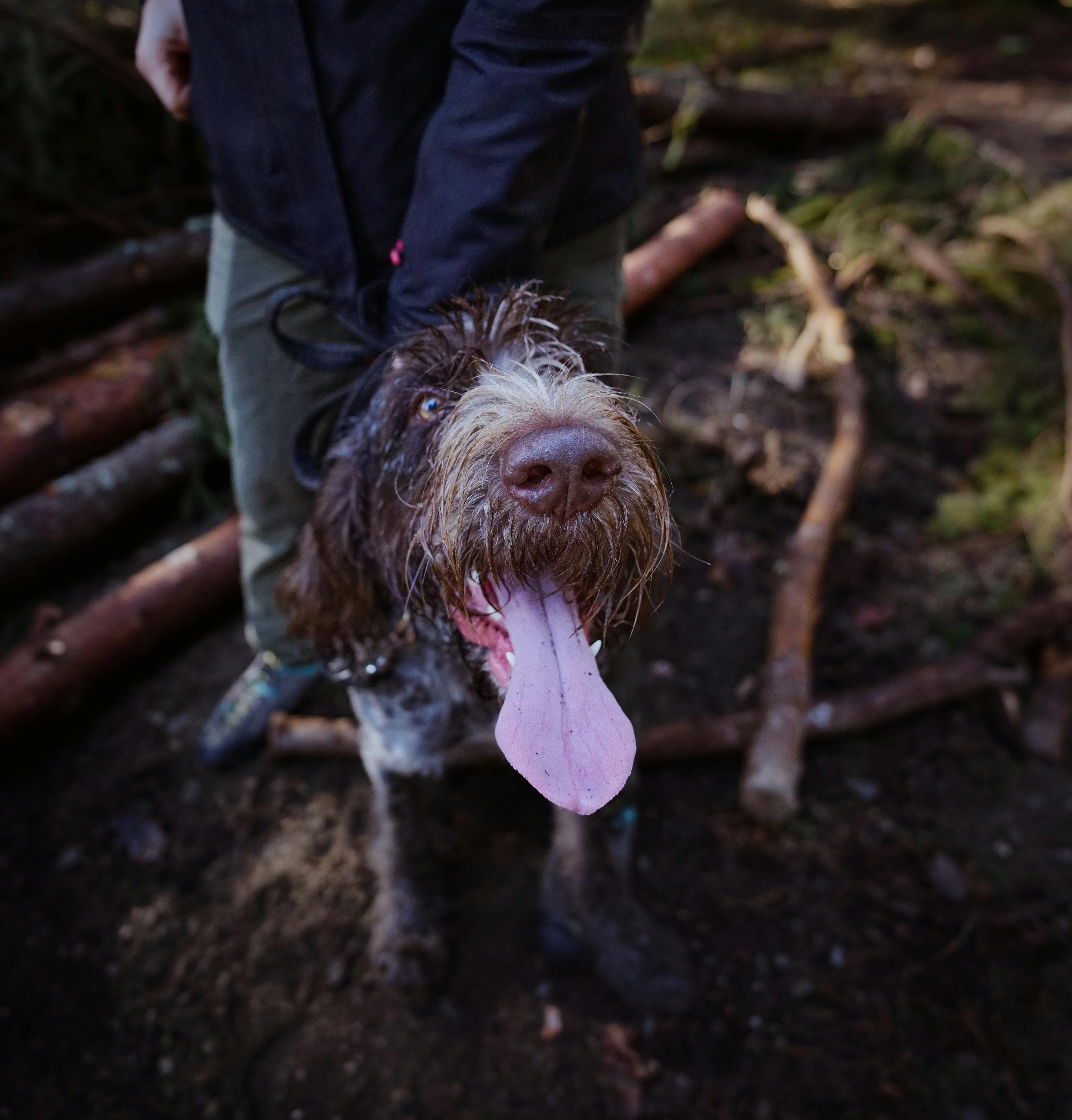
Every dog owner have probably noticed that their furry friends tend to have wet noses. But have you ever stop to wonder why? This curious feature of dogs has more than just a quirky charm; it serves multiple purposes that are essential for their well-being. Here’s a look at five surprising benefits of a dog’s wet nose that every pet owner ought to know and the fascinating reasons behind this unique trait.
1. Enhanced Sense of Smell
A dog’s sense of smell is legendary. Their noses are not just cold and wet for no reason; the moisture on their noses helps to capture scent particles in the air. This enables dogs to detect smells more effectively. According to research, dogs have up to 300 million smell receptors compared to a human’s mere 6 million.
- Benefit: A wet nose helps to absorb scent chemicals better.
- Result: Dogs can identify different scents, which helps them hunt, track, and even detect changes in human emotions.
2. Temperature Regulation
Did you know that dogs sweat very little? They primarily cool themselves through their noses and paw pads. When a dog has a wet nose, it helps to evaporate moisture which cools down their body temperature. In warm weather, keeping their noses wet can be vital.
- Benefit: Wet noses act as a cooling mechanism.
- Result: This helps prevent overheating, especially during the hot summer months which is crucial for maintaining their health.
3. Health Indicator
A wet nose can also indicate the overall health of a dog. While it’s not a definitive measure, changes in the moisture level can signify potential health issues. For instance, a dry nose could suggest dehydration, fever, or illness.
- Normal Wet Nose: Indicates hydration and good health.
- Dry or Cracked Nose: Possible signs of illness, allergies, or dehydration.
4. Social and Communication Tool
Dogs express themselves in various ways, and their noses play a role in that too. When a dog approaches another dog or a human, they often greet by sniffing. This behavior is how dogs gather social information. A wet nose can signal friendliness and approachability.
- Benefit: Wet noses facilitate social interactions.
- Result: Helps in building bonds between dogs and their owners, as well as with other dogs.
5. Unique Dog Identification
Every dog has a unique nose print, much like human fingerprints. This means that a dog’s wet nose not only helps them in their daily lives but also serves a special purpose in identification.
- Benefit: Each nose print is one-of-a-kind.
- Result: This can aid in identifying lost dogs and can be used in legal situations, such as custody disputes.
Fascinating Facts About Dogs’ Wet Noses
- Dogs’ noses are wet because they secrete mucus from specialized glands, which keeps the nose moist.
- The moisture on a dog’s nose helps to enhance their sense of smell, making them excellent trackers and search-and-rescue animals.
- Some breeds, like bloodhounds, have particularly wet noses which assist in their tracking abilities.
- A dog’s nose can also change temperature; a cooler nose often means the dog is healthy, while a warmer one might indicate a fever.
Why Do Dogs Have Wet Noses?
So, why exactly do dogs have wet noses? It’s a combination of biological and evolutionary advantages. Wet noses help dogs to be better hunters and companions. Historically, dogs evolved from wolves, which relied heavily on their sense of smell for survival. Over time, this trait became more pronounced in domestic dogs, making their noses not just a cute feature but a functional one too.
In Summary
The wet nose of a dog is more than just an adorable characteristic; it plays a critical role in their health and functionality. By understanding these benefits, pet owners can appreciate their canine companions even more. So next time you give your pup a gentle scratch on the head, take a moment to cherish that cold, wet nose and all the wonders it brings to your life.
Is Your Dog’s Wet Nose Normal? Understanding the Health Indicators

Dogs are often called “man’s best friend,” and anyone who has a furry companion knows the joy they bring. One intriguing thing about dogs is their wet noses. Many people wonder, “Is your dog’s wet nose normal?” Well, understanding the health indicators that come with that wetness can help you know more about your pup’s well-being. In this article, we will explore why do dogs have wet noses and the fascinating reasons behind it.
Why Do Dogs Have Wet Noses?
The wetness of a dog’s nose is not just a quirky trait; it serves several important purposes. Here’s a breakdown of why dog noses are generally wet:
Temperature Regulation: Dogs can’t sweat like humans do, so they use their noses to help regulate their body temperature. The moisture evaporates, cooling them down.
Enhanced Sense of Smell: The mucus on a dog’s nose helps to capture scent particles, making their sense of smell even more acute. A wet nose can absorb scent better than a dry one.
Health Indicator: A dog’s nose can give clues about their health. A healthy dog usually has a cool, moist nose. If it’s dry or warm, it could indicate a fever or dehydration.
Natural Behavior: Dogs naturally lick their noses, which keeps it moist. This instinctual behavior helps maintain their sense of smell and keeps their noses clean.
Understanding the Health Indicators
When it comes to your dog’s health, their nose can be a window into how they feel. Here’s a list of what different nose conditions might mean:
Wet and Cool: This is generally a sign of a healthy dog. If your pup’s nose feels this way, they likely okay.
Dry and Warm: This could indicate a fever, illness, or dehydration. If you notice this, it might be good to check on your dog’s water intake and overall behavior.
Cracked or Chapped: A nose that is cracked or chapped could signal skin issues or allergies. It might be a good idea to consult a vet.
Runny Nose: Similar to humans, if your dog has a runny nose, they could be facing allergies or a cold. Keep an eye on other symptoms, too.
Excessive Licking: If your dog is licking their own nose excessively, it could be due to anxiety or stress. You might want to observe if any behavioral changes occur.
Fun Facts About Dog Noses
Did you know that a dog’s nose print is unique, just like a human fingerprint? Here’s some more fascinating information about dog noses:
Scent Detection: Dogs have up to 300 million scent receptors compared to about 6 million in humans. Their sense of smell is about 40 times better than ours.
Nose Colors: A dog’s nose can be black, brown, pink, or spotted. The color doesn’t affect their sense of smell but it is often correlated with their breed.
Temperature Sensors: Dog noses have special sensors that help them feel changes in temperature. This is why they can find hidden food or scents so well.
Breed Differences: Some breeds have wetter noses than others. For example, hounds often have very moist noses, while some bulldogs may have drier noses.
What If Your Dog’s Nose Is Abnormal?
If you notice any significant changes in your dog’s nose, it’s essential to pay attention. Here are some signs that might need professional attention:
Persistent Dryness: If your dog’s nose remains dry for an extended period, consider consulting your vet.
Discoloration: Any sudden change in color could indicate a health issue that requires a check-up.
Bleeding or Crusting: If you see blood or crusty areas, it’s best to seek veterinary advice.
Behavior Changes: If your dog is less active, eating less, or seems off, it’s usually worth a vet visit.
Keeping Your Dog’s Nose Healthy
To keep your dog’s nose in tip-top shape, you can follow these simple tips:
Hydration: Always make sure your pup has access to fresh water. Dehydration can lead to a dry nose.
Regular Check-Ups: Routine vet visits can help catch any potential issues early.
Avoid Allergens: If you know your dog has allergies, try to minimize their exposure to allergens.
Moisturizers: For dry, cracked noses, there are safe pet moisturizers available, but consult your vet before use.
The wet nose of your dog is more than just an adorable feature; it serves several important functions that can give you insights into their health. Understanding the reasons behind the wetness and what it indicates can help you care for your furry friend better. Remember to observe their behavior, and when in doubt, don’t hesitate to reach out to your veterinarian for guidance.
The Connection Between Dog Behavior and Wet Noses: What You Need to Learn

Dogs are often seen as man’s best friend, but their behavior can sometimes be puzzling. One fascinating aspect of dogs is their wet noses. You might wonder, why do dogs have wet noses? It turns out that there’s a lot more to this simple question than meets the eye. Let’s dive into the connection between dog behavior and wet noses and explore the reasons behind this intriguing phenomenon!
The Science Behind Wet Noses
The primary reason dogs have wet noses is due to physiology. A dog’s nose is covered with a thin layer of moisture, which helps to enhance their sense of smell. This moisture, which consists mostly of mucus, captures scent particles from the air. When the moisture evaporates, it helps to cool down the dog’s body temperature too. So, it’s like a two-in-one deal!
Historical Context
Dogs have been domesticated for thousands of years. Historically, dogs that had wet noses were seen as healthier and more active. Ancient cultures believed that a wet nose indicated a well-functioning dog, while dry noses were often associated with illness. This idea has persisted over time, leading many dog owners to monitor their pets’ noses closely.
What Can a Wet Nose Tell You?
A wet nose can tell you a lot about a dog’s health and mood. Here’s a quick overview:
- Healthy Dog: Typically, a wet nose indicates hydration and well-being.
- Sick Dog: A dry or warm nose could indicate fever or dehydration.
- Emotional State: Dogs might have a wetter nose when they are excited or happy.
The Connection Between Behavior and Wet Noses
Dogs communicate through various behaviors, and their noses play a significant role in this. A wet nose can indicate curiosity; when dogs sniff around, they often increase the moisture levels on their noses. Here’s how different behaviors connect with their noses:
- Sniffing: When dogs sniff, they are actively trying to gather information about their environment. The moisture on their nose helps them do this more efficiently.
- Social Interactions: Dogs often greet each other with nose touches. A wet nose can signify friendliness and a willingness to engage.
- Playfulness: A dog that is excited and playful may show a wetter nose, indicating they are ready for some fun.
How To Care For Your Dog’s Nose
Understanding the significance of your dog’s nose can help you take better care of your furry friend. Here are some practical tips:
- Hydration: Ensure your dog always has access to fresh water.
- Regular Check-ups: Keep an eye on your dog’s nose condition during vet visits.
- Nose Balms: In winter, protect your dog’s nose from cracking with specially formulated balms.
Fun Facts About Dog Noses
To really appreciate the complexity of dog noses, let’s look at some interesting facts:
- Scent Detection: Dogs have up to 300 million scent receptors, compared to about 6 million in humans.
- Unique Nose Prints: Just like fingerprints in humans, every dog has a unique nose print.
- Temperature Regulation: Dogs use their noses not just for smelling but also for regulating their body temperatures.
Comparison: Dog Noses vs. Human Noses
Understanding how dog noses differ from human noses can give more insight into their behavior:
| Feature | Dogs | Humans |
|---|---|---|
| Scent Receptors | 300 million | 6 million |
| Moisture Level | Higher when active | Generally dry |
| Temperature Regulation | Uses nose to cool down | Sweating through skin |
| Communication Method | Nose nudging, sniffing | Verbal and visual cues |
Practical Examples of Nose Behavior
- Greeting: When a dog approaches another dog, they often sniff each other. This behavior is crucial for social bonding.
- Hunting: In a hunting scenario, a dog will rely heavily on its nose to track down scents. Wetness helps trap scent particles better.
- Comfort Seeking: If a dog lays its head on you and gives you a wet nose, it’s often seeking comfort or affection.
The connection between dog behavior and their wet noses is more than just a quirky trait. It’s a fascinating glimpse into how these wonderful creatures interact with their world. Understanding why dogs have wet noses not only enriches our knowledge but also helps us form deeper bonds with our furry companions. So next time you see that wet nose, remember the incredible science and history behind it!
How a Wet Nose Enhances Your Dog’s Sense of Smell: The Fascinating Facts
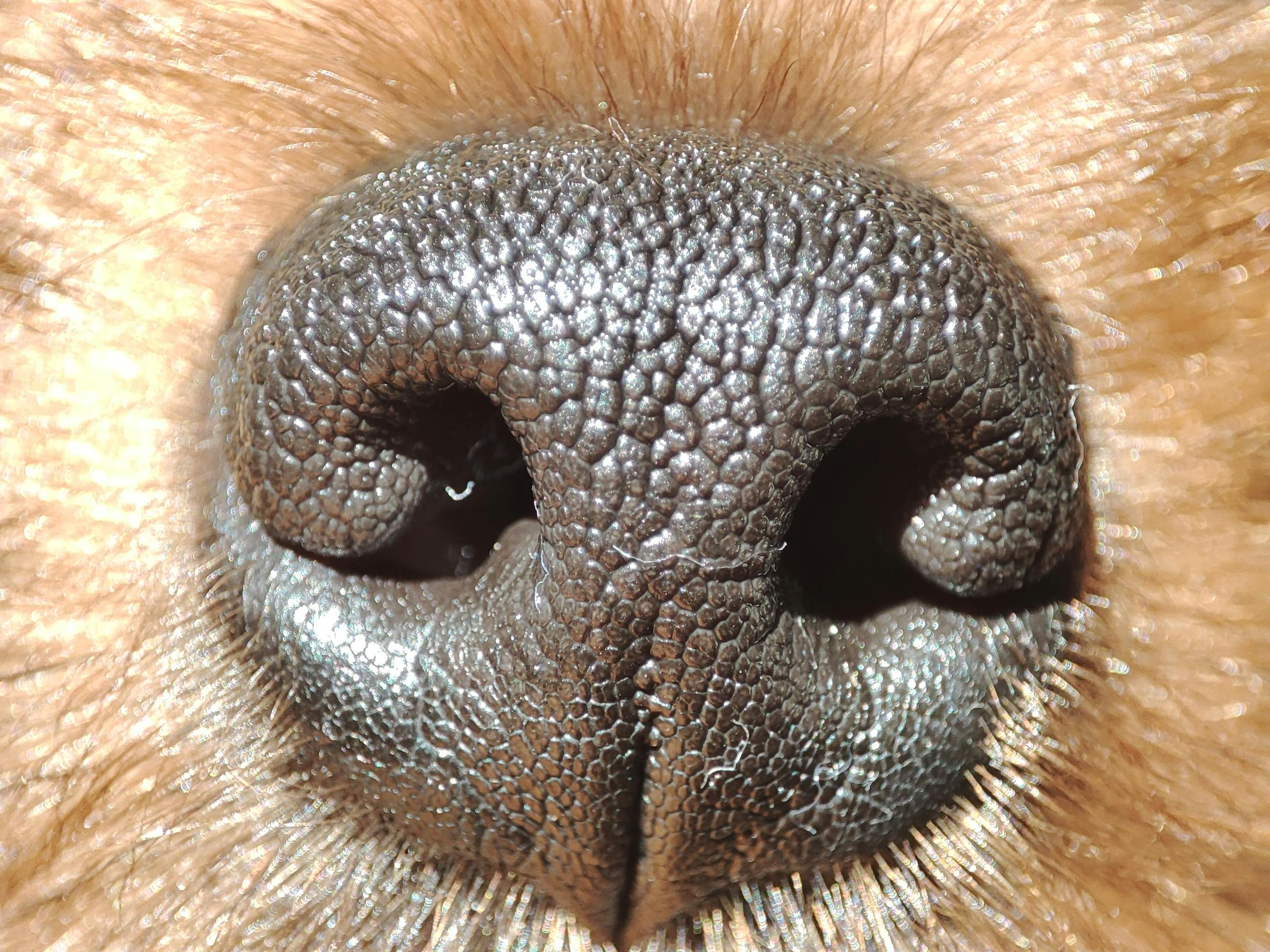
Have you ever noticed how your dog’s nose always seems to be wet? It’s not just a random quirk; it’s actually plays a crucial role in their incredible sense of smell. Dogs are known for their remarkable sniffing abilities, and their wet noses are an essential part of that. Let’s explore the fascinating reasons why do dogs have wet noses and how it enhances their sense of smell.
The Science Behind Wet Noses
A dog’s wet nose serves many purposes. First, it helps to capture scent particles more effectively. When they sniff, the moisture on their nose traps these particles, which then get absorbed into the nasal tissues. This process makes it much easier for dogs to identify different scents in their environment.
- Moisture Attraction: The wetness attracts scent molecules.
- Enhanced Smell Cells: Dogs have more olfactory receptors than humans, about 220 million compared to our 5 million.
- Temperature Regulation: A wet nose can help cool down a dog’s body temperature, which is especially helpful during hot days.
How Wet Noses Work in Scent Detection
Dogs have a very complex olfactory system. When they breathe in, air passes through their nostrils and into their nasal passages, where it comes into contact with a special tissue called the olfactory epithelium. This tissue contains the scent receptors that send signals to the dog’s brain, allowing them to interpret and recognize different smells.
- Olfactory Epithelium: Contains up to 300 million scent receptors.
- Jacobsen’s Organ: Also known as the vomeronasal organ, it helps dogs detect pheromones and other chemical signals.
- Scent Memory: Dogs can remember scents for a long time, which is why they can track scents over days.
Historical Context of Dog Smelling Abilities
Dogs have been by our side for thousands of years, and their sense of smell has been honed through generations. This ability has made them invaluable in various roles, from hunting and herding to search and rescue operations.
- Ancient Hunters: Early humans relied on dogs to help hunt for food.
- Search and Rescue: Today, trained dogs can find missing persons or detect explosives and drugs.
- Therapeutic Roles: Some dogs are even trained to detect certain medical conditions, like low blood sugar or seizures.
Why Do Dogs Have Wet Noses?
Now, let’s dive deeper into the reasons behind that wet nose. Here are some of the primary functions:
- Improved Scent Absorption: The moisture helps to dissolve scent particles, allowing better absorption into the nasal tissue.
- Temperature Regulation: Dogs don’t sweat like humans do. They cool themselves off through panting and having a wet nose.
- Health Indicator: A wet nose is often seen as a sign of good health, while a dry nose can indicate dehydration or illness.
Fun Facts About Dogs’ Noses
- Unique Patterns: Just like human fingerprints, every dog has a unique nose print that can be used for identification.
- Temperature Sensitivity: A dog’s nose can detect temperature changes, which helps them sense their surroundings better.
- Scent Discrimination: Dogs can differentiate between thousands of different scents, which is why they excel in roles like drug detection.
Comparison: Dog Noses vs. Human Noses
Let’s take a quick look at how dog noses stack up against human noses:
| Feature | Dogs | Humans |
|---|---|---|
| Olfactory Receptors | Approximately 220 million | About 5 million |
| Scent Detection Ability | Can detect scents up to 100,000 times better than humans | Limited detection |
| Nose Wetness | Naturally wet | Generally dry |
Practical Examples of Scent Capabilities
- Tracking: Bloodhounds can follow a scent trail that’s days old, making them essential in search missions.
- Detection: Dogs are used in airports to sniff out drugs or explosives, proving their incredible nose abilities.
- Medical Alerts: Certain dogs can alert their owners when a medical issue, like a seizure, is about to occur.
Understanding the wet nose of dogs gives us a glimpse into their extraordinary capabilities. The next time you see your furry friend with a wet snout, remember that it’s not just cute; it’s a vital part of how they experience the world. So, appreciate that wet nose – it’s more than just an adorable feature; it’s a tool that enhances their incredible sense of smell!
Why Do Different Breeds Have Varying Nose Moisture? Unraveling the Mystery

Ever wonder why some dogs have wet noses while others noses seem to be dryer? It’s a question many dog owners have pondered, and the answer involves a mix of biology, breed differences, and even a bit of history. Understanding this can help you appreciate your furry friend even more.
The Science of Wet Noses
Most dogs have moist noses, and this moisture serves several important functions. The primary reason noses are wet is due to secretion from specialized glands located within the nasal skin. This moisture helps dogs sense their environment better. Wet noses can absorb scent chemicals better, which makes a dog’s sense of smell even sharper.
- Gland Types: Dogs have mucous and sebaceous glands in their noses. The mucous glands produce moisture while the sebaceous glands create oils.
- Temperature Regulation: A wet nose can also help dogs regulate their body temperature. When a dog is hot, the moisture evaporates, cooling them down.
Breed Differences: Why Moisture Varies
Not every breed has the same nose moisture levels. In fact, some breeds tend to have wetter noses than others. This can be attributed to their genetic differences and the physical characteristics of their noses. For example, breeds like Greyhounds might have drier noses compared to breeds like Labrador Retrievers, which usually have moist noses.
Some factors that influence nose moisture include:
- Nose Shape: Short-nosed breeds (brachycephalic dogs) like Bulldogs may have different nasal structures, affecting moisture retention.
- Genetics: Some breeds were developed for specific tasks that require heightened olfactory senses, leading to different moisture levels in their noses.
- Environment: A dog’s environment can also affect nose moisture. For example, dogs in dry climates may have drier noses compared to those in humid areas.
Interesting Facts About Dog Noses
Dog noses are fascinating, and there are many interesting facts that might surprise you:
- Unique Prints: Just like human fingerprints, each dog’s nose print is unique to them.
- Scent Detection: Dogs have up to 300 million smell receptors in their noses, compared to about 6 million in humans.
- Health Indicators: A dry or cracked nose can sometimes indicate health issues. It’s important to monitor changes in moisture and texture.
The Role of Nose Moisture in Health
While a moist nose is often a sign of a healthy dog, it’s not the only indicator of their wellbeing. Changes in nose moisture can signal health problems. Here are some signs to look out for:
- Dry Nose: Could indicate dehydration, fever, or illness.
- Excessively Wet Nose: Might be a sign of allergies or a respiratory infection.
- Cracked or Chapped Nose: Can indicate sunburn or other skin conditions.
Practical Tips for Dog Owners
Maintaining your dog’s nose health is important. Here are some practical tips:
- Hydration: Make sure your dog has access to clean water. Dehydration can lead to a dry nose.
- Regular Vet Visits: Keep up with regular check-ups to catch any potential health issues early.
- Monitor Changes: Pay attention to changes in your dog’s nose moisture and texture. If something seems off, consult your vet.
Comparative Table: Nose Characteristics of Different Breeds
Here’s a comparative look at some dog breeds and their typical nose moisture:
| Dog Breed | Typical Nose Moisture | Comments |
|---|---|---|
| Labrador Retriever | High | Known for their wet noses, great sense of smell. |
| Bulldog | Low | Short-nosed, drier noses can indicate health issues. |
| Dachshund | Moderate | Moisture varies with activity levels. |
| Greyhound | Low | Sleek noses, often drier due to their structure. |
| Beagle | High | Excellent scent hounds, usually have wet noses. |
The reasons dogs have wet noses involve a combination of biology, breed differences, and environment. By knowing why your dog’s nose may vary in moisture, you can better understand their health and behavior. So next time you’re giving your pup some love, take a moment to appreciate that wet nose and all the fascinating reasons behind it!
Wet Nose vs. Dry Nose: What Each Condition Means for Your Dog’s Health
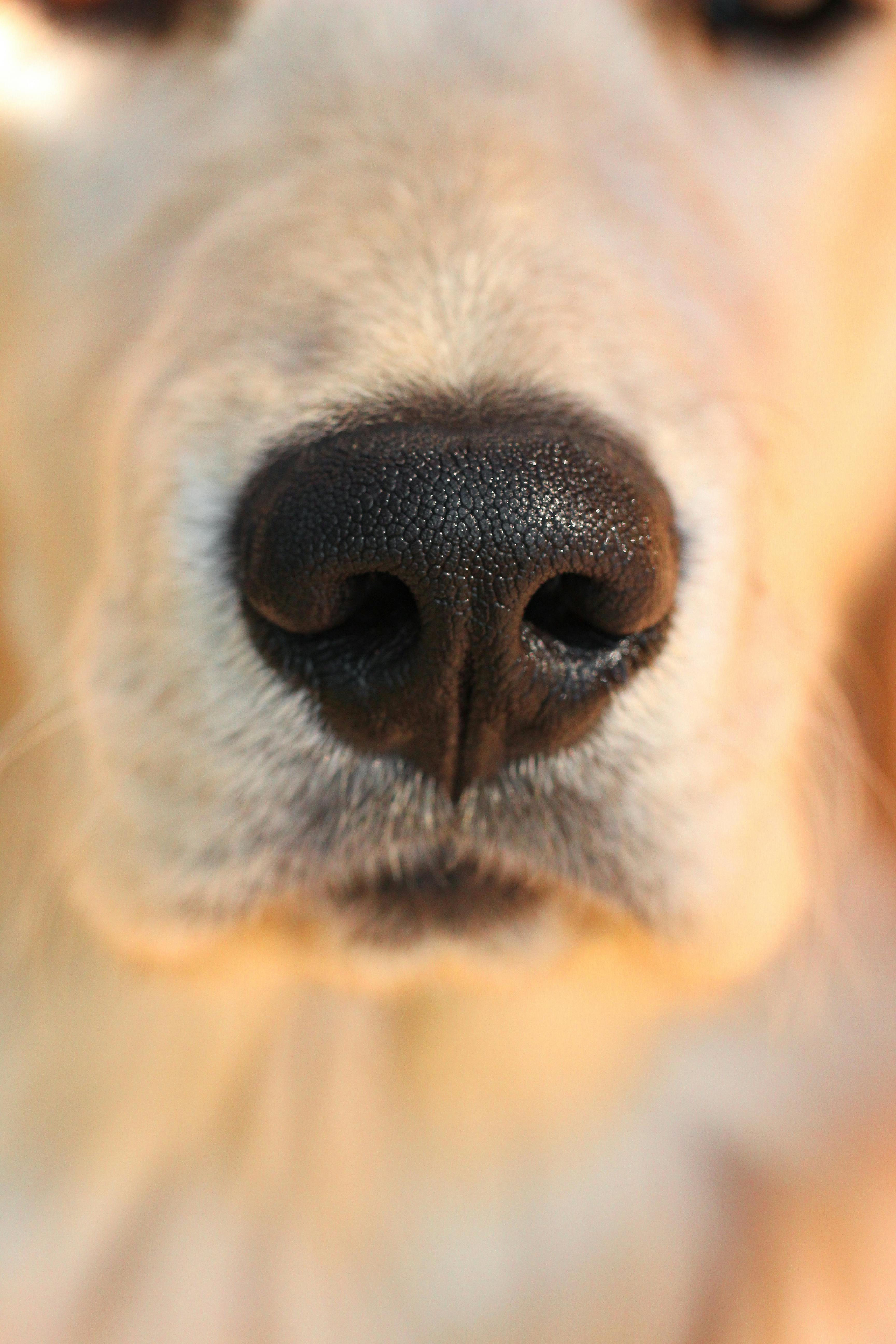
When you see your dog, you might notice their nose is wet, but have you ever wondered what that actually means for their health? Wet noses are kind of a normal thing in dogs, but they can also be a sign of various conditions. Let’s dive into the world of wet noses and dry noses, and explore why dogs have wet noses in the first place!
Why Do Dogs Have Wet Noses?
Dogs have wet noses for several reasons, and it’s more than just an adorable quirk. Here’s some of the fascinating reasons:
Cooling Mechanism: Dogs don’t sweat like humans do. Instead, they cool off by panting and through their noses. A wet nose helps to regulate body temperature.
Scent Enhancement: The moisture on a dog’s nose helps to trap scent particles. This is crucial for their sense of smell which is far superior to humans. A wet nose means a better ability to sniff out interesting smells.
Health Indicator: A wet nose is often seen as a sign of good health. Dogs usually have a moist nose when they are healthy, alert and happy. However, it’s not always a definitive indicator.
Environmental Factors: Dogs noses can get wet from licking them or from being in a humid environment. When they are outside, their noses might also get wet from the grass or water.
Wet Nose vs. Dry Nose: What Each Condition Means for Your Dog’s Health
Both wet and dry noses can indicate different health conditions in dogs. Here’s a comparison of what each might mean:
Wet Nose
- Usually a sign of hydration and good health.
- May suggest that the dog is feeling well and active.
- Dogs with a wet nose are often more likely to be playful and engaged.
Dry Nose
- Can indicate dehydration, especially if it’s warm or cracked.
- Sometimes a dry nose can signal a fever or illness.
- Not always a cause for concern; dogs can have temporary dry noses due to environmental conditions.
What to Watch For: Signs of Concern
If you notice a change in your dog’s nose, whether it becomes persistently dry or unusually wet, consider looking for other signs. Here’s what to keep an eye out for:
Behavior Changes: Is your dog more lethargic than normal? Are they less interested in food or play?
Nose Texture: Is the nose cracked or peeling? This might require a vet’s attention.
Temperature: A warm nose can indicate fever, but remember that a dog’s nose temperature can fluctuate a lot.
Discharge: If there’s unusual mucus or discharge from the nose, it could indicate a respiratory issue.
Fun Facts About Dog Noses
Here are some additional interesting tidbits about dog noses that you might not know:
Unique Patterns: Just like human fingerprints, each dog’s nose print is unique.
Scent Sensitivity: Dogs can detect smells up to 100,000 times more accurately than humans.
Nose Color: A dog’s nose can change color due to various factors including sun exposure or health issues.
Final Thoughts
Understanding your dog’s nose can give you important insights into their health. While a wet nose is typically seen as a good sign, it’s important to be aware of what changes might indicate a health issue. Regular check-ups with your vet can help ensure that your furry friend stays healthy and happy. So next time you give your dog a scratch behind the ears, take a moment to appreciate that wet nose—it’s doing a lot more than just looking cute!
The Role of a Dog’s Wet Nose in Temperature Regulation: What Science Says
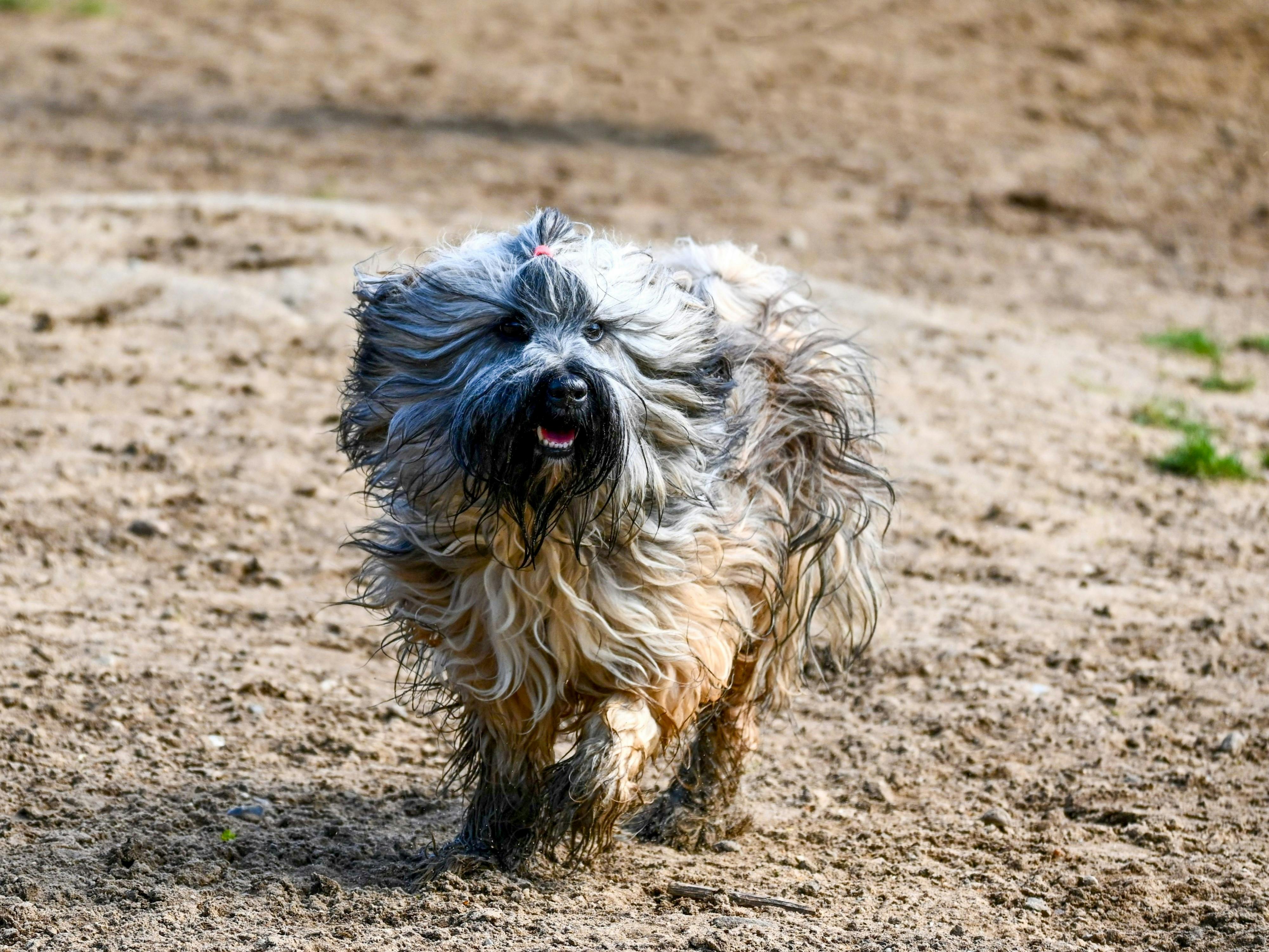
Have you ever wonder why dogs have wet noses? You might think it’s just a quirk of nature, but there’s actually a fascinating science behind it. The role of a dog’s wet nose in temperature regulation is not just interesting, but also essential for their health. In this article, we delve into what science says about those moist snouts and why they play a crucial part in our furry friends’ lives.
The Science Behind Wet Noses
Dogs noses are wet for a variety of reasons, and it all comes down to biology and behavior. The moisture on a dog’s nose comes from mucous glands and saliva, which help in several ways:
Scent Enhancement: Wet noses help dogs to capture scent particles better. When their noses are moist, they can absorb more odors, making their sense of smell even sharper. Dogs have around 300 million scent receptors, and a wet nose aids in utilizing them effectively.
Temperature Regulation: Just like humans sweat to cool down, dogs use their noses as a means of regulating body temperature. The moisture evaporates from their noses, which can aid in cooling them down. This is crucial, especially on hot days when dogs might be at risk of overheating.
Health Indicator: A dog’s nose can be an indicator of their health. A healthy dog typically has a cool, wet nose. If the nose becomes dry or warm, it might be a sign of illness or dehydration.
Historical Context of Dogs’ Noses
The evolution of dogs has led to their unique anatomical features. Historically, dogs descended from wolves, which also had moist noses. This trait likely provided evolutionary advantages for hunting and survival. Wet noses have been passed down through generations, with various breeds adapting to specific climates and environments.
Why Do Dogs Have Wet Noses?
So, why do dogs have these wet noses? The answer is multi-faceted:
Sensory Function: As mentioned, the wetness helps in scent detection. It’s believed that dogs can actually taste scents, which is why they often lick their noses. This licking not only keeps their noses moist but also enhances their ability to identify smells.
Thermoregulation: Dogs don’t sweat like humans. They primarily cool down through panting and the moisture on their noses. The evaporation of moisture helps to bring their body temperature down, which is vital during hot weather.
Social Interaction: Dogs use their noses to communicate with each other. A wet nose can signal friendliness and curiosity to other dogs. It’s part of their social behavior, as they often sniff each other as a greeting or a form of interaction.
Interesting Facts About Dogs’ Noses
Dogs have a unique nose print, much like human fingerprints. This means every dog has a distinct nose pattern that can be used for identification.
The moisture in a dog’s nose can change throughout the day, depending on the environment. If a dog is stressed or dehydrated, the nose might become dry.
Some breeds have drier noses than others. For instance, Bulldogs and Pugs often have more difficulty keeping their noses moist due to their facial structures.
Comparison of Dog Noses Across Breeds
Different breeds exhibit varied characteristics in terms of their noses. Here’s a quick comparison:
| Breed | Nose Type | Moisture Level | Scent Detection Ability |
|---|---|---|---|
| Labrador | Broad and Wet | High | Excellent |
| Dachshund | Long and Wet | Moderate | Very Good |
| Bulldog | Short and Dry | Low | Good |
| Greyhound | Narrow and Wet | High | Exceptional |
Practical Examples of Nose Care
Keeping your dog’s nose healthy is essential. Here are some tips:
Hydration: Ensure your dog is drinking enough water, especially in hot weather, to keep their nose moist.
Regular Check-ups: Regular vet visits can help identify any health issues that might affect their nose.
Nose Balms: If you live in a dry climate, consider using a dog-safe nose balm to prevent cracking.
Watch for Changes: If you notice your dog’s nose becoming consistently dry, warm, or cracked, it might be time for a vet visit.
In conclusion, the wet nose of a dog is not just a cute feature, but a crucial part of their ability to interact with the world. It plays a significant role in their health, social behavior, and survival. Understanding these fascinating reasons can help dog owners appreciate their pets even more. So next time you see your furry friend with that moist nose, remember all the science and history behind it!
Can a Wet Nose Indicate Illness in Dogs? Expert Insights and Tips
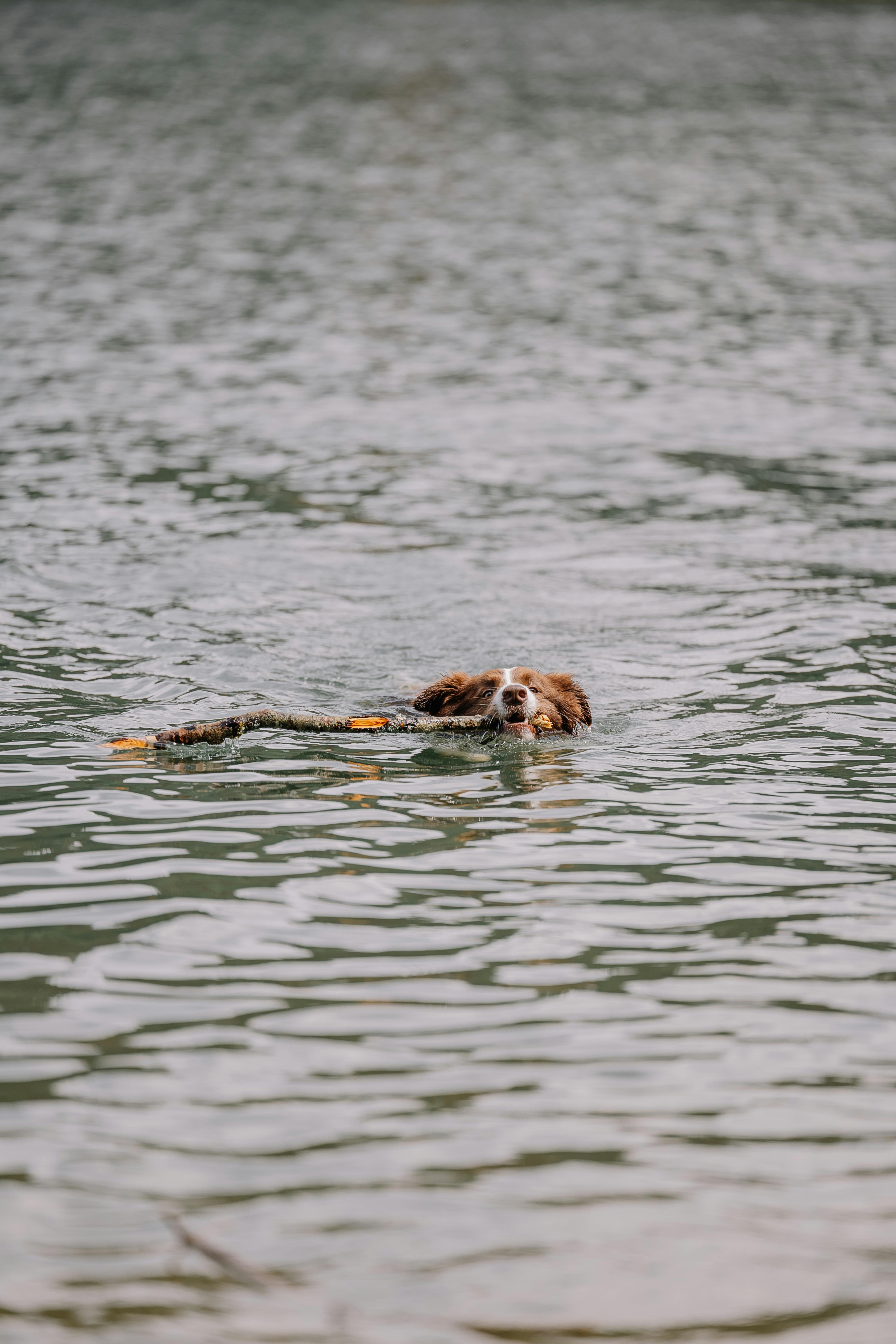
Dogs are often considered a man’s best friend, and their health is a priority for many pet owners. One common question that arises is, “Can a wet nose indicate illness in dogs?” It’s a fascinating topic that many people, including dog parents and veterinarians, have pondered over the years. Wet noses are usually seen as a sign of a healthy dog, but there are more layers to this assumption than it seems.
Why Do Dogs Have Wet Noses?
The moisture on a dog’s nose serve several purposes. Here are some reasons why dog’s noses are wet:
Cooling Mechanism: Dogs don’t sweat like humans, so they use their noses to help regulate their body temperature. The moisture on the nose evaporates, cooling them down.
Scent Detection: A wet nose can enhance a dog’s sense of smell. The moisture helps to capture scent particles in the air, allowing dogs to better process scents.
Health Indicator: A wet nose is often associated with health. However, it is not a definitive indicator. A dog’s nose can be wet or dry depending on their environment, activity level, and time of day.
Behavioral Response: Some dogs lick their noses when they are excited or anxious, which can also contribute to the wetness.
Can a Wet Nose Indicate Illness?
While a wet nose is generally a sign of a healthy dog, there are instances when it could indicate something more serious. Here are some conditions to consider:
Fever: A dog with a fever might not have the typical wet nose. Instead, the nose could feel warm and dry.
Dehydration: If a dog is dehydrated, their nose may become dry and cracked. This is a sign that they need more water.
Nasal Infections: Conditions like kennel cough or other respiratory issues could lead to excess moisture or discharge from the nose.
Allergies: Just like people, dogs can suffer from allergies which may cause nasal discharge and changes in the moisture of their noses.
Signs of Illness to Watch For
If you are worried about your dog’s health based solely on their nose, it’s important to look for additional signs. Here are some symptoms you should take seriously:
- Changes in appetite
- Excessive lethargy
- Coughing or sneezing
- Vomiting or diarrhea
- Changes in behavior
The Importance of Regular Vet Visits
Regular check-ups with a veterinarian is essential for maintaining your dog’s health. They can spot potential problems early, which can be crucial for treatment. Here’s what to expect during a vet visit:
- Physical Exam: A thorough check-up including temperature, heart rate, and breathing.
- Vaccinations: Keeping up with vaccinations helps prevent serious illnesses.
- Nutritional Advice: Your vet can help you choose the best diet for your dog’s needs.
- Dental Care: Dental health is often overlooked but is essential for a dog’s overall well-being.
Fun Facts About Dog Noses
Dogs have about 300 million smell receptors in their noses, compared to humans’ 6 million. This is why they are such great trackers!
The texture of a dog’s nose is unique, much like a human fingerprint. Each dog’s nose is different.
Dogs can smell certain medical conditions, such as diabetes or cancer, through their sense of smell.
Tips for Keeping Your Dog Healthy
Here are some practical tips for ensuring your furry friend stays healthy:
- Provide fresh water daily to keep them hydrated.
- Feed a balanced diet appropriate for their age and breed.
- Regular exercise helps maintain a healthy weight and keeps their energy levels high.
- Observe your dog’s behavior regularly to catch any changes early.
It’s important to remember that a wet nose does not guarantee that your dog is healthy nor does a dry nose mean they are sick. Each dog is unique, and their noses can change with their environment and activities. If you ever have concerns about your dog’s health, especially if you notice any unusual symptoms, it’s best to consult your veterinarian. They can provide the guidance and expertise needed to keep your pet happy and healthy. Dogs bring joy into our lives, and taking care of them properly is the best way to show them love in return.
Curious Canines: Why Do Dogs Sniff Everything with Their Wet Noses?
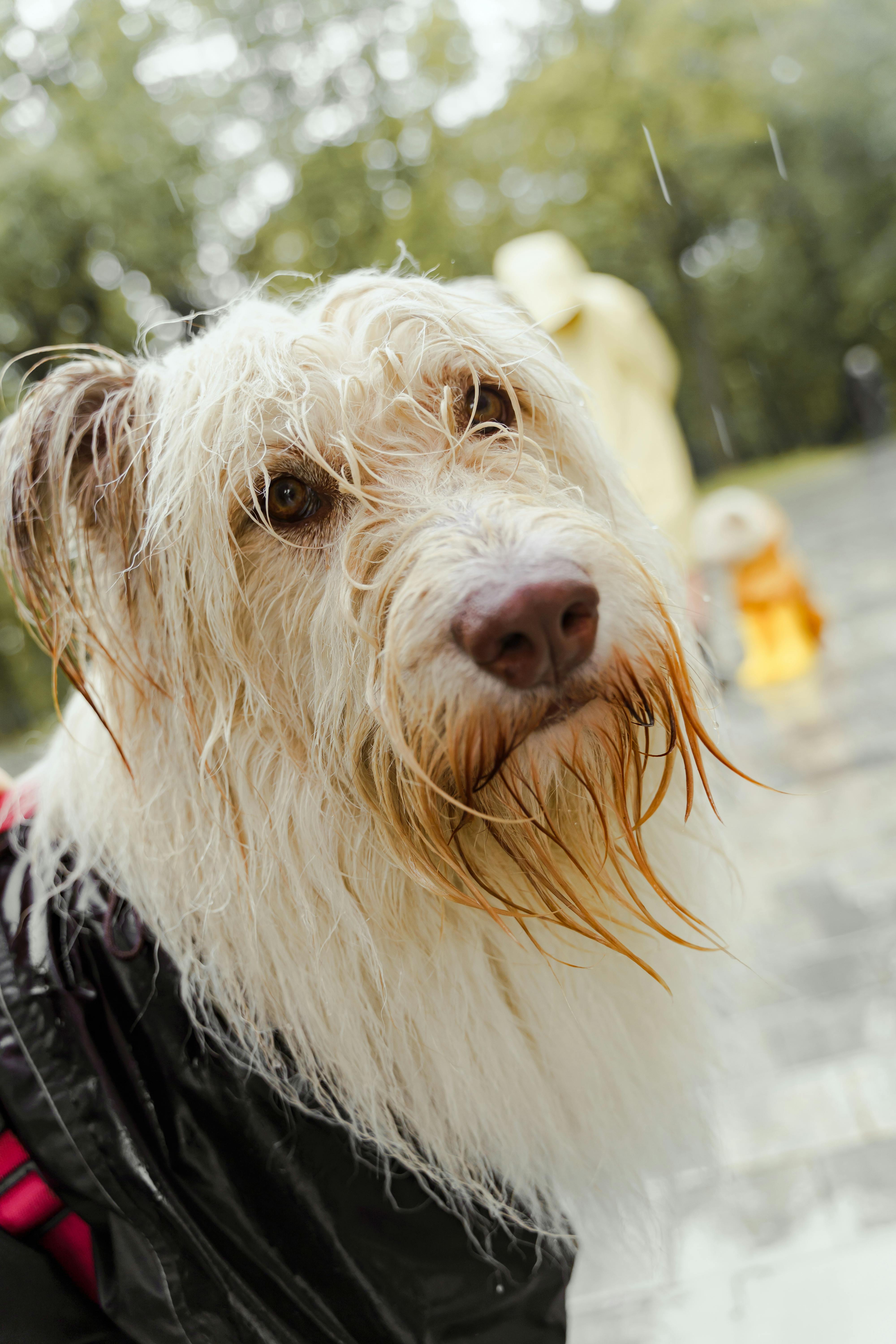
Dogs are fascinating creatures that have been companions to humans for thousands of years. One of the most curious behaviors of our canine friends is their tendency to sniff everything with their wet noses. You might have often wondered, “Why do dogs have wet noses?” This article explores the intriguing reasons behind this characteristic and dives into the science of why dogs’ noses are so essential to their way of life.
The Science Behind Wet Noses
The wetness of a dog’s nose is not just a quirky trait; it serves several important purposes. A dog’s nose is covered in a thin layer of moisture that enhances their sense of smell. Here’s how it works:
- Enhanced Smell: The moisture helps trap scent particles, allowing the olfactory receptors in dogs’ noses to pick up scents more effectively.
- Temperature Regulation: Dogs also sweat through their noses, helping them to cool down when they get too hot.
- Health Indicator: A wet nose is often seen as a sign of good health in dogs. A dry nose could indicate dehydration or illness, although this isn’t always the case.
Why Sniff Everything?
If you’ve ever watched your dog on a walk, you probably noticed them sniffing every tree, pole, or patch of grass. This behavior might seem odd, but it’s entirely natural for dogs. Here’s why they do it:
- Scent Communication: Dogs communicate with each other through scents. When they sniff, they gather information about other dogs, animals, and even humans. It’s like reading a newspaper for them!
- Exploration: Just like humans use their eyes to explore the world, dogs use their noses. They can detect scents from far away, helping them navigate their environment.
- Curiosity: Dogs are naturally curious creatures. They want to know what’s happening around them, and sniffing allows them to explore their surroundings.
Historical Context
Historically, dogs were bred for specific purposes, many of which relied heavily on their sense of smell. For example, hunting dogs were bred to track scents, while herding dogs used their noses to manage livestock. The importance of a dog’s sense of smell has been recognized for centuries, and it continues to play a crucial role in various fields today, including search and rescue operations and police work.
Fascinating Facts About Dogs’ Noses
- Olfactory Receptors: Dogs have up to 300 million olfactory receptors in their noses, compared to a human’s 5 million. This allows them to smell things at incredibly low concentrations.
- Unique Nose Prints: Just like human fingerprints, every dog has a unique nose print that can be used to identify them.
- Scent Discrimination: Dogs can differentiate between scents with remarkable accuracy. They can even detect certain diseases in humans through their sense of smell.
The Role of Wet Noses in Dog Health
Maintaining a dog’s nose is important for their overall health. Here are some tips for ensuring your dog’s nose remains wet and healthy:
- Hydration: Make sure your dog has access to fresh water at all times. Dehydration can lead to a dry nose.
- Regular Vet Checkups: Regular veterinary visits can help catch any health issues early, including those that may affect the nose.
- Watch for Changes: If your dog’s nose suddenly becomes excessively dry or shows signs of cracking, it’s a good idea to consult a veterinarian.
Common Myths about Dogs’ Noses
- Myth 1: A wet nose means a dog is healthy. While a wet nose is often a good sign, it’s not the only indicator of health.
- Myth 2: Dogs cannot smell when they have a dry nose. This is not true! Dogs can still smell quite well even with a dry nose, though the moisture helps enhance their ability.
Final Thoughts
Understanding why dogs sniff everything with their wet noses reveals not just the science behind this behavior, but also highlights the incredible capabilities of our canine companions. Their noses are essential tools for communication, exploration, and even survival. So the next time you see your dog deeply engrossed in sniffing around, remember that they are engaging in a complex world of scents that we can only begin to comprehend. Whether it’s a stroll in the park or a visit to a new place, your dog’s wet nose is their gateway to understanding the world around them.
Conclusion
In conclusion, the wet noses of dogs serve several important functions that contribute to their health and well-being. Primarily, moisture enhances their sense of smell, allowing them to detect scents more effectively, which is crucial for their communication and survival instincts. Additionally, a wet nose helps regulate their body temperature and serves as a natural cooling mechanism. While the moisture level can indicate various health conditions, it’s essential for dog owners to remember that a change in nose texture or temperature isn’t always a cause for concern. Keeping an eye on your dog’s overall behavior and health is vital. If you notice any unusual changes alongside a dry or cracked nose, it’s wise to consult your veterinarian. Embrace your dog’s unique features, including that adorable wet nose, and ensure they receive the care they need to thrive.
