
Have you ever wondered, why do dogs have wet noses? The truth behind this intriguing phenomenon is more fascinating than you might think! A dog’s nose is not just a cute feature; it’s a key player in their sensory world. But what makes them so wet? Is it just because they love to play in the water or is there a deeper reason? Understanding the science behind a dog’s nose can reveal a lot about their health and behavior. For instance, did you know that a wet nose helps dogs to smell better? This is because moisture on their noses traps scent particles, enhancing their extraordinary sense of smell. Not only that, but a dog’s wet nose can also indicate their emotional state and overall well-being. Curious about the connection between nose moisture and dog health? In this article, we will explore why those adorable, wet noses are vital to your furry friend. Stay tuned as we uncover the fascinating truth behind why your dog’s nose is always damp, and what it means for them! Don’t miss out on discovering the secrets that every dog owner should know!
The Science Behind Wet Noses: Why Are Dogs’ Noses Always Moist?

Ever wonder why your furry friend’s nose is always wet? It’s a common question among dog owners, and the answer is actually pretty fascinating! The moisture on a dog’s nose is not just for show; it serves several important functions. In this article, we explore the science behind wet noses, and discover why dogs have wet noses and what it means for their health.
The Anatomy of a Dog’s Nose
First off, let’s take a look at what makes up a dog’s nose. Dogs have a unique anatomy that is quite different from humans. A dog’s nose consists of several parts:
- Nasal Passages: These are responsible for filtering and warming the air that dogs inhale.
- Nasal Mucosa: It’s a moist tissue that helps to trap odors and enhance their sense of smell.
- Nasal Glands: These glands secrete moisture, which helps to keep the nose wet.
This unique structure allows dogs to have a superior sense of smell – up to 100,000 times better than ours! The moisture on their noses plays a crucial role in their olfactory abilities.
Why Are Dogs’ Noses Wet?
So, why do dogs have wet noses? The moisture serves multiple purposes, like:
- Enhanced Scent Detection: A wet surface can absorb more scent molecules, improving a dog’s ability to detect odors. This is why dogs often sniff around with their noses close to the ground.
- Temperature Regulation: Dogs can’t sweat like humans do, so they rely on their noses to help cool down. The moisture evaporates, which can help to lower their body temperature.
- Health Indicator: A dog’s nose can be a good indicator of their health. A consistently dry or cracked nose may signal dehydration or illness. However, it’s important to note that wetness can vary throughout the day depending on various factors, such as activity level and environmental conditions.
Historical Context of Dogs’ Noses
Humans have been fascinated by dogs for thousands of years. Ancient civilizations, like the Egyptians and Romans, recognized the importance of dogs in hunting and companionship. They also noted the dogs’ keen sense of smell. Over time, humans began to breed dogs specifically for their olfactory capabilities, leading to a variety of breeds with differing nose shapes and sizes.
- Bloodhounds: Known for their incredible tracking ability, bloodhounds have long, droopy noses that help trap scents.
- Beagles: With shorter noses, beagles still possess a strong sense of smell, used in detecting substances like drugs or explosives.
The Science Behind the Moisture
The moisture on a dog’s nose mainly comes from two sources – the environment and the dog itself. When a dog licks its nose, it adds additional moisture. Also, when dogs are in humid conditions, their noses tend to be wetter. But what about colder weather? Interestingly, a dog’s nose can still remain moist even in chillier climates!
Let’s look at some facts about dog noses:
- Temperature: The average temperature of a dog’s nose is lower than their body temperature.
- Shape: Different shapes of noses can also affect moisture levels, with some breeds naturally having drier noses due to their anatomy.
- Behavior: Dogs often lick their noses, which keeps them moist and helps to take in scent particles.
Practical Examples and Comparisons
To illustrate the importance of a moist nose, consider these scenarios:
- Tracking: A police dog with a wet nose can track a suspect more effectively than one with a dry nose.
- Health Checks: A pet owner notices that their dog’s nose is unusually dry for a few days. They might take this as a sign to consult a veterinarian.
Fun Facts About Dog Noses
- Dogs have about 300 million smell receptors in their noses, compared to humans who have only about 6 million.
- The shape and size of a dog’s nose can influence how they sense different smells.
In summary, the wetness of a dog’s nose is an evolutionary adaptation that enhances their sense of smell, helps regulate their body temperature, and can even indicate their health status. Next time you give your dog a pat, remember that their moist nose is not just a cute feature, but a crucial part of their biology. Understanding the science behind wet noses can deepen your appreciation for these amazing creatures.
Top 5 Reasons Your Dog’s Nose Is Wet: Understanding Canine Anatomy
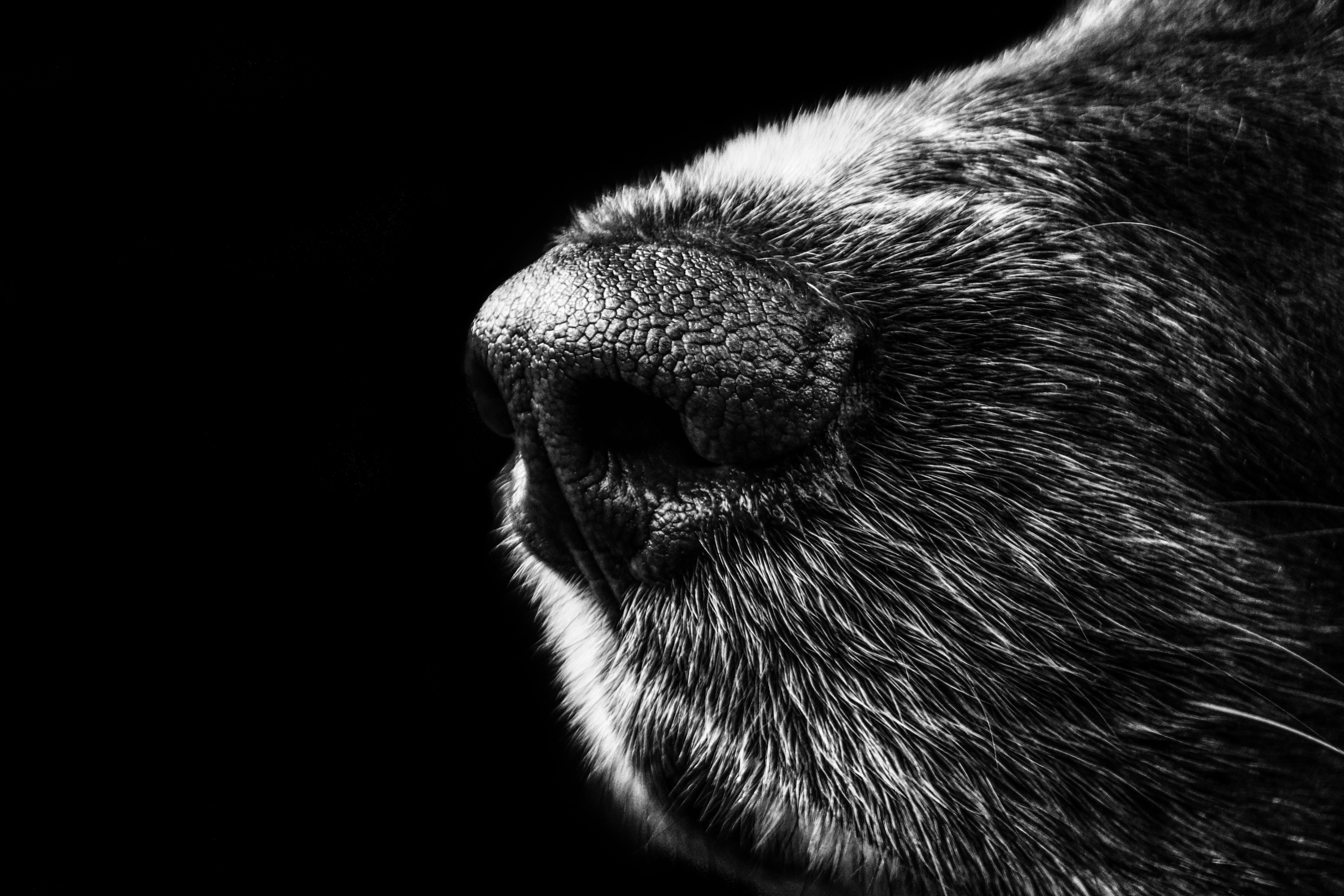
Ever wonder why your dog’s nose is always wet? You might think it’s just something that makes them cute, but there’s actually a fascinating science behind it. Understanding why do dogs have wet noses can lead to some surprising insights into canine health and behavior. Let’s dive into the top 5 reasons your dog’s nose is wet and explore the intricate anatomy of our furry friends.
1. Natural Cooling Mechanism
Did you know a dog’s body temperature is higher than humans? Yes, it’s true! The average temperature for a dog is between 101 to 102.5 degrees Fahrenheit. To help regulate their body heat, dogs rely on their noses to cool down. When they breathe, moisture from their nose evaporates, which helps to lower their overall temperature. This process works similar to how we sweat. If your pup is panting heavily after a walk, their wet nose is a sign they are managing their heat.
2. Enhanced Sense of Smell
Dogs have an incredible sense of smell, and their wet noses play a crucial role in this. The wetness helps to trap scent particles, making it easier for them to detect and identify various smells. In fact, dogs have up to 300 million smell receptors in their noses compared to a human’s 5 million! The moisture on their nose helps to dissolve these scent particles, allowing for better absorption and, thus, a more acute sense of smell. This is why you’ll often see a dog sniffing the ground or other surfaces; they are gathering information.
3. Sign of Good Health
A wet nose is often a sign of a healthy dog, but that’s not always the case. Many dog owners think if their pup’s nose is dry, it indicates illness. However, it is more complex than that. A dog’s nose can be wet or dry depending on numerous factors like the weather, activity level, and even what they have been eating. A consistently dry nose, especially if accompanied by other symptoms like lethargy or loss of appetite, could indicate health issues, and you should consult your vet.
4. Communication Tool
Dogs are social animals, and their noses serve as a form of communication. Just like humans use body language and facial expressions, dogs communicate through scents and smells. When dogs meet one another, they often sniff each other’s noses and behinds. This behavior helps them learn about the other dog’s identity, mood, and even health. A wet nose can convey a friendly, approachable demeanor, while a dry nose may suggest that a dog is feeling a bit off or less sociable.
5. Environmental Factors
The environment plays a huge role in the moisture of a dog’s nose. Humidity, temperature, and even the materials they come into contact with can affect how wet their nose is. For instance, if your dog is playing in the grass on a humid day, it’s likely that their nose will be wetter than if they were lounging inside on a dry winter day. Additionally, certain dog breeds may have different nose characteristics, so it’s essential to consider your dog’s specific needs and behaviors.
Quick Facts About Dog Noses
- Length of Nose: Dog noses come in various shapes and sizes, depending on the breed. Breeds like Greyhounds have long noses designed for speed, while Bulldogs have shorter noses which can affect breathing.
- Nasal Patterns: A dog’s nose print is unique, just like human fingerprints. This means each dog has a distinct pattern that can be used for identification.
- Potential Health Indicators: Changes in the moisture or color of a dog’s nose can indicate potential health problems. For example, a suddenly bright red nose might suggest allergies or irritation.
Common Myths About Dog Noses
Myth: A wet nose always means a dog is healthy.
Truth: While a wet nose is often a sign of health, it’s essential to look for other symptoms.
Myth: Dogs can’t breathe through their mouths.
Truth: Dogs can breathe through their mouths; however, their noses are more efficient for cooling and smelling.
Myth: Dogs’ noses are always wet.
Truth: A dog’s nose can be dry from time to time due to several factors, including weather or sleeping position.
Understanding the reasons behind a dog’s wet nose can not only satisfy your curiosity but also help you ensure your furry friend stays healthy and happy. So next time you give your pup a little scratch on the head, take a moment to appreciate that wet nose and all the wonders it holds!
Wet vs. Dry: What Your Dog’s Nose Tells You About Their Health
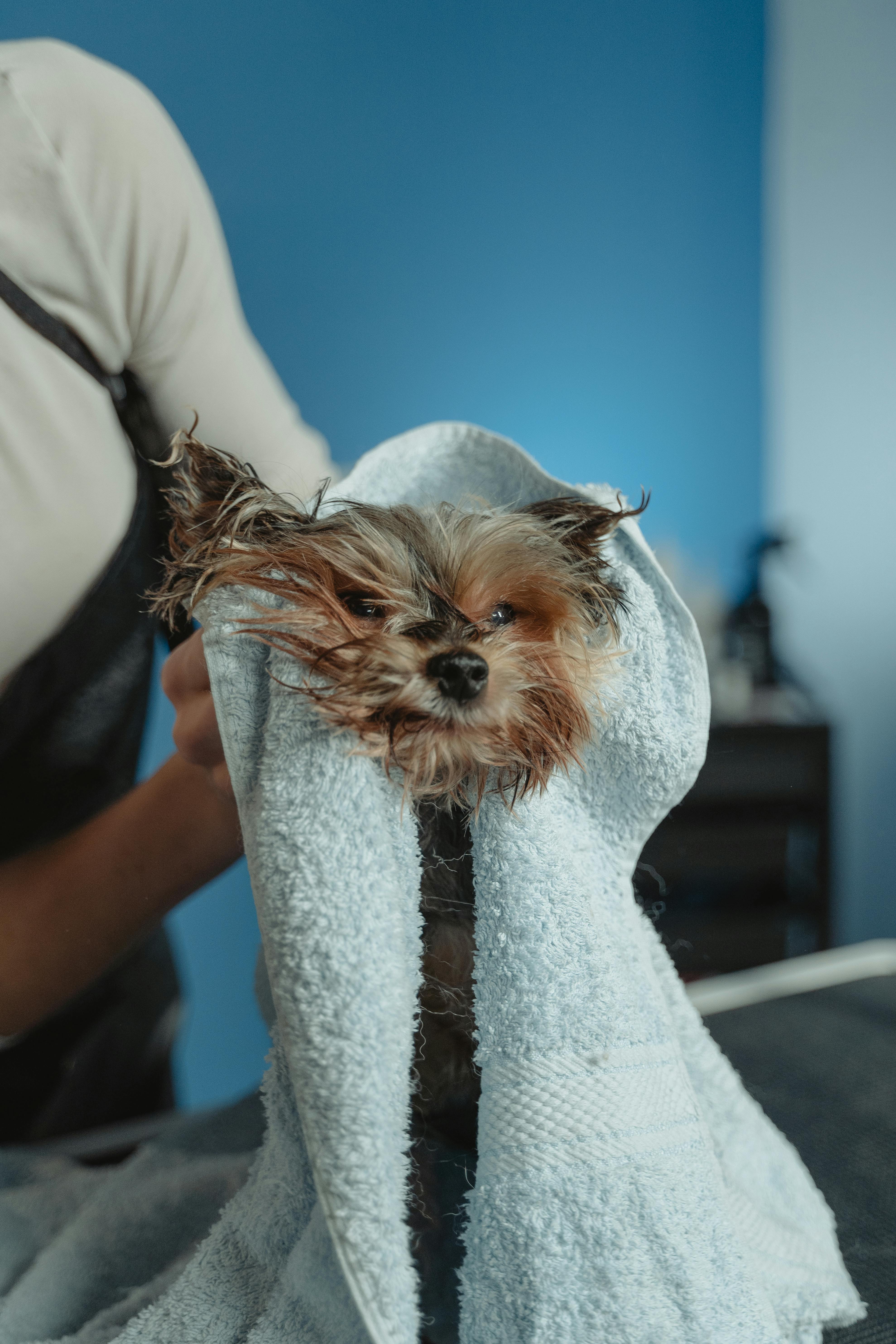
When you think about dogs, one of the first things that probably comes to mind is their adorable wet noses. But have you ever wondered why do dogs have wet noses? Or what your dog’s nose might be telling you about their overall health? It’s a fascinating topic that goes beyond just a cute feature; it relates to how dogs interact with their environment and their well-being.
Wet vs. Dry: The Science Behind Dog Noses
Dog noses are not just for sniffing; they serve many important functions. A wet nose can indicate a healthy dog, while a dry nose might signal something’s off. Here’s a closer look at what each state might mean:
Wet Nose:
- Helps to absorb scent particles more effectively.
- Aids in thermoregulation—dogs can cool off through their noses, which is why they often pant.
- Indicates hydration, so a wet nose often means your dog is well-hydrated.
Dry Nose:
- Could mean dehydration or illness.
- Might be due to environmental factors like heat or low humidity.
- Sometimes simply means your dog is sleeping, as their nose can dry out while they rest.
Why Do Dogs Have Wet Noses?
So, why do dogs have wet noses? It’s a question that stretches back in history. The moisture on a dog’s nose comes from a combination of mucus and sweat. This unique composition helps to enhance their sense of smell. Dogs have an incredible olfactory system, estimated to be between 10,000 to 100,000 times more sensitive than humans. Their wet noses keep scent particles on the surface, allowing them to pick up more information about their surroundings.
Health Indicators: What Your Dog’s Nose Can Tell You
Understanding the condition of your dog’s nose can help you catch potential health issues early. Here’s how to interpret different nose conditions:
- Normal Moisture: A healthy dog usually has a nose that is moist but not dripping. This is the ideal state.
- Cracked or Flaky Nose: This may indicate a skin condition, allergies, or even sunburn. If you notice this, it might be a good idea to consult a vet.
- Warm Nose: A warm, dry nose isn’t always a sign of illness. Dogs’ noses can fluctuate in temperature, especially after resting. However, if it’s consistently warm and dry, it could mean they are sick.
- Excessively Wet Nose: While a wet nose is generally a sign of health, if it’s dripping or excessively wet, it can be a symptom of a respiratory infection or other health issues.
Factors That Influence Nose Moisture
There are several factors that can influence how wet or dry your dog’s nose is. Here’s a quick rundown:
- Environmental Conditions: Hot or dry weather can lead to a dry nose, while humid conditions may keep it moist.
- Activity Level: After exercise, your dog’s nose may be wetter due to increased sweating and breathing.
- Age: Puppies tend to have wetter noses than older dogs. As dogs age, their noses may dry out.
- Breed Differences: Some breeds, like Bulldogs, may naturally have drier noses due to their facial structure.
Tips for Maintaining a Healthy Nose
Keeping your dog’s nose healthy may not be too difficult. Here’s a list of things you can do:
- Hydration: Always provide fresh water to keep your dog hydrated.
- Regular Vet Visits: Routine check-ups can help catch any underlying health issues early.
- Observe Changes: Keep an eye on your dog’s nose condition. If you notice any sudden changes, consult a veterinarian.
- Sun Protection: If your dog has a light-colored or thin-skinned nose, consider using dog-safe sunscreen when outdoors.
Final Thoughts
Understanding your dog’s nose can be an important part of monitoring their health. While a wet nose is often a sign of a happy and healthy dog, changes in moisture levels can signal underlying issues. Always pay attention to your dog’s behavior and consult a veterinarian if something seems off. By keeping an eye on your furry friend’s nose, you can help ensure they stay healthy and happy for years to come! Remember, a well-cared-for dog is a happy dog, and their nose can tell you a lot about their well-being.
Curious Canine Facts: The Importance of a Wet Nose in Dogs
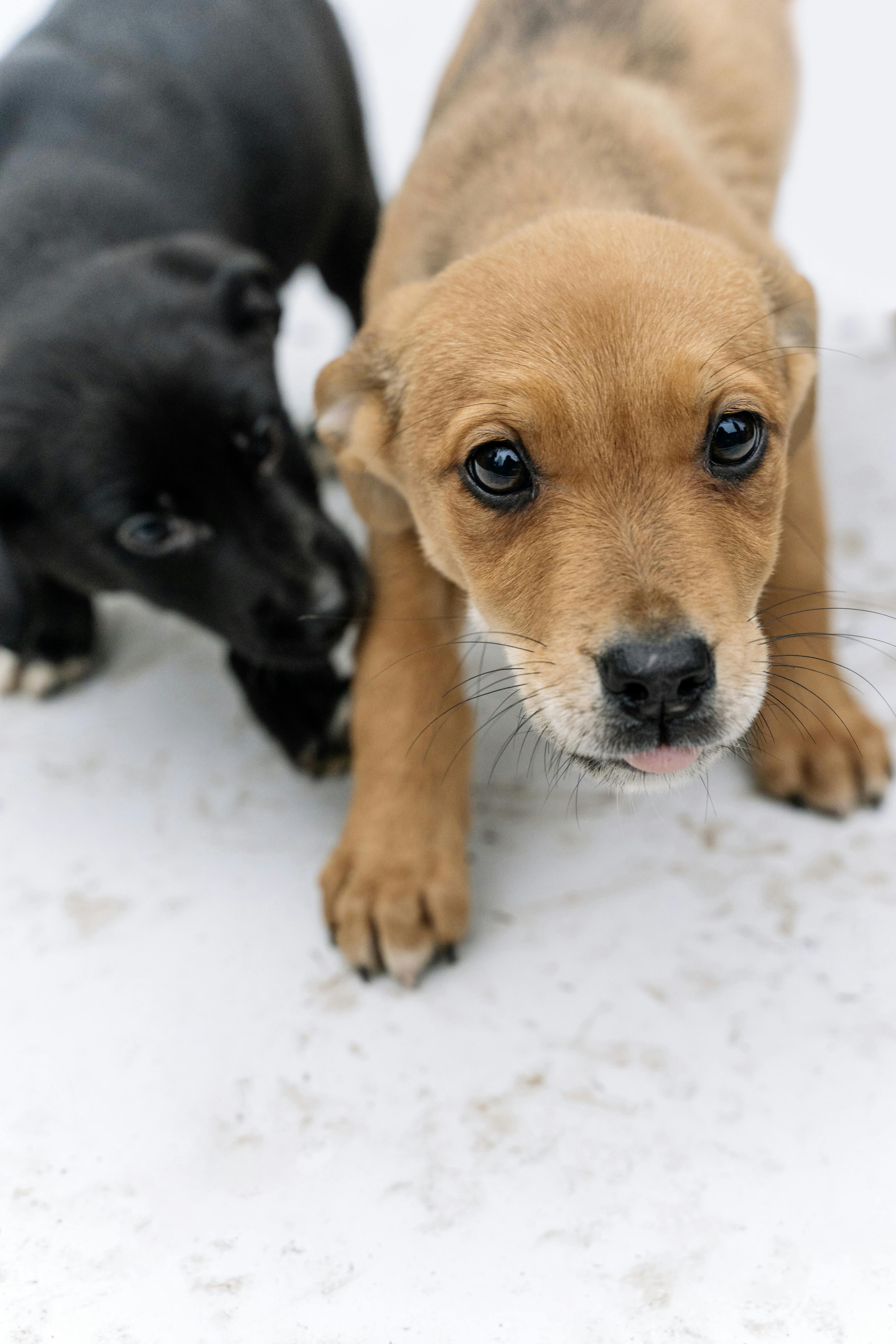
Dogs are often called man’s best friend, and they’ve been by our sides for thousands of years. One of the most curious aspects about dogs is their wet noses. Have you ever wondered, why do dogs have wet noses? It turns out, there’s a lot more going on than just a simple biological quirk. Let’s dive into some fascinating facts about our furry companions and the importance of that damp little nose.
The Science Behind a Wet Nose
A wet nose in dogs serves several important functions. The main reason for their moist noses is to enhance their sense of smell. Dogs have an incredible sense of smell, much better than humans, and a wet nose helps them absorb scent molecules more effectively. When the nose is moist, it can trap more scent particles. Here’s a little breakdown of why that wetness matters:
- Scent Absorption: A wet surface allows for better absorption of scent molecules.
- Temperature Regulation: Dogs can’t sweat like humans do, so they lose heat through their noses.
- Health Indicator: A dog’s nose can be a sign of their health. Variations in wetness or temperature might hint to underlying health issues.
Evolutionary Perspective
Dogs evolved from wolves who had wet noses, which helped them hunt and survive. The wetness of their noses likely provided an evolutionary advantage, enabling them to track prey better. Over time, this trait became a standard characteristic of canines. Here’s a quick historical overview:
- Ancient Origins: Dogs have been domesticated for over 15,000 years, and their noses have been wet since then.
- Survival Tool: The wet nose helped early dogs find food and avoid predators.
- Breeding Impact: Certain dog breeds have retained this feature more than others, showing how selective breeding has influenced physical traits.
Fun Facts About Dog Noses
Did you know that a dog’s nose print is unique, similar to a human fingerprint? Here are some intriguing facts about those amazing noses:
- Sense of Smell: A dog’s sense of smell is 10,000 to 100,000 times more sensitive than a human’s.
- Cooling Mechanism: Dogs release heat through their noses and paws, helping to regulate body temperature.
- Nasal Turbinates: Dogs have complex nasal turbinates that help to warm and moisten the air they breathe in.
Dogs and Their Health
The moisture levels of a dog’s nose can be a reflection of their health. Here’s what different conditions might indicate:
- Normal Wet Nose: Indicates a healthy dog, hydrated and active.
- Dry Nose: Could mean dehydration, fever, or illness.
- Excessively Wet Nose: Might suggest allergies or infections.
It’s essential for dog owners to monitor their pet’s nose condition and seek veterinary advice if anything seems off.
Caring for Your Dog’s Nose
Maintaining a healthy nose is important for your dog’s overall well-being. Here are some tips to keep your canine’s nose in top shape:
- Hydration: Ensure your dog is drinking enough water. Dehydration can lead to a dry nose.
- Regular Vet Check-ups: Routine vet visits can help catch potential health issues early.
- Watch for Changes: Pay attention to any changes in the nose’s color, texture, or temperature. These could be signs of health problems.
Comparing Dog Noses to Other Animals
It’s interesting to compare the wet noses of dogs to other animals. Here’s a quick look:
- Cats: Cats also have wet noses, but their sense of smell is not as acute as dogs.
- Pigs: Pigs have very moist noses, which they use for digging and finding food.
- Humans: Humans have dry noses and depend more on sight than smell.
The Fascinating Truth
So, why do dogs have wet noses? The answer goes beyond just being adorable. Their wet noses play a crucial role in helping them navigate and understand the world around them. Whether it’s enhancing their sense of smell, regulating their body temperature, or signaling their health, these little noses do a lot.
Understanding this aspect of canine biology not only makes us appreciate our pets more but also helps us care for them better. Next time you give your dog a little pat on the nose, remember that it’s not just a cute feature — it’s a remarkable tool that has served them well throughout history.
How to Keep Your Dog’s Nose Healthy and Hydrated: Expert Tips

Dogs are fascinating creatures, and their noses are a big part of what makes them so special. Many dog owners wonder how to keep their furry friends’ noses healthy and hydrated. You might also ask yourself, why do dogs have wet noses? Well, let’s dive into the world of canine noses and discover some expert tips to ensure your pup’s nose stays in tip-top shape.
The Importance of a Healthy Nose
A dog’s nose is not just for sniffing, although that’s a major part of its function. The moisture on the nose serves several purposes. It helps to enhance their sense of smell, keep the nose cool, and even assist in regulating body temperature. A healthy nose is a sign of a healthy dog, while dryness, cracks or discoloration might indicate underlying health issues. So, understanding how to care for your dog’s nose is crucial for their overall wellbeing.
Why Do Dogs Have Wet Noses?
So, why do dogs have wet noses anyway? Here are some key facts:
- Enhanced Smell: The wetness on a dog’s nose helps to capture scent particles in the air, making it easier for them to detect different smells. This is why their sense of smell is so powerful.
- Cooling Mechanism: Just like humans sweat, dogs regulate their body temperature through their noses. A wet nose helps them stay cool, especially during hot weather.
- Health Indicators: A wet, cold nose usually indicates good health, while a dry or warm nose could suggest illness or dehydration.
Tips for Keeping Your Dog’s Nose Healthy
Keep Them Hydrated:
- Water is essential for all dogs. Make sure your pooch always has access to fresh, clean water. Dehydration can lead to a dry nose, so keep that bowl filled!
- Consider adding wet food to their diet, as this can increase their overall hydration levels.
Limit Sun Exposure:
- Just like humans, dogs can get sunburned. If your dog spends a lot of time outdoors, consider using pet-safe sunscreen on their nose.
- Try to keep your dog in shaded areas during peak sunlight hours, especially in the summer.
Regular Check-Ups:
- Routine visits to the vet can help catch any potential issues early. Your vet can assess the health of your dog’s nose and overall health.
- If you notice any changes like cracks, bleeding, or excessive dryness, consult your vet.
Nose Balms and Moisturizers:
- There are various products available that can help to keep your dog’s nose moisturized. Look for natural, pet-safe balms that can soothe dryness.
- Apply these balms regularly, especially during winter months when the air tends to be drier.
Diet Matters:
- A balanced diet contributes to overall health, including the health of your dog’s nose. Omega-3 fatty acids, for example, can promote skin health.
- Talk to your vet about incorporating foods that are rich in these nutrients.
Common Nose Problems and What They Indicate
Here are some common issues you might notice with your dog’s nose and what they could mean:
Dryness and Cracking:
- Could indicate dehydration or environmental factors. Ensure they are drinking enough water and consider using a moisturizer.
Nasal Discharge:
- A clear discharge is usually normal, but yellow or green discharge could indicate an infection. If you see this, it’s best to visit the vet.
Color Changes:
- A change in color can signal health problems. If the nose becomes excessively red or white, seek veterinary advice.
Fun Facts About Dog Noses
- Did you know that dogs have about 220 million scent receptors in their noses? Humans have only about 5 million!
- The shape and size of a dog’s nose can also affect its sense of smell. Breeds like Bloodhounds have incredibly powerful noses compared to others.
- Dogs use their noses to communicate with each other. A wet nose can signal friendliness and curiosity.
Keeping your dog’s nose healthy and hydrated is not only important for their wellbeing but also enhances their quality of life. By understanding the reasons behind those wet noses and taking the necessary steps to care for them, you can ensure your furry friend remains happy and healthy. After all, a healthy nose is just one piece of the puzzle in maintaining your dog’s overall health!
Is a Wet Nose Really a Sign of a Healthy Dog? Unpacking the Myths
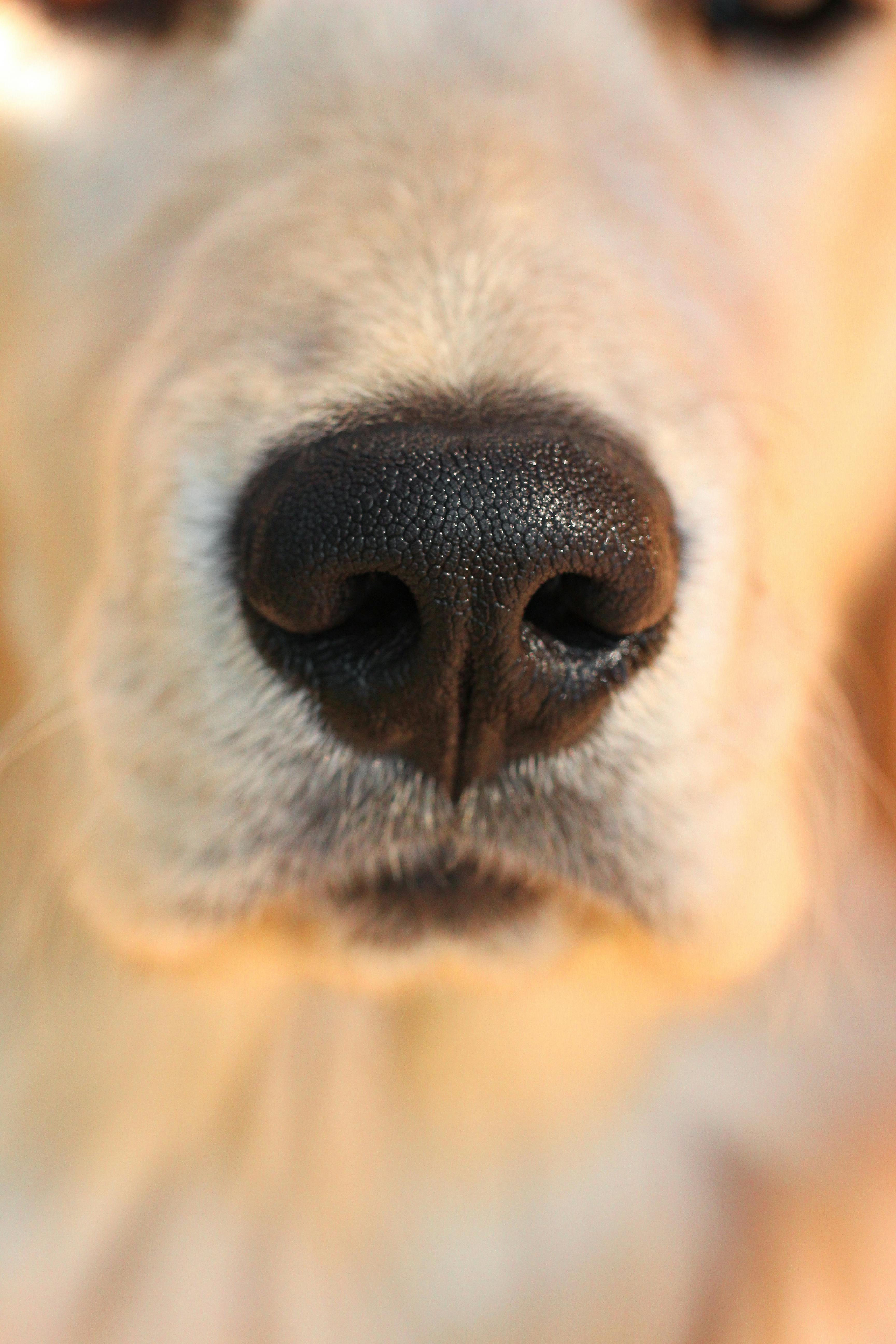
Is a wet nose really a sign of a healthy dog? A lot of dog owners and pet enthusiasts believe that. But, do you ever wonder why do dogs have wet noses in the first place? Let’s unpack these myths and explore the fascinating truth behind our furry friends’ noses.
The Science of a Wet Nose
Dogs noses are wet for a couple reasons. First, they help in regulating body temperature. When dogs pant, moisture evaporates from their nose, which helps cool them down. Second, a wet nose enhances their sense of smell. The moisture helps capture scent particles, which boost their ability to detect different odors. Isn’t that cool?
Here’s a breakdown of how a wet nose benefits dogs:
- Temperature Regulation: Keeps them cool, especially on hot days.
- Enhanced Smell: Helps capture and absorb scents better.
- Communication Tool: A wet nose can also indicate a dog’s mood or excitement level.
Myths About Wet Noses
Many people think that a warm or dry nose means a dog is sick. That’s not always the case! Dogs can have varying nose temperatures throughout the day, depending on their activities and environment. Here’s some common myths debunked:
Myth 1: A wet nose = Healthy Dog
Reality: While a wet nose can be a sign of a healthy dog, it doesn’t guarantee it. Other factors like energy levels, appetite, and overall behavior are better indicators.Myth 2: A dry nose = Sickness
Reality: Dogs can have dry noses for many reasons, including dehydration, weather conditions, or even just waking up from a nap.Myth 3: All dogs have wet noses
Reality: Some breeds, particularly those with flatter faces like Bulldogs or Pugs, may have different nose characteristics.
Why Do Dogs Have Wet Noses?
The question of why dogs have wet noses goes beyond just health indicators. Their noses serve multiple purposes in their daily lives. Here’s a more detailed look:
Sensory Functions: Dogs have a highly developed sense of smell, estimated to be between 10,000 to 100,000 times more acute than humans. A wet nose aids in capturing scent particles.
Thermal Regulation: Dogs don’t sweat like humans. Their primary way of cooling down is through panting and having a wet nose.
Social Interaction: Dogs often greet each other by sniffing noses; moisture can make this process more effective.
Fun Facts About Dog Noses
Did you know that every dog has a unique nose print, similar to human fingerprints? It’s true! Here are some other fascinating facts about dog noses:
- Nose Patterns: The pattern of ridges and spots on a dog’s nose is unique to each individual dog.
- Color Changes: A dog’s nose color can change with the seasons, sometimes darkening in summer and lightening in winter.
- Health Indicator: While not definitive, changes in a dog’s nose, like excessive dryness or cracking, can be a sign of health issues.
Practical Tips for Dog Owners
To ensure your dog stays healthy, it’s important to monitor their overall well-being, not just their nose moisture. Here are some practical tips:
- Hydration: Make sure your dog has access to fresh water at all times. Dehydration can lead to a dry nose.
- Regular Vet Visits: Annual check-ups can help catch any underlying health issues early.
- Observe Behavior: Watch for changes in eating, drinking, or energy levels. These are better indicators of health than nose moisture.
Comparison: Wet vs. Dry Noses
Here’s a quick comparison table that summarizes the key points about wet and dry noses in dogs:
| Feature | Wet Nose | Dry Nose |
|---|---|---|
| Temperature | Usually cooler | Can be warm or cool |
| Health Indicator | Not always reliable | Can indicate possible issues |
| Function | Enhances smell | May reduce smell ability |
| Activity Level | Often more energetic | Not necessarily less active |
Understanding your dog’s nose is just one part of being a responsible pet owner. While a wet nose can be a good sign, it’s essential to consider the entire picture when it comes to your furry friend’s health.
In conclusion, while a wet nose can indicate a healthy dog, it’s not the only sign to look for. The fascinating mechanics behind why dogs have wet noses enrich our understanding of these beloved pets. So next time you’re greeted with a slobbery nuzzle, remember, it’s not just cute; it’s a part of what makes dogs so special!
What Makes Dog Noses So Sensitive? The Fascinating Truth Revealed
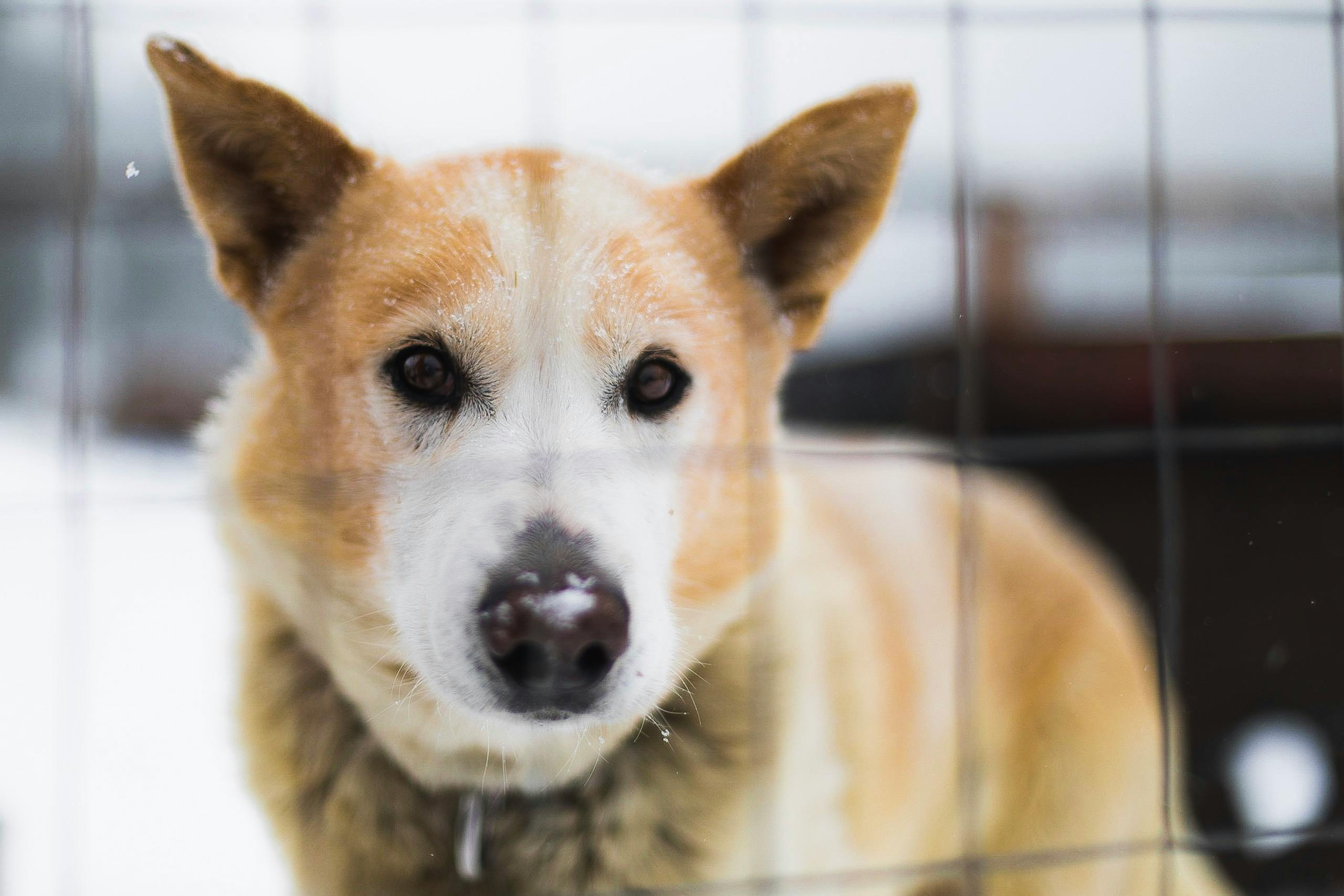
Dogs are one of the most beloved pets in the world, and their noses are often a source of fascination for many dog owners. Ever wonder what makes dog noses so sensitive? Or why do dogs have wet noses? Well, the truth is, there’s a whole lot more going on than just a cute feature. The fascinating truth about dog noses reveals a complex world of biology and behavior that can help us understand our furry friends better.
The Science Behind Dog Noses
Dog’s noses are incredibly sensitive, way more than humans. In fact, dogs have up to 300 million olfactory receptors in their noses, compared to a human’s mere 5 million. This means they can detect smells at incredibly low concentrations, something like one part per trillion!
- Olfactory Receptors: Dogs have a lot more olfactory receptors than humans.
- Scent Discrimination: They can distinguish between different smells, which is why they are used in search and rescue missions.
- Vomeronasal Organ: This organ helps dogs detect pheromones, which are chemical signals that can influence their behavior.
Why Are Dog Noses Wet?
Have you noticed that dogs often have wet noses? It turns out this isn’t just for fun; there is a reason behind it. A dog’s wet nose helps them in multiple ways.
Enhanced Smelling Ability: The moisture on a dog’s nose helps to capture scent particles from the air. When their nose is wet, it can pick up scents more effectively.
Temperature Regulation: Dogs don’t sweat like humans do. Instead, they can cool themselves down through their noses. When the nasal passages are moist, it helps regulate their body temperature.
Health Indicator: A wet nose is often seen as a sign of a healthy dog. However, if a dog’s nose is excessively dry or cracked, it could indicate health issues.
Mysteries of Dog Noses
Dogs have many fascinating characteristics related to their noses. Here are some interesting facts and comparisons:
Sense of Smell vs. Sight: Dogs rely more on their sense of smell than sight. In fact, they can identify familiar smells even if they can’t see the person.
Tracking Ability: Bloodhounds, for example, are renowned for their tracking skills, being able to follow a scent trail that is days old!
Unique Nose Prints: Just like human fingerprints, every dog has a unique nose print. This means that each dog’s nose has a specific pattern that could theoretically be used for identification.
The Evolution of Dog Noses
The anatomy of a dog’s nose has evolved over thousands of years. Early domesticated dogs were bred for specific tasks, including hunting and herding, which required acute senses. This led to the development of their exceptional sense of smell.
Breeding Practices: Certain breeds were developed for tracking and hunting, like Beagles and Bloodhounds, enhancing their olfactory capabilities even more.
Survival Tactics: Wild ancestors of dogs relied heavily on their sense of smell for survival, whether it was tracking down prey or avoiding predators.
Practical Implications for Dog Owners
Understanding why dogs have sensitive noses can help dog owners in various ways. Here are some practical tips:
Training: Use scent-based training methods. Dogs love to use their noses, and incorporating scent games can enhance their learning.
Health Monitoring: Keep an eye on your dog’s nose. If it changes significantly, it might be worth a trip to the vet.
Enrichment Activities: Engage your dog in activities that stimulate their sense of smell. Hide treats around the house or in the yard for a fun scavenger hunt.
Fun Facts About Dog Noses
- Dogs can smell things up to 40 feet underground.
- They can detect certain diseases in humans, including some forms of cancer.
- Their sense of smell is so refined that they can even sense emotional states through body odor.
In conclusion, the sensitivity of dog noses and their wetness are not just quirky traits but are deeply tied to their biology and evolution. Understanding these features can deepen the bond between dogs and their owners, making interactions more meaningful. So the next time you give your furry friend a sniff or a wet-nosed nuzzle, remember there’s a whole world of fascinating biology behind that cute face!
Exploring the Role of Wet Noses in Canine Communication and Scent Detection

Ever wondered why dogs have wet noses? It’s one of those things that seems simple, but there’s actually a lot more to it. Wet noses play a big role in how dogs communicate and detect scents. Those little drips of moisture aren’t just for show—they’re crucial for their survival and interaction with the world.
The Science Behind Wet Noses
A dog’s nose is covered with a thin layer of mucus which helps in scent detection. When a dog sniffs, the moisture on their noses helps to trap scent particles. This is important because dogs have an incredible sense of smell, estimated to be between 10,000 to 100,000 times more sensitive than humans. The wetness enhances their olfactory capabilities, allowing them to pick up on smells that we could never imagine.
- Moisture and Scent Detection: Wet noses trap scent particles better.
- Heat Regulation: Dogs also use their noses to help cool themselves down.
Historical Context of Canine Communication
Throughout history, dogs have been our companions, working alongside humans in various roles, from hunting to herding. The evolution of their noses has been shaped by their need to communicate and detect prey. In many cultures, dogs are seen as symbols of loyalty and protection, and their ability to sniff out danger or find lost objects is often celebrated.
- Hunting Companions: Dogs that hunted had to rely on their noses to find prey.
- Guardians: Wet noses helped alert humans to potential threats.
Why Do Dogs Have Wet Noses?
The question “why do dogs have wet noses?” can be answered by looking at several factors. Here’s a breakdown:
- Enhanced Olfactory Function: The moisture on a dog’s nose helps absorb scent molecules. This makes them more efficient in identifying different smells.
- Temperature Regulation: Dogs don’t sweat like humans do. Instead, they regulate their body temperature through their noses and panting.
- Communication: Dogs communicate with each other and with humans through scent. A wet nose can indicate various things, like excitement or a friendly greeting.
The Role of Wet Noses in Canine Communication
Wet noses also serve as a form of non-verbal communication. Dogs use their noses to greet each other and gather information about their environment, such as:
- Identifying Other Dogs: When dogs meet, they often sniff each other’s noses. The wetness makes it easier to pick up scents left by other dogs.
- Sensing Emotions: Dogs can sense human emotions through scent. A wet nose can tell them if someone is happy, sad, or anxious.
Fun Facts About Dog Noses
- Unique Patterns: Just like human fingerprints, each dog has a unique nose print.
- Scent Discrimination: Dogs can distinguish between different scents, even if they are mixed together.
- Health Indicators: A sudden change in a dog’s nose (like becoming dry or cracked) can indicate health issues.
Comparisons: Dogs vs. Other Animals
When comparing dogs with other animals, their noses stand out in the animal kingdom. For instance:
| Animal | Sense of Smell | Notes |
|---|---|---|
| Dogs | 10,000 – 100,000 times better than humans | Excellent for detecting drugs and bombs. |
| Cats | 5-10 times better than humans | Good at hunting small prey. |
| Elephants | Similar to dogs | Can smell water from miles away. |
| Rats | 20 times better than humans | Used for search and rescue operations. |
Practical Examples of Nose Use
- Search and Rescue: Dogs are trained to find missing persons or detect substances like explosives due to their superb sense of smell.
- Medical Detection: Some dogs can detect diseases like cancer through scent, which is pretty amazing.
So, next time you pet a dog and feel their wet nose, remember it’s not just cute—it’s a tool for communication and survival. Dogs use their noses to explore the world, connect with us, and even keep us safe. Understanding the role of wet noses in canine communication and scent detection opens up a whole new world of appreciation for our furry friends. It’s fascinating how something so simple can play such a critical role in their lives!
Why Do Dogs Lick Their Noses? The Connection to Wetness Explained

Dogs are often seen licking their noses, and many people wonder why is that. It’s not just a cute quirk, there’s actually some fascinating science behind it. In this post, we’ll explore the reasons why dogs have wet noses, and how this wetness plays a crucial role in a dog’s health and behavior.
The Importance of Wet Noses
First, let’s talk about why a dog’s nose is wet in the first place. A wet nose helps dogs in a number of ways, including:
- Enhanced Smell: A moist nose helps to catch scent particles. The wetness allows the particles to stick better, which makes their sense of smell even sharper.
- Temperature Regulation: Dogs sweat through their noses and paw pads. The moisture helps them cool down, which is especially important during warmer days.
- Health Indicator: A dog’s nose can often reflect its health. A healthy dog usually has a cool, wet nose. If it’s dry or warm, it might be a sign of dehydration or illness.
Why Do Dogs Lick Their Noses?
Now, let’s dive into why dogs lick their noses. It may seem like a simple action, but there are several reasons they do it:
Taste and Scent Exploration: Dogs explore their world primarily through their noses. Licking helps them to get a better sense of their surroundings. They may lick their noses after sniffing something interesting, almost like saying, “Hmm, what’s this?”
Self-Cleaning: Just like cats groom themselves, dogs lick their noses to keep them clean. It’s a natural instinct that helps remove dirt, debris, and even some bacteria.
Nervous Habit: Sometimes, licking can be a sign of anxiety or stress. If a dog is feeling uneasy, it may lick its nose as a way to soothe itself. Keep an eye out for other signs of anxiety, like pacing or whining.
Attention-Seeking Behavior: Dogs are smart and they know how to get our attention. They might lick their noses when they want something, like food or a play session.
Communication: Dogs use body language to express themselves. Licking their noses can be a way to show submission or appease another dog or human.
Some Fun Facts About Dog Noses
- Unique Patterns: Just like human fingerprints, every dog has a unique nose print. It can be used for identification.
- Sense of Smell: Dogs have about 220 million scent receptors in their noses, compared to about 5 million in humans. This makes their sense of smell incredibly powerful.
- Color Differences: A dog’s nose can vary in color from pink to black, and even liver-colored in some breeds. The color doesn’t affect their ability to smell.
The Wet Nose Connection
The wetness of a dog’s nose is not just for show. It actually serves several significant purposes:
- Cooling Mechanism: When dogs breathe, moisture evaporates from their noses, which helps to cool their bodies. This is especially important since they don’t sweat like humans do.
- Health Monitoring: A change in nose moisture can indicate potential health issues. For example, if a dog’s nose becomes excessively dry, it could be a sign of dehydration.
- Behavioral Indicators: A dog may lick its nose more frequently when it’s excited or nervous, so observing this behavior can provide insights into its emotional state.
Practical Tips for Dog Owners
- Regular Check-ups: Monitor your dog’s nose regularly for signs of unusual dryness or cracking, and consult a veterinarian if you notice anything off.
- Hydration is Key: Ensure your dog has access to fresh water at all times to help maintain that healthy wet nose.
- Observe Behavior: Try to pay attention to when your dog licks its nose. Is it after eating, while playing, or when meeting new people? This can give you clues about their feelings.
The next time you see your furry friend giving their nose a good lick, you can appreciate the fascinating reasons behind it. Dogs, with their wet noses and unique behaviors, continue to bring joy and curiosity to our lives.
The Fascinating Evolution of Dogs’ Wet Noses: What You Need to Know
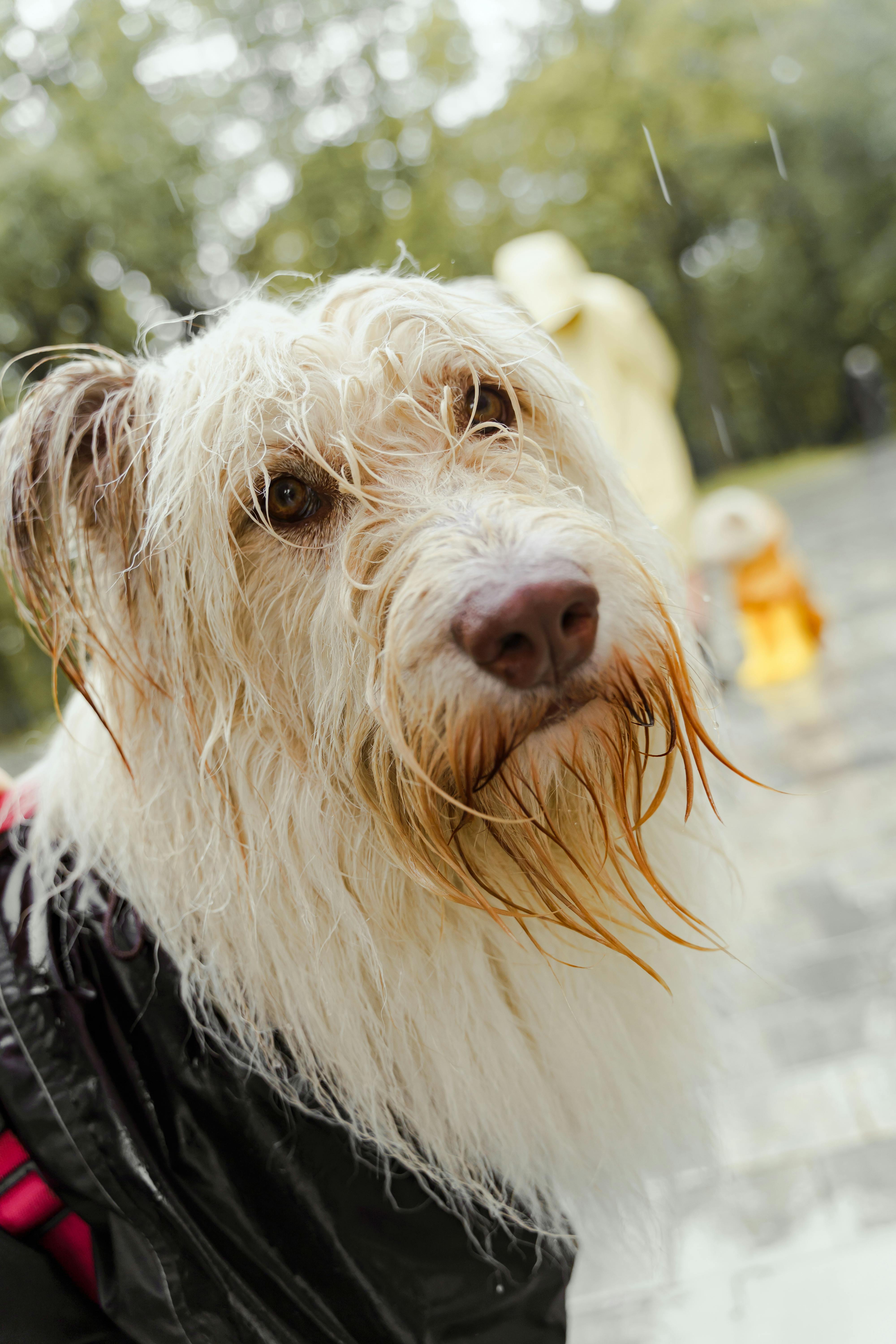
Every dog owner has probably noticed that their furry friends has a wet nose, but few will stop to wonder why. It’s a common sight, yet the reason behind it is quite fascinating! The truth about why dogs have wet noses is deeply rooted in their biology, history, and even behavioral traits. Let’s dive in and explore the interesting evolution of this quirky canine characteristic.
The Biological Purpose of Wet Noses
Dogs’ noses are not just there for show; they serves a crucial purpose. Here’s what you need to know:
- Scent Enhancement: A wet nose helps to enhance a dog’s sense of smell. The moisture on their snout captures scent particles from the air, making it easier for them to detect a wider array of smells.
- Thermoregulation: Dogs don’t sweat like humans do. Instead, they cool themselves primarily through panting and by having a damp nose. The evaporation of moisture from their nose helps to regulate their body temperature.
- Health Indicator: A dog’s nose can tell you a lot about their health. A consistently dry or cracked nose could indicate dehydration or illness, whereas a healthy nose is usually moist and cool.
Historical Context of Dogs’ Noses
Dogs have evolved over thousands of years alongside humans. Their wet noses are not just a random trait but a result of evolution. Early domesticated dogs likely developed this feature as they adapted to hunting and living in close quarters with humans.
- Hunting and Survival: Primitive dogs with better olfactory senses were more successful in hunting. A wet nose would likely have been advantageous in tracking scents, thus increasing their chances of survival.
- Breeding: Over time, humans selectively bred dogs for specific traits, including enhanced scenting abilities. This has led to the variety of breeds we see today, each with unique characteristics—including their noses.
What Makes a Dog’s Nose Wet?
So, what actually makes a dog’s nose wet? There are a few factors involved:
- Mucous Production: Dogs’ noses produce mucous which keeps their noses moist. This mucous is essential for trapping scents.
- Environmental Factors: Weather plays a role too! On humid days, a dog’s nose tends to stay wetter, while dry and cold conditions can lead to a drier nose.
- Licking Behavior: Dogs often lick their noses, which adds moisture and helps to clean it. This behavior is instinctual and serves both hygienic and sensory purposes.
Common Myths About Dogs’ Noses
There are many misconceptions about the significance of a dog’s nose. Here are some of the most common myths debunked:
Myth 1: A warm nose means a dog is sick.
- Fact: A dog’s temperature should be checked with a thermometer. Nose temperature can vary regardless of health.
Myth 2: All dogs have wet noses.
- Fact: While most dogs do, some breeds have drier noses due to their physical traits.
Myth 3: A wet nose equals a happy dog.
- Fact: While a wet nose can indicate health, a dog’s behavior is a better indicator of their emotional state.
Practical Considerations for Dog Owners
Understanding the nature of your dog’s nose can help you take better care of your pup. Here are some practical tips:
- Regular Check-ups: Keep an eye on your dog’s nose. If it becomes excessively dry or cracked, consult a vet.
- Hydration: Ensure your dog is drinking enough water. Proper hydration is essential for maintaining a moist nose.
- Climate Awareness: In dry weather or during winter, consider using a nose balm to prevent cracking.
Fun Facts About Dogs’ Noses
- Dogs have an estimated 220 million scent receptors in their noses, compared to only about 5 million in humans.
- The unique pattern of a dog’s nose is as distinctive as a human fingerprint.
- Some breeds, like Bloodhounds, have an incredible ability to track scents over long distances.
Understanding why dogs have wet noses opens a window into their world. It reflects not just their biology but their evolution alongside humans. Whether you’re a seasoned dog owner or a new pet parent, knowing these facts can help you appreciate these lovable companions even more. So, next time you see that wet nose, remember all the fascinating reasons behind it!
Conclusion
In conclusion, the wet noses of dogs serve several important functions that enhance their health and interactions with the world around them. The moisture helps improve their sense of smell, allowing them to detect scents more effectively, which is vital for their communication and exploration. Additionally, a wet nose plays a role in thermoregulation, helping to cool down their bodies and maintain comfortable temperatures. While it’s often seen as a sign of a healthy dog, variations in nose moisture can indicate underlying health issues, making regular check-ups essential. Understanding the significance of a dog’s wet nose can deepen the bond between pet owners and their furry companions. Next time you give your pup a gentle pat on the nose, consider all the fascinating biology at play. Keep an eye on your dog’s health and cherish those moments of connection!
