
Have you ever wondered, why do dogs have wet noses? This fascinating aspect of our furry friends not only captivates dog lovers but also sparks curiosity about their health and behavior. In this post, we’ll uncover the surprising benefits of a dog’s wet nose and how it relates to their overall well-being. A wet nose is often associated with a dog’s emotional state and health indicators, making it an essential topic for any pet owner. But what if we told you that there’s more to it than meets the eye? Dogs’ noses are packed with sensory receptors, making them incredibly adept at smelling and detecting changes in their environment. Did you know that a wet nose helps to enhance their sense of smell? Discover the science behind this intriguing characteristic and learn how a simple wet nose can signal a dog’s hydration levels and body temperature. So, why does your canine companion’s nose feel like a sponge? Join us as we delve into the reasons behind this unique feature and explore how it contributes to your dog’s health and happiness. Don’t miss out on these surprising insights!
The Science Behind Dog Noses: Why Are They Always Wet and What Does It Mean?
Dogs noses, they always seems to be wet, right? This characteristic has puzzled many people for ages. So, why do dogs have wet noses? Let’s dive into the science behind this fascinating feature and discover the surprising benefits of those moist snouts.
The Anatomy of a Dog’s Nose
A dog’s nose is not just a cute feature; it’s a highly sophisticated organ. The surface of a dog’s nose is covered in a layer of mucous that keeps it moist. This moisture is crucial for a dog’s sense of smell, which is far superior to that of humans. Canines have around 220 million scent receptors, compared to only about 5 million in humans. This makes their noses incredibly sensitive and capable of detecting a wide variety of scents.
Why Are Dog Noses Wet?
Now, let’s get into the nitty-gritty of why dog noses are wet. There are several reasons for this.
Enhanced Smelling Ability: The moisture on a dog’s nose helps trap scent particles, making it easier for them to analyze smells. When the nose is wet, it can absorb scents more effectively.
Temperature Regulation: Dogs do not sweat like humans do. Their primary means of cooling down is through panting and their paws. A wet nose helps with temperature regulation too, providing a cool surface that helps to cool their bodies.
Health Indicator: Believe it or not, a wet nose can indicate a dog’s health. Generally speaking, if a dog’s nose is wet and cool, it’s a sign of good health. Conversely, if a dog has a dry, warm nose, it might be a sign of fever or dehydration. But, this isn’t a foolproof method since many factors can affect a dog’s nose moisture.
Behavioral Communication: Dogs often use their noses to communicate with other dogs. A wet nose can signal excitement or curiosity, while a dry nose can imply discomfort or unease.
The Surprising Benefits of Wet Noses
So, now that we know why dog noses are wet, what are the benefits? Here’s a quick list:
- Better Scent Detection: Wet noses enhance a dog’s ability to detect odors, helping them to sniff out food, locate other animals, or even detect diseases in humans.
- Cooling Mechanism: A moist nose helps to regulate a dog’s body temperature, keeping them cool during hot weather.
- Health Monitoring: The state of a dog’s nose can serve as a quick check for potential health issues, although it should not be the only indicator.
- Social Interaction: Dogs use their noses to greet and interact with each other. A wet nose can indicate friendliness and curiosity.
Historical Context of Dog Noses
Throughout history, dogs have been companions to humans for thousands of years. Different breeds developed unique characteristics, but the wet nose remained a common trait. Ancient cultures recognized the importance of a dog’s sense of smell. For instance, in ancient Egypt, dogs were revered for their hunting abilities, which heavily relied on their olfactory senses.
Fun Facts About Dog Noses
- Unique Patterns: Just like a human fingerprint, every dog’s nose print is unique. This means that you could identify a dog by their nose alone!
- Color Variation: The color of a dog’s nose can vary by breed. Some breeds, like the Dalmatian, have black spots on their noses, while others may have pink or liver-colored noses.
- Nasal Turbinates: Inside a dog’s nose, there are structures called turbinates that help to warm and humidify the air they breathe in, which also aids in their ability to smell.
Common Misconceptions About Wet Noses
Many people think that if a dog has a dry nose, they are sick. That’s not always the case! Environmental factors like weather or humidity can affect the moisture of a dog’s nose. Sometimes, dogs just wake up with a dry nose, and it doesn’t mean anything is wrong.
In addition, some breeds tend to have drier noses naturally. For instance, Bulldogs may have drier noses than other breeds, which is perfectly normal for them.
Understanding why dogs have wet noses can give us insight into their health and behavior. It’s amazing how something so simple can hold so many secrets! Next time you see a dog with a wet nose, just remember all the science and benefits that come along with it.
7 Fascinating Benefits of a Dog’s Wet Nose You Never Knew About
Dogs are often called man’s best friend, and while their loyalty is unquestionable, their wet noses might also be a source of fascination. Ever wondered why do dogs have wet noses? It turns out, there are some surprising benefits to those damp little appendages that often get a curious sniff or a gentle nuzzle. Let’s dive into seven fascinating benefits of a dog’s wet nose you never knew about!
1. Enhanced Sense of Smell
One of the most notable benefits of a dog’s wet nose is its role in enhancing their sense of smell. The moisture on a dog’s nose helps to capture scent particles from the air, making it easier for them to detect different aromas. This means that when your furry friend is sniffing around, they’re not just being nosy; they are gathering important information about their environment.
2. Temperature Regulation
Did you know that a dog’s nose also helps them regulate their body temperature? Just like humans sweat to cool down, dogs can lose heat through their noses. The wetness on their noses evaporates, which helps to lower their body temperature. This is especially important for breeds that may struggle in hot weather.
3. Communication Tool
Dogs use their noses as a form of communication. A wet nose can indicate a variety of emotions or intentions. For instance, when a dog nudges you with their nose, it may be a way of seeking attention or affection. In contrast, a cold, dry nose might signal that they are unwell. Observing these subtle cues can help strengthen the bond between you and your pet.
4. Natural Antiseptic Properties
There’s interesting science behind a dog’s nose. The moisture on their noses contains natural antibacterial properties which can help fight off infections. This helps protect their respiratory system from harmful bacteria and viruses. In fact, studies suggests that dogs with healthy, moist noses are often more resilient against certain ailments.
5. Increased Bonding with Humans
When dogs greet their owners with a wet nose, it can create an instant bond. The act of nudging someone with their nose can be seen as a sign of love and affection. This behavior encourages interaction and can lead to playtime or cuddles, enhancing the human-animal connection.
6. Sensory Exploration
Dogs explore the world largely through their noses, and a wet nose plays a vital role in this process. The moisture helps them to better analyze their surroundings, whether it’s detecting food, recognizing other animals, or just figuring out if there’s a stranger nearby. This sensory exploration is not just about curiosity; it’s crucial for their safety and understanding of their environment.
7. Health Indicators
You might not know this, but a dog’s nose can also serve as an indicator of their health. A healthy nose is usually moist and cool, while a dry and warm nose can be a sign of fever or dehydration. Monitoring your dog’s nose can help you catch potential health issues early, allowing for timely veterinary care.
Fun Facts about Dog Noses
- Dogs have around 300 million smell receptors in their noses, compared to a human’s 5 million.
- The shape and size of a dog’s nose can influence their sense of smell; breeds like Bloodhounds have an incredible sense of smell due to their unique nose structure.
- Dogs can even detect certain diseases in humans, like diabetes or cancer, through scent alone.
Comparing Dog Nose to Human Nose
| Feature | Dog Nose | Human Nose |
|---|---|---|
| Number of Receptors | ~300 million | ~5 million |
| Temperature Control | Yes, through moisture evaporation | No |
| Communication | Yes, through wetness and nudging | Limited |
| Scent Detection | Highly advanced | Basic |
Practical Example
Imagine you’re out on a walk. Your dog stops to sniff a tree. They are not just being playful; they are gathering a plethora of information from the scents left by other animals. This helps them learn about their environment, and it can even keep them safe by identifying potential dangers.
Understanding why do dogs have wet noses can deepen your appreciation for these amazing creatures. Their wet noses are not merely an adorable feature; they serve multiple functions that are crucial for their health and well-being. So the next time your furry friend greets you with a cold, damp nose, remember that it’s more than just a cute gesture; it’s a window into their world and a tool for maintaining their health. Embrace the wet nose, for it’s a sign of a happy, healthy dog!
How Your Dog’s Wet Nose Helps Them Detect Scents Better: The Surprising Truth
Dogs have always been man’s best friend, but have you ever wonder why their noses are often wet? This curious feature isn’t just for show. Turns out, a dog’s wet nose plays a crucial role in how they detect scents, and it can be quite fascinating. Knowing the surprising truth about why dogs have wet noses can help us appreciate our furry companions even more.
The Science Behind Wet Noses
A dog’s nose is wet mainly because of mucus, which helps to trap scent particles. When dogs sniff around, they can draw in more odors, and the moisture helps them analyze those smells better. Isn’t that interesting? Their sense of smell is about 10,000 to 100,000 times more sensitive than humans! Here are some facts:
- Dogs have around 220 million scent receptors in their noses.
- Humans only have about 5 million.
- The part of a dog’s brain that processes smells is 40 times larger than that of humans.
This amazing capability allows dogs to detect a wide variety of scents, from drugs to diseases, and even emotional states in humans.
Why Do Dogs Have Wet Noses?
Wet noses serve multiple purposes, not just for smell. Here’s a list of reasons that explain the benefits of a wet nose:
- Enhanced Smell Detection: The moisture in a dog’s nose helps collect scent particles from the air, making it easier for them to analyze and identify different smells.
- Temperature Regulation: Dogs sweat through their noses and paws. A wet nose helps them cool down, especially when they are super active.
- Health Indicator: A dog’s nose can give clues about their health. A dry, cracked nose might indicate dehydration or illness, while a wet nose is typically a sign of good health.
Historical Context of Dogs and Their Noses
The relationship between dogs and humans goes back thousands of years. Historically, dogs have been bred for specific tasks like hunting, herding, and guarding. Their keen sense of smell has always been a valuable asset. Ancient civilizations recognized the importance of a dog’s nose, and they often trained dogs to track scents for various purposes, including hunting and search-and-rescue operations.
- Tracking Dogs: Used in many cultures for hunting, these dogs depend on their powerful noses to follow trails left by prey.
- Service Dogs: More recently, dogs have been trained to detect medical conditions like diabetes and seizures, thanks to their incredible sense of smell.
How Wet Noses Help in Various Scenarios
Wet noses aren’t just a quirk; they’re essential for dogs in many ways. Here are some practical examples of how a dog’s wet nose can help in different scenarios:
- Search and Rescue: Dogs can find missing persons or track down lost items by picking up scents in the air or on the ground.
- Medical Detection: Some dogs are trained to detect diseases like cancer or diabetes. They can smell certain chemicals that indicate illness.
- Emotional Support: Dogs can sense when a person is upset or stressed. Their wet noses might help them provide comfort, as they often nuzzle or lick to show affection.
Fun Facts About Dog Noses
Did you know that dog noses come in various shapes and sizes? Here are some fun facts that you might find surprising:
- Unique Nose Prints: Just like human fingerprints, every dog has a unique nose print. It can be used to identify them.
- Color Variation: A dog’s nose can be black, brown, or even pink, depending on their breed and genetics.
- Sniffing Technique: Dogs have a special sniffing technique called “puffing,” where they exhale through their noses to push scent particles toward their olfactory receptors.
The Importance of Nose Care
While wet noses are generally a sign of health, they still require care. Here are some tips to keep your dog’s nose healthy:
- Hydration: Make sure your dog drinks plenty of water to keep their nose moist.
- Avoid Irritants: Keep them away from harsh chemicals or allergens that can dry out their noses.
- Regular Check-ups: Regular vet visits can help catch any health issues early, including nose problems.
Having a dog with a wet nose is more than just a cute feature; it’s a sign of their incredible capabilities. Understanding why dogs have wet noses and how it helps them detect scents better allows us to appreciate our furry friends on a whole new level. So, the next time you see your dog’s wet nose, remember that it’s not just adorable; it’s a vital part of their remarkable abilities.
Is a Wet Nose a Sign of a Healthy Dog? Understanding Canine Health Indicators

When it comes to our furry friends, many dog owners often ask, “Is a wet nose a sign of a healthy dog?” This question isn’t just about the moisture on your dog’s snout; it reflects a broader understanding of canine health indicators. Dogs noses are interesting, and they provide insight into their overall well-being. So, why do dogs have wet noses anyway? Let’s dig deeper into this fascinating topic, and explore the surprising benefits of our pets’ moist noses.
Why Do Dogs Have Wet Noses?
Dogs noses are wet for several reasons, and it’s not just for show. Here are some of the main reasons:
Cooling Mechanism: Dogs don’t sweat like humans do. Instead, they rely on their noses to help regulate their body temperature. The moisture evaporates from the nose, which cools the blood vessels in that area, helping to lower the dog’s overall body temperature.
Scent Detection: A wet nose helps dogs pick up scents better. Moisture traps scent particles, making it easier for them to identify and track smells. This is why dogs are so good at sniffing out things we can’t even perceive.
Health Indicator: A wet nose can be a sign of good health, but it’s not the only indicator. Various factors such as the environment and the dog’s activity level can affect the moisture on their noses.
Is a Wet Nose Always a Good Sign?
While a wet nose is often associated with a healthy dog, it’s not a definitive indicator. Here are some things to consider:
Varied Conditions: Dogs can have wet noses even when they are sick. For instance, if a dog has a fever, their nose could still feel moist. So, wetness isn’t always a sign of being healthy.
Dry Nose: A dry nose could indicate dehydration, illness, or even just a temporary environmental change. If a dog’s nose is dry and cracked, it might be time to consult a veterinarian.
Temperature Changes: Sometimes, the weather can affect a dog’s nose. During cold or dry weather, a dog’s nose may become dryer, while in humid conditions, it might remain wet.
The Benefits of a Wet Nose
There are several advantages to having a wet nose, both for the dog and the owner. Here’s a breakdown:
Enhanced Smell: As mentioned, wet noses help dogs smell better. It can help them detect changes in their environment, which is crucial for their safety.
Health Monitoring: Observing the nose can help owners track their dog’s health. Changes in moisture or temperature can alert owners to potential health issues.
Cooling Effect: In hot weather, a wet nose can help keep your dog cool, reducing the risk of heatstroke.
Common Misconceptions About Dog Noses
There are many myths surrounding dog noses that can confuse pet owners. Here are some of the common misconceptions:
A Wet Nose Equals a Healthy Dog: Not always true. While it’s a good sign, it’s not the only indicator of health.
Only Certain Breeds Have Wet Noses: All dogs, regardless of breed, can have wet noses. It’s a natural characteristic.
Dogs With Dry Noses Are Always Sick: Not necessarily. Many dogs have dry noses due to environmental factors or simply their natural body temperature.
Signs of Canine Health to Look For
To get a better picture of your dog’s health, it’s important to observe more than just the nose. Here are some other health indicators to consider:
Energy Levels: Is your dog active and playful? Changes in energy can indicate health issues.
Appetite: A sudden change in eating habits can be a red flag.
Grooming Habits: Dogs that are unwell may neglect their grooming.
Behavior Changes: If your dog seems more withdrawn or aggressive, it could indicate a problem.
Final Thoughts
Understanding canine health indicators can be a bit tricky, but knowing that a wet nose is one of the many signs of a healthy dog is a good start. While a moist snout often signifies good health, it’s always important to take a holistic approach when assessing your pet’s well-being. Keep an eye on their overall behavior, appetite, and energy levels. If you notice any significant changes or have concerns about your dog’s health, it’s best to consult a veterinarian for professional advice. By staying informed and observant, you can help ensure your furry friend stays happy and healthy for years to come.
Why Do Dogs Have Wet Noses? Exploring the Evolutionary Purpose Behind This Trait
Dogs are known for a lot of things — their loyalty, playful nature, and of course, their wet noses. If you ever wondered why do dogs have wet noses, you’re not alone. It’s a curious trait that many people notice, but not everyone knows the evolutionary purpose behind it. This article dives into the surprising benefits of a dog’s wet nose and explores its historical context and biological significance.
The Science Behind Wet Noses
So, why do dogs have wet noses? The answer lies in their unique biology. A dog’s nose is covered in a thin layer of mucous, which helps them to absorb scent molecules. When a dog sniffs, they actually draw in air and moisture through their nose. This moisture captures scent particles and enhance their sense of smell, which is much stronger than humans. Here are some key points to consider:
- Scent Absorption: Moisture on the nose acts like a sponge for smells, allowing dogs to detect scents more effectively. This is essential for hunting and tracking.
- Cooling Mechanism: Dogs don’t sweat like humans do. Their noses help regulate body temperature, as the moisture evaporates, it cools them down.
- Health Indicator: A healthy dog often have a moist nose. A dry nose or cracked skin could indicate dehydration or illness.
Historical Context of Canine Noses
Dogs have been companions to humans for thousands of years. The evolution of their noses is closely tied to their development as hunters and helpers. Here’s a brief overview of how this trait has evolved:
- Ancient Breeds: Early dogs were bred for specific tasks like herding, hunting, or guarding. Their wet noses were crucial for tracking prey.
- Domestication: As dogs became companions, their noses remained wet, helping them connect with humans through scent.
- Selective Breeding: Over generations, certain breeds have developed more pronounced wet noses, enhancing their olfactory abilities.
The Surprising Benefits of a Wet Nose
The wet nose of a dog isn’t just a quirky trait; it serves several important functions that benefit both the dog and their human companions. Here’s a breakdown of those benefits:
- Enhanced Smell: Dogs have about 220 million scent receptors in their noses, compared to a human’s 5 million. A wet nose helps them utilize this amazing ability.
- Communication: Dogs often use their noses to gather information about their environment, including the scent of other dogs or people, which helps them communicate and understand social cues.
- Health Monitoring: Observing a dog’s nose can provide insight into their health status. A healthy, moist nose generally indicates wellbeing.
Fun Facts About Dog Noses
- The pattern on a dog’s nose is unique, much like a human fingerprint. This can be used for identification.
- Dogs can smell certain diseases, including diabetes and cancer, thanks to their keen sense of smell.
- Some breeds, like Bloodhounds, have an exceptional sense of smell that can track scents days old.
Comparison: Dogs vs. Other Animals
When we think about wet noses, it’s interesting to compare dogs to other animals. Here’s how dogs stack up against some other animals:
| Animal | Nose Type | Purpose |
|---|---|---|
| Dogs | Wet and Cold | Enhanced smell, cooling, health indicator |
| Cats | Dry and Warm | Good sense of smell but less acute than dogs |
| Pigs | Wet and Cold | Excellent sense of smell, used in truffle hunting |
| Elephants | Dry and Warm | Strong sense of smell, primarily for communication and foraging |
Practical Examples of Nose Uses
Dogs use their noses in various practical ways, which highlight the importance of this trait. Here are some examples:
- Search and Rescue: Dogs trained for search and rescue missions can find missing persons by following their scent.
- Detection Work: Many police dogs are trained to sniff out drugs, explosives, and even currency due to their remarkable olfactory abilities.
- Therapy Animals: Dogs are often used in therapy settings, where their wet noses can provide comfort to patients and help reduce anxiety.
In summary, the question of why do dogs have wet noses takes us on an exploration of biology, history, and practical benefits. The moisture on a dog’s nose plays a significant role in their life, enhancing their fantastic sense of smell, aiding in communication, and serving as an indicator of their health. So the next time you see a wet-nosed pup, remember that it’s not just adorable — it’s a trait rooted deeply in evolution with many surprising advantages.
The Connection Between Wet Noses and Dog Emotions: What Your Pet Is Trying to Tell You

Dogs are such fascinating creatures, and their wet noses seems like just one of those adorable quirks of nature. But you ever wonder why dogs have wet noses? It’s more than just a cute feature; it’s a vital part of how they experience the world around them. Understanding the connection between wet noses and dog emotions can help you bond better with your furry friend. So, let’s sniff out the surprising benefits of those wet noses and what your pet might be trying to tell you!
Why Do Dogs Have Wet Noses?
Dogs’ noses are wet for several important reasons. Here some of the most common explanations:
- Scent Enhancement: A wet nose helps absorb scent molecules from the air. This allows dogs to smell better, which is important for their hunting instincts and social interactions.
- Thermoregulation: Dogs don’t sweat like humans do. Their wet noses help cool them down, which is crucial for regulating body temperature, especially on hot days.
- Health Indicator: A healthy dog usually has a moist nose. If it’s dry or warm, it could be a sign of illness or dehydration, so keep an eye on it!
The Emotional Connection
Wet noses can also be an indicator of your dog’s emotions. Ever noticed how your dog’s nose feels when they’re excited? Here’s what to look for:
- Excitement: When a dog is happy and excited, their nose might be extra wet. It’s like their way of showing you they’re ready to play.
- Curiosity: Dogs often sniff things out when they’re curious, and a wet nose helps them gather more information about their environment.
- Comfort Seeking: If your dog nudges you with their wet nose, they might be seeking comfort or attention. It’s a cute way of saying “Hey, I’m here!”
The Science Behind the Wet Nose
Studies shows that dogs have a special layer of cells in their noses called the Jacobsen’s organ that allows them to detect pheromones and other chemical signals. This makes them incredibly sensitive to environmental changes. A dog’s wet nose not only aids in scent detection; it actually enhances their emotional understanding of situations.
Fun Facts About Dog Noses
- Dogs have up to 300 million smell receptors in their noses, compared to a human’s 5 million.
- The unique pattern of a dog’s nose is like a human fingerprint; no two are exactly alike.
- Certain breeds have wetter noses than others. For instance, Bloodhounds and Beagles tend to have more moist noses than others.
Practical Tips for Nose Care
Keeping your dog’s nose healthy is important. Here are some tips:
- Hydration: Make sure your dog stays hydrated, especially in hot weather.
- Check for Cracks: Look for any cracks or dryness, which may indicate a health issue.
- Regular Vet Visits: Regular check-ups can help spot any health problems early on.
What Your Dog is Trying to Tell You
Understanding your dog’s behavior can greatly improve your relationship. Here are some common scenarios:
- Wet Nose Nudge: Your dog might be asking for attention or playtime.
- Sniffing You: If they are sniffing you, they are probably trying to understand how you feel.
- Laying Their Head on You: This can be a sign of affection and comfort-seeking behavior.
Benefits of a Wet Nose
Having a wet nose is not just about the cuteness factor. There are surprising benefits:
- Health Monitoring: You can tell a lot about your dog’s health through their nose. A dry nose can mean they need water or might be sick.
- Emotional Bonding: Understanding what your pet’s wet nose means can help deepen your emotional connection. When you respond to their needs, they feel more secure.
- Enhanced Interaction: Dogs with wet noses are often more interactive and playful. Engaging with them in games can be delightful!
In the end, dog noses are not just wet for the sake of being cute. They play a crucial role in how dogs perceive the world and express their emotions. By paying attention to your dog’s wet nose, you can gain valuable insight into their feelings and needs. So next time your furry friend gives you a nudge with that lovely, moist nose, you’ll know just how to respond!
Can a Dog’s Wet Nose Predict Illness? Discover the Unbelievable Link
Dogs are often called “man’s best friend,” but did you ever wonder if they can actually help predict illness? There’s a fascinating connection between a dog’s wet nose and their health, which many people don’t realize. This article delves into the unbelievable link between a dog’s wet nose and illness, while also answering the question: why do dogs have wet noses in the first place?
Can a Dog’s Wet Nose Predict Illness?
Some studies have suggested that dog’s noses might be able to sense certain diseases. For example, dogs have been known to detect cancer, diabetes, and even some infections. Their incredible sense of smell can pick up on chemical changes in a person’s body that may indicate illness.
- Cancer Detection: Research shows that dogs can detect cancer through breath and urine samples. There are even specially trained dogs in hospitals that sniff out cancerous cells.
- Diabetes Alert: Dogs can sense when their owner’s blood sugar levels are too high or too low, acting as early warning systems for those with diabetes.
- Seizure Prediction: Some dogs can predict seizures before they happen, giving their owners time to prepare.
However, it’s not just about the wetness of their noses. The moisture on a dog’s nose helps enhance their sense of smell. The wet surface captures scent particles more effectively, allowing dogs to analyze and interpret smells better than humans.
Why Do Dogs Have Wet Noses?
So why are dog noses wet? It might seem strange, but there are several reasons for this feature:
Enhanced Smell: The wetness helps their olfactory receptors. When moisture collects on the nose, it traps scent particles, making it easier for dogs to detect different odors.
Cooling Mechanism: Dogs don’t sweat like humans do. Instead, they regulate their body temperature through their noses and paw pads. A wet nose helps cool down their body when they get too hot.
Health Indicator: A dog’s nose can indicate their health. A wet, cool nose often suggests a healthy dog, while a dry or warm nose could signal that they are unwell. However, this isn’t a definitive measure since dogs can have varying nose temperatures throughout the day.
Communication Tool: Dogs use their noses to communicate with other dogs. By sniffing, they can gather a lot of information about another dog’s health, diet, and even mood.
The Surprising Benefits of a Dog’s Wet Nose
A dog’s wet nose not only has its biological advantages but also provides some surprising benefits for their owners.
Emotional Support: The simple act of a dog nudging its wet nose against you can provide comfort and emotional relief. Dogs are known to lower stress levels and improve overall mental health.
Social Interaction: Dogs with wet noses are often more approachable. When a dog approaches someone with a friendly wet nose, it creates an opportunity for bonding and interaction.
Encouragement for Exercise: A wet nose often comes with a wagging tail, encouraging owners to take their dogs out for walks and exercise. This not only benefits the dog but also the owner’s physical health.
Health Monitoring: Regularly checking your dog’s nose can help you monitor their health. Changes in moisture or temperature can indicate if your dog is feeling unwell or stressed.
Interesting Facts About Dogs’ Noses
- Dogs’ noses have unique patterns similar to human fingerprints. Each dog’s nose print is different.
- A dog’s sense of smell is estimated to be between 10,000 to 100,000 times more sensitive than that of humans.
- The average dog has about 220 million scent receptors in their noses, compared to about 5 million in humans.
Final Thoughts
The connection between a dog’s wet nose and their ability to predict illness is truly fascinating. While they can’t replace medical professionals, dogs can offer a unique insight into our health. Understanding why dogs have wet noses enhances our appreciation for these loyal companions too. Their wet noses are not just adorable but serve critical functions that benefit both their health and ours. So, the next time you feel that familiar nudge from your furry friend, remember that it’s more than just a greeting; it might just be their way of looking out for your well-being.
5 Myths About Dogs’ Wet Noses Debunked: What Every Pet Owner Should Know
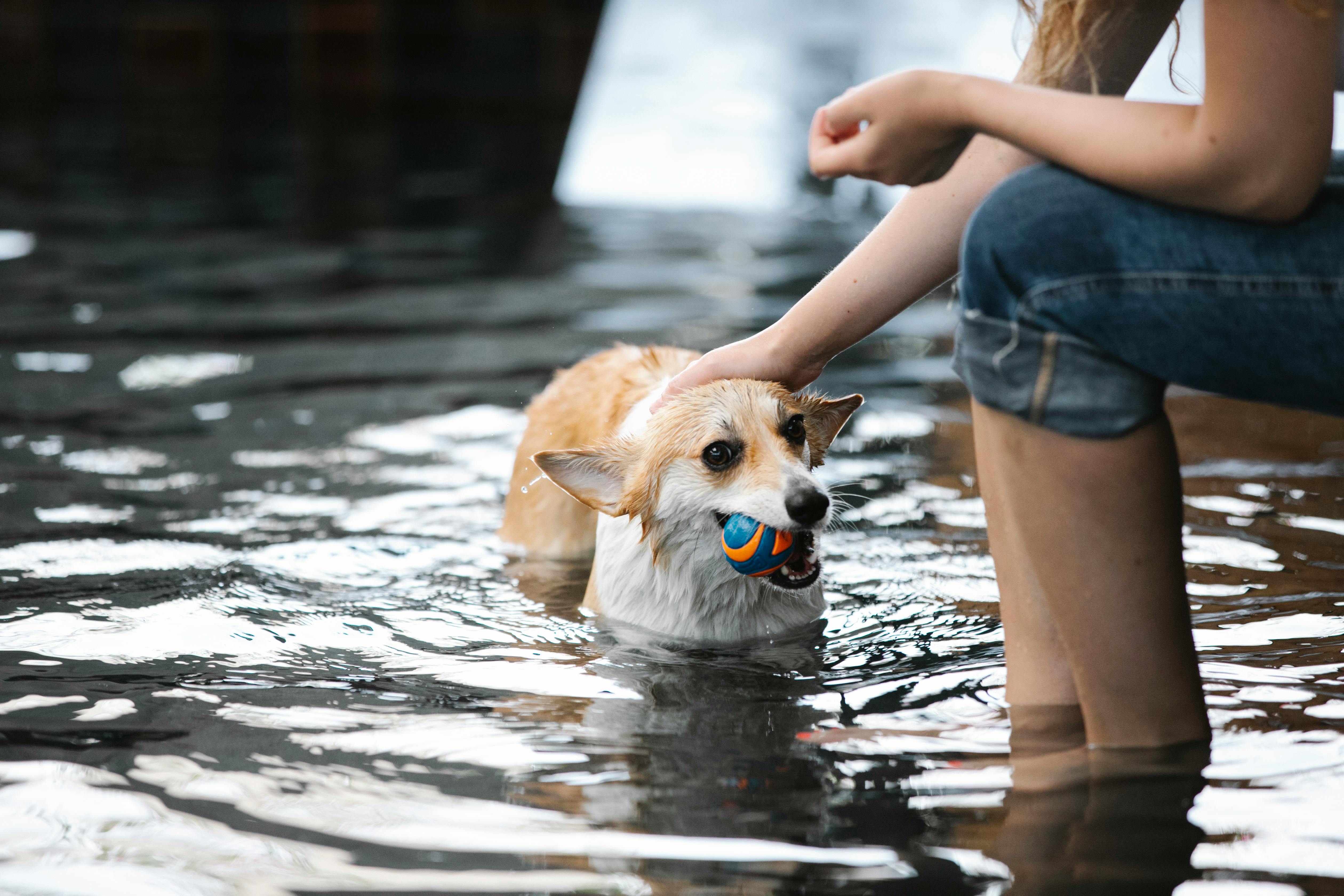
When we think about dogs, their cute little noses often come to mind. Many pet owners wonder why dogs have wet noses and what that means for their health and well-being. There’s a lot of myths surrounding this topic. So, let’s dive into five common misconceptions and uncover the surprising benefits of those wet noses.
Myth 1: Wet Noses Mean a Dog is Healthy
Many people believe that a wet nose is a sign of health. While it is true that a dog’s nose can be an indicator of their well-being, it does not guarantee good health. Dogs can have wet noses for various reasons, like just drinking water or playing outside. A dog with a dry nose might actually be perfectly fine too. Health issues can be indicated by other symptoms, like lethargy or changes in appetite.
Myth 2: Dogs’ Noses are Wet Because of Sweat
Some folks think that dogs sweat through their noses. This is not how it works. Dogs primarily regulate their body temperature through panting, not sweating. Their noses remain moist due to a thin layer of mucus that helps with scent detection. This moisture enhances their ability to smell, which is incredibly important for dogs, since they rely heavily on their sense of smell to interact with the world.
Myth 3: All Dogs Have Wet Noses
Not all dogs have wet noses, and that’s totally normal. Some breeds, like Bulldogs or Pugs, may have drier noses due to their unique skin structure. Even within breeds, individual variation can occur. Factors like humidity, temperature, and overall health can affect how wet or dry a dog’s nose is. It’s important to remember that a dry nose doesn’t automatically mean your dog is sick.
Myth 4: A Wet Nose is a Sign of Emotion
It’s a common belief that a dog’s wet nose indicates a dog’s emotional state, like happiness or excitement. While dogs do express feelings through their behavior and body language, their nose wetness is not a reliable emotional indicator. Dogs may approach you with a wet nose when they’re excited or happy, but that moisture is more about their sensory perception than their feelings.
Myth 5: Dogs’ Noses are Always Cold
Many people think that a cold nose equals a healthy dog. Again, this isn’t necessarily true. A dog’s nose temperature can change depending on various factors such as activity level, environment, and even the time of day. A warm nose can sometimes indicate fever or illness, but it can also simply be a result of the dog having just been resting in a warm spot.
The Surprising Benefits of Wet Noses
So why do dogs have wet noses? The answer lies in their evolutionary traits and the benefits it brings. Here are some surprising advantages of wet noses:
Enhanced Smell: The moisture on a dog’s nose helps to capture scent particles, amplifying their olfactory senses. This is why dogs are such fantastic trackers and can detect scents far better than humans.
Temperature Regulation: While dogs don’t sweat, a wet nose can help cool them down. The moisture evaporates, providing a sort of cooling effect.
Health Indicators: While not a definitive health marker, changes in the moisture of a dog’s nose can alert owners to potential health issues. Regularly checking your dog’s nose can help you spot abnormalities early on.
Social Interaction: Dogs use their noses to communicate with each other and humans. A wet nose can be inviting and comforting, making interactions more pleasant.
Natural Cleaning: The moisture in a dog’s nose can help keep their nostrils clean. It helps trap dirt and debris, which can be naturally wiped away as they groom themselves.
What Every Pet Owner Should Know
As a pet owner, understanding the facts about your furry friend’s wet nose is crucial. Here’s a quick list of things to remember:
- A wet nose doesn’t always mean a dog is healthy.
- Not all dogs will have wet noses.
- Wet noses are not a reliable indicator of emotions.
- A dog’s nose temperature can fluctuate for many reasons.
- Moisture on the nose has several benefits for dogs.
Being informed about these myths and facts can help you better care for your furry companion. Always pay attention to your dog’s overall behavior and health, rather than just relying on the state of their nose. A healthy dog is a happy dog, and knowing what to look for can make all the difference. Keeping your dog happy and healthy is what it’s all about!
How to Keep Your Dog’s Nose Healthy and Moist: Essential Tips and Tricks

Dogs are often known for their wet noses, but have you ever wondered why that is? Understanding how to keep your dog’s nose healthy and moist is essential for their overall well-being. A dog’s nose can tell you a lot about their health, and knowing what to look for is crucial. So, let’s dive into the interesting world of canine noses and how to maintain their health!
Why Do Dogs Have Wet Noses?
Dogs have wet noses for several reasons, which is not just about being cute. Here’s some facts:
- Temperature Regulation: A wet nose helps dogs regulate their body temperature. The moisture on their nose cools them down when they pant.
- Enhanced Smell: The wet surface of a dog’s nose helps capture scent particles in the air. This is why dogs are such great sniffers.
- Health Indicator: A dog’s nose can indicate their health. A dry or cracked nose might signify dehydration or illness.
So, if you ever see your dog’s nose looking a little dry, it could be a sign to pay attention!
How to Keep Your Dog’s Nose Healthy and Moist
Maintaining a healthy nose for your furry friend is important. Here’s a simple list of tips and tricks:
- Hydration: Make sure your dog drinks plenty of water. Dehydration is a common cause of a dry nose.
- Humidifiers: If you live in a dry climate, consider using a humidifier in your home, especially during winter months. It can help keep the air moist.
- Nose Balms: Just like humans use lip balm, there are special nose balms for dogs. These can help soothe and moisturize a dry nose.
- Regular Vet Check-ups: Regular visits to the veterinarian can help catch any underlying health issues that might affect your dog’s nose.
- Healthy Diet: A balanced diet rich in omega fatty acids can improve skin and coat health, including the nose.
Signs of a Healthy Dog Nose
It’s helpful to know what a normal, healthy dog nose looks like. Here’s a quick comparison:
- Color: Healthy noses can be black, brown, or even pink, depending on the breed.
- Temperature: A healthy nose feels cool to the touch. Warmth might indicate fever or illness.
- Texture: A healthy nose should be smooth and slightly moist. Cracks or excessive dryness could be a sign of trouble.
When to Be Concerned
There are certain signs that should prompt you to consult a veterinarian. Keep an eye out for these:
- Excessive Dryness: If the nose stays dry for long periods, it might indicate dehydration or other health problems.
- Cracking or Bleeding: This can be painful and might require medical attention.
- Discoloration: Sudden changes in color can be alarming and might need a vet’s assessment.
- Swelling: If the nose appears swollen, it could be an allergic reaction or infection and should be checked immediately.
Fun Facts About Dog Noses
Did you know that dogs have an incredible sense of smell? Here are some surprising facts:
- Unique Patterns: Just like human fingerprints, each dog’s nose has a unique pattern.
- Scent Receptors: Dogs have up to 300 million scent receptors in their noses compared to a human’s 5 million.
- Sniffing Technique: Dogs can sniff in stereo, meaning they can determine the direction of a smell more accurately.
Practical Tips for Dog Owners
- Keep Their Environment Clean: Regularly clean your dog’s living space to minimize allergens that could irritate their nose.
- Avoid Harsh Chemicals: Products with strong odors or chemicals can irritate a dog’s sensitive nose.
- Check for Seasonal Allergies: Just like humans, dogs can also suffer from allergies. Be mindful of pollen or dust that might affect them.
Taking care of your dog’s nose is more than just a grooming habit. It plays a vital role in their health and happiness. With a little attention and care, you can ensure that your furry friend’s nose stays healthy and moist. Remember, a happy dog often has a happy, wet nose!
The Role of a Wet Nose in Dog Communication: Unraveling the Canine Language
When you think about dogs, one of the first things that come to mind is probably their wet noses. But have you ever wonder why do dogs have wet noses? It turns out, there’s more to this than just a quirky trait. Dogs communicate in a unique way, and their noses play a big role in this canine language. Understanding the role of a wet nose in dog communication can help us connect better with our furry friends and appreciate the surprising benefits that come with it.
The Science Behind Wet Noses
Dogs have wet noses due to the moisture that they produce. The glands in their noses secrete a mucus that keeps it moist. This wetness helps enhance their sense of smell, which is crucial for their communication and interaction with the world around them. A wet nose can also help a dog regulate its body temperature. Dogs don’t sweat like humans do, so they rely on their noses and panting to cool down.
- Dogs have about 220 million scent receptors, compared to about 5 million in humans.
- A dog’s sense of smell is around 40 times better than ours.
- The moisture in their nose traps scent particles, making it easier for them to detect smells.
Why Wet Noses Matter in Communication
Have you notice how dogs often sniff each other’s noses? It’s not just a friendly greeting; it’s a vital part of their communication. Dogs use their noses to gather information about other dogs and their environment. A wet nose can signal various things, like excitement, curiosity, or even anxiety.
- Excitement: A dog with a wet nose may be excited and eager to explore.
- Curiosity: When sniffing around, a wet nose means the dog is actively gathering information about its surroundings.
- Anxiety: If a dog seems to have a dry nose, it may indicate stress or illness.
The Surprising Benefits of a Wet Nose
While we often think of a dog’s wet nose as just a physical characteristic, it has several benefits. Here are some surprising advantages of having a wet nose:
- Enhanced Smell: The moisture helps capture scent particles, giving dogs a better ability to smell.
- Cooling Mechanism: Moist noses help in thermoregulation, aiding in keeping the dog cool.
- Health Indicator: Changes in nose moisture can be an indicator of a dog’s health. A dry nose can sometimes suggest dehydration or illness.
Historical Context of Dog Communication
Dogs have been companions to humans for thousands of years, and their communication methods have evolved over time. Early on, humans relied on dogs for hunting and protection. As they became domesticated, dogs learned to communicate more with humans. Their wet noses have always played a role in how they interact with each other and with us.
- Ancient Egyptians revered dogs as protectors and companions.
- In ancient Rome, dogs were trained for various tasks, emphasizing the importance of their communication skills.
- Different breeds have developed distinct ways of communicating, but the wet nose remains a common trait.
Practical Examples of Dog Communication
Here are a few scenarios that highlight how dogs use their wet noses in communication:
- Greeting a New Friend: When a new dog enters your home, your dog will likely approach with a wet nose, sniffing and assessing the newcomer.
- Alerting You to Danger: If your dog smells something unusual, their wet nose can be a sign that they are alert and ready to protect you.
- Seeking Attention: A gentle nudge with a wet nose can mean your dog is looking for your attention or affection.
Understanding Your Dog’s Nose
To better understand your dog, pay attention to their wet nose. Regularly check if it’s moist, as this can provide insight into their health. Here’s a quick checklist to consider:
- Is your dog’s nose moist or dry?
- Does their nose change temperature?
- Are there any unusual discharge or cracks?
By observing these factors, you can learn a lot about your dog’s well-being.
In summary, the wet nose of a dog is more than just a cute feature; it’s a vital part of their communication and health. Understanding why do dogs have wet noses opens up a new world of appreciation for these loyal companions. It’s fascinating to realize how much we can learn from their unique methods of communication. So next time you see your dog with a wet nose, remember that it’s not just a physical trait but a key part of their language and well-being.
Conclusion
In conclusion, the wet noses of dogs serve multiple essential functions, from enhancing their sense of smell to regulating body temperature through evaporation. The moisture on their noses helps to trap scent particles, making their olfactory capabilities even more impressive. Additionally, a wet nose can indicate good health, as dehydration or illness often leads to a drier nose. Understanding the biology behind this unique feature not only deepens our appreciation for our canine companions but also reinforces the importance of regular health check-ups to ensure their overall well-being. So, the next time you greet your furry friend, take a moment to appreciate that wet nose—it’s not just a quirky trait but a vital aspect of their health and sensory experience. If you’re a dog owner, consider sharing this knowledge with fellow pet lovers to spread awareness about the fascinating science behind our loyal companions.
