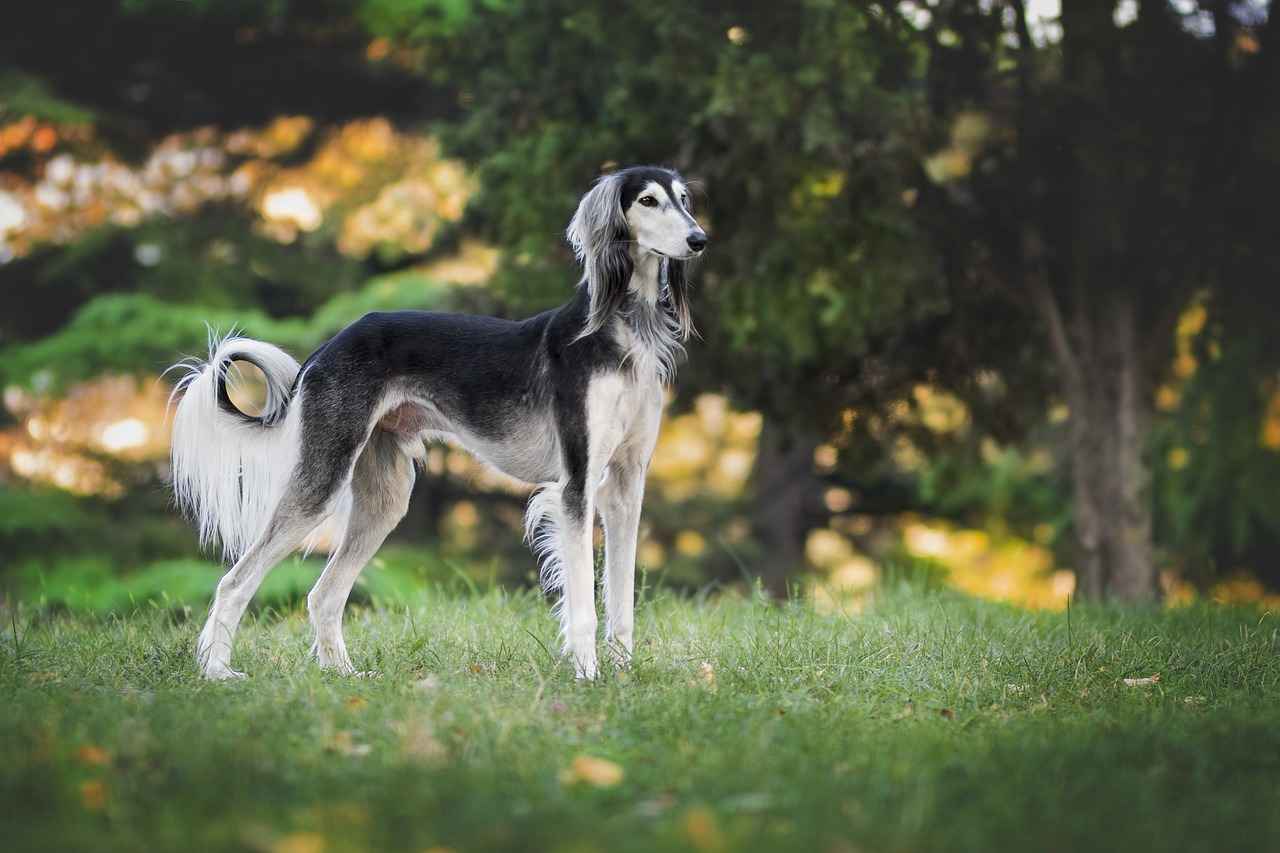
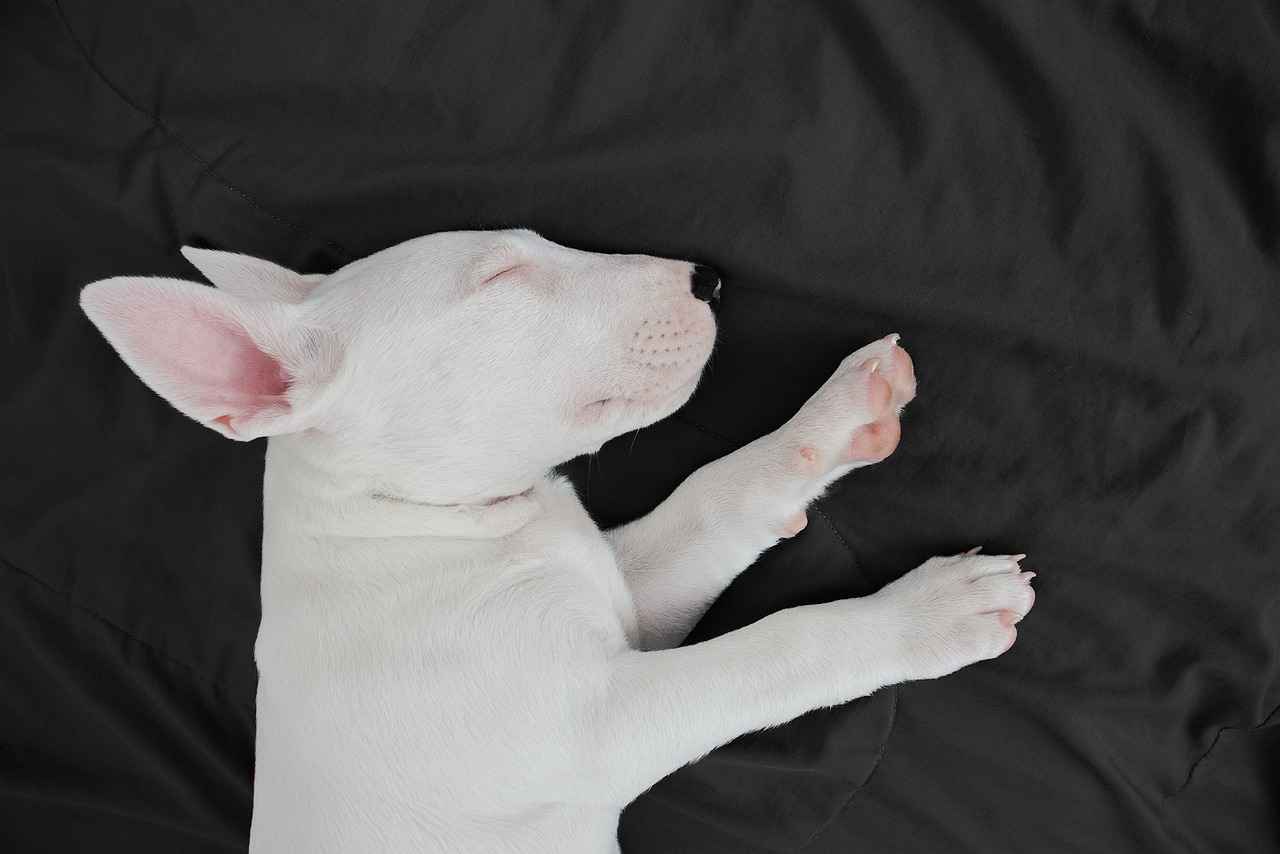
Have you ever wonder why do dogs have wet noses? This intriguing question has captivated pet owners and animal lovers alike. Dogs' wet noses are not just a quirky trait; they serve a significant purpose! The moisture on a dog’s nose helps enhance their sense of smell, allowing them to detect scents more accurately. But, it’s not just about sniffing; the wetness also helps regulate their body temperature. Isn’t that fascinating? If you're curious about this dog anatomy secret, you're not alone! Many people ask, "What does a wet nose mean for dogs?" or "Is it a sign of health?" Understanding these aspects can deepen your bond with your furry friend. So, if you want find out more about why dogs have wet noses, and how it relates to their health and behavior, keep reading! Discovering the secrets behind those adorable, damp noses could change the way you see your canine companion. Join us on this journey as we unveil the science and secrets behind this charming characteristic of dogs. Don't miss out on learning more about your pet’s health and happiness!
\n\nThe Science Behind Dog Noses: Why Are They Always Wet?
\n\n \n\n
\n\nHave you ever wondered why dogs have wet noses? It’s one of those quirks about our furry friends that often leaves people puzzled. You might notice that your dog’s nose feels cold and damp, while another dog might have a dry nose. So, what’s the science behind dog noses? Why are they always wet? Let’s dive into this fascinating secret and explore the reasons behind those moist little noses.
\nThe Anatomy of a Dog’s Nose
\nDog noses are not just cute; they are complex organs with several important functions. The nose of a dog is made up of various parts, including:
\n- \n
- Nasal cavity: This is where the scent molecules are detected. \n
- Turbinates: These are thin bones that help to filter and warm the air. \n
- Mucous membranes: These produce moisture that helps in scent detection. \n
The moistness of a dog’s nose is essential for their ability to smell. Dogs have about 220 million scent receptors, compared to a human’s 5 million. The wet surface helps to trap scent particles, making it easier for dogs to pick up on different smells. This is why a dog’s sense of smell is so powerful and often used in search and rescue operations or in detecting drugs.
\nWhy Are Dog Noses Wet?
\nSo, why do dogs have wet noses? The answer lies in several factors:
\n- \n
- \n
Cooling Mechanism: A wet nose helps to regulate a dog’s body temperature. When a dog pants, it releases moisture from the nose, which cools the blood flow in that area, providing a natural way to cool down.
\n \n - \n
Enhanced Scent Detection: As mentioned, the moisture helps to capture scent particles. A dry nose could actually impair a dog’s ability to smell effectively.
\n \n - \n
Health Indicator: The moisture on a dog’s nose can also be a sign of health. Generally, a wet nose indicates that a dog is well-hydrated and healthy, whereas a dry nose might signal dehydration or illness. However, this is not a definitive rule, as many factors can contribute to a dog’s nose condition.
\n \n
Historical Context of Dog Noses
\nHistorically, dogs have been used by humans for hunting, herding, and protection due to their remarkable sense of smell. Ancient civilizations recognized the capabilities of dogs, and they have been bred for specific tasks that rely on their olfactory senses.
\n- \n
- Hunting Dogs: Breeds like Bloodhounds or Beagles have been specifically bred for their exceptional noses. \n
- Service Dogs: Today, many service dogs are trained to detect medical issues like low blood sugar and seizures, further showcasing the importance of their wet noses. \n
What Factors Influence Nose Moisture?
\nSeveral environmental and health factors can influence how wet or dry a dog’s nose is:
\n- \n
- Humidity: High humidity levels can make a dog’s nose wetter, while dry environments can lead to a drier nose. \n
- Health Conditions: Allergies, infections, or other health issues can affect nose moisture. \n
- Age: Older dogs may have drier noses due to decreased moisture production. \n
Common Misconceptions About Wet Noses
\nThere are a few myths floating around regarding dog noses that need addressing:
\n- \n
- A dry nose always means illness: While a dry nose can indicate a problem, it is not a definitive sign of illness. Dogs have variations in nose moisture based on many factors. \n
- All dogs have wet noses: Some breeds naturally have drier noses, and it doesn’t necessarily mean they are unhealthy. \n
Fun Facts About Dog Noses
\nDid you know these interesting tidbits about dog noses?
\n- \n
- Dogs have a unique nose print, similar to human fingerprints, which can be used for identification. \n
- The color of a dog’s nose can change with temperature or health status. \n
- Dogs can smell certain diseases, like cancer, due to their highly developed olfactory senses. \n
In summary, the science behind dog noses is fascinating and shows how well-adapted these animals are to their environment. Wet noses play a crucial role in a dog’s ability to interact with the world, providing them with the ability to smell and regulate their temperature. So, the next time you give your pup a scratch behind the ears, take a moment to appreciate that wet nose and all the amazing things it does.
\n\nTop 5 Fascinating Reasons Your Dog's Nose Is Moist
\n\n \n\n
\n\nMany dog owners often wonder, why do dogs have wet noses? It’s a question that leads to fascinating insights into canine biology and behavior. A wet nose is a signature trait of our furry friends, and it turns out there’s a lot more to it than just a simple characteristic. Let’s dive into the top five reasons your dog's nose is moist, uncovering the secret behind this curious feature.
\n1. Thermoregulation: Keeping Cool
\nOne of the primary reasons dogs have moist noses is because it helps them regulate their body temperature. Dogs don’t sweat like humans do; instead, they rely on panting and the moisture on their noses to cool off. When a dog's nose is wet, it can help facilitate evaporative cooling. This means that as the moisture evaporates, it helps to lower their body temperature, making it easier for them to stay cool, especially on hot days.
\n2. Scent Detection: A Superior Sense of Smell
\nDid you know that a dog's sense of smell is around 10,000 to 100,000 times more sensitive than a human’s? A moist nose plays a crucial role in this amazing ability. When a dog’s nose is wet, it can capture and dissolve scent particles more effectively. The moisture enhances the receptors in the nose, allowing the dog to detect various smells more accurately. This is precisely why dogs are often used in search and rescue missions, or sniffing for drugs, as they can track scents in a way that we humans can only imagine.
\n3. Health Indicator: What’s Normal?
\nThe condition of a dog’s nose can often indicate their health. A healthy dog usually has a moist, cool nose. However, if the nose becomes excessively dry, cracked, or warm, it may signal a health issue. Common problems could include dehydration, fever, or even allergies. Dog owners should pay attention to their pet’s nose as part of regular health checks. Here’s a quick reference list:
\n- \n
- Healthy Nose: Cool and moist \n
- Dry Nose: Possible dehydration or fever \n
- Warm Nose: Might indicate illness \n
- Cracked Nose: Could signify allergies or other health issues \n
4. Natural Lubrication: The Role of Mucus
\nThe moisture on a dog’s nose isn’t just plain water; it’s a combination of secretions from the mucous membranes. This mucus serves multiple purposes. It not only keeps the nose moist for scent detection but also protects the nasal passages from dust and allergens. The mucus acts like a natural lubricant, ensuring that the sensitive tissues in the nose remain healthy and functional. Think of it as a protective barrier against irritants.
\n5. Social Interaction: A Form of Communication
\nDogs are social animals, and their wet noses also play a role in communication. When a dog greets another dog or a human, they often sniff and lick as a way to gather information. The moisture on their noses helps them pick up scents, which can convey a wealth of information about other animals or humans. It’s like a social handshake in the canine world! Dogs can learn a lot about each other’s health, mood, and even identity through their wet noses.
\nInteresting Facts About Dog Noses
\n- \n
- Unique Patterns: Just like human fingerprints, every dog has a unique nose print. It can actually be used to identify them! \n
- Temperature Sensitivity: Dogs can feel temperature changes through their noses, which helps them navigate their environment. \n
- Nasal Turbinates: Dogs have complex structures in their noses called turbinates, which help warm and humidify the air they inhale. \n
Final Thoughts
\nUnderstanding why dogs have wet noses not only satisfies curiosity but also enhances the bond between dogs and their owners. Whether it’s for cooling down, enhancing scent detection, or facilitating communication, a moist nose serves many essential functions. So next time you pet your furry friend, take a moment to appreciate the science behind that wet nose!
\n\nIs a Wet Nose Really a Sign of a Healthy Dog? Discover the Truth!
\n\n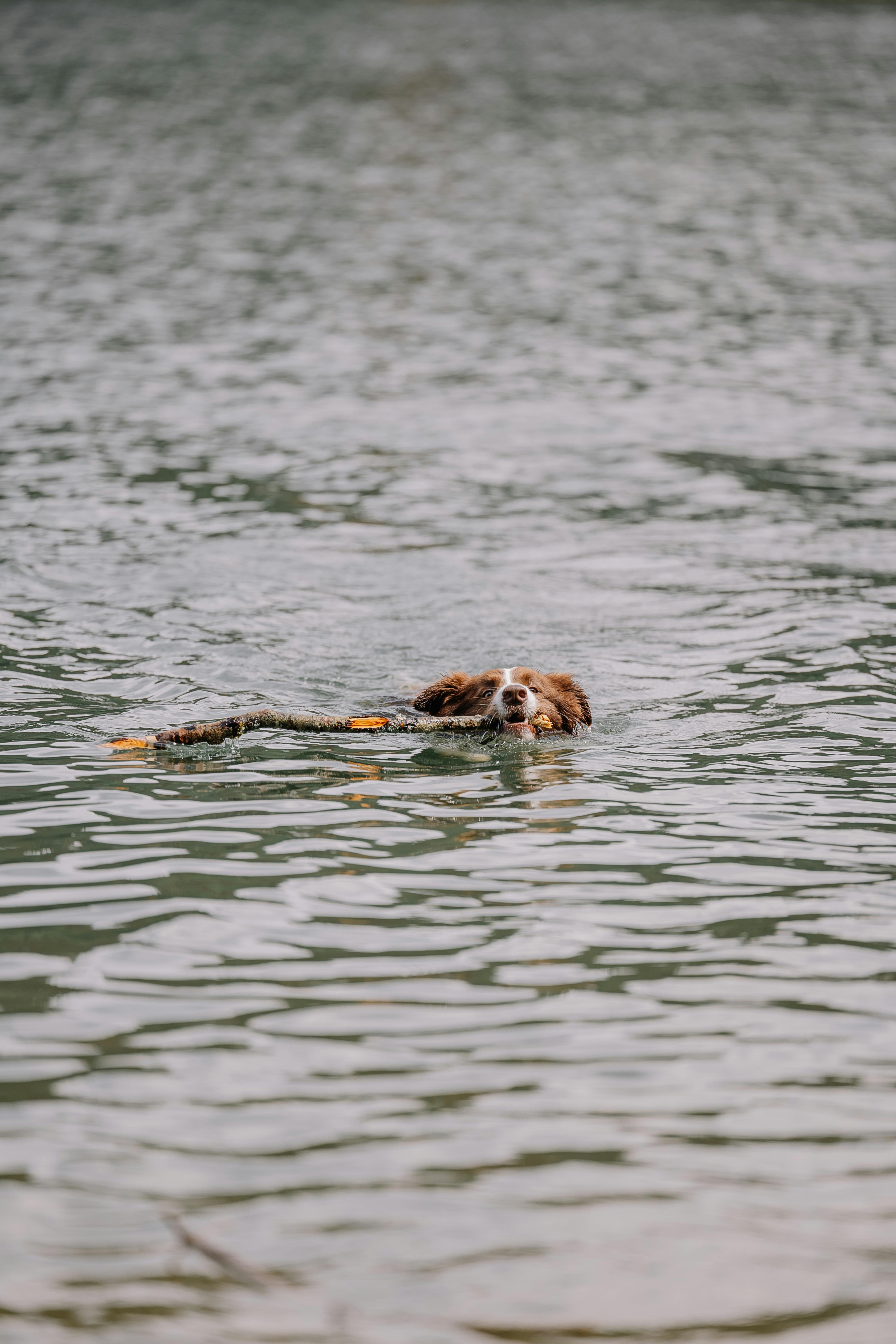 \n\n
\n\nIs a Wet Nose Really a Sign of a Healthy Dog? Discover the Truth!
\nWhen we see a dog with a wet nose, many of us might think, "Oh! That’s a healthy dog!" But is it really true? This common belief has been around for ages but it might not be as straightforward as we think. Let’s dive into the fascinating world of dog noses and uncover some truths about why do dogs have wet noses?
\nWhy Do Dogs Have Wet Noses?
\nDogs have wet noses for a number of reasons, some of which relate to their health and others that are just a part of their biology. Here are some key points to consider:
\n- \n
- \n
Temperature Regulation: Dogs sweat through their paw pads, but their noses play a role too. A wet nose helps them regulate their body temperature. It’s kinda like a natural air conditioning system.
\n \n - \n
Sense of Smell: A wet surface on a dog’s nose helps to capture scent particles. The moisture makes it easier for them to pick up on scents in the air. So, the wetter the nose, the better they can smell.
\n \n - \n
Cooling Mechanism: Dogs can’t sweat like humans do. Their wet noses help them cool down on hot days, which is pretty neat.
\n \n - \n
Health Indicator: While a wet nose is often seen as a sign of health, it’s not the only indicator. A dog can have a wet nose and still be sick.
\n \n
The Myths Behind Wet Noses
\nThere’s a bunch of myths surrounding the wet nose phenomenon. Here’s a quick list of some common misconceptions:
\n- \n
- \n
Always Healthy: Many people think a wet nose means a dog is healthy. But, it’s not that simple. Some sick dogs may have a wet nose while others that are healthy could have a dry nose.
\n \n - \n
Temperature Check: Some folks believe you can tell if a dog has a fever by its nose temperature. This isn’t accurate; the best way to check a dog's temperature is still using a thermometer.
\n \n - \n
Age Factor: There’s a myth that older dogs have drier noses. Not necessarily true. Age can affect moisture levels, but it varies from dog to dog.
\n \n
Fun Facts About Dog Noses
\nDid you know that a dog’s sense of smell is way better than humans? Here are some fun facts:
\n- \n
- \n
Many Receptors: Dogs have around 220 million scent receptors in their noses, compared to humans, who only have about 5 million.
\n \n - \n
Unique Patterns: Just like fingerprints in humans, every dog’s nose print is unique. It can actually be used to identify them.
\n \n - \n
Color Matters: The color of a dog’s nose can change with temperature or health. For instance, a warm nose might indicate overheating.
\n \n
What If Your Dog Has a Dry Nose?
\nIf you notice your dog's nose is dry, it’s not always a cause for concern. Dogs can have dry noses for several reasons including:
\n- \n
- \n
Weather Conditions: Cold or hot weather can dry out a dog’s nose.
\n \n - \n
Dehydration: If a dog isn’t drinking enough water, their nose may dry up.
\n \n - \n
Allergies: Just like humans, dogs can suffer from allergies which can affect their noses too.
\n \n - \n
Health Problems: In some cases, a persistently dry nose could indicate an underlying health issue and it's wise to consult a vet.
\n \n
When Should You Worry?
\nThere are times when a dry nose might indicate something more serious. Keep an eye out for these signs:
\n- \n
- \n
Cracking or Bleeding: If the nose is not only dry but also cracking, it could be a sign of a problem.
\n \n - \n
Changes in Behavior: If your dog seems lethargic or isn’t eating, it might be worth checking with a vet.
\n \n - \n
Persistent Symptoms: If there’s a dry nose along with vomiting, diarrhea, or other unusual symptoms, best to seek professional advice.
\n \n
Practical Tips for Nose Care
\nHere’s a few tips to keep your dog’s nose in good shape:
\n- \n
- \n
Hydration: Always make sure your dog has access to fresh water.
\n \n - \n
Moisturize: If your dog’s nose is dry, consider using a vet-recommended nose balm.
\n \n - \n
Regular Vet Visits: Routine check-ups can help catch any health issues before they become serious.
\n \n - \n
Monitor Environment: Be mindful of weather changes and adjust your dog's outdoor time accordingly.
\n \n
So, while a wet nose is a common sign associated with healthy dogs, it’s not the whole story. It’s important to observe your dog’s overall behavior and health. Don’t just rely on that wet nose! Understanding your dog’s needs can help you keep them happy and healthy for years to come.
\n\nThe Surprising Role of a Dog’s Wet Nose in Their Sense of Smell
\n\n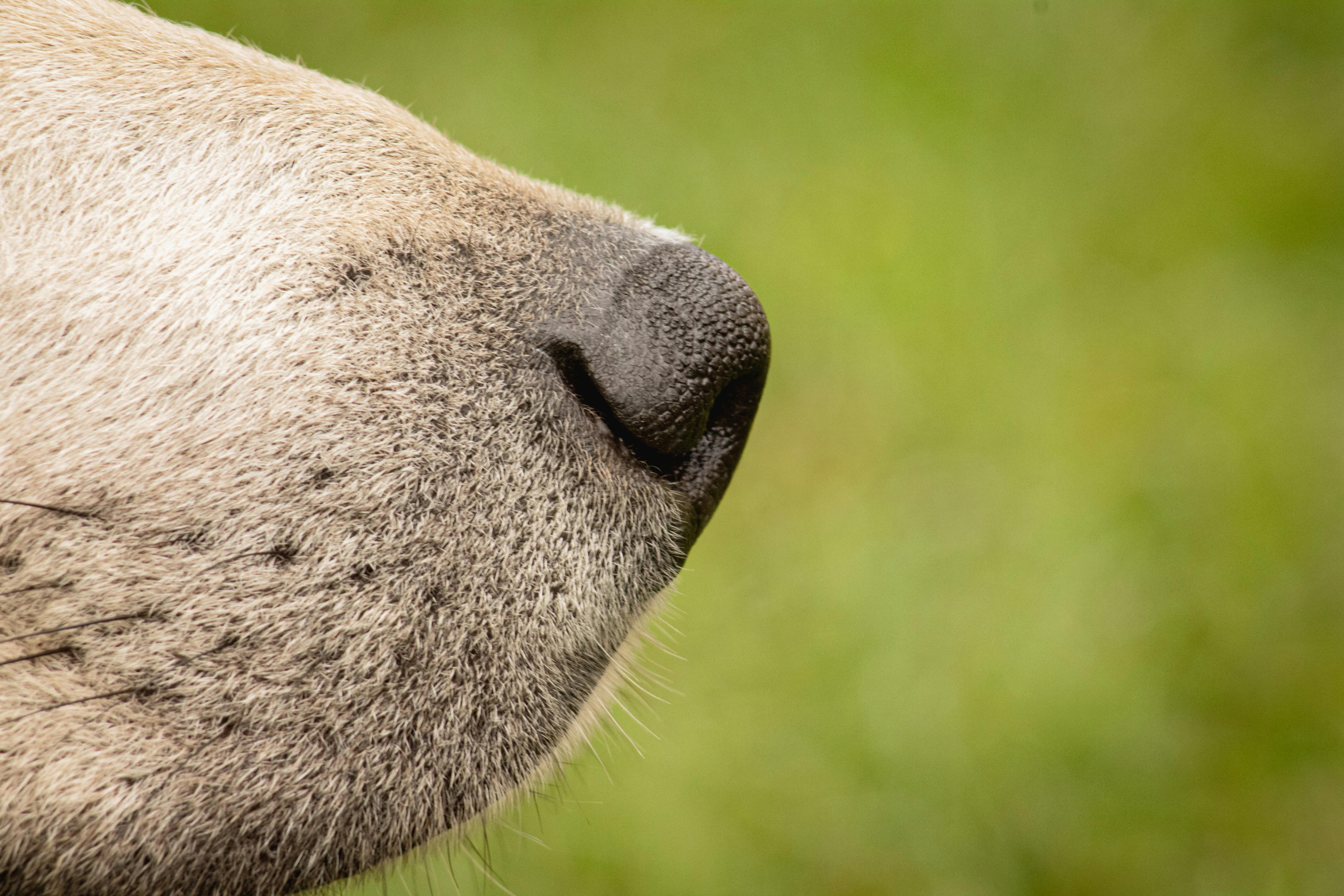 \n\n
\n\nHave you ever wondered why dogs have wet noses? It’s a question that many pet owners ask, but the answer is more complex and fascinating than you might think. A dog’s sense of smell is incredibly powerful, and their wet nose plays a surprisingly significant role in how they perceive the world around them. In this article, we will explore the science behind the wet nose of dogs and why it’s essential for their sense of smell.
\nThe Anatomy of a Dog’s Nose
\nDogs have a unique nose anatomy that is vastly different from humans. Their noses are moist, and this moisture is not just there for looks. The surface of a dog’s nose contains special glands that secrete mucous, which serves several purposes:
\n- \n
- Enhanced Smell: The moisture helps to capture scent particles from the air, allowing dogs to analyze smells more effectively. \n
- Temperature Regulation: A wet nose can help regulate a dog’s body temperature, acting as a cooling mechanism. \n
- Health Indicator: The condition of a dog’s nose can indicate their health status. A dry or cracked nose might signal dehydration or illness. \n
Why Do Dogs Have Wet Noses?
\nNow, let’s dive deeper into the question, why do dogs have wet noses? The answer lies primarily in their olfactory system. Dogs have up to 300 million olfactory receptors in their noses — compared to a human’s 5 million. This extraordinary sense of smell is what makes them such great companions for tracking, hunting, and even detecting diseases.
\nWhen a dog sniffs something, the moisture on their nose helps to dissolve the scent chemicals, making it easier for the olfactory receptors to send signals to the brain. This is why you often see dogs sniffing the ground or the air; they are constantly gathering information about their environment.
\nHistorical Context of Dogs' Noses
\nHistorically, dogs have been bred for their keen sense of smell. Different breeds have been developed for specific tasks that rely on their ability to track scents. For example:
\n- \n
- Bloodhounds: Known for their incredible tracking abilities, bloodhounds can follow a scent trail that’s several days old. \n
- Beagles: Often used in hunting, beagles have a strong sense of smell that helps them locate small game. \n
- German Shepherds: These dogs are commonly used in police and military work because of their exceptional olfactory capabilities. \n
The Science Behind Dog Smell
\nThe wetness of a dog’s nose is not just a random trait; it’s a scientific advantage. Here’s how it works:
\n- \n
- Scent Absorption: The moisture on the nose helps absorb scent molecules from the environment. \n
- Cooling Effect: A wet nose helps to cool down the olfactory receptors, which can enhance their sensitivity. \n
- Health Monitoring: Dogs can even sense changes in human health through smell, as their noses can detect chemical changes in sweat and body odor. \n
Fun Facts About Dogs’ Noses
\n- \n
- Dogs can detect certain diseases, including cancer and diabetes, by smelling changes in a person’s body. \n
- A dog’s sense of smell is so strong that they can differentiate between identical twins by scent alone. \n
- The size and shape of a dog’s nose can influence their sense of smell, with longer noses usually offering better olfactory abilities. \n
Practical Examples of Dogs Using Their Noses
\nHere are some examples of how dogs utilize their wet noses in everyday situations:
\n- \n
- Search and Rescue: Dogs are trained to find missing persons using their sense of smell, often in disaster situations. \n
- Detection Work: Many dogs are employed to detect drugs, explosives, or even currency due to their powerful noses. \n
- Therapeutic Roles: Some therapy dogs can even detect when their owner is about to have a seizure, providing crucial warning time. \n
Dogs and Human Interaction
\nThe relationship between dogs and humans has evolved over thousands of years. In many ways, dogs have become an extension of our senses. Their superior smell allows them to alert us to danger, detect changes in our health, and even improve our emotional well-being through companionship.
\nWhile we might take their wet noses for granted, they play a critical role in maintaining the bond between humans and dogs. So next time you see your furry friend with that wet nose, remember, it's not just cute; it's a vital aspect of their incredible sensory abilities.
\nUnderstanding why dogs have wet noses and the role it plays in their sense of smell reveals just how remarkable these animals are. They are not just pets, but also skilled companions that enrich our lives in numerous ways. Their noses tell a story, and it’s worth paying attention to!
\n\nDo All Dogs Have Wet Noses? Unraveling Canine Nose Myths
\n\n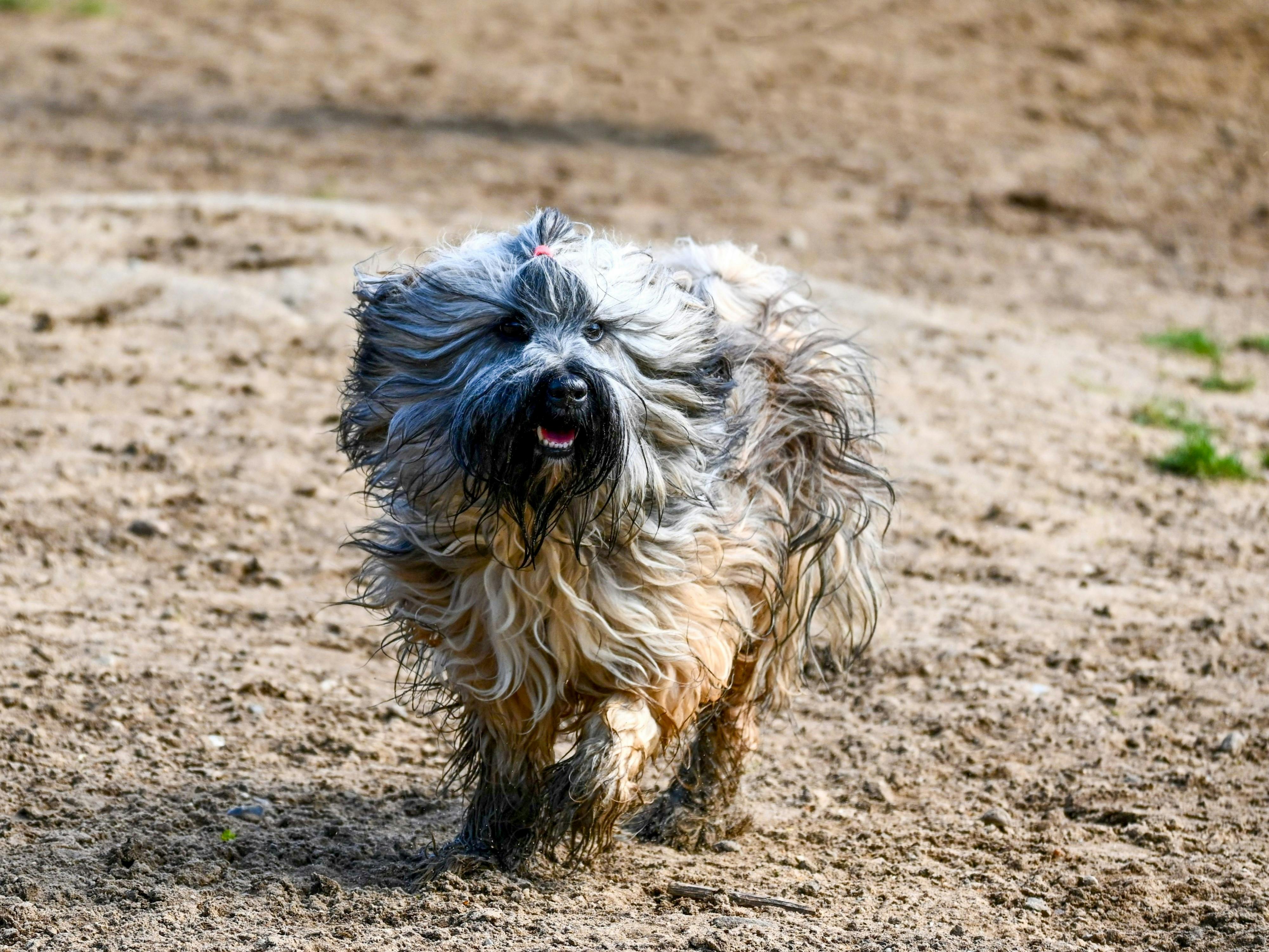 \n\n
\n\nDo all dogs have wet noses? This question has been asked by many dog lovers and owners alike. For centuries, people has been fascinated by the unique characteristics of dogs, and one of these traits is their noses, which often feels moist to the touch. But what exactly does it mean? Why do dogs have wet noses? In this article, we will unravel some canine nose myths and explore the fascinating secrets behind this common feature.
\nThe Science Behind Wet Noses
\nFirst off, it’s important to understand that not all dogs have wet noses all the time. While most dogs does have moist noses, there are exceptions based on various factors. The wetness of a dog's nose is primarily due to the mucus glands that are located in the nasal area. This moisture helps dogs with their sense of smell, which is crucial for their survival.
\nWhy Are Dog Noses Wet?
\nDogs have wet noses for several reasons:
\n- \n
- \n
Enhanced Smell: A wet nose helps to trap scent particles. The moisture on the nose captures these particles, allowing dogs to detect smells more accurately. This is why dogs has such an incredible sense of smell, which is estimated to be between 10,000 to 100,000 times more sensitive than humans.
\n \n - \n
Temperature Regulation: Dogs also use their noses to help cool down their body temperature. Just like humans sweat, dogs can lose heat through their noses. When it’s warm outside, their noses tends to be wetter to help with this process.
\n \n - \n
Health Indicator: A wet nose can be an indicator of a dog’s health. Generally, a healthy dog will have a moist nose. However, a dry or cracked nose could be a sign of dehydration, illness, or other health problems.
\n \n
Myths About Dog Noses
\nSeveral myths exists about dog noses that need to be debunked. Here are some of the most common ones:
\n- \n
- \n
Myth: Dogs with Dry Noses are Sick
\n
\nMany people believes that a dry nose means a dog is sick. While it can be a sign of illness, it’s not a definitive one. Dogs can have dry noses for many reasons, including weather conditions or just waking up from a nap. \n - \n
Myth: All Dogs Have Wet Noses
\n
\nNot all dogs have wet noses at all times. Some breeds, like Bulldogs or Pugs, may have drier noses due to their unique facial structures. \n - \n
Myth: Dogs’ Noses Are Always Cold
\n
\nWhile many dogs' noses are cool to the touch, this is not always the case. A dog’s nose temperature can vary based on their environment and activity level. \n
Fun Facts About Dog Noses
\nHere are some interesting facts about dog noses that might surprise you:
\n- \n
- \n
Unique Nose Prints: Just like human fingerprints, each dog has a unique nose print that can be used for identification.
\n \n - \n
Color Variations: Dog noses can come in various colors, including black, brown, pink, and even spotted. The color can depend on the dog’s breed and genetics.
\n \n - \n
Nose as a Tool: Dogs uses their noses for more than just smelling. They can also detect changes in the environment, like sensing a thunderstorm or even detecting certain diseases in humans.
\n \n
Comparison of Dog Nose Conditions
\nTo better understand the health implications of a dog's nose, here’s a simple comparison of various nose conditions:
\n| Condition | \nDescription | \nPossible Causes | \n
|---|---|---|
| Wet Nose | \nHealthy, hydrated | \nNormal dog behavior | \n
| Dry Nose | \nCan indicate health issues | \nDehydration, illness | \n
| Cracked Nose | \nPotential sign of health problems | \nAllergies, injury | \n
| Warm Nose | \nMay indicate fever | \nIllness, infection | \n
Practical Tips for Nose Care
\nCaring for your dog’s nose is important for their overall health. Here are some practical tips:
\n- \n
- \n
Hydration: Always ensure your dog has access to fresh water to keep their nose moist.
\n \n - \n
Regular Vet Check-ups: Get your dog’s nose checked during regular vet visits to catch any potential health issues early.
\n \n - \n
Protect from Harsh Weather: In extreme cold or hot weather, consider using nose balms to protect your dog’s nose from cracking or drying out.
\n \n
Understanding why dogs have wet noses and dispelling the myths surrounding this trait can help dog owners care for their pets better. Remember, a dog’s nose can say a lot about their health, but it’s not the only indicator. By keeping an eye on your furry friend’s overall behavior and physical condition, you can ensure they stay happy and healthy. So next time you pet your dog, take a moment to appreciate that wet nose and all the fascinating things it represents!
\n\nHow Weather Affects Your Dog's Nose Moisture: What You Need to Know
\n\n \n\n
\n\nThe way weather can affect your dog's nose moisture is pretty fascinating, and it’s something that many pet owners don’t think about. Ever notice how your pup’s nose is often wet? There’s a lot going on that you probably don’t know about. This article is gonna dive into why do dogs have wet noses and how different weather conditions can influence that moisture.
\nWhy Do Dogs Have Wet Noses?
\nDogs have wet noses for a few reasons, and it’s not just to look cute. The moisture on a dog’s nose plays a crucial role in their sense of smell. Here’s why it matters:
\n- \n
- Enhanced Smell: A moist nose helps in capturing scent particles in the air. When the nose is wet, it can absorb more scents, which makes your dog’s sense of smell even more powerful. \n
- Temperature Regulation: Dogs don’t sweat like humans do. Their noses help them cool down. The moisture evaporates, and this cooling effect helps regulate their body temperature. \n
- Health Indicator: A wet nose is often a sign of a healthy dog. If a dog’s nose becomes dry or cracked, it might indicate dehydration or illness, but not always. \n
The Influence of Weather on Nose Moisture
\nWeather plays a big role in how wet or dry your dog’s nose can be. Different conditions can lead to changes in moisture levels. Here’s how various weather factors can affect your dog:
\n- \n
- \n
Humidity Levels:
\n- \n
- High Humidity: When the air is humid, your dog’s nose tends to stay moister. This can make their sense of smell even sharper, as the moisture helps trap scent particles. \n
- Low Humidity: Conversely, in dry conditions, noses can become dry. This can lead to cracking or discomfort for your pup. \n
\n - \n
Temperature:
\n- \n
- Hot Weather: During hot days, dogs will often have a wetter nose due to panting and the need to cool down. However, if it gets too hot, they might become dehydrated, which can dry out their nose. \n
- Cold Weather: In cold weather, some dogs may have drier noses. This is often due to the cold air and indoor heating, which can sap moisture. \n
\n - \n
Rainy Days:
\n- \n
- Dogs often have very wet noses after being outside in the rain. This helps them smell better, but it can also mean they’re more prone to sniffing out interesting scents! \n
\n - \n
Seasonal Changes:
\n- \n
- With the changing seasons, you might notice fluctuations in your dog’s nose moisture. For instance, winter air is often dry, leading to dry noses, while spring and summer can be more humid. \n
\n
Practical Tips for Dog Owners
\nUnderstanding how weather affects your dog’s nose moisture is important. Here are some practical tips to keep your dog's nose healthy:
\n- \n
- \n
Hydration: Always make sure your dog is drinking enough water, especially in hot weather. Dehydration can lead to nose dryness.
\n \n - \n
Moisturize: If your dog's nose gets dry, you can apply a small amount of coconut oil or a vet-approved moisturizer. Just be careful not to overdo it!
\n \n - \n
Monitor Changes: Keep an eye on your dog’s nose. If it suddenly becomes excessively dry or develops cracks, consult with a vet. This could indicate underlying issues.
\n \n - \n
Indoor Environment: Use a humidifier during dry winter months to help maintain moisture levels in the air and keep your dog’s nose from drying out.
\n \n
Fun Facts About Dog Noses
\n- \n
- \n
Did you know that a dog's sense of smell is 10,000 to 100,000 times more sensitive than humans? That’s why their wet noses are so important!
\n \n - \n
Each dog's nose has a unique pattern, similar to human fingerprints. This uniqueness can even be used to identify them.
\n \n - \n
Dogs have a special organ called the Jacobsen's organ, located on the roof of their mouth, which helps them analyze scents.
\n \n
Understanding how weather impacts your dog’s nose moisture is essential for keeping them healthy and happy. Wet noses are more than just an adorable trait; they serve various important functions. So next time you see your dog's nose, think about the fascinating science behind it.
\n\nCan a Dry Nose Indicate Illness in Dogs? Learn the Warning Signs
\n\n \n\n
\n\nWhen you have a dog, you probably worry about their health just like you do with family members. One common question pet owners often ask is: Can a dry nose indicate illness in dogs? It's actually more complex than it seems. In this article, we will explore the warning signs to look for, why dogs have wet noses, and uncover some secrets about our furry friends.
\nUnderstanding Your Dog's Nose
\nA dog’s nose can be a telling sign of their well-being. However, many people don't realize that a dry nose doesn't automatically mean something is wrong. Dogs are unique creatures, and their noses can change due to various factors. Here are some reasons why a dog’s nose might be dry:
\n- \n
- Dehydration: If your dog isn't drinking enough water, it can lead to a dry nose. \n
- Environmental Factors: Hot weather, low humidity, or exposure to the sun can dry out a dog’s nose. \n
- Age: Older dogs tend to have drier noses compared to younger ones. \n
- Health Issues: Certain illnesses can cause a dry nose, including fever or autoimmune diseases. \n
What Are the Warning Signs?
\nWhile a dry nose can sometimes be normal, it's important to look for other symptoms to determine if your dog could be sick. Here are some warning signs that might indicate a health issue:
\n- \n
- Changes in Appetite: If your dog suddenly stops eating or drinking, that can be a red flag. \n
- Lethargy: A noticeable decrease in energy or interest in play could mean something is wrong. \n
- Vomiting or Diarrhea: These symptoms shouldn't be ignored, especially if they persist. \n
- Coughing or Sneezing: Respiratory issues can also be accompanied by a dry nose. \n
- Behavior Changes: If your dog is more irritable or withdrawn than usual, it’s worth investigating. \n
Why Do Dogs Have Wet Noses?
\nNow let's talk about why dogs have those famously wet noses. Wet noses are often seen as a sign of good health. But what makes them wet? Here are some fascinating facts:
\n- \n
- Scent Detection: A wet nose helps dogs pick up scents better. The moisture captures scent particles from the air. \n
- Temperature Regulation: Dogs don’t sweat like humans. Their noses help regulate their body temperature by evaporating moisture. \n
- Health Indicator: A healthy dog usually has a cool, moist nose. It’s one sign of hydration and overall well-being. \n
Interesting Facts About Dog Noses
\nDid you know that a dog’s nose is unique, just like human fingerprints? Here's a list of other interesting facts:
\n- \n
- Nose Prints: Each dog has a distinct nose print that can be used for identification. \n
- Super Sense of Smell: Dogs have up to 300 million smell receptors, compared to about 6 million in humans. \n
- Temperature Check: A dog’s nose can feel warm or cool, and it can change throughout the day. \n
- Breed Differences: Some dog breeds naturally have drier noses than others. \n
When to Consult a Veterinarian
\nIf you notice your dog has a dry nose along with other concerning symptoms, it’s crucial to consult your veterinarian. They can provide a thorough examination to determine if there’s a serious issue. Here’s a quick list of when to call the vet:
\n- \n
- If the dry nose lasts more than a few days. \n
- Accompanied by lethargy or appetite loss. \n
- If there are visible lesions or cracks on the nose. \n
- Frequent vomiting or diarrhea. \n
Final Thoughts
\nUnderstanding your dog’s health can be a bit tricky, but observing their nose is a good start. A dry nose can have many causes, and while it’s not always a cause for alarm, it’s essential to pay attention to other signs. Dogs have wet noses for biological reasons, and knowing this can help you appreciate your pet even more. So keep a close eye on your furry friend, and don’t hesitate to reach out to a veterinarian if you have any concerns. Your dog depends on you for their health and happiness!
\n\nExploring the Connection Between Dog Emotions and Nose Moisture
\n\n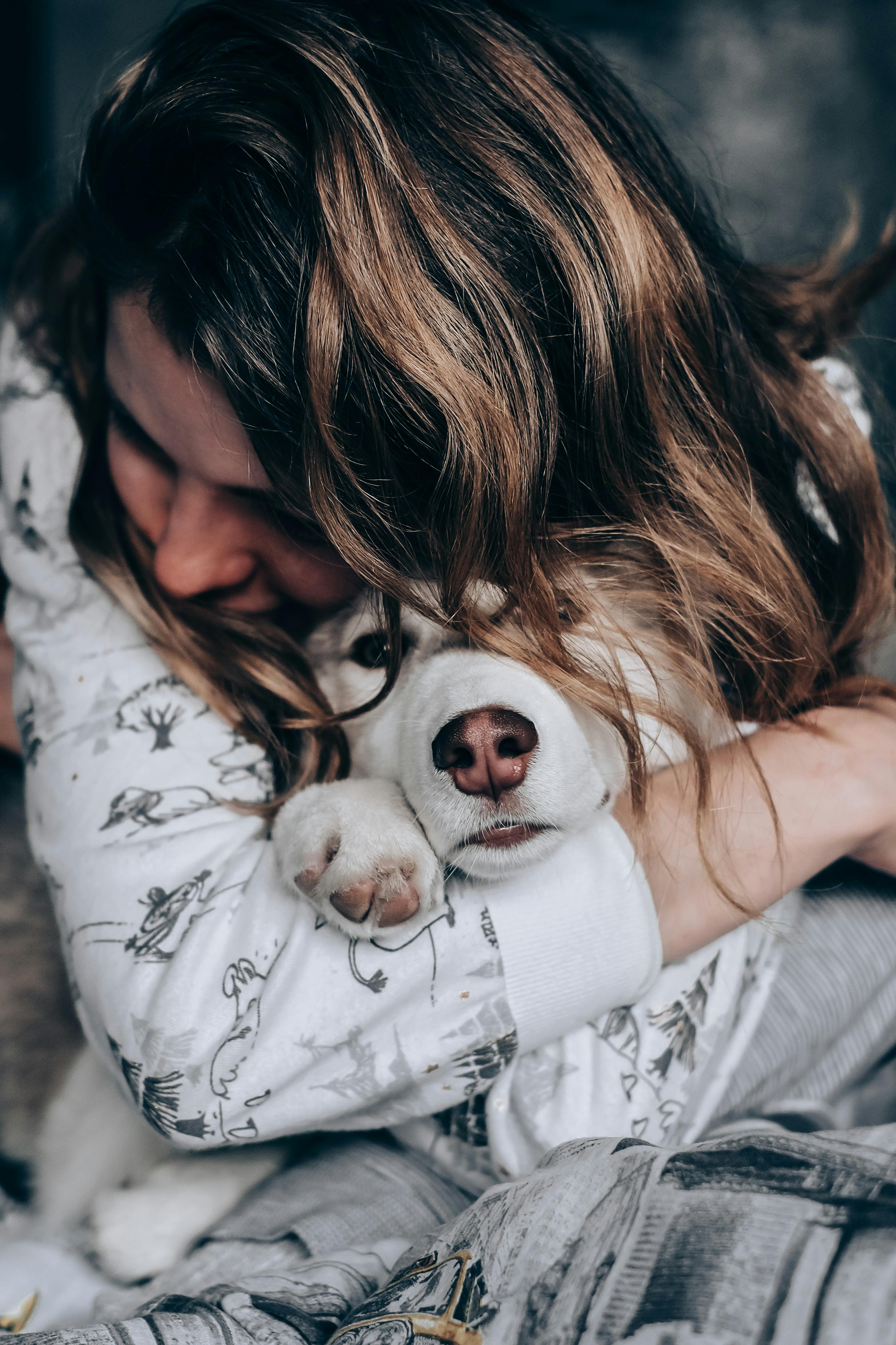 \n\n
\n\nDogs are fascinating creatures, and their wet noses often leave many people wondering, why do dogs have wet noses? It's not just an odd quirk of their anatomy, it connects to how they feel and interact with the world. This article dives into the fascinating relationship between dog emotions and their nose moisture, revealing some secrets behind those adorable snouts.
\nThe Science Behind Wet Noses
\nTo understand why dogs have wet noses, we need to explore how their noses work. A dog's nose is packed with a variety of scent receptors, which means they can smell things that humans can't even imagine. Moisture plays a crucial role in this process. When a dog's nose is wet, it helps to enhance their sense of smell.
\n- \n
- Scent Absorption: Moist noses can trap scent particles. This allows dogs to inhale more odor molecules, making them better at detecting smells. \n
- Temperature Regulation: A wet nose also helps dogs regulate their body temperature. Just like humans sweat, dogs can cool off through their noses. \n
Emotional Connections and Nose Moisture
\nDogs express emotions in a variety of ways, and their noses can be a window into their feelings. Have you ever noticed that your dog’s nose feels different when they're happy or anxious? This is because a dog's emotional state can influence their nose moisture.
\n- \n
- Happy Dogs: A content dog typically has a moist, cool nose. This is often accompanied by wagging tails and relaxed body language. \n
- Stressed or Anxious Dogs: When a dog feels stressed, their nose can become dry. This is often a sign that they might need comfort or a change in their environment. \n
Historical Context of Dog Noses
\nDogs have been companions to humans for thousands of years. The evolution of their noses has been crucial to their survival and relationship with humans. Historically, dogs were used for hunting and herding, where a keen sense of smell was essential.
\n- \n
- Hunting: In ancient times, dogs assisted humans by tracking down game. Wet noses helped them find scents in the wild. \n
- Companionship: Over the years, as dogs evolved into companions, their emotional intelligence grew. Their noses still play a role in how they connect with us. \n
Fun Facts About Dog Noses
\n- \n
- Dogs have up to 300 million scent receptors in their noses, compared to a human's 5 million. \n
- The wetness of a dog's nose can be an indicator of its overall health. A consistently dry nose can signal a potential health issue. \n
- Each dog's nose print is unique, much like a human fingerprint. \n
Comparisons with Other Animals
\nWhen we look at different animals, we see that wet noses aren’t just a dog thing. Other mammals, like cats and some rodents, also have moist noses. Here’s a quick comparison:
\n| Animal | \nNose Moisture | \nFunctionality | \n
|---|---|---|
| Dogs | \nWet | \nEnhanced smell, temperature regulation | \n
| Cats | \nWet | \nSimilar functions as dogs | \n
| Rodents | \nVaried | \nPrimarily for scent detection | \n
Practical Tips for Dog Owners
\nKeeping an eye on your dog's nose can be helpful for their health. Here are some practical tips for dog owners:
\n- \n
- Regular Checks: Make it a habit to check your dog’s nose daily. Look for signs of excessive dryness or cracks. \n
- Hydration: Ensure your dog has access to fresh water. Staying hydrated can help maintain that wet nose. \n
- Veterinary Visits: If you notice any changes in your dog's nose moisture, consult your vet. It could be a sign of underlying issues. \n
Dogs communicate a lot through their body language, and their noses are part of that language. Knowing how to interpret these signals can strengthen your bond with your furry friend.
\nIn exploring the connection between dog emotions and nose moisture, it becomes clear that those wet noses serve multiple purposes. They are not just for show; they reflect how dogs feel, how they connect with the world, and even their health. So next time you see your dog with a wet nose, remember that it’s more than just moisture — it's an essential part of their being!
\n\nWhy Does My Dog's Nose Change Throughout the Day? Insights Revealed!
\n\n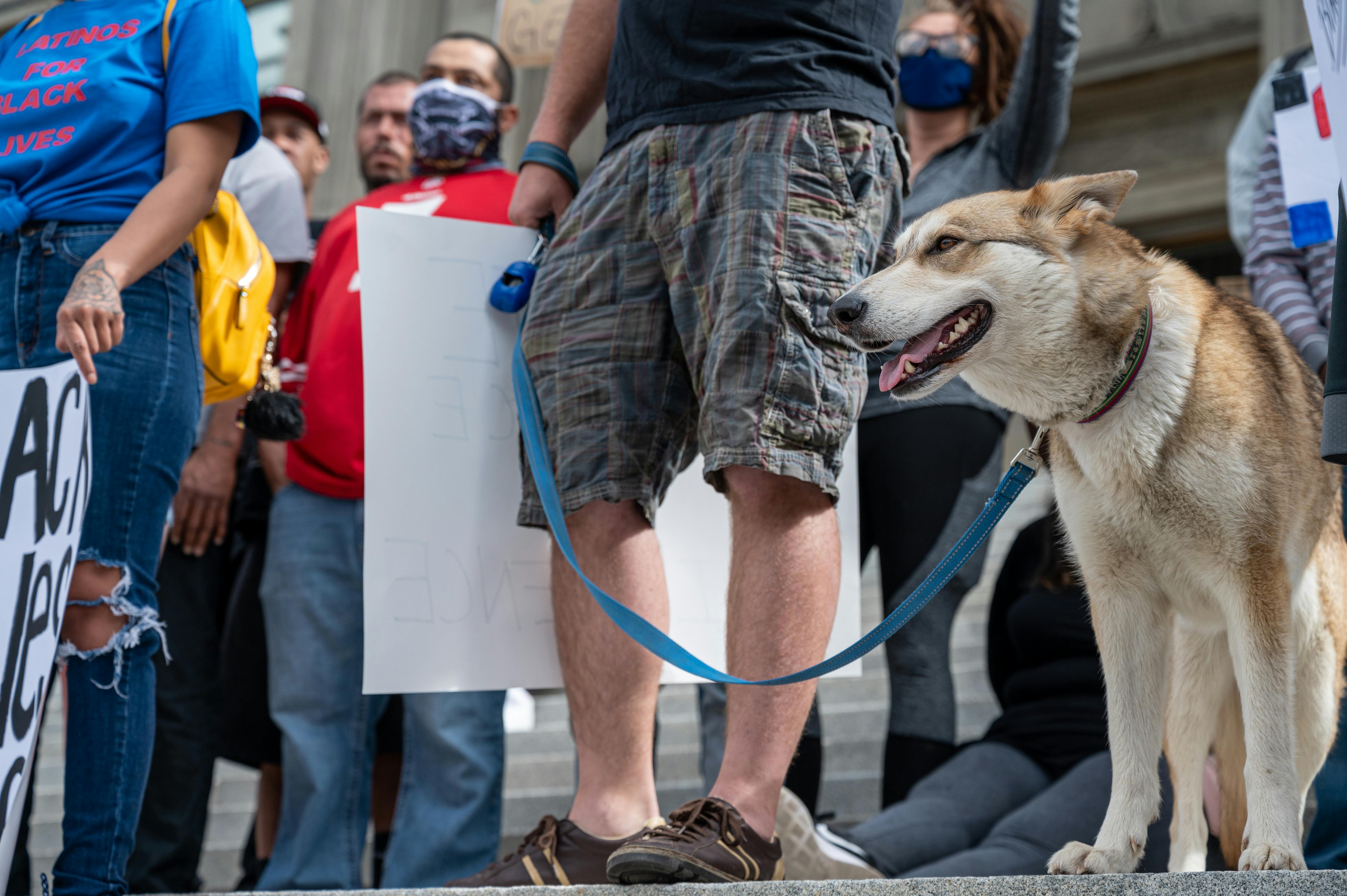 \n\n
\n\nHave you ever noticed your dog’s nose changing from wet to dry throughout the day? It can seem puzzling, and many pet owners wonder what's going on with their furry friends. The nose of a dog is not just an adorable feature; it plays a significant role in their health and well-being. In this article, we will explore why does my dog’s nose change throughout the day, dive into the reasons behind why do dogs have wet noses, and uncover the fascinating secrets behind this natural phenomenon.
\nUnderstanding the Dog's Nose
\nFirst off, dog noses are incredible organs! They are packed with scent receptors, allowing dogs to smell things that we humans can't even imagine. The surface of a dog’s nose is moist, and this moisture plays a critical role in their ability to smell. But why is it wet in the first place?
\n- \n
- Cooling Mechanism: Just like humans sweat, dogs use their noses to help regulate their body temperature. A wet nose helps them cool down when they are hot. \n
- Enhanced Olfactory Function: Moisture helps capture scent particles, enabling dogs to detect odors more effectively. The wet surface of the nose traps these particles, which are then absorbed by the sensory receptors. \n
The Daily Change in Nose Texture
\nSo, why does my dog’s nose change throughout the day? There are several factors that can contribute to this phenomenon.
\n- \n
- Environmental Factors: Temperature and humidity affect a dog’s nose. On hot, dry days, a dog’s nose may dry out more quickly than on cooler, humid days. \n
- Activity Level: After running around, playing, or even napping, a dog’s nose may become drier. Physical activity increases blood circulation, which can lead to temporary changes in moisture levels. \n
- Health Status: A dry or cracked nose can sometimes signal health issues. If your dog’s nose is consistently dry and warm, it may be worth checking in with a vet. \n
- Hydration Levels: Just like humans, dogs need to stay hydrated. If they are not drinking enough water, their nose may become dry. \n
Why Do Dogs Have Wet Noses? Discover This Fascinating Secret!
\nThe wetness of a dog's nose serves multiple purposes. Here are some insights that could be helpful:
\n- \n
- Scent Detection: As mentioned, moisture aids in scent detection. A wet nose is more sensitive to smells. \n
- Communication: Dogs communicate with each other and with us through scent. A wet nose may signal to other dogs that they are present and available for interaction. \n
- Health Indicator: A healthy dog typically has a cool, moist nose. However, noses can be affected by various factors, including diet and overall health. \n
Common Myths About Dog Noses
\nThere are several myths that circulate regarding dog noses. Here are a few to debunk:
\n- \n
- Myth 1: A warm nose means a dog is sick.
\nReality: Nose temperature is not a reliable health indicator. A dog’s body temperature is best taken with a thermometer. \n - Myth 2: A dry nose always means dehydration.
\nReality: Dogs can experience dry noses for many reasons, not just dehydration. \n
Observing Your Dog's Nose
\nAs a dog owner, it’s important to observe any changes in your dog’s nose. Here’s a simple checklist to help you keep track:
\n- \n
- Is the nose consistently dry or cracked? \n
- Are there any unusual discolorations? \n
- Is your dog showing signs of discomfort or illness? \n
- How does the nose feel compared to usual? (warm, dry, cool) \n
Final Thoughts
\nUnderstanding your dog's nose and the changes it undergoes throughout the day can help ensure they are healthy and happy. While a wet nose is generally a good sign, changes in its texture can indicate other factors at play. Regular observations and vet check-ups will keep your furry friend in tip-top shape. If you see any drastic changes, don’t hesitate to reach out to a veterinarian. They can provide the best advice tailored to your dog’s needs.
\nNow, the next time you notice your dog's nose feel different, you’ll have a better idea of what’s going on. It’s all part of the fascinating world of our four-legged friends!
\n\nFun Facts About Dog Noses: What Makes Them Unique and Wet?
\n\n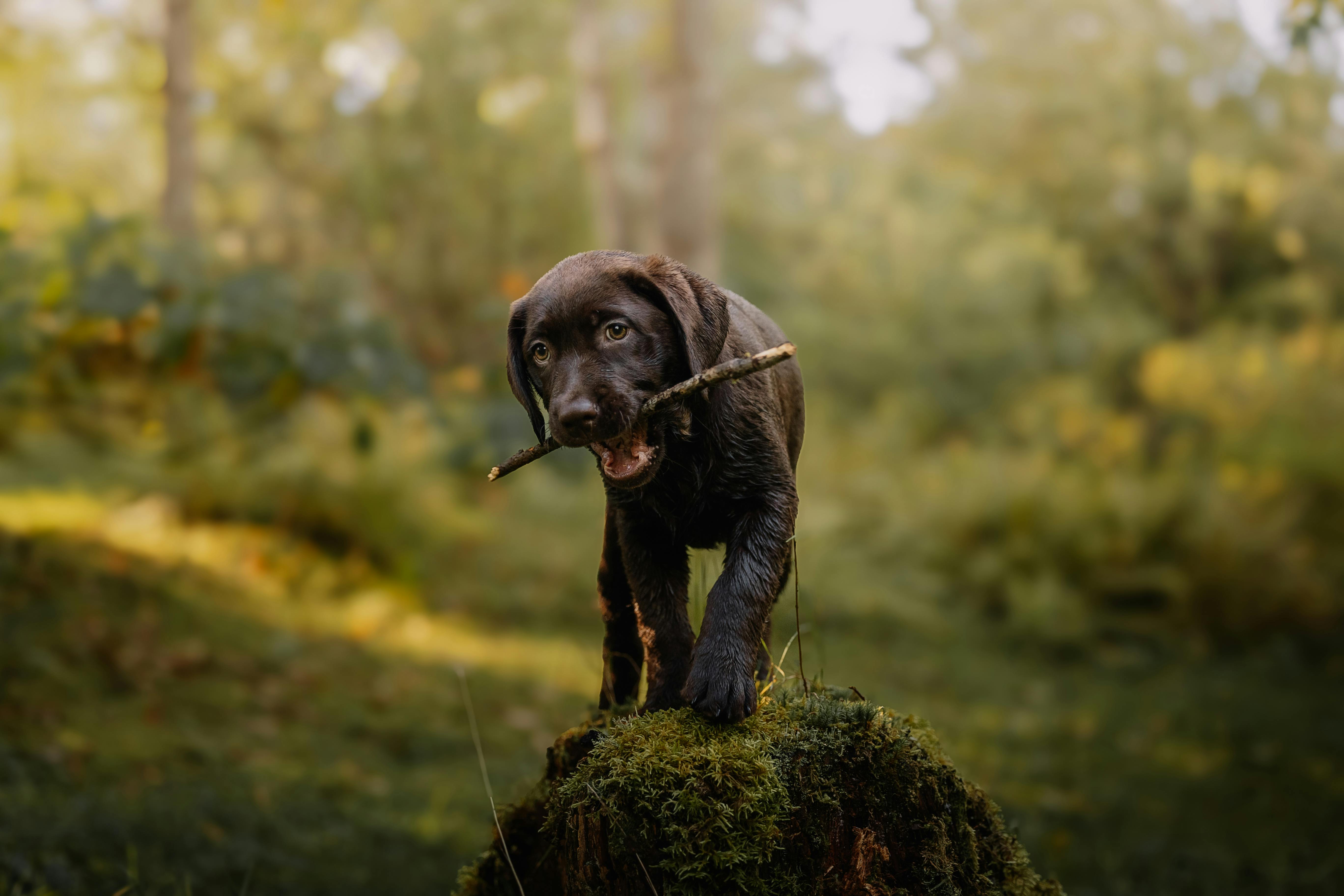 \n\n
\n\nDogs are often known as man's best friend, and one of the most fascinating features about them is their noses. Have you ever wondered why do dogs have wet noses? This unique characteristic is not just for show—it serves several important purposes! Let’s delve into some fun facts about dog noses and uncover what makes them so special.
\nThe Science Behind Wet Noses
\nDog noses are typically moist for a reason. When a dog’s nose is wet, it helps them to absorb scent chemicals from the environment. The moisture, which is a mix of mucus and sweat, helps to enhance their sense of smell. In fact, dogs have an incredible sense of smell that is estimated to be anywhere from 10,000 to 100,000 times more acute than that of humans! Here’s how it works:
\n- \n
- The wetness helps trap scent particles. \n
- Dogs have a special organ called the Jacobsen's organ, which helps them process these scents. \n
- The moisture on their nose helps to cool them down, as dogs primarily regulate their body temperature through panting. \n
Fun Facts About Dog Noses
\n- \n
- \n
Unique Patterns: Every dog has a unique nose print, much like a human fingerprint. This means that, just like humans, dogs have their own identifiable markings!
\n \n - \n
Temperature Regulation: Wet noses can help dogs stay cool. When they pant, moisture evaporates from the nose, aiding in temperature regulation.
\n \n - \n
Scent Detectives: Dogs can detect certain diseases, including cancer and diabetes, through their sense of smell. They can even sense changes in a human's body chemistry due to illness.
\n \n - \n
Nose Size: The size and shape of a dog's nose can affect its sense of smell. Breeds with longer noses, like Bloodhounds, tend to have a more powerful sense of smell compared to those with shorter snouts, like Bulldogs.
\n \n - \n
Not Just for Smelling: Dogs also use their noses to communicate. They often sniff each other to gather information about their health, diet, and mood.
\n \n
Why Do Dogs Have Wet Noses?
\nThe primary reason dogs have wet noses is to enhance their sense of smell. A wet nose absorbs scent particles far better than a dry one. But that’s not all! Here are some additional reasons:
\n- \n
- \n
Health Indicator: A dog’s wet nose is often seen as a sign of good health. However, a dry nose doesn’t always mean they’re sick; it can vary depending on the environment, activity level, and even time of day.
\n \n - \n
Natural Behavior: Dogs lick their noses frequently, which keeps them moist. This is a natural behavior and part of their grooming routine.
\n \n - \n
Emotional State: A dog may have a wet nose when they are excited or happy. When they are stressed or unwell, their nose can become dry.
\n \n
Comparison of Dog Breeds and Nose Types
\nDifferent breeds of dogs have different nose characteristics. Here’s a simple comparison of a few common breeds:
\n| Breed | \nNose Type | \nScenting Ability | \n
|---|---|---|
| Bloodhound | \nLong and droopy | \nExceptional | \n
| Beagle | \nMedium and broad | \nHighly developed | \n
| Dachshund | \nLong and slender | \nGood but not as strong | \n
| Bulldog | \nShort and flat | \nLimited | \n
Practical Examples of Nose Use
\nHere are a few practical examples of how dogs use their noses in everyday life:
\n- \n
- \n
Tracking: Search and rescue dogs use their noses to locate missing persons. They can follow a scent trail over long distances.
\n \n - \n
Service Dogs: Many service dogs are trained to detect medical emergencies, such as seizures or low blood sugar, using their keen sense of smell.
\n \n - \n
Detection Work: Dogs are used in law enforcement to sniff out drugs, explosives, and even currency. Their noses are invaluable tools in these roles.
\n \n
Dogs are not just adorable companions; their wet noses are critical tools that help them navigate the world in ways we can only begin to understand. Whether they’re tracking scents, maintaining their health, or simply expressing their emotions, the wet nose of a dog is a fascinating feature that deserves our respect. Next time you see a dog, take a moment to appreciate their unique nose—it’s more than just a cute feature; it’s a powerful tool that connects them to their environment and enhances their bond with us.
\n\nConclusion
\n\nIn conclusion, the wet noses of dogs serve several important functions that contribute to their overall health and well-being. The moisture helps enhance their sense of smell, as the wet surface captures scent particles more effectively. Additionally, a wet nose plays a role in thermoregulation, helping dogs cool down through evaporation. While the temperature of a dog’s nose can indicate their health status, it’s essential to remember that other factors also contribute to their well-being. Regular veterinary check-ups and attentive care are vital for maintaining your dog's health. So next time you enjoy the gentle nudge of your furry friend’s nose, remember the science behind it! Embrace their unique features and consider sharing this knowledge with fellow dog lovers. Understanding why dogs have wet noses deepens our bond with them and enhances our appreciation for these remarkable companions.
\n\n