
Have you ever wondered why do dogs have wet noses? This intriguing question often sparks curiosity among pet lovers and dog owners alike. A dog’s wet nose is not just an adorable feature; it plays an essential role in their health and communication. But what are the fascinating reasons behind this unique trait? Is it merely a biological quirk, or does it serve a deeper purpose?
In this blog post, we’ll dive deep into the science of canine noses, exploring how the moisture helps dogs to smell better and even regulate their body temperature. You might be surprised to learn that the reason your furry friend’s nose is often cold and damp is linked to their survival instincts!
Also, we’ll uncover some trending topics related to dog health and behavior that will make you appreciate your pet even more. Whether you’re a first-time dog owner or a seasoned canine companion, understanding the wet nose phenomenon can enhance your bond with your furry friend. So, let’s embark on this exciting journey to discover why do dogs have wet noses and unravel the mysteries behind this fascinating characteristic!
Unveiling the Mystery: Why Do Dogs Have Wet Noses? Explore the Science Behind It
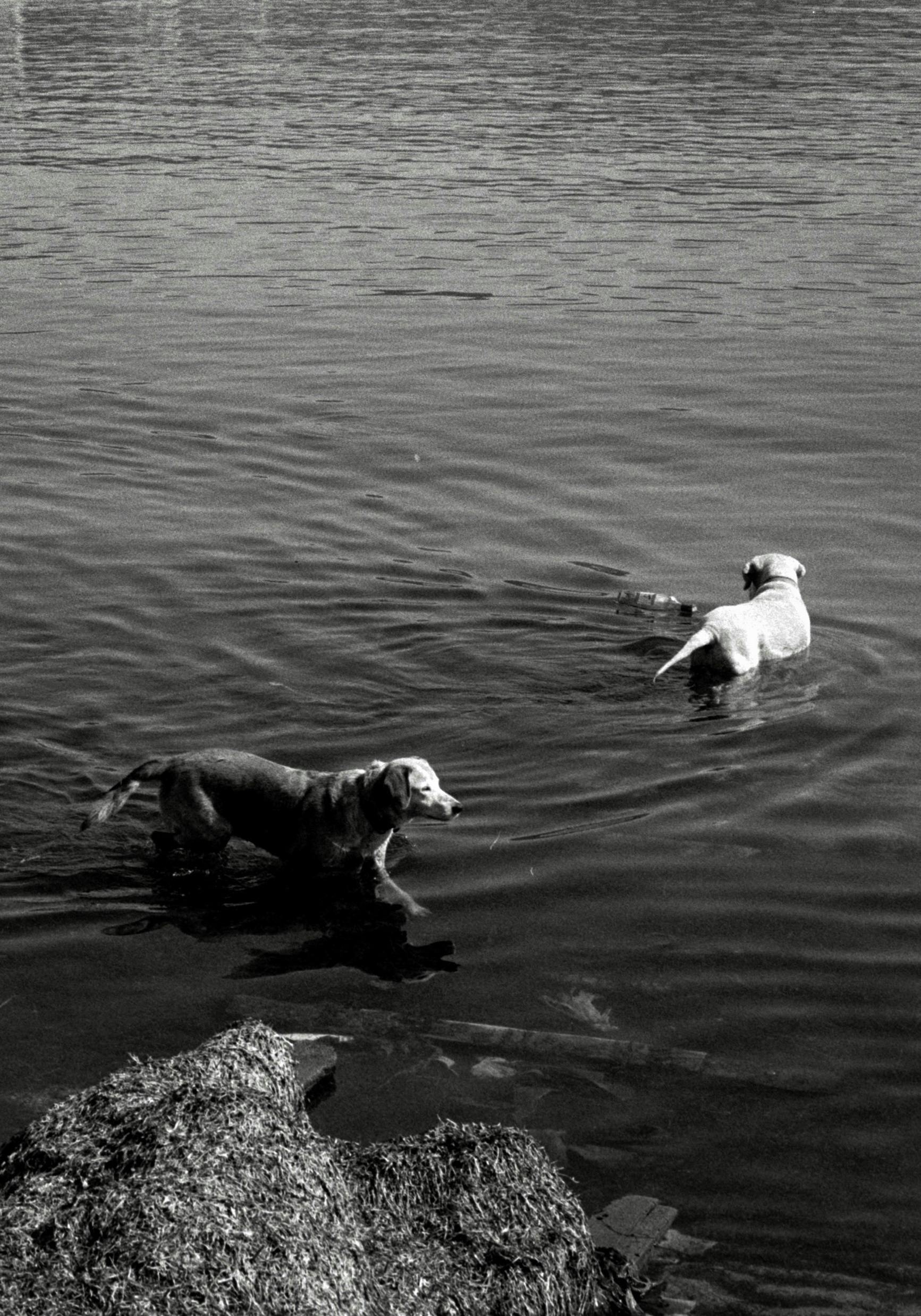
Dogs have been our loyal companions for centuries, but one of the most intriguing aspects of our furry friends is their wet noses. Ever wonder why they are always moist? In this article, we are diving deep into the science behind this phenomenon and exploring the fascinating reasons why dogs have wet noses.
The Science Behind Wet Noses
First off, the wetness of a dog’s nose is not just for show. It’s part of their biology that helps them in multiple ways. A dog’s nose is covered with a thin layer of mucous, which serves several purposes. Here are some key points:
Temperature Regulation: Dogs do not sweat like humans do. Instead, they regulate their body temperature through their noses. The moisture helps to cool them down when they breathe.
Enhanced Sense of Smell: Wet noses help to absorb scent molecules in the air. This makes it easier for dogs to detect different smells. It’s estimated that dogs have up to 300 million smell receptors, compared to a human’s 5 million.
Health Indicator: A dog’s nose can also indicate health. A healthy nose is usually cool and moist, while a dry, cracked nose can be a sign of dehydration or illness.
Historical Context of Dog Noses
Dogs have evolved alongside humans for thousands of years. Historically, their keen sense of smell has made them invaluable to humans, whether it was for hunting or guarding. The wet nose is a trait that has been passed down through generations, and it plays a vital role in their survival.
Hunting: In ancient times, dogs were used for hunting. Their ability to track scents was essential. A wet nose helped them pick up scents more efficiently.
Protection: Dogs have also been used for guarding homes and livestock. Their keen sense of smell, aided by their wet noses, allowed them to detect intruders or predators.
Fascinating Reasons Why Dogs Have Wet Noses
There are several reasons why dog noses are wet, and not all of them are strictly biological. Let’s explore some fascinating aspects:
Social Interaction: Dogs often greet each other by sniffing noses. A wet nose may signal friendliness and willingness to interact.
Environmental Awareness: Dogs use their noses to understand their environment. A wet nose can help them detect moisture in the air, which could indicate weather changes.
Taste Sensation: Dogs also use their noses to taste. The moisture on their noses helps them to better analyze the scents they pick up, giving them more information about their surroundings.
Quick Facts About Dog Noses
- Dogs have a special organ called the Jacobsen’s organ, which helps them to process scents.
- The shape and size of a dog’s nose can vary greatly between breeds, affecting their olfactory abilities.
- A dog’s sense of smell is 40 times more sensitive than a human’s, allowing them to detect minute changes in their environment.
Comparison: Dog Noses vs. Human Noses
Let’s take a look at how dog noses compare to human noses.
| Feature | Dog Noses | Human Noses |
|---|---|---|
| Number of Receptors | ~300 million | ~5 million |
| Purpose | Smell, temperature regulation | Smell, breathing |
| Moisture Level | Usually wet | Usually dry |
| Sensitivity | Extremely sensitive | Less sensitive |
Practical Examples of Nose Behavior
Here are a few examples of how dogs use their noses in daily life:
- Tracking: Search and rescue dogs are trained to find people using their noses, which is critical in emergencies.
- Detection: Dogs are employed in police work to detect drugs or explosives because of their incredible sense of smell.
- Medical Alert: Some dogs can even detect diseases like cancer in humans by smelling their breath or skin.
It’s clear that the wet nose of a dog serves multiple purposes that are integral to their health and behavior. The next time you feel the cool, damp nose of your canine friend, remember that it’s not just a quirky trait; it’s a fascinating combination of biology and history.
So, why do dogs have wet noses? Well, it’s a blend of evolutionary traits, biological functions, and social behaviors that make our furry pals even more fascinating. Whether it’s for cooling down, enhancing their sense of smell, or signaling their health, a wet nose is a small but significant part of what makes dogs such incredible companions.
The Benefits of a Wet Nose: How Your Dog’s Unique Trait Affects Their Health
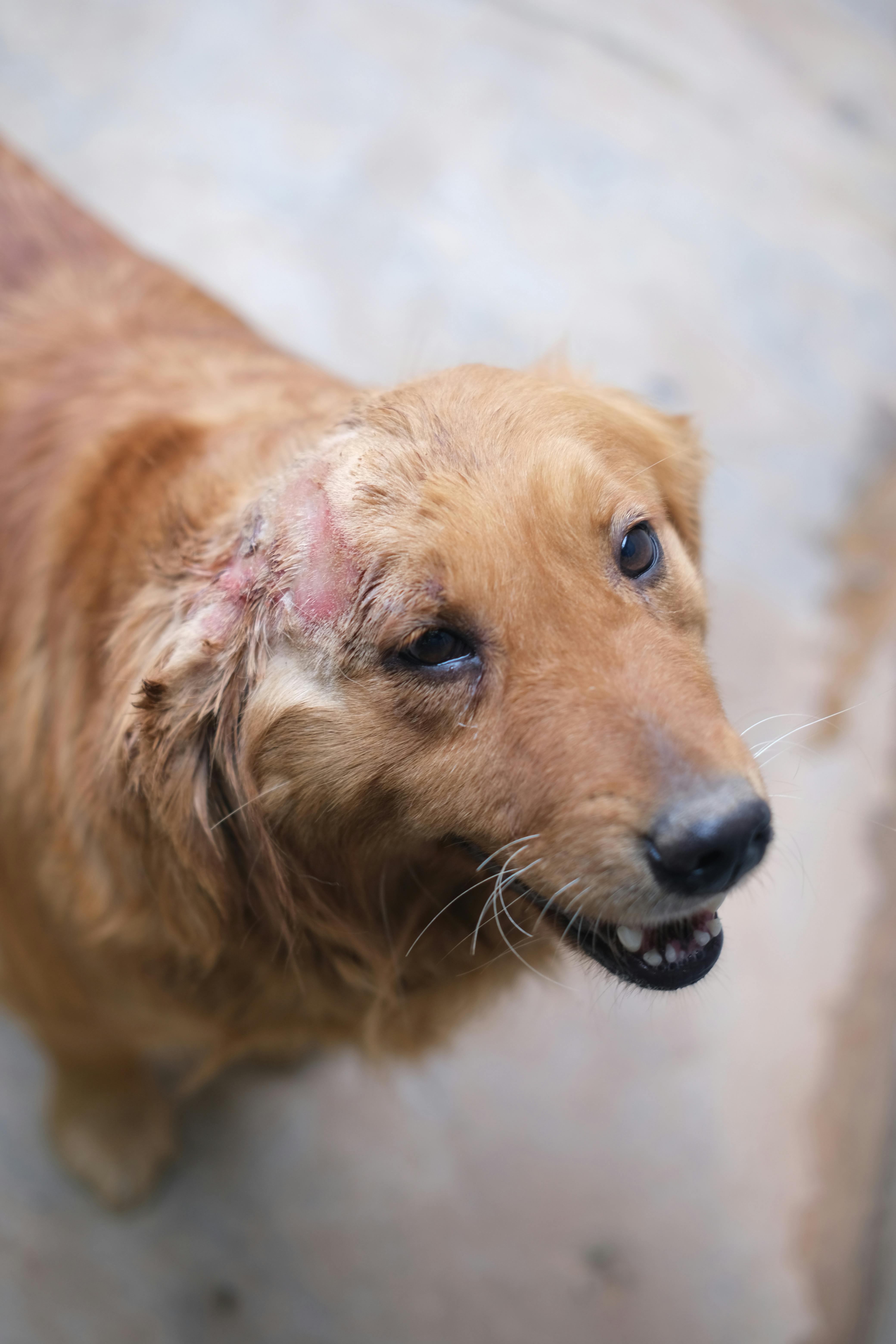
Have you ever wondered why dogs have wet noses? It’s one of their unique traits, and it actually serves multiple purposes that can affect their health. Wet noses, while they might seem like just a cute feature, play a vital role in how dogs interact with the world around them. Understanding the benefits of this fascinating trait can help dog owners appreciate their furry friends even more.
The Science Behind Wet Noses
Dogs have wet noses primarily due to the moisture that comes from the mucous membranes. This moisture can help them in various ways, including regulating their body temperature and enhancing their sense of smell. When a dog licks its nose, the moisture collects scent particles, allowing them to detect different smells better. The anatomy of a dog’s nose is quite complex and is designed to maximize their olfactory abilities.
- Moisture Production: Dogs naturally produce moisture in their noses. This helps them stay cool and can also assist in scent detection.
- Thermoregulation: Just like humans sweat to cool down, dogs use their noses to help regulate body temperature when they get too hot.
- Scent Sensitivity: A wet nose can trap more scent particles, making it easier for dogs to identify various odors.
Why Are Wet Noses Beneficial?
The benefits of having a wet nose goes beyond just looking adorable. Here’s a list of some key advantages:
- Enhanced Scent Detection: As mentioned, the moisture helps capture scent particles, so dogs with wet noses may have a better sense of smell than those with dry noses.
- Health Indicator: A wet nose is often a sign of a healthy dog. If your dog’s nose suddenly becomes dry or changes in texture, it could be a sign of illness and you should consult a vet.
- Cooling Mechanism: Wet noses can help dogs cool off, especially during warm weather. This is important for maintaining their overall health and comfort.
- Social Interaction: Dogs often use their noses to greet other dogs and humans. A wet nose can be a friendly gesture, inviting interaction.
Historical Context of Dog Noses
Historically, dogs have been bred for specific traits, including their sense of smell. Since ancient times, humans have relied on dogs for hunting, herding, and companionship. The wet nose trait has likely been selected over generations because it offers distinct advantages in these roles.
For example, bloodhounds, known for their incredible sense of smell, have moist noses that help them track scents over great distances. This capability has made them invaluable in search and rescue missions, as well as in law enforcement.
Common Misconceptions About Wet Noses
There are several myths surrounding wet noses in dogs. Here’s a breakdown of some misconceptions and the truth behind them:
Myth: A wet nose means my dog is sick.
- Truth: While a dry nose can indicate illness, a wet nose is generally a sign of health. Dogs can have wet noses for many reasons, including weather changes or just after licking them.
Myth: Only certain breeds have wet noses.
- Truth: All dogs have wet noses, although the degree of moisture can vary between breeds and individual dogs.
Myth: A dog’s nose is always wet.
- Truth: Dogs’ noses can be dry at times, especially when they are sleeping or during certain weather conditions.
Practical Examples of Caring for Your Dog’s Nose
Maintaining your dog’s nose health is important. Here’s a list of tips to ensure their nose stays healthy:
- Regular Vet Check-ups: Make sure to include nose examinations in your vet visits.
- Hydration: Provide fresh water at all times to keep them hydrated.
- Watch for Changes: Monitor your dog’s nose for any unusual changes in texture or color. If you see anything concerning, consult your vet.
- Avoid Irritants: Keep your dog away from harsh chemicals or irritants that could dry out their nose.
Comparison: Wet Nose vs. Dry Nose
Wet Nose Dry Nose
Indicates health Can indicate illness
Better scent detection May require vet examination
Helps regulate temperature Can be due to dehydration or other issues
In conclusion, the wet nose of your dog is not just a cute feature, but a vital part of their health and well-being. By understanding why dogs have wet noses and the benefits they provide, you can help ensure that your furry friend stays healthy and happy. Remember to keep an eye on any changes, and when in doubt, don’t hesitate to reach out to your veterinarian. A wet nose is just one of the many ways your dog engages with the world, showcasing their unique biology and connection to us.
Can a Dog’s Wet Nose Indicate Mood? Understanding Canine Emotions Through Nose Moisture
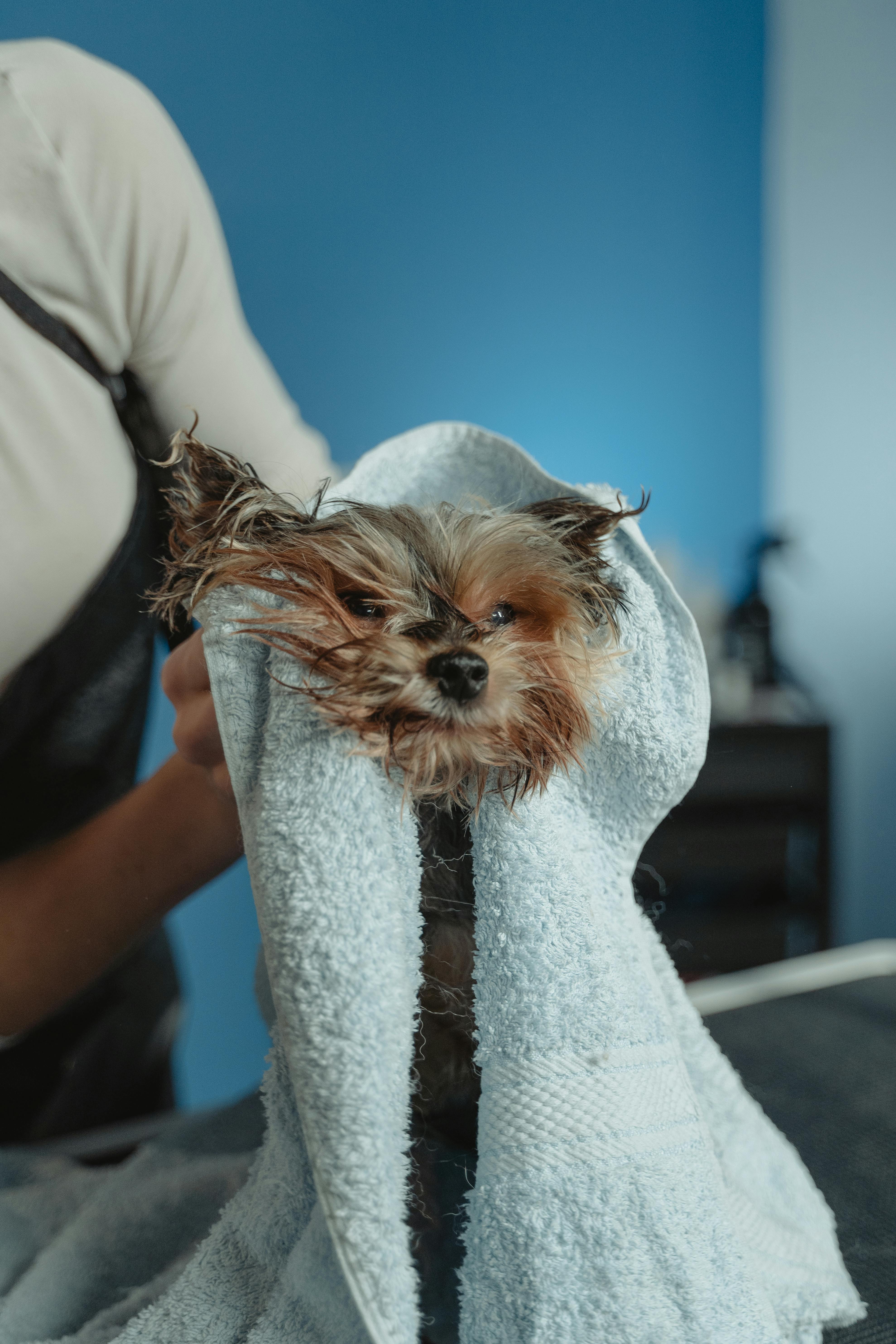
Dogs are often seen as man’s best friend, but have you ever wondered if their wet noses could be telling you something? Many dog owners notice that their furry companions’ noses are often moist, and there’s more to this than just a random occurrence. Can a dog’s wet nose indicate mood? Understanding canine emotions through nose moisture may help you bond better with your pet. In this article, we will explore why do dogs have wet noses, the fascinating reasons behind it, and how it relates to their emotional state.
Why Do Dogs Have Wet Noses?
Dogs have wet noses for several reasons, and it’s not just about being cute! Here are some key points to consider:
Temperature Regulation: Dogs don’t sweat like humans do. Instead, they cool down through panting and by having wet noses. The moisture on their noses helps to regulate their body temperature. When the nose is wet, it can enhance their ability to cool off, especially on hot days.
Enhanced Sense of Smell: A dog’s sense of smell is incredibly powerful. A wet nose helps to capture scent particles in the air, making it easier for dogs to identify different smells. The moisture acts as a sort of glue, attracting and holding onto these scent molecules.
Health Indicator: A dog’s nose can indicate their health and well-being. A healthy dog often has a moist, cool nose. Changes in nose moisture can sometimes signal health issues, such as dehydration or fever. If your dog’s nose becomes dry and cracked, it may be worth checking in with a veterinarian.
Can a Dog’s Nose Reflect Their Mood?
This is where it gets really interesting! Many pet owners believe that a dog’s nose moisture may reflect their emotional state. Here are some insights:
Excitement: When dogs are excited or happy, their noses might become wetter. This is often seen during playtime or when they are anticipating something fun, like going for a walk or seeing their favorite person.
Calmness: A calm and relaxed dog may also have a moist nose. When they are content, the moisture level tends to be stable, indicating they are at ease.
Stress or Anxiety: Conversely, a dog that’s feeling stressed or anxious may have a drier nose. This can happen in new environments or during loud situations. If you observe a dry nose during these times, it could indicate your pup is feeling uneasy.
The Fascinating Reasons Behind Wet Noses
Here’s a deeper dive into why dogs have wet noses, breaking it down further:
Biological Functionality:
- Dogs’ noses are made from a specialized skin that secretes mucus. This mucus not only keeps the nose moist but also helps them smell better.
- Dogs have a unique organ called Jacobsen’s organ, which enhances their smelling abilities and is closely linked to their emotional responses.
Social Interaction:
- Dogs often use their noses to greet each other, and a moist nose may signal friendliness or curiosity. This is particularly important in dog parks or during socialization.
Environmental Factors:
- The humidity and temperature of the environment can also affect the moisture level in a dog’s nose. For example, in humid conditions, dogs might have wetter noses, which can change depending on their surroundings.
Practical Examples
Here are a few scenarios that illustrate how nose moisture can hint at a dog’s mood:
Scenario 1: You come home after a long day, and your dog runs to greet you with a wet nose. This likely indicates excitement and happiness at your return!
Scenario 2: You take your dog to a new place, and you notice their nose is drier than usual. This could indicate they are feeling anxious or unsure in the new environment.
Scenario 3: During a playdate with other dogs, your dog has a consistently moist nose. This could mean they’re having a great time and are socializing well with their furry friends.
Quick Facts About Dog Nose Moisture
- Dogs’ noses can be warm or cool depending on their activity level and environment.
- A healthy dog can have varying nose moisture throughout the day; it is not a fixed state.
- It’s normal for a dog’s nose to change moisture levels based on their activity and health.
Understanding a dog’s wet nose and the science behind it can help you decode their emotions better. By observing these subtle changes, you’ll be better equipped to respond to your furry friend’s needs and feelings. So next time you pet your dog and feel that cool, wet nose, remember there might be more to it than just cuteness! Embrace the bond you share and pay attention to those little signs; they can tell you a lot about how your four-legged friend is feeling.
Curious Canines: 5 Fascinating Facts About Why Dogs Have Wet Noses
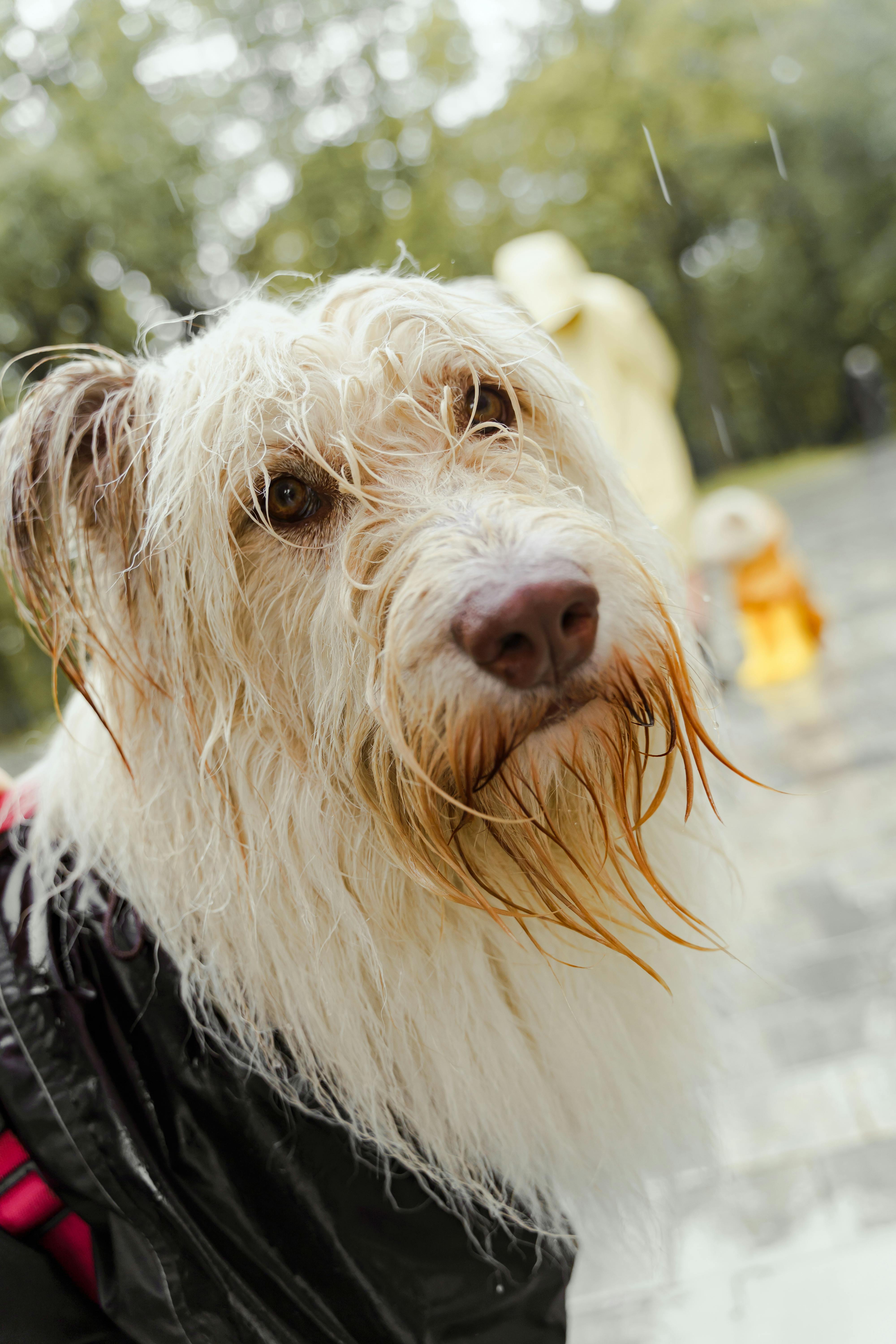
Have you ever wondered why dogs have wet noses? It’s one of those quirks about our furry friends that not just makes them more lovable, but also serves some important functions. Let’s dive into five fascinating facts that explain this curious phenomenon. You might just find yourself appreciating your canine companion even more.
The Science Behind Wet Noses
Dogs’ noses are typically moist due to a thin layer of mucus. This mucus helps to trap scent particles which allows them to smell better. A dog’s sense of smell is around 10,000 to 100,000 times more sensitive than humans, so it makes sense that having a wet nose is beneficial. The moisture on their noses plays a critical role in this enhanced olfactory prowess.
- Wet noses trap scent particles.
- Mucus helps to amplify their sense of smell.
- Dogs can detect certain scents better when their nose is damp.
Temperature Regulation
Another fascinating fact about why do dogs have wet noses is related to temperature regulation. Dogs don’t sweat like humans do; instead, they cool off primarily through panting and their noses. A moist nose helps to regulate their body temperature, especially on hot days.
- Dogs sweat minimally through their paw pads.
- A wet nose helps cool down their body.
- It’s especially important in hot weather.
Health Indicators
A wet nose can also serve as an indicator of a dog’s health. Typically, a healthy dog will have a cool, wet nose, while a dry nose might signal something is off. However, it’s not the only factor to consider. Other symptoms like lethargy or loss of appetite should also be taken into account.
- Wet, cool nose usually means a healthy dog.
- A dry nose could indicate dehydration or illness.
- Always consider other health signs alongside the nose’s condition.
Why Some Dogs Have Drier Noses
Not all dogs have moist noses all the time. Certain breeds, like Bulldogs or Boxers, are more prone to having drier noses. This could be due to their unique facial structure or genetic factors. Moreover, environmental factors can also play a role, such as dry weather or allergies.
- Breeds like Bulldogs may have drier noses.
- Environmental factors can affect moisture levels.
- Aging dogs may also experience changes in nose moisture.
The Role of Aroma and Communication
Dogs communicate through their sense of smell. A wet nose can enhance their ability to pick up scents from the environment, which is vital for social interaction among dogs. They often use their noses to greet each other, offering a warm, moist nudge that says, “Hello!”
- Dogs gather information through their noses.
- A wet nose enhances scent detection for socializing.
- It plays a key role in their communication with each other.
Summary of Key Points
- Dogs have wet noses primarily to enhance their smell.
- Moisture helps regulate their body temperature.
- A wet nose can be a health indicator, but it’s not the only sign.
- Some breeds naturally have drier noses due to genetics or environment.
- A wet nose is crucial for their communication and social behavior.
In summary, the wet nose of a dog is more than just an adorable feature; it serves multiple purposes that affect their health, communication, and sensory capabilities. The next time you give your dog a scratch behind the ears and feel that cool, damp nose, remember all the fascinating reasons why it’s there. It’s just one more way our canine companions keep surprising us with their unique biology and behaviors.
Wet Nose Wonders: The Role of Canine Scent Detection and Temperature Regulation
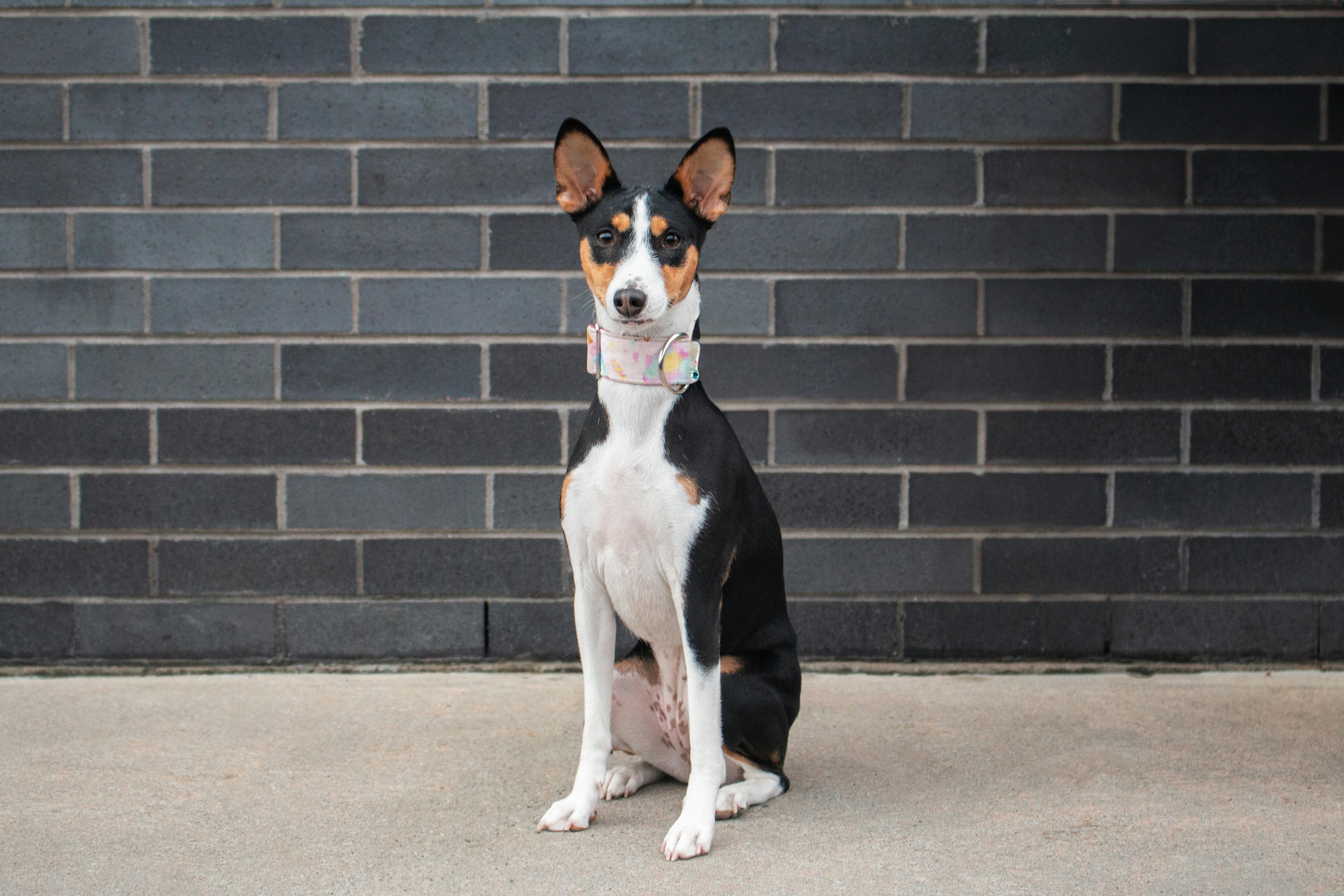
Dogs are truly amazing creatures, and one of the most fascinating features they have is their wet noses. You might have wondered, why do dogs have wet noses? It’s not just for looks or to make them appear more adorable—there’s actually a science behind it. Wet noses play a crucial role in a dog’s health and functionality, from scent detection to temperature regulation. Let’s explore this topic in depth!
The Science of Scent Detection
Dogs have an incredible sense of smell, estimated to be anywhere from 10,000 to 100,000 times more sensitive than humans. This remarkable ability is largely due to their wet noses. But how does it work?
- Moisture and Scent Molecules: The wetness of a dog’s nose helps capture scent molecules from the air. When the surface is moist, it can better absorb these molecules, enhacing the dog’s ability to detect different smells.
- Olfactory Receptors: Dogs have about 300 million olfactory receptors in their noses. In contrast, humans only have around 5 million. This vast network allows dogs to distinguish between countless scents, which is why they’re often used in roles like search and rescue, drug detection, and even medical diagnoses.
Some interesting statistics about canine scent detection:
- Dogs can detect certain diseases such as cancer or diabetes through smell.
- They can differentiate between scents that are just seconds apart, a skill that’s astonishingly useful in various fields.
Temperature Regulation
Apart from their impressive olfactory abilities, wet noses also help dogs regulate their body temperature. Dogs don’t sweat like humans do; instead, they rely on their noses to cool down.
- Cooling Mechanism: When a dog’s nose is wet, it helps to cool the air they inhale, which can help lower their body temperature. This is especially important during hot weather or after vigorous activities.
- Evaporation: The moisture on the nose evaporates, which also aids in cooling. When the water evaporates, it pulls heat away from the surface of the nose, creating a cooling effect.
Why Are Some Noses Drier Than Others?
Not all dogs have perpetually wet noses, and there are several reasons for this variation.
- Health Issues: A dry nose can sometimes indicate health problems, such as dehydration or fever. However, it can also be completely normal depending on other factors, such as the environment or the dog’s age.
- Breed Differences: Some breeds naturally have drier noses than others. For instance, breeds like the Shar Pei and the Bulldog often have drier, warmer noses compared to other breeds.
Fun Facts About Dogs’ Noses
Here’s a quick list of fascinating facts about your furry friend’s nose:
- Individual Identity: Just like human fingerprints, every dog’s nose print is unique! This could theoretically be used for identification.
- Temperature Sensitivity: Dogs can sense changes in temperature through their noses, which helps them understand their environment better.
- Scent Memory: Dogs can remember scents for years, which is why they often react strongly to familiar smells, like those of their owners or favorite toys.
Practical Implications for Dog Owners
Understanding why dogs have wet noses can help owners take better care of their pets. Here are some tips:
- Regular Vet Check-ups: Always monitor your dog’s nose. If it becomes persistently dry or excessively wet, consult your veterinarian.
- Hydration is Key: Ensure your dog is well-hydrated, especially during hot weather. This helps maintain a healthy moisture level in their nose.
- Grooming: Regular grooming can help maintain nose health. Clean your dog’s nose gently to remove dirt and debris, ensuring they can smell and breathe easily.
The Historical Context of Dogs’ Noses
Dogs have been companions to humans for thousands of years, and their wet noses have played a vital role throughout history.
- Hunting Partners: Historically, dogs with keen senses were used for hunting. Their ability to track scents was invaluable to early humans.
- Modern Roles: Today, dogs’ noses are trained for various tasks, from search-and-rescue operations to detecting substances such as explosives or narcotics.
Understanding the reasons behind why dogs have wet noses gives us a deep appreciation for these wonderful animals. Their wet noses are not just cute; they serve essential purposes that enhance their abilities and help them interact with the world around them. Whether they’re tracking scents or cooling off, our furry friends rely on those wet noses in more ways than we can imagine.
Is a Dry Nose a Cause for Concern? What Your Dog’s Nose Says About Their Health
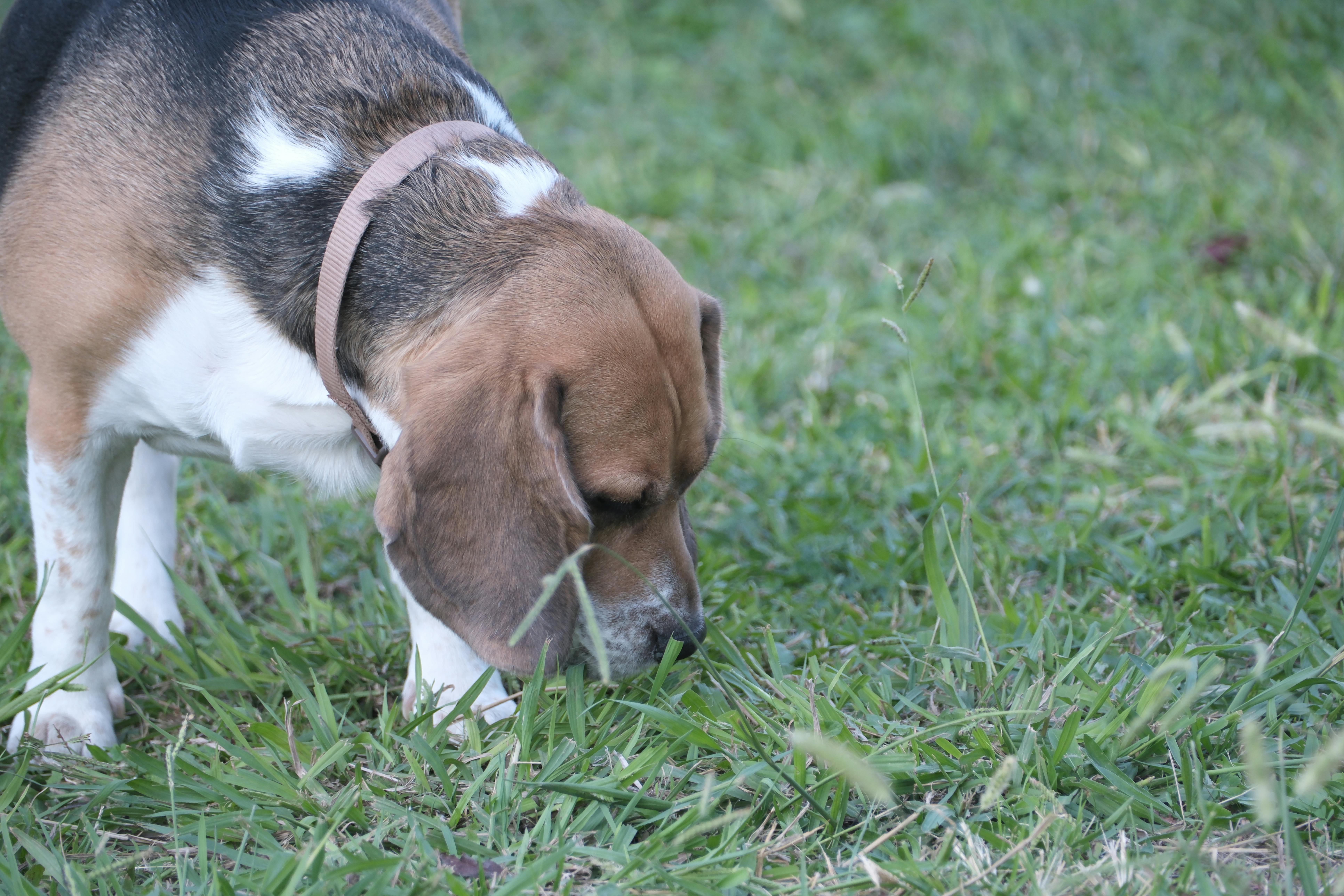
Every dog owner knows that a wet nose usually means a happy and healthy pup, but how true is that? Is a dry nose a cause for concern? There’s a lot more to your dog’s nose than meets the eye, and understanding what it says about their health can be fascinating. Let’s take a closer look at why do dogs have wet noses and what different nose conditions might mean for your furry friend.
Why Do Dogs Have Wet Noses?
First off, let’s dive into the science behind those moist noses. Dogs have wet noses for several reasons, and it’s not just for show. A wet nose helps to enhance their sense of smell. The moisture on their noses traps scent particles, making it easier for them to analyze the world around them. Isn’t that cool? Here’s a quick rundown of reasons why dogs have wet noses:
- Enhanced Smell: The moisture helps to capture scents, improving their olfactory abilities.
- Thermoregulation: Dogs don’t sweat like humans do. A wet nose can help cool them down.
- Health Indicator: A healthy, wet nose often indicates good hydration and overall health.
Is a Dry Nose a Cause for Concern?
Now, what if you notice that your dog’s nose is dry? Should you panic? Not necessarily, but it can be a sign of something. A dry nose doesn’t automatically mean your dog is sick, but it’s important to consider a few factors:
- Environmental Factors: Sometimes the weather can cause dryness. Hot or windy conditions can lead to a dry nose.
- Dehydration: If your dog isn’t drinking enough water, it could result in a dry nose.
- Health Issues: In some cases, a persistently dry nose could signal health problems, such as a fever or an autoimmune condition.
What to Look For
When assessing your dog’s nose, keep an eye out for these symptoms that may indicate a problem:
- Cracks and Flaking: If you see any cracks, it might be time to consult a vet.
- Color Changes: A significant change in color could be a red flag. A healthy nose is generally black or brown, depending on the breed.
- Discharge: Any unusual discharge could indicate an infection or allergy.
Comparison: Wet vs. Dry Nose
Let’s take a closer look at the differences between a wet and dry nose with this simple table:
| Feature | Wet Nose | Dry Nose |
|---|---|---|
| Hydration Level | Typically hydrated | May indicate dehydration |
| Health Status | Often healthy | Could indicate an underlying issue |
| Temperature | Cool to the touch | May feel warmer |
| Scent Detection | Excellent at scent detection | May have reduced scent abilities |
Common Misconceptions
There are many myths surrounding dog noses that can confuse owners. Here are some common misconceptions:
Myth 1: A warm nose means a sick dog.
- Truth: Nose temperature can vary widely and isn’t always a reliable health indicator.
Myth 2: A dry nose always means dehydration.
- Truth: Environmental factors play a significant role too.
Myth 3: Dogs only need their noses for smell.
- Truth: Dogs also use their noses for communication and social interaction.
Practical Tips for Nose Care
Keeping your dog’s nose healthy is important. Here are some practical tips:
- Hydration: Always make sure your dog has access to fresh water.
- Humidity Control: If you live in a dry area, consider using a humidifier to help your dog’s skin and nose.
- Monitor Health: Keep a close eye on any changes in your dog’s nose and consult a vet if concerned.
When to See a Vet
If your dog’s nose remains persistently dry, cracked, or shows other concerning symptoms, don’t hesitate to contact your veterinarian. Persistent issues could indicate underlying health problems, and it’s always better to be safe than sorry.
In the end, a dog’s nose can tell you quite a bit about their health. While a wet nose is usually a good sign, a dry nose isn’t always alarming. Pay attention to the changes and keep your furry friend hydrated and healthy. Your dog relies on you for their well-being, so being aware of what their nose says can help ensure a long, happy life. Remember, every pup is unique, and understanding their signals is part of being a responsible pet owner!
How to Keep Your Dog’s Nose Healthy: Tips for Ensuring Optimal Moisture Levels

Every dog owner knows that a wet nose is a common feature of our furry friends. But do you ever stop to think about why your dog’s nose is wet, or how to keep it healthy? Keeping your dog’s nose in optimal condition is important for their overall health. In this article, we will explore the reasons behind why do dogs have wet noses, and share some essential tips on how to maintain their moisture levels.
Why Do Dogs Have Wet Noses?
Dogs noses are often wet for several reasons. It’s not just a quirky feature; there are fascinating biological functions at play here.
Cooling Mechanism: Just like humans sweat, dogs use their noses to regulate their body temperature. The moisture on their noses helps to cool them down. This is especially important on hot days or after they’ve been running around.
Enhanced Sense of Smell: A wet nose helps capture scent particles from the air. The moisture creates a kind of sticky surface that allows these particles to adhere better, enhancing the dog’s sense of smell. This is crucial for their survival instincts and hunting abilities.
Health Indicator: A dog’s nose can tell you a lot about their health. A normal, moist nose indicates that your dog is well-hydrated and healthy. Conversely, a dry or cracked nose could indicate dehydration or illness.
Natural Behavior: Dogs often lick their noses to keep them moist, which is a natural behavior. This is why you might see your dog licking its nose frequently.
Tips for Keeping Your Dog’s Nose Healthy
Maintaining the moisture levels of your dog’s nose is crucial for their health. Here are some practical tips to help you keep their nose in tip-top shape:
Hydration: Ensure your dog drinks enough water throughout the day. Dehydration can lead to a dry nose. Always have fresh water available.
Humidity Levels: If you live in a dry climate or during winter months, consider using a humidifier in your home. This can help maintain the moisture levels in the air, which benefits your dog’s nose.
Regular Check-Ups: Regular vet visits can help you monitor your dog’s overall health, including their nose. If you notice any abnormalities like excessive dryness, cracking, or bleeding, consult your vet.
Diet: A well-balanced diet rich in omega fatty acids can help improve skin and coat health, which can also reflect on the nose. Foods with fish oil or flaxseed oil are great choices.
Avoid Irritants: Stay away from harsh chemicals, smoke, or anything that could irritate your dog’s nose. This might mean keeping them away from strong cleaning products or smoke from a fire.
Limit Sun Exposure: Just like humans, dogs can get sunburned. If your dog has a light-colored or thinly furred nose, consider using dog-friendly sunscreen during outdoor activities.
Grooming: Regular grooming can prevent dirt and debris from irritating your dog’s nose. Make sure to keep their face clean, especially after eating or drinking.
Common Nose Issues in Dogs
Sometimes, despite your best efforts, your dog may face nose issues. Knowing what to look for can help you address these problems promptly. Here’s a list of common nose issues in dogs:
Dry Nose: This can be caused by dehydration, allergies, or certain health issues. Always monitor for other symptoms.
Cracked Nose: This can be painful and is often due to dry air or nutritional deficiencies.
Discharge: If there is excessive discharge, it could indicate an infection or illness.
Color Changes: If your dog’s nose changes color, it might be a sign of a medical condition.
Quick Facts About Dog Noses
- Dogs have about 220 million scent receptors in their noses, compared to humans’ 5 million.
- The wetness of a dog’s nose can also help them to cool down during exercise.
- Dogs can also have different nose shapes, which can affect their sense of smell. Breeds like Bloodhounds have longer noses which help them pick up scents better than shorter-nosed breeds.
Keeping your dog’s nose healthy is an essential part of their overall well-being. By understanding the reasons behind their moist noses and following these tips, you can help ensure that your furry friend stays happy and healthy. Remember, a healthy dog is a happy dog! If you have any concerns about your dog’s nose or health, don’t hesitate to reach out to your veterinarian for guidance.
Dogs and Their Wet Noses: A Deep Dive into Evolution and Survival Mechanisms

Dogs are often called man’s best friend, and one of the most endearing traits they possess is their wet noses. But have you ever stopped to ask yourself, “Why do dogs have wet noses?” It’s a question that might seem trivial but has fascinating roots in evolution and survival. Let’s take a closer look at the reasons behind those adorable, moist snouts and how they contribute to a dog’s overall well-being.
The Science Behind Wet Noses
First off, the wetness of a dog’s nose isn’t just for show. It plays a crucial role in their olfactory system. Dogs have an incredible sense of smell, estimated to be anywhere from 10,000 to 100,000 times more acute than that of humans. The moisture on their nose helps to absorb scent particles from the air, making it easier for them to detect different smells.
- Olfactory Receptors: Dogs have around 220 million olfactory receptors in their noses, compared to about 5 million in humans.
- Moisture Absorption: The wet surface enhances their ability to capture scent molecules.
- Temperature Regulation: A wet nose helps cool down dogs, especially during warmer months.
Evolutionary Perspective
Historically, dogs descend from wolves, which relied heavily on their sense of smell for hunting and survival. The evolution of a wet nose can be seen as a beneficial adaptation.
- Hunting Advantage: A wet nose helps wolves track prey more effectively, increasing their chances of survival.
- Social Interactions: Dogs also use their noses to communicate with each other. The moisture can carry pheromones, which convey important social cues.
The Role of the Nose in Health
A dog’s nose can also serve as a health indicator. While a dry nose might not always mean your pet is sick, changes in the nose’s texture or moisture can be worth noting.
- Normal Conditions: A wet and cool nose is usually a sign of a healthy dog.
- Signs of Illness: If a dog’s nose becomes excessively dry or cracked, it might indicate dehydration or other health issues.
Fun Facts About Dog Noses
- Nose Prints: Just like human fingerprints, each dog’s nose print is unique and can be used for identification.
- Color Variation: The color of a dog’s nose can change with age, and some breeds have distinct nose colors that contribute to their overall appearance.
- Sniffing Patterns: Dogs sniff in a specific pattern, often in a zigzag, to gather more scent information.
Practical Implications for Dog Owners
Understanding why dogs have wet noses can help dog owners ensure their pets are healthy and happy. Here are some tips to maintain your dog’s nose:
- Regular Vet Check-ups: Keeping up with veterinary visits can help catch any potential health concerns.
- Hydration: Always provide fresh water to your dog, especially during hot weather, to keep their nose moist.
- Avoid Irritants: Keep your dog away from harsh chemicals or allergens that might irritate their nose.
Comparison: Dog Noses vs. Human Noses
| Feature | Dog Nose | Human Nose |
|---|---|---|
| Olfactory Receptors | 220 million | 5 million |
| Moisture Function | Enhances scent detection | Limited role in scent detection |
| Temperature Regulation | Helps cool down the body | Primarily regulates airflow |
The Human-Dog Connection
Dogs have been companions to humans for thousands of years. The relationship between dogs and humans has evolved, but the importance of their wet noses remains. A dog’s wet nose not only enhances their sensory experience but also fosters a deeper bond with their human family.
- Affectionate Interactions: When a dog nudges you with their nose, they are often seeking attention or affection, showing that they care.
- Communication: A wet nose can signify excitement or curiosity, enhancing the interaction between the dog and its owner.
In summary, the wet nose of a dog is much more than just an adorable feature; it reflects their evolutionary history, contributes to their health, and strengthens their bond with humans. By understanding the significance of this unique trait, dog owners can appreciate their furry companions even more, ensuring they provide the best care possible. So next time you see that wet nose, remember, it’s not just cute—it’s a remarkable survival mechanism that connects dogs to their environment and to us!
Why Do Different Breeds Have Different Nose Textures? The Genetics of Dog Noses Explained
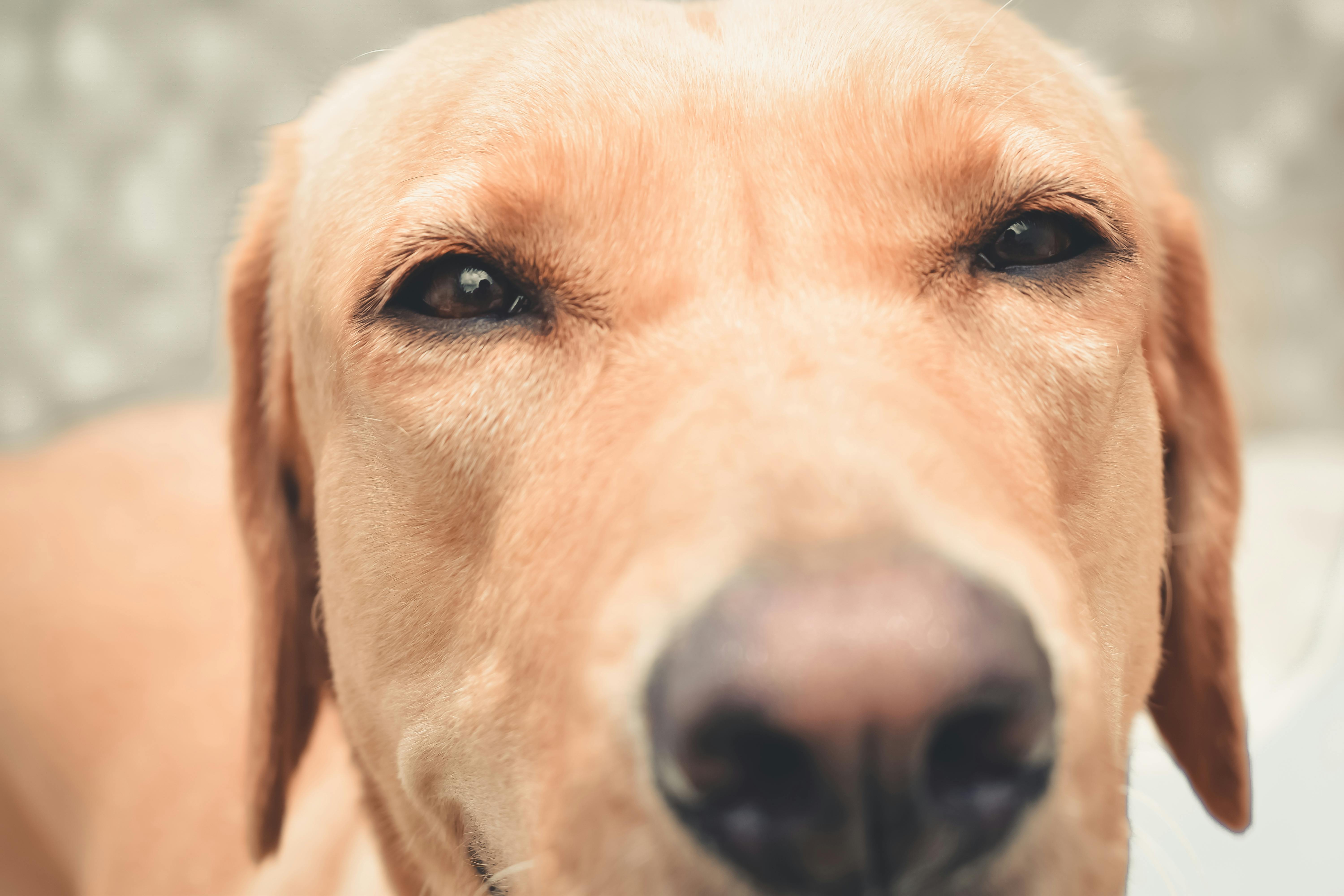
Ever wonder why different breeds of dogs have unique nose textures? Or why their noses are often wet? These questions lead us down a fascinating path into the genetics of dog noses, revealing much about our furry friends. Let’s dive into the intriguing science behind dog noses, their varying textures, and the reasons behind that familiar wetness.
The Genetics of Dog Noses
Just like humans, dogs inherit their traits from their parents. The texture of a dog’s nose can be influenced by genetics. Some breeds have smooth noses while others feature bumpy or wrinkled textures. This diversity can be attributed to several genes that control the development of the nasal structure.
- Breeds with Smooth Noses: Greyhounds and Beagles often have sleek noses.
- Breeds with Bumpy Noses: Bulldogs and Shih Tzus usually have a more distinct texture due to their specific genetic makeup.
The differences in nose texture can also be linked to their historical breeding purposes. For instance, breeds that were developed for hunting may have noses designed for better scent detection, while companion breeds may have less emphasis on scent.
Why Do Dogs Have Wet Noses?
You’ve probably noticed your dog’s nose feels cool and wet when you pet them. This wetness is not just a random quirk; it serves several important functions.
- Scent Enhancement: A moist nose helps dogs better absorb scent molecules from their environment. The moisture can catch particles in the air, enhancing their ability to detect scents.
- Temperature Regulation: Dogs do not sweat like humans. Instead, their noses help them cool down. The evaporation of moisture from the nose can assist in regulating their body temperature.
- Health Indicator: A wet nose is often seen as a sign of good health. However, it’s not always the case. A dog with a dry nose doesn’t automatically mean they are sick; many factors can influence nose moisture.
The Role of Breed Differences
Different breeds not only have distinct nose textures but also varying wetness levels. Some breeds naturally have drier noses due to their unique physical traits. For example, brachycephalic breeds (like Pugs) often have flatter faces and, consequently, less surface area for moisture retention.
- Brachycephalic Breeds: Pugs, Bulldogs, Boxers
- Long-Nosed Breeds: Greyhounds, Bloodhounds, Collies
Fascinating Facts About Dog Noses
Here’s a list of interesting tidbits about dog noses that you might not know:
- Dogs Have More Olfactory Receptors: Dogs have around 220 million olfactory receptors compared to humans, who only have about 5 million. This is why dogs are so good at tracking scents.
- Nose Prints Are Unique: Just like human fingerprints, each dog’s nose print is unique. It can be used as a form of identification.
- Color Matters: A dog’s nose color can range from black to pink and even brown. The color can sometimes relate to the breed, but also to the individual dog’s genetics.
Comparing Nose Textures Across Breeds
Here’s a simple comparison of different breeds and their nose characteristics:
| Breed | Nose Texture | Wetness Level |
|---|---|---|
| Beagle | Smooth | Moderate |
| Bulldog | Bumpy | Low |
| German Shepherd | Smooth | High |
| Pug | Smooth/Bumpy | Low |
| Bloodhound | Wrinkled | High |
Historical Context of Dog Nose Development
Understanding the history of dog breeds can provide insight into why certain traits, like nose texture, exist. Dogs were domesticated thousands of years ago, and selective breeding for specific traits resulted in the wide variety of breeds we see today.
- Hunting Breeds: Developed for tracking and hunting, these dogs often have more pronounced noses for better scent detection.
- Companion Breeds: These breeds were bred primarily for companionship, leading to varied nose textures that may not prioritize scent.
The evolution of dog noses reflects not only genetic factors but also the relationship between dogs and humans, adapting over time to suit our needs and lifestyles.
The intricate world of dog noses is a testament to the fascinating genetic tapestry that defines our four-legged companions. Understanding why different breeds have varying nose textures and why they often have wet noses can deepen our appreciation for these beloved animals. So the next time you give your pup a scratch, take a moment to consider the science behind that unique nose!
The Connection Between Wet Noses and Dog Behavior: What Every Pet Owner Should Know
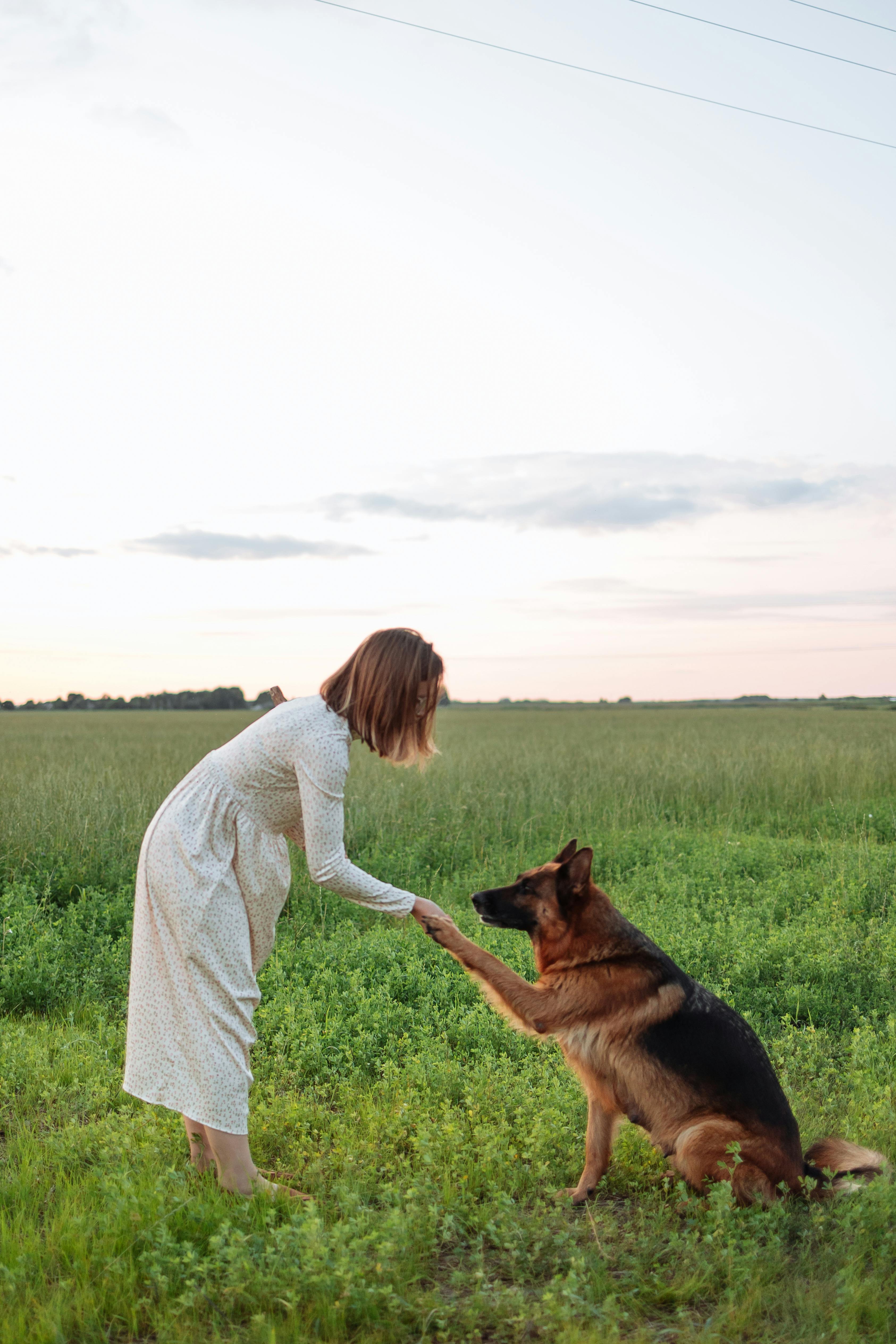
Dogs are beloved companions for many people, and their quirky behaviors can often leave us scratching our heads. One of the most fascinating aspects of our furry friends is their wet noses. Have you ever wondered why do dogs have wet noses? This article delve into the connection between wet noses and dog behavior, offering insight into why this wetness is more than just a cute factor.
The Science Behind Wet Noses
Wet noses are common among dogs, but have you ever thought about why that is? Scientifically, a dog’s nose is moist for several reasons. First off, a wet nose helps dogs to better absorb scent particles. This is crucial for dogs since they rely heavily on their sense of smell to understand the world around them. The moisture on their noses helps to trap scent molecules, making it easier for them to detect various smells.
- Better Sense of Smell: A wet nose can enhance a dog’s olfactory abilities.
- Temperature Regulation: Dogs do not sweat like humans; instead, they regulate their body temperature through their noses.
- Health Indicator: A dog’s wet nose can sometimes indicate their general health condition.
The Role of Wet Noses in Dog Behavior
Now, let’s look at how a dog’s wet nose influence their behavior. Dogs communicate through various means, and their noses play a significant role in this. When a dog explores their environment, they often sniff out information and interact with other animals and humans.
Some interesting behaviors related to wet noses include:
- Greeting Behavior: When dogs meet each other or humans, they often sniff noses. This is a way of saying “hello” and gathering information about the other party.
- Exploration: Dogs use their noses to explore new places. A wet nose can signal curiosity, as they are actively searching for more smells to understand their surroundings.
- Comfort Seeking: Sometimes, a dog may nuzzle their wet nose against their owner or another pet as a sign of affection and comfort.
Historical Context of Dog Noses
Historically, dogs have been bred for various purposes, from herding to hunting. The anatomy of their noses has evolved to suit these roles. For example, bloodhounds have an incredible sense of smell due to their long, wet noses, which are designed to trap and retain scent particles. This has made them invaluable in tracking and search-and-rescue operations.
Here’s a brief comparison of different dog breeds and their nose capabilities:
| Dog Breed | Nose Type | Purpose |
|---|---|---|
| Bloodhound | Long, wet | Tracking scents |
| Beagle | Medium, wet | Hunting small game |
| German Shepherd | Short, wet | Working and protection |
| Dachshund | Long, wet | Burrowing and hunting |
Why Dogs Have Wet Noses: The Fascinating Reasons!
Understanding why dogs have wet noses can help pet owners better care for their furry friends. Here are some fascinating reasons:
- Scent Detection: Wet noses can pick up more scent particles. This is essential for their survival instincts.
- Health Monitoring: A sudden change in the moisture level of a dog’s nose can indicate health issues. For example, a dry nose might suggest dehydration or illness.
- Behavioral Signals: Dogs with wet noses tend to be more social and interactive. Their behavior can change based on the wetness of their noses.
Practical Tips for Pet Owners
As a pet owner, you might wonder how to keep your dog’s nose healthy. Here are some practical tips:
- Stay Hydrated: Ensure your dog has access to fresh water to keep their nose moist.
- Regular Vet Check-ups: Regular check-ups can help identify any health issues that might affect the moisture of their nose.
- Monitor Changes: Keep an eye on any changes in your dog’s nose. If it becomes persistently dry or cracked, consult your veterinarian.
Final Thoughts
The connection between wet noses and dog behavior is both fascinating and informative for pet owners. Understanding the science behind why dogs have wet noses can lead to better care and a deeper bond with your furry companion. Remember, a wet nose is not just a cute feature; it plays a crucial role in your dog’s health and behavior. So next time you notice your dog’s wet nose, you’ll appreciate all the functionality it brings to their daily life.
Conclusion
In conclusion, the wet noses of dogs serve multiple important purposes, from enhancing their sense of smell to regulating their body temperature. The moisture on their noses helps trap scent particles, allowing them to gather information about their environment, which is crucial for their communication and survival instincts. Additionally, a wet nose often indicates good health, as it typically signifies proper hydration and normal bodily functions. While occasional dryness can be normal, persistent dryness may warrant a visit to the veterinarian. Understanding the significance of a dog’s wet nose not only deepens our bond with these loyal companions but also helps us monitor their well-being. So, the next time you find yourself admiring your furry friend, take a moment to appreciate the unique characteristics that make them special. Make it a habit to check in on your dog’s health regularly and enjoy the many benefits of their affectionate companionship.
