
Have you ever wondered, why do dogs have wet noses? This common question sparks curiosity among pet owners and animal lovers alike, revealing a fascinating aspect of our furry friends. The surprising truth behind this phenomenon is not just about moisture; it’s connected to dogs’ sense of smell, their health, and even their emotions. A dog’s nose is like a superpower, helping them navigate the world with incredible olfactory abilities. But, is a wet nose always a sign of a healthy pup? Or could it indicate something more serious? Many people ask, “What does it mean if my dog’s nose is dry?” Understanding the reasons behind this wetness can help you take better care of your canine companion. Plus, exploring these dog health tips can lead to a happier and healthier life for your pet. In this article, we will delve deep into the science of why dogs have wet noses and what it means for their overall well-being. Get ready to uncover the secrets behind your dog’s adorable sniffer and learn how it impacts their daily lives!
The Science Behind the Moisture: Why Do Dogs Have Wet Noses?

Dogs, those furry companions we adore, have a lot of quirky traits. One of the most interesting is why do dogs have wet noses? Many people might notice that their dog’s nose is often moist, but few really think about the science behind it. Let’s dive into the surprising truth behind this canine characteristic.
The Functionality of a Wet Nose
First off, a wet nose isn’t just for show. Dogs noses are moist for several important reasons. The main functions are:
Scent Detection: A wet nose helps dogs to pick up scents better. Moisture on the nose traps scent particles, which then allows the dog to inhale and analyze them. This is why dogs are such great sniffers!
Temperature Regulation: Believe it or not, a wet nose helps dogs cool down. Dogs don’t sweat like humans do. Instead, they rely on their noses to help with thermoregulation. When the nose is moist, it can help cool the dog’s body temperature.
Health Indicator: A dog’s nose can tell you a lot about its health. A healthy dog usually has a moist, cool nose. If a dog’s nose is excessively dry or warm, it could be a sign of illness.
Historical Insights into Dog Noses
Did you know that dogs have been living alongside humans for thousands of years? The domestication of dogs took place over 15,000 years ago. Initially, they were bred for hunting, herding, and protection. Their keen sense of smell proved invaluable.
Evolutionary Advantage: Through generations, dogs that had better scent detection abilities survived and reproduced. This evolutionary trait is still present today, which explains why so many dog breeds have such remarkable olfactory senses.
Cultural Significance: In ancient cultures, dogs were often viewed as guardians. Their ability to detect scents helped humans identify dangers, leading to a special bond between species.
The Anatomy of a Dog’s Nose
The structure of a dog’s nose is complex and really fascinating. Here are some key parts:
Nasal Cavity: This area is lined with olfactory receptors. Dogs have around 300 million of these, compared to humans, who have about 5 million. More receptors mean better smell!
Moisture Glands: These glands produce the mucus that keeps a dog’s nose wet. The moisture helps to enhance scent detection.
Turbinate Bones: These are thin bones that help in filtering and warming air as it enters the nose and is essential for processing smells.
Common Myths About Dog Noses
There are many myths floating around about why dogs have wet noses. Let’s debunk some of them:
Myth 1: A Wet Nose Means a Healthy Dog: While a moist nose can indicate good health, it’s not a definitive sign. A dog can be sick even if its nose is wet.
Myth 2: All Dogs Have Wet Noses: Some dogs, particularly certain breeds or older dogs, may have drier noses. This doesn’t necessarily mean they are unhealthy.
Myth 3: Dogs Only Sweat Through Their Noses: Dogs primarily sweat through their paw pads, not their noses. The wetness of the nose is not a result of sweating.
Interesting Facts About Dog Noses
Dogs can smell up to 100,000 times better than humans. This is why they are often used in search and rescue missions or detecting drugs.
Some dog breeds, like Bloodhounds, have an extraordinary sense of smell and can track scents that are days old.
Dogs’ noses can even detect certain diseases in humans, such as cancer or diabetes, by sensing chemical changes in a person’s body.
Practical Examples of Nose Functionality
Search and Rescue: In disaster situations, trained dogs can locate survivors by scent, thanks to their wet noses and acute olfactory abilities.
Medical Detection: Some dogs are trained to alert their owners to changes in blood sugar levels or impending seizures by detecting subtle changes in body odor.
Tracking: Hunting dogs are often used to track animals due to their excellent sense of smell. Their wet noses help them follow trails and find their quarry.
Understanding why do dogs have wet noses not only reveals a unique aspect of canine biology but also enhances our appreciation of these amazing animals. With their remarkable abilities and history, dogs continue to be not just pets but invaluable partners in many human endeavors. So next time you give your furry friend a scratch, take a moment to marvel at that moist nose and all the science it represents.
5 Fascinating Reasons Your Dog’s Nose Is Always Damp
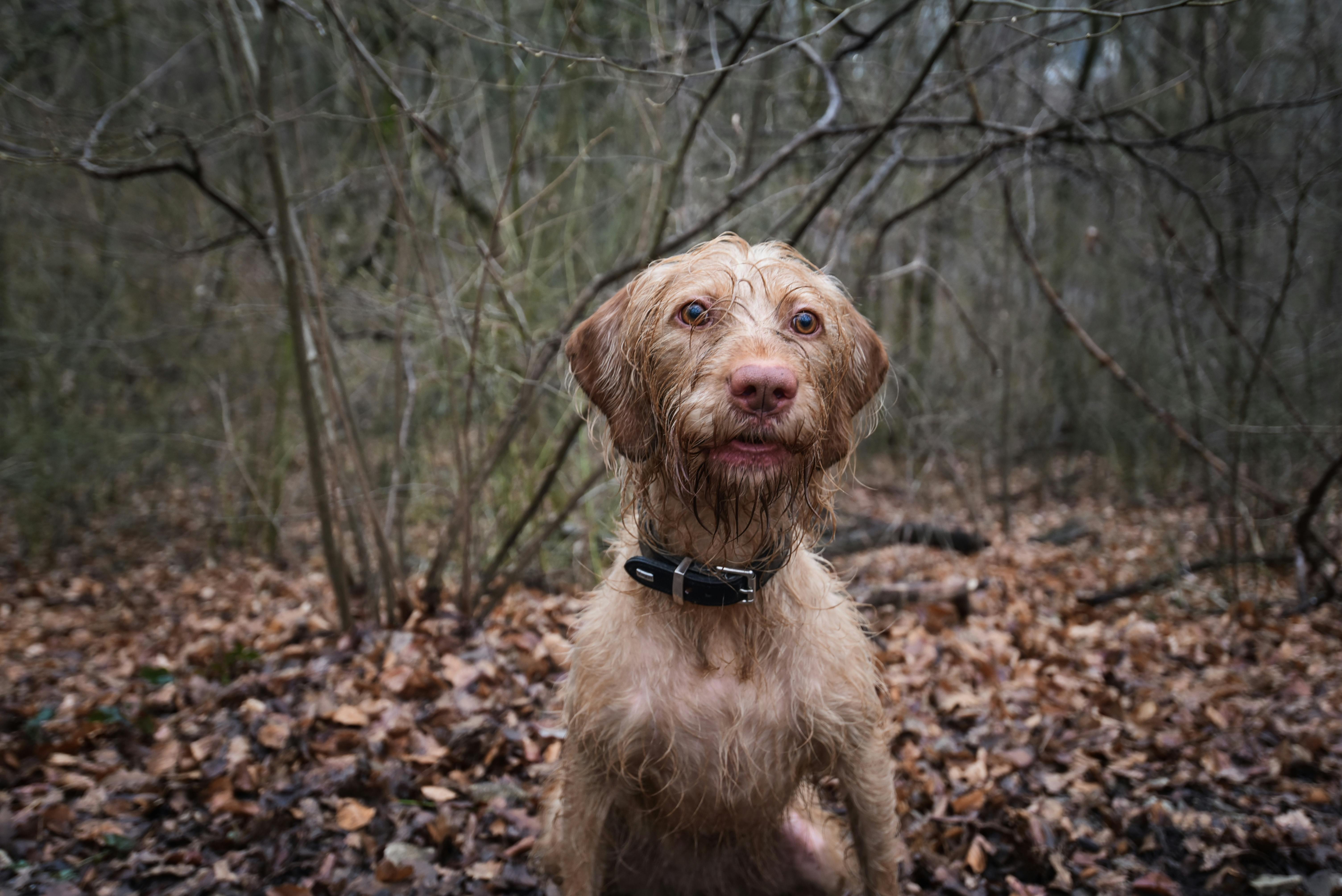
If you’ve ever noticed your dog’s nose is always damp, you’re not alone. Many dog owners wonder about this peculiar characteristic. It’s like a little mystery that begs to be unraveled. Dogs, with their wet noses, can be quite fascinating creatures. But have you ever stopped to ask yourself, “Why do dogs have wet noses?” Well, let’s dive into the surprising truth behind those moist snouts.
1. Nature’s Thermoregulator
One of the most compelling reasons for a dog’s wet nose is its role in regulating body temperature. Dogs, unlike humans, don’t sweat the same way we do. Instead, they rely on panting and their noses to help cool down. The moisture on a dog’s nose can evaporate, which helps to reduce their body temperature. It’s like their own built-in air conditioning!
- Dogs can’t sweat through their skin
- They rely on panting and nose moisture
- Evaporation cools them down
2. Enhanced Sense of Smell
Another fascinating aspect of a dog’s wet nose is its impact on their sense of smell. A wet nose is more effective at trapping scent particles from the air. When a dog sniffs around, the moisture helps to capture these particles, making their sense of smell even sharper. This is why dogs are often used in search-and-rescue missions or in detecting drugs and explosives.
- Dogs have up to 300 million smell receptors
- A wet nose helps trap scent particles
- It enhances their ability to detect odors
3. Communication Tool
Dogs also use their noses as a means of communication. A wet nose can indicate a dog’s mood. When they are excited, happy, or seeking attention, their nose might feel particularly damp. Conversely, a dry nose can sometimes signal that a dog is feeling unwell or stressed. Knowing your dog’s nose condition can sometimes give you clues about how they are feeling.
- A damp nose can mean happiness
- A dry nose might indicate stress or illness
- Dogs communicate through their scent and touch
4. Health Indicator
A dog’s nose can also serve as an important health indicator. While a damp nose is often considered normal, drastic changes in moisture levels can be cause for concern. A persistently dry or cracked nose could indicate dehydration or illness. Regularly checking your dog’s nose, along with other symptoms like lethargy or lack of appetite, can help you catch any potential health issues early.
- Dry noses may indicate dehydration
- Cracked noses can be a sign of illness
- Regular checks can help catch health issues early
5. Evolutionary Trait
Lastly, the wet nose is an evolutionary trait that has been passed down through generations. Dogs have evolved from wolves, which also have wet noses. This characteristic likely provided survival advantages, like improved hunting capabilities and better communication. Even today, this trait remains a key feature of our domestic dogs, linking them to their wild ancestors.
- Wet noses are an evolutionary trait
- They provide survival advantages
- Connects domestic dogs to their wild ancestors
Summary of the Fascinating Reasons
- Regulates body temperature: Helps cool them down.
- Enhances sense of smell: Wet noses trap scent better.
- Communication tool: Indicates mood and health.
- Health indicator: Changes can signal issues.
- Evolutionary trait: Links to their wild ancestors.
So next time you pet your dog and feel that damp nose, remember there’s a lot going on beneath the surface! It’s not just a quirky feature; it serves multiple important functions. From temperature regulation to communication, your dog’s wet nose is a window into their health and wellbeing. This little trait is more than just an adorable attribute; it’s a testament to how dogs have adapted over time.
Understanding these reasons can help you better care for your furry friend. So, keep an eye on that wet nose, and appreciate the fascinating biology behind it! Dogs truly are remarkable creatures, and their wet noses are just one of the many things that make them so special.
Is a Wet Nose Healthy? Uncovering the Truth About Your Dog’s Snout
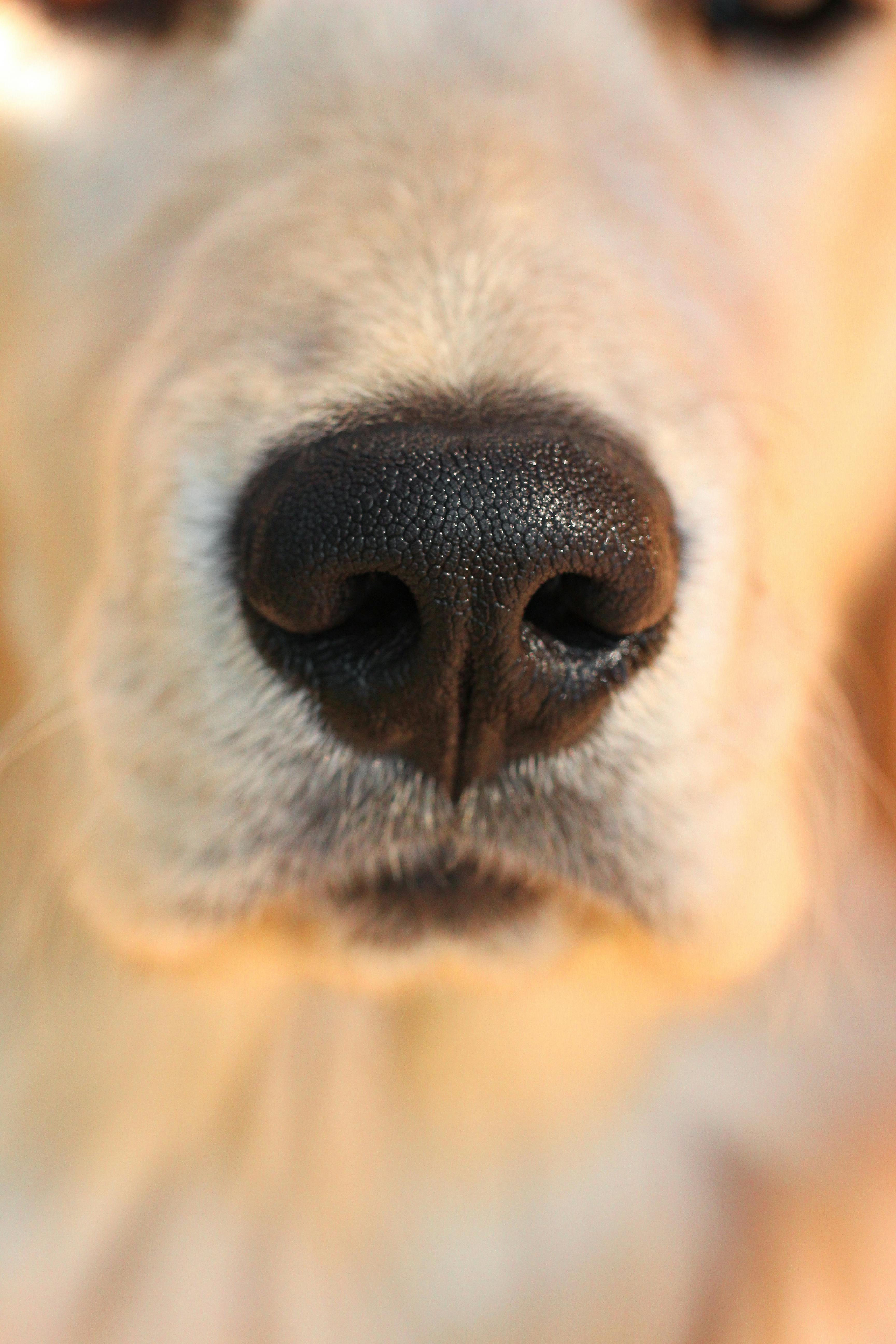
Is a Wet Nose Healthy? Uncovering the Truth About Your Dog’s Snout, Why Do Dogs Have Wet Noses? Discover The Surprising Truth!
When you think about dogs, one of the first things that probably pops into your mind is their adorable, wet noses. But have you ever wonder why dog noses are wet in the first place? Is it a sign of health or something else? In this article, we will explore the reasons behind that wet snout and what it means for your furry friend’s overall health. So, let’s dive in!
Why Do Dogs Have Wet Noses?
Dogs are known for having moist noses, which is pretty common, but many people don’t know exactly why. It turns out, there are few reasons for this.
Temperature Regulation: Just like humans sweat to cool down, dogs also use their noses to help regulate body temperature. The moisture on their snouts helps to dissipate heat.
Enhanced Smell: A wet nose helps dogs to pick up scents better. The moisture traps scent particles, making it easier for them to smell everything around them. This is why dogs have an incredible sense of smell, way better than humans.
Health Indicator: A wet nose is often seen as a sign of a healthy dog. However, this isn’t always the case. A dry nose does not necessarily mean something is wrong, but changes in the moisture levels can indicate health issues.
The Surprising Truth About Wet Noses
You might think that all wet noses are healthy, but that can be misleading. Here’s a breakdown of what you should be looking for regarding your dog’s nose:
Normal Nose: A healthy dog’s nose is often moist. If your dog’s nose is wet and cool, this usually indicates that they are healthy.
Dry Nose: Sometimes, a dry nose can be normal too, especially if your dog has been sleeping or if it’s a hot day. However, if the nose becomes cracked or excessively dry, it could signify dehydration or illness.
Changes in Wetness: If your dog’s nose suddenly changes from wet to dry or vice versa, it’s worth paying attention to. It could signal an underlying health issue, such as fever or allergies.
Common Misconceptions About Dog Noses
There are several myths surrounding the wetness of dog noses, so let’s clear a few of them up:
A Wet Nose Always Means Healthy: While a wet nose is often a sign of health, it’s not foolproof. Look for other signs of wellness.
Dogs With Dry Noses Are Sick: A dry nose isn’t a definitive sign of illness. Many factors contribute to nose moisture.
All Breeds Have the Same Nose: Different breeds can have variations in their nose moisture. For example, brachycephalic breeds like Bulldogs might have drier noses more often.
What To Do If Your Dog’s Nose Changes
If you notice any changes in your dog’s nose, here are some steps you can take:
Monitor Behavior: Keep an eye on your dog’s overall behavior. Are they eating and drinking normally? Are they lethargic?
Check for Other Symptoms: Look for signs of distress, such as coughing, sneezing, or unusual whining.
Consult Your Vet: If you’re concerned about changes in your dog’s nose, it’s best to consult your veterinarian. They can provide guidance on whether there’s a real issue that needs addressing.
Quick Facts About Dog Noses
Temperature of a Healthy Nose: A healthy dog’s nose is often cool to the touch.
Moisture Levels Fluctuate: The moisture level can change throughout the day and is influenced by many factors, including weather and activity level.
Breed Differences: Some breeds are more prone to nose issues, so knowing your dog’s specific needs is essential.
Conclusion
In summary, a wet nose in dogs can often be a good indicator of health, but it’s not the only factor. Understanding why dogs have wet noses and recognizing the signs of potential health issues is critical for any dog owner. Always pay attention to your dog’s behavior and consult your veterinarian when in doubt. A little knowledge goes a long way in ensuring your furry friend stays healthy and happy!
The Connection Between Dog Behavior and Wet Noses: What You Need to Know
When we think about our furry friends, one thing that often stands out is their wet noses. It seems like a simple enough question: why do dogs have wet noses? But there’s much more to it than just a quirky trait. Understanding the connection between dog behavior and wet noses can give you insight into your dog’s health and emotions. So, let’s dive in and discover the surprising truth!
The Science Behind Wet Noses
First off, let’s talk about the science. Dogs, like humans, have sweat glands. But guess what? Most of a dog’s sweat glands are located in their paw pads. So, they rely on other methods to cool down and regulate their body temperature. This is where the wet nose comes into play. The moisture you feel is a combination of saliva and mucus, which helps keep their nose cool and aids in their sense of smell.
- Moisture and Smell: A wet nose helps dogs absorb scent molecules better, which makes their sense of smell even sharper.
- Temperature Regulation: Dogs don’t sweat like we do, so they need other ways to cool off. A wet nose helps with that.
- Health Indicator: Changes in the moisture level of a dog’s nose can indicate health issues. A dry or cracked nose might suggest dehydration or other concerns.
History and Evolution of Dog Noses
The evolutionary history of dogs is quite fascinating. Dogs are descendants of wolves, and their noses have evolved over thousands of years. Wolves, and by extension dogs, have wet noses that help them in the wild to hunt and navigate.
- Wolf Ancestors: Early canines relied on their acute sense of smell for survival, tracking prey and identifying danger.
- Domestication: As humans domesticated dogs, the importance of a wet nose didn’t fade. Instead, it became a key component of canine wellness and behavior.
Behavior Correlation with Wet Noses
You might notice your dog’s nose is often wet after they’ve been playing or exercising. This is not just a coincidence! Wet noses are linked to your dog’s emotional state and behavior.
- Excitement: When dogs are excited or anxious, they tend to lick their noses more, increasing moisture.
- Calmness: A relaxed dog might have a slightly drier nose, but it’s still pretty moist compared to other animals.
- Health Issues: If your dog’s nose becomes persistently dry or cracked, it might be a sign of illness, stress, or dehydration.
Facts About Dog Noses
Here’s a quick list of interesting facts regarding dog noses and behavior:
- Dogs have about 220 million scent receptors, while humans have only about 5 million.
- A dog’s sense of smell is 40 times better than that of humans.
- Wet noses can help dogs cool down on hot days, just like how we sweat.
- Dogs can also communicate through their noses, sniffing to gather information about other dogs and their environment.
Observational Tips for Dog Owners
As a dog owner, it’s important to be observant about your dog’s nose. Here’s how to monitor your dog’s health through their nose:
- Regular Checks: Make it a habit to check your dog’s nose daily. Look for any significant changes in moisture or texture.
- Behavior Observation: Notice if your dog’s behavior changes along with their nose condition. Increased licking or a change in playfulness can be a clue.
- Hydration Awareness: Keep an eye on your pet’s water intake. If they are not drinking enough, their nose may dry out.
Common Myths About Dog Noses
There are many myths surrounding dog noses that can mislead pet owners. Here are a few common misconceptions:
Myth: A cold, wet nose means a dog is healthy.
- Fact: While a wet nose can indicate good health, it’s not the only indicator. Dogs can have health issues even with a wet nose.
Myth: If a dog’s nose is warm, they must have a fever.
- Fact: A dog’s nose temperature can vary for many reasons, including environmental factors. Always consult a veterinarian for health concerns.
Myth: Dogs with dry noses are sick.
- Fact: A dry nose does not automatically mean a dog is unwell. It can be influenced by weather, hydration, and activity levels.
By understanding the connection between dog behavior and wet noses, you can better care for your beloved pet. This knowledge not only helps you spot potential health issues but also deepens the bond you share with your furry companion. So next time you give your dog a scratch behind the ears, take a moment to appreciate that wet nose—it’s a window into their world!
How a Dog’s Wet Nose Enhances Their Sense of Smell: The Amazing Facts
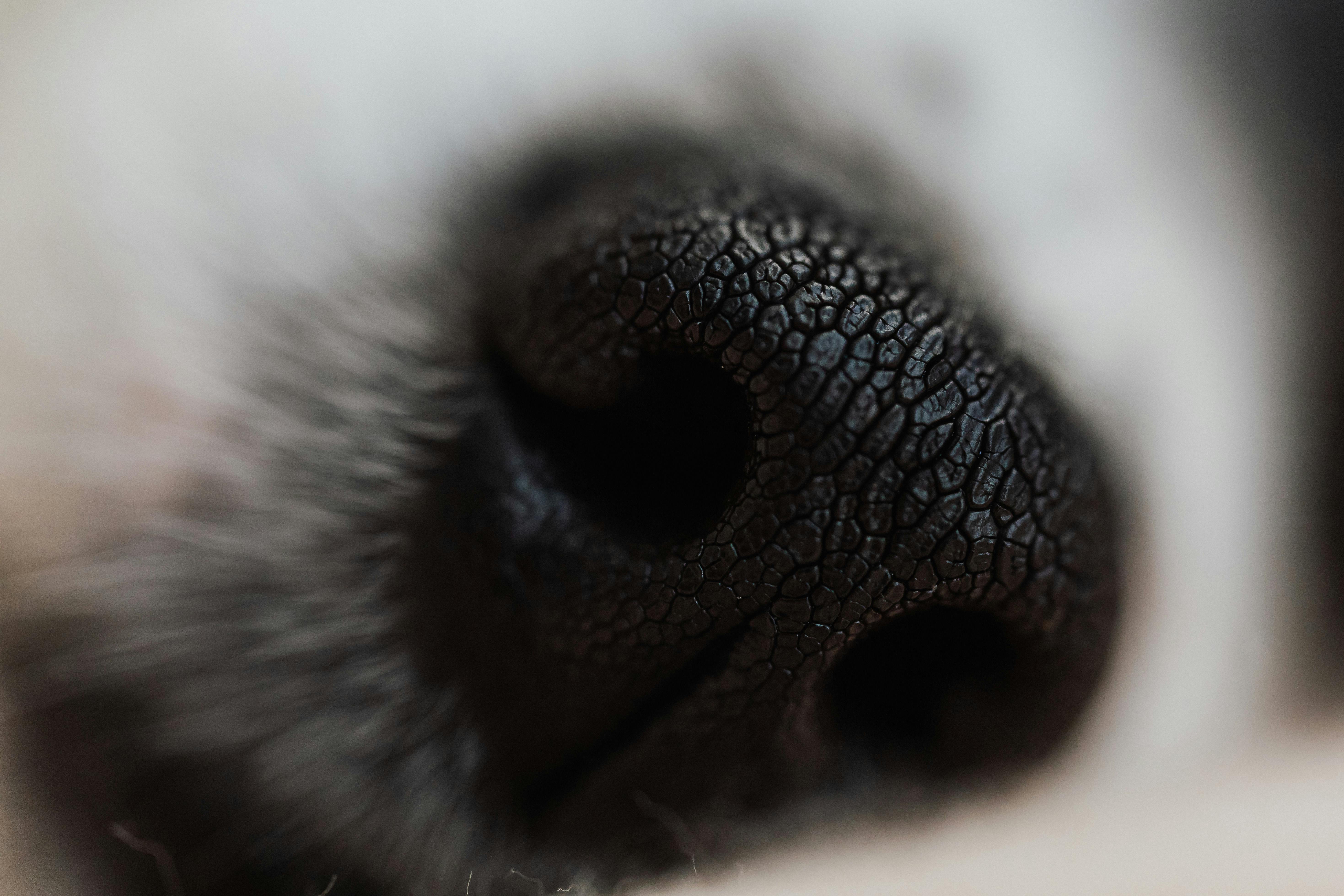
Have you ever wondered why dogs have wet noses? This simple question leads us into a fascinating world of canine biology and behavior. A dog’s nose is not just a cute feature; it’s a complex sensory organ that plays a crucial role in how they interact with their environment. The truth is, a dog’s wet nose enhances their sense of smell in incredible ways. Let’s explore the amazing facts that make this part of our furry friends so special.
The Science Behind the Wet Nose
Dogs have wet noses for several reasons, primarily related to their sense of smell. The moisture on a dog’s nose helps to trap scent particles in the air. When a dog sniffs, the moisture absorbs these particles, making it easier for them to identify different smells. Just think about how humans can taste food better when they have a cold drink. The same principle applies here!
- Dogs have approximately 220 million scent receptors in their noses, compared to about 5 million in humans.
- This difference allows dogs to detect odors at incredibly low concentrations, sometimes as low as parts per trillion.
- The wetness of their nose also aids in thermal regulation. It helps cool them down, especially during hot days.
Historical Context of Dog Noses
Historically, dogs have been bred for various purposes, including hunting, herding, and companionship. The ability to smell was crucial for hunting dogs and still remains an important trait. In fact, ancient civilizations recognized the importance of a dog’s nose. The Egyptians used dogs for tracking and hunting, emphasizing the value of scent detection.
Over time, specific breeds were developed emphasizing this ability. Bloodhounds, for example, are renowned for their tracking skills, largely due to their superior olfactory capabilities.
Why Do Dogs Have Wet Noses?
Now, let’s dig deeper into why dogs have wet noses. Here are some key points to consider:
- Moisture Helps With Smell: As mentioned, the wetness helps capture scent particles. The more moisture, the better they can smell.
- Cooling Mechanism: Dogs don’t sweat like humans do. Their noses help them cool down. If you ever see a dog with a dry nose, it might mean they are overheated or dehydrated.
- Health Indicator: A wet nose is often a sign of a healthy dog. Dry or cracked noses can indicate health issues. It’s always good to check for changes in your dog’s nose.
The Amazing Facts About Dog Noses
Did you know that dog’s noses come in different shapes and sizes? Here are some fascinating facts:
- Unique Nose Prints: Just like human fingerprints, every dog has a unique nose print. This can be used for identification purposes!
- Dogs Can Smell Emotions: Studies show that dogs can detect human emotions based on scent. They can sense fear, happiness, and even stress through our scents.
- Dogs vs. Humans: Dogs can distinguish between different smells and even tell if they are from a living being or an object. They can even differentiate between scents that are seconds apart!
How Dogs Use Their Sense of Smell in Everyday Life
Dogs use their sense of smell in many ways, and here are some examples:
- Finding Food: Dogs can sniff out food from miles away, making them excellent companions for hunting.
- Search and Rescue: Many dogs are trained to locate missing persons, using their powerful noses to track scents in various environments.
- Medical Detection: Some dogs can detect diseases like cancer or diabetes by smelling changes in a person’s body odors.
Comparison of Dog Breeds by Sense of Smell
Here’s a quick comparison of some dog breeds known for their exceptional sense of smell:
| Breed | Scent Receptors | Notable Skills |
|---|---|---|
| Bloodhound | 300 million | Tracking, search and rescue |
| Beagle | 225 million | Hunting, sniffing for drugs |
| German Shepherd | 225 million | Police work, search and rescue |
| Coonhound | 300 million | Tracking game |
In conclusion, the wet nose of a dog is not just an endearing trait; it’s a vital part of their biology that enhances their sense of smell. Understanding why dogs have wet noses gives us a glimpse into their world and the extraordinary capabilities they possess. So next time you give your furry friend a scratch behind the ears, remember that their nose is working hard to help them navigate their environment!
Wet Nose, Happy Dog: Understanding the Importance of Canine Hydration
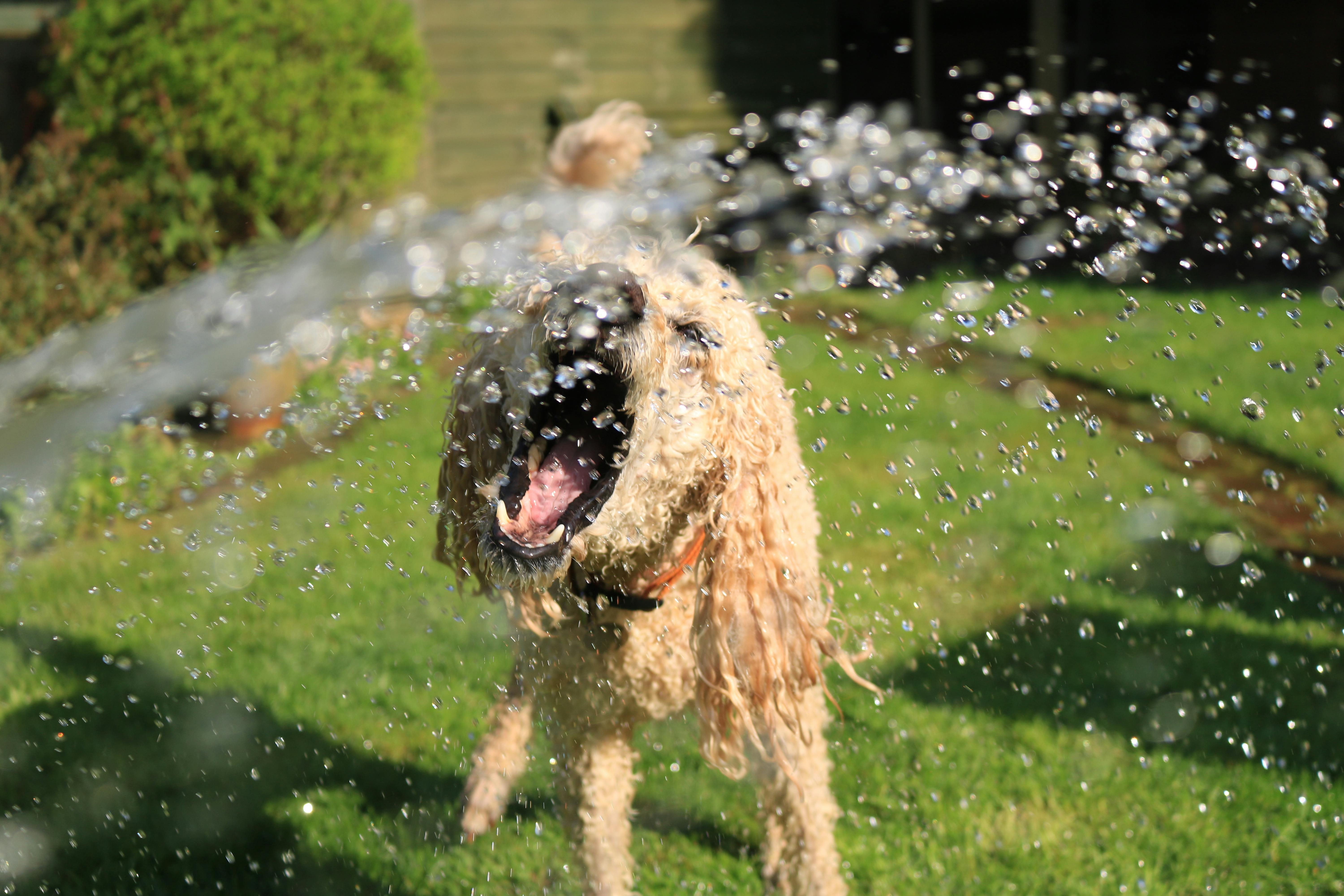
Dogs are often seen with their happy expressions, wagging tails, and of course, those famously wet noses. But why is it that dogs have wet noses? It’s more than just a cute feature – it’s a sign of their overall health and wellbeing. Understanding canine hydration and the significance of a wet nose is essential for any dog owner.
The Science Behind Wet Noses
A dog’s nose is not just a charming characteristic; it plays a crucial role in their sense of smell, which is far superior to that of humans. The moisture on a dog’s nose comes from a combination of factors, including secretions from special glands and environmental conditions. Here are a few points to consider:
- Humidity and Temperature: Dogs have a unique ability to regulate their body temperature through their noses. When the air is humid, their noses might be wetter.
- Glandular Secretions: Canine noses produce mucus, which helps to trap scent particles and enhance their olfactory senses.
- Health Indicator: A healthy dog typically has a moist nose. If a dog’s nose is dry, it could indicate dehydration or illness.
Why Hydration Matters for Dogs
Just like humans, hydration is crucial for dogs. A lack of sufficient water can lead to serious health issues. Here are some reasons why keeping your dog hydrated is essential:
- Body Functionality: Water is needed for digestion, circulation, and temperature regulation.
- Joint Health: Proper hydration helps keep joints lubricated, which is especially important for active or older dogs.
- Skin and Coat Quality: A well-hydrated dog will have a shinier coat and healthier skin.
The Myths About Dog Noses
There are many misconceptions about why dogs have wet noses. Some common myths include:
- A Wet Nose Means a Healthy Dog: While a wet nose can indicate health, it’s not the only indicator. Look for other signs such as energy levels, appetite, and behavior.
- Dogs Lick Their Noses to Keep Them Wet: Dogs do lick their noses, but it’s not the main reason for their wetness. Licking can actually help to enhance their sense of smell.
- The Nose Color Doesn’t Matter: The color of a dog’s nose can vary, and while it has some significance, it doesn’t directly relate to their health.
Signs of Dehydration in Dogs
As a responsible pet owner, you should be aware of the signs of dehydration in dogs. Here’s a quick checklist:
- Dry Nose and Gums: A dry, sticky feeling in your dog’s mouth or nose can be a warning sign.
- Loss of Skin Elasticity: Pinch the skin on the back of their neck; if it doesn’t spring back quickly, your dog might be dehydrated.
- Lethargy: If your dog is unusually tired or inactive, it could be due to a lack of water.
- Panting: Excessive panting can indicate that your dog is trying to cool down due to dehydration.
Keeping Your Dog Hydrated
So, how do you make sure your dog stays hydrated? Here are some practical tips:
- Fresh Water Availability: Always have a bowl of fresh water available, especially on hot days.
- Hydration During Exercise: Carry water with you during walks or runs to keep your dog hydrated.
- Hydrating Foods: Incorporate wet dog food or foods with high water content into their diet.
- Monitor Water Intake: Keep an eye on how much water your dog drinks daily.
Comparing Dogs’ Nose Wetness
It’s interesting to note how different breeds can have varying nose wetness. Here’s a simple comparison:
| Breed | Common Nose Wetness | Notes |
|---|---|---|
| Labrador | Very Wet | Known for their love of water. |
| Bulldog | Moderately Wet | Their flat noses can affect moisture levels. |
| Beagle | Wet | Excellent sense of smell, usually moist. |
| Poodle | Wet | Active and playful, generally hydrated. |
Understanding why dogs have wet noses and the importance of hydration is key to keeping your canine companion healthy and happy. Remember that a wet nose is often a sign of a thriving dog, but it’s important to look at the bigger picture, including their overall behavior and health. Providing your dog with ample water and understanding their needs will help ensure they stay hydrated and healthy for years to come.
Cold, Wet Noses: Are They an Indicator of Your Dog’s Health?
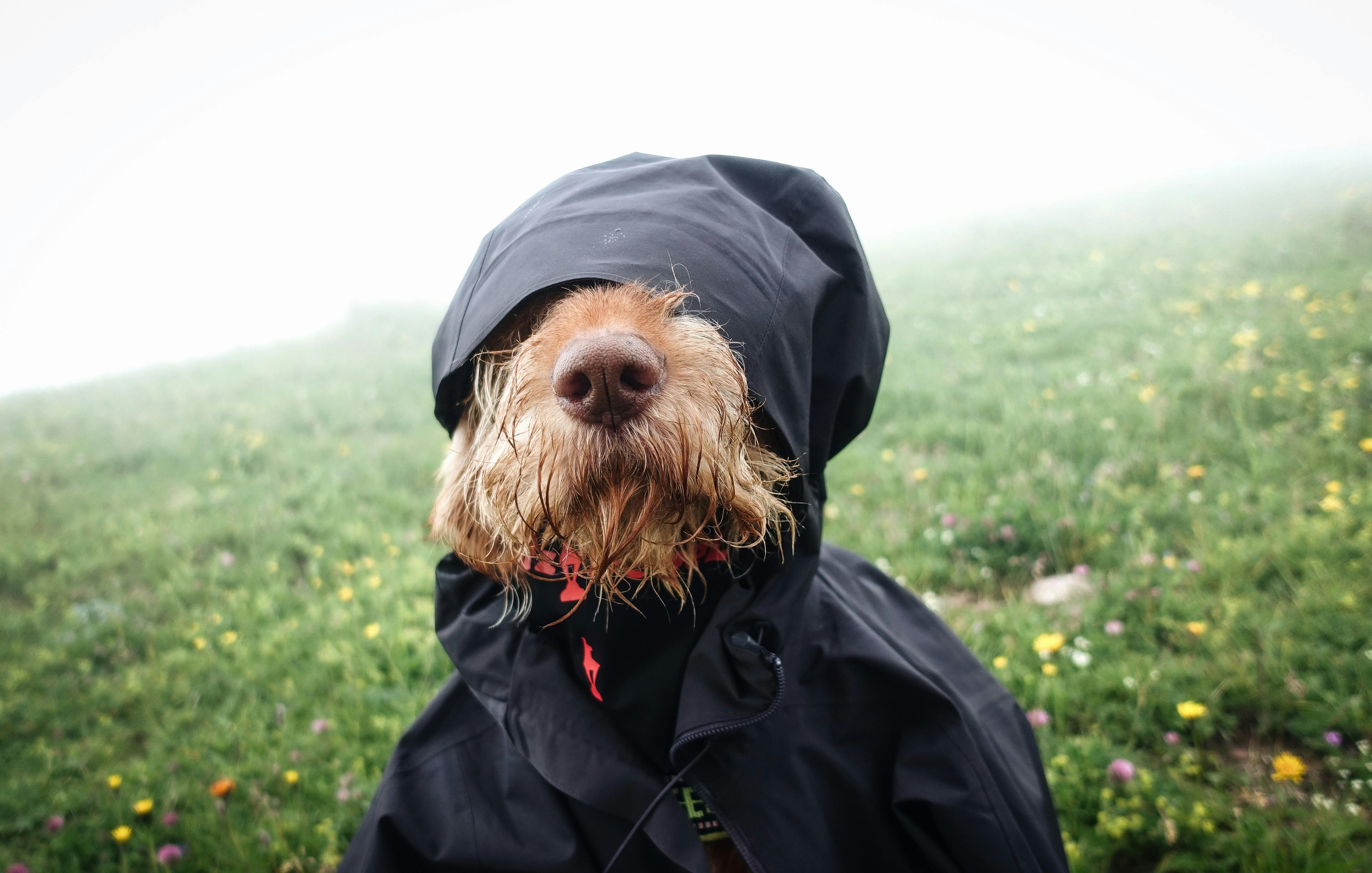
When you pet your dog, one of the first things you probably notice is their wet nose. It’s kinda like a signature trait. But have you ever wonder, why do dogs have wet noses? And what does it actually mean for their health? Cold, wet noses could be more than just an adorable quirk; they might reveal important information about your furry friend’s well-being. Let’s dig into the surprising truth behind those cold, wet noses.
The Science Behind Wet Noses
Dogs’ noses is wet for several reasons, and it’s not just because they love to sniff around. Their noses are covered with a layer of mucous that helps them to absorb scent particles more effectively. This mucous, along with the moisture that comes from the environment, helps to keep their sense of smell sharp.
Why Is It Important?
The moisture on a dog’s nose is important for several reasons:
- Enhanced Smell: Wet noses help pick up scents better. Dogs have an incredible sense of smell, and moisture helps to trap scent particles.
- Temperature Regulation: Dogs don’t sweat like humans do. Instead, they regulate their body temperature through their noses and panting. A cool, wet nose can indicate that a dog is healthy and not overheating.
- Health Indicators: Changes in a dog’s nose can sometimes signal health issues. A dry or cracked nose may indicate dehydration or illness.
Historical Context of Dogs’ Noses
Historically, dogs have been bred for their sense of smell, which is why wet noses have been favored traits in various breeds. You may find that working dogs, such as bloodhounds or beagles, often have particularly moist noses compared to other breeds. This is because they were developed for tracking scents and hunting, making their wet noses a crucial part of their functionality.
What Can a Wet Nose Indicate?
Here are some common indicators of what a wet nose might mean about your dog’s health:
- Normal Health: A cold, wet nose usually indicates a happy and healthy dog.
- Dehydration: If the nose is dry and warm, it could suggest that your dog needs more water.
- Illness: A sudden change in the moisture of the nose, especially if accompanied by other symptoms like lethargy or loss of appetite, might be a sign of illness.
- Allergies: Just like humans, dogs can have allergies. A runny nose could be a sign that your dog is experiencing allergic reactions.
How to Care for Your Dog’s Nose
To ensure your dog’s nose stays healthy, consider these tips:
- Hydration: Always provide fresh water and monitor their drinking habits.
- Regular Vet Check-ups: Regular vet visits can help catch any potential health issues before they become serious.
- Watch for Changes: Keep an eye on changes in your dog’s nose and overall behavior.
Fun Facts About Dogs’ Noses
- Dogs have more than 220 million scent receptors in their noses compared to about 5 million in humans.
- The texture of a dog’s nose is unique, much like a human fingerprint.
- Some breeds, like the Basenji, may have drier noses due to their unique physiology.
Comparison of Dog Breeds and Nose Moisture
| Dog Breed | Typical Nose Moisture Level | Health Implications |
|---|---|---|
| Labrador | Wet | Generally healthy |
| Bulldog | Moderately Dry | May need hydration attention |
| Beagle | Wet | Healthy, good scent tracker |
| Chihuahua | Varies | Monitor for dehydration signs |
Final Thoughts
So, the next time you’re snuggling with your dog and feel that cold, wet nose, remember that it could be more than just cute. It’s a sign of their health and well-being. Whether your pup has a wet or dry nose, it’s essential to keep an eye on any changes that might occur. Regular vet visits, good hydration, and being attentive to your dog’s behavior can make all the difference. Understanding why do dogs have wet noses not only satisfies your curiosity but also helps you take better care of your furry friend.
Why Do Dogs Have Wet Noses? Exploring the Myths and Realities
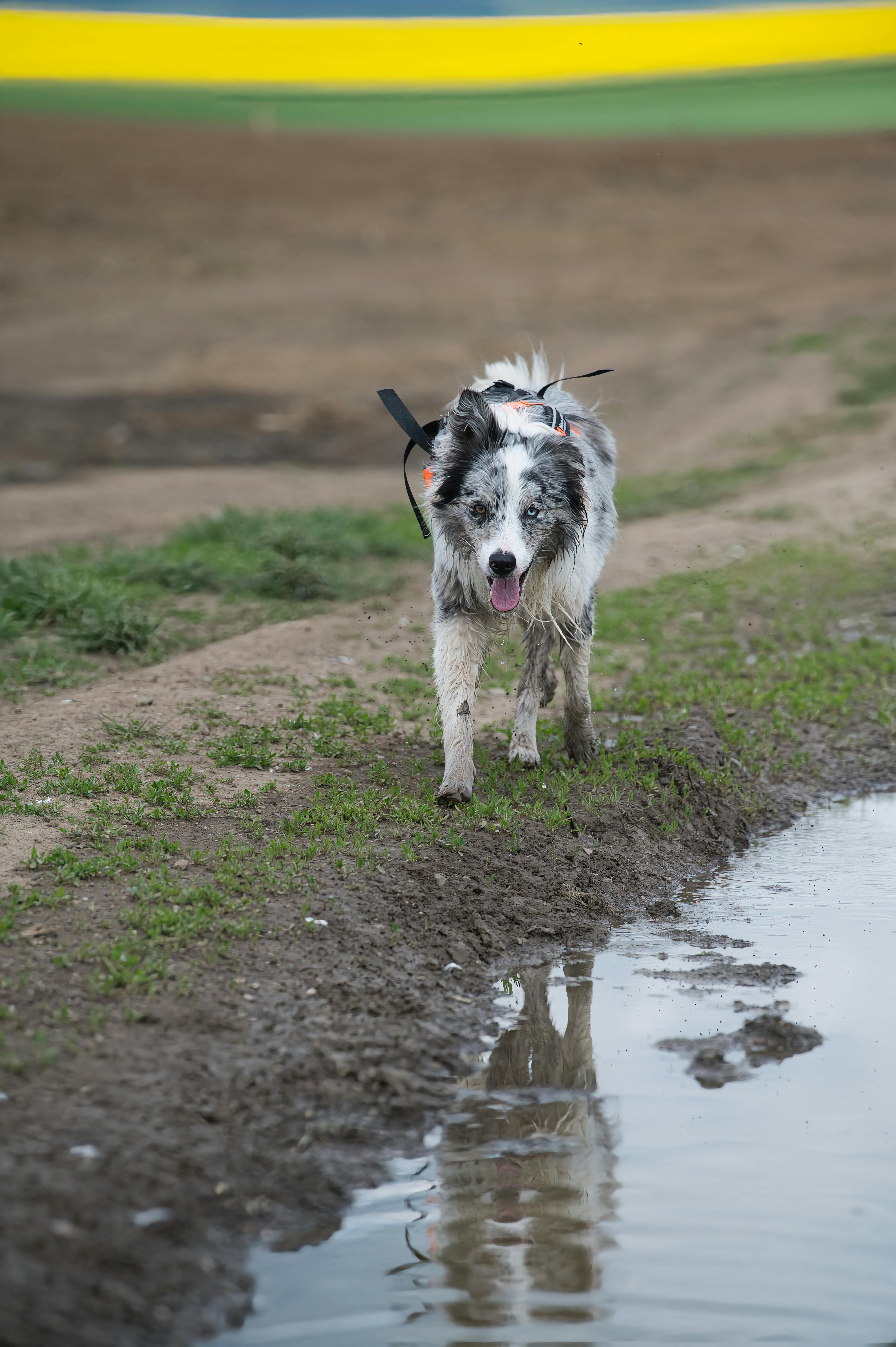
Dogs noses, they are often wet, but have you ever wondered why? This seemingly simple characteristic has been the subject of many myths and beliefs. Some folks think it’s just a sign that a pooch is healthy, while others might think it’s a sign of illness. In this article, we explore the fascinating reasons behind why do dogs have wet noses, busting myths, and revealing some surprising truths.
The Science Behind Wet Noses
One of the main reasons dogs have wet noses is due to their physiology. A dog’s nose contains a lot of mucus glands which help to keep it moist. This moisture serves several purposes:
- Enhanced Smell: Dogs have an extraordinary sense of smell, and a wet nose helps to capture scent particles in the air. The moisture allows these particles to stick better, enhancing their ability to detect odors.
- Temperature Regulation: Dogs don’t sweat like humans do. Instead, they cool down through their noses and paw pads. The moisture in their noses evaporates, helping to regulate body temperature.
- Health Indicator: A wet nose is often linked to a healthy dog. However, this is not a hard and fast rule. A dry nose could also be normal for some breeds or due to environmental factors.
Myth vs. Reality: Common Misconceptions
There’s a lot of myths surrounding why do dogs have wet noses. Let’s break down some of the most common misconceptions:
Myth 1: “A wet nose means a dog is sick.”
Reality: While some illnesses can cause changes in nose moisture, a wet nose alone is not a reliable health indicator.Myth 2: “Dogs get their wet noses from licking them.”
Reality: While dogs do lick their noses, the primary reason for the moisture is from mucus glands.Myth 3: “All dogs have wet noses.”
Reality: Some breeds, especially those with shorter snouts, can have drier noses due to their anatomy.
The Role of Breed and Environment
Different dog breeds exhibit varying nose moisture levels. For instance, Bulldogs and Pugs often have drier noses compared to breeds like Beagles or German Shepherds. Environmental factors can also play a huge part:
- Weather: Hot, dry weather can lead to a drier nose, while humidity often results in a wetter nose.
- Health: Allergies or skin conditions can affect nose moisture.
Interesting Facts About Dog Noses
- Dogs have about 220 million scent receptors, compared to humans who have only about 5 million.
- The texture of a dog’s nose is unique, much like a human fingerprint.
- Some dogs can even use their noses to detect diseases like cancer in humans.
Care Tips for Your Dog’s Nose
Keeping your dog’s nose healthy is important. Here are some tips to maintain that moist, healthy appearance:
- Regular Hydration: Make sure your dog has access to fresh water at all times.
- Wipe Away Debris: Occasionally wipe your dog’s nose with a damp cloth to remove dirt and allergens.
- Watch for Changes: Keep an eye on your dog’s nose. If it becomes excessively dry, cracked, or changes color, consult a veterinarian.
What to Look Out For
When monitoring your dog’s nose, pay attention to these signs that might indicate a problem:
- Crustiness or excessive dryness
- Cracks or bleeding
- Color changes, such as turning red or black
- Swelling or discharge
Comparing Dog Noses to Other Animals
Dogs are not the only animals with wet noses. Cats, pigs, and even some types of reptiles have moist noses. However, the reasons for moisture can vary significantly among species. For example:
- Cats: Generally have wetter noses similar to dogs, but the function is more tied to their hunting skills.
- Pigs: Their moist noses are primarily for foraging and sensing the environment.
Conclusion
Dogs have wet noses for a multitude of reasons, from enhancing their sense of smell to regulating body temperature. Various myths surround this intriguing feature, but understanding the realities can help us better care for our furry friends. Whether you’re a dog owner or simply fascinated by these beloved animals, knowing the facts about why do dogs have wet noses adds to the appreciation of their unique biology. Remember, a wet nose is often a sign of a happy, healthy dog, but it’s always important to stay observant and consult a vet if any concerns arise.
The Role of a Dog’s Nose Moisture in Temperature Regulation: Surprising Insights

Have you ever wondered why dogs have wet noses? Many people think it is just a cute quirk, but there’s actually more to it than meets the eye. The moisture on a dog’s nose plays a crucial role in their overall health and well-being, particularly in how they regulate their body temperature. Let’s dive into the surprising insights about a dog’s nose moisture and how it helps in temperature regulation.
The Science Behind a Dog’s Wet Nose
Dogs have moist noses because they secrete a thin layer of mucus. This mucus is not just for show; it serves multiple important functions. The moisture on a dog’s nose can help them cool down, aiding in thermoregulation. When a dog is hot, they might pant, but the moisture on their nose also evaporates, which helps dissipate heat from the body.
Here are some interesting facts about a dog’s nose moisture:
- Dogs have a specialized layer of skin called the nasal planum, which is where the moisture comes from.
- The moisture helps increase the sense of smell, as it captures scent particles from the air.
- A wet nose can help dogs detect changes in temperature and humidity, giving them a better understanding of their environment.
Historical Context of Dog’s Nose Moisture
Dogs have been companions to humans for thousands of years, with their unique biology evolving alongside us. Historically, a dog’s wet nose was likely seen as a sign of good health. Ancient cultures understood that a moist nose indicated hydration and vitality.
- Ancient Egyptians believed that a wet nose was an indicator of a dog’s loyalty and intelligence.
- In some cultures, it was thought that a dog’s nose could predict weather changes, helping farmers and hunters prepare for the day.
Temperature Regulation in Dogs
Dogs do not sweat like humans do, which makes their ability to regulate temperature unique. Instead, they primarily rely on panting and the moisture on their noses. Here’s how it works:
- Evaporative Cooling: When the moisture on a dog’s nose evaporates, it cools the surrounding skin. This is why you may notice a dog’s nose feeling cooler in hot weather.
- Scent Detection: The moisture also helps in trapping scent particles, enhancing their ability to smell and perceive the environment around them. This is crucial for hunting, social interaction, and overall awareness.
The Importance of Nose Health
Just like any part of a dog’s body, the nose can be affected by various health issues. Here are some signs that a dog’s nose may need attention:
- Dryness or cracking of the nose
- Discoloration or unusual bumps
- Excessive discharge or bleeding
If you notice any of these symptoms, it’s wise to consult a veterinarian. Maintaining a healthy and moist nose is essential for a dog’s well-being.
Interesting Comparisons: Dogs vs. Other Animals
Dogs aren’t the only animals with moist noses. Here’s a quick comparison with a few other species:
| Animal | Nose Type | Temperature Regulation Method |
|---|---|---|
| Dogs | Wet, moist nose | Evaporation and panting |
| Cats | Dry nose | Panting, less effective |
| Pigs | Wet nose | Ground rooting and wallowing |
| Elephants | Moist trunk | Flapping ears for cooling |
Practical Examples of Nose Moisture in Action
Let’s look at how a dog’s nose moisture can be beneficial in day-to-day life. For example, during a hot summer day, you might notice your dog seeking shade or lying on a cool surface. This behavior, combined with their wet nose, helps them stay cool.
- Playtime: If you’re playing fetch at the park, keep an eye on your dog’s nose. If it starts to dry out, it could be time for a water break.
- Hiking Adventures: When hiking, your dog uses their nose to pick up scents from the trail. A moist nose helps them track scents more effectively, making the experience more enjoyable for both of you.
Understanding the role of a dog’s nose moisture in temperature regulation highlights how specialized their biology is. The next time you see your furry friend with that glistening nose, remember it’s not just adorable; it’s a vital part of their health and well-being. Paying attention to this aspect can help you ensure that they stay happy and healthy in all seasons. So, keep those noses moist and enjoy the companionship of your four-legged friend!
Wet Noses and Dog Emotions: Can Your Pup’s Snout Reveal Their Feelings?
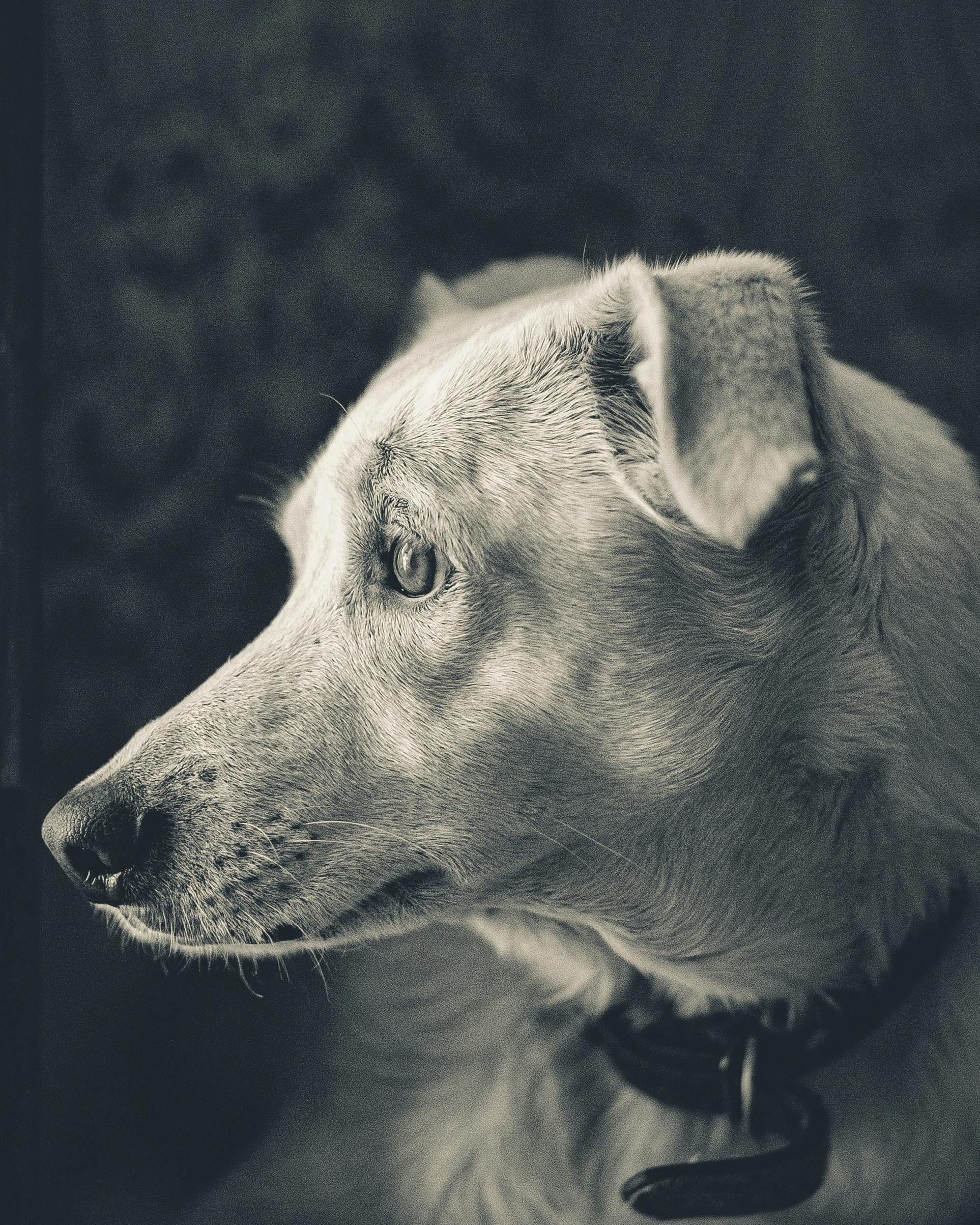
Every dog owner knows that their furry friend can be a source of joy, companionship, and sometimes, confusion. One of the most intriguing aspects of our canine companions is their wet noses. Many people often wonder, why do dogs have wet noses? Is it just a quirk of nature, or does it have a deeper meaning tied to their emotions? Let’s dive into the surprising truth behind those damp snouts and what they can reveal about your pup’s feelings.
The Science Behind Wet Noses
First off, it’s important to understand that a dog’s nose is wet for a reason. Dogs have a unique physiology that allows them to have moisture on their noses, which helps in several ways:
- Enhanced Sense of Smell: A wet nose helps trap scent particles in the air. This moisture increases their olfactory sensitivity, allowing dogs to pick up scents much better than humans can.
- Temperature Regulation: Dogs don’t sweat like humans do. Instead, they often regulate their body temperature through their noses. A wet nose can help cool them down.
- Health Indicator: The wetness of a dog’s nose can sometimes indicate their health. A healthy dog usually has a moist nose, while a dry or cracked nose could signal illness or dehydration.
Emotional Connections: Can a Wet Nose Reveal Feelings?
Now, shifting gears a bit, let’s talk about dog emotions. You might have noticed that dogs often nuzzle you with their noses or give you a gentle poke when they want attention. Here’s how their wet noses can be linked to their emotional state:
- Excitement and Joy: When dogs are happy or excited, they tend to have a wet nose. The adrenaline increases their moisture production, making those snouts even more damp.
- Anxiety or Stress: A dog that is anxious or scared may have a dry nose. If you notice that your pup’s nose is dry when they are in a new environment or around strangers, it might be a sign they’re feeling unsettled.
- Affection: Dogs often use their noses to communicate affection. A gentle nudge or a soft touch with their wet noses can mean they’re seeking closeness and companionship.
Fun Facts About Dog Noses
Here’s a short list of fun facts about dog noses that may surprise you:
- Unique Patterns: Just like human fingerprints, each dog’s nose print is unique. This could potentially be used for identification.
- Temperature Sensitivity: Dogs can detect temperature changes through their noses. This ability helps them find warm-blooded prey or even identify danger.
- Communication Tool: Dogs often greet each other with nose-to-nose contact, allowing them to gather information about each other.
Historical Context of Dog Noses
Going back in time, dogs have been companions to humans for thousands of years. Their wet noses and keen sense of smell have been crucial for various roles, including hunting, herding, and even search and rescue operations. Ancient civilizations recognized the value of a dog’s nose, and they trained dogs to perform tasks based on their ability to scent. The bond between dogs and humans evolved, with our understanding of their emotional states also growing.
How to Care for Your Dog’s Nose
Maintaining your dog’s nose is essential for their overall health. Here are some practical tips:
- Hydration: Ensure your dog drink plenty of water, especially during hot weather.
- Monitor for Changes: Keep an eye on your dog’s nose for any signs of dryness, cracks, or other changes that could indicate health issues.
- Protect from the Elements: If your dog is exposed to extreme heat or cold, consider using nose balms or creams that can protect their snouts.
Comparison of Dog Breeds and Nose Types
Different breeds have variations in their nose types. Here’s how they compare:
| Breed | Nose Type | Common Traits |
|---|---|---|
| Labrador | Short, wet nose | Friendly, outgoing, great family dogs |
| Bulldog | Flat, moist nose | Calm, affectionate, good with kids |
| Greyhound | Long, wet nose | Energetic, good manners, fast runners |
| Pug | Round, wet nose | Playful, loving, great companions |
The next time you see your dog’s wet nose, remember that it is not just a cute feature; it’s a multifaceted tool for communication, health, and emotional expression. Understanding these aspects can lead to a deeper bond with your furry friend, making your relationship even more rewarding. Whether your dog is giving you a nudge with their wet nose or just lounging around, know that each interaction is filled with emotion and meaning.
Conclusion
In conclusion, the wet noses of dogs serve several essential functions that contribute to their health and well-being. The moisture on their noses helps enhance their sense of smell, allowing them to detect scents more effectively, which is crucial for their communication and interaction with the world around them. Additionally, a wet nose aids in regulating their body temperature and can even indicate their health status. Understanding these fascinating aspects of canine biology not only deepens our appreciation for our furry companions but also encourages us to monitor their health proactively. So, the next time you greet your dog and feel that familiar wet nose, remember that it’s more than just an adorable quirk; it’s a vital part of what makes them such remarkable animals. Embrace every moment with your dog, and consider sharing this knowledge with fellow dog lovers to spread awareness about our beloved pets’ unique traits.
