
Have you ever wondered, why do dogs have wet noses? This intriguing question has sparked curiosity among pet owners and animal lovers alike. A dog’s nose isn’t just cute; it serves many important purposes! So, let’s dive into the fascinating truth behind this unique trait. Did you know that a wet nose can indicate a dog’s health? This moisture helps them to absorb scent particles, enhancing their sense of smell and making them exceptional companions. Furthermore, the temperature of a dog’s nose can also reveal important information about their well-being. But what causes this wetness? Is it simply because they lick it, or is there more to it? In this article, we’ll explore the science behind why dogs have wet noses and how it affects their behavior and interaction with us. You’ll be amazed at how much you can learn about your furry friend just by understanding this simple yet fascinating feature! So, keep reading to discover the secrets of those adorable, wet noses and why they’re essential for your dog’s health and happiness!
The Science Behind Wet Noses: Why Are Dogs’ Noses Always Moist?

Have you ever noticed how your dog’s nose is always damp and cool to the touch? It’s one of those peculiar traits that many pet owners wonder about. The moistness of a dog’s nose isn’t just a random quirk; there’s actually a fascinating science behind it. In this article, we’re gonna explore the reasons why dogs have wet noses, how it benefits them, and what it means for their health.
The Anatomy of a Dog’s Nose
First off, let’s look at the structure of a dog’s nose. Dogs have a unique nasal anatomy that’s different from humans. Their noses are covered with a thin layer of skin that secretes mucus. This mucus keeps the nose moist, which is important for several reasons.
Enhanced Smell: Dogs have an incredible sense of smell—around 10,000 to 100,000 times better than humans! A wet nose helps to capture scent particles more effectively. When their nose is moist, it can absorb more odor molecules, allowing them to identify scents better.
Temperature Regulation: Dogs don’t sweat like humans do. Instead, they regulate their body temperature through their noses and paw pads. The moisture on their nose helps to cool them down. So, when you see your dog panting on a hot day, their wet nose is playing a crucial role in keeping them comfortable.
The Role of Mucus
The mucus secreted by a dog’s nose isn’t just for keeping it wet. It serves other important functions too. For instance, the mucus captures dust, dirt, and other particles, which helps to keep their respiratory system clean. This is similar to how our nasal mucus works, but dogs have a much more efficient system due to the design of their noses.
The Temperature of a Dog’s Nose
A common myth is that a warm nose indicates a sick dog. However, the temperature of a dog’s nose can vary widely based on several factors:
- Activity Level: After a vigorous play session, a dog’s nose might feel warmer.
- Environment: If it’s a hot day, their nose might also be warmer.
- Health Status: While a very warm or dry nose could indicate illness, it’s not a definitive sign. A dog’s overall behavior and other symptoms are more reliable indicators of their health.
Why Do Dogs Have Wet Noses?
Let’s break down some of the major reasons why dogs possess this characteristic:
Scent Detection: As already mentioned, a wet nose helps dogs pick up scents. The moisture helps to bind odor particles, making it easier for dogs to detect different smells.
Cooling Mechanism: Dogs can’t sweat through their skin like humans. Their wet noses help to cool them down when they get hot.
Health Indicator: A consistently wet nose is often a sign of good health in dogs. If a dog’s nose suddenly becomes dry or cracked, it might be worth checking in with a vet.
Communication Tool: Dogs communicate with other dogs and humans through their sense of smell. A wet nose can convey information about their mood or health to other animals.
Fun Facts About Dog Noses
Here are some interesting tidbits about dog noses you probably didn’t know:
Unique Prints: Just like human fingerprints, each dog has a unique nose print. This information can actually be used for identification.
Cold Weather Adaptation: In colder climates, a dog’s nose serves to help them sense the temperature of the air and ground, which can be useful for hunting or foraging.
Sensitivity: A dog’s nose has more than 200 million smell receptors, compared to about 5 million in humans! This is why dogs are trained for search and rescue, as well as sniffing out substances like drugs or explosives.
Summary of Key Points
- Dogs have wet noses to enhance their sense of smell.
- The moisture helps with temperature regulation.
- A wet nose can be an indicator of health.
- Dogs communicate and gather information through their noses.
In essence, the science behind dogs’ wet noses is a testament to their incredible adaptations as animals. Their moist noses are more than just a cute feature; they serve essential functions that help them navigate and thrive in their environments. Next time you give your furry friend a pat, take a moment to appreciate the fascinating biology behind that wet, cold nose!
5 Surprising Benefits of a Dog’s Wet Nose You Didn’t Know About
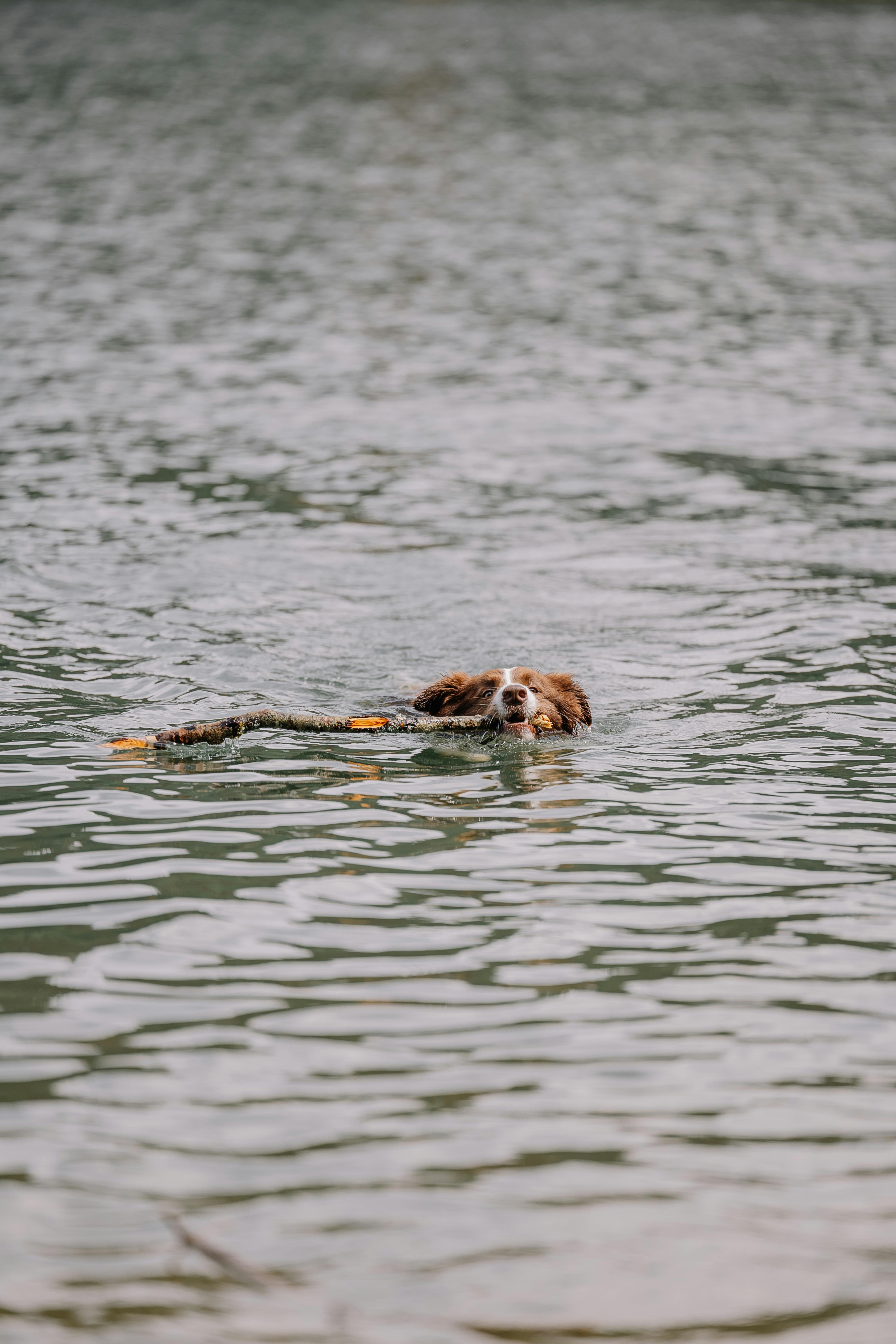
Have you ever wondered why dogs have wet noses? This common characteristic of our furry friends isn’t just an adorable quirk. It’s actually part of their biology and serves several fascinating purposes. Surprisingly, there are many benefits of a dog’s wet nose that most people don’t know about. Let’s dive into the intriguing world of dog noses and discover 5 notable benefits you might not have heard of, alongside the science behind why they’re so damp!
The Science Behind Wet Noses
To understand why dogs have wet noses, it’s helpful to consider their evolutionary history. Dogs, being descendants of wolves, have developed certain traits that enhance their survival skills. A wet nose helps dogs in several ways, including:
Temperature Regulation: Dogs don’t sweat like humans do. Instead, they rely on their moist noses to help regulate their body temperature. The evaporation of moisture from their noses cools them down, especially during hot weather.
Enhanced Scent Detection: A wet nose helps absorb scent particles from the environment. This ability is crucial for dogs as they have a sense of smell that is 10,000 to 100,000 times more sensitive than humans. The moisture on their nose allows them to pick up on scents more effectively.
Health Indicator: A dog’s nose can indicate their health status. A wet, cool nose is generally a sign of a healthy dog, while a dry or warm nose might indicate illness or dehydration.
5 Surprising Benefits of a Dog’s Wet Nose
Now, let’s explore five fascinating benefits associated with those wet noses that might just surprise you.
Natural Thermometer: As mentioned earlier, a wet nose helps regulate temperature. If you ever feel your dog’s nose and it’s dry, it could mean they’re overheating or stressed. Keep an eye on your pup during hot days, and make sure they stay hydrated!
Better Smelling Capabilities: Dogs rely on their sense of smell to understand the world around them. Their wet noses help them detect pheromones and other scent markers left by other animals. This is why dogs sniff each other when they meet – it’s their way of gathering information!
Social Interaction Tool: Dogs often use their noses to greet other dogs or humans. A wet nose can be a friendly poke, signaling that they’re open to social interaction. It’s their way of saying, “Hey, let’s be friends!”
Environmental Awareness: A wet nose helps dogs gauge their environment. They can sense changes in humidity and temperature, which helps them respond to potential dangers. For instance, a sudden drop in temperature could alert them to a storm or other environmental changes.
Healing Properties: Some studies suggest that dog saliva, which often gets on their wet noses, has antibacterial properties. This means that a dog’s nose might help them recover from minor cuts or scrapes more quickly than other parts of their body. Just another reason to love those slobbery kisses!
Fun Facts About Dog Noses
Dogs have a unique nose print, similar to human fingerprints. No two dogs have the same nose markings!
The color of a dog’s nose can change according to the season or their health. For example, some dogs develop a “winter nose” which is a temporary change in color during colder months.
Puppies are born with pink noses that darken as they grow older.
Dogs can smell diseases, including cancer and diabetes, through scent alone. Their incredible olfactory sense allows them to detect changes in the human body.
Why Do Dogs Have Wet Noses in History?
Historically, dogs have been companions to humans for thousands of years. Their wet noses have been practical, aiding in hunting, herding, and even companionship. In ancient times, a dog’s ability to smell was vital for survival. They helped early humans track food sources and avoid dangers.
The wet noses have become a beloved characteristic, symbolizing loyalty and affection in many cultures. From ancient Egypt to modern-day households, dogs have always held a special place in human hearts.
In summary, the wet noses of dogs provide numerous benefits that enhance their lives and their relationships with humans. Whether it’s through better scent detection or acting as natural thermometers, these adorable features are much more than meets the eye! So, next time you give your dog a pat on the head and feel that cool, damp nose, remember the fascinating science and benefits behind it!
Wet Nose, Healthy Pup: How a Dog’s Nose Plays a Role in Their Well-Being
Dogs, our loyal companions, have many unique features, but one of the most intriguing is their wet noses. You may have observed this countless times, but have you ever wondered why do dogs have wet noses? The truth is, a wet nose is not just a quirky trait; it plays a critical role in a dog’s health and well-being. Let’s dive into the fascinating reasons behind this phenomenon and what it means for your furry friend.
The Science Behind the Wet Nose
First things first, a dog’s nose is wet due to a combination of factors. Dogs have special glands in their noses that produce moisture. This moisture helps them in various ways, like sensing their environment. It is believed that the wetness enhances their sense of smell.
- Scent Detection: Dogs have up to 300 million smell receptors, compared to a human’s 5 million. A wet nose helps trap scent particles, making it easier for them to detect smells.
- Temperature Regulation: A dog’s nose also helps regulate their body temperature. When they pant, the moisture evaporates from their nose, cooling them down.
- Health Indicator: A wet nose can be a sign of a healthy pup. However, if your dog’s nose becomes dry or cracked, it could indicate dehydration or illness.
Historical Context of Dog Noses
Dogs have lived alongside humans for thousands of years. Historically, their noses played a pivotal role in their survival. Early on, dogs helped humans hunt by tracking animals using their superior sense of smell. Their wet noses were essential then, as they are now, in detecting scents over long distances.
- Hunting Dogs: Breeds like Bloodhounds and Beagles have been specifically bred for their incredible olfactory abilities.
- Service Dogs: Nowadays, dogs are trained to detect drugs, explosives, and even certain medical conditions like diabetes or cancer.
Why Is a Wet Nose Important?
You might think it’s just a cute feature, but a wet nose is crucial for a dog’s well-being. Here’s a look at what a wet nose does for dogs:
Enhances Smell: As mentioned earlier, moisture on the nose helps capture scent particles, making their sense of smell even sharper.
Communicates Emotions: Dogs use their noses to communicate with other dogs and humans. A wet nose might indicate curiosity or excitement.
Health Sign: A consistently wet nose can indicate a healthy dog. If it becomes dry, it might be worth checking in with a vet.
Cooling Mechanism: Just like humans sweat, dogs cool off through the moisture evaporation from their noses.
Comparing Wet and Dry Noses
It’s interesting to note the differences between wet and dry noses in dogs. Here’s a quick comparison:
Wet Nose Dry Nose
- Sign of hydration – May indicate dehydration
- Enhances smell – Can be normal, but monitor for changes
- Common in healthy dogs – Sometimes signals illness
- Helps cool down – May cause overheating if persistent
Common Myths About Dog Noses
There are many myths surrounding dog noses. Let’s debunk some of them:
Myth 1: A cold nose means a sick dog.
- Truth: Dogs can have varied nose temperatures. A warm nose isn’t always a bad sign.
Myth 2: Dogs can sense danger solely by their nose.
- Truth: While their sense of smell is excellent, they rely on other senses too, like sight and hearing.
Myth 3: All dogs have wet noses.
- Truth: Some breeds naturally have drier noses, and that can be normal.
Tips for Keeping Your Dog’s Nose Healthy
Now that you know the importance of a dog’s wet nose, here are some tips to ensure it stays healthy:
- Stay Hydrated: Always provide fresh water, especially during hot weather.
- Regular Vet Check-ups: Keep track of your dog’s health with regular vet visits.
- Monitor for Changes: Watch for any sudden change in moisture level or texture of the nose.
Final Thoughts
A dog’s wet nose is more than just an adorable feature; it serves essential functions that contribute to their overall well-being. Understanding why do dogs have wet noses helps pet owners appreciate the health indicators these wet noses represent. So, the next time you give your pup a pat and feel that moist nose, remember it’s not just cute—it’s a sign of a healthy, happy dog!
Do All Dogs Have Wet Noses? Exploring Variations Among Breeds
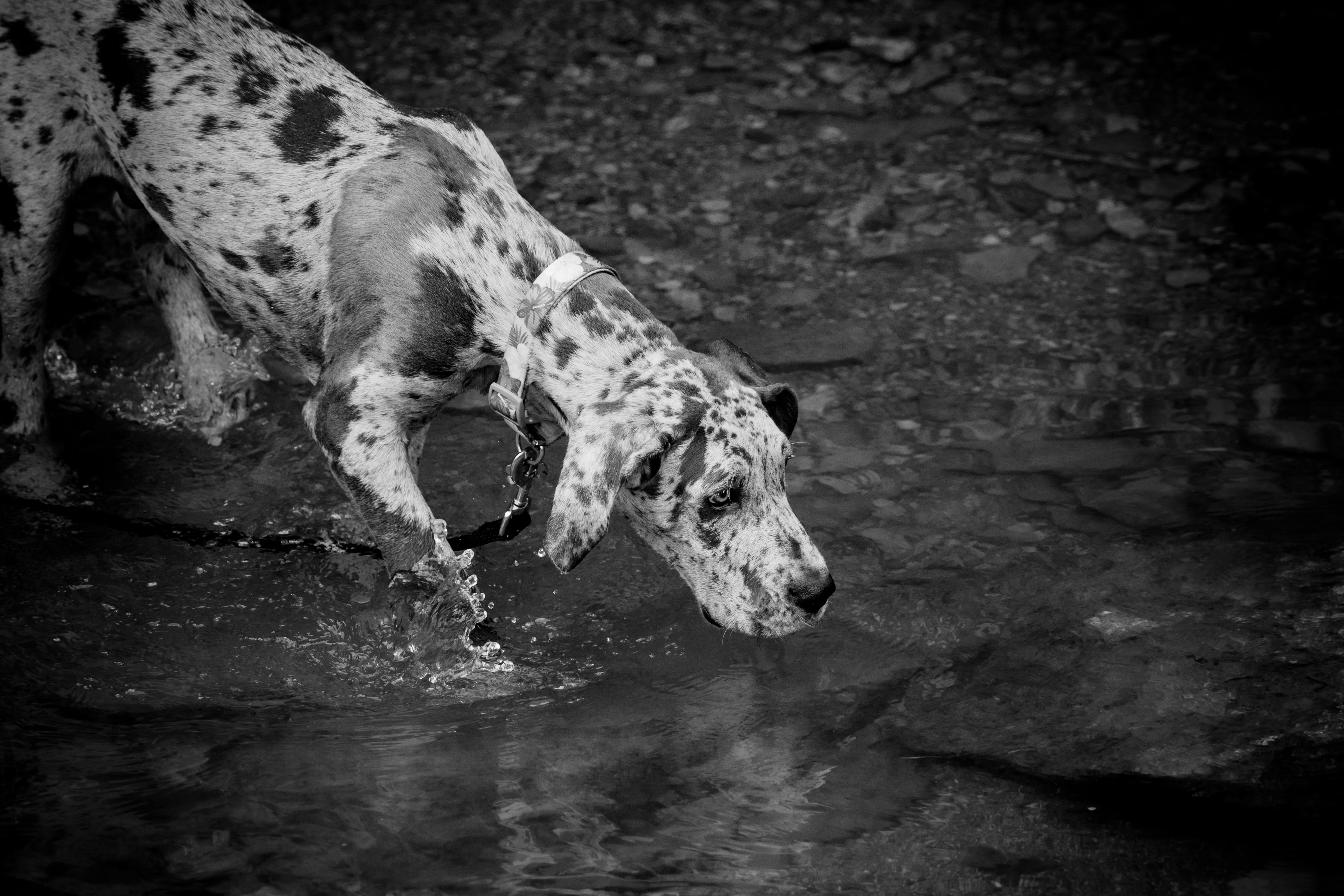
Dogs are known for many things, like their loyalty, playful nature, and, of course, their wet noses. But do all dogs have wet noses? This question can lead us to look into the various breeds, their traits, and the science behind why dogs have wet noses in the first place. Let’s delve into this fascinating subject!
Do All Dogs Have Wet Noses?
Not all dogs have wet noses, but most do. The moisture on a dog’s nose is not just a random trait; it serves important purposes. However, there are breeds that might have drier noses, which can be caused by several factors. The key factors influencing nose moisture include:
Breed Characteristics: Some breeds naturally have drier noses than others. For instance, the Bulldog and the Shar Pei might not have as much moisture on their noses compared to a Labrador Retriever or a Beagle.
Health Factors: A dog’s health can also affect nose moisture. If a dog is sick or dehydrated, it might have a dry nose. If you notice this happening, it might be time to consult a vet.
Environmental Conditions: Weather plays a role too. During hot or dry conditions, a dog’s nose can become drier, while in humid weather, it tends to be wetter.
Why Do Dogs Have Wet Noses?
So, why do dogs have wet noses? There’s actually some fascinating science behind it. A dog’s nose is not just a cute feature; it serves several important functions:
Enhanced Sense of Smell: Dogs have a significantly better sense of smell than humans. The moisture on their noses helps capture scent particles in the air, making it easier for them to detect smells. This is why dogs can sniff out drugs, track lost persons, and even detect diseases.
Temperature Regulation: Dogs don’t sweat like humans do, so their noses help regulate body temperature. The moisture on a dog’s nose can cool them down, especially on hot days.
Communication: Dogs communicate with each other through scent. A wet nose can help them pick up pheromones and other scents from other dogs, providing vital information about their environment and fellow canines.
Variations Among Breeds
Different breeds have different characteristics when it comes to their noses. Here’s a quick look at some breeds and how their noses vary:
| Breed | Nose Moisture Level | Notes |
|---|---|---|
| Labrador | High | Very wet, excellent sense of smell. |
| Bulldog | Medium | Can be dry; prone to health issues. |
| Beagle | High | Known for strong scent detection. |
| Shar Pei | Low | Wrinkled skin can affect moisture. |
| Dachshund | Medium | Wet nose but varies by individual. |
Practical Examples of Nose Care
Taking care of your dog’s nose is important. Here are some simple tips for dog owners:
Hydration: Ensure your dog drinks plenty of water. Dehydration can lead to a dry nose, which is not ideal.
Check for Changes: If you notice sudden changes in your dog’s nose texture or moisture level, it might indicate health problems. Consulting a vet is advisable.
Avoid Irritants: If your dog spends a lot of time outdoors, be cautious about potential irritants like pollen or chemicals that might dry out their nose.
Fun Facts About Dog Noses
- Dogs have more than 220 million scent receptors, compared to about 5 million in humans.
- A dog’s nose print is unique, much like a human fingerprint. It can be used for identification!
- The moisture on a dog’s nose can evaporate quickly, so it’s normal for it to vary throughout the day.
Understanding why dogs have wet noses and the variations among breeds can help pet owners take better care of their furry friends. The wetness of a dog’s nose is not just a cute feature; it plays a significant role in their health and well-being. It’s fascinating how something so simple can be so important. So, next time you see your dog’s wet nose, remember that it’s doing a lot more than just looking adorable!
The Role of a Wet Nose in Dog Behavior: What Your Pup is Trying to Tell You
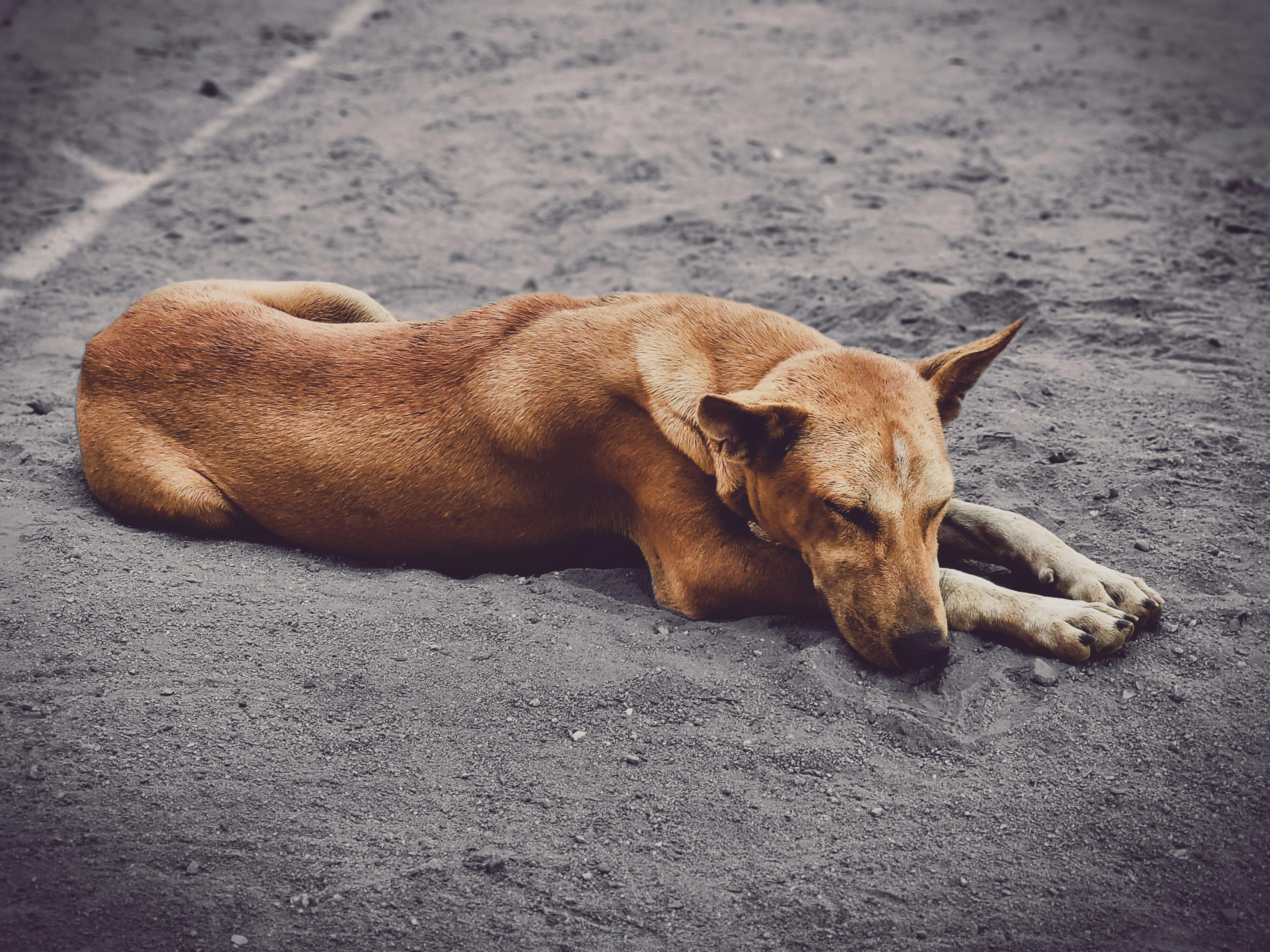
Ever notice how your furry friend’s nose always seems to be a little damp? That wet nose of a dog isn’t just for show, it actually plays a crucial role in their behavior and communication. If you’ve ever wondered, “Why do dogs have wet noses?” you’re not alone. There’s a fascinating science behind it, and understanding it can help you interpret what your pup is trying to tell you.
The Science Behind a Dog’s Wet Nose
First, let’s talk about the biology. A dog’s nose is wet primarily because it secretes mucus, which helps in several ways. This mucus, along with the moisture from the environment, keeps their noses cool and helps them to smell better. Dogs have a highly developed sense of smell, much more advanced than ours, and the wetness holds scent particles better. So, when your dog is sniffing around, that wet nose is working hard to gather information from their surroundings.
- Dogs’ noses have up to 300 million smell receptors, compared to a human’s 5 million.
- The moisture on their noses can enhance their ability to detect scents, making them effective at tracking.
- It’s believed that the wetness can also cool dogs down, as they don’t sweat like humans do.
What Your Dog is Trying to Tell You
Ever wonder why your dog nudges you with their wet nose? This behavior can mean a few things. Dogs often use their noses to communicate. Here’s a list of what a wet nose can signify:
- Affection: A gentle nudge with a wet nose can mean your dog loves you and wants your attention.
- Curiosity: When you have visitors over, your dog might greet them with their nose to gather information.
- Hunger or Thirst: If your pup nudges their food or water bowl, they could be signaling it’s time for a meal or a drink.
- Playfulness: A playful dog may poke you with their nose to invite you to join in on the fun.
The Historical Context of Wet Noses
Historically, dogs have lived alongside humans for thousands of years. Their wet noses have evolved as a crucial tool for survival and communication. In ancient times, dogs were used for hunting, herding, and even guarding. Their ability to track scents was invaluable. A wet nose allowed them to sniff out prey or detect danger from a distance.
- Ancient Egypt: Dogs were revered and often depicted in art, showcasing their role in hunting and companionship.
- Middle Ages: Hunting dogs were trained for tracking, where their keen sense of smell was essential.
- Modern Times: Today, dogs continue to serve in roles like police work and search-and-rescue, largely due to their incredible olfactory capabilities.
The Importance of Nose Health
While a wet nose is generally a good sign, it’s important to pay attention to changes in your dog’s nose moisture. A dry nose can sometimes indicate health issues or dehydration. Here’s a simple checklist to consider:
- Normal Wetness: A healthy dog should have a moist nose.
- Dry or Cracked Nose: This could be a sign of dehydration, allergies, or even illness.
- Excessive Moisture: Sometimes, a very wet nose can indicate an infection or other health problems.
Fun Facts About Dog Noses
Here are some quick fun facts about dog noses that you might not know:
- The patterns on a dog’s nose are unique, just like human fingerprints.
- Dogs can smell diseases, including cancer, by detecting changes in the scent of a person’s body.
- Some breeds, like Bloodhounds, have an exceptional sense of smell and can track scents over long distances.
Understanding your dog’s behavior through their wet nose can deepen the bond you share. It’s more than just a quirky trait; it’s an essential aspect of how dogs interact with the world and communicate with their human companions. Next time your pup gives you a gentle nudge, remember the fascinating truth behind their wet nose. It’s their way of saying, “Hey, pay attention to me!”
Why Does My Dog’s Nose Change? Understanding the Factors Behind Moisture Levels
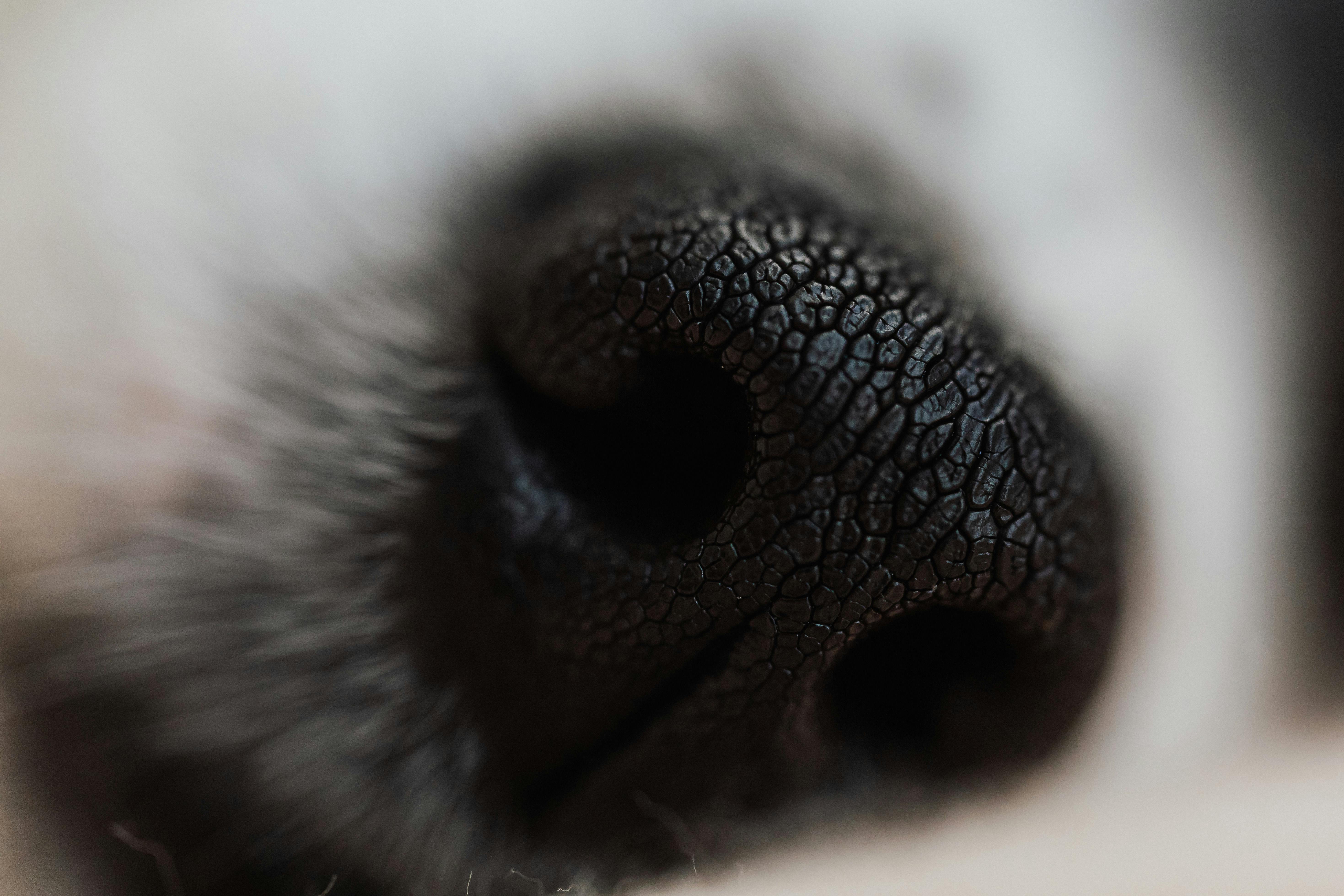
Ever wonder why your dog’s nose seem to change from wet to dry or even warm to cold? You’re not alone; many dog owners notice these changes and often ask themselves, “Why do dogs have wet noses?” It’s a fascinating subject that dives deep into canine biology and behavior. So let’s explore the reasons behind those moisture levels on your furry friend’s snout and what it means for their health and well-being.
The Science Behind Wet Noses
Dogs, in general, have moist noses for several reasons. First off, a wet nose helps them to smell better. Dogs have an incredible sense of smell, estimated to be 10,000 to 100,000 times more sensitive than humans. The moisture on their noses helps capture scent particles, which amplifies their olfactory abilities. When the nose is wet, it enhances the dog’s ability to gather information about their environment, from the scent of other animals to the smell of food.
Why Does My Dog’s Nose Change?
There’s various factors that can influence the moisture level on your dog’s nose. Here’s a breakdown:
- Weather Conditions: Humidity and temperature play big roles. In hot and dry weather, your dog’s nose might be drier than usual.
- Health Conditions: Changes can indicate health issues. A dry, cracked nose may signal dehydration, fever, or even a skin infection.
- Breed Differences: Some breeds naturally have drier noses. For example, Bulldogs often have less moisture than breeds like Retrievers or Beagles.
- Age: As dogs get older, their noses may lose moisture due to natural aging processes.
Common Misconceptions About Dog Noses
While many people think a warm, dry nose means a dog is sick, that’s not always true. Here are some common misconceptions:
- Myth: A Warm Nose Means Illness: Not necessarily! Dogs’ body temperatures can vary, and a warm nose doesn’t always indicate a fever.
- Myth: All Dogs Have Wet Noses: Some breeds are more prone to dry noses. It’s important to understand that each dog is unique.
- Myth: Nose Color Matters: The color of a dog’s nose doesn’t relate to their health; it’s more about genetics.
Moisture Levels: What’s Normal?
Understanding what’s normal for your dog is crucial. Here’s a quick checklist of what to look for:
- Temperature: A normal dog nose may feel cool to the touch.
- Moisture: Some moisture is healthy; a completely dry nose could be concerning.
- Texture: A healthy nose should be smooth; cracks or sores may need veterinary attention.
How to Keep Your Dog’s Nose Healthy
Keeping your dog’s nose in good condition is easier than you might think. Here are some practical tips:
- Hydration: Ensure your dog drinks enough water, especially in hot weather. Dehydration can cause a dry nose.
- Humidity: Using a humidifier can help during the dry winter months, particularly for indoor dogs.
- Sun Protection: For dogs with light-colored noses, apply pet-safe sunscreen to prevent sunburn.
- Regular Vet Visits: Regular check-ups can catch any potential health issues early on.
When to Consult a Veterinarian
It’s important to know when to seek professional help. If you notice any of the following, it may be time to call your vet:
- Persistent Dryness: If your dog’s nose remains dry for an extended period.
- Cracking or Bleeding: Any visible injury should be examined immediately.
- Change in Color: If the nose changes color suddenly (like turning red or dark), it’s worth investigating.
- Behavioral Changes: If your dog is acting differently, like being lethargic or not eating, don’t hesitate to ask a vet.
Fun Facts About Dog Noses
- Dogs have unique nose prints, much like human fingerprints.
- A dog’s sense of smell can detect certain diseases, including cancer and diabetes.
- Dogs have a special organ called the vomeronasal organ that helps them “taste” scents.
Understanding why your dog’s nose change can help you keep an eye on their health and well-being. The moisture levels can tell you a lot about their current state, whether they are just sniffing around or needing some extra care. So, next time you pet your pup and feel that wet nose, remember that it’s not just cute; it’s a vital part of their amazing canine biology.
Wet Nose vs. Dry Nose: When Should You Be Concerned About Your Dog’s Health?
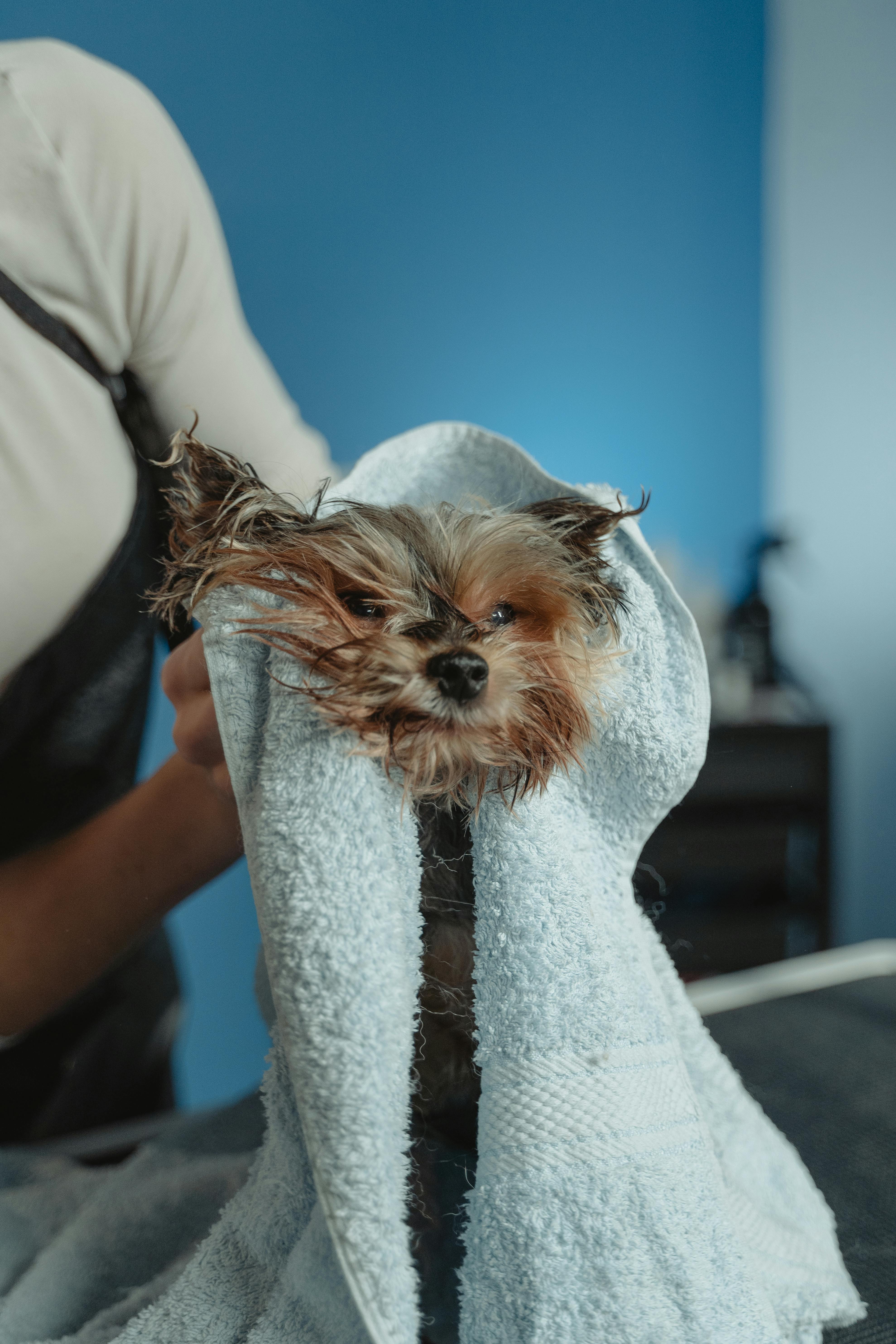
When it comes to our furry friends, one of the most common concerns dog owners face is the condition of their dog’s nose. A wet nose is often considered a sign of a healthy dog, while a dry nose can raise alarms. But when should you actually be worried about your dog’s health? And why do dogs have wet noses in the first place? Let’s dive into the fascinating truth behind this canine feature.
Why Do Dogs Have Wet Noses?
Dogs noses are unique, and wet noses serve several purposes. Here are some reasons why they are typically moist:
- Temperature Regulation: A wet nose helps dogs cool down their body temperature. When they breathe, moisture evaporates from the surface, which can help regulate their body heat.
- Sense of Smell: Moisture enhances a dog’s sense of smell. The wetness helps to capture scent particles in the air, making it easier for dogs to detect various smells. This is why dogs are often employed in search and rescue or detection roles.
- Health Indicator: The condition of a dog’s nose can be a quick health indicator. A wet and cool nose is often seen as a sign of good health, while a dry or cracked nose may suggest issues.
Wet Nose vs. Dry Nose: What’s Normal?
Understanding the difference between a wet and dry nose can be tricky. Here’s a breakdown of what you should know:
Wet Nose:
- Normal: Usually cool and moist.
- Healthy: Indicates good hydration levels and active glands.
- Active Dogs: Often wet after activities like playing or running.
Dry Nose:
- Not Always Bad: A dry nose doesn’t automatically mean illness.
- Hydration Levels: Sometimes it simply indicates your dog needs more water.
- Environmental Factors: Weather changes can cause temporary dryness.
When Should You Be Concerned?
While a dry nose can be normal, there are some signs that should raise concern. Here’s a useful list to consider:
- Persistent Dryness: If your dog’s nose remains dry for an extended period, it could indicate health problems.
- Cracking or Bleeding: This could be a sign of dehydration or skin conditions.
- Changes in Color: A healthy nose is usually dark; if it turns red or white, consult your vet.
- Accompanying Symptoms: If your dog shows other signs of illness, such as lethargy, loss of appetite, or vomiting, it’s time to seek professional help.
Common Causes of Nose Issues in Dogs
Sometimes, a dog’s nose can become dry due to various reasons. Here are some common culprits:
- Dehydration: Not drinking enough water can lead to a dry nose.
- Allergies: Environmental allergens can affect the skin, including the nose.
- Infections: Bacterial or fungal infections might cause changes in the nose’s moisture levels.
- Autoimmune Diseases: Some conditions can lead to chronic dryness.
Practical Example: What to Do When You Notice Changes
If you notice your dog’s nose changing, here’s a simple guide on how to act:
- Observe: Keep track of any additional symptoms.
- Hydrate: Ensure your dog is drinking enough water.
- Check the Environment: Consider if there are any allergens or irritants present.
- Consult Your Vet: If the condition doesn’t improve or worsens, it’s best to get professional advice.
Fascinating Facts About Dog Noses
Did you know that dogs have a highly developed sense of smell? Here are some interesting facts about their noses:
- Dogs can smell up to 100,000 times better than humans.
- The unique patterns on a dog’s nose are like fingerprints—no two are alike.
- A dog’s sense of smell is used in various fields, including law enforcement and medicine.
By understanding your dog’s nose, you can get insights into their overall health. Wet noses are often signs of happy, healthy pups, while dry noses can sometimes indicate a need for attention. Monitoring these changes is essential for responsible pet ownership. So next time you give your dog a pat and check their nose, you’ll know what to look for and when to take action.
How to Keep Your Dog’s Nose Healthy: Tips for Moisture Maintenance
Keeping your dog’s nose healthy is important for more than just looks. A wet nose is often viewed as a sign of a healthy dog, and it does serve some functions that are fascinating. Many dog owners wonder, “Why do dogs have wet noses?” and the answer is more intriguing than you might think. In this article, we’re going to explore how to maintain moisture in your dog’s nose and unravel the mystery behind those wet noses.
Why Do Dogs Have Wet Noses?
Dogs have wet noses for multiple reasons, and understanding those reasons can help you take better care of your furry friend. Here are some fascinating facts:
Sense of Smell: A wet nose helps dogs smell better! The moisture on their noses captures scent particles more effectively, which enhances their sense of smell. Dogs have up to 300 million smell receptors, compared to humans, who have only about 6 million.
Cooling Mechanism: Just like how humans sweat to cool down, dogs rely on their noses to help regulate body temperature. When a dog pants, the moisture evaporating from their noses can help cool them down.
Health Indicator: A healthy dog typically has a moist nose. However, if you notice your dog’s nose is dry and cracked, it may indicate dehydration or a health issue that might need attention.
Social Signaling: Dogs also use their noses to gather information about other dogs and their environment. The moisture may help them pick up scents that are left behind by other animals.
Tips for Moisture Maintenance
Keeping your dog’s nose healthy requires some simple yet effective practices. Here’s what you can do:
Hydration is Key: Always ensure your dog has access to fresh, clean water. Dehydration can lead to a dry nose, and it’s critical for their overall health.
Regular Vet Checkups: Regular visits to the vet can help identify any underlying health problems. They can check your dog’s nose and overall health during these visits.
Humidifier Use: If you live in a dry climate, consider using a humidifier in your home. This can help maintain moisture levels in the air, which benefits your dog’s nose.
Avoid Sun Exposure: Just like humans, dogs can get sunburned. If your dog has a light-colored or thin coat, protect their nose from the sun with pet-safe sunscreen.
Healthy Diet: A balanced diet rich in omega-3 fatty acids can help maintain skin and coat health, including the nose. Foods like fish, flaxseed, and certain dog foods can be beneficial.
Signs of a Healthy Nose vs. Unhealthy Nose
Recognizing the signs of a healthy nose versus an unhealthy one is crucial. Here’s a quick comparison:
Healthy Nose
- Moist and cool to the touch
- Pink or black, depending on the breed
- Free from cracks or sores
Unhealthy Nose
- Dry and warm to the touch
- Cracked or peeling skin
- Discoloration or excessive discharge
Common Nose Issues in Dogs
Just like humans, dogs can face nose-related problems. Here’s a list of common issues to watch for:
Nasal Dermatitis: This condition can cause redness and irritation, often requiring veterinary attention.
Nosebleeds: These can occur for various reasons, including trauma or underlying health issues. If nosebleeds are frequent, consult a vet.
Infections: Bacterial or fungal infections can cause excessive discharge, so it’s important to seek treatment if you notice unusual symptoms.
Allergies: Dogs can suffer from allergies that may affect their nose, leading to dryness or irritation.
The Fascinating Truth About Dog Noses
So, why do dogs have wet noses? It’s a combination of biology, evolution, and natural instincts. Dogs have been domesticated for thousands of years, and their noses have adapted to meet their needs. The slickness of their noses not only aids in their ability to smell but also keeps them cool in various situations.
Final Thoughts
Maintaining your dog’s nose health is crucial, and understanding the reasons behind their wet noses can help. By keeping your dog hydrated, visiting the vet regularly, and being mindful of environmental factors, you can ensure that their nose stays healthy and moist. Dogs are more than just pets; they’re family, and their well-being is in our hands. Let’s give them the care they deserve!
The Fascinating Evolution of Dogs’ Wet Noses: A Look at Their Ancestry
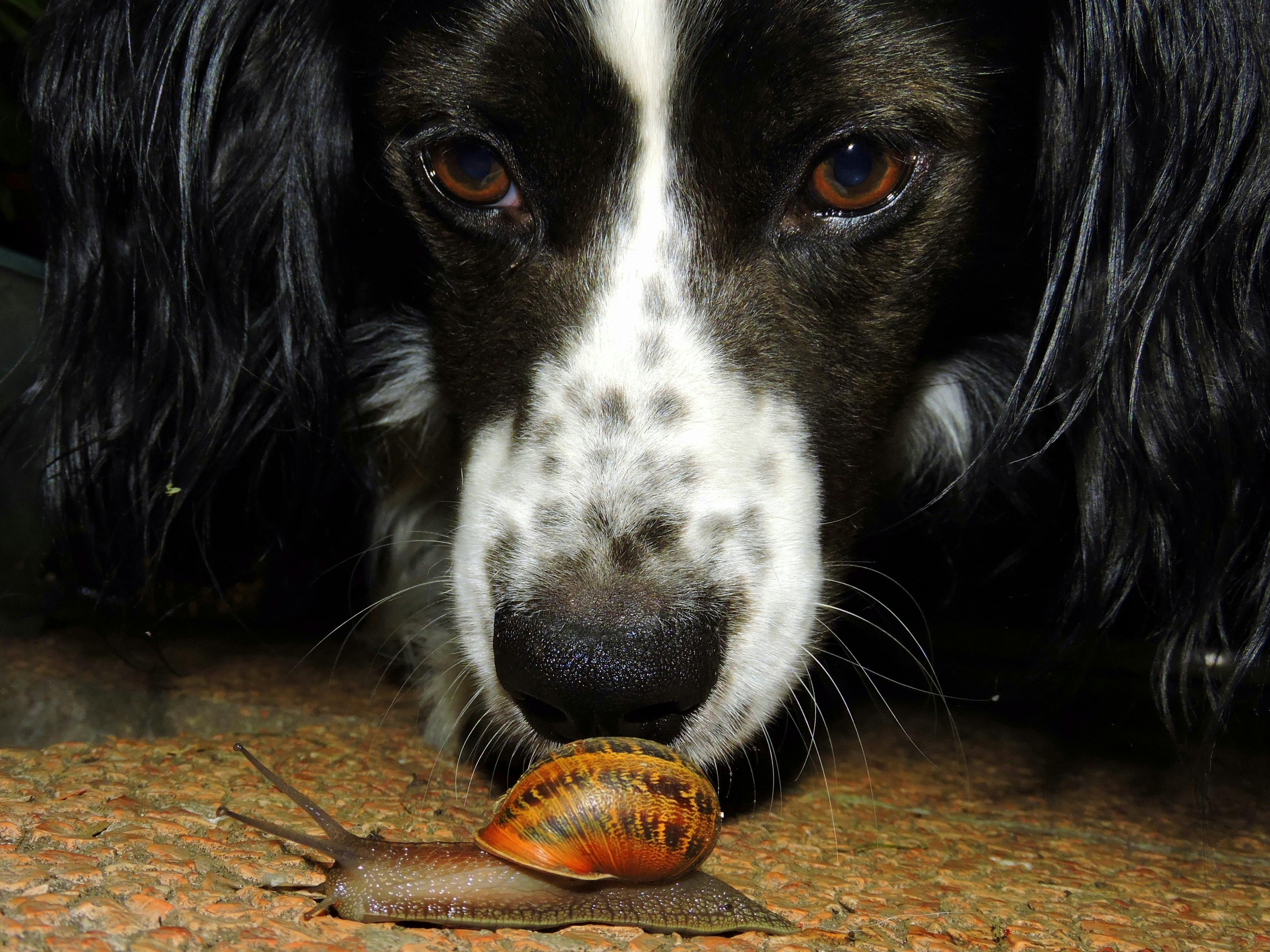
Dogs have always been our loyal companions, and their wet noses often spark curiosity. Why do dogs have wet noses? This question goes beyond just cute canine quirks. It ties into their fascinating evolution and biological functions. Let’s dive into the history of dogs and uncover the truth behind their wet noses.
The Ancestry of Dogs
Dogs are descendants of wolves, having been domesticated thousands of years ago. Genetic studies shows that the first domesticated dogs appeared around 20,000 to 40,000 years ago. They were bred for various purposes, including hunting, herding, and companionship. Over time, selective breeding created diverse dog breeds we see today.
- Wolves: The ancestors of all domestic dogs.
- Early Domestication: The process began when humans started to tame wolves.
- Breeding for Traits: Specific traits were emphasized to suit human needs, leading to unique breeds.
Why Do Dogs Have Wet Noses?
The truth behind why dogs have wet noses is both interesting and practical. A wet nose is much more than just a cute feature. Here’s a breakdown of the reasons:
Sense of Smell: Dogs have an extraordinary sense of smell, and a wet nose helps enhance their olfactory capabilities. Moisture on their noses captures scent particles better, allowing dogs to detect smells more accurately.
Thermoregulation: Just like humans sweat to cool down, dogs use their noses to regulate temperature. A wet nose can help them stay cool, especially on hot days.
Health Indicator: The condition of a dog’s nose can serve as an indicator of their health. A dry or cracked nose might suggest dehydration or illness, while a healthy dog typically has a moist nose.
Communication: Dogs also use their noses to communicate with each other and with humans. A wet nose can be a sign of excitement or affection.
The Science Behind Wet Noses
Here’s a quick look at how a dog’s nose works:
- Mucus Production: Dogs produce mucus in their noses, this helps to trap scent particles.
- Sensitivity: A dog’s nose contains more than 300 million olfactory receptors, compared to about 5 million in humans.
- Temperature Regulation: The moisture on a dog’s nose evaporates, helping to cool them down.
The Evolutionary Perspective
When humans domesticated dogs, certain traits became more prominent. The wet nose is just one of them. Over the years, dogs have adapted to live along with humans, but their natural instincts and physical characteristics have remained intact.
- Early Breeds: Some of the earliest dog breeds, like the Basenji, still exhibit strong hunting instincts.
- Modern Breeds: Today’s breeds, such as the Chihuahua or Great Dane, may look vastly different, but they share that common ancestor with a wet nose.
Fun Facts About Dogs’ Noses
- Unique Patterns: Just like human fingerprints, every dog’s nose has a unique pattern.
- Temperature Detection: Dogs can detect temperature changes with their noses, making them excellent at finding hidden objects.
- Nasal Slits: Dogs have nasal slits that help them breathe while sniffing.
Comparison to Other Animals
Dogs aren’t the only animals with wet noses. Here’s how they compare to other pets:
| Animal | Wet Nose | Reason for Wet Nose |
|---|---|---|
| Dogs | Yes | Enhances smell, cools body |
| Cats | No | Lick their noses to clean |
| Pigs | Yes | Helps with rooting in soil |
| Cows | No | Less reliance on smell |
Practical Examples of Nose Functionality
- Search and Rescue: Dogs with wet noses are often used in search and rescue operations, leveraging their exceptional sense of smell.
- Detection Work: Many dogs work with law enforcement to detect drugs or explosives, relying on their olfactory abilities.
The evolution of dogs and their wet noses is a testament to their adaptability and bond with humans. Understanding why dogs have wet noses not only satisfies curiosity but also highlights their incredible abilities. So, the next time you see a dog with a wet nose, remember, it’s more than just a cute feature—it’s a vital part of their biology and history.
Can Dogs Smell Better with Wet Noses? Unpacking the Science of Canine Olfaction
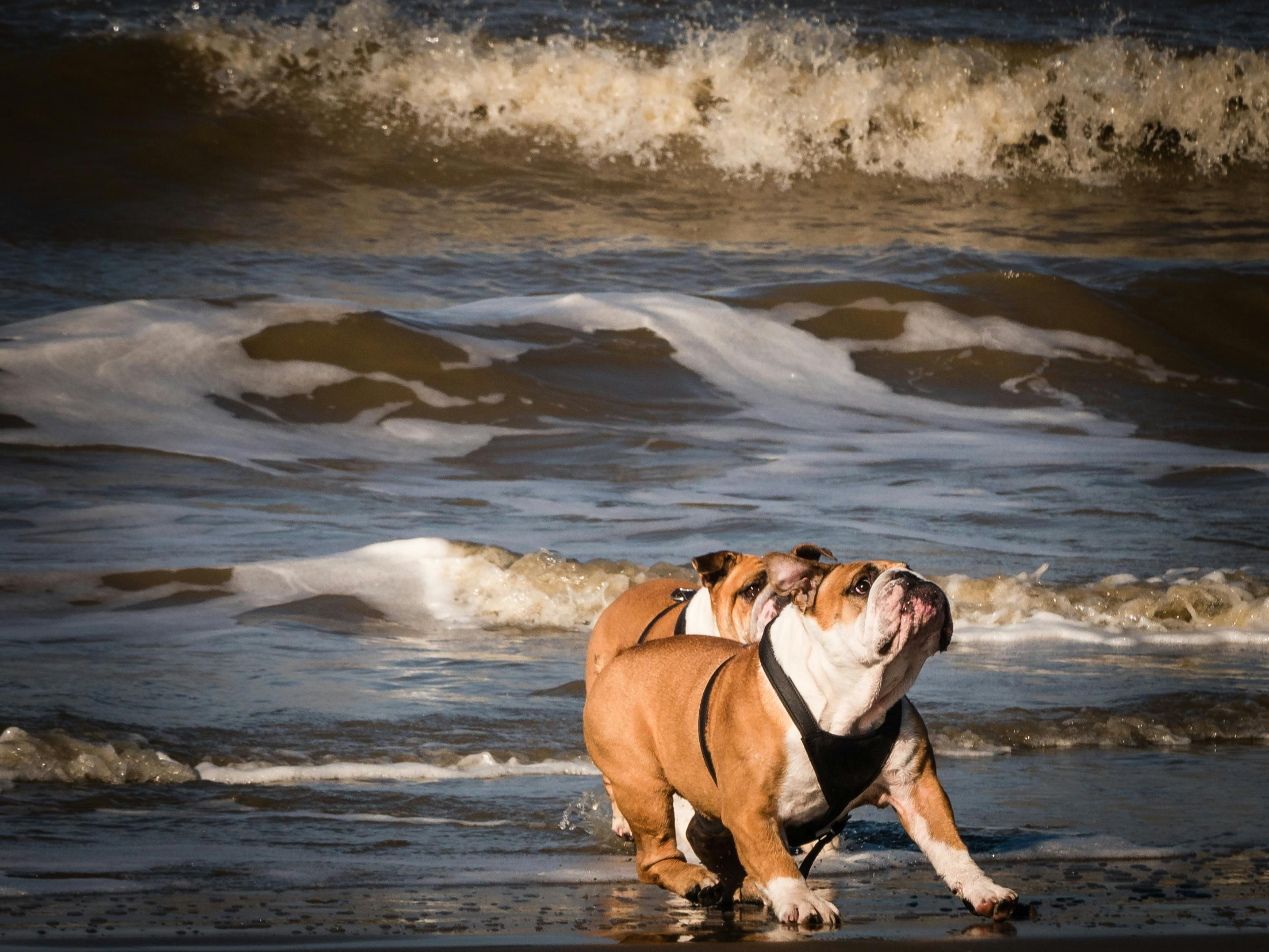
Dogs have long been our loyal companions, but their sense of smell is often what really sets them apart from us. Ever wonder if dogs can smell better with wet noses? Well, there is actually science behind this claim. Let’s dive deeper into the intriguing world of canine olfaction, and uncover why do dogs have wet noses in the first place.
Why Do Dogs Have Wet Noses?
First off, it’s important to understand that a dog’s nose is more than just an adorable feature. It’s a highly developed sensory organ. The wetness of a dog’s nose helps in a couple of ways:
Enhanced Smell: When the nose is moist, it can trap scent particles better. This moisture helps absorb scent molecules, making it easier for dogs to analyze different smells.
Temperature Regulation: Dogs don’t sweat like humans do. Their wet noses help to cool them down, which is crucial for their overall health.
Health Indicator: A dog’s nose can also indicate health status. A healthy dog usually has a cool, moist nose. If it’s excessively dry or warm, it might be a sign of illness or dehydration.
The Science Behind Canine Olfaction
Dogs are known to have an astonishing sense of smell, often claimed to be 10,000 to 100,000 times more acute than humans. Here’s a breakdown of how their olfactory system works:
Olfactory Receptors: Dogs have about 220 million olfactory receptors in their noses, compared to about 5 million in humans. This means they can detect a wide variety of scents.
Jacobsen’s Organ: Also known as the vomeronasal organ, this structure helps dogs detect pheromones, the chemical signals that influence behavior. This is why dogs are so good at sniffing out other animals or even humans’ emotional states.
Olfactory Bulb: The part of the brain that processes smells is proportionally larger in dogs than in humans. This allows dogs not just to smell better, but to interpret those smells in complex ways.
How Does Wetness Play a Role?
So, can wet noses actually enhance a dog’s ability to smell? The answer is yes! The moisture on a dog’s nose aids in the olfactory process. Here’s a simple table outlining the benefits:
| Feature | Function |
|---|---|
| Moisture | Traps scent particles |
| Enhanced Sensitivity | Improves the dog’s ability to smell |
| Cooling Mechanism | Helps regulate body temperature |
| Health Indicator | Signals potential health issues |
Fascinating Facts About Canine Smell
Sniffing Technique: Dogs often sniff in a zig-zag pattern, which can help them pick up more scent molecules in the air. They also have an intricate method of “air sniffing,” where they draw scents through their noses and into their mouths for analysis.
Tracking Abilities: Some breeds are particularly good at tracking scents. Bloodhounds, for example, can follow a scent trail that’s days old.
Scent Discrimination: Dogs can be trained to detect diseases such as cancer or diabetes. They can even sniff out certain allergens!
Common Misconceptions
Many people think that all dogs have a wet nose due to constant licking. While licking does contribute to moisture, the primary reason for a wet nose is physiological. Here’s a quick contrast:
- Wet Nose: Enhances scent detection, cools down the dog, and often signals health.
- Dry Nose: Not always a cause for concern, but prolonged dryness or warmth can indicate a problem.
Practical Examples of Canine Olfaction
Dogs have been used in various professional roles thanks to their remarkable sense of smell:
Search and Rescue: Dogs are often deployed in disaster zones to locate survivors.
Law Enforcement: K-9 units use dogs to sniff out drugs, explosives, and even money.
Medical Detection: Some dogs are trained to detect medical conditions like low blood sugar or impending seizures in their owners.
Understanding why dogs have wet noses and how that relates to their ability to smell better is fascinating. It’s just one more way these creatures have adapted to thrive alongside humans. So next time you see a dog with a wet nose, remember that it’s not just cute; it’s a sign of their incredible olfactory prowess.
Conclusion
In conclusion, the wet noses of dogs serve several important functions that contribute to their overall health and well-being. Through the secretion of mucus, a dog’s nose remains moist, enhancing their sense of smell, which is crucial for communication and environmental awareness. The moisture also helps regulate body temperature, as dogs do not sweat in the same way humans do. Additionally, a wet nose can indicate good health, while changes in moisture levels may signal potential health issues. Understanding the significance of a dog’s wet nose not only deepens our appreciation for these loyal companions but also encourages us to monitor their health closely. So, the next time you pet your furry friend and feel that cool, damp nose, remember the vital roles it plays. Make it a habit to observe your dog’s nose condition and consult a veterinarian if you notice any unusual changes. Your pup’s health depends on it!
