
Have you ever wondered why do dogs have wet noses? This fascinating question has intrigued dog lovers and scientists alike. A dog’s nose is not just a cute feature; it serves several important purposes that enhance their incredible abilities. Wet noses are often associated with health, but they also play a vital role in a dog’s sense of smell. Did you know that a dog’s olfactory system is far superior to ours? This means their nose is essential for exploring and understanding the world around them. When you see your furry friend sniffing around, you might ask, “What are they discovering?” The truth is, a wet nose helps them absorb scent molecules more efficiently, making their world rich with information. Additionally, the moisture on a dog’s nose can help regulate their body temperature, keeping them cool during playtime. Curious to learn more about your pup’s unique biology and the benefits of their wet noses? Join us as we dive deeper into the science behind this intriguing canine characteristic and uncover the secrets that make dogs such amazing companions!
The Science Behind Dog Noses: Why Are They Always Wet?
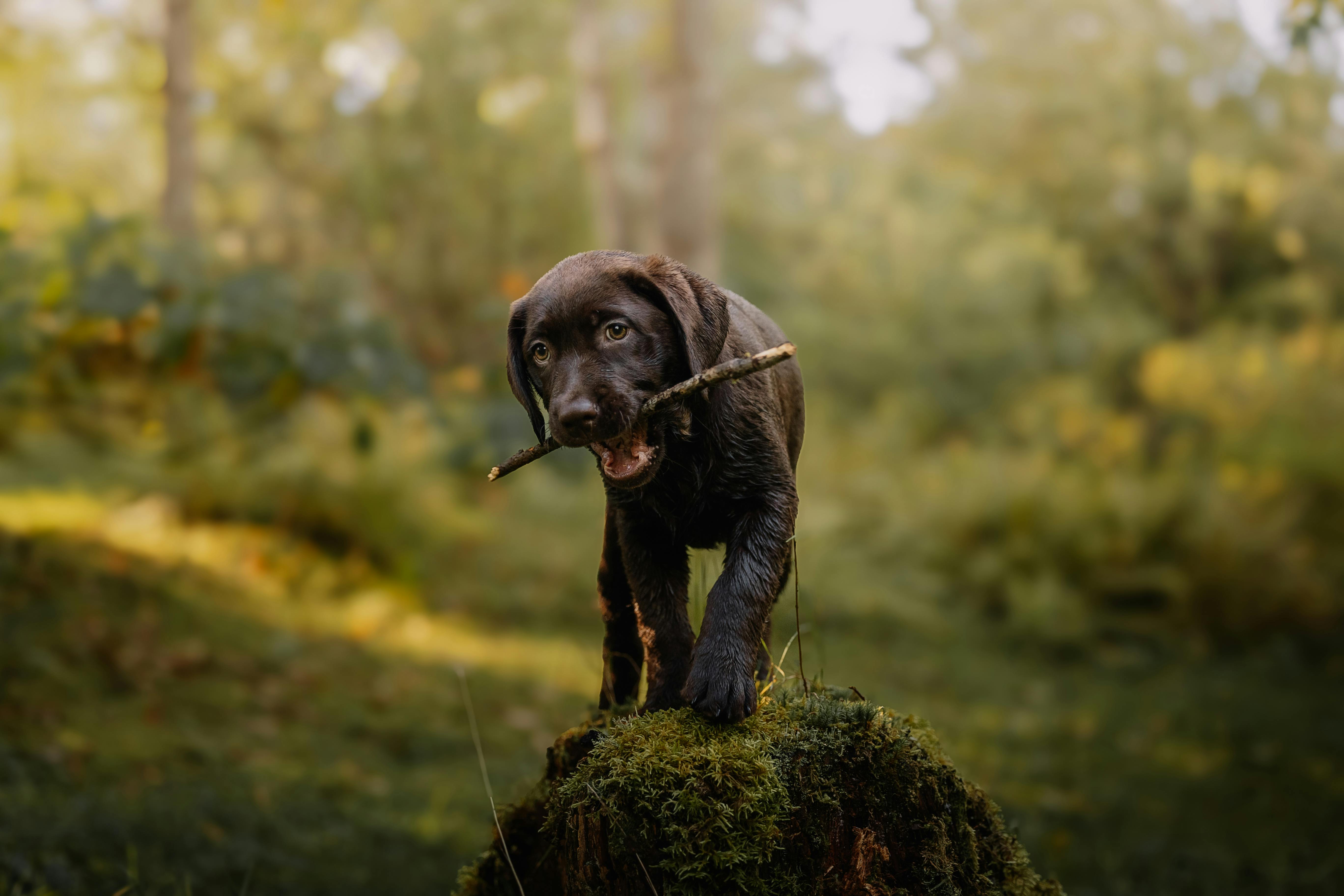
The wet nose of a dog is one of those little mysteries that pet owners often ponder. Why is it that dogs have such damp noses? What purpose does it serve? Understanding the science behind dog noses can help us appreciate our furry friends even more. Let’s dive into this fascinating topic and uncover why dogs have wet noses and the important roles they play.
The Anatomy of a Dog’s Nose
Dog noses are not just adorable; they’re incredibly complex. The canine nose is made up of around 300 million olfactory receptors, compared to a human’s mere 5 million. This incredible anatomical feature allows dogs to detect scents at levels that are mind-boggling to us.
- Olfactory Receptors: Dogs have about 40 times more olfactory receptors than humans.
- Jacobsen’s Organ: This organ helps dogs analyze scents more profoundly. It’s located in the nasal cavity and is crucial for interpreting pheromones.
- Nasal Turbinates: These are bony structures in the nose that increase surface area and help with scent processing.
The wetness of a dog’s nose actually plays a big part in these functions.
The Purpose of a Wet Nose
So, why do dogs have wet noses? The moisture on a dog’s nose serves several key purposes that are essential to their survival and daily functioning.
- Enhanced Smell: A wet surface helps to capture and hold scent particles in the air. This increases a dog’s ability to smell and identify different scents. When a dog’s nose is wet, it creates a better environment for scent detection.
- Temperature Regulation: Just like sweat helps humans cool down, the moisture on a dog’s nose can also help with thermoregulation. Dogs do not sweat like humans; they mainly rely on panting to cool off. The wetness can assist in this process when they’re overheated.
- Health Indicator: A dog’s nose can also be a good indicator of their health. For instance, if a dog’s nose is unusually dry or cracked, it could indicate dehydration or illness. Conversely, a consistently wet nose usually signifies good health.
The Science of Dog Nose Moisture
The moisture on a dog’s nose comes from a combination of their saliva and natural secretions. Dogs often lick their noses, which adds to the wetness. This behavior is instinctive and helps them gather scent particles.
- Saliva Production: Dogs produce saliva frequently, and they instinctively lick their noses to keep them moist.
- Environmental Factors: Weather plays a role too. Humidity levels can affect how wet a dog’s nose is. On a hot day, for example, you might notice your dog licking their nose more often.
Interesting Facts About Dog Noses
Did you know that dog’s noses are as unique as their paw prints? Here are some interesting facts:
- Nose Prints: Each dog has a unique nose print. Just like human fingerprints, they can be used for identification.
- Temperature Sensitivity: Dogs can detect temperature changes in the air better than humans. This ability is partly because of their moist noses.
- Scent Memory: Dogs can remember smells for a long time. It’s been shown that a dog can recognize scents even after a year has passed.
Comparison of Dog Noses to Human Noses
While dog noses are incredibly specialized, they differ greatly from human noses in various aspects. Here’s a quick comparison:
| Feature | Dog Nose | Human Nose |
|---|---|---|
| Olfactory Receptors | ~300 million | ~5 million |
| Sensitivity to Scents | Extremely high | Moderate |
| Moisture Function | Enhances smell | Not applicable |
| Unique Identifiers | Yes (nose prints) | No |
Practical Examples of Dog Nose Use
Dogs use their noses for various practical purposes. Here are some examples:
- Search and Rescue: Dogs are often used in search and rescue missions due to their incredible scent-detection abilities.
- Detection Work: Many law enforcement agencies utilize dogs to detect drugs or bombs.
- Medical Detection: Some dogs are trained to detect medical conditions like cancer or low blood sugar in humans.
This fascinating insight into why dogs have wet noses shows us just how special these creatures are. Their noses are not just for sniffing; they’re vital tools that help them navigate the world. Next time you see your furry friend with that moist nose, remember the science behind it, and appreciate the intricate design of their biology. The next time you ask, “Why do dogs have wet noses?” you’ll have a wealth of knowledge to share!
Top 5 Fascinating Reasons Dogs Have Wet Noses You Never Knew
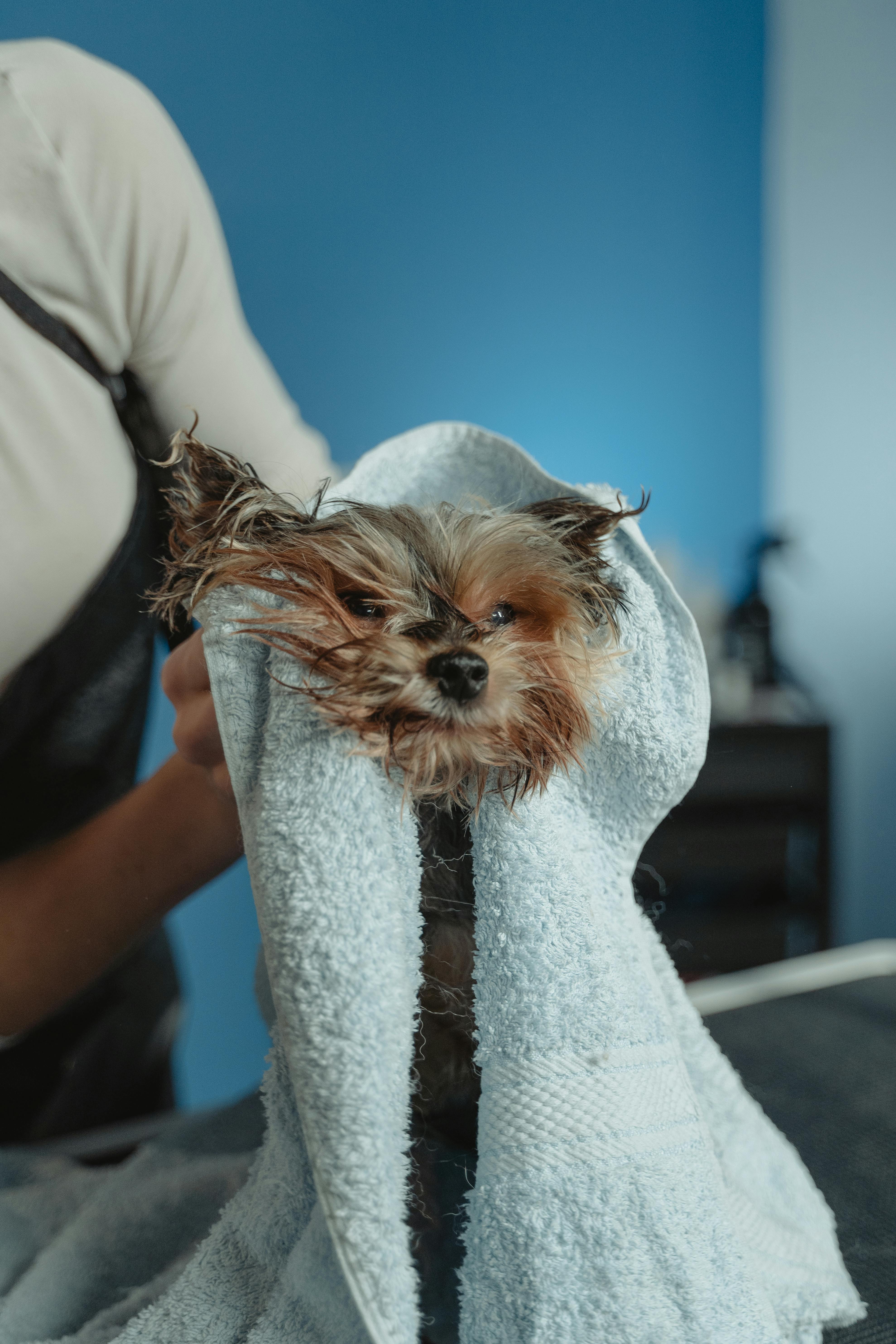
Dogs are often consider as man’s best friend, and one of the most intriguing aspects of these beloved pets is their wet noses. People often wonder, “Why do dogs have wet noses?” The answer to this question is as fascinating as it is multifaceted. Below, we explore the top five reasons that contribute to the moisture found on a dog’s nose, and you might find some of these facts surprising!
1. Sensory Enhancement
One of the primary purposes of a dog’s wet nose is to enhance its sense of smell. Dogs have an olfactory system that is far superior to humans, and a moist nose helps to capture scent particles more effectively. When a dog sniffs around, the moisture on their nose traps these particles, allowing the olfactory receptors to process the information. This is why dogs often seem to be so in tune with their environment, and you may notice them frequently sniffing around.
- Dogs have up to 300 million olfactory receptors, compared to humans’ 5 million.
- Moisture on the nose helps to dissolve scent particles, making it easier for dogs to identify smells.
2. Temperature Regulation
Another fascinating reason why dogs have wet noses is related to temperature regulation. Dogs don’t sweat like humans; instead, they rely on panting and the moisture on their noses to help cool down. The wetness on their noses can help dissipate heat. When they are feeling too warm, the moisture evaporates, which can provide a cooling effect.
- Dogs have sweat glands only in their paw pads.
- A wet nose can indicate a dog is in a comfortable temperature range.
3. Communication Tool
Did you know that a dog’s nose is also an important part of their communication? Dogs often use their noses to gather information about other animals and people. A wet nose can signal a friendly approach, while a dry nose might indicate stress or discomfort. When dogs meet each other, they often sniff one another’s noses, which helps them understand each other’s mood, health, and even their recent activities.
- Dogs can read emotions through scent, which is why they may approach people or other dogs with wet noses.
- A wet nose can indicate a relaxed and happy dog.
4. Health Indicator
The moisture level of a dog’s nose can also be an indicator of their health. While a wet nose is often seen as a sign of a healthy dog, there are exceptions. A dog with a dry or cracked nose might be suffering from dehydration, allergies, or even illness. However, it is crucial to note that the moisture level of a dog’s nose can fluctuate throughout the day, depending on their activity level and the weather.
- A consistently dry nose could suggest a need for veterinary attention.
- It’s important to observe other symptoms alongside the condition of the nose.
5. Evolutionary Advantage
From an evolutionary perspective, having a wet nose may have provided early ancestors of dogs with advantages in survival. The ability to sense predators or locate prey more effectively would have been crucial for hunting and avoiding danger. A moist nose could have helped dogs track scents over long distances, enhancing their chances of survival in the wild.
- Early dogs relied on scent for hunting and social interaction.
- The wetness of a nose likely evolved as a survival mechanism.
Summary of Key Points
- A dog’s wet nose enhances its sense of smell and helps trap scent particles.
- It aids in temperature regulation, providing a cooling effect.
- Wet noses serve as a communication tool, indicating a dog’s mood and health.
- The moisture level can indicate a dog’s overall health and hydration status.
- Evolutionarily, it has provided advantages in hunting and survival.
Understanding the reasons why dogs have wet noses not only satisfies curiosity but also helps dog owners better understand their pets. It’s amazing how something so simple can play such a significant role in a dog’s life. So next time you’re cuddling with your furry friend and feel that wet nose against your skin, remember the fascinating functions it serves!
Is Your Dog’s Nose Too Wet? Understanding the Health Indicators

Is your dog’s nose too wet? Many pet owners often wonder about this and what it could mean for their furry friends. A wet nose is a common sight in dogs, and it’s one of those quirks many people find adorable. But have you ever stopped to think: why do dogs have wet noses? And what does it say about their health? Let’s dive into the fascinating world of canine anatomy and explore the reasons behind those moist noses.
The Science Behind a Dog’s Wet Nose
Dogs’ noses are wet due to a special gland that helps them regulate body temperature and enhance their sense of smell. The wetness is largely due to the mucus that their body produces, which serves multiple purposes.
- Cooling Mechanism: Just like humans sweat to cool down, dogs use their noses to help with thermoregulation. The moisture evaporates, which helps to lower their body temperature.
- Enhanced Smell: A wet surface can trap scent particles, making it easier for dogs to pick up on smells. Their sense of smell is extremely powerful, estimated to be between 10,000 to 100,000 times more acute than that of humans.
- Health Indicator: The condition of a dog’s nose can often indicate its health. A wet nose is generally a sign of a healthy dog, whereas a dry or cracked nose might suggest dehydration or illness.
Why Do Dogs Have Wet Noses?
There are several reasons dogs evolved to have wet noses. Here’s a breakdown of some of the key factors:
- Evolutionary Advantage: Wet noses help dogs track scents in their environment. This ability was critical for their ancestors as hunters.
- Thermoregulation: A dog’s body temperature regulation is essential for its overall health. A wet nose helps maintain an optimal temperature, especially during warmer months.
- Sensory Function: Dogs’ noses have more than 200 million scent receptors. The moisture on their nose helps to absorb scent particles, allowing them to gather more information about their surroundings.
Health Indicators: When to Worry
Not all wet noses are made equal. While a moist nose is usually a good sign, there are situations when you might need to pay attention. Here are some conditions to consider:
- Dry and Cracked Nose: This could suggest dehydration or other health issues.
- Excessively Wet Nose: If your dog’s nose is dripping or unusually wet, it could indicate a respiratory problem or an infection.
- Color Changes: A nose that changes color or develops unusual spots should be examined by a vet.
Common Misconceptions
There are a few myths surrounding dog noses that are worth mentioning:
- Warm Nose Means Sick: It is a common belief that a warm nose indicates a fever, but this isn’t true. A dog’s nose temperature doesn’t always correlate with its overall health.
- Wet Nose Equals Happy Dog: While a wet nose is often a sign of a healthy dog, it doesn’t necessarily mean your pup is happy. Many factors contribute to a dog’s emotional state.
Fun Facts About Dog Noses
Did you know there are some interesting facts about dog noses? Here’s a list of some fun snippets:
- Dogs can smell certain diseases, including cancers and diabetes.
- Each dog’s nose print is unique, much like a human fingerprint.
- Dogs sweat through their paw pads, not their noses.
Conclusion
Understanding why dogs have wet noses and what it can indicate about their health is essential for any dog owner. From evolutionary advantages to modern-day health indicators, those moist noses serve multiple purposes. Regular monitoring of your dog’s nose can help you catch potential health issues early, ensuring your furry friend stays happy and healthy. If you notice any significant changes in your dog’s nose condition, it’s always best to consult with a vet for a thorough examination. Keeping an eye on these little details can make a big difference in your pet’s overall well-being.
Do Wet Noses Help Dogs Smell Better? The Secret Connection Explained

Dogs are one of the most beloved pets around the world, and their ability to smell is nothing short of amazing. You might have wondered, do wet noses help dogs smell better? Well, the answer is a bit more complex than it seems. There’s a fascinating connection between a dog’s nose and its ability to detect scents that many people may not be aware of. So let’s dive into the secret behind those adorable wet noses and explore why do dogs have wet noses in the first place.
Why Do Dogs Have Wet Noses?
Dogs have wet noses for several reasons, and it’s not just for show. The moisture found on their noses serves important functions, like:
Enhanced Scent Detection: A wet nose can help capture more scent particles. When the nose is moist, it can trap and absorb these tiny particles better than a dry nose. This is crucial for a dog’s sense of smell, which is estimated to be between 10,000 to 100,000 times more sensitive than humans.
Temperature Regulation: Dogs can’t sweat like humans do, so their noses help regulate their body temperature. This moisture evaporates and provides a cooling effect, keeping them comfortable, especially on hot days.
Health Indicator: A dog’s nose can indicate its health. Generally, a healthy dog will have a moist nose, while a dry nose could signal dehydration or illness. However, there are exceptions, and a vet should be consulted if any unusual symptoms arise.
The Science Behind the Wet Nose
Now, let’s get a bit technical. The surface of a dog’s nose contains a high number of olfactory receptors. These receptors are responsible for detecting different scents. When a dog sniffs something, the moisture on their nose helps to dissolve the scent particles, allowing these receptors to recognize and identify the smells more effectively.
Here’s a comparison of dog and human noses:
| Feature | Dog Nose | Human Nose |
|---|---|---|
| Olfactory Receptors | Approx. 300 million | Approx. 5 million |
| Scent Detection | 10,000 to 100,000 times better | Standard capability |
| Moisture Function | Traps scent particles | Primarily for comfort |
Historical Context of Dogs’ Sense of Smell
Dogs have been companions to humans for thousands of years, and their incredible sense of smell has played a crucial role in their relationship with us. Historically, dogs were used for hunting and tracking. Their ability to detect scents made them invaluable to early humans. Over time, certain breeds were developed specifically for their scent capabilities, like Bloodhounds and Beagles.
Tracking Abilities: Bloodhounds, for example, have an exceptional ability to track scents even days after a person has passed by. Their wet noses play a significant role in this, allowing them to pick up on scent trails that would be undetectable to humans.
Search and Rescue: Today, dogs are still used in search and rescue operations. Their keen sense of smell helps locate missing persons, and they can even detect substances like drugs or explosives.
The Fascinating Purpose of a Dog’s Nose
A dog’s nose isn’t just an organ for smelling; it’s a multi-functional tool that serves various purposes. Here are some interesting facts about why dogs have wet noses:
Communication: Dogs use their noses to communicate with each other. When two dogs meet, they often sniff each other’s noses, which helps them gather information about one another, including their health, diet, and mood.
Exploration: The world is full of scents for dogs. They explore their surroundings through their noses, discovering new smells that tell them about their environment, other animals, and even the humans around them.
Emotional Connection: Dogs can also sense human emotions through smell. They can pick up on pheromones and other scent markers that convey feelings, allowing them to bond with their owners on a deeper level.
Practical Examples of Dogs’ Smelling Capabilities
Here are a few practical examples of how dogs utilize their remarkable sense of smell:
Drug Detection: Police dogs are trained to sniff out drugs. They can detect even small amounts of substances hidden in bags or vehicles.
Medical Alerts: Some dogs are able to sense changes in their owner’s body chemistry, alerting them to conditions like low blood sugar or impending seizures.
Tracking Lost Items: Dogs can be trained to find lost items, such as keys or wallets, using their sense of smell.
Understanding why do dogs have wet noses and their significance helps us appreciate these furry friends even more. Their moist noses aren’t just adorable; they play a crucial role in their ability to interact with the world. So next time you see a dog with a wet nose, remember, there’s a lot more
The Myth of Dry Dog Noses: When to Worry and When to Relax
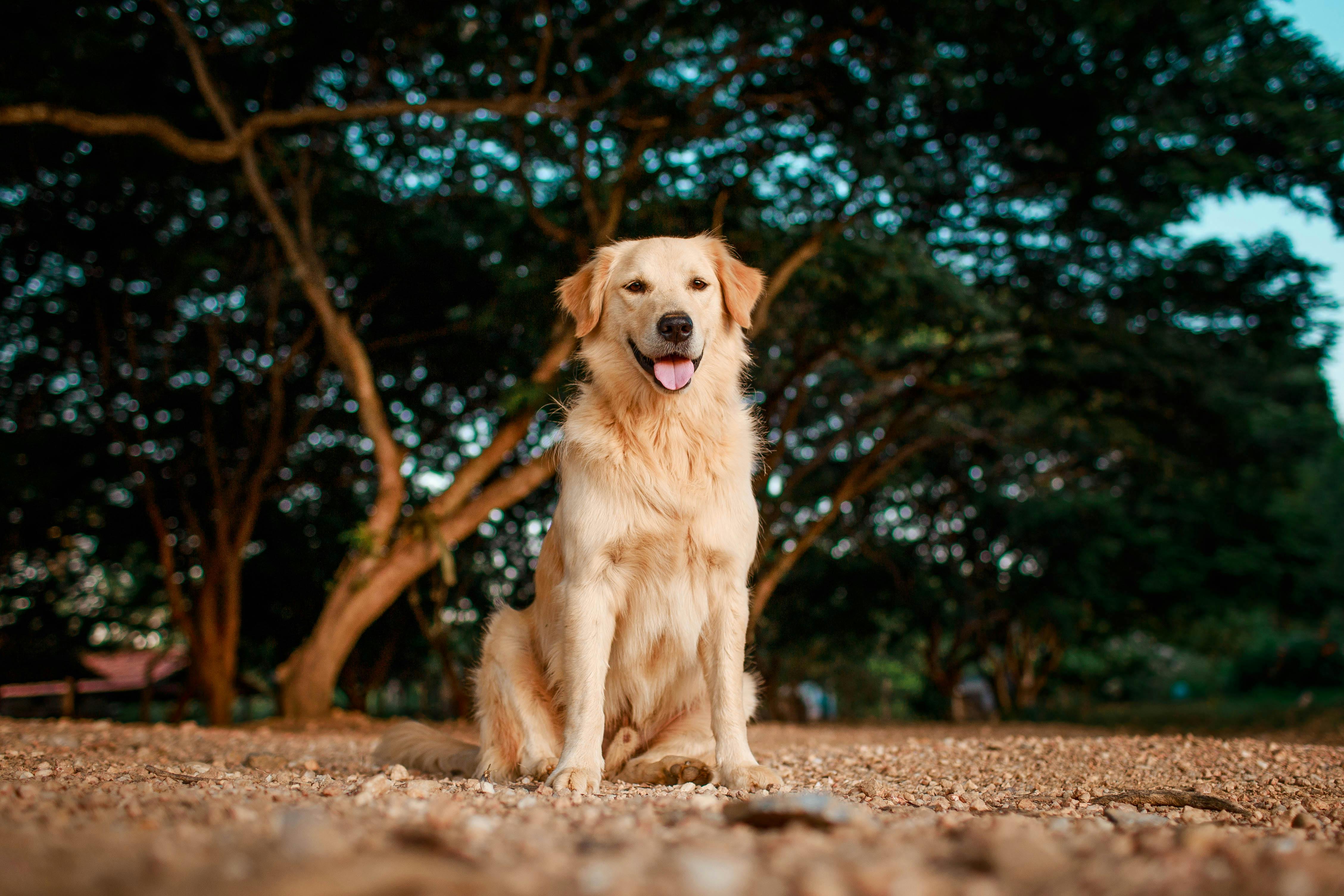
When we think of dogs, their wagging tails and playful barks often come to mind. But one thing that stands out, yet confuses many dog lovers, is their noses. Have you ever wondered why do dogs have wet noses? Or maybe you’ve heard the myth that a dry nose indicates a sick dog? This article explores the truth behind these common beliefs and dives into the fascinating purpose of a dog’s moist nose.
The Purpose of Wet Noses
Dogs have wet noses for several reasons, and it’s not just for show. Here’s some of the main reasons why dog noses are typically wet:
Scent Enhancement: A moist nose helps to capture scent particles from the air. This allows dogs to smell better because the moisture helps to dissolve the chemicals in the smells, making it easier for their sensitive noses to detect them.
Thermoregulation: Just like humans sweat, dogs cool down through their noses. The moisture on their noses evaporates, helping to regulate their body temperature.
Health Indicator: While a wet nose is generally a sign of good health, it isn’t the only indicator. A dog’s nose can change based on factors like activity level, the weather, or even time of day.
Myths About Dry Noses
Many people believe that a dry nose always means something is wrong with their pet. However, this is not entirely true. Here are some common myths debunked:
Myth 1: A Dry Nose Means Illness
Fact: While a persistently dry nose can indicate dehydration or illness, it doesn’t automatically mean your dog is sick. Dogs’ noses can be dry for many reasons, including sleeping or being in a warm environment.Myth 2: All Dogs Have Wet Noses
Fact: Some breeds, like bulldogs and pugs, naturally have drier noses due to their unique anatomy. This doesn’t mean they are unhealthy.Myth 3: A Wet Nose Equals a Happy Dog
Fact: A wet nose can indicate excitement or activity, but it’s not the sole measure of a dog’s happiness. Other behaviors, like tail wagging and playfulness, matter more.
When to Worry About Your Dog’s Nose
So when should you actually be concerned about your dog’s nose? Here are some signs to look out for:
Persistent Dryness: If your dog’s nose stays dry for an extended time, it can be a sign of dehydration or a health issue. Always consult your vet if you notice this.
Cracking or Peeling: A dry, cracked nose can lead to infections. If it appears to be sore or painful, it’s time to see a professional.
Change in Color: If your dog’s nose changes color from its usual shade, especially if it becomes red or inflamed, it could indicate an underlying issue.
Practical Tips for Dog Owners
Taking care of your dog’s nose is important. Here are some practical tips:
Hydration: Make sure your dog has constant access to fresh water. Dehydration is a common cause of dry noses.
Regular Vet Visits: Regular check-ups will help catch any health issues before they become serious.
Moisturize When Necessary: If your dog has a dry nose, a vet-recommended moisturizer can help keep it healthy.
Observe Behavior: Pay attention to changes in behavior, appetite, and energy levels. These can be more telling than a nose’s wetness.
Fascinating Facts About Dog Noses
Here’s some more interesting tidbits about dog noses that might surprise you:
Dogs have up to 300 million scent receptors in their noses compared to humans, who have about 6 million. This makes them excellent detectors of scents.
The texture of a dog’s nose is unique, similar to a human fingerprint. It can actually be used to identify individual dogs.
A dog’s sense of smell is so powerful it can detect certain diseases in humans, including cancer and diabetes, simply by sniffing a person.
As you can see, the wetness of a dog’s nose serves many purposes and is an essential aspect of their biology. While it can be a useful indicator of health, it’s not the definitive measure. Understanding these facts can help dog owners be more informed and attentive to their furry friends. So, next time you wonder why do dogs have wet noses, just remember the science behind it, and don’t stress too much over the dryness!
How Weather Affects Your Dog’s Nose: Wet vs. Dry Conditions
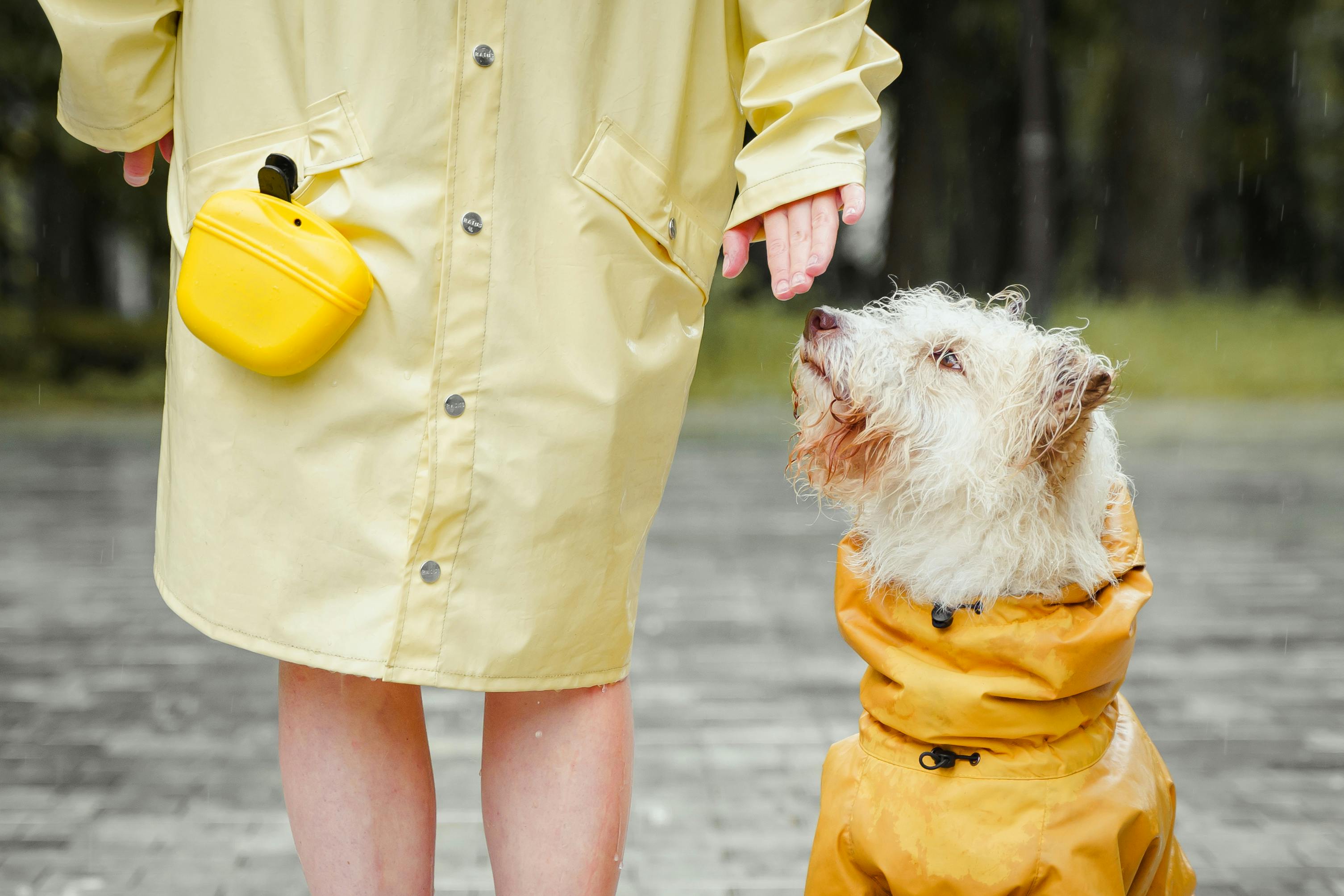
Weather plays a significant role in many aspects of our lives, including how our furry friends, dogs, experience the world. Ever wonder how wet and dry conditions affect your dog’s nose? Or why do dogs have wet noses in the first place? Understanding these topics can provide insight into your pet’s health and behavior.
The Fascinating Purpose of Wet Noses
Dogs are known for their distinctively wet noses, which serve several purposes. But why are they wet? One reason is that a wet nose helps to enhance their sense of smell. The moisture captures scent particles in the air, making it easier for dogs to detect and identify smells.
Here’s some interesting facts about dog noses:
- Dogs have up to 300 million scent receptors in their noses, compared to a human’s 5 million.
- The surface of a dog’s nose is covered in a thin layer of mucus that helps absorb scent.
- Dogs can distinguish between different smells, which is why they are often used in search and rescue operations.
But wet noses aren’t just about smelling. They also play a role in regulating a dog’s body temperature. When a dog pants, moisture evaporates from their nose, helping to cool them down.
How Weather Affects Your Dog’s Nose
Different weather conditions can have a noticeable impact on your dog’s nose. For instance, during wet weather, like rain or high humidity, you might notice that your dog’s nose is even wetter than usual. This is normal and actually beneficial, as the moisture helps them pick up more scents.
On the other hand, in dry conditions, like a hot summer day or during winter when the air is dry, you might see your dog’s nose becoming dry and cracked. This can be uncomfortable for your dog, and in some cases, it can lead to health issues. Here’s how weather affects your dog’s nose in more detail:
Wet Conditions:
- Increased moisture levels
- Enhanced scent detection
- Less chance of nose dryness
Dry Conditions:
- Reduced moisture levels
- Increased risk of nose cracking or dryness
- Potential for discomfort or irritation
Signs of a Healthy Dog Nose
A healthy dog nose should be moist and cool to the touch. Here are some signs that suggest your dog’s nose is in good shape:
- The nose is consistently wet, not dry or cracked.
- The color of the nose is consistent with your dog’s breed.
- There are no sores, bumps, or unusual discharge.
If you notice any significant changes in your dog’s nose, like excessive dryness or bleeding, it’s best to consult a veterinarian.
What Can You Do to Keep Your Dog’s Nose Healthy?
Here are some practical tips to keep your dog’s nose healthy, irrespective of the weather conditions:
- Hydration is Key: Ensure your dog has access to fresh water at all times. Proper hydration helps maintain moisture levels in the nose.
- Limit Sun Exposure: During hot and sunny days, keep your dog in shaded areas. You can also use dog-friendly sunscreen on their nose to protect it from sunburn.
- Use Humidifiers: If you live in a dry climate, using a humidifier indoors can help maintain moisture levels in the air, benefiting your dog’s nose.
- Regular Vet Check-ups: Routine vet visits can help monitor your dog’s overall health, including their nose.
Fun Fact About Dog Noses
Did you know that a dog’s nose print is unique, much like a human fingerprint? Each dog has a distinct nose print pattern that could be used for identification. This is one of the many fascinating aspects of our canine companions.
The Bottom Line
Understanding the reasons behind your dog’s wet nose and how weather affects it is important for their overall well-being. A wet nose is not just a cute feature; it serves essential functions in smell and temperature regulation. By keeping an eye on your dog’s nose and adapting to different weather conditions, you can help ensure that they stay happy and healthy. Remember to always consult with a vet if you have concerns about your furry friend’s health. Keeping them comfortable in both wet and dry conditions is key to their happiness.
Can a Dog’s Nose Predict Illness? What You Need to Know

Can a dog’s nose predict illness? This question has been buzzing around pet owners and scientists alike. It’s fascinating how these furry companions, with their powerful sense of smell, can sometimes alert us to health issues before we even realize something is wrong. But how does it actually works? Let’s explore this intriguing topic, and while we’re at it, we’ll dive into why dogs have wet noses and what that means for their health and behavior.
The Science Behind a Dog’s Nose
Dogs have an incredible sense of smell, estimated to be anywhere from 10,000 to 100,000 times more sensitive than humans. This means they can detect certain odors at incredibly low concentrations. Here’s some interesting facts about their sniffing capabilities:
- Olfactory Receptors: Dogs have about 300 million olfactory receptors in their noses, compared to a human’s 5 million.
- Brain Power: A dog’s brain devotes around 40% of its total sensory space to processing smells, while humans only use about 5%.
- Scent Discrimination: Dogs can differentiate between a wide variety of scents, which helps them in tracking and detecting diseases.
Can Dogs Detect Illness?
So can a dog’s nose really predict illness? Studies suggest that yes, dogs can detect certain diseases, including cancer and diabetes. They do this by sniffing out specific compounds that are released in a person’s breath, urine, or skin. Here’s what’s known:
- Cancer Detection: Research shows that some dogs can be trained to detect cancer by smelling breath or urine samples. They can identify specific volatile organic compounds (VOCs) that are emitted by malignant cells.
- Diabetes Alerts: Dogs can sense when a diabetic person’s blood sugar levels drop or spike. They may alert their owners by nudging them or acting anxious.
The Fascinating Purpose of Wet Noses
Now, let’s talk about why dogs have wet noses. Many people wonder if it’s just something cute or if there’s a scientific reason behind it. The truth is, wet noses serve several important purposes:
- Enhanced Smell: A wet nose helps dogs absorb scent molecules better. The moisture on their noses captures and holds scents, making it easier for them to smell.
- Temperature Regulation: Dogs do not sweat like humans. Their wet noses help cool them down, especially on hot days. It’s part of their natural way of thermoregulation.
- Health Indicator: A dog’s nose can indicate health status. A healthy dog usually has a moist and cool nose. If it’s dry or excessively warm, it might be a sign of illness.
Common Misconceptions About Dog Noses
People often have a few myths about dog noses. Let’s clear some of them up:
- A Cold Nose Means a Healthy Dog: While a cool, wet nose is often a sign of health, it’s not a definitive indicator. Other factors can affect nose temperature.
- All Dogs Have the Same Nose Temperature: Just like humans, dog’s nose temperatures can vary based on activity, environment, and health status.
- Dogs Always Have Wet Noses: Some breeds or individual dogs may have drier noses naturally due to their genetics or health issues.
What You Need to Know
If you’re a dog owner, it’s important to keep an eye on your pet’s nose and overall health. Here are some tips:
- Regular Check-Ups: Schedule regular vet visits to ensure your dog is healthy and to catch any potential issues early.
- Observe Behavior: If your dog starts acting differently—like being less active or losing interest in food—take notice. A dog’s behavior often reflects their health.
- Training for Detection: If you’re interested in potentially training your dog to detect certain illnesses, research professional trainers or organizations that specialize in this.
Final Thoughts
In conclusion, the capabilities of a dog’s nose are truly remarkable. From detecting illnesses to serving essential functions in their daily lives, these wet noses are more than just cute features. They are powerful tools that can alert us to underlying health issues and help keep our furry friends safe and healthy. Whether you’re a dog owner or simply a dog lover, understanding these fascinating aspects of their biology can deepen your appreciation for these loyal companions. So, next time you give your dog a scratch behind the ears, take a moment to think about all the incredible things they can do with that remarkable nose!
What Your Dog’s Wet Nose Says About Their Emotions

Dogs are often called “man’s best friend,” and their wet noses are one of the many things that make them so endearing. But have you ever wondered what your dog’s wet nose says about their emotions? Or why do dogs have wet noses in the first place? This article will delve into the fascinating purpose of your dog’s nose and how it relates to their feelings and well-being.
Why Do Dogs Have Wet Noses?
Dogs have wet noses mainly due to a few reasons that are not just about keeping cool. A dog’s nose is usually moist because it produces mucus, which serves several important functions:
Temperature Regulation: Dogs don’t sweat like humans do. Instead, they rely on their noses to help regulate their body temperature. A wet nose can help cool them down.
Enhanced Sense of Smell: The moisture on a dog’s nose helps to trap scent particles in the air, which improves their sense of smell. This is why dogs are excellent at tracking and sniffing out things.
Health Indicator: Just like humans can tell if someone is sick by their temperature, a dog’s nose can also indicate their health. A dry nose may not always mean illness, but it can be a sign to watch for.
The Connection Between Wet Noses and Emotions
Your dog’s wet nose is not just a physical characteristic; it can also reflect how they feel. Dogs use their noses as a way to interact with the world, and their emotional state can be communicated through this feature.
Here are some emotions that can be indicated by a dog’s wet nose:
Excitement: When a dog is happy or excited, their nose may feel extra moist. This can happen during playtime or when you come home after being away.
Nervousness: Dogs can get a bit anxious, and during these times, their noses may become drier. If your pup is feeling stressed, it’s good to pay attention to their overall body language too.
Affection: A wet nose can often be a sign of affection. When your dog nudges you with their nose, it’s a way of saying “I love you” or “I want to be near you.”
Interesting Facts About Dogs’ Noses
Unique Patterns: Just like human fingerprints, every dog has a unique nose print. This means that you could identify your dog just by looking at their nose!
Dogs Can Smell Diseases: Research shows that dogs can be trained to detect certain diseases, including cancer and diabetes, through their powerful sense of smell.
Nose Size Doesn’t Matter: A dog’s ability to smell doesn’t depend on the size of their nose. Even small breeds have an incredible sense of smell.
More Than Just Wet: The texture of a dog’s nose can also vary. Some dogs have a bumpy texture, while others have a smoother nose. Both are normal!
How to Keep Your Dog’s Nose Healthy
Taking care of your dog’s nose is essential for their overall health. Here are some tips to help you ensure your dog’s nose stays in top condition:
Hydration: Ensure your dog is drinking enough water. A well-hydrated dog usually has a healthy, moist nose.
Check for Cracks: Regularly examine your dog’s nose for any signs of cracks, dryness, or unusual color changes. If you notice anything out of the ordinary, consult a veterinarian.
Avoid Irritants: Be mindful of what your dog is exposed to. Things like harsh chemicals, extreme weather, or allergens can affect their nose.
Regular Vet Checkups: Just like you would for any other part of their health, regular vet visits can help catch any potential issues early.
Dogs’ Noses Across Breeds
Different dog breeds can have varying nose characteristics, which can influence their emotional expression. For example:
Short-Nosed Breeds (Brachycephalic): These dogs, like Bulldogs and Pugs, might not have as much moisture on their noses due to their facial structure, which can affect how they cool down.
Long-Nosed Breeds: Dogs such as Greyhounds or Collies usually have longer noses that can enhance their sense of smell, which might make them more responsive to scents in their environment, reflecting their mood.
So, next time you see your dog with a wet nose, remember that it’s not just a cute feature. It’s a window into their emotions and a crucial part of their health. Understanding the significance of that wet nose can help you bond more deeply with your furry friend and ensure their well-being. Embrace those wet nose nudges; they say a lot about what your dog is feeling!
The Evolutionary Purpose of Wet Noses in Dogs: A Closer Look

Dogs have long been our loyal companions, and one of the most endearing features they possess is their wet noses. But have you ever wondered why do dogs have wet noses? The evolutionary purpose of this unique trait is both fascinating and practical. This article dives into the various reasons behind those moist snouts, exploring their importance for canine health and communication.
The Science Behind Wet Noses
Wet noses in dogs serve several crucial functions. To start with, a dog’s nose is not only a sense organ but also plays a role in thermoregulation and hydration. Here’s how it works:
- Enhanced Smelling Ability: Dogs have an impressive sense of smell, far superior to that of humans. Their wet noses help to capture scent particles. When moisture collects on the nose, it allows the scent molecules to stick, making it easier for dogs to detect and interpret smells.
- Cooling Mechanism: Dogs do not sweat like humans. Instead, they cool themselves primarily through panting, but their wet noses also help regulate body temperature. The moisture evaporating from their noses aids in dissipating heat.
- Health Indicators: A wet nose can indicate a dog’s health status. Generally, a healthy dog’s nose will feel cool and moist, while a dry or warm nose might suggest illness or dehydration. This is not a foolproof measure, but it can be a useful indicator for pet owners.
Historical Context of Dog Noses
The evolution of dogs is deeply intertwined with their noses. Canines descended from wolves, which relied heavily on their sense of smell for hunting and survival. Over thousands of years, domestication shaped dogs into the companions we know today, but their noses remained adapted for their predatory ancestors.
Some interesting historical facts about dog noses include:
- Ancient Egyptians revered dogs for their keen senses and often depicted them in art.
- In medieval times, dogs were trained to track scents, leading to the development of various breeds specialized in scent detection.
- Modern breeds, such as Bloodhounds and Beagles, have been bred specifically for their remarkable olfactory abilities.
The Fascinating Purpose of Wet Noses
Now, let’s explore some of the specific purposes behind those wet noses.
Scent Detection: As mentioned earlier, the moist surface of a dog’s nose captures odors. This ability allows dogs to perform various roles in society, from search and rescue to detection of drugs and explosives.
Communication: Dogs communicate with each other through scent. A wet nose can pick up pheromones and other chemical signals that convey information about other dogs’ health, mood, and reproductive status.
Emotional Connection: Dogs often use their noses to interact with humans. When a dog nudges you with its wet nose, it could be a sign of affection or a request for attention.
Exploration: Dogs are naturally curious animals, and their noses are their primary tools for exploring the world around them. This sniffing behavior allows them to gather information about their environment.
Practical Examples and Comparisons
To understand the significance of wet noses better, let’s consider how they compare to human noses.
- Sensitivity: A dog’s sense of smell is estimated to be 10,000 to 100,000 times more sensitive than that of humans. This makes their wet noses vital for detecting scents that are imperceptible to us.
- Functionality: While humans have a relatively flat nose structure, dog noses are designed to enhance airflow and moisture retention.
Fun Facts About Dog Noses
Here are some fun and quirky facts about dog noses that might surprise you:
- Every dog nose has a unique pattern, just like human fingerprints!
- Dogs can smell certain diseases, like cancer and diabetes, due to their extraordinary olfactory abilities.
- The temperature of a dog’s nose can fluctuate throughout the day, influenced by activity and environmental factors.
The Role of Wet Noses in Dog Breeds
Different breeds exhibit varying characteristics in their noses. For example:
- Bloodhounds: Known for their incredible tracking ability, they have long, droopy noses that trap more scent particles.
- Bulldogs: They have shorter noses, which can sometimes limit their sense of smell compared to breeds with longer snouts.
Understanding why do dogs have wet noses not only enhances our appreciation for these amazing animals but also highlights the intricate ways they interact with their world. As we continue to learn about our furry friends, it’s clear that their wet noses are not just cute but serve critical evolutionary purposes. So, the next time you feel that familiar nudge of a wet nose, remember the fascinating biology and history behind it.
How to Keep Your Dog’s Nose Healthy and Moist: Expert Tips

When you think about dogs, their wet noses probably comes to mind first. It’s like a signature feature of our furry friends, right? But have you ever wondered why do dogs have wet noses and how to keep that nose healthy and moist? Understanding this can help you care for your pup better.
Why Do Dogs Have Wet Noses?
Dogs have wet noses for a variety of reasons. First off, it helps them with their sense of smell. A wet nose can pick up scents more effectively, which is crucial for a dog’s ability to explore the world. In fact, a dog’s sense of smell is estimated to be between 10,000 to 100,000 times more sensitive than a human’s! Here’s a quick breakdown:
- Cooling Mechanism: Dogs don’t sweat like humans, their primary way to regulate temperature is through panting and the moisture on their noses.
- Scent Detection: A moist nose helps trap scent particles, which enhances their olfactory capabilities.
- Health Indicator: A dog’s nose can indicate its health status. A dry, cracked nose might suggest dehydration or illness, while a healthy nose is usually moist and cool.
How to Keep Your Dog’s Nose Healthy and Moist
Maintaining your dog’s nose health isn’t just important for its comfort; it also reflects its overall wellbeing. Here are some expert tips on keeping that nose in tip-top shape:
Hydration: Just like humans, dogs need plenty of water. Make sure your pup has access to fresh, clean water at all times. A well-hydrated dog is more likely to have a moist nose.
Humid Environment: If you live in a dry climate or during winter months, consider using a humidifier. This can help keep the air moist, which can help your dog’s nose.
Nose Balms: There are specific balms designed for dog noses. These can help to soothe and hydrate a dry or cracked nose.
Regular Vet Check-ups: Routine visits to the vet can help spot potential health issues before they become serious. If you notice any significant changes in your dog’s nose, like unusual color or excessive dryness, it’s best to consult a veterinarian.
Balanced Diet: A healthy diet contributes to overall health, including skin and nose health. Ensure your dog is eating high-quality food that includes essential fatty acids.
Limit Sun Exposure: Dogs can get sunburned, especially those with lighter-colored noses. If your dog spends a lot of time outside, consider using dog-safe sunscreen.
Common Issues with Dog Noses
Just like humans, dogs can face a variety of nose problems. Here’s a list of common nose issues:
- Dryness and Cracking: This can occur due to dehydration, allergies, or environmental factors.
- Nasal Infections: Bacterial or fungal infections can lead to excessive discharge or changes in color.
- Nasal Tumors: Though rare, older dogs can develop tumors in the nasal passages, which may cause difficulty breathing or nosebleeds.
What to Look Out For
If you notice any of these symptoms, it could indicate a problem:
- Persistent dryness or cracking.
- Unusual discharge (green or yellow).
- Bleeding or swelling.
- Changes in color (like a very dark or very pale nose).
Fun Facts About Dog Noses
Here are some interesting facts about dog noses you might not know:
- Unique Patterns: Just like human fingerprints, every dog has a unique nose print that can be used to identify them.
- Temperature Sensing: Dogs can actually sense temperature changes with their noses, which can alert them to potential dangers.
- Scent Memory: Dogs can remember scents for years! This is why they recognize familiar people or places just by smell.
Keeping your dog’s nose healthy and moist is easier than you might think. With proper hydration, a balanced diet, and regular vet visits, you can enhance your pet’s quality of life. Not to mention, understanding why dogs have wet noses adds a layer of appreciation for these loyal companions. So, the next time you give your dog a pat and feel that cool, moist nose, you’ll know just how important it is for their health and happiness!
Conclusion
In conclusion, the wet noses of dogs serve several vital functions that contribute to their overall health and well-being. A dog’s moist nose helps enhance their sense of smell, as the damp surface captures scent particles more effectively. Additionally, the moisture aids in regulating their body temperature through evaporation, acting as a natural cooling mechanism. While a wet nose is often seen as a sign of a healthy dog, it’s essential to observe any changes in moisture levels, as they can indicate potential health issues. Ultimately, understanding the reasons behind this unique trait can deepen the bond between you and your furry friend. So next time you greet your dog with a friendly pat, take a moment to appreciate the science behind that delightful wet nose. Share your newfound knowledge with fellow dog lovers and encourage them to observe their pets’ noses too!
