
Ever wonder why do dogs have wet noses? This curious characteristic is more than just an adorable trait—it’s a fascinating aspect of canine biology that deserves exploration! The science behind dog noses is truly intriguing, as their unique moisture plays a vital role in their health and sensory perception. But what does a wet nose mean for your furry friend? Could it be a sign of their emotions or health? In this blog post, we will uncover the truth behind dogs’ wet noses and why they matter. You might be surprised to learn that a wet nose can enhance a dog’s sense of smell, helping them to interact with the world around them more effectively. Additionally, we’ll delve into the reasons behind variations in nose moisture and how it can indicate your pet’s well-being. So, if you’ve ever asked yourself, “What does a wet nose indicate in dogs?” or “Do all dogs have wet noses?”, you’re in the right place! Join us on this journey to discover the mysteries of your pup’s most charming feature—let’s dive in and explore why wet noses are essential for dogs!
The Science Behind Wet Noses: Why Are Dogs’ Noses Moist?

Dogs are often described as man’s best friend, and their unique characteristics make them fascinating companions. One of the most noticeable features of dogs is their wet noses. You might wonder, why do dogs have wet noses? The truth is, there’s a scientific reason behind it, and understanding this can deepen the bond you have with your furry friend.
The Science Behind Wet Noses
Dogs’ noses are moist for several reasons, and it all comes down to biology and evolution. A wet nose is not just a cute feature; it serves important functions. Here are a few reasons why dogs have wet noses:
Enhanced Sense of Smell: Dogs are known for their incredible olfactory abilities. A wet nose helps to capture scent particles from the air, which enhances their sense of smell. The moisture allows these scent particles to stick better, making it easier for dogs to detect various odors.
Temperature Regulation: Dogs don’t sweat like humans do. Instead, they cool down through panting and by having moisture on their noses. The wetness helps to dissipate heat, allowing dogs to maintain a comfortable body temperature, especially during hot weather.
Health Indicator: A dog’s nose can also be a health indicator. A wet nose is typically a sign of a healthy dog, while a dry or cracked nose may suggest dehydration, illness, or an underlying health issue.
Historical Context of Dogs’ Noses
Historically, dogs were bred for various roles, from hunting to herding, and their noses evolved accordingly. For example, bloodhounds have extremely wet noses that enhance their scent-tracking capabilities, which make them excellent search and rescue dogs. The importance of a wet nose has been recognized for centuries, contributing to the development of specific breeds with enhanced olfactory functions.
Interesting Facts About Dogs’ Noses
Unique Nose Prints: Just like human fingerprints, each dog’s nose print is unique. This can be used for identification purposes in some cases.
Temperature Sensitivity: Dogs’ noses can detect temperature changes better than humans. They can sense slight variations in temperature, which can alert them to potential dangers or changes in their environment.
Moisture Production: The moisture on a dog’s nose comes from glands located in their nasal passages. These glands produce mucus that keeps the nose wet, and it constantly replenishes itself.
Comparison: Dogs vs. Other Animals
Dogs aren’t the only animals with wet noses. Other animals, like cats and some wild animals, also have moist noses. However, the reasons can differ:
| Animal | Purpose of Wet Nose |
|---|---|
| Dogs | Enhanced smell, temperature regulation |
| Cats | Scent detection, communication |
| Bears | Tracking scents in their environment |
| Pigs | Scent hunting, foraging for food |
As we see, while many animals have moist noses, the purpose varies depending on their ecological needs.
Practical Examples of Nose Functionality
Tracking: Dogs are often used in search and rescue operations. Their wet noses allow them to track scents over long distances, which is critical in finding lost individuals or detecting drugs.
Therapeutic Uses: Some service dogs are trained to detect medical conditions, such as low blood sugar or seizures, thanks to their acute sense of smell facilitated by their wet noses.
Behavioral Indicators: A dog’s nose can also reflect their mood or health. For instance, a wet, cool nose often indicates a happy and healthy dog, while a warm, dry nose might suggest illness or stress.
Understanding why dogs have wet noses can help pet owners pay attention to their dog’s health and behavior. The moisture on their snouts is not just a quirky trait; it’s a vital part of their biology that influences their interactions with the world around them.
The relationship between dogs and humans is enriched by the unique characteristics of our canine companions. By recognizing the fascinating truth about why dogs have wet noses, you can appreciate the science behind these beloved pets even more. Whether it’s for their incredible sense of smell or their ability to regulate temperature, the wet nose is just one of the many features that make dogs truly remarkable.
Top 5 Reasons Your Dog’s Nose Is Wet: What Every Owner Should Know
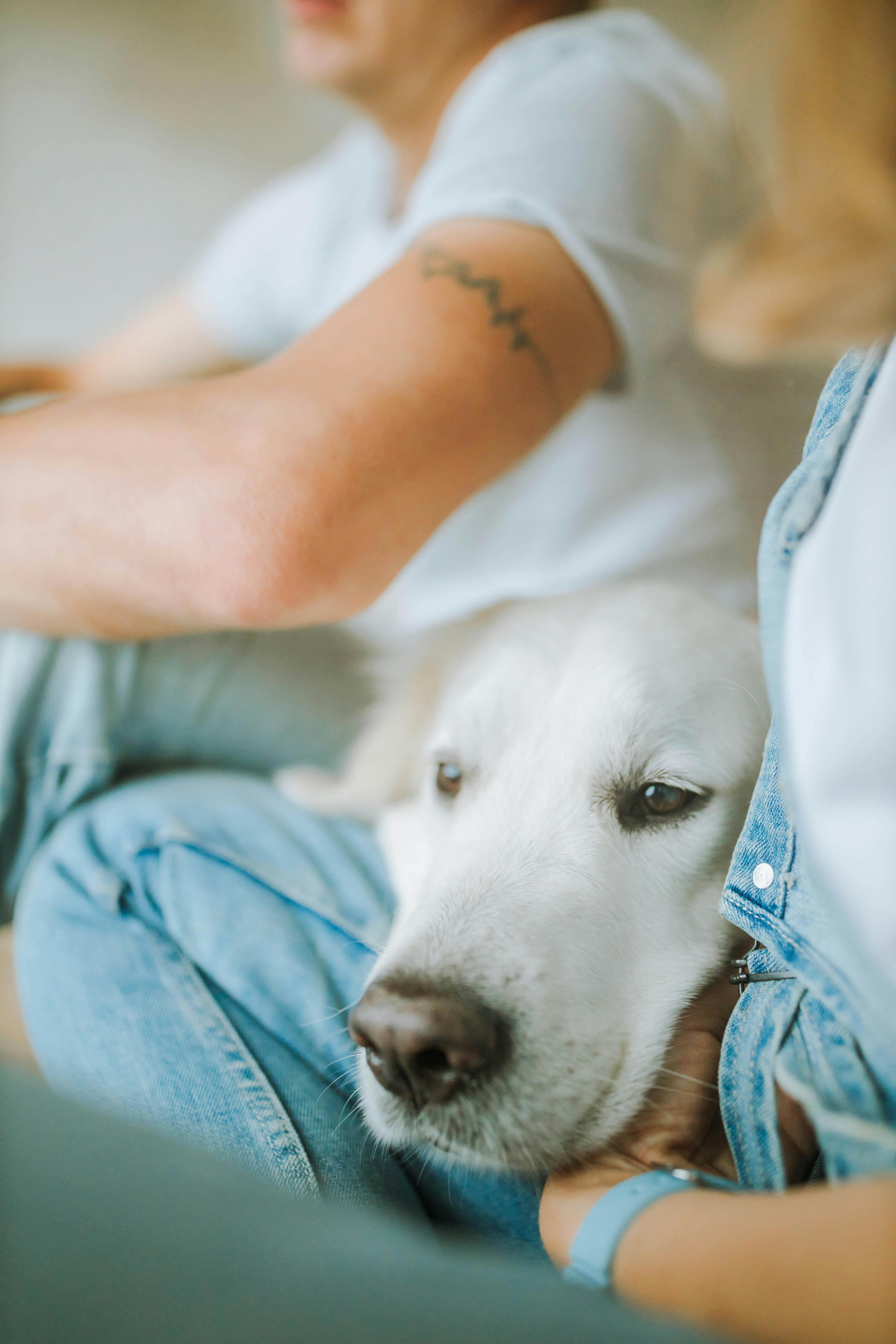
When you look at your furry friend, have you ever wondered why your dog’s nose is wet? It’s a common question among pet owners, and there’s actually a lot more to this phenomenon than meets the eye. A wet nose is something that most dog owners take for granted, but understanding the reasons behind it can help you in providing better care for your beloved companion. Let’s dive into the top five reasons why your dog’s nose might be wet.
1. Natural Cooling Mechanism
Dogs don’t sweat like humans do. Instead, they regulate their body temperature primarily through panting and their nose. The moisture on a dog’s nose evaporates, helping to cool them down. This is especially important in hot weather, when dogs can easily overheat. So, if you notice your dog’s nose getting a bit damp after a walk on a sunny day, it is likely just their way of keeping cool and comfortable.
2. Sensory Function
Did you know that a dog’s nose is a highly sensitive organ? The wetness helps enhance their sense of smell, which is crucial for many breeds that were developed for tracking and hunting. The moisture on their nose helps capture scent particles from the air, allowing for a better olfactory experience. This is why dogs can sniff out things that humans can only dream of! If your pooch is sniffing around with a wet nose, they are just doing what they were bred to do.
3. Health Indicators
While a wet nose is generally a sign of a healthy dog, changes in moisture levels can indicate health issues. A dry nose could suggest dehydration, fever, or other illnesses. Conversely, if your dog has excessive wetness or discharge, it could be a sign of allergies, infections, or other health problems. It’s important for every dog owner to monitor the condition of their dog’s nose, as it can provide clues about their overall health.
4. Licking Behavior
Dogs are natural lickers! They often lick their noses to keep them clean and moist. This behavior is instinctual and serves multiple purposes. When a dog licks its nose, it not only keeps it wet but also collects scent particles, enhancing their ability to smell. Plus, licking can be soothing, especially if they’ve been nervous or anxious. So, a wet nose might just be a sign of a happy, healthy, and curious dog!
5. Environmental Factors
The environment plays a huge role in the moisture of a dog’s nose. Humidity, temperature, and even the surfaces they touch can affect how wet or dry their nose feels. For instance, on a rainy day, your dog’s nose might feel particularly moist because of the humidity in the air. Conversely, in dry or windy conditions, it could feel drier than usual. Understanding these environmental factors can help you know what to expect when it comes to your dog’s nose.
Quick Tips for Dog Owners
- Monitor Nose Condition: Regularly check if your dog’s nose is wet or dry, and note any significant changes.
- Stay Hydrated: Ensure that your dog has access to fresh water at all times, especially in hot weather.
- Watch for Symptoms: If you notice unusual discharge or other changes, consult your veterinarian.
- Encourage Healthy Licking: Let your dog lick their nose, as it helps them stay clean and enhances their sense of smell.
- Environment Awareness: Be mindful of the weather and how it may impact your dog’s nose moisture.
Fun Facts About Dogs’ Noses
- Dogs have up to 300 million smell receptors in their noses compared to about 6 million in humans.
- The wetness of a dog’s nose can be a unique identifier, similar to human fingerprints.
- Dogs can detect certain diseases in humans, including cancer, using their incredible sense of smell.
Understanding why dogs have wet noses can help you appreciate your furry friend even more. It’s not just an adorable feature; it serves various important functions that contribute to their health and well-being. So the next time you feel that cool, damp nose against your hand, remember that there’s a fascinating truth behind it. Your dog’s nose is not just cute; it’s a vital part of what makes them the amazing companions we love.
The Fascinating Role of a Dog’s Nose: How Moisture Enhances Their Sense of Smell
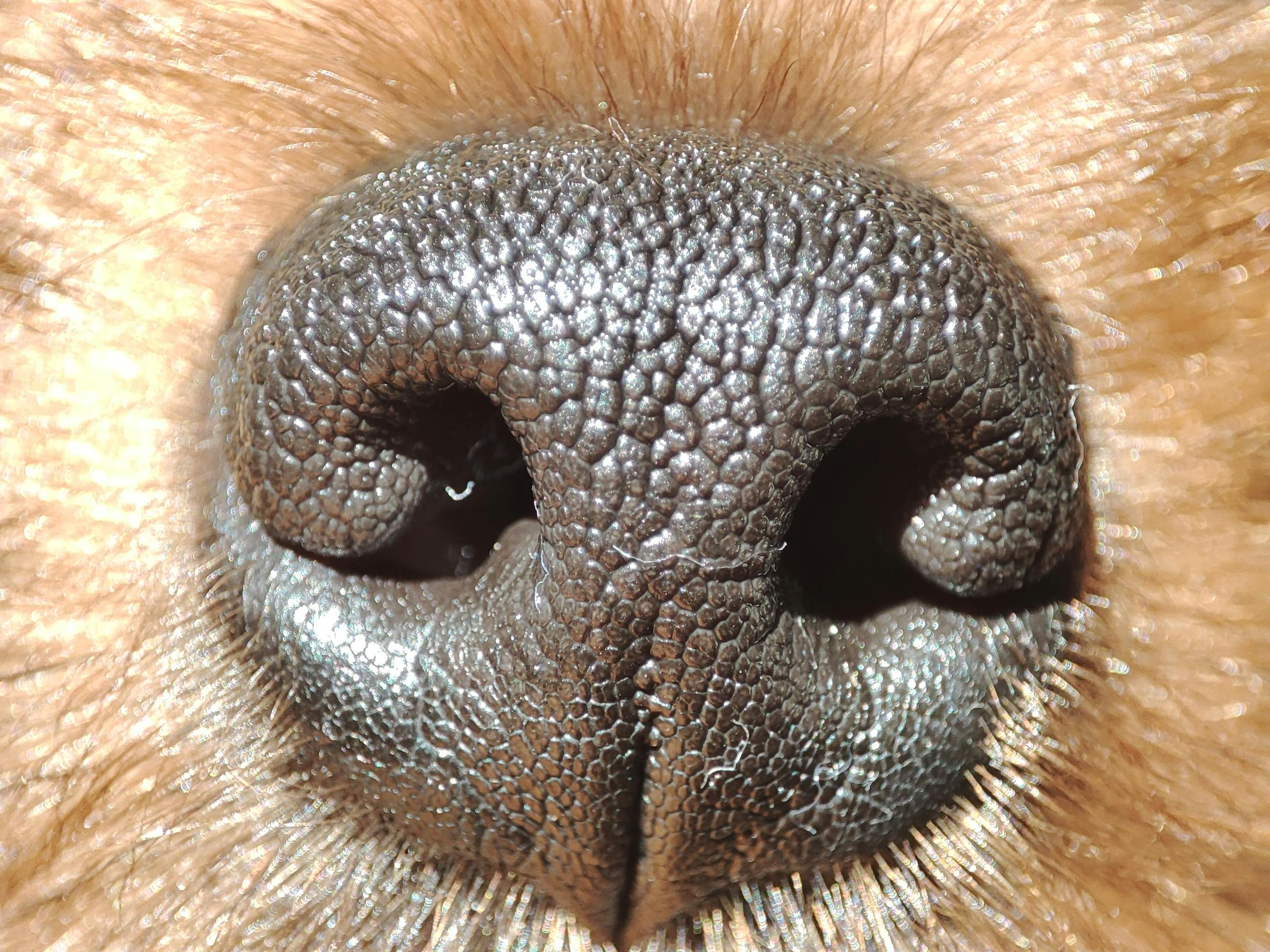
Dogs are often seen as man’s best friend, but have you ever wonder why their noses are always wet? The moisture on a dog’s nose not only looks cute but plays a fascinating role in their ability to smell. Let’s dive deep into the science behind this, exploring the question: why do dogs have wet noses? Uncovering this truth reveals a lot about how our furry companions interact with the world.
The Science of a Dog’s Nose
A dog’s sense of smell is incredibly powerful, estimated to be anywhere from 10,000 to 100,000 times more sensitive than humans. This incredible ability is largely due to the structure of their noses, which contains an elaborate network of olfactory receptors. These receptors detect different scents, allowing dogs to identify and differentiate a wide array of smells.
- Dogs have about 220 million olfactory receptors.
- Humans, in contrast, only have around 5 million.
- The part of the dog’s brain that processes smell is approximately 40 times larger than that of humans.
One of the key factors that enhance a dog’s sense of smell is the moisture on their noses. This moisture helps to trap scent particles in the air, allowing the olfactory receptors to pick them up more effectively. Also, you may notice that when a dog is sniffing something intensely, they often lick their nose. This behavior keeps the nose moist and enhances their smelling capabilities even further.
Why Moisture Matters
The wetness of a dog’s nose is not just for show; it serves several crucial purpose:
- Enhanced Scent Detection: Moisture helps capture scent particles more effectively.
- Temperature Regulation: Dogs can’t sweat like humans; their noses help cool them down.
- Health Indicator: A dry nose can sometimes indicate dehydration or illness.
A wet nose is often a sign of a healthy dog! But if you see your dog’s nose becoming excessively dry or cracked, it may be time to consult a vet.
The Evolutionary Perspective
Dogs are descendants of wolves, and their noses have evolved over thousands of years to assist in hunting and survival. A wet nose increases their chances of finding food and avoiding predators. Wolves rely on their sense of smell to track prey over long distances, and this trait has been passed down to domestic dogs.
- The ancestral need for hunting shaped their physical attributes, including their remarkable sense of smell.
- Various breeds have different nose shapes and sizes, which can affect their olfactory abilities. For instance, Bloodhounds have long noses that are especially adept at tracking scents.
Fun Facts About Dog Noses
Here are some interesting tidbits about dog noses that you might not have known:
- Unique Patterns: Just like human fingerprints, every dog’s nose has a unique pattern of ridges and creases.
- Nose Temperature: A dog’s nose is cooler than the rest of their body, which aids in scent detection.
- Color Changes: A dog’s nose color can change with the seasons or due to certain health conditions.
Comparing Dog Noses to Human Noses
When you think about it, the differences between dog noses and human noses are quite striking.
| Feature | Dog Nose | Human Nose |
|---|---|---|
| Olfactory Receptors | 220 million | 5 million |
| Smell Sensitivity | 10,000 to 100,000 times | Standard |
| Purpose of Moisture | Scent capture | Minimal impact |
| Temperature Regulation | Yes | Mostly not |
This table shows just how superior a dog’s sense of smell is compared to our own, emphasizing the evolutionary advantages that come with having a wet nose.
Practical Examples of Nose Use
Dogs use their noses for more than just sniffing out treats. Here’s a list of ways dogs utilize their incredible sense of smell:
- Tracking: Search and rescue dogs can find missing persons through scent trails.
- Detection: Some dogs are trained to detect drugs, explosives, or even medical conditions like cancer.
- Herding: Herding dogs use their noses to manage livestock, understanding the scents of different animals.
The Importance of Keeping Your Dog’s Nose Healthy
Ensuring that your dog’s nose stays healthy is crucial. Here are some tips to maintain that all-important moisture:
- Hydration: Always provide fresh water.
- Humidity: If you live in a dry climate, consider using a humidifier.
- Diet: A balanced diet can impact skin health, including the nose.
So next time your dog greets you with a wet nose, remember it’s more than just a friendly gesture. It’s a fascinating aspect of their biology, helping them navigate and interact with the world around them. Understanding the science and reasons behind why dogs have wet noses reveals just how special our canine companions truly are.
Is a Wet Nose Healthy? Debunking Myths About Dog Nose Moisture
Have you ever noticed your dog’s nose? It’s often wet and cool to the touch, right? Many people wonder about this peculiar characteristic. So, is a wet nose healthy? You might be surprised to learn that there are many myths surrounding this topic. Let’s delve deep into the fascinating truth behind why dogs have wet noses and what it really means for their health.
Why Do Dogs Have Wet Noses?
Dogs have wet noses primarily for a few reasons. Firstly, it helps them to smell better. Dogs have an incredible sense of smell—far superior to humans—and the moisture on their noses aids in picking up scent particles from the air. When the nose is wet, it can trap more scent molecules, enhancing their ability to detect odors. Isn’t that amazing?
Secondly, a wet nose also helps regulate a dog’s body temperature. Dogs don’t sweat like humans do. Instead, they rely on panting and a moist nose to cool down. The wetness on their nose helps to evaporate heat, which is crucial during hot weather.
The Myths Surrounding Wet Noses
There are many myths regarding the significance of a dog’s nose moisture. Let’s debunk some of these common misconceptions:
Myth 1: A Wet Nose Means a Healthy Dog
- While a moist nose can be a sign of good health, it isn’t a definitive indicator. Dogs can have dry noses due to various reasons like weather changes, allergies, or even dehydration.
Myth 2: A Dry Nose Means Your Dog is Sick
- This is not always true. Dogs can experience fluctuations in nose moisture. A dry nose can be normal, especially if they’re sleeping or it’s a particularly dry day.
Myth 3: Dogs Only Lick Their Noses for Taste
- Dogs lick their noses for multiple reasons. It helps keep their noses moist, aids in scent detection, and sometimes it’s just a self-soothing behavior.
Why Does Nose Moisture Change?
The moisture on a dog’s nose can change depending on several factors. Here’s a quick list:
Weather Conditions: Hot or dry weather can lead to a drier nose. Conversely, humidity can lead to a wetter nose.
Health Status: Illness can affect nose moisture; however, it’s just one of many symptoms to consider.
Activity Levels: After exercise, dogs might have a wetter nose due to increased panting and moisture.
Comparing Nose Moisture Across Breeds
Not all dogs have the same nose moisture levels. Here’s a simplified comparison of nose types across different breeds:
| Breed | Typical Nose Moisture |
|---|---|
| Labrador Retriever | Often wet |
| Bulldog | Can be dry |
| Greyhound | Usually moist |
| Dachshund | Can vary |
Some breeds are more prone to having a drier nose, while others are naturally more moist. It’s important to observe your dog’s normal condition so you can spot any changes.
Practical Tips for Monitoring Nose Health
Keeping an eye on your dog’s nose condition can help you detect possible health issues. Here are some practical tips:
Regular Checks: Observe your dog’s nose daily to identify any unusual changes.
Hydration: Ensure your dog has access to fresh water at all times. Dehydration can lead to a dry nose.
Consult Your Vet: If you notice significant changes in nose moisture, especially if it’s accompanied by other symptoms like lethargy or appetite changes, contact your veterinarian.
Seasonal Care: In cold weather, consider using a dog-safe moisturizer to prevent cracking or dryness.
Watch for Other Symptoms: A wet nose alone shouldn’t be the only measure of health. Monitor other behaviors and physical signs too.
The Bottom Line
So, is a wet nose healthy? It can be, but it’s not a guarantee of overall health. Dogs have wet noses for fascinating reasons related to their senses and body temperature regulation. Understanding the myths and facts surrounding this topic helps pet owners better care for their furry friends. Remember, every dog is unique, and keeping an eye on their nose and overall health is crucial. Embrace your dog’s quirks, and always stay informed for their wellbeing!
Do All Dogs Have Wet Noses? Exploring Variations Across Breeds
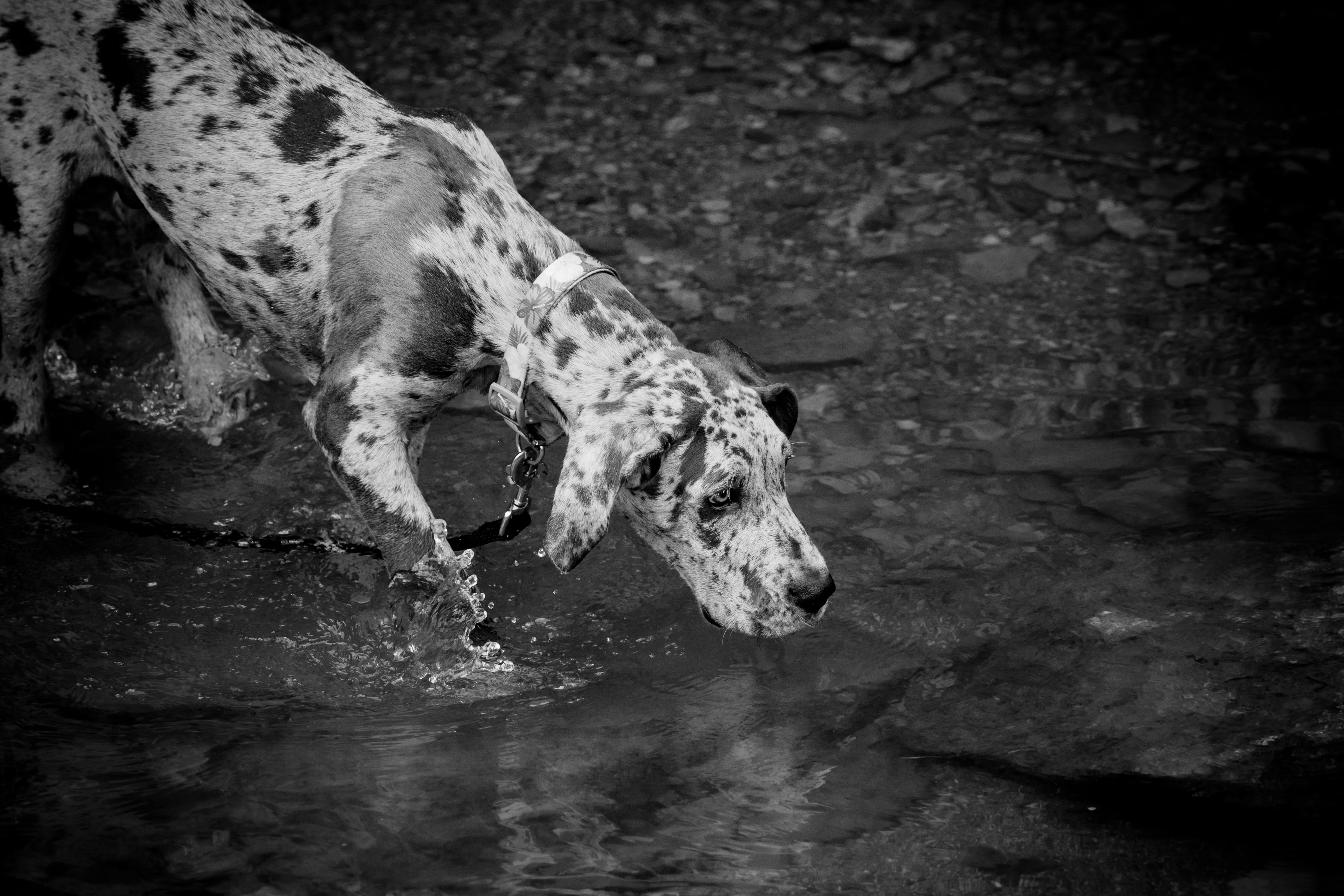
Dogs are often known for their playful nature and loyalty, but one characteristic that stands out is their wet noses. Many people wonder, do all dogs have wet noses? The answer is not as simple as it seems. Let’s explore variations across breeds and dive into why do dogs have wet noses? Uncovering this fascinating truth can tell us much about our furry friends.
Do All Dogs Have Wet Noses?
Not all dogs have wet noses, and this varies widely among different breeds. Some breeds are more likely to have moist noses than others. For example, breeds like the Labrador Retriever and the Beagle usually have a noticeable wet nose, while certain brachycephalic breeds, like Bulldogs or Pugs, might have drier noses due to their unique facial structure.
Here’s a simple breakdown of how nose moisture can vary across dog breeds:
Common Breeds with Wet Noses:
- Labrador Retrievers
- Golden Retrievers
- Beagles
- German Shepherds
Breeds Often Having Drier Noses:
- Bulldogs
- Pugs
- Boston Terriers
- Shih Tzus
There could be many factors influencin’ the wetness of a dog’s nose including genetics, environment, and health conditions. It’s important to note that a dry nose doesn’t always mean somethin’ is wrong.
Why Do Dogs Have Wet Noses?
Dogs have wet noses for a few reasons, and each of these reasons is quite interesting. Here’s a look into some key points:
Scent Enhancement: A wet nose helps dogs collect scent particles. The moisture on the surface traps scents better, which assist dogs in smelling things more accurately. This is crucial for their survival instincts and helps them navigate their environment.
Temperature Regulation: Dogs do not sweat like humans do. Wet noses may help dogs cool down. When a dog gets hot, the moisture evaporates, helping to lower their body temperature.
Health Indicator: A dog’s nose can often be a window into its health. A consistently dry or cracked nose might signal dehydration, fever, or other health issues. However, it’s important to consider other symptoms before jumping to conclusions.
The Science Behind the Nose Moisture
The moisture on a dog’s nose primarily comes from the secretion of mucous glands. These glands ensure that the nose stays moist, which is essential for both scent detection and temperature control. Here are some fascinating facts about dog noses:
- Nasal Mucus Production: Dogs produce nasal mucus that help in trapping particles and enhancing their sense of smell.
- Nasal Structure: The unique structure of a dog’s nasal cavity is designed to maximize the sense of smell, which is approximately 10,000 to 100,000 times more sensitive than humans.
- Variation in Moisture Levels: A dog’s nose can change throughout the day. It might be wetter after exercise or during warmer weather.
Common Myths About Dog Noses
There are many myths floating around about dog noses. Here are a few that need debunkin’:
Myth 1: A cold, wet nose means a dog is healthy.
- While wetness can indicate hydration, it’s not an absolute measure of health.
Myth 2: All dogs have the same nose moisture.
- As discussed, variation exists across breeds and even within individual dogs.
Myth 3: A dry nose means a dog is sick.
- Many factors can affect nose moisture, including environment, breed, and health.
Practical Examples of Nose Care
Taking care of your dog’s nose is essential. Here are some tips you can use:
- Hydration: Always ensure your dog has access to fresh water. Dehydration can lead to a dry nose.
- Check for Cracks: If you notice your dog’s nose is cracked or bleeding, it may need veterinary attention.
- Environmental Factors: Protect your dog’s nose from extreme weather conditions. Cold winters or hot summers can affect nose moisture.
In summary, while not all dogs have wet noses, the moisture is crucial in many aspects of their health and well-being. Understanding why do dogs have wet noses can deepen your appreciation for these beloved companions. Whether you’re a dog owner or just a fan of canines, knowing more about their unique features can make your interactions even more enjoyable.
The Connection Between Dog Emotions and Nose Moisture: What Experts Say
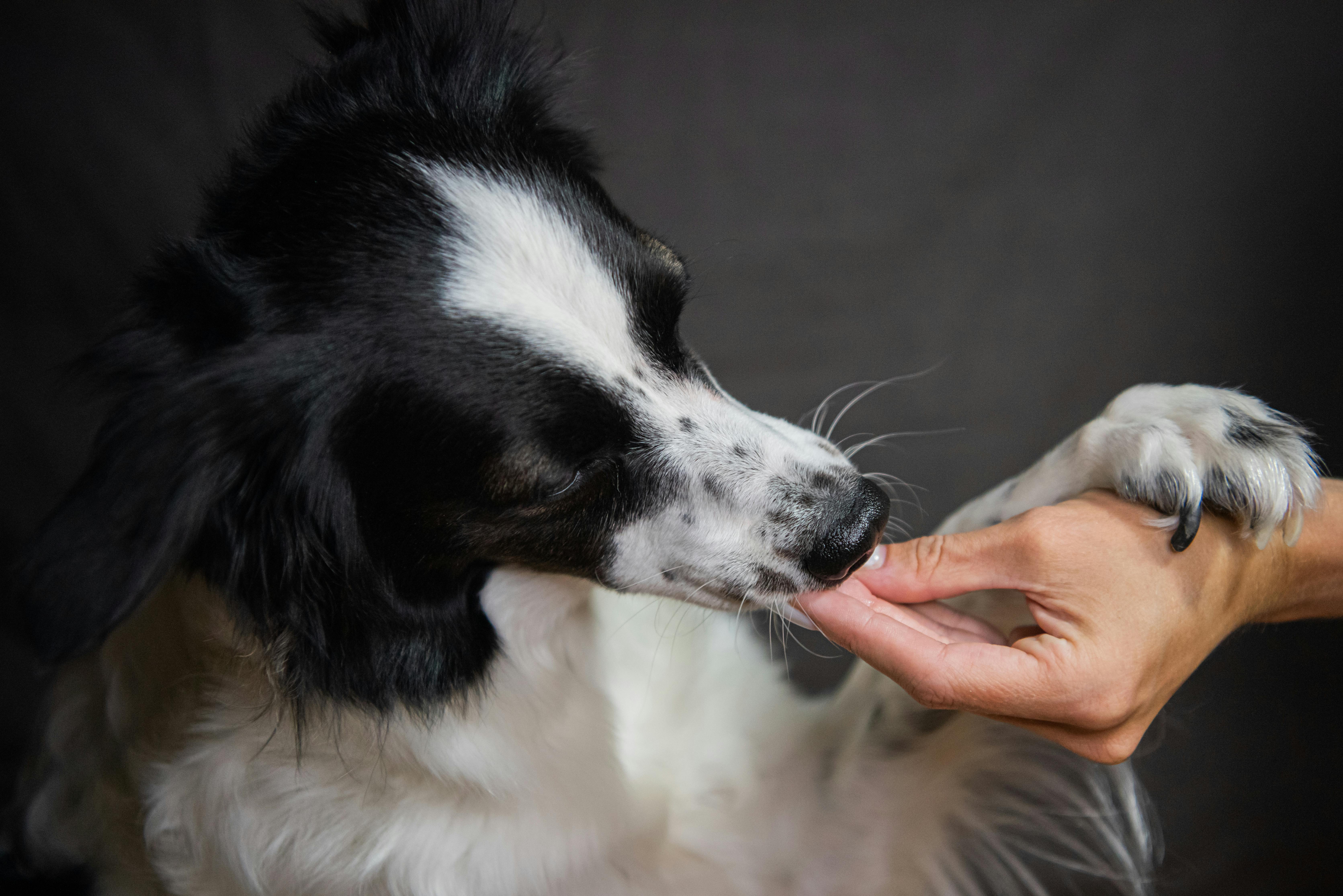
Have you ever wondered why dogs have wet noses? It’s a question that many dog owners may have pondered while petting their furry friends or watching them interact with the world. The connection between dog emotions and nose moisture is more complex than it seems. Experts in veterinary science and animal behavior share fascinating insights into this subject, explaining not only the physiological reasons behind a dog’s wet nose but also how it relates to their emotional state.
Why Do Dogs Have Wet Noses?
First off, let’s dive into the science behind those moist noses. A dog’s nose is typically wet due to a combination of factors, including:
- Nasal Secretions: Dogs naturally produce mucus that helps to trap scent particles, increasing their sense of smell. This is essential for their survival as scent is a primary way they perceive the world.
- Temperature Regulation: Dogs don’t sweat like humans. Instead, they rely on their noses to help regulate their body temperature. The moisture on their noses evaporates, which can help cool them down.
- Emotional Indicators: Believe it or not, the wetness of a dog’s nose can reflect its emotional state. For example, an excited or happy dog might have a wetter nose as they pant and produce more secretions.
The Fascinating Truth About Dog Emotions
So, how does nose moisture relate to a dog’s emotional well-being? Research suggests that dogs express their feelings through various physical cues, and their noses are no exception. A dog with a dry nose might be feeling unwell or stressed. In contrast, a wet nose can indicate a relaxed and happy pup.
Furthermore, some studies indicate that dogs can sense human emotions, and their noses play a significant role in this. The moisture on their noses can pick up on pheromones and other scent-based signals, allowing them to gauge how their human companions are feeling. This creates a deeper bond between dogs and their owners, as dogs can respond to emotional cues better than we often realize.
Historical Context of Dog Noses
Historically, dogs have been companions to humans for thousands of years. Ancient civilizations valued dogs for their hunting abilities, and their keen sense of smell was crucial in tracking down prey. This reliance on their sense of smell has shaped their evolution. As dogs became domesticated, they adapted to living alongside humans, and their noses remained wet, aiding them in their interactions.
- Ancient Egyptians used dogs in hunting and herding.
- The Romans bred dogs for specific traits, including incredible scent detection.
- Today, dogs are trained in various roles, from therapy animals to search-and-rescue dogs, demonstrating the importance of their noses.
Wet Nose vs. Dry Nose: What’s the Difference?
It’s important for dog owners to know the differences between wet and dry noses. Here’s a quick comparison:
| Feature | Wet Nose | Dry Nose |
|---|---|---|
| Temperature | Cool to the touch | Warmer than usual |
| Moisture Level | High moisture levels | Low moisture levels |
| Emotional State | Often indicates happiness | May indicate stress, illness |
Why Does Nose Moisture Matter?
Understanding why dogs have wet noses can contribute to their overall health and well-being. Here are a few practical reasons why nose moisture matters:
- Health Indicators: A change in moisture can signal health issues. If a dog’s nose becomes persistently dry, it could indicate dehydration or illness.
- Behavioral Insights: Observing the wetness of your dog’s nose can provide insights into their emotional state. A wet nose often means they are feeling good, while a dry nose might be a sign to check in on their health.
- Enhanced Scent Detection: The moisture on a dog’s nose helps improve their ability to smell, which is crucial for their interactions with the environment around them.
Practical Tips for Dog Owners
To maintain a healthy nose for your dog, consider these tips:
- Stay Hydrated: Ensure your dog has constant access to clean, fresh water to help keep their nose moist.
- Monitor Changes: Pay attention to any sudden changes in nose moisture, as this can be a sign of underlying health issues.
- Regular Vet Check-ups: Schedule regular veterinary visits to monitor your dog’s overall health, including nose health.
In essence, the connection between dog emotions and nose moisture is a fascinating aspect of canine biology. Understanding this link can deepen your relationship with your pet and help you recognize when they might be feeling unwell or happy. So the next time you notice your dog’s wet nose, remember that it’s more than just an adorable trait; it’s a window into their emotional world.
How Weather Affects Your Dog’s Nose: Understanding Seasonal Changes
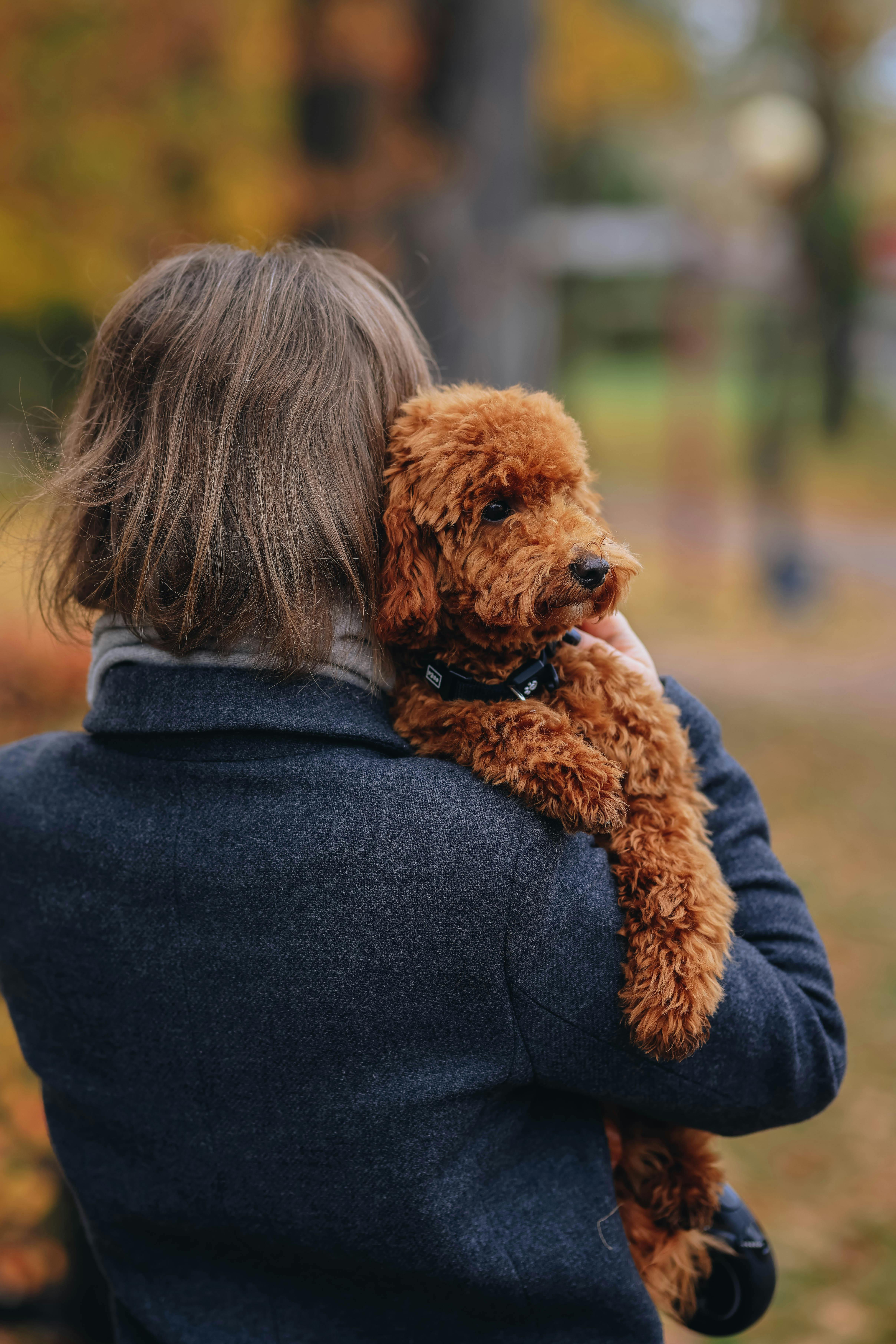
Have you ever wondered why your dog’s nose is often wet? Is it just a quirk of nature or does weather play a role in it? Many dog owners asks these questions, especially when they notice their furry friends’ noses change with the seasons. Understanding how weather affects your dog’s nose can be interesting, but also quite important for their health. So let’s dive into this fascinating topic!
The Basic Facts of a Dog’s Nose
First off, a dog’s nose is not just an adorable feature, it serves several important functions. The most common reason people often asks why dogs have wet noses is that the moisture helps them to smell better. Dogs have an incredibly powerful sense of smell, and a wet nose helps to capture scent particles in the air. When those particles stick to the moisture on their noses, it enhances their ability to detect different scents.
- Dogs have about 220 million scent receptors in their noses, compared to only about 5 million in humans.
- The wetness on a dog’s nose is usually due to secretion from the mucous glands and environmental factors.
The Role of Weather in Nose Condition
Now, let’s not forget how the weather impacts this feature. Different seasons bring different effects on your dog’s nose, which is really fascinating! For instance, during the warmer months, you might notice your dog’s nose is more moist and cooler. This is probably because dogs tend to pant more in the heat, and the body’s natural cooling system includes the nose.
On the other hand, in colder weather, you might notice that your dog’s nose can become dry and cracked. This is often due to the lack of humidity in the air. Cold weather can lead to dehydration, which then affects the moisture levels in your dog’s nose.
Seasonal Changes and Their Effects
Here’s a quick outline of how the seasons can change your dog’s nose condition:
- Spring: As temperatures rise, moisture levels increase. Dogs may have wetter noses due to more outdoor activity.
- Summer: Hot and humid weather can lead to a very wet nose. However, be cautious of overheating.
- Fall: The temperature starts to drop, and you might see some dryness but not as severe as winter.
- Winter: Cold, dry air can lead to cracked and dry noses, which can be uncomfortable.
Why Do Dogs Have Wet Noses?
So, why is a wet nose important? The science behind it is pretty straightforward. A wet nose helps dogs to:
- Detect scents more effectively.
- Cool down their body temperature.
- Maintain overall health by keeping the nasal passages moist.
Common Issues Related to Dry Noses
While a wet nose is generally a sign of a healthy dog, a dry nose can indicate potential health issues. If you notice persistent dryness or cracking, you might want to consult a vet. Here are some common issues associated with a dry nose:
- Dehydration: Can occur during hot weather or if the dog isn’t drinking enough water.
- Allergies: Seasonal allergies can lead to dryness and irritation.
- Infections: Fungal or bacterial infections may cause changes to the nose.
Practical Tips for Nose Care
Keeping your dog’s nose healthy is pretty simple. Here are some tips:
- Hydration: Ensure your dog is drinking enough water, especially in the hot months.
- Humidifiers: Using a humidifier in your home can help during dry winter months.
- Nose Balm: There are products available that can help moisturize dry noses.
- Vet Visits: Regular check-ups can help catch any potential issues early.
Fun Facts About Dog Noses
- Did you know that every dog’s nose print is unique, much like a human fingerprint?
- Dogs can even smell certain diseases in humans, such as cancer or diabetes!
The fascinating truth about your dog’s wet nose is that it’s not just for show. It plays a crucial role in their sense of smell, health, and overall well-being, influenced by the weather. So the next time you see your furry friend with a wet nose, remember the science and nature behind it! Keeping an eye on your dog’s nose can help you understand their health better and ensure they stay comfortable in every season.
Wet Nose vs. Dry Nose: When to Worry About Your Dog’s Health
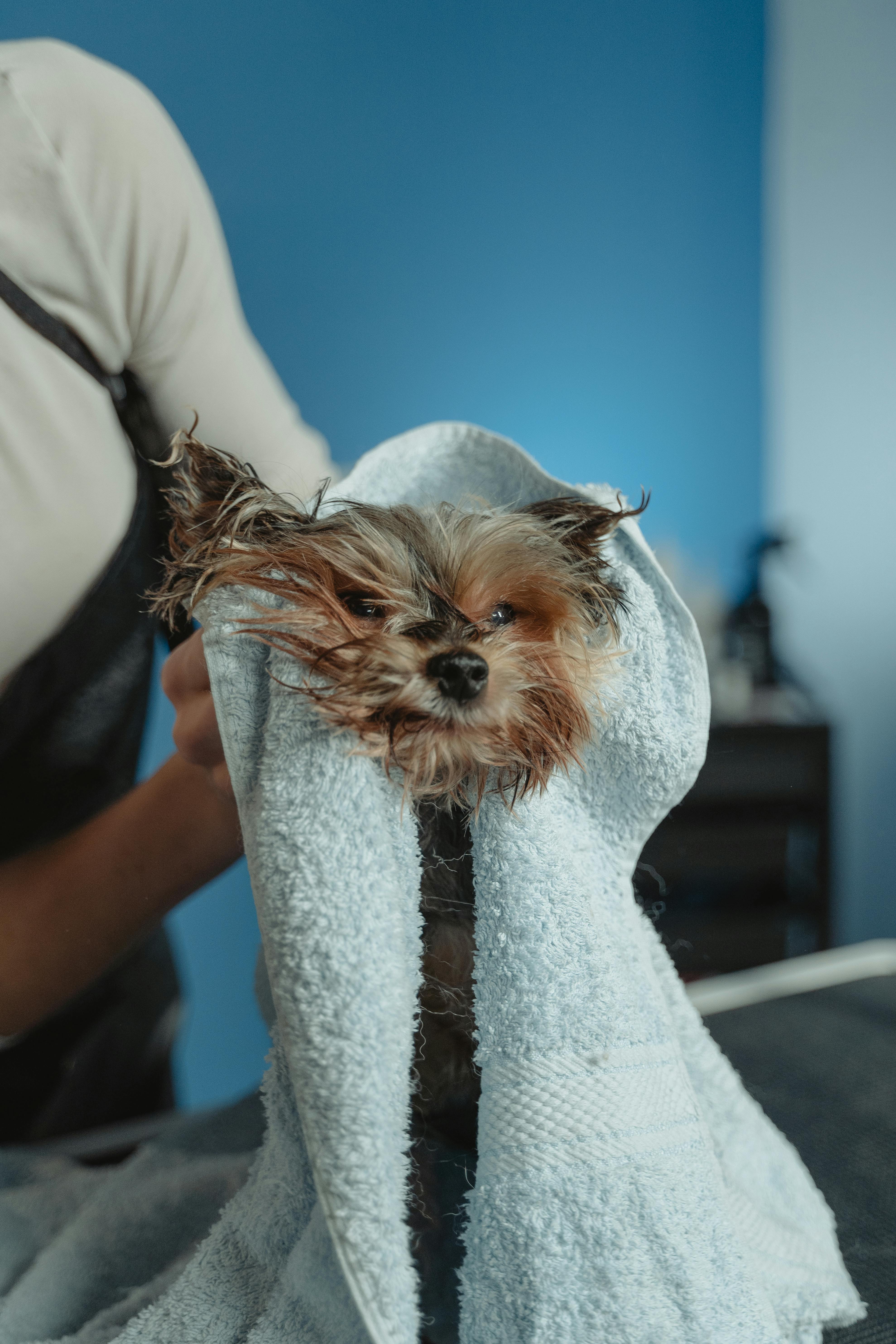
If you ever wonder why your dog has wet noses, you’re not alone; it’s one of those small wonders of pet ownership that many people might not think twice about. Dogs have wet noses for various reasons, some of which are quite fascinating and even crucial to their health. However, there’s more to it than just a simple wetness. The condition of your dog’s nose could also signal potential health issues, and understanding the differences between a wet nose and a dry nose might just save you a trip to the veterinarian.
Why do dogs have wet noses?
Dogs’ noses are wet for a couple of reasons which all relates to their biology and survival instincts. Here’s a closer look at why:
- Temperature Regulation: Dogs sweat through their noses, helping them to cool down. It’s like how humans sweat; the moisture helps to lower body temperature.
- Enhanced Sense of Smell: A moist nose can actually help capture scent particles in the air. This is why dogs have such an amazing sense of smell; it’s like their noses are constantly working to gather information about their surroundings.
- Health Indicator: A wet nose can sometimes be a sign of good health. It generally means your dog is hydrated and feeling well.
But what about when a dog has a dry nose? Should you be worried? Let’s dive into that.
Wet Nose vs. Dry Nose: When to Worry
A dog’s nose can change from wet to dry throughout the day, but consistent dryness, or any unusual changes, can be a cause for concern. Here’s a breakdown:
Signs of a Healthy Nose:
- Moist and cool to the touch.
- A consistent wetness throughout the day.
- No cracks or sores.
Signs of a Potential Issue:
- Dry Nose: If your dog’s nose is dry for a prolonged period, it may indicate dehydration or illness.
- Cracked or Flaky Nose: This can be a sign of a skin condition or allergies.
- Discoloration: A change in color can be alarming. If your dog’s nose turns red, pale, or blackened, it’s worth investigating.
Common Reasons for a Dry Nose
If you notice that your dog’s nose is dry, it could be due to a variety of reasons, such as:
- Dehydration: If your dog isn’t drinking enough water, it may lead to a dry nose.
- Weather Conditions: Hot or cold weather can also affect the moisture of a dog’s nose. For example, during winter, a dog’s nose can become dry due to the cold air.
- Allergies: Dogs can suffer from allergies just like humans. If your dog’s nose is dry and they’re also scratching or licking excessively, it might be due to allergies.
- Illness: Certain illnesses can lead to a dry nose, including fever or infections.
When to See a Vet
If your dog’s nose is dry and you notice any of these additional symptoms, it’s time to consult a veterinarian:
- Persistent dry nose for more than a day.
- Changes in behavior, such as lethargy or loss of appetite.
- Vomiting or diarrhea along with a dry nose.
- Any signs of pain, like whining or unwillingness to play.
Quick Tips for Dog Owners
Caring for your dog’s nose is just one part of being a responsible pet owner. Here are some quick tips to keep in mind:
- Keep Water Available: Always have fresh water available to keep your dog hydrated.
- Monitor Environment: Be aware of weather changes and take precautions, like using dog-friendly moisturizers if necessary.
- Regular Checkups: Regular vet visits can help catch any underlying health problems early.
Dogs communicate a lot through their body language and physical traits, and their noses aren’t an exception. A wet nose generally means your dog is healthy and happy, while a dry one could be a warning sign of something that needs to be addressed.
Learning about why do dogs have wet noses and understanding the signs of good and poor health can help you take better care of your furry friend. Regular observation and care can help ensure your dog’s well-being and happiness for years to come. So, next time you give your dog a friendly pat, take a moment to check that nose; it could tell you a lot about how they’re feeling!
Fun Facts About Dogs’ Noses: Why They’re More Than Just Cute!
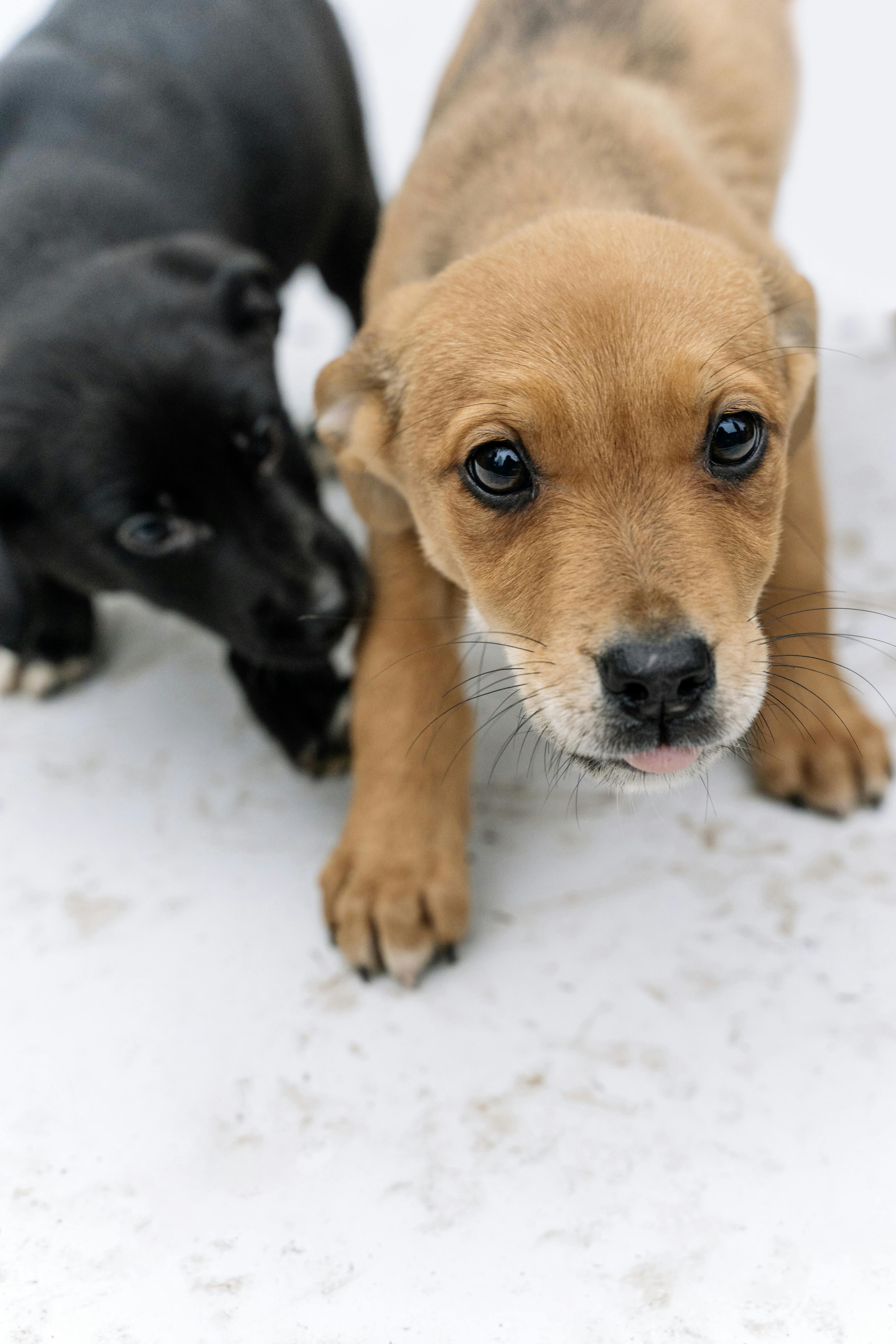
Dogs are often seen as man’s best friend, but did you ever really stop and think about their noses? Those adorable, wet noses are not just for show—they got some fascinating facts behind them! Here, we dive into some fun facts about dogs’ noses and uncover why they’re more than just cute. So, why do dogs have wet noses? Let’s explore the intriguing truth together!
The Science Behind Wet Noses
First off, the reason dogs have wet noses is pretty simple. Their noses are designed to help them smell better! A wet nose helps to capture scent particles from the air. When a dog’s nose is moist, it can absorb these particles more efficiently, allowing for a heightened sense of smell. In fact, did you know that dogs can have up to 300 million olfactory receptors in their noses? That’s way more than humans, who have about 6 million!
Why Are Dogs’ Noses Wet?
Here a few reasons why dogs’ noses tend to be wet:
- Cooling Mechanism: Just like sweating helps humans cool down, dogs can regulate their temperature through their noses. The moisture evaporates and helps to cool their body.
- Enhanced Smelling: As mentioned earlier, a wet nose captures scent molecules better. This is crucial for a dog’s survival instincts and social interactions.
- Health Indicator: A dog’s nose wetness can indicate their overall health. While a dry nose doesn’t always mean illness, a consistently dry or cracked nose can be a sign of dehydration or other health issues.
Fun Facts About Dogs’ Noses
Now let’s dive into some fun facts that might surprise you about those adorable noses!
Unique Nose Prints: Just like human fingerprints, every dog has a unique nose print! It can actually be used for identification purposes.
Nose Color Variations: The color of a dog’s nose can vary greatly. It may be black, brown, pink, or even spotted! This color can sometimes change with age.
Scent Detection: Dogs are trained to detect drugs, explosives, and even diseases like cancer! Their sense of smell is so powerful that they can identify a single drop of blood from miles away.
Temperature Regulation: A dog’s wet nose is a natural way to help keep their body cool. They don’t sweat like humans do; instead, they pant and use their noses to regulate temperature.
Social Signals: Dogs often use their noses to communicate with each other. Smelling another dog’s nose is a form of greeting and understanding each other’s health and mood.
Nose Anatomy: The structure of a dog’s nose is quite complex. The nasal cavity is long and has many folds, which allows for a larger surface area to capture scent particles.
The Historical Context of Dogs’ Noses
Historically, dogs have been companions to humans for thousands of years. Ancient civilizations recognized their keen sense of smell, using them for hunting and herding. The relationship between dogs and people has evolved, but their noses remain a critical component of their abilities.
Comparison of Dog Breeds by Nose Type
Different dog breeds also have different nose types, which can affect their sense of smell. Here’s a quick comparison:
| Dog Breed | Nose Length | Smell Capability |
|---|---|---|
| Bloodhound | Long | Exceptional for tracking scents |
| Beagle | Medium | Great for hunting smaller animals |
| Dachshund | Short | Good for tracking, but less than others |
| Boxer | Broad | Average smell capacity |
Practical Examples of Wet Nose Benefits
- Tracking and Search: Dogs with wet noses are used in search and rescue missions. Their ability to smell can locate missing persons or even detect illegal substances.
- Emotional Support: Dogs can sense human emotions through their noses. They can often tell when you are sad or happy, and they respond accordingly.
In summary, dogs’ noses are more than just cute features. They’re complex tools that help dogs navigate their world, communicate with others, and even assist humans in various ways. Understanding why do dogs have wet noses leads to a deeper appreciation for these loyal companions. Next time you see a dog, take a moment to admire those wet noses and recognize the incredible capabilities they hold!
Can You Predict Your Dog’s Mood by Their Nose Moisture? Uncovering the Truth!
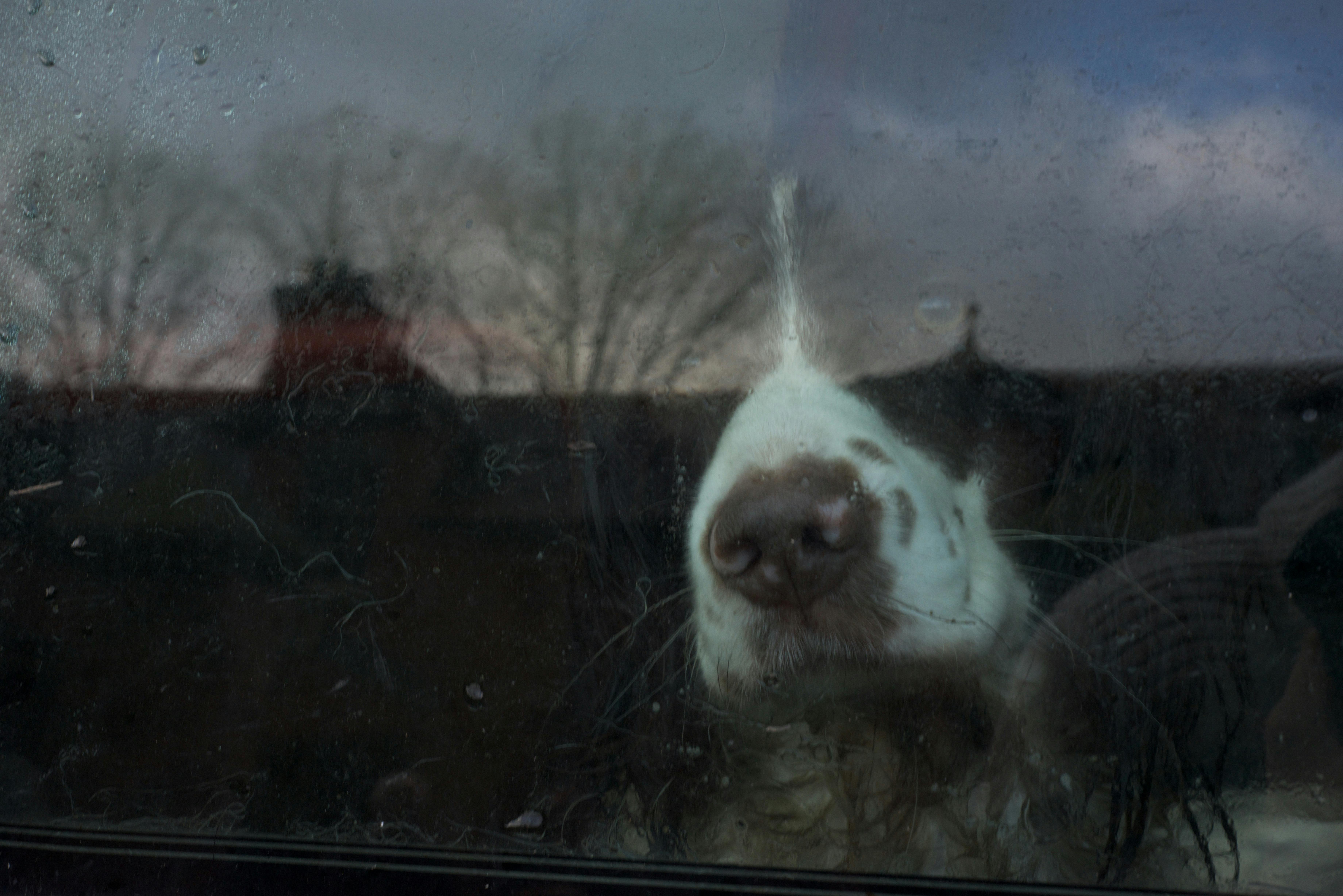
Can you really figure out how your dog feels just by looking at their nose? It’s a question many pet owners ask. The idea of using a dog’s nose moisture to predict their moods has been around for a while, but is there any truth to it? And why do dogs have wet noses in the first place? Let’s dive into this fascinating topic and uncover the truth behind it all.
The Science Behind a Dog’s Wet Nose
Most dog owners have probably noticed that their furry friends have wet noses. But did you know that there’s a reason for that? A wet nose is often a sign of good health and hydration in dogs. Here’s some interesting facts:
- Temperature Regulation: Dogs don’t sweat like humans do. They cool themselves through panting, and their moist noses help them regulate body temperature.
- Sense of Smell: A wet nose enhances a dog’s sense of smell. The moisture helps to trap scent particles in the air, making it easier for them to detect various odors.
- Health Indicator: While a wet nose is generally a good sign, it’s important to know that a dry or cracked nose can indicate health issues, such as dehydration, fever, or allergies.
Do Dogs’ Nose Moisture Reflect Their Mood?
So, can you predict your dog’s mood by the moisture of their nose? It’s not that simple. While a wet nose can indicate a healthy and happy dog, it doesn’t directly correlate to their emotional state. Here’s why:
- Individual Variation: Just like humans, dogs are individuals. Some dogs may have naturally drier noses while others have wet ones, regardless of their mood.
- Environmental Factors: Weather, humidity, and temperature can affect a dog’s nose moisture. So, a wet nose doesn’t always mean a happy dog, and a dry one doesn’t necessarily mean they’re sad or sick.
- Behavioral Signs: Instead of focusing solely on the nose, it’s better to observe other behavioral signs. A wagging tail, playful demeanor, and relaxed body language are often better indicators of a dog’s happiness.
Why Do Dogs Have Wet Noses? Uncovering More Truths
Now, let’s explore the reasons behind wet noses in dogs. Apart from helping with temperature regulation and sense of smell, here are some additional reasons:
- Grooming: Dogs often lick their noses, which keeps it moist. This is a natural behavior and helps to keep their noses clean.
- Communication: A dog might lick their nose when they are nervous or uncertain. It’s part of their body language.
- Health Monitoring: Many pet owners learn to check their dog’s nose for moisture as a quick health check. Changes in moisture can sometimes signal illness.
Fun Facts about Dogs’ Noses
Here’s a quick list of fun and surprising facts about dogs’ noses that you might not know:
- Dogs have around 220 million scent receptors in their noses, compared to a human’s 5 million.
- The wetness of a dog’s nose is not uniform; it can change throughout the day based on what they’re doing.
- Dogs can smell emotions! They can detect pheromones that humans release when they are happy, sad, or scared.
Comparing Wet and Dry Noses
It may be helpful to compare wet and dry noses in dogs. Here’s a simple outline:
| Nose Type | Possible Indicators |
|---|---|
| Wet Nose | Healthy, hydrated, possibly happy |
| Dry Nose | Dehydration, illness, or just normal, depending on the individual dog |
Practical Examples of Observing Your Dog’s Mood
Understanding your dog’s mood is essential for building a strong bond. Here’s how you can practically observe their behavior:
- Playfulness: If they’re running around, wagging their tail, and bringing you toys, they are likely happy.
- Cuddling: When your dog leans into you or snuggles, it usually means they are feeling comfortable and secure.
- Barking or Growling: This could indicate stress or excitement, so keep an eye on their nose condition as well, but don’t rely solely on it.
In the end, while a dog’s nose can provide some clues about their health, it’s not a definitive way to gauge their mood. Observing their overall behavior and body language is much more effective. Remember, every dog is unique, and their personalities shine through in many ways. So next time you check your pup’s nose, don’t forget to look at the whole picture!
Conclusion
In conclusion, the wet noses of dogs serve several important purposes that contribute to their overall health and well-being. The moisture helps to enhance their sense of smell, allowing them to detect scents more effectively, which is crucial for their communication and navigation. Additionally, a wet nose plays a key role in thermoregulation, helping dogs to cool down when they become overheated. While the common belief that a wet nose indicates good health is not always accurate, it is true that regular nose checks can help monitor your dog’s well-being. As dog owners, it’s essential to understand these functions to provide the best care for our furry companions. So, the next time you greet your dog and feel that familiar coolness, remember the vital roles their wet nose plays! Keep an eye on your dog’s health, and don’t hesitate to consult a veterinarian if you notice any significant changes.
