
Have you ever wondered, “Why do dogs have wet noses?” It’s a question that many dog lovers ask, and the answer is more fascinating than you might think! A dog’s nose isn’t just cute; it also serves important purposes. The wetness of a dog’s nose plays a crucial role in their sense of smell, helping them detect scents more effectively. But there’s more to it! Why are dog noses wet? Is it just for cooling off? Or does it have something to do with their health? In this article, we will uncover the truth behind wet noses in dogs and explore how it relates to their overall well-being. From the science of dog physiology to intriguing facts about canine behavior, you’ll be amazed at what you learn! Understanding why dogs have wet noses could even help you care better for your furry friend. So, if you’re curious about the mysteries of dog noses and want to know how this unique feature affects your pet’s health, keep reading! You won’t want to miss out on these eye-opening insights that every dog owner should know!
The Science Behind Canine Noses: Why Are Dogs’ Noses Always Wet?
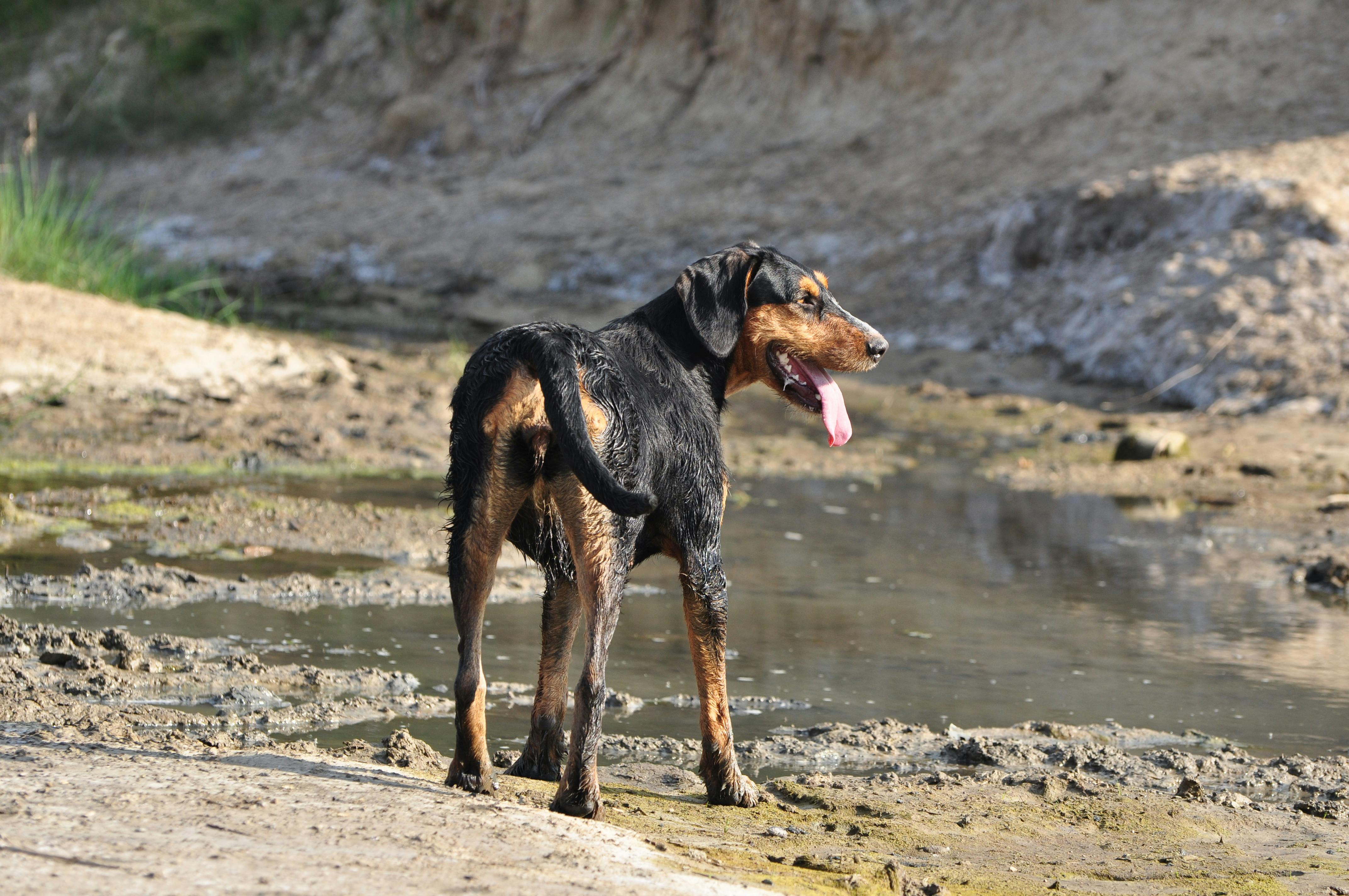
Have you ever wonder why dogs’ noses are always wet? It seems like a little mystery that many people don’t think about. But if you ever seen a dog, you might notice that their noses are not just cold, but also moist. This characteristic makes dogs unique and is not just for show. There’s actually a fascinating science behind it.
The Anatomy of a Dog’s Nose
A dog’s nose is a complex organ, and it’s more than just a sniffing tool. The moisture on their noses come from several sources:
- Mucous secretions: Dogs produce mucus that helps to keep their noses moist.
- Sweat glands: Unlike humans, dogs don’t sweat the same way we do. They have very few sweat glands, only in their paw pads, but their noses help regulate temperature.
- Environmental factors: Humidity and temperature can affect how wet a dog’s nose gets.
The wetness of a dog’s nose plays a critical role in their sense of smell, which is estimated to be anywhere from 10,000 to 100,000 times more sensitive than humans.
How Wet Noses Help Dogs Smell Better
When dogs have a moist nose, it actually helps capture scent particles in the air. Here’s how it works:
- Absorption of scent particles: The moisture on the surface of the nose helps trap scent particles, allowing dogs to absorb more smells.
- Thermal regulation: A wet nose helps cool the dog down. When they breathe in, moisture evaporates and cools the air they inhale, which helps keep their body temperature regulated.
- Enhanced olfactory function: The wetness activates scent receptors, making it easier for them to identify various smells.
Common Myths About Wet Noses
There are several myths that surround the wetness of dogs’ noses. Let’s take a look at some of them:
- A wet nose means a healthy dog: While a wet nose is often seen as a sign of good health, it’s not always accurate. Some dogs can be sick and still have a moist nose.
- Dry noses indicate illness: Similarly, a dry nose doesn’t automatically mean illness. Dogs can have dry noses due to environmental conditions or just their natural physiology.
- All dogs have wet noses: Not all breeds have the same nose moisture levels. Some breeds may naturally have drier noses than others.
The Importance of Nose Moisture in Dogs
Having a wet nose is more than just a quirky trait; it serves several important functions:
- Scent Detection: The moisture enhances olfactory capabilities, which is essential for their survival, hunting, and even companionship.
- Temperature Control: Helps regulate body temperature, especially during hot weather.
- Social Interaction: Dogs often use their noses to greet each other, and a wet nose can indicate a friendly demeanor.
What Affects a Dog’s Nose Moisture?
A variety of factors can affect how wet a dog’s nose is. Some of these include:
- Weather Conditions: Humidity and temperature can change the moisture level.
- Health Status: Illness or allergies can cause changes in moisture levels.
- Hydration: A well-hydrated dog is likely to have a wetter nose.
When to Be Concerned About Your Dog’s Nose
While wet noses are generally a good sign, there are situations when you should pay attention:
- Persistent dryness or cracking: If the nose stays dry for an extended period, it may indicate dehydration or a health issue.
- Changes in color: A nose that changes color can signal something is wrong.
- Unusual discharge: If there’s a discharge or an abnormal odor, it’s best to consult a veterinarian.
Understanding Your Dog’s Nose
Learning about your dog’s nose can be fascinating! Here’s a quick comparison of dog noses:
| Breed | Nose Type | Moisture Level |
|---|---|---|
| Labrador | Broad and wet | High |
| Bulldog | Short and moist | Moderate |
| Dachshund | Long and wet | High |
| Greyhound | Thin and dry | Low |
As you can see, different breeds have different nose types, and the moisture level varies too.
In summary, the science behind canine noses is intricate and serves several important functions. The moisture on a dog’s nose is not just a quirky trait; it plays a vital role in their health and well-being. Understanding this can help dog owners better care for their furry friends. So next time you see a dog with a wet nose, remember there’s a whole lot more going on than meets the eye!
Top 5 Reasons Your Dog’s Nose is Wetter Than You Think!

Have you ever noticed how wet your dog’s nose is? You might think it’s just a quirk of their anatomy, but there’s actually a lot more to it than you might realize. Dogs noses are not only adorable, but they also serve important functions. So let’s dive into the top 5 reasons your dog’s nose is wetter than you think!
1. Temperature Regulation
One of the most fascinating reasons why dogs have wet noses is because it helps them regulate their body temperature. You see, dogs don’t sweat like humans do. Instead, they rely on panting and their noses to cool down. When a dog’s nose is moist, it helps to evaporate the moisture, which cools the blood vessels and thus helps to lower their overall body temperature. So the next time your dog is panting and you notice their wet nose, remember that it’s all part of their natural cooling system!
2. Enhanced Sense of Smell
Dogs have an incredible sense of smell—it’s way better than ours. A wet nose helps them to absorb scent particles more effectively. The moisture on their nose captures these particles, allowing the olfactory receptors in their noses to detect and identify a wide array of odors. This is why dogs are often used in search and rescue operations or as service animals. Their wet nose is not just a cute feature, but a crucial tool in their sensory arsenal!
3. Communication Tool
Believe it or not, dogs also use their wet noses as a form of communication. Dogs often greet each other by sniffing one another’s noses, which allows them to gather information about the other dog—like their health, mood, and even diet. A wet nose can indicate a friendly interaction and can signal that your dog is open to socializing. So if your pup is always ready with a wet nose for a snuggle, it’s their way of saying “I love you!”
4. Health Indicators
A dog’s nose can serve as a health indicator. While a wet nose is often a sign of a healthy dog, changes can signal underlying health issues. For example, if your dog’s nose becomes dry and cracked, it may be indicative of dehydration or illness. On the other hand, excessive moisture might suggest allergies or infections. Regularly monitoring your dog’s nose can be a good practice to catch any potential health concerns early.
Here are some nose conditions to keep an eye on:
- Dry and Cracked: Could mean dehydration or sunburn.
- Excessively Wet: Might indicate allergies or infection.
- Discolored: Can be a sign of a serious health issue.
5. Evolutionary Advantage
From an evolutionary perspective, dogs have developed wet noses as an advantage. Their ancestors, wolves, relied heavily on their sense of smell for hunting and social interactions. A wet nose provides better odor detection, which was crucial for survival in the wild. This trait has been preserved through generations, making it a fundamental characteristic in domesticated dogs today.
Fun Facts About Dogs’ Wet Noses
- Did you know that the texture of a dog’s nose is unique, similar to human fingerprints? This means each dog has a distinct nose print!
- Some breeds are known for having wetter noses than others. For example, Retrievers often have noticeably moist noses compared to breeds like Bulldogs.
- The scientific term for a dog’s sense of smell is “olfaction,” and they have up to 300 million smell receptors in their noses, compared to a human’s mere 6 million!
Understanding the reasons behind your dog’s wet nose can deepen your appreciation for them. It’s not just a cute feature, but a vital aspect of their health, communication, and survival. The next time you give your furry friend a pat and feel that wet nose, remember all the fascinating reasons behind it.
So, the next time someone asks, “Why do dogs have wet noses?” you’ll have plenty to share! From regulating temperature to being a communication tool, a wet nose is a remarkable feature of our canine companions. It’s just one of the many things that makes dogs so special.
Is a Wet Nose a Sign of a Healthy Dog? Uncover the Truth!
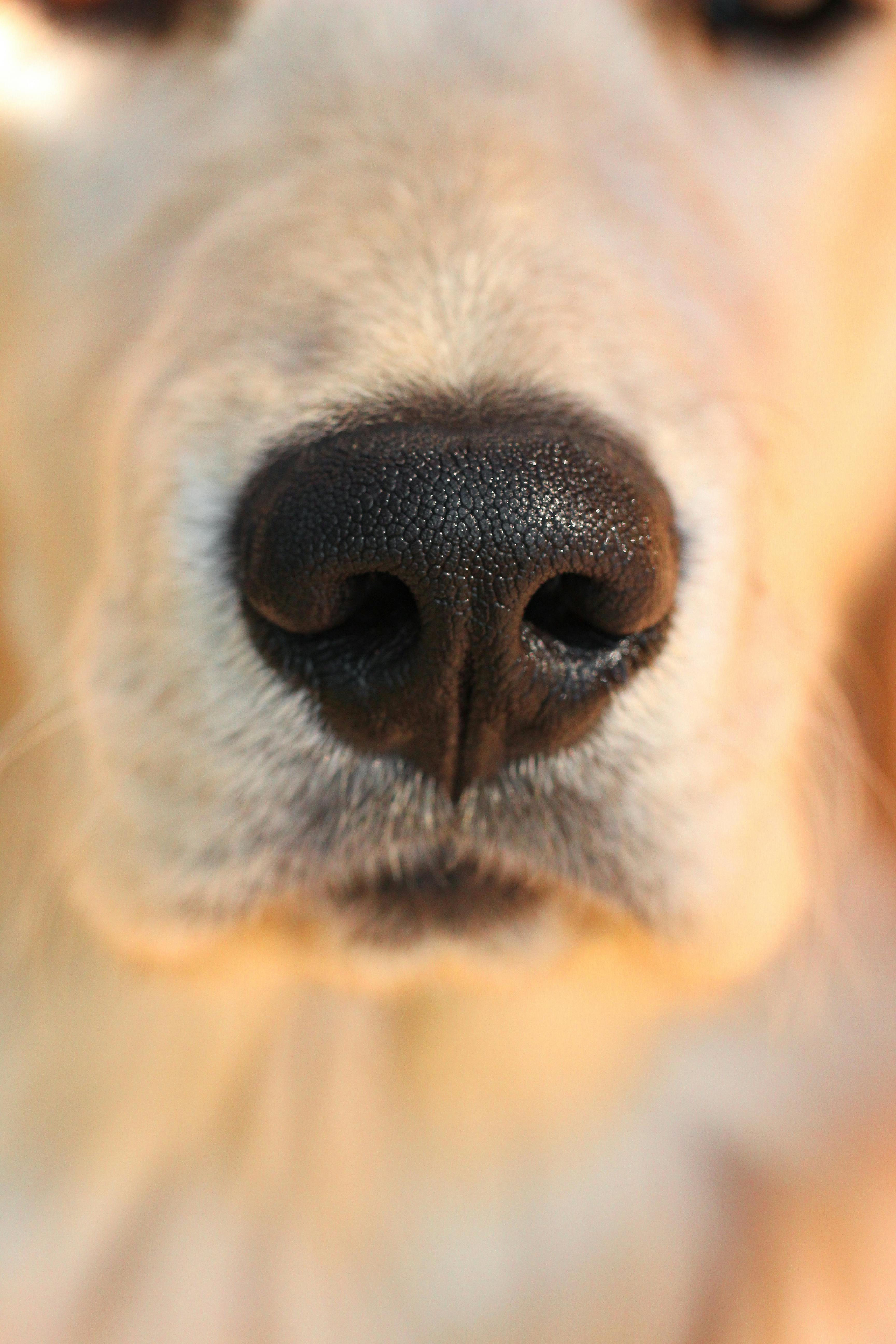
Is a Wet Nose a Sign of a Healthy Dog? Uncover the Truth!, Why Do Dogs Have Wet Noses? Discover The Fascinating Truth!
Ever wonder if a wet nose on your furry friend means they are healthy? Many pet owners think that a dog’s wet nose is a sign of good health, but is that really true? While it’s a common belief, the truth is a bit more complex. Let’s dive into why dogs have wet noses and what it can actually tell us about their health.
What Makes a Dog’s Nose Wet?
Dogs’ noses are not just wet for no reason. There are several reasons behind the moisture. Here’s a breakdown:
- Sweat Glands: Dogs has sweat glands in their paw pads but not much elsewhere. Instead, they rely on their noses to help cool down.
- Scent Detection: A wet nose help enhance a dog’s sense of smell. The moisture captures scent particles in the air, making it easier for them to sniff out interesting smells.
- Temperature Regulation: Dogs use their noses to regulate body temperature. A cool, moist nose can help them stay cool, especially during hot weather.
Why Is a Wet Nose Considered Healthy?
Many people associate a wet nose with a healthy dog, but this isn’t always the case. Here’s why this assumption exists:
- Hydration Indicator: A wet nose can indicate that a dog is well-hydrated and not suffering from dehydration.
- Active Immune System: A moist nose may suggest that the dog’s immune system is functioning properly.
- Behavioral Cues: Dogs often lick their noses, which may keep them moist. This behavior might indicate that they are alert and active.
But What If a Dog’s Nose Is Dry?
A dry nose doesn’t automatically mean a dog is unhealthy. Here are some reasons for a dry nose:
- Weather Conditions: Dogs can have dry noses due to cold or windy weather. This is common and usually not a cause for concern.
- Illness: Sometimes, a dry nose can be a sign of illness, like a fever or dehydration.
- Age: Older dogs may have drier noses as their skin loses moisture over time.
How to Monitor Your Dog’s Nose Health
Understanding your dog’s nose condition is important, but it should be part of a larger picture of their overall health. Here are some tips:
- Regular Check-ups: Visit the veterinarian regularly for health check-ups. They can assess your dog’s nose and overall health.
- Watch for Changes: If you notice sudden changes in your dog’s nose—like persistent dryness, cracks, or sores—consult a vet.
- Hydration: Ensure your dog is drinking enough water. Proper hydration keeps their nose moist and healthy.
Fun Facts About Dogs’ Noses
Dogs’ noses are fascinating! Here are some fun facts:
- Dogs has around 300 million scent receptors in their noses, compared to about 6 million in humans.
- The unique pattern of a dog’s nose is as distinct as a human fingerprint.
- Dogs can detect certain diseases, including cancer and diabetes, through their sense of smell.
Conclusion
So, is a wet nose a sign of a healthy dog? It can be, but it’s not the only indicator. A wet nose may show hydration and an active immune system, but a dry nose doesn’t necessarily mean bad health. It’s important to look at the whole picture of your pet’s health. Regular veterinary visits, observing behavioral changes, and ensuring hydration are key components in keeping your dog healthy and happy. Remember, every dog is unique, and what works for one may not work for another. So stay attentive and enjoy the love of your furry friend!
How Do Dogs Use Their Wet Noses to Communicate?

Dogs, those lovable furballs, communicate in ways that go beyond just barking or wagging their tails. One of the most fascinating aspects of canine communication is their wet noses. Have you ever wondered why do dogs have wet noses? It’s not just for show. Their noses play a crucial role in how they interact with the world around them. Let’s dive deep into this topic and discover the captivating truth behind our four-legged friends’ wet noses.
The Science Behind Wet Noses
Dogs have wet noses primarily because of their unique anatomy and biology. The moisture on a dog’s nose comes from a combination of sweat and nasal secretions. This wetness serves multiple important purposes:
- Enhanced Smell: A wet nose helps trap scent particles, making it easier for dogs to detect smells. With around 300 million smell receptors, compared to humans’ mere 5 million, their noses act like super sniffers.
- Temperature Regulation: Dogs don’t sweat like humans do. Instead, they cool themselves through their noses and panting. This helps regulate their body temperature, especially on hot days.
- Health Indicator: A dog’s nose can also be an indicator of its health. A warm, dry nose may suggest illness, while a cool, wet nose is often a sign of a healthy pup.
How Dogs Use Their Wet Noses to Communicate
Dogs are social animals, and their noses are a key part of their communication toolkit. Here’s how they use those wet noses to send messages to other dogs and humans:
Scent Marking: Dogs often use their noses to communicate their territory. They might sniff around a place to gather information about other animals who have been there. This is kinda like reading the news for them.
Greeting Rituals: When meeting other dogs, they often engage in a sniffing ritual. This helps them gather information about each other’s health, mood, and even diet. It’s like a doggy handshake!
Emotional Expression: Dogs can express their feelings through their noses too. For instance, when a dog nudges you with its nose, it can mean they want attention or affection. It’s their way of saying, “Hey, look at me!”
Finding Comfort: Dogs might also nuzzle their noses against their owners as a form of seeking comfort. This behavior shows trust and affection.
Why Do Dogs Have Wet Noses? The Evolutionary Aspect
From an evolutionary standpoint, having a wet nose offers advantages. The ancestors of modern dogs likely had wet noses that allowed them to be more efficient hunters. The ability to smell better meant they could track prey more effectively. Here’s a quick breakdown of the evolutionary benefits:
- Survival Tool: A wet nose aids in detecting food, predators, and mates, contributing to survival and reproduction.
- Social Structure: In packs, communication through scent is vital for maintaining social bonds and hierarchy. Wet noses facilitate this communication.
Fun Facts About Dogs’ Wet Noses
- Dogs’ noses are as unique as human fingerprints. No two dogs have the same nose print!
- The moisture on a dog’s nose can change based on their activity levels and environment. For example, after a swim, their noses are extra wet.
- Some breeds, like Bloodhounds, have especially wet noses to help with their tracking abilities.
Keeping Your Dog’s Nose Healthy
A dog’s nose is a crucial part of its health, so keeping it in good condition is important. Here’s some tips for maintaining your pup’s nose:
- Hydration: Ensure your dog drinks enough water, especially during hot weather.
- Check for Cracks: Look for any dry or cracked areas on the nose. If you see any, apply a vet-approved balm.
- Regular Vet Checkups: Regular visits to the vet can help catch any potential nose-related health issues early on.
Dogs use their wet noses in fascinating ways to communicate and interact with the world. From enhancing their sense of smell to expressing emotions, their noses are much more than just a cute feature. Understanding why do dogs have wet noses can deepen our appreciation for these beloved companions. So next time you cuddle with your furry friend, remember the many remarkable ways they use their noses to connect with you and their environment.
The Fascinating Role of Moisture: Why Dogs Have Wet Noses Explained

Dogs are often called man’s best friend, and there’s so much to learn about them. One thing that many people notice is their wet noses. But why do dogs have wet noses? It’s a curious question that sparks interest among pet owners and animal lovers alike. Let’s dive into the fascinating truth behind this unique feature of our furry companions.
The Science Behind Wet Noses
Dogs have wet noses for a couple of reasons. First, it’s important to know that a dog’s nose is packed with a lot of scent receptors. Their sense of smell is way better than humans, and a wet nose helps enhance this ability. The moisture on their noses can trap scent particles, allowing dogs to gather more information from their environment. This helps them to identify different smells, which is crucial for their communication and understanding of the world around them.
Moisture also helps to regulate their body temperature. Dogs don’t sweat like humans do; instead, they mainly cool off by panting. A wet nose helps with heat dissipation. When the moisture evaporates from their nose, it cools them down, especially during hot days. So, in a way, their wet noses play a role in helping them stay comfortable and healthy.
Historical Context of Dog Noses
Interestingly, the wet nose isn’t just a random trait. Historically, dogs have been bred for various purposes, including hunting, herding, and companionship. The ability to smell well has been crucial for hunting dogs, who needed to track scents over long distances. Over time, those with the best olfactory abilities likely thrived and reproduced more, passing on the trait of having wet noses.
Fun Facts About Dog Noses
- Unique Patterns: Just like fingerprints in humans, every dog has a unique nose print. This means that no two dogs have the same nose!
- Health Indicator: The moisture level of a dog’s nose can sometimes indicate health. A wet nose is generally a sign of a healthy dog, while a dry nose may signify dehydration, illness, or other health issues.
- Temperature Regulation: Dogs’ noses can change temperature based on their environment. Cold weather can cool their noses, while warm weather can warm them up.
The Role of Moisture in Dogs’ Lives
Moisture plays a significant role in how dogs interact with their world. Here’s a closer look at its functions:
- Scent Detection: Wet noses help dogs detect scents better due to the moisture capturing scent particles.
- Temperature Control: Dogs regulate body temperature through their noses, helping them stay cool.
- Social Interaction: Dogs often greet each other with nose-to-nose contact, which is a way of gathering information about one another.
Why Do Dogs Have Wet Noses? The Answers
So, why do dogs have wet noses, really? Here’s a summarized list of reasons:
- Enhanced Scent Detection: Moisture helps capture and hold scent particles.
- Body Temperature Regulation: Helps cool down through evaporation.
- Health Indicator: Can reflect a dog’s health status.
- Unique Identification: Every dog has a unique nose print.
Comparison: Wet Noses vs. Dry Noses
Not all dogs have equally wet noses all the time. Here’s a basic comparison to understand the difference:
| Characteristic | Wet Nose | Dry Nose |
|---|---|---|
| Scent Detection | Enhanced | Less effective |
| Temperature Control | Helps cool down | Generally warmer |
| Health Indicator | Usually healthy | May indicate health issues |
| Social Interaction | Engages better with other dogs | May be less engaged |
Practical Examples of Nose Moisture
In practice, you might notice some dogs have wetter noses than others. For example, breeds like the Labrador Retriever often have notably moist noses, which aids their hunting abilities. Contrast that with a breed like the Bulldog, which might not have the same moisture level due to their facial structure.
Furthermore, environmental factors also play a role. Dogs that spend more time outside might have wetter noses due to exposure to moisture in the air or water sources.
Understanding why dogs have wet noses is part of appreciating their complexity. It’s fascinating to see how such a small feature can have big implications for their health and behavior. So next time you see your furry friend’s wet nose, remember, it’s not just cute—it’s vital for their well-being!
What Does Your Dog’s Wet Nose Really Mean? Common Myths Debunked
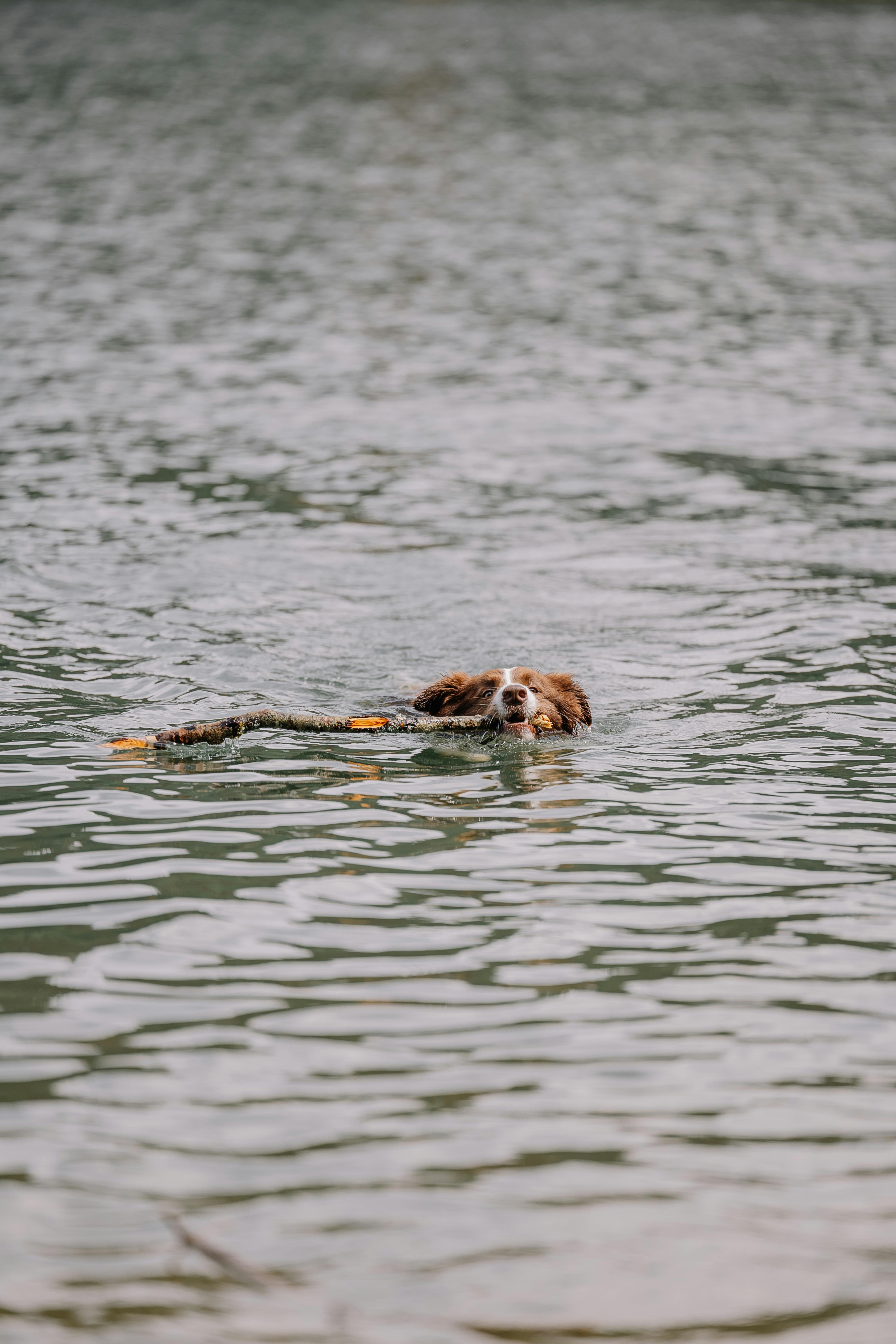
Ever wonder why your dog’s nose is often wet? Is it a sign of health or just a quirk of nature? Many dog owners have asked these questions, and a lot of myths have sprung up around this topic. In this post, we gonna explore the truth behind why do dogs have wet noses, debunk some common myths, and dive into the fascinating reasons that make your furry friends unique.
What Does a Wet Nose Mean?
First things first, let’s tackle the question: what does a wet nose really mean? A wet nose is commonly considered a sign of a healthy dog. However, it’s not as simple as that. While many people believe that a cold, wet nose indicates a dog is healthy, that’s not always the case. Here are a few reasons why dog noses might be wet:
- Humidity: Dogs often lick their noses to keep them moist. This helps them with their sense of smell.
- Body Temperature Regulation: A wet nose can help cool the dog down. Dogs don’t sweat like humans do, so they rely on other methods to regulate their temperature.
- Health Indicators: While a wet nose is generally a good sign, a dry nose doesn’t necessarily mean that your dog is sick. It’s just one of many indicators of health.
Common Myths About Wet Noses
Now, let’s debunk some myths that many dog owners believe about wet noses:
Myth: A wet nose always means your dog is healthy.
- Fact: While a wet nose can indicate health, it’s not the only sign. Look for other symptoms too.
Myth: Dogs with dry noses are sick.
- Fact: Dry noses can be normal, especially in hot or dry weather.
Myth: Dogs sweat through their noses.
- Fact: Dogs don’t sweat like humans. They cool down through panting and their paws.
Myth: All dogs have wet noses.
- Fact: Some breeds naturally have drier noses. For example, Bulldogs often have less moisture.
Why Do Dogs Have Wet Noses?
So, what’s the real reason why dogs have wet noses? Let’s break it down:
- Enhanced Smell: Dogs have an incredible sense of smell, which is about 10,000 to 100,000 times more acute than humans. A wet nose helps trap scent particles better, making it easier for them to identify smells.
- Cooling Mechanism: Dogs can’t sweat like humans do, so they rely on their noses to help with temperature control. A moist surface can help cool their bodies.
- Communication Tool: Dogs use their noses to gather information about their environment, and a wet nose can be a signal to other dogs about their emotional state.
Interesting Facts About Dog Noses
Here are some fun and interesting facts about your dog’s nose:
- Dogs have unique nose prints, much like human fingerprints.
- A dog’s sense of smell is so powerful that they can detect certain medical conditions in humans, like diabetes or even cancer.
- Dogs can also smell emotions. They can sense fear, happiness, and even sadness through the scent of human sweat and body odor.
Tips for Dog Owners
As a dog owner, you might be curious about how to take care of your dog’s nose and overall health. Here are some practical tips:
- Regular Check-ups: Regular visits to the vet can help ensure that your dog’s nose and overall health is in check.
- Hydration: Make sure your dog stays hydrated, especially during hot weather.
- Observation: Keep an eye on your dog’s nose. If you notice any unusual changes, like cracks or excessive dryness, consult a veterinarian.
Quick Comparison: Wet Nose vs. Dry Nose
| Characteristic | Wet Nose | Dry Nose |
|---|---|---|
| Health Indicator | Often healthy | Not always sick |
| Scent Detection | More effective | Less effective |
| Temperature Control | Helps cool down | May indicate overheating |
| Common in Breeds | Most breeds | Some breeds like Bulldogs |
Dogs’ noses are not just a cute feature; they serve practical purposes that enhance their lives and interactions with their world. Learning about your dog’s nose can deepen your understanding of their needs and help you care for them better. Remember, while a wet nose can be a sign of health, it’s just part of the bigger picture of your dog’s well-being. Each dog is unique and understanding these facets can lead to a happier and healthier life for your beloved pet.
Exploring the Connection Between Dog Temperament and Nose Moisture
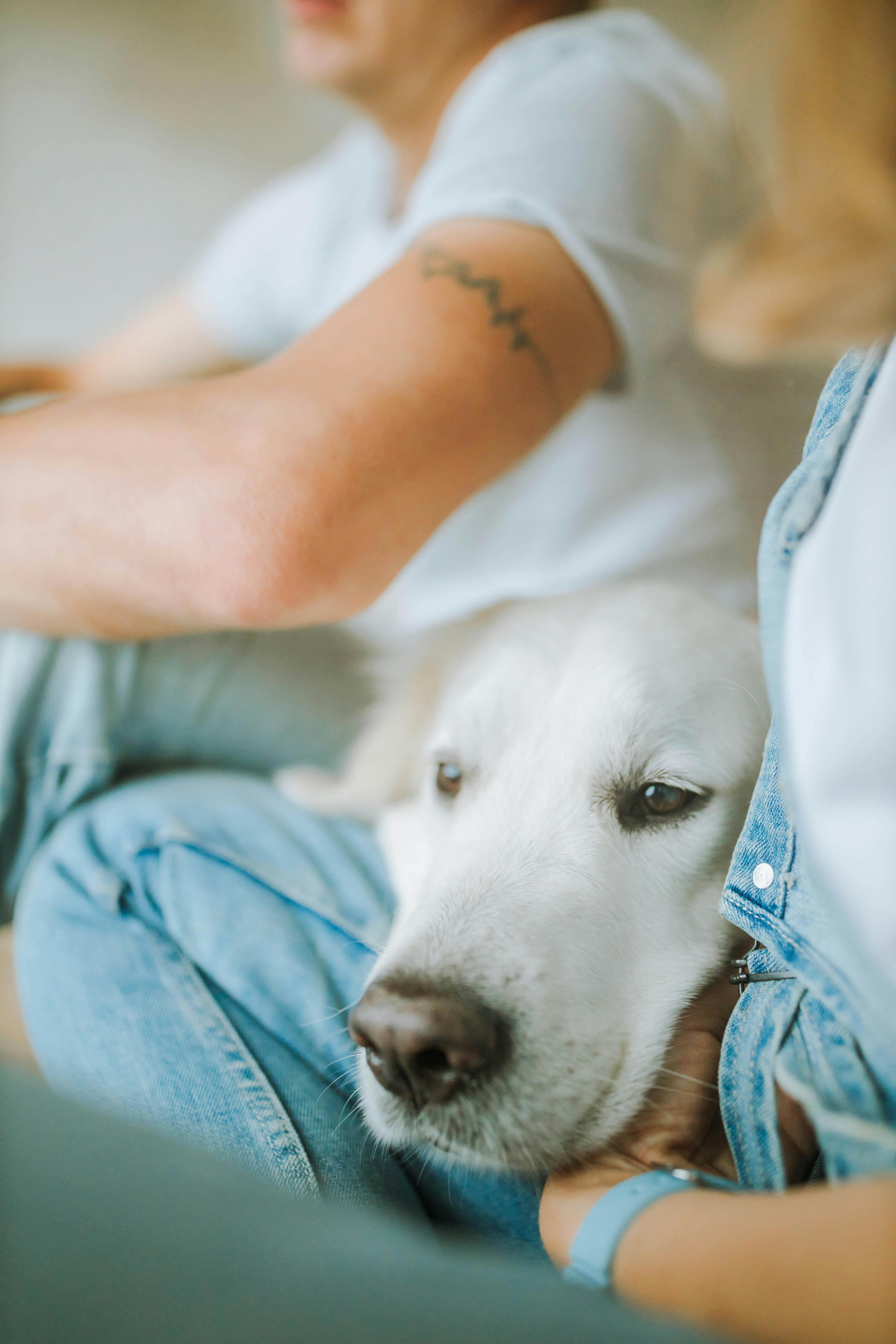
Have you ever wondered why dogs have wet noses? It’s a question that might seem simple, but it actually dives deep into the fascinating world of canine biology and behavior. The moisture of a dog’s nose might not just be for show. Many people think that a wet nose means a dog is healthy, but there’s more to it than that. In this article, we gonna explore the connection between dog temperament and nose moisture, and why this little detail could hold the key to understanding our furry friends even better.
The Science Behind Wet Noses
First off, let’s tackle the science. Dogs have moist noses because the moisture helps them with their sense of smell. The wetness acts as a medium that captures scent particles, making it easier for dogs to detect different smells. In fact, a dog’s sense of smell is estimated to be about 10,000 to 100,000 times more sensitive than that of humans. This is due to specialized olfactory receptors in their noses.
Moisture and Temperature Regulation: Dogs also use their noses to regulate body temperature. When they pant, moisture evaporates from the nose, which helps cool them down.
Health Indicator: While a wet nose is often associated with good health, it’s not always the case. Illness can sometimes result in a dry nose, but it is not a definitive indicator of health issues. Other symptoms should also be considered.
Historical Context: The Evolution of Dog Noses
The evolution of dogs has a fascinating history. Dogs descended from wolves, and their noses have evolved to be super sensitive. Over thousands of years, humans have bred dogs for specific traits, including their sense of smell. Different breeds have varying nose shapes and sizes, which can affect how they smell and interact with their environment.
For example, bloodhounds are known for their exceptional sense of smell, while bulldogs have shorter snouts. This diversity in nose types has led to different temperamental traits in dogs as well.
Dog Temperament and Nose Moisture: What’s the Connection?
There’s an interesting connection between the temperament of dogs and their nose moisture levels. Research suggests that the level of moisture can indicate stress or excitement in dogs. When a dog is anxious or overly stimulated, their noses may become drier. Conversely, a relaxed dog often has a moist nose.
- Calm Dogs: Typically have moist noses, as they are relaxed and comfortable in their environment.
- Stressed Dogs: Might show signs like a dry or warm nose. Observing a dog’s nose can offer vital insights into their emotional state.
The Myths and Facts About Dog Noses
Let’s break down some common myths versus facts about dog noses:
Myth: A wet nose means a dog is healthy.
- Fact: While a wet nose can be a sign of good health, it doesn’t always indicate that a dog is free from illness.
Myth: Dogs only use their noses to smell.
- Fact: Dogs use their noses for a variety of reasons, including communication and environmental awareness.
Myth: All dogs have the same nose structure.
- Fact: Different breeds have different nose structures, which can impact their temperament and behavior.
Practical Examples of Nose Moisture in Dogs
Here are a few practical examples of how nose moisture can reflect a dog’s state:
- Post-exercise: After a good run, a dog’s nose might be moist due to increased blood flow and hydration.
- During a vet visit: Stress can cause a dog’s nose to dry up. If you notice your dog’s nose getting dry in stressful situations, it might be a sign they need some calming strategies.
- At home: A dog lying comfortably on the couch will likely have a wet nose. If a dog is curled up and relaxed, their nose is often moist, signaling comfort.
Tips for Monitoring Your Dog’s Nose Moisture
- Regular Checks: Make it a habit to check your dog’s nose regularly. This can help you spot any changes over time.
- Watch for Other Symptoms: If the nose is dry but your dog is acting normally, there may be no cause for concern. However, if they exhibit other symptoms like lethargy or loss of appetite, consult a veterinarian.
- Hydration Matters: Ensure your dog is well-hydrated, as dehydration can lead to a dry nose.
Understanding why dogs have wet noses and the relationship between their temperament and nose moisture can enhance our bond with them. By paying attention to these small details, pet owners can better care for their furry companions and ensure they are happy and healthy.
Can a Wet Nose Indicate Illness in Dogs? What Every Owner Should Know
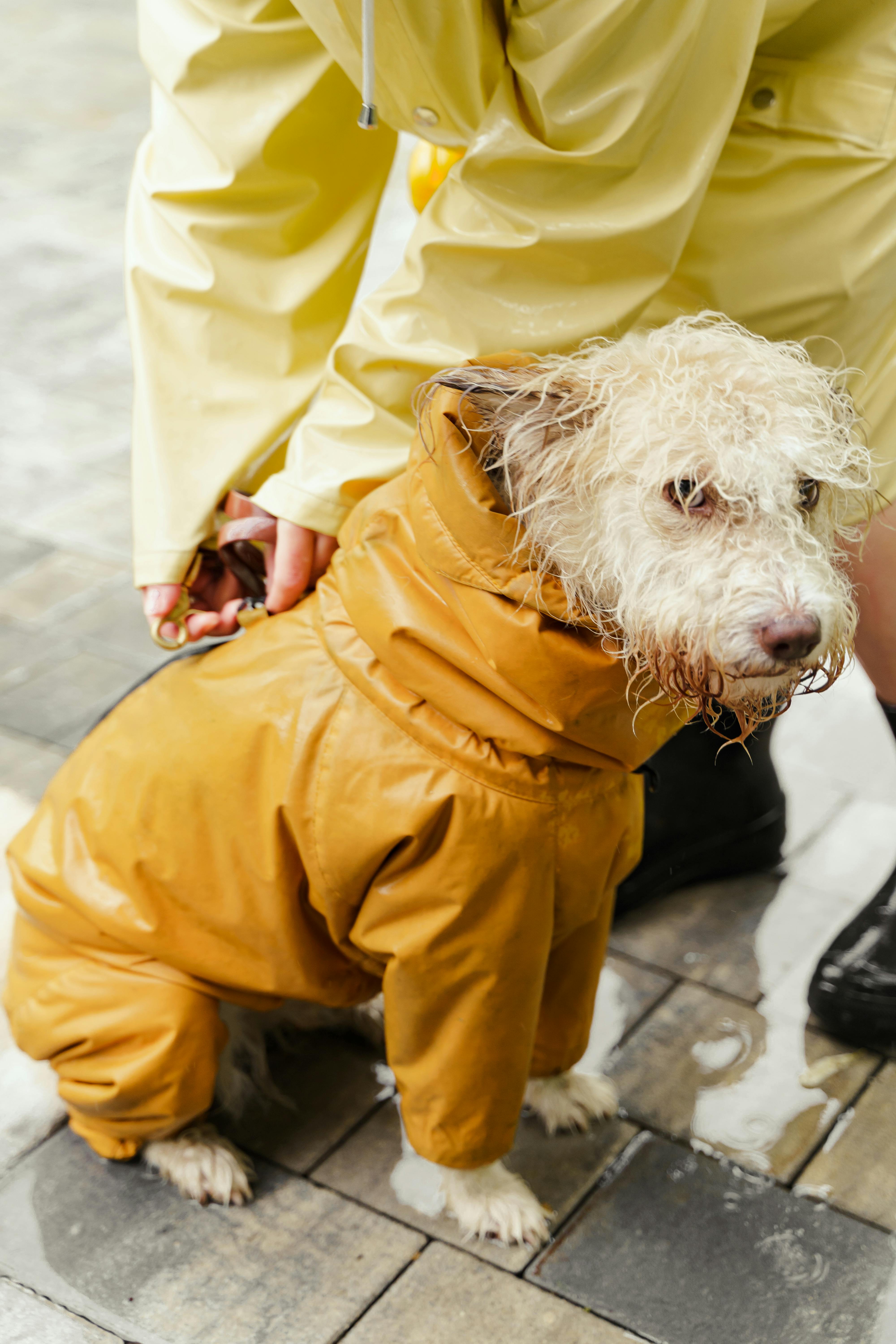
When it comes to our furry friends, every dog owner wants to ensure their pet is healthy and happy. One of the most curious aspects of dogs is their wet noses. Many people wonder, can a wet nose indicate illness in dogs? What every owner should know is that a dog’s nose is more than just an adorable feature; it can actually provide valuable insight into their health. Let’s dive into the fascinating truth behind why do dogs have wet noses and what it might mean for their wellbeing.
Why Do Dogs Have Wet Noses?
First off, let’s look at the science behind those snouts. A dog’s nose is wet for several reasons:
Temperature Regulation: Dogs do not sweat like humans do. Instead, they rely on their noses to help regulate body temperature. The moisture on their nose allows heat to evaporate, cooling them down.
Enhanced Smell: A wet nose is better at capturing scent particles in the air. This is crucial for dogs, as they rely heavily on their sense of smell to understand their surroundings.
Social Signals: Dogs communicate through scent, and a wet nose can indicate to other dogs that they’re healthy and ready for interaction.
Health Indicator: While a wet nose is often a sign of a healthy dog, it can also change due to their health status. A dry or excessively warm nose can indicate an issue.
Can a Wet Nose Indicate Illness in Dogs?
Now, let us tackle the question directly. A wet nose can indeed provide clues about a dog’s health, but it’s not a definitive symptom of illness. Here are some conditions where changes in nose moisture might be relevant:
Dehydration: If a dog is dehydrated, their nose may become dry and cracked. This is often accompanied by other signs like lethargy and loss of appetite.
Fever: A dog with a fever might have a warm, dry nose. If your dog’s nose feels unusually warm to the touch, it might be time to check their temperature.
Respiratory Infections: Conditions like kennel cough can cause nasal discharge, changing the nose’s typical moisture levels. Runny noses are usually a sign to consult a vet.
Allergies: If your dog has allergies, you might notice changes in their nose moisture along with sneezing or itching.
Observing Your Dog’s Nose: What to Look For
Here’s a quick checklist for dog owners to observe their pet’s nose and overall health:
- Moistness: Normal noses are typically cool and moist. If it’s dry, this can be a sign of something wrong.
- Temperature: A warm nose can indicate fever; check with a thermometer for accuracy.
- Color: A healthy nose is usually dark or pigmented. If it turns pale or develops lesions, consult a veterinarian.
- Discharge: Clear discharge can be normal, but yellow or green mucus may indicate infection.
Common Myths About Dog Noses
There are several myths surrounding dog noses that need debunking. Here are some of the most common:
Myth 1: A wet nose means a dog is sick.
- Truth: A wet nose is often normal. It’s dryness or a sudden change that can indicate illness.
Myth 2: Dogs can’t smell if their nose is dry.
- Truth: Dogs can still smell well even with a dry nose, but moisture does enhance their capability.
Myth 3: All dogs have cold noses.
- Truth: Nose temperature can vary greatly depending on many factors, including the environment and the dog’s overall health.
Taking Care of Your Dog’s Nose
To keep your dog’s nose healthy, consider the following tips:
- Hydration: Always ensure your dog has access to clean, fresh water.
- Regular Vet Checkups: Consistent veterinary visits can catch health issues early.
- Environment: Protect your dog’s nose from extreme weather conditions, such as very hot or cold temperatures.
Final Thoughts
Understanding your dog’s nose can give you insights into their health. While a wet nose doesn’t guarantee your pup is free from illness, it can be a useful barometer. Always pay attention to other signs and symptoms, and consult your veterinarian if you notice any unusual changes. Remember, just like humans, dogs can have off days too, so keeping a close eye on your furry friend will help ensure they stay happy and healthy.
The Evolutionary Advantage: Why Dogs Developed Wet Noses
Dogs are often seen as man’s best friend, they are lovable companions that have been with us for thousands of years. One of the most interesting features of dogs is their wet noses. Many people wonder, “Why do dogs have wet noses?” This question actually leads us to a fascinating exploration of canine evolution, biology, and even behavior. So, let’s dive into the evolutionary advantage behind those moist snouts!
The Science Behind Wet Noses
First off, a dog’s nose is not just for show. It’s scientifically proven that a dog’s nose is more than just a cute feature. The wetness of a dog’s nose plays a crucial role in its sense of smell. A moist nose helps to trap scent particles from the air, allowing dogs to detect odors better. This is because the moisture on the nose absorbs scent molecules, which then interact with olfactory receptors located in the nasal cavity.
Some research suggests that dogs have up to 300 million olfactory receptors, compared to a human’s mere 5 million. This incredible sense of smell makes dogs excellent at tracking, searching, and even detecting certain illnesses in humans. The wet nose, therefore, is not just an adorable characteristic; it’s an evolutionary tool that gives dogs a significant advantage in their environment.
Historical Context of Dogs’ Evolution
Dogs have been companions to humans for over 15,000 years, evolving from wolves. It’s believed that their ancestors had wet noses too. This feature has been retained through generations. Here are some key points regarding their evolution:
- Ancestry: Dogs are descendants of wolves, who needed keen senses to hunt.
- Survival: Wet noses increased their ability to find food and avoid danger.
- Domestication: As dogs became domesticated, their sense of smell remained crucial for various tasks, like herding and guarding.
The Benefits of Wet Noses
There are multiple reasons why dogs benefit from having wet noses. Here’s a quick list:
- Enhanced Smell: As mentioned, wet noses help capture scent particles.
- Temperature Regulation: Dogs do not sweat like humans. Their noses can help cool them down, as moisture evaporates.
- Health Indicator: A wet nose can indicate a healthy dog. If a dog’s nose is dry, it might be a sign of dehydration or illness.
- Communication Tool: Dogs also use their noses to gather information about their environment, interacting with other animals and humans.
Why Are Some Dogs’ Noses Drier Than Others?
You might have noticed that some dogs have drier noses than others. This can depend on several factors:
- Breed: Some breeds, like Bulldogs, may have drier noses naturally.
- Weather: Hot or cold weather can affect nose moisture.
- Health Issues: Conditions like allergies or infections can cause dryness.
Fun Facts About Dogs’ Noses
Dogs’ noses are not only fascinating but also come with some interesting facts:
- Unique Patterns: Just like human fingerprints, each dog’s nose print is unique.
- Temperature Sensitivity: Dogs can sense temperature changes with their noses. This makes them great at detecting things humans cannot.
- Nose to Brain Ratio: A dog’s nose takes up a significant part of its brain, indicating the importance of smell in their daily life.
Practical Examples to Consider
If you’re a dog owner or thinking about getting a dog, understanding their noses can be beneficial. Here are some practical tips:
- Health Check: Regularly check your dog’s nose for dryness or cracks. This can indicate health issues.
- Hydration: Make sure your dog stays hydrated, especially in warm weather, to keep their nose moist.
- Scent Games: Engage your dog in scent-related activities. Hide treats around the house and let them sniff them out, providing mental stimulation.
Conclusion
So, the question “Why do dogs have wet noses?” opens a door to a world of fascinating truths about our furry friends. Their wet noses are not just a quirky trait but an evolutionary advantage that has helped them thrive alongside humans for millennia. From enhancing their sense of smell to playing a role in communication and health, wet noses are a significant part of what makes dogs such remarkable companions. Understanding this can deepen the bond you share with your four-legged friend, enriching your experience as a pet owner. Embrace the wet-nosed wonder of dogs!
Fun Facts About Dogs’ Noses: Why Wetness Matters More Than You Think!
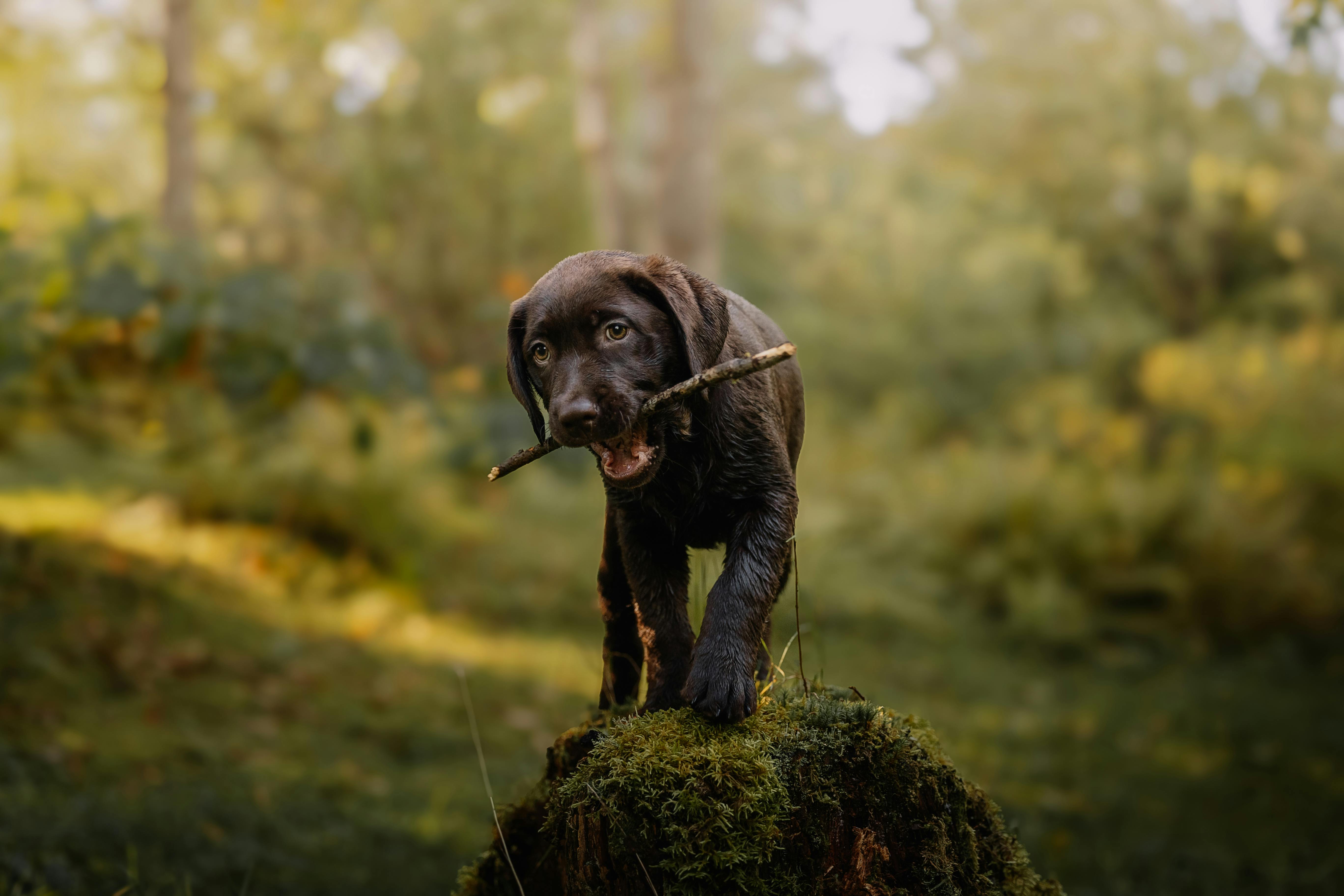
Dogs have long been known as man’s best friend, and one of their most intriguing features is their noses. If you ever wondered why do dogs have wet noses, you’re not alone. There’s a lot more to it than just being cute or funny. Wet noses serve a purpose that even the most casual dog lover might not know!
Why Do Dogs Have Wet Noses?
Wet noses are not just an adorable characteristic — they play a crucial role in a dog’s health and behavior. When you see a dog with a wet nose, it’s usually a sign of a healthy pup. But why exactly is wetness so important? Here’s a few fun facts that will help you understand the significance of a dog’s nose:
- Enhanced Smell: Dogs have an incredible sense of smell, estimated to be 10,000 to 100,000 times more acute than humans. The moisture on their noses helps to capture scent particles from the air, making it easier for them to analyze various smells.
- Temperature Regulation: Just like how humans sweat to cool off, dogs also use their noses to regulate their body temperature. The wetness helps them stay cool and avoid overheating, especially during hot days.
- Health Indicator: A wet nose is often a sign of good health, while a dry nose could signal dehydration or illness. It’s important for dog owners to check their pet’s nose regularly.
- Social Interaction: When dogs greet each other, they often sniff each other’s noses. A moist nose can encourage social bonding and communication among dogs.
The Science Behind Wet Noses
The wetness of a dog’s nose comes from a combination of factors. For one, dogs have sweat glands in their noses that help keep them moist. Their saliva also contributes to the moisture, especially when they lick their noses.
Here’s a breakdown of the components involved:
- Mucous Membranes: These membranes help keep the nose moist and enhance the dog’s ability to detect scents.
- Saliva: Dogs often lick their noses, adding saliva that helps absorb scent molecules.
- Environmental Factors: Humidity and temperature can affect how wet a dog’s nose gets. For example, a dog might have a drier nose in winter or in dry environments.
Fun Facts About Dogs’ Noses
Did you know that each dog has a unique nose print, much like human fingerprints? This uniqueness can even be used for identification purposes! Here’s some more fascinating information about dog noses:
- Color Variations: A dog’s nose can come in various colors, from black to pink. The color can depend on the breed and genetics, and does not necessarily indicate health.
- Nose Shape: Different breeds have different nose shapes. For instance, hounds have long noses which help with scent trails, while brachycephalic breeds like Bulldogs have shorter noses which can affect their sense of smell.
- Nose Temperature: A dog’s nose can be cooler than the rest of their body. This is natural; the cooler temperature helps with scent detection. You might notice your dog’s nose is warmer when they are sick.
Comparing Dog Noses to Human Noses
There are significant differences between dog noses and human noses. Here’s a simple comparison:
| Feature | Dog Nose | Human Nose |
|---|---|---|
| Smell Sensitivity | 10,000 – 100,000 times better | Much less sensitive |
| Moisture | Always moist for scent capture | Generally dry |
| Temperature | Cooler than body temp | Usually warmer |
| Unique Prints | Unique nose print for ID | Unique fingerprints |
Practical Tips for Dog Owners
As a dog owner, you should pay attention to your dog’s nose. Here are some tips:
- Regular Checks: Make it a habit to check your dog’s nose daily. Look for dryness or cracks that could indicate a health problem.
- Hydration: Ensure your dog is drinking enough water, especially during hot weather to keep their nose moist.
- Veterinary Visits: If you notice any sudden changes in your dog’s nose, like excessive dryness or unusual color, consult a veterinarian.
Understanding why do dogs have wet noses not only enriches your knowledge but also helps you care better for your furry friend. Their noses are not just cute; they are a vital part of a dog’s health and well-being. So, the next time you see your pup with that adorable wet nose, remember that it’s more than just a charming feature — it’s a gateway to a world of scent and communication.
Conclusion
In conclusion, the wet noses of dogs serve several important functions, primarily related to their health and sensory perception. The moisture not only helps enhance their sense of smell, making them more adept at detecting scents, but also plays a crucial role in regulating their body temperature. Additionally, the wetness can indicate a dog’s overall health, as changes in nose moisture can signal illness or dehydration. Understanding the reasons behind this unique trait can enhance our appreciation for our canine companions and their remarkable biology. As dog owners, it’s essential to observe any significant changes in your pet’s nose, as these could be indicators of health issues. Regular veterinary check-ups and being attentive to your dog’s behavior and physical condition are vital. Embrace the quirks of your furry friend and ensure they stay healthy and happy, nose and all!
