
Have you ever wondered, why do dogs have wet noses? This fascinating question leads us deep into the world of canine biology and behavior. A dog’s nose is not just a cute feature; it serves many important functions. Many people curious about their furry friends might ask, “Is it normal for dogs to have wet noses?” or “What does it mean when a dog’s nose is dry?” Understanding the reasons behind this unique trait can enhance our bond with our pets.
Wet noses in dogs are more than just a quirky characteristic; they play a vital role in dog health and communication. The moisture on a dog’s nose helps with scent detection, allowing them to explore the world through their incredible sense of smell. Plus, a wet nose can indicate a dog is healthy and well-hydrated. So, what are the reasons behind this intriguing phenomenon? In this blog post, we will uncover the science behind why dogs have wet noses, exploring everything from their anatomy to what it means for your pup’s overall well-being! Get ready to dive into the captivating world of dogs and discover the secrets hidden in their wet noses!
The Science Behind Dog Nasal Moisture: Why Wet Noses Matter for Canine Health
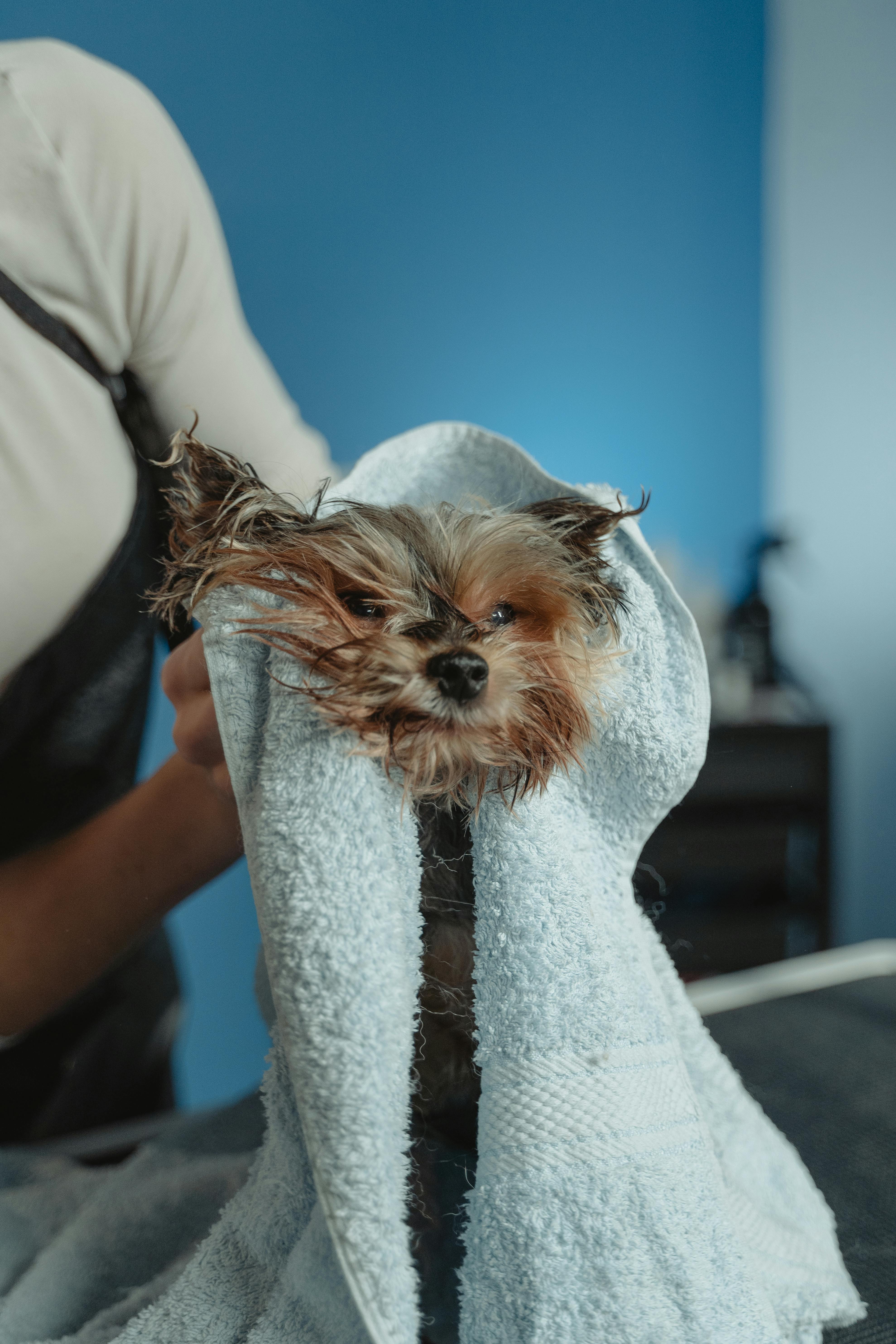
Dog lovers and pet owners often notice that their furry friends have wet noses. But why do dogs have wet noses? It’s not just a cute trait; there’s actually a science behind this fascinating aspect of canine health. In fact, the moisture on a dog’s nose plays a crucial role in their sense of smell and overall well-being. Let’s explore the reasons why wet noses matter, the benefits they provide, and some interesting facts about our four-legged companions.
The Importance of Nasal Moisture
A dog’s nose is more than just a cute feature. It’s a complex organ that helps them navigate the world. Here’s what you need to know about why those wet noses are so important:
Enhanced Smell: Dogs have an incredible sense of smell, estimated to be 10,000 to 100,000 times more sensitive than humans. A moist nose helps to trap scent particles, making it easier for dogs to pick up on odors in their environment. This is essential for their hunting instincts and communication.
Temperature Regulation: Just like humans sweat to cool down, dogs use their noses to help regulate their body temperature. The moisture evaporates, which can help to cool them off on hot days. It’s a natural way for them to stay comfortable.
Health Indicators: A dog’s nose can tell you a lot about their health. A wet, cool nose is often a sign of a healthy dog. However, if a dog’s nose becomes excessively dry or cracked, it could indicate dehydration, illness, or other health problems. Monitoring your dog’s nose condition can help you stay alert to their health needs.
Why Do Dogs Have Wet Noses?
Now that we know the importance of nasal moisture, let’s dive deeper into why dogs have wet noses in the first place. Here’s a breakdown of the main reasons:
Nasal Glands: Dogs have specialized glands in their noses that produce mucus. This mucus helps to keep their noses moist. The moisture from these glands is vital for the scent-trapping function of the nose.
Environmental Factors: Dogs often lick their noses, which adds extra moisture. They also may get wet noses from rain, snow, or even from drinking water. This moisture helps to enhance their ability to detect scents in various weather conditions.
Evolutionary Advantage: Wet noses have likely provided an evolutionary advantage to dogs. Their ancestors relied heavily on their sense of smell for hunting and survival. The moisture on the nose aids in this critical function, ensuring that they can find food and avoid danger.
Fascinating Facts About Dog Noses
Did you know that dog noses are unique, much like human fingerprints? Here are some interesting facts about dog noses that might surprise you:
Unique Patterns: Each dog has a unique nose print. Just like humans have unique fingerprints, the patterns of ridges and creases on a dog’s nose are distinctive to each individual dog.
Temperature Sensing: Dogs can detect temperature changes through their noses. They can sense heat and cold better than humans can, which aids in finding food sources or avoiding threats.
Scent Memory: Dogs can remember scents for a long time. They can recognize familiar scents even after long periods, which is why they often get excited when they smell their favorite person or another animal.
Nasal Turbinates: Dogs have complex structures in their noses called turbinates, which help to warm and humidify the air they breathe. This structure also plays a role in their incredible sense of smell.
Monitoring Your Dog’s Nose Health
As a dog owner, it’s essential to keep an eye on your dog’s nose health. Here are some signs to watch for:
Dryness or Cracking: If your dog’s nose becomes excessively dry or shows cracks, it may be a sign of dehydration or illness.
Discharge: Any unusual discharge from the nose, whether it’s clear, green, or bloody, should be checked by a vet.
Color Changes: If the color of your dog’s nose changes significantly, it’s worth getting a professional opinion.
Behavior Changes: If your dog seems lethargic or shows changes in appetite alongside nose issues, consult a veterinarian.
Understanding why dogs have wet noses and how this feature contributes to their health is vital for any pet owner. It’s just one of the many ways our canine companions are uniquely designed to thrive in their environments. So, the next time you feel that cool, moist nose against your hand, remember that it’s not just adorable; it’s an essential part of your dog’s health and happiness.
5 Fascinating Reasons Dogs Have Wet Noses: More Than Just a Quirk!

When we think of our furry companions, one of the most endearing features they have is their wet noses. But why do dogs have wet noses anyway? There’s actually more science behind this quirk than one might think! Let’s dive into the fascinating reasons that make those wet noses not just cute, but also essential for your dog’s health and well-being.
The Science Behind Wet Noses
Dogs have wet noses due to a variety of factors, including anatomy and environment. The moisture on a dog’s nose helps them in several ways. Here are some key points that explain why those cold, wet noses are so common among canines:
Enhanced Sense of Smell: A dog’s sense of smell is about 10,000 to 100,000 times more acute than that of humans. The moisture on their noses helps to capture scent particles from the air, allowing them to process and identify smells better. When the nose is wet, it can absorb these scent molecules more effectively.
Thermoregulation: Dogs, unlike humans, don’t sweat like we do. Instead, they regulate their body temperature through their noses and panting. The moisture evaporating from the nose aids in cooling down their bodies, especially on hot days.
Health Indicator: A healthy dog typically has a moist nose. If you notice your dog’s nose is dry, it could indicate dehydration or illness. However, it’s important to remember that the moisture level can vary throughout the day due to factors like weather and activity.
Communication Tool: Dogs often use their noses to interact with other dogs and humans. A wet nose can be a sign of affection and a friendly approach. When your furry friend nudges you with their nose, it could be their way of saying “hello” or seeking attention.
Protection Against Pathogens: The wetness of a dog’s nose can help trap dirt and pathogens. This is a natural defense mechanism that minimizes the risk of infection. The mucous membranes in the nose can also produce antibodies that help fight off germs.
Historical Context of Dog Noses
Historically, dogs have been bred for various purposes, including hunting, herding, and companionship. Their noses have always played a crucial role in these functions. For example, hunting dogs like Bloodhounds rely heavily on their keen sense of smell, which is supported by their wet noses.
Ancient Uses: In ancient times, dogs were used for tracking and hunting. Their ability to sniff out prey was essential for survival, and a wet nose was vital in ensuring they could do their jobs effectively.
Modern Day Roles: Today, dogs are often involved in search and rescue, police work, and even medical detection (like finding diseases). Their wet noses are a critical component of their ability to perform these tasks.
Fun Facts About Dog Noses
Here are some quick fun facts about dogs and their noses that might surprise you:
Unique Patterns: Just like human fingerprints, every dog has a unique nose print. This means that no two dogs have identical nose patterns.
Temperature Sensitivity: Dogs can sense changes in temperature better through their noses. This helps them navigate their environment and stay safe.
Pheromone Detection: Dogs can detect pheromones, chemical signals used for communication, which is crucial for their social behavior.
Nose Size Matters: Larger breeds tend to have larger noses which can enhance their smelling capabilities, but even small breeds can have a strong sense of smell.
Lifespan of a Nose: A dog’s sense of smell can decline with age, but proper care and stimulation can help maintain their olfactory abilities.
Practical Tips for Caring for Your Dog’s Nose
Taking care of your dog’s nose is essential to ensure their health. Here are some practical tips:
Regular Check-ups: Keep an eye on your dog’s nose. If it becomes excessively dry or cracked, consult a veterinarian.
Hydration: Ensure your dog has access to fresh water at all times to prevent dehydration.
Limit Sun Exposure: Just like humans, dogs can get sunburned. Apply pet-safe sunscreen on sensitive areas if your dog spends a lot of time in the sun.
Avoid Allergens: If your dog often has a dry nose, consider environmental factors such as pollen or dust that might be irritating them.
Diet Matters: A balanced diet can contribute to the overall health of your dog’s skin and nose.
Understanding why dogs have wet noses not only helps us appreciate this endearing trait but also emphasizes the importance of taking care of our canine companions. Those wet noses play essential roles in their lives, from enhancing their sense of smell to protecting them from pathogens. So, next time you give your pup a scratch behind the ears, take a moment to marvel at that fascinating wet nose!
How a Dog’s Wet Nose Enhances Their Sense of Smell: Exploring the Connection
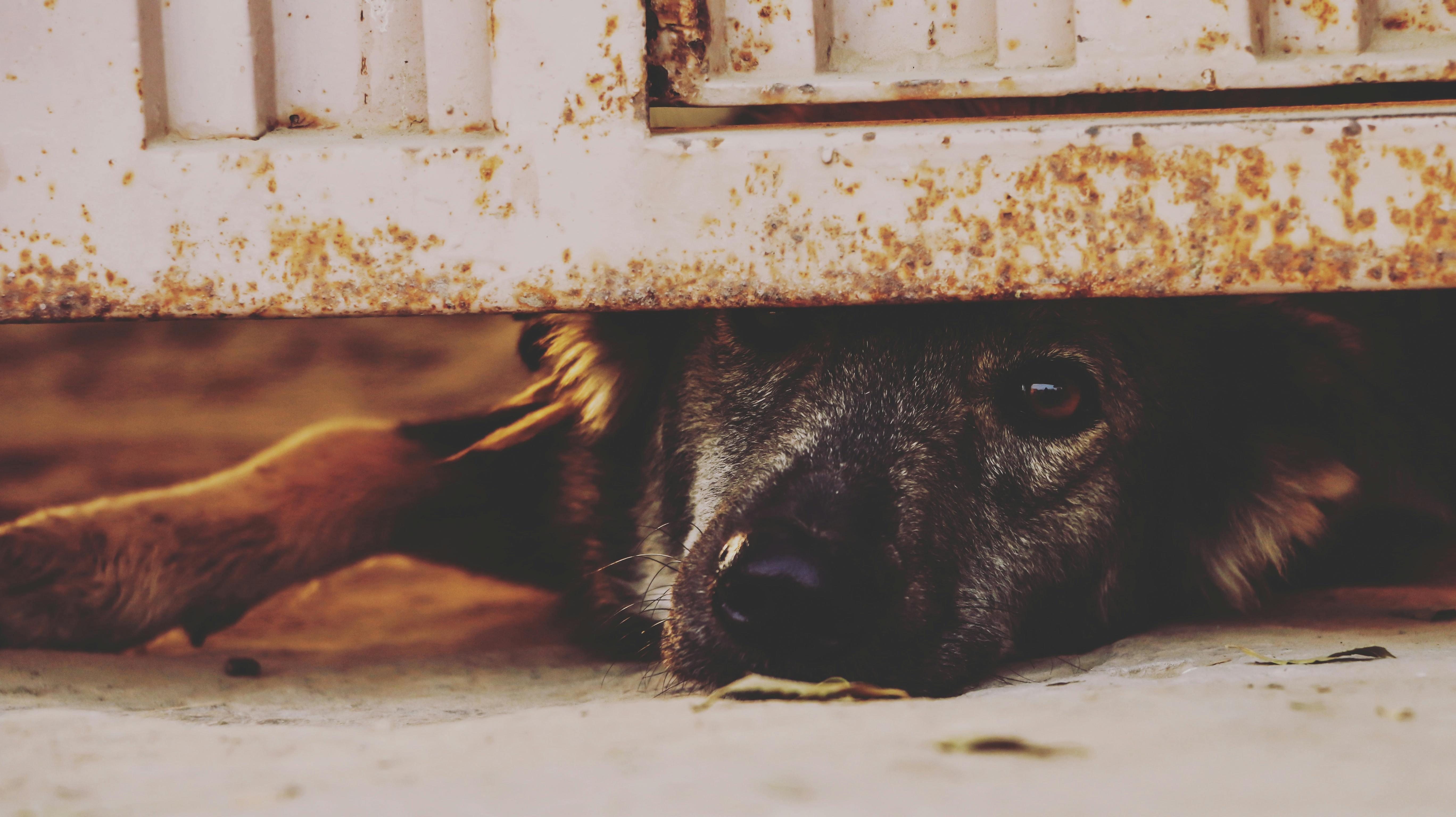
Dogs are known for many things, but one of the most fascinating aspects of their biology is their incredible sense of smell. One might wonder, how does a dog’s wet nose enhance their sense of smell? And why do dogs have wet noses in the first place? Lets dive into the science behind this interesting phenomenon and explore the reasons why our furry friends have those moist snouts.
The Science Behind a Dog’s Nose
Dogs have an exceptional olfactory system, which is way more advanced than humans. While humans have about 5 million scent receptors, dogs boast around 220 million or even more, depending on the breed. This staggering number allows them to detect scents at incredibly low concentrations. But what role does the wetness of a dog’s nose plays in their superior smelling abilities?
Why Do Dogs Have Wet Noses?
Moisture and Scent Absorption: A wet nose helps in absorbing scent particles from the air. The moisture can capture and hold scent molecules, making it easier for dogs to detect and identify different smells. This is why you might notice your dog sniffing around after a rainstorm or near a water source.
Temperature Regulation: Dogs don’t sweat like humans do. Instead, they cool themselves through panting and by having a wet nose. The moisture on their nose helps to evaporate, which cools their body down. This is important for maintaining their overall health, especially during hot weather.
Scent Discrimination: Having a wet nose helps dogs to distinguish between different odors. The moisture allows scent particles to adhere better to their nose, which assists in analyzing complex smells. This is crucial for hunting, tracking, or even just exploring their environment.
Health Indicator: A wet nose is often seen as a sign of good health in dogs. However, it’s not a definitive indicator. Various factors can affect the moisture level, including environmental conditions and the dog’s activity level.
Historical Context of Dogs’ Noses
Dogs have been companions to humans for thousands of years. Initially, they were bred for specific tasks like herding, hunting, and guarding. Their sense of smell was honed through generations of selective breeding. For instance, Bloodhounds, known for their incredible scent-tracking abilities, have been used in search and rescue operations for centuries. The evolution of dogs has largely been influenced by their olfactory capabilities, which remain a key aspect of their identity.
Fun Facts About Dogs’ Noses
Unique Nose Prints: Just like human fingerprints, every dog has a unique nose print. This could be used for identification purposes.
Color Variations: The color of a dog’s nose can vary widely among breeds and can even change due to health conditions. A healthy nose is usually moist and cool.
Scent Memory: Dogs have a remarkable scent memory. They can remember scents for years, which is why they can recognize their owners after long periods of separation.
Nasal Structure: The structure of a dog’s nose is designed to maximize their smelling capabilities. Their nasal passages are long and convoluted, which increases the surface area for scent detection.
How Dogs Use Their Nose
Dogs use their noses not just for smelling food or finding their owners, but also for social interactions. They can gather information about other dogs or animals by sniffing their urine or feces. This behavior might seem unappealing to us, but for dogs, it’s a means of communication and understanding their environment.
The Impact of Wet Noses on Training
Trainers often utilize a dog’s sense of smell in obedience and agility training. For example, scent detection work is part of many dog sports and can be a fun way to engage with your pet. A dog’s ability to follow scent trails can also be trained for search-and-rescue operations, making their wet noses not just a biological feature, but also a tool for teamwork and service.
In summary, a dog’s wet nose is not just a cute feature but is crucial for their sense of smell and overall health. The moisture helps in scent detection, temperature regulation, and even serves as an indicator of their well-being. Understanding these fascinating reasons can deepen our appreciation for our canine companions. Next time you pet your dog, take a moment to marvel at that wet nose and all the wonders it brings!
Wet Noses and Dog Behavior: What Your Pup is Trying to Communicate
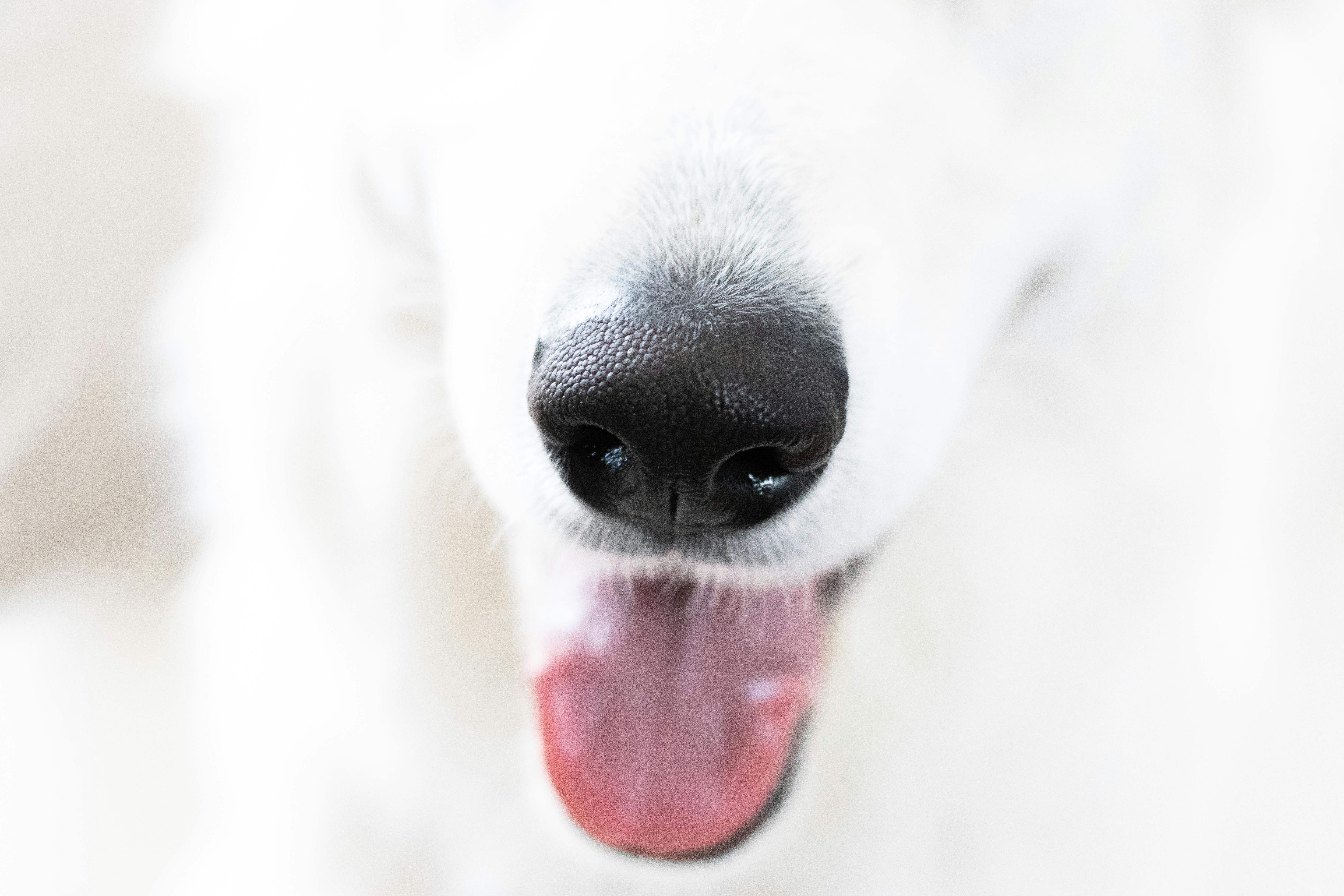
Dogs, our furry friends, are not just cute companions; they communicate in ways we often don’t realize. One of the most intriguing aspects of dog behavior is their noses – specifically, why do dogs have wet noses? This article explores the fascinating reasons behind this phenomenon and what your pup might be trying to tell you through their wet snouts.
Understanding Dog Noses
First, let’s get into the basics. A dog’s nose is an amazing organ that’s way more than just a cute feature. It is moist for several reasons:
Temperature Regulation: Just like humans sweat, dogs use their noses to help cool off. The moisture evaporates, helping to regulate their body heat.
Enhanced Smell: A wet nose assists in smell detection. The moisture helps capture scent particles, which dogs can then process better. This is why dogs are such good detectives!
Communication Tool: Dogs also use their noses to communicate with each other and humans. A wet nose can indicate excitement, affection, or even anxiety.
The Science Behind Wet Noses
Why do dogs have wet noses? This question takes us into the science. Dogs’ noses have mucous membranes that secrete fluids, keeping their noses damp. This moisture is essential for the sense of smell, which is incredibly important for dogs. Here are some fascinating facts:
Dogs can have up to 300 million scent receptors in their noses, while humans only have about 6 million.
The part of a dog’s brain that processes smells is about 40 times larger than that of humans.
Dogs can detect certain scents at incredibly low concentrations, sometimes as low as parts per trillion!
What Your Dog is Trying to Communicate
Now, let’s talk about what your dog’s wet nose might mean. Dogs use their noses for more than just smelling; they express feelings and needs through it too. Here are some common messages your pup might be sending:
Affection: A gentle nuzzle with a wet nose often signifies love and trust. Your dog may be seeking attention or just showing you how much they care.
Excitement: When your dog is feeling playful or excited, a wet nose can be a way of showing their eagerness to engage with you.
Stress or Anxiety: Sometimes, a wet nose may indicate that your dog is feeling stressed or anxious. If they seem restless or are pacing, their wet nose might be a sign that they need comfort.
Curiosity: Dogs love to explore the world with their noses. A wet nose investigating something new may mean your pup is curious about their surroundings.
The Role of Temperature and Environment
The environment also plays a role in why dogs have wet noses. For instance, dogs tend to have drier noses in hot weather, and wetter noses in cooler climates. Here’s a quick overview:
Hot Weather: Dogs may lick their noses more often to keep them cool and moist.
Cold Weather: In colder temperatures, their noses might freeze slightly, leading to a drier feeling.
Health Indicators: A change in nose moisture could indicate health issues. A consistently dry nose might suggest dehydration or illness, so it’s good to pay attention.
Fun Facts About Dog Noses
Dogs can detect changes in human emotions through scent, making them excellent therapy animals.
Some dogs are trained to detect diseases like cancer and diabetes just by smelling.
The texture and shape of a dog’s nose can vary by breed, which can also affect how they interact with their environment.
Practical Tips for Dog Owners
If you’re a dog owner, here are some tips to keep your pup’s nose healthy:
Hydration: Ensure your dog drinks plenty of water. Dehydration can lead to a dry nose.
Regular Vet Check-ups: Keep up with vet visits to ensure your dog’s health is monitored.
Observe Changes: If you notice sudden changes in your dog’s nose or behavior, consult your vet.
Understanding Dog Behavior
Understanding dog behavior is crucial for building a better bond with your furry friend. Knowing why do dogs have wet noses and what they communicate can enhance your relationship.
Dogs are truly fascinating creatures, and their wet noses are just one of the many unique aspects of their biology and behavior. By paying attention to your dog’s wet nose and what it signifies, you can better understand their needs and emotions. Whether it’s a sign of affection or a call for attention, your pup’s wet nose is a window into their world.
Is Your Dog’s Nose Too Dry? Understanding the Health Implications

Ever wonder why your dog’s nose is wet most of the time? Or maybe you’ve noticed that it can sometimes be dry. Well, you’re not alone! Many dog owners question the significance of their pet’s nose moisture and what it might mean for their health. This article will explain why do dogs have wet noses, explore the health implications of a dry nose, and help you understand what might be going on with your furry friend.
Why Do Dogs Have Wet Noses?
Dogs have wet noses for a variety of reasons, and it’s not just a random quirk of nature. Here’s some of the fascinating reasons why your dog might have that characteristic nose:
- Temperature Regulation: A wet nose helps dogs cool down. When they pant, moisture evaporates from their nose, helping to lower their body temperature. This is especially important during hot weather.
- Enhanced Smell: Dogs have an incredible sense of smell, and a moist nose helps to capture scent particles from the air. The moisture on the nose traps these particles, enhancing a dog’s ability to detect scents.
- Health Indicator: A wet nose can also signify good health. Dogs often have a wet nose when they are well-hydrated and healthy. Conversely, a dry nose can sometimes indicate a health issue, though it’s not always the case.
Is Your Dog’s Nose Too Dry?
Now, let’s talk about when a dog’s nose is too dry. A dry nose can be a cause for concern, but it isn’t always a sign of illness. Here are some common reasons for a dry dog nose:
- Dehydration: If a dog is not drinking enough water, it can lead to a dry nose. Always ensure your dog has access to fresh water.
- Environment: Dry air, particularly in winter or in air-conditioned homes, can lead to a dry nose. You might consider using a humidifier.
- Sunburn: Dogs can get sunburnt just like humans. A dog that spends a lot of time outdoors may develop a dry, cracked nose from the sun.
- Allergies: Just like humans, dogs can also suffer from allergies which may cause their noses to become dry or irritated.
- Health Conditions: Certain health issues such as autoimmune disorders or skin conditions may result in a persistently dry nose. If a dry nose is accompanied by other symptoms, it’s best to consult a veterinarian.
How to Assess Your Dog’s Nose Health
It’s essential to monitor your dog’s nose and overall health. Here are some signs to look out for:
- Nose Texture: Check if the nose is cracked or flaky. A healthy nose is usually smooth and moist.
- Color Changes: A sudden change in color may indicate a problem. Healthy noses are typically black or brown, but if you notice any unusual discoloration, it’s worth a vet visit.
- Accompanying Symptoms: Look for other symptoms such as lethargy, loss of appetite, or excessive thirst. These can be signs of serious health issues.
- Behavior Changes: If your dog seems more lethargic than usual or is acting differently, it might be time for a check-up.
Caring for Your Dog’s Nose
If you find that your dog’s nose is dry, there are some steps you can take to help:
- Hydration: Make sure your dog is drinking enough water. You can also add wet food to their diet to increase moisture intake.
- Humidifier: If your home is dry, consider using a humidifier during the winter months to help maintain moisture in the air.
- Sunscreen: If your dog has a light-colored nose, talk to your vet about dog-safe sunscreen to protect against sun damage.
- Veterinary Care: If the dryness persists or if there are other symptoms, don’t hesitate to consult your veterinarian. They can provide a thorough evaluation and necessary treatment.
Final Thoughts
Understanding the reasons behind your dog’s wet nose can provide valuable insight into their health and well-being. While a wet nose is generally a good sign, a dry nose can sometimes indicate underlying issues that may need attention. Always keep an eye on your pet’s overall health and consult with a veterinarian if you notice any significant changes. After all, our dogs rely on us to keep them happy and healthy, and being attentive to their needs is the best way to ensure a long, joyful life together.
The Role of a Wet Nose in Temperature Regulation: Keeping Your Dog Cool

Dogs are amazing creatures, with many unique traits that make them special companions. One of the most interesting features of dogs is their wet noses. Have you ever wonder, why do dogs have wet noses? It’s not just a random occurrence; it’s actually an important part of how they regulate their body temperature and stay cool. Let’s dive into the fascinating reasons behind this, and how it helps keep your furry friend comfortable, especially during those hot summer days.
The Science Behind a Dog’s Wet Nose
A dog’s nose is not just wet for no reason. The moisture on their noses plays a crucial role in thermoregulation, which is the process of maintaining the right body temperature. Here’s how it works:
- Evaporation: Just like humans sweat to cool down, dogs utilize their wet noses. When the moisture evaporates from their noses, it helps lower their body temperature. This is especially useful when they are feeling overheated.
- Scent Detection: Dogs have an incredibly strong sense of smell. The wetness on their nose helps to capture scent particles in the air, enhancing their ability to detect different smells. This is a big reason why dogs are used in search and rescue operations.
- Health Indicator: A wet nose is often a sign of a healthy dog. If your dog’s nose is dry, it could indicate dehydration or illness. However, not every dry nose means something is wrong, it’s important to consider other symptoms.
Historical Context of Dog Nose Moisture
Dogs have evolved over thousands of years from wolves. Early humans began domesticating wolves, and over time, selective breeding led to the various breeds we see today. The wet nose is a trait that has been retained through generations, likely because it helped early dogs survive in various environments, from hunting to guarding homes.
Why Does Moisture Matter?
Moisture on the dog’s nose serves multiple purposes, some of which are vital for their survival. Understanding these can help pet owners provide better care for their furry friends. Key points include:
- Cooling Mechanism: Just like we mentioned earlier, it helps in cooling their body.
- Enhanced Smell: Their ability to smell is magnified thanks to the wetness, allowing them to track scents better.
- Communication: Dogs can also communicate through their sense of smell. A wet nose can be a way of saying hello or showing affection.
How to Keep Your Dog Cool
As a dog owner, you must be proactive during the hot months to ensure your dog’s comfort. Here are some tips:
- Provide Plenty of Water: Always have fresh water available. Hydration is key.
- Avoid Overexposure: Limit walks during the hottest parts of the day. Early mornings or late evenings are best.
- Create Shade: If your dog spends time outside, make sure there’s a shaded area for them to cool down.
- Cooling Mats: Consider investing in a cooling mat or bed for your dog, especially if they’re prone to overheating.
Comparing Dogs to Other Animals
Dogs aren’t the only animals with wet noses, but their method of temperature regulation is quite unique. Here’s how dogs compare to other pets:
- Cats: Cats don’t sweat through their noses. Instead, they sweat through their paw pads and pant to cool down.
- Horses: Horses sweat all over their body, and their nose stays relatively dry while they cool off.
- Rabbits: Rabbits use their ears to release heat and don’t have wet noses like dogs.
Fun Facts About Dog Noses
- A dog’s nose print is as unique as a human fingerprint. Each dog has its own unique pattern.
- Wet noses can detect smells up to 100,000 times better than humans.
- Dogs can also sense emotions through their nose, picking up on scents released by our bodies when we feel different emotions.
Taking care of your dog’s nose is just as important as any other part of their health. Regular vet check-ups can ensure that your dog’s nose, whether wet or dry, is a sign of good health. If you notice any drastic changes in moisture levels, it might be worth consulting with a veterinarian.
In summary, the role of a wet nose in temperature regulation is both fascinating and essential for a dog’s well-being. With their unique adaptations, dogs have evolved to thrive in various environments, and their wet noses are just one of the many traits that make them extraordinary companions. Understanding why dogs have wet noses can help enhance your relationship with your furry friend, ensuring their health and happiness for years to come.
Curious Canines: Why Do Dogs Like to Wet Their Noses on Everything?

Curious Canines: Why Do Dogs Like to Wet Their Noses on Everything?
Have you ever noticed your furry friend constantly wetting their nose on everything in sight? You’re not alone! Many dog owners scratch their heads wondering, “Why do dogs have wet noses?” This curious behavior isn’t just a quirk — it’s rooted in fascinating biology and instincts. Let’s dive in to discover the reasons behind those wet noses and what they mean for our canine companions.
The Biology of a Dog’s Nose
To understand why dogs have wet noses, let’s first look at the anatomy. Dogs noses are moist for a couple reasons.
- Temperature Regulation: Like us, dogs can get hot, and their nose helps cool them down. When the surface of their nose is wet, it helps to regulate their body temperature.
- Enhanced Sense of Smell: A wet nose helps to trap scent particles in the air. Dogs have an incredible sense of smell, estimated to be between 10,000 to 100,000 times more acute than humans. The moisture on their noses helps them pick up more scents from their environment.
Why Do Dogs Like to Wet Their Noses on Everything?
Now, let’s explore why dogs have this habit of wetting their noses on various surfaces.
Exploration: Dogs are naturally curious creatures. They use their noses to explore their world. When they wet their noses on objects, it helps them gather more information about their environment.
Communication: Dogs often communicate through their sense of smell. By wetting their noses on other dogs or humans, they might be leaving behind their scent or picking up on yours. This is a key part of how they interact socially.
Comfort and Security: Sometimes, dogs wet their noses on familiar items like their owner’s shoes or favorite toys. This behavior can provide a sense of comfort, as it reinforces the bond between dogs and their human companions.
Instinctual Behavior: Dogs have a strong instinct to investigate their surroundings. Wetting their noses may be a part of their natural behavior to assess new situations or objects.
The Importance of a Wet Nose
Having a wet nose is generally considered a sign of a healthy dog. However, it’s essential to note that a dry nose doesn’t always mean your dog is sick. Here are some fun facts about dog noses:
- Nasal Patterns: Just like human fingerprints, each dog has a unique nose print.
- Nose Temperature: A cool, wet nose is often associated with a dog being healthy, while a warm, dry nose can indicate illness or dehydration.
- Nose Sensitivity: Dogs’ noses are incredibly sensitive, with millions of scent receptors, which makes them great at detecting changes in their environment, including weather changes.
Fun Comparisons: Dog Noses vs. Human Noses
Let’s take a quick look at how dog noses differ from human noses.
| Feature | Dog Nose | Human Nose |
|---|---|---|
| Number of Receptors | ~300 million | ~5 million |
| Temperature Regulation | Yes | No |
| Moisture for Scent | Yes | No |
| Smell Sensitivity | High | Moderate |
When to Be Concerned
While a wet nose is usually a good sign, there are times when dog owners should pay attention. If your dog’s nose is persistently dry, cracked, or they show other signs of distress, such as lethargy or lack of appetite, it may be a good idea to consult a veterinarian.
Practical Tips for Dog Owners
- Hydration: Make sure your dog has access to clean, fresh water at all times. This will help keep their nose moist and their body healthy.
- Regular Check-ups: Regular vet visits can ensure that your dog’s overall health, including their nose, is in good condition.
- Observe Behavior: Keep an eye on your dog’s behavior. If they start wetting their noses excessively or showing signs of discomfort, it might be worth getting a professional opinion.
In the end, understanding why dogs have wet noses can enhance our relationship with them. It shows us just how complex and interesting our furry friends are. So next time your pup nudges you with their damp nose, remember that they’re not just being cute — they’re exploring, communicating, and showing love in their own special way. It’s all part of the wonderful world of being a dog owner!
7 Surprising Benefits of Your Dog’s Wet Nose You Never Knew About
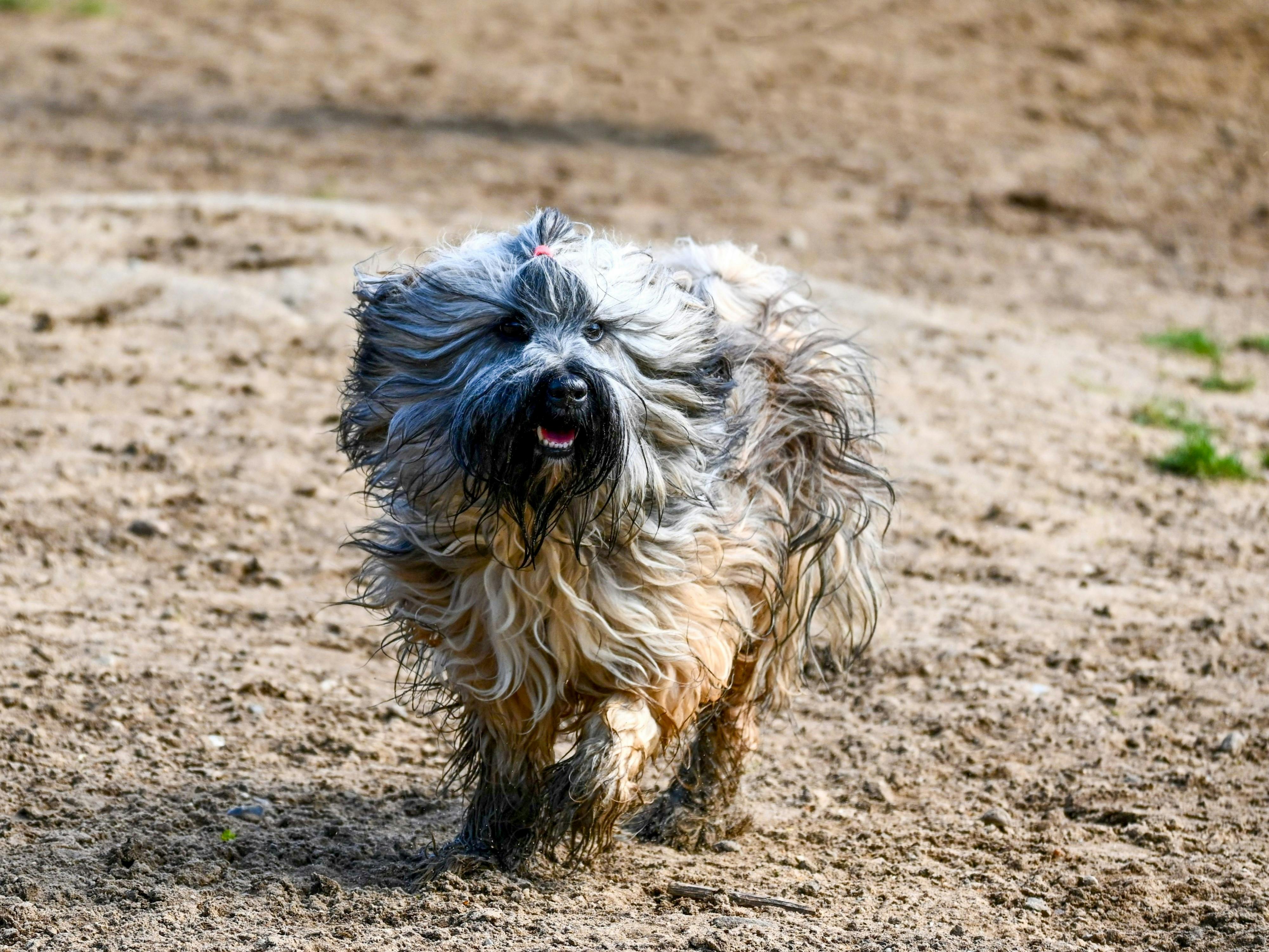
Dogs are more than just pets; they are companions, protectors, and sometimes our best friends. One of the most fascinating features about dogs is their wet noses. You might have noticed that when you pet your furry friend, their nose is often cool and damp. Ever wondered why? In this article, we’ll dive into 7 surprising benefits of your dog’s wet nose that you probably didn’t know about, and explore the fascinating reasons behind this unique characteristic.
1. Cooling Mechanism
Did you know that a dog’s wet nose helps to cool their body? Yes, dogs do not sweat like humans do! Instead, they rely on their noses to regulate temperature. When a dog’s nose is wet, it evaporates moisture, which cools the blood vessels just beneath the surface. This helps them stay cool especially during hot weather. It’s like their own personal air conditioning system!
2. Enhanced Sense of Smell
Dogs have an incredible sense of smell, and their wet noses play a huge role in this. The moisture on their noses helps to capture scent particles in the air, which then enhances their ability to smell. A wet nose is basically a super-sensor! Research suggests that a dog’s sense of smell is about 10,000 to 100,000 times more sensitive than a human’s. So, when your pup sniffs around, he is collecting valuable information from the environment.
3. Communication Tool
Dogs talk to each other and to us in many ways, and their wet noses are no exception. When a dog nuzzles or nudges you with their nose, it can be a sign of affection or a way to get your attention. They might also use their noses to greet other dogs. A wet nose can indicate that a dog is relaxed and happy, which is essential for social interactions.
4. Health Indicator
A wet nose can also be an indicator of your dog’s health. While a dry nose doesn’t always mean something is wrong, a sudden change in the moisture level of your dog’s nose could signal health issues. Here’s a quick list of possible concerns:
- Fever: A hot, dry nose might indicate your dog has a fever.
- Dehydration: If the nose becomes excessively dry, it could be a sign of dehydration.
- Illness: Certain illnesses can change the moisture levels in a dog’s nose.
Regularly observing your dog’s nose can help you catch potential health issues early.
5. Natural Lubrication
The wetness of a dog’s nose also serves as a natural lubricant. This helps in protecting the sensitive skin on their nose from drying out and cracking. Imagine how uncomfortable it would be if our noses were constantly exposed and dry! The moisture keeps it healthy and functional, allowing your dog to sniff without discomfort.
6. Temperature Detection
Interestingly, a dog’s nose is also an effective thermometer. When your dog is sniffing around, their wet nose can detect temperature changes in the environment. This sensitivity helps them find food sources or identify potential dangers. In the wild, this ability can be vital for survival, as it allows dogs to sense changes in their surroundings quickly.
7. Bonding Experience
Finally, a dog’s wet nose can enhance bonding between you and your pet. When your dog nudges you with their nose, it’s a gesture of trust and affection. Engaging in activities that involve nose-to-nose contact can strengthen your relationship. Plus, sharing those moments of joy can be incredibly rewarding for both you and your furry friend.
Why Do Dogs Have Wet Noses?
Now that we’ve covered the benefits, let’s explore why dogs have wet noses in the first place.
- Evolutionary Trait: Wet noses evolved as a trait that enhances a dog’s ability to hunt and survive.
- Anatomy: The unique structure of a dog’s nose, filled with glands that keep it moist, is crucial for their heightened sense of smell.
- Behavioral Aspect: Dogs are naturally inclined to lick their noses, which keeps them wet and helps with scent detection.
In summary, the wet noses of our canine companions are not just cute characteristics; they serve multiple purposes that enhance their health, communication, and bonding with humans. So the next time you get a nose nuzzle from your pup, remember all those fascinating reasons behind that cool, moist touch. Your dog’s wet nose is a window into their world, revealing their emotions, health, and even their instincts. Take a moment to appreciate it!
How to Keep Your Dog’s Nose Healthy and Moist: Tips for Pet Owners

Dogs are often known for their wet noses, but have you ever thought about why that is? It’s not just an adorable feature; it actually serves important purposes. Keeping your dog’s nose healthy and moist is crucial for their overall well-being. In this article, we will dive into the reasons behind wet noses, and provide some helpful tips for pet owners to ensure their furry friends stay happy and healthy.
Why Do Dogs Have Wet Noses?
The wetness of a dog’s nose is more than just a cute quirk. There are several fascinating reasons why dogs have moist noses:
Enhanced Sense of Smell: A wet nose helps dogs to absorb scent molecules from the air. This aids in their incredible ability to smell, which is far more advanced than humans. The moisture on the nose captures scent particles, allowing dogs to process smells more effectively.
Temperature Regulation: Dogs don’t sweat like humans do. Instead, they rely on their noses to help regulate body temperature. A moist nose can help cool them down, especially during warm weather.
Health Indicator: The condition of a dog’s nose can provide insights into their health. A healthy nose is usually moist and cool, while a dry, cracked nose could indicate dehydration or illness.
Communication: Dogs use their noses to explore their environment and interact with other dogs. A wet nose can be a sign of a happy, curious dog.
How to Keep Your Dog’s Nose Healthy and Moist
Now that we understand why dogs have wet noses, let’s look at ways to keep that nose healthy and moist. Here are some tips for pet owners:
Stay Hydrated: Make sure your dog has access to fresh water at all times. Dehydration can lead to a dry nose, so keep that water bowl filled!
Humidity Matters: In dry climates or during winter months, consider using a humidifier in your home. This can help maintain moisture levels in the air, which is beneficial for your dog’s nose and skin.
Regular Check-ups: Regular vet visits are essential. Your veterinarian can assess your dog’s overall health, including the condition of their nose. If you notice any changes, such as excessive dryness or cracking, consult your vet.
Avoid Harmful Substances: Some cleaning products or chemicals can irritate your dog’s nose. Be mindful of what you use around your home and if you notice any irritation, switch to pet-friendly products.
Use Natural Moisturizers: If your dog’s nose is dry, consider applying a small amount of natural moisturizer, like coconut oil or a vet-recommended nose balm.
Signs of a Potential Problem
It’s important to monitor your dog’s nose. Here are some signs that could indicate an issue:
Excessive Dryness: If the nose is excessively dry or cracked, it could be a sign of dehydration or illness.
Discharge: If you see any unusual discharge, it may indicate an infection or an allergy.
Change in Color: A sudden change in the color of your dog’s nose could be a sign of health issues.
Persistent Symptoms: If your dog shows signs of discomfort or if the nose does not improve with basic care, seek veterinary advice.
Quick Tips for a Happy, Moist Nose
- Always provide fresh, clean water.
- Consider using a humidifier during dry seasons.
- Keep an eye on your dog’s nose for any changes.
- Use natural moisturizers as needed.
- Regularly check with your vet for health assessments.
The History Behind Wet Noses
Historically, dogs have evolved with wet noses as a survival mechanism. Ancient breeds relied on their keen sense of smell for hunting and scavenging. Over time, these traits have been passed down, and even today, the wet nose is a hallmark of a healthy dog.
Dogs have also been used in various roles throughout history, such as hunting companions, herders, and even service animals. Their wet noses have always played a crucial role in how they interact with the world.
Understanding the importance of your dog’s nose can enhance not only your dog’s health but also your bond with them. Their noses tell a story of their well-being, and with a little care, you can ensure that story continues to be a happy one.
Now, next time you give your furry friend a pat, take a moment to appreciate that moist little nose. It’s not just cute, it’s vital!
The Myth of the Cold, Wet Nose: What It Really Means for Your Dog’s Well-Being
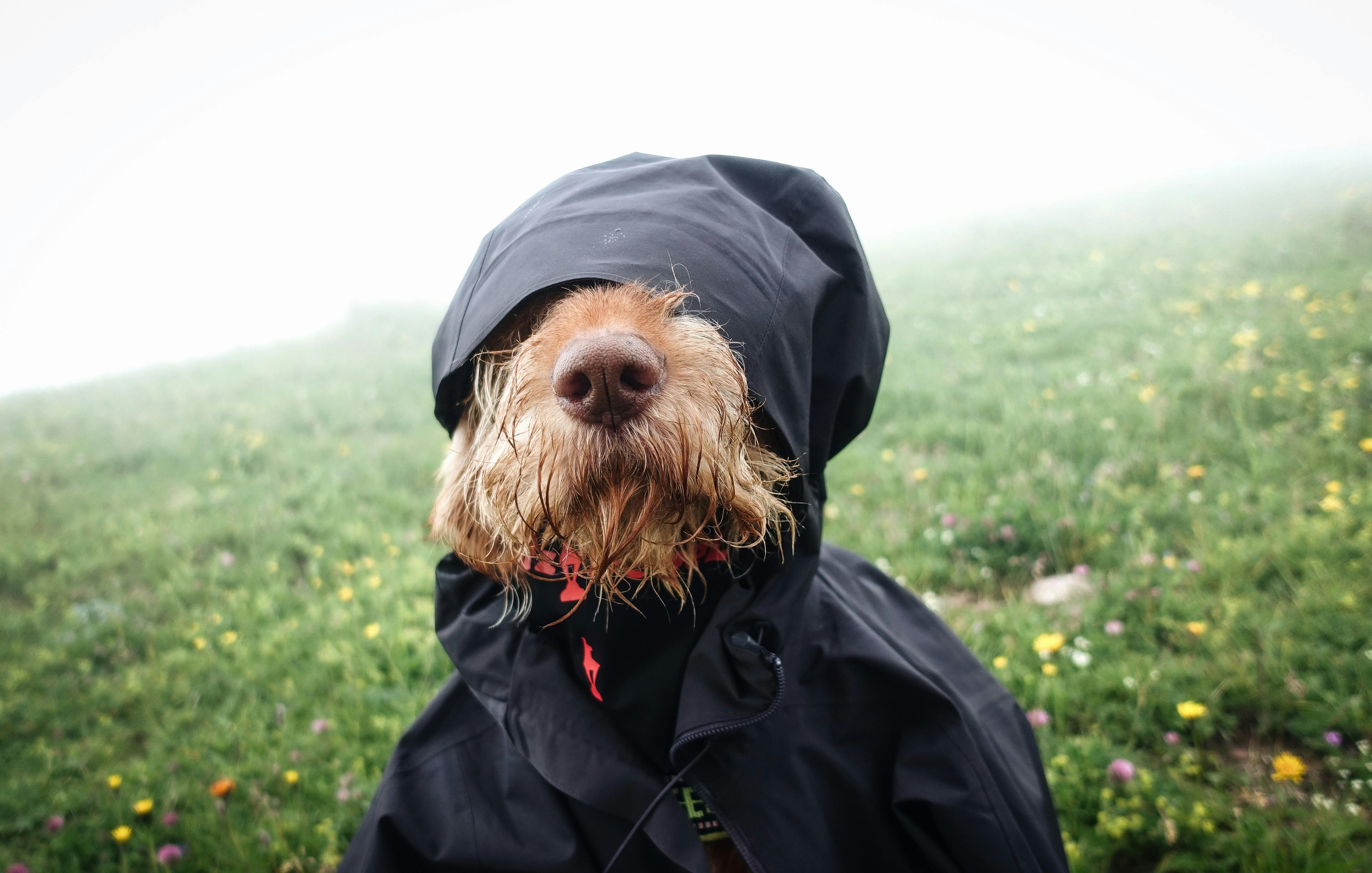
Ever seen a dog with a cold, wet nose and thought it was a sign of good health? Well, there’s a lot more to it than just a myth. The idea that a cold, wet nose indicates a happy, healthy pup is something many dog owners believe. But, what does it really means for your dog’s well-being? Let’s dive into the fascinating world of why do dogs have wet noses and unveil the truths behind this common belief.
The Science Behind Wet Noses
Firstly, it’s important to know that dogs’ noses are moist for a reason, and it’s not just for show. The moisture helps dogs to detect scents more efficiently. Here’s how it works:
- Scent Absorption: A wet nose absorbs scent particles, enhancing their olfactory capabilities.
- Temperature Regulation: Dogs sweat through their noses, helping to cool their bodies down.
- Health Indicator: While a wet nose can indicate good health, it’s not the only factor to consider.
The Myth of the Cold Nose
Many people think that a dog’s nose should be cold and wet at all times. But this is not always true. Dogs can have a warm, dry nose and still be perfectly healthy. Here’s why:
- Environmental Factors: Temperature and humidity can affect the moisture of a dog’s nose. Hot weather can lead to a dry nose.
- Activity Level: After playing or exercising, a dog’s nose may dry out temporarily.
- Health Conditions: Certain illnesses can lead to changes in nose temperature and moisture.
The Fascinating Reasons for Wet Noses
Now, let’s explore the reasons why dogs have wet noses more in depth.
- Enhanced Smell: Dogs have an incredible sense of smell, and a wet nose helps them to pick up on scents more effectively.
- Cooling Mechanism: Like mentioned before, dogs don’t sweat like humans do. Their nose helps in regulating body temperature.
- Social Communication: Dogs often use their noses to greet each other, and a wet nose can be a signal of friendliness.
- Health Monitoring: Pet owners often check their dog’s nose as an informal health check. However, be sure to not rely solely on this.
The Variability of Nose Moisture
It’s crucial to understand that not all dogs will have the same nose moisture. Here are some factors that can cause variations:
- Breed Differences: Some breeds are known to have drier noses than others.
- Age Factor: Puppies tend to have wetter noses compared to older dogs.
- Seasonal Changes: Dogs might have drier noses in winter due to the cold air and heating indoors.
Practical Tips for Dog Owners
If you’re a dog owner, keeping an eye on your dog’s nose can be part of regular health monitoring. Here’s a simple checklist to help you:
- Check for Cracks: A cracked or excessively dry nose can indicate dehydration or other health issues.
- Observe Changes: If you notice sudden changes in nose moisture or temperature, consult your vet.
- Stay Hydrated: Ensure your dog has access to fresh water at all times.
Common Misconceptions
There are several myths surrounding dog health, particularly about their noses. Let’s bust a few of those:
- Warm Nose = Sick Dog: A warm nose doesn’t mean your dog is sick. It could simply be enjoying the sun.
- Cold Nose = Happy Dog: A cold nose doesn’t always mean your dog is happy. They can be content with a warm nose too.
- Nose Color Matters: The color of a dog’s nose doesn’t have any bearing on their health.
Conclusion
In the end, understanding why do dogs have wet noses can help you be a better pet owner. While a cold, wet nose is often seen as a sign of good health, it’s not the whole story. Monitoring your dog’s overall health involves observing behavior, appetite, and other physical signs. So, the next time you check your furry friend’s nose, remember that it’s just one of many indicators of their well-being. Keep learning about your dog’s needs, and you’ll be sure to give them the best care possible!
Conclusion
In summary, the wet noses of dogs serve multiple important functions that contribute to their overall health and well-being. The moisture on a dog’s nose enhances their sense of smell, allowing them to detect scents more effectively, which is crucial for their interaction with the environment and communication with other animals. Additionally, a wet nose helps regulate their body temperature, acting as a natural cooling mechanism. While the common belief that a wet nose indicates a healthy dog is generally true, it is essential to monitor for any unusual changes that could signal health issues. Ultimately, understanding the science behind a dog’s wet nose not only deepens our appreciation for these beloved pets but also encourages responsible pet ownership. So, the next time you greet your furry friend, take a moment to marvel at the unique adaptations that make them such extraordinary companions.
