
Have you ever wondered, why do dogs have wet noses? This intriguing question has puzzled many pet owners and animal lovers alike. A dog’s nose is not just a unique feature; it serves several fascinating purposes that are essential to their well-being. Did you know that a wet nose helps dogs to detect scents better? This is because moisture on their nostrils allows them to pick up scent particles more efficiently. But that’s not all! The temperature of a dog’s nose can also indicate their health, making it a crucial aspect of canine care. So, what causes this wetness, and why is it so important? In this article, we will explore the science behind a dog’s wet nose and uncover the secrets of this fascinating mystery. Whether you’re a curious pet parent or just love learning about animal behavior, you won’t want to miss this! Join us as we delve into the wet nose phenomenon and discover why it’s more than just an adorable trait. Could it be linked to their hunting instincts or simply a way to stay cool? Let’s find out together!
The Science Behind a Dog’s Wet Nose: What Makes Them So Moist?

Ever wonder why dogs noses is so wet? It’s a question that’s puzzled pet lovers and scientists alike. A dog’s wet nose is not just a cute feature; it plays a really important role in their health and behavior. In this article, we’ll explore the science behind that fascinating moisture, delve into the reasons why dogs have wet noses, and uncover the mysteries of canine noses!
The Anatomy of a Dog’s Nose
First off, let’s break down how a dog’s nose works. The nose is covered with skin that contains special glands which produce mucus. This mucus helps keep their nose moist. When a dog sniffs around its environment, moisture from the nose captures scent particles, which enhances their sense of smell. Dogs have an incredible sense of smell, thought to be up to 100,000 times more sensitive than humans.
- Nasal cavity: The area inside a dog’s nose is rich with blood vessels and is responsible for warming up and humidifying the air they breathe in.
- Olfactory receptors: Dogs have around 300 million olfactory receptors, compared to a human’s 5 million. This allows them to detect a wide range of scents.
- Jacobsen’s organ: This is a special organ located in a dog’s nasal cavity that can detect pheromones, which are chemicals that carry information about other animals.
Why Are Dog Noses Wet?
So, why do dogs have wet noses? There’s actually a few reasons behind this phenomenon:
Scent Enhancement: A moist nose helps capture scent particles better, which is essential for a dog’s primary means of understanding their world.
Temperature Regulation: Just like humans sweat, dogs can regulate their body temperature through their noses. When a dog pants, moisture evaporates from their nose, helping to cool them down.
Health Indicator: A wet nose can be a sign of good health. However, a dry or cracked nose might indicate dehydration or illness.
The Benefits of Moisture
Dogs benefit from having wet noses in various ways, including:
- Improved Scent Detection: The moisture makes it easier for them to pick up on scents, which is crucial for hunting or tracking.
- Social Interaction: Dog noses are also used for social communication. When dogs greet each other, they often sniff each other’s noses. A wet nose can signal friendliness and approachability.
- Body Temperature Control: Keeping their noses moist helps them manage their body temperature better, especially on hot days.
Historical Context
Interestingly, the idea of wet noses being a sign of health has been around for a long time. In ancient times, people observed that dogs with wet noses generally seemed more lively and playful. The term “wet-nosed” became synonymous with a happy and healthy dog. Many cultures have crafted myths and tales around the significance of a dog’s nose, reinforcing its importance in human-dog relationships.
Fun Facts About Dog Noses
- The color of a dog’s nose may vary depending on the breed. Some breeds, like the Dalmatian, may even have spots on their noses.
- Dogs can identify individual scents and can even be trained to distinguish between different substances, such as drugs or even diseases.
- A dog’s nose print is unique, much like a human fingerprint. This means each dog has its own “nose identity.”
Comparison of Dog Breeds and Nose Characteristics
There’s a significant variety in nose characteristics among dog breeds. Here’s a brief comparison:
- Bloodhounds: Known for their exceptional tracking ability; their wet noses help capture scents over long distances.
- Bulldogs: Often have shorter noses, which may affect their scent-detection abilities but still have wet noses.
- Greyhounds: With their fast speed, they rely on their noses to track prey. Their moist noses assist in this.
Practical Tips for Dog Owners
If you’re a dog owner, you might wonder how to maintain your dog’s nose health. Here are a few tips:
- Hydration: Ensure your dog stays well-hydrated, especially during hot weather.
- Humidity: If you live in a dry climate, consider using a humidifier to keep the air moist.
- Regular Vet Check-ups: Keep an eye on your dog’s nose for any changes in moisture level or appearance, and consult a vet if you notice anything unusual.
Understanding the science behind a dog’s wet nose reveals just how fascinating these creatures are. Their noses are not only crucial for their health but also play an essential role in how they interact with the world around them. Next time you see that adorable wet nose, remember the incredible biology at work behind it!
5 Surprising Benefits of Your Dog’s Wet Nose You Didn’t Know About
Dogs are often called man’s best friend, and one of the most intriguing features of these furry companions is their wet noses. You might have wondered, why do dogs have wet noses? Beyond just being an adorable trait, there’s a lot more to it. In fact, there are five surprising benefits of your dog’s wet nose that you probably didn’t know about. Let’s explore this fascinating mystery and uncover some interesting facts about our four-legged friends.
Enhancing Sense of Smell
One of the primary reasons dogs have wet noses is to help them smell better. A wet nose actually helps to trap scent particles in the air. When a dog’s nose is moist, it can absorb more scent molecules, allowing them to detect odors with incredible precision. This is especially helpful for hunting or searching.
- Dogs can have up to 300 million scent receptors compared to humans’ 5 million.
- Their sense of smell is 40 times better than ours.
Regulation of Body Temperature
Surprisingly, dogs also use their wet noses to help regulate their body temperature. Just like humans sweat to cool down, dogs can lose heat through their noses. When a dog pants, the moisture from their nose evaporates, which cools them off.
- Dogs don’t sweat like humans; they primarily rely on panting.
- A dog’s normal body temperature is about 101 to 102.5 degrees Fahrenheit.
Communication Tool
Did you know that a dog’s wet nose is a key tool for communication? Dogs often lick their noses to signal their emotions and intentions. When they greet another dog or a human, a moist nose can indicate friendliness and curiosity.
- Dogs use sniffing and licking as part of their social interactions.
- A wet nose can mean they are relaxed and comfortable.
Health Indicator
A wet nose can also be a sign of your dog’s health. Generally, a healthy dog has a cool and moist nose. If a dog’s nose becomes excessively dry or warm, it could indicate illness or dehydration. It’s important to monitor changes in your dog’s nose to catch potential health issues early.
- A consistently dry nose might suggest a fever or other health concerns.
- Regular vet check-ups can help maintain your dog’s health.
Protecting Against Environmental Elements
Another benefit of a dog’s wet nose is that it helps protect them against environmental irritants. The moisture acts as a barrier against dust and allergens that can enter their system. This is particularly important for dogs that are often outdoors, as their noses can become exposed to various elements.
- Dogs with allergies may benefit from having a wet nose to keep irritants at bay.
- Keeping your dog’s nose moist can help reduce respiratory issues.
Why Do Dogs Have Wet Noses?
Now that we’ve explored the benefits, you might still be pondering the question of why dogs have wet noses in the first place. The answer lies in evolution. Dogs are descendants of wolves, who needed keen senses to survive in the wild. The wet nose trait has been passed down through generations as a survival mechanism.
- Wolves hunt and track prey using their heightened sense of smell.
- The wet nose gene has adapted over time to suit domestic dogs as well.
Fun Facts About Dog Noses
- Dogs have unique nose prints, much like human fingerprints.
- A dog’s sense of smell can be trained to detect diseases, including cancer.
- The moisture on a dog’s nose comes from a combination of mucus and saliva.
Practical Tips for Nose Care
Here are some practical tips to ensure your dog’s nose stays healthy:
- Hydration: Make sure your dog is drinking enough water.
- Avoid irritants: Keep your dog away from harsh chemicals and allergens.
- Regular check-ups: Schedule routine vet visits to monitor health.
Understanding the importance of your dog’s wet nose can help you appreciate this unique feature even more. It’s not just a cute characteristic; it plays a vital role in your dog’s daily life and health. So next time you greet your furry friend and feel that cool, moist nose, remember that it’s so much more than just an adorable trait. It’s a fascinating mystery that holds the key to your dog’s well-being and communication.
Do Wet Noses Indicate Health? Understanding Your Dog’s Nose Temperature
Have you ever wondered about your dog’s wet nose? Many pet owners often ask, “Do wet noses indicate health?” It’s a question that leads us into the fascinating world of our furry friends. Understanding the temperature of your dog’s nose might not only satisfy your curiosity but also help you gauge their well-being. So, why do dogs have wet noses anyway? Let’s explore this intriguing mystery together!
The Science Behind Wet Noses
Dog noses are moist for a reason, and it’s not just because they like to stick their snouts in water bowls. The moisture on a dog’s nose can serve several vital functions. Here’s a breakdown:
- Enhanced Sense of Smell: Dogs have an extraordinary sense of smell, and a wet nose helps to trap scent particles in the air. This moisture allows them to better detect smells, which is crucial for their survival instincts.
- Temperature Regulation: A dog’s nose could help regulate their body temperature. When they pant, moisture evaporates from their nose, which can cool them down.
- Health Indicator: While a wet nose is often associated with good health, it’s not a definitive sign. Factors like environment and activity level can impact nose moisture.
Understanding Nose Temperature
Many dog owners believe that a cold, wet nose indicates a healthy pup. This belief has some basis in fact, but it’s not the whole story. Here’s what you should know about nose temperature:
- Normal Temperature Range: A typical dog nose temperature is around 101 to 102.5 degrees Fahrenheit. However, this can vary depending on several factors such as activity and the environment.
- Wet vs. Dry: A dog’s nose can be wet, warm, or dry at different times of the day. A dog can have a dry nose and still be perfectly healthy, while a wet nose doesn’t necessarily mean they’re sick.
- Signs of Illness: If your dog’s nose becomes excessively dry, cracked, or shows other unusual symptoms, it might be time to consult a veterinarian.
Why Do Dogs Have Wet Noses?
So, why do dogs have wet noses? It’s not just a quirk of nature! Here are a few reasons that explain this fascinating feature:
Scent Detection: Dogs rely heavily on their sense of smell. A wet nose helps them absorb scent chemicals better, making it easier to identify different smells.
Cooling Mechanism: Dogs don’t sweat like humans do. Instead, they use their noses and panting to cool themselves down. The moisture on their noses evaporates, which can help reduce body temperature.
Communication: Dogs use their noses to communicate with other dogs. The moisture can carry pheromones, which convey important information about their identity and emotional state.
Interesting Facts About Dog Noses
- Unique Patterns: Just like human fingerprints, every dog has a unique nose print! It can be used for identification.
- Sensitive to Temperature: Dogs can sense temperature changes in their environment through their noses. They may sniff out hot spots or cool areas.
- Health Monitoring: Some dogs can even detect illnesses in humans through their sense of smell, like cancer or diabetes.
Quick Comparison: Wet Nose vs. Dry Nose
Here’s a quick comparison to help you understand the differences between wet and dry noses in dogs:
Wet Nose:
- Typically cool to touch
- Commonly associated with hydration
- Indicates active smelling and cooling processes
Dry Nose:
- Can be warm or cool
- Not necessarily a sign of dehydration
- May indicate various conditions if persistent
Practical Examples
If you notice your dog’s nose is dry for an extended period, consider the following:
- Hydration Check: Ensure your dog is drinking enough water, especially during warmer weather.
- Environmental Factors: Dry air or prolonged exposure to heat can lead to a dry nose.
- Health Monitoring: Look for other symptoms such as lethargy, loss of appetite, or unusual behavior.
Understanding your dog’s nose can be a useful tool in monitoring their health. While a wet nose often indicates happiness and alertness, it’s not the sole indicator of health.
Being aware of the factors that contribute to your dog’s nose condition, like environment or activity level, can help you stay vigilant about their overall well-being. So next time you’re giving your pup some love, take a moment to consider that wet nose and what it really means!
Why Do Dogs Have Wet Noses? The Fascinating Evolutionary Purpose Explained

Dogs have wet noses, and this characteristic often puzzles many people. Why do dogs have wet noses? This question opens up a world of fascinating insights into canine biology and evolution. The moisture on a dog’s nose isn’t just a quirky feature; it has significant evolutionary purposes that enhance their survival and interaction with their environment.
The Basic Biology of a Dog’s Nose
A dog’s nose is more than just a cute feature; it is a intricate organ that serves many important functions. The wetness can be attributed to several factors:
- Mucous Production: Dogs produce a thin layer of mucus which helps to trap scent particles.
- Cooling Mechanism: Just like humans sweat, dogs use their noses to help regulate body temperature. The moisture evaporates and cools them down.
- Scent Detection: Dogs have an exceptional sense of smell, and a wet nose helps to enhance their ability to pick up on scents. The moisture helps to dissolve scent molecules, allowing dogs to absorb more information.
Evolutionary Significance
The wet nose is not some random characteristic. It evolved for distinct reasons that are essential to a dog’s survival. Here are a few points that explains the evolutionary purpose:
- Enhanced Smell: Dogs are descendants of wolves, who rely heavily on their sense of smell for hunting and survival. A wet nose helps them in detecting prey and identifying potential dangers.
- Social Communication: Dogs communicate with each other and with humans through scent. A wet nose allows for better scent transmission, which is crucial in social interactions among dogs.
- Health Indicator: A healthy dog typically has a moist nose. While not a definitive health indicator, changes in the wetness can signal illness or dehydration.
Scent vs. Sweat
Dogs do not sweat like humans do. Instead, they have a unique way of regulating their body temperature and interacting with their environment. Here’s a comparison between how dogs and humans handle scent and sweat:
| Feature | Humans | Dogs |
|---|---|---|
| Sweat Mechanism | Sweat glands all over body | Sweat glands mainly in paws |
| Scent Detection | Limited sense of smell | Highly developed sense of smell |
| Nose Moisture | Not typically moist | Wet nose enhances scent detection |
Practical Examples
Consider how dogs interact with their surroundings. When a dog goes for a walk, it sniffs everything in sight. This behavior is not just for fun; it’s a way of gathering information about other animals, potential food sources, and even assessing the health of other dogs. A wet nose plays a critical role in this process.
- Tracking: Dogs are often used in search and rescue operations, where their ability to track scents is vital. Their wet noses help them pick up on scents that are days old.
- Detection Work: In law enforcement, dogs with wet noses are trained to detect drugs and explosives. Their ability to smell far surpasses any human capability.
The Myths Around Wet Noses
Many myths circulate about why dogs have wet noses, and it’s important to clarify them. Here are a few common misconceptions:
- A wet nose equals a healthy dog: While a wet nose can indicate good hydration, it is not a foolproof health indicator.
- Dogs only have wet noses when they are sick: This is not true. Dogs can have wet noses regardless of their health status.
- The wetter the nose, the happier the dog: A dog’s happiness is reflected in its overall behavior, not just the moisture of its nose.
Conclusion
Understanding why dogs have wet noses reveals much about their evolutionary journey and their unique adaptations. From enhancing their sense of smell to aiding in social communication, wet noses are vital for a dog’s interaction with the world. So next time you pet a dog and feel that cool, wet nose, remember there’s a lot more happening under the surface. It’s a small reminder of how fascinating these creatures are and how much they’ve evolved to thrive alongside us.
The Role of a Dog’s Wet Nose in Their Sense of Smell: A Deep Dive
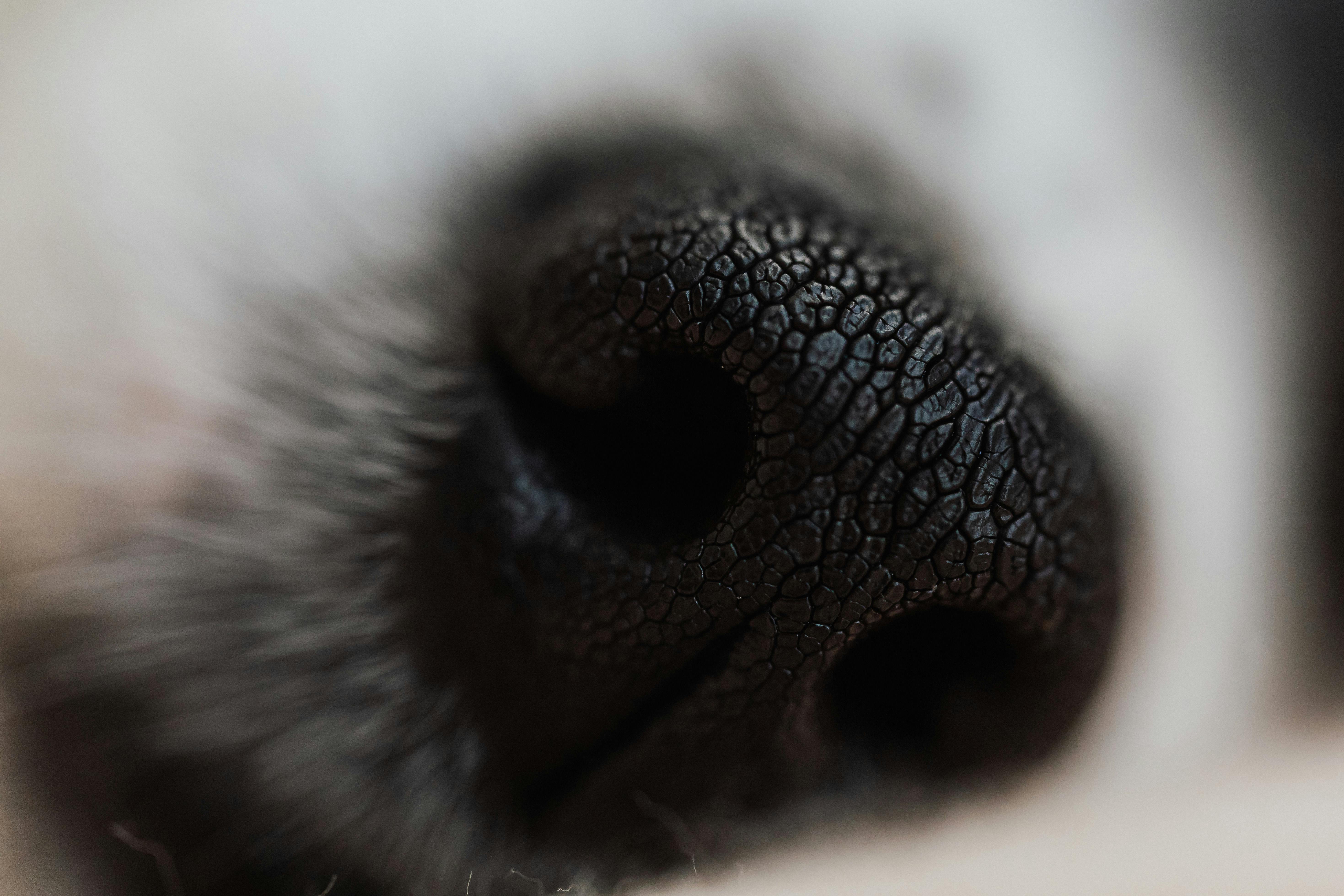
Dogs have long been cherished companions for many, but there are still plenty of mysteries surrounding their behavior and biology. One of the most intriguing aspects of dogs is their wet noses. Why do dogs have wet noses? This question has puzzled many dog owners and animal lovers alike. In this article, we will take a deep dive into the role of a dog’s wet nose in their sense of smell, exploring fascinating facts that shed light on this canine characteristic.
The Science Behind a Dog’s Nose
A dog’s sense of smell is incredibly powerful. In fact, it’s estimated that dogs have anywhere from 10,000 to 100,000 times more scent receptors than humans. This extraordinary olfactory ability allows them to detect scents at incredibly small concentrations. But what about the wetness of their noses?
Moisture and Olfactory Function: The wet surface of a dog’s nose helps to absorb scent molecules. When the nose is moist, it can capture and hold onto more scent particles, enhancing the dog’s ability to identify and interpret smells.
Temperature Regulation: A wet nose also plays a role in thermoregulation. Dogs sweat very little through their skin, so having a damp nose may help them cool down.
Why Are Dog Noses Wet?
Now, let’s explore why dogs noses are typically wet. It’s not just because they enjoy playing in water or rolling around in the grass. The moisture on a dog’s nose comes from several sources:
Mucus Secretions: Dogs produce mucus which keeps their noses moist. This mucus helps trap scent particles, making it easier for them to smell.
Saliva: When dogs lick their noses, the saliva adds to the moisture. This behavior is common, especially when they are excited or curious about something new.
Environmental Factors: Weather can affect nose moisture too. For example, a dog’s nose may be wetter in humid conditions compared to dry ones.
Interesting Facts About Dog Noses
Unique Patterns: Just like human fingerprints, each dog’s nose has a unique pattern. This can actually be used for identification purposes in some cases.
Temperature Sensitivity: A dog can often sense changes in temperature through their noses. This makes them particularly good at detecting certain scents, especially in varying conditions.
Health Indicators: A sudden change in a dog’s nose, such as dryness or cracking, can sometimes indicate health problems. Owners should monitor their dog’s nose for any significant changes.
Comparisons: Dog Noses vs. Human Noses
Here is a simple comparison of the characteristics of dog noses and human noses:
| Feature | Dog Nose | Human Nose |
|---|---|---|
| Scent Receptors | About 300 million | About 5 million |
| Moisture Level | Typically wet | Usually dry |
| Scent Detection | Can detect parts per trillion | Less sensitive |
| Unique Patterns | Yes, like fingerprints | No distinct patterns |
Practical Examples of How Dogs Use Their Noses
Dogs use their noses for various purposes in their daily lives. Here are some practical examples:
Tracking: Dogs can follow scent trails of other animals or people. This is why they are often used in search and rescue operations.
Detection Work: Many dogs are trained for specific jobs, such as detecting drugs, explosives, or even certain medical conditions like low blood sugar or seizures.
Social Interaction: Dogs also use their sense of smell to communicate with other dogs. They can tell a lot about another dog’s health, diet, and emotions through scent.
The Cultural Significance of Dog Noses
In various cultures, dogs have been revered for their unique abilities. In ancient times, dogs were used as hunting companions, their keen sense of smell aiding in tracking game. Today, they continue to hold important roles in society, from therapy dogs aiding emotional well-being to service dogs assisting those with disabilities.
Furthermore, dog noses have found their place in pop culture, often depicted in movies, literature, and even art. They symbolize loyalty, companionship, and the unique bond shared between humans and dogs.
The role of a dog’s wet nose in its sense of smell is indeed a fascinating mystery. As we learn more about our canine companions, we uncover the intricate ways their biology serves them and the relationships they build with us. So next time you notice your dog’s wet nose, remember it’s not just a cute feature—it’s a vital tool that enhances their incredible sense of smell!
Can a Dry Nose Signal Health Issues? Expert Insights on Canine Nose Conditions

Dogs are often considered as man’s best friend, but have you ever wondered about the condition of their noses? Many pet owners will notice their dog’s nose is cool and moist most of the time. But, can a dry nose signal health issues? This question might lead you down a rabbit hole of canine nose conditions and why do dogs have wet noses in the first place. Let’s explore this fascinating mystery and provide some expert insights into the health of your furry friend.
Why Do Dogs Have Wet Noses?
First off, it’s important to understand why dogs typically have wet noses. A dog’s nose is not just for smelling; it has some fascinating functions. Here are a few reasons why dog noses tend to be moist:
- Temperature Regulation: Dogs don’t sweat like humans do. Instead, they cool off through their noses, which helps regulate their body temperature.
- Enhanced Sense of Smell: The moisture on a dog’s nose helps to capture scent particles in the air, making it easier for them to detect smells.
- Health Indicator: A wet nose is often seen as a sign of good health, while a dry nose can sometimes indicate an underlying issue.
Can a Dry Nose Signal Health Issues?
So, when it comes to the question, can a dry nose signal health issues? The answer is not as straightforward as you might think. A dry nose can be normal for some dogs, depending on the circumstances. However, there are several conditions that could cause a dry nose, and they can range from mild to more serious. Here’s a list of potential reasons:
- Dehydration: If a dog isn’t getting enough water, their nose may dry out.
- Allergies: Environmental factors like pollen or dust can lead to dryness or irritation.
- Sunburn: Just like humans, dogs can get sunburned, particularly on their noses, leading to a dry and cracked surface.
- Illness: Conditions like fever, infections, or autoimmune disorders can cause a dry nose.
- Medication Side Effects: Certain medications can lead to changes in skin and fur, including the nose.
Expert Insights on Canine Nose Conditions
Veterinarians often emphasize that while a dry nose might not always indicate a severe health issue, it’s important to monitor other symptoms. If you notice changes in your dog’s behavior, appetite, or energy levels, it may be time for a vet visit. Here are some conditions that may also affect your dog’s nose:
- Nasal Dermatitis: This condition can cause crusting or scaling and might need medical treatment.
- Nasal Tumors: Rare but serious, tumors can lead to changes in the nose’s appearance and function.
- Fungal Infections: These can cause a range of symptoms, including a dry or cracked nose.
The Importance of Regular Check-ups
Regular vet check-ups can help catch potential issues early. Here’s a simple checklist of what you should discuss with your vet regarding your dog’s nose:
- Nose Condition: Is it moist, dry, or cracked?
- Changes in Behavior: Any lethargy or appetite changes?
- Other Symptoms: Coughing, sneezing, or nasal discharge?
- Hydration: Is your dog drinking enough water?
Comparing Dog Breeds and Nose Conditions
Interestingly, not all dog breeds have the same nose conditions. Breeds with shorter snouts, like Bulldogs or Pugs, might have different nasal issues compared to long-snouted breeds like Greyhounds. Here’s a quick comparison of common breeds and their nose-related conditions:
| Breed | Nose Type | Common Conditions |
|---|---|---|
| Bulldog | Short and flat | Breathing issues, dry nose |
| Greyhound | Long and narrow | Nasal tumors, infections |
| Beagle | Moderate | Allergies, dry nose |
| Dachshund | Long and pointed | Fungal infections |
Final Thoughts
Understanding the condition of your dog’s nose can provide valuable insights into their health. While a wet nose is generally a sign of a healthy pup, a dry nose might not always be a cause for concern. However, keeping an eye on any changes is crucial. If you’re ever in doubt, consulting with your veterinarian is the best course of action. After all, your dog’s health and happiness depend on you noticing these small but significant details. Be observant, and don’t hesitate to seek professional advice when necessary!
How Weather Affects Your Dog’s Nose: The Impact of Humidity and Temperature

When we think about dogs, their wet noses often come to mind. But why is it that dogs have wet noses? And how does the weather, particularly humidity and temperature, affect this unique feature? Many pet owners might not realize that the condition of a dog’s nose can vary significantly with changes in the environment. So, let’s delve into the fascinating mystery of our furry friends’ noses, exploring the science behind why they’re often moist and how weather impacts this aspect.
The Science Behind Wet Noses
Dogs have wet noses for several reasons. First off, the moisture helps them with their sense of smell. Dogs possess an incredible olfactory system, and having a wet surface can enhance their ability to absorb scent particles from the air. When their noses are moist, it helps them to detect different smells better, which is crucial for hunting, tracking, and even just navigating their world.
Here’s a quick breakdown of why dogs have wet noses:
- Enhanced Smell: Wet noses help absorb scent particles.
- Cooling Mechanism: A moist nose can help regulate body temperature.
- Health Indicator: Changes in moisture can signal health issues.
Humidity’s Role in Nose Moisture
Humidity, the amount of water vapor in the air, plays a big role in how wet your dog’s nose remains. In high humidity, the air is saturated with moisture, making it easier for your dog to keep their nose moist. This is why you might notice your dog’s nose is wetter during the summer or in tropical climates. It’s like a natural sponge!
On the other hand, in dry conditions, like during winter months or in arid climates, noses can dry out. This can lead to cracking or even nosebleeds in some cases. It’s important for dog owners to be observant and take measures to keep their dogs comfortable.
Temperature’s Impact
Temperature is another significant factor that influences the moisture of a dog’s nose. When it’s hot outside, dogs tend to pant to cool down, and this can sometimes lead to a wetter nose. But if it’s too cold, their noses might dry out as the body focuses on conserving heat rather than maintaining moisture.
Here’s a simple comparison of how different temperatures can affect a dog’s nose:
| Temperature Range | Nose Condition | Owner Actions |
|---|---|---|
| Warm (70°F and above) | Generally moist | Ensure hydration, shade |
| Moderate (50°F – 70°F) | Normal moisture levels | Regular checks, outdoor play |
| Cold (below 50°F) | Often dry | Apply dog-safe moisturizer |
Environmental Factors and Nose Health
Besides humidity and temperature, other environmental factors can affect your dog’s nose. For instance, exposure to certain allergens, pollutants, and even the type of water they drink can impact moisture levels. Here are some common environmental factors:
- Allergens: Pollen, dust, and other allergens can cause nose irritation.
- Pollutants: Smoke or chemicals can dry out or irritate the nose.
- Chlorinated Water: Drinking chlorinated water might lead to nasal dryness.
Keeping Your Dog’s Nose Healthy
As a dog owner, you might wonder how to keep your dog’s nose in tip-top shape. Here are some practical tips:
- Hydration: Keep fresh water available at all times.
- Moisturizers: Consider applying a dog-safe nose balm in dry weather.
- Regular Vet Visits: Routine check-ups can help catch any issues early.
- Watch for Changes: Be attentive to any sudden changes in nose moisture or color, as they can indicate health problems.
Why Do Dogs Have Wet Noses? A Quick Recap
- Moist Nose Aids in Smell: It enhances their ability to identify scents.
- Temperature Regulation: Helps in cooling down their body.
- Health Indicator: Can alert owners to potential health issues.
Understanding why dogs have wet noses and how weather conditions impact this characteristic is essential for all dog owners. It helps in providing better care and ensuring their furry companions remain healthy and happy. So next time you notice your dog’s nose, think about the weather outside and how it might be affecting your pup. Keeping an eye on these details can make all the difference in your dog’s overall well-being.
The Connection Between Your Dog’s Mood and Their Wet Nose: What You Should Know

Dogs are often seen as man’s best friend, but have you ever wondered why their noses are always wet? This peculiar characteristic is more than just cute; it plays a significant role in your furry friend’s mood and health. Understanding the connection between your dog’s mood and their wet nose can help you become a better pet owner. Let’s dive into this mystery together!
Why Do Dogs Have Wet Noses?
So, why do dogs have wet noses? There are a few reasons that contribute to this phenomenon. First off, dogs have a special gland in their noses that helps to keep them moist. This moisture is essential for their sense of smell, which is way more powerful than ours. A wet nose helps to absorb scent particles, allowing dogs to gather more information about their environment. In fact, a dog’s sense of smell can be up to 100,000 times more sensitive than humans!
Here’s some bullet points on why dog noses are wet:
- Scent Absorption: Wet noses help dogs absorb scent better.
- Thermoregulation: A moist nose helps regulate body temperature.
- Health Indicator: A wet nose can signal good health, while a dry nose could indicate dehydration or illness.
The Link Between Wet Noses and Mood
Now, let’s talk about the connection between your dog’s mood and their wet nose. It might be surprising, but a dog’s emotional state can reflect on their nose’s moisture level. Happy, healthy dogs usually have nice, moist noses. When a dog is stressed or anxious, their nose might dry out.
Here’s a comparison of dog moods and their nose conditions:
| Dog Mood | Nose Condition |
|---|---|
| Happy | Wet and cool |
| Anxious | Dry and warm |
| Relaxed | Slightly moist |
| Sick | Often dry or cracked |
Other Factors Affecting Nose Moisture
There are several other factors that can influence how wet or dry a dog’s nose is. Here’s a list of common factors:
- Environment: Hot weather or dry air can lead to a dry nose.
- Hydration: Dogs who drink less water may have drier noses.
- Health Issues: Certain conditions like fever can cause a dog’s nose to dry out.
- Age: Older dogs may naturally have drier noses.
Historical Context
Historically, many cultures believed that a dog’s nose could predict their health. Ancient Egyptians, for instance, thought a moist nose indicated vitality and health, while a dry nose was often seen as a sign of illness. While these ideas might be outdated and not always accurate, they reflect the importance of a dog’s nose in understanding their overall well-being.
Practical Examples
Let’s say your dog comes home from a walk with a wet nose. This could mean they’re excited and happy! On the other hand, if you notice their nose is dry and warm after a long day at home, it might be time to check their water bowl or even take them to the vet.
Signs of Concern
If you notice persistent dryness, cracking, or unusual changes in your dog’s nose, it could be a sign of a health issue. Here are some signs to look out for:
- Cracked or bleeding nose
- Unusual discoloration
- A nose that stays dry for extended periods
- Signs of discomfort or pain
If your dog shows any of these signs, it’s best to consult a veterinarian. They can provide valuable insight and guidance based on your dog’s specific situation.
In a nutshell, the wetness of your dog’s nose can tell you a lot about their mood, health, and overall well-being. While it’s not the only indicator of health, keeping an eye on your dog’s nose can give you clues about their emotional state and help you provide the best care possible. So next time you look at your pup, remember that their wet nose isn’t just cute; it’s a window into their world!
Curious Canines: Why Some Breeds Have Wetter Noses Than Others
Dogs are often known for their affectionate nature, wagging tails, and, of course, their wet noses. You might have wondered, “Why do dogs have wet noses?” It’s not just a random trait; there’s actually some fascinating science behind it. To put it simply, the moisture on a dog’s nose serves several important purposes, and some breeds seem to have wetter noses than others. Let’s dive into this curious canine mystery.
The Science of Wet Noses
The wetness of a dog’s nose is primarily due to a thin layer of mucus. This helps in several ways:
Sense of Smell: Dogs have an incredible sense of smell, and a wet nose helps enhance their olfactory capabilities. The moisture captures scent particles from the air, allowing dogs to better detect and identify odors.
Temperature Regulation: Just like humans sweat, dogs sweat a little through their noses. The moisture helps to cool them down, especially in hotter weather.
Health Indicator: A dog’s nose can also indicate their health. A normal, wet nose is a sign of a healthy dog, but a dry or cracked nose can point to dehydration, fever, or other health issues.
Why Do Some Breeds Have Wetter Noses?
Not all dogs have the same level of nose moisture. Various factors contribute to these differences, including breed characteristics, environment, and even genetics. Here’s a quick comparison of some breeds known for their distinctive noses:
| Dog Breed | Nose Wetness Level | Notable Traits |
|---|---|---|
| Labrador Retriever | Very Wet | Friendly, loyal, and intelligent |
| Bulldog | Moderate | Calm, courageous, and willful |
| Siberian Husky | Wet | Energetic, friendly, and outgoing |
| Dachshund | Dry or Moderate | Curious, clever, and brave |
Some breeds, like the Labrador Retriever, are known for their particularly wet noses, while others, like the Bulldog, may not have the same level of moisture. This can depend on their skin structure and how much they tend to lick their noses.
Interesting Facts About Dog Noses
Nose Prints: Just like human fingerprints, each dog has a unique nose print. This could potentially be used for identification.
Temperature Sensitivity: A dog’s nose is quite sensitive to temperature changes. They can detect slight variations in their environment with it.
Nasal Folds: Some breeds have distinct nasal folds that can affect how wet their noses stay. Breeds like the Shar Pei have more folds which can trap moisture.
Keeping Your Dog’s Nose Healthy
A wet nose is generally a good sign, but it’s important to monitor your dog’s nose for any changes. Here some tips to ensure their nose stays in good shape:
Hydration: Make sure your dog drinks enough water. A dehydrated dog may have a dry nose.
Avoid Irritants: Keep your dog away from harsh chemicals or allergens that might irritate their skin and nose.
Regular Check-ups: Regular vet visits can help catch any health issues early on, including those that might affect the moisture of their noses.
The Role of Environment
The environment also plays a big role in how wet a dog’s nose can get. For example:
Humidity Levels: Dogs in humid climates may have wetter noses compared to those in dry areas.
Seasonal Changes: Cold weather can often lead to drier noses, especially if the dog is spending time indoors with heating.
Activities: Dogs that spend more time outside, sniffing around, might have wetter noses due to the moisture they pick up from the grass or dirt.
The mystery of why dogs have wet noses is more than just a quirky trait. It’s a unique adaptation that serves vital functions for their health and well-being. So next time you’re greeted by your furry friend, take a moment to appreciate that wet nose — it tells you a lot about their state of health and happiness. Understanding these details not only enhances our bond with our pets, but also helps in ensuring they lead happy and healthy lives.
Exploring Myth vs. Reality: Common Misconceptions About Dogs’ Wet Noses
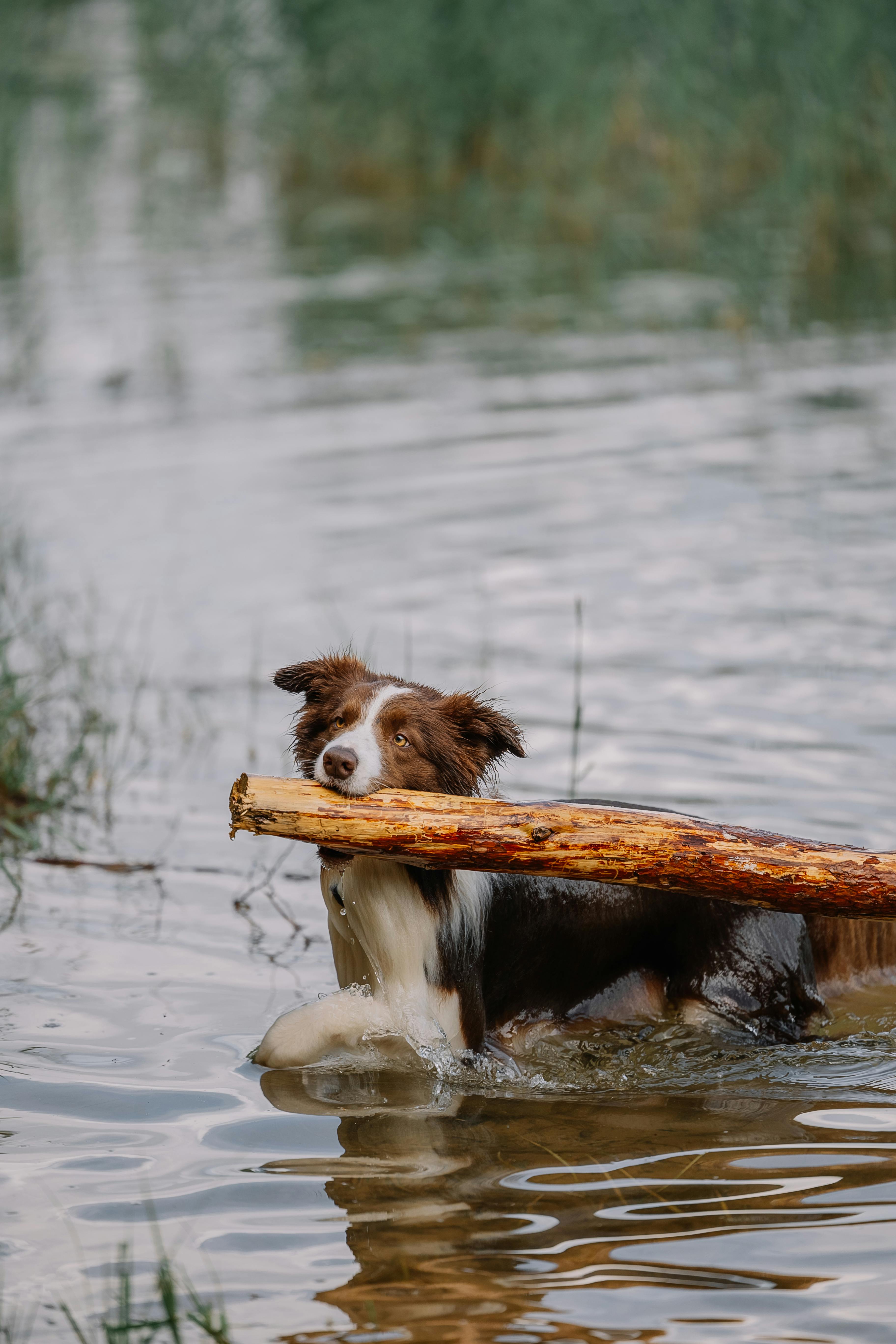
Have you ever wonder why dogs have wet noses? This peculiar trait has led to many myths and misconceptions over the years. Some say that a wet nose means a dog is healthy, while others believe it’s just a sign of a happy pup. But what’s the reality behind those moist snouts? In this article, we’re gonna explore the fascinating mystery of why dogs have wet noses, separating fact from fiction.
The Science Behind Wet Noses
Dogs have wet noses primarily because of their biology. A dog’s nose is covered in a specialized tissue called the olfactory epithelium, which is crucial for smelling. Here’s some key points about why their noses are moist:
Cooling Mechanism: Dogs don’t sweat like humans do. Instead, they regulate their body temperature through panting and having wet noses. The moisture evaporates, helping to cool them down.
Enhanced Smell: The wetness helps to capture scent particles in the air, increasing their ability to smell. A wet surface is far more effective at trapping odors than a dry one.
Health Indicator: While many people think a wet nose is a sign of health, it’s not always the case. Some dogs can have dry noses and still be perfectly healthy.
Common Myths About Dogs’ Wet Noses
There’s a lot of misconceptions floating around about dogs’ noses. Let’s dig into some of the most common myths:
Wet Nose = Healthy Dog: Many people believe that a wet nose indicates a dog is healthy and happy. While it can be a sign of good health, there are numerous factors that contribute to a dog’s overall well-being.
Dogs Only Have Wet Noses When They Are Sick: This is totally false. Dogs can have wet noses regardless of their health status. Various medical conditions can cause a dry nose, but it doesn’t mean the dog is sick.
All Dogs Have Wet Noses: Not every dog has a consistently wet nose. Some breeds, particularly those with flatter faces like Bulldogs and Pugs, may have drier noses due to their unique facial structure.
Wet Noses Mean Dogs Are Always Happy: While a dog with a wet nose may be feeling good, it doesn’t mean they’re always in a happy mood. A dog’s body language and behavior provide better indications of their emotional state.
Historical Context of Dogs’ Noses
Historically, dogs have been companions to humans for thousands of years. Their ability to smell made them invaluable in hunting and tracking. Ancient civilizations recognized this trait and bred dogs for specific tasks. Over time, as dogs became household pets, the traits associated with their noses evolved.
In fact, some cultures believed that a dog’s wet nose could sense changes in the environment or even predict weather changes. While these beliefs may not hold scientific truth today, they show how much people have been fascinated by dogs and their unique traits.
Fun Facts About Dogs’ Noses
Unique Fingerprint: Just like human fingerprints, every dog’s nose print is unique. This means you can actually identify a dog by its nose!
Temperature Regulation: A dog’s nose can help in detecting changes in temperature. This is why they often stick their noses in the air— to gain information about their environment.
Scent Sensitivity: Dogs have about 220 million scent receptors in their noses, while humans only have about 5 million. This immense difference explains why dogs are such great detectors.
Nasal Glands: Dogs have glands in their noses that produce mucus, which helps keep their noses moist. This is a natural process and contributes to their ability to smell.
Practical Tips for Dog Owners
If you’re a dog owner, you might want to keep an eye on your dog’s nose. Here are some practical tips:
Monitor Moisture Levels: If your dog’s nose becomes consistently dry or cracked, it might be worth consulting a vet.
Watch for Other Symptoms: If you notice other signs of illness like lethargy or loss of appetite along with a dry nose, it may indicate a health issue.
Hydration is Key: Make sure your dog is drinking enough water, as proper hydration can affect nose moisture.
Regular Check-Ups: Regular vet visits can help ensure that your dog stays healthy, nose and all!
Understanding why dogs have wet noses can help clear up some of the confusion surrounding this common canine feature. While myths abound, the reality is that a dog’s wet nose serves multiple purposes, from enhancing their sense of smell to regulating their body temperature. So the next time you wonder about your dog’s nose, remember that it’s just one of the many fascinating aspects of our furry friends.
Conclusion
In conclusion, the wet noses of dogs serve several important purposes that contribute to their overall health and sensory capabilities. The moisture helps enhance their sense of smell by trapping scent particles, which is vital for their communication and interaction with the environment. Additionally, a wet nose can indicate a dog’s emotional state and overall well-being, as hydration and temperature regulation are essential for their comfort. While a warm or dry nose may sometimes suggest illness, it’s essential to consider the dog’s overall behavior and health. Understanding these aspects can deepen the bond between you and your furry friend. So, the next time you notice your dog’s wet nose, appreciate the unique biology that supports their incredible sensory abilities. For more insights into canine health and behavior, consider consulting with your veterinarian or exploring further resources dedicated to dog care.
