
Have you ever wondered, why do dogs have wet noses? This intriguing question not only sparks curiosity but also highlights a fascinating aspect of our furry friends. Dogs’ noses are often cool and moist, but what does this wetness actually mean for their health and behavior? In this article, we will explore the reasons behind wet noses in dogs, revealing the science and secrets that lie beneath. From temperature regulation to enhanced sense of smell, these wet noses play a vital role in a dog’s life. You might ask yourself, is it normal for a dog’s nose to be wet all the time? Or, do different breeds have varying nose moisture levels? We will answer these questions and more, providing insights that every dog owner should know. Understanding the importance of a dog’s wet nose can deepen your connection with your pet and ensure they are happy and healthy. So, join us on this fascinating journey and discover the captivating reasons why dogs have wet noses! Get ready to be amazed by the incredible world of canine biology and behavior!
The Science Behind Canine Nasal Moisture: Why Do Dogs Have Wet Noses?
Dogs are among the most beloved pets around the globe, and one of their most endearing traits is their wet noses. This peculiar feature often leaves people wondering: why do dogs have wet noses? This article dives into the science behind canine nasal moisture, revealing fascinating reasons behind this unique characteristic.
The Anatomy of a Dog’s Nose
First off, let’s take a look at the anatomy of a dog’s nose. Dogs have a highly developed sense of smell, estimated to be anywhere from 10,000 to 100,000 times more sensitive than humans. This heightened ability is largely due to the structure of their noses.
- Nasal Turbinates: These are thin, bony structures within the nasal cavity that help warm and humidify air as it enters the lungs.
- Moisture Glands: Dogs have specialized glands that produce mucus, keeping their noses moist.
- Surface Area: The large surface area of a dog’s nose allows for more olfactory receptors, enhancing their sense of smell.
The Role of Moisture
Now, why do dogs have wet noses? Moisture plays a vital role in how dogs interact with their environment. Here are some key points:
- Enhanced Smell: A wet surface picks up scent particles more efficiently. When a dog’s nose is moist, it can absorb more of these particles, making scents more potent.
- Temperature Regulation: The moisture helps cool down the dog’s body temperature. When dogs are panting, their noses can help regulate their overall heat.
- Health Indicator: A wet nose is often seen as a sign of a healthy dog. However, a dry nose doesn’t necessarily mean a dog is sick; it could just be a result of environmental factors.
Factors Influencing Nose Moisture
There are several factors that can influence the moisture level of a dog’s nose, including:
- Weather Conditions: Hot, dry weather can lead to a dryer nose, while humid conditions may keep it moist.
- Activity Level: After a vigorous play session, a dog’s nose is likely to be wetter due to increased saliva and panting.
- Health Status: Certain illnesses or conditions can cause changes in nasal moisture, such as dehydration or fever.
Historical Context
Historically, the wet nose of a dog has been noted since ancient times. In different cultures, a wet nose has been associated with good luck, health, and companionship. Ancient Egyptians revered dogs and often depicted them in art, showcasing their wet noses as a symbol of vitality.
Fun Facts About Dog Noses
- Dogs have about 300 million olfactory receptors in their noses, compared to about 6 million in humans.
- The unique patterns on a dog’s nose are similar to human fingerprints, and can be used to identify individual dogs.
- Some breeds, like Bloodhounds, have an extraordinary sense of smell and are often used in search and rescue operations due to their ability to track scents over long distances.
Comparing Dog Noses to Human Noses
It’s interesting to compare dog noses with human noses. Here’s a quick comparison:
| Feature | Dog Nose | Human Nose |
|---|---|---|
| Moisture Level | Generally wet | Usually dry |
| Olfactory Receptors | ~300 million | ~6 million |
| Sensitivity to Smell | 10,000 to 100,000 times more | Standard |
| Temperature Regulation | Helps cool dog’s body | Limited role |
Practical Examples
If you ever wonder about your dog’s nose, here are some practical examples that might help you understand changes in moisture:
- If your dog has a wet nose after a long walk, it suggests they are hydrated and healthy.
- A dry nose after a hot day might indicate the need for more water or shade.
- Notice variations during different seasons; winter may lead to a drier nose due to low humidity.
In conclusion, the science behind canine nasal moisture is not just a trivial pursuit but filled with intriguing insights into a dog’s biology. A wet nose not only enhances their ability to smell but also plays a crucial role in their overall health and comfort. Understanding these aspects can deepen the bond you share with your furry friend, making your time together even more fulfilling. Always keep an eye on their nose, because it might just tell you a lot about their well-being!
Uncovering the Mystery: 5 Fascinating Reasons Your Dog’s Nose is Wet
Have you ever wondered why your dog’s nose is wet? It’s something that many pet owners noticed, but often don’t think too much about. The truth is, there are several interesting reasons behind this phenomenon. Let’s uncover the mystery of why dogs have wet noses and dive into five fascinating reasons that highlight the unique biology of our furry friends.
1. Temperature Regulation
One of the main reasons dogs have wet noses is for temperature regulation. Dogs can’t sweat like humans do. Instead, they rely on their noses to help cool down. When a dog’s nose is wet, it helps to evaporate moisture, which in turn cools their body temperature. This is especially important during hot weather, when dogs can easily overheat.
- Dogs have sweat glands, but mostly in their paws.
- Wet noses allow for better heat dissipation.
- A cool nose can indicate a dog is healthy and well-regulated.
2. Enhanced Sense of Smell
Another reason your dog’s nose stays wet is that it enhances their sense of smell. A wet nose can trap scent particles more effectively. This helps dogs to detect various smells much better than dry noses could.
- Dogs have up to 300 million olfactory receptors in their noses.
- The moisture helps to dissolve scent molecules, making them easier to detect.
- A wet nose can help dogs identify scents that are days or even weeks old.
3. Communication Tool
Dogs are very social animals, and their noses play a big role in communication. A wet nose can express a variety of emotions and intentions. When your dog nudges you with their wet nose, it can mean they want attention, love, or food.
- Dogs often use their noses to greet other dogs.
- A wet nose can indicate curiosity or excitement.
- Different breeds may use their noses differently in social situations.
4. Health Indicator
The state of a dog’s nose can sometimes indicate their health. A healthy dog often has a moist, cool nose. However, if a dog has a dry, hot nose, it may signal an underlying health issue. Factors like fever, dehydration, or other illnesses can change the nose’s typical moisture levels.
- Healthy dog nose: Moist, cool, and slightly damp.
- Dry dog nose: Could indicate dehydration or illness.
- Owners should monitor changes in their dog’s nose and consult a vet if they become concerning.
5. Natural Cleansing Mechanism
Dogs have a natural cleansing mechanism that keeps their noses wet. The moisture found on a dog’s nose comes from various sources, including saliva and mucus. This moisture helps to keep the nose clean and free from dust, dirt, and other particles.
- Dogs lick their noses, which adds moisture.
- Mucus production helps to keep the nose healthy.
- A clean nose helps dogs to sense their environment better.
Fun Facts About Dog Noses
- Dogs’ noses are unique, much like human fingerprints.
- The color of a dog’s nose can vary widely from breed to breed.
- Puppies are often born with pink noses that darken as they grow.
Comparison to Other Animals
When we look at the noses of other animals, we can see that dogs aren’t the only ones with wet noses. Cats, for instance, also have wet noses, but their purpose and usage can be somewhat different. Here’s a quick comparison:
- Dogs: Wet noses for temperature regulation and enhanced smell.
- Cats: Wet noses primarily to enhance their sense of smell, but they don’t rely on it for cooling.
Practical Examples
- Dog Breeds: Some breeds have wetter noses than others. For instance, Bloodhounds usually have very moist noses, while bulldogs might have drier noses more often.
- Environmental Factors: If your dog has been outside in the rain, their nose will likely be wetter than usual. This can be normal, and is part of their natural behavior.
Dogs’ wet noses are more than just an endearing feature; they serve several important functions that help our pets navigate their world. Understanding these reasons can help you appreciate your furry companion a little more. Next time you give your dog a pat and feel that wet nose, you’ll know the science behind it! So, be sure to monitor your dog’s nose and keep it healthy, as it can be a window into their overall well-being.
Is Your Dog’s Wet Nose Normal? 7 Signs to Watch For
Is your dog always greeting you with that delightful wet nose? You may wonder if it’s normal or if something might be wrong. Dogs are known for their unique characteristics, and a wet nose is one of the most endearing traits. But why do dogs have wet noses, anyway? Let’s dive into the fascinating reasons behind this and explore the signs you should be aware of regarding your dog’s health.
Why Do Dogs Have Wet Noses?
Dogs have wet noses for several important reasons, which often relate to their health and senses. The moisture on their noses helps them in a couple of ways:
Enhanced Sense of Smell: A wet nose helps a dog’s sense of smell by capturing scent particles in the air. The moisture makes it easier for them to detect odors, which is important for their survival.
Cooling Mechanism: Dogs don’t sweat like humans do. Instead, they rely on their noses to help regulate their body temperature. A wet nose can aid in cooling them down.
Health Indicator: A dog’s nose can reflect its overall health. Changes in moisture levels or temperature can indicate if something’s off.
Behavioral Communication: Dogs use their noses to gather information about their environment and other animals. A wet nose can signal curiosity or excitement.
7 Signs to Watch For
While a wet nose is usually a good sign, it’s important to monitor your dog for any unusual changes. Here’s what to look for:
Temperature Changes: If your dog’s nose is excessively dry or warm, it might indicate a fever or dehydration.
Cracking or Scaling: A nose that’s cracked or flaky could signal a skin condition or allergy.
Discharge: If there’s unusual discharge, especially if it’s colored or has a foul smell, you should consult a veterinarian.
Behavioral Changes: If your dog seems lethargic, loses appetite, or displays any abnormal behaviors, it could be a sign of illness.
Increased Thirst: If your dog is drinking more water than usual, it could indicate a health issue.
Frequent Sneezing or Coughing: These could be signs of respiratory problems, possibly linked to nose health.
Licking or Rubbing the Nose: If your dog frequently licks or rubs its nose, it might be trying to alleviate discomfort.
Historical Context of Dog Noses
Dogs have evolved alongside humans for thousands of years. Historically, their keen sense of smell was essential for hunting, tracking, and even detecting danger. The wet nose is an evolutionary trait that has helped them survive and thrive in various environments. Over time, this trait has been cherished and viewed as a sign of health in dogs.
Interesting Facts About Dog Noses
Dogs have around 220 million scent receptors in their noses, compared to about 5 million in humans. This makes their sense of smell incredibly powerful.
The wetness of a dog’s nose can vary depending on the breed and environmental factors. Some breeds naturally have drier noses than others.
A dog’s nose print is as unique as a human fingerprint. It can even be used to identify them!
Dogs often use their noses to communicate with each other. They sniff each other’s noses as a form of greeting.
Various dog breeds exhibit different moisture levels on their noses. For instance, brachycephalic breeds, like Bulldogs, may have more difficulty keeping their noses moist compared to longer-nosed breeds.
How to Care for Your Dog’s Nose
To ensure your dog’s nose remains healthy, consider these tips:
Regular Check-ups: Schedule routine vet visits to monitor your dog’s overall health.
Hydration: Make sure your dog has access to fresh water at all times to prevent dehydration.
Limit Sun Exposure: Dogs can get sunburn on their noses, particularly those with light-colored fur. Consider using dog-safe sunscreen if your dog spends a lot of time outdoors.
Watch for Allergens: Keep an eye out for potential allergens that might irritate your dog’s nose, like pollen or chemicals.
Healthy Diet: A balanced diet contributes to overall health, including skin and nose health.
Observing your dog’s wet nose might be a small part of pet ownership, but it offers insight into their well-being. Remember to keep an eye on any changes and consult your vet if you notice anything unusual. A dog’s wet nose is not just a charming feature; it’s also a window into their health.
The Importance of a Wet Nose: How It Affects Your Dog’s Sense of Smell
Dogs are some of the most beloved companions around the world, and their unique features often leave us wondering about their biology and behavior. One such characteristic is their wet noses. Have you ever thought about why do dogs have wet noses? It might seem like a simple question, but the answer is actually quite fascinating and has a lot to do with how dogs perceive the world through smell.
The Science Behind a Wet Nose
A wet nose serves several important functions for dogs. Here are some of the key reasons:
Enhanced Sense of Smell: Dog noses are packed with olfactory receptors—around 220 million of them! This is compared to humans who have a mere 5 million. The moisture on a dog’s nose helps to capture scent particles from the air, which makes their sense of smell much more acute.
Temperature Regulation: Just like humans sweat to cool down, dogs also use their noses to help regulate body temperature. The moisture evaporating from their noses helps to cool them down, especially when they’re panting or playing hard.
Communication: Dogs communicate a lot through scent. A wet nose can help them leave behind more scent markers, which is crucial for social interactions with other dogs or animals.
Health Indicator: A wet nose is often a sign of good health in dogs. If a dog’s nose is unusually dry or cracked, it might be a sign they’re not feeling well or may be dehydrated.
Historical Context of Dog Noses
Historically, dogs evolved from wolves and their senses adapted over generations. The wet nose is an evolutionary trait that has persisted because it offers survival advantages. Early dogs had to rely heavily on their sense of smell for hunting and social interaction.
Fascinating Facts About Dog Noses
Here’s a quick list of interesting facts about dog noses:
Color Variation: Dog noses can be black, brown, or pink, and the color does not affect their ability to smell. However, darker noses may retain moisture better than lighter ones.
Nose Print Identification: Just like human fingerprints, every dog’s nose print is unique. This means that a dog’s nose can be used for identification purposes.
Nasal Turbinates: The intricate structures inside a dog’s nose, called nasal turbinates, increase the surface area for scent detection.
Scent Memory: Dogs have a remarkable scent memory, which enables them to recognize scents long after they have encountered them.
Breeds and Smell Sensitivity: Certain breeds, like Bloodhounds and Beagles, have an even better sense of smell due to their breeding for tracking and hunting purposes.
How Dogs Use Their Noses
Dogs use their noses for a variety of purposes, and understanding these can help us appreciate their abilities. Here are some ways dogs utilize their sense of smell:
Tracking: Dogs can track scents over great distances. This is why they are often used in search and rescue missions.
Detecting Illness: Some studies suggest that dogs can detect certain diseases, including cancer, through scent. They can sense chemical changes in the body.
Finding Food: Dogs can smell food from miles away. This is why they often seem to know when dinner is being prepared!
Social Interactions: Dogs greet each other by sniffing, which helps them gather information about other dogs. This is a crucial part of their social behavior.
Maintaining Your Dog’s Nose
Keeping your dog’s nose healthy is important. Here are some tips:
Hydration: Make sure your dog stays well-hydrated. Dehydration can lead to a dry nose.
Regular Check-ups: Regular vet visits can help identify any potential health issues early on.
Avoid Irritants: Keep your dog away from harsh chemicals and irritants that could affect their nose.
Moisturize: If your dog’s nose becomes excessively dry, consult your vet about safe moisturizing options.
The Unique Role of Dog Noses in Society
Dog noses are not just for sniffing; they play significant roles in various sectors. Here’s how they’re applied:
Law Enforcement: Dogs are trained to detect drugs, explosives, and even human remains.
Medical Detection: Some organizations train dogs to detect low blood sugar levels or other medical emergencies in their owners.
Search and Rescue: Dogs are invaluable in locating missing persons or disaster victims.
The wet nose of a dog is much more than just a cute feature; it’s a vital part of their biology that enhances their ability to navigate the world. By understanding why do dogs have wet noses, we can appreciate the complexity and capability of our furry friends. So next time you pet your dog, take a moment to consider the fascinating reasons behind that wet nose!
Can a Dog’s Wet Nose Indicate Health Issues? 4 Key Insights

When it comes to our furry friends, a wet nose is often seen as a sign of health and vigor. But can a dog’s wet nose really indicate health issues? It’s a question many dog owners ponder, especially when it comes to maintaining their pet’s happiness and well-being. In this post, we’ll explore four key insights about dog noses, why they’re wet, and how to understand what that wetness could mean for your beloved pooch.
Why Do Dogs Have Wet Noses?
Have you ever wondered why your dog’s nose is always moist? There’s actually a few reasons behind this fascinating phenomenon, and they’re pretty interesting.
Temperature Regulation: Dogs don’t sweat like humans do. Instead they regulate their body temperature via their noses. The moisture on their noses helps evaporate and cools them down, keeping them comfortable, especially on hot days.
Scent Detection: A dog’s nose is a remarkable tool for smelling. The wetness helps capture scent particles, making it easier for them to sniff out things. This is why they can smell things that are miles away!
Health Indicator: Generally, a wet nose is a sign of good health. However, it can change based on a dog’s activity level or environment.
Behavioral Signals: Sometimes, dogs may wet their noses by licking them as a way to communicate or express themselves.
Can a Dog’s Wet Nose Indicate Health Issues?
So, can it indicate health issues? Yes, it can, but it’s not the only factor to consider. Here’s a breakdown of what to look for:
Dry Nose: A dry nose could be a sign of dehydration or illness. If your dog’s nose feels warm and dry, it might be time to consult a vet.
Crusty or Cracked Nose: If your dog has a crusty or cracked nose, it could indicate allergies or skin infections that may need medical attention.
Discoloration: Changes in color or texture of the nose can signal problems. A sudden change might mean there’s an underlying health issue.
Excessive Wetness: Sometimes, a nose that’s excessively wet could indicate a respiratory infection or other health problems.
4 Key Insights About Dog Nose Health
Let’s delve deeper into the four key insights regarding your dog’s nose health:
Regular Monitoring: Pay attention to your dog’s nose condition. Regular checks can help you catch any unusual changes early on.
Other Symptoms: A wet nose alone isn’t a definitive sign of health. You should also observe other symptoms like coughing, lethargy, or changes in appetite.
Consult Your Vet: If you notice any persistent changes in your dog’s nose, don’t hesitate to reach out to a veterinarian. They’ll provide a thorough assessment and necessary treatment.
Know Your Breed: Different breeds can have different nose characteristics. Some may naturally have drier or wetter noses. Understanding your dog’s breed can help in identifying what’s normal for them.
The Fascinating Biology of Dog Noses
Dogs noses are not just wet for no reason. There’s a whole intricate system at play that helps them navigate the world. Here’s a quick table of some fun facts about dog noses:
| Feature | Description |
|---|---|
| Scent Receptors | Dogs have up to 300 million scent receptors, compared to about 5 million in humans. |
| Jacobsen’s Organ | This organ helps dogs identify pheromones, giving them extra sniffing power. |
| Nose Prints | Just like human fingerprints, every dog has a unique nose print. |
| Temperature Sensitivity | Dogs can detect changes in temperature through their noses, which is essential for hunting and survival. |
Practical Tips for Dog Owners
If you’re a dog owner, here’s a few practical tips to keep your furry friend healthy:
Hydration: Ensure your dog has access to clean, fresh water at all times to keep their nose and body hydrated.
Regular Vet Visits: Schedule routine check-ups with your vet, and don’t skip vaccinations, as these can help prevent illnesses that might affect their nose health.
Watch for Allergens: Keep an eye on potential allergens in your dog’s environment, as they can cause nose issues.
Maintain Hygiene: Regularly clean your dog’s face and nose area to remove any irritants that could cause problems.
Understanding your dog’s wet nose is part of being a responsible pet owner. While a wet nose can signify health, it’s important to stay informed about other indicators of your dog’s well-being. Stay observant and proactive, and your furry friend will thank you with wagging tails and wet kisses!
How Dogs Use Their Wet Noses: The Surprising Role in Communication

Dogs are amazing creatures, aren’t they? One of the most interesting things about them is their wet noses. You might have wondered why do dogs have wet noses and how dogs use their wet noses in communication. There are several surprising reasons behind this unique feature. Let’s dive deep into the fascinating world of canine noses!
The Science of a Dog’s Nose
Did you know that dogs have a highly developed sense of smell? In fact, their noses are packed with around 300 million olfactory receptors compared to a human’s mere 5 million. This gives them the ability to detect scents at incredibly low concentrations. But what’s with the wetness?
The moisture on a dog’s nose plays a crucial role in enhancing their sense of smell. When a dog sniffs something, the moisture helps trap scent particles. This allows the scent to be more easily absorbed and processed. Here’s a quick breakdown of how it works:
- Olfactory Receptors: More receptors mean better scent detection.
- Moisture: Traps scent particles, enhancing their ability to smell.
- Temperature Regulation: A wet nose also helps dogs cool down.
Why Dogs Have Wet Noses
Now, let’s explore the reasons behind why do dogs have wet noses. It’s not just for show! Here are a few key points:
- Scent Enhancement: As mentioned, the wetness captures scent particles, making them more detectable.
- Cooling Mechanism: Dogs don’t sweat like humans. A wet nose helps them regulate body temperature.
- Social Interaction: Dogs use their noses to communicate with each other, and a wet nose can be a sign of health and vitality.
- Health Indicator: A dry nose can sometimes indicate dehydration or illness, whereas a wet nose generally signals that a dog is healthy.
The Role in Communication
Dogs communicate through a variety of means, and their noses are an essential part of this process. They can pick up on scents from other animals, which tell them about their moods, diet, and even if they are sick. Here are some ways dogs use their noses for communication:
- Greeting: When dogs meet each other, they often sniff each other’s noses and behinds to gather information.
- Exploration: Dogs use their noses to explore their environment, gathering information about what has been there before.
- Identifying Emotions: Dogs can even detect human emotions through scent, which can help them be more attuned to their owners’ feelings.
Fun Facts About Dog Noses
Here are some intriguing tidbits about dog noses that you probably didn’t know:
- Unique Nose Prints: Just like human fingerprints, every dog has a unique nose print. This can be used for identification!
- Cold and Wet: A dog’s nose is usually cold and wet, which is normal. However, a warm and dry nose might mean they are feeling unwell.
- Breeds and Noses: Different breeds have distinct nose shapes. For example, Bloodhounds have the most powerful noses among dogs.
Comparing Dog Noses to Human Noses
Ever wondered how dog noses stack up against human noses? Here’s a simple comparison:
| Feature | Dogs | Humans |
|---|---|---|
| Olfactory Receptors | ~300 million | ~5 million |
| Nose Wetness | Usually wet | Generally dry |
| Scent Detection | Excellent | Limited |
| Sense of Smell | 10,000 to 100,000 times more sensitive | Less sensitive |
Practical Examples of Nose Use
Here are some practical examples of how dogs utilize their noses in everyday life:
- Search and Rescue: Dogs are trained to find missing persons using their incredible sense of smell.
- Detection Work: Police dogs use their noses to sniff out drugs, explosives, and even currency.
- Therapy and Support: Service dogs can detect changes in their owner’s body chemistry, alerting them to medical emergencies such as seizures or drops in blood sugar.
Understanding the role of a dog’s wet nose not only deepens our appreciation for these animals but also highlights how they communicate and interact with the world around them. So the next time your furry friend nudges you with their cool, damp nose, remember that they are expressing a plethora of information! Their noses are more than just adorable; they are vital tools for survival, communication, and connection.
Explore the Connection Between a Dog’s Wet Nose and Their Emotions
Dogs are often seen as man’s best friend, but have you ever wonder why their noses are always wet? It’s a common sight, and many dog owners just accept it as normal. But there’s actually a fascinating connection between a dog’s wet nose and their emotions. So, why do dogs have wet noses? Let’s dive into this intriguing topic.
The Science Behind a Dog’s Wet Nose
First off, the moisture on a dog’s nose serves several important purposes. Dogs have wet noses primarily because they are covered with a layer of mucus, which helps with their sense of smell. This mucus captures scent particles, allowing dogs to detect and identify different smells more effectively. When a dog’s nose is wet, it can actually absorb more scents. Here’s some key points about this:
- Enhanced Sense of Smell: A wet nose can pick up scent particles better than a dry one.
- Temperature Regulation: Dogs also use their noses to help cool down their body temperature.
- Health Indicator: A wet nose is often seen as a sign of a healthy dog, while a dry nose can indicate illness or dehydration.
Emotional Connection: How Dogs Feel
Have you ever noticed how your dog seems to know when you are feeling down? Dogs are incredibly perceptive animals, and their wet noses may play a role in how they interact with our emotions. When a dog licks its owner’s face or nudges them with their wet nose, it can be a way of showing affection or seeking attention.
- Affectionate Behavior: A gentle nudge with a wet nose can be a sign of love.
- Seeking Attention: Dogs often use their noses to get their owner’s attention, especially when they are feeling neglected.
- Empathetic Response: Dogs seem to pick up on human emotions, and their wet noses can be a way they interact with us during emotional moments.
Historical Context of Dogs’ Noses
Throughout history, dogs have been bred for different purposes, and their noses have evolved alongside these changes. For example, hunting dogs have been bred for a keen sense of smell, which is crucial for tracking scents. In contrast, companion dogs may rely more on emotional connection and social cues. The wet nose is a universal trait among most dog breeds, and it has been vital in their development as working animals.
Common Myths About Wet Noses
There are many myths surrounding dogs’ wet noses. Some people think that a wet nose means a dog is healthy, while a dry nose might mean they are sick. This isn’t always true. Here are some common myths debunked:
Myth 1: A wet nose always means a dog is healthy.
- Fact: While many healthy dogs have wet noses, a dry nose doesn’t always indicate illness.
Myth 2: Dogs only have wet noses when they’re excited.
- Fact: Dogs’ noses can be wet due to various factors, including humidity and temperature.
Myth 3: Dogs can’t smell if their noses are dry.
- Fact: Dogs can still smell with dry noses, but it might not be as effective.
Practical Tips for Dog Owners
Understanding your dog’s wet nose and its implications can enhance your bond with your furry friend. Here are some practical tips:
- Monitor Moisture Levels: Keep an eye on your dog’s nose moisture. If it becomes excessively dry or crusty, it might be time to consult a vet.
- Hydration is Key: Ensure your dog stays hydrated, especially in hot weather.
- Observe Behavior Changes: If your dog’s nose suddenly changes from wet to dry without an obvious reason, look for other behavioral changes or signs of illness.
The Fascinating Reasons Behind Wet Noses
In summary, a dog’s wet nose is not just an endearing trait; it serves critical functions. The connection between a dog’s wet nose and their emotions reveals much about their behavior and how they communicate with us. Dogs use their noses to explore the world, connect with their humans, and express their feelings.
Whether it’s nudging you when you are sad or sniffing around for treats, the wet nose is a small but significant part of a dog’s life. So next time you see your dog with that wet, shiny nose, remember that it is more than just a cute feature. It’s a window into their emotions and a tool that helps them navigate their world. Dogs truly are remarkable creatures, and their wet noses are just one of the many reasons we love them.
Wet Noses and Dog Breeds: Do Certain Breeds Have Wetter Noses?
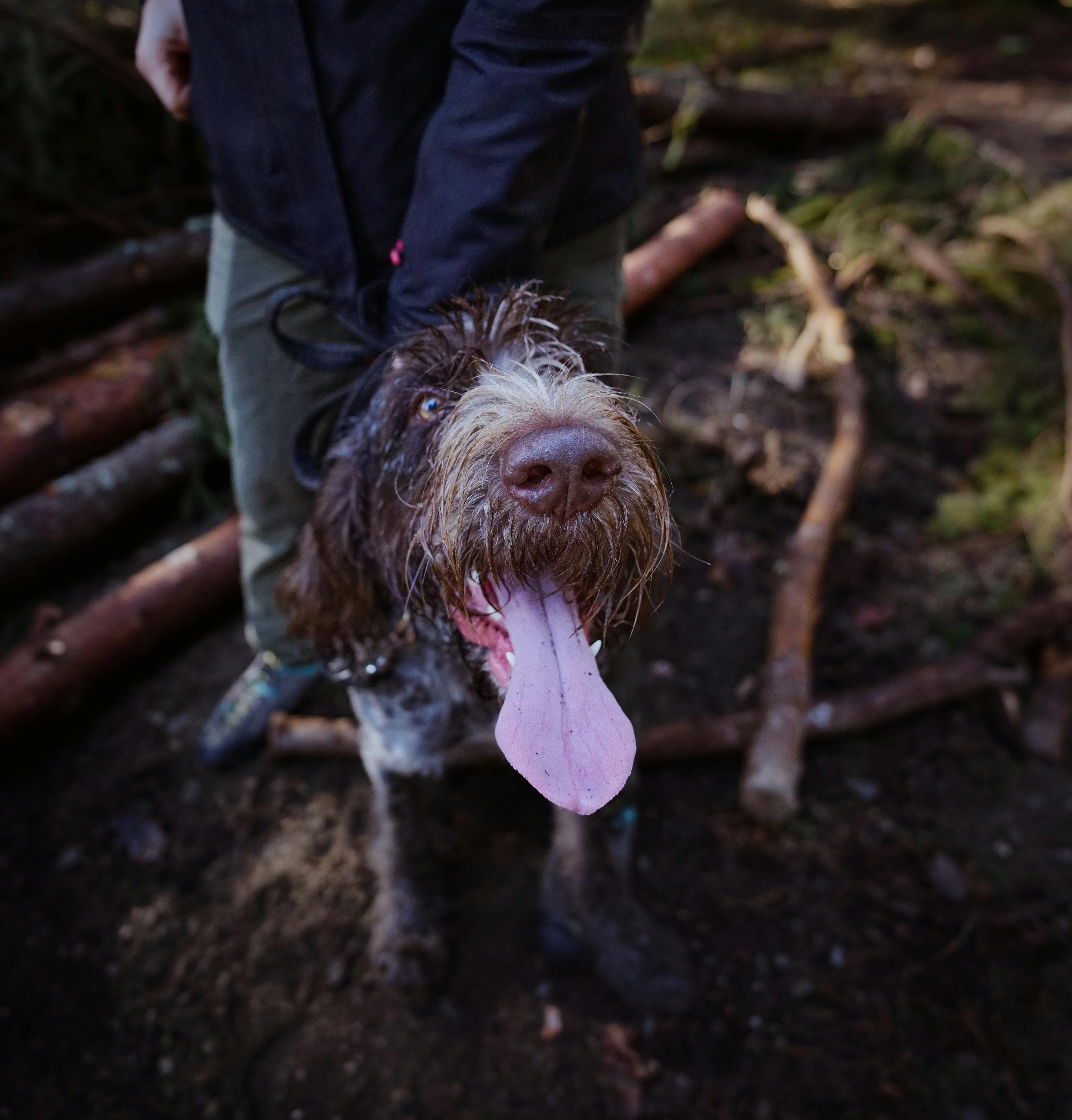
When you think about dogs, one of the first things that probably comes to mind is their wet noses. It’s something so common, yet most people don’t know why dogs noses are wet, or if certain breeds have wetter noses than others. This article will explore the fascinating reasons behind wet noses in dogs and if certain breeds really do have wetter noses.
Why Do Dogs Have Wet Noses?
Dogs have wet noses for a couple of reasons, mostly tied to their health and sense of smell. The moisture on a dog’s nose helps to enhance its olfactory capabilities. That’s right! A wet nose can actually help a dog smell better! The moisture captures scent particles in the air, making it easier for them to detect smells.
Also, having a wet nose can regulate a dog’s body temperature. Dogs don’t sweat the same way humans do. Instead, they cool off by panting and through their noses. So, wet noses can indicate a healthy dog, though that’s not always the case.
Here are some key points about why dog noses are wet:
- Enhanced Smell: A wet surface traps scent particles, improving the dog’s ability to smell.
- Temperature Regulation: The moisture helps them cool down.
- Health Indicator: A wet nose can often mean a dog is healthy, but it’s not a guaranteed sign.
Do Certain Breeds Have Wetter Noses?
Some people wonder if specific dog breeds have inherently wetter noses. While there isn’t a lot of scientific research directly addressing this question, anecdotal evidence suggests that some breeds may indeed have wetter noses than others.
Breeds like Labrador Retrievers, Beagles, and Bloodhounds are often noted for their noticeably wet noses. It’s thought that these breeds, which are known for their excellent sense of smell, might naturally have moisture-rich noses to help them with their scenting abilities.
Here’s a comparison of some popular dog breeds and their nose characteristics:
| Dog Breed | Nose Moisture Level | Notable Traits |
|---|---|---|
| Labrador Retriever | High | Friendly, good with families |
| Beagle | Moderate to High | Curious, great sense of smell |
| Bloodhound | Very High | Excellent tracking ability |
| Dachshund | Moderate | Playful, stubborn |
| Chihuahua | Low to Moderate | Alert, loyal |
The Science Behind Dog Noses
Understanding the anatomy of a dog’s nose can shed light on why they are wet. Dogs have a special type of tissue called the rhinarium, which is the moist skin at the tip of their noses. This tissue is rich in glands that produce mucus, keeping the nose wet.
The structure of a dog’s nose is also designed to enhance their sense of smell. Dogs have up to 300 million scent receptors in their noses, compared to a human’s 5 million. It’s no wonder they need that moisture to capture and process all those scents!
Common Myths About Dog Noses
There’s plenty of myths surrounding dog noses, and it’s important to separate fact from fiction. Here are a few common myths:
- A Warm Nose Means a Sick Dog: This is not entirely true. A dog’s nose temperature can vary throughout the day based on activity and environment.
- Noses Should Always Be Wet: While a wet nose is often a sign of health, some dogs can have dry noses and still be healthy.
- Wetter Noses Indicate a Happier Dog: This isn’t necessarily true either. A dog’s happiness can’t be measured by the wetness of its nose.
Practical Tips for Dog Owners
As a dog owner, knowing how to care for your pet’s nose can be beneficial. Here are some tips to keep in mind:
- Regular Check-Ups: Always consult a vet if you notice any drastic changes in your dog’s nose moisture.
- Hydration: Ensure your dog is always well-hydrated, as dehydration can lead to a dry nose.
- Seasonal Care: In winter months, consider using a nose balm to prevent cracking from the cold.
Understanding why dogs have wet noses and whether certain breeds have wetter noses can deepen your appreciation for these furry companions. Plus, it’s one of the many unique traits that make dogs such wonderful pets. Next time you give your pup a scratch, take a moment to appreciate that wet nose and all the science behind it!
The Evolutionary Advantage of Wet Noses in Dogs: What Science Says

Dogs have long been cherished companions to humans, and their unique features often spark curiosity. One of the most intriguing characteristics of dogs is their wet noses. But why do dogs have wet noses? What scientific evidence backs up this trait? Let’s explore the evolutionary advantages of wet noses in dogs and learn fascinating reasons behind this peculiar characteristic.
The Science Behind Wet Noses
Wet noses are a distinctive feature of dogs, and many people might think it’s just a cute quirk. However, it serves practical purposes! A dog’s nose is covered in a special type of skin that produces moisture. This moisture helps them sense their environment more acutely. Studies suggests that wet noses enhance olfactory capabilities, making dogs excellent at detecting smells.
Evolutionary Advantages
So, what are the evolutionary benefits of having a wet nose? Here’s a breakdown:
Enhanced Smell: The moisture on a dog’s nose helps to capture scent particles from the air. This makes it easier for them to identify different scents, which is crucial for hunting and finding food.
Cooling Mechanism: Dogs don’t sweat like humans do. Their wet noses help regulate body temperature. When the moisture evaporates, it cools them down, especially during hot weather.
Communication Tool: Dogs also use their noses to communicate with each other. A wet nose can indicate a friendly or submissive demeanor, which is important for social interactions among canines.
Historical Context
The wet nose trait didn’t just come out of nowhere. Dogs evolved from wolves, who relied heavily on their sense of smell for survival. Over time, as dogs began living alongside humans, those with more effective olfactory systems were more likely to thrive. The evolutionary advantage of wet noses became a beneficial trait that was passed down through generations.
What Science Says
Research into canine olfactory abilities has revealed that dogs have an astonishing number of scent receptors—estimated at around 300 million, compared to a human’s 5 million. This difference explains why dogs can detect certain substances, like drugs or explosives, much more effectively than humans can.
Olfactory Bulb Size: In dogs, the olfactory bulb of the brain, which processes smell, is 40 times larger than that of humans. This anatomical difference contributes significantly to their heightened sense of smell.
Vomeronasal Organ: Dogs have a special organ known as the vomeronasal organ, which is responsible for detecting pheromones. Wet noses help them better pick up these chemical signals, aiding in social and reproductive behaviors.
Fun Facts About Dog Noses
Here are some interesting facts about dog noses that might surprise you:
Dogs have unique nose prints, much like human fingerprints. Each dog’s nose print is different and can be used for identification purposes.
The texture of a dog’s nose can change with the weather. For instance, in colder climates, their noses may feel drier.
Puppies are born with pink, dry noses, which typically change color and become wet as they mature.
Practical Examples
To better understand why wet noses are crucial for dogs, consider these examples:
Tracking and Hunting: A bloodhound, known for its tracking abilities, relies on its wet nose to trail scents over long distances. This skill is vital for search and rescue missions.
Service Dogs: Dogs used in search and rescue operations or therapy roles utilize their wet noses to detect emotional states or even certain medical conditions, like low blood sugar or seizures.
Everyday Life: Even in a household setting, a dog’s wet nose can signal many things—from excitement to a desire for attention. It’s their way of communicating with humans.
Overall, the wet nose is more than just an endearing feature; it’s a significant evolutionary tool that enhances a dog’s life in various ways. Understanding the reasons behind this characteristic can deepen our appreciation for our four-legged friends and their incredible abilities. So, the next time you see your dog with that shiny, wet nose, remember the fascinating science and evolution behind it!
How to Care for Your Dog’s Nose: Tips for Maintaining Optimal Moisture Levels

Caring for your dog is more than just feeding and walking them; it involves understanding their unique needs, especially when it comes to their nose. You might be wondering, how to care for your dog’s nose? Keeping it moist is really important for their overall health. And if you’ve ever noticed how wet your dog’s nose can be, you might also be asking, why do dogs have wet noses? Let’s delve into these fascinating topics!
The Importance of Moisture in Your Dog’s Nose
A dog’s nose is not just a cute feature; it serves several essential functions. The moisture on a dog’s nose plays a critical role in their sense of smell. Dogs have an extraordinary ability to detect odors, and that slimy surface helps to capture scent particles from the air. If a dog’s nose is dry, it can affect how well they smell.
How to Maintain Optimal Moisture Levels
To ensure your dog’s nose stays nice and moist, here are some practical tips:
- Hydration: Always provide fresh water. Dehydration can lead to a dry nose, so ensure your dog drinks plenty of water, especially on hot days.
- Humidity: During winter months or in dry climates, using a humidifier can help keep the air moist, benefiting your dog’s nose as well.
- Nasal Balms: There are specially formulated balms available for dogs that can be applied to their nose. These can help in maintaining moisture, especially if your dog has a tendency to have dry patches.
- Regular Check-ups: Regular visits to the vet can help catch any underlying health issues that might lead to changes in nose moisture.
Signs of an Unhealthy Nose
It’s crucial to know the signs that might indicate your dog’s nose isn’t healthy. Some indicators include:
- Cracks or sores on the nose
- Excessive dryness or flakiness
- Color changes, like becoming very pale or dark
- Blood or discharge
If you notice any of these signs, it’s best to consult your veterinarian.
Why Do Dogs Have Wet Noses?
Now, let’s explore the intriguing reasons why dogs have wet noses.
Enhanced Smell: As mentioned, a dog’s nose is designed to absorb scents. The wetness helps to trap scent particles, making it easier for them to detect smells.
Temperature Regulation: Dogs cannot sweat like humans do. Instead, they cool themselves by panting and through the moisture on their noses. A wet nose can help them regulate their body temperature more effectively.
Health Indicator: A dog’s nose can often indicate their overall health. Generally, a moist nose is a sign of good health while a dry nose might suggest dehydration or illness.
Social Interaction: Dogs often use their noses to communicate with each other and their environment. A wet nose can make it easier for them to pick up on pheromones and other scents that convey messages.
Historical Context of Dog Noses
Historically, dogs have been bred for various purposes, and their noses have played a significant role in that. For instance, hunting dogs were prized for their keen sense of smell, which is largely due to their moist noses. This ability to sniff out game made them invaluable partners to hunters. Over time, the genetic traits that contribute to a moist nose have been selected in various breeds, enhancing their olfactory capabilities.
Fun Facts About Dog Noses
- A dog’s sense of smell is about 10,000 to 100,000 times more acute than a human’s.
- The unique patterns on a dog’s nose are like human fingerprints; no two noses are alike.
- Dogs have a specialized organ called the Jacobsen’s organ, which helps them process scent information.
Common Myths About Dog Noses
There are some myths surrounding dog noses that just aren’t true:
- Myth: A warm nose means a dog is sick.
- Fact: Nose temperature can vary throughout the day and isn’t a reliable indicator of health.
- Myth: All dogs should have wet noses.
- Fact: Some dogs may naturally have drier noses, and that can be perfectly normal.
Being a responsible dog owner means paying attention to these small but significant details of their health. Your dog’s nose is more than just a feature; it’s a vital part of their sensory world, and caring for it properly ensures they stay happy and healthy. It’s essential to recognize the signs of a healthy nose and to maintain optimal moisture levels, ensuring your furry friend can continue to explore their surroundings with the help of their amazing sense of smell.
Conclusion
In conclusion, the wet noses of dogs serve several significant purposes that contribute to their overall health and well-being. The moisture on a dog’s nose enhances their sense of smell, allowing them to detect scents more effectively, which is essential for communication and exploration. Additionally, a wet nose helps regulate their body temperature, as dogs primarily cool down through panting and the evaporation of moisture. The consistency of a dog’s nose can also provide insights into their health, with changes indicating potential issues that may require veterinary attention. Understanding these functions not only deepens our appreciation for our furry companions but also encourages responsible pet ownership. So, the next time you greet your dog and feel that familiar wet nose, remember the vital roles it plays in their life. Embrace the bond you share and consider scheduling regular check-ups to ensure your dog’s health and happiness.
