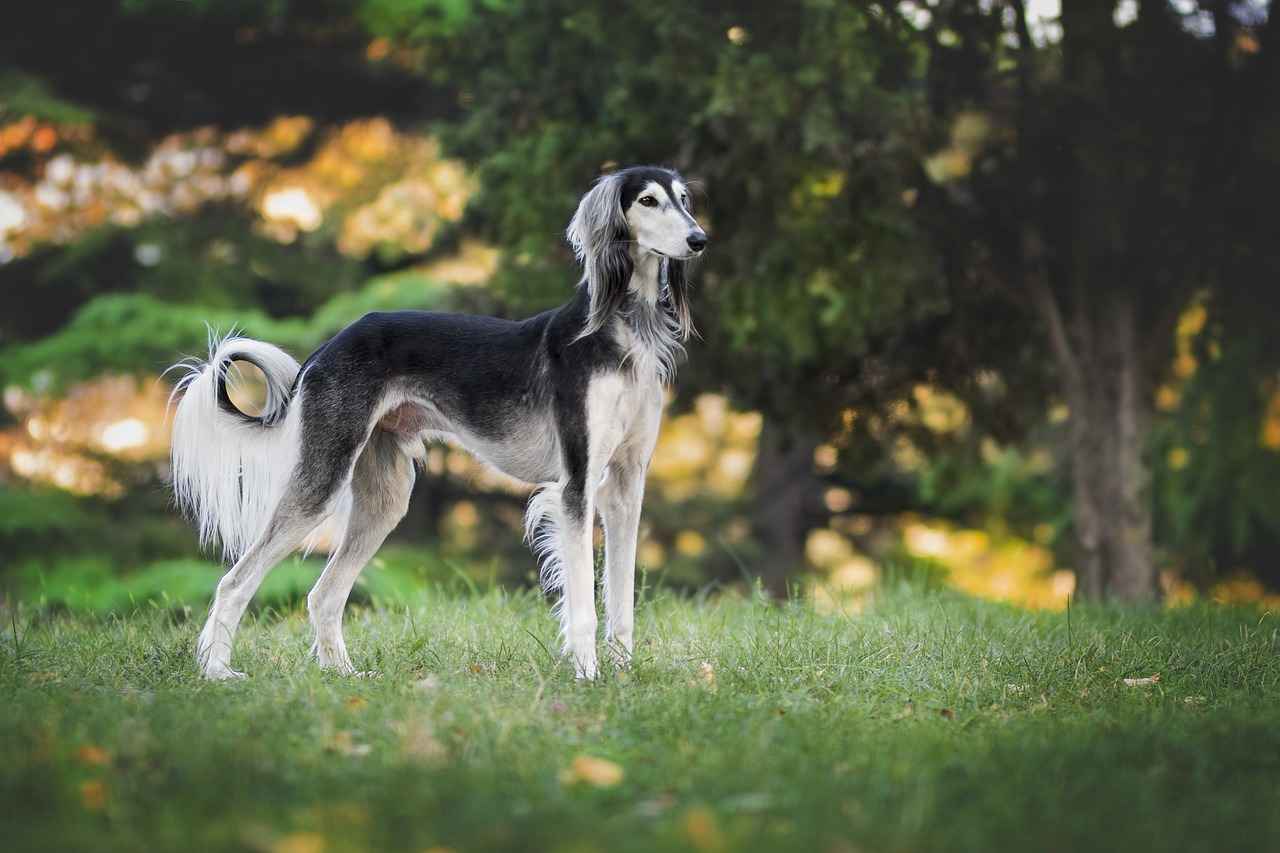
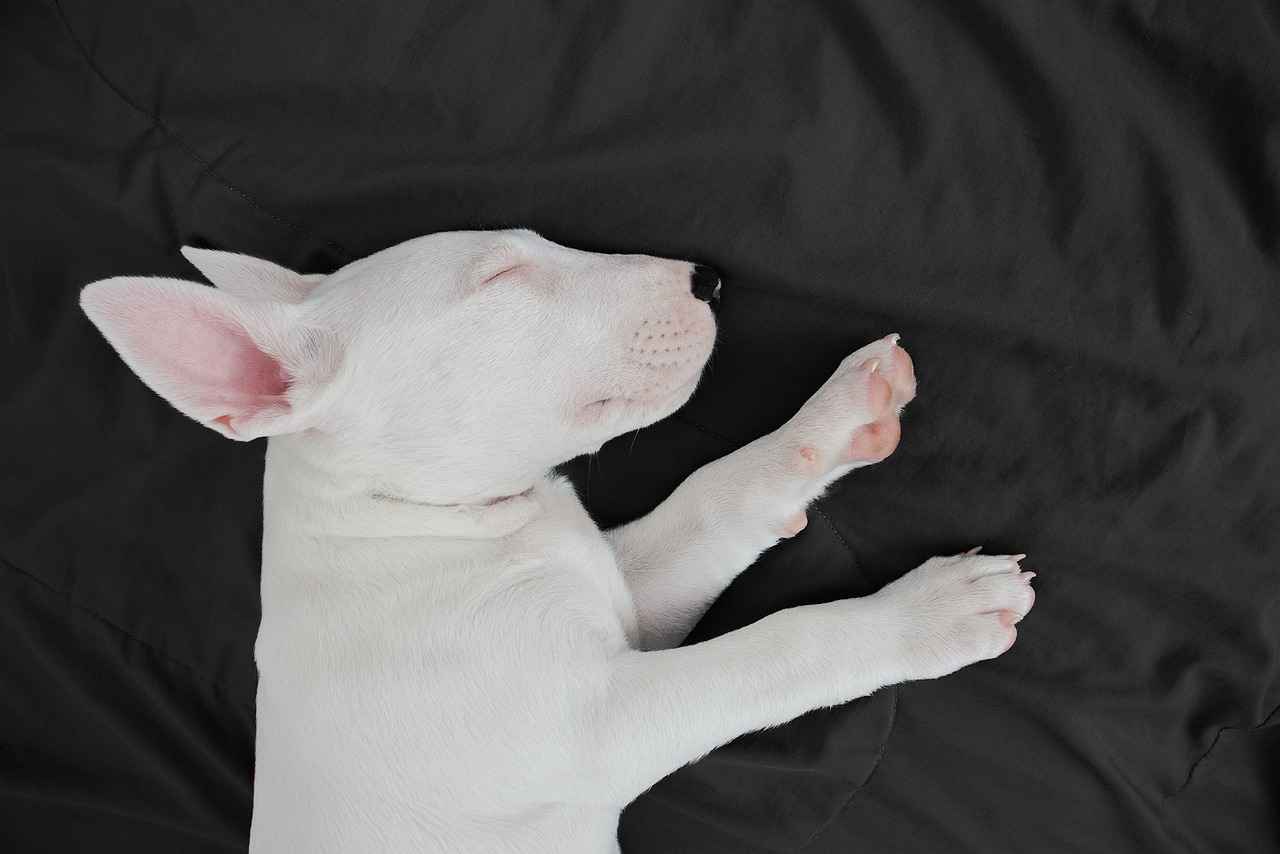
Have you ever wondered why do dogs have wet noses? This intriguing question has fascinated dog lovers and pet owners alike for years. A dog’s nose is not just an adorable feature; it plays a crucial role in their health and behavior. You might ask, is there a scientific explanation behind this phenomenon? The answer is more complex than you might think! Dogs noses are not only moist to help them detect scents better, but they also serve as a way to regulate their body temperature. That’s right! A wet dog nose can indicate many things about their well-being. But, what exactly does it mean when your furry friend has a dry nose? Additionally, many people might be curious if a wet nose is an indicator of a happy dog. In this article, we will delve into the fascinating reasons behind this unique trait and uncover the amazing biology of our canine companions. So, keep reading to discover the secrets that lie within your dog’s wet nose and learn how this simple feature gives insight into their health and emotions!
\n\nThe Science Behind Canine Nasal Moisture: Why Do Dogs Have Wet Noses?
\n\n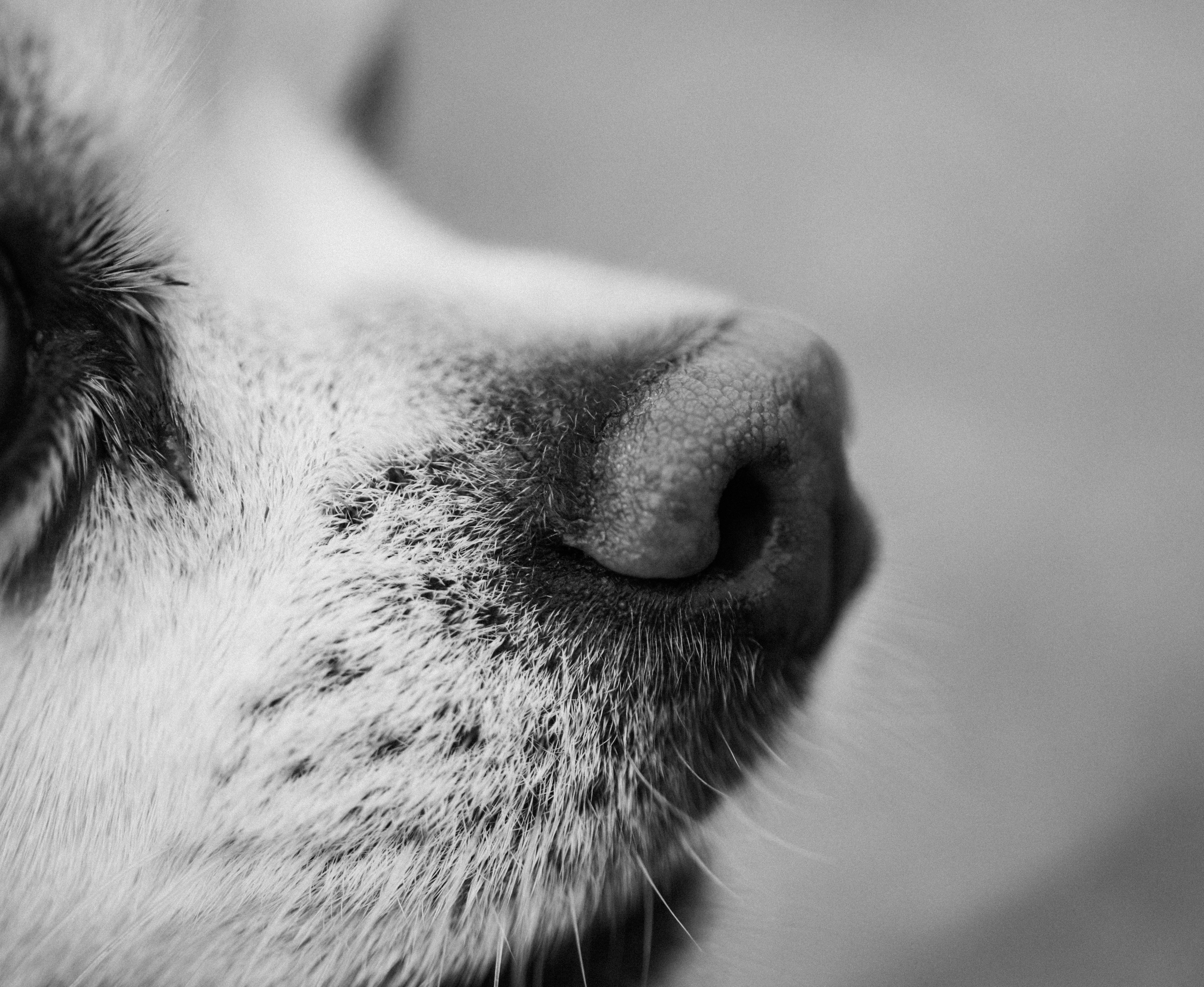 \n\n
\n\nDogs are often known for their playful nature, loyalty, and, of course, their wet noses. But have you ever wondered why do dogs have wet noses? It's more than just a quirky trait; it has deep scientific explanations that are quite fascinating. Let’s dive into the science behind canine nasal moisture and discover the reasons why your furry friend’s nose might be a little damp.
\nThe Anatomy of a Dog’s Nose
\nFirst off, a dog's nose is an incredible organ. Did you know that a dog's sense of smell is up to 100,000 times more sensitive than that of humans? This strong sense of smell is largely thanks to the structure of their noses.
\n- \n
- Nasal Mucosa: The moist surface of a dog's nose is covered by a special lining called the nasal mucosa. This contains glands that produce mucus. \n
- Olfactory Receptors: Dogs have around 300 million olfactory receptors in their noses, while humans only have about 6 million. \n
These characteristics make a dog's nose not just wet, but also highly effective for detecting scents in their environment.
\nWhy Do Dogs Have Wet Noses?
\nSo, why do dogs have wet noses? Here are some key reasons:
\n- \n
- \n
Enhanced Smell: Wet noses help to capture scent particles more effectively. When the nose is damp, it traps odors better, allowing dogs to gather more information about their surroundings.
\n \n - \n
Thermoregulation: Dogs don’t sweat like humans do. Instead, they regulate their body temperature through panting and their noses. A wet nose can help cool down the blood vessels in the area, which in turn helps to cool their entire body.
\n \n - \n
Health Indicator: A dog’s nose can also be a sign of health. A typical healthy nose is moist and cool. If a dog has a dry nose, it might indicate dehydration or fever.
\n \n - \n
Communication Tool: Dogs use their noses to communicate with each other. A wet nose can help convey emotional states and social signals.
\n \n
Historical Context of Dogs’ Noses
\nHistorically, the evolution of dogs has shaped their noses. Dogs are descendants of wolves, which relied heavily on their sense of smell for hunting and survival. Over thousands of years, selective breeding has enhanced this trait in domestic dogs, making their noses not just wet but also finely tuned for various tasks.
\nFascinating Facts About Dog Noses
\nHere are some additional interesting facts about dog noses:
\n- \n
- Color Variations: Not all dog noses are the same color. They can be black, brown, or even pink. This variation is usually due to genetics. \n
- Unique Prints: Just like human fingerprints, every dog’s nose print is unique. It could actually be used for identification. \n
- Temperature Changes: When a dog is sick, their nose may become warmer and drier, indicating a potential health issue. \n
Care Tips for Your Dog’s Nose
\nTaking care of your dog’s nose is important. Here are some practical tips:
\n- \n
- Hydration: Always ensure your dog is well-hydrated. A dehydrated dog may have a dry nose. \n
- Humidity Levels: If you live in a dry climate, consider using a humidifier to keep the air moist, which can help maintain your dog's nose moisture. \n
- Regular Check-ups: Make regular vet visits to monitor your dog’s overall health, including their nose. \n
Comparisons with Other Animals
\nDogs are not the only animals with wet noses. Many other species also have moist noses, but for different reasons:
\n- \n
- Cats: Like dogs, cats also have wet noses, which helps them smell better. \n
- Pigs: Pigs have moist noses too, which aids in rooting around in the ground for food. \n
- Rhinoceroses: Their noses are moist to help with thermoregulation, much like dogs. \n
While dogs rely on their noses for different tasks than pigs or cats, the moisture serves a similar purpose in enhancing their olfactory capabilities.
\nDogs’ wet noses is a remarkable adaptation that serves several important functions, from enhancing their ability to smell to helping them regulate body temperature and even communicate. The science behind it is just one of the many reasons why these pets are so special. Next time you give your dog a pat on the head, take a moment to appreciate the fascinating biology at work behind that wet nose!
\n\n5 Fascinating Facts About Dog Noses That Will Blow Your Mind!
\n\n \n\n
\n\nDogs have an amazing ability to connect with us, and their noses play a huge role in that bond. Ever wondered why dogs have wet noses? It's one of those little mysteries that can actually tell us a lot about our furry friends. Let's dive into some fascinating facts about dog noses that will surely blow your mind!
\n1. The Science Behind Wet Noses
\nYou might be asking yourself, why do dogs have wet noses, right? Well, the moisture on a dog's nose serves some important purposes. Firstly, it helps to enhance their sense of smell. You see, a wet nose can absorb scent chemicals better than a dry one. This is why dogs can sniff out things we can't even imagine!
\n- \n
- Wet noses can help with:
- \n
- Collecting scent particles \n
- Keeping the nasal tissues moist which enhances olfactory sensitivity \n
- Regulating body temperature, particularly in hot weather \n
\n
2. Dogs Have More Olfactory Receptors Than You Think
\nDid you know that dogs have around 220 million olfactory receptors in their noses? That's compared to a human's measly 5 million. This incredible difference means that dogs can smell things at much lower concentrations than we can.
\n- \n
- A dog's sense of smell is so powerful that:
- \n
- They can detect certain diseases, like cancer, in people. \n
- They can sense changes in human emotions, often responding to anxiety or stress. \n
- They can track people or objects over great distances. \n
\n
3. The Role of Nose Prints
\nJust like human fingerprints, every dog has a unique nose print. This means that you can actually identify a dog by the pattern of ridges and creases on its nose! Some shelters and organizations even use nose prints for identification. Who knew a dog’s nose could be their very own ID badge?
\n- \n
- Fun facts about nose prints:
- \n
- They can be used as a biometric identification method. \n
- The patterns can change slightly as the dog ages. \n
- They can be more reliable than microchips in some cases. \n
\n
4. Temperature Regulation
\nIt’s not just about smell. Dogs also use their noses for temperature regulation. When dogs are hot, they can expel heat through their noses, which helps to cool their bodies down. Have you seen your dog panting? This is part of the cooling process, but the wet nose plays a supporting role as well.
\n- \n
- Ways dogs cool themselves:
- \n
- Panting: It helps to evaporate moisture from their lungs. \n
- Wet noses: They help in cooling blood flow through the nasal passages. \n
- Finding shade or resting: Dogs will often seek cooler environments when they're too warm. \n
\n
5. The Connection to Behavior
\nA dog's nose is not just a tool for smelling; it’s also closely tied to their behavior. Dogs often use their noses to explore the world around them, which can tell us a lot about what they’re thinking or feeling. For instance, a dog sniffing someone’s feet might be gathering information about that person’s day or mood.
\n- \n
- Common sniffing behaviors include:
- \n
- Greeting other dogs or humans \n
- Investigating new or unfamiliar environments \n
- Seeking out food or toys \n
\n
Practical Tips for Dog Owners
\nUnderstanding why dogs have wet noses and their general nose behavior can help you bond with your pet better. Here are some practical tips:
\n- \n
- Regularly check your dog’s nose for any unusual changes; it can indicate health issues. \n
- Encourage your dog’s natural sniffing instincts by taking them on varied walks to expose them to new smells. \n
- Consider nose work games or activities which can stimulate their minds and enhance their sense of smell. \n
Remember, keeping your furry friend mentally stimulated is just as important as keeping them physically active. A dog’s nose is a window to their world, and understanding it can help you better care for and connect with your beloved pet.
\nIn summary, the wet nose of a dog isn’t just an endearing feature; it’s a complex tool that serves multiple purposes, from enhancing smell to regulating temperature. So next time you wonder why do dogs have wet noses, just think about all the incredible things that little nose can do!
\n\nUncovering the Secrets: How a Wet Nose Benefits Your Dog's Health
\n\n \n\n
\n\nDogs have long been known as man's best friend, but have you ever thought about why they have wet noses? It's one of those things that seem to be just a normal part of a dog’s appearance, but it’s actually a fascinating topic! Uncovering the secrets behind your furry friend’s moist snout can lead to a better understanding of their health and well-being. So, why do dogs have wet noses? Let’s dive in!
\nThe Anatomy of a Dog's Nose
\nFirst off, a dog’s nose is not just a cute feature; it’s a sophisticated organ. The surface of a dog’s nose is covered in a special type of skin that helps them sense the world around them. Here are some points to consider:
\n- \n
- Dogs have around 300 million smell receptors in their noses, compared to about 5 million in humans. \n
- The wetness of their noses helps to trap scent particles, making it easier for them to smell things. \n
- The mucus that coats their noses also helps in cooling down their bodies through evaporation. \n
Why Are Dogs' Noses Wet?
\nNow, let’s get to the heart of the matter: why are dogs’ noses wet? There are several reasons that contribute to this phenomenon, and they are quite interesting!
\n- \n
- \n
Scent Detection: The moisture on a dog’s nose enhances their ability to smell. It captures and holds scent particles, allowing your pup to sniff out everything from food to other animals.
\n \n - \n
Cooling Mechanism: Dogs don’t sweat like humans do. Their bodies cool off primarily through panting and the evaporation of moisture from their noses. A wet nose is essential for regulating their body temperature.
\n \n - \n
Health Indicator: A dog’s nose can also serve as an indicator of their health. A dog with a dry or cracked nose might be dehydrated or unwell. However, it’s important to note that a wet nose does not always mean a dog is healthy, and vice versa.
\n \n
Historical Context
\nThroughout history, the perception of dogs having wet noses has evolved. Ancient civilizations noticed that a dog’s nose was often moist, and it was linked to their keen hunting abilities. In various cultures, a wet nose was considered a sign of vitality and health. Some folklore even suggested that a dog’s nose could predict weather changes! Today, while we understand the science behind it, that historical context adds an interesting layer to our appreciation of our canine companions.
\nFascinating Facts About Dog Noses
\nHere are some quick facts about dog noses that you might not know:
\n- \n
- A dog’s sense of smell is so strong that they can detect certain diseases, including cancer, in humans. \n
- Different dog breeds have different nose shapes, which can affect their smelling ability. For example, Bloodhounds are known for having an incredible sense of smell, largely due to their long ears that help waft scents toward their noses. \n
- The color of a dog’s nose can vary, with some dogs having black noses and others having pink or spotted ones. This doesn’t affect their health but can be a breed characteristic. \n
Practical Examples
\nLet’s consider a few scenarios where a dog’s wet nose plays a crucial role:
\n- \n
- When Playing Fetch: A dog uses its wet nose to sniff out the ball you threw, enhancing their chance of finding it quickly. \n
- Social Interactions: Dogs often greet each other with nose-to-nose contact, and the moisture can help them gather information about their fellow canines. \n
- Health Checks: If you notice your dog’s nose is unusually dry or warm, it might be time to check in with a vet. Changes in your dog’s nose can indicate fluctuating health conditions. \n
The Bottom Line
\nUnderstanding why dogs have wet noses and the benefits of that moisture can lead to better care for your furry friend. It's not just a quirky trait; it’s part of what makes dogs the amazing creatures that they are. From enhancing their sense of smell to helping maintain their body temperature, wet noses play a vital role in a dog's everyday life. So, next time you see your dog with a wet nose, remember that it’s not just cute—it's also a sign of their health and well-being! Those wet noses are full of fascinating secrets that connect our lives with these wonderful animals.
\n\nThe Evolutionary Advantage: Why Wet Noses Are Essential for Dogs
\n\n \n\n
\n\nDogs are one of the most beloved pets across the globe, and their wet noses are a common and intriguing feature. The question, “Why do dogs have wet noses?” might seem simple, but it opens up a fascinating discussion about the evolutionary advantages of this unique trait. Wet noses play a crucial role in how dogs interact with their environment, and understanding this can enhance our appreciation of our furry friends.
\nThe Science Behind Wet Noses
\nSo, what's the deal with a dog’s nose? Basically, a dog's nose is wet due to a combination of factors. When dogs lick their noses, it helps to keep it moist. This moisture is important because it serves multiple functions, such as:
\n- \n
- Enhanced Smell: Dogs have an extraordinary sense of smell, and a wet nose can help capture scent particles more effectively. The moisture on their noses helps to dissolve the scents, making it easier for the olfactory receptors to detect them. \n
- Thermoregulation: Just like humans sweat to cool down, dogs can regulate their body temperature through their noses. The evaporation of moisture from a wet nose can help cool them off during hot days. \n
- Health Indicator: The moisture level of a dog's nose can also indicate their health. A wet nose is often a sign of a happy and healthy dog, whereas a dry nose might suggest dehydration or illness. \n
Historical Context of Dog Noses
\nDogs have evolved alongside humans for thousands of years. The domestication of dogs dates back to around 15,000 years ago. Over this time, various breeds have emerged, each with unique features, including their noses. The evolutionary advantage of having a wet nose likely arose from the need to hunt and gather food.
\nHistorically, dogs acted as hunters and companions. A wet nose provided them an edge in tracking prey due to their acute sense of smell. The ability to discern scents in their environment has been vital for survival, and this trait remains crucial even in modern pet dogs.
\nComparison: Dog Noses vs. Human Noses
\nThere are significant differences between dog noses and human noses. Here’s a quick comparison:
\n| Feature | \nDogs | \nHumans | \n
|---|---|---|
| Olfactory Receptors | \nApproximately 300 million | \nAbout 5 million | \n
| Wetness | \nNaturally moist | \nGenerally dry | \n
| Scent Detection | \nExcellent | \nLimited | \n
| Purpose | \nHunting, Tracking | \nBreathing, Smelling | \n
Dogs’ noses are much more than just a cute feature. Their wetness and sensitivity are crucial to their interaction with the world around them.
\nFascinating Facts About Dog Noses
\nThere are many interesting facts related to dog noses that might surprise you:
\n- \n
- Temperature Tellers: A dog’s nose temperature can indicate their health. Typically, a cooler nose suggests a healthy dog, while warmth might indicate fever or illness. \n
- Unique Prints: Just like human fingerprints, each dog has a unique nose print. Some organizations even use this fact for identification purposes! \n
- Signal of Emotion: Dogs can use their noses as a way to communicate. A wet nose can mean they’re happy and excited, while a dry nose might indicate stress or discomfort. \n
Practical Examples of Wet Nose Benefits
\n- \n
- \n
Scent Detection in Work Dogs: Many working dogs, like police or search-and-rescue dogs, rely on their wet noses to pick up scents that humans can’t detect. This ability is crucial for finding missing persons or detecting drugs.
\n \n - \n
Hunting Companions: For hunters, dogs with wet noses can track scents over great distances, making them invaluable partners in the field.
\n \n - \n
Health Monitoring: Pet owners can learn to monitor their dog’s nose moisture. If a dog’s nose becomes persistently dry or cracked, it might be time for a vet visit.
\n \n
The Importance of Nose Maintenance
\nWhile wet noses are beneficial, they do require some care. Regularly check your dog’s nose for any signs of dryness, cracking, or unusual discharge. If you notice something concerning, it’s best to consult a veterinarian.
\nMaintaining a dog's overall hydration is also essential. Ensure your dog has access to fresh water at all times to keep their nose moist and healthy.
\nIn summary, the evolutionary advantage of wet noses in dogs has profound implications for their behavior and health. Understanding why do dogs have wet noses not only deepens our appreciation for them but also equips us to better care for our loyal companions. So next time you see your dog with that adorable wet nose, remember that it's not just a cute feature—it's a vital part of their biology and survival!
\n\nDo All Dogs Have Wet Noses? Exploring Variations Across Breeds
\n\n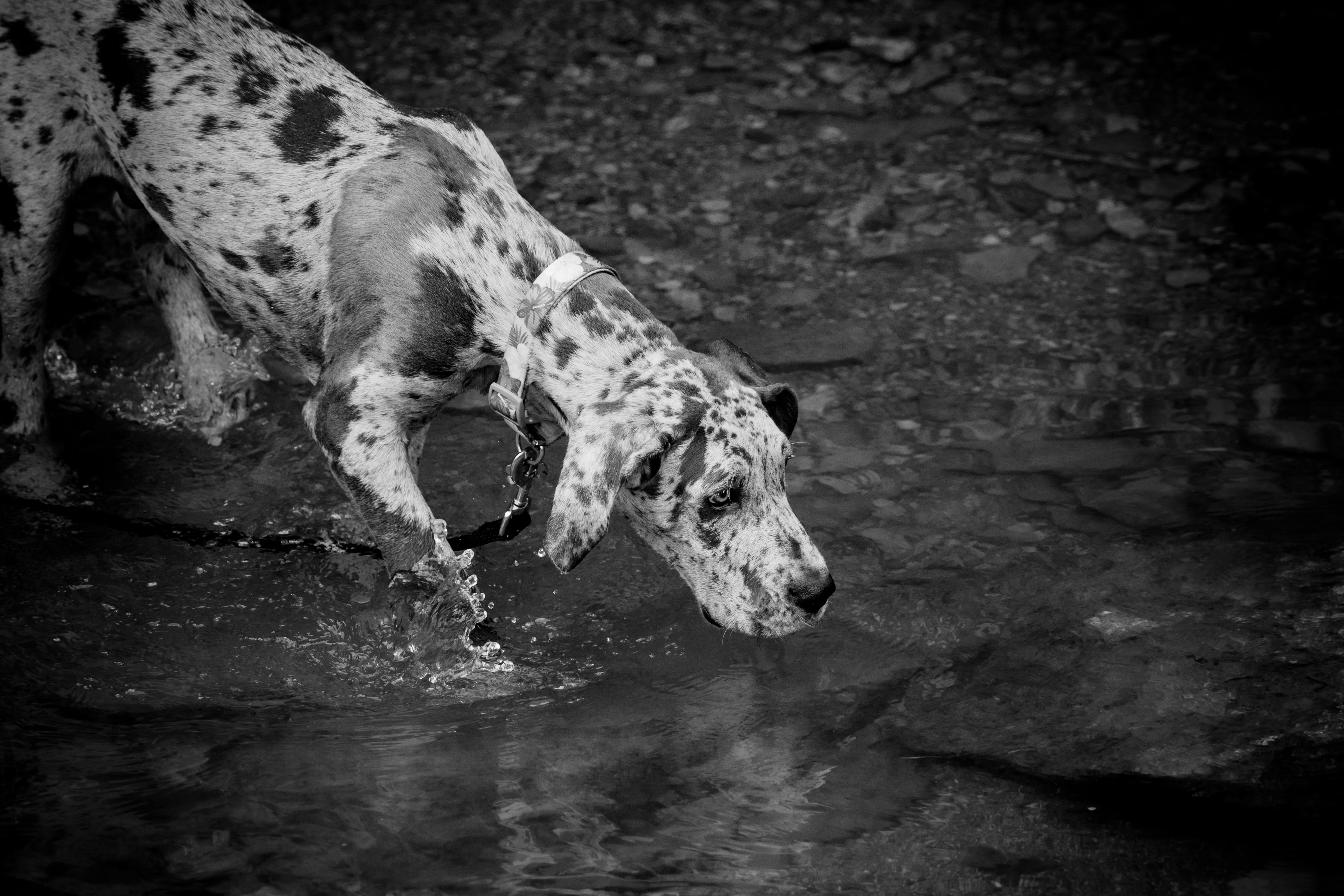 \n\n
\n\nDo all dogs have wet noses? This question often pops up in conversations among dog owners, animal lovers, and even curious folks who just want to know more 'bout our furry friends. It’s not just a matter of trivia but also one that opens the door to understanding why dogs behave the way they do. You might be surprised to learn that the moisture on a dog’s nose isn’t just for show. It serves some pretty crucial purposes.
\nThe Science Behind Wet Noses
\nFirst off, let’s dive into the science of it. A dog’s nose is typically wet due to the secretion of mucus. This mucus not only helps to keep the nose moist but also plays a vital role in their sense of smell. Dogs have an incredible olfactory system, and the moisture helps to capture scent particles from the air. Here’s a quick breakdown:
\n- \n
- Scent Reception: The wetness allows scent particles to stick better, enhancing a dog’s ability to smell. \n
- Temperature Regulation: Dogs also use their noses to help regulate their body temperature. A wet nose cools down their body, as dogs don’t sweat like humans do. \n
- Health Indicator: A wet nose is often seen as a sign of good health. However, a dry or cracked nose could indicate illness or dehydration. \n
Do All Breeds Have Wet Noses?
\nYou might be wondering if all dogs have wet noses. The answer can be a bit tricky. While most breeds do indeed have wet noses, there are exceptions. Some breeds are known for having drier noses due to genetic traits. For example:
\n- \n
- Bulldogs: These dogs can have less moisture on their noses, which could be due to their short snouts. \n
- Pugs: Similar to Bulldogs, their short and flat faces sometimes result in drier noses. \n
- Basset Hounds: They can also have varying levels of moisture on their noses, depending largely on individual health. \n
Why Do Dogs Have Wet Noses? Discover the Fascinating Reasons!
\nNow let’s get into the nitty-gritty of why these noses are essential. Dogs are unique creatures, and their noses are a big part of what makes them special.
\n- \n
- \n
Enhanced Smelling Ability: As mentioned, a wet nose aids in scent detection. Dogs have up to 300 million smell receptors compared to a human's 5 million. Wet noses help capture more scent particles, making them exceptional at sniffing out things.
\n \n - \n
Communication: Dogs are social animals, and they communicate through scent. A wet nose can signal excitement or even affection. They often greet other dogs or humans with a wet nose, which can be seen as a friendly gesture.
\n \n - \n
Environmental Awareness: Wet noses also help dogs analyze their environment. A dog’s nose can help detect changes in the weather or sense different animals in the area. This ability is particularly useful for working dogs who may need to track scents over long distances.
\n \n - \n
Thermoregulation: We talked about this earlier, but it’s worth noting again. A wet nose can help cool dogs down. In hot weather, they may spend more time panting and keeping their noses moist to manage their body temperature.
\n \n
Fun Facts About Dog Noses
\n- \n
- Nose Print Identification: Just like human fingerprints, each dog has a unique nose print. It can be used for identification. \n
- Color Variation: A dog’s nose can change color based on temperature or health. For instance, a cold dog may have a darker nose. \n
- Age Factor: Puppies are often born with pink noses, which may darken as they grow older. \n
Things to Consider
\nWhile wet noses are generally a sign of a healthy dog, there are exceptions and things to watch out for. Here’s a list to keep in mind:
\n- \n
- Dry or Cracked Nose: Could indicate dehydration, allergies, or even illness. \n
- Excessive Moisture: If a dog’s nose is overly wet and there are signs of discharge, it may be a sign of infection. \n
- Color Changes: If a dog’s nose changes color suddenly, it might be worth consulting a vet. \n
In conclusion, the wet nose of a dog is not just an adorable feature; it serves several vital functions that help them navigate their world. From enhancing their ability to smell to cooling their bodies down, wet noses are fascinating and important. So the next time you see your furry friend with a wet nose, you might appreciate it a little more knowing all the science and purpose behind it!
\n\nThe Role of a Dog’s Wet Nose in Their Sense of Smell: What You Need to Know
\n\n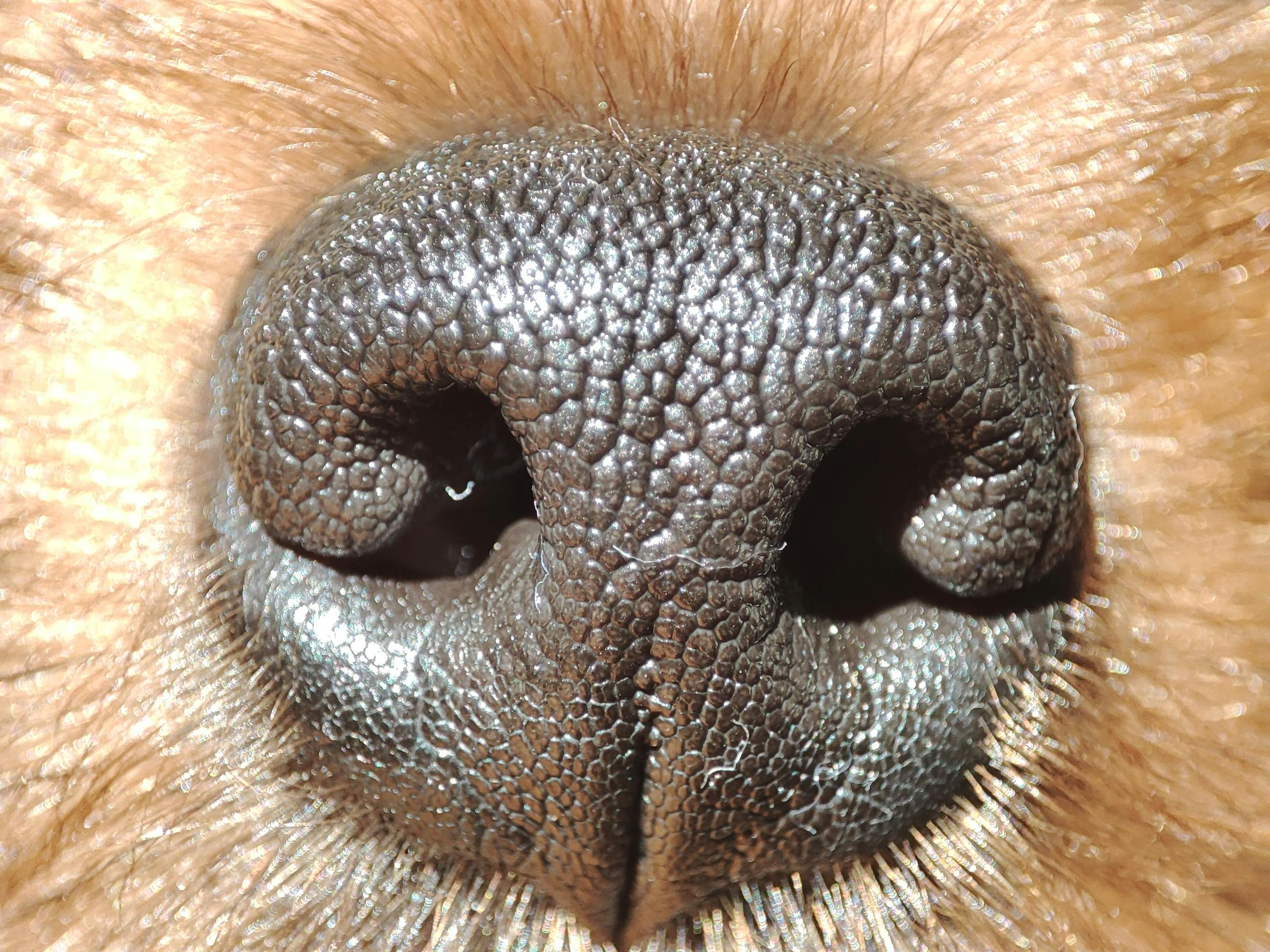 \n\n
\n\nDogs are often called man's best friend, but have you ever wonder why their noses are wet? The answer lies in their incredible sense of smell, which is closely linked to that moist, cold surface on their snouts. In this article, we explore the fascinating reasons behind a dog's wet nose and what it means for their overall sensory capabilities.
\nWhy Do Dogs Have Wet Noses?
\nThe wetness of a dog's nose is not just for show or a cute characteristic. There are several reasons why dogs have this unique feature:
\n- \n
- \n
Enhances Smell: A wet nose helps to capture scent particles from the air. The moisture on the surface of the nose allows scent molecules to dissolve, making it easier for dogs to detect and identify different smells. This is why dogs are often used in roles like search and rescue, as well as in law enforcement to sniff out drugs or explosives.
\n \n - \n
Temperature Regulation: Dogs don’t sweat like humans do. Instead, they regulate their body temperature through panting and the moisture on their noses. When a dog's nose is wet, it can help cool them down, which is essential for their overall health.
\n \n - \n
Health Indicator: The wetness and temperature of a dog's nose can also indicate its health. A healthy dog typically has a moist, cool nose. However, if a dog's nose is dry and warm, it could be a sign of fever or other health issues.
\n \n - \n
Behavioral Signals: Dogs use their noses not just for smelling but also for communication. A wet nose can signal curiosity or excitement, while a dry nose might indicate that the dog is feeling unwell or stressed.
\n \n
The Science Behind a Dog's Sense of Smell
\nDogs have an extraordinary sense of smell, which is about 10,000 to 100,000 times more acute than that of humans. Here are some fascinating facts about the science of dog noses:
\n- \n
- \n
Olfactory Receptors: Humans have around 5 million olfactory receptors in their noses, while dogs have up to 300 million. This huge difference is a key factor in their ability to smell.
\n \n - \n
Brain Processing: The part of a dog's brain that analyzes smells is proportionally larger than that of humans. This allows dogs to process a wide range of scents and recognize them effectively.
\n \n - \n
Scent Discrimination: Dogs can differentiate between various odors, even when they are mixed together. This ability is why dogs are often used in roles such as detecting cancer or finding missing persons.
\n \n
Historical Context of Dogs and Their Noses
\nThroughout history, dogs have been valued not just for companionship but for their acute sense of smell. Here is a brief look at how dogs' noses have played significant roles in society:
\n- \n
- \n
Hunting Companions: For centuries, dogs have assisted humans in hunting game. Their keen sense of smell helps hunters locate animals, making them valuable partners.
\n \n - \n
Search and Rescue: In times of crisis, such as natural disasters, dogs are trained to find and rescue trapped individuals. Their ability to smell beneath rubble showcases their incredible skills.
\n \n - \n
Medical Detection: Some dogs are trained to detect medical conditions, such as low blood sugar or seizures in humans. Their noses play a crucial role in identifying these changes in body chemistry.
\n \n
The Role of a Wet Nose in Different Dog Breeds
\nDifferent dog breeds may exhibit variations in their nose wetness and how it impacts their sense of smell. For example:
\n- \n
- \n
Bloodhounds: Known for their tracking abilities, bloodhounds have a particularly moist nose and a very high number of scent receptors. They can follow a scent trail that’s days old.
\n \n - \n
Beagles: These dogs also have a wet nose and a strong sense of smell, often used in detection roles like sniffing out contraband.
\n \n - \n
Labrador Retrievers: Labs are not only friendly companions but also excellent service dogs, using their wet noses to guide and assist people.
\n \n
Practical Implications for Dog Owners
\nAs a dog owner, understanding the role of a wet nose can help you better care for your furry friend. Here are some practical tips:
\n- \n
- \n
Regular Vet Check-ups: Keep an eye on your dog’s nose. If it becomes persistently dry or hot, consult your veterinarian.
\n \n - \n
Hydration: Ensure your dog stays hydrated, as hydration affects the moisture of their nose.
\n \n - \n
Watch for Behavior Changes: If your dog’s nose changes from wet to dry suddenly, or if they exhibit changes in behavior, it might be a sign of stress or illness.
\n \n
In summary, a dog's wet nose is not just an adorable attribute; it plays a critical role in their remarkable sense of smell. This feature is essential for their health, communication, and interaction with the world. So, the next time you pet your dog and feel that cool, wet nose, remember all the amazing things it
\n\nWhy Your Dog’s Nose is Wet: 7 Reasons That Will Surprise You
\n\n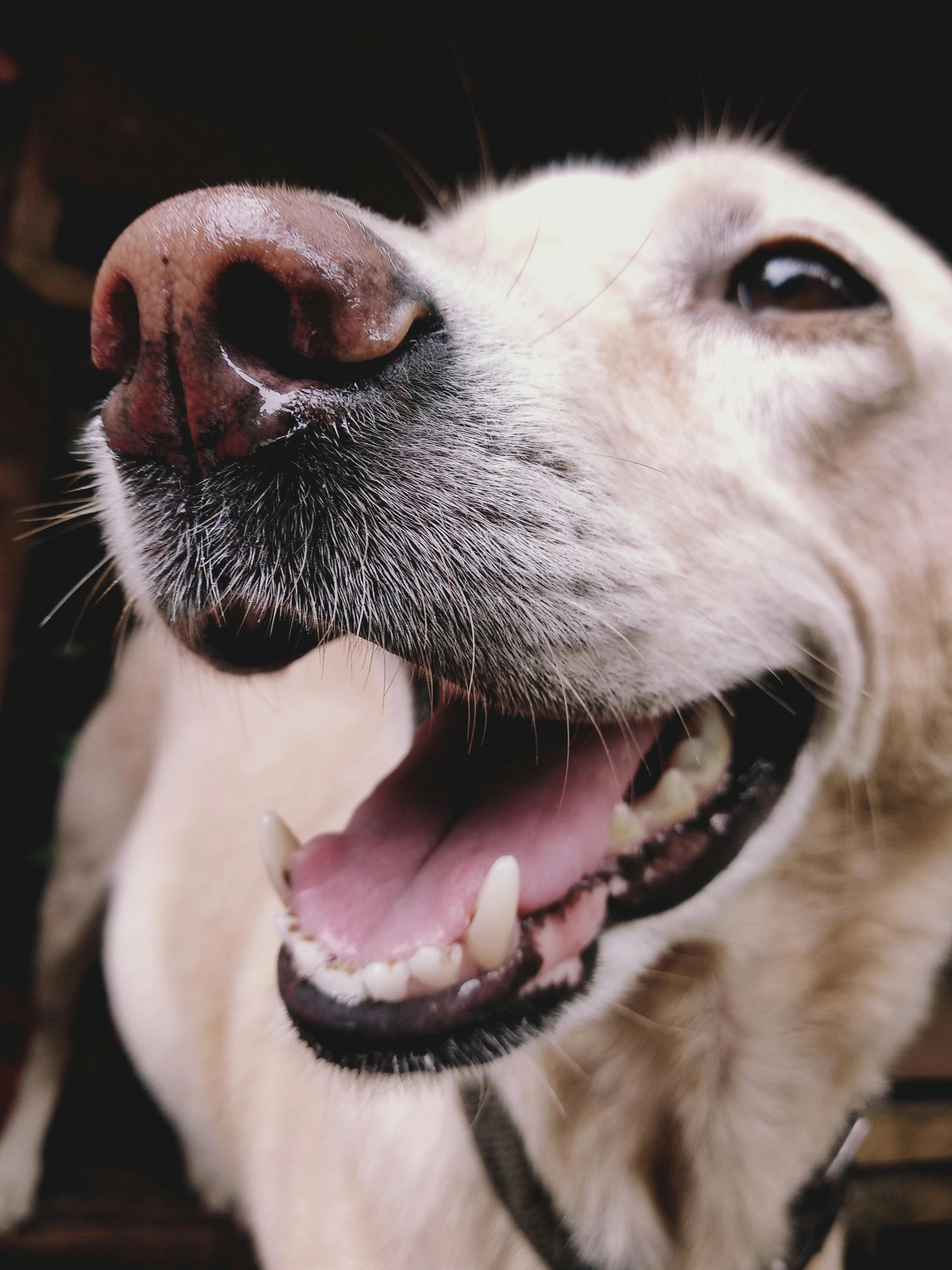 \n\n
\n\nHave you ever wondered why your dog's nose is always wet? You might think it’s just one of those quirky things about dogs, but there’s actually a lot more going on than you might guess. In fact, the reasons behind a wet nose can be quite fascinating and surprising. Get ready to discover seven intriguing reasons why dogs have wet noses and why it matters!
\n1. Natural Cooling Mechanism
\nDogs don't sweat like humans do. Instead, they have a unique way of regulating their body temperature. Their wet noses helps in this. When a dog licks its nose, the moisture evaporates, which cools their body. So, if you see your pup with a damp snout, it might just be trying to beat the heat!
\n2. Enhanced Sense of Smell
\nDid you know that a dog’s sense of smell is thousands of times more acute than ours? The moisture on a dog’s nose plays a crucial role in this. It helps capture scent particles in the air. When a dog inhales, the moisture assists in transporting these scent particles to olfactory receptors. So, a wet nose is not just a cute feature; it’s essential for their extraordinary sniffing abilities!
\n3. Hydration Indicator
\nA wet nose is often a sign of a well-hydrated dog. However, if your dog’s nose is dry, it could indicate dehydration or an underlying health issue. It's important to monitor your dog’s hydration levels. If you notice a persistent dryness, you might want to consult your veterinarian.
\n4. Social Communication Tool
\nDogs communicate in many ways, and their noses are no exception. When dogs meet each other, they often sniff each other's noses, which can be a way of saying hello or gathering information about one another. The wetness of their noses may be more inviting and friendly, signaling that they are open to social interaction.
\n5. Temperature Regulation
\nBesides cooling down, a wet nose can help dogs regulate their body temperature in other ways. According to studies, when a dog’s nose is moist, it helps to keep their body temperature balanced. When they feel hot, they can lick their noses to cool down. So, if your dog is frequently wet-nosed, it could be a sign they are keeping themselves comfortable!
\n6. Environmental Factors
\nThe environment plays a huge role in the moisture level of your dog’s nose. Humidity, temperature, and even seasonal changes can affect how wet or dry your dog’s nose gets. For example, during hot summer days, your dog might have a wetter nose because they are more active and licking it more frequently. Conversely, cold winter air can dry it out.
\n7. Health Indicator
\nA wet nose can also be a health indicator. In general, a healthy dog has a moist, cool nose. However, if you notice that your dog’s nose is unusually dry or cracked, it could signal a health issue, such as a fever or an infection. Always keep an eye on changes in your dog’s nose and consult a vet if something seems off.
\nQuick Facts About Dog Noses:
\n- \n
- Dogs have more than 220 million olfactory receptors, compared to about 5 million in humans. \n
- The average dog can detect parts per trillion of certain substances, making them fantastic at scent work. \n
- A dog's nose print is unique, much like a human fingerprint! \n
Comparison of Dog Nose Conditions
\n| Wet Nose | \nDry Nose | \n
|---|---|
| Indicates hydration | \nPossible dehydration | \n
| Good health sign | \nMay indicate health issues | \n
| Better sense of smell | \nCan hinder scent detection | \n
| Natural cooling mechanism | \nMay require vet attention | \n
Understanding why your dog’s nose is wet is more than just a quirky fact—it's about recognizing the health and behavior of your furry friend. Whether it's a cooling mechanism, a tool for communication, or a sign of health, your dog's moist nose is an incredible aspect of their anatomy. Next time you pet your pup and notice their nose, remember all the fascinating reasons behind it.
\nSo, as you cuddle with your canine companion, appreciate that wet nose. It's a window into their world and a sign of their well-being!
\n\nHow Weather Affects Your Dog’s Nose Moisture: Tips for Pet Owners
\n\n \n\n
\n\nEvery dog owner wonders about their furry friend's quirks, but one thing stands out: why do dogs have wet noses? It’s a fascinating question, and the answer isn’t just about cuteness. The moisture on a dog’s nose plays a crucial role in their health and sensory perception. And guess what? Weather can have a significant impact on this moisture level, affecting your pup in ways you might not think about.
\nThe Science Behind a Dog's Wet Nose
\nDogs have moist noses for a couple of good reasons. Firstly, it helps them smell better. A wet surface can capture scent particles more effectively, giving your dog a powerful sense of smell. Here's some interesting facts:
\n- \n
- Enhanced Smell: The moisture helps to trap scent particles, making it easier for dogs to analyze their environment. \n
- Temperature Regulation: Dogs do not sweat like humans do. Instead, they cool off through their noses and panting. A wet nose can help regulate their body temperature, especially in warmer months. \n
How Weather Affects Nose Moisture
\nJust like you might feel dry or parched when it’s hot outside, your dog’s nose can also get affected by the weather. Here are some ways different weather conditions impact your furry friend's nose moisture:
\n- \n
- Cold Weather: During colder months, your dog’s nose might become drier. Chilly air can evaporate moisture quickly. Dogs may also spend more time indoors, where heating can cause dryness. \n
- Hot and Humid Conditions: On the flip side, high humidity can keep your dog’s nose moist. However, excessive heat can lead to dehydration, impacting their overall health. \n
- Rainy Days: Rain can be a boon for nose moisture, but too much wetness can lead to other health issues. \n
Tips for Keeping Your Dog’s Nose Moisture Healthy
\nAs a pet owner, you want to keep your dog happy and healthy. Here are some practical tips to help maintain their nose moisture regardless of the weather:
\n- \n
- Hydration: Make sure your dog always has access to fresh water. Staying hydrated is essential for nose moisture. \n
- Humidity Control: If you live in a dry climate, consider using a humidifier indoors to combat the dryness. \n
- Limit Exposure: On very hot days, limit your dog's time outdoors. Too much sun can dry out their nose. \n
- Regular Vet Checkups: Keep an eye on any changes in your dog's nose. If it becomes excessively dry, cracked, or changes color, consult your vet. \n
- Use Natural Balms: Consider applying a dog-friendly nose balm during harsh weather conditions. This can help retain moisture and prevent cracking. \n
Why Dogs Have Wet Noses: A Deeper Dive
\nIt’s not just about smell or temperature regulation; there’s more to why dogs have wet noses. Historically, dogs have evolved with this feature to aid their survival. Wild ancestors of dogs relied on their keen sense of smell for hunting and tracking prey, and a wet nose was part of that evolutionary advantage.
\nInteresting Comparisons: Dogs vs. Other Animals
\n- \n
- Cats: Unlike dogs, cats generally have drier noses. They do not rely on their sense of smell as much as dogs do, which partly explains this difference. \n
- Humans: We sweat to cool down, unlike dogs who depend on their noses for temperature regulation. Our noses are mostly for breathing, not scent detection. \n
Common Myths About Dog Noses
\nThere are plenty of myths circulating about dog noses that just aren’t true. Here are some of them:
\n- \n
- Myth 1: A cold, wet nose means your dog is healthy.
- \n
- Truth: While a wet nose can indicate health, other factors matter too. \n
\n - Myth 2: Dogs with dry noses are sick.
- \n
- Truth: A dry nose can be normal, especially with weather changes. \n
\n - Myth 3: All dogs have wet noses.
- \n
- Truth: Some breeds naturally have drier noses. \n
\n
Keeping your dog's nose in tip-top shape is vital for their overall well-being. By understanding how weather affects their moisture levels and knowing the reasons behind their wet noses, you can take better care of your furry friend. So, keep those tails wagging and noses moist!
\n\nThe Connection Between Wet Noses and Dog Emotions: What Science Says
\n\n \n\n
\n\nHave you ever noticed your dog’s nose? It’s wet, right? But have you ever thought about why that is? There’s actually a fascinating connection between wet noses and dog emotions, and what science says about it is pretty interesting. So, let’s dive into the reasons behind those moist noses and how they relate to your furry friend’s feelings.
\nWhy Do Dogs Have Wet Noses?
\nDogs have wet noses for several reasons. The primary reason is related to their sense of smell. Dogs depend on their noses to navigate the world, and a wet nose helps enhance their olfactory abilities. Here’s how it works:
\n- \n
- Increased Surface Area: A wet nose increases the surface area for scent molecules to adhere to. \n
- Cooling Mechanism: Dogs don’t sweat like humans do; instead, they cool themselves through panting and the moisture on their noses. \n
- Health Indicator: A healthy dog typically has a moist nose. A dry nose may indicate dehydration or illness. \n
The Science Behind Dog Noses
\nThe wetness of a dog’s nose isn’t just an interesting quirk; it’s rooted in science. Research shows that dogs have a remarkable sense of smell, estimated to be anywhere from 10,000 to 100,000 times more sensitive than humans. This incredible ability is partly due to the moisture on their noses, which helps trap scent particles.
\nStudies have shown that when a dog smells something, their nose absorbs the scent through the wet surface, allowing them to process the information more effectively. This is especially important in social situations, where dogs rely on scents to communicate with each other.
\nEmotional Connection and Nose Wetness
\nSo, what’s the connection between a dog’s wet nose and its emotions? Well, just like humans, dogs express their feelings in various ways, and their noses can be a good indicator of their emotional state. Here’s how:
\n- \n
- Excitement: When dogs get excited, their noses tend to become wetter. \n
- Anxiety: A dog that is anxious might have a drier nose. \n
- Contentment: A relaxed dog often has a moist and cool nose. \n
Historical Context of Dog Noses
\nHistorically, dogs have been companions to humans for thousands of years. Ancient civilizations recognized the importance of a dog’s sense of smell. They trained dogs for hunting, herding, and protection, relying heavily on their olfactory skills. The wetness of a dog’s nose was likely noted even in early times, as people understood the importance of having a healthy, alert dog.
\nPractical Examples of Dog Nose Behavior
\nTo understand the connection better, let’s look at some everyday examples of how a dog’s nose can reflect their emotions:
\n- \n
- Greeting: When you come home, your dog might greet you with a wet nose. This shows excitement and affection. \n
- Meeting New Dogs: When dogs meet new friends at the park, they often sniff each other’s noses. This is a way to gather information and understand each other’s emotional state. \n
- During Playtime: A dog engaged in play often has a wet nose, indicating they are happy and enjoying their time. \n
Interesting Facts About Dog Noses
\nHere are some cool facts about dog noses that you may not know:
\n- \n
- Each dog has a unique nose print, much like a human fingerprint. \n
- Dogs have about 300 million smell receptors, compared to humans who only have around 5 million. \n
- The moisture on a dog’s nose comes from the mucous membranes, which helps keep the nose cool and enhances their sense of smell. \n
Tips for Dog Owners
\nTo keep your dog’s nose healthy and wet, consider these tips:
\n- \n
- Hydration: Make sure your dog always has access to fresh water. Dehydration can lead to a dry nose. \n
- Regular Vet Check-ups: Regular visits to the veterinarian can help catch any health issues early. \n
- Observe Changes: Keep an eye on your dog’s nose. If it suddenly becomes dry or cracked, it may be a sign of something more serious. \n
Understanding the link between a dog’s wet nose and its emotions provides valuable insight into your furry friend’s feelings. So next time you notice your dog’s moist nose, remember, it’s not just a cute trait; it’s a sign of their health, emotional state, and a vital part of how they interact with the world. Embrace the wet nose and all the love it represents!
\n\nWet Noses and Dog Communication: How Your Pup Uses Their Senses
\n\n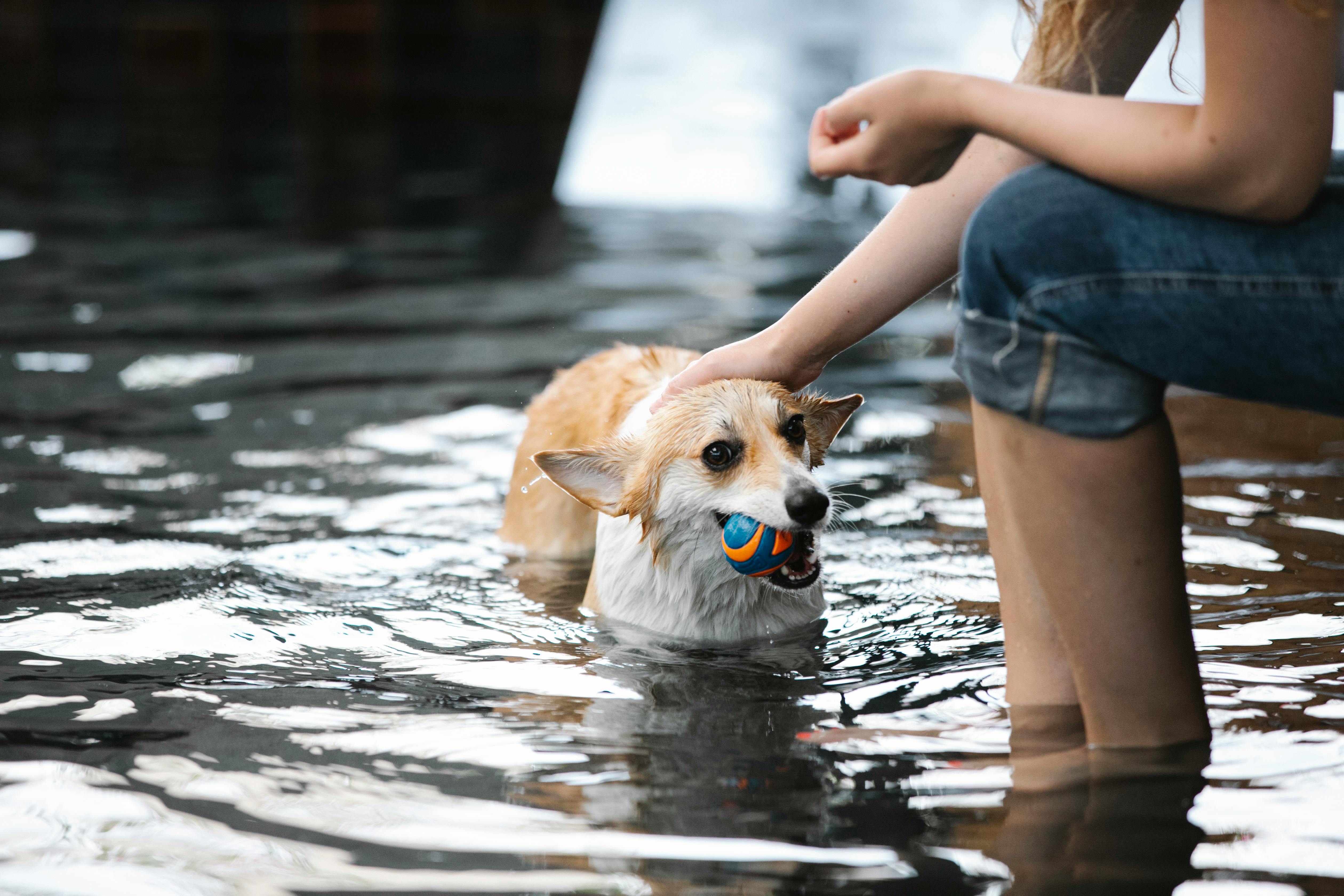 \n\n
\n\nWhen you think of your furry friend, wet noses likely come to mind. But why do dogs have wet noses? It’s a question many dog owners ask, and the answer is more fascinating than you might expect. Dogs communicate through various senses, and their noses play a vital role in this process. This article will explore how dogs use their noses to interact with the world around them, and the intriguing reasons behind why they are so often wet.
\nThe Science Behind Wet Noses
\nDogs have wet noses for a reason. The moisture on their noses helps them detect scents more efficiently. A wet surface can capture scent particles better than a dry one, allowing dogs to pick up on smells from great distances. This ability is what makes dogs exceptional at tracking and hunting.
\nAlso, the moisture helps to regulate their body temperature. Dogs don’t sweat like humans do; instead, they rely on panting and the moisture on their noses to help cool down. This is why you often see your dog with a wet nose when it’s hot outside.
\nHow Dogs Use Their Senses
\nDogs rely heavily on their sense of smell, which is estimated to be between 10,000 to 100,000 times more acute than that of humans. Here’s a look at how they communicate and understand their environment through their senses:
\n- \n
- \n
Smell: This is the primary sense for dogs. They can smell fear, happiness, and even illness. Their sense of smell allows them to communicate with other dogs and detect changes in humans.
\n \n - \n
Hearing: Dogs can hear sounds at frequencies much higher than humans. This ability helps them communicate with other animals and respond to commands from their owners.
\n \n - \n
Sight: While dogs don’t see colors the same way people do, they have superior night vision and can detect motion better than humans. This helps them in hunting and protecting their territory.
\n \n - \n
Touch: Dogs are sensitive to touch. They communicate affection through nudges or cuddles, and they can sense human emotions through physical contact.
\n \n
Fascinating Facts About Dogs' Noses
\n- \n
- \n
Unique Patterns: Just like human fingerprints, every dog's nose has a unique pattern. This means that you can identify a dog by its nose print.
\n \n - \n
Nasal Turbinates: Dogs have special structures in their noses called nasal turbinates. These help filter and humidify the air they breathe, making it easier to detect smells.
\n \n - \n
Scent Memory: Dogs can remember scents for a long time. This allows them to recognize familiar people and places even after long periods.
\n \n - \n
Health Indicator: A wet nose is often a sign that your dog is healthy. However, if it becomes dry or cracked, it might indicate an underlying health issue.
\n \n
Why Do Dogs Have Wet Noses?
\nUnderstanding why dogs have wet noses can give insight into their behavior and health. Here are some key reasons:
\n- \n
- \n
Enhanced Scent Detection: Wet noses help capture scent particles more effectively. This is crucial for their hunting instincts and daily interactions.
\n \n - \n
Cooling Mechanism: As mentioned before, moisture helps regulate their body temperature. This is especially important during warm weather.
\n \n - \n
Social Interaction: Dogs greet each other with their noses. A wet nose can indicate a friendly approach, and it’s a way for them to gather information about other dogs.
\n \n
Comparisons: Dogs Vs. Humans
\nTo better understand the importance of a dog's nose, let’s compare it with human capabilities:
\n- \n
- \n
Smell Sensitivity: Humans have approximately 5 million scent receptors, whereas dogs have between 220 to 300 million. This gives dogs a much sharper sense of smell.
\n \n - \n
Communication: Humans primarily communicate verbally, whereas dogs use a combination of smells, sounds, and body language.
\n \n - \n
Temperature Regulation: Humans sweat to cool down, while dogs rely on their noses and panting.
\n \n
Practical Examples of Dog Communication
\nKnowing how dogs communicate can improve your relationship with your pup. Here are some practical examples:
\n- \n
- \n
Sniffing Each Other: When dogs meet, they often sniff each other’s noses and behinds. This is their way of gathering information about each other.
\n \n - \n
Body Language: A wagging tail typically means a happy dog. However, a stiff body and raised hackles indicate fear or aggression.
\n \n - \n
Vocalizations: Dogs bark, whine, and growl to express their feelings. Pay attention to the tone and pitch to understand their mood.
\n \n
In summary, the wet noses of dogs are not just a cute characteristic but a vital aspect of their communication and health. Their ability to interact with the world through scent is astonishing, making them some of the best companions we could ask for. Next time you see your dog's wet nose, remember the fascinating science behind it and the important role it plays in their life.
\n\nConclusion
\n\nIn conclusion, the wet noses of dogs serve several important functions, from enhancing their sense of smell to regulating their body temperature. The moisture on a dog's nose helps to capture scent particles, allowing them to experience the world in a way that is far more nuanced than humans can. Additionally, a wet nose can indicate good health, as dehydration or illness may lead to a dry nose. Understanding this fascinating aspect of canine biology not only deepens our appreciation for our furry friends but also helps us recognize the signs of their well-being. As dog owners, it's essential to monitor our pets' health and behavior, ensuring their noses stay wet and their spirits high. So the next time you greet your dog, take a moment to appreciate that moist, cold nose—it’s a sign of their unique sensory abilities and overall health.
\n\n