Have you ever wondered, why do dogs have wet noses? This intriguing question sparks curiosity for many pet lovers and dog owners alike. The truth is, there's more than meets the eye when it comes to those adorable, moist canine noses. In fact, a dog’s nose serves as a powerful sensory tool, helping them to explore their world in ways we can only dream of. But what makes their noses so special? Are they simply wet for comfort, or do they have a deeper purpose?
In this fascinating article, we will uncover the science behind the wetness of dogs' noses and reveal the amazing reasons why this feature is essential for their health and well-being. From temperature regulation to enhancing their sense of smell, these little facts might just surprise you! So, if you're curious about what makes your furry friend's nose so unique, keep reading to discover the secrets behind why do dogs have wet noses. You won't want to miss out on these mind-blowing insights that could change the way you view your beloved pet!
The Science Behind Canine Moisture: Why Do Dogs Have Wet Noses?
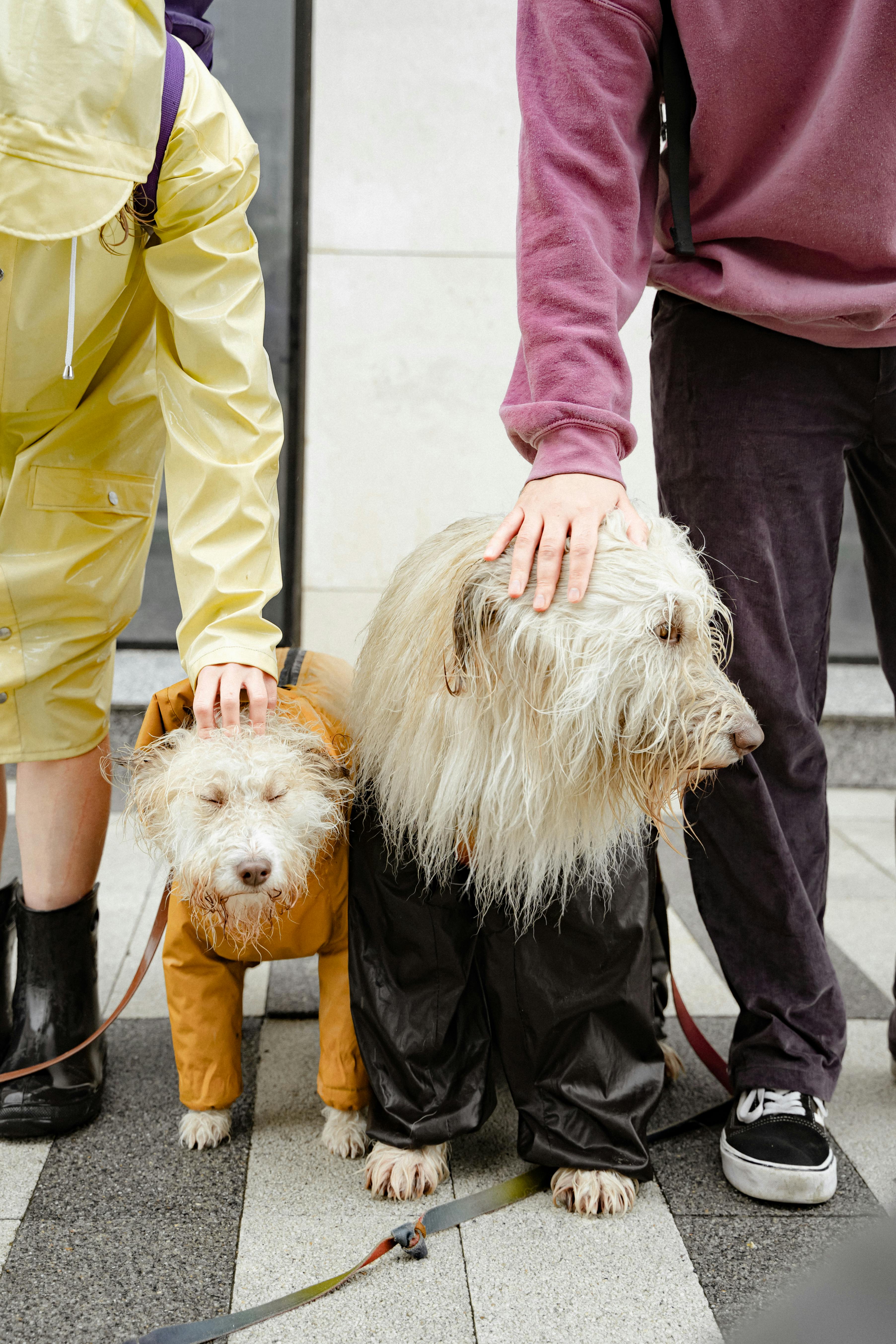
When you think about dogs, their wet noses might be one of the first things that come to your mind. But why do dogs have wet noses? This question has intrigued dog owners and scientists alike for years. There's actually fascinating science behind it, and it goes beyond just a cute characteristic. Let’s dive into this topic and uncover the reasons why those noses are so moist!
The Purpose of a Wet Nose
A dog’s nose serves multiple purposes, and moisture plays a crucial role in many of these functions. Here are some key reasons:
- Enhanced Smell: Dogs have an incredible sense of smell, and a wet nose helps to capture scent particles from the air. This moisture can bind with scent molecules, making it easier for dogs to detect them.
- Cooling Mechanism: Just like humans sweat to cool down, dogs rely on their moist noses to help regulate their body temperature. The evaporation of moisture from their noses provides a cooling effect.
- Health Indicator: A dog’s nose can be an indicator of its health. A wet and cool nose usually means a dog is healthy, while a dry nose could be a sign of dehydration or illness. However, this isn’t a strict rule, since many factors influence nose moisture.
Historical Context and Evolution
Dogs have evolved over thousands of years from their wild ancestors, and their noses have adapted to serve important functions. Early domesticated dogs likely used their noses to hunt and track prey. Here’s a breakdown of how this evolution affects their noses today:
- Ancestral Traits: The ancestors of modern dogs had wet noses that helped them in tracking scents over long distances.
- Breeding: Different dog breeds have been favored for their unique traits, but the moist nose remains a common feature as it aids in their survival and interaction with the environment.
Anatomy of a Dog’s Nose
The structure of a dog’s nose is quite complex. Understanding its anatomy can help us appreciate why it’s always wet:
- Nasal Glands: Dogs have specialized glands in their noses that produce moisture. These glands are particularly active when a dog is excited or sniffing around.
- Surface Area: The inside of a dog’s nose has a huge surface area which is lined with olfactory receptors. This design is optimized for maximizing scent detection.
- Nasal Turbinates: These are tiny structures inside the nose that help to warm and humidify the air a dog breathes. The moisture from these turbinates contributes to the wetness of the nose.
Fun Facts About Dog Noses
- Unique Patterns: Just like human fingerprints, each dog’s nose print is unique, and it can be used for identification.
- Temperature Regulation: Besides cooling, a wet nose can help dogs to better sense their environment; they can pick up on temperature changes more effectively.
- Communication Tool: Dogs also use their noses to gather information about other dogs and their surroundings, helping them to understand social cues and boundaries.
Comparing Dog Noses to Other Animals
Interestingly, dogs aren’t the only animals with wet noses. Here’s how they compare to other species:
| Animal | Nose Type | Purpose |
|---|---|---|
| Dogs | Wet | Scent detection, temperature regulation |
| Cats | Dry | Good sense of smell, but less reliant on moisture |
| Pigs | Wet | Excellent sense of smell, rooting behavior |
| Horses | Dry | Rely on sight and sound more than smell |
Practical Tips for Dog Owners
Keeping your dog’s nose healthy is important. Here are some practical tips:
- Hydration: Always ensure your dog has access to fresh water; dehydration can lead to a dry nose.
- Environment: Be mindful of extreme temperatures. Cold weather can dry out a dog’s nose, while hot weather can lead to overheating.
- Regular Check-ups: At vet visits, mention any changes in your dog's nose. It can signal underlying health issues.
Understanding why dogs have wet noses is not just about curiosity; it’s about knowing how to care for our furry friends better. The moistness of a dog’s nose is a remarkable adaptation that provides crucial benefits, from enhanced smell to regulating body temperature. So, the next time you feel that wet nose against your hand, you’ll know just how fascinating and essential it really is!
5 Fascinating Reasons Your Dog's Nose is Always Wet
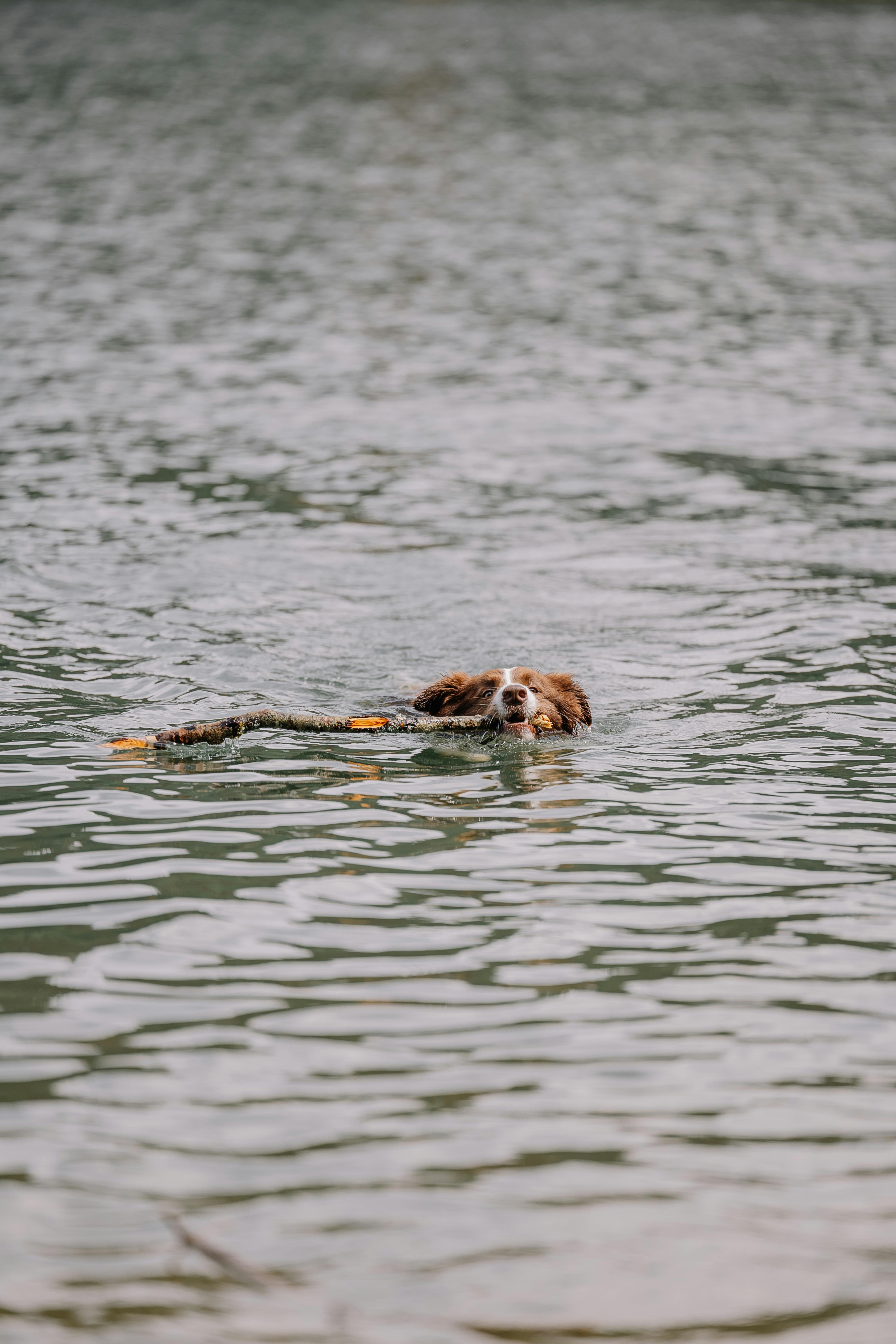
Have you ever wondered why your dog's nose is always wet? It's one of those quirky traits that make dogs so unique, but there's actually some fascinating science behind it. This article explores five reasons why your furry friend's nose is often moist, shedding light on the intriguing question: why do dogs have wet noses?
1. Natural Cooling Mechanism
Dogs, unlike humans, don’t sweat in the same way. They have sweat glands, but they are mostly concentrated in their paw pads. So, how do they cool down? Their wet noses play a crucial role in thermoregulation. When a dog’s nose is wet, it helps to evaporate moisture, creating a cooling effect. This is especially important during hot weather, allowing dogs to maintain a comfortable body temperature.
- Dogs pant to cool down too, but their noses help with that process.
- A wet nose can be a sign that your dog is feeling hot and needs to cool off.
2. Enhanced Sense of Smell
Dogs have an incredible sense of smell, which is significantly more powerful than that of humans. A wet nose actually helps enhance this ability. The moisture on their nose aids in capturing scent particles from the air, making it easier for them to detect various odors. The wetness allows the olfactory receptors to work more efficiently, so when your dog is sniffing around, they are gathering more information about their environment.
- Wet noses can absorb scents better, leading to more accurate tracking.
- This is why dogs are often used in search and rescue operations; their ability to smell is unmatched.
3. Communication Tool
Believe it or not, your dog’s nose is also a form of communication. Dogs use their sense of smell to gather information from other dogs, and a wet nose can signal a number of things. For instance, when dogs greet each other, they often engage in sniffing to exchange scents. A moist nose can indicate a healthy, curious, and sociable dog, making it a key component in canine communication.
- A dry nose might suggest stress, illness, or dehydration.
- Dogs can detect pheromones through their noses, which can communicate emotions to other dogs.
4. Health Indicator
Interestingly, the state of a dog’s nose can also serve as an indicator of their health. While a wet nose is often seen as a sign of good health, it’s essential to recognize that changes in moisture levels can point to potential health issues. A persistently dry or cracked nose can suggest dehydration or even illness. Therefore, paying attention to your dog’s nose can help you keep an eye on their overall wellbeing.
- Factors that affect nose moisture include environment, temperature, and activity level.
- If your dog’s nose changes drastically, it might be time for a vet visit.
5. Breed Variations
Not all dogs have the same type of nose, and this can affect how wet or dry they are. For example, breeds like Bulldogs or Pugs might have drier noses due to their unique facial structures. On the other hand, breeds known for their excellent sense of smell, such as Bloodhounds, tend to have consistently wet noses. Understanding your dog’s breed can give you insight into what to expect when it comes to nose moisture.
- Some breeds naturally have oilier skin, contributing to a wet nose.
- Others may have allergies or skin conditions affecting nose moisture.
Quick Facts About Dog Noses
- Dogs have about 300 million smell receptors; humans have only 5 million.
- A dog’s nose print is unique, much like human fingerprints.
- Dogs can detect certain diseases in humans, such as cancer or diabetes, through scent.
Understanding why your dog has a wet nose is more than just a quirky observation—it’s a glimpse into their unique biology and behavior. From cooling down to enhancing their sense of smell, a wet nose is vital for your dog’s health and happiness. So, the next time you give your furry friend a scratch behind the ears, take a moment to appreciate that delightful, moist nose. It’s not just adorable; it’s an essential part of who they are!
Is a Wet Nose Always Healthy? Understanding Your Dog’s Nose Condition

Is a Wet Nose Always Healthy? Understanding Your Dog’s Nose Condition, Why Do Dogs Have Wet Noses? Discover The Fascinating Reasons!
When you think about dogs, one of the first things that comes to mind is probably their wet noses. But have you ever wondered why do dogs have wet noses? It’s a question that many dog owners asks, and it turns out there’s more to it than just cuteness. Understanding your dog’s nose condition can be really helpful, not just for curiosity’s sake, but also for their health. So let’s dive into the fascinating world of dog noses!
The Science Behind Wet Noses
Dogs have wet noses because of a few reasons, and it’s not just because they like to stick it in water. One of the main reasons is that a wet nose helps dogs to smell better. A dog’s sense of smell is extremely powerful—up to 100,000 times better than humans. The moisture on their nose helps to capture scent particles from the air, making it easier for them to detect different odors.
- Wet noses help to absorb scent particles.
- The moisture also cools down the dog’s body temperature.
- Wetness can indicate the dog’s emotional state.
Is a Wet Nose Always Healthy?
Now, let’s address the big question: is a wet nose always a sign of a healthy dog? Not exactly. While many dogs do have moist noses when they are healthy, a wet nose alone doesn’t guarantee that your furry friend is in tip-top shape.
- Normal Conditions: A wet nose is generally a sign of a happy and healthy dog.
- Health Issues: If your dog’s nose becomes unusually dry or cracked, it could indicate dehydration, fever, or other health problems.
- Temperature Sensitivity: Sometimes, a dog’s nose can be warm and dry, especially if they are sleeping or resting.
What About a Dry Nose?
A dry nose isn’t always a cause for concern. Many factors can contribute to a dog’s nose being dry. Here’s a quick list of considerations:
- Weather Conditions: Hot or dry weather can lead to a dry nose.
- Age: Older dogs might have drier noses as they age.
- Health Conditions: Conditions like allergies or autoimmune diseases can also cause dryness.
Common Nose Conditions in Dogs
Understanding your dog’s nose condition is important. Here are some common issues that might arise with their noses:
- Cracked Nose: Can be painful and might need vet attention.
- Nasal Discharge: If the discharge is colored or smelly, it might indicate infection.
- Nasal Tumors: Rare, but a possibility in older dogs showing persistent symptoms.
The Importance of Regular Check-ups
Regular vet check-ups are essential to ensure your dog’s health. During an exam, the vet will usually check your dog’s nose along with other vital signs. Here’s what to look out for:
- Nose Color: A healthy dog’s nose is usually black or brown, while some breeds have pink noses.
- Texture: A smooth, wet nose is typical; rough textures might need examination.
- Discharge: Clear discharge is generally normal, but colored or thick discharge should be checked out.
Fun Facts About Dog Noses
Did you know that a dog’s nose print is unique, just like a human fingerprint? It’s true! Here are some more fun facts about dog noses:
- Dogs have up to 300 million scent receptors in their noses.
- The wetness on their noses can help them to regulate their body temperature.
- Dogs can even smell emotions, detecting stress or fear through scent.
If you are ever concerned about your dog's nose or overall health, don’t hesitate to reach out to a veterinarian. They can provide guidance tailored to your specific situation.
In sum, while a wet nose can indicate a healthy dog, it’s essential to monitor other factors that contribute to their well-being. Understanding why do dogs have wet noses and what it means can deepen the bond between you and your furry friend. Whether it’s for health reasons or just plain curiosity, knowing more about your dog’s unique features is always worthwhile!
How a Wet Nose Enhances Your Dog's Sense of Smell: The Amazing Connection
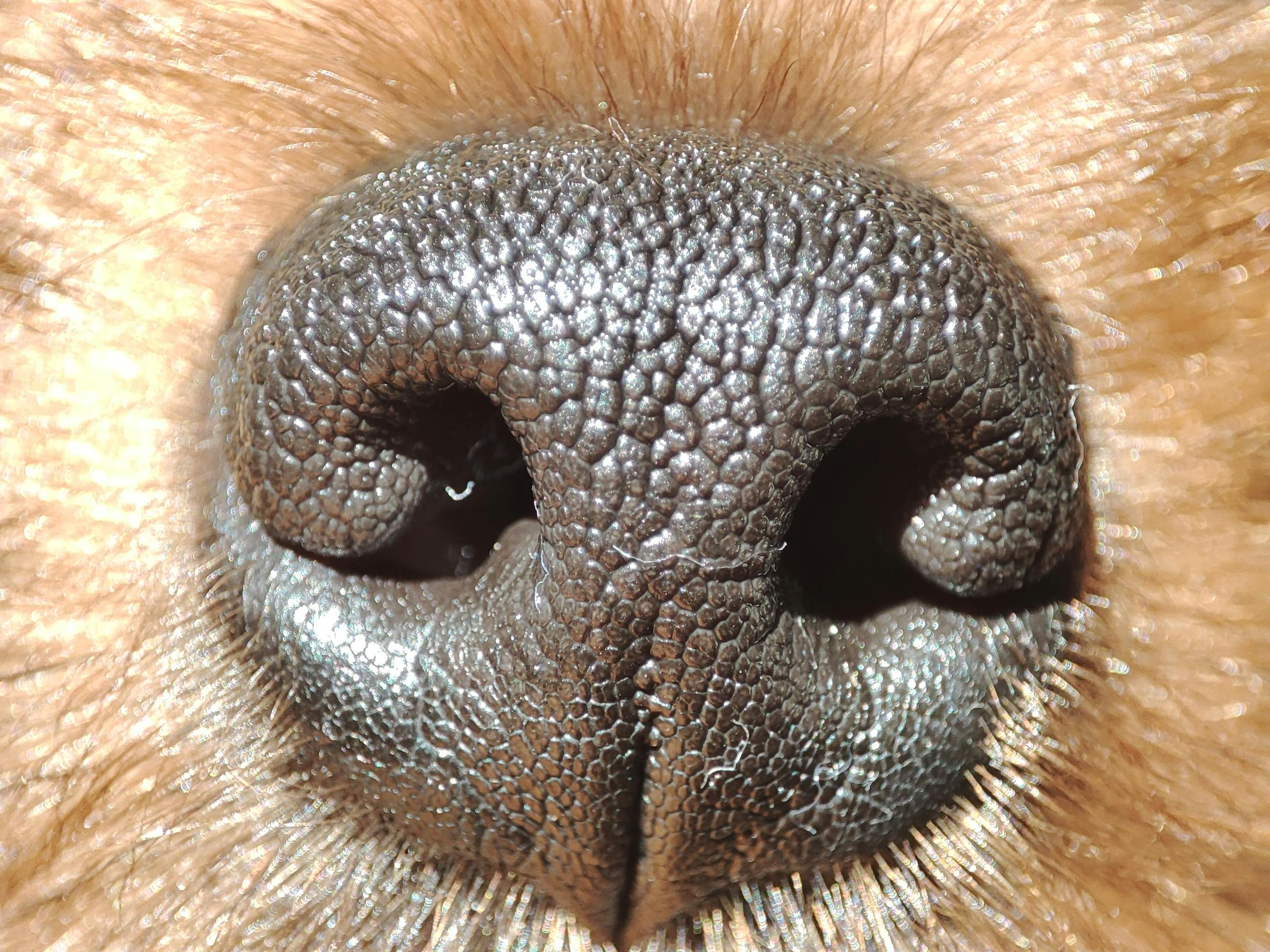
Dogs are truly remarkable creatures, and one of their most fascinating features is their wet noses. People often wonder why do dogs have wet noses, and how a wet nose enhances your dog’s sense of smell. This connection is not just a quirk of nature, but it serves significant biological purposes. Let’s explore the amazing reasons behind this intriguing characteristic and how it plays a crucial role in your furry friend’s life.
The Science Behind Wet Noses
A dog’s nose is moist for several reasons, and understanding these can help pet owners appreciate their canine companions even more.
Enhanced Olfactory Function: The wetness of a dog's nose helps to capture scent particles more efficiently. When the nose is moist, it can trap these particles better, allowing dogs to detect smells much more accurately than humans can. Dogs have up to 300 million olfactory receptors, compared to about 6 million in humans. This makes their sense of smell about 40 times better than ours!
Temperature Regulation: Dogs can’t sweat like humans do. Instead, they pant to cool down. However, the moisture on their noses also contributes to thermoregulation. The wet surface of the nose helps keep the dog cool, as evaporation occurs.
Health Indicator: A wet nose is often seen as a sign of a healthy dog. If a dog’s nose is dry, it can indicate dehydration or illness. However, it’s important to remember that a dry nose doesn’t always mean something is wrong; factors like weather and activity level can also affect it.
Historical Context
Dogs have been our companions for thousands of years, and their wet noses have been essential in their roles as hunters, herders, and guardians. Throughout history, dogs with superior smelling abilities were often valued more highly in various cultures. For instance, scent hounds were bred specifically for their incredible olfactory skills, enhancing their utility for hunting.
The Fascinating Connection
The connection between a wet nose and a dog’s sense of smell is quite remarkable. Here’s how it works:
- Scent Detection: When a dog sniffs, they draw air into their noses, where the scent particles stick to the moist surface. This process allows the scent to be analyzed by the olfactory receptors in the nasal cavity.
- Second Analysis: Dogs have a special organ called the Jacobsen’s organ, located in the roof of their mouth. After the initial sniff, dogs can send the scent particles to this organ for further analysis, enabling them to identify and differentiate smells.
Benefits of a Wet Nose
There are several benefits that come from a dog’s wet nose. Here’s a quick list:
- Improved Smelling Ability: As we mentioned, a wet nose helps dogs smell better. This is crucial for various tasks, such as search and rescue missions, detecting drugs, or finding lost individuals.
- Communication: Dogs use their noses to communicate with each other. The moisture on their noses can hold pheromones, which convey important information about their mood, health, and reproductive status.
- Bonding Mechanism: When dogs greet each other, they often sniff each other’s noses. This behavior helps them gather information about one another and enhances social bonding.
Interesting Facts About Dog Noses
- The pattern of a dog’s nose is unique, similar to a human fingerprint.
- Dogs can smell certain substances in parts per trillion. This is why they are often used in detection roles.
- Different dog breeds have varying levels of olfactory capabilities. Bloodhounds, for instance, are renowned for their exceptional sense of smell.
Conclusion
Understanding why dogs have wet noses and how this feature enhances their sense of smell provides insights into the incredible biology of our furry companions. Their noses are not just cute; they are powerful tools that help dogs interact with the world around them. Whether they are sniffing out a treat or tracking a scent on a walk, their wet noses play an essential role in their lives. As a dog owner, appreciating this aspect of your pet can deepen the bond you share, reminding you of the wonders of nature that contribute to your dog’s unique personality.
The Role of Temperature Regulation in Dogs: Why a Wet Nose Matters
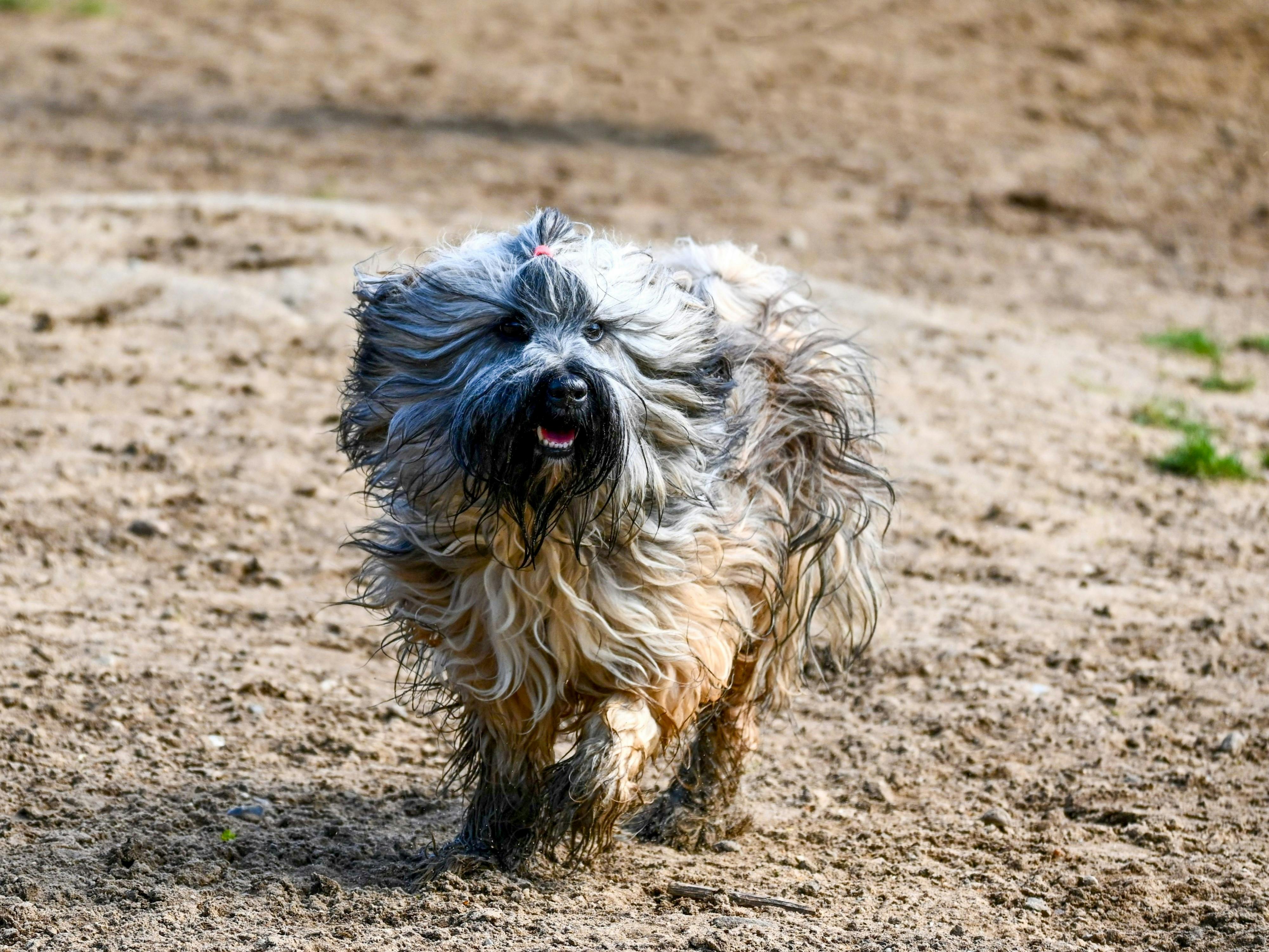
When you think about dogs, one of the most endearing features is that wet nose. But ever wonder why do dogs have wet noses? It’s not just adorable—it actually plays a significant role in their health and behavior. Let’s dive into the fascinating reasons behind this unique canine characteristic and how it relates to temperature regulation.
The Science of a Wet Nose
Dogs' noses are naturally moist, and this moisture is crucial for various reasons. The wetness helps enhance their sense of smell—a dog’s sense of smell is about 10,000 to 100,000 times more sensitive than humans. The moisture on a dog’s nose traps scent particles, making it easier for them to detect different smells in their environment. This is one reason why dogs are often used in search and rescue missions or even in medical detection.
Temperature Regulation and Dogs
Temperature regulation is vital for dogs just as it is for humans. Unlike humans who sweat to cool down, dogs primarily rely on their noses to help regulate body temperature. Here’s how it works:
Evaporative Cooling: When a dog’s nose is wet, it can evaporate moisture, which helps cool down the blood vessels close to the surface of the skin. This is similar to how humans feel cooler when sweat evaporates from their skin.
Heat Dissipation: The wetness of a dog's nose allows it to dissipate heat effectively. This is particularly important on hot days or after vigorous exercise.
Indicator of Health: A dog’s nose can be a good indicator of its health. A healthy dog will usually have a moist nose, while a dry nose may indicate dehydration or illness.
Why Do Dogs Have Wet Noses? Fascinating Reasons
Here’s a closer look at some of the reasons why dogs have wet noses:
- Enhanced Smelling Ability: As mentioned earlier, the moisture helps in scent detection.
- Cooling Mechanism: The wet nose plays a role in keeping dogs cool, especially when it’s warm outside.
- Communication Tool: Dogs use their noses to communicate with each other. A wet nose can indicate friendliness and approachability.
- Health Indicator: Changes in the moisture level of a dog’s nose can signal health problems, such as fever or dehydration.
The Evolutionary Perspective
Historically, dogs developed wet noses as part of their evolutionary journey. Early canines needed to hunt and survive in the wild, and having a superior sense of smell was crucial for finding food. Their wet noses evolved to enhance this ability.
- Survival Skills: In the wild, a dog's ability to track scents was essential for hunting and avoiding predators.
- Pack Communication: Wet noses also helped in communicating with their pack. Dogs would often sniff each other to gather information about their health and emotional state.
Fun Facts About Dog Noses
- Unique Patterns: Just like human fingerprints, each dog’s nose print is unique!
- Scent Memory: Dogs can remember scents for a long time. They can recognize a familiar smell even after years.
- Temperature Sensitivity: Dogs can detect changes in temperature through their noses. They can sense heat and cold more acutely than humans.
Practical Implications for Pet Owners
Understanding the role of a dog's wet nose can help pet owners provide better care:
- Hydration: Ensure your dog has access to fresh water to keep their nose moist and healthy.
- Watch for Changes: If a dog’s nose is unusually dry or cracked, it might be worth consulting a vet.
- Environmental Awareness: Pay attention to how weather affects your dog. On hot days, make sure they have a cool place to rest.
Summary of Key Points
- Dogs have wet noses primarily for enhanced smelling ability and temperature regulation.
- The moisture on a dog's nose helps in cooling and can indicate health status.
- Historical evolution shows that wet noses were essential for survival in the wild.
In the end, the wet nose of a dog is not just a cute feature; it’s an essential aspect of their biology and behavior. Understanding why do dogs have wet noses can deepen the bond between you and your furry friend. With this knowledge, you can ensure that your dog stays healthy and happy, equipped with one of nature's most fascinating adaptations.
What Your Dog’s Wet Nose Says About Their Health: Key Signs to Watch
Dogs are often called man's best friend, and for good reason. They bring joy, companionship, and sometimes a little mischief into our lives. One of the most intriguing features of dogs is their wet noses. Have you ever wondered why do dogs have wet noses? Or what your dog's wet nose says about their health? Let’s dive into the fascinating reasons behind these moist noses and what they may indicate about your furry friend's well-being.
Why Do Dogs Have Wet Noses?
First off, let’s tackle the big question: why are dog noses wet? Most people thinks it’s just a quirk of nature, but there's more to it. Dogs’ noses are wet for several reasons:
Temperature Regulation: Dogs can’t sweat like humans do. Instead, they cool down through their noses. The moisture helps them regulate their body temperature.
Enhanced Sense of Smell: The wetness on a dog's nose helps to capture scent particles from the air. This moisture increases their ability to smell, which is why dogs are such great sniffers.
Health Indicator: A dog’s nose is often a sign of their health. Changes in the wetness or temperature can signal various health issues.
Key Signs to Watch for with Your Dog's Nose
Your dog's nose can tell you lots about their health. Here are some signs that might indicate that something is off:
Dry Nose: A persistently dry nose might mean dehydration, fever, or even illness. If your dog’s usually moist nose feels dry, it’s worth checking in with a vet.
Cracked or Chapped Nose: This can be a sign of sunburn, allergies, or even a skin condition. If you see cracks, applying a pet-safe moisturizer might help, but consult your vet first.
Excessive Wetness: If your dog’s nose is constantly dripping, it might be a sign of nasal discharge due to allergies or a respiratory infection.
Color Changes: Healthy noses are typically black or brown. If you notice a change to pink or red, it could be a sign of irritation or infection.
The Fascinating Science Behind Dog Noses
Dogs have a unique anatomy when it comes to their sense of smell. A dog's olfactory system is one of the most developed in the animal kingdom. Here's how it works:
Nasal Structure: A dog’s nose contains up to 300 million smell receptors, compared to a human’s mere 5 million.
Jacobsen's Organ: Also known as the vomeronasal organ, this allows dogs to detect pheromones, which are chemical signals that can convey a wealth of information.
Breathing Mechanism: When dogs inhale, air goes into their lungs, and when they exhale, it passes through the moist surfaces of their nose. This helps them trap scent particles more effectively.
Interesting Facts About Dog Noses
Unique Prints: Just like human fingerprints, each dog's nose print is unique. Some organizations even use it for identification purposes!
Temperature Sensitivity: A dog's nose can actually detect changes in temperature. They can sense warmer areas than cooler ones, which helps in finding food or other animals.
Breed Differences: Some breeds have wetter noses than others. For instance, hounds often have more moist noses, while breeds like bulldogs might have drier noses.
What to Do If You Notice Changes
If you see changes in your dog's nose, don’t panic! Here are some steps you can take:
Observe Behavior: Is your dog acting differently? Eating less or showing signs of discomfort? This can help you determine if a vet visit is necessary.
Check Hydration: Make sure your dog is drinking enough water. Dehydration can lead to a dry nose.
Consult a Vet: If you notice persistent changes, especially if combined with other symptoms, it's always a good idea to consult your veterinarian.
In summary, your dog's wet nose is not just a cute feature; it’s a crucial part of their health and well-being. By understanding what your dog’s nose can tell you, you can be more attentive to their needs and health. So next time you give your furry friend a scratch behind the ears, take a moment to appreciate that wet nose and what it reveals about their health. After all, being a responsible pet owner means paying attention to the little things that can make a big difference in your dog's life.
Dogs and Wet Noses: Unveiling the Myths and Facts You Need to Know

Dogs are our loyal friends, companions, and sometimes they can surprise us with their odd little traits. One of the most noticeable characteristics of dogs is their wet noses. You might have wondered, why do dogs have wet noses? Well, let’s dive into some fascinating facts and myths surrounding this unique feature of our furry pals.
The Science Behind Wet Noses
The wetness of a dog's nose isn't just an aesthetic feature. It actually serves multiple purposes. Dogs have moist noses due to a thin layer of mucus that keeps their sense of smell sharp. Here are some significant points about why dog noses are wet:
- Enhanced Smell: The moisture helps to trap scent particles, which makes it easier for dogs to process and identify different smells.
- Temperature Regulation: Just like humans sweat to cool off, dogs rely on their noses to help regulate their body temperature.
- Health Indicator: A wet nose is often a sign of a healthy dog. Conversely, if a dog’s nose becomes excessively dry or cracked, it might indicate dehydration or illness.
Myths Surrounding Wet Noses
While many people believe in common myths about dog noses, it's important to distinguish between fact and fiction. Here’s a look at some prevalent myths:
- Myth 1: Wet Noses Mean Dogs Are Sick: This is completely wrong. A wet nose is typically a sign of health, but it can vary from dog to dog.
- Myth 2: Dogs’ Noses Are Always Wet: Some breeds, like bulldogs or pugs, may naturally have drier noses due to their unique facial structures.
- Myth 3: Dogs Lick Their Noses to Keep Them Wet: In reality, dogs have glands that naturally produce moisture.
Historical Context of Dog Noses
Historically, dogs have been companions to humans for thousands of years. Their wet noses are not only a biological trait but also a part of their evolution. Early breeds relied on their keen sense of smell for hunting and tracking. The wetness helped them distinguish between various scents, which made them more effective hunters.
Interesting Facts About Dog Noses
It’s not just about being wet; dog noses are fascinating in many ways. Here are some intriguing facts:
- Unique Patterns: Just like human fingerprints, every dog's nose print is unique. This can be used for identification.
- Temperature Sensitivity: Dogs can detect temperature changes through their noses. They can sense heat from a distance, which is why they can locate warm-blooded animals.
- Nasal Turbinates: Dogs have complex structures in their noses called turbinates that help filter and warm the air they breathe, enhancing their sense of smell.
Comparison of Dog Breeds and Nose Wetness
Different dog breeds exhibit varying levels of nose wetness. Here’s a breakdown of some popular breeds:
| Breed | Typical Nose Wetness | Notes |
|---|---|---|
| Labrador Retriever | Very wet | Known for their friendly nature. |
| Dachshund | Moderately wet | Longer snout helps with scent collection. |
| Bulldog | Often dry | Short snouts can lead to drier noses. |
| Siberian Husky | Very wet | Excellent sense of smell for tracking. |
Practical Examples of Nose Functionality
Think about how dogs use their noses in everyday situations. For instance:
- Tracking: Search and rescue dogs use their wet noses to track scents in disaster areas. They can locate people buried under rubble.
- Detection: Police dogs detect drugs and explosives by using their sensitive noses, which are amplified by the moisture.
- Health Notifications: Some dogs can even sense medical conditions in humans, such as low blood sugar or certain types of cancer.
As you can see, the wet nose of a dog is more than just an adorable quirk. It plays a crucial role in their health, behavior, and overall functionality. Understanding these fascinating aspects can deepen the bond you have with your four-legged friend. Next time you pet your dog and feel that wet nose, remember it’s not just cute; it’s a marvel of evolution and biology that helps them navigate the world. So, why do dogs have wet noses? The answer is a mix of biology, health, and evolution, all contributing to their incredible abilities and charm.
Do All Breeds Have Wet Noses? Exploring Variations Across Dog Types
Dogs have been our loyal companions for thousands of years, and their wet noses are often considered a hallmark of their health and happiness. But, do all breeds have wet noses? That’s a question that many dog owners ponder. In this article, we will explore the fascinating variations across dog types and dive into the reasons behind those famous wet noses.
Do All Breeds Have Wet Noses?
Not all dog breeds have the same type of nose, and it’s interesting to note that some breeds are more known for their wet snouts than others. Generally, most dogs do have wet noses, but the level of wetness can differ significantly.
Common Breeds with Wet Noses:
- Labrador Retrievers
- Beagles
- German Shepherds
- Golden Retrievers
Breeds with Drier Noses:
- Bulldogs
- Pugs
- Shar Peis
- Bloodhounds
This variance often comes down to the dog’s anatomy and breed characteristics, which plays a significant role in how their noses function.
Why Do Dogs Have Wet Noses?
There’s actually several reasons behind the wetness of a dog’s nose, and it’s more than just a quirk! A wet nose can be beneficial for various reasons, some of which we will outline below:
Enhanced Smell: A wet nose helps to absorb scent chemicals from the air, making it easier for dogs to detect different smells. Dogs' sense of smell is already impressive, but the moisture helps enhance this ability.
Temperature Regulation: Dogs don’t sweat like humans do. A wet nose can help them cool off. When a dog's nose is wet, it can evaporate the moisture, which helps to dissipate heat.
Health Indicator: A wet nose is often a sign of a healthy dog. When a dog is sick or dehydrated, their nose may become dry. However, this isn’t an absolute rule as some dogs naturally have drier noses.
Behavioral Communication: Dogs also use their noses in social interactions. A wet nose can be more appealing for dogs when greeting each other or humans.
The Science Behind Wet Noses
So, why exactly are dog noses wet? It’s mainly due to mucous membranes. The nasal passages are lined with these membranes which secrete moisture. Additionally, the unique structure of a dog’s nose, including its many folds and ridges, helps to retain that moisture.
Here’s a quick overview of the anatomy involved:
- Nasal Cavity: The space inside the nose where air and scents enter.
- Mucous Membranes: Tissues that produce mucus, keeping the nose moist.
- Olfactory Receptors: Special cells that help detect smells, which are more effective when moist.
Variations Across Dog Breeds
Different breeds have evolved over time for specific traits, and their noses are no exception. For example, hounds like Bloodhounds have long, droopy noses that are ideal for scent tracking, while flat-faced breeds like Pugs have shorter noses that may not retain moisture the same way.
Comparison Table of Nose Types and Traits
| Breed Type | Nose Shape | Wetness Level | Smell Sensitivity | Common Conditions |
|---|---|---|---|---|
| Hounds | Long & Droopy | High | Very High | None |
| Bulldogs | Short & Flat | Low | Moderate | Respiratory Issues |
| Retrievers | Medium & Wet | High | High | None |
| Pugs | Short & Dry | Low | Low | Breathing Issues |
The Impact of Environment and Health
It's also important to note that environmental factors can affect how wet a dog’s nose is. For instance, in arid climates, dogs may have drier noses due to lack of humidity. Additionally, health conditions such as allergies or infections can impact the moisture level of a dog’s snout. If an owner notices significant changes in their dog’s nose, they should consult a veterinarian.
Dogs’ wet noses are more than just an adorable trait; they serve essential functions in their lives. The variations across breeds and the reasons behind the wetness highlight the incredible diversity in the canine world. Understanding these aspects can help dog owners nurture their furry friends better. So, next time you give your dog a scratch behind the ears, take a moment to appreciate that lovely wet nose!
The Evolutionary Advantage of Wet Noses in Canines: A Deeper Look

The fascination with dogs is undeniable, and one of their most intriguing features is their wet noses. Ever wondered why dogs have wet noses? It’s not just a quirky trait; it actually serves several important functions. Let’s dive deep into the evolutionary advantages of wet noses in canines and explore all the reasons behind this unique characteristic.
The Biology of a Dog's Nose
The anatomy of a dog's nose is quite complex. Unlike humans, who largely rely on sight and hearing, dogs have a highly developed sense of smell. Their noses contain up to 300 million olfactory receptors, compared to a mere 6 million in humans. The moist surface of a dog’s nose plays a crucial role in enhancing this sense of smell.
- Moisture and Scent Detection: Wet noses help to capture scent particles. When a dog's nose is moist, it can absorb scent chemicals more effectively. This makes it easier for dogs to detect and identify different smells in their environment.
- Temperature Regulation: A wet nose also helps to regulate a dog’s body temperature. When they breathe in, the moisture evaporates, which cools their body down. Just like humans sweat, this method of thermoregulation is vital for dogs, especially during hot weather.
Historical Context
Dogs have evolved alongside humans for thousands of years. Research suggests that domesticated dogs originated from wolves, which had similar traits. The wet nose likely developed as a survival mechanism.
- Survival Techniques: In the wild, a keen sense of smell could mean the difference between life and death. Canines needed to track prey and detect danger, so a wet nose was advantageous.
- Domestication: As dogs became companions to humans, their role shifted, but the evolutionary traits remained. The wet nose continues to serve its purpose, helping dogs interact with their environment and communicate with humans.
Fascinating Reasons Why Dogs Have Wet Noses
There is more to a dog’s wet nose than meets the eye. Here’s a list of reasons explaining this fascinating feature:
- Enhanced Sense of Smell: As mentioned, moisture improves scent detection, allowing dogs to find food and identify other animals.
- Social Interaction: Dogs use their noses to communicate with one another. A wet nose often signals a friendly, approachable demeanor.
- Health Indicator: A dog’s nose can indicate their health status. A dry or warm nose could suggest illness or dehydration, while a cool, moist nose is typically a sign of good health.
- Comfort and Security: Dogs may wet their noses when they’re anxious or stressed, as licking can be a comforting behavior.
Comparing Dog Noses to Other Animals
It’s interesting to compare the moist noses of dogs with other animals.
| Animal | Nose Type | Smell Capability |
|---|---|---|
| Dog | Wet Nose | Extremely High |
| Cat | Dry Nose | High but Less than Dogs |
| Bear | Wet Nose | Very High |
| Human | Dry Nose | Moderate |
Dogs are one of the most skilled animals when it comes to using their sense of smell. The evolution of their wet noses is a key factor in their ability to navigate the world.
Practical Examples of Wet Nose Benefits
Let’s take a look at some practical examples showing how a dog’s wet nose benefits them daily:
- Tracking Scents: When dogs are used in search and rescue missions, their ability to track scents is enhanced by their wet noses.
- Detecting Illness: Dogs have been trained to detect certain diseases, including cancer, by sniffing samples. Their wet noses play an essential role in this capability.
- Emotional Support: The wet nose can provide a calming effect to both the dog and its owner. The act of licking can soothe anxiety and promote bonding.
In summary, the evolutionary advantage of wet noses in canines is a fascinating topic that intertwines biology, history, and practical applications. Understanding why dogs have wet noses not only highlights the incredible adaptability of these animals but also enhances the bond between humans and their four-legged companions. Next time you pet a dog, take a moment to appreciate their wet nose—it’s a remarkable feature that tells a story of survival, communication, and companionship.
How to Care for Your Dog’s Nose: Tips for Keeping It Healthy and Hydrated

When you think about your dog, you might picture their wagging tail, playful behavior, and of course, their adorable, wet nose. But have you ever wondered why dogs have wet noses? Or how to care for that important feature? Caring for your dog’s nose is crucial for its overall health and hydration. This article will explore the reasons why dogs have wet noses and provide you with some practical tips for keeping your furry friend’s nose healthy.
Why Do Dogs Have Wet Noses? Discover The Fascinating Reasons!
Dogs' noses are wet for several reasons, but one primary purpose is to help them smell better. The moisture on a dog's nose helps to trap scent particles, enhancing their sense of smell, which is far superior to that of humans. Here are some key points to consider:
Enhanced Olfactory Function: A wet nose helps dogs to absorb scents more effectively, making them better at sniffing out things. They can smell things at a level that humans can't even begin to imagine.
Cooling Mechanism: Dogs do not sweat like humans. Instead, they cool off through panting and the moisture on their noses. The wetness can help regulate their body temperature, especially on hot days.
Health Indicator: The condition of a dog's nose can sometimes indicate their health. A dry, cracked nose could signal dehydration, illness, or other health issues, while a wet nose is often a sign of a healthy dog.
Caring for Your Dog’s Nose: Tips for Keeping It Healthy and Hydrated
Just like any other part of your dog's body, their nose needs care. Here are some useful tips to help you keep that nose healthy and hydrated:
Hydration is Key
- Ensure your dog has access to fresh, clean water at all times. Dehydration can lead to a dry nose, which might indicate a health problem.
Regular Check-ups
- Schedule regular veterinary check-ups to monitor your dog's overall health. Vets can provide insights into your dog's nose condition and offer tips for care.
Seasonal Care
- In winter, the cold air can dry out your dog's nose. Consider using a nose balm made specifically for dogs to keep it moisturized.
- In the summer, ensure your dog doesn’t get sunburned on their nose. Applying pet-safe sunscreen can prevent damage.
Routine Cleaning
- Occasionally, use a damp cloth to gently clean your dog’s nose. This helps remove dirt and allergens that may be irritating it.
Watch for Changes
- Monitor for any changes in your dog’s nose, like excessive dryness, bleeding, or unusual discharge. These could be symptoms of allergies or other health issues, and you should consult a vet if you notice anything unusual.
Healthy Diet
- A balanced diet supports overall health, including skin and nose health. Consult your vet about the best food for your dog’s needs.
Signs of an Unhealthy Nose
Not all wet noses are healthy! Here are some signs that might indicate your dog’s nose needs attention:
- Excessively dry or cracked nose
- Discharge that is thick or discolored
- Persistent bleeding or sores
- Changes in color (like becoming very pale or dark)
Fun Facts About Dog Noses
- Did you know dogs have over 220 million scent receptors in their noses? In contrast, humans have about 5 million.
- Each dog has a unique nose print, just like a human fingerprint. It can be used for identification!
- Dogs can detect certain diseases, including cancer and diabetes, just by smelling changes in a person's body.
In conclusion, understanding why dogs have wet noses can enhance your knowledge about their health. By taking simple, proactive steps, you can ensure your dog’s nose stays healthy and hydrated. Keep an eye on changes, provide proper care, and your furry friend will have a happy, healthy nose for years to come. Your dog's wet nose may just be one of the many charming aspects of their personality, but it plays an essential role in their overall well-being.
Conclusion
In conclusion, the wet noses of dogs serve several important functions that contribute to their overall health and behavior. The moisture on a dog's nose enhances their sense of smell, allowing them to better interpret the world around them. Additionally, the wetness helps regulate their body temperature, acting as a natural cooling mechanism. This unique feature also plays a role in social interactions, as a wet nose can signal friendliness and curiosity. Understanding why dogs have wet noses not only deepens our appreciation for these beloved pets but also highlights the incredible adaptations that enable them to thrive. As dog owners, it's essential to monitor our furry friends' health, including their noses, as changes can indicate underlying issues. So, the next time you greet your dog, take a moment to appreciate their wet nose and all that it represents in the wonderful world of canine companionship.