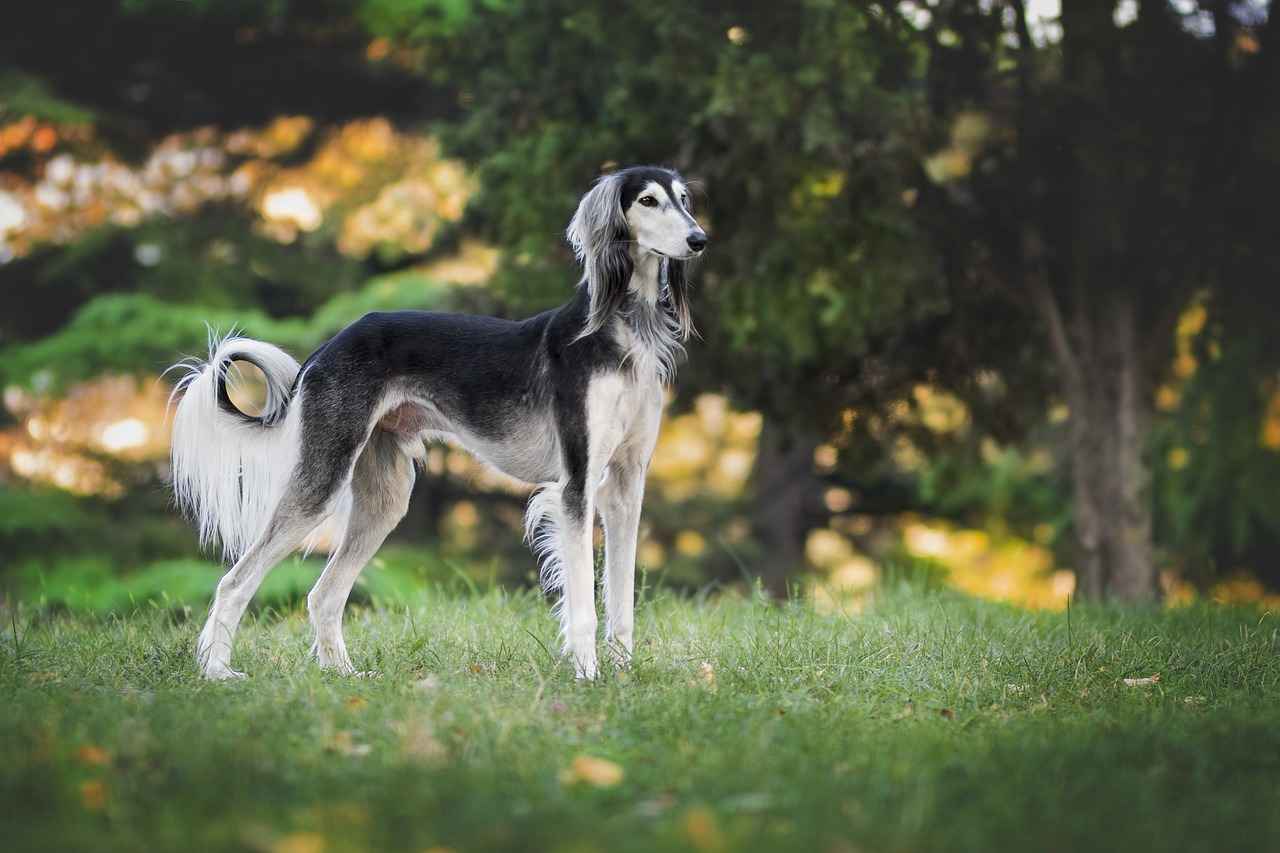
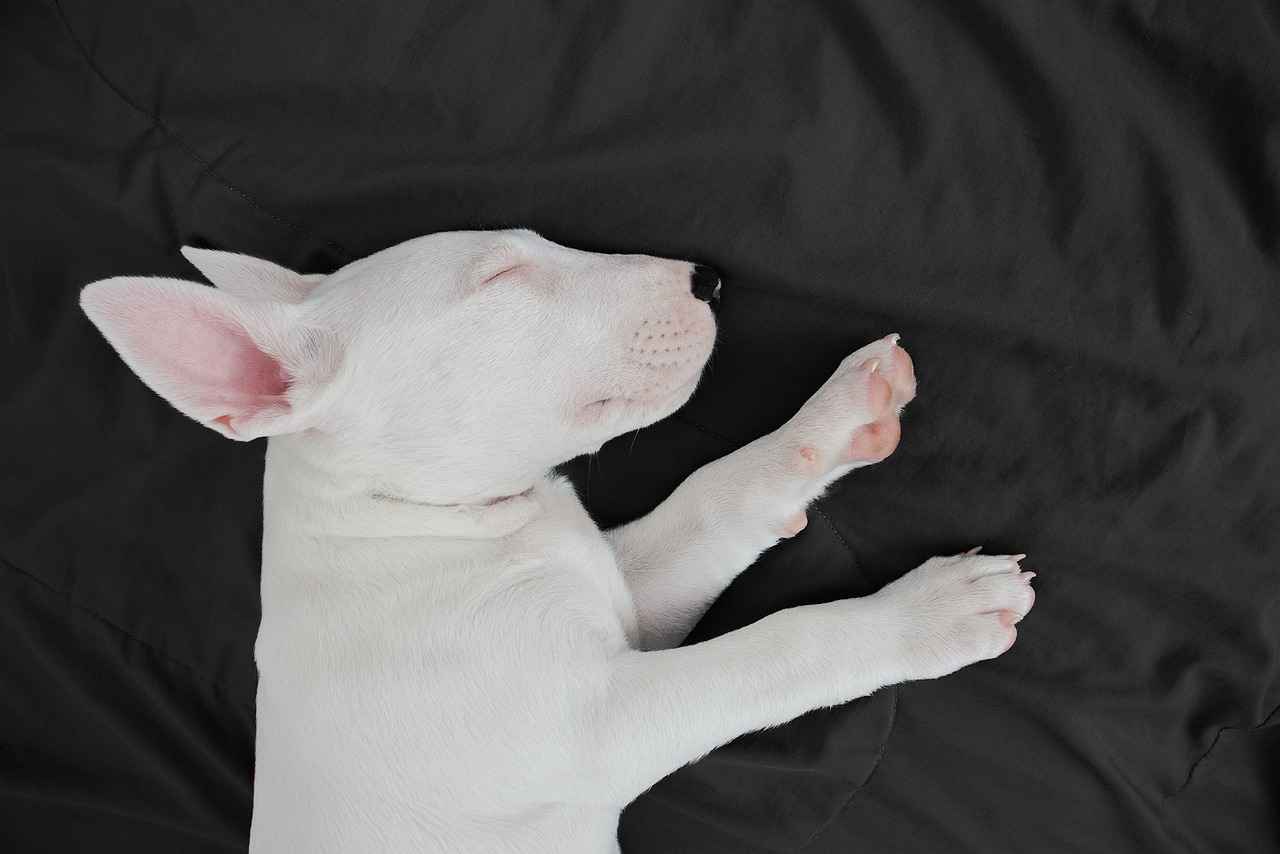
Have you ever wondered, why do dogs have wet noses? This intriguing question leads us to explore the fascinating world of our furry companions. A dog's nose is not just for show; it serves several important purposes that can enhance their overall health and communication. Wet noses are often a sign of a healthy dog, but what makes them moist? Could it be related to their sense of smell? Or perhaps it’s a way to regulate their body temperature? Understanding why dogs have wet noses opens a window into their unique physiology and behavior.
\nIn this article, we will dive into the science behind these damp noses, uncovering the reasons that make them a key feature in canine anatomy. Have you ever noticed how your dog sniffs everything with that cold, wet nose? This is not just a quirky trait! Join us as we explore the benefits of a wet nose and how it impacts a dog's interactions with the world. From dog health tips to the role of moisture in their sense of smell, we will answer all your burning questions. Get ready to discover the secrets behind your dog’s adorable, wet nose!
\n\nThe Science Behind Wet Noses: Why Are Dogs’ Noses Moist?
\n\n \n\n
\n\nDogs are often seen with their noses glistening, and it makes us wonder — why do dogs have wet noses? This curious feature is more than just an adorable trait; it serves various purposes for our furry friends. Let’s dive into the science behind wet noses, exploring why dogs’ noses are moist and what this means for their health and well-being.
\nThe Anatomy of a Dog's Nose
\nTo understand why dogs have wet noses, we must first look at the unique anatomy of their noses. A dog’s nose is covered in a thin layer of skin that contains numerous glands. These glands produce a mucus-like substance that keeps the nose moist. This moisture is essential for the dog’s ability to smell, which is much more developed than in humans.
\nHow Moisture Affects Their Sense of Smell
\nDogs have an incredible sense of smell, estimated to be anywhere from 10,000 to 100,000 times more powerful than that of humans. The moisture on their noses plays a crucial role in this. Here’s how it works:
\n- \n
- Odor Absorption: Moist noses help trap scent particles. When dogs sniff, the moisture holds the scent molecules, making it easier for them to detect various smells. \n
- Temperature Regulation: A wet nose can help regulate the dog's body temperature. When dogs pant or their noses are moist, it helps cool them down, especially during hot weather. \n
The Science of Dog Nasal Glands
\nThe nasal glands in dogs are specialized for producing this moisture. Here are some interesting facts about these glands:
\n- \n
- Types of Glands: Dogs have both sweat glands and sebaceous glands. However, the moisture on their noses primarily comes from mucous glands rather than sweat. \n
- Environmental Influence: A dog’s nose can become drier or wetter depending on the environment. For instance, in humid weather, it’s common to see dogs with particularly moist noses. \n
Why Do Dogs Have Wet Noses? The Fascinating Reasons
\nThere are several reasons why dogs have wet noses, which can be categorized into physical and behavioral aspects:
\nPhysical Reasons
\n- \n
- Enhanced Smell: As mentioned, moisture enhances their ability to smell, which is vital for hunting and understanding their surroundings. \n
- Health Indicator: A wet nose can be a sign of a healthy dog. However, a dry nose isn’t always a cause for alarm, as it can vary with temperature and activity levels. \n
Behavioral Reasons
\n- \n
- Social Interaction: Dogs often use their noses to greet each other. A moist nose can indicate that a dog is friendly and approachable. \n
- Scent Marking: Dogs also use their noses to leave pheromones and other scents, which helps them communicate with other dogs. \n
Common Myths About Dog Noses
\nThere are a few myths surrounding the wetness of dog noses that should be addressed. These include:
\n- \n
- Wet Noses Mean Healthy Dogs: While it’s often the case, a healthy dog can also have a dry nose. It’s important to consider other factors, like energy levels and appetite. \n
- Dogs Sweat Through Their Noses: Dogs sweat primarily through their paw pads. The moisture on their noses is mostly due to the mucus glands. \n
Practical Examples of Nose Health
\nTo keep your dog’s nose healthy, consider these tips:
\n- \n
- Hydration: Ensure your dog is well-hydrated, as dehydration can lead to a dry nose. \n
- Regular Vet Check-ups: Regular veterinary visits help monitor your dog’s overall health, including the condition of their nose. \n
- Watch for Changes: If there are significant changes in your dog’s nose—like excessive dryness or cracking—consult a vet. \n
Comparing Dog Noses to Other Animals
\nDogs aren’t the only animals with wet noses. Here’s how they compare:
\n| Animal | \nNose Type | \nMoisture Level | \nPurpose | \n
|---|---|---|---|
| Dogs | \nWet | \nHigh | \nEnhanced sense of smell | \n
| Cats | \nWet | \nModerate | \nScent detection, but less than dogs | \n
| Pigs | \nWet | \nHigh | \nGround sensing and rooting | \n
| Elephants | \nWet | \nHigh | \nSmelling and cooling | \n
In summary, the moisture on a dog's nose is not just for show; it plays a vital role in their health and everyday behaviors. Understanding the reasons behind this unique trait can deepen our appreciation for these wonderful animals. If you ever wondered why do dogs have wet noses, now you know that it’s a fascinating interplay of biology and behavior that helps them navigate the world around them.
\n\nTop 5 Fascinating Reasons Dogs Have Wet Noses You Didn't Know!
\n\n \n\n
\n\nHave you ever wondered why dogs have wet noses? This peculiar trait is not just an endearing characteristic but also serves several fascinating purposes. You might think it's simply a quirk of nature, but there's much more to it than that. Let's dive into the top 5 intriguing reasons why dogs have wet noses that you probably didn't know!
\n1. Enhanced Sense of Smell
\nOne of the most significant reasons dogs have wet noses is related to their incredible sense of smell. Dogs, you see, have a sense of smell that is anywhere from 10,000 to 100,000 times more sensitive than humans. A wet nose help to trap and absorb scent molecules from the environment.
\n- \n
- When a dog's nose is moist, it can pick up more pheromones and other scent particles. \n
- This moisture helps dissolve scent chemicals, making it easier for the olfactory receptors to detect them. \n
So, the next time you see your furry friend sniffing around, just remember — their wet noses are working hard to gather information about the world.
\n2. Regulation of Body Temperature
\nDogs don't sweat like humans do. Instead, they rely on other methods to regulate their body temperature, and their wet noses play a vital role in this process.
\n- \n
- When a dog breathes, moisture from their nose evaporates, which helps cool down their body. \n
- A wet nose can also indicate that a dog is feeling hot, as the moisture level decreases when they are overheated. \n
This means that having a wet nose not only helps with scent detection but also keeps your pup cool during those hot summer days.
\n3. Communication Tool
\nDogs communicate in various ways, and their nose is no exception. A wet nose helps them convey emotions and intentions.
\n- \n
- A dog might nudge you with their wet nose when they want attention or affection. \n
- They can also use their noses to greet other dogs, as a moist nose is often seen as a sign of a friendly and approachable canine. \n
Understanding these subtle cues can help strengthen the bond between you and your furry companion.
\n4. Health Indicator
\nA dog’s nose can tell you a lot about their overall health. While it's a common myth that a cold, wet nose means a healthy dog, there’s more to the story.
\n- \n
- A healthy dog's nose is usually cool and moist, but changes can indicate issues. \n
- If a dog's nose becomes dry, cracked, or excessively warm, it may signal dehydration or illness. \n
Regularly checking your dog’s nose can help you catch potential health problems early.
\n5. Evolutionary Advantage
\nThe evolution of dogs has also played a role in their wet noses. Early ancestors of dogs likely had moist noses for survival reasons.
\n- \n
- Wet noses helped them hunt and find food by enhancing their sense of smell. \n
- It may have also helped them stay cool in different environments, adapting to various climates over time. \n
This evolutionary trait has persisted, making it a unique feature of canines today.
\nQuick Facts About Dog Nose Moisture
\n- \n
- Dogs’ noses tend to be wetter in the morning and drier at night. \n
- Some dog breeds, like the Bloodhound, have particularly moist noses, enhancing their tracking ability. \n
- Dogs can sometimes lick their noses to keep them damp, especially if they feel it’s drying out. \n
Comparing Dog and Human Noses
\n| Feature | \nDog Nose | \nHuman Nose | \n
|---|---|---|
| Sensitivity to Smell | \n10,000 to 100,000 times more | \nLimited compared to dogs | \n
| Cooling Method | \nEvaporation of moisture | \nSweating | \n
| Communication | \nNose nudging | \nVerbal communication | \n
In conclusion, the wet nose of a dog is an incredible adaptation that plays multiple roles in their lives. From enhancing their sense of smell to helping regulate their body temperature, wet noses are fascinating features that reflect a dog's unique biology and behavior. Understanding these reasons enriches our appreciation for these loyal companions. So next time you pet your dog and feel their wet nose, remember all the amazing reasons behind it!
\n\nIs a Wet Nose Always a Sign of a Healthy Dog? Uncover the Truth!
\n\n \n\n
\n\nIs a Wet Nose Always a Sign of a Healthy Dog? Uncover the Truth!
\nWhen you own a dog, you probably noticed that their noses are often wet. But, is a wet nose always a sign of a healthy dog? Many pet owners wonder about this, and it’s important to uncover the truth. There’s a lot more to a dog’s health than just the moisture of its nose. This article will explore why dogs have wet noses and what it might mean for their overall health.
\nWhy Do Dogs Have Wet Noses?
\nDogs have wet noses for a variety of reasons, and it’s not just about being cute or cuddly. Here are some fascinating reasons behind the moisture:
\n- \n
- Cooling Mechanism: Dogs don’t sweat like humans do. They primarily cool down by panting and through their noses. The wetness helps to regulate their body temperature. \n
- Enhanced Smell: A wet nose helps dogs to smell better. The moisture captures scent particles, making it easier for them to detect various odors. This is why dogs are often used in search and rescue operations. \n
- Health Indicator: While a wet nose can indicate that a dog is healthy, it’s not the only indicator. The temperature and moisture of the nose can change based on the environment, activity level, or health status. \n
Is a Wet Nose Always a Good Sign?
\nNot necessarily. While many dogs have wet noses, there are times when a dry nose can indicate a problem. Here’s a breakdown of what a wet or dry nose might mean:
\n- \n
- \n
Wet Nose:
\n- \n
- Typically indicates health. \n
- Could mean the dog is hydrated and active. \n
\n - \n
Dry Nose:
\n- \n
- Might suggest dehydration, fever, or illness. \n
- Changes in environment, like heat, can also lead to dryness. \n
\n - \n
Sticky or Cracked Nose:
\n- \n
- Could indicate a health issue such as allergies or infections. \n
- It’s important to observe any additional symptoms like lethargy or loss of appetite. \n
\n
Comparing Wet and Dry Noses
\nHere’s a simple chart to understand the differences between wet and dry noses in dogs:
\n| Wet Nose | \nDry Nose | \n
|---|---|
| Usually cool to the touch | \nWarm or hot to the touch | \n
| Typically healthy sign | \nCould indicate a problem | \n
| Enhanced sense of smell | \nMay affect smell ability | \n
| Common in active dogs | \nCan be found in sick or resting dogs | \n
Practical Examples of Nose Conditions
\nJust like humans, dogs can experience nose conditions that may affect the moisture levels. Here are some conditions to watch out for:
\n- \n
- Nasal Dermatitis: A condition that may cause crustiness or scabs on the nose, possibly leading to dryness. \n
- Nasal Tumors: Though rare, these can affect the nose’s moisture and overall health. \n
- Infections: Bacterial or fungal infections can lead to changes in the nose’s texture and moisture. \n
Observing Your Dog’s Nose
\nRoutine checks on your dog's nose can help you spot abnormalities early. Here are some tips to keep in mind:
\n- \n
- Check Temperature: A warm nose can be normal, but if it stays warm for a long time, it may be time to visit the vet. \n
- Look for Texture Changes: If your dog’s nose becomes cracked or sticky, it’s worth consulting a veterinarian. \n
- Watch for Other Symptoms: If you notice a dry nose along with lethargy, coughing, or loss of appetite, seek professional help immediately. \n
Historical Context of Dogs' Noses
\nHistorically, dogs have been domesticated for thousands of years, and their wet noses have always been a part of their biology. Ancient civilizations recognized that a moist nose signaled a happy and active animal. Today, we understand much more about the science behind it, but the belief still holds some truth.
\nDogs evolved from wolves, and the moisture on their noses helped their ancestors in hunting and survival. Wet noses may have played a vital role in their ability to track prey, making them better hunters.
\nUnderstanding the reasons why dogs have wet noses and what it signifies can help you be a better pet owner. Always remember that while a wet nose can be a good sign, it’s just one of many indicators of your dog's health. Regular veterinary check-ups and attention to changes in your pet's behavior, appetite, and overall demeanor are essential for keeping your furry friend healthy and happy.
\n\nHow Do Wet Noses Enhance Your Dog's Sense of Smell?
\n\n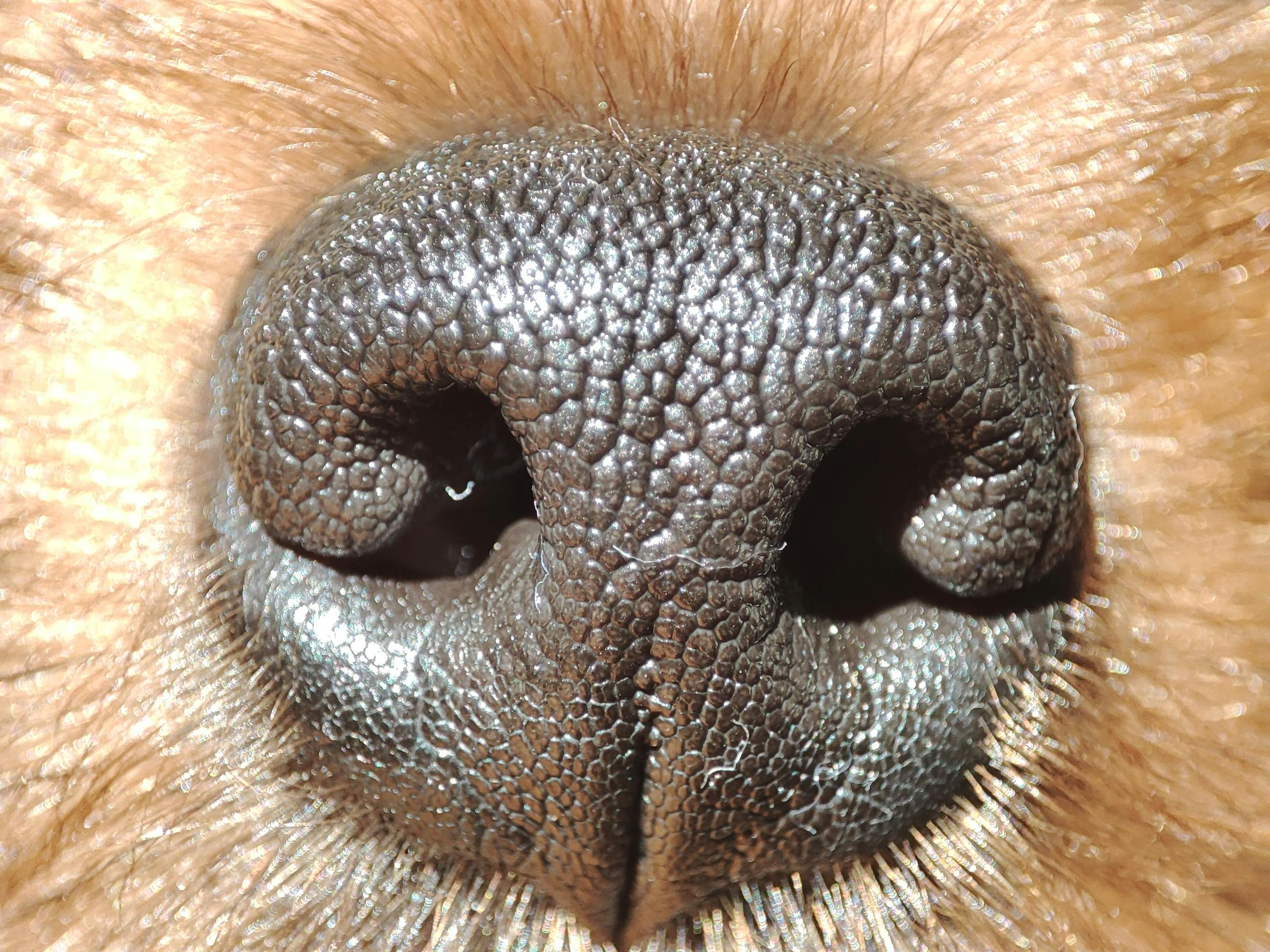 \n\n
\n\nDogs are known for their incredible sense of smell, which is far superior to that of humans. One might wonder, how do wet noses enhance your dog's sense of smell? And why do dogs have wet noses in the first place? Let's dive into the fascinating reasons behind these questions and uncover the secrets of your furry friend's sniffer.
\nThe Science Behind Wet Noses
\nA dog’s nose is not just cute; it’s a powerful organ. The wetness of a dog's nose plays a critical role in its olfactory capabilities. When a dog's nose is moist, it helps to capture scent particles more efficiently. The moisture on the nose traps these particles, making it easier for the dog to detect different smells. This is because wet surfaces can absorb scent molecules more effectively than dry ones.
\n- \n
- Dogs have about 220 million scent receptors in their noses, compared to humans, who have around 5 million. \n
- The wetness of a dog's nose is partly due to mucus, which helps to dissolve scents and enhance their ability to recognize them. \n
- A dog's sense of smell is so acute, they can detect certain scents from miles away, which is why they are often used in search and rescue missions. \n
Why Do Dogs Have Wet Noses?
\nSo, why do dogs have wet noses? The reasons are both biological and practical. Here are some key points:
\n- \n
- Temperature Regulation: Dogs don't sweat like humans do. Instead, they cool down through panting and their wet noses. The moisture helps to regulate their body temperature. \n
- Health Indicator: A dog's nose can be an indicator of its health. A cold, wet nose is often seen as a sign of a healthy dog, while a warm, dry nose could indicate illness or dehydration. \n
- Communication Tool: Dogs often greet each other by sniffing noses. A wet nose can signal friendliness and openness in dog interactions. \n
Fascinating Facts About Dog Noses
\n- \n
- Dogs can smell up to 100,000 times better than humans. This makes them excellent at detecting scents like drugs or explosives. \n
- Different breeds have varying nose structures, which can affect their olfactory abilities. For instance, Bloodhounds are renowned for their exceptional sense of smell. \n
- Dogs can identify individual scents and can even differentiate between the scents of people who have similar smells. \n
The Role of Nose Shape and Structure
\nThe shape and structure of a dog's nose play a significant role in its smelling ability. For example:
\n- \n
- Nasal Cavity Size: A larger nasal cavity means more room for scent receptors. Breeds like the German Shepherd have larger nasal cavities and can detect scents better. \n
- Snout Length: Dogs with longer snouts, like Greyhounds, might have advantages in scent tracking compared to flat-nosed breeds like Bulldogs. \n
| Dog Breed | \nNose Length | \nScent Detection Ability | \n
|---|---|---|
| Bloodhound | \nLong | \nExcellent | \n
| Beagle | \nMedium | \nVery Good | \n
| Bulldog | \nShort | \nLimited | \n
Practical Examples of Dogs Using Their Sense of Smell
\n- \n
- Search and Rescue: Dogs are trained to find missing persons in various environments, using their sense of smell to locate scents that humans cannot detect. \n
- Detection Work: Many law enforcement agencies use dogs to sniff out drugs, explosives, and even certain medical conditions like diabetes or seizures. \n
- Tracking: Hunting dogs track game by following scent trails left behind, showcasing their keen sense of smell in practical hunting scenarios. \n
Caring for Your Dog’s Nose
\nTaking care of your dog's nose is essential for their overall health. Here are some tips:
\n- \n
- Hydration: Ensure your dog has access to fresh water to keep their nose moist. \n
- Environment Awareness: Protect your dog from extreme weather conditions that could dry out their nose. \n
- Regular Vet Check-ups: Keep an eye on changes in the nose's texture or temperature as these can indicate health issues. \n
Understanding why dogs have wet noses and how it enhances their sense of smell reveals a lot about these amazing creatures. Their noses are not just for sniffing; they're vital tools for communication, hunting, and even health monitoring. So next time you pet your dog, remember their wet nose is working hard to keep them connected to the world around them. Whether it's for fun or serious work, dogs and their incredible noses continue to amaze and assist us in countless ways.
\n\nThe Role of Canine Body Temperature: Why Wet Noses Matter
\n\n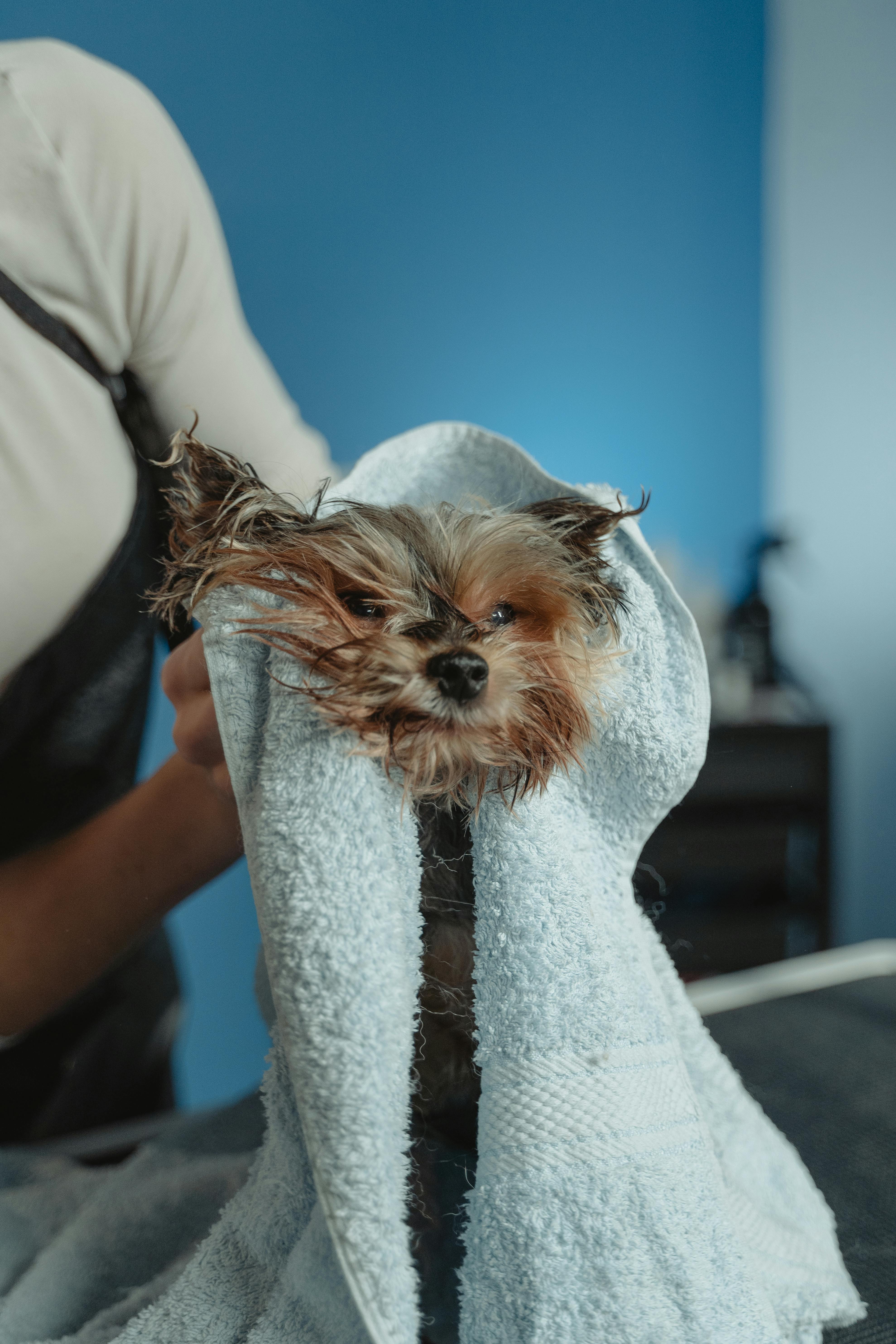 \n\n
\n\nDogs has been our loyal companions for thousands of years. One of the most interesting aspects of them is their wet noses. You might have wondered, why do dogs have wet noses? It's not just for show or some random trait. In fact, the role of canine body temperature and the significance of their moist noses ties into various fascinating reasons that has roots in biology and behavior.
\nThe Science of Wet Noses
\nThe moistness of a dog's nose is crucial for their health and well-being. A wet nose helps dogs to regulate their body temperature. Unlike humans, who sweat to cool down, dogs primarily depend on their noses and panting for temperature control. Here’s how it works:
\n- \n
- Cooling Mechanism: When dogs’ noses are wet, it helps evaporate moisture, which cools them down. \n
- Enhanced Scent Detection: A wet nose is better at trapping scent particles in the air, improving their sense of smell. \n
- Health Indicator: A wet nose can also be a sign of a healthy dog. Dry or warm noses may indicate illness or dehydration. \n
Evolutionary Perspective
\nDogs evolved from wolves, and their wet noses serve as an adaptation that has been beneficial since their wild ancestors. In the wild, the ability to smell better can determine success in hunting and survival. Here are some evolutionary points:
\n- \n
- Scent Tracking: A wet nose helps capture scent particles, which is essential for tracking prey and finding food. \n
- Pack Communication: Dogs communicate through scent, and a wet nose aids in social interactions within packs. \n
Why Do Dogs Have Wet Noses?
\nSo, why do dogs have wet noses? There are several reasons, and these reasons can be fascinating:
\n- \n
- Thermoregulation: Wet noses helps dogs to manage their body temperature effectively. \n
- Scent Detection: The moistness enhances their sense of smell, making them better at detecting scents. \n
- Health Indicator: A wet nose could indicate that a dog is healthy, as dehydration or illness may lead to a dry nose. \n
- Behavioral Aspect: Dogs often lick their noses, which keeps it moist and also provides additional sensory information about their environment. \n
Fun Facts About Dogs’ Noses
\n- \n
- Each Nose is Unique: Just like human fingerprints, every dog has a unique nose print. \n
- Heat Detection: Dogs can detect changes in body temperature, which can be useful in various situations, including detecting illness in humans. \n
- Scent vs. Taste: Dogs have a significantly better sense of smell than taste. They have about 220 million scent receptors compared to humans' 5 million. \n
Practical Examples of Wet Nose Functions
\n- \n
- Tracking: Dogs used in search and rescue missions rely on their heightened sense of smell, aided by their wet noses, to locate missing persons. \n
- Therapy Dogs: Many therapy dogs provide comfort through their presence, and the wetness of their noses can be soothing to those in distress. \n
- Hunting: For hunting breeds, a wet nose is crucial for tracking game and locating it effectively. \n
Comparison of Dog Nose Conditions
\nIt’s important to note that while a wet nose is typically a sign of a healthy dog, not all dry noses are a cause for concern. Here’s a breakdown of potential nose conditions:
\n| Condition | \nWet Nose | \nDry Nose | \nPossible Reasons | \n
|---|---|---|---|
| Healthy | \nYes | \nYes | \nNormal variation | \n
| Dehydration | \nRarely | \nYes | \nNot enough water intake | \n
| Illness | \nRarely | \nYes | \nPossible fever or infection | \n
| Allergies | \nSometimes | \nYes | \nEnvironmental irritants | \n
| Temperature Change | \nYes | \nYes | \nWeather changes or activity | \n
The Bottom Line
\nThe wetness of a dog's nose isn’t just a cute feature. It plays a vital role in their health and behavior. From regulating body temperature to enhancing their already remarkable sense of smell, wet noses are essential to what makes dogs such incredible companions. So the next time your furry friend gives you a nuzzle with that cool, wet nose, you can appreciate the fascinating biology behind it. Understanding why do dogs have wet noses can help us take better care of our beloved pets, ensuring they stay healthy, happy, and by our sides for years to come.
\n\nCurious Canine Biology: What Makes a Dog's Nose So Unique?
\n\nHave you ever wondered why dogs have wet noses? It’s not just a quirky trait that makes them cute, it's actually a fascinating aspect of canine biology. The unique characteristics of a dog’s nose goes far beyond just being a fashion statement in the animal kingdom. Dogs’ noses are powerful sensory tools, and their wetness plays a crucial role in how they interact with the world. Let’s dive into this topic and explore what makes a dog’s nose so special and why it’s always a bit damp.
\nThe Anatomy of a Dog's Nose
\nA dog’s nose is a complex organ, filled with sensitive tissues and receptors. The surface of a dog’s nose contains many tiny pits that help them detect smells. This is how their nose works:
\n- \n
- Olfactory Receptors: Dogs have about 220 million olfactory receptors compared to humans, who have around 5 million. This gives them an incredible sense of smell. \n
- Nasal Turbinates: These are bony structures inside the nasal cavity that help filter and warm the air. They also increase the surface area for olfactory receptors. \n
- Moisture Production: The moisture on a dog’s nose comes from glands located there, which help enhance their sense of smell. \n
So, the next time you see your dog sniffing around, remember that their nose is like a super-powered antennae, picking up scents from far and wide.
\nWhy Are Dog Noses Wet?
\nNow let’s tackle the question on everyone's mind—why do dogs have wet noses? There are several reasons:
\n- \n
- Enhanced Smell: A wet nose helps capture scent particles. When the nose is moist, it can better absorb these particles, allowing dogs to detect scents more accurately. \n
- Temperature Regulation: Dogs do not sweat like humans do. Their noses help regulate body temperature by evaporating moisture, which cools them down. \n
- Health Indicator: A wet nose is often a sign of a healthy dog. This moisture can indicate hydration and overall well-being. Conversely, a dry nose may signify illness or dehydration. \n
Historical Context of Dogs' Noses
\nDogs have evolved alongside humans for thousands of years, and their noses have played a key role in their survival. Historically, dogs were used for hunting, herding, and protection. A keen sense of smell was essential for these tasks.
\nIn ancient times, humans recognized the value of a dog’s sense of smell. They were trained to track scents during hunts or to locate missing persons. The remarkable ability to sniff out drugs or explosives in modern times is just an extension of this ancient partnership.
\nFascinating Facts About Dog Noses
\nHere are some interesting tidbits about dog noses that you might not know:
\n- \n
- Unique Nose Print: Just like human fingerprints, every dog has a unique nose print. This could theoretically be used for identification. \n
- Color Variations: The color of a dog’s nose can vary based on breed and genetics. Some dogs, like the Dalmatian, have black spots on a pink nose. \n
- Dogs Can Smell Emotions: Studies suggest that dogs can detect human emotions through scent. They can sense when you are happy, sad, or even stressed. \n
Comparisons with Human Noses
\nWhen you compare dog noses with human noses, the differences are striking. Here’s a quick rundown:
\n| Feature | \nHuman Nose | \nDog Nose | \n
|---|---|---|
| Number of Olfactory Receptors | \n5 million | \n220 million | \n
| Sensitivity | \nLimited to basic smells | \nCan detect complex scents | \n
| Moisture | \nDry, occasionally sweaty | \nAlways moist, aiding in smell | \n
| Unique Identifiers | \nFingerprints | \nNose prints | \n
These comparisons highlight how uniquely adapted dogs are when it comes to their sense of smell. It’s like they have a superpower that we can only dream of.
\nPractical Examples of Dog Nose Use
\nDogs use their noses in many practical ways. Here are a few examples:
\n- \n
- Search and Rescue: Dogs are often used in rescue missions to locate missing persons. Their ability to follow scent trails can lead them directly to someone in need. \n
- Medical Detection: Some dogs are trained to detect medical conditions like cancer or diabetes by smelling changes in a person's body chemistry. \n
- Service Animals: Many service dogs use their noses to help their owners. For example, a dog might alert a person with diabetes when their blood sugar levels drop. \n
It's clear that a dog’s nose is much more than just a cute feature. It’s a powerful tool that enhances their interaction with the world around them. Understanding the reasons why dogs have wet noses can deepen your appreciation for these amazing companions.
\nSo, the next time you give your furry friend a scratch behind the ears, take a moment to appreciate their incredible
\n\nExploring the Connection: Do Wet Noses Indicate a Dog's Mood?
\n\n \n\n
\n\nDogs, they are known for their playful nature and their ability to bond with humans. One intriguing feature of our furry friends is their wet noses. A lot of people wonder, “Why do dogs have wet noses?” and also, “Do wet noses indicate a dog’s mood?” Let’s dive into these fascinating questions, exploring the reasons behind your dog’s moist snout.
\nThe Science Behind Wet Noses
\nDogs’ noses are moist for several reasons, and it’s not just for show. The wetness of a dog's nose plays a significant role in their sense of smell. Here’s why:
\n- \n
- Enhanced Smell: The moisture helps to capture scent particles in the air. When a dog sniffs, the wet surface of their nose traps these particles, allowing them to gather more information about their environment. \n
- Cooling Mechanism: Dogs don’t sweat like humans do. Instead, they rely on their noses to help regulate their body temperature. A wet nose can help cool them down. \n
- Health Indicator: A wet nose is often a sign of a healthy dog. When a dog is sick or dehydrated, their nose may become dry. \n
Historical Context of Dog Noses
\nHistorically, dog noses have been a subject of admiration. Ancient cultures recognized dogs’ abilities to detect scents, leading to their roles as hunting companions. The importance of their noses has been documented as far back as ancient Egypt, where dogs were revered for their hunting skills and companionship.
\nDo Wet Noses Indicate a Dog’s Mood?
\nIt’s a common belief that a dog’s nose can reflect its mood, but it’s not always straightforward. Here’s a breakdown:
\n- \n
- Wet Nose = Happy Dog? Often, a wet nose can indicate a dog is happy and healthy. When dogs are excited or playful, they tend to be more active, which can keep their noses moist. \n
- Dry Nose = Concern? Conversely, a dry nose might lead pet owners to worry. But, it’s important to note that a dry nose doesn’t always mean something is wrong. Factors like weather, time of day, and activity level can cause fluctuations in moisture. \n
- Behavioral Cues: Besides the moisture level, dogs communicate their feelings through body language. A wagging tail, relaxed ears, and playful barks often indicate a happy mood, regardless of whether their nose is wet or dry. \n
Fascinating Facts About Dog Noses
\nDogs’ noses are more than just wet; they are remarkable organs. Here are some interesting facts:
\n- \n
- Unique Patterns: Just like human fingerprints, every dog has a unique nose print. \n
- Scent Discrimination: Dogs can distinguish between various scents, allowing them to detect drugs, explosives, and even certain medical conditions in humans. \n
- Nasal Anatomy: A dog’s nose contains up to 300 million scent receptors, compared to about 5 million in humans. \n
Reasons for a Dog’s Wet Nose
\nUnderstanding why your dog’s nose is wet can help you become more attuned to their health and feelings. Here’s a simple list of reasons:
\n- \n
- Environmental Factors: Humidity and rain can naturally create a wet nose. \n
- Licking Behavior: Dogs often lick their noses, which keeps them moist. \n
- Health Status: A healthy dog generally has a wet nose, while a drastic change can indicate illness. \n
Practical Examples
\nImagine you’re at the park with your dog. As they run around, their nose remains wet and shiny, suggesting they’re having a great time. However, if you notice their nose becoming dry and cracked, it might be time for a check-up at the vet. This adaptability can be quite fascinating.
\nComparison of Dog Nose Moisture Levels
\nHere’s a quick comparison of what different nose conditions might indicate:
\n| Nose Condition | \nPossible Indication | \n
|---|---|
| Wet and Cool | \nHealthy, happy dog | \n
| Dry and Warm | \nPossible fever or dehydration | \n
| Wet and Warm | \nActive but could be stressed | \n
| Dry and Cold | \nPossible health issue | \n
Understanding your dog’s nose can help you gauge their overall well-being.
\nIn conclusion, the wetness of a dog’s nose serves important functions, from enhancing their sense of smell to regulating body temperature. While it may not be a definitive indicator of mood, it certainly provides insights into their health and behavior. Keeping an eye on your dog’s nose can help ensure they stay happy and healthy, allowing you to enjoy many joyful moments together. Dogs are unique creatures with fascinating traits, and their wet noses are just one of the many reasons we love them.
\n\n7 Surprising Facts About Dog Noses That Will Amaze You!
\n\n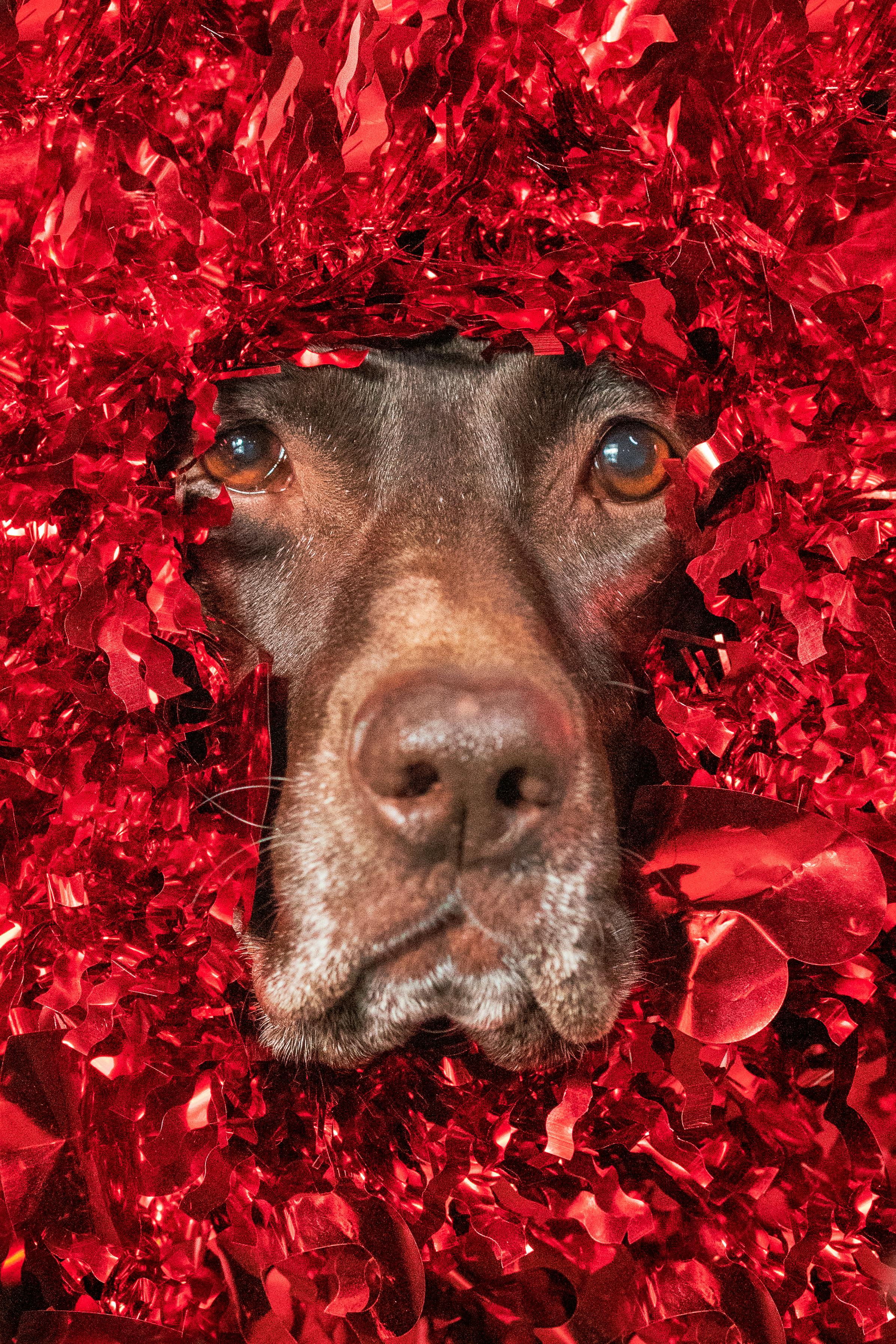 \n\n
\n\nHave you ever wondered why dogs have wet noses? It’s a question many pet owners ponder. Dogs and their noses seem to be a topic of endless fascination. But there’s more to a dog’s nose than just being cute. Here are 7 surprising facts about dog noses that will truly amaze you!
\n1. The Science Behind Wet Noses
\nSo, why do dogs have wet noses? It’s not just for show. A wet nose helps dogs to smell better. When their noses are moist, they can absorb scent chemicals more effectively. This is because moisture captures scent particles, allowing them to enter the olfactory receptors more easily. This is one reason dogs are so good at sniffing out things like drugs, explosives, and even certain medical conditions.
\n2. Unique Nose Prints
\nDid you know that a dog’s nose print is as unique as a human fingerprint? Each dog has a distinct pattern of ridges and creases on their nose. This uniqueness is something that could potentially be used for identification. Some organizations even keep records of nose prints to help reunite lost dogs with their owners! It’s like having a personal ID that’s always with them.
\n3. A Dog's Sense of Smell
\nThe olfactory system in dogs is far more advanced than in humans. While humans have about 5 million scent receptors, dogs have around 220 million. This means a dog can detect smells at incredibly low concentrations. Some studies suggest that dogs can smell anywhere from 10,000 to 100,000 times better than humans. Imagine walking into a room and being bombarded with every smell possible; that’s what a dog experiences every day.
\n4. Temperature Regulation
\nWet noses also help dogs to stay cool. Dogs don’t sweat like humans do. Instead, they rely on panting and their moist noses to regulate their body temperature. The evaporation of moisture from a dog’s nose can help cool them down. So, when you see your furry friend with a wet nose, it’s not just a sign of being healthy, it’s also a sign they might be cooling off after some playtime.
\n5. Health Indicators
\nA dog’s nose can be an important signal of their health. While a wet nose is often a sign of a healthy dog, if it becomes dry or cracked, it could indicate a health issue. Here are a few things to keep in mind regarding your dog’s nose:
\n- \n
- A dry nose can mean dehydration, fever, or even allergies. \n
- A runny nose may indicate an infection or illness. \n
- Changes in color or texture can also point to health problems. \n
Regularly checking your dog’s nose can help you catch potential health issues early.
\n6. Dogs' Noses and Emotions
\nInterestingly, dogs also use their noses to communicate. They rely on scent to convey emotions and social signals to other dogs. For instance, when dogs greet each other, they often sniff each other's noses and behinds to gather information about each other. This is their way of saying “Hello!” and collecting data on their new friend’s mood, diet, and even health.
\n7. Nose-Related Myths
\nThere’s many myths surrounding dog noses. A common misconception is that a cold, wet nose means a dog is healthy, while a warm, dry nose means they are sick. Although a wet nose can indicate good health, it’s not a definitive measure. Dogs can have varying nose temperatures based on the environment and their activity. Always consult a vet for accurate health assessments rather than relying solely on nose temperature.
\nFun Facts Recap
\n- \n
- Dogs’ noses can identify smells at incredibly low concentrations. \n
- Each dog’s nose print is unique, much like a human fingerprint. \n
- A dog’s wet nose helps them smell better and regulate body temperature. \n
- Changes in a dog’s nose can be indicators of health issues. \n
- Dogs use their noses to communicate with other dogs. \n
Understanding these facts about dog noses can deepen your appreciation for your furry friend. Their noses are not just adorable features, but vital tools that contribute to their well-being and communication. So the next time you see your dog with a wet nose, remember the fascinating science behind it! It’s a small but important part of what makes dogs such incredible companions.
\n\nWet Noses and Dog Health: When to Worry About Changes in Moisture
\n\n \n\n
\n\nWet noses are one of the most endearing features of our canine companions. But have you ever wondered why dogs have wet noses? And what does it mean when their moisture levels change? Understanding the importance of a dog’s nose can give you insights into their health and well-being. Whether you're a dog owner or considering adopting a furry friend, knowing when to worry about changes in your dog's nose moisture is crucial.
\nWhy Do Dogs Have Wet Noses?
\nDogs have wet noses for several fascinating reasons. Here are some key facts:
\n- \n
- Temperature Regulation: A dog's nose helps them cool down. When they are panting, the moisture from their nose evaporates, helping to regulate their body temperature. \n
- Enhanced Sense of Smell: Dogs have an extraordinary sense of smell, and a wet nose helps to enhance this ability. The moisture on their nose traps scent particles, making it easier for dogs to identify different smells. \n
- Sweating Mechanism: Dogs do not sweat like humans. Their noses are one of the few ways they can regulate their body temperature, so a wet nose is a sign of a healthy dog. \n
- Health Indicator: The moisture level can indicate various health issues. A dry nose can sometimes suggest dehydration or illness, while a consistently wet nose is usually a sign of good health. \n
When to Worry About Changes in Moisture
\nWhile a wet nose is generally a good sign, there are times when changes in moisture could mean something is off. Here are some situations when you might want to take a closer look:
\n- \n
- Dry Nose: If your dog’s nose becomes persistently dry and cracked, it could signal dehydration or other health issues. \n
- Excessive Moisture: A nose that is constantly running or producing excessive moisture could indicate allergies, a respiratory infection, or other health concerns. \n
- Color Changes: Unusual color changes in the nose, like turning red or developing bumps, may require a vet check. \n
- Behavioral Changes: If your dog is acting lethargic or shows signs of discomfort along with changes in their nose, it’s a good idea to consult a veterinarian. \n
Common Dog Nose Conditions
\nUnderstanding conditions that might affect your dog's nose can help you know when to seek help. Here are some common issues:
\n- \n
- Nasal Dermatitis: Irritation that can lead to dry, cracked skin on the nose. \n
- Allergic Reactions: Pollen, dust, or certain foods can cause nose irritation and lead to moisture changes. \n
- Infectious Diseases: Conditions like kennel cough can also affect the moisture level of your dog's nose. \n
Practical Tips for Monitoring Your Dog's Nose
\nYou don’t need to be a vet to keep an eye on your dog's nose. Here are some practical tips:
\n- \n
- Daily Checks: Make it a habit to check your dog's nose every day. Is it warm, dry, or unusually wet? \n
- Hydration: Always ensure your dog has access to fresh water. Hydration is key to maintaining a healthy nose and overall health. \n
- Consult Your Vet: If you notice any worrying signs, don’t hesitate to contact your veterinarian. Early detection of issues often leads to better outcomes. \n
Fun Facts About Dog Noses
\nHere are some fun and interesting facts about dog noses you might not know:
\n- \n
- Unique Patterns: Just like human fingerprints, every dog has a unique nose print. \n
- Size Matters: Larger breeds often have larger noses, which can enhance their sense of smell. \n
- Nose Temperature: It's a myth that a warm nose always means a dog is sick; nose temperature can vary based on activity and environmental factors. \n
In summary, a wet nose is not just a cute feature; it plays a significant role in a dog's health and behavior. Understanding why dogs have wet noses, when to worry about changes, and how to monitor their condition can enhance the bond you share with your furry friend. Always keep an eye on those moist noses and don’t hesitate to seek advice if something seems off. After all, a healthy dog is a happy dog!
\n\nThe Evolutionary Advantage of Wet Noses in Dogs: Nature’s Design!
\n\n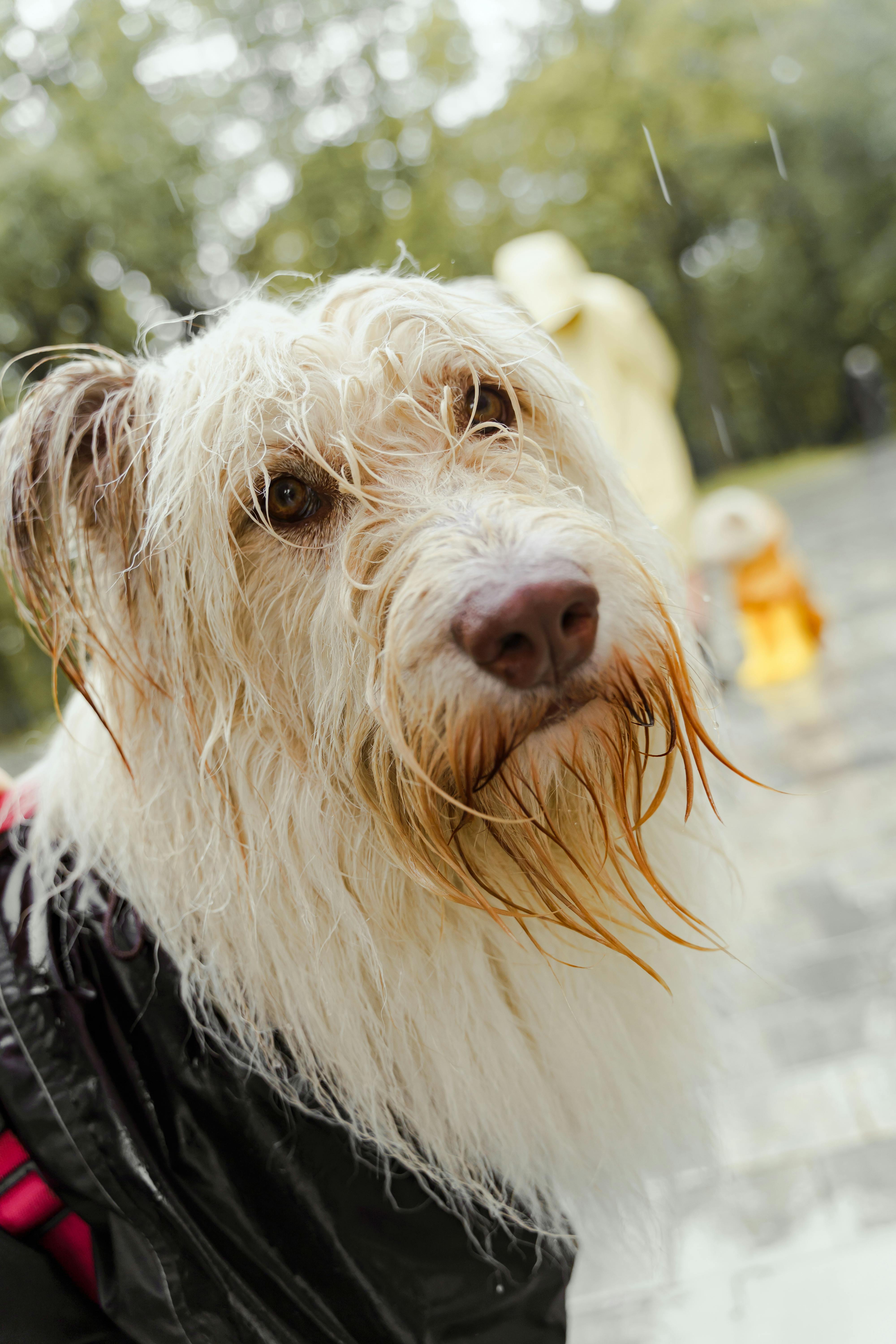 \n\n
\n\nDogs, those beloved furry companions, have a lot of unique traits. One of the most interesting and often overlooked is their wet noses. Ever wonder, "Why do dogs have wet noses?" or "What is the evolutionary advantage of wet noses in dogs?" Well, there’s a lot more going on than it appears at first glance. Let’s dive deep into this fascinating topic and discover the reasons behind those adorable, slippery snouts that our canine friends possess.
\nThe Science Behind Wet Noses
\nWet noses are not just a cute characteristic; they serve various essential functions in dogs. It all begins with the anatomy of a dog’s nose. The surface of a dog’s nose is covered with a thin layer of moisture, which plays a critical role in their sense of smell. Here’s how it works:
\n- \n
- \n
Enhanced Scent Detection: The moisture on a dog’s nose helps to capture scent particles from the air. When they sniff, the wet surface allows these particles to dissolve, improving their ability to detect scents. This is vital for dogs as their sense of smell is estimated to be between 10,000 to 100,000 times more sensitive than humans.
\n \n - \n
Thermoregulation: Dog's noses help to regulate their body temperature. In hot weather, the moisture on their nose evaporates, which helps to cool them down, much like sweating in humans.
\n \n - \n
Health Indicator: A wet nose is often seen as a sign of a healthy dog. While it’s not a definitive health indicator, a dry or cracked nose can sometimes suggest dehydration or illness.
\n \n
Historical Context of Wet Noses
\nThe evolution of wet noses in dogs can be traced back to their ancestors. Early canines, like wolves, relied heavily on their sense of smell to hunt and survive. Over time, selective breeding has enhanced this trait in domestic dogs. A few interesting points about this evolutionary advantage are:
\n- \n
- \n
Survival Mechanism: In the wild, dogs that could smell better were more likely to find food and avoid predators, thus ensuring their survival and passing down their genes.
\n \n - \n
Domestication: As humans began to domesticate dogs, those with better olfactory abilities became more valuable for hunting and herding, reinforcing the trait of having wet noses.
\n \n
Fascinating Facts About Dog Noses
\nNow, let’s look at some intriguing facts about dog noses that you might not know:
\n- \n
- \n
Unique Nose Prints: Just like human fingerprints, each dog's nose has a unique pattern. This makes it possible to identify dogs based on their nose print.
\n \n - \n
Color Matters: The color of a dog's nose can vary, but it doesn't affect their sense of smell. However, darker noses might absorb more heat, which could be beneficial in colder climates.
\n \n - \n
Nasal Turbinates: Dogs have complex nasal structures called turbinates that help filter and warm the air they breathe, further enhancing their olfactory capabilities.
\n \n
Comparisons: Dogs vs. Humans
\nTo fully appreciate the evolutionary advantage of wet noses, let’s compare dogs and humans in terms of their sense of smell and the role of noses:
\n| Aspect | \nDogs | \nHumans | \n
|---|---|---|
| Sense of Smell | \n10,000 to 100,000 times better | \nRelatively limited | \n
| Nose Surface | \nWet and moist | \nDry and less sensitive | \n
| Scent Detection | \nHighly developed | \nBasic detection abilities | \n
| Purpose of Nose | \nHunting, communication, health | \nBreathing, limited smell | \n
Practical Examples of Wet Noses in Action
\nDogs use their noses for various practical purposes. Here are some examples of how this trait is utilized:
\n- \n
- \n
Search and Rescue: Dogs with wet noses are often used in search and rescue operations because they can track scents over long distances, which can be vital when searching for missing persons.
\n \n - \n
Medical Detection: Some dogs are trained to detect medical conditions like diabetes or cancer by sniffing out specific scents that indicate changes in a person’s body.
\n \n - \n
Service Animals: Many service dogs rely on their keen sense of smell to assist individuals with disabilities, helping them navigate environments and identify dangers.
\n \n
Wet noses are more than just a charming feature of dogs; they represent a blend of evolutionary advantages and practical functions that enhance a dog's interaction with the world. Understanding why dogs have wet noses gives us insight into their capabilities and the remarkable ways nature has designed these incredible creatures. Next time you give your dog a pat, take a moment to appreciate that wet nose—it’s nature’s design at its best!
\n\nConclusion
\n\nIn conclusion, the wet noses of dogs serve multiple significant purposes that contribute to their overall health and sensory capabilities. The moisture helps enhance their sense of smell, allowing them to detect scents more effectively, while also playing a role in regulating body temperature through evaporation. Additionally, a wet nose can indicate a healthy dog, as it reflects their hydration status and overall well-being. By understanding the reasons behind this fascinating trait, dog owners can better appreciate their furry companions’ unique biology. So next time you greet your pup and feel that familiar wet nose, remember that it’s not just an endearing quirk—it’s a vital part of how they interact with the world. Embrace these moments and ensure your dog stays healthy and hydrated, as a happy, wet-nosed dog is a sign of a well-cared-for pet.
\n\n