
Have you ever wondered why do dogs have wet noses? It’s a question that many dog lovers ponder, and the answer is more fascinating than you might think! A wet nose isn’t just a quirky trait; it serves several important functions for our furry friends. Do you know that a dog’s nose can actually help them detect scents better? This is because moisture aids in trapping scent particles, enhancing their incredible sense of smell. But that’s not all! The temperature of a dog’s nose can also provide clues about their health. Curious about how a wet nose relates to a dog’s emotions? You’re not alone! Many pet owners notice their dog’s nose gets wetter when they are excited or playful. In this article, we will delve into the science behind those adorable, cold noses and reveal the secrets that make them so special. Join us as we uncover the fascinating truth behind why dogs have wet noses and what it really means for their health and behavior. Read on to discover why this simple feature is a crucial part of your dog’s daily life!
The Science Behind Wet Noses: Why Are Dogs’ Noses Always Moist?
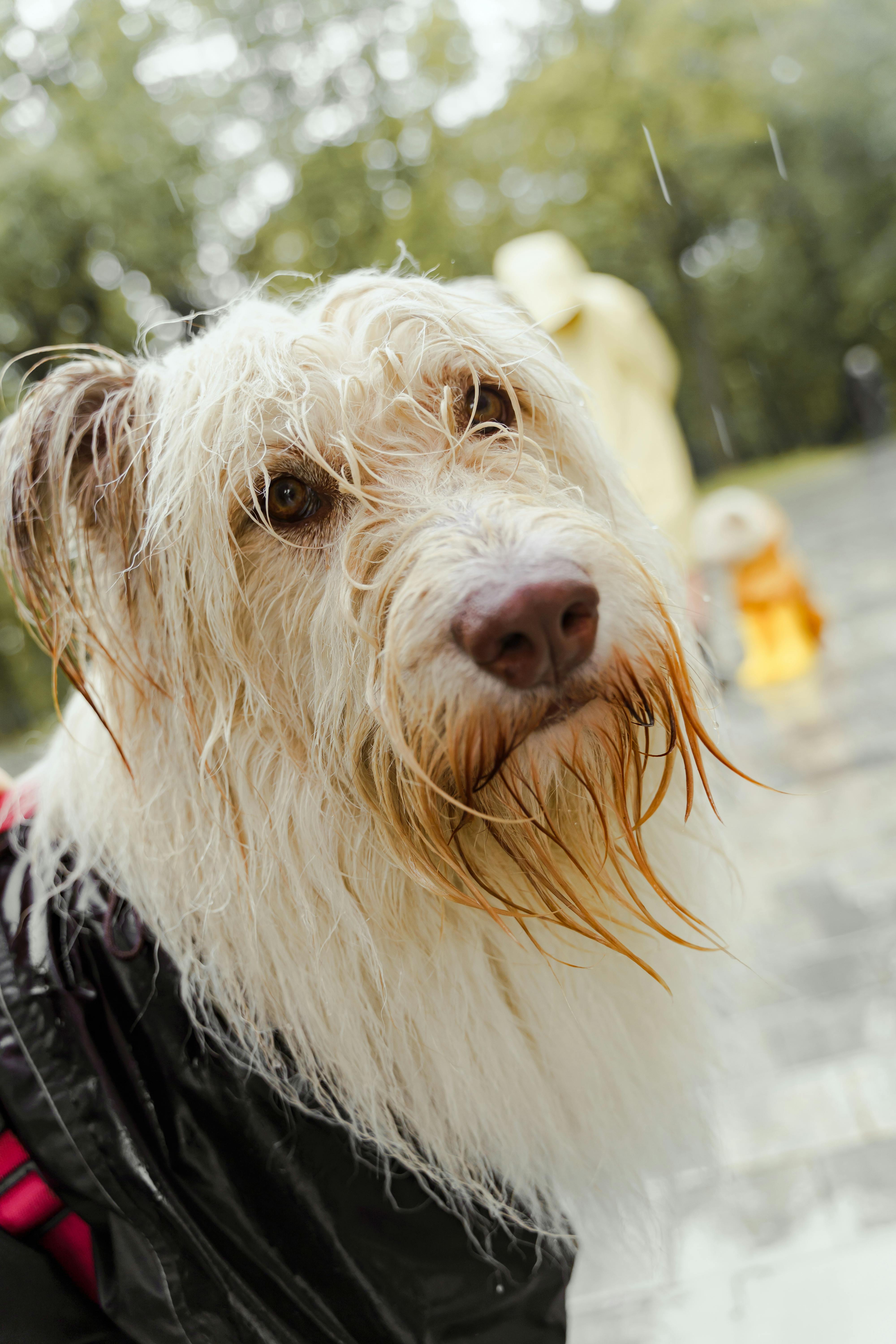
Dog owners often notice their furry pals have wet noses. But why do dogs have wet noses? This question not only intrigues pet lovers, but it also opens up a fascinating discussion about the biology and behavior of dogs. Let’s dive into the science behind wet noses, exploring why they are always moist and what that means for our four-legged friends.
The Anatomy of a Dog’s Nose
Dog noses are super unique compared to human noses. They have a complex structure that includes:
- Olfactory receptors: Dogs have about 220 million scent receptors, while humans have only about 5 million. This makes their sense of smell incredibly powerful.
- Moisture glands: Dogs’ noses contain special glands that produce mucus. This helps in trapping scent particles, making it easier for dogs to smell things in their environment.
- Cooling mechanism: A dog’s nose also helps regulate body temperature. When dogs pant, moisture evaporates from their noses, which cools them down.
Why Are Dogs’ Noses Wet?
So, why do dogs have wet noses? There are a few reasons for this phenomenon:
Enhanced Smell: The moisture on a dog’s nose helps capture scent particles. The wetter the nose, the better they can smell. This is crucial for dogs, as they rely heavily on their sense of smell to understand the world around them.
Temperature Regulation: Dogs can’t sweat like humans do. Instead, they lose heat through their noses and paw pads. A moist nose can help maintain their body temperature, especially on hot days.
Health Indicator: A wet nose is often a sign of health in dogs. If a dog’s nose is dry and cracked, it might indicate illness or dehydration. However, there are exceptions, and a dry nose doesn’t always mean something is wrong.
Historical Context of Dog Noses
Throughout history, dogs have been bred for specific purposes, many of which depended on their sense of smell. For example:
- Hunting Dogs: Breeds like Bloodhounds and Beagles were developed to track scents over long distances. Their wet noses are crucial for their tracking abilities.
- Service Dogs: Dogs like Labradors and German Shepherds are trained to assist in search and rescue operations. Their keen sense of smell, aided by moist noses, helps them locate missing persons or detect substances.
Fun Facts About Dog Noses
- Unique Patterns: Just like human fingerprints, every dog’s nose print is unique. Some organizations even consider nose prints for identification.
- Temperature Sensitivity: Dogs can detect temperature changes through their noses. This helps them sense their surroundings and even pick up on changes in their owner’s body temperature.
- Color Variation: The color of a dog’s nose can vary significantly among breeds. Some have black noses, while others may have pink or brown noses.
Practical Examples of Dog Nose Usage
Dogs use their noses in various daily activities, such as:
- Detecting Food: Many dogs can smell food from miles away, which is why they often beg at the table.
- Recognizing Owners: Dogs can recognize their owners by scent, even if they can’t see them.
- Playing Games: Activities like hide-and-seek or scent games challenge a dog’s sense of smell, keeping them mentally stimulated.
Comparisons with Other Animals
When you compare dogs to other animals, the wet nose does stand out:
- Cats: Cats have dry noses and rely more on their vision and hearing than their sense of smell.
- Humans: Humans have a less developed sense of smell, making our noses dry and less moist in comparison.
Final Thoughts
Understanding why do dogs have wet noses gives us insight into their health and behavior. Their moist noses are not just a quirky characteristic; they play a vital role in their ability to smell, regulate body temperature, and signal health. As pet owners, being aware of these facts can help us care better for our furry friends, ensuring they stay happy and healthy. So, next time you give your dog a pat on the head and feel that wet nose, remember there’s a whole world of science behind it!
5 Fascinating Reasons Your Dog’s Wet Nose Is a Sign of Good Health
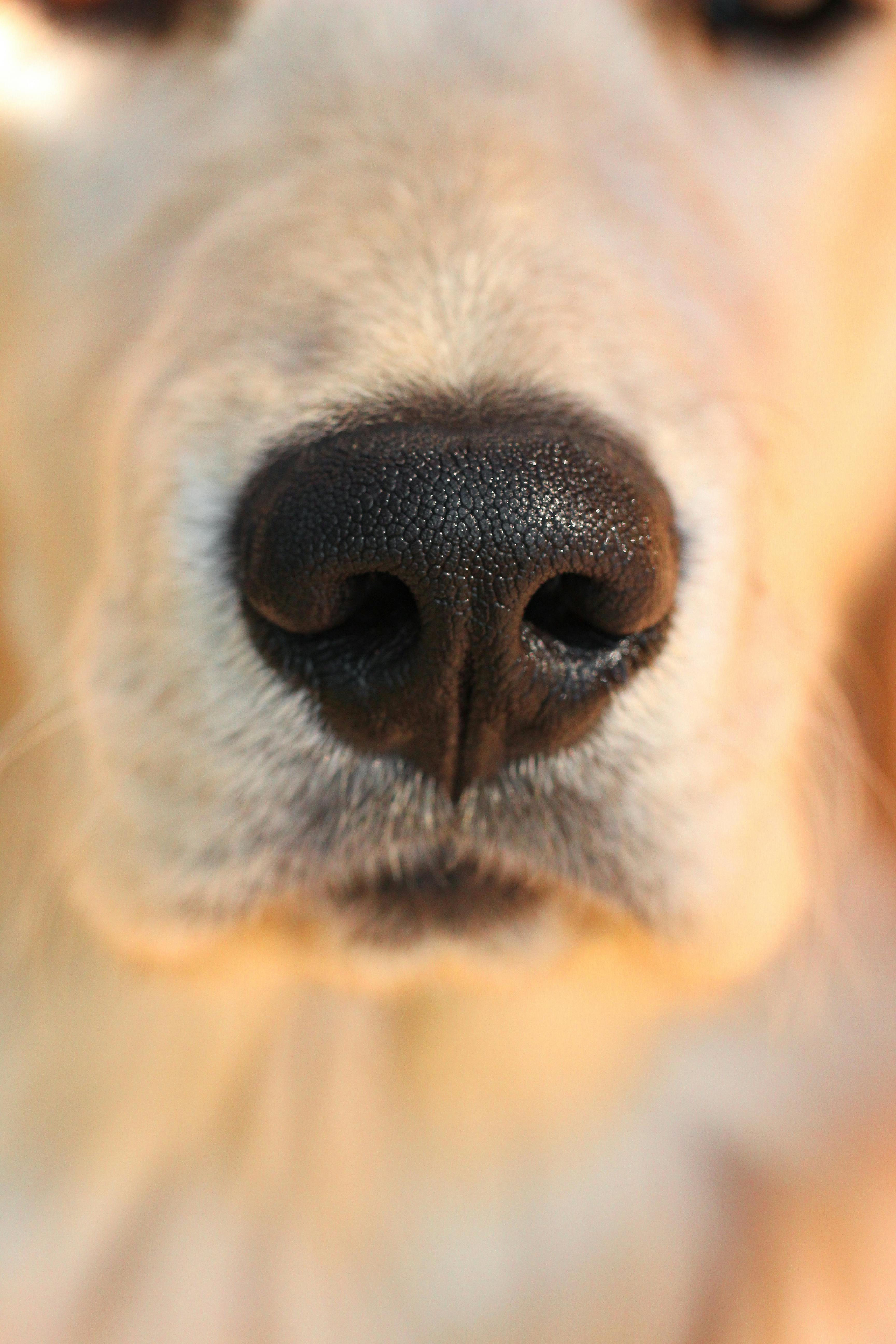
Dogs are often called man’s best friend, and one of the most endearing characteristics they have is that wet nose. But why do dogs have wet noses anyway? Many people may not know that a wet nose can actually be a sign of good health for your furry companion. Here’s five fascinating reasons why your dog’s wet nose is a sign of good health, and maybe you’ll discover the intriguing truth behind this natural phenomenon!
1. Temperature Regulation
Dogs don’t sweat like humans do. Instead, they regulate their body temperature primarily through their noses and panting. The moisture on their nose can help cool them down. When they are feeling hot, the wetness helps to evaporate and thus lowers their body temperature. This is why if your dog’s nose is dry, it may indicate they’re feeling a bit overheated or anxious. Keeping an eye on your dog’s nose can give you clues about their comfort level.
2. Enhanced Sense of Smell
The wetness of a dog’s nose also helps them smell better! You see, dogs have a much stronger sense of smell than humans do—about 10,000 to 100,000 times more sensitive, depending on the breed. A wet nose helps to capture scent particles in the air. The moisture traps these particles, allowing the scent receptors in their nose to work more effectively. That’s why when your dog goes on a sniffing spree on a walk, they are simply experiencing all the wonderful smells in the environment around them!
3. Natural Defense Mechanism
A wet nose doesn’t just help with smelling; it also plays a role in keeping your dog healthy. The moisture found on their noses contains natural antibacterial properties that can help fight off infections. In fact, the wetness can act like a shield against bacteria and viruses, helping to keep your pup safe from illness. So, a wet nose is not just a cute feature; it’s also nature’s way of helping your dog stay healthy!
4. Indicators of Hydration
A dog’s nose can also give you insights about their hydration levels. A moist nose generally indicates that your dog is well-hydrated. Conversely, if their nose is persistently dry and cracked, it may signal dehydration or other health issues. Monitoring the condition of your dog’s nose can serve as a helpful reminder for you to keep their water bowl full and encourage them to drink more, especially during hot months.
5. Emotional Indicator
Dogs are emotional creatures, and their wet noses can also reflect their feelings. For example, when a dog is excited, their nose may become wetter due to the increase in saliva and breathing rate. Conversely, when a dog is stressed or anxious, their nose might dry out. Understanding these emotional cues can help strengthen your bond with your pet. It’s fascinating to think that something as simple as a wet nose could reveal so much about your dog’s feelings!
Summary of Reasons Why Dogs Have Wet Noses
- Temperature Regulation: Helps cool down your dog.
- Enhanced Sense of Smell: Moisture captures scent particles, improving their olfactory ability.
- Natural Defense Mechanism: Acts as a barrier against bacteria and viruses.
- Indicators of Hydration: A moist nose usually means your dog is hydrated.
- Emotional Indicator: Reflects your dog’s feelings and state of mind.
These five reasons show that your dog’s wet nose is far more than just a cute feature. It’s a sign of their overall health and well-being. Keeping an eye on your pup’s nose can help you understand their health better, and also gives you an opportunity to connect with them on a deeper level. Remember, a wet nose is often a happy nose! Next time you pet your dog, take a moment to appreciate that wet little snout and all the fascinating truths it holds. Your bond with your furry friend can be enriched by understanding more about them, and who knows, you might just grow to love that wet nose even more!
Do Wet Noses Mean Happy Dogs? Exploring the Emotional Connection

When you see a dog with a wet nose, it’s often thought that it’s a sign of happiness. But is that really true? Do wet noses mean happy dogs? This question not only piques the interest of pet owners but also leads us to explore the emotional connection that dogs share with their humans. Let’s delve deeper into the reason behind those wet noses, and uncover the fascinating truth about why dogs have wet noses in the first place.
The Science Behind Wet Noses
Dogs noses are wet for a number of reasons. It isn’t just a random trait; it serves a purpose. Here are some key points to consider:
Cooling Mechanism: Dogs don’t sweat like humans do. Instead, they regulate their body temperature through panting and having a moist nose. A wet nose can help them stay cool, especially on hot days.
Sense of Smell: The moisture on a dog’s nose helps to enhance their sense of smell. When a dog’s nose is wet, it can absorb scent particles more effectively, which is crucial for their ability to detect scents. This is why dogs are often used in search and rescue missions or as service animals.
Health Indicator: A dog’s nose can also be an indicator of its health. While a wet nose is generally a sign of a healthy dog, a dry nose could indicate dehydration or illness. But this is just one of many signs you should monitor when assessing a dog’s health.
Wet Noses vs. Happy Dogs: The Emotional Connection
So, do wet noses mean happy dogs? Well, not exactly. While a wet nose can be a sign of a healthy dog, it doesn’t necessarily mean your furry friend is happy. Happiness in dogs is often expressed through body language and behavior rather than just their noses. Here’s how to identify a happy dog:
Tail Wagging: A wagging tail, especially when it’s high and fast, is usually a sign of a happy dog.
Playfulness: Dogs that are happy tend to engage in playful behavior, whether it’s fetching a ball or playing with their toys.
Relaxed Body Language: A relaxed posture with ears up and a loose body indicates a content dog.
Why Do Dogs Have Wet Noses?
The wetness of a dog’s nose is not just an accident of nature. It has evolved for various reasons, making it a significant aspect of canine anatomy. Here are some reasons why dogs have wet noses:
Humidity Detection: Dogs can detect humidity in the air, allowing them to sense rain or other changes in weather. This is an evolutionary trait that has likely helped their ancestors survive in the wild.
Communication: Dogs often use their noses to communicate with other dogs and humans. A wet nose can signal a friendly approach, while a dry nose might indicate discomfort or unease.
Taste: Dogs use their noses to taste the world around them. A wet nose can help them get a better sense of their environment, especially when it comes to food or other scents.
Fun Facts About Dog Noses
If you’re fascinated by dog noses, here are some interesting facts you might not know:
Unique Patterns: Just like human fingerprints, every dog has a unique nose print. This can be used for identification!
Temperature Regulation: A wet nose can help dogs regulate their body temperature more efficiently, which is why you’ll often find them cooling off by sticking their noses in water.
Scent Memory: Dogs can remember scents for a long time. Their wet noses help them retain these scents, making them great at tracking.
Signs of a Healthy Nose
While a wet nose is usually a good sign, there are other factors to consider. Here’s a quick checklist to determine if your dog’s nose is healthy:
Temperature: A healthy dog’s nose should feel cool and slightly moist, not warm or dry.
Color: A dog’s nose should be a healthy color; changes in color could signal health issues.
Cracking or Peeling: This could be a sign of dehydration or skin conditions.
Discharge: Any abnormal discharge from the nose could be cause for concern and warrant a vet visit.
Understanding the significance of a dog’s wet nose can help pet owners ensure their furry companions are healthy and happy. While a wet nose can be an indicator of health, it is just one piece of the puzzle. Observing your dog’s overall behavior and body language will give you a clearer picture of their emotional state. Remember, every dog is unique, and getting to know your pet’s individual quirks will help you build a stronger bond.
How a Dog’s Wet Nose Enhances Their Sense of Smell: The Surprising Facts
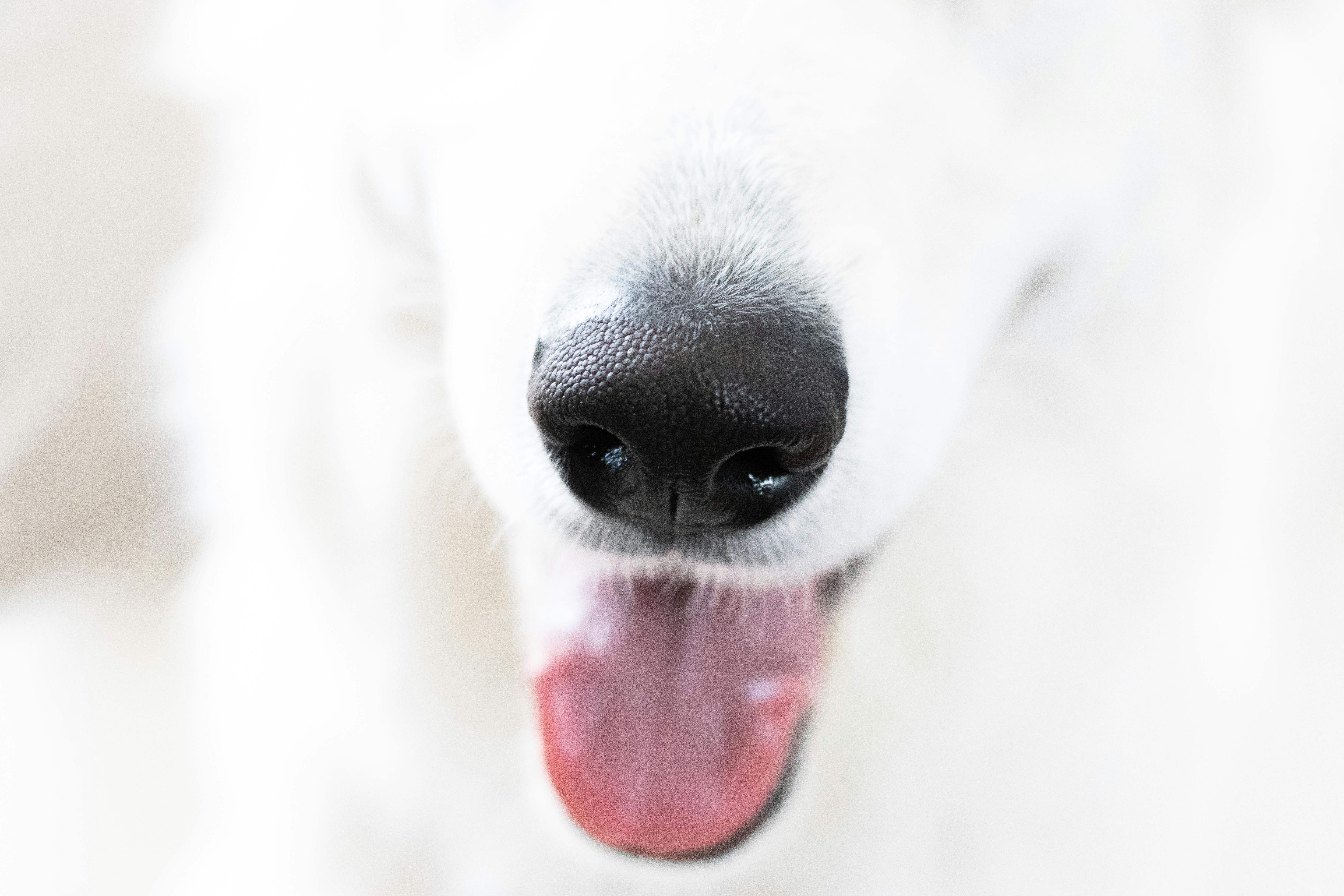
Dogs, our loyal companions, have many remarkable traits, but one of the most fascinating features is their wet noses. You might wonder, why do dogs have wet noses? It’s not just for show; it plays a critical role in how they perceive the world around them. Let’s dive into the surprising facts about a dog’s wet nose and how it enhances their sense of smell.
The Science Behind a Dog’s Wet Nose
A dog’s nose is not only wet but also packed with special features that help them sniff out scents like no other animal. The moisture on a dog’s nose comes from a combination of mucus and natural secretions. This wetness serves several purposes:
- Enhanced Smell: The moisture helps to dissolve scent particles in the air, making it easier for dogs to detect and identify smells.
- Temperature Regulation: Dogs can’t sweat like humans do. Their noses help to cool them down.
- Health Indicator: A wet nose often indicates a well-hydrated and healthy dog, while a dry nose can sometimes signal sickness.
How Dogs’ Noses Compare to Humans
Dogs have an exceptional sense of smell compared to humans. While humans have about 5 million olfactory receptors in their noses, dogs have between 220 million to 300 million. This difference allows dogs to detect various scents up to 100,000 times better than humans.
Here’s a quick comparison:
| Feature | Humans | Dogs |
|---|---|---|
| Olfactory Receptors | ~5 million | 220 to 300 million |
| Ability to Detect Scents | 1 part per trillion | 1 part per quadrillion |
| Role of Smell | Limited to taste | Critical for navigation, communication, and survival |
Fascinating Facts About Dog Noses
Unique Nose Prints: Just like fingerprints in humans, every dog has a unique nose print. This can be used for identification purposes.
Heat Sensing: Dogs can sense body heat through their noses, which helps them track animals or find people in need.
Sniffing Techniques: Dogs often employ a special sniffing technique called the “bunny sniff,” where they take quick, short breaths to capture more scent particles.
Memory and Smell: Dogs not only recognize scents but also remember them. This is why they can often find their way home, even from long distances.
The Role of Wet Noses in Communication
Dogs use their noses not just for smelling but also for communication. When dogs meet each other, they often sniff each other’s noses and behinds. This social behavior helps them gather information about the other dog, including their health, sexual status, and even mood.
Why Do Dogs Have Wet Noses?
The wetness serves multiple functions, as mentioned earlier, but here are some reasons broken down:
- Scent Enhancement: Moisture captures scent particles better. Dogs can detect a wide range of smells due to this feature.
- Cooling Mechanism: The wet nose helps dogs maintain body temperature, especially in hot weather.
- Health Monitoring: A wet nose is usually a sign of a healthy dog. If a dog’s nose becomes excessively dry or cracked, it may indicate a health issue.
Practical Implications for Dog Owners
As a dog owner, understanding the significance of your pet’s nose can help you provide better care. Here are some things to keep in mind:
Regular Check-Ups: Monitor your dog’s nose regularly for any changes. A sudden change in moisture level can indicate health problems.
Hydration: Always ensure your dog is well-hydrated. A wet nose often reflects their overall health.
Behavioral Changes: If your dog’s sniffing habits change, or they seem less interested in exploring with their nose, it’s worth consulting a vet.
Final Thoughts
A dog’s wet nose is a small but mighty feature that plays a crucial role in their ability to interact with the world. From enhancing their remarkable sense of smell to serving as a communication tool, it is vital to their well-being. Being aware of the importance of their noses can help you take better care of your furry friend, ensuring they remain happy and healthy. So, the next time you see that wet nose, appreciate all the incredible things it does for your beloved companion!
The Role of Nasal Moisture in Dogs: What Every Pet Owner Should Know

The role of nasal moisture in dogs is often overlooked, but it’s actually a fascinating topic for every pet owner. You might have noticed your dog’s nose, always wet and sometimes even cold. But why do dogs have wet noses? It turns out, there’s a lot more to this than just a cute feature. In this article, we’ll explore the reasons behind this phenomenon and what it means for your furry friend’s health.
Why Do Dogs Have Wet Noses?
Dogs’ noses are wet for several reasons, and understanding these can help you care for your pet better. Here are some key points:
Cooling Mechanism: Dogs don’t sweat like humans do. Instead, they rely on their noses to help regulate body temperature. The moisture on their noses cools them down, especially during hot weather.
Enhancing Sense of Smell: A wet nose helps to trap scent particles. This makes it easier for dogs to pick up smells, which is crucial since their sense of smell is far superior to ours.
Health Indicator: A dog’s nose can also indicate health. A wet nose is usually a sign of a healthy, well-hydrated dog. Conversely, a dry, cracked nose might suggest dehydration or illness.
The Science Behind Nasal Moisture
The moisture on a dog’s nose comes from several sources. It’s not just from licking, although that plays a role. Here’s how it works:
Mucus Production: Dogs have glands in their noses that produce mucus, which keeps their noses moist. This is important for their olfactory receptors to function properly.
Environmental Factors: The weather can affect nose moisture too. Humidity and temperature can cause a dog’s nose to either become wetter or dryer.
Behavioral Factors: Dogs often lick their noses. This not only keeps their noses moist but also helps clean them, removing dirt and bacteria.
Common Misconceptions
There are many myths surrounding the moisture on a dog’s nose. Here are a few common misconceptions:
Myth: A cold, wet nose means your dog is healthy.
- Fact: While a wet nose is typically a sign of good health, it’s not the only indicator. Always consult with a vet if you notice changes in your dog’s behavior or health.
Myth: Dogs only lick their noses when they’re thirsty.
- Fact: Dogs lick their noses for various reasons, including curiosity, anxiety, or simply because they are cleaning themselves.
Importance of Nose Moisture
Maintaining nasal moisture is crucial for your dog’s overall well-being. Here’s why:
Scent Detection: The ability to smell is vital for dogs. A moist nose allows them to detect pheromones and other scents more effectively, which is crucial for their communication and behavior.
Temperature Regulation: Keeping cool is essential, especially in warm weather. A wet nose assists in thermoregulation, preventing overheating.
Sign of Hydration: A moist nose often indicates that your dog is well-hydrated. Keeping your dog hydrated is essential for their overall health.
What To Watch For
As a pet owner, you should be observant of your dog’s nose. Here are a few things to keep in mind:
Changes in Moisture: If you notice that your dog’s nose has become very dry or cracked, it could be a sign of dehydration or an underlying health problem.
Nasal Discharge: If there’s excessive discharge, especially if it’s colored or has a bad odor, it could indicate an infection or other health issues.
Behavioral Changes: If your dog is licking its nose more than usual or seems to be in discomfort, it’s a good idea to consult with a veterinarian.
Practical Tips for Pet Owners
Caring for your dog’s nose is simpler than you might think. Here are some practical tips:
Hydration: Ensure your dog has access to fresh, clean water at all times.
Humidifier: If you live in a dry climate, consider using a humidifier in your home. This can help keep your dog’s nasal passages moist.
Regular Vet Check-ups: Regular visits to the vet can help catch any potential problems early, including those related to your dog’s nose.
Your dog’s wet nose is not just an endearing trait; it plays a crucial role in their health and behavior. By understanding why dogs have wet noses and what it means, you can be a more informed and attentive pet owner. Whether it’s ensuring your dog stays hydrated or understanding the signs of potential health issues, being proactive can lead to a happier, healthier life for your furry friend. Remember, a little knowledge goes a long way in providing the best care for your beloved pet.
Wet Nose Wonders: What Your Dog’s Nose Can Tell You About Their Health
Wet Nose Wonders: What Your Dog’s Nose Can Tell You About Their Health, Why Do Dogs Have Wet Noses? Discover The Fascinating Truth!
Have you ever wondered why dogs have wet noses? This is a question that many dog lovers asks. The answer to this question is more complex than it seems and can actually reveal a lot about your furry friend’s health. A dog’s nose is not just a cute feature; it plays a crucial role in their well-being. In this article, we will explore the reasons behind your pup’s wet nose and what it can indicate about their health.
Why Do Dogs Have Wet Noses?
First off, dogs have wet noses for a few main reasons. One of the primary functions of a wet nose is to help dogs regulate their body temperature. When a dog pants or breathes, the moisture on their nose evaporates, which cools them down. This is especially important since dogs can’t sweat like humans do.
Another reason is that wet noses enhance their sense of smell. Dogs have an incredible sense of smell, and a moist surface on the nose allows for better scent absorption. When the nose is wet, it can trap scent particles more effectively, allowing dogs to detect and differentiate smells with greater accuracy.
Here’s a simple list of reasons why dogs have wet noses:
- Temperature regulation: Helps cool down their body.
- Enhanced smell: Moisture helps trap scent particles.
- Healthy mucus production: Keeps their nasal passages moist.
What Does a Wet Nose Mean for Health?
The condition of your dog’s nose can tell you a lot about their health. A wet nose is usually a sign of good health. However, if the nose is excessively dry or cracked, it could indicate dehydration or illness. Here’s a breakdown of what different nose conditions could mean:
- Cold and wet: Generally a sign of a healthy dog.
- Dry and warm: Could indicate fever or dehydration.
- Cracked or chapped: May suggest allergies or skin conditions.
The Science Behind Nose Moisture
Dogs produce mucus on their noses, and this mucus is essential for their olfactory system. The moisture allows scent molecules to dissolve, which enables the dog to smell better. This is why you often see dogs sniffing around; they are gathering information about their environment.
Interestingly, dogs also lick their noses to keep them moist. This is not just a habit; it’s a survival instinct. Licking helps them to keep their noses in optimal condition for detecting scents. If a dog is not licking its nose, it may indicate health issues.
Historical Context of Dogs and Their Noses
Historically, dogs have been bred for various purposes, including hunting, herding, and companionship. A wet nose was not just a cute trait; it was an asset for hunting breeds that relied on their sense of smell to track game. Over time, this characteristic has remained a vital part of what makes dogs such excellent companions and helpers.
What You Can Do for Your Dog’s Nose Health
As a responsible dog owner, it is important to keep an eye on your dog’s nose. Here are some tips to ensure their nose stays healthy:
- Hydration: Make sure your dog drinks enough water.
- Humid environment: If you live in a dry area, consider using a humidifier.
- Regular vet check-ups: Keep up with routine veterinary visits to catch any potential issues early.
Comparisons: Dog Noses vs. Human Noses
Dogs and humans have very different noses, which leads to different functionalities. Here’s how they compare:
| Feature | Dog Nose | Human Nose |
|---|---|---|
| Smell capability | Up to 300 million scent receptors | About 5 million scent receptors |
| Moisture function | Enhances smell detection | Not as crucial for smell |
| Temperature regulation | Helps cool down | Sweating is the primary method |
Practical Examples
Consider a scenario where your dog has a wet nose, but suddenly it becomes dry and warm. It might be a good idea to check for other symptoms, like lethargy or a change in appetite. On the other hand, a consistently wet nose paired with good energy levels usually means your dog is happy and healthy.
In conclusion, understanding why dogs have wet noses and what it indicates about their health is essential for every pet owner. A wet nose is often a sign of good health but keeping a watchful eye on changes can help you catch problems early. So, next time you pet your furry friend, take a moment to appreciate that wet nose—it’s more than just adorable; it’s a window into their health!
Is a Wet Nose a Sign of Illness? Understanding the Myths and Facts

Dogs, man’s best friend, have a lot of quirks that often leave pet owners scratching their heads. One such quirk is the wet nose. Many people wonder, “is a wet nose a sign of illness?” or why do dogs have wet noses in the first place? This article dives into the myths and facts surrounding this interesting aspect of our furry companions.
The Science Behind a Dog’s Wet Nose
First off, it’s important to know that a dog’s nose is wet for several reasons. Primarily, the moisture helps them to smell better. Dogs have an extraordinary sense of smell, estimated to be around 10,000 to 100,000 times more acute than humans. The wetness of their nose, which is due to mucous secretion, helps capture scent particles in the air. When they sniff, the moisture increases their olfactory capability, allowing them to pick up a wider range of scents.
The Myths Surrounding Wet Noses
There’s a common belief that a dog’s wet nose indicates their health status. Many people think that if a dog’s nose is dry, it means they’re sick. However, that’s not always true. Here are some myths and facts:
Myth 1: A wet nose means a healthy dog.
Fact: While many healthy dogs do have wet noses, a dry nose doesn’t necessarily indicate illness. Dogs can have dry noses for various reasons, such as weather conditions, dehydration, or even age.Myth 2: A warm, dry nose is a sign of fever.
Fact: Dogs can have warm noses due to physical activity or lying in the sun. Checking their temperature with a thermometer is a much more reliable method to determine if they have a fever.Myth 3: All dogs have wet noses.
Fact: Some breeds naturally have drier noses. For example, Bulldogs and Shar Peis may have less moist noses compared to other breeds.
Why Do Dogs Have Wet Noses?
Exploring deeper into the question of why do dogs have wet noses, it’s also worth noting that it serves other important purposes:
Thermoregulation: A wet nose can help dogs regulate their body temperature. The moisture evaporates, cooling them down, especially when they are hot or stressed.
Communication: Dogs use their noses to interact with each other and their environment. A wet nose can be more inviting, and dogs often greet each other by sniffing.
Expression of Emotion: A dog may nuzzle you with their wet nose to show affection or seek attention.
What Do You Need to Watch For?
While a wet nose is typically normal, there are signs you should be on the lookout for that could suggest your dog needs veterinary attention:
Persistent Dryness: If your dog’s nose stays dry for a long time and is accompanied by other symptoms like lethargy, it might be time to consult a vet.
Cracking or Bleeding: A cracked or bleeding nose could indicate a more serious issue, such as allergies or infections.
Changes in Behavior: If your dog is acting strangely, not eating, or seems unwell, it’s best to contact your veterinarian regardless of their nose condition.
Quick Tips for Dog Owners
Here’s some practical advice for dog owners regarding wet noses:
Hydration: Make sure your dog has access to clean water. Dehydration can lead to a dry nose.
Check the Environment: Extreme weather conditions can affect your dog’s nose. Providing shade and not leaving them in hot cars is crucial.
Regular Vet Visits: Keep up with regular check-ups to ensure your dog’s overall health.
Be Observant: Notice changes in your dog’s behavior or physical state, and don’t hesitate to reach out for professional advice.
Final Thoughts
Understanding the nuances of your dog’s wet nose can demystify some of the concerns pet owners often have. While it can signal numerous things, it’s essential to remember that a wet nose alone isn’t a definitive indicator of health. Always consider the overall picture: your dog’s behavior, eating habits, and any signs of discomfort. Keeping your furry friend happy and healthy is the ultimate goal, and being informed is a big part of that responsibility.
Why Do Some Breeds Have Wetter Noses? A Dive into Canine Genetics
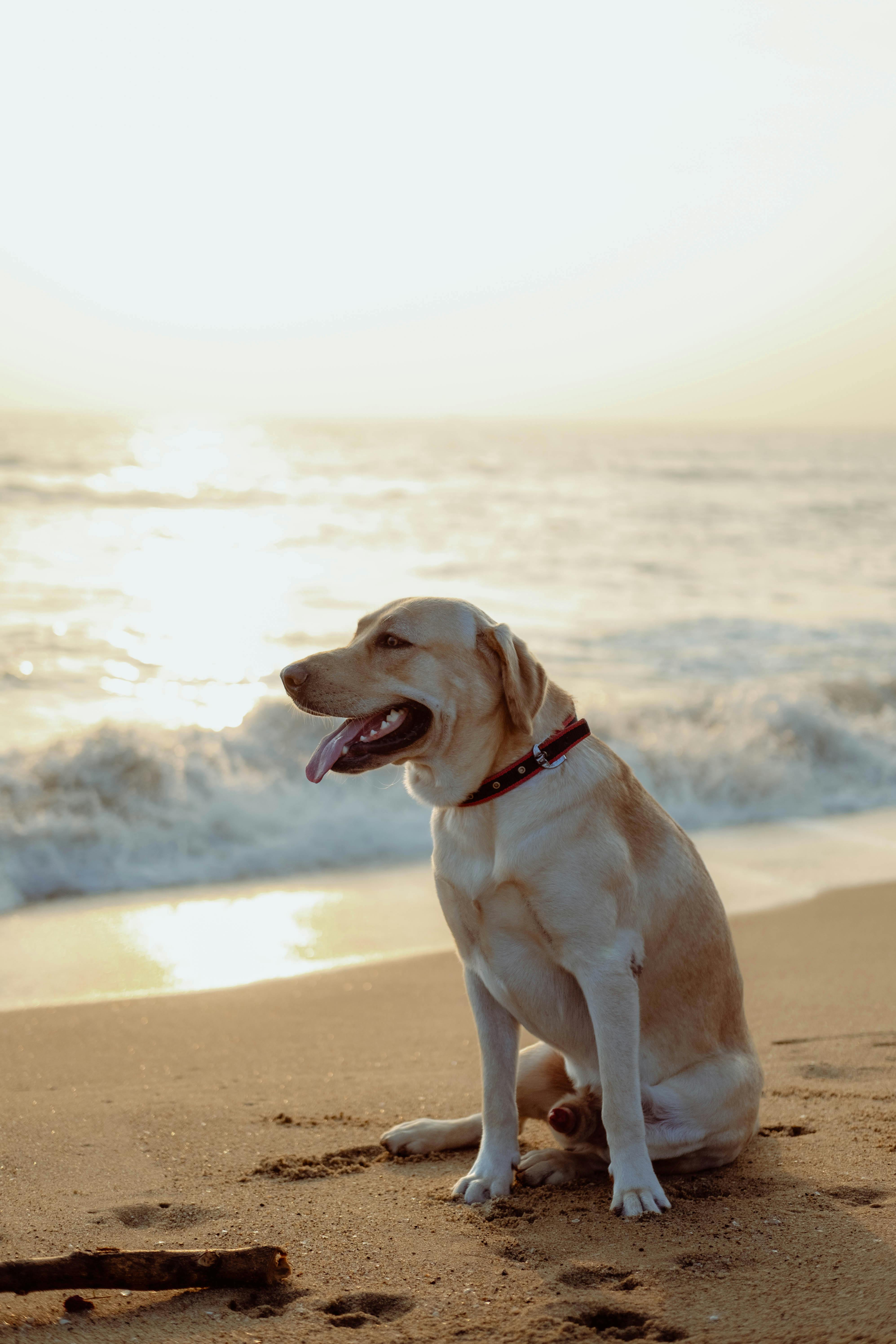
Dogs are often consider man’s best friend, and one of their most distinctive features is their wet noses. You ever wonder why do dogs have wet noses? This question leads us to explore the fascinating world of canine genetics, and how it relates to the moisture level in our furry companions’ noses. It’s not just a random trait; there’s a whole lotta science behind it!
The Science Behind Wet Noses
Wet noses in dogs serve a purpose, and it ain’t just for show. The moisture on their noses helps them to smell better. Dogs has around 220 million scent receptors, compared to humans’ measly 5 million. When their noses are wet, it helps to absorb scent particles more efficiently. It’s like nature’s little enhancement tool for their already powerful noses!
- Scent Absorption: A wet nose can capture and hold scent particles.
- Thermoregulation: The moisture helps cool down the dog’s body.
- Health Indicator: A wet nose is often seen as a sign of a healthy dog, although it ain’t the only measure.
The Role of Genetics in Nose Moisture
Just like humans, dogs inherit traits from their parents. The moisture level in a dog’s nose can be influence by breed, genetics, and even environment. Some breeds are more likely to have wetter noses than others due to their genetic makeup.
For example, breeds like the Labrador Retriever and Beagle, known for their hunting and scenting abilities, often have wetter noses. On the flip side, breeds like the Bulldog or Pekingese may have drier noses, possibly due to their flat facial structures affecting moisture retention.
Which Breeds Typically Have Wetter Noses?
Here is a quick list of dog breeds that commonly have wetter noses:
- Labrador Retriever
- Beagle
- Bloodhound
- German Shepherd
- Golden Retriever
These breeds tends to have more active olfactory glands, which contributes to moisture levels in their noses.
Why Do Some Breeds Have Drier Noses?
Drier noses can be common in certain breeds and can also be a result of health issues. Breeds like the following may experience drier noses:
- Bulldog
- Pekingese
- Chihuahua
- Shih Tzu
- Maltese
These breeds might have genetic predispositions that lead to less moisture or other health factors that affect nose wetness.
Environmental Factors Influencing Nose Moisture
Besides genetics, the environment plays a role too. Dogs living in dry climates may have drier noses, while those in humid areas often has wetter noses. Dogs can also lose moisture through dehydration or certain medical conditions. Seasonal changes might also play a part in nose moisture levels.
Common Misconceptions About Wet Noses
There are lots of myths surrounding dog noses. Here’s a few that’s worth debunking:
- Warm Nose Means Sick: A warm nose doesn’t always mean a dog is sick; it can just be a natural fluctuation in temperature.
- All Wet Noses Mean Health: While a wet nose is often a sign of a healthy dog, it isn’t the only health marker.
- Nose Color Affects Moisture: The color of the nose doesn’t necessarily correlate with how wet it’ll be.
Practical Tips for Maintaining Nose Health
Even though wet noses are natural, it’s important to keep an eye on your dog’s overall health. Here are some tips:
- Hydration: Make sure your dog drinks plenty of water.
- Regular Vet Checkups: Regular vet visits helps to catch any potential health issues early.
- Monitor Changes: Be aware of any sudden changes in nose moisture, as it could signal health problems.
So, why do dogs have wet noses? It’s a combination of genetics, environment, and evolutionary advantages that create this unique feature in our beloved pets. The wetness of a dog’s nose is not just an interesting trait; it plays a crucial role in their ability to interact with the world around them.
As we learn more about our canine companions, we realize that every little detail, including their noses, serves a purpose. Whether you got a breed with a super wet nose or one that’s a little drier, understanding the “why” behind it can help you better appreciate the complexities of canine biology. So next time you see a dog with a wet nose, you can share this fascinating truth!
The Importance of a Wet Nose in Dog Behavior: What It Means for You
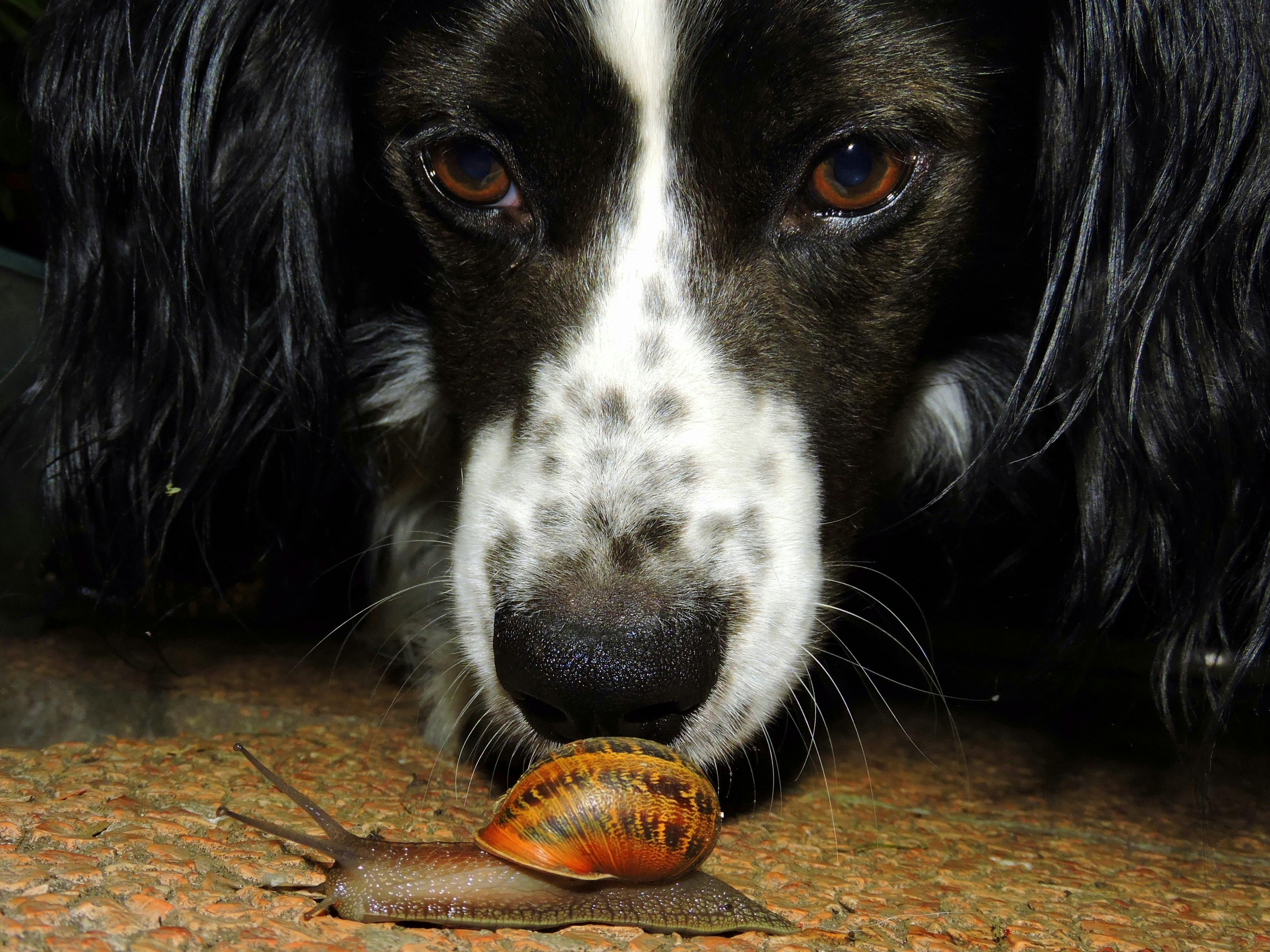
Dogs are often known for their playful antics and loving nature, but one aspect of their behavior that frequently intrigues pet owners is the wet nose. Ever wonder why do dogs have wet noses? This seemingly simple characteristic holds a deeper significance in understanding dog behavior and health. It’s not just an endearing trait; it serves important functions that can impact your relationship with your furry friend.
The Science Behind Wet Noses
The moisture found on a dog’s nose is not just there for show. Dogs’ noses are wet for several reasons tied to their biology and senses. Here’s a breakdown:
- Enhanced Smell: A wet nose helps absorb scent molecules. This is crucial for dogs, who have a sense of smell that is thousands of times more sensitive than humans.
- Temperature Regulation: Dogs don’t sweat like humans. Instead, they cool down through their noses. The moisture evaporates, helping to regulate their body temperature.
- Health Indicator: A dog’s nose can indicate its health. A wet nose generally signifies hydration, while a dry nose might be a sign of dehydration or illness.
Why Do Dogs Have Wet Noses?
So, why do dogs have wet noses? It all comes down to their evolutionary adaptations. Historically, dogs are descendants of wolves, which relied heavily on their keen sense of smell for hunting and survival. A wet nose was essential in helping them track down prey and navigate their environment. This trait has been carried over through generations, making it a crucial part of canine biology.
The Fascinating Truth About Dog Noses
The wetness of a dog’s nose is more than just a cute feature. It actually plays a pivotal role in their communication and interaction with the world around them. Here’s how:
- Social Interaction: Dogs use their noses to gather information about their surroundings and other animals. A wet nose can signal to other dogs that they are friendly and approachable.
- Detection of Illness: Some studies suggest that dogs can detect changes in human health through smell, which can be especially important in therapeutic or assistance settings.
Comparing Wet Noses to Dry Noses
It’s also interesting to consider the differences between wet and dry noses. Here’s a quick comparison:
| Wet Nose | Dry Nose |
|---|---|
| Indicates hydration | Could signify dehydration |
| More effective at sensing odors | Less effective at scent detection |
| Cool to the touch | Warmer, may indicate fever |
| Common in healthy dogs | Can be a sign of health issues |
Practical Examples of Nose Behavior
Understanding your dog’s nose behavior can help in various situations. For example, if your dog has a wet nose and is active, it generally means they’re healthy and happy. Conversely, if their nose is dry and they seem lethargic, it might be time to check in with a vet.
When to Be Concerned
While wet noses are usually a sign of a healthy pup, there are times when you should be concerned. Here’s a list of situations to watch out for:
- If the nose becomes excessively dry or cracked.
- If there’s a change in color (e.g., from black to pink).
- If your dog is lethargic or shows other signs of illness alongside a dry nose.
- If there’s any discharge from the nose that is unusual.
The Bottom Line on Wet Noses
The wet nose of a dog is not just an adorable feature. It serves important functions that aid in their interactions with their environment, their health, and their ability to communicate. Understanding these aspects of dog behavior can deepen the bond between you and your furry companion.
So next time you give your dog a scratch behind the ears, take a moment to appreciate that wet nose. It’s more than just a cute little trait; it’s a key part of what makes dogs, well, dogs. Embracing the quirks and unique characteristics of your pet enriches the experience of pet ownership. Remember, a wet nose is often a happy nose, so cherish those moments with your four-legged friend.
How to Keep Your Dog’s Nose Healthy: Tips for Optimal Moisture Levels
Every dog owner knows that those wet, cold noses are a signature characteristic of our furry friends. But have you ever wonder why is that? Or how to keep your dog’s nose healthy? This article will look at the reasons behind dogs having wet noses and give you some good tips on maintaining optimal moisture levels for your pet’s snout.
Why Do Dogs Have Wet Noses?
The moisture on a dog’s nose is not just for show. It serve several important functions:
Enhanced Smell: Dog noses are packed with olfactory receptors. The moisture helps capture scent particles, enhancing their ability to smell. This is why dogs are such great trackers and sniffers.
Temperature Regulation: Dogs don’t sweat like humans do. Instead, they cool themselves off through their noses and panting. The moisture helps regulate their body temperature, especially during hot days.
Health Indicator: The condition of a dog’s nose can often indicate their health. A healthy nose is usually moist and cool, while a dry or cracked nose can signal various health issues, from dehydration to infections.
Communication Tool: Dogs use their noses to gather information about their environment. When they meet other dogs, they often sniff each other’s noses to learn more about them.
How to Keep Your Dog’s Nose Healthy
Keeping your dog’s nose healthy is vital for their overall well-being. Here’s how you can ensure optimal moisture levels:
Hydration is Key: Always provide fresh water for your dog. Dehydration can lead to dry noses. Make sure they drink enough throughout the day.
Use Nose Balm: If you notice your dog’s nose is cracking or drying out, consider using a pet-safe nose balm. These products can help moisturize and protect their delicate skin.
Monitor the Environment: If you live in a dry climate, consider using a humidifier in your home. This can help maintain moisture in the air which, in turn, can help keep your dog’s nose hydrated.
Regular Vet Checkups: Keep up with regular vet visits. Your veterinarian can check for any underlying health issues that may affect your dog’s nose.
Avoid Allergens: If your dog is prone to allergies, try to minimize their exposure to potential triggers like pollen, dust, and certain foods. Allergies can lead to dryness or irritation of the nose.
Additional Tips for Nose Care
Here’s a quick checklist of things you can do to keep your dog’s nose in tip-top shape:
Check for Cracks or Dryness: Regularly inspect your dog’s nose for any signs of cracking or excessive dryness.
Limit Sun Exposure: Just like humans, dogs can get sunburned. If your dog has a light-colored nose, consider using sunscreen made for pets during sunny days.
Avoid Harmful Chemicals: Be cautious about using cleaning products or chemicals around your dog. Their noses are sensitive, and harsh chemicals can cause irritation.
Healthy Diet: A well-balanced diet can improve your dog’s overall health, including the condition of their skin and nose.
Gentle Wipe Down: Occasionally, use a damp cloth to wipe your dog’s nose. This can help remove dirt and allergens that may irritate it.
Common Myths About Dog Noses
There are many myths out there about dog noses. Here’s a few of them:
Wet Nose Means Healthy Dog: While a wet nose is often a sign of health, it’s not definitive. Some dogs can be healthy with a dry nose too.
Dogs Can’t Get Cold Noses: Dogs can get cold noses when they are sick, but a cold nose alone doesn’t mean your dog is ill.
All Dogs Have Wet Noses: Some dogs, especially certain breeds, may naturally have drier noses.
The Bottom Line
Understanding why do dogs have wet noses and how to keep them healthy is crucial for every dog owner. Regular care, attention to hydration, and being mindful of your dog’s environment will go a long way in ensuring that their noses remain moist and healthy. Remember, the nose is not just a cute feature, it plays an essential role in your dog’s health and happiness. With these tips, you can ensure that your beloved pet’s nose stays in great shape!
Conclusion
In conclusion, the wet noses of dogs serve several important functions, from enhancing their sense of smell to regulating body temperature. The moisture on a dog’s nose helps to capture scent particles, making their olfactory capabilities even more impressive. Additionally, a wet nose is a natural cooling mechanism, allowing dogs to maintain their body temperature during warm weather. It’s important to note that while a wet nose is often associated with good health, changes in moisture levels can indicate underlying health issues. As dog owners, being aware of these signs can help us better care for our furry companions. So the next time you give your dog a friendly pat on the head, take a moment to appreciate the science behind their wet noses. Share your thoughts or experiences about your dog’s nose in the comments below, and let’s celebrate the unique traits that make our pets so special!
