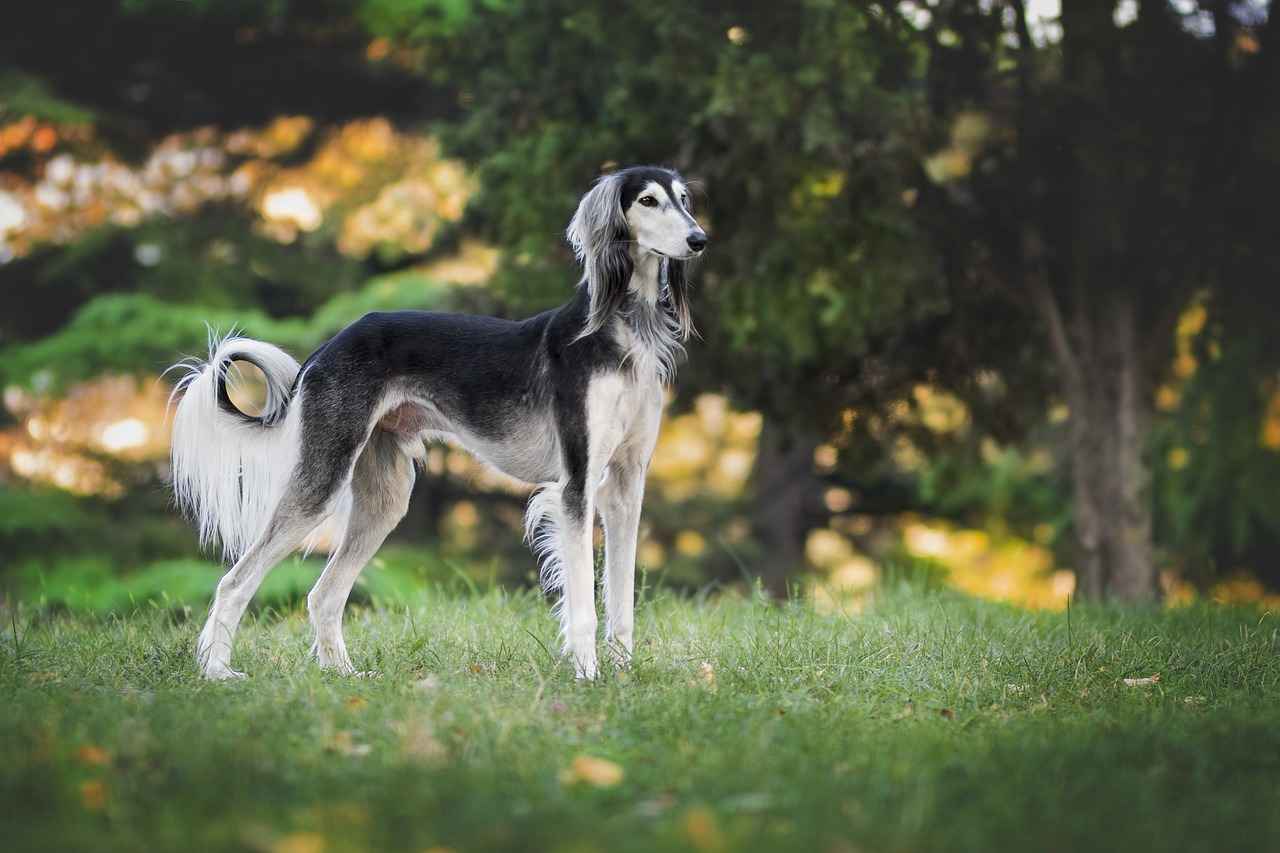
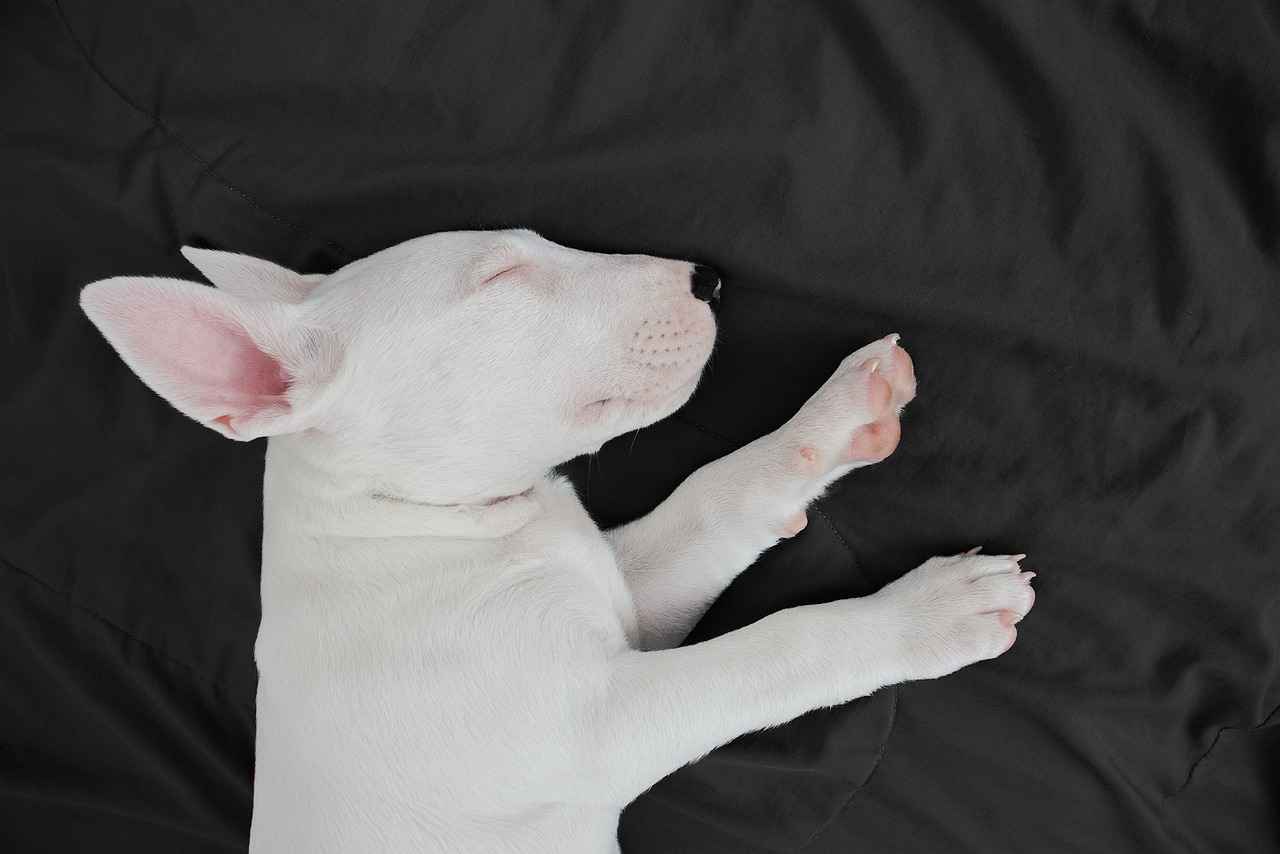
Have you ever wondered why do dogs have wet noses? This intriguing question has captivated pet lovers and animal enthusiasts alike. A dog’s nose is not just an adorable feature; it serves several fascinating purposes that can enhance your understanding of canine behavior and health. One might ask, is it true that a wet nose indicates a healthy dog? Or could it be that the moisture helps them detect scents better? In this blog post, we will explore the scientific reasons behind wet noses in dogs and uncover the secrets of how it relates to their incredible sense of smell. You'll learn about how their noses help regulate temperature and the role of moisture in communication. By the end, you will have a newfound appreciation for this unique trait and its significance in your dog's life. So, are you ready to dive into the world of canine physiology and discover the amazing reasons dogs have wet noses? Join us in unraveling these mysteries and gaining insights that every dog owner should know!
\n\nUnderstanding the Science: Why Are Dogs’ Noses Naturally Wet?
\n\n \n\n
\n\nDogs are often known for their playful nature and loyal companionship, but one of the most interesting aspects of them is their wet noses. Have you ever wondered, "Why do dogs have wet noses?" This question leads us into a fascinating exploration of canine biology and behavior. The moisture on a dog’s nose is not just for show; it serves several important functions. Let’s dive into the science behind it.
\nThe Science Behind Wet Noses
\nDogs’ noses are covered with a layer of moisture, which plays a crucial role in their sensory perception. The wetness comes from a combination of saliva and mucus. This moisture helps to enhance their sense of smell, which is already extraordinary compared to humans. Here’s how it works:
\n- \n
- \n
Sense of Smell: A dog’s sense of smell is estimated to be anywhere from 10,000 to 100,000 times more sensitive than that of humans. The wetness of the nose allows scent molecules to dissolve more easily, making it easier for dogs to detect various smells.
\n \n - \n
Cooling Mechanism: Dogs do not sweat like humans do. Instead, they regulate their body temperature through panting and the moisture on their noses. The wet nose helps to cool them down by evaporating the moisture.
\n \n - \n
Health Indicator: A dog’s wet nose can also be an indicator of their health. A healthy dog usually has a moist nose, while a dry nose might suggest dehydration or illness. However, it’s important to note that this is not always the case, as many factors can affect nose moisture.
\n \n
Historical Context of Dogs’ Noses
\nThroughout history, dogs have been domesticated companions. Ancient civilizations recognized the unique characteristics of dogs, including their noses. Different breeds were developed for specific tasks, such as hunting or herding, and their noses played a vital role in these functions.
\n- \n
- Hunting Dogs: Breeds like Bloodhounds and Beagles have been specifically bred for their keen sense of smell. Their moist noses help them track scents over long distances. \n
- Working Dogs: Dogs used in search and rescue missions or police work rely heavily on their ability to smell. A wet nose enhances their tracking abilities, making them invaluable partners. \n
Comparative Anatomy: Dogs vs. Humans
\nTo understand why dogs have wet noses, it’s useful to compare their anatomy with that of humans. The differences highlight why a dog’s nose is specialized for scent detection.
\n| Feature | \nDogs | \nHumans | \n
|---|---|---|
| Number of Olfactory Receptors | \nAbout 220 million | \nApproximately 5 million | \n
| Nose Moisture Function | \nEnhances smell and cooling | \nMinimal role in respiration | \n
| Temperature Regulation | \nEvaporation from wet nose | \nSweating from skin | \n
Practical Examples of Nose Functionality
\nDogs use their noses for various tasks in their daily lives, illustrating the importance of that wet surface. Here are some examples:
\n- \n
- Tracking: A hunting dog uses its wet nose to follow a trail left by game animals. The moisture helps pick up scent particles from the ground. \n
- Detection: Police dogs trained to sniff out drugs or explosives rely on their wet noses to identify minute traces of substances that humans cannot detect. \n
- Social Interactions: Dogs often greet each other and humans by sniffing. This behavior is part of how they gather information about other animals or people. \n
Myths and Misconceptions
\nThere are many myths surrounding dogs’ noses. Here are a few common misconceptions:
\n- \n
- A Wet Nose Equals a Healthy Dog: While a moist nose can indicate health, it's not a definitive measure. Dogs can be perfectly healthy with a dry nose. \n
- Dogs’ Noses are Always Wet: Dogs' noses can dry out due to environmental factors. Hot weather or being indoors can lead to a drier nose. \n
- All Dogs Have the Same Nose: Just like humans, dogs have unique noses. The shape, size, and even moisture levels can vary significantly between breeds. \n
In understanding why dogs have wet noses, we see that it's not merely a quirk of nature, but a vital adaptation that enhances their survival and ability to interact with the world. This fascinating aspect of canine biology reflects not only their evolutionary history but also their role in human society. So next time you find yourself curious or see a dog with a wet nose, remember the science behind it. It's a small detail that carries a big significance in the life of a dog.
\n\nThe Surprising Benefits of a Wet Nose: What Your Dog's Sniffer Reveals
\n\n \n\n
\n\nDogs are more than just our furry companions; they are also fascinating creatures with unique physical traits. One of the most interesting things about dogs is their wet noses. Have you ever wondered why do dogs have wet noses? It’s a question that sparks curiosity not only for pet owners but also for animal lovers everywhere. In this article, we explore the surprising benefits of a wet nose and what your dog's sniffer reveals about their health and behavior.
\nThe Science Behind Wet Noses
\nA dog’s nose is not just cute; it serves several important functions. The moisture on a dog’s nose comes from a combination of mucus and sweat, which helps the dog to cool down. Dogs don't sweat the same way humans do. They mainly rely on panting, but their wet noses can also play a role in thermoregulation. Some key points about wet noses include:
\n- \n
- Enhanced Sense of Smell: A wet nose helps trap scent particles in the air. This enhances a dog’s sense of smell, which is far superior to that of humans. In fact, dog's sense of smell is estimated to be between 10,000 to 100,000 times more sensitive than ours. \n
- Temperature Regulation: The moisture on the nose can help dogs regulate their body heat. When the air evaporates from their nose, it cools them down, especially during hot weather. \n
- Health Indicators: A wet nose can indicate a healthy dog. If your dog’s nose is dry or cracked, it may be a sign of dehydration or other health issues. Monitoring the condition of your dog’s nose can help in identifying potential health problems early. \n
Historical Context of Dogs’ Noses
\nDogs have been our companions for thousands of years. Historically, humans have bred dogs for various traits, including their sense of smell. The wet nose is an evolutionary trait that has helped them survive and thrive in the wild.
\n- \n
- Hunting and Survival: Early dogs used their keen sense of smell to hunt for food and detect predators. Their wet noses helped them pick up on scents more effectively. \n
- Working Dogs: Many working dogs, such as bloodhounds and German shepherds, rely heavily on their sense of smell. A wet nose enhances their ability to track scents, making them invaluable in search and rescue operations or law enforcement. \n
What Your Dog's Sniffer Reveals
\nYour dog’s nose can reveal a lot more than you might think. Here’s what you can learn from your dog’s sniffing habits:
\n- \n
- Curiosity and Exploration: Dogs use their noses to explore their environment. If your dog is constantly sniffing around, it shows they are curious about their surroundings. \n
- Mood Indicators: A dog’s nose may also reflect their mood. Dogs tend to have a wetter nose when they are excited or happy. Conversely, a dry nose can indicate stress or illness. \n
- Social Interactions: Dogs use their noses to communicate with other dogs. Sniffing is a way for them to gather information about their fellow canines, such as their health and emotional state. \n
The Fascinating Reasons Behind Wet Noses
\nThere are several reasons why dogs have wet noses, and understanding them can deepen your appreciation for your furry friend. Here are some fascinating facts:
\n- \n
- Physiological Adaptation: Dogs’ noses are designed to stay moist for optimal functioning. This moisture helps in absorbing scent particles. \n
- Health Monitoring: Regularly checking your dog’s nose can be a quick way to monitor their health. If you notice a sudden change in wetness, it might be time for a vet visit. \n
- Environmental Factors: The humidity and temperature can affect how wet or dry a dog’s nose is. During colder months, you might find your dog’s nose drier than usual. \n
Quick Tips for Dog Owners
\nHere are some practical tips for dog owners to keep in mind regarding their dog’s nose:
\n- \n
- Hydration: Ensure your dog has access to fresh water at all times to keep their nose moist and hydrated. \n
- Regular Vet Check-ups: Regular veterinary visits can help catch any potential health issues early, including those that might be indicated by a dry nose. \n
- Observe Changes: Pay attention to any sudden changes in your dog's nose condition. If it becomes excessively dry or cracked, consult a veterinarian. \n
In summary, the wet nose of a dog is not just a quirky trait; it plays a crucial role in their health and behavior. Understanding why do dogs have wet noses can enhance your bond with your furry friend and help you keep them healthy. So next time you greet your dog, take a moment to appreciate that wet sniffer—it’s a window into their world!
\n\nIs a Wet Nose a Sign of Health? Debunking Common Myths About Dogs
\n\n \n\n
\n\nDogs are often known for their affectionate nature, and one of the most endearing traits they have is their wet noses. Many people often wonder, is a wet nose a sign of health? This question has led to a lot of myths and misconceptions surrounding our furry friends. In this article, we will explore the reasons why dogs have wet noses and debunk some of the common myths that exist.
\nThe Basics: Why Do Dogs Have Wet Noses?
\nFirst off, it’s important to understand that a dog’s nose is not just for show. It serves several crucial functions. Here are some key reasons:
\n- \n
- Enhanced Smell: Dogs have an extraordinary sense of smell, and their wet noses help to absorb scent chemicals. This allows them to gather more information about their environment. \n
- Temperature Regulation: A wet nose helps dogs regulate their body temperature. When a dog pants, moisture evaporates from the nose, which can help cool them down. \n
- Fighting Infections: The moisture on a dog’s nose can also help to trap and neutralize bacteria and other pathogens. This can help keep them healthy. \n
Common Myths About Wet Noses
\nDespite the many benefits of a wet nose, there are several myths that persist. Let’s take a look at some of them.
\n- \n
- \n
Myth: A Wet Nose Means a Dog is Healthy
\n- \n
- While a wet nose can indicate hydration and good health, it’s not a definitive sign. Some dogs might have dry noses but still be perfectly healthy. Health is determined by a variety of factors, not just the moisture of their nose. \n
\n - \n
Myth: All Dogs Have Wet Noses
\n- \n
- Not all dogs have the same level of moisture. Some breeds have naturally drier noses. For example, Bulldogs are known to sometimes have drier noses due to their unique facial structure. \n
\n - \n
Myth: A Cold Nose Means a Dog is Sick
\n- \n
- A cold nose is often associated with sickness, but this is misleading. Dogs’ noses can vary in temperature throughout the day based on their activity levels and environmental factors. \n
\n - \n
Myth: Dogs Lick Their Noses to Keep Them Wet
\n- \n
- While dogs do lick their noses, it’s not the primary reason their noses stay wet. The moisture comes from glands in their nose, plus external factors like humidity. \n
\n
The Science Behind a Dog’s Nose
\nA dog’s nose is a marvel of biology. Some facts include:
\n- \n
- Scent Receptors: Dogs have up to 300 million scent receptors in their noses, compared to humans, who have about 5 million. This makes their sense of smell vastly superior. \n
- Jacobsen’s Organ: This is an additional olfactory structure that helps dogs process smells even better, allowing them to detect pheromones and other chemical signals. \n
- Nasal Turbinates: These are bony structures in the nose that help warm and humidify the air that dogs breathe, making their sense of smell even sharper. \n
Fun Facts About Dogs and Their Noses
\nHere are some additional interesting tidbits:
\n- \n
- Color Variation: A dog’s nose can change color due to various reasons, including temperature, sunlight exposure, and health conditions. \n
- Wetness and Weather: Dogs' noses tend to be wetter when they’re outside, especially if it’s humid. This is because they gather moisture from the air. \n
- Nose Prints: Just like human fingerprints, each dog has a unique nose print, which can even be used for identification. \n
Checking Your Dog’s Nose: What to Look For
\nIf you are concerned about your dog’s health, here are some signs to keep an eye on:
\n- \n
- Dry or Cracked Nose: This could indicate dehydration or a health issue. \n
- Discoloration: Sudden changes in color can be a sign of illness. \n
- Discharge: A runny nose or unusual discharge can indicate allergies or infections. \n
Conclusion
\nSo, is a wet nose a sign of health? Not necessarily. While it can be an indicator of hydration and general well-being, it’s not the sole determinant of a dog's health. Understanding the science and myths behind why dogs have wet noses helps us appreciate our pets even more. Regular vet check-ups and being observant about changes in your dog’s behavior and condition are the best ways to ensure they’re healthy. The next time you give your pup a scratch behind the ears, remember that their wet nose is just one of the many fascinating aspects of their biology!
\n\nTop 5 Fascinating Reasons Why Dogs Have Wet Noses: What You Need to Know
\n\n \n\n
\n\nDogs have been man's best friend for centuries, but there is one unique feature that many dog owners often wonder about: their wet noses. You might ask, "Why do dogs have wet noses?" Well, let me tell you, there's a lot more to it than just a cute characteristic! Here are the top 5 fascinating reasons why dogs have wet noses, and trust me, you will find these reasons both interesting and informative.
\n1. Enhanced Sense of Smell
\nOne of the primary reasons why dogs have wet noses is because it helps them smell better. A dog’s nose is covered in a thin layer of moisture, which capture scent particles in the air. When these particles dissolve in the moisture, it makes it easier for dogs to detect and identify different smells. Did you know that dogs have up to 300 million scent receptors in their noses compared to a human's 5 million? That’s a staggering difference! This enhanced sense of smell is crucial for their survival, hunting, and even for detecting certain diseases in humans.
\n2. Temperature Regulation
\nDogs can’t sweat like humans do. Instead, they regulate their body temperature through their noses. A wet nose helps cool down a dog’s body, especially when they are feeling warm. When dogs are panting, their noses can help maintain a balance of moisture, which is essential for thermoregulation. If you notice your dog's nose becoming dry, it might be a sign that they are overheated or dehydrated. Keeping a close eye on your dog’s nose can be a great way to monitor their health.
\n3. Communication Tool
\nDogs also use their wet noses as a communication tool. When a dog nudges you with their nose, it’s often a sign of affection or a way of asking for attention. Their wet noses can also convey information to other dogs; the moisture on their noses helps to pick up scents from their surroundings, allowing them to communicate with other dogs more effectively. It’s fascinating how something so simple can hold so much meaning in the dog world!
\n4. Health Indicator
\nThe condition of a dog’s nose can be an indicator of their overall health. A healthy dog typically has a moist, cool nose, while a dry or cracked nose might suggest potential health issues. Some common conditions that can lead to a dry nose include dehydration, fever, or allergies. Regularly checking your dog’s nose can help pet owners catch health issues early. If you observe changes in your dog’s nose that persist, it's advisable to consult with a veterinarian.
\n5. Nature's Design
\nDogs evolved from wolves, and their wet noses are a natural design that has been honed over thousands of years. A wet nose is a survival trait inherited from their ancestors. It’s believed that a wet nose helped early canines track prey and find food, making it an essential feature for their survival. This evolutionary trait is not just a random occurrence; it’s a significant aspect of how dogs interact with their environment.
\nQuick Facts About Dog Noses
\n- \n
- Dogs can identify smells in parts per trillion. \n
- The texture of a dog's nose can vary; some are smooth, while others are more rugged. \n
- Dogs can even “scent” emotions, detecting stress or fear in humans. \n
- A dog's nose print is unique, much like a human fingerprint. \n
- Regularly cleaning a dog’s nose can be beneficial, especially for breeds prone to nasal issues. \n
Comparison of Dog Nose Types
\nHere’s a simple comparison of different dog nose types and their characteristics:
\n| Nose Type | \nDescription | \nExample Breeds | \n
|---|---|---|
| Wet Nose | \nSmooth and moist; enhances smell | \nLabrador Retrievers, Beagles | \n
| Dry Nose | \nRough or cracked; may indicate health issues | \nBulldogs, Boxers | \n
| Cold Nose | \nCool to touch; typically healthy | \nGerman Shepherds, Poodles | \n
| Warm Nose | \nIndicates fever or illness | \nAll breeds | \n
Understanding why dogs have wet noses helps deepen the bond between pet owners and their furry companions. It’s amazing how much science is behind such a seemingly simple feature! Next time you pet your dog, take a moment to appreciate their unique nose and what it tells you about their health and behavior.
\nDogs are truly remarkable creatures, and their wet noses are just one of the many fascinating aspects that make them special. So, if you ever wondered, "Why do dogs have wet noses?" now you have some insightful answers to share with fellow dog lovers!
\n\nHow a Wet Nose Enhances Your Dog’s Sense of Smell: The Incredible Biology Behind It
\n\n \n\n
\n\nDogs are often called man's best friend, and for good reason. Their loyalty, companionship, and, of course, their incredible senses make them unique creatures. One of the most fascinating aspects of dogs is their sense of smell, which is way better than humans. But have you ever wondered why do dogs have wet noses? The answer lies in some incredible biology!
\nThe Science Behind a Wet Nose
\nThe wetness of a dog's nose plays a crucial role in enhancing its sense of smell. A dog's nose is covered in a thin layer of mucus, which helps to trap scent particles. When a dog sniffs, these particles stick to the mucus and get analyzed by the olfactory receptors in the nasal cavity. Here are some cool facts about this process:
\n- \n
- Olfactory Receptors: Dogs have around 220 million olfactory receptors, compared to humans who only have about 5 million. This difference means dogs can detect smells at incredibly low concentrations. \n
- Scent Discrimination: Dogs can differentiate between various scents and even identify specific smells within a mix. This is why they often used in search and rescue missions or for detecting drugs and explosives. \n
- Temperature Regulation: A wet nose helps regulate a dog's body temperature. When it gets hot, moisture evaporates from the nose, which cools down the dog, helping it to stay comfortable. \n
Why Do Dogs Have Wet Noses?
\nSo, why exactly are dog noses wet? There are several reasons behind this phenomenon:
\n- \n
- Moisture Absorption: The wetness helps absorb scents more effectively. When a dog sniffs, the moisture on the nose captures and holds scent particles, enhancing their smelling abilities. \n
- Health Indicator: A dog’s nose can indicate its health status. Generally, a wet nose is a sign of good health, while a dry nose might suggest dehydration or illness. \n
- Behavioral Aspect: Dogs often lick their noses to keep them moist. This behavior is instinctual and helps them stay sharp when exploring their surroundings. \n
The Evolutionary Perspective
\nHistorically, dogs have evolved from wolves, who relied heavily on their sense of smell for hunting and survival. Over time, various breeds have been developed for specific tasks, such as hunting, herding, or guarding. This has led to variations in olfactory capabilities, but the fundamental biology of a wet nose remains consistent across breeds.
\nFascinating Comparisons: Dogs vs. Humans
\nTo appreciate how much better dogs are at smelling than humans, consider this comparison:
\n- \n
- Scent Detection Ability: Dogs can detect certain smells up to 100,000 times better than humans. \n
- Sense of Smell in Animals: While dogs are among the best, some other animals like bloodhounds have an even more acute sense of smell. \n
- Human Scent Detection: Humans rely more on their vision than smell, which is why our olfactory system is not as developed. \n
Practical Examples of Smell in Dogs
\nDogs use their incredible sense of smell in many practical ways:
\n- \n
- Search and Rescue: Dogs are trained to find missing persons or locate victims in disaster zones. Their ability to sniff out scents under rubble is invaluable. \n
- Medical Detection: Some dogs can detect certain diseases like cancer or diabetes by smelling changes in a person's body chemistry. \n
- Therapy and Assistance: Service dogs can alert their owners to medical conditions or assist with tasks, all thanks to their sense of smell. \n
How to Keep Your Dog's Nose Healthy
\nKeeping a dog’s nose wet and healthy is important. Here are some tips to ensure their noses remain in top condition:
\n- \n
- Hydration: Ensure your dog has access to fresh water. Dehydration can lead to a dry nose. \n
- Regular Vet Check-ups: Routine visits can help catch potential health issues early. \n
- Avoid Irritants: Keep your dog away from strong chemicals or allergens that may irritate their nose. \n
Understanding why do dogs have wet noses and how this feature enhances their sense of smell is just a glimpse into the fascinating biology of these creatures. Their wet noses not only serve practical purposes but also play a significant role in their health and well-being. So, the next time you see your furry friend with a wet nose, remember that it’s not just cute; it’s a vital part of what makes dogs extraordinary!
\n\nDo All Dogs Have Wet Noses? Exploring Variations Across Breeds
\n\n \n\n
\n\nDogs have been man's best friend for ages, and one of the most interesting questions people often ask is, "Do all dogs have wet noses?" The answer is not as simple as it might seem. While many dogs do have wet noses, variations exist across different breeds and individual dogs, and there's some cool science behind why their noses are often damp. So, let’s dive into the fascinating world of dog noses and discover why these furry companions have the wet noses they do.
\nDo All Dogs Have Wet Noses?
\nNot every dog have a wet nose, though most breeds tend to have that characteristic. Factors like breed, health, and environment can all play a role in how wet a dog's nose is. For instance, some dogs like Bulldogs or Pugs may have drier noses due to their unique facial structure.
\nHere’s a quick breakdown of what influences the wetness of a dog's nose:
\n- \n
- Breed Characteristics: Some breeds have naturally wetter noses than others. \n
- Health Conditions: Illness can lead to changes in nose moisture. \n
- Environmental Factors: Weather can affect how wet a dog’s nose is. For example, a dog can have a drier nose during winter months. \n
Why Do Dogs Have Wet Noses? Discover the Fascinating Reasons!
\nThe reason why dogs have wet noses is not just about being cute. Wet noses serve several important functions for dogs. Here are some of the primary reasons:
\n- \n
- \n
Enhanced Smell: A wet nose helps to trap scent particles from the air, making it easier for dogs to sniff out interesting smells. Dogs have an incredible sense of smell, and a wet nose enhances this ability even more.
\n \n - \n
Temperature Regulation: Just like humans sweat to cool down, dogs also use their noses to help regulate their body temperature. The moisture on their nose helps to evaporate and cool them down.
\n \n - \n
Health Indicator: The moisture level of a dog’s nose can also be a health indicator. A sudden change from wet to dry might signal an underlying health issue, prompting pet owners to consult a veterinarian.
\n \n - \n
Communication: Dogs use their noses to gather information about their environment, including other animals. A wet nose can indicate excitement or curiosity, helping dogs communicate with each other and their human companions.
\n \n
Variations in Nose Wetness Across Breeds
\nWhile the majority of dogs have wet noses, it’s important to note that there are variations based on breed. Here’s a brief list of some dog breeds and their typical nose moisture levels:
\n- \n
- Labrador Retrievers: Usually have very wet noses; great for sniffing things out. \n
- German Shepherds: Wet noses, and they are known for their strong sense of smell. \n
- Bulldogs: Often have drier noses due to their facial structure. \n
- Pugs: Similar to Bulldogs; their nose can be quite dry. \n
- Beagles: Generally have moist noses, aiding their tracking abilities. \n
Health Considerations
\nIt’s essential for dog owners to keep an eye on their pet's nose moisture. Here are some health considerations to keep in mind:
\n- \n
- Dry Nose: It could indicate dehydration, fever, or even allergies. \n
- Crusty Nose: Can be a sign of a skin condition or infection. \n
- Changes in Moisture: If a dog’s nose changes from wet to dry suddenly, it might be time to see a vet. \n
Fun Facts About Dog Noses
\n- \n
- Dogs have about 300 million smell receptors in their noses, compared to humans who have only about 5 million. \n
- A dog’s sense of smell is so powerful that they can detect certain diseases, including cancer. \n
- The wetness of a dog’s nose can vary throughout the day; it’s usually wetter in the morning and drier in the afternoon. \n
So, in conclusion, while not all dogs have wet noses, many do, and there’s a fascinating science behind it. The wetness of a dog’s nose serves multiple purposes, from enhancing their sense of smell to regulating body temperature. Understanding these variations and reasons can help dog owners appreciate their furry friends even more. Always keep an eye on your dog's nose, as changes can indicate health issues. Happy pet parenting!
\n\nCan Weather Affect Your Dog’s Nose Moisture? Discover the Truth!
\n\n \n\n
\n\nWhen you see your dog’s nose, you might wonder why it’s wet. It’s a common question among dog owners. But have you ever thought about what influences that moisture? Can weather affect your dog's nose moisture? Or have you pondered, why do dogs have wet noses in the first place? Let’s dive into the fascinating world of canine noses and discover some truths about this curious aspect of our furry friends.
\nWhy Do Dogs Have Wet Noses?
\nThere’s actually a few reasons why dogs have that signature wet nose. It’s not just for show or something cute to pet. Here’s some reasons:
\n- \n
- \n
Scent Detection: Dogs have an incredible sense of smell, and their wet noses help enhance this ability. The moisture on their noses can trap scent particles, making it easier for them to sniff out things. This is like how we might use a damp cloth to pick up dust.
\n \n - \n
Temperature Regulation: Dogs can’t sweat like humans do. Instead, they rely on their noses to help cool themselves down. The moisture evaporates, helping to lower their body temperature. It’s kinda like when you sweat to cool off, but for them, it’s all about that wet nose!
\n \n - \n
Health Indicator: A dog’s nose can indicate its health. A wet, cool nose usually means a dog is healthy while a dry, warm nose might suggest they’re sick or dehydrated. However, it’s not a foolproof method.
\n \n - \n
Evolutionary Trait: Historically, dogs evolved from wolves, and a wet nose likely helped them survive in the wild by enhancing their ability to hunt. It’s interesting how those traits stick around even in our domestic pets today.
\n \n
Can Weather Affect Your Dog’s Nose Moisture?
\nYes, it can! Just like humans, dogs can experience changes in their bodies due to the weather. Here’s how:
\n- \n
- \n
Humidity: In humid weather, a dog’s nose may stay wet longer. The moisture in the air helps keep their noses moist.
\n \n - \n
Cold Weather: Cold air can dry out a dog’s nose. If it’s really cold, you might notice your dog’s nose becoming drier. This is similar to how our skin can get chapped in winter.
\n \n - \n
Heat: Hot weather could also lead to nose dryness. If a dog is panting heavily, they might lose moisture quicker than usual, leading to a dry nose.
\n \n - \n
Rain: On rainy days, you might find your dog’s nose is extra wet, as they could be catching raindrops or simply spending more time outdoors.
\n \n
What Affects Nose Moisture?
\nThere are several factors that influence the moisture level of your dog’s nose. Here’s a simple list:
\n- \n
- \n
Diet: A dog’s hydration level plays a big role. If they’re not drinking enough water, their noses might dry out.
\n \n - \n
Health: Certain health conditions can lead to a dry nose. For instance, fever, allergies, or even skin problems can impact moisture levels.
\n \n - \n
Age: Older dogs may experience more dryness in their noses compared to younger pups.
\n \n - \n
Environment: Living in a dry climate, or spending time in air-conditioned homes, can also lead to drier noses.
\n \n
Fun Facts About Dog Noses
\n- \n
- \n
Did you know that a dog’s sense of smell is about 40 times better than ours? They have up to 300 million scent receptors compared to our 6 million.
\n \n - \n
The shape of a dog's nose can actually indicate its breed. For example, Bulldogs have shorter snouts while Greyhounds have longer ones, affecting their scent abilities.
\n \n - \n
Just like fingerprints, every dog’s nose print is unique! It could be used for identification, which is kinda cool.
\n \n - \n
Dogs can even detect certain diseases, like cancer, simply through scent. Their noses are truly amazing!
\n \n
Practical Tips for Dog Nose Care
\n- \n
- \n
Hydrate: Always ensure your dog has access to fresh water, especially in hot weather.
\n \n - \n
Check for Dryness: If your dog’s nose seems excessively dry, check for other symptoms. If in doubt, consult your vet.
\n \n - \n
Limit Exposure: In extreme cold or heat, try to limit your dog’s outdoor time to prevent nose dryness.
\n \n - \n
Use Moisturizers Cautiously: If your dog’s nose is dry, some pet-safe moisturizers can help. Always check with your vet first.
\n \n
Understanding why dogs have wet noses and how weather can affect that moisture can help you take better care of your furry friend. It's just one of the many ways you can ensure your dog stays happy and healthy. So next time you see your dog's nose, you’ll know there’s more to it than meets the eye!
\n\nThe Connection Between a Dog’s Wet Nose and Their Emotions: What Science Says
\n\n \n\n
\n\nDogs are often known for their wet noses, but have you ever wondered what that means? Many people think a wet nose is just part of a dog’s anatomy, but there’s actually a lot of science behind it. Yes, it might sound a bit quirky, but the connection between a dog’s wet nose and their emotions is fascinating. Let’s dig into what science says about why do dogs have wet noses and what it means for their feelings.
\nUnderstanding the Wet Nose
\nFirst thing first, a dog's nose is usually wet because of moisture. Dogs secrete a thin layer of mucus that keeps their nose moist. This moisture helps enhance their sense of smell, which is one of the most powerful tools they have. In fact, dogs have up to 300 million smell receptors, while humans only have about 5 million. So, it makes sense that their noses need to be in top shape.
\n- \n
- A wet nose helps dogs pick up scents better. \n
- It allows for better cooling since dogs don’t sweat like humans do. \n
- The moisture on their nose may also help in communication, signaling their emotional state. \n
The Emotional Connection
\nNow, how does a wet nose relate to a dog’s emotions? Well, it turns out dogs express a lot through their noses. A wet nose can indicate a dog is feeling relaxed or happy. When they approach you with that moist snout, it might just be their way of saying "I love you!"
\nOn the flip side, if a dog's nose is dry, it could be a sign of stress or discomfort. It’s not an absolute rule, but many dog owners have noticed a pattern. Here are some emotional states and their potential nose conditions:
\n- \n
- Happy: Wet, cool nose. \n
- Anxious: Dry, warm nose. \n
- Sick: Dry or warm nose, along with other health signs. \n
Why Do Dogs Have Wet Noses?
\nThe evolutionary perspective also sheds light on this. Dogs are descendants of wolves, who relied heavily on their sense of smell for hunting and social interactions. The moisture on a dog’s nose is akin to a hunter’s tools, making their ability to track scents more effective.
\nHere’s a quick comparison of wet versus dry noses:
\n| Wet Nose | \nDry Nose | \n
|---|---|
| Enhanced sense of smell | \nReduced scent detection | \n
| Indicates comfort and playfulness | \nMay indicate stress or illness | \n
| Cool to the touch | \nWarm to the touch | \n
The Science Behind It
\nResearchers studied canine noses and found that the moisture serves multiple purposes. For one, it traps scent particles. When a dog sniffs, the moisture absorbs the scent, giving them more information about their surroundings. This is crucial for social interactions, as dogs communicate a lot through scent.
\nMoreover, the cooling effect of a wet nose can’t be ignored. Dogs regulate their body temperature through panting, and the wet nose aids in that process. If a dog is overheated, their body will produce more moisture to help cool them down.
\nPractical Implications for Dog Owners
\nAs a dog owner, understanding your pet’s nose can help you interpret their feelings better. Here are some tips:
\n- \n
- Observe the Moisture: Keep an eye on your dog’s nose. If it dries out and stays that way, it might be time for a vet visit. \n
- Climate Considerations: Weather can affect a dog’s nose. Hot, dry weather can lead to a dry nose, while humidity can keep it moist. \n
- Health Monitoring: If their nose seems unusually dry or warm consistently, it could signal health issues like fever or dehydration. \n
Fun Facts About Dog Noses
\n- \n
- Dogs have a unique nose print, similar to human fingerprints. \n
- A dog’s sense of smell is so strong that they can even detect changes in human emotions. \n
- Some dog breeds are more prone to dry noses, like bulldogs and pugs. \n
Understanding the correlation between a dog’s wet nose and their emotional state can deepen the bond between you and your furry friend. The next time your pup nudges you with their moist snout, remember, it could be their way of sharing love, comfort, or even a little anxiety. By paying attention to these signs, you not only help ensure their health but also enhance your relationship with them.
\n\nHow to Keep Your Dog’s Nose Healthy: Tips for Pet Owners
\n\n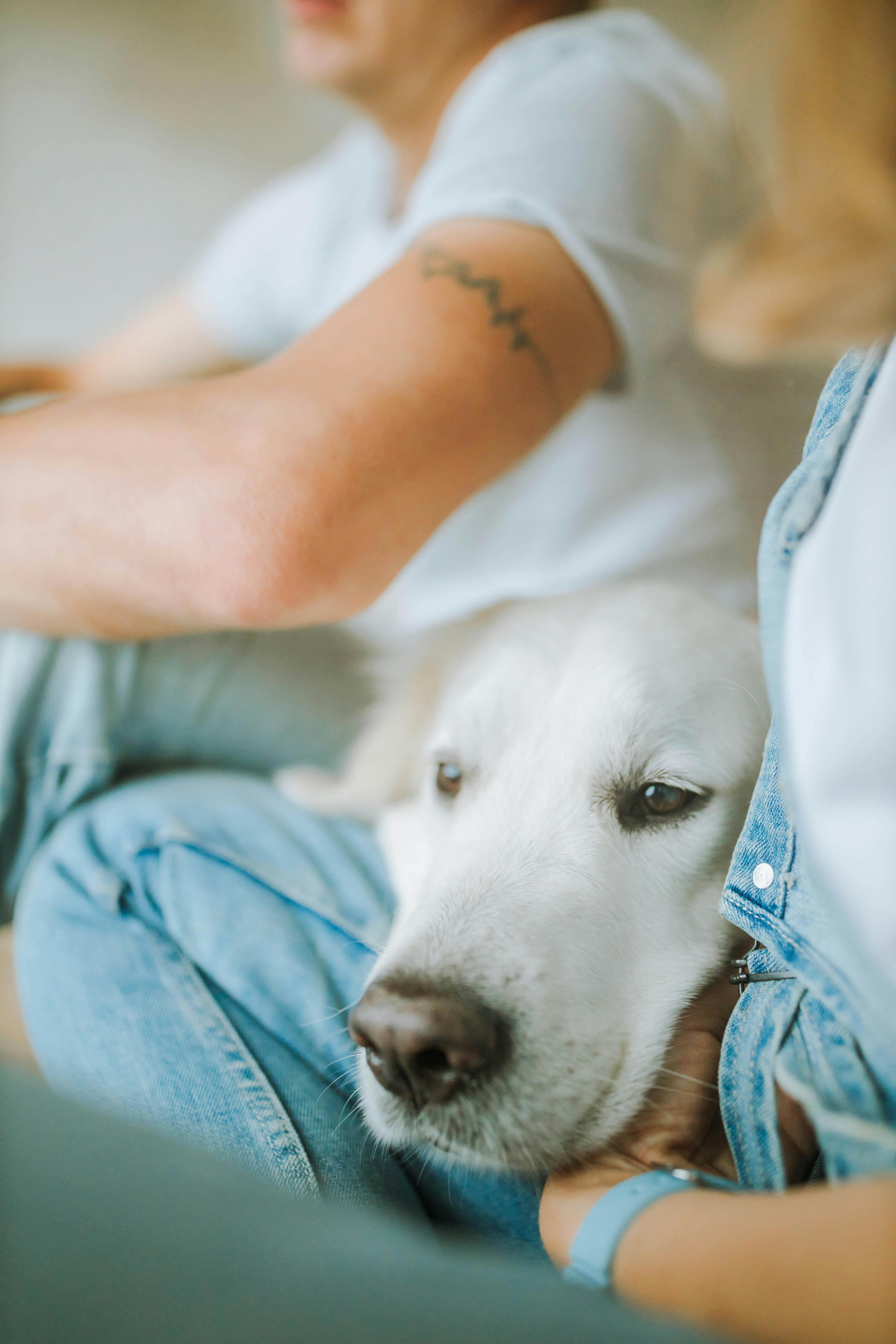 \n\n
\n\nDogs are often called man's best friend, and just like us, they need proper care to stay healthy. One important aspect of dog health that pet owners sometimes overlook is the nose. So, how to keep your dog’s nose healthy? Well, it’s not just about keeping it clean; there’s a lot more to it. Plus, have you ever wondered why do dogs have wet noses? Let's explore these questions together!
\nUnderstanding Dog Nose Anatomy
\nA dog's nose is more than just a cute feature; it plays a vital role in their health and well-being. The surface of a dog’s nose is covered with specialized cells that help them detect scents far better than humans. Here are some interesting facts about dog noses:
\n- \n
- Scent Detection: Dogs have up to 300 million olfactory receptors in their noses, compared to about 6 million in humans. This makes their sense of smell significantly more acute. \n
- Temperature Regulation: A dog’s wet nose helps regulate their body temperature. When they breathe out, moisture from their nose evaporates, cooling them down. \n
- Health Indicator: The condition of a dog’s nose can indicate its overall health. A dry or cracked nose may suggest dehydration or illness. \n
Why Do Dogs Have Wet Noses?
\nYou might be curious, why do dogs have wet noses in the first place? The answer lies in their biology.
\n- \n
- Moisture for Scenting: The moisture on a dog's nose enhances their sense of smell. The wetness helps to trap scent particles, allowing them to detect odors more efficiently. \n
- Cooling Mechanism: Just like sweating for humans, a dog’s wet nose can cool them down. It is an essential part of their thermoregulation system. \n
- Communication: Dogs may also use their noses to communicate. A wet nose can be a sign of excitement or affection, and they often nuzzle their noses against humans as a way to bond. \n
Tips for Keeping Your Dog’s Nose Healthy
\nSo, how do you keep your dog's nose in tip-top shape? Here are some practical tips:
\n- \n
- Hydration is Key: Make sure your dog always has access to fresh, clean water. Dehydration can lead to a dry nose, which might indicate other health issues. \n
- Regular Check-ups: Visiting the vet regularly can help catch any potential issues early on. Don’t hesitate to ask about your dog’s nose during these visits. \n
- Avoid Harsh Chemicals: If you use cleaning products around the house, make sure they are pet-safe. Harsh chemicals can irritate a dog’s sensitive nose. \n
- Protect from Extreme Weather: Just like humans can get sunburned, dogs can suffer too! Use pet-safe sunscreen on their noses if they spend a lot of time outdoors, especially if they have light-colored fur. \n
- Be Mindful of Allergens: Pollen, dust, and other allergens can affect your dog's nose. If you notice frequent sneezing or a change in their nose’s condition, consider consulting a vet. \n
Common Nose Problems in Dogs
\nDogs can face a number of nose-related issues. Here’s a list of some of the most common problems:
\n- \n
- Dry Nose: This may indicate dehydration, illness, or even allergies. \n
- Cracked Nose: This can be painful and may require veterinary attention. \n
- Nasal Infections: Signs include excessive discharge or bleeding from the nose. \n
- Tumors or Growths: These can occur and should be evaluated by a vet. \n
When to See a Vet
\nIf you notice any significant changes in your dog’s nose, such as swelling, discoloration, or persistent discharge, it’s crucial to consult a veterinarian. Early detection can make a huge difference in treatment outcomes.
\nFinal Thoughts
\nTaking care of your dog's nose is just one part of being a responsible pet owner. Healthy noses mean happy dogs! And knowing why do dogs have wet noses adds another layer of appreciation for our furry friends. Keep these tips in mind to ensure your pet remains healthy and happy, and don’t forget to shower them with love — after all, that’s what they truly need!
\n\nWhen to Worry: What Changes in Your Dog’s Nose Moisture Might Indicate a Health Issue?
\n\n \n\n
\n\nWhen you look at your dog, you may think about their wagging tail, floppy ears, or maybe that adorable face. But have you ever paid attention to their nose? The moisture of a dog’s nose can tell you a lot about their health. So, when should you worry about changes in your dog’s nose moisture? And why is it that dogs have wet noses in the first place? Let's dive into these fascinating aspects of canine health.
\nWhy Do Dogs Have Wet Noses?
\nA dog’s nose plays a crucial role in their overall health and well-being. Here are some reasons why dogs have wet noses:
\n- \n
- \n
Sensory Function: Dogs relies heavily on their sense of smell. A wet nose helps capture scent particles in the air, making it easier for them to detect odors. It’s like having a built-in superpower!
\n \n - \n
Temperature Regulation: Dogs don’t sweat like humans do. Instead, they use their noses to help regulate body temperature. The moisture on the nose can evaporate, cooling them down.
\n \n - \n
Health Indicator: A dog's nose can reveal a lot about their health. A healthy dog typically has a moist, cool nose. If it becomes dry or overly warm, it may indicate a health issue.
\n \n - \n
Social Interaction: Dogs use their noses to communicate with each other. A wet nose is often seen as a sign of a friendly and healthy dog, which helps them interact with other dogs and humans.
\n \n
When to Worry: Changes in Your Dog’s Nose Moisture
\nIt's normal for a dog's nose to change from wet to dry throughout the day. But certain changes can indicate health concerns. Here’s a list of situations where you might need to pay more attention:
\n- \n
- \n
Persistent Dryness: If your dog’s nose stays dry for long periods, it could signify dehydration or a fever.
\n \n - \n
Cracking or Peeling: A dry, cracked nose can be painful and might indicate a skin condition or allergies.
\n \n - \n
Excessive Moisture: If your dog’s nose is excessively wet and dripping, it could be due to a respiratory infection or another health issue.
\n \n - \n
Changes in Color: A healthy dog’s nose is usually a consistent color. If you notice changes like discoloration or sores, it’s time to consult with your vet.
\n \n - \n
Behavioral Changes: If your dog is acting differently, such as being less active or eating less, combined with changes in nose moisture, it’s a sign to see a professional.
\n \n
Factors Affecting Nose Moisture
\nSeveral factors can affect the moisture of your dog's nose. Understanding these can help you discern what might be normal and what’s not:
\n- \n
- \n
Environmental Conditions: Extreme weather, like cold winds or heat, can dry out your dog’s nose.
\n \n - \n
Hydration Levels: Just like humans, dogs need to stay hydrated. If they are not drinking enough water, their noses can become dry.
\n \n - \n
Health Conditions: Certain diseases, like autoimmune disorders, can affect a dog’s ability to maintain nose moisture.
\n \n - \n
Age: Older dogs may have drier noses compared to younger pups.
\n \n
Practical Examples and Observations
\nHere is a simple table to help you compare healthy and concerning nose conditions:
\n| Condition | \nHealthy Nose | \nConcerning Nose | \n
|---|---|---|
| Moisture Level | \nCool and Wet | \nDry or excessively wet | \n
| Color | \nPink or Black | \nRed, Brown, or Blue | \n
| Texture | \nSmooth | \nCracked or peeling | \n
| Temperature | \nCool to touch | \nWarm or hot | \n
| Accompanying Symptoms | \nNone | \nCoughing, lethargy | \n
What To Do if You Notice Changes
\nIf you observe any concerning changes in your dog’s nose moisture, it’s important to act. Here are steps you can take:
\n- \n
- \n
Monitor Symptoms: Keep an eye on other symptoms, like changes in appetite, energy levels, or behavior.
\n \n - \n
Hydration Check: Ensure your dog has access to fresh water at all times. Encourage them to drink if you notice signs of dehydration.
\n \n - \n
Consult Your Veterinarian: If changes persist or worsen, don’t hesitate to reach out to your vet. They can provide a thorough examination and necessary tests.
\n \n
Remember, your dog’s nose is more than just a cute feature. It’s a window into their health. By paying attention to changes in moisture and other signs, you can help ensure your furry friend stays healthy and happy. Regular check-ups with your veterinarian also help catch potential issues early. So next time you give your dog some love, take a moment to check in on that nose!
\n\nConclusion
\n\nIn conclusion, the wet noses of dogs serve several important functions that contribute to their overall health and behavior. Primarily, a moist nose helps enhance their sense of smell, allowing them to detect scents more effectively, which is vital for their communication and interaction with the world around them. Additionally, the moisture on their nose aids in temperature regulation, helping them cool down in warmer conditions. While a wet nose is often associated with a healthy dog, it's essential for pet owners to monitor any changes, as a dry or excessively warm nose can indicate health issues. Ultimately, understanding the science behind our furry friends' wet noses not only deepens our appreciation for them but also emphasizes the importance of regular veterinary check-ups. So, the next time you greet your pup, take a moment to appreciate that delightful, moist nose and all it signifies about their well-being.
\n\n