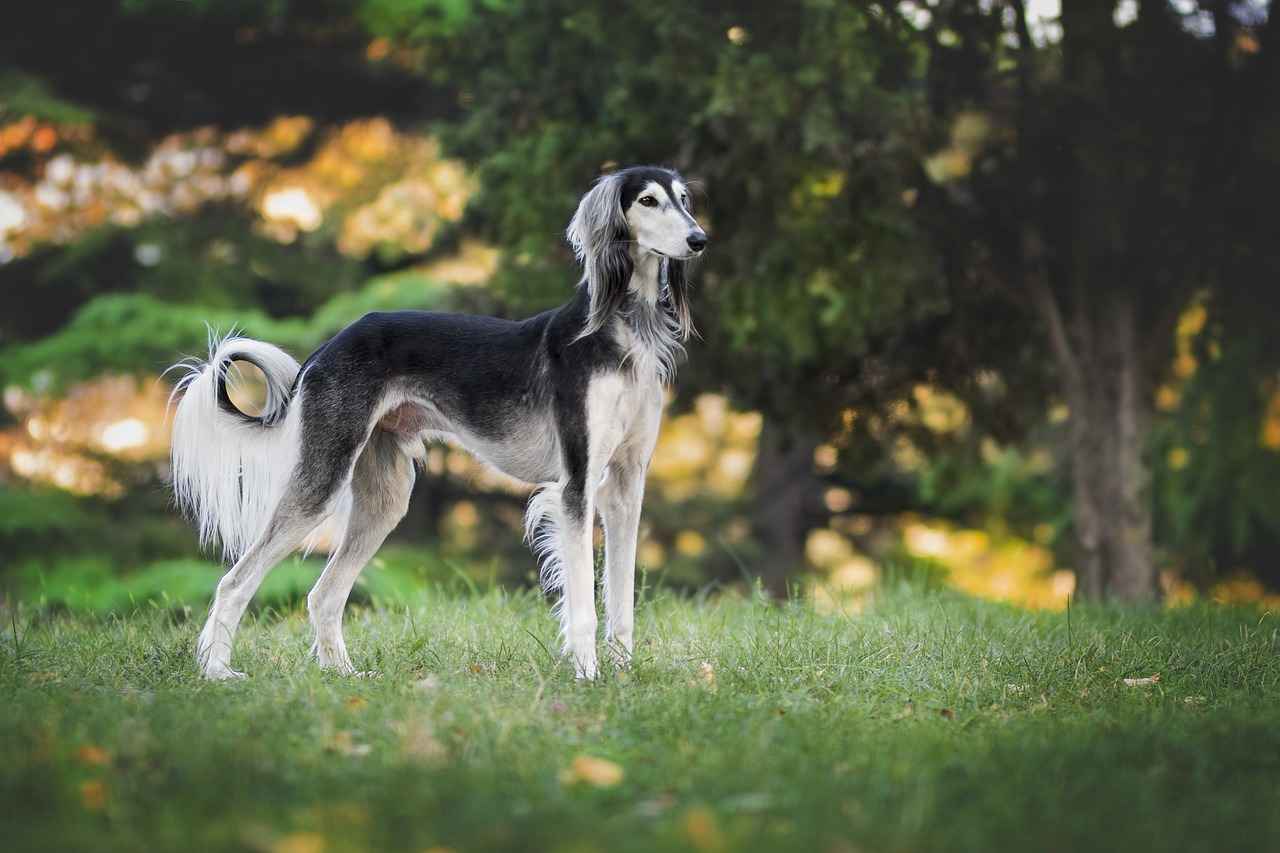
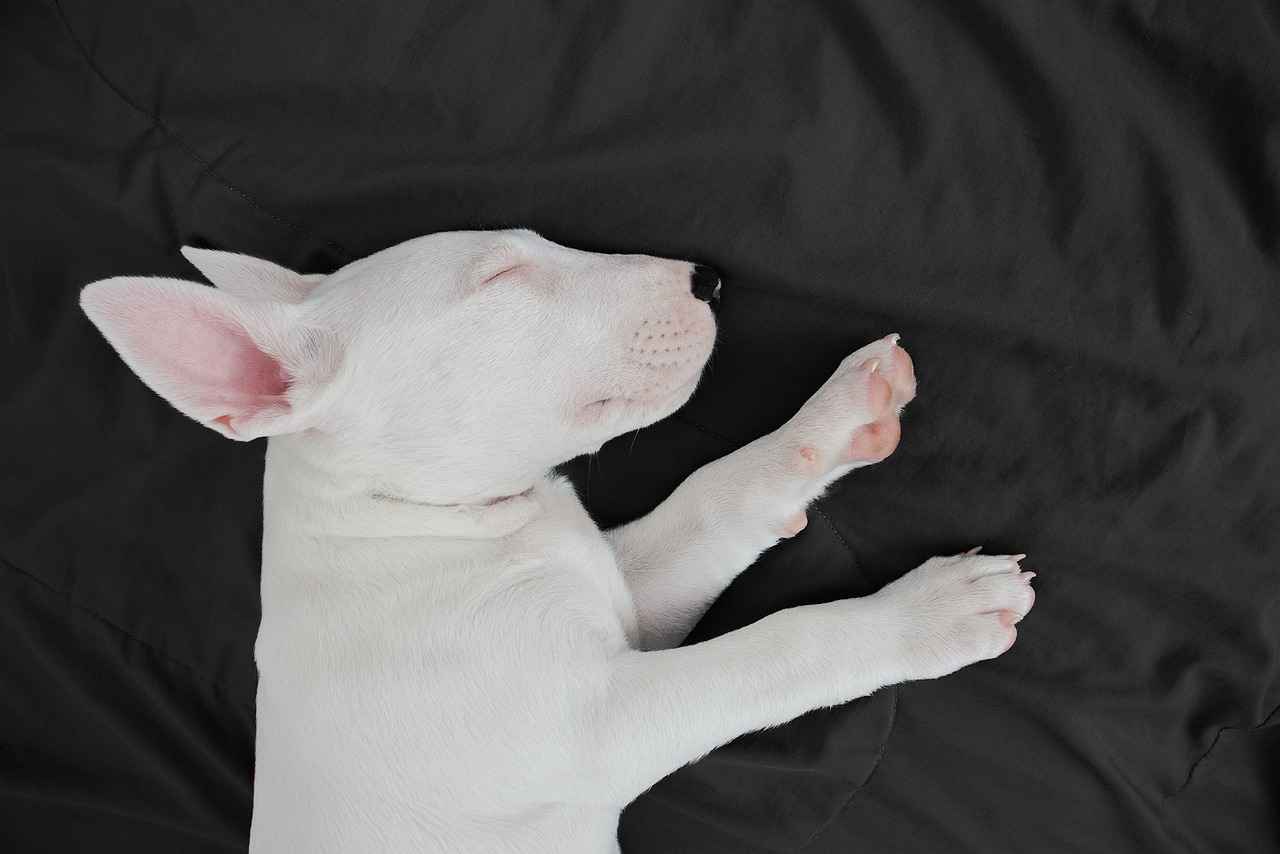
Have you ever wondered why do dogs have wet noses? This intriguing question has captivated pet owners and animal lovers alike! Dogs’ noses are not just adorable; they serve several fascinating purposes that can leave you amazed. A wet nose is often seen as a sign of good health, but the reasons behind this phenomenon are much deeper than that. In this article, we will explore the science of dog nose moisture and what it means for your furry friend. Is it true that a wet nose helps dogs to detect scents better? Or could it be that it helps them to regulate their body temperature? These questions are just the tip of the iceberg! As we dive into the world of canine anatomy, you’ll discover how a dog’s sense of smell is closely linked to that familiar wetness. So, if you're a curious dog parent or simply love learning about animal behavior, keep reading to uncover the fascinating reasons why dogs have wet noses. You might be surprised by what you find out! Don’t miss this chance to deepen your understanding of your loyal companion’s unique traits!
\n\nThe Science Behind Wet Noses: Why Are Dogs’ Noses Always Moist?
\n\n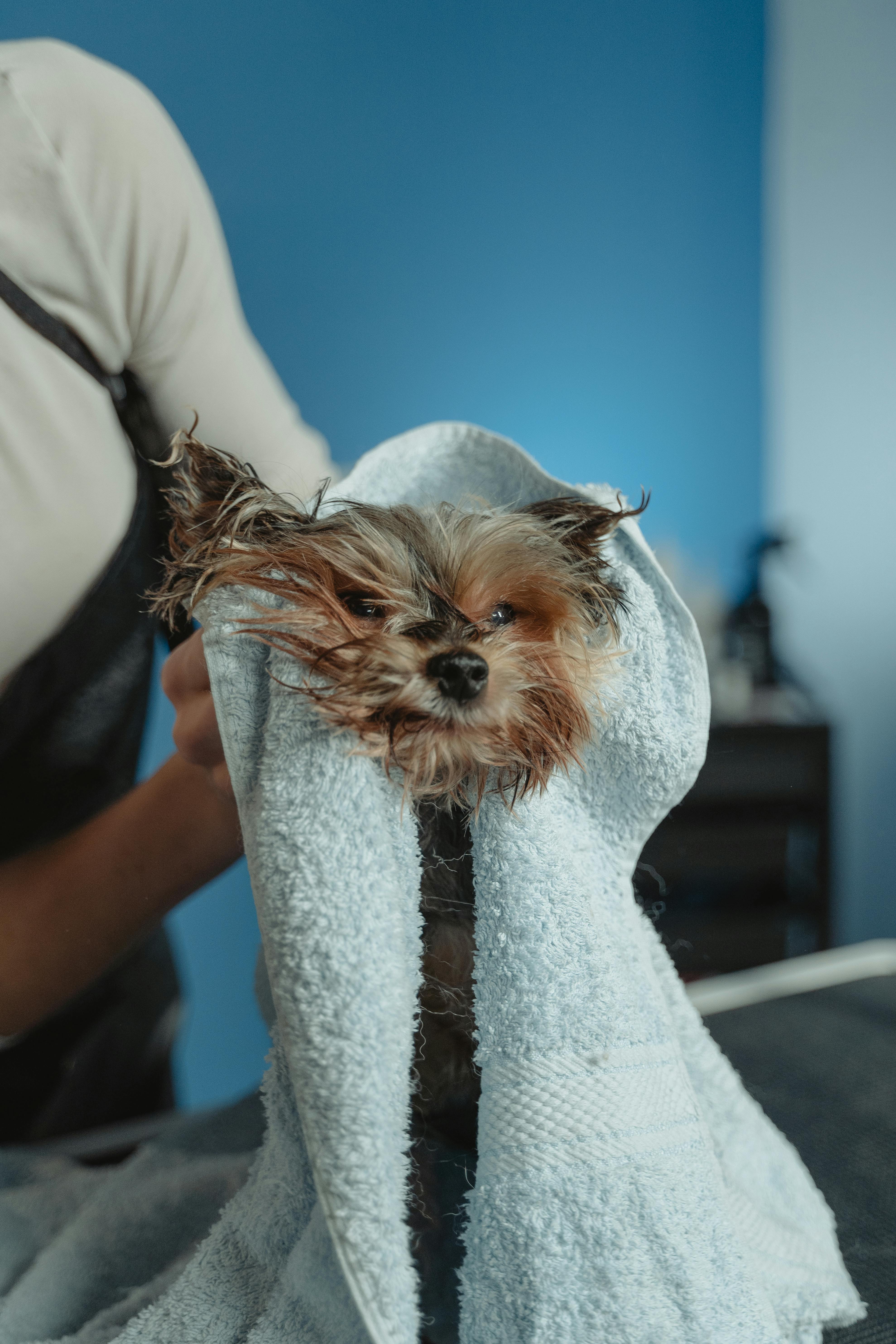 \n\n
\n\nHave you ever noticed your dog’s nose? It’s usually wet, right? But have you ever wondered why do dogs have wet noses? The answer is not just for show; it serves some pretty cool purposes. In this article, we’re gonna dive into the science behind wet noses and explore why they’re always moist. Get ready to discover some fascinating reasons!
\nThe Anatomy of a Dog's Nose
\nTo understand why dogs have wet noses, we should look at a bit of their anatomy. A dog’s nose is made up of special cells that help them detect smells much better than humans. These cells, called olfactory receptors, are packed into the nasal cavity. There are about 300 million of them in dogs, while humans only have around 5 million. That’s a huge difference!
\n- \n
- Olfactory Receptors: Help detect smells. \n
- Moisture: Keeps the receptors functional. \n
- Surface Area: Dogs’ noses have a larger surface area, which helps in scent detection. \n
Why Do Dogs Have Wet Noses?
\nSo, let’s answer the burning question: why do dogs have wet noses? The wetness on their noses is not just a quirk; it has several important functions. Here are a few reasons why their noses are always moist:
\n- \n
- \n
Enhanced Smell: Wet noses actually help dogs smell better. The moisture traps scent particles from the air, making it easier for those olfactory receptors to detect scents. It’s like having a sponge that soaks up all the smells!
\n \n - \n
Temperature Regulation: Just like sweating in humans, a dog’s nose helps regulate its body temperature. When their noses are moist, it’s a sign that they are cooling down. This is important, especially for breeds that struggle with heat.
\n \n - \n
Health Indicator: A wet nose is often a sign of a healthy dog. If your dog’s nose suddenly becomes dry or cracked, it might be time to check with a vet. However, keep in mind that not every dry nose means a problem.
\n \n - \n
Communication: Dogs use their noses to communicate with other dogs. A moist nose can indicate excitement or arousal. This is why you might see your dog sniffing around when they’re meeting new friends.
\n \n
Historical Context
\nHistorically, dogs were bred for various purposes, including hunting and herding. Breeds that needed to track scents developed wet noses to enhance their olfactory abilities. The breeds that we have today, like Bloodhounds and Beagles, still carry those traits. Wet noses have been essential for their survival and effectiveness in their roles.
\nFun Facts About Dog Noses
\n- \n
- Unique Patterns: Just like human fingerprints, every dog has a unique pattern on their nose. \n
- Color Variations: Dog noses can be black, brown, or even pink, depending on the breed. \n
- Scent Detection: Dogs can detect certain diseases, like cancer, just by smelling a person’s breath. \n
Comparison: Dogs vs. Humans
\nHere’s a quick comparison of how dogs and humans use their noses:
\n| Feature | \nDogs | \nHumans | \n
|---|---|---|
| Olfactory Receptors | \n~300 million | \n~5 million | \n
| Smell Sensitivity | \n10,000 to 100,000 times better | \nMuch less sensitive | \n
| Nose Temperature | \nCan cool down | \nNo such mechanism | \n
| Communication | \nSniffing signals | \nSpeech and body language | \n
Practical Examples of Nose Functions
\n- \n
- Tracking: Dogs can track scents over great distances, which is why they are used in search and rescue operations. \n
- Sniff Test: When dogs sniff around your house, they are gathering information about the environment, including other animals or people that have been there. \n
- Fun Games: You can engage your dog’s sense of smell through games that involve hiding treats and letting them sniff them out. \n
Understanding why do dogs have wet noses not just enhances our appreciation for them but also helps us take better care of our furry friends. Their moist noses play a crucial role in their health and behavior. Next time you give your pooch a scratch behind the ears, take a moment to appreciate that wet nose! It’s more than just a cute feature; it’s a vital part of what makes dogs, well, dogs!
\n\n5 Fascinating Facts About Dogs’ Wet Noses That Will Surprise You
\n\n \n\n
\n\nDogs are some of the most beloved pets around the world, and one of their most endearing features is their wet noses. Ever wonder why they have those moist, cool noses? Well, you’re in for a treat! We gonna explore five fascinating facts about dogs’ wet noses that could surprise you. These facts may not only satisfy your curiosity but also deepen your understanding of these furry companions. So, let’s dive right in!
\n1. The Science Behind the Wetness
\nFirst off, dog noses are wet for a reason. The moisture helps enhance their sense of smell. Dogs have an amazing sense of smell, which is estimated to be anywhere from 10,000 to 100,000 times more sensitive than humans. This heightened sense is largely due to their wet noses. When a dog sniffs, the moisture traps scent particles in the air, allowing them to analyze these smells better. Isn’t that cool?
\n2. Temperature Regulation
\nAnother interesting fact is that dogs use their noses to help regulate their body temperature. Unlike humans who sweat, dogs sweat through their paws and rely heavily on their noses to cool down. When a dog breathes in, the cool air helps lower their body temperature, especially on hot days. So, when you see your pup with a wet nose, it might just be their way of staying comfortable in warm weather.
\n3. Communication Tool
\nDogs also use their noses as a way of communicating. When a dog approaches another dog or even a human, they often sniff to gather information. This sniffing is similar to how humans might shake hands or exchange pleasantries. The wetness of their noses helps them engage in this behavior more effectively, picking up pheromones and other scents that convey important social cues.
\n4. Health Indicator
\nA dog’s nose can also act as a health indicator. While a wet nose is usually a sign of a healthy dog, changes in moisture levels can point to health issues. For instance, if a dog’s nose becomes dry and cracked, it could indicate dehydration or an underlying health problem. Similarly, a nose that is excessively wet might suggest allergies or infections. Keeping an eye on the condition of your dog's nose can help you catch potential health concerns early.
\n5. The Myth of Temperature
\nLastly, there’s a common myth that a dog’s nose temperature can tell you if they are sick. Many people believe that a cold, wet nose means a dog is healthy, while a warm, dry nose indicates illness. However, this is not entirely accurate. Dogs' nose temperatures can fluctuate throughout the day due to various factors like activity level and the environment. The best way to check if your dog is sick is by observing their overall behavior and consulting a veterinarian if you notice any unusual signs.
\nQuick Facts About Dog Noses
\n- \n
- Dogs have around 220 million scent receptors in their noses. \n
- The average dog’s nose has a unique pattern, much like a human fingerprint. \n
- A dog’s sense of smell can detect certain diseases, such as cancer. \n
- Dogs can differentiate between a variety of odors, including food, other animals, and human scents. \n
- The wetness of a dog’s nose can vary based on breed, age, and environment. \n
Dogs’ Nose and Breed Differences
\nDifferent breeds can have different types of noses, which can influence their wetness. For example:
\n- \n
- Bulldogs: Often have shorter noses that may seem drier due to their facial structure. \n
- Labrador Retrievers: Typically have very moist noses, enhancing their already excellent sense of smell. \n
- Chihuahuas: Their small noses can dry out faster, especially in dry climates. \n
Practical Examples
\nImagine your dog is sniffing the ground vigorously while you’re out for a walk. They could be tracking another animal, or they might just be curious about what happened there earlier. The moisture on their nose helps them pick up scents off the ground more efficiently, which is why they love to sniff around.
\nUnderstanding why dogs have wet noses can deepen your bond with your furry friend. The next time you get a nose boop from your pup, remember all the fascinating reasons behind that wet little nose. Whether it’s for communication, health monitoring, or simply cooling down, a dog’s nose is truly an amazing feature!
\n\nIs Your Dog's Wet Nose a Sign of Health? Understanding the Connection
\n\n \n\n
\n\nIs your dog's wet nose a sign of health? Many dog owners wonder about this, and it's a question that has intrigued pet enthusiasts for ages. The truth is, dogs do have wet noses for various reasons, and understanding this can help you become a more informed pet parent. In this article, we explore why do dogs have wet noses and what it might mean for your furry friend's health.
\nThe Science Behind Wet Noses
\nDogs' noses are wet for some specific reasons, which mostly relate to their biology and instincts. A wet nose can actually serve several important purposes. Here are some fascinating facts:
\n- \n
- Cooling Mechanism: Just like humans sweat, dogs use their noses to regulate body temperature. A moist nose helps them cool down. \n
- Enhanced Sense of Smell: A wet nose can capture scent particles more effectively. The moisture traps smells, allowing dogs to sniff out scents better. \n
- Health Indicator: While a wet nose is often seen as a sign of good health, it isn't the only indicator. Other factors come into play, and not all wet noses mean a healthy dog. \n
Why Do Dogs Have Wet Noses?
\nThere are several reasons why dogs have those iconic wet noses. Here’s a list of reasons that might help you understand this better:
\n- \n
- Mucous Production: Dogs produce mucous on their noses that keeps them moist. This mucous helps in trapping scent particles. \n
- Temperature Regulation: As mentioned earlier, a wet nose helps in keeping a dog cool, especially during warm weather. \n
- Dogs' Grooming Habits: Dogs often lick their noses, which keeps them moist. This behavior is instinctive and helps maintain their sense of smell. \n
- Environmental Interaction: Dogs explore their world with their noses. The moisture helps them pick up scents from their surroundings. \n
Wet Nose vs. Dry Nose: What’s the Difference?
\nIt’s important to note that not all wet noses are the same, and a dry nose doesn’t always mean your dog is sick. Here’s a quick comparison:
\nWet Nose:
\n- \n
- Often cool to the touch. \n
- Usually a sign of hydration and health. \n
- Common in active and alert dogs. \n
Dry Nose:
\n- \n
- May feel warm or hot. \n
- Can indicate dehydration or illness, but not always. \n
- It can be normal if a dog has been sleeping or after playing. \n
When to Worry About Your Dog's Nose
\nWhile a wet nose is generally a good sign, there are times when you might need to pay attention. Here are some warning signs to look out for:
\n- \n
- Persistent Dryness: If your dog’s nose is dry for an extended period, it might be a sign of dehydration or fever. \n
- Cracks or Sores: If you notice any cracks, sores, or bleeding, it might indicate an underlying health issue. \n
- Change in Behavior: If your dog is acting lethargic, not eating, or showing other signs of distress, it’s important to consult a vet. \n
Fun Facts About Dogs’ Noses
\nDogs have some of the most fascinating noses in the animal kingdom. Here are a few fun facts to impress your friends:
\n- \n
- Unique Patterns: Just like human fingerprints, every dog’s nose print is unique. \n
- Scent Power: Dogs’ noses have up to 300 million scent receptors, compared to a human's 5 million. That’s why they are great at sniffing out drugs or even detecting illnesses. \n
- Color Variations: A dog’s nose can be various colors, including black, brown, and pink. The color doesn’t necessarily indicate health but rather their breed or genetics. \n
Take Care of Your Dog's Nose
\nJust like any other part of your pet’s body, their noses need care too. Here are some tips:
\n- \n
- Hydration: Make sure your dog has access to fresh water. This helps keep their nose moist. \n
- Regular Vet Check-ups: Keep up with regular vet visits to ensure your dog’s overall health. \n
- Avoid Irritants: Keep your dog away from harsh chemicals or irritants that can affect their noses. \n
Understanding the connection between your dog’s wet nose and their health can help you become a better pet owner. While wet noses are often a sign of a healthy pup, it's essential to keep an eye on any changes. Remember, every dog is unique, and their health indicators can vary. Be observant, stay informed, and enjoy the special bond you have with your furry friend!
\n\nThe Role of a Wet Nose in Dog Communication: What You Need to Know
\n\n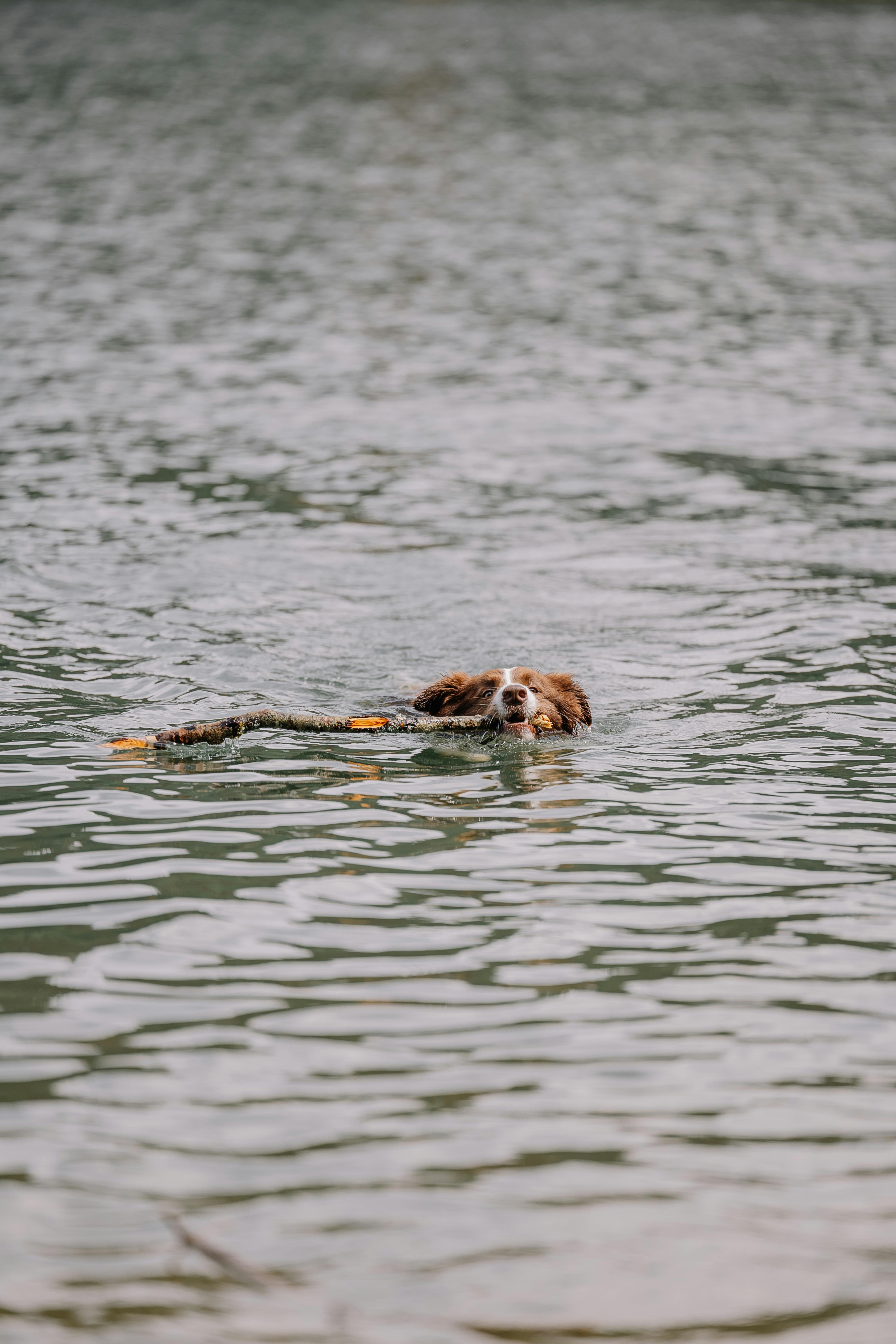 \n\n
\n\nDogs are often considered man's best friend, and part of what makes them special is their unique way of communicating. One of the most fascinating aspects of dog communication is their wet noses. People often wonder, "Why do dogs have wet noses?" and there are several intriguing reasons behind this phenomenon. Understanding the role of a wet nose in dog communication can deepen your bond with your furry friend and help you better interpret their needs and emotions.
\nThe Biological Purpose of a Wet Nose
\nDogs' noses are wet for several reasons, and it's primarily linked to their biology. A wet nose helps with their sense of smell, which is incredibly developed in canines. Here are some key points to consider:
\n- \n
- \n
Enhanced Smell: A wet surface on the nose helps absorb scent molecules. This means dogs can detect smells more efficiently, which is crucial for their understanding of the world.
\n \n - \n
Temperature Regulation: Just like humans sweat to cool down, dogs use their noses to help regulate body temperature. The moisture on their noses evaporates, helping them stay cool, especially during hot weather.
\n \n - \n
Health Indicator: A wet nose can also be an indicator of a dog's health. Generally, a healthy dog has a cool, moist nose. If a dog's nose is dry or cracked, it might suggest dehydration or illness.
\n \n
Historical Context of Dog Noses
\nThroughout history, dogs have served various roles in human society, from hunting companions to loyal pets. The evolution of their wet noses can be traced back to their ancestors, who relied heavily on their sense of smell for survival. Here’s how it developed over time:
\n- \n
- \n
Hunting: Early dogs needed to track scents to hunt effectively. A wet nose was advantageous in capturing scents in the air.
\n \n - \n
Social Interaction: Dogs use their noses to communicate with each other. Wet noses help them pick up pheromones and other chemical signals that convey information about other dogs’ health, mood, and reproductive status.
\n \n - \n
Domestication: As dogs became domesticated, their social skills evolved. Their wet noses became a part of their affectionate behavior, like nudging or licking, to communicate with humans.
\n \n
Dog Communication: More Than Just a Wet Nose
\nWhile the wet nose is significant, it's important to remember that dogs communicate in many ways. Here are some other methods dogs use to express themselves:
\n- \n
- \n
Body Language: Tail wagging, ear positioning, and posture all convey different messages. A wagging tail often means happiness, while a stiff posture might indicate fear or aggression.
\n \n - \n
Vocalizations: Barking, whining, and growling serve as vocal communication tools. Each sound can have different meanings depending on the context.
\n \n - \n
Facial Expressions: Dogs use their eyes and mouth to express emotions. A relaxed face usually indicates contentment, while a tight mouth and furrowed brows can signal stress.
\n \n
Understanding Your Dog's Nose
\nAs a dog owner, knowing how to interpret your dog's nose can be quite beneficial. Here’s a quick guide to what different nose conditions might mean:
\n- \n
- \n
Wet and Cool: Generally a sign of a healthy dog, ready to explore and play.
\n \n - \n
Warm and Dry: Could indicate a fever or dehydration. If noticed, it might be wise to monitor your dog's behavior for any other signs of illness.
\n \n - \n
Cracked or Bleeding: This could be due to dehydration or allergies, and it’s worth consulting a veterinarian if this persists.
\n \n
Practical Examples of Nose Communication
\nDogs often use their noses in social situations. Here are a few practical examples of how they communicate:
\n- \n
- \n
Greeting: When dogs meet, they often sniff each other's noses and behinds. This is their way of gathering information about each other.
\n \n - \n
Exploring: Dogs frequently sniff around their environment with a focus on wet surfaces, like grass or puddles, as they can pick up more scents.
\n \n - \n
Bonding: Dogs may nuzzle or lick their owner's face or hands, often with a cool, wet nose. This can be a sign of affection and trust.
\n \n
Conclusion
\nThe wet nose of a dog serves multiple functions, from enhancing their sense of smell to regulating body temperature. Understanding the role it plays in dog communication is crucial for any dog owner. Being aware of your dog's nose condition and interpreting their various forms of communication can build a stronger bond between you and your furry companion. So the next time you wonder, "Why do dogs have wet noses?" remember that it’s not just a quirky trait — it's a vital part of their biology and communication. Embrace the wet nose, and enjoy the unique ways your dog expresses its love and needs!
\n\nHow Do Weather Conditions Affect Your Dog's Nose Moisture?
\n\n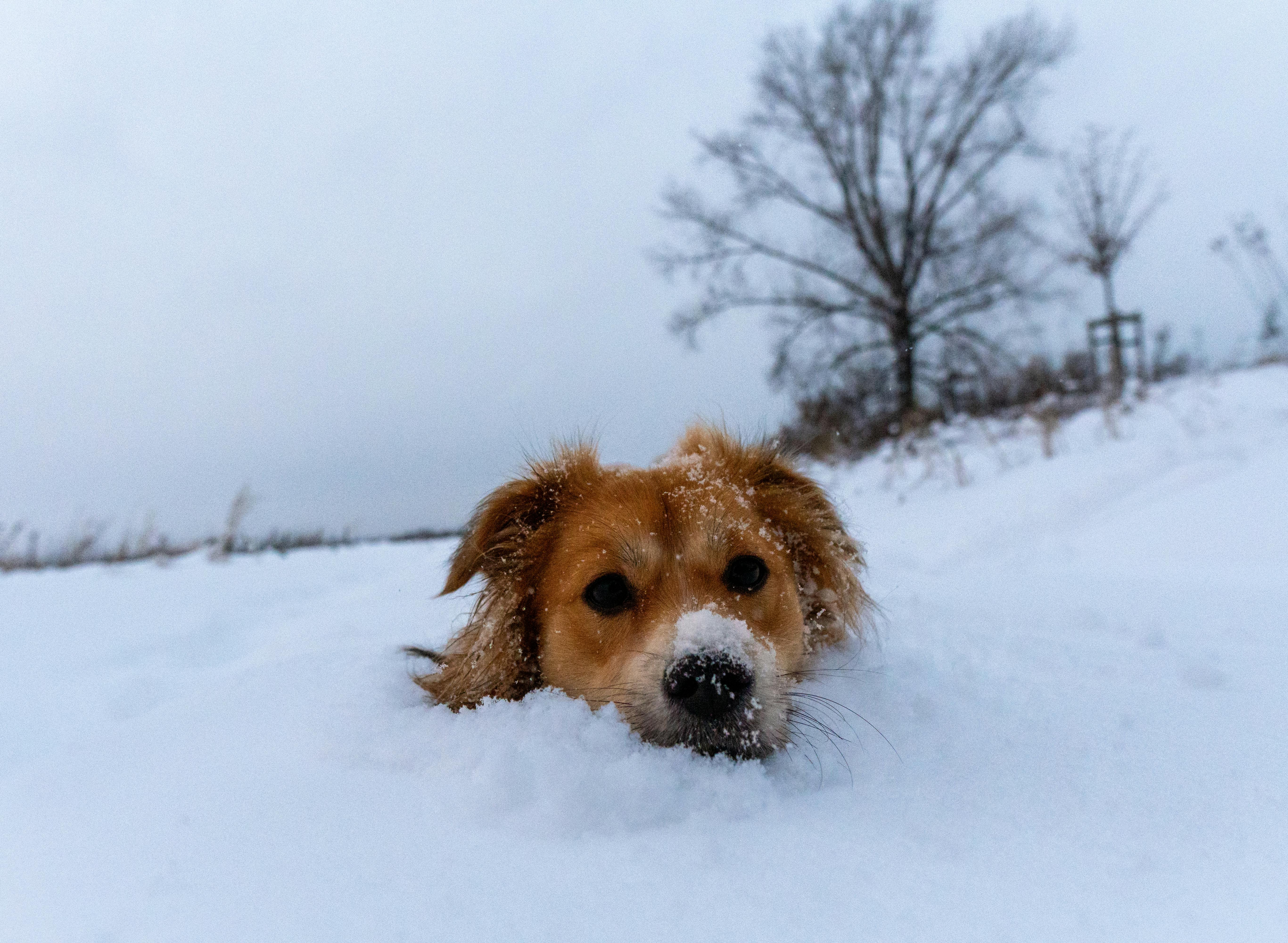 \n\n
\n\nWhen you think about dogs, one of the first things that come to mind is their wet noses. Ever wonder why they are like that? Or how weather conditions, like hot sun or chilly wind, affects your furry friend's nose moisture? Well, there's a lot more going on with those cute snouts than meets the eye. Let's dive into the world of dog noses and explore the fascinating reasons behind their moisture levels.
\nWhy Do Dogs Have Wet Noses?
\nDogs have wet noses for several reasons, and it's not just for show. Here is an outline of the main purposes of a dog’s wet nose:
\n- \n
- Scent Detection: A wet nose helps dogs to better absorb scent molecules. When the nose is moist, it can trap more scents, allowing dogs to smell things much better than humans can. \n
- Temperature Regulation: Dogs don’t sweat like humans do. Instead, they use their noses to help regulate body temperature. A moist nose helps cool them down, especially during warm weather. \n
- Health Indicator: The moisture level of a dog's nose can indicate their health. A healthy dog typically has a cool, wet nose. If a dog’s nose is dry and warm, it may be a sign of illness or dehydration. \n
How Do Weather Conditions Affect Your Dog's Nose Moisture?
\nWeather plays a big role in the moisture level of a dog's nose. Here's how different conditions can impact it:
\n- \n
- \n
Hot Weather: In hot temperatures, a dog's nose can dry out quickly. If you're spending time outdoors, make sure to have plenty of water available for your pet. You might notice that your dog’s nose feels more dry and warm when the temperature rises.
\n \n - \n
Cold Weather: In colder environments, the nose can become chapped or cracked, especially if the air is dry. It’s not uncommon for some dogs to have a dry, rough nose during winter.
\n \n - \n
Humidity Levels: High humidity can help maintain a dog’s nose moisture. On the other hand, in dry climates, you might find your dog’s nose gets dry more often.
\n \n - \n
Rainy Days: Interestingly, rainy conditions can lead to a wetter nose as dogs often get a little wet from the rain.
\n \n
Fun Facts About Dog Noses
\n- \n
- \n
Unique Patterns: Just like human fingerprints, no two dog noses are alike. Each dog has a unique nose print.
\n \n - \n
Heat Detection: Dogs can sense heat through their noses. They have an extraordinary ability to detect changes in temperature, which can be useful for finding food or even locating lost people.
\n \n - \n
Nasal Turbinates: Inside a dog’s nose, there's a structure called nasal turbinates which helps them filter and warm the air they breathe in.
\n \n
How to Care for Your Dog's Nose
\nKeeping your dog’s nose healthy is important. Here are tips for maintaining that cute, wet snout:
\n- \n
- \n
Hydration: Make sure your dog is drinking enough water, especially during hot days.
\n \n - \n
Moisturizers: There are commercial products available that can help soothe a dry nose. Look for those that are safe for dogs.
\n \n - \n
Regular Vet Check-ups: Keep an eye on any changes in your dog's nose. If it becomes persistently dry or cracked, it’s best to consult a veterinarian.
\n \n
Comparing Dog Noses to Other Animals
\nDogs aren’t the only ones with wet noses. Here’s a brief comparison with other animals:
\n| Animal | \nNose Type | \nFunctionality | \n
|---|---|---|
| Dogs | \nWet and cold | \nExcellent for scent detection and temperature regulation | \n
| Cats | \nWet but less moist | \nGood for scent, but not as sensitive as dogs | \n
| Pigs | \nMoist and warm | \nUsed for rooting and foraging | \n
| Cows | \nMoist and cold | \nImportant for grazing and detecting food sources | \n
As you can see, while many animals have wet noses, dogs are particularly well equipped for scent detection, thanks to their unique anatomy.
\nSo, the next time you notice your dog’s nose, think about all the marvelous functions it serves. Weather conditions may influence the moisture level, but the reasons behind why dogs have wet noses are truly fascinating. Keeping your pet healthy involves understanding these little details. Take care of those adorable snouts, and your furry friend will be happy and healthy for years to come!
\n\nWet vs. Dry Nose: What Your Dog’s Nose Says About Their Well-Being
\n\n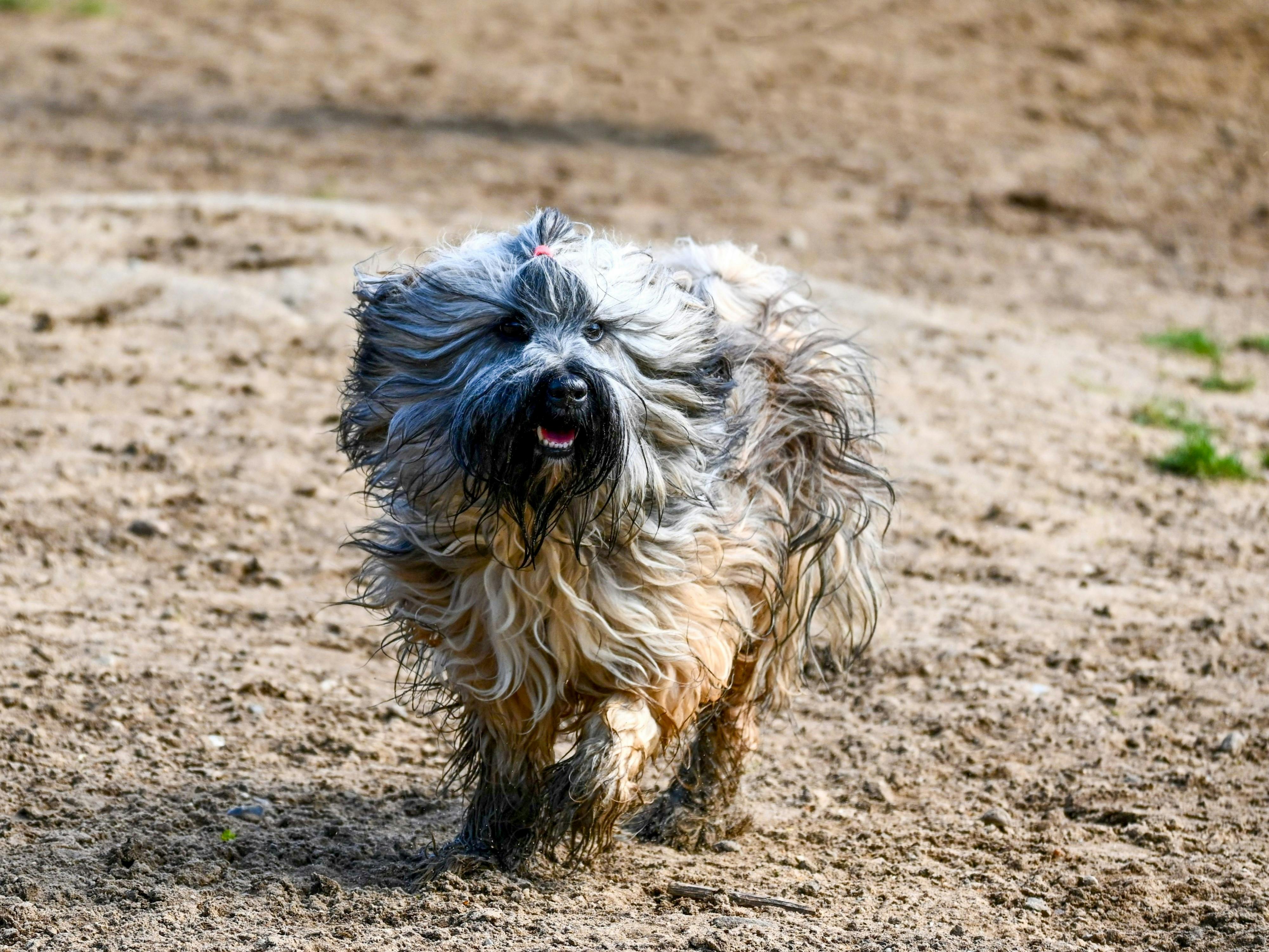 \n\n
\n\nMany dog owners often wonder what the condition of their furry friend’s nose says about their health and happiness. A wet nose is generally thought to be a sign of a healthy dog, while a dry nose might raise some concerns. But is it really that simple? Let’s dive deep into the world of dog noses and discover the reasons behind their moistness, or lack thereof.
\nThe Science Behind Wet Noses
\nDogs have wet noses for several reasons, and it’s not just for show. A wet nose helps to enhance their sense of smell. Dogs have an incredible olfactory system, and moisture on their noses helps to trap scent particles in the air, making it easier for them to identify different smells. This wetness also cools their bodies, as they lack the ability to sweat like humans do.
\nSome fascinating facts about dog noses:
\n- \n
- Dogs have up to 300 million smell receptors, compared to a human's 5 million. \n
- The surface of a dog’s nose is also sensitive, which helps them detect temperature and texture. \n
- A dog’s sense of smell is so powerful that they can even detect certain medical conditions in humans. \n
Why Do Dogs Have Wet Noses?
\nSo, why do dogs have wet noses? The answer is a mixture of biology and evolution. When a dog’s nose is wet, it helps with their ability to smell. But other factors contribute to this moisture, too.
\n- \n
- Nasal Glands: Dogs have mucous glands in their noses that secrete moisture. This secretion is crucial for scent detection. \n
- Licking: Dogs often lick their noses. Not only does this keep the nose clean, but it also adds moisture. \n
- Humidity and Temperature: A dog’s nose may become wetter in humid environments or after physical activity. \n
Wet vs. Dry Nose: What Does It Mean?
\nYou might be asking yourself, “What’s the difference between a wet nose and a dry nose?” Here’s a quick comparison:
\nWet Nose
\n- \n
- Generally indicates good hydration and health. \n
- Often feels cool to the touch. \n
- Enhances sense of smell. \n
Dry Nose
\n- \n
- Can signify dehydration or illness. \n
- May feel warm or hot. \n
- Could be normal for the dog if it’s occasional or during sleep. \n
When Should You Be Concerned?
\nWhile a wet nose is often a sign of a healthy dog, it’s important to know when a dry nose might be a cause for concern. Here are some signs that could indicate you should contact a veterinarian:
\n- \n
- Persistent dry nose along with lethargy or decreased appetite. \n
- Cracked or bleeding nose. \n
- Excessive licking of the nose. \n
- Signs of fever or other health issues. \n
Fun Facts About Dog Noses
\nDogs' noses are amazing and come with some interesting features. Here are some fun facts to ponder:
\n- \n
- Unique Patterns: Just like human fingerprints, every dog has a unique nose print. \n
- Temperature Regulation: A wet nose can help regulate a dog’s body temperature, acting like a natural air conditioner. \n
- Communication: Dogs also use their noses to communicate with other dogs, leaving scent marks that convey information. \n
Practical Tips for Dog Owners
\nCaring for your dog’s nose can be as simple as keeping them hydrated and ensuring they have regular vet check-ups. Here are some practical tips:
\n- \n
- Hydration: Always provide fresh water to keep your dog hydrated. \n
- Moisturizing: If your dog’s nose is frequently dry, consider using a pet-safe moisturizer. \n
- Regular Vet Visits: Keep up with regular vet appointments to monitor your dog’s overall health. \n
Final Thoughts
\nUnderstanding the nuances of your dog’s nose can provide insight into their overall well-being. A wet nose often indicates a happy and healthy pup, but a dry nose can sometimes raise flags. By keeping an eye on these signs and knowing what to look for, you can ensure that your furry friend stays in tip-top shape. Remember, dogs communicate in ways we might not always understand, and their noses are just one of the many ways they tell us how they feel. So the next time you check your dog's nose, think about all the fascinating reasons behind its wetness!
\n\nCurious Canines: Why Do Dogs Lick Their Noses? Discover the Truth!
\n\n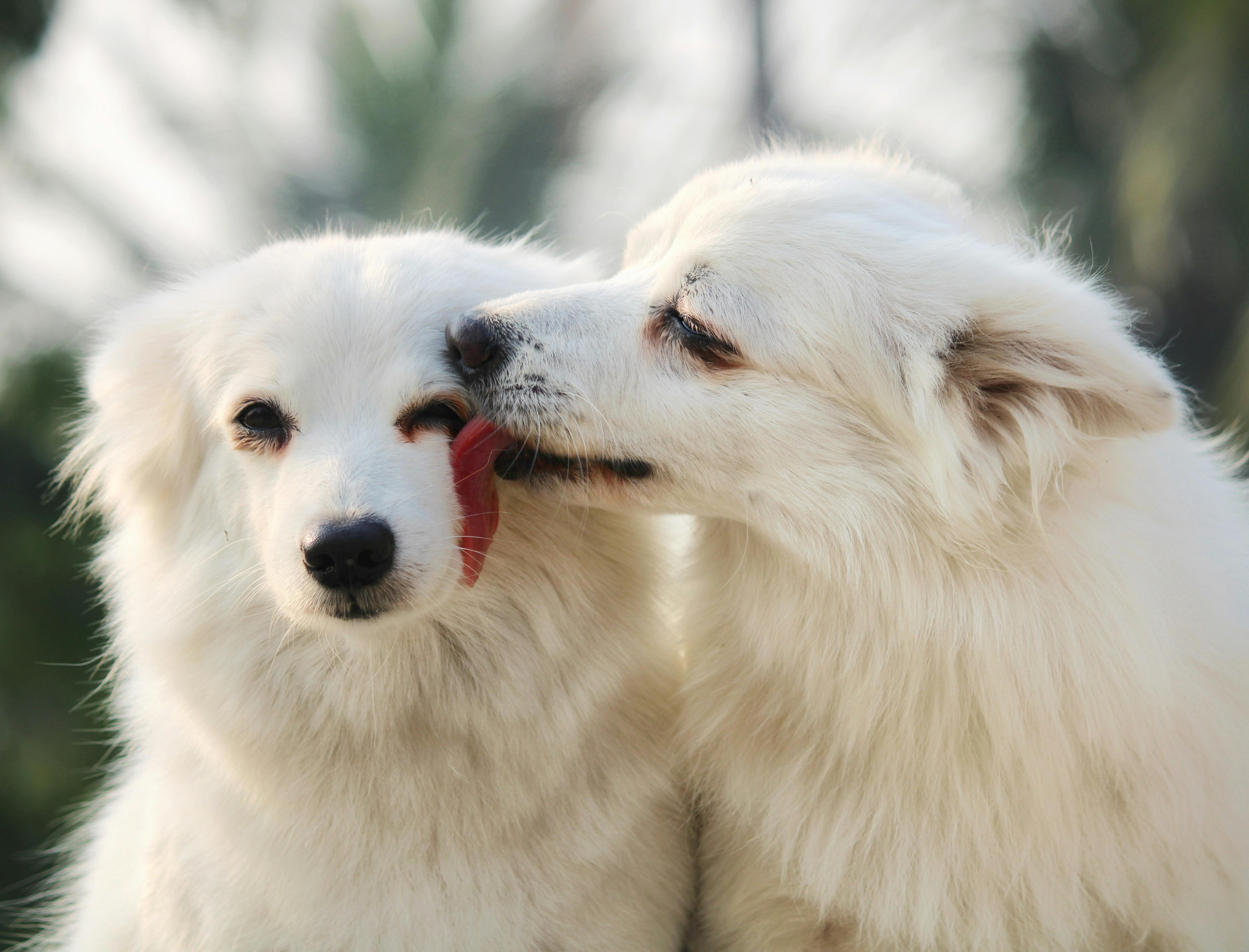 \n\n
\n\nDogs, our beloved companions, sure do have some interesting habits, one of the most curious being their tendency to lick their noses. You might have wondered, why do dogs lick their noses? Or, why do dogs have wet noses? Those questions leads us into a fascinating world of canine behavior and physiology. So let’s explore the reasons behind these wet, sometimes slobbery, noses that every pup seems to flaunt.
\nThe Science Behind Wet Noses
\nFirst off, it’s important to understand that a dog’s nose is not just cute; it serves multiple functions. A wet nose helps dogs in several ways:
\n- \n
- Enhanced Smell: Dogs have an incredible sense of smell, and a wet nose helps to amplify this ability. The moisture on their noses traps scent particles, making it easier for them to identify smells in their environment. \n
- Cooling Mechanism: Dogs don’t sweat like humans do. Instead, they rely on panting and the moisture from their noses to regulate body temperature. So, a wet nose can actually help them cool off on a hot day. \n
- Health Indicator: A dog’s nose can also indicate their health. A warm, dry nose might suggest they are sick, while a cool, moist nose is generally a sign of a healthy pup. But remember, this is not a definitive measure—other factors influence a dog’s health too. \n
Historical Context of Canine Noses
\nDogs have evolved alongside humans for thousands of years. Their noses have adapted for survival and interaction. According to experts, dogs' ancestors relied on their sense of smell for hunting and foraging. Over time, a moist nose became advantageous, helping them track game and avoid predators. Fascinating, right?
\nWhy Do Dogs Lick Their Noses?
\nNow, let’s dig deeper into the licking behavior. Dogs lick their noses for several reasons:
\n- \n
- Taste and Exploration: Dogs are curious beings! They explore their world through taste, and licking their noses can help them understand their environment better. It’s like their version of sampling a dish before committing to it. \n
- Moisturizing: Dogs also lick their noses to keep them moist. If a dog’s nose dries out, it can lead to discomfort. So, in a way, it’s self-care. \n
- Stress Relief: Licking can be a calming behavior for dogs. Just like humans may bite their nails when anxious, dogs may lick their noses as a way to cope with stress. \n
Fun Facts About Dog Noses
\nDid you know that a dog’s nose print is as unique as a human fingerprint? Here are some more interesting facts:
\n- \n
- Breed Variations: Different breeds have different nose shapes, which can affect their sense of smell. For instance, Bloodhounds are known for their extraordinary olfactory capabilities, while breeds like Bulldogs have shorter noses that may limit their scenting abilities. \n
- Temperature Regulation: A dog’s nose can change temperature based on their activities. After a good run, you might feel their nose warming up, which indicates they are panting and working to cool down. \n
Dogs and Their Nose Care
\nCaring for your dog’s nose is important too! Here’s a quick list of things you should consider:
\n- \n
- Hydration: Ensure your dog stays hydrated. Dehydration can lead to a dry nose. \n
- Check for Cracks: Regularly inspect your dog’s nose for any cracks or sores, which may require veterinary attention. \n
- Avoid Irritants: If your dog spends time outdoors, watch for irritants like pollen or chemicals that can irritate their noses. \n
Moreover, certain environmental factors can affect the moisture levels of your dog’s nose. Hot weather, dry climates, and even indoor heating systems can lead to a dry nose.
\nThe Bottom Line
\nIn the grand scheme of things, dogs are fascinating creatures with habits that can sometimes leave us scratching our heads. Whether it's licking their noses or having that signature wetness, these behaviors have deep-rooted reasons tied to their survival and well-being. So, next time you see your furry friend licking their nose, you'll know it's not just for show. It’s a blend of instinct, exploration, and a little bit of self-care! Understanding these nuances adds to the joy of having a dog as part of your family. Take a moment to appreciate the little things that make your canine companion so special!
\n\nThe Evolution of the Dog Nose: Why Wetness Matters for Survival
\n\n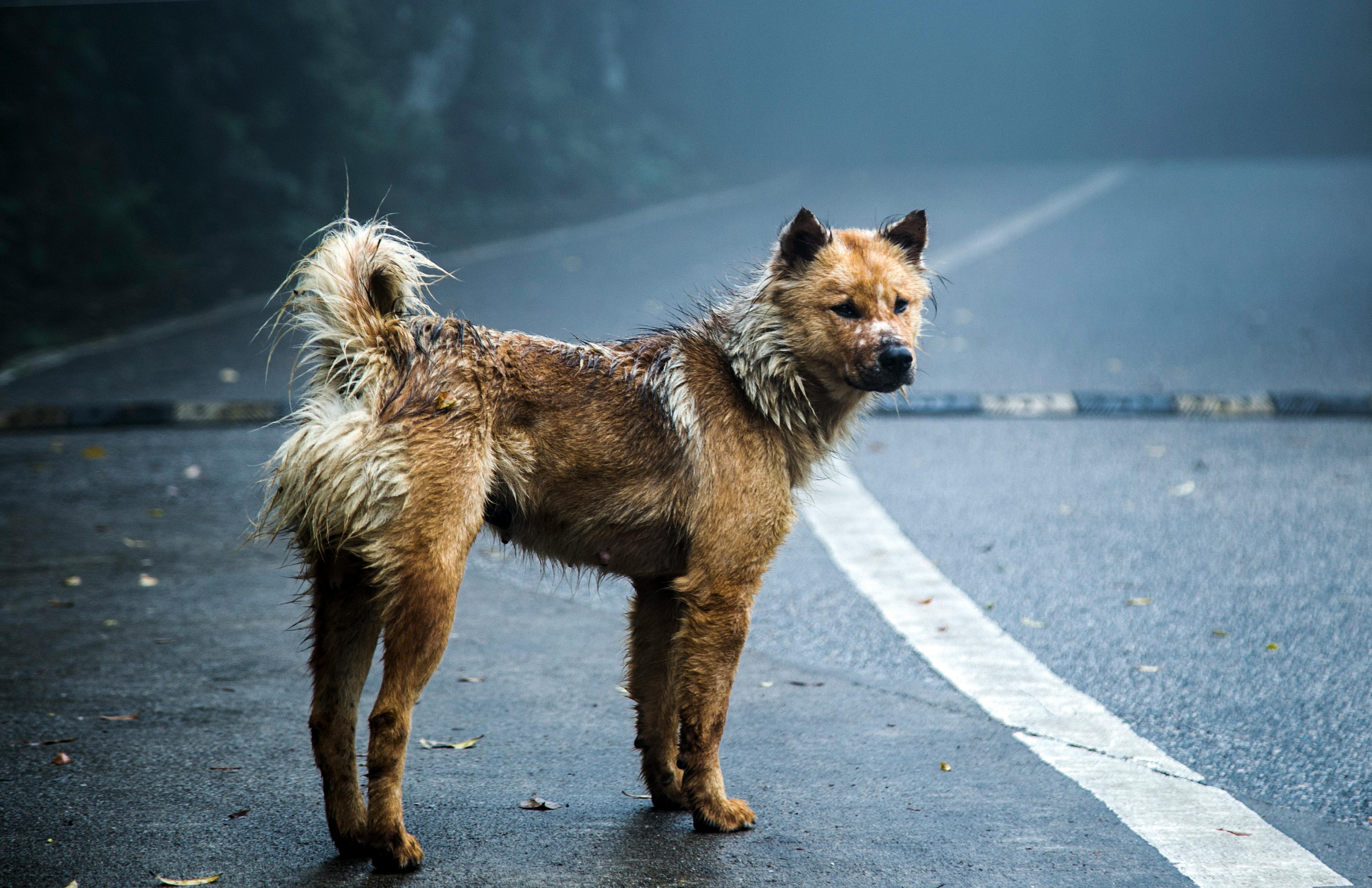 \n\n
\n\nThe dog nose, it’s more than just a cute feature, it plays a critical role in how dogs interact with the world. If you ever wonder why do dogs have wet noses, you’re not alone! Many pet owners find themselves curious about this fascinating aspect of canine biology. The evolution of the dog nose is a story of survival and adaptation that goes back thousands of years, and the wetness of a dog’s nose is not just for show. It’s a key factor in their ability to survive and thrive.
\nThe Science Behind a Dog’s Wet Nose
\nSo, why is a dog’s nose wet? The answer lies in the unique structure and function of their nasal passages. Dog noses are covered in a thin layer of moisture that helps them absorb scent particles better. When a dog sniffs, the moisture on their nose captures those scent molecules, which then get transferred to the olfactory receptors located in their nasal cavity. This allows dogs to have an incredible sense of smell, estimated to be anywhere from 10,000 to 100,000 times more sensitive than humans.
\nHere are some interesting facts about dog noses:
\n- \n
- Moisture Absorption: The wetness on a dog’s nose helps to trap scent particles, allowing better detection of smells. \n
- Cooling Mechanism: A wet nose can help regulate a dog’s body temperature, much like how sweating works for humans. \n
- Communication Tool: Dogs use their noses to communicate with each other, sniffing to gather information about other dogs or their environments. \n
Evolutionary Perspective
\nDogs are descendants of wolves, and over the years, they’ve evolved in ways that enhance their survival skills. The wet nose is a trait that has been passed down through generations, reflecting an adaptation to their environment. Early domesticated dogs relied heavily on their sense of smell for hunting, foraging, and even navigating their surroundings. A wet nose not only aids in smell but also plays a role in thermoregulation, helping dogs stay cool during physical exertion.
\nThe Role of Wetness in Survival
\nThe survival of dogs in the wild could depend on their ability to smell food, predators, or even potential mates. Wet noses provide a significant advantage. Here are some reasons why wetness matters for their survival:
\n- \n
- Enhanced Smelling Capability: The moisture on their noses allows them to pick up scents from the air more effectively. \n
- Detection of Environmental Changes: A wet nose can help dogs detect changes in their surroundings, such as the presence of water or the scent of prey. \n
- Health Indicator: A wet nose can often signal that a dog is healthy, while a dry nose may indicate dehydration or illness. \n
Comparisons with Other Animals
\nDogs aren’t the only animals with wet noses, and comparing them with other species can be quite illuminating. Here’s a quick look at how dog noses stack up against some other animals:
\n| Animal | \nNose Type | \nSmell Sensitivity | \nUnique Feature | \n
|---|---|---|---|
| Dogs | \nWet and cold | \n10,000 to 100,000x | \nMoisture enhances scent absorption | \n
| Cats | \nDry and warm | \n40 to 50x | \nLess reliance on scent for hunting | \n
| Bears | \nWet and cold | \n2,100,000x | \nExceptional tracking abilities | \n
| Elephants | \nDry and warm | \n5 times more than humans | \nCan detect water from miles away | \n
Practical Examples
\nWhen you see your dog sniffing around, it’s not just random behavior. They’re gathering information. For example, a dog might sniff another dog’s rear to learn about their health, diet, and even mood. Dogs can also detect emotional changes in humans through scent, which is why many service dogs are trained to assist individuals with emotional or psychological needs.
\nHealth Considerations
\nWhile a wet nose is generally a sign of good health, owners should be aware that changes in the moisture level of their dog's nose can indicate health issues. Here are some signs to watch for:
\n- \n
- Dry Nose: Could signify dehydration or fever. \n
- Cracked Nose: May be a sign of sunburn or an underlying health problem. \n
- Excessive Wetness: Sometimes indicates allergies or infections. \n
Understanding the evolution and function of a dog’s nose helps pet owners appreciate not only their furry friends but also the complex biology that supports their survival. The wetness of a dog’s nose is not just a quirky trait; it’s an evolutionary marvel that has allowed dogs to thrive alongside humans for thousands of years. Whether you’re a dog owner or just a dog lover, knowing the reasons behind this fascinating feature adds another layer of appreciation for our canine companions.
\n\n7 Reasons Your Dog’s Nose Might Be Wet and What It Means for Their Health
\n\n \n\n
\n\nDo you ever wonder why your dog’s nose feels wet and cold? It’s one of those things that just seem to make sense, but it turns out there's a lot more to it than you might think. Wet noses are often seen as a sign of a happy, healthy dog, but the reasons for their moisture can be quite interesting. Let’s dive into the fascinating world of canine noses and explore the seven reasons why your dog’s nose might be wet and what it means for their health.
\n1. Natural Cooling Mechanism
\nDogs don’t sweat like humans do. Instead, they cool themselves mainly through panting, but their noses also play a role in this. A wet nose helps regulate their body temperature. When the moisture evaporates from their nose, it cools their body down. This is especially important in warmer weather or after exercise, so a wet nose can be a sign that your dog is managing its temperature effectively.
\n2. Enhanced Sense of Smell
\nDid you know that dogs have an incredible sense of smell, up to 100,000 times more sensitive than humans? The wetness on their noses helps capture scent particles from the air, making it easier for them to pick up smells. The moisture acts like a sponge, holding onto these particles which enhances their ability to detect scents. So, if your dog’s nose is wet, they might just be sniffing something interesting around them!
\n3. Body Language Indicator
\nDogs communicate a lot through their body language, and their noses are no exception. A wet nose can indicate that your dog is feeling relaxed and comfortable. If your dog approaches you with a wet nose, it might be their way of saying they’re ready to interact or play. Conversely, a dry nose might suggest they are anxious or not feeling well.
\n4. Health Indicator
\nWhile a wet nose is typically a sign of good health, it can also indicate certain health issues. If your dog's nose suddenly becomes excessively dry or cracked, it could be a sign of dehydration, fever, or other health concerns. It’s important to pay attention to changes in your dog’s nose condition and consult with your vet if you notice anything unusual.
\n5. Environmental Factors
\nDogs noses can also get wet due to environmental factors. Rain, humidity, or even just playing in water can cause their noses to feel wet. If your dog has been outside in the rain or splashing around in a puddle, it’s no surprise their nose is damp.
\n6. Licking Habit
\nIt’s pretty common for dogs to lick their noses. This behavior not only helps to keep their noses moist but also removes dirt and debris. If your dog has a wet nose, it might just be that they’ve been busy cleaning themselves. This is normal behavior and usually nothing to be worried about.
\n7. Breed Differences
\nInterestingly, some dog breeds are more likely to have wetter noses than others. Breeds like Boxers and Bulldogs tend to have moist noses due to their unique facial structures. On the other hand, breeds with longer snouts like Greyhounds may have drier noses. Understanding these differences can help you know what to expect from your dog’s nose condition.
\nTo summarize these points, here’s a quick list of reasons your dog’s nose might be wet:
\n- \n
- Natural cooling mechanism \n
- Enhanced sense of smell \n
- Indicator of body language \n
- Possible health indicator \n
- Environmental factors \n
- Licking habit \n
- Breed differences \n
It’s fascinating how something as simple as a wet nose can tell us so much about our furry companions. Not only does it play a crucial role in their health and communication, but it also adds to their charm. If you ever find yourself wondering, "why do dogs have wet noses?" just remember, it’s a part of what makes them unique and wonderful.
\nSo, the next time you’re cuddling with your dog and feel that wet nose against your skin, you can appreciate the science behind it. It’s all part of being a dog owner—a little mystery that just makes the bond between you and your pup even stronger.
\n\nDo All Dogs Have Wet Noses? Exploring Variations Across Breeds and Conditions
\n\n \n\n
\n\nDo all dogs have wet noses? This common question spark curiosity among dog lovers and pet owners alike. While it is widely believed that wet noses are a hallmark of healthy dogs, the reality is a bit more complex. Variations across breeds, age, and even environmental conditions can influence whether a dog's nose is wet or dry. Let's explore the fascinating reasons behind why do dogs have wet noses, the science behind it, and what it could mean for your furry friend.
\nThe Science Behind Wet Noses
\nTo understand why dogs have wet noses, we should first look at their anatomy. A dog's nose is covered in a special type of skin that is sensitive and contains numerous olfactory receptors. The moisture on a dog's nose plays several important roles:
\n- \n
- Enhanced Sense of Smell: The moisture helps to capture scent particles in the air, making it easier for dogs to identify different smells. \n
- Thermoregulation: A wet nose can help dogs regulate their body temperature. It cools down when they pant or are active, which is vital for their overall health. \n
- Communication: Dogs often use their noses to interact with the world and other animals. A wet nose can signal to other dogs that they are friendly and ready to play. \n
Do All Breeds Have Wet Noses?
\nNot all dogs have the same nose moisture levels, and this can depend heavily on breed. For example, breeds like the Bloodhound and Basset Hound are known for having particularly moist noses due to their excellent sense of smell. In contrast, certain breeds, such as Bulldogs and Pugs, may have drier noses because of their unique facial structure.
\nHere’s a quick list of some breeds and their typical nose moisture:
\n- \n
- \n
Wet-Nosed Breeds:
\n- \n
- Bloodhound \n
- Labrador Retriever \n
- German Shepherd \n
\n - \n
Drier-Nosed Breeds:
\n- \n
- Bulldog \n
- Boston Terrier \n
- Pug \n
\n
As you can see, there is a range of differences across breeds. Some dogs may generally have moist noses, while others may not. It’s essential to note that a dry nose doesn’t always mean a dog is sick.
\nWhy Do Dogs Have Dry Noses?
\nThere are several reasons why a dog might have a dry nose, and not all of them are concerning. Here are some common reasons:
\n- \n
- Dehydration: If a dog isn’t drinking enough water, their nose may dry out. \n
- Weather Conditions: Hot or dry climates can cause a dog’s nose to become dry. Similarly, during winter months, cold air can take moisture away. \n
- Health Issues: Sometimes, a persistent dry nose could indicate health problems like allergies, infections, or autoimmune disorders. If you notice other symptoms, consult your veterinarian. \n
What to Do if Your Dog's Nose is Dry
\nIf your dog's nose is dry and you are concerned, here are some steps you can take:
\n- \n
- Hydration: Ensure your dog is drinking enough water throughout the day. \n
- Humidity: Use a humidifier in your home to add moisture to the air, especially during dry seasons. \n
- Consult a Vet: If dryness persists or is accompanied by symptoms like lethargy or loss of appetite, seek professional advice. \n
The Fascinating History of Dog Noses
\nThroughout history, dogs have been known for their incredible sense of smell, which is often attributed to their wet noses. In ancient times, dogs were used for hunting and tracking due to their keen olfactory abilities. The moisture on their noses was essential for tracking scents, which helped early humans in hunting and gathering.
\nToday, dogs are still utilized in various roles that rely on their sense of smell, including search and rescue operations, detecting drugs, and even identifying certain medical conditions in humans, like diabetes.
\nFun Facts About Dog Noses
\n- \n
- Each dog’s nose print is unique, much like human fingerprints. \n
- Dogs have about 220 million scent receptors in their noses, compared to about 5 million in humans. \n
- The moisture on a dog’s nose can change throughout the day based on activity and temperature. \n
Understanding why do dogs have wet noses can deepen your appreciation for these amazing animals. Whether your dog’s nose is wet or dry, it’s always good to stay informed about their health and well-being. The next time you cuddle with your pup, pay attention to that little wet nose — it’s a fascinating feature that combines biology and history in a way that makes dogs such unique companions.
\n\nConclusion
\n\nIn conclusion, the wet noses of dogs serve multiple important functions that contribute to their overall health and well-being. The moisture helps enhance their sense of smell, as it captures scent particles more effectively, allowing them to interpret the world around them. Additionally, a wet nose plays a crucial role in thermoregulation, helping dogs cool down and maintain their body temperature. While a wet nose is often a sign of a healthy dog, it’s essential for pet owners to monitor their furry friends for any changes, as this can indicate health issues. Understanding the reasons behind this unique characteristic not only deepens our appreciation for our canine companions but also encourages us to observe their health closely. So, the next time you give your dog a pat and feel that familiar wet nose, remember the fascinating biology at play and cherish the bond you share.
\n\n