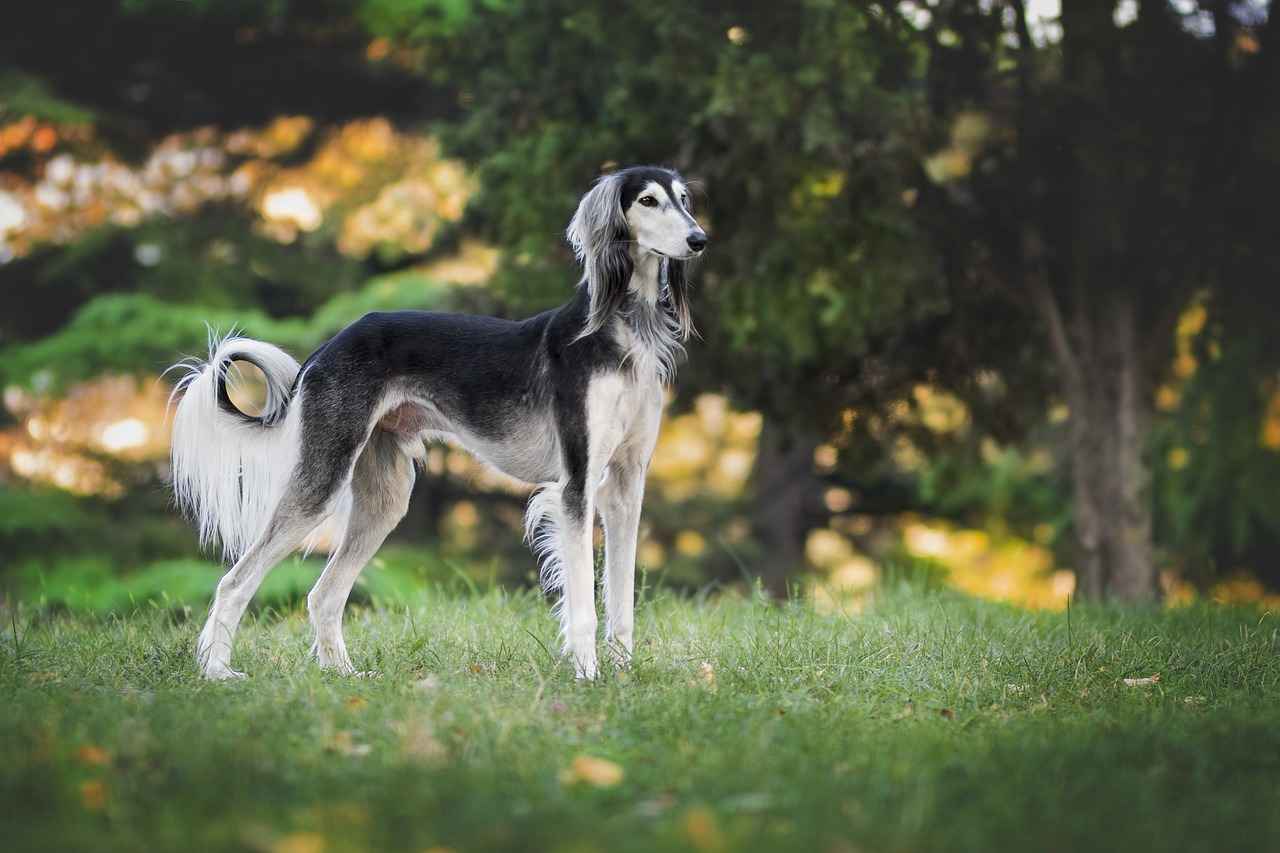
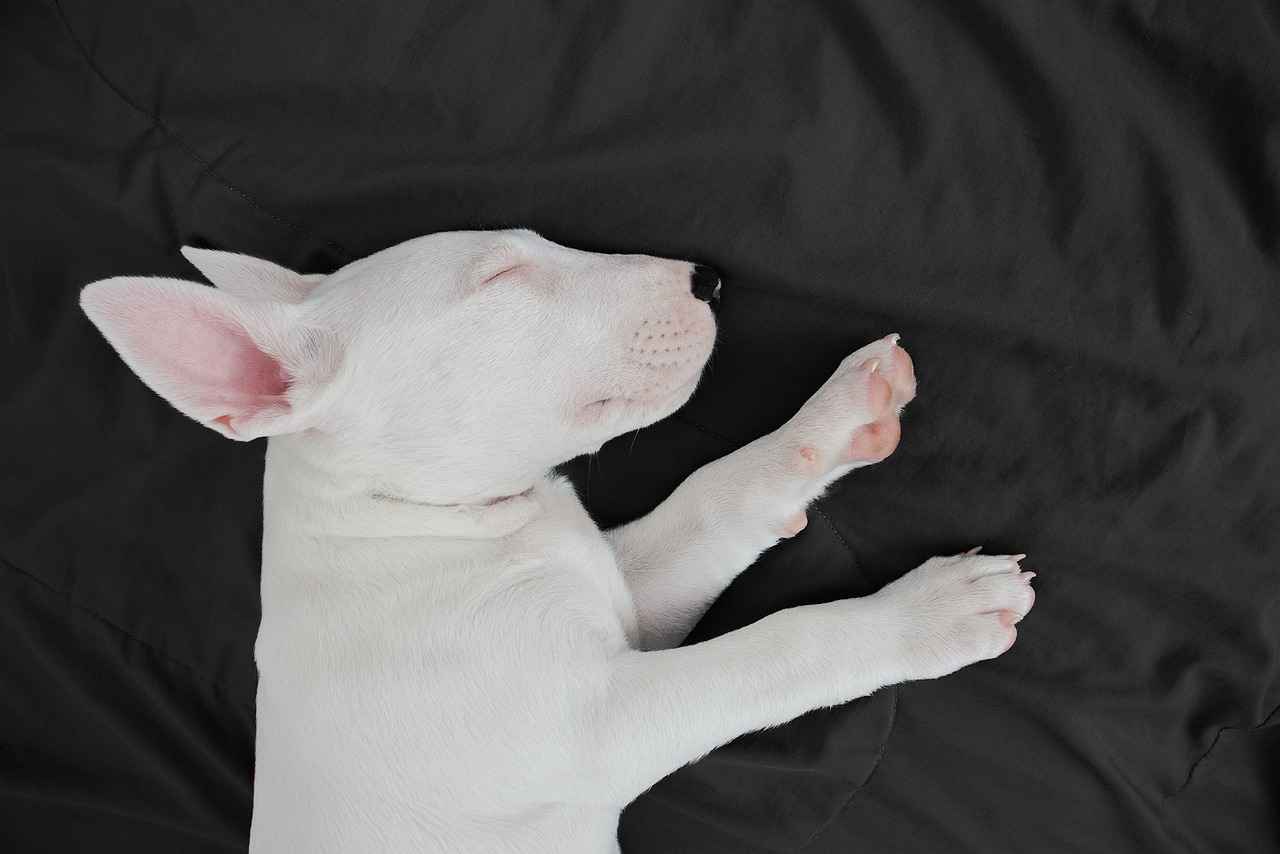
Have you ever wondered why do dogs have wet noses? This curious trait isn’t just an adorable quirk; it plays a vital role in your furry friend’s overall health and well-being. Many pet owners might ask, “Is a wet nose a sign of a healthy dog?” The answer is yes! A dog’s nose is not only wet but also a fascinating tool that helps them sense their environment. In fact, the moisture on a dog’s nose can enhance their sense of smell, making it more powerful than you can imagine. But what causes this natural wetness? The reasons range from temperature regulation to enhanced olfactory abilities. So, if you’re asking, “Why is my dog’s nose wet?” you’re not alone! Understanding the science behind this phenomenon can deepen your bond with your canine companion. In this article, we will explore the intriguing reasons why dogs have wet noses, uncovering the secrets behind this charming canine characteristic. Prepare to be amazed by the incredible world of your furry friend, and find out how their wet noses contribute to their unique abilities!
\n\nThe Science Behind Wet Noses: Why Are Dogs’ Noses Moist?
\n\n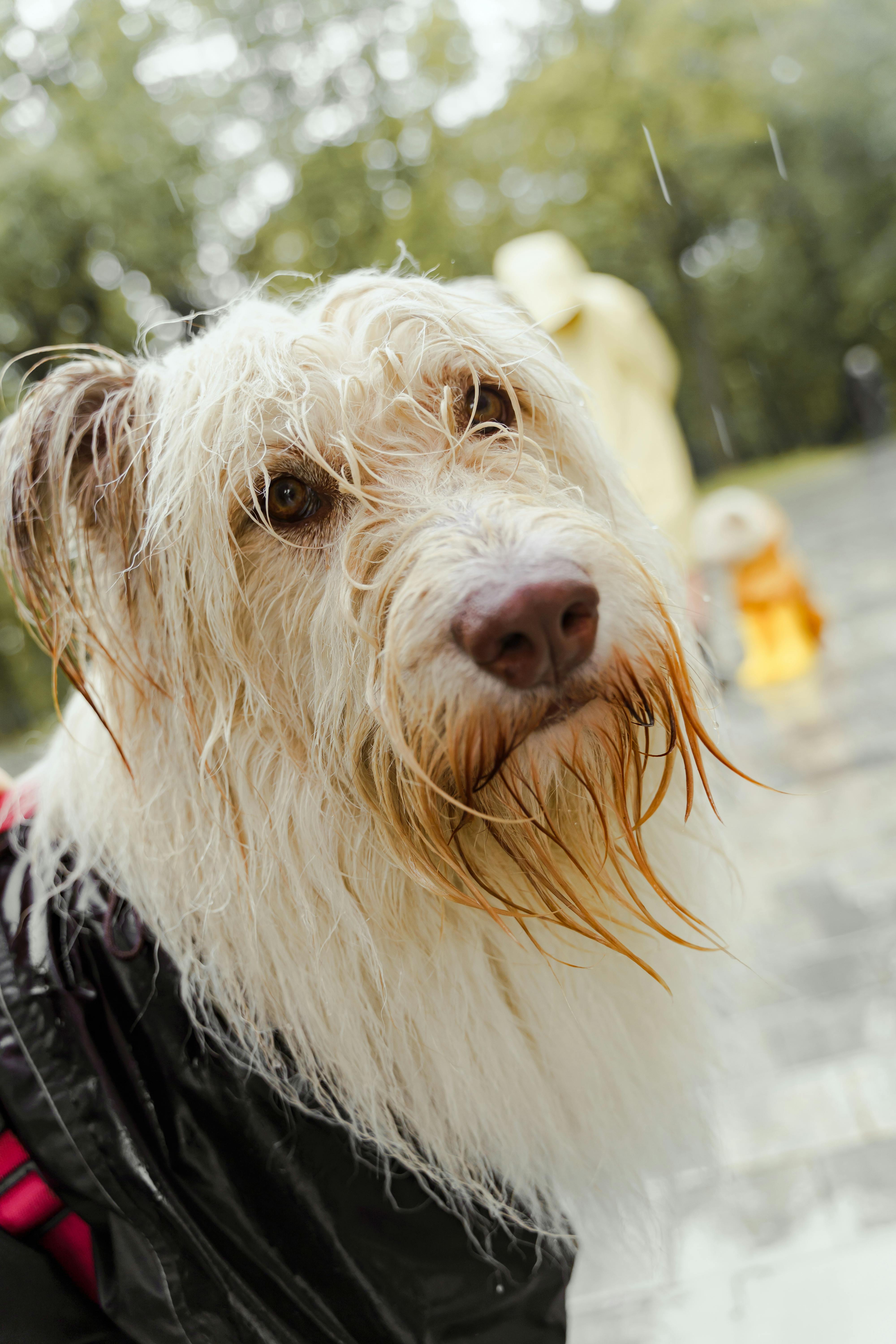 \n\n
\n\nDogs are often called man's best friend, and there's more to their charm than just wagging tails and playful barks. One of the most fascinating features of dogs is their wet noses. Have you ever wondered, why do dogs have wet noses? Well, the science behind wet noses is both intriguing and practical.
\nThe Science of Moisture
\nA dog's nose is not just for sniffing; it plays an important role in their overall health and sensory perception. The moistness of their noses helps them to detect scents better. But how does this work exactly? It's all in the structure and function of the nose. The skin on a dog's nose contains a lot of mucous glands, which produce a thin layer of moisture. This moisture helps to capture scent particles from the air.
\n- \n
- Enhanced Smell: The wetness on a dog's nose allows scent particles to stick better, which means they can smell things more accurately and from greater distances. \n
- Cooling System: Dogs primarily sweat through their paws, but their noses also help to regulate body temperature. When dogs are hot, the moisture on their noses evaporates, helping them cool down. \n
Evolutionary Perspective
\nFrom an evolutionary standpoint, wet noses have been beneficial for dogs. Their ancestors, wolves, relied on their sense of smell for hunting and survival. Over time, this trait has been passed on to domestic dogs. The ability to smell well was critical for finding food, detecting danger, and communicating with other animals.
\n- \n
- Survival Tool: A moist nose was essential for hunting and foraging. \n
- Social Interaction: Dogs use their noses to greet each other and to gather information about their surroundings and other animals. \n
Why Are They Wet?
\nSo, why are dogs' noses wet? There are several reasons:
\n- \n
- Natural Secretions: Dogs produce moisture naturally through their nasal glands. \n
- Environmental Factors: Weather conditions can affect nose wetness. For example, humidity can make dogs' noses wetter. \n
- Health Indicators: A dog’s nose can indicate health. A wet nose is often a sign of a healthy dog, while a dry nose may suggest dehydration or illness, though it’s not always the case. \n
Fun Facts About Dog Noses
\n- \n
- Dogs have up to 300 million scent receptors in their noses, while humans only have about 6 million. \n
- The texture and pattern of a dog’s nose are unique, similar to a human fingerprint. \n
- A dog's sense of smell can be up to 100,000 times more sensitive than that of a human. \n
Comparison of Nose Conditions
\nHere’s a simple comparison of wet and dry noses:
\n| Condition | \nWet Nose | \nDry Nose | \n
|---|---|---|
| Temperature | \nCooler and helps with cooling | \nWarmer, can indicate fever | \n
| Health Status | \nOften healthier, hydrated | \nMay signal dehydration or illness | \n
| Smell | \nBetter ability to detect scents | \nMay have reduced scent ability | \n
Practical Examples
\nIf you’re a dog owner, you might have noticed your furry friend's nose changing from wet to dry at different times. Here are some scenarios:
\n- \n
- After Playtime: When dogs have been running around, their noses may dry out a bit due to the heat from exercise. \n
- During Winter: Cold, dry air can lead to a drier nose. This doesn’t always mean something is wrong, but you might want to check for other symptoms. \n
- Illness Signs: If your dog has a persistently dry nose along with other symptoms like lethargy or loss of appetite, it’s best to consult a veterinarian. \n
Understanding the reasons behind wet noses can help dog owners take better care of their pets. It's not just a cute feature; it’s a critical aspect of their health. Keeping your dog hydrated, monitoring their nose condition and regular vet check-ups can ensure that your furry friend stays healthy and happy.
\nIn the end, the moistness of a dog’s nose is a complex blend of biology, evolution, and environmental interaction. These little wonders not only enhance their sense of smell but also serve as indicators of their overall health. So, the next time you give your pup a pat on the head, take a moment to appreciate that wet nose and all the science behind it!
\n\n5 Fascinating Facts About Dogs’ Wet Noses That Every Owner Should Know
\n\n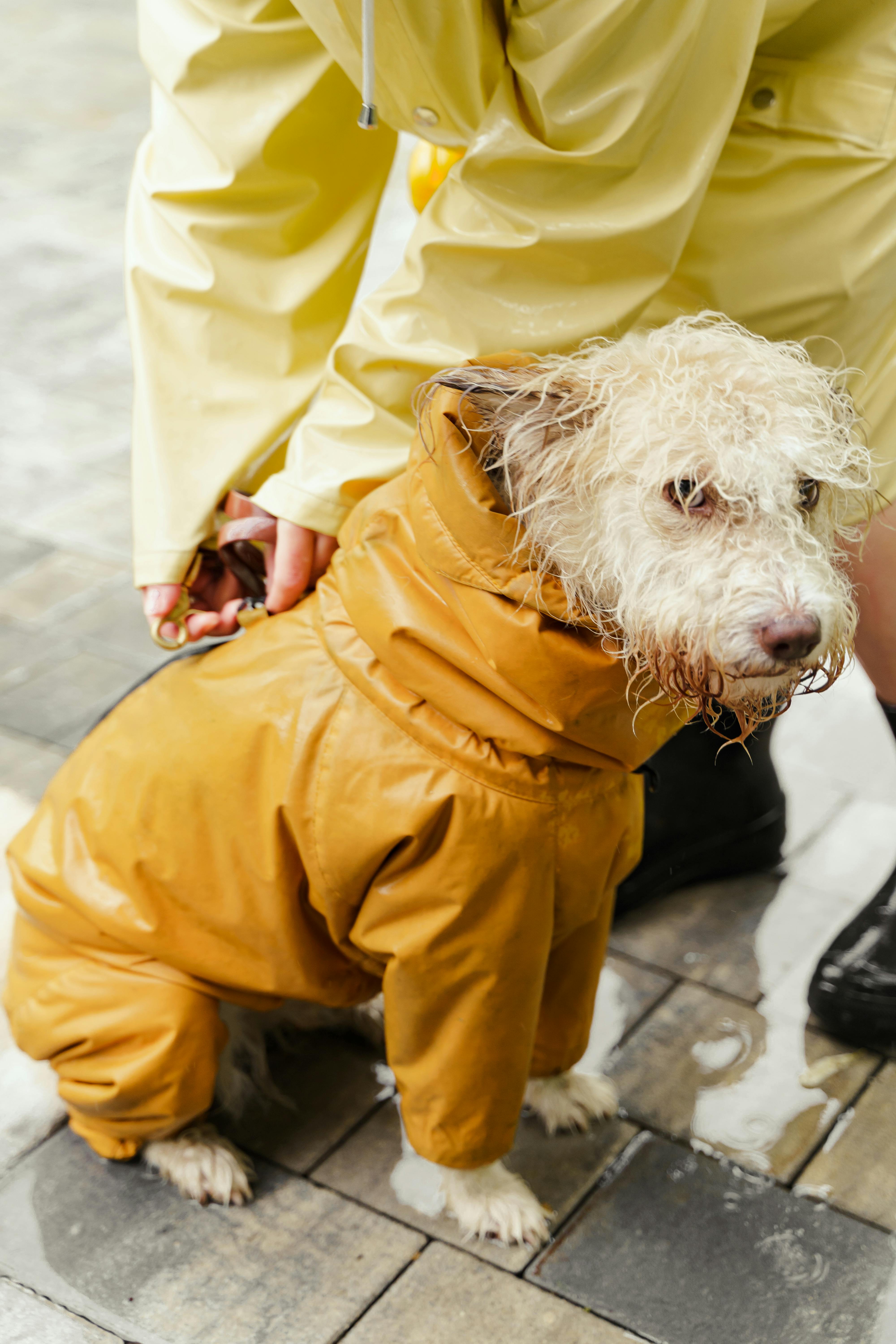 \n\n
\n\nDogs have been our loyal companions for thousands of years, and their wet noses are among the most charming and curious features that they possess. Many dog owners often wonder, why do dogs have wet noses? This article dives into five fascinating facts about dogs’ wet noses that every owner should know. Understanding this unique characteristic can help enhance your relationship with your furry friend.
\n1. Natural Thermoregulation
\nOne of the primary reasons dogs have wet noses is to help regulate their body temperature. Unlike humans, who sweat primarily through our skin, dogs rely on their noses to cool down. When they breathe, moisture evaporates from their noses, which can help lower their body temperature.
\n- \n
- Dogs sweat a little through their paw pads, but their noses are crucial for thermoregulation. \n
- A wet nose can often indicate a dog is feeling comfortable and cool. \n
2. Enhanced Sense of Smell
\nDid you know that dogs’ noses are more than just adorable? They're super sensitive and can detect scents much better than human noses. The moisture on their noses helps trap scent particles from the air, making it easier for them to smell.
\nFor instance:
\n- \n
- A dog’s sense of smell is estimated to be 10,000 to 100,000 times more acute than that of humans. \n
- Wetness enhances their olfactory abilities, which is why you see your dog sniffing around everywhere. \n
3. Communication Tool
\nDogs also use their noses as a form of communication. A wet nose can signal different things to both humans and other dogs. It can be a way to show affection or a sign of curiosity.
\nHere are some ways this communication plays out:
\n- \n
- Greeting: A dog might nuzzle you with their wet nose when they’re excited to see you. \n
- Exploration: When they’re investigating something new, they often wet their noses to gather more information. \n
4. Health Indicators
\nThe condition of a dog’s nose can often be an indicator of their health. A wet, cool nose is usually a sign of a healthy dog, while a dry or cracked nose may indicate possible health issues. It’s important for dog owners to keep an eye on changes in their pet’s noses.
\nSome health conditions that can affect a dog’s nose include:
\n- \n
- Dehydration: A dry nose can be a sign that your dog isn’t getting enough water. \n
- Fever: If your dog’s nose feels warm or dry, it could indicate they have a fever. \n
- Infections: Persistent dryness or cracking may warrant a visit to the vet. \n
5. Evolutionary Advantage
\nFrom an evolutionary perspective, wet noses likely provided dogs with advantages in hunting and survival. The ability to smell more effectively helped ancient dogs track prey and avoid danger. This trait has been preserved over generations, making it a fundamental aspect of canine biology.
\n- \n
- Wetness on the nose can also help dogs when they’re working in the field, such as tracking lost items or searching for people. \n
- This evolutionary trait has helped dogs remain effective hunters throughout history. \n
Why Do Dogs Have Wet Noses?
\nSo, why do dogs have wet noses? The answer is multifaceted. Here are the main points summarized:
\n- \n
- Thermoregulation: Helps cool their body. \n
- Enhanced Smell: Traps scent particles for better olfactory function. \n
- Communication: Aids in expressing feelings and curiosity. \n
- Health Indicator: Reflects overall well-being and potential health issues. \n
- Evolutionary Advantage: Facilitates hunting and survival. \n
Understanding these intriguing facts about your dog's wet nose can deepen your connection with them. Each wet nuzzle serves a purpose, whether it's to cool down, sniff out the world around them, or communicate affection. As a dog owner, being aware of these characteristics can help you care for your furry friend in a more informed way.
\nNext time your dog greets you with a wet nose, remember all the fascinating reasons behind it and appreciate the unique bond you share. By knowing more about your dog's biology and behavior, you'll be better equipped to provide them with the love and care they deserve.
\n\nHow Do Wet Noses Impact Your Dog’s Sense of Smell? Discover the Connection!
\n\n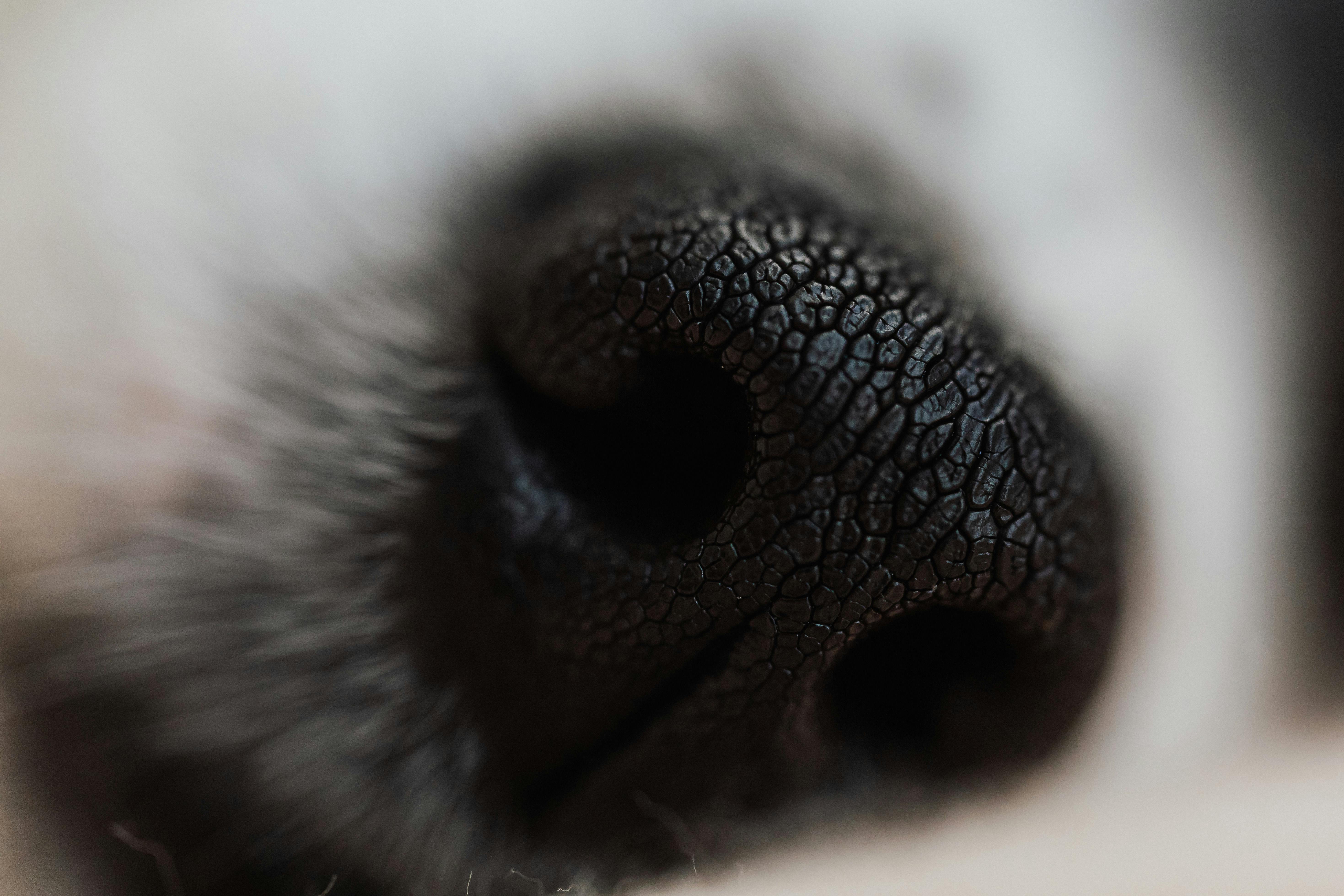 \n\n
\n\nHave you ever wonder why dogs have wet noses? It’s one of those quirky traits that make our furry friends even more lovable, but there's actually a fascinating science behind it. Wet noses not only feel cool to the touch, but they also plays a key role in a dog’s remarkable ability to smell. So, how do wet noses impact your dog’s sense of smell? Let’s dive into this intriguing topic and discover the connections that make canine olfactory powers so extraordinary.
\nThe Science Behind Wet Noses
\nFirst off, a dog’s nose is a complex organ. It’s not just for sniffing; it functions more like a sophisticated scent-detecting device. The moisture on their noses helps to trap scent particles from the air, which enhances their ability to smell. When a dog’s nose is wet, it can absorb scent chemicals better than a dry nose. So, it’s like having a built-in olfactory amplifier!
\nWhy Are Dog Noses Wet?
\nNow, you might be asking, why do dogs have wet noses in the first place? Let’s break it down:
\n- \n
- \n
Cooling Mechanism: Just like sweating in humans, dogs can’t sweat through their skin. Instead, they rely on panting and the moisture on their noses to help regulate their body temperature. When the nose is wet, it helps cool them down.
\n \n - \n
Enhanced Smell: As mentioned earlier, the moisture helps pick up scent particles. A wet nose can detect odors thousands of times better than a human's nose. This is critical for their survival instincts, hunting, and even for understanding their environment.
\n \n - \n
Health Indicator: Sometimes, the state of a dog’s nose can indicate their health. A wet and cool nose is generally a sign of a healthy dog, while a dry or cracked nose might suggest dehydration or illness. Of course, this isn’t a definitive rule, but it can be a useful observation.
\n \n
Wet Noses and Their Connection to Smell
\nLet’s explore how wet noses directly impacts a dog’s incredible sense of smell. Dogs have up to 300 million scent receptors in their noses, compared to a human's mere 5 million. This impressive number allows them to detect scents from miles away.
\nHere’s how it works:
\n- \n
- \n
Scent Detection: When a dog sniffs, the wet surface of the nose captures scent particles from the environment. The moisture on the nose helps dissolve these particles, making it easier for the scent receptors to identify them.
\n \n - \n
Airflow and Scent Processing: When a dog inhales, air flows over the moist nose and into the nasal cavities, where it encounters sensory cells. These cells send signals to the dog's brain, which identifies the scent. The more moisture, the more efficiently this process occurs.
\n \n - \n
Scent Memory: Dogs not only recognize scents but also remember them. Wet noses play a role in reinforcing this memory, helping dogs distinguish between familiar and unfamiliar smells.
\n \n
Fun Facts About Dog Noses
\nHere are some interesting tidbits about our canine companions’ noses:
\n- \n
- Dogs can distinguish between different human emotions based on scent. \n
- Each dog’s nose print is unique, much like human fingerprints. \n
- Dogs can detect certain diseases in humans, such as cancer and diabetes, through scent alone. \n
- The wetness of a dog’s nose can vary depending on the weather and their activity level. \n
Comparison: Dog Noses vs. Human Noses
\n| Feature | \nDog Noses | \nHuman Noses | \n
|---|---|---|
| Scent Receptors | \n300 million | \n5 million | \n
| Smell Sensitivity | \nThousands of times better | \nLimited sensitivity | \n
| Unique Features | \nWet, cool, unique prints | \nDry, warm, less unique | \n
| Purpose | \nSurvival, communication | \nBasic detection of scents | \n
Practical Examples of Nose Use
\nDogs use their noses in various practical ways:
\n- \n
- \n
Search and Rescue: Dogs are trained to find missing persons or locate survivors in disaster situations. Their wet noses help them pick up the faintest of scents.
\n \n - \n
Detection Work: From sniffing out drugs to detecting explosives, dogs' noses are invaluable tools in law enforcement.
\n \n - \n
Therapeutic Use: Some dogs are trained to detect medical conditions, aiding in early diagnosis for their humans.
\n \n - \n
Everyday Life: Even in simple situations, a dog’s sense of smell helps them explore their environment, recognize their owners, and even find their favorite toys.
\n \n
Understanding why do dogs have wet noses and how it impacts their sense of smell reveals the incredible nature of these animals. Their noses are not just adorable features; they are essential tools that contribute to their survival and the bond they share with humans. So, the next time you see your dog’s wet nose, remember that it’s more than just
\n\nThe Role of a Wet Nose in Dog Health: What You Need to Understand
\n\n \n\n
\n\nHave you ever noticed how your dog's nose is always wet? It's not just because they love to play in the rain or splash around in puddles. The wetness of a dog's nose plays an essential role in their health and well-being. Understanding why dogs have wet noses can give you insights into your furry friend's health and behavior. Let's dive into this fascinating topic and explore the reasons behind those adorable, moist noses.
\nThe Science Behind a Dog's Wet Nose
\nDogs have wet noses primarily because of a few key reasons. First off, the moisture helps them to cool down. Unlike humans, who sweat to regulate body temperature, dogs rely on panting and the moisture on their noses. When a dog pants, the moisture evaporates, which helps lower their body temperature.
\nAnother major reason for a wet nose is that it helps enhance their sense of smell. Dogs rely heavily on their sense of smell, which is far superior to that of humans. A wet nose can absorb scent molecules more efficiently, making it easier for dogs to detect and interpret various smells. This is like having an antenna that picks up signals better when it’s wet!
\nHere’s a quick overview of the reasons why dog noses are wet:
\n- \n
- Cooling Mechanism: Helps regulate body temperature through evaporation. \n
- Enhanced Smell: Wet noses absorb scent molecules better. \n
- Health Indicator: A wet nose can signal good health. \n
Historical Context of Dog Noses
\nHistorically, dogs have been bred for various roles that required keen senses, especially smell. From hunting and herding to companionship and service, their noses have always been crucial. Different breeds have different nose shapes and sizes, and this has often been linked to their specific tasks. For example, Bloodhounds are known for their exceptional scent-tracking abilities, thanks to their long, moist noses.
\nHealth Indicators: What a Wet Nose Means
\nThe wetness of your dog's nose can indicate their health status. Generally speaking, a healthy dog will have a moist, cool nose. If your dog's nose feels dry and warm, it might be a sign of dehydration or illness. However, it’s important to remember that a dog’s nose temperature and moisture level can fluctuate depending on various factors, like activity level or humidity.
\nHere’s a simple checklist to help you assess your dog’s nose:
\n- \n
- Moist and Cool: Generally healthy. \n
- Dry and Warm: Possible dehydration or illness. \n
- Cracked or Chapped: May need veterinary attention. \n
- Excessively Wet: Could indicate allergies or a respiratory issue. \n
Comparisons: Dog Noses vs. Human Noses
\nWhile humans rely on their sense of smell, it pales in comparison to that of dogs. Here are some notable differences:
\n| Feature | \nHuman Nose | \nDog Nose | \n
|---|---|---|
| Number of Olfactory Receptors | \nAbout 5 million | \nUp to 300 million | \n
| Smell Sensitivity | \nRelatively low | \nExtremely high | \n
| Functionality | \nPrimarily for breathing | \nEssential for tracking and identifying scents | \n
Practical Tips for Caring for Your Dog's Nose
\nMaintaining the health of your dog’s nose is fairly straightforward. Here are some tips:
\n- \n
- Hydration: Ensure your dog has access to fresh water daily. \n
- Weather Protection: During extreme weather, protect your dog’s nose with pet-safe balms. \n
- Regular Check-ups: Schedule regular vet visits to monitor their overall health. \n
Fascinating Facts About Dog Noses
\nDogs noses are not just functional, they’re also quite interesting! Here are some fun facts:
\n- \n
- Unique Patterns: Just like human fingerprints, each dog has a unique nose print. \n
- Nasal Turbinates: Inside a dog’s nose are complex structures that help filter and warm incoming air. \n
- Scent Memory: Dogs can remember scents for years, which is why they might react excitedly when they smell something familiar. \n
So, the next time you see your dog with that adorable, wet nose, remember its importance. Not only does it play a vital role in their health, but it also serves as a unique identifier that contributes to their extraordinary capabilities. Understanding these facts can help you become a better dog owner, ensuring your furry friend stays healthy and happy.
\n\nWhy Do Some Dogs Have Drier Noses? Uncover the Surprising Reasons!
\n\n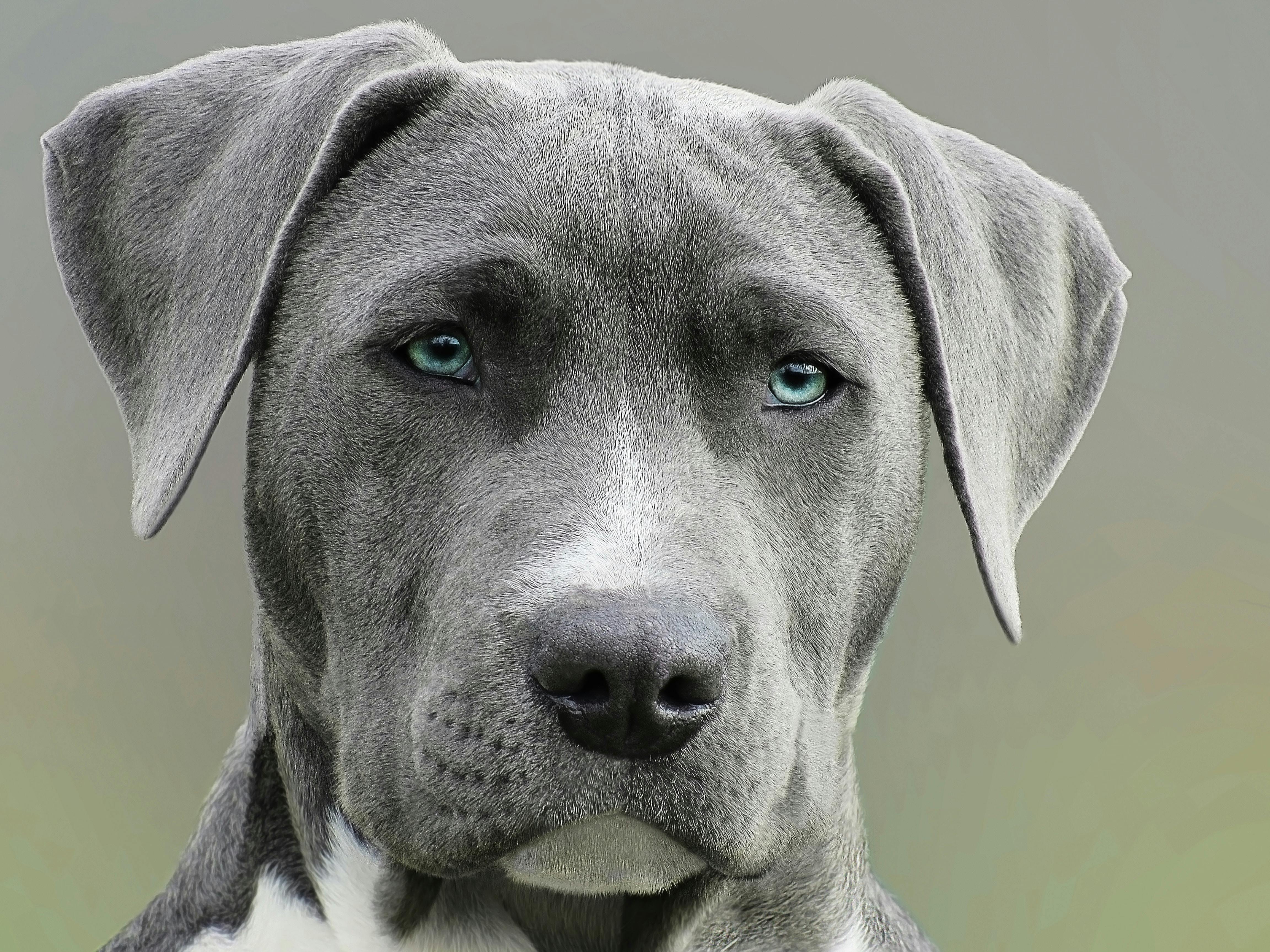 \n\n
\n\nDogs are often considered man's best friend, and one of the most fascinating things about them is their noses. While you may have noticed that some dogs have drier noses than others, have you ever wondered why? Or, on the flip side, why do dogs have wet noses? It's a question that sparks curiosity among pet owners. Let’s dive into the surprising reasons behind these phenomena.
\nWhy Do Some Dogs Have Drier Noses?
\nThere several reasons why a dog's nose might be dry. It's important to understand that a dry nose doesn't always mean something is wrong. Here are some common factors:
\n- \n
- Weather Conditions: Just like humans, dogs can be affected by the weather. Hot and dry climates can cause a dog’s nose to lose moisture, leading to that dry feeling. \n
- Health Issues: Sometimes, a dry nose can indicate health problems. Conditions like fever, dehydration, or even autoimmune diseases can lead to dryness. \n
- Age: As dogs age, their noses can become drier. This is often a natural part of growing older, similar to how our skin can lose moisture. \n
- Allergies: Dogs can suffer from allergies just as humans do. Environmental factors like pollen, dust, or even certain foods can lead to a dry and itchy nose. \n
- Skin Conditions: Certain skin issues can affect the moisture level in a dog’s nose. Dermatitis and other skin problems might cause dryness. \n
Why Do Dogs Have Wet Noses?
\nOn the other hand, a wet nose is commonly seen as a sign of a healthy dog. But why is that? Here are some reasons why dogs tend to have moist noses:
\n- \n
- Cooling Mechanism: Dogs have sweat glands, but they aren't as efficient as human sweat glands. Instead, dogs primarily release heat through their noses. The moisture helps cool them down. \n
- Sense of Smell: A wet nose aids in a dog’s ability to smell. The moisture helps to trap scent particles, enhancing their olfactory senses. This is why dogs have such an amazing ability to sniff out things! \n
- Social Behavior: Dogs often greet each other with nose-to-nose contact. A wet nose can be more inviting for social interactions among dogs. \n
- Hydration: A wet nose often indicates that a dog is well-hydrated. If a dog's nose is continuously moist, it can be a good sign that they are drinking enough water. \n
Comparing Dry and Wet Noses
\nTo better understand the differences, here’s a quick comparison:
\n| Feature | \nDry Nose | \nWet Nose | \n
|---|---|---|
| Temperature | \nOften warmer | \nTypically cooler | \n
| Health Indicator | \nPossible health issues | \nGenerally a sign of health | \n
| Moisture Level | \nLow | \nHigh | \n
| Smell Enhancement | \nLess effective | \nMore effective | \n
| Daily Observation | \nCan vary with environment | \nUsually consistent | \n
Practical Examples
\nImagine you take your dog for a walk on a hot summer day. You might notice that their nose feels drier than usual. This is probably because the hot sun is causing the moisture to evaporate. Conversely, if you’ve just given your dog a bath, their nose might be extra wet from the water. This illustrates how external factors can influence your dog’s nose moisture levels.
\nAlso, if you notice your dog’s nose suddenly becoming dry and cracked, it could be a sign to visit the vet. Changes in nose texture and moisture can sometimes indicate underlying health issues that need attention.
\nUnderstanding Nose Color
\nThe color of a dog's nose can affect moisture levels as well. For example, dogs with darker noses may retain moisture better than lighter-colored noses. Certain breeds, like the Labrador Retriever, generally have wetter noses, while others might have drier ones.
\nHere are some breed examples:
\n- \n
- Labrador Retriever: Known for their wet noses. \n
- Pug: Often has a dry nose due to their facial structure. \n
- Beagle: Usually has a moist nose, which helps with their great sense of smell. \n
Monitoring your dog’s nose can help you gauge their overall health. While a wet nose is typically a good sign, a sudden change in moisture can indicate that you need to take a closer look at their well-being.
\nUnderstanding why dogs have wet or dry noses can deepen your bond with your furry friend. It helps you to be more observant about their health and ensures that you can provide the best care possible. Keeping an eye on these little details can make a big difference in your pet's happiness and health. So, next time you give your pup a pat, take a moment to notice their nose!
\n\nCan a Dog’s Wet Nose Indicate Illness? Signs Every Pet Owner Must Recognize
\n\n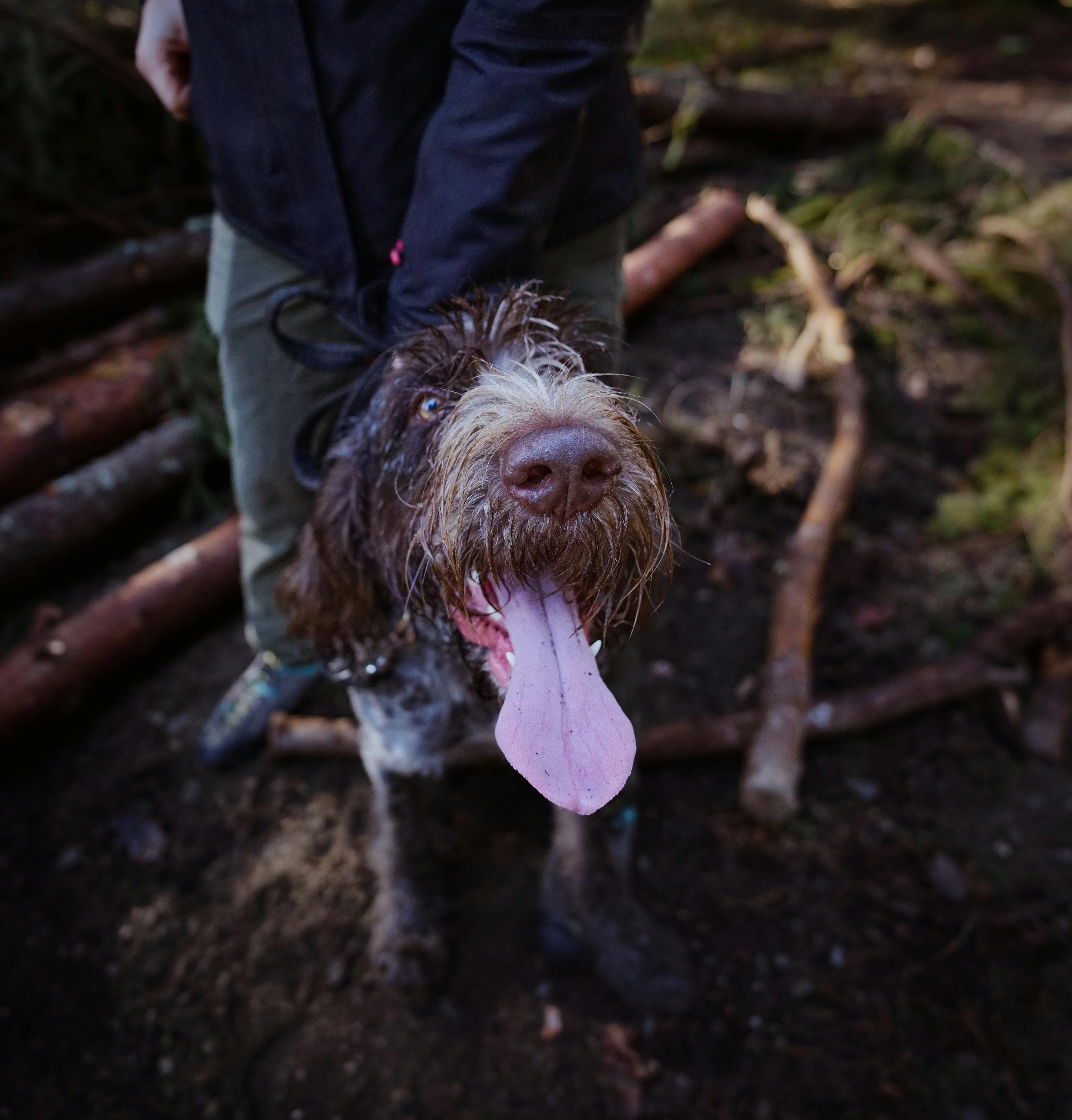 \n\n
\n\nWhen you think about dogs, their wet noses come to mind right away. But have you ever wondered if a dog’s wet nose could mean something more serious, like illness? Understanding your pet’s health is important, and recognizing the signs of potential problems can be crucial. Here, we’ll explore the fascinating reasons why dogs have wet noses, and discuss if a wet nose can really be an indicator of sickness.
\nWhy Do Dogs Have Wet Noses?
\nDogs have wet noses for various reasons, and it's not just about keeping cool. Here some of the main factors:
\n- \n
- \n
Cooling Mechanism: Dogs don’t sweat like humans do. They regulate their body temperature through panting, and their wet nose helps them cool down. The moisture on the nose evaporates, aiding in temperature regulation.
\n \n - \n
Sense of Smell: A dog’s sense of smell is incredibly powerful, and a wet nose helps enhance that. The moisture on the nose traps scent particles, which allows dogs to detect smells more effectively.
\n \n - \n
Health Indicator: A dog’s nose can be a sign of health. While many believe a cold, wet nose indicates a healthy dog, that’s not always the case. Changes in the moisture level of a dog’s nose can indicate underlying health issues.
\n \n - \n
Anatomy: The structure of a dog’s nose is designed to be moist. The nasal glands produce mucus that keeps the nose wet. This is essential for their heightened olfactory senses.
\n \n
Can a Dog’s Wet Nose Indicate Illness?
\nWhile a wet nose is often a sign of a healthy pup, it’s not a definitive indicator. Here are some things to consider:
\n- \n
- \n
Temperature Changes: A dry nose can sometimes mean a dog is overheated or dehydrated. If your dog’s nose is unusually dry or warm, it could be a sign they need water or rest.
\n \n - \n
Infection or Illness: If your dog’s nose is excessively dry, cracked, or has discharge, it may be an indication of an infection or other health issues, such as allergies or autoimmune diseases.
\n \n - \n
Behavioral Changes: Besides just the nose, you should observe your dog’s behavior. If they’re lethargic, not eating, or showing signs of distress, it may be time to consult a veterinarian.
\n \n
Signs Every Pet Owner Must Recognize
\nUnderstanding your dog’s health means knowing what to look for. Here’s a list of signs that could suggest your dog is unwell:
\n- \n
- \n
Change in Appetite: A sudden loss of interest in food can be a red flag.
\n \n - \n
Excessive Drinking: Increased thirst could indicate diabetes or kidney issues.
\n \n - \n
Lethargy: If your dog seems more tired than usual, it could signal a problem.
\n \n - \n
Vomiting or Diarrhea: Frequent stomach issues shouldn't be ignored.
\n \n - \n
Coughing or Breathing Problems: Any change in breathing patterns can be concerning.
\n \n - \n
Sudden Weight Loss or Gain: Noticeable changes in weight can indicate serious health issues.
\n \n - \n
Behavior Changes: If your dog is acting differently, whether aggressive, withdrawn, or anxious, pay attention!
\n \n
A Quick Comparison: Wet Nose vs. Dry Nose
\n| Condition | \nWet Nose | \nDry Nose | \n
|---|---|---|
| Healthy State | \nUsually cold and moist | \nCan be warm or cool | \n
| Illness Indicator | \nRarely indicates illness | \nMay indicate dehydration or fever | \n
| Normal Behavior | \nDog is active and playful | \nDog may seem lethargic | \n
Practical Examples
\nLet’s consider a few scenarios.
\n- \n
- If your dog’s nose is wet and they’re energetic, you probably got a happy, healthy pup. \n
- On the other hand, if you notice a dry, cracked nose along with your dog acting sluggish, it might be time to call the vet. \n
- A wet nose with a discharge could mean something like an infection, and that’s definitely something to take seriously. \n
Recognizing these signs and understanding the reasons behind your dog's wet nose can help you catch potential health issues early. Always trust your instincts as a pet owner; if something seems off, it’s better to be safe than sorry.
\nBeing a responsible pet owner means keeping an eye on your furry friend’s health. A wet nose can mean many things, so knowing the facts can help you navigate your dog's well-being better.
\n\nThe Evolutionary Advantage of Wet Noses: How It Helps Dogs Survive
\n\n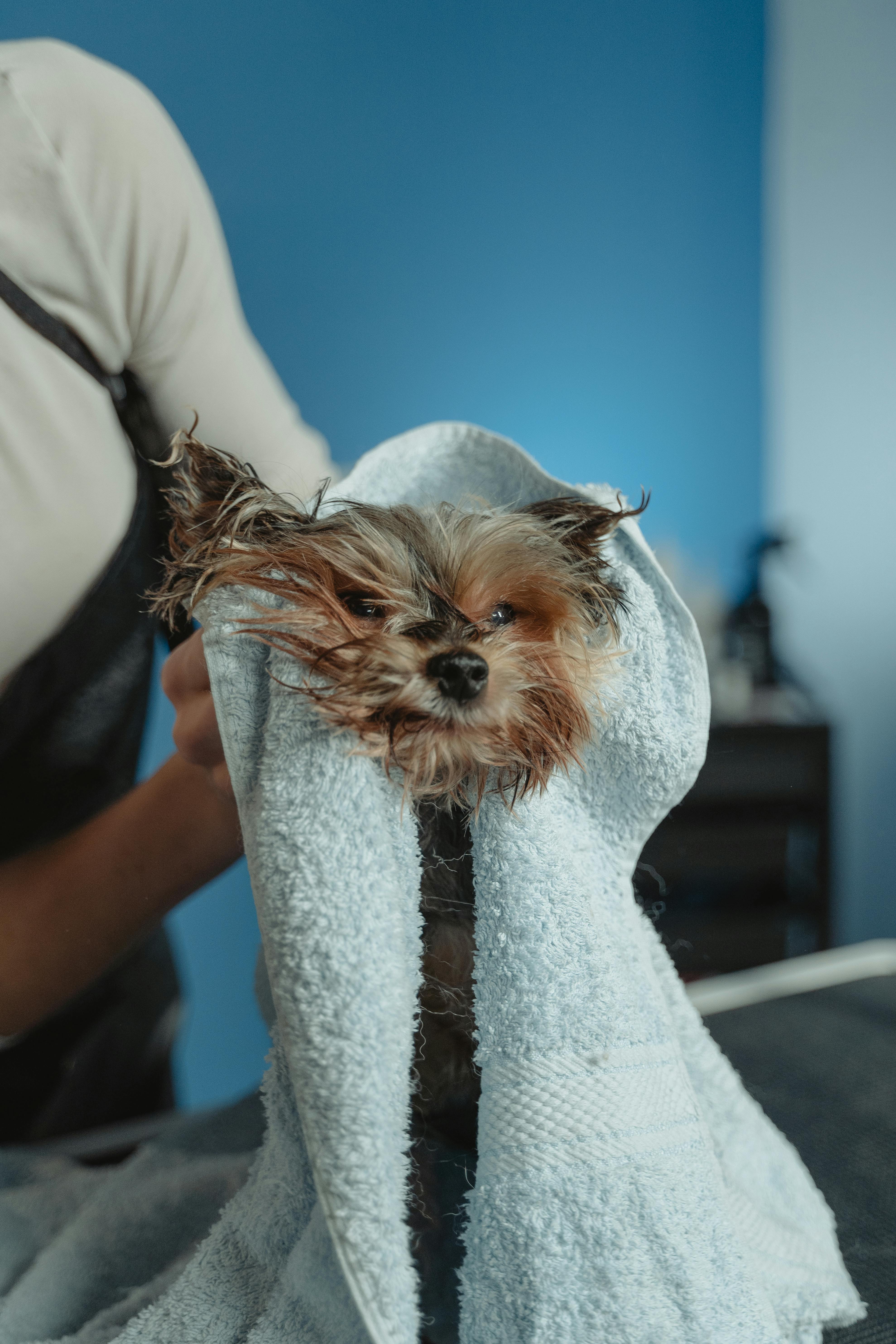 \n\n
\n\nDogs, man's best friend, have so many unique and interesting traits, but one of the most intriguing is their wet noses. Ever wonder why do dogs have wet noses? It’s not just a cute characteristic; it actually serves an important purpose in their survival and overall health. Let’s dive into the evolutionary advantages of wet noses and discover the fascinating reasons behind this peculiar feature.
\nThe Biology Behind Wet Noses
\nA dog's nose is covered with a thin layer of moisture, which is primarily made up of mucus. This wetness helps dogs in several ways, from enhancing their sense of smell to regulating their body temperature. Here are some key points about the biology of wet noses:
\n- \n
- \n
Enhanced Olfactory Receptors: Dogs have approximately 220 million olfactory receptors in their noses, compared to about 5 million in humans. The moisture on their noses helps to capture scent particles in the air, increasing their ability to detect smells.
\n \n - \n
Temperature Regulation: Dogs don’t sweat like humans do. Instead, they use their noses to help regulate their body temperature. The moisture evaporates, which cools them down. This is especially important during hot weather or after exercise.
\n \n - \n
Communication: Dogs use their noses to communicate with each other, and a wet nose can indicate health and well-being to other dogs. A dry nose can sometimes signal illness, so wetness can be a sign of vitality.
\n \n
Historical Perspective
\nFrom an evolutionary standpoint, the wet nose is thought to have developed over thousands of years. Early dogs, which descended from wolves, needed to be effective hunters and foragers. The ability to smell better would have provided a significant advantage in locating prey and avoiding danger. Here’s a brief history:
\n- \n
- \n
Ancient Origins: The ancestors of modern dogs evolved in the wild, where their sense of smell was crucial for survival. The wet nose evolved as an adaptation to enhance this vital sense.
\n \n - \n
Domestication: As dogs were domesticated, their roles changed, but their keen sense of smell remained an advantage. They became companions, guardians, and workers, each role benefitting from a heightened sense of smell.
\n \n
Fascinating Reasons Why Dogs Have Wet Noses
\nThere are various reasons why dogs have wet noses, and they all contribute to their survival and everyday life. Here’s a quick list of some fascinating facts:
\n- \n
- \n
Scent Tracking: Wet noses help dogs track scents over long distances. The moisture traps scent particles, allowing them to follow trails more efficiently.
\n \n - \n
Health Indicator: A wet nose is often a sign that a dog is healthy. If you notice your dog’s nose is excessively dry or cracked, it might be worth consulting a veterinarian.
\n \n - \n
Cooling Mechanism: During hot days, a wet nose can help to cool down a dog’s body temperature. It’s like a natural air conditioner!
\n \n - \n
Social Interactions: Dogs often greet each other by sniffing noses. A wet nose can denote friendliness and openness, making it an essential tool for social bonding.
\n \n
Comparison: Dog Noses vs. Human Noses
\nWhen comparing dog noses to human noses, the differences are striking. Here’s a quick overview:
\n| Feature | \nDog Nose | \nHuman Nose | \n
|---|---|---|
| Olfactory Receptors | \n220 million | \n5 million | \n
| Moisture Level | \nHigh (for scent detection) | \nVariable (depends on health) | \n
| Function | \nScent detection, temperature regulation | \nScent detection, breathing | \n
As you can see, the evolutionary advantages of wet noses in dogs far surpass anything we experience with our own noses. Dogs rely on their noses for many aspects of their life, from navigating their environment to social interactions.
\nPractical Examples of Wet Nose Benefits
\nWet noses aren’t just an interesting quirk; they have practical implications in daily life for dogs. Here are a few examples:
\n- \n
- \n
Search and Rescue: Dogs are frequently used in search and rescue operations. Their ability to smell even the faintest scents allows them to locate missing persons in challenging environments.
\n \n - \n
Medical Detection: Some dogs are trained to detect medical conditions, like cancer or diabetes, through scent. Their wet noses play a crucial role in this ability.
\n \n - \n
Hunting and Tracking: Many breeds were developed for hunting, and a wet nose enhances their tracking skills, making them invaluable to hunters.
\n \n
Understanding why do dogs have wet noses and the evolutionary advantages they bring can deepen our appreciation for our canine companions. Their wet noses are not just a strange trait; they are a testament to how evolution has equipped dogs for survival and success in various roles, whether as pets, workers, or guardians. So next time you see a dog with a wet nose, remember that it’s more than just a cute feature; it’s a fascinating part of what makes dogs such incredible animals
\n\n7 Myths About Dogs’ Wet Noses Debunked: What Science Tells Us
\n\n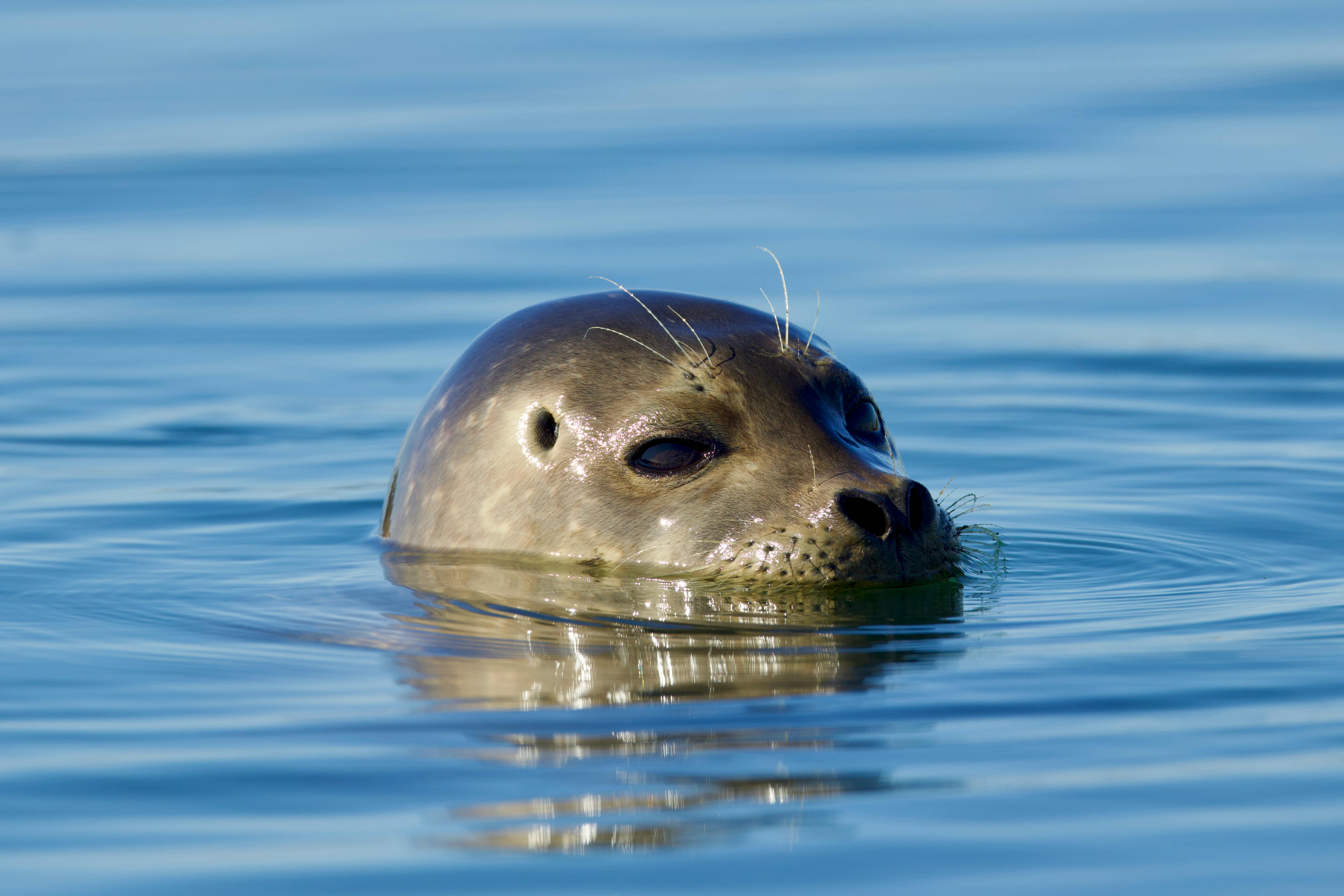 \n\n
\n\nDogs are one of the most adored pets around the globe, and their characteristic wet noses often sparks curiosity. Many people wonder why do dogs have wet noses, and there’s a lot of myths floating around regarding this. In this article, we gonna take a closer look at 7 common myths about dogs' wet noses and what science really tells us about them. Get ready to discover some fascinating reasons!
\nMyth 1: Wet Noses Mean a Dog is Healthy
\nOne of the most popular myths is that a wet nose indicates a healthy dog. While many healthy dogs do have moist noses, it’s not an absolute rule. Dogs can have dry noses and still be perfectly healthy. There are various reasons for a dog’s nose to be dry, like weather changes, allergies, or even sleeping too long in a warm place.
\nMyth 2: Dogs’ Noses are Wet Because of Their Saliva
\nAnother misconception is that dogs’ noses are wet due to saliva. While it’s true that dogs may lick their noses, the moisture primarily comes from mucous glands in their noses. This helps them absorb scent particles better, making their sense of smell super powerful!
\nMyth 3: All Dogs Have Wet Noses
\nNot all dogs have the same level of moisture on their noses. For example, brachycephalic breeds, like Bulldogs or Pugs, might have drier noses compared to others. The structure of their snouts can affect how much moisture they retain.
\nMyth 4: A Wet Nose is Always a Sign of a Fever
\nMany believe that if a dog’s nose is dry, it means they have a fever. This is not entirely accurate. A dog’s body temperature is best checked with a rectal thermometer, and a wet nose does not always correlate with their internal temperature. Some dogs might just have naturally cooler noses while others can be warm regardless of their health status.
\nMyth 5: Dogs’ Wet Noses Help Them Cool Down
\nWhile humans sweat to cool down, dogs have a different method. They primarily cool down through panting, not through their noses. Having a wet nose does help them in scent detection but doesn’t really play a big role in temperature regulation.
\nMyth 6: A Wet Nose is a Sign of Happiness
\nPeople often think that when a dog’s nose is wet, it’s a sign they are happy. Dogs can have different nose moisture levels based on various factors like activity level, the environment, or even just how long they’ve been playing outside. Happiness is better reflected in a dog's body language rather than just the condition of their nose.
\nMyth 7: Dogs Have Wet Noses to Smell Better
\nWhile it’s true that moisture helps enhance a dog’s sense of smell, the wetness isn’t the only factor. Dogs have an extremely complex olfactory system, and the wetness helps to capture scent particles. The anatomy of a dog’s nose, including the number of scent receptors, plays a large role in their incredible smelling ability.
\nFascinating Reasons Why Dogs Have Wet Noses
\nNow that we’ve debunked some myths, let’s dive into the fascinating reasons behind why dogs have wet noses:
\n- \n
- Smell Enhancer: The moist surface of the nose helps pick up scent particles, which boost their sense of smell. \n
- Thermoregulation: While not primarily for cooling down, a dog’s nose does play a minor role in regulating their body temperature. \n
- Communication Tool: Dogs use their noses to gather information about their environment. A wet nose can help them detect pheromones from other animals. \n
- Hydration: A wet nose can also help maintain hydration levels, although it’s not their main source of moisture. \n
Fun Facts About Dogs’ Noses
\n- \n
- Dogs have up to 300 million scent receptors in their noses compared to about 5 million in humans. \n
- The size of a dog’s nose can affect its sense of smell; larger noses generally mean better smelling ability. \n
- Dogs can even detect certain diseases through their sense of smell, such as cancer or diabetes, thanks to their keen olfactory senses. \n
Understanding why do dogs have wet noses and debunking the myths surrounding them can help dog owners care better for their furry friends. Remember, while a wet nose can be a sign of a well-functioning olfactory system, it doesn’t tell the full story about a dog’s health or happiness. Always consult with a vet if you have concerns about your pet's well-being. The next time you pet your dog, just remember, it’s not just a wet nose; it’s a fascinating tool that helps your pup interact with the world!
\n\nHow Climate Affects Your Dog's Nose Moisture: Tips for Different Weather Conditions
\n\n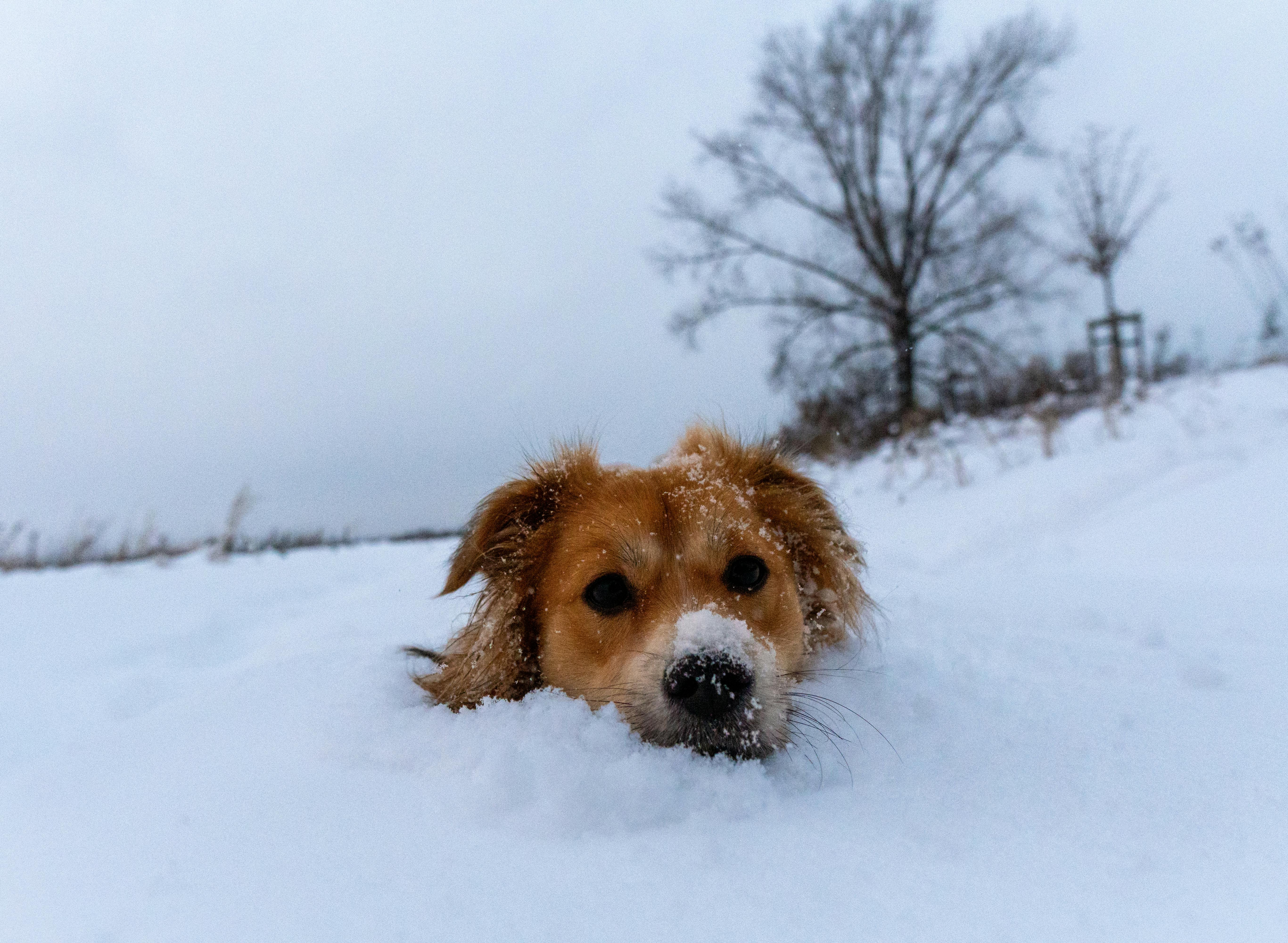 \n\n
\n\nEver wondered why your dog’s nose is always wet? Well, there’s actually a lot more to it than just a simple moisture level. Dogs have unique physiological traits that contribute to the wetness of their noses. But what really influences this moisture? Climate plays a big role! The weather conditions can affect your furry friend's nose in various ways. Let’s explore how different weather can impact your dog's nose moisture, alongside some fascinating reasons why dogs have wet noses in the first place.
\nWhy Do Dogs Have Wet Noses?
\nDogs have wet noses for several reasons, and it’s not only about keeping cool. Here are some major points to consider:
\n- \n
- \n
Temperature Regulation: A dog’s wet nose helps to regulate their body temperature. When dogs breathe, they can cool themselves down through the moisture on their noses. It’s a natural way for them to stay comfortable, especially during warm weather.
\n \n - \n
Enhanced Smell: The moisture on a dog's nose helps to capture scent particles in the air. This enhances their ability to smell and is particularly important for their hunting instincts and everyday exploration.
\n \n - \n
Health Indicator: A wet nose is often seen as a sign of good health in dogs. However, a dry nose isn't always a cause for concern, as it can fluctuate based on various factors, including climate and activity level.
\n \n - \n
Communication: Dogs use their noses to gather information about their environment. A wet nose is often associated with curiosity and engagement with their surroundings.
\n \n
How Climate Affects Your Dog's Nose Moisture
\nJust like people, dogs can feel the effects of weather changes. Here’s how different weather conditions affects the moisture level on your dog's nose:
\nHot Weather
\nIn hot temperatures, the moisture on your dog's nose may evaporate quickly. This can lead to a dryer nose, but it’s important to keep your dog hydrated. Signs of dehydration may include:
\n- \n
- Dry or cracked nose \n
- Lethargy \n
- Loss of appetite \n
To help, provide plenty of fresh water and consider cooling off your dog with a damp cloth or a kiddie pool on really hot days.
\nCold Weather
\nCold weather can also play a role in your dog's nose moisture. Low humidity can cause their noses to become dry and chapped. Here are ways to combat this:
\n- \n
- Use a humidifier indoors to add moisture to the air. \n
- Apply a pet-safe nose balm to protect and hydrate your dog’s nose. \n
- Ensure your dog’s outdoor time is limited during extreme cold spells. \n
Rainy Weather
\nRain might seem like it would keep your dog’s nose moist, but it can create different issues. The dampness can lead to:
\n- \n
- Increased risk of mold or mildew in the environment. \n
- Wetness may cause irritation or infections if the nose remains perpetually wet. \n
Tips for Different Weather Conditions
\nHere’s a simple guide to keep your dog’s nose healthy, no matter the weather:
\n- \n
- \n
Summer:
\n- \n
- Always provide access to fresh water. \n
- Limit outdoor time during peak heat hours. \n
- Use pet sunscreen on exposed areas if your dog has short fur. \n
\n - \n
Winter:
\n- \n
- Keep your dog indoors during extreme cold. \n
- Use nose balms to prevent cracking. \n
- Ensure they are dry after being outside. \n
\n - \n
Rainy Days:
\n- \n
- Dry your dog’s nose after being outside. \n
- Watch for signs of irritation or fungal infections. \n
- Provide a clean, dry space for your dog to relax. \n
\n
The Fascinating Reasons Behind Wet Noses
\nUnderstanding why dogs have wet noses and how climate impacts them can help pet owners provide better care. Dogs have evolved these traits for survival, and it’s crucial for their well-being. A wet nose isn’t just a cute feature; it’s a functional part of their anatomy.
\nWhether your dog is lounging indoors or playing outside, keeping an eye on their nose condition can lead to early detection of health issues. Be proactive about their hydration and consider their environment, especially during extreme weather conditions.
\nSo next time you give your dog a scratch behind the ears, take a moment to appreciate that wet nose! It’s not just a sign of affection; it’s a remarkable feature that plays a vital role in your furry friend's life. Understanding these dynamics can help any dog owner ensure their pet leads a happy and healthy life, regardless of the weather outside.
\n\nFrom Temperature Regulation to Communication: The Multifaceted Purpose of Wet Noses in Dogs
\n\n \n\n
\n\nEver wondered why dogs have wet noses? They seems kinda odd at first, but there’s actually a lot of interesting science and history behind it. Wet noses aren’t just cute features; they play a vital role in the health and communication of dogs. Plus, a wet nose can tell you a lot about a dog's well-being. Let’s dive into this fascinating topic and uncover the many reasons behind those adorable, damp noses.
\nTemperature Regulation
\nOne of the primary functions of a dog's wet nose is temperature regulation. Dogs don’t sweat like humans do. Instead, they pant to cool down. But the wetness of their noses also helps. The moisture on a dog’s nose evaporates, which can cool their body temperature. This is especially important during hot days when dogs can easily overheat.
\n- \n
- Dogs have a unique way of keeping their body cool. \n
- Evaporation of moisture from the nose aids in temperature control. \n
- Wet noses can indicate a healthy thermoregulation response. \n
Enhanced Sense of Smell
\nDogs have an incredible sense of smell, which is partly due to their wet noses. The moisture on a dog’s nose helps to trap scent particles, allowing them to absorb more smells. This makes their sense of smell even sharper. Scientists say that dogs’ noses contain up to 300 million smell receptors compared to humans' approximately 6 million.
\n- \n
- The anatomy of a dog’s nose is designed for sniffing. \n
- Wetness helps in capturing and analyzing scents. \n
- Dogs can smell things at incredibly low concentrations, which is why they're often used in search and rescue missions. \n
Communication Tool
\nJust like humans express emotions through facial expressions, dogs do it through their noses too. A dog’s wet nose can be a sign of affection or a way to communicate. When a dog nudges you with their wet nose, they can be seeking attention or affection.
\n- \n
- Wet noses can signal various emotions, like excitement or affection. \n
- Dogs use their noses to explore and interact with their environment. \n
- A dry nose can indicate stress or illness, which is why knowing your dog’s normal state is essential. \n
Health Indicator
\nThe condition of a dog’s nose can be an important health indicator. While a wet nose is usually a sign of a healthy dog, a dry or cracked nose might suggest dehydration or illness. It’s crucial to monitor any changes in your dog’s nose and consult a vet if you notice something unusual.
\n- \n
- A healthy dog usually has a moist, cool nose. \n
- Changes in nose condition can indicate health issues. \n
- Regular check-ups can help in early detection of potential problems. \n
Historical Context
\nHistorically, dogs with wet noses were often considered to be more trustworthy and healthy. Ancient cultures recognized the significance of a dog’s nose, associating it with instincts and hunting abilities. In many societies, a dog’s nose was seen as a vital part of their survival and function within a family unit.
\n- \n
- In ancient Greece, dogs were often used for hunting because of their keen sense of smell. \n
- Many cultures believed a dog’s nose could tell them about the weather or changes in their environment. \n
- The perception of wet noses has evolved, but their importance remains significant. \n
Summary of Functions
\nHere’s a quick recap of the multifunctional purposes of wet noses in dogs:
\n- \n
- Temperature Regulation: Helps in cooling down. \n
- Enhanced Sense of Smell: Traps scent particles for better detection. \n
- Communication Tool: Expresses emotions and needs. \n
- Health Indicator: Shows overall well-being. \n
Fun Facts About Dog Noses
\n- \n
- Dogs’ noses are unique, just like human fingerprints. No two dogs have the same nose pattern! \n
- The wetness of a dog’s nose can help them detect pheromones, which are chemical signals used for communication. \n
- Some breeds, like Bloodhounds, have even more sensitive noses than others, making them exceptional trackers. \n
Understanding why dogs have wet noses not only gives us insight into their nature but also strengthens our bond with them. So, next time you see your furry friend with their adorable wet nose, remember that it’s doing more than just looking cute—it’s working hard to keep them healthy, happy, and in touch with you! The wet nose is just one of the many marvelous traits that make dogs such incredible companions.
\n\nConclusion
\n\nIn conclusion, the wet noses of dogs serve several important functions, playing a vital role in their health and sensory perception. The moisture on their noses enhances their sense of smell, allowing them to detect scents more effectively, which is crucial for their communication and exploration of the world. Additionally, a wet nose helps regulate their body temperature and keeps them cool, similar to sweating in humans. While a wet nose is often associated with a healthy dog, it’s essential to observe overall behavior and health, as changes may indicate underlying issues. Understanding these fascinating aspects of canine biology not only deepens our appreciation for our furry friends but also helps us care for them better. As you spend time with your dog, take a moment to appreciate that wet nose—it’s a remarkable feature that contributes to their unique charm and vitality.
\n\n