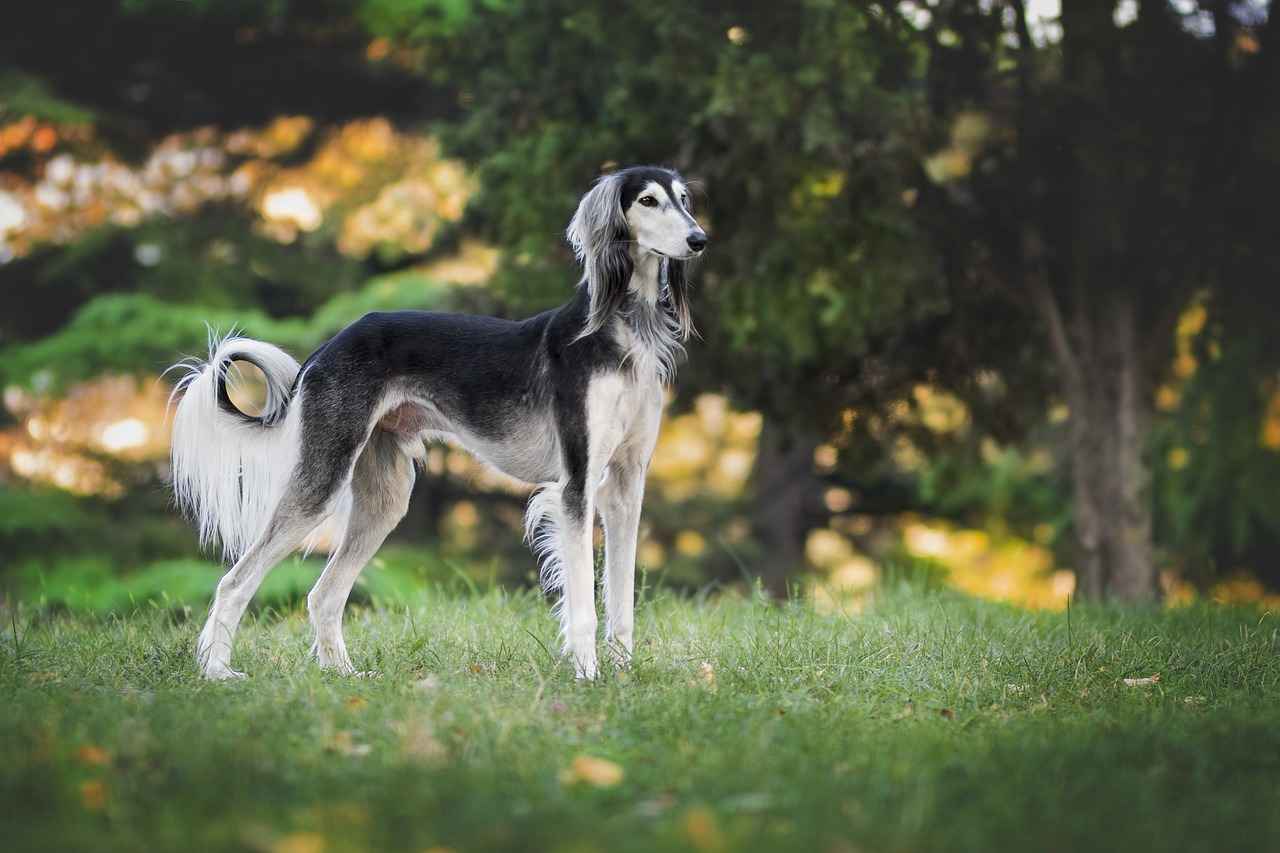
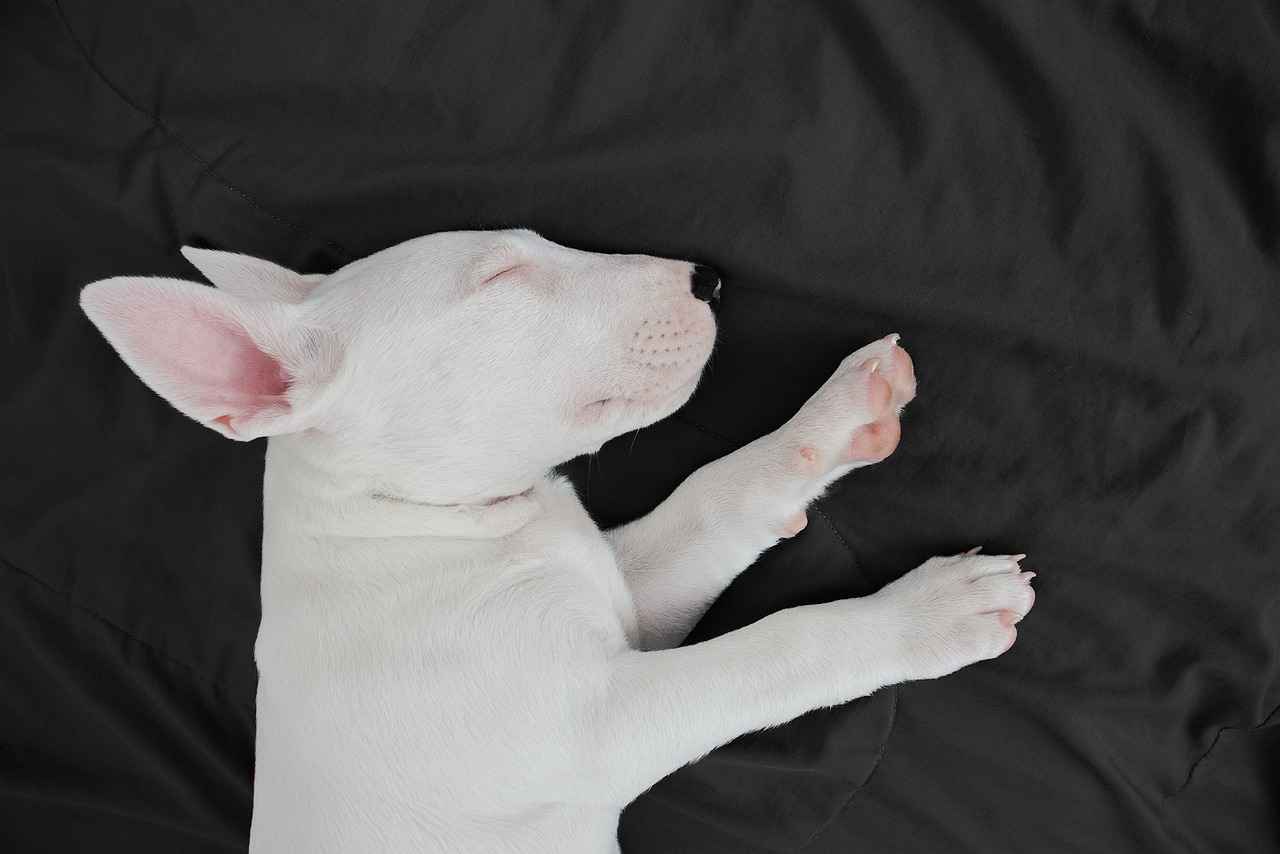
Have you ever wondered, why do dogs have wet noses? This intriguing question has fascinated dog lovers and pet owners alike for ages. A dog’s nose is not just a cute feature; it serves important purposes that contribute to their overall health and well-being. In this article, we will explore the fascinating reasons behind this unique characteristic. Is it just for cooling down, or does it play a role in their sense of smell? The truth might surprise you! Wet noses can actually enhance a dog’s ability to detect scents, making them exceptional companions for search and rescue operations or even service dogs. Plus, did you know that a wet nose can indicate a dog’s emotional state? In a world where canine companionship is cherished, understanding why our furry friends possess these moist noses can deepen the bond between humans and dogs. So, if you’re curious to learn more about the science and reasons behind this intriguing trait, keep reading! You’ll uncover the mysteries of dog noses and discover fascinating insights that every dog owner should know. Let’s dive into the world of our canine companions and unveil the secrets of their wet noses!
\n\nThe Science Behind Wet Noses: Why Are Dogs' Noses Always Moist?
\n\n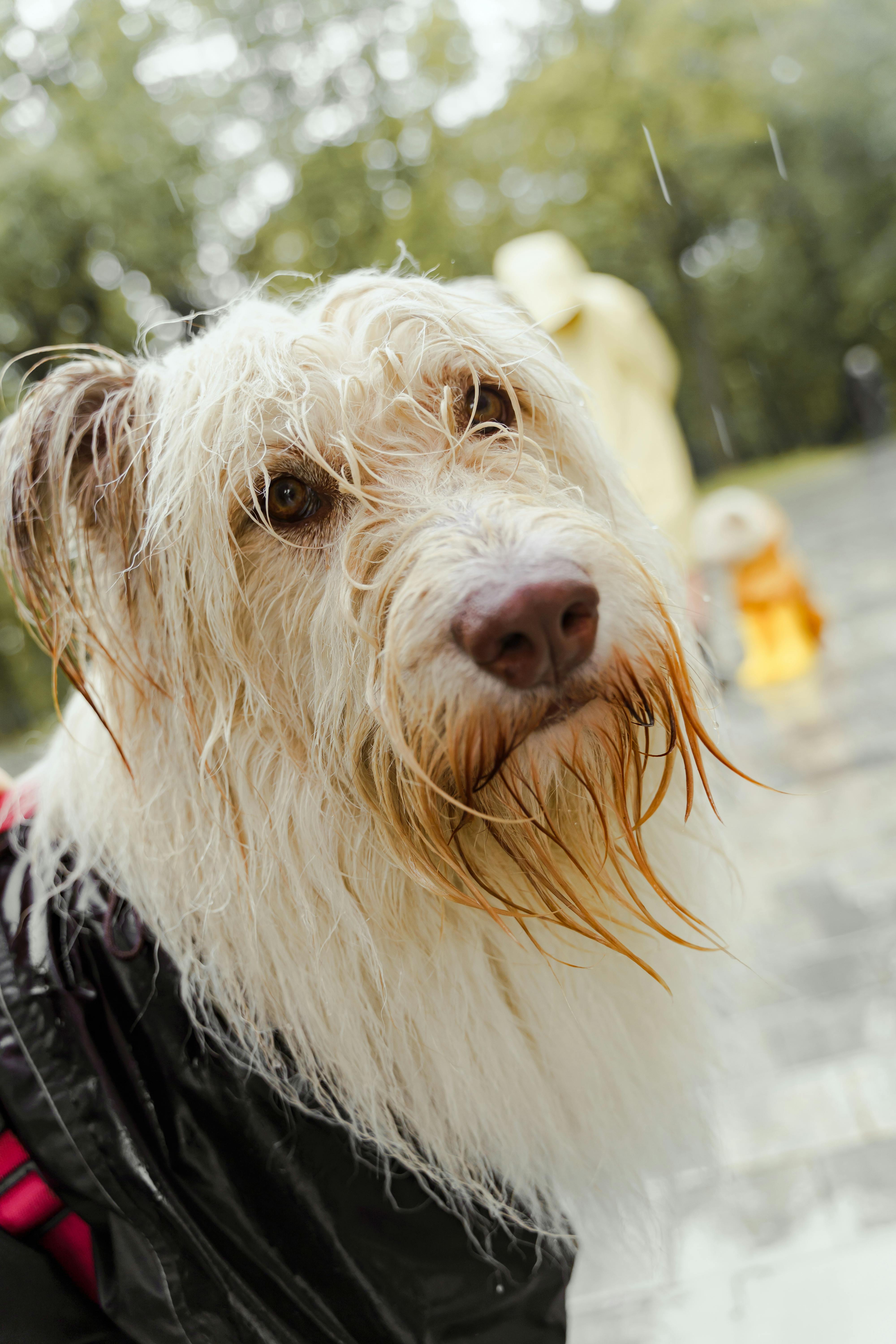 \n\n
\n\nHave you ever wondered why dogs’ noses are always wet? It is a question that many pet owners ask, and there’s a lot of science behind it. When you see your furry friend with that shiny, moist nose, it’s not just for show. There are several fascinating reasons why dogs have wet noses, and understanding these can deepen your appreciation for your canine companion.
\nThe Function of a Dog's Nose
\nFirst off, let’s talk about the anatomy of a dog’s nose. Dogs have a highly developed sense of smell, which is essential for their survival. The moisture on their noses plays a crucial role in this. Here’s how:
\n- \n
- Enhanced Smell: The wetness helps to trap scent particles in the air. When a dog sniffs, the moisture absorbs these particles, which makes it easier for them to analyze smells. \n
- Temperature Regulation: A damp nose can help dogs regulate their body temperature. While they primarily sweat through their paws, a wet nose can assist in cooling them down too. \n
- Health Indicator: A wet nose is typically a sign of a healthy dog. If a dog’s nose becomes dry or cracked, it might signal dehydration or illness. \n
Evolutionary Background
\nHistorically, the wet nose is a trait that has evolved over time. Dogs, descended from wolves, have adapted to their environments in various ways. The ability to smell and interpret scents is vital for hunting and survival in the wild. A moist nose is just one of those adaptations.
\nWhy Do Dogs Have Wet Noses? Here’s a Quick Breakdown
\n- \n
- Moisture Production: Dogs possess special glands in their noses that produce mucus. This mucus keeps the nose moist, which is vital for their sense of smell. \n
- Licking Habit: Dogs often lick their noses to keep them moist. It’s a natural behavior that helps maintain that essential moisture level. \n
- Environmental Factors: Factors like humidity and temperature can affect how wet a dog’s nose is. For example, during hot, dry weather, a dog may have a drier nose. \n
Fun Facts About Dogs and Their Noses
\n- \n
- Dogs Have More Smell Receptors: A dog’s nose has approximately 220 million smell receptors, compared to about 5 million for humans. This is a big reason why their noses are so crucial for them. \n
- Unique Nose Prints: Just like human fingerprints, every dog has a unique nose print. This can even be used for identification purposes! \n
- Nose Color Variation: Dog noses can vary in color, from black to pink. The color can change due to genetics, age, or health conditions. \n
What Affects a Dog’s Nose Moisture?
\nSeveral factors can influence the moisture level of a dog’s nose:
\n- \n
- Health Conditions: If a dog is sick, their nose may become dry. Conditions like fever, allergies, or dehydration can cause this. \n
- Weather: Cold, dry weather can lead to a drier nose. Similarly, high humidity can keep a dog’s nose wetter. \n
- Age: Older dogs may have drier noses due to decreased moisture production as they age. \n
Keeping Your Dog's Nose Healthy
\nIt’s essential to monitor your dog’s nose. Here are some tips for maintaining that all-important moisture:
\n- \n
- Hydration: Ensure your dog has constant access to fresh water. Proper hydration is key for a moist nose. \n
- Humidifiers: If you live in a dry climate, consider using a humidifier in your home to help keep moisture in the air. \n
- Regular Vet Check-ups: Regular visits to the veterinarian can help you catch any health issues early that may affect your dog’s nose moisture. \n
The Bottom Line
\nSo next time you see your dog with that wet nose, remember, it’s not just cute; it serves many vital functions. From enhancing their sense of smell to regulating body temperature, a moist nose is a fascinating aspect of your dog’s biology. Understanding the reasons behind it can help you appreciate your furry friend even more. Keeping an eye on their nose health can also ensure they remain happy and healthy. Dogs really are amazing creatures, and their wet noses are just one of the many reasons why we love them.
\n\nTop 5 Reasons Your Dog's Wet Nose Is a Sign of Good Health
\n\n \n\n
\n\nHave you ever wondered why your dog's nose is often wet? It's a common sight, and many of us might just assume it’s normal. But there are actually several reasons that can explain this fascinating phenomenon. In fact, a wet nose can be a sign of good health in dogs. Let’s dive into the top 5 reasons why your furry friend’s wet nose is not just a quirk, but an indication of their overall well-being.
\n1. Temperature Regulation
\nOne key reason dogs have wet noses is to help regulate their body temperature. Dogs don’t sweat like humans do. Instead, they rely on panting and the moisture on their noses to cool down. When a dog’s nose is wet, it can help them stay cool during hot days.
\n- \n
- Wet noses help evaporate moisture, which cools the blood vessels around the nasal cavity. \n
- This process can be particularly important for dogs that are very active or live in warmer climates. \n
- A dry nose could indicate that your dog is overheating or dehydrated. \n
2. Enhanced Sense of Smell
\nDogs have an incredible sense of smell, way better than humans, right? The wetness on their noses is actually beneficial for their olfactory abilities. Here’s how it works:
\n- \n
- The moisture on a dog’s nose captures scent particles from the air. \n
- This helps them process smells better, allowing your pup to detect scents that humans can't even fathom! \n
- A wet nose may enhance their tracking abilities, making them better at finding lost items or even sniffing out food. \n
3. Immune System Functionality
\nA wet nose can also be a sign of a healthy immune system. When a dog is healthy, their nose tends to be moist. Here’s some interesting facts about that:
\n- \n
- Dogs produce a thin layer of mucus on their noses, which can help trap dust and allergens. \n
- This mucus can serve as a first line of defense against pathogens. \n
- If your dog’s nose suddenly becomes persistently dry or cracked, it might be a sign of an underlying health issue, and a vet visit might be in order. \n
4. Hydration Indicator
\nYou might not think about it, but a wet nose can also be a good indicator of your dog’s hydration levels. Just like in humans, proper hydration is crucial for a dog’s health.
\n- \n
- A wet nose typically indicates that your dog is well-hydrated. \n
- If their nose is dry and flaky, it could mean they need more water. \n
- Dogs who are sick or dehydrated often have dry noses, so monitoring this can help you catch potential issues early. \n
5. Emotional State
\nDogs are emotional creatures, and their noses can give you clues about how they are feeling. A wet nose might indicate several things about a dog's emotional state:
\n- \n
- When dogs are relaxed or happy, their noses often feel moist. \n
- Conversely, a dry nose can sometimes indicate stress or anxiety. \n
- If you notice changes in your dog's nose when there are changes in their environment, it might be worth considering their emotional health. \n
Other Interesting Facts
\n- \n
- Historical Context: Historically, wet noses have always been seen as a sign of vitality in dogs. Ancient cultures believed that a moist nose indicated a healthy animal, and this notion has persisted into modern times. \n
- Breeds Variability: Not all dog breeds have the same nose texture. For example, some brachycephalic breeds (those with flat faces) may have a drier nose compared to others. It's good to know your specific breed's nose characteristics. \n
- Comparative Analysis:
- \n
- Wet Nose: Indicates health, hydration, and normal temperature. \n
- Dry Nose: May suggest dehydration, illness, or stress. \n
\n
Quick Tips for Dog Owners
\n- \n
- Regularly check your dog's nose for changes in texture and moisture. \n
- Ensure your dog stays hydrated, especially during hot weather. \n
- Observe your dog’s behavior; a change in their emotional state could reflect in their nose condition. \n
- If your dog is showing signs of illness, such as a dry nose, lethargy, or any unusual behavior, consult a veterinarian. \n
So, the next time you pet your dog and feel that cool, wet nose, remember that it could be a sign of something good! Keeping an eye on your dog’s nose can be an easy way to monitor their health. Embrace the quirks of your furry friend and enjoy the journey of pet ownership, knowing that their wet nose might just be the key to understanding their well-being.
\n\nHow Dogs Use Their Wet Noses to Communicate: Unraveling the Mystery
\n\n \n\n
\n\nDogs are more than just pets; they’re companions, guardians, and sometimes even our best friends. Ever wonder why do dogs have wet noses? This is not just a quirky characteristic; it plays a big role in how dogs communicate and understand their world. Let's dive in and discover the fascinating reasons behind those moist noses and how they aid our furry friends in their day-to-day interactions.
\nThe Science Behind Wet Noses
\nDogs noses are often wet, and this is not just for show. The moisture on their noses help them pick up scent chemicals from the air. The more moisture there is, the better they can smell!
\nHere are a few reasons dogs noses are wet:
\n- \n
- Enhanced Scent Detection: Wet noses absorb scent particles, which helps dogs identify smells more effectively. \n
- Cooling Mechanism: Dogs do not sweat like humans; instead, they cool off through their noses. A wet nose helps regulate their body temperature. \n
- Communication Tool: Dogs communicate with each other and humans through scent. A wet nose is an essential tool in this process. \n
A Nose for Communication
\nDogs use their noses not just for smelling, but also for communicating. This is especially true in social situations, where dogs may greet each other with a good sniff. Here’s how it works:
\n- \n
- Scent Marking: When a dog sniffs another dog’s nose, they gather information about that dog’s identity, health, and even mood. \n
- Social Signals: A wet nose can indicate that a dog is friendly and open to interaction. Conversely, a dry nose may sometimes signify stress or discomfort. \n
- Emotional Sensing: Dogs are known to pick up on human emotions. A wet nose can be a sign that a dog is trying to comfort you, as they seek to connect with your feelings. \n
Historical Context: Why Do Dogs Have Wet Noses?
\nDogs have evolved over thousands of years alongside humans. Their wet noses developed as an adaptation to their environment and lifestyle. Historically, dogs were bred for various tasks like hunting, herding, and guarding. Here’s how their wet noses have played a role in these tasks:
\n- \n
- Hunting: Dogs were bred to track scents in the wild. A wet nose enhances their ability to follow trails. \n
- Herding: Herding dogs needed to communicate with livestock. Sniffing and wet noses helped them manage herds effectively. \n
- Guarding: Alert dogs often sniff out intruders or detect changes in their environment with their highly sensitive noses. \n
Fun Facts About Dog Noses
\nDid you know that dog noses have unique patterns, much like human fingerprints? Here’s a list of interesting facts about dog noses:
\n- \n
- Scent Sensitivity: Dogs can detect certain smells at concentrations nearly 100 million times lower than humans can. \n
- Temperature Regulation: A dog’s nose can be a bit cooler than their body temperature; this helps them stay cool. \n
- Nose Prints: Just like fingerprints, each dog has a unique nose print that can be used for identification. \n
Comparison of Dog Noses to Human Noses
\nIt’s fascinating to compare dog noses to human noses. Here’s a quick look at how they differ:
\n| Feature | \nDog Nose | \nHuman Nose | \n
|---|---|---|
| Scent Detection | \nHighly developed, 300 million scent receptors | \nAround 5 million scent receptors | \n
| Moisture Level | \nGenerally wet, aids in scent absorption | \nMostly dry, less scent detection | \n
| Temperature Control | \nHelps cool down | \nSweating is primary cooling method | \n
Practical Examples of Nose Communication
\nDogs use their noses in various ways to communicate. Understanding these methods can improve your relationship with your furry friend:
\n- \n
- Greeting: When a dog approaches you and sniffs your hand, it’s their way of saying hello and gathering information. \n
- Exploration: Dogs often sniff objects or areas to learn more about their environment. This is their version of reading a map. \n
- Playfulness: A dog may boop their nose against you to initiate play, a clear signal they are ready for fun. \n
Dogs have wet noses for many reasons, each contributing to their ability to communicate and interact with the world around them. This wetness isn’t just a quirk, but a critical part of how they experience life. So the next time your dog nudges you with their damp nose, remember, they are simply trying to connect with you in the best way they know how. Whether it's to say "hello", to share their feelings, or to explore the world, that wet nose is a window into a dog's heart and mind.
\n\nIs a Wet Nose Always Better? Understanding Dog Nose Variations
\n\n \n\n
\n\nIs a Wet Nose Always Better? Understanding Dog Nose Variations, Why Do Dogs Have Wet Noses? Discover The Fascinating Reasons!
\nHave you ever noticed your dog’s nose? It’s usually wet, right? But is a wet nose always better? Many pet owners wonder about the significance of their furry friend’s nose moisture. There are several reasons why dogs have wet noses, and understanding this can help you care for your pet better. Let’s dive into the fascinating world of dog noses and their variations.
\nThe Science Behind a Dog’s Wet Nose
\nDogs have wet noses mainly due to the presence of mucous membranes. The moisture helps enhance their sense of smell, which is already way stronger than ours. A wet nose can absorb scent molecules from the environment, allowing dogs to gather important information about their surroundings, such as other animals or people that have passed by.
\nHere are some interesting points about why dog noses are wet:
\n- \n
- Enhanced Olfactory Function: The moisture on a dog’s nose helps to capture scent particles, making it easier for them to detect smells. \n
- Thermoregulation: Dogs don’t sweat like humans do. Instead, they cool themselves through their noses and paw pads. A wet nose can help regulate their body temperature. \n
- Health Indicator: While a wet nose is generally a sign of good health, it’s not the only indicator. Dogs can have dry noses and still be perfectly fine. \n
Variations in Dog Nose Moisture
\nNot all dogs have the same type of noses. Some are always wet, while others are sometimes dry. Here are some variations:
\n- \n
- Breeds with Short Noses: Breeds like Bulldogs and Pugs may have drier noses due to their facial structure. \n
- Active Dogs: Dogs that play outside often might have wetter noses because they are exposed to the elements. \n
- Health Conditions: Sometimes, a dog’s nose can be dry due to health issues like allergies or dehydration. \n
Why Do Dogs Have Wet Noses? A Deeper Look
\nLet’s explore further into the reasons behind a dog’s wet nose:
\n- \n
- Communication Tool: Dogs use their sense of smell not just for exploration but also for communication. A wet nose can help them identify other dogs’ pheromones, which are crucial for social interaction. \n
- Nose Shape and Structure: Different dog breeds have different nose shapes, which can affect moisture levels. Long-nosed breeds like Greyhounds tend to have wet noses, while brachycephalic breeds might not. \n
- Environmental Factors: Humidity and temperature can impact how wet a dog’s nose stays. On a hot day, you might notice your dog’s nose is wetter after they've been outside. \n
Common Myths About Dog Noses
\nThere are a lot of myths surrounding dog noses. Here are a few that are often believed:
\n- \n
- \n
Myth 1: A warm, dry nose always means a dog is sick.
\n- \n
- Reality: Dogs can have warm, dry noses and still be healthy. It’s not a definitive health indicator. \n
\n - \n
Myth 2: Only sick dogs have cold noses.
\n- \n
- Reality: Nose temperature can vary due to numerous factors, just like humans can feel warm or cold based on the weather. \n
\n - \n
Myth 3: A wet nose means your dog is happy.
\n- \n
- Reality: While a wet nose can be a sign of a content dog, it doesn’t always correlate with their emotional state. \n
\n
Checking Your Dog's Nose Health
\nWhile a wet nose is often seen as a good sign, it’s essential to pay attention to changes. Here’s how you can monitor your dog’s nose health:
\n- \n
- Texture: Is it smooth or rough? A sudden change in texture can indicate a problem. \n
- Color: Healthy dog noses are usually black or brown, but some dogs might have pink noses. If there’s redness or swelling, consult a vet. \n
- Temperature: While a warm nose isn’t always a sign of illness, a sudden change in temperature could be. \n
Practical Tips for Nose Care
\nTaking care of your dog's nose is important. Here are some tips:
\n- \n
- Hydration: Ensure your dog drinks plenty of water, especially in hot weather. \n
- Moisturizers: If your dog has a dry nose, consider using a pet-safe moisturizer. \n
- Regular Vet Visits: Regular check-ups can help catch potential issues early. \n
In the end, a dog’s wet nose is a fascinating topic with lots of variations. It’s a blend of biology, health indicators, and environmental factors. So, while a wet nose is often a good sign, don’t overlook other signs of health. Pay attention to your dog’s overall well-being, and you’ll have a happy, healthy companion by your side!
\n\nThe Fascinating Role of Wet Noses in a Dog’s Sense of Smell
\n\n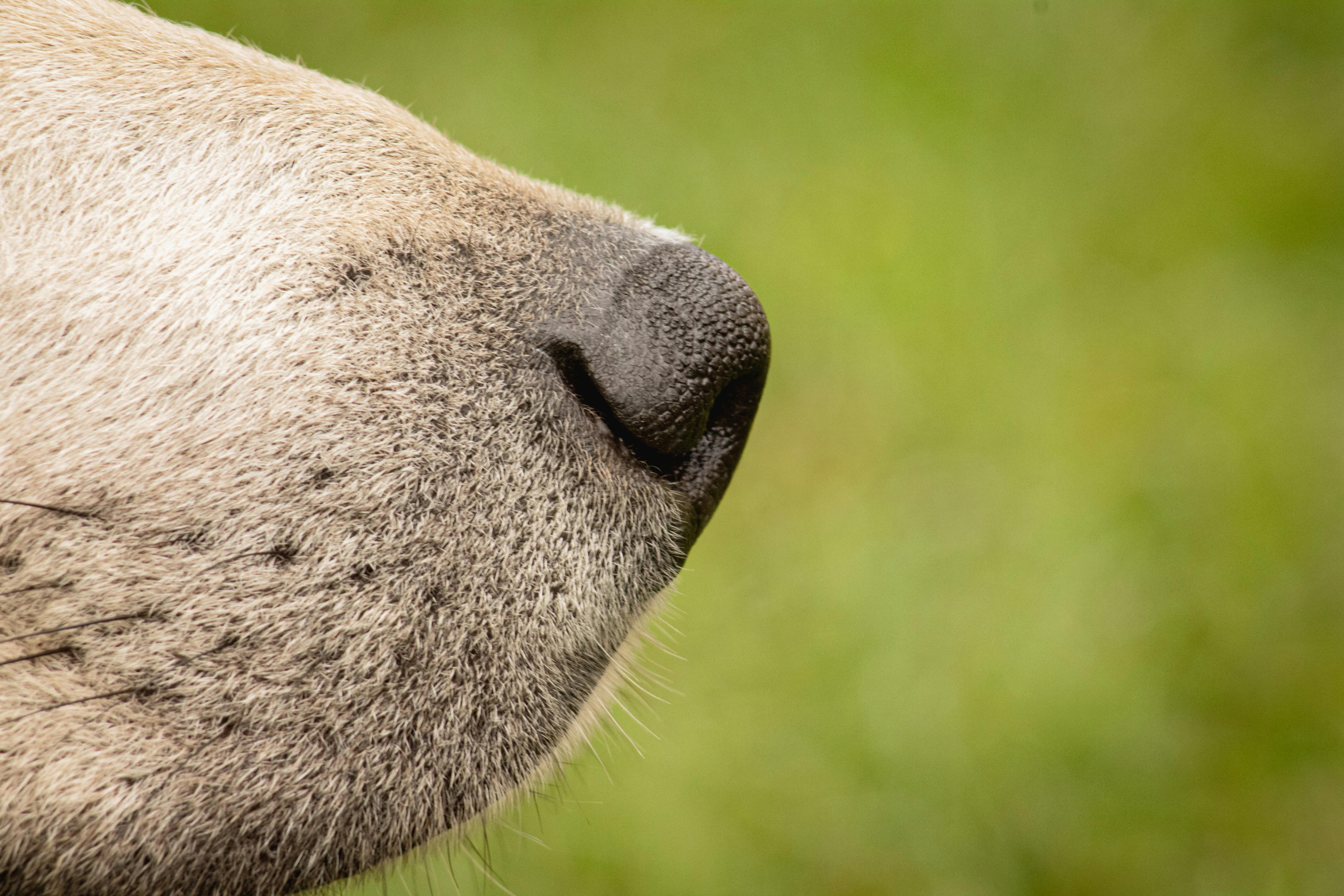 \n\n
\n\nDogs are truly fascinating creatures with many unique characteristics, and one of the most intriguing features is their noses. Ever wonder why do dogs have wet noses? It’s a question that many dog lovers ask, and the answer is both simple and complex. Wet noses are not just cute; they serve several important functions in a dog’s life.
\nThe Science Behind a Dog's Nose
\nDogs have an incredible sense of smell. In fact, their sense of smell is estimated to be between 10,000 to 100,000 times more sensitive than that of humans. This heightened sense of smell is due in part to the structure of their noses, which includes a moist surface. But why is that moisture there?
\n- \n
- Increase in Sensitivity: The moisture on a dog's nose helps capture scent particles from the air, which enhances their ability to detect different smells. \n
- Temperature Regulation: A wet nose also helps in regulating a dog’s body temperature. When they breathe, the moist surface cools the air they inhale, helping to maintain their internal temperature. \n
How Do Wet Noses Help Dogs?
\nThere are several fascinating reasons why a dog’s wet nose is more than just an adorable feature. Here are some functions of their wet noses:
\n- \n
- Scent Absorption: The moisture helps to absorb scent particles, making it easier for dogs to identify different smells. When you see a dog sniffing around, they are actively using their wet nose to gather information about their environment. \n
- Communication: Dogs communicate through scent. A wet nose can emit pheromones, sending signals to other dogs and even humans about their mood, health, and territorial boundaries. \n
- Health Indicator: A dog’s nose can provide clues about their health. A healthy dog usually has a moist, cool nose. If it’s dry or warm, it might indicate dehydration or illness, although this isn’t a definitive rule. \n
Historical Context of Dog Noses
\nHistorically, humans have utilized dogs’ keen sense of smell for various purposes. For example, hunting dogs have been bred specifically for their ability to track scents over long distances. This reliance on their olfactory prowess dates back thousands of years. Here are some key points:
\n- \n
- Tracking and Hunting: In ancient times, dogs were essential for tracking game. Their wet noses played a crucial role in detecting scents left by animals. \n
- Service and Assistance: Today, dogs are used in search and rescue operations, detecting drugs, and even identifying diseases like cancer, thanks to their amazing sense of smell. \n
Fun Facts About Dog Noses
\nHere are some fun facts that you may not know about dog noses:
\n- \n
- Each dog has a unique nose print, much like a human fingerprint. \n
- The wetness of the nose can change with the weather; dogs often have drier noses in hot, dry weather. \n
- Dogs can smell in layers, which means they can differentiate between multiple scents simultaneously. \n
Comparison: Dog Noses vs. Human Noses
\nWhen comparing dog noses to human noses, the differences become clear. Here’s a simple comparison:
\n| Feature | \nDog Nose | \nHuman Nose | \n
|---|---|---|
| Sensitivity | \n10,000 to 100,000 times more | \nLimited sensitivity | \n
| Structure | \nMoist, large surface area | \nDry, smaller surface area | \n
| Function | \nPrimarily for scent detection | \nPrimarily for breathing | \n
Practical Examples of Wet Nose Utility
\nYou might be curious about how practical a dog’s wet nose can be in everyday life. Here are a few examples:
\n- \n
- Finding Lost Items: Dogs can locate lost objects by sniffing out their owner’s scent, using their wet nose to absorb and identify familiar smells. \n
- Detecting Illness: Some dogs have been trained to detect specific medical conditions in humans, such as low blood sugar or certain cancers, through their sense of smell. \n
Dogs and their wet noses are truly remarkable. They not only enhance a dog’s ability to navigate the world but also provide insights into their health and emotions. Understanding why do dogs have wet noses can deepen our appreciation for these loyal companions. Next time you see your furry friend with their adorable, wet nose, remember the impressive science and history behind it. It's just one of the many ways that dogs enrich our lives with their unique abilities.
\n\nCan a Dog's Wet Nose Indicate Illness? What Pet Owners Should Know
\n\n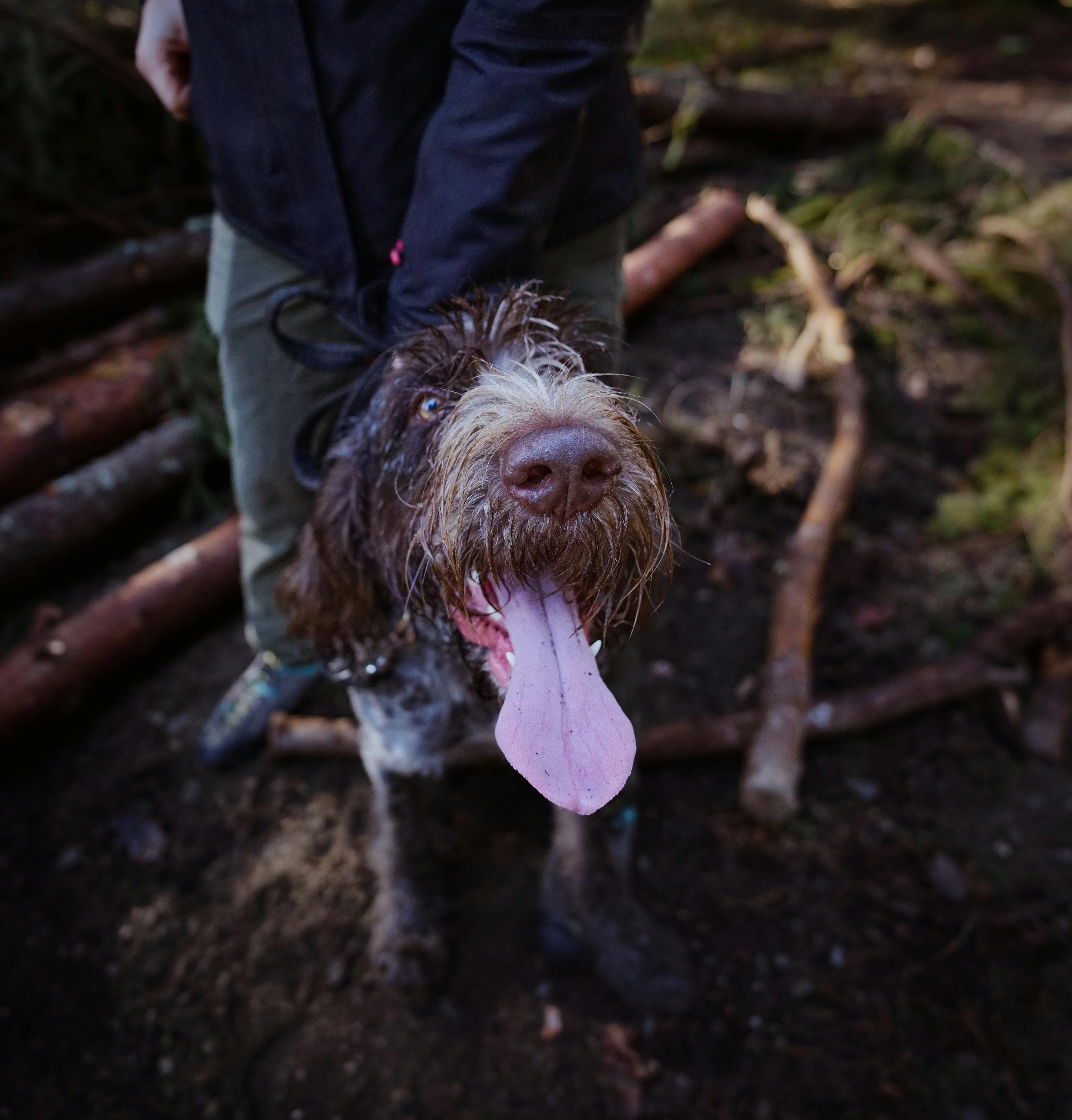 \n\n
\n\nHave you ever wondered why your dog’s nose is wet? Many pet owners do, and it often leads to the question: Can a dog's wet nose indicate illness? Let’s delve into the fascinating reasons behind those moist noses and what signs to watch for when it comes to your furry friend’s health.
\nWhy Do Dogs Have Wet Noses?
\nDogs are known for their wet noses, and there are several reasons for this interesting trait. A wet nose can be a sign of a healthy dog, but it’s not the only indicator of their well-being.
\n- \n
- \n
Temperature Regulation: Dogs don’t sweat like humans. Instead, their bodies cool down through their noses. The moisture helps to regulate their temperature, keeping them comfortable.
\n \n - \n
Enhanced Sense of Smell: A wet nose can help dogs pick up scents more effectively. The dampness can trap scent particles, making it easier for them to identify different smells in their environment.
\n \n - \n
Health Indicator: Generally, a wet nose is associated with good health. However, it’s important to note that a dry nose doesn’t always mean your dog is sick. Factors like weather, activity level, or even the time of day can affect the moisture of a dog’s nose.
\n \n - \n
Behavioral Cues: Dogs often lick their noses when they are nervous, excited, or trying to gather more scent information. This behavior is usually normal but can indicate other emotions or stress levels.
\n \n
Can a Dog's Wet Nose Indicate Illness?
\nWhile a wet nose is typically a sign of a healthy pup, it’s not an absolute. Here are a few conditions that could alter the usual moisture levels in your dog's nose:
\n- \n
- \n
Fever: A dog with a fever may have a dry, warm nose. If your dog’s nose is dry and they show other signs of illness like lethargy or loss of appetite, it might be time for a vet visit.
\n \n - \n
Dehydration: A dog that isn’t drinking enough water may have a dry nose. Other signs of dehydration include lethargy, dry gums, and a loss of skin elasticity.
\n \n - \n
Allergies or Irritants: Environmental factors like pollen, dust, or chemicals can affect your dog’s nose. It might become dry or irritated, which could signal an allergy or other health issue.
\n \n - \n
Infections: Sometimes, infections can cause a dog’s nose to be excessively wet or even result in discharge. If you notice unusual symptoms, consult with your veterinarian.
\n \n
Signs of Illness to Watch For
\nIt’s crucial to keep an eye on your dog’s overall behavior and health. Here’s a list of symptoms that may indicate illness:
\n- \n
- Changes in appetite \n
- Lethargy or decreased energy levels \n
- Vomiting or diarrhea \n
- Excessive licking or scratching \n
- Changes in drinking habits \n
- Coughing or difficulty breathing \n
If you notice a combination of these signs along with a change in your dog's nose moisture, it would be wise to seek veterinary advice.
\nQuick Facts About Dog Nose Moisture
\n- \n
- Normal Variation: It’s normal for a dog’s nose to be wet one moment and dry the next. Don’t panic if you feel it’s changing. \n
- Breed Differences: Some breeds have naturally wetter noses than others. For instance, Beagles are known to have particularly moist noses compared to bulldogs. \n
- Age Factors: Older dogs may show changes in moisture levels due to health changes or less activity. \n
What Should Pet Owners Know?
\n- \n
- \n
Regular Check-ups: Regular vet visits can help catch potential health issues early. Keeping track of your dog’s usual nose condition can make it easier to notice any changes.
\n \n - \n
Hydration is Key: Always ensure your dog has access to fresh water. Dehydration can lead to a host of health problems.
\n \n - \n
Observe Behavior: Pay attention to your dog's behavior. Changes in how they act can provide clues about their health.
\n \n - \n
Research Symptoms: Familiarize yourself with common health issues in your dog’s breed. Some breeds are predisposed to certain conditions.
\n \n - \n
Consult Professionals: If you notice anything unusual, don’t hesitate to contact your veterinarian. They can provide guidance tailored to your dog’s specific needs.
\n \n
Understanding why dogs have wet noses and what it could mean for their health is essential for every pet owner. While a moist nose is generally a sign of a healthy dog, it’s important to monitor other symptoms and behaviors. Always remember that your veterinarian is the best resource for any concerns about your pet’s health. Your furry friend depends on you to ensure they are happy and healthy!
\n\nWhy Do Different Breeds Have Different Nose Wetness? A Deep Dive
\n\n \n\n
\n\nDogs, our furry friends, have some of the most interesting features, one of which is their wet noses. Ever wonder why do dogs have wet noses? This question intrigues many dog owners and enthusiasts alike. Let's dive deeper into the fascinating reasons behind this phenomenon and why different breeds exhibit various levels of nose wetness.
\nThe Science Behind Wet Noses
\nDogs noses are often wet due to a combination of biology and behavior. The moisture that covers a dog’s nose comes from several sources, including:
\n- \n
- Mucous Production: Dogs produce mucus in their nasal passages, which can make their noses appear wet. \n
- Saliva: Dogs sometimes lick their noses, adding more moisture. \n
- Environmental Factors: Weather can influence how wet a dog's nose gets, like humidity or rain. \n
Wet noses help dogs in multiple ways. For example, it can enhance their sense of smell. Dogs have an extraordinary olfactory system, and a wet nose can trap scent particles, making it easier for them to identify scents.
\nWhy Do Different Breeds Have Different Levels of Nose Wetness?
\nNot all dogs have the same level of nostril moisture. Some breeds have noticeably wetter noses than others. This variation can be attributed to several factors:
\n- \n
- Breed Characteristics: Certain breeds are bred with unique physical traits, which can affect nose wetness. Breeds like the Labrador Retriever often have wetter noses compared to breeds like the Basenji. \n
- Environment: A dog's living conditions can also affect nose moisture. Dogs in humid climates might have wetter noses than those in drier environments. \n
- Health Factors: A dog's health can influence its nose. For instance, a sick dog might have a dryer nose, depending on the underlying condition. \n
Comparing Nose Wetness Across Breeds
\nHere’s a quick comparison on how different dog breeds typically vary in terms of nose moisture:
\n| Breed | \nNose Wetness Level | \n
|---|---|
| Labrador Retriever | \nHigh | \n
| Beagle | \nModerate | \n
| Poodle | \nLow | \n
| Bulldog | \nModerate | \n
| Basenji | \nLow | \n
This table highlights just a few breeds and their typical nose wetness levels. Of course, individual dogs may vary, but this gives a general idea.
\nThe Role of Nose Temperature
\nNose temperature plays a role too. A dog's nose can feel cool or warm, which is often misinterpreted by owners as a sign of health. A wet nose typically indicates a healthy dog, but temperature is influenced by many factors such as:
\n- \n
- Activity Level: Active dogs tend to have cooler and wetter noses due to increased airflow and moisture evaporation. \n
- Weather Conditions: Hot weather can cause the nose to dry out more quickly. \n
Fun Facts About Dogs’ Noses
\nDogs’ noses are not just wet; they are also fascinating in many other ways. Here are some fun facts:
\n- \n
- Unique Patterns: Just like human fingerprints, each dog has a unique nose print. \n
- Scent Detection: Dogs' noses have up to 300 million smell receptors, compared to humans' 5 million. \n
- Heat Regulation: Dogs also use their noses to help regulate body temperature through evaporative cooling. \n
Practical Reasons for Nose Wetness
\nSo, why is the wetness of a dog's nose important? Here are some practical reasons:
\n- \n
- Enhanced Smelling Ability: It helps dogs pick up scents more effectively, which is crucial for hunting, tracking, or just finding their favorite toy. \n
- Health Indicator: A wet nose is often seen as a sign of good health, while a dry nose can sometimes indicate illness, although not always. \n
- Social Interaction: Dogs use their noses to interact with other dogs and humans, and a wet nose may be more inviting. \n
Understanding why do dogs have wet noses and how it varies across breeds can help pet owners better care for their canine companions. It’s also a fun topic to discuss with fellow dog lovers.
\nNext time you see your dog’s wet nose, you’ll know there’s more to it than meets the eye! Embracing these small details enriches the bond between humans and their furry friends, making every wet-nosed nuzzle a bit more special.
\n\nHow to Keep Your Dog's Nose Healthy and Moist: Essential Tips
\n\n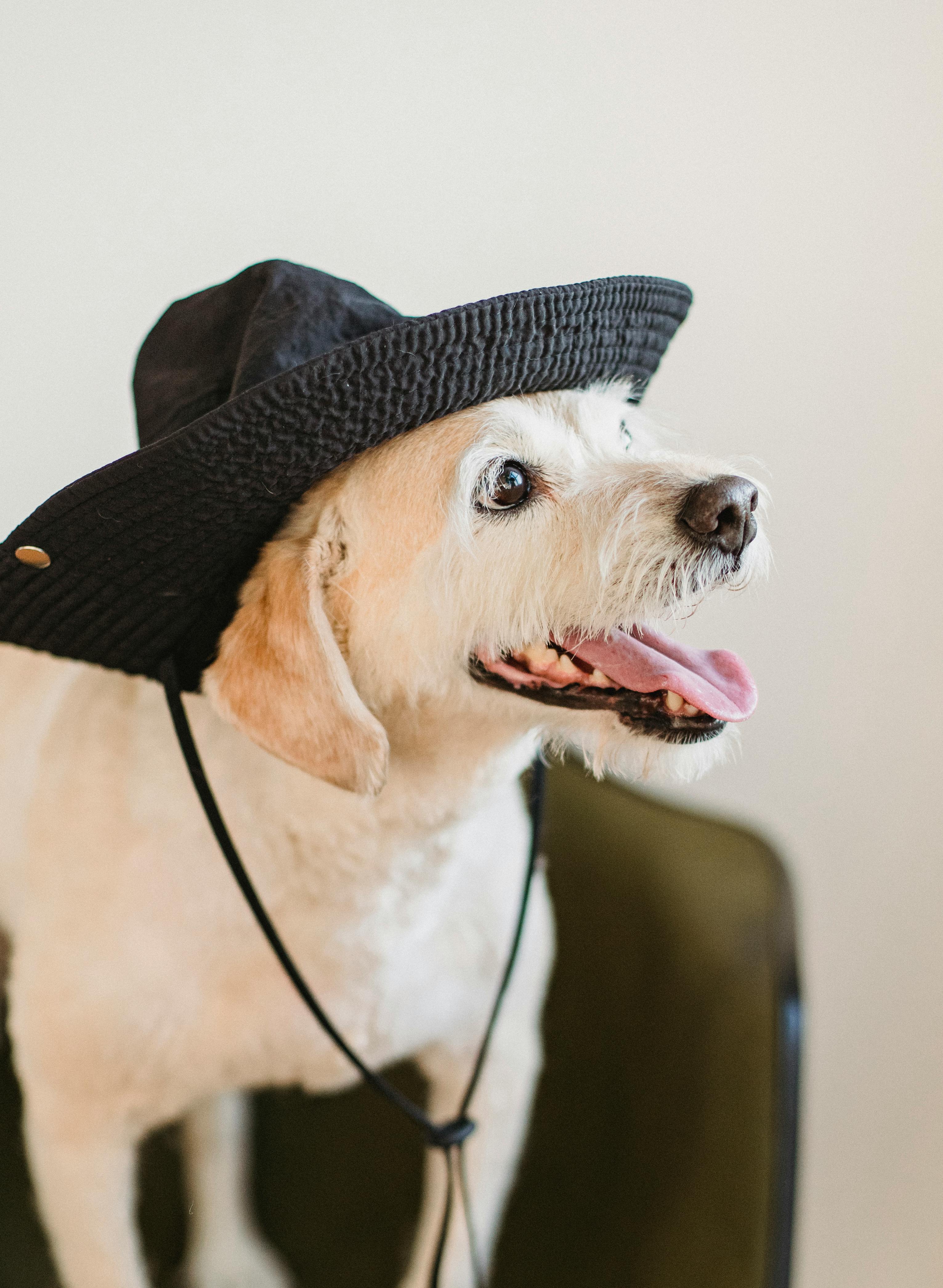 \n\n
\n\nDogs are often considered man's best friend, and one of the most charming characteristics of our furry companions is their wet noses. You ever wonder why dogs have wet noses? It’s not just for show! There’s a fascinating science behind it, and keeping that nose healthy and moist is crucial for your dog's overall well-being. In this article, we will dive into the reasons why dogs have wet noses, and provide essential tips to keep that nose in top shape.
\nWhy Do Dogs Have Wet Noses?
\nThe reason why dogs have wet noses is multifaceted. Here’s a quick breakdown of some key points:
\n- \n
- \n
Sense of Smell: A wet nose helps dogs to absorb scent chemicals more effectively. The moisture on the nose captures scent particles, making their sense of smell even stronger. In fact, dogs have up to 300 million smell receptors, compared to a human's 5 million.
\n \n - \n
Temperature Regulation: Dogs don’t sweat like humans do. Instead, they rely on their noses to help keep them cool. A wet nose can help regulate body temperature, especially during hot weather.
\n \n - \n
Health Indicator: The condition of a dog’s nose can be a sign of their health. A dry or cracked nose can indicate dehydration or other health issues, while a healthy nose should be moist and cool to the touch.
\n \n - \n
Communication: Dogs communicate a lot through their noses. Dogs often sniff each other to gather information about other dogs, and a wet nose can signal friendliness or curiosity.
\n \n
Essential Tips for Keeping Your Dog's Nose Healthy and Moist
\nNow that we know why dogs have those adorable wet noses, it’s important to keep it that way! Here are some essential tips to maintain your dog’s nose health:
\n- \n
- \n
Stay Hydrated: Always make sure your dog has access to clean, fresh water. Dehydration can lead to a dry nose. If you notice your dog's nose is getting dry, it may be time for a drink!
\n \n - \n
Humidity Matters: Dogs can be sensitive to dry air, especially in winter months or in arid climates. Consider using a humidifier in your home to keep the air moist.
\n \n - \n
Regular Vet Visits: Regular check-ups with the vet can help identify any underlying health issues. If your dog’s nose suddenly becomes dry or cracked, it’s best to consult a professional.
\n \n - \n
Limit Sun Exposure: Just like humans, dogs can get sunburned. If your dog spends a lot of time outdoors, applying a pet-safe sunscreen on their nose may help protect it from harmful UV rays.
\n \n - \n
Check for Irritants: Be aware of any chemicals or irritants in your home that could affect your dog’s nose. Cleaning products, smoke, or strong odors can cause dryness or irritation.
\n \n - \n
Use Natural Remedies: Consider using natural oils or balms specifically designed for dogs. Coconut oil or shea butter can be beneficial in keeping your dog’s nose hydrated. Just make sure it’s safe for pets!
\n \n - \n
Healthy Diet: A balanced diet plays a vital role in your dog’s overall health, including their skin and nose. Ensure your dog’s diet is rich in Omega fatty acids to promote skin and coat health.
\n \n
Signs of a Healthy Nose vs. Unhealthy Nose
\nUnderstanding the signs of a healthy versus an unhealthy nose can help you keep your dog in tip-top shape. Here’s a quick comparison:
\nHealthy Nose:
\n- \n
- Moist and cool to the touch \n
- Smooth texture without cracks \n
- Normal color (can vary by breed) \n
Unhealthy Nose:
\n- \n
- Dry or cracked appearance \n
- Warm to the touch \n
- Persistent discoloration (e.g., red or inflamed) \n
- Excessive discharge \n
When it comes to your dog’s health, being observant is key. If you notice any changes in your dog’s nose that concern you, don’t hesitate to reach out to your veterinarian.
\nFun Facts About Dog Noses
\n- \n
- Dogs have individual nose prints, much like human fingerprints! Each dog’s nose pattern is unique. \n
- The wetness of a dog’s nose can help them detect smells from a distance. It's said that a dog can smell something that is miles away. \n
- Dogs can also "sweat" through their noses, which aids in temperature regulation. \n
Keeping your dog’s nose healthy and moist is essential for their overall health and happiness. A wet nose is not just a cute feature; it plays a vital role in their sense of smell and overall well-being. By following these essential tips, you can ensure your furry friend has a happy, healthy nose for years to come. Remember, a healthy dog is a happy dog!
\n\nThe Evolutionary Advantage of Wet Noses in Canine Species
\n\n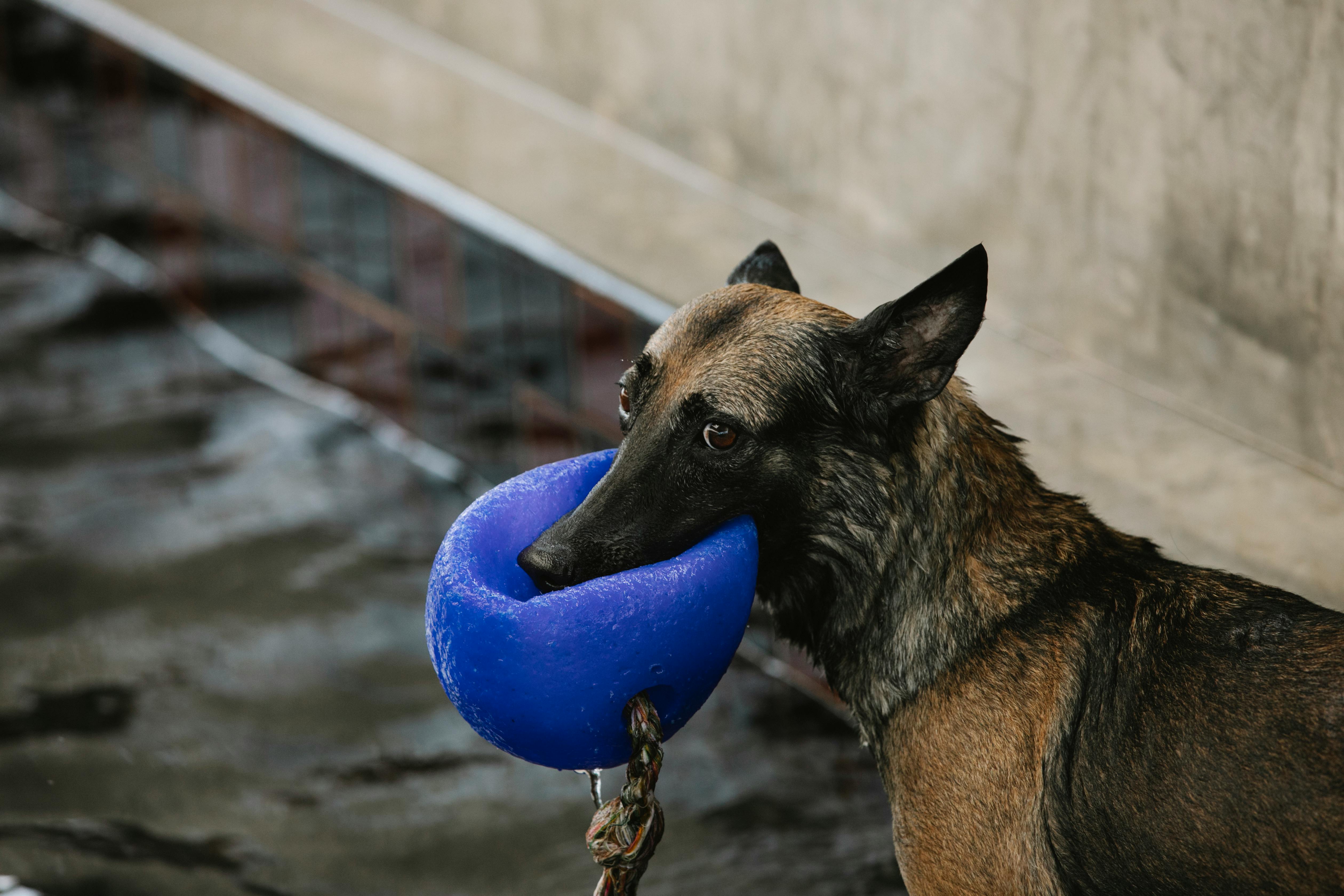 \n\n
\n\nHave you ever wondered why do dogs have wet noses? It’s one of those quirky things about our furry friends that often go unnoticed. But there’s actually a fascinating evolutionary story behind it, and those wet noses aren't just for show. They serve some important purposes that can be traced back to their ancestors. Let’s dive into the reasons why dogs have wet noses and explore the evolutionary advantages they provide.
\nThe Science Behind Wet Noses
\nDogs’ noses are wet because they secrete a thin layer of mucus. This mucus serves a few key functions. First, it helps to enhance their sense of smell, which is already incredibly strong compared to humans. Dogs have up to 300 million olfactory receptors in their noses, while humans only have about 5 million. The moisture from the mucus helps to trap scent particles, making it easier for dogs to detect and identify different smells.
\n- \n
- Wet noses also helps regulate body temperature. When dogs pant, moisture evaporates from their noses, which cools them down. This is especially important in hot weather or during vigorous exercise. \n
- The wetness can also help with communication among dogs. Just like humans use scent to communicate, dogs can pick up on pheromones and other scents through their noses, which can help them understand each other better. \n
Evolutionary Perspective
\nFrom an evolutionary standpoint, wet noses provided various advantages that helped canines survive in the wild. It's believed that dogs, which descended from wolves, inherited this feature. In the wild, being able to detect food, predators, or mates through scent can make a huge difference in survival.
\n- \n
- Hunting and Foraging: Wet noses helped early canines sniff out prey, allowing them to hunt efficiently. \n
- Social Interactions: Canines use their noses to gather information about other dogs or animals, which aids in pack dynamics and social hierarchy. \n
- Environmental Awareness: A wet nose allows dogs to examine their environment more thoroughly, picking up scents that may indicate danger or the presence of other animals. \n
Wet Nose vs. Dry Nose: What’s the Difference?
\nNot all dogs have wet noses at all times. Sometimes, you might notice that a dog’s nose is dry. This can be due to various factors, including:
\n- \n
- Temperature: A dog’s nose may dry out in hot weather or after sun exposure. \n
- Health Issues: A persistently dry nose could indicate dehydration or illness, so it’s important for owners to keep an eye on their pet’s health. \n
- Activity Level: After a long play session, a dog’s nose might dry out temporarily, but it should return to normal shortly after resting. \n
Fun Facts About Dog Noses
\n- \n
- Dogs have unique nose prints, much like human fingerprints. Each dog’s nose print is different, and they can be used for identification. \n
- The color of a dog’s nose can vary widely, including black, brown, and even pink, but this color doesn’t affect their sense of smell. \n
- Some breeds are more prone to having wet noses than others. Brachycephalic breeds, like Bulldogs and Pugs, may have difficulty maintaining moisture due to their short snouts. \n
Caring for Your Dog’s Nose
\nEnsuring your dog has a healthy and moist nose is part of responsible pet ownership. Here are some practical tips:
\n- \n
- Hydration: Always provide fresh water to your dog. Dehydration can lead to a dry nose. \n
- Humidity: In dry climates or during winter, consider using a humidifier to keep the air moist, which can help your dog’s nose as well. \n
- Nose Balm: If your dog’s nose becomes cracked or dry, there are pet-safe balms available that can help soothe and moisturize it. \n
Comparing Dogs’ Noses to Other Animals
\nDogs aren’t the only animals with wet noses. Other mammals, like cats and rabbits, also have moist noses. Here’s a simple comparison:
\n| Animal | \nNumber of Olfactory Receptors | \nPurpose of Wet Nose | \n
|---|---|---|
| Dogs | \n300 million | \nEnhance sense of smell, regulate temp | \n
| Cats | \n50-80 million | \nSimilar benefits as dogs | \n
| Rabbits | \n100 million | \nScent detection, moisture regulation | \n
The evolutionary advantage of wet noses in canine species is a fascinating topic that intertwines biology, history, and the everyday life of our pets. Next time you pet your dog, take a moment to appreciate that wet nose and everything it represents. With every sniff, your dog is experiencing the world in a way that’s uniquely theirs, and that wetness is a key part of it.
\n\nFun Facts About Dog Noses: Why Wetness Equals Happiness!
\n\n\n\nDogs are wonderful creatures and one of their most fascinating features is their noses. Ever wonder why do dogs have wet noses? Well, there's a lot more to it than just being cute! In fact, the wetness of a dog's nose is tied to their health and happiness. Let’s explore some fun facts about dog noses and uncover the reasons behind their dampness.
\nWhy Do Dogs Have Wet Noses?
\nFirst off, let’s talk about the anatomy of a dog’s nose. Dog noses are covered with a thin layer of mucus, which helps them absorb scent molecules. A wet nose isn’t just a quirky trait; it plays a critical role in their sense of smell.
\nHere’s what happens:
\n- \n
- Enhanced Scent Detection: When the nose is wet, it captures more scent particles. This is why dogs often sniff around with their noses—it's their way of exploring the world. \n
- Temperature Regulation: Dogs don't sweat like humans do. Instead, they rely on their noses to help regulate body temperature. A wet nose can help them cool down. \n
- Health Indicator: The moisture of a dog’s nose can indicate their health. A healthy dog typically has a moist, cool nose, while a dry, warm nose might suggest they’re not feeling too well. \n
Fun Facts About Dog Noses
\n- \n
- \n
Unique Patterns: Just like human fingerprints, each dog has a unique nose print. It could be used as a form of identification!
\n \n - \n
Scent Superstars: Dogs have up to 300 million smell receptors in their noses compared to humans who only have about 5 million. This makes their sense of smell at least 40 times better than ours!
\n \n - \n
The Wetness Factor: Wet noses are not just about moisture. A dog’s nose can change from wet to dry, which can indicate their emotional state—happy, relaxed pups usually have wetter noses.
\n \n - \n
Licking for Health: Dogs often lick their noses to keep them moist. This behavior is instinctual and helps them maintain their powerful sense of smell.
\n \n - \n
A Nose for Trouble: Some dogs are trained to sniff out drugs, explosives, or even medical conditions like low blood sugar. Their noses are truly remarkable!
\n \n
Why Wetness Equals Happiness
\nSo, why does wetness equal happiness for dogs? It’s simple! A wet nose often means that a dog is hydrated and in good health. Plus, when dogs are excited or happy, they tend to lick their noses more, leading to that moist appearance. Here’s a quick look at how a wet nose correlates with a dog’s well-being:
\n- \n
- Hydration: Dogs that drink enough water typically have wet noses. \n
- Active Lifestyle: Dogs that are well-exercised and play often tend to have more moisture in their noses. \n
- Positive Emotions: A wagging tail and a wet nose often go hand in hand, signaling a happy pup. \n
Fun Comparisons: Dog Noses vs. Human Noses
\nIt’s interesting to compare dog noses to human noses. Here’s a little chart to highlight the differences:
\n| Feature | \nDog Nose | \nHuman Nose | \n
|---|---|---|
| Smell Receptors | \n300 million | \n5 million | \n
| Moisture Level | \nUsually wet | \nUsually dry | \n
| Function | \nScent detection, cooling | \nBreathing, smell | \n
| Unique Patterns | \nEach dog has different prints | \nNo unique patterns | \n
Practical Examples of Dog Nose Care
\nTaking care of your dog’s nose is important! Here’s a simple list of tips to ensure your pup's nose stays healthy:
\n- \n
- Hydration: Always provide fresh water. \n
- Humidity: In dry weather, using a humidifier can help keep their nose from drying out. \n
- Check for Cracks: If you notice any cracks on the nose, apply a vet-approved balm. \n
- Avoid Sunburn: Just like humans, dogs can get sunburned on their noses. Use sunscreen made for pets if your dog has a light-colored nose. \n
In summary, understanding why do dogs have wet noses can lead to better care and a happier life for your furry friend. The next time you see your dog with a damp nose, remember it’s not just cute—it’s a sign of their health and happiness! Embrace the quirks of your pet; after all, they bring joy and companionship to our lives in ways we can’t always express.
\n\nConclusion
\n\nIn conclusion, the wet noses of dogs serve several important functions that contribute to their health and well-being. The moisture helps enhance their sense of smell, allowing them to detect scents more effectively, which is vital for their communication and interaction with the world around them. Additionally, a wet nose aids in thermoregulation, helping dogs cool down and maintain an optimal body temperature. While the texture and moisture level can vary among individual dogs, a consistently dry nose may indicate health issues that warrant a veterinarian's attention. Understanding the significance of your dog's nose can deepen your connection with your furry friend. So, the next time you give your dog a gentle pat and feel that familiar wetness, remember the essential role it plays in their life. Keep an eye on their overall health, and don’t hesitate to consult with a vet if you notice any sudden changes!
\n\n