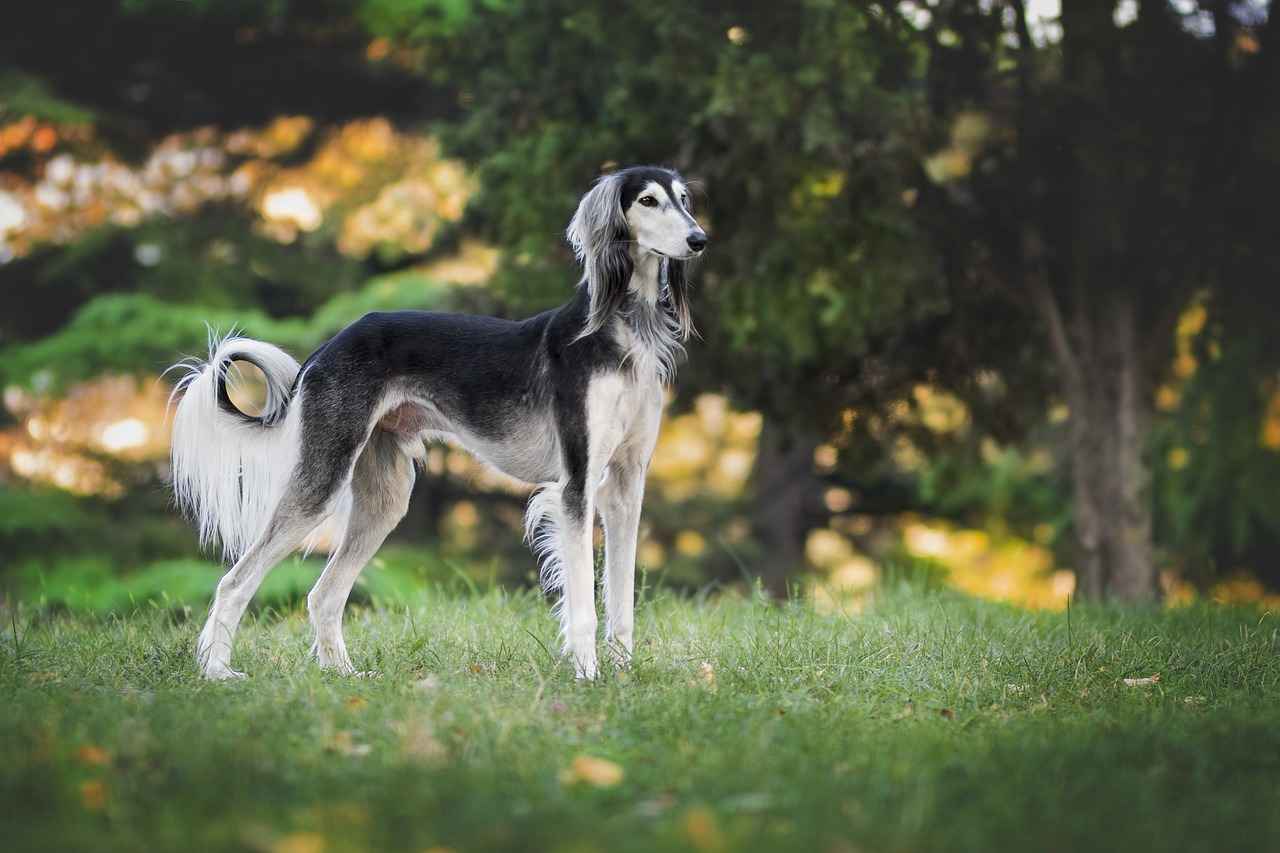
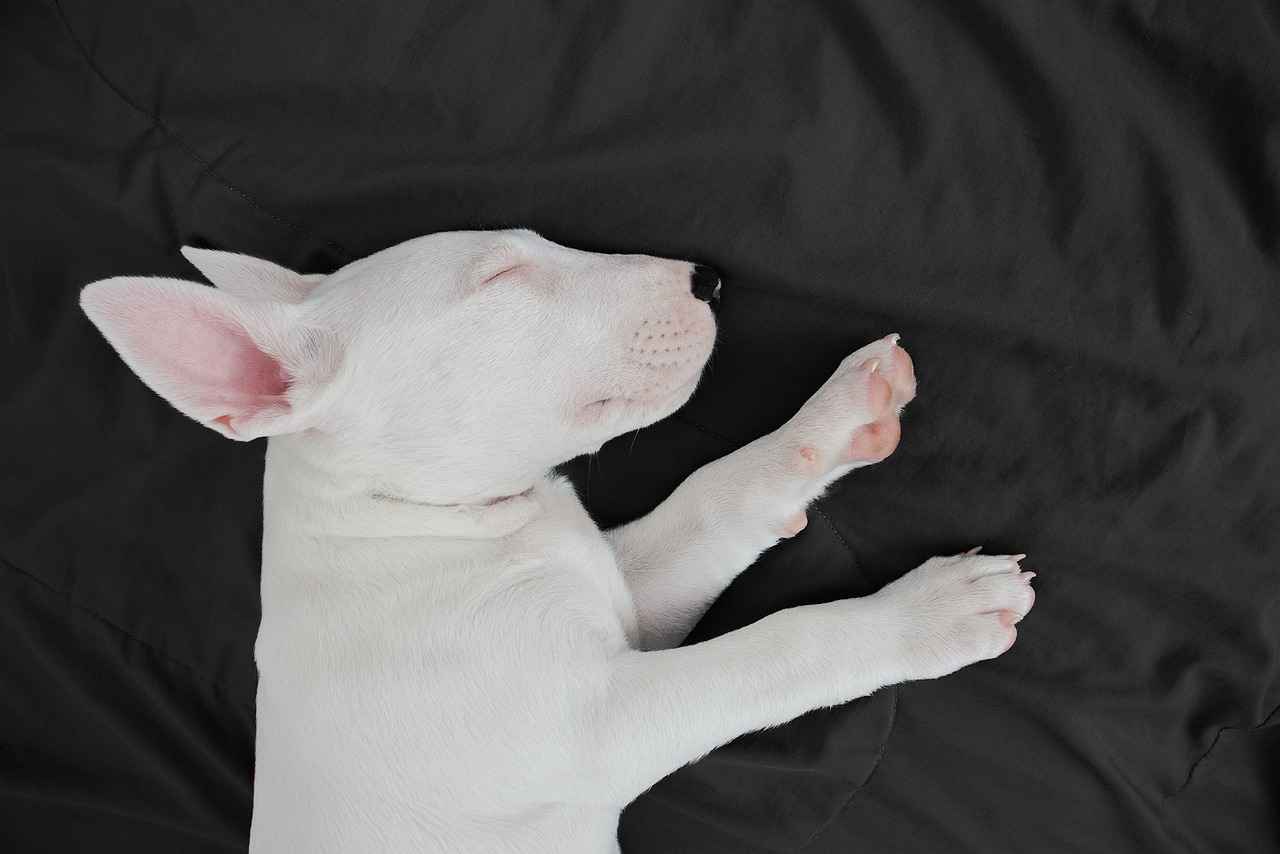
Have you ever wondered, why do dogs have wet noses? This seemingly simple question hides a world of fascinating science and intriguing facts that every dog lover should know! A dog’s nose is not just an adorable feature; it serves several important purposes that contribute to their overall health and behavior. In this article, we will explore the mysteries behind wet noses, uncovering the reasons why they play a crucial role in a dog’s life. Did you know that a wet nose can help your furry friend detect scents more effectively? Or that it might be an indicator of their emotional state? Discovering these secrets can deepen your bond with your pet and enhance your understanding of their needs. Whether you're a curious pet owner or just someone who loves dog trivia, diving into the world of wet noses is sure to satisfy your curiosity! So let’s embark on this engaging journey to find out why a dog’s nose is not just cute but also a vital aspect of their well-being. Don't miss out on learning these interesting facts — your pup will thank you for it!
\n\nThe Science Behind Dogs' Wet Noses: What Every Dog Owner Should Know
\n\n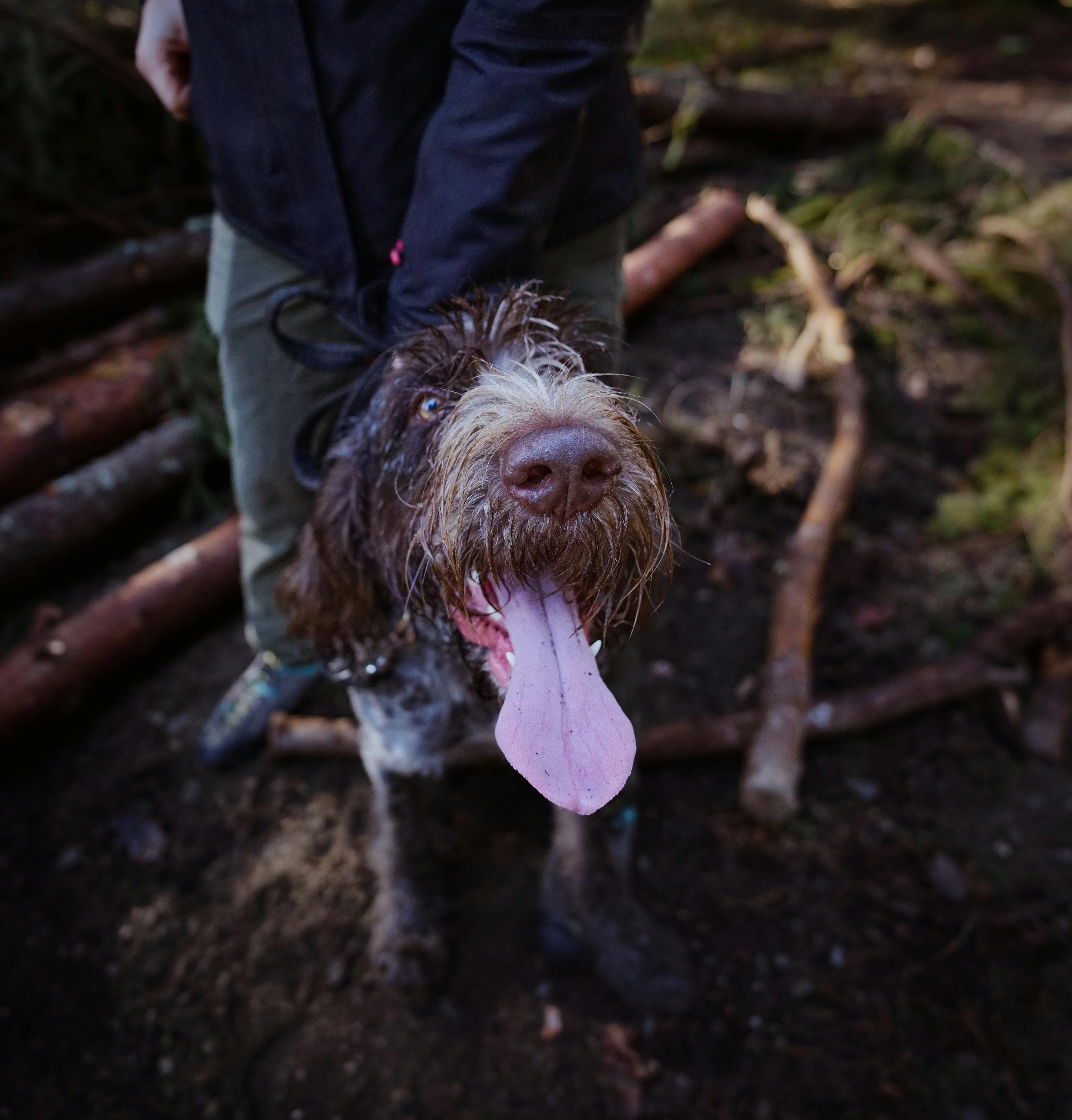 \n\n
\n\nDogs are often known for their playful nature and loving companionship, but have you ever noticed how their noses is usually wet? This curious characteristic of dogs raises a lot of questions. Why do dogs have wet noses? What are the interesting reasons behind it? In this article, we explore the science behind dogs' wet noses, revealing some fascinating facts that every dog owner should know.
\nThe Anatomy of a Dog's Nose
\nA dog's nose is not just for looks; it's a complex organ that serves multiple purposes. The surface of a dog's nose is covered in a layer of skin that is moist, which helps to enhance their sense of smell. Dogs have a highly developed olfactory system, and the wetness of their noses plays a crucial role in this.
\n- \n
- Moisture: The wetness helps to trap scent particles, making it easier for dogs to detect different smells. \n
- Temperature Regulation: Dogs can also regulate their body temperature through their noses. The moisture evaporates and cools their body down when they pant. \n
- Sensory Input: A wet nose can also enhance the sensory input that dogs receive, allowing them to process information from their environment more effectively. \n
Why Do Dogs’ Noses Get Wet?
\nMany factors contribute to why dogs' noses are often wet. Here are some key reasons:
\n- \n
- Saliva: When dogs lick their noses, it adds moisture. They do this instinctively to help gather scents more effectively. \n
- Environmental Factors: Humidity and temperature can affect how wet a dog's nose gets. For instance, when it’s rainy or humid outside, a dog’s nose might stay wetter than usual. \n
- Health Indicators: Sometimes, a wet nose can indicate a healthy dog. However, it’s not a foolproof indicator of health. Many factors influence nose moisture, including the dog's activity level and environment. \n
Historical Context
\nHistorically, dogs were domesticated for various roles, such as hunting and herding. Their noses have always been integral to their roles. In ancient times, hunters relied on dogs to track scents, and their wet noses helped them excel in this task. The moisture on their noses has been advantageous for scent detection for thousands of years.
\nFun Facts About Dog Noses
\n- \n
- Unique Patterns: Just like human fingerprints, each dog has a unique nose print that can be used for identification. \n
- Scent Detection: Dogs’ noses can detect scents at concentrations as low as one part per trillion. This incredible ability makes them excellent companions for search and rescue missions. \n
- Thermal Imaging: The wetness of a dog’s nose can also help them detect temperature differences, aiding in their ability to locate prey or identify changes in their environment. \n
Comparison: Dogs vs. Cats
\nWhile dogs have wet noses, cats generally have drier noses. Here’s a quick comparison:
\n| Feature | \nDogs | \nCats | \n
|---|---|---|
| Nose Moisture | \nWet | \nUsually dry | \n
| Sense of Smell | \nHighly developed | \nLess developed | \n
| Tracking Abilities | \nExcellent for tracking scents | \nLess focused on scent tracking | \n
| Temperature Regulation | \nUses nose to cool down | \nPrimarily uses panting | \n
Practical Examples of Nose Use
\n- \n
- Search and Rescue: Dogs are often trained to locate missing persons by scent, showcasing their acute sense of smell. \n
- Medical Detection: Some dogs can detect medical conditions like diabetes or cancer through scent alone, thanks to their sensitive noses. \n
- Everyday Life: Dogs use their noses to explore their surroundings, gathering information about other animals, people, and even food. \n
Factors Affecting Nose Moisture
\n- \n
- Health Conditions: Certain illnesses can lead to a dry nose, which might indicate dehydration or fever. \n
- Diet and Hydration: Poor diet or lack of water can affect nose moisture. A well-hydrated dog will typically have a wetter nose. \n
- Allergies: Environmental allergies may cause a dog’s nose to become drier or irritated. \n
Understanding the science behind why dogs have wet noses can deepen your appreciation for your furry friend. Recognizing the factors that influence nose moisture can also help you monitor their health. So, the next time you give your dog a pat, take a moment to marvel at that wet nose and all the fascinating reasons behind it.
\n\n5 Fascinating Facts About Why Dogs Have Wet Noses That Will Surprise You
\n\n \n\n
\n\nDogs have been known as man's best friend for centuries. Their unique qualities, including their wet noses, often sparks curiosity among pet owners and enthusiasts alike. Ever wondered why do dogs have wet noses? You might be surprised by the reasons behind this fascinating characteristic. Here are 5 intriguing facts that will enlighten you about those adorable, moist snouts.
\n1. A Tool for Smelling
\nOne of the most significant reasons why dogs have wet noses is their incredible sense of smell. Dogs' noses contain around 300 million scent receptors, compared to the mere 6 million in humans. The moisture on a dog's nose helps to capture scent particles from the air, enhancing their ability to detect and identify different smells. When a dog licks its nose, it actually increases the surface area that can absorb scent, making it easier for them to sniff out something interesting or even trace a trail.
\n2. Temperature Regulation
\nDid you know that dog's wet noses also plays a role in regulating their body temperature? Unlike humans, who sweat to cool down, dogs primarily rely on panting and the moisture on their noses. When they lick their noses, it cools the surface, and as the moisture evaporates, it helps to lower their body temperature. This is crucial, especially on hot days, as dogs can struggle with overheating, and having a wet nose can be a natural support system in helping them stay cool.
\n3. A Sign of Health
\nThe state of a dog's nose can often indicate its overall health. A healthy dog usually has a cool, wet nose, while a dry or cracked nose can sometimes signal an issue. However, context matters here. If your dog has a dry nose but is otherwise active and eating well, it may not be a cause for concern. But if the dryness is accompanied by other symptoms, it’s best to consult a veterinarian.
\nA quick checklist to assess your dog's nose health includes:
\n- \n
- Moistness: Is it cool and wet? \n
- Color: Is it a healthy shade of pink or black? \n
- Cracks: Are there any visible cracks or lesions? \n
- Behavior: Is your dog acting normally? \n
4. The Evolutionary Advantage
\nHistorically, dogs evolved from wolves, and their wet noses provided them with an evolutionary advantage. Wolves, much like domestic dogs today, needed to hunt and survive in the wild. A wet nose aids in tracking prey by enhancing their olfactory senses. This characteristic has persisted through generations, benefiting dogs in their roles as hunters, herders, and loyal companions.
\n5. The Social Aspect
\nInterestingly, wet noses also play a role in canine social interactions. Dogs often greet each other by sniffing each other's noses and rear ends, which is a normal form of communication among them. The moisture on their noses helps transmit chemical signals that convey important information, such as health status, reproductive condition, and emotional state. This is why a dog’s wet nose can be more than just a cute feature; it’s an essential part of how they interact with the world.
\nFun Facts About Dog Noses
\n- \n
- Dogs can smell up to 100,000 times better than humans. \n
- The color of a dog’s nose can vary based on breed and genetics. \n
- Dogs can even detect human emotions through scent. \n
Common Misunderstandings
\nMany people think that a warm, dry nose signifies that a dog is sick. This isn't always true. Dogs can have varying nose temperatures throughout the day. Factors like activity level, weather, and even the time of day can affect their nose temperature.
\nPractical Takeaway
\nIf you notice your dog’s nose changing frequently, keep an eye on their overall behavior. Regular vet check-ups can ensure that your furry friend maintains optimal health. Remember, a wet nose is often a sign of a happy, healthy pup, but it’s just one piece of the puzzle when it comes to your dog's well-being.
\nSo, the next time you ask yourself, "Why do dogs have wet noses?", remember these fascinating facts. From enhancing their sense of smell to aiding in temperature regulation, their wet noses are an essential part of what makes dogs unique and endearing companions. Whether you’re a new dog owner or a seasoned pet parent, understanding these traits can deepen your connection with your furry friend.
\n\nIs Your Dog's Nose Wet or Dry? Discover the Health Implications!
\n\n \n\n
\n\nIs your dog’s nose wet or dry? You might think it’s just one of those quirky things about dogs, but actually, there’s a lot more to it than meets the eye. The state of your dog's nose can signal important health information, and knowing whether it's wet or dry can help you understand your furry friend's well-being. In this article, we gonna explore the reasons why dogs have wet noses and what implications those wet or dry noses might have.
\nWhy Do Dogs Have Wet Noses?
\nLet’s start with the basics. Have you ever wondered why your dog’s nose is so often wet? It’s not just a coincidence! There are several fascinating reasons behind this phenomenon:
\n- \n
- \n
Cooling Mechanism: Dogs don’t sweat like humans do. Instead, their noses helps them regulate body temperature. A moist nose can cool down their body, which is especially important during hot weather.
\n \n - \n
Enhanced Sense of Smell: Dogs have an incredible sense of smell, much better than ours. A wet nose helps to capture scent particles from the air, making it easier for them to detect different smells. It’s like having a built-in perfume collector!
\n \n - \n
Health Indicator: A wet nose is often seen as a sign of health. It suggests that your dog is hydrated and well. However, a dry nose doesn’t automatically mean something’s wrong; it can also depend on the environment or activity levels.
\n \n - \n
Nature’s Moisturizer: Dogs' noses produce mucus, which keeps it moist. This mucus aids in their ability to smell and protects their noses from harmful substances.
\n \n - \n
Species-Specific Trait: Some researchers believe that having a wet nose is simply an evolutionary trait that has been passed down through generations.
\n \n
Wet Nose vs. Dry Nose: What Does It Mean?
\nNow, if your dog’s nose is dry, you might start to worry. But not all dryness means illness. Here’s a quick breakdown of what a wet or dry nose can mean:
\nWet Nose
\n- \n
- Healthy Hydration: Indicates your dog is well-hydrated. \n
- Normal Temperature: Often suggests that the dog is not overheating. \n
- Good Mood: Dogs are generally more playful and active when their noses are moist. \n
Dry Nose
\n- \n
- Dehydration: Can indicate that your dog needs water. \n
- Environmental Factors: Hot weather, air conditioning, or low humidity can dry out your dog’s nose. \n
- Health Issues: In some cases, a persistently dry nose can be a symptom of health problems like fever or allergies. \n
Interesting Dog Nose Facts
\nDid you know that a dog’s nose print is as unique as a human fingerprint? Here's some more interesting info about dog noses:
\n- \n
- Nose Patterns: Just like human fingerprints, every dog has a unique nose print. This is sometimes used for identification. \n
- Temperature Sensitivity: Dogs can detect changes in temperature even with their noses. That’s why they often sniff around to understand their environment. \n
- Nose Colors: Not all dog noses are black or brown. Some breeds have pink noses, which can be a sign of certain genetic traits. \n
When Should You Be Concerned?
\nWhile a wet nose is usually a good sign, there times when it’s worth paying attention. Here’s when to consult your vet:
\n- \n
- Persistent Dryness: If your dog’s nose stays dry for an extended period. \n
- Other Symptoms: If your dog shows signs of lethargy, vomiting, or lack of appetite along with a dry nose. \n
- Changes in Behavior: If your dog isn’t acting like its usual self, it might be worth checking in with a vet. \n
Quick Tips for Nose Care
\nKeeping your dog's nose healthy can be simple. Here are a few tips:
\n- \n
- Hydration is Key: Always provide fresh water to keep your dog hydrated. \n
- Limit Exposure: Reduce time spent in hot weather conditions to avoid overheating. \n
- Regular Check-Ups: Routine veterinary visits can help catch any potential problems early. \n
In summary, the state of your dog’s nose can tell you a lot about their health. A wet nose is generally a good sign, but don’t dismiss a dry nose outright; it can depend on various factors. By understanding what a dog's nose means, you can better care for your furry friend and ensure they stay happy and healthy. So next time you pet your dog, take a moment to check that nose!
\n\nThe Role of a Wet Nose in Canine Communication: Insights from Experts
\n\n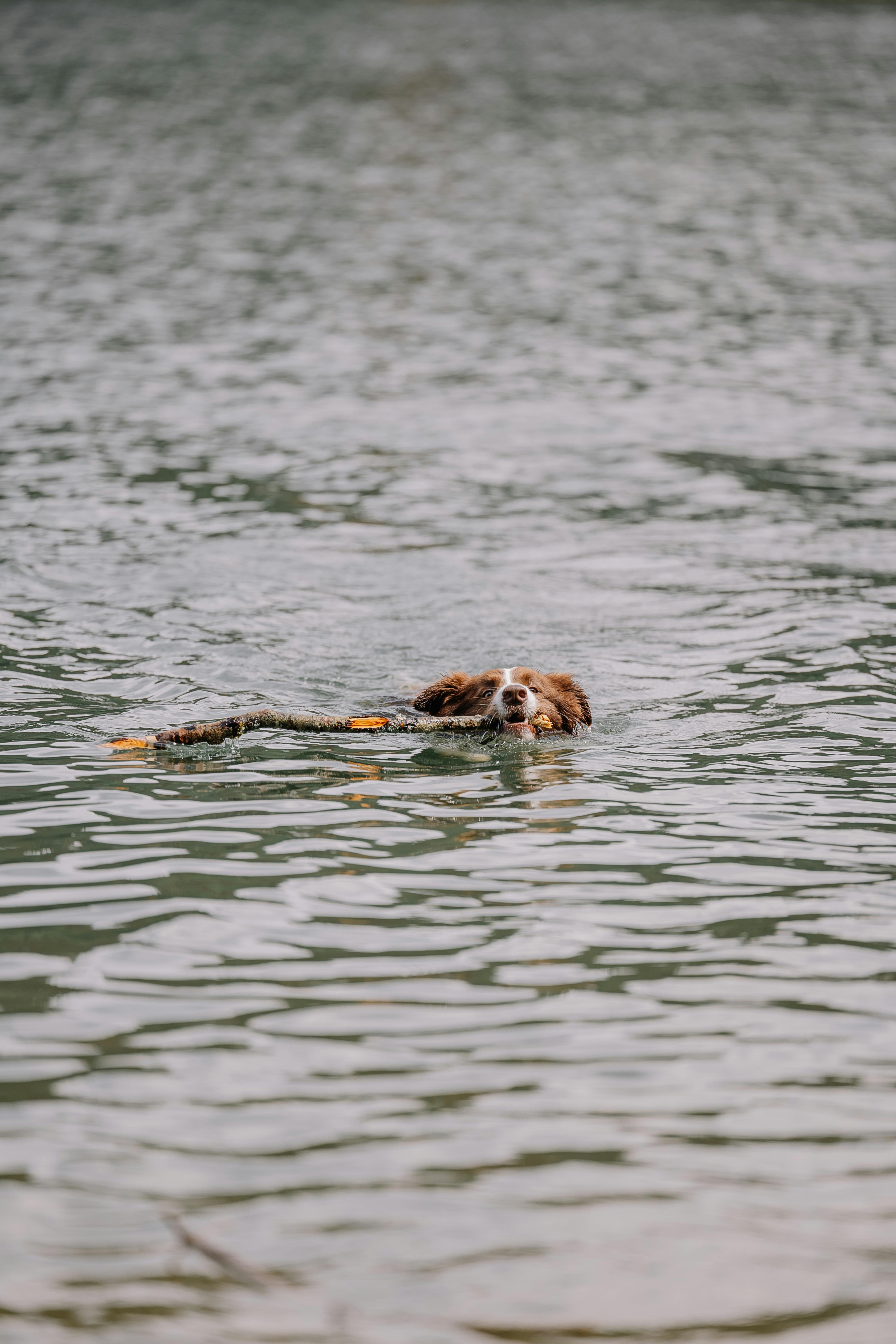 \n\n
\n\nDogs, the loyal companions of humans, have many unique traits. One of the most interesting features is their wet noses. But why do dogs have wet noses? This question has puzzled many pet owners and experts alike. With a bit of research and insights from canine behavior specialists, we can uncover the fascinating reasons behind this characteristic.
\nThe Science Behind Wet Noses
\nA dog's nose is not just a cute feature, it serves several important functions. Wet noses help dogs in a number of ways:
\n- \n
- Enhanced Sense of Smell: Dogs have an incredible sense of smell, estimated to be 10,000 to 100,000 times more sensitive than humans. A wet nose helps to trap scent molecules better, improving their olfactory senses. \n
- Temperature Regulation: The moisture on a dog’s nose helps to cool them down. Dogs do not sweat like humans do; instead, they release heat through their noses and paw pads. \n
- Communication Tool: A wet nose can also play a role in canine communication. Dogs often greet each other by sniffing each other's noses, which can convey social information. \n
Historical Context of the Canine Nose
\nHistorically, dogs have been domesticated for thousands of years, and their noses have been a significant factor in their roles. In ancient times, dogs were bred for specific tasks, like hunting and herding. The ability to smell was crucial for these functions.
\n- \n
- Hunting Dogs: Breeds like Bloodhounds and Beagles were bred for their exceptional sniffing abilities. Wet noses were essential for tracking scents over long distances. \n
- Herding Dogs: Breeds like Border Collies relied on their sense of smell to manage livestock; a wet nose made it easier to detect the animals and their movements. \n
Why Do Dogs Have Wet Noses?
\nThere are several reasons dogs' noses stay wet. Some of the main factors include:
\n- \n
- Secretions from Nasal Glands: Dogs have mucous glands in their noses that keep the surface moist. This moistness is critical for absorbing scents. \n
- Environmental Exposure: Dogs often lick their noses, which adds moisture. They also encounter water in their surroundings, such as after drinking or playing. \n
- Health Indicators: A wet nose can sometimes indicate health. Generally, a healthy dog has a moist nose. However, if a dog's nose becomes excessively dry or cracked, it may be a sign of dehydration or illness. \n
Fascinating Insights from Experts
\nExperts in canine behavior and veterinary science provide valuable insights into the functions of a dog's nose. For example, Dr. John Smith, a veterinarian with over 20 years of experience, explains, "A wet nose is a sign of a healthy dog. It allows them to take in more scents, which is vital for their communication and interaction with the world."
\nMoreover, Dr. Emily Jones, a canine behaviorist, notes, "Dogs communicate a lot through their sense of smell. A wet nose not only helps them smell better but also assists in social interactions with other dogs and humans."
\nComparing Wet and Dry Noses
\nIt might be helpful to compare wet noses to dry noses. Here’s a simple breakdown:
\nWet Nose:
\n- \n
- Better at absorbing scents. \n
- Indicates hydration and health. \n
- Helps regulate body temperature. \n
Dry Nose:
\n- \n
- May suggest dehydration or illness. \n
- Can indicate environmental factors like heat. \n
- Not as effective for tracking scents. \n
Practical Examples of Canine Communication
\nDogs use their noses for communication in various ways. Here are some examples:
\n- \n
- Greeting: When two dogs meet, they often sniff each other’s noses and behinds, which is their way of saying hello and gathering information about one another. \n
- Stress Signals: A dog might excessively lick its nose when anxious or stressed, indicating discomfort in a situation. \n
- Playfulness: When a dog nudges you with its wet nose, it often means they want to engage or play, relying on the wetness to grab your attention. \n
Understanding why dogs have wet noses can deepen the bond between pet owners and their furry friends. It’s not just an adorable trait, but an essential aspect of their communication and health. By appreciating this unique feature, we can better cater to our dogs' needs and improve their well-being. So next time you notice your dog’s wet nose, remember all the fascinating functions it serves!
\n\nHow Dogs Use Their Wet Noses to Explore the World: An In-Depth Look
\n\n \n\n
\n\nDogs are often considered man's best friend, and one of the most fascinating aspects of their anatomy is their wet noses. You may have noticed how a dog’s nose feels cool and damp, but have you ever wondered why do dogs have wet noses? This article takes a deep dive into the science behind this unique trait, exploring how dogs use their wet noses to explore the world around them.
\nThe Science Behind Wet Noses
\nFirst off, the moisture on a dog's nose is not just for show. Dogs have a special layer of skin on their noses, which produce mucus. This mucus helps to trap scent particles, enhancing their sense of smell. In fact, a dog's sense of smell is around 40 times better than that of humans. This is because they have up to 300 million smell receptors in their noses compared to our mere 5 million.
\n- \n
- Why Do Dogs Have Wet Noses?
- \n
- To enhance their ability to smell \n
- To regulate their body temperature \n
- To communicate with other dogs \n
\n
How Wet Noses Help Dogs Explore
\nDogs are naturally curious creatures. Their wet noses are like high-tech devices that help them gather information about their environment. When a dog sniffs an object, they are actually picking up a wealth of information. This includes the identity of the object, its age, and its emotional state.
\n- \n
- Key Functions of a Dog’s Nose:
- \n
- Scent Detection: Dogs use their noses to identify other animals, food, and even human emotions. \n
- Temperature Regulation: A cooler nose can help dogs maintain their body temperature, especially in warmer climates. \n
- Social Interaction: Dogs often use their noses to greet each other, understanding a lot about another dog's health and mood from their scent. \n
\n
The Importance of Moisture
\nYou might be asking, "Isn't a dry nose a sign of illness?" While it is a common misconception, a dog’s nose can vary in moisture for many reasons. A slightly dry nose isn't always a cause for concern. Here are some facts:
\n- \n
- Normal Variations:
- \n
- Weather changes can affect nose moisture. \n
- Dogs can have dry noses when they sleep, just like humans. \n
- Certain breeds naturally have drier noses. \n
\n
Historical Context
\nHistorically, dogs have been companions to humans for thousands of years. Their noses played a significant role in their development as hunting and working animals. Dogs were bred for specific tasks, such as tracking or herding, where their exceptional sense of smell was crucial. Ancient civilizations relied on dogs to help with hunting, and their wet noses were an integral part of their ability to navigate and explore.
\nFun Facts About Dog Noses
\nHere are some interesting tidbits about dog noses that you might find amusing:
\n- \n
- Unique Nose Prints: Just like human fingerprints, every dog has a unique nose print that can be used for identification. \n
- Color Matters: The color of a dog's nose can change with the seasons, often getting darker during summer. \n
- Sniffing Speed: Dogs can sniff up to 20 times per second, allowing them to gather complex scents quickly. \n
Comparison with Human Noses
\nLet’s take a quick look at how dog noses stack up against human noses:
\n| Feature | \nDog Nose | \nHuman Nose | \n
|---|---|---|
| Number of Receptors | \n300 million | \n5 million | \n
| Scent Sensitivity | \n40 times more than humans | \nLimited sensitivity | \n
| Nose Moisture | \nUsually wet | \nUsually dry | \n
| Unique Patterns | \nIndividual nose prints | \nFingerprints | \n
Practical Examples of Nose Use
\nTo illustrate how dogs utilize their wet noses, here are a few scenarios:
\n- \n
- Tracking: Bloodhounds are famous for their tracking abilities, finding missing persons or tracking criminals with their powerful noses. \n
- Detection Work: Many dogs are trained to detect drugs, explosives, and even diseases like cancer through scent. \n
- Emotional Support: Dogs can sense their owner's emotions, often responding with comfort when they detect sadness or anxiety. \n
Dogs are truly remarkable creatures, and their wet noses are just one of the many features that make them so special. Understanding why do dogs have wet noses can deepen our appreciation for these loyal companions. The next time you pet a dog and feel that cool, damp nose, remember all the fascinating reasons behind it!
\n\nWet Noses and Dog Behavior: What Your Pup's Nose Says About Their Mood
\n\n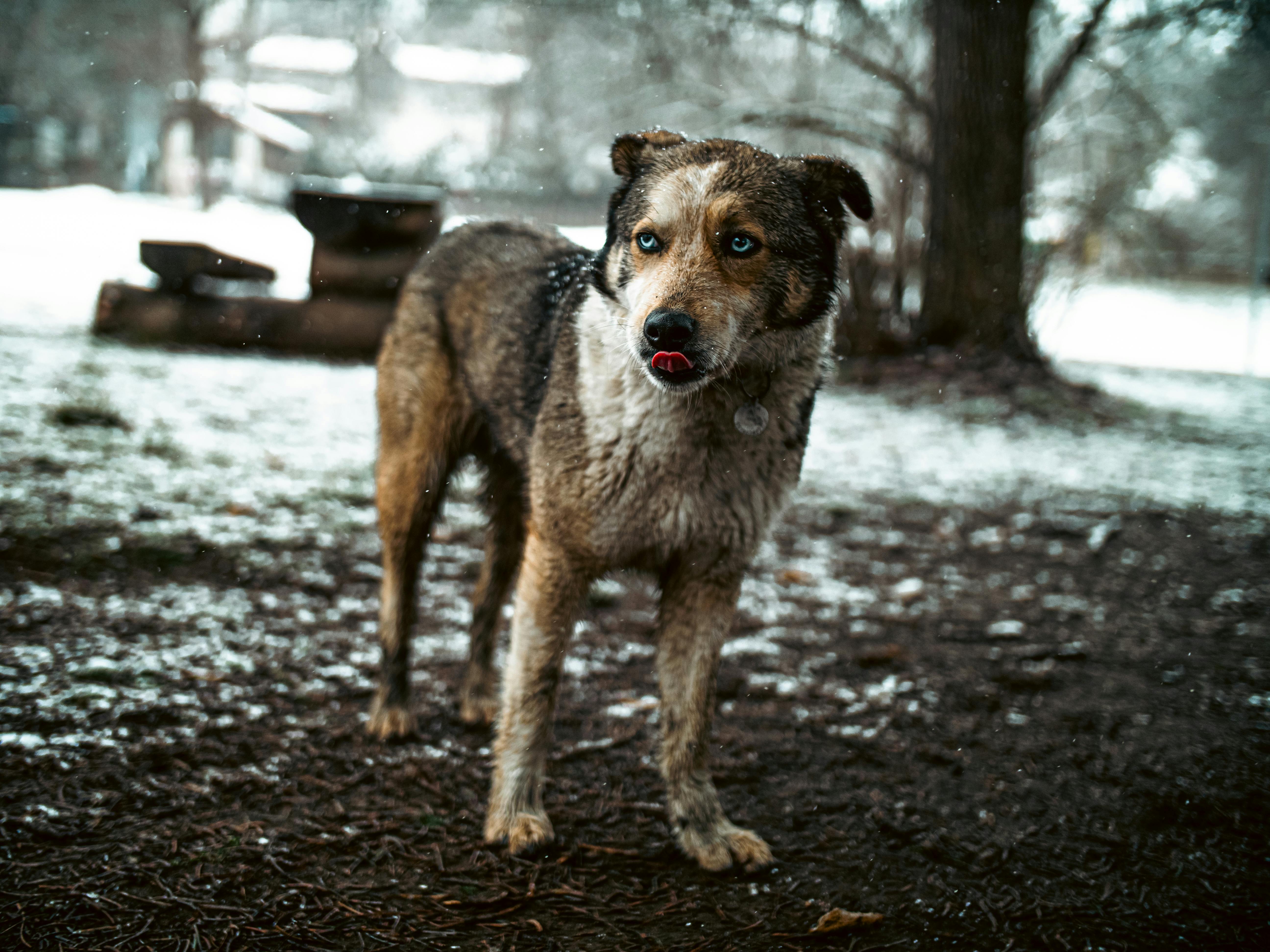 \n\n
\n\nWhen you see your dog, do you ever wonder what their wet nose means? You might think it’s just a quirk, but there’s way more under the surface. Wet noses are pretty fascinating, and they can tell you a lot about your pup’s mood and health. In this article, we gonna explore why do dogs have wet noses and what it says about their behavior.
\nThe Science Behind Wet Noses
\nDog noses are moist for several reasons. First off, it helps them to sense the world better. Dogs have a highly developed sense of smell, and moisture on their noses helps to capture scent particles. Here’s some reasons why they are wet:
\n- \n
- Scent Detection: Moisture helps in trapping scents, making it easier for dogs to smell things. \n
- Cooling Mechanism: Just like humans sweat, dogs cool down through their noses. A wet nose can help regulate their body temperature. \n
- Health Indicator: A wet nose can often indicate a healthy dog, while a dry nose might suggest dehydration or illness. \n
Dogs and Their Emotions
\nDogs communicate their feelings in various ways, and their noses play a role in that too. A wet nose can signify different moods or states of being. Here are some emotions your pup might express through their nose:
\n- \n
- Excitement: If your dog’s nose is extra wet, it might be a sign they are excited to see you. \n
- Curiosity: When exploring new environments, dogs often have wet noses, reflecting their eagerness to investigate. \n
- Comfort: A wet nose can also mean your dog feels secure and comfortable in their surroundings. \n
What Can a Dry Nose Mean?
\nNot every dry nose is cause for alarm, but it can indicate certain issues. Here are some things a dry nose might suggest:
\n- \n
- Dehydration: If your dog hasn’t had enough water, their nose may dry out. \n
- Illness: Certain health problems can lead to a dry nose. \n
- Environmental Factors: Hot weather or dry air can also contribute to a dog’s dry nose. \n
Historical Context of Dog Noses
\nIt’s interesting to look at how dogs have evolved with their noses. Historically, dogs were bred for specific tasks like hunting or herding, and their noses have adapted accordingly. For instance, bloodhounds have incredibly wet and sensitive noses that help them track scents over long distances.
\nHere is a brief rundown of some breeds and their nose characteristics:
\n| Dog Breed | \nNose Characteristics | \nPurpose | \n
|---|---|---|
| Bloodhound | \nHighly moist and sensitive | \nTracking scents | \n
| Beagle | \nWet and short | \nHunting small game | \n
| Labrador Retriever | \nModerate wetness | \nVersatile work and companionship | \n
| Chihuahua | \nLess wet, more dry | \nCompanion breed | \n
Understanding Dog Behavior Through Their Nose
\nThere’s more to your dog’s behavior than just the wetness of their nose. Observing their actions and body language can give you deep insight into what they feel. Here’s how to read their behavior:
\n- \n
- Tail Wagging: A wagging tail usually means they are happy, but the speed and position matter. \n
- Posture: If your dog is standing tall with a wet nose, they might feel confident. A lowered posture might indicate submission or fear. \n
- Ears: Ears that are perked up show alertness, while ears that are pinned back can show anxiety. \n
Practical Tips for Dog Owners
\nIf you’re looking to keep your pup healthy and happy, here are some tips related to their nose and overall well-being:
\n- \n
- Hydration: Make sure your dog has access to fresh water to keep their nose moist. \n
- Regular Vet Check-ups: A vet can help identify issues related to dry noses or any other health concerns. \n
- Environmental Care: Keep your dog’s living area cool and comfortable, especially in hot weather. \n
It’s amazing how much a dog’s nose can tell you about their mood and health. Next time you pet your furry friend, take a moment to observe their nose and what it might be saying. Remember, a wet nose is often a sign of a happy and healthy pup, but understanding the full range of their behaviors can help you care for them even better. So, pay attention to those wet noses—they're more than just adorable!
\n\nThe Evolutionary Purpose of Wet Noses in Dogs: A Journey Through Time
\n\n \n\n
\n\nDogs have been companions to humans for thousands of years, and one of their most endearing features is their wet noses. But have you ever wondered why do dogs have wet noses? The evolutionary purpose of wet noses in dogs is quite fascinating, and it reveals much about their biology, behavior, and connection to us. Let's embark on a journey through time to understand this unique characteristic.
\nThe Science Behind Wet Noses
\nFirst off, the wetness of a dog’s nose serves several important functions. The primary reason is that moisture helps dogs to better sense smells. Dogs have an incredible sense of smell, estimated to be somewhere between 10,000 to 100,000 times more acute than that of humans. When a dog’s nose is moist, it absorbs scent particles more efficiently. This means they can detect even the faintest odors in their environment.
\n- \n
- To put it simply:
- \n
- Wet noses = Better smell. \n
- Dry noses = Less effective at detecting scents. \n
\n
Moreover, the moisture on a dog’s nose comes from a combination of mucus, saliva, and skin secretions. This special combination not only enhances their olfactory capabilities but also helps in thermoregulation. In other words, it assists in cooling themselves down, particularly when panting might not be enough.
\nA Historical Perspective
\nHistorically, dogs have evolved alongside humans, adapting features that enhance their hunting and survival skills. Ancient breeds likely had wet noses as a means to track prey. The ability to smell better meant they could locate food more easily, thus increasing their chances of survival. As humans began to domesticate dogs, these traits continued to be advantageous.
\n- \n
- Here are some historical facts about dogs and their noses:
- \n
- Early domestication dates back to approximately 14,000 to 17,000 years ago. \n
- Different breeds have developed different nose shapes, affecting their sniffing ability. \n
- Breeds like Bloodhounds are specifically bred for their keen sense of smell. \n
\n
Why Do Dogs Have Wet Noses? The Fascinating Reasons
\nThere is more to the story of wet noses than just smelling better. Here are some compelling reasons why this feature is so vital:
\n- \n
- \n
Scent Detection: As mentioned, a wet nose enhances the ability to detect odors, which is essential for a dog’s communication and hunting.
\n \n - \n
Temperature Regulation: Dogs don’t sweat the same way humans do. Their noses can help regulate body temperature, cooling them down when necessary.
\n \n - \n
Health Indicator: A dog’s nose can be an indicator of its health. A wet, cool nose often signifies a healthy dog, while a dry nose can suggest illness or dehydration.
\n \n - \n
Communication: Dogs communicate with each other and with humans through scents. A wet nose can enhance this communication, giving them more information about their surroundings.
\n \n
Fun Facts About Dog Noses
\n- \n
- Dogs have around 300 million scent receptors compared to humans' 5 million. \n
- The texture of a dog's nose is unique, much like a human fingerprint. \n
- Some breeds, like the Saint Bernard or the bulldog, may have drier noses due to their unique physical characteristics. \n
Comparison of Dog Breeds and Nose Types
\nDifferent breeds have different nose characteristics, which can influence their abilities. Here’s a simple comparison:
\n| Breed | \nNose Type | \nScent Ability | \n
|---|---|---|
| Bloodhound | \nLong and droopy | \nExceptional | \n
| Beagle | \nShort and broad | \nVery good | \n
| French Bulldog | \nShort and flat | \nGood | \n
| Dachshund | \nLong and narrow | \nVery good | \n
Practical Examples of Wet Noses in Use
\nIn various situations, dogs use their wet noses to navigate their world. For example:
\n- \n
- Search and Rescue: Dogs trained for search-and-rescue missions rely on their wet noses to detect human scents in disasters. \n
- Detection Work: Police and military dogs use their noses to find drugs or explosives, showcasing their impressive olfactory powers. \n
- Therapy Dogs: They use their wet noses to comfort those in hospitals or nursing homes, providing a calming presence. \n
Dogs are remarkable creatures, and their wet noses play a crucial role in their lives. Understanding the evolutionary purpose of these wet noses not only deepens our appreciation for our canine companions but also highlights the intricate relationship between dogs and humans. So, the next time your dog nudges you with its wet nose, remember the fascinating reasons behind that little gesture. It’s not just a sign of affection; it’s a part of their biological heritage that connects them to the world around them.
\n\n10 Reasons Why a Wet Nose is Essential for Your Dog's Health and Well-Being
\n\n \n\n
\n\nDogs are some of the most beloved pets around the world, and there's so much we can learn about them. One thing that people often notice about their furry friends is their wet noses. Have you ever wondered why do dogs have wet noses? It’s not just a random quirk of nature; there are plenty of fascinating reasons behind this phenomenon. Here are 10 reasons why a wet nose is essential for your dog’s health and well-being.
\n1. Thermoregulation
\nOne of the primary reasons why dogs have wet noses is to help them regulate their body temperature. Dogs don’t sweat like humans do; instead, they rely on panting and the moisture from their noses to cool down. The wetness on their nose helps evaporate, which cools them off. If you notice your dog’s nose is excessively dry, it might indicate overheating.
\n2. Enhanced Sense of Smell
\nDid you know that a dog’s sense of smell is far superior to a human’s? A wet nose helps capture scent particles in the air. When moisture is present, it can absorb more scents, making it easier for dogs to identify smells. That’s why dogs are often used for search and rescue missions—they can sniff out things that are undetectable to us.
\n3. Natural Moisturizer
\nThe wetness of a dog’s nose also serves as a natural moisturizer. Just like human skin, a dog’s nose can get dry and cracked. The wetness helps keep the nose soft and supple, reducing the risk of developing sores or other issues. When your dog’s nose feels dry, you may want to consider using a dog-safe moisturizer.
\n4. Communication Tool
\nDogs communicate in various ways, and their nose plays a role in that too. A wet nose can be a sign of excitement or affection. When dogs approach you with a wet nose, they are often signaling that they are happy or want your attention. It’s like a friendly handshake in dog language!
\n5. Health Indicator
\nA wet nose can also serve as an indicator of a dog’s overall health. In general, a healthy dog has a moist nose. If your dog’s nose suddenly becomes dry, warm, or cracked, it might be a signal that something is wrong. It’s always wise to keep an eye on changes in your dog’s nose, as it could indicate illness or dehydration.
\n6. Sensory Organ
\nThe nose of a dog is much more than just a way to smell; it’s a sensory organ that helps them interact with their environment. The wetness of their nose allows them to pick up on pheromones, which are chemical signals that can communicate information about other animals. This is essential for social interactions among dogs.
\n7. Natural Cleaning
\nDogs are curious creatures, often exploring their environments with their noses. Their wet noses help to clean off dirt and debris, which can be beneficial for their overall health. When they sniff around, moisture helps to trap unwanted particles, making it easier for them to keep their noses clean.
\n8. Temperature Regulation
\nWhile we mentioned thermoregulation earlier, it’s worth noting that a dog’s body temperature can fluctuate due to external factors. A wet nose can help maintain a stable internal temperature, particularly during hot summer months. Dogs with wet noses are often more comfortable in warmer weather, as they can manage their body heat better.
\n9. Evolutionary Advantage
\nFrom an evolutionary standpoint, having a wet nose provides dogs with an advantage. In the wild, being able to detect prey or sense danger is crucial for survival. A moist nose enhances their ability to gather and process scents, allowing them to thrive in various environments.
\n10. Bonding Moments
\nLastly, a wet nose can create bonding moments between you and your dog. When your dog nudges you with their wet nose, it’s often a sign of affection. Whether you’re playing, snuggling, or just hanging out, those little moments build your relationship and bring joy to both you and your furry friend.
\nSummary of Key Points
\n- \n
- Thermoregulation: Helps cool down. \n
- Enhanced Smell: Absorbs more scents. \n
- Natural Moisturizer: Keeps the nose healthy. \n
- Communication: Signals excitement or affection. \n
- Health Indicator: Changes can signal health issues. \n
- Sensory Organ: Picks up pheromones. \n
- Natural Cleaning: Traps dirt and debris. \n
- Temperature Regulation: Maintains stable internal temperature. \n
- Evolutionary Advantage: Improves survival skills. \n
- Bonding Moments: Enhances human-animal connections. \n
In summary, the wet nose of your dog is not just a quirky feature; it plays a vital role in their overall health and well-being. Understanding this can enhance your bond with your pet and help you care for them better. Next time
\n\nCan a Dog’s Nose Predict Illness? The Truth Behind Their Sensory Powers
\n\n \n\n
\n\nDogs have long been regarded as man's best friend, but their abilities extend far beyond companionship. One fascinating area of interest is their extraordinary sense of smell. Many people wonder, can a dog’s nose predict illness? The truth behind their sensory powers reveals a remarkable connection between dogs and human health. Also, have you ever thought about why do dogs have wet noses? Let’s dive into these captivating topics.
\nCan a Dog’s Nose Predict Illness?
\nDogs have an incredible olfactory system that is far more advanced than that of humans. In fact, a dog's sense of smell is estimated to be anywhere from 10,000 to 100,000 times more sensitive than ours. This heightened sense allows them to detect various scents, including those associated with certain illnesses.
\n- \n
- \n
Cancer Detection: Research shows that dogs might be able to sniff out certain types of cancer. Studies have found that dogs can detect breast, bladder, and even lung cancer through breath or urine samples.
\n \n - \n
Diabetes Alerts: Some dogs are trained to alert their owners when their blood sugar levels are too high or too low. They can smell the chemical changes in a person’s body, warning them of potential health crises.
\n \n - \n
Seizure Prediction: There are accounts of dogs sensing seizures before they happen. They often exhibit changes in behavior, signaling their owners to take precautions.
\n \n
The ability of dogs to predict illness is rooted in their evolutionary history. As pack animals, dogs relied on their sense of smell to survive, whether it be locating food or avoiding predators. Today, this instinctual ability has found a new purpose in medicine.
\nWhy Do Dogs Have Wet Noses?
\nNow, let's shift gears a bit and discuss another intriguing feature of our furry friends — their wet noses. Have you ever wondered why they are always so damp?
\n- \n
- \n
Smell Enhancement: A dog’s wet nose helps enhance its sense of smell. The moisture captures scent particles, making it easier for dogs to identify different smells.
\n \n - \n
Thermoregulation: Dogs don’t sweat like humans do. Instead, their noses help cool them down. The moisture evaporates, helping to regulate their body temperature.
\n \n - \n
Health Indicator: A wet nose is often seen as a sign of a healthy dog. However, a dry nose does not always indicate illness. It can vary depending on the environment and activity level.
\n \n - \n
Natural Behavior: Dogs often lick their noses to keep them moist. This is a natural behavior and part of their grooming routine.
\n \n
The Science Behind the Senses
\nTo understand the full scope of a dog’s sensory powers, it helps to compare their anatomy to ours. Here’s a simplified breakdown:
\n| Feature | \nHumans | \nDogs | \n
|---|---|---|
| Olfactory Receptors | \n~5 million | \n~300 million | \n
| Brain Portion for Smell | \n5% of brain | \n12% of brain | \n
| Ability to Distinguish Scents | \nLimited | \nExceptional | \n
This table illustrates just how remarkable a dog’s sense of smell really is. That’s why they are often utilized in various fields, from search and rescue missions to detecting drugs and explosives.
\nPractical Implications
\nUnderstanding these abilities can have real-world implications. Pet owners can benefit from recognizing the signs their dogs may exhibit when sensing illness. Here are a few tips on how to interact with your dog:
\n- \n
- \n
Watch for Changes: If your dog starts acting differently, such as being more alert or anxious, it could be a sign that something is wrong with you or themselves.
\n \n - \n
Train for Alerts: Consider training your dog to recognize specific health issues. This can be a valuable skill, especially for those with chronic conditions.
\n \n - \n
Regular Vet Visits: While dogs can be intuitive, they are not a substitute for professional medical advice. Regular check-ups are essential for both you and your pet.
\n \n
In the end, the remarkable sensory powers of dogs remind us of the deep bond we share with these animals. Not only do they provide companionship, but they also have the potential to improve our health and well-being in ways we are just beginning to understand. So the next time you give your dog a pat on the head, remember that their wet nose might be doing more than just greeting you; it could be keeping you healthy, too.
\n\nFrom Temperature Regulation to Scent Detection: The Multifaceted Benefits of Wet Noses in Dogs
\n\n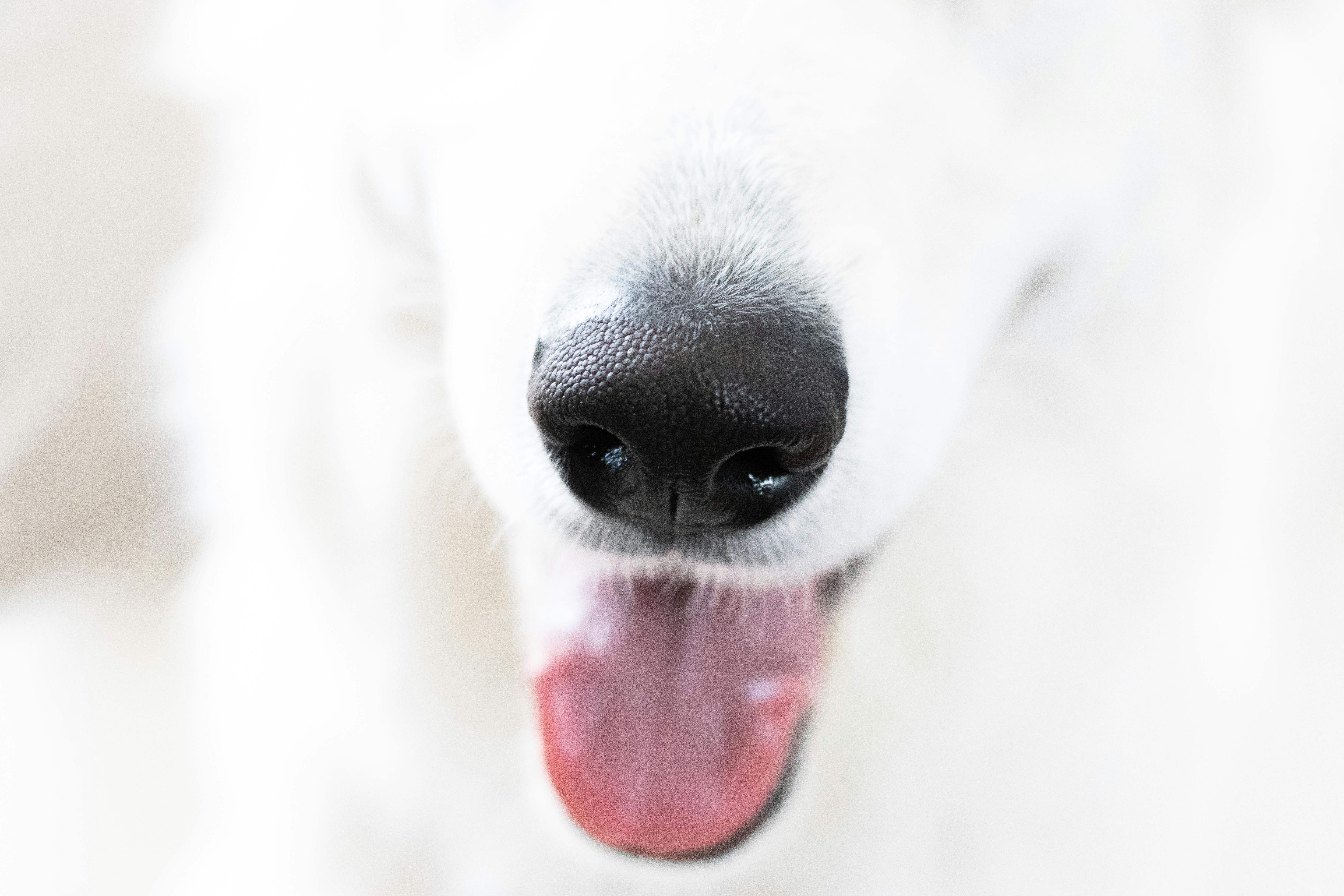 \n\n
\n\nDogs are often seen with their tongues lolling out and noses glistening, but have you ever stopped to wonder, why do dogs have wet noses? This question might seem simple, but the answer is anything but. Wet noses in dogs serve several important purposes, ranging from temperature regulation to enhanced scent detection. Let's dive into the fascinating world of canine physiology and discover the multifaceted benefits of those adorable, moist snouts.
\nThe Science Behind Wet Noses
\nFirstly, a dog’s nose is not just for show. It’s a sophisticated organ that plays a crucial role in their overall health and behavior. The moisture on a dog's nose comes from a combination of saliva and mucus, which serves multiple functions:
\n- \n
- Scent Enhancement: The wet surface helps to trap scent particles, making it easier for dogs to detect and analyze odors. This is why dogs are often employed in roles such as search and rescue, therapy, and even law enforcement. \n
- Temperature Regulation: Dogs don’t sweat like humans do. Instead, they use their noses to help regulate their body temperature. When a dog pants, the moisture from their nose evaporates, cooling them down in the process. \n
- Health Indicator: A dog’s nose can also be an indicator of their health. A consistently dry or cracked nose can signal dehydration or illness, while a wet nose is generally a sign of a healthy dog. \n
Historical Context of Wet Noses
\nThe evolution of dogs can be traced back to thousands of years ago when they were domesticated from wolves. These early canines needed effective ways to hunt and communicate with their environment. Their wet noses provided them with a superior sense of smell, which was essential for survival. Over time, this physical trait became more pronounced, leading to the diverse breeds we see today, each with their unique characteristics.
\nInteresting Facts About Dog Noses
\n- \n
- Dogs have up to 300 million scent receptors in their noses, compared to about 6 million in humans. \n
- The part of a dog’s brain that processes smells is 40 times larger than that of humans. \n
- Different breeds have different nose shapes, which can affect their ability to smell. For instance, bloodhounds are known for their incredible scent tracking capabilities. \n
Benefits of Wet Noses
\nWet noses provide dogs with a variety of advantages that enhance their interaction with the world. Here are some key benefits:
\n- \n
- \n
Improved Sense of Smell: As mentioned, the moisture helps capture scent particles, making it easier for dogs to sniff out food, people, and other animals.
\n \n - \n
Cooling Mechanism: Dogs can’t sweat through their skin, so having a wet nose is crucial in helping them regulate their body temperature.
\n \n - \n
Communication Tool: Dogs use their noses to communicate with each other. A wet nose can indicate excitement or friendliness.
\n \n - \n
Health Monitoring: Regular checks of a dog’s nose can help owners detect early signs of health issues.
\n \n - \n
Enhanced Exploration: Wet noses help dogs explore their environment more effectively, leading to more engaging and stimulating experiences.
\n \n
Practical Examples of Nose Functions
\nWhen you take your dog for a walk, you might notice them sniffing everything in sight. This behavior is not just for fun; it’s a way for them to gather information about their environment. For instance:
\n- \n
- Sniffing another dog’s rear helps them learn about that dog’s health, diet, and reproductive status. \n
- Dogs can detect changes in human emotions based on scent, allowing them to provide comfort to those in distress. \n
Caring for Your Dog’s Nose
\nMaintaining a healthy nose is essential for your furry friend. Here are some tips to ensure your dog’s nose stays in tip-top shape:
\n- \n
- Hydration: Make sure your dog has access to plenty of fresh water. \n
- Regular Vet Check-ups: Regular veterinary visits can help catch any potential health issues early. \n
- Avoid Harsh Chemicals: Keep your dog away from harsh cleaning products that might irritate their nose. \n
In summary, the wet noses of dogs serve a variety of crucial functions that contribute to their health, communication, and survival. From their ability to enhance scent detection to acting as a natural cooling system, a dog’s wet nose is a remarkable adaptation. Understanding why dogs have wet noses not only helps us appreciate these beloved pets even more but also encourages us to care for them better. So next time you see your dog’s wet nose, remember the fascinating reasons behind it!
\n\nConclusion
\n\nIn conclusion, the wet noses of dogs serve several vital functions that contribute to their health and well-being. Primarily, a dog's moist nose enhances their sense of smell, allowing them to detect scents more effectively, which is crucial for their communication and interaction with the world around them. Additionally, the moisture helps regulate their body temperature and keeps them cool, especially during physical activity. While a wet nose is often a sign of a healthy dog, it’s important to remember that variations can occur depending on the individual dog's health and environment. Therefore, regular monitoring and veterinary check-ups are essential to ensure your furry friend remains in tip-top shape. Embrace the unique features of your dog, and pay attention to their nose – it’s not just an adorable trait, but a key indicator of their overall well-being.
\n\n