
Have you ever wondered why do dogs have wet noses? This intriguing question sparks curiosity among dog lovers and pet owners alike. The answer lies in the fascinating world of canine biology and behavior. Dogs’ noses are not just cute; they serve important purposes! A wet nose can help dogs smell better, making it a crucial tool for their survival. Did you know that a dog’s sense of smell is 10,000 to 100,000 times more sensitive than ours? This means their wet noses play a vital role in detecting scents. But that’s not all! The moisture on their noses also helps regulate their body temperature. So, what other secrets are hidden in those adorable snouts? In this article, we will explore the reasons behind the wetness of dog noses, including how it affects their health and communication. Whether you’re a seasoned dog owner or just a curious pet enthusiast, understanding why dogs have wet noses will deepen your appreciation for these loyal companions. Join us on this journey to uncover the science and significance behind those fascinating doggy features! Get ready to learn more about your furry friend’s unique traits and behaviors.
The Science Behind Dogs’ Wet Noses: How Moisture Affects Their Senses
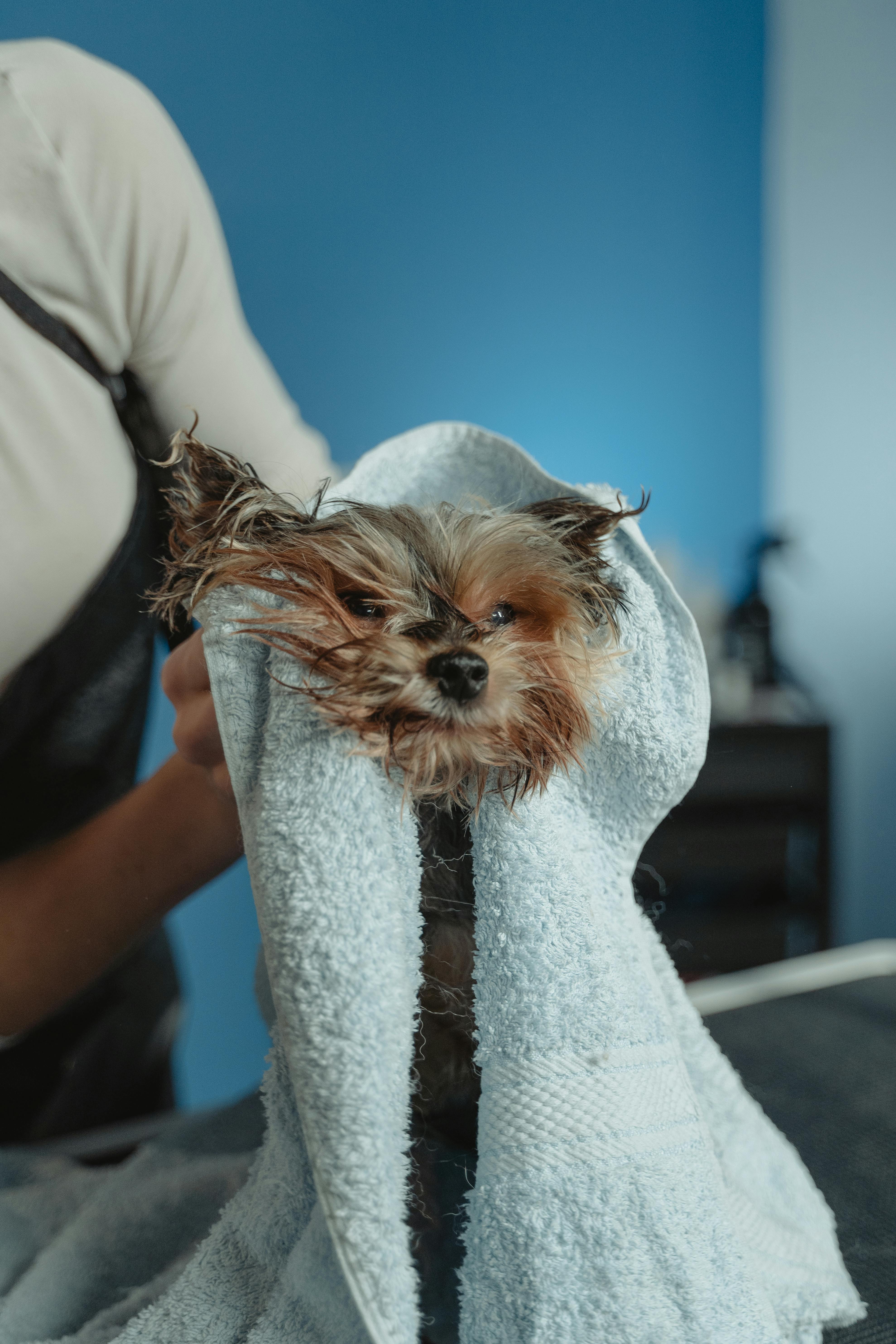
When you look at a dog, one of the first things you might notice is its nose. Why do dogs have wet noses? It’s a question many dog lovers ponder. The moisture on a dog’s nose isn’t just there for show—it’s deeply tied to how they sense the world around them. Let’s explore the science behind those wet noses and uncover the fascinating reasons for this characteristic.
The Science of Moisture
Dogs, like humans, have a unique way of experiencing their environment. Their wet noses play a crucial role in this. The moisture that coats a dog’s nose can enhance its sense of smell, which is far superior to ours. Here’s how it works:
- Scent Detection: A wet nose helps to trap scent particles from the air. When the nose is moist, it can absorb these particles more effectively, allowing dogs to identify scents better.
- Temperature Regulation: The moisture can also help with thermoregulation. Dogs don’t sweat like humans; instead, they rely on their noses and paw pads to help cool themselves down.
- Health Indicator: A dog’s nose is often a good indicator of their health. A healthy dog typically has a cool and moist nose, while a dry or warm nose can sometimes suggest illness or dehydration.
Historical Context of Dog Noses
Dogs have been companions to humans for thousands of years. The evolution of their noses has been fascinating. Early breeds developed a keen sense of smell as they were used for hunting and tracking. Some key points in history about dog noses include:
- Ancient Breeds: Breeds like Bloodhounds and Beagles were specifically bred for their scenting abilities.
- Modern Research: Recent studies have shown that dogs can detect diseases such as cancer and diabetes through scent, showcasing their exceptional olfactory capabilities.
The Anatomy of a Dog’s Nose
Understanding the structure of a dog’s nose can help explain why it’s so effective. Here are some key components:
- Nasal Turbinates: These are bony structures inside the nose that increase surface area, helping to filter and humidify the air.
- Olfactory Receptors: Dogs have about 220 million olfactory receptors compared to humans’ 5 million. This vast number allows them to detect even the faintest scents.
- Jacobsen’s Organ: Also known as the vomeronasal organ, it helps dogs to process pheromones, which are chemicals that convey social information.
Moisture and the Senses
Dogs’ wet noses are not just for show; it plays a vital role in their sensory experience. Here’s how moisture affects their senses:
- Enhanced Smell: The moisture captures scent particles, which increases their ability to smell.
- Taste Sensation: Dogs often lick their noses, which helps them taste the scents they detect. This is why they seem to sniff and lick everything!
- Emotional Communication: Dogs use their noses to gather information about their environment and other animals. A wet nose can signal curiosity or excitement.
Fun Facts About Dog Noses
- Unique Patterns: Just like human fingerprints, every dog’s nose has a unique pattern of ridges and bumps.
- Temperature Sensitivity: Dogs can detect temperature changes through their noses, helping them sense approaching storms or changes in their environment.
- Sense of Time: Dogs can also smell the passing of time. They can recognize familiar scents that change over time, which helps them understand if a person has been gone for a long time.
Caring for Your Dog’s Nose
Keeping your dog’s nose healthy is important. Here are some tips:
- Hydration: Ensure your dog is drinking enough water to keep their nose moist.
- Check for Cracks: Regularly inspect your dog’s nose for any cracks or dryness, which could indicate dehydration or health issues.
- Avoid Irritants: Keep your dog away from strong chemicals or irritants that could dry out their sensitive noses.
In summary, the wet noses of dogs are not just adorable traits—they are essential tools that enhance their ability to explore and understand the world around them. The moisture on their noses aids in scent detection, health regulation, and even emotional communication. So the next time you see a dog with a wet nose, remember that there’s a whole science behind it! Understanding why dogs have wet noses can deepen your appreciation for these wonderful companions and their remarkable abilities.
5 Amazing Benefits of a Dog’s Wet Nose You Never Knew About
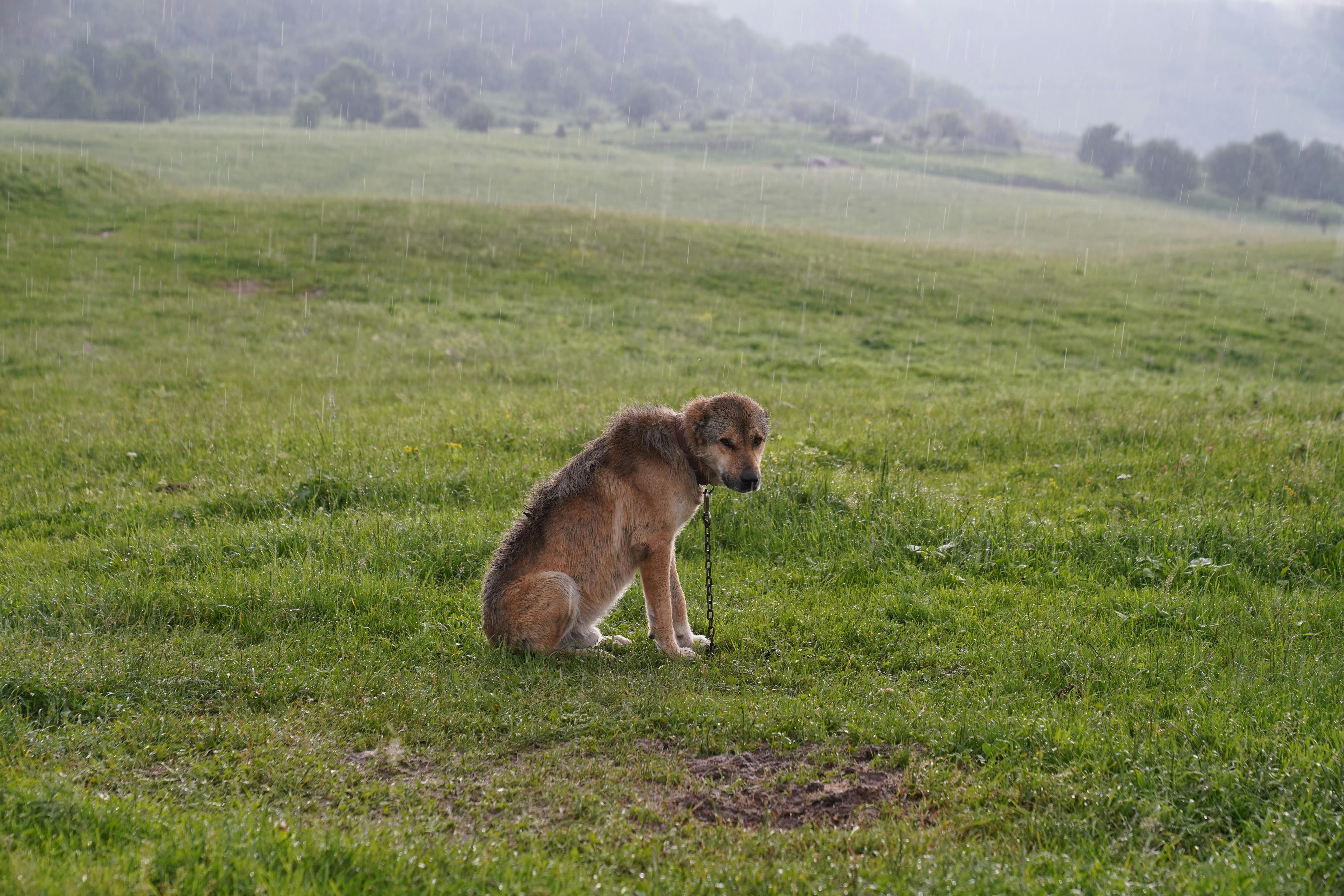
Dogs have been our loyal companions for centuries, and one of their most endearing features is their wet noses. But have you ever pondered why do dogs have wet noses? It’s kinda fascinating how much there is to learn about this simple trait. The wetness of a dog’s nose serve several purposes beyond just being cute. Here are 5 amazing benefits of a dog’s wet nose you probably never knew about.
1. Enhanced Sense of Smell
One of the primary reasons for a dog’s wet nose is to help them smell better. The moisture on their nose helps to capture scent particles in the air. This is essential for how dogs interact with the world around them.
- Dogs have about 220 million scent receptors, compared to humans who only have about 5 million.
- A wet nose amplifies these receptors, making it easier for them to detect various smells.
- The moisture allows the scent particles to bind better, enhancing their ability to sniff out food, people, and even diseases.
2. Temperature Regulation
Just like humans sweat to cool down, dogs use their noses to regulate body temperature. A wet nose serves as a natural air conditioner for dogs.
- When they are overheated, the moisture evaporates, helping to cool them down.
- This is especially important during hot weather or after exercise.
- Unlike humans, dogs can’t sweat all over their bodies, so their nose plays a crucial role in keeping them comfortable.
3. Communication Tool
Dogs communicate in many ways, and their wet nose is part of that language. A dog might nuzzle you with their wet nose to express affection or even seek attention.
- A dog’s nose is often moist after they have been sniffing around, which can signal curiosity when they approach you.
- They may also use their nose to nudge other dogs as a way to initiate play or interaction.
- This behavior can be seen in both familiar and unfamiliar surroundings, showing that their wet noses are not only for smelling but also for interacting.
4. Health Indicator
A dog’s nose can be a good indication of their overall health. A healthy dog typically has a moist and cool nose.
- If a dog’s nose becomes dry or hot, it can indicate a fever or dehydration.
- Conversely, excessive moisture might suggest allergies or even infections.
- Regularly checking your dog’s nose can help you spot potential health issues early.
5. Social Bonding
Dogs are social creatures, and their wet noses play a role in establishing bonds with their human companions. When your dog nudges you with their nose, it’s not just a random action; they are seeking connection.
- Dogs often greet each other by sniffing noses, which is a way of gathering information and establishing trust.
- When they do this with humans, it’s a form of affection and recognition.
- This behavior strengthens the bond between dogs and their owners, making it an essential aspect of canine companionship.
Fun Facts About Dog Noses
- Dogs can detect certain diseases like cancer and diabetes through their sense of smell.
- The shape and size of a dog’s nose can vary greatly among breeds, with some having longer and wetter noses than others.
- Puppies are born with pink noses, which may darken as they grow older.
Quick Comparison: Dog Noses vs. Human Noses
| Feature | Dog Nose | Human Nose |
|---|---|---|
| Scent Receptors | 220 million | 5 million |
| Moisture for Smell | Yes | No |
| Temperature Regulation | Yes | No |
| Communication Tool | Yes | Limited |
So, the next time your furry friend gives you that adorable, wet-nosed nudge, remember that it’s not just a cute gesture. There’s a world of fascinating reasons behind why dogs have wet noses and the amazing benefits that come with it. Understanding these aspects can deepen your bond with your canine companion and help you care for them more effectively. Embrace the joy and marvel at the wonders of your dog’s unique features, especially that charming wet nose!
Why Do Dogs Have Wet Noses? The Surprising Truth Revealed!
Dogs are known for their playful antics and affectionate nature, but one of the most fascinating aspects of dogs is their noses. You might have wondered, why do dogs have wet noses? This question isn’t just for dog lovers or pet owners; it’s something that has intrigued many. The truth behind the wetness of a dog’s nose is both surprising and interesting.
The Science Behind Wet Noses
First off, let’s talk about the science. A dog’s nose is moist because it plays an important role in their sense of smell. Dogs have an amazing olfactory system, and their noses are specially designed to absorb scent particles. The wetness helps to trap those scent particles, making it easier for dogs to detect smells. This is why a dog’s nose feels cold and damp when you touch it.
Why Are Dog Noses Wet?
Here are few reasons why dogs have wet noses:
Enhanced Smell Detection: Dogs have approximately 220 million smell receptors in their noses, compared to humans’ 5 million. A wet nose helps improve their sense of smell by trapping more scent particles.
Temperature Regulation: Dogs don’t sweat like humans. Instead, they cool themselves down through their noses. The moisture on their noses evaporates, helping to regulate their body temperature.
Health Indicator: A wet nose can be a sign of good health in dogs. However, if a dog’s nose is dry and cracked, it might be a sign of dehydration or illness. So it’s important to keep an eye on your dog’s nose for any changes.
Nasal Mucus: The mucus that keeps a dog’s nose wet is produced by glands in the nasal cavity. This mucus not only helps with scent detection but also keeps the nose from drying out.
Historical Context
The relationship between humans and dogs goes back thousands of years. In ancient times, people domesticated dogs for various reasons including hunting and guarding. Interestingly, the understanding of dogs’ olfactory abilities has evolved over time. Ancient civilizations recognized that dogs could track scents, but it wasn’t until more recent years that scientists began to study their noses in depth.
The Role of Wet Noses in Dog Behavior
Wet noses are not just for smelling; they are a form of communication for dogs too. They often use their noses to explore their environment. Here are some behaviors associated with wet noses:
Greeting: When dogs meet each other or humans, they often sniff noses. This is a way of saying hello and gathering information about each other.
Exploration: Dogs explore the world primarily through their sense of smell. A wet nose allows them to detect scents more effectively.
Comfort: Dogs may nuzzle or gently poke their noses against humans or other animals when they seek comfort or affection.
Fun Facts About Dog Noses
Nose Prints: Just like human fingerprints, no two dog nose prints are alike. This means a dog’s nose can be used as a form of identification.
Color Changes: A dog’s nose color can change with the seasons. Some dogs develop a lighter or darker nose depending on the weather and sunlight exposure.
Nasal Turbinates: Dogs have complex nasal turbinates that increase the surface area inside the nose. This anatomical feature is what makes their sense of smell so advanced.
Keeping Your Dog’s Nose Healthy
If you want to ensure your dog’s nose stays wet and healthy, here are some tips:
Hydration: Always provide fresh water for your dog. Dehydration can lead to a dry nose.
Visit the Vet: Regular check-ups will help catch any potential health issues early.
Avoid Irritants: Keep your dog away from smoke, strong perfumes, or cleaning products that can dry out their nose.
Monitor Changes: If your dog’s nose becomes persistently dry or cracked, consult a veterinarian.
Dogs are such wonderful companions, and understanding why do dogs have wet noses can help strengthen our bond with them. Their noses are not just a cute feature; they are essential tools that help dogs interact with their world and communicate with us. So next time you give your furry friend a little scratch on the head, remember the fascinating science behind their wet noses!
Exploring the Connection Between a Dog’s Wet Nose and Their Health

Have you ever wonder why dogs have wet noses? It’s a question many pet owners and animal lovers ask. The moisture on a dog’s nose isn’t just for looks; it plays a significant role in their health and well-being. In this article, we will explore the fascinating reasons behind our furry friends’ wet noses and what it may indicate about their health.
The Science Behind a Dog’s Wet Nose
Firstly, a dog’s nose is wet due to a combination of factors, mainly secretions from glands in the nasal area. Dogs have specialized mucus glands that produce moisture. This moisture helps to enhance their sense of smell which is much stronger than humans’. Did you know that a dog’s sense of smell can be up to 100,000 times more sensitive than ours? When the nose is moist, scent particles stick to it more effectively, allowing dogs to pick up on smells that we can’t even imagine.
Nose Temperature Regulation
Another reason for the wetness is thermoregulation. Dogs do not sweat like humans do. Instead, they rely on their noses to help regulate their body temperature. The moisture evaporating from the surface of a dog’s nose can help cool them down. It’s like their own personal air conditioning system which makes them feel more comfortable on hot days.
Health Indicators
A wet nose can also be an indicator of a dog’s overall health. Here are some things to keep in mind:
- Normal Health: A wet and cool nose usually indicates that a dog is healthy and hydrated.
- Dehydration: If a dog’s nose is dry and warm, it could be a sign of dehydration.
- Illness: Changes in the moisture level of a dog’s nose can sometimes indicate illness. For example, a persistently dry nose might suggest a fever or other health issue.
- Allergies: Sometimes, allergies can cause nasal discharge, leading to a wet nose.
- Infections: Certain infections might also result in an excessively wet nose.
Historical Context
Historically, wet noses have been considered a sign of a healthy dog. Ancient cultures often observed animal behaviors as indications of health. People would check a dog’s nose when they suspected illness, and this practice continues today. However, it’s important to remember that a dog’s nose is just one of many health indicators.
The Importance of Nose Inspection
Regularly checking your dog’s nose can help you catch potential health issues early. Here are some signs to look for:
- Consistency: Is the moisture consistent, or does it fluctuate?
- Temperature: Is the nose cool to the touch or warm?
- Discharge: Is there any unusual discharge or color changes?
- Cracking: Are there any cracks or sores developing?
Fun Facts About Dog Noses
Did you know that dog noses are as unique as human fingerprints? Each dog has a distinctive nose print that can identify them. Here are some more interesting tidbits:
- Dogs have between 220 million to 300 million olfactory receptors in their noses.
- The moisture on their noses helps them absorb scent chemicals.
- Dogs can detect certain diseases like cancer due to their incredible sense of smell.
- The shape and size of a dog’s nose can vary significantly between breeds but all serve the same purpose.
Comparison of Dog Noses to Human Noses
- Receptors: Humans have about 5 million olfactory receptors, which is significantly fewer than dogs.
- Nose Function: While both species use their noses for smelling, dogs rely on it more for communication and understanding their environment.
- Moisture: Human noses may also become moist when we are sick, but it does not have the same cooling or scent-enhancing functions as it does in dogs.
In summary, a dog’s wet nose serves multiple important functions, from enhancing their sense of smell to regulating body temperature. While a wet nose is often a sign of a healthy dog, it’s essential to monitor changes in moisture levels and temperatures to catch potential health issues. So, next time you give your furry friend a pat and feel that cool, wet nose, remember it’s not just an adorable trait but a fascinating aspect of their health!
Do All Dogs Have Wet Noses? Discover the Variations Among Breeds

Dogs are often considered man’s best friend, and one of the most adorable traits they possess is their wet noses. But, do all dogs have wet noses? And, why do dogs have wet noses in the first place? Let’s dive into these fascinating questions, exploring the variations among breeds, the science behind those delightful damp noses, and the reasons they play such an important role in a dog’s life.
Do All Dogs Have Wet Noses?
Not every dog has the same type of nose. While most dogs do have wet noses, the degree of wetness can vary greatly among different breeds. For example:
- Hound Breeds: Breeds like Bloodhounds and Basset Hounds tend to have wetter noses. Their strong scenting abilities require a moist surface to help capture scent particles.
- Short-Nosed Breeds: Bulldogs and Pugs, with their flat faces, often have drier noses. Their anatomy can make it harder for moisture to accumulate.
- Working Breeds: Dogs that work often, like German Shepherds, usually have moist noses, which help them track scents effectively in the field.
So, in summary, while wet noses are common, they aren’t universal.
Why Do Dogs Have Wet Noses?
The reasons behind why dogs have wet noses are both fascinating and practical. Here are some key reasons:
Scent Detection: A wet nose helps dogs detect scents better. The moisture on their nose captures scent particles in the air, enhancing their sense of smell. Dogs have a sense of smell that is thousands of times more powerful than humans, and a wet nose makes it even better.
Temperature Regulation: Dogs use their noses to help regulate their body temperature. When a dog pants, moisture evaporates from its nose and tongue, which helps cool them down. This is particularly important during hot weather or after physical activity.
Health Indicator: A dog’s nose can also be an indicator of its health. A healthy dog usually has a cool, wet nose. If a dog’s nose becomes excessively dry or warm, it could signal illness. However, this isn’t a definitive health measure, as many factors can affect a dog’s nose moisture.
Variations Among Breeds
The moisture level of a dog’s nose can differ based on several factors, including breed, environment, and even individual health. Here are some examples of how different breeds compare:
| Breed | Wet Nose Level | Reasoning |
|---|---|---|
| Bloodhound | Very Wet | Exceptional olfactory abilities |
| Labrador Retriever | Moist | Active scent tracking and temperature regulation |
| Bulldog | Often Dry | Short muzzle limits moisture accumulation |
| Chihuahua | Variable | Size and activity level affect moisture |
Fun Facts About Dog Noses
Here are some interesting tidbits about dog noses that you might not know:
Unique Patterns: Just like human fingerprints, a dog’s nose print is unique. This means that no two dogs have the same nose print!
Nose Color: A dog’s nose color can change with seasons or health conditions. For instance, a dog’s nose may lighten during winter and darken during summer.
Sense of Smell: Dogs have around 220 million scent receptors in their noses, compared to about 5 million in humans. This incredible ability allows them to detect scents at extremely low concentrations.
Practical Examples of Nose Variations
When you look closely at different dogs, you can see a range of nose types. For instance, a Golden Retriever might greet you with a big, wet nose, while a Shih Tzu may present a much drier one. This diversity isn’t just for show; it serves real-world purposes, like hunting, herding, and even companionship.
Health and Care Tips
If you’re a dog owner, you might wonder how to take care of your pet’s nose. Here are some tips:
Regular Check-Ups: Keep an eye on your dog’s nose for signs of dryness or cracking. Regular vet visits can help ensure their overall health.
Hydration: Ensure your dog has access to fresh water at all times. Proper hydration can help keep their nose moist.
Avoid Irritants: Be mindful of the environment. Harsh chemicals or allergens can lead to a dry or irritated nose.
In conclusion, while most dogs do have wet noses, there are variations across breeds that can affect this characteristic. The reasons behind why dogs have wet noses are deeply rooted in their biology and play an essential role in their health and abilities. Understanding these aspects can enhance the bond between you and your furry friend, ensuring they stay healthy and happy.
The Role of a Wet Nose in Your Dog’s Communication and Behavior

The fascinating world of dogs is full of wonders. One of the most interesting aspects of our canine companions is their wet noses. Have you ever wondered why do dogs have wet noses? It’s not just a quirky trait; it serves several important functions in their communication and behavior. Let’s dive deep into this topic and explore the role of a wet nose in your dog’s life.
The Science Behind a Wet Nose
First thing first, a dog’s nose is not just wet for no reason. The moisture on their nose comes from their body’s natural processes. Dogs have a special gland in their noses that produces mucus, and this mucus keeps their noses moist. But why is this moisture important? Here are some reasons:
Enhanced Scent Detection: Dogs have an extraordinary sense of smell, up to 100,000 times more sensitive than humans. A wet nose helps to trap scent particles in the air, allowing them to smell better. This is crucial for their survival instincts, as it helps them find food, locate other animals, and even detect danger.
Temperature Regulation: Dogs sweat through their paw pads, but their noses also help in cooling down their body temperature. When they breathe, the moisture evaporates, which can help to regulate their temperature especially in warmer weather.
Communication Tool: Dogs communicate in various ways, and their noses play a significant role. A wet nose can signify different emotions; for instance, a dog might nuzzle you with its wet nose when it wants attention or affection.
Historical Perspective
The relationship between humans and dogs dates back thousands of years. Historically, dogs were domesticated from wolves and gradually evolved alongside humans. Their wet noses have likely helped them adapt to different environments and roles, from hunting to herding. Ancient cultures understood the significance of a dog’s sense of smell, and often used them for hunting and guarding purposes.
Why Are Some Dog Noses Dry?
You might be wondering, why do some dogs have dry noses? There’s several factors that can contribute to this. Here’s a list:
- Weather Conditions: Hot and dry weather can cause a dog’s nose to lose moisture.
- Health Issues: Certain health problems can lead to a dry nose. If you notice persistent dryness, it might be a good idea to consult a veterinarian.
- Dehydration: Just like humans, dogs need to stay hydrated. A lack of water can lead to a dry nose.
- Sleep: Sometimes, when dogs sleep, their noses can dry out temporarily.
The Role of a Wet Nose in Behavior
Dogs are social animals, and their behavior is often influenced by their environment and interactions with humans and other animals. The wetness of their noses can impact how they interact. Here are some behavioral aspects:
- Greeting Behavior: A dog may approach another dog or a human and gently touch its wet nose to them. This is often a sign of friendliness and curiosity.
- Sniffing: Dogs use their noses to gather information about their surroundings. A wet nose can indicate interest in something or someone, leading them to sniff more closely.
- Comfort and Anxiety: A wet nose can also indicate a dog’s comfort level. If a dog’s nose is dry, it might be a sign of stress or discomfort.
Practical Examples of Nose Use
In everyday situations, you can observe how your dog uses its nose. For instance:
- Exploring New Environments: When you take your dog for a walk in a new area, watch how they sniff around. The wet nose helps them gather information about other animals and people that have been there.
- Finding Hidden Treats: If you hide treats around your house, your dog’s wet nose will help them sniff out the goodies you’ve hidden.
Fun Facts About Dog Noses
- Dogs have unique nose prints, similar to human fingerprints.
- Some breeds, like Bloodhounds, are known for their exceptional sense of smell, often used in search and rescue operations.
- The color of a dog’s nose can also vary by breed, and some dogs may even have spots or markings.
Understanding the role of a wet nose in your dog’s communication and behavior can deepen your bond with your furry friend. The next time you feel that cool, wet nudge against your hand, remember that it’s not just a sign of affection; it’s part of a complex system of communication and sensory exploration. So, embrace those wet noses, and appreciate the wonders they bring into your life!
How to Keep Your Dog’s Nose Healthy and Moist: Expert Tips

A dog’s nose is often the first thing that captures our attention. Those wet, cool little noses are a familiar sight, but ever wonder why they’re like that? Dogs have wet noses for several fascinating reasons, and keeping them healthy is essential for your furry friend. Let’s dive into this intriguing topic and explore how to keep your dog’s nose moist and healthy.
Why Do Dogs Have Wet Noses?
Dogs have wet noses for a few different reasons. Firstly, a wet nose helps them to smell better. The moisture on their noses captures scent particles, making it easier for them to identify different odors. Have you ever noticed how your dog sniffs everything? That’s because their sense of smell is way more powerful than ours. To put it in perspective, dogs have roughly 220 million scent receptors, while humans have only about 5 million. Crazy, right?
The Role of Nasal Mucus
Another reason for the wetness is nasal mucus. It helps to keep their noses cool and assists in regulating body temperature. When a dog is panting, their noses can dry out, but the mucus keeps them hydrated. This natural cooling system is a critical part of how dogs manage their body temperature.
Why Does a Dry Nose Matter?
A dry nose in dogs can sometimes indicate health issues. It’s not always a cause for concern, but it can signal dehydration or fever. Here are some signs that your dog’s dry nose might need attention:
- Excessive licking of the nose
- Cracking or bleeding
- Change in color (from pink to pale or dark)
- Loss of appetite or lethargy
If you notice these symptoms, it might be time to consult your veterinarian.
How to Keep Your Dog’s Nose Healthy and Moist
Keeping your dog’s nose healthy doesn’t have to be complicated. Here are some expert tips that can help:
Stay Hydrated: Ensure your dog has access to fresh water at all times. Dehydration can lead to a dry nose, so keep their water bowl filled regularly.
Humidity Matters: Dry air can cause your dog’s nose to dry out. If you live in a particularly dry climate or during winter months, consider using a humidifier in your home.
Regular Vet Check-ups: Routine veterinary visits can help catch any underlying health problems that may affect your dog’s nose. Your vet can also provide tailored advice based on your dog’s specific needs.
Healthy Diet: A high-quality diet that includes essential fatty acids can help maintain skin and nose health. Foods rich in Omega-3 and Omega-6 fatty acids are beneficial.
Nose Balms and Creams: Just like humans use lip balm, there are products designed for dogs to keep their noses moist. These balms can protect against cracking and dryness.
Avoid Irritants: Be mindful of household cleaners, smoke, and other irritants that can dry out or irritate your dog’s nose.
Common Myths About Dog Noses
There are many myths about dog noses that just aren’t true. Here’s a quick list to clear up some misconceptions:
Myth 1: A warm nose means a dog is sick.
- Fact: A dog’s nose temperature can vary throughout the day based on activity and environment.
Myth 2: Dogs with dry noses are always ill.
- Fact: A dog’s nose can be dry for many reasons, including weather changes or simply waking up.
Myth 3: All dog noses should be wet.
- Fact: A slightly dry nose isn’t necessarily a cause for concern unless accompanied by other symptoms.
Interesting Facts About Dog Noses
- Dogs can differentiate between different scents, even if they are mixed together.
- The wetness of a dog’s nose helps to amplify smells, making their sense of smell sharper.
- Some breeds, like Bulldogs and Pugs, may have drier noses due to their unique facial structure.
In conclusion, understanding why dogs have wet noses and how to maintain their health is crucial for every dog owner. Remember to keep your furry friend hydrated, provide them with a healthy diet, and address any signs of issues promptly. Your dog’s nose is not just an adorable feature; it’s essential for their well-being.
Wet Noses and Emotional Bonding: How Your Dog Uses Their Sense of Smell
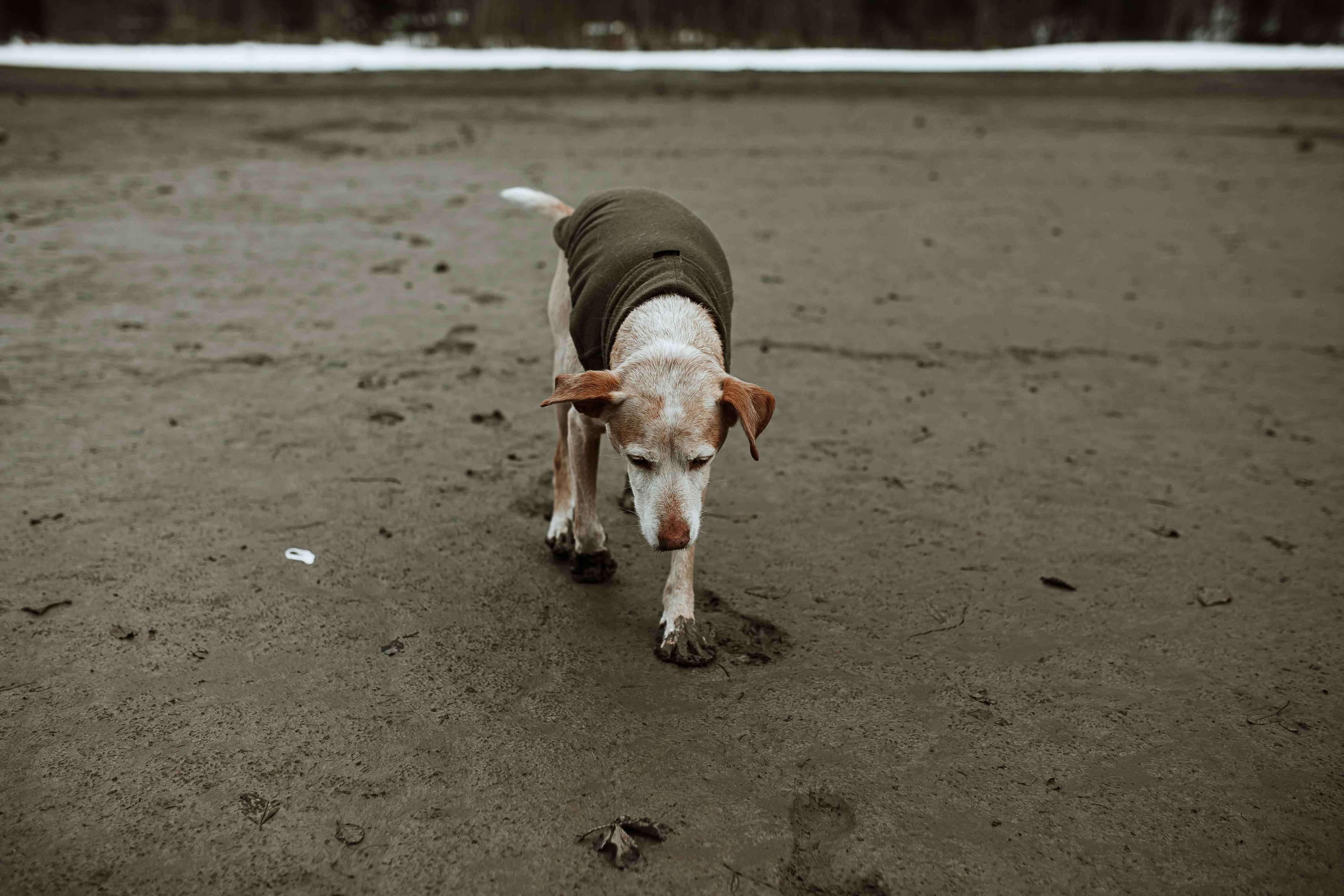
Dogs are often considered man’s best friend, and one of the most endearing aspects of our furry companions is their wet noses. But have you ever wonder why do dogs have wet noses? It’s not just a cute feature; it plays a significant role in their everyday lives and emotional bonding. Let’s explore the science behind their wet noses and how dogs use their sense of smell to connect with us.
The Science of Wet Noses
Dogs have wet noses for several reasons. Firstly, their noses are covered with a thin layer of mucus that helps to capture scent particles from the air. This is crucial because dogs have an incredible sense of smell — estimates suggest they can detect scents up to 100,000 times better than humans! A wet nose helps them absorb these scents more efficiently.
- Moisture enhances scent detection
- Keeps the nasal passages cool
- Helps regulate body temperature
This wetness isn’t just a quirky trait; it’s a vital part of how dogs interact with the world around them.
Cooling Mechanism
You might not realize it, but a dog’s nose also serves as a cooling mechanism. Dogs can’t sweat like humans. Instead, they rely on panting and the moisture on their noses to help regulate their body temperature. When they lick their noses, it creates a cooling effect that helps them stay comfortable, especially on hot days.
- Dogs sweat through their paws, but it’s very minimal
- Wet noses help in thermoregulation
- A cooler nose indicates a healthy pup
Emotional Bonding Through Scent
Dogs are social animals, and their sense of smell plays a crucial role in forming emotional bonds. When you come home, your dog uses their nose to gather information about where you’ve been. They can smell other animals, people, and even the environment you’ve been in. This is how they connect with you on an emotional level.
- Dogs can recognize their owners by scent alone
- They can detect changes in human emotions through smell
- A dog’s wet nose can indicate their excitement or comfort
Fascinating Facts About Dog Noses
Here are some intriguing facts that you might not know about dog noses:
- Each dog has a unique nose print, just like a human fingerprint.
- Dogs have about 300 million smell receptors in their noses, compared to about 6 million in humans.
- Some breeds, like Bloodhounds, can track scents over great distances and are often used in search-and-rescue operations.
The Role of Smell in Canine Behavior
Understanding how dogs use their sense of smell can also shed light on their behaviors. For instance, a dog may sniff another dog’s rear as a way of greeting and gathering information. This behavior is perfectly normal and rooted in their nature.
- Sniffing is a way of communication
- Dogs may roll in scents to mark their territory
- They can detect medical conditions, like low blood sugar or impending seizures, through smell
Comparison: Wet Noses vs. Dry Noses
You might wonder if a dog’s nose being wet or dry has any implications for their health. Here’s a simple comparison:
| Condition | Wet Nose | Dry Nose |
|---|---|---|
| Temperature | Usually cooler | Warmer than normal |
| Health Indicator | Generally healthy | May indicate dehydration or illness |
| Moisture Level | Naturally moist | Can be caused by heat or illness |
Typically, a wet nose is a sign of a healthy dog. However, if your dog’s nose is persistently dry and cracked, it may be worth consulting a vet.
Practical Examples of Nose Use
Dogs utilize their noses in various practical ways, and some of these examples are quite fascinating:
- Search and Rescue: Dogs can find lost people by following their scent, making them invaluable in rescue operations.
- Detection Work: Many dogs are trained to sniff out drugs, explosives, and even certain medical conditions.
- Therapy Dogs: Their sense of smell can help them sense emotional distress in humans, making them excellent companions for therapy.
Dogs are much more than just pets; they are remarkable creatures with an amazing sense of smell that plays a key role in their lives and relationships with humans. Their wet noses are not just cute; they are essential for communication, bonding, and health regulation. Understanding these aspects can deepen your appreciation for your furry companion and enhance your bond. So next time your dog nudges you with their wet nose, remember that they’re not just being affectionate; they’re engaging with the world in a way that only they can.
Can a Dry Nose Indicate Illness in Dogs? Understanding the Signs
When you’re a dog owner, noticing changes in your furry friend’s health is super important. One common observation is whether your dog’s nose is dry or wet. You might wonder, can a dry nose indicate illness in dogs? This question leads us to explore the fascinating reasons behind why dogs have wet noses and what it might mean for their health.
The Basics of Dog Nose Conditions
Dogs generally have wet noses, and this is often seen as a sign of good health. A wet nose helps with their sense of smell, which is way better than ours. But what does it really mean if your dog’s nose is dry? A dog’s nose temperature can vary, and it’s not always a clear indicator of health.
Here are some factors that can affect your dog’s nose:
- Environmental factors: Weather changes, like being outside during a hot day, can dry out a dog’s nose.
- Dehydration: If your dog isn’t drinking enough water, their nose may become dry.
- Health issues: Certain illnesses can lead to a dry nose, but that’s not the only symptom you should notice.
What Does a Dry Nose Mean?
A dry nose doesn’t always mean your dog is sick. However, it’s important to monitor other signs that may indicate illness. Here are some common illnesses that could be indicated by a dry nose:
- Fever: If your dog has a fever, their nose may feel dry.
- Allergies: Allergies can cause dryness and irritation.
- Skin conditions: Issues like dermatitis or other skin disorders can result in a dry nose.
- Infections: Both bacterial and viral infections can lead to changes in a dog’s nose moisture.
If you see a combination of a dry nose and other symptoms, it’s time to visit your veterinarian. Some other signs to look out for include:
- Lethargy: Less energy than usual.
- Loss of appetite: Not interested in food.
- Coughing or sneezing: Respiratory issues.
- Vomiting or diarrhea: Gastrointestinal problems.
Why Do Dogs Have Wet Noses?
Now that we talked about dry noses, let’s dive into why dogs have wet noses in the first place. It’s not just for show or an odd quirk! Here’s some reasons:
Enhances Sense of Smell: A wet nose traps scent particles, which helps dogs smell better. Their sense of smell is estimated to be 10,000 to 100,000 times more sensitive than humans!
Regulates Body Temperature: Dogs don’t sweat like we do. Instead, they regulate their body temperature through their noses and panting. A wet nose helps cool them down.
Natural Behavior: Dogs often lick their noses to keep them moist. This is a natural behavior and helps maintain their olfactory abilities.
Hydration Indicator: A wet nose can also indicate that your dog is well-hydrated. If their nose is dry, it might be time to increase their water intake.
Comparison: Wet Nose vs. Dry Nose
It may help to visualize the differences between a wet and dry nose. Here’s a quick comparison:
| Feature | Wet Nose | Dry Nose |
|---|---|---|
| Scent Detection | Enhanced ability | Reduced ability |
| Temperature | Cooler, helps regulate heat | Warmer, may indicate issues |
| Hydration Level | Indicative of good hydration | Possible dehydration |
| Health Indicator | Generally healthy | May indicate illness or stress |
Practical Tips for Dog Owners
As a dog owner, knowing how to care for your pet’s nose is useful. Here’s some practical advice:
- Monitor the Environment: If it’s particularly hot, make sure your dog has plenty of water and shade.
- Check for Other Symptoms: Always look for other signs of illness if you notice a dry nose.
- Regular Vet Visits: Regular check-ups can help catch any health issues early, including those that might affect your dog’s nose.
So, when you ask yourself, can a dry nose indicate illness in dogs? The answer is yes, but it’s just one of many factors to consider. A wet nose is generally a sign of a happy, healthy dog, while a dry nose may require some attention, depending on other symptoms. Understanding these signs can help you be a better pet owner and keep your furry friend in top shape. Remember, a healthy dog is a happy dog!
Unlocking the Mystery: Why Some Dogs Have Drier Noses Than Others
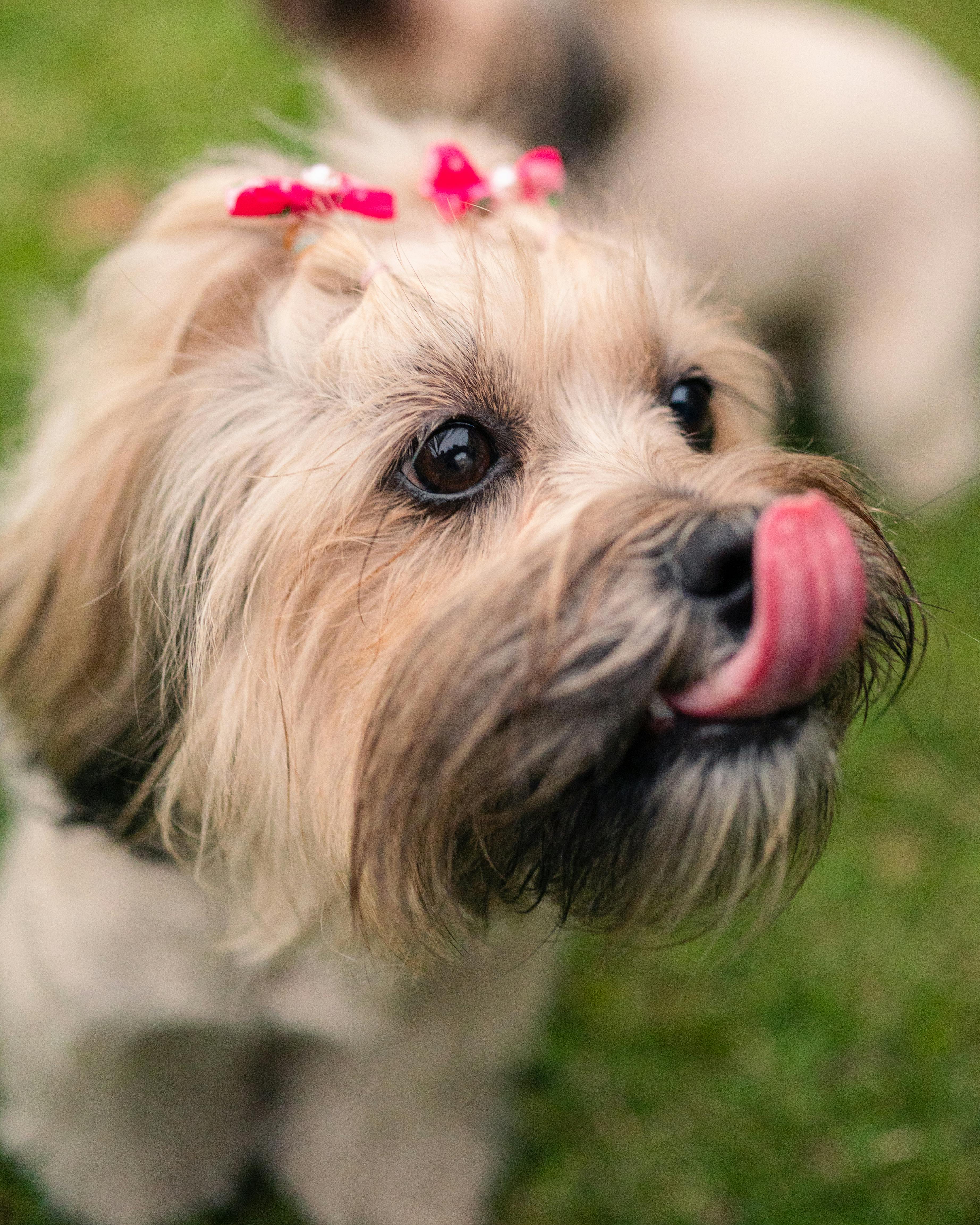
Dogs are a source of joy and companionship for many people, but their bodies are a bit of a mystery sometimes. One question that often gets asked is, “Why do dogs have wet noses?” And even more intriguing, “Why some dogs have drier noses than others?” In this article, we’re gonna unlock the mystery behind these fascinating features of our furry friends.
The Science Behind Wet Noses
First, let’s address the main question: why do dogs have wet noses? Well, there are several reasons for this. A wet nose can help dogs in various ways, including:
Sense of Smell: Dogs have an extraordinary sense of smell, and their wet noses actually help to enhance this ability. The moisture on their noses captures scent particles better, allowing them to pick up smells from the environment more efficiently.
Temperature Regulation: Just like humans sweat, dogs also need to regulate their body temperature. A wet nose can help cool them down. When a dog licks its nose, it can evaporate moisture, which cools the skin underneath.
Health Indicator: A wet nose can be a sign of good health in dogs. It often indicates that a dog is hydrated and functioning properly. However, it’s important to note that a dry nose doesn’t necessarily mean a dog is sick.
Why Are Some Noses Drier?
Now, why do some dogs have drier noses? There’s a number of factors involved here, including:
Breed Differences: Certain breeds are known to have drier noses. For example, breeds like Bulldogs and Boxers often have drier noses compared to breeds like Retrievers or Beagles.
Weather and Environment: Hot, dry weather can lead to drier noses. If a dog is in a climate that lacks humidity, their nose may dry out more easily.
Health Conditions: Some health conditions can lead to dryness in dogs’ noses. Allergies, infections, or autoimmune disorders may cause a dog to have a drier nose.
Age: As dogs age, their skin and nose can become less moist. Older dogs may have drier noses compared to their younger counterparts.
Common Misconceptions
Despite popular belief, a dry nose is not always a cause for alarm. Here are some misconceptions about dog noses:
A Dry Nose Means Illness: This is not always true. Dogs can have a dry nose and still be perfectly healthy. It’s important to observe other signs of health or illness.
A Warm Nose Indicates Fever: A warm nose doesn’t always mean a dog has a fever. Dogs’ noses can change temperature for many reasons, including being in the sun or after exercise.
All Dogs Have Wet Noses: Not every dog has a wet nose all the time. Some breeds are just naturally drier in that area, and that’s normal for them.
Caring for Your Dog’s Nose
Keeping your dog’s nose healthy is important. Here are some tips to ensure it stays in good condition:
Hydration: Make sure your dog drinks plenty of water. Hydration can help keep their nose moist.
Moisturizers: If your dog has a persistently dry nose, consider using a vet-approved nose balm. These can help soothe and moisturize the nose.
Regular Checkups: Regular visits to the vet can help catch any underlying issues early. If you notice significant changes in your dog’s nose, it might be time to consult a professional.
Fun Facts About Dog Noses
Dog noses have unique patterns, similar to human fingerprints! Each dog has a different nose print.
Dogs have about 220 million scent receptors in their noses, compared to humans, who have about 5 million.
The wetness of a dog’s nose can change throughout the day, and it can be influenced by activities such as eating or playing.
In summary, the reason why do dogs have wet noses lies in their biology, helping them to smell better and regulate their body temperature. The variation in moisture levels is influenced by breed, environment, and health. Understanding these factors can help dog owners care for their pets better. Always remember to monitor changes in your dog’s nose, and consult with a vet if you have concerns. Our furry friends deserve the best care we can give them!
Conclusion
In conclusion, the wet noses of dogs serve several important functions that contribute to their overall health and sensory abilities. The moisture helps enhance their sense of smell, allowing them to detect scents more effectively, while also playing a role in thermoregulation and keeping them cool. Additionally, a wet nose can indicate a dog’s hydration status and overall well-being. Understanding the significance of this unique characteristic not only deepens our appreciation for our furry companions but also highlights the importance of regular veterinary check-ups to monitor their health. As a loving pet owner, pay attention to your dog’s nose and overall behavior; any significant changes could warrant a visit to the vet. Embrace the quirks of your canine friend and cherish the special bond you share!
