
Have you ever wondered why do dogs have wet noses? This intriguing question is more than just a quirky trait; it holds many fascinating reasons that reveal the inner workings of our furry friends. Dogs, known for their companionship and loyalty, possess a variety of unique characteristics, and their moist noses are among the most curious. But what does it mean when you see that shiny, wet snout? Is it simply a sign of health, or does it serve a larger purpose? In this article, we’ll explore the science behind those wet noses, uncovering the secrets of dog anatomy and behavior. With each sniff and slobber, your pup’s nose plays a crucial role in scent detection and temperature regulation. Plus, you’ll learn how these moist marvels can even reflect your dog’s emotions! If you’ve been asking yourself, “Why is my dog’s nose wet?” or “What does it mean?” then you’re in the right place. Get ready to dive into the world of canine curiosity and discover the amazing truths behind dogs and their wet noses!
The Science Behind Canine Hydration: Why Dogs Have Wet Noses Explained
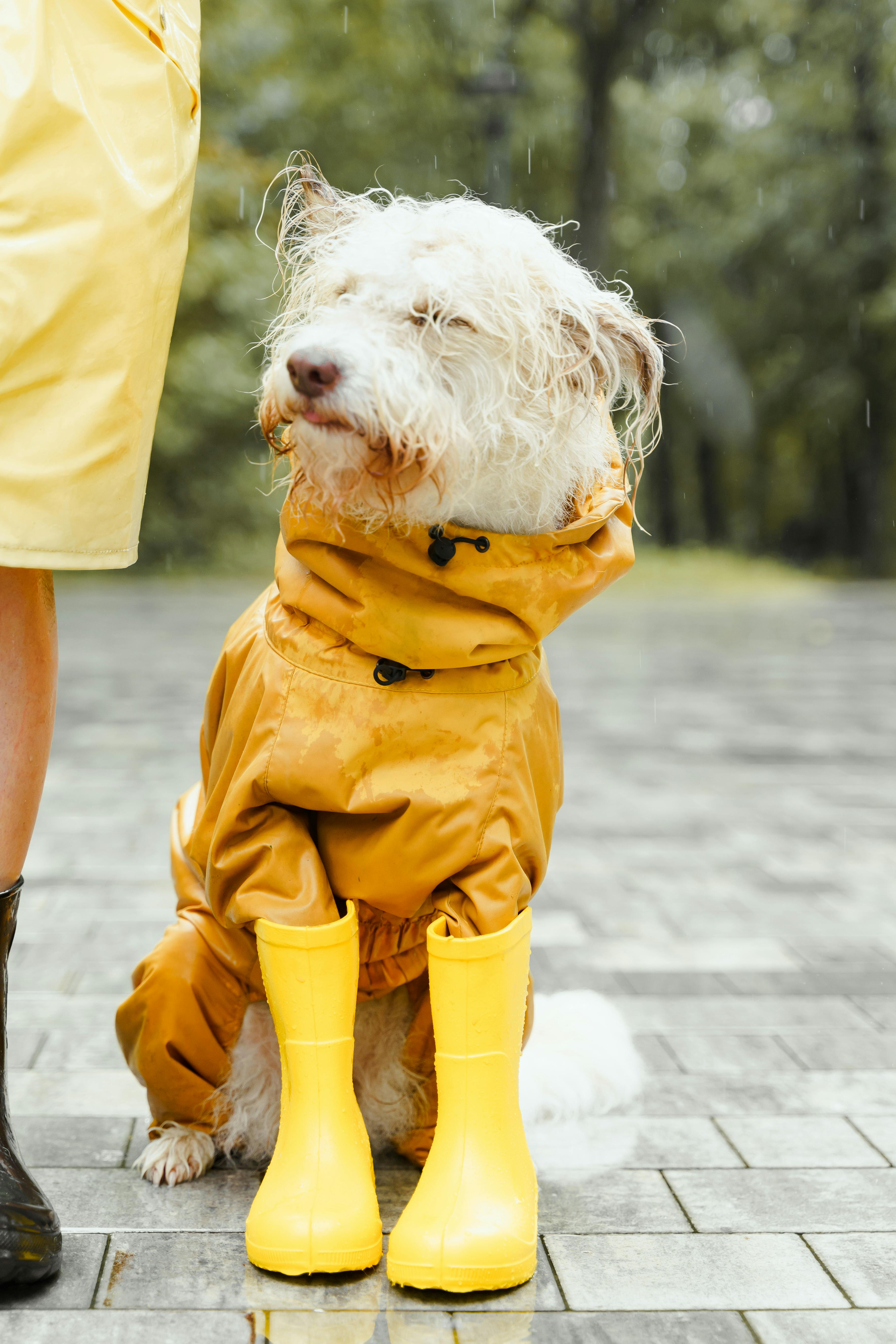
Ever wonder why dogs have those adorable wet noses? It seems like a simple question, but the answer is actually quite fascinating and involves some science. A wet nose is not just a cute characteristic; it plays an important role in how our furry friends interact with the world around them. So, let’s dive into the reasons behind this phenomenon and discover what makes those canine noses so special.
The Biology of Wet Noses
Dogs have a unique physiology that helps them thrive in their environment. Their noses are covered in a thin layer of moisture, which serves several purposes. One of the main reasons is to enhance their sense of smell. Dogs have an incredible olfactory system, and their noses are designed to absorb scent molecules more effectively when moist.
- Enhanced Olfactory Function: The wetness helps trap scent particles, making it easier for dogs to detect smells.
- Temperature Regulation: A wet nose also assists in regulating body temperature. When dogs pant, moisture evaporates from their noses, helping them cool down.
- Health Indicator: A dog’s nose can tell a lot about its health. A wet, cool nose is often a sign of a healthy dog, while a dry nose might suggest dehydration or illness.
Why Are Dog Noses Wet?
So, why do dogs have wet noses? The answer lies in their evolutionary adaptations. Dogs, being descendants of wolves, have developed traits that help them survive in the wild. Their wet noses are an evolutionary trait that aids in tracking prey and detecting hazards.
Here are some fascinating facts about a dog’s nose:
- Scent Detection: Dogs can smell up to 100,000 times better than humans, allowing them to detect scents from great distances.
- Nasal Anatomy: A dog’s nose has more than 300 million olfactory receptors, compared to a human’s 5 million.
- Moisture Production: Dogs have special glands in their noses that produce moisture, keeping the surface wet.
Historical Context
Historically, humans have bred dogs for various purposes including hunting, herding, and companionship. The wet nose has been critical in helping dogs perform their tasks effectively. For example, hunting dogs rely on their sense of smell to locate game, making a wet nose essential for their success.
Comparing Dog Noses to Other Animals
When we look at how dog noses function compared to other animals, it gives us insight into their unique design. For instance:
- Cats: Cats have dry noses most of the time. They rely more on their eyesight and hearing, so they don’t need the same level of olfactory function as dogs.
- Humans: Humans have a less sophisticated sense of smell, which is why our noses do not need to be moist for olfactory purposes.
- Bears: Bears have an even stronger sense of smell than dogs, but their noses are also designed differently, with a different structure to help them detect food and mates.
Practical Examples of Nose Health
Maintaining a dog’s nose health is important for their overall well-being. Here are some signs to watch for that could indicate problems:
- Dryness: If the nose is excessively dry, it can indicate dehydration or illness.
- Cracking: Cracked or peeling skin can signal allergies or infections.
- Discoloration: A change in color might suggest a health issue that needs veterinary attention.
Fun Facts About Canine Noses
- Dogs have a “vomeronasal organ” which helps them detect pheromones, crucial for communication with other dogs.
- The texture of a dog’s nose is unique, much like a human fingerprint.
- Dogs can even smell certain medical conditions like diabetes or cancer through their breath or skin.
So, to wrap it up, the wet noses of dogs are not just adorable features; they are vital tools that play a significant role in a dog’s life. From improving their sense of smell to helping regulate their body temperature, wet noses are a fascinating aspect of canine biology. Next time you give your dog a pat on the head, remember the science behind that wet nose and all the incredible things it helps them do!
5 Surprising Benefits of Your Dog’s Wet Nose: More Than Just a Cool Feature

Have you ever wondered why your dog’s nose is always wet? It’s more than just a unique feature or quirk of nature. In fact, there are some surprising benefits to that cool, moist nose of theirs! Let’s dive into the fascinating reasons behind why dogs have wet noses and uncover five benefits that might just change the way you see your furry friend.
1. Temperature Regulation
One of the most important functions of a dog’s wet nose is to help them regulate their body temperature. Just like humans sweat to cool down, dogs rely on their noses to stay cool. When a dog’s nose is wet, it helps them dissipate heat more effectively. This is especially crucial on hot days or after an intense play session in the park. If you notice your pup’s nose drying out, it could be a sign that they are overheating and need to cool down.
2. Enhanced Sense of Smell
Did you know that a dog’s sense of smell is around 10,000 to 100,000 times more sensitive than ours? That’s right! The moisture on their noses helps to capture scent particles from the air, enhancing their ability to smell. A wet nose creates a thin layer of mucus that traps these particles, allowing dogs to analyze smells more effectively. This is one of the reasons why dogs are often used in search and rescue missions, as well as for detecting drugs or explosives.
3. Communication Tool
Dogs are social creatures, and their noses play a significant role in how they communicate with other dogs and even humans. When your dog sniffs another dog’s nose, they are exchanging information about each other’s health, mood, and environment. A wet nose can indicate a friendly and approachable demeanor, while a dry nose might suggest stress or illness. Paying attention to your dog’s nose can give you insights into their emotional state and how they perceive their surroundings.
4. Health Indicator
The condition of your dog’s nose can also serve as a health indicator. A healthy dog usually has a cool, moist nose, while a dry or cracked nose might signal a potential health issue. Here are some common conditions to watch for:
- Dehydration: A dry nose can indicate that your dog isn’t getting enough water.
- Allergies: If your dog’s nose is persistently dry and flaky, it may be suffering from allergies.
- Infections: A sudden change in the wetness of the nose can be a sign of an infection or illness.
- Fever: An unusually warm and dry nose might be a sign that your dog has a fever.
5. Natural Moisturizer
Dogs naturally lick their noses, which keeps them moist. This behavior not only keeps their noses hydrated but also helps to maintain their overall health. The saliva contains enzymes that can help to cleanse and protect the nose from harmful bacteria. Dogs are instinctively aware of their bodies, and licking their noses is a natural way to ensure they remain healthy.
Fun Facts About Dog Noses
- A dog’s nose print is unique to each dog, similar to a human fingerprint.
- The wetness of a dog’s nose can change throughout the day—different activities and environmental factors can influence it.
- Some breeds, like Bloodhounds, have exceptional scenting abilities due to their nose structure and moisture levels.
Comparison of Nose Types in Dogs
Different breeds have different nose types, which can affect their wetness and functionality. Here’s a quick comparison:
| Breed | Nose Type | Moisture Level | Scenting Ability |
|---|---|---|---|
| Bloodhound | Long and droopy | High | Excellent |
| Bulldog | Short and flat | Moderate | Good |
| Greyhound | Long and narrow | High | Very Good |
| Pug | Short and wrinkled | Low | Moderate |
Understanding the benefits of your dog’s wet nose can not only enhance your bond with them but also provide valuable insights into their health and well-being. So next time you see your pup with that cool, wet nose, remember that it’s doing way more than just looking cute! It’s a fascinating feature that plays a crucial role in their everyday life. Embrace the quirky nature of your furry friend, and appreciate the little things that make them so lovable.
Is a Wet Nose a Sign of Health? Understanding Your Dog’s Unique Thermoregulation

When you pet your dog, it’s hard not to notice that cool, moist nose. But have you ever wondered, “Is a wet nose a sign of health?” Many dog owners believe that a wet nose is an indication of their pet’s well-being, while others may question what this actually means. In this article, we will explore the fascinating reasons why dogs have wet noses, and how this unique feature helps them regulate their body temperature.
Why Do Dogs Have Wet Noses?
Dogs’ noses are not just cute; they serve important purposes. Here are some key reasons why dogs’ noses are usually wet:
Thermoregulation: One of the primary reasons for wet noses is thermoregulation. Dogs don’t sweat like humans do. Instead, they cool down through their noses and panting. The moisture on their noses evaporates, which helps to lower their body temperature.
Enhanced Sense of Smell: A wet nose helps to enhance a dog’s sense of smell. The moisture captures scent particles from the air, making it easier for dogs to detect sounds and scents. This is why dogs are excellent trackers – their noses are like biological supercomputers.
Communication: Dogs use their noses for communication too. A wet nose can indicate that a dog is relaxed and happy, while a dry nose might mean they are stressed or unwell.
How Does a Dog’s Nose Work?
Understanding how a dog’s nose works involves looking at its anatomy. Here are some interesting facts:
Nasal Structure: Dogs have a complex nasal structure filled with olfactory receptors. In fact, a dog’s sense of smell is about 10,000 to 100,000 times more acute than humans.
Moisture Production: The moisture in a dog’s nose is produced by glands located in the nasal tissue. This moisture is important for trapping scents, but it also plays a role in temperature regulation.
Body Temperature: A dog’s normal body temperature ranges from 101 to 102.5 degrees Fahrenheit. When they’re active, their body temperature can rise, and a wet nose helps to cool them down.
The Myths and Facts About Wet Noses
There are many myths surrounding wet noses in dogs. Let’s clarify some common misconceptions:
Myth 1: A wet nose means a dog is sick.
Fact: While a persistent dry nose can be a sign of illness, a wet nose alone does not indicate health. Many healthy dogs have varying moisture levels on their noses.Myth 2: All dogs have wet noses.
Fact: Not all dogs have wet noses all the time. Factors like the environment, breed, and activity level can affect moisture levels.Myth 3: Dogs only sweat through their noses.
Fact: Dogs primarily cool off through panting, but they do have sweat glands in their paw pads.
Factors That Impact Nose Moisture
Several factors can influence the moisture on a dog’s nose. Here are some to consider:
Weather Conditions: Hot, humid weather can increase nose moisture, whereas dry and cold conditions might lead to a drier nose.
Health Status: Conditions like fever or dehydration can cause a dog’s nose to dry out. If your dog has a persistently dry nose and shows other signs of illness, it’s best to consult a vet.
Age and Breed: Puppies often have wetter noses than older dogs. Additionally, some breeds may naturally have drier noses than others due to physical characteristics.
Practical Tips for Dog Owners
If you’re a dog owner, maintaining your pet’s nose health is important. Here are some practical tips:
Regular Vet Check-ups: Ensure your dog has regular check-ups with your veterinarian. They can help monitor your dog’s overall health, including nose condition.
Hydration: Keep your dog hydrated, especially in hot weather. Dehydration can lead to a dry nose.
Observe Changes: Pay attention to any changes in your dog’s nose. If it becomes cracked, peeled, or excessively dry, it may be a sign of underlying health issues.
Understanding why dogs have wet noses can help you appreciate this unique aspect of canine biology. It’s not just about health but also about communication and survival. So, the next time you give your furry friend a scratch behind the ears, take a moment to marvel at that wet nose and the role it plays in their lives. Keeping an eye on your dog’s nose can be an important part of being a responsible pet owner, ensuring that they stay healthy and happy.
Wet Noses and Social Signals: What Your Dog’s Nose Says About Their Mood

When you think of man’s best friend, perhaps you imagine wagging tails, playful barks, and of course, those adorable wet noses. But ever wonder why do dogs have wet noses? It’s not just for show — their moist noses serve several important functions. Let’s dive into the fascinating world of dog noses and what they can tell us about our furry companions’ moods.
Why Do Dogs Have Wet Noses?
So, why do dogs have wet noses in the first place? It’s a question many pet owners ponder. Here are some reasons that explain this phenomenon:
- Enhanced Smell: Dogs noses are super sensitive, containing up to 300 million smell receptors. A wet nose helps to capture scent particles more effectively, allowing them to smell better and discern various odors in their environment.
- Cooling Mechanism: Just like sweat helps humans cool down, a wet nose helps dogs regulate their body temperature. The moisture evaporates and cools their skin, helping them stay comfortable.
- Health Indicator: A dog’s nose can indicate health. A warm, dry nose might signal fever or illness, while a cool, wet nose is generally a sign of a healthy pup. However, this isn’t always a foolproof method.
- Social Signals: Dogs communicate with each other (and with us) through their noses. A wet nose can indicate a relaxed and friendly demeanor, while a dry nose might suggest stress or discomfort.
The Fascinating Functions of a Dog’s Nose
Dogs noses are not only wet, but they are also incredibly complex. Here’s a breakdown of their functions:
- Scent Detection: Dogs can detect certain scents at incredibly low concentrations. This ability is why they are used in search and rescue operations, as well as in detecting drugs and explosives.
- Thermoregulation: Dogs cool off mainly through panting, but their nose also plays a role in keeping their body temperature in check.
- Social Interaction: Dogs greet each other with their noses. A quick sniff can tell them a lot about another dog’s mood, health, and identity.
What Your Dog’s Nose Says About Their Mood
A dog’s nose can be an indicator of their emotional state. Here are some examples of what you might observe:
- Wet and Cool: This usually means your pup is relaxed and content. They might be enjoying some playtime or lounging around the house.
- Dry and Warm: This could indicate your dog is stressed or unwell. If you notice these symptoms, it’s best to monitor their behavior and consult a vet if necessary.
- Frequent Sniffing: When dogs are sniffing around often, it usually means they are curious or excited, eager to explore something new.
Historical Context of Dog Noses
Interestingly, dogs have evolved alongside humans for thousands of years. Historically, their noses have played a crucial role in their partnership with humans. Early hunters relied on dogs to track game, and their ability to smell was vital for survival. Over time, this bond has deepened, leading to the strong emotional connections we see today between dogs and their owners.
Fun Facts About Dog Noses
- Unique Patterns: Just like human fingerprints, every dog has a unique nose print.
- Scent Memory: Dogs can remember scents for years, which is why they can recognize their owners even after long periods of separation.
- Nasal Anatomy: A dog’s nose is made up of multiple layers of tissue that aid in scent detection, including a special structure known as the Jacobsen’s organ, which helps process pheromones.
Tips for Keeping Your Dog’s Nose Healthy
Maintaining a healthy nose is important. Here are some tips:
- Hydration: Ensure your dog drinks enough water, as dehydration can lead to a dry nose.
- Regular Vet Check-ups: Periodic visits to the vet can help catch any potential health issues early.
- Avoid Allergens: Keep your dog away from dust, pollen, and other allergens that may irritate their nose.
In the end, the wet noses of dogs are not just cute features. They serve critical functions that reflect their health, mood, and even their social interactions. Understanding these signals can help strengthen the bond between you and your furry friend. So next time you pet your dog, give that wet nose a gentle rub and appreciate all the amazing things it represents!
Curious Canines: How Dogs Use Their Wet Noses to Explore the World
Dogs are often called man’s best friend, but have you ever wonder why their noses are always wet? It’s more than just a quirky trait. There are good reasons behind it, and understanding why can deepen your appreciation for these furry companions. Let’s explore the fascinating world of canine noses, how they help dogs interact with their environment, and the science behind that wetness.
The Science Behind Wet Noses
Dogs have wet noses for a variety of reasons, each playing a crucial role in their health and sensory perception.
- Moisture Helps with Smell: A wet nose is more effective at trapping scent particles. When a dog inhales, the moisture helps absorb the scents, allowing them to get a stronger signal from their environment.
- Temperature Regulation: Dogs don’t sweat like humans do. Their noses help them cool down. The moisture on their noses evaporates, helping them regulate body temperature.
- Health Indicator: A dog’s nose can be an indicator of its health. A dry or cracked nose might suggest dehydration or illness, while a cold, wet nose usually means the dog is healthy.
Historical Context of Noses
Historically, dogs have been bred for specific purposes, including hunting and herding. Their noses evolved to aid in these tasks. For instance, bloodhounds are famous for their incredible sense of smell, which is largely due to their moist noses.
- Breeds and Their Noses: Different breeds have different nose characteristics.
- Bloodhounds: Known for their tracking ability, their noses are droopy and moist.
- Beagles: They have a keen sense of smell, aided by their wet noses.
- Dachshunds: Their long noses help them sniff out small animals underground.
How Do Dogs Use Their Noses?
Dogs use their noses to explore the world in ways humans can’t even imagine. Here’s a comparison of how humans and dogs sense the world:
- Human Nose: Can detect around 5 million scent particles.
- Dog Nose: Can detect up to 300 million scent particles!
This massive difference allows dogs to engage with their environment on a much deeper level. Here are some specific ways dogs use their noses:
- Tracking: Dogs can follow scents over long distances, which is why they are commonly used in search and rescue missions.
- Communication: Dogs can communicate with each other through scent. They can tell if another dog is friendly, aggressive, or sick just by sniffing.
- Detection: Dogs are trained to detect drugs, explosives, and even certain medical conditions in humans, like low blood sugar.
Fun Facts About Dog Noses
- Dogs have unique nose prints, just like human fingerprints.
- The wetness of dog noses can change depending on the weather. For example, on a hot day, a dog’s nose might be drier.
- Some breeds, like Bulldogs, have shorter noses, which can affect their scenting ability compared to breeds with longer noses.
The Importance of Nose Care
While wet noses are generally a sign of good health, it’s important to take care of your dog’s nose. Here are some tips:
- Keep It Moist: If you notice your dog’s nose is excessively dry, it could be due to environmental factors. Consider using a nose balm specifically made for dogs.
- Watch for Cracks: Cracked noses can lead to infections. If you see cracks, consult a veterinarian.
- Hydration: Ensure your dog drinks plenty of water, as hydration is key to maintaining a healthy nose.
Summary of Key Points
- Dogs have wet noses primarily for better smell and temperature regulation.
- Their noses evolved alongside their roles in human society.
- Dogs use their noses to communicate, track, and detect various scents.
- Caring for your dog’s nose is essential for their overall health.
In conclusion, the wet noses of dogs are not just a cute feature; they serve essential functions that enhance their ability to explore and understand the world. The next time you give your furry friend a scratch behind the ears, take a moment to appreciate the extraordinary biology behind those curious canines and their fascinating wet noses. It’s a small detail that connects them more deeply to their environment and to us.
The Evolutionary Advantage: Why Wet Noses Are Essential for Hunting Dogs
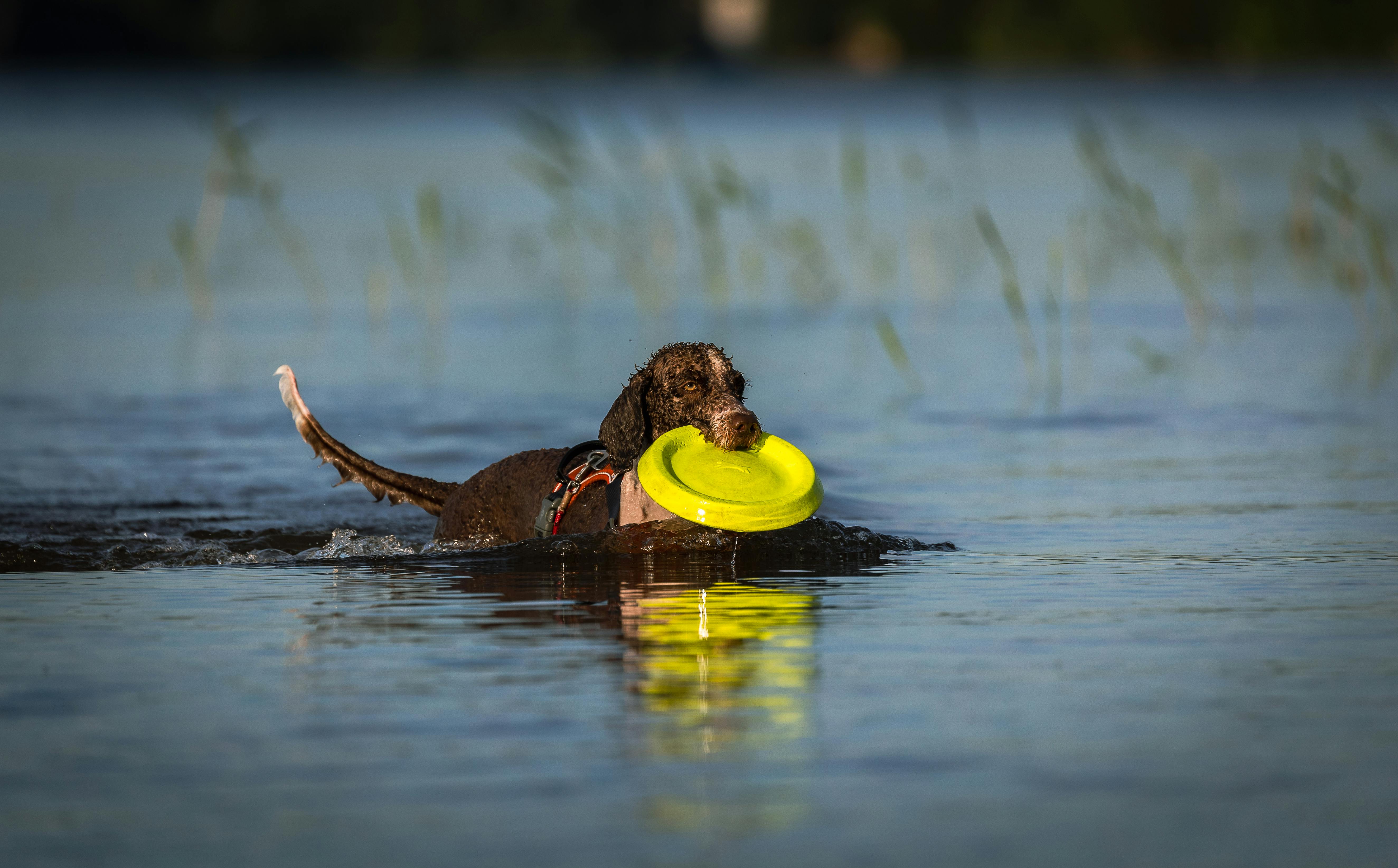
Dogs are known for their companionship, loyalty, and those adorable wet noses. Ever wonder why do dogs have wet noses? This question can lead you down a fascinating path of history and biology, revealing the evolutionary advantages that wet noses provide, especially in hunting dogs.
The Science Behind Wet Noses
Wet noses are not just cute; they actually serve several important functions. Dogs, much like their wolf ancestors, rely heavily on their sense of smell. In fact, dogs have up to 300 million olfactory receptors in their noses, compared to a human’s mere 5 million. A wet nose plays a critical role in enhancing this sense. Here’s how:
Moisture and Scent Detection: A wet nose helps to capture scent particles from the air. When the nose is moist, it can absorb more smells, making it easier for dogs to identify different scents. This is particularly useful for hunting dogs who need to track down prey.
Temperature Regulation: Dogs regulate their body temperature through their noses, much like how they do through panting. A wet nose can help cool them down, which is essential during long hunting trips.
Health Indicator: The moisture level of a dog’s nose can also indicate its health. A consistently dry nose might suggest dehydration or illness, so it’s important for dog owners to pay attention to this.
Historical Context: Dogs as Hunters
Historically, dogs have been trained for various roles, including hunting. The relationship between humans and dogs goes back thousands of years, with evidence suggesting that domestication began around 15,000 years ago. During this time, humans started relying on dogs for hunting purposes.
This partnership led to the development of specific breeds tailored for hunting, such as Bloodhounds and Beagles. These breeds have distinct physical traits, including wet noses, that help them excel in their roles. The evolutionary advantage of having a wet nose is clear: it increases their ability to track scents, making them more effective hunters.
Key Benefits of Wet Noses in Hunting Dogs
Here’s a breakdown of the key benefits that wet noses provide for hunting dogs:
Enhanced Scenting Ability: The moisture on a dog’s nose captures and holds scent particles, increasing the likelihood of identifying prey.
Increased Persistence: A hunting dog with a wet nose can continue following a scent trail longer without losing track, which is crucial in hunting scenarios.
Better Communication: Dogs use their noses to communicate with other dogs. A wet nose can indicate excitement or readiness to engage in hunting activities.
Comparison: Wet Noses vs. Dry Noses
It’s interesting to consider how wet noses compare to dry noses in dogs. Here’s a quick comparison:
| Feature | Wet Nose | Dry Nose |
|---|---|---|
| Scent Detection | High efficiency | Lower efficiency |
| Temperature Control | Helps cool the body | Less effective in cooling |
| Health Indicator | Generally indicates good health | Might indicate dehydration or illness |
Common Misconceptions About Wet Noses
There are many myths surrounding why do dogs have wet noses. Here are some common misconceptions:
Wet Noses are Always Healthy: While a wet nose can indicate health, it’s not a foolproof measure. Other symptoms should be considered.
All Dogs Have Wet Noses: Not every dog has a wet nose all the time. Factors like age, breed, and environment can influence moisture levels.
Wet Noses Equal Happiness: A wet nose doesn’t mean a dog is happy. Dogs can have varying moisture levels based on activity, diet, and health status.
Practical Examples of Wet Noses in Action
Consider a scenario where a hunting dog is tracking a scent. The wet nose aids the dog in distinguishing between different trails and identifying the direction of the prey. For instance, a Beagle on a hunt can follow the scent of a rabbit, thanks to its efficient wet nose. In contrast, a dog with a dry nose might struggle to pick up the trail, leading to a less effective hunting experience.
It’s also worth noting that wet noses can play a role in social interactions among dogs. A dog may greet another by sniffing, and the moisture can indicate a friendly demeanor.
In the end, the evolutionary advantage of wet noses in dogs, especially hunting dogs, goes beyond mere biology. It intertwines with the history of human-dog partnerships, showcases the incredible adaptations of these animals, and highlights the importance of understanding our furry friends. The next time you pet your dog and feel that familiar wet nose, remember the fascinating reasons behind it!
How to Keep Your Dog’s Nose Healthy: Tips for Pet Owners
Dogs, they are often called man’s best friend, and for good reason. Their loyalty, companionship, and love are unmatched. However, as pet owners, we need to watch out for their health, especially their noses! Many people ask, “Why do dogs have wet noses?” Well, let’s dive into that fascinating question and also share some tips for keeping your dog’s nose healthy.
Why Do Dogs Have Wet Noses?
Ever wonder why your pup’s nose is always moist? There’s actually a few reasons for this. Dogs’ noses are not just for smelling; they play a crucial role in their overall health. Here’s some insights:
Temperature Regulation: A dog’s nose helps to cool their body. It’s like a built-in air conditioner! When they pant, the moisture on their nose evaporates, which helps reduce their body temperature.
Enhanced Sense of Smell: The wetness on a dog’s nose helps to trap scent particles. This makes it easier for them to smell and identify different odors. Dogs have an incredible sense of smell that’s up to 100,000 times better than humans!
Health Indicator: A dog’s nose can indicate their health. A healthy nose is usually moist and cool. If it’s dry or excessively warm, it might be a sign of an underlying issue.
Communication: Dogs use their noses to communicate with each other. A wet nose can signal excitement or curiosity.
How to Keep Your Dog’s Nose Healthy: Tips for Pet Owners
Keeping your dog’s nose healthy is pretty simple. Here are some practical tips for pet owners:
Regular Check-ups: Just like you go to the doctor, your dog should see the vet regularly. This helps catch any problems early.
Stay Hydrated: Ensure your dog drinks plenty of water. Dehydration can cause their nose to dry out.
Limit Sun Exposure: Just like humans, dogs can get sunburnt. If your dog has light-colored skin or fur, consider using pet-safe sunscreen on their nose during sunny days.
Monitor Allergens: Dogs can be allergic to pollen, mold, or certain foods. If you notice your dog’s nose is inflamed or irritated, consult your vet.
Cleanliness: Wipe your dog’s nose gently with a damp cloth to remove dirt or irritants. Avoid using harsh chemicals or soaps.
Avoid Hot Surfaces: Pavement and sand can get really hot and hurt your dog’s nose. Always check surfaces before letting them walk on them.
Feed Quality Food: A well-balanced diet can improve your dog’s overall health, including their nose.
Watch for Symptoms: If you see any unusual changes in your dog’s nose, like cracks, sores, or excessive dryness, contact your vet.
Fun Facts About Dogs’ Noses
Unique Prints: Just like human fingerprints, every dog has a unique nose print. It can actually be used for identification!
Nasal Turbinates: Dogs have a complex structure in their noses called nasal turbinates, which helps them process smells more efficiently.
Color Variation: Not all dog noses are black. Depending on the breed, they can be pink, brown, or even spotted!
Sniffing Speed: When sniffing, dogs can take in a scent at a rate of 300 times per minute. That’s super fast!
Thermal Imaging: Some scientists use thermal imaging to study dogs’ noses. They can see how warmth changes depending on health conditions.
Common Nose Issues in Dogs
It’s important to know some common nose issues that can arise in dogs. Here’s a quick list of conditions to watch for:
Nasal Hyperkeratosis: This is when the skin on the nose becomes thick and crusty. It’s not harmful but can be uncomfortable.
Nasal Tumors: Though rare, older dogs can develop growths on their noses.
Allergic Reactions: Dogs might develop rashes or swelling due to allergies.
It’s essential to keep an eye on your dog’s nose and overall behavior. If you notice anything unusual, don’t hesitate to contact a veterinarian.
By understanding why dogs have wet noses and how to keep them healthy, you can contribute to your furry friend’s overall well-being. Regular check-ups and being observant can make a huge difference. Your dog’s happiness and health are worth every effort!
Are All Dog Breeds the Same? Exploring Variations in Nose Moisture Across Breeds

Are all dog breeds the same? This question may seem simple, but when you look deeper, it brings up a whole bunch of interesting facts about our furry friends. One of the most curious aspects of dogs is their wet noses. You might of noticed that some dogs have wetter noses than others, and this leads us to explore why do dogs have wet noses? What’s more, does the moisture level varies across different breeds?
The Science Behind Wet Noses
Dogs have wet noses for a variety of reasons, and it’s not just for show. The moisture on a dog’s nose helps with their sense of smell. Their noses has special glands that produce mucus, which helps to capture scent particles from the air. When the moisture evaporates, it actually enhances their ability to smell, making it easier for them to detect various scents. This is one reason why dogs are known for their incredible olfactory abilities.
- Enhanced Scent Detection: A wet nose helps capture scent particles.
- Temperature Regulation: Dogs can cool themselves through their noses too.
- Health Indicator: A wet nose can indicate good health, while a dry one might signal a problem.
Breed Variations in Nose Moisture
Now, let’s dive into whether all dog breeds have the same level of nose moisture. The answer is no! Different breeds tend to have different characteristics, and that includes the moisture of their noses. For instance, brachycephalic breeds like Bulldogs or Pugs may have less moisture due to their shorter snouts. On the other hand, breeds like Bloodhounds, who are known for their remarkable sense of smell, often have extremely wet noses.
Here’s a closer look at how nose moisture can vary across some popular breeds:
| Breed | Nose Moisture Level | Comments |
|---|---|---|
| Labrador Retriever | High | Known for their keen sense of smell. |
| Bulldog | Low | Short snout, less moisture. |
| Bloodhound | Very High | Exceptional scent detection abilities. |
| Poodle | Moderate | Varies with grooming. |
| Dachshund | Variable | Depends on the individual dog. |
Why Do Dogs Have Wet Noses? The Fascinating Reasons
There are several fascinating reasons why dogs have wet noses, and understanding these can deepen our appreciation for them.
Scent Enhancement: As mentioned earlier, moisture helps dogs capture scents better. A wetter nose is particularly beneficial in tracking and hunting breeds.
Thermoregulation: Dogs do not sweat like humans do. Instead, they rely on their noses and panting to help cool down. The moisture helps in regulating their body temperature.
Health Monitoring: A wet nose can be a sign of good health, as mentioned before. If your dog’s nose suddenly becomes dry, it could be a sign of illness or dehydration. It’s important to monitor these changes, as they could provide clues about your dog’s well-being.
Social Interaction: Dogs often greet each other by sniffing noses. A wet nose can be an invitation for interaction, signaling friendliness or curiosity.
The Importance of Breed Differences
When we consider the variations in nose moisture, it’s also important to think about how these differences reflect broader breed characteristics.
- Hunting Breeds: Breeds like Beagles and Bloodhounds are designed for tracking and have moist noses to enhance their scenting ability.
- Companion Breeds: Small breeds like Chihuahuas might have drier noses, which can be attributed to their less active lifestyle compared to working breeds.
- Working Breeds: Breeds such as German Shepherds or Belgian Malinois have moist noses that help them in their roles, whether it be as police dogs or search and rescue.
Final Thoughts
In conclusion, not all dog breeds are the same, especially when it comes to their noses. The moisture level varies widely across different breeds, and this has fascinating implications for their health, behavior, and abilities. Understanding why do dogs have wet noses can help dog owners appreciate their pets even more. Whether you have a Bloodhound with a dripping nose or a Bulldog with a drier one, each dog has unique traits that contribute to its charming personality. So the next time you give your furry friend a pat, take a moment to consider the science behind that wet nose!
The Fascinating Connection Between Wet Noses and Dog Behavior

When you think about dogs, one of the first things that come to mind is their wet noses. It’s kinda funny how often we see that little glistening feature when they greet us. But have you ever wondered why dogs have wet noses? It’s not just for show or because they just came in from the rain. There are some fascinating reasons behind this. So, let’s dive into the world of dog behavior and understand the mystery of their wet noses.
The Science Behind Wet Noses
Dogs have wet noses because moisture plays a significant role in their sense of smell. Here’s a few reasons why:
- Enhanced Olfactory Function: Dogs’ noses are equipped with an incredible number of olfactory receptors — around 220 million! Wetness actually helps to trap scent particles, making it easier for dogs to detect smells.
- Cooling Mechanism: Just like humans sweat, dogs can’t sweat effectively. Their noses help regulate body temperature. When the mucus on a dog’s nose evaporates, it cools the blood flow to the brain.
- Health Indicator: A wet nose can indicate a healthy dog. If a dog’s nose is dry and warm, it could be a sign that they are sick or dehydrated.
Historical Perspectives on Dog Noses
Historically, the significance of a dog’s nose has been appreciated in different cultures. Here’s a little timeline:
- Ancient Civilizations: Early Egyptians kept dogs for companionship and hunting, and they noticed that a wet nose could help in tracking scents.
- Medieval Times: Dogs were used in hunting. Hunters recognized that wet noses improved a dog’s ability to track prey, leading to a better catch.
- Modern Day: Today, dogs are trained in various fields like search and rescue, therapy, and detection, utilizing their incredible sense of smell that is enhanced by their wet noses.
Dogs and Their Behavior
The behavior of dogs is intrinsically linked to their noses. Here are some interesting behaviors connected to their sense of smell:
- Sniffing: Dogs will often sniff each other’s noses. This is a social behavior where they gather information about each other. It’s like a handshake but with a lot more detail!
- Tracking: Dogs can track scents over great distances. This ability can be used in search and rescue missions.
- Identifying Emotions: Dogs can even sense human emotions through scent. If you are feeling stressed or anxious, your dog might pick up on those pheromones and react accordingly.
Practical Examples of Wet Nose Benefits
Here are some practical examples of how a dog’s wet nose benefits both the dog and its human companions:
- Detection Work: Dogs used in police work rely on their noses to detect drugs, explosives, and even locate missing persons. Their wet noses significantly enhance their tracking skills.
- Therapy Dogs: Dogs in therapeutic roles are often more effective at calming humans due to their ability to sense emotional cues, aided by their wet noses.
- Hunting Companions: For hunters, a dog’s wet nose is a sign of a good tracking dog. The moisture allows them to pick up even the faintest scents.
Understanding Dog Health Through Their Noses
It’s essential to monitor your dog’s nose for changes. Here’s a quick reference:
- Wet and Cool: Healthy dog.
- Dry and Warm: Possible fever or dehydration.
- Cracked or Bleeding: Could indicate allergies or health issues.
Fun Facts About Dog Noses
- Dogs have unique nose prints, just like humans have fingerprints.
- The texture of a dog’s nose can change with weather conditions, often becoming drier in hot weather.
- Some breeds, like Bloodhounds, have an exceptional sense of smell that can track scents over a week old.
The relationship between wet noses and dog behavior is not just fascinating; it’s a blend of biology, history, and a bit of mystery. Dogs have been our companions for thousands of years, and their wet noses play a crucial role in how they interact with the world. So next time you see your furry friend with that adorable, damp nose, you can appreciate not just how cute they are, but also the amazing biology working behind that simple feature. Your dog’s nose does so much more than meet the eye, or in this case, the nose!
Wet Nose Myths Debunked: What Every Dog Owner Should Know!
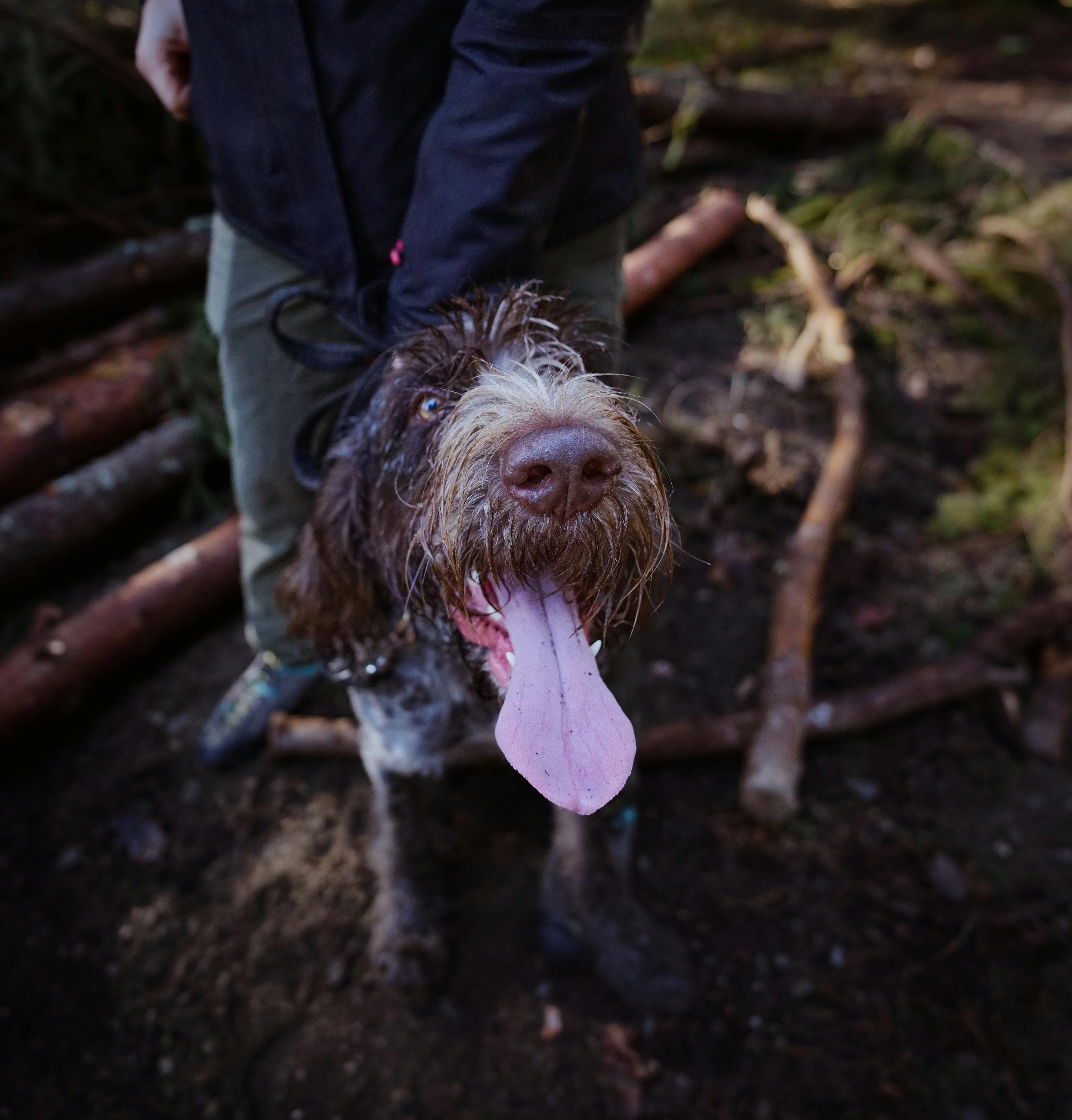
As a dog owner, you may often find yourself wondering about your furry companion’s wet nose. Is it a sign of good health, or does it mean they are sick? There are many myths about why dogs have wet noses, and it’s time to set the record straight. Wet Nose Myths Debunked: What Every Dog Owner Should Know! This article dives into the fascinating reasons behind the moisture on your pup’s snout.
Why Do Dogs Have Wet Noses?
First off, let’s understand the science behind those wet noses. Dogs have wet noses primarily because they sweat through them, a little. Unlike humans who sweat all over, dogs have fewer sweat glands, so their noses get moist when they lick them. This helps them cool down, just like when we drink cold water on a hot day.
The Benefits of a Wet Nose
Here is a quick list of why a wet nose is beneficial for dogs:
- Thermoregulation: Helps dogs regulate their body temperature.
- Sense of Smell: Nasal moisture enhances their sense of smell, making it easier for them to detect scents.
- Health Indicator: A wet nose can indicate overall health; when it’s dry, it could mean something is off.
Common Myths About Wet Noses
Myth: A Wet Nose Means a Healthy Dog
- This is not always true. While many healthy dogs have wet noses, a dry nose doesn’t necessarily indicate illness. Factors like heat, dehydration, or even the environment can play a role.
Myth: Dogs Only Lick Their Noses When They’re Sick
- Dogs lick their noses for various reasons, including curiosity or to keep their scent receptors functioning well. It’s a normal behavior!
Myth: All Dogs Have Wet Noses
- Some breeds are known to have drier noses, such as bulldogs and pugs. This doesn’t mean they’re unhealthy, just a breed trait.
Myth: A Wet Nose Is a Sign of Fever
- The temperature of a dog’s nose isn’t a reliable indicator of fever. A vet check-up is the best way to determine if your dog has a fever.
Fascinating Facts About Dogs’ Noses
- Dogs Have More Olfactory Receptors: Dogs have about 300 million olfactory receptors in their noses, compared to humans who have about 5 million. This makes their sense of smell incredibly strong.
- Nose Prints Are Unique: Just like human fingerprints, each dog’s nose print is unique and can be used to identify them.
- Dogs Can Smell Emotions: Studies show dogs can detect human emotions through scent. They can sense fear, happiness, and even stress.
How to Care for Your Dog’s Nose
Taking care of your dog’s nose is important. Here are some practical tips:
- Hydration: Make sure your dog has plenty of fresh water to drink. Dehydration can lead to a dry nose.
- Moisturizing: In colder months, if you notice your dog’s nose getting dry, consider using a dog-safe nose balm.
- Regular Check-ups: Keep up with routine vet visits to catch any potential health issues early.
Recognizing When to See a Vet
Sometimes, a dry nose can be a sign of health issues. Here are some symptoms to watch for:
- Cracked or bleeding nose
- Persistent dryness for an extended period
- Changes in behavior or appetite
- Excessive licking of the nose
If you see any of these signs, it’s a good idea to consult with your vet.
Comparison Table: Healthy vs. Unhealthy Nose
| Characteristic | Healthy Nose | Unhealthy Nose |
|---|---|---|
| Temperature | Cool to the touch | Warm or hot |
| Texture | Smooth and moist | Rough, cracked, or dry |
| Color | Pink or black | Discolored or pale |
| Behavior | Normal licking | Excessive licking |
Understanding why dogs have wet noses and the myths surrounding them is crucial for every dog owner. It helps you take better care of your furry friend and recognize when they might need help. Remember, while a wet nose is a good indicator of health, it’s not the only one. Always pay attention to your dog’s overall behavior and consult a vet if you have any concerns. Your dog relies on you, so being informed is key!
Conclusion
In conclusion, the wet noses of dogs serve several important functions, from enhancing their sense of smell to regulating body temperature. The moisture on their noses helps to trap scent particles, allowing for a more acute olfactory experience. Additionally, the cooling effect of a wet nose aids in thermoregulation, especially during warm weather. While it’s common for dog owners to appreciate the comforting and familiar feel of a wet nose, understanding the science behind it can deepen our appreciation for these beloved companions. Remember, a wet nose is often a sign of a healthy dog, but if you notice significant changes, it may be worth consulting your veterinarian. So, the next time your furry friend greets you with a nuzzle, take a moment to appreciate the unique biology at play. Embrace your dog’s special characteristics and continue to learn about their fascinating behaviors to strengthen your bond with them.
