
Have you ever wondered why do dogs have wet noses? It’s a question that sparks curiosity among dog lovers and pet owners alike. A dog’s nose is not just a cute feature; it serves several important purposes that can leave you amazed! The fascinating truth behind this common canine characteristic is linked to their health, behavior, and even their ability to sense the world around them. Did you know that a wet nose can actually help your furry friend smell better? This is because moisture on their nose enhances their olfactory receptors, allowing them to detect scents in the environment more effectively. Moreover, the temperature of a dog’s nose can indicate their health status, making it a vital aspect of their well-being. In this blog post, we will explore the science behind why dogs have wet noses and uncover the secrets that lie beneath this intriguing trait. Whether you’re a seasoned dog owner or just curious about our four-legged companions, you won’t want to miss out on these insights! So, join us as we dive into the captivating world of canine noses and discover why they are wet and what it means for your beloved pet!
The Science Behind Canine Noses: Why Are Dogs’ Noses Wet?
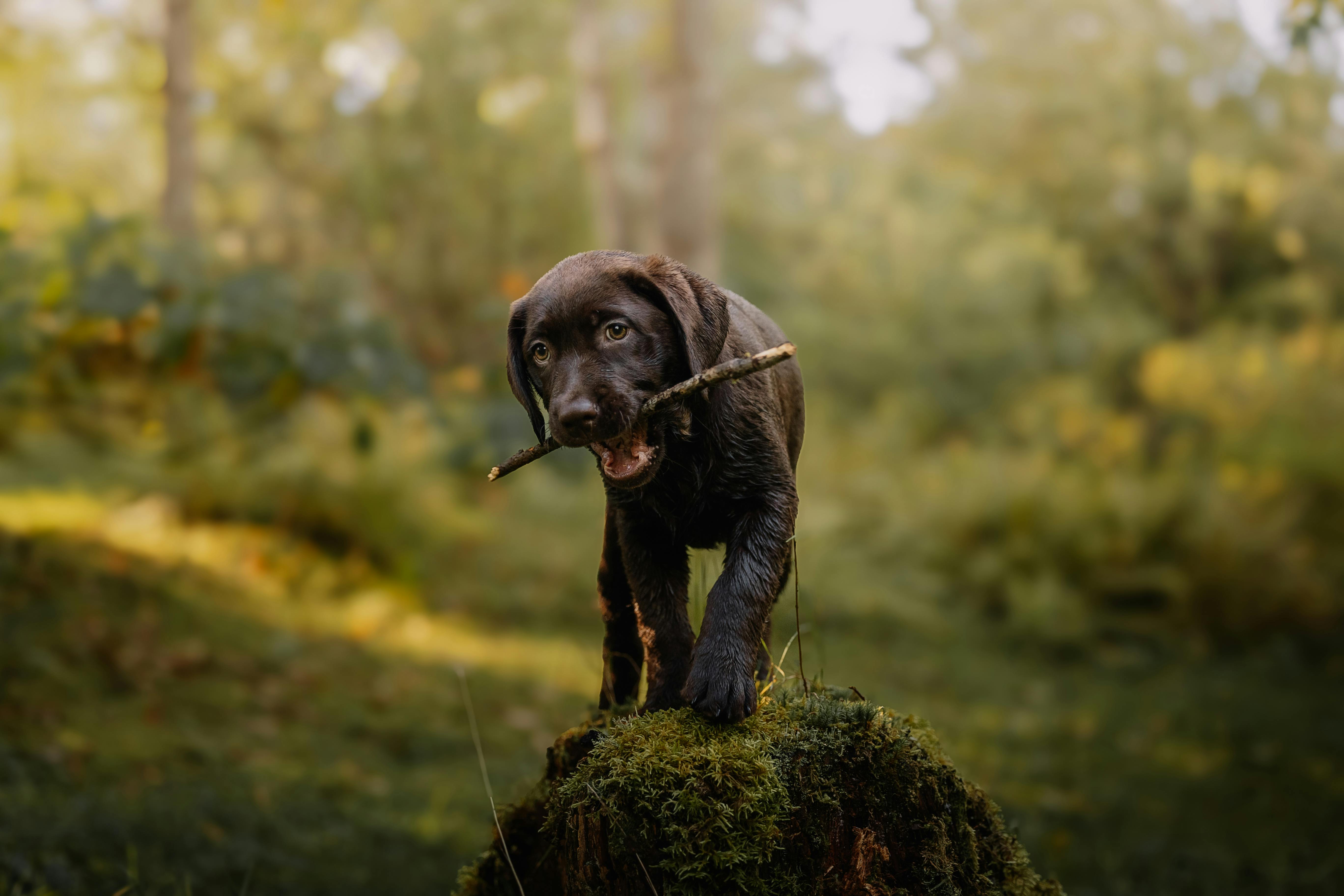
Dogs are often consider to be man’s best friend, but there’s much more to these furry companions than their loyalty and playful antics. One of the most interesting aspects of dogs are their noses, particularly why they are often wet. You might have noticed your dog’s nose is damp and thought it was just a quirk of their nature, but in reality, there’s fascinating science behind it. Let’s dive into the reasons behind those wet noses and the incredible capabilities they bring.
The Anatomy of a Dog’s Nose
First, dogs have an extraordinary sense of smell. Their noses contains about 300 million olfactory receptors, compared to a human’s mere 5 million. This anatomy plays a crucial role in their ability to detect scents. The wetness of a dog’s nose helps with the process of olfaction, or the sense of smell. When a dog sniffs, the moisture on its nose captures scent particles, allowing them to be more easily analyzed by the olfactory receptors.
- Olfactory Receptors: 300 million in dogs
- Olfactory Receptors: 5 million in humans
- Surface Area: The dog’s nose has a larger surface area for scent detection
Why Are Dog Noses Wet?
You might be wondering, why do dogs have wet noses? One of the primary reasons is to enhance their sense of smell. Here are some of the key factors contributing to this phenomenon:
- Cooling Mechanism: Just like humans sweat to cool down, dogs use their noses to regulate body temperature. The moisture evaporates, helping them stay cool.
- Scent Detection: A wet nose helps trap scent particles better than a dry one, making it easier for dogs to pick up on various smells in their environment.
- Health Indicator: A moist nose can also be an indicator of a dog’s health. While a dry nose doesn’t always mean something’s wrong, a consistently wet nose is typically a sign of a healthy pup.
The Role of Mucus
Another science aspect is the mucus that naturally forms on a dog’s nose. This mucus serves several functions:
- Scent Absorption: It helps absorb scents and transport them to the olfactory receptors.
- Protection: Mucus on the nose protects it from the elements, such as dirt and extreme temperatures.
- Hydration: Keeps the nasal passages moist, which is critical for effective smell and overall respiratory health.
Common Myths About Dog Noses
There are many misconceptions surrounding dogs and their noses. Here are some of the common myths debunked:
- A Dry Nose Means Illness: While a dry nose can indicate a problem, it’s not always the case. Dogs can have dry noses for many reasons, such as weather, age, or even after sleeping.
- All Dogs Have Wet Noses: Not all dogs have the same nose moisture level. Some breeds may have drier noses due to genetics or environmental factors.
- The Color of the Nose Matters: The color of a dog’s nose doesn’t indicate anything about its health. It can vary by breed and individual dog.
Fun Facts About Dog Noses
- Dogs can smell up to 100,000 times better than humans.
- The unique pattern on a dog’s nose is as individual as a human fingerprint.
- Bloodhounds can follow a scent trail that is over a week old.
- Dogs sweat through their paw pads, not through their noses.
Practical Examples of Nose Functionality
Dogs use their noses for various purposes, including:
- Detection Work: Police and search-and-rescue dogs rely on their sense of smell to locate missing persons or detect illegal substances.
- Medical Alerts: Some dogs can detect diseases like cancer or diabetes through the scents emitted by patients.
- Everyday Exploration: Your pet explores the world primarily through its nose, gathering information about other animals, food, and their environment.
As you can see, the wetness of a dog’s nose is much more than just a charming feature. It’s a vital aspect of their biology, helping them navigate their world with remarkable ability. By understanding why do dogs have wet noses, we can appreciate our companions even more. So next time you see your dog, remember that their unique sniffer is not just cute but is also a powerful tool that plays an essential role in their life.
5 Surprising Reasons Your Dog’s Nose Is Always Moist
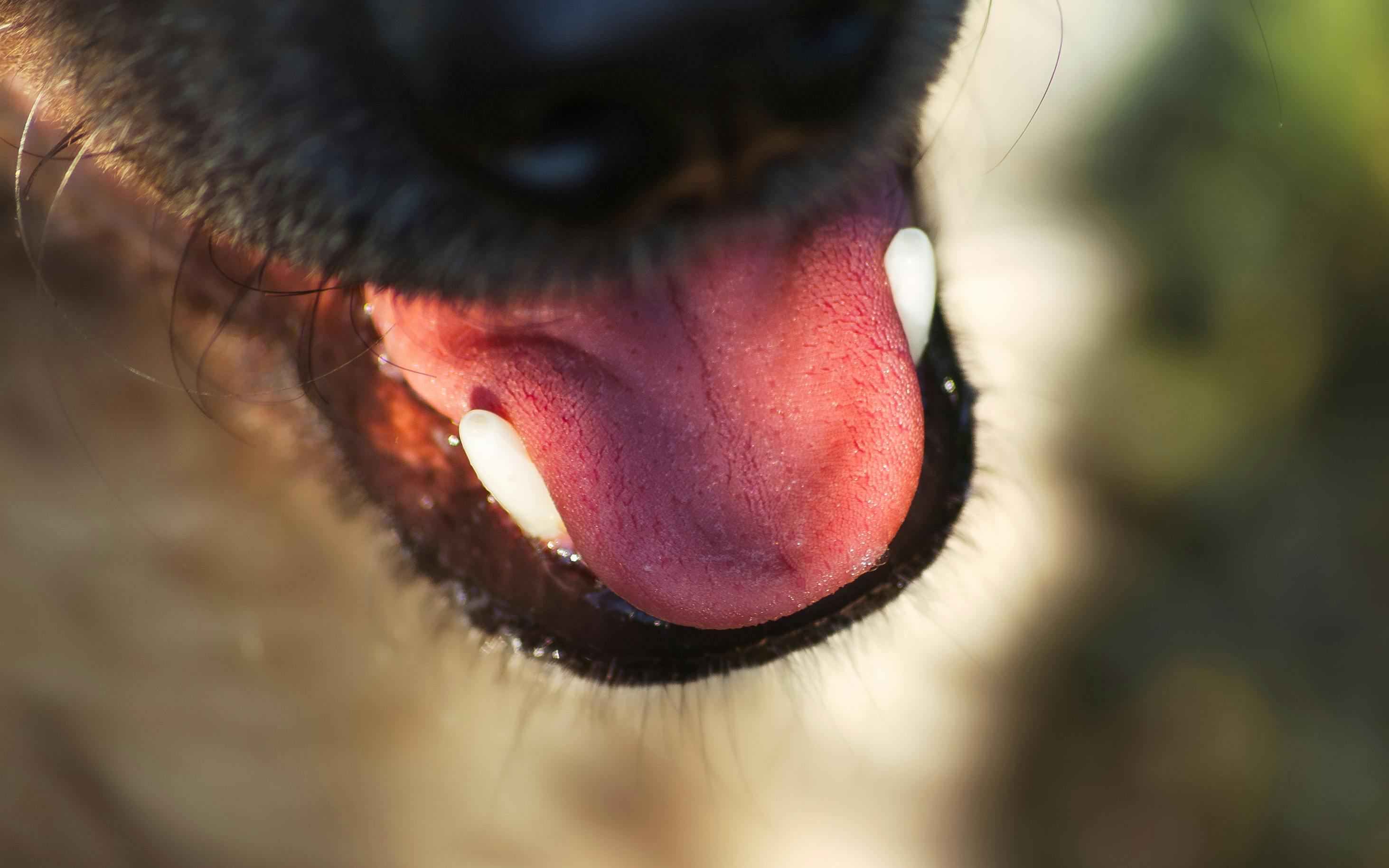
Have you ever wondered why your furry friend’s nose is always so moist? It’s a question that many dog owners ask, and the answer is not as simple as you might think. There are actually several surprising reasons behind this peculiar characteristic. Let’s take a closer look at why dogs have wet noses and uncover the fascinating truth!
1. Temperature Regulation
One of the most interesting reasons behind the wetness of a dog’s nose is the process of thermoregulation. Dogs don’t sweat like humans; instead, they primarily cool themselves through panting and the moisture on their noses. The moisture evaporates, helping to lower their body temperature.
- Dogs have sweat glands, but they are mainly found in their paw pads.
- A wet nose allows for more effective cooling, especially in warmer weather.
2. Enhanced Sense of Smell
Another surprising fact is that the moisture on a dog’s nose actually helps enhance their sense of smell. Dogs have a highly developed olfactory system, and the wetness helps to trap scent particles in the air. This means that the more moist their nose is, the better they can smell.
- Dogs can identify scents at incredibly small concentrations – as little as one part per trillion!
- The wetness helps to absorb these scents, making it easier for them to analyze what they are smelling.
3. Health Indicator
A dog’s nose can also serve as an indicator of their overall health. While a cold, wet nose is often seen as a sign of a healthy dog, if the nose becomes dry or cracked, it could indicate health issues.
- Signs of illness may include:
- Dryness or cracking of the nose
- Unusual discharge
- Changes in color
It’s always good to keep an eye on your pet’s nose as part of routine health checks.
4. Behavioral Communication
Dogs use their noses to communicate too! A moist nose can be a sign of excitement or stress. For example, if your dog is feeling anxious or excited, you might notice that their nose becomes wetter.
- Different situations can cause changes in nose moisture:
- Meeting new people or animals
- During playtime
- When they are bored
It’s fascinating how their noses play a role in their emotional state and social interactions!
5. Natural Cleaning Mechanism
Lastly, a dog’s nose is also a natural cleaning mechanism. The moisture helps trap dirt and debris, which can then be licked off. This is a dog’s way of keeping its nose clean and healthy.
- Dogs often clean their noses by:
- Licking them after eating
- Rubbing against surfaces
- Sniffing around in various environments
This natural behavior contributes to the overall health of their noses, helping to keep them free from irritants.
Quick Facts About Dog Noses
- Dogs have about 220 million scent receptors in their noses; humans only have about 5 million.
- The shape and size of a dog’s nose can also affect its smelling ability.
- The moisture on a dog’s nose can vary depending on their activity level and environment.
Comparing Dog Noses to Human Noses
When you compare dog noses to human noses, the differences are quite remarkable. Here’s a quick comparison:
| Feature | Dog Nose | Human Nose |
|---|---|---|
| Moisture | Typically wet | Usually dry |
| Scent Receptors | 220 million | 5 million |
| Cooling Mechanism | Evaporates moisture | Sweating |
| Cleaning Method | Licking and rubbing | Not applicable |
Understanding these differences helps highlight how specialized a dog’s nose is for their lifestyle and needs.
So, the next time you find yourself pondering why your dog’s nose is always moist, remember these fascinating truths. From temperature regulation to enhanced smelling abilities, a wet nose is not only normal but essential for your furry companion’s health and well-being. Take notice of your dog’s nose; it can tell you a lot about their emotional state and overall health. With such an important role, it’s clear that their wet noses are more than just a quirky trait. They are truly remarkable!
Is a Wet Nose a Sign of Health in Dogs? Unraveling the Myths

Is a Wet Nose a Sign of Health in Dogs? Unraveling the Myths, Why Do Dogs Have Wet Noses? Discover The Fascinating Truth!
When you think about dogs, many people might think instantly about their wagging tails and those big, loving eyes. But what about their wet noses? A lot of pet owners often wonder if a wet nose is a sign of health in dogs, or if it just something they happen to have. Let’s explore this interesting topic and find out why do dogs have wet noses, while also busting some myths along the way.
The Basics of a Dog’s Nose
First off, dog noses are typically moist and cool, which is a natural part of their physiology. This wetness comes from a combination of factors. Dogs have special glands in their noses that produce mucus. This mucus helps to enhance their sense of smell. The moisture on their noses also helps to cool them down. Unlike humans, dogs don’t sweat through their skin, so they rely on other methods to regulate body temperature.
Myths About Wet Noses
There’s a lot of myths surrounding the wetness of a dog’s nose. Here’s a few common beliefs:
- Wet Nose Means Healthy Dog: Many people think that if a dog’s nose is wet, then they are healthy. But this isn’t always true. A dog can have a wet nose and still be sick.
- Dry Nose Equals Illness: Conversely, a dry nose doesn’t automatically mean a dog is unwell. Factors like heat, dehydration, or even just sleeping can cause a dog’s nose to dry out.
- Temperature Indicator: Some believe that the temperature of the nose can indicate fever. While a hot nose can suggest the dog might be ill, it’s not a definitive sign. A vet should be consulted for proper diagnosis.
Why Do Dogs Have Wet Noses?
So, why do dogs have wet noses in the first place? Here’s some reasons:
- Enhanced Sense of Smell: The moisture helps to capture scent particles from the air, making it easier for dogs to identify smells.
- Cooling Mechanism: As mentioned, wet noses help with thermoregulation, giving dogs a way to cool themselves without sweating.
- Communication Tool: Dogs use their noses to communicate with other dogs and humans. A wet nose can be a sign of excitement or affection.
Fun Facts About Dogs’ Noses
- Unique Patterns: Just like human fingerprints, each dog’s nose print is unique. Some experts even use nose prints for identification.
- Sensitive to Touch: A dog’s nose is packed with nerve endings, making it highly sensitive. They can feel even the slightest change in texture.
- Color Variation: The color of a dog’s nose can vary widely depending on the breed and individual genetics.
When to Be Concerned
While a wet nose isn’t always an indicator of health, there are times you should pay attention. If you notice any of these symptoms, it might be time to consult a vet:
- Persistent Dryness: If the dog’s nose remains dry for an extended period, it could indicate dehydration or other health issues.
- Cracking or Bleeding: Cracked or bleeding noses should always be checked out.
- Changes in Behavior: If your dog’s behavior changes significantly, such as lethargy or loss of appetite, a vet visit is in order.
A Quick Comparison Table
Here’s a simple comparison of wet vs. dry noses:
| Characteristic | Wet Nose | Dry Nose |
|---|---|---|
| Temperature | Generally cool | Can be warm |
| Health Indicator | Not always a sign of health | Not always a sign of illness |
| Moisture Level | Typically moist | Can be dry, but not always bad |
| Scent Detection | Better scent detection | Might be less effective |
Keeping Your Dog’s Nose Healthy
There are some ways to ensure your dog’s nose stays healthy. Here’s how:
- Hydration: Ensure your dog has access to fresh water at all times.
- Avoid Overheating: Keep your dog cool, especially during hot weather.
- Regular Check-Ups: Routine vet visits will help catch any potential issues early on.
The truth about dogs and their wet noses is both fascinating and complex. While a wet nose can indicate certain aspects of health, it is crucial to remember that it isn’t the only factor to consider. By paying attention to overall behavior and physical condition, you can help keep your furry friend healthy and happy. So next time you give your dog a scratch behind the ears, take a moment to appreciate that wet nose and all the wonders it brings!
How Dogs Use Their Wet Noses to Communicate Emotions

Dogs are often seen with their wet noses and many people wonder, why do dogs have wet noses? It’s not just a quirky feature; it’s actually a vital part of how dogs communicate their emotions and interact with the world. Understanding this can help dog owners better connect with their furry friends and appreciate their unique ways of expressing feelings.
The Science Behind Wet Noses
First off, let’s look at what makes a dog’s nose wet. Dogs have specialized glands in their noses that produce a thin layer of mucus. This moisture serves a few key purposes, including enhancing their sense of smell. When a dog’s nose is wet, it can capture scent particles better, allowing them to smell things much clearer than humans ever could.
Here’s a quick breakdown of why a dog’s wet nose is important:
- Enhanced Scent Detection: A wet nose helps trap scent particles, making it easier for dogs to detect smells.
- Thermoregulation: Dogs regulate body temperature through their noses. A wet nose can help cool them down.
- Communication Tool: Dogs use their noses to interact with other dogs and humans, often indicating emotions.
How Dogs Communicate with Their Noses
Dogs are masters at using their noses to express feelings. You might notice your pup nudging you with their wet nose when they want attention or are feeling affectionate. This behavior isn’t just random; it’s a form of communication.
- Affection: A gentle nudge can mean your dog loves you and wants to be close.
- Curiosity: If your dog is sniffing around, they are exploring their environment and gathering information.
- Anxiety: A wet nose can also be a sign of stress. If a dog is anxious, their nose may feel colder and wetter than usual.
Historical Context of Wet Noses
Throughout history, dogs have been companions to humans, and their wet noses have been a part of that bond. Ancient civilizations, like the Egyptians and Romans, recognized the importance of dogs in society. They even believed that dogs had special powers, partly due to their keen sense of smell.
In fact, the phrase “man’s best friend” reflects how dogs have been trusted companions for thousands of years. Their wet noses not only signify their emotional states but also their roles as protectors and helpers.
Fun Facts About Dog Noses
Here are some fascinating facts about dog noses that you might not know:
- Dogs have approximately 220 million scent receptors in their noses, compared to a human’s 5 million.
- The wetness of a dog’s nose can change based on their emotional state. For example, excitement can cause increased moisture.
- Each dog’s nose print is unique, just like human fingerprints.
Comparing Dog Noses to Other Animals
It’s interesting to compare dog noses with those of other animals. For instance, cats have dry noses most of the time, and while they also communicate with their sense of smell, their methods are less pronounced. Here’s a quick comparison:
| Animal | Nose Type | Communication Method |
|---|---|---|
| Dogs | Wet | Nuzzling, sniffing, licking |
| Cats | Dry | Head bunting, rubbing |
| Elephants | Moisture-rich | Touch and scent combined |
Practical Examples of Dog Communication
As a dog owner, recognizing how your pet uses their wet nose to communicate is essential. Here are some practical examples to watch for:
- Greeting: When you come home, your dog might greet you with a wet nose nudging against you, showing excitement.
- Seeking Attention: If your dog is feeling neglected, they may poke you with their nose to get your attention.
- Fear or Anxiety: A sudden increase in wetness can indicate your dog is feeling anxious, perhaps due to loud noises or unfamiliar situations.
Dogs are truly remarkable creatures, and their wet noses are just one part of how they express their emotions and connect with humans. By paying attention to these subtle cues, dog owners can build stronger bonds and improve their understanding of their pet’s needs.
So, the next time you find yourself asking, “Why do dogs have wet noses?” remember, it’s not just a quirky characteristic; it’s a crucial element of how they relate to the world around them, to you, and to other dogs. Enjoy the unique ways your dog communicates, and appreciate the fascinating truth behind those wet noses!
Top 7 Benefits of a Wet Nose: What It Means for Your Dog’s Well-being

Dogs, those lovable companions, have so many quirks that often leave us wonderin’ about their well-being. One of the most fascinating features of our canine friends is their wet noses. Ever notice how they’re often damp? You might be askin’, “Why do dogs have wet noses?” Well, there’s more to it than meets the eye. Let’s explore the top 7 benefits of a wet nose, and discover the fascinating truth behind this unique trait.
1. Enhanced Sense of Smell
Dogs have an incredible sense of smell, which is about 10,000 to 100,000 times better than humans. The moisture on their noses helps to capture scent particles more effectively. When dogs sniff, the wet surface allows them to absorb more aromas. This is crucial for their hunting instincts and helps them communicate with other dogs through scent.
2. Temperature Regulation
Did you know that a dog’s nose plays a role in thermoregulation? A wet nose helps to cool down their body temperature. Dogs primarily regulate their body heat through panting, but the moisture on their noses also helps. When it evaporates, it cools the blood vessels near the surface, which helps to keep their overall temperature in check.
3. Health Indicator
The condition of a dog’s nose can say a lot about their health. A wet, cool nose is usually a sign of a healthy pup. Conversely, a dry or warm nose might indicate illness or dehydration. However, it’s important not to rely solely on nose moisture, as many factors can influence its state. Keeping an eye on other symptoms is crucial.
4. Communication Tool
Dogs communicate in various ways, and their noses are a big part of that. A wet nose can show submission and affection. When your dog nudges you with their wet nose, it’s often a sign that they’re seeking attention or showing love. This behavior is rooted in their instinctual behavior, as pack animals use nose contact to bond.
5. Natural Defense Mechanism
The moisture on a dog’s nose also works as a natural defense mechanism. A wet nose can help trap allergens and irritants, preventing them from entering the respiratory system. This keeps your dog healthier and reduces the chances of allergies or other respiratory issues.
6. Enhanced Taste Perception
While dogs rely on their sense of smell for most of their taste experience, a wet nose also plays a role in that. The moisture helps to dissolve food particles, allowing for better taste perception. So, when your dog seems particularly excited about meal times, it’s partly because of that wet nose helping them savor those flavors!
7. Bonding and Exploration
Dogs are naturally curious creatures, and their wet noses help them explore their environment. When they sniff around, they’re gathering information about their surroundings, including other animals, people, and even the weather. This exploration is vital for their mental stimulation and emotional well-being, creating a more enriching life.
Interesting Facts About Dogs’ Noses
- Size and Shape: A dog’s nose varies by breed, with some having longer or wider noses, affecting their sniffing capabilities.
- Color Variation: The color of a dog’s nose can change with age, health, and temperature. Black noses are common, but some breeds have pink or liver-colored noses.
- Nasal Folds: Dogs have special nasal folds that increase the surface area of their noses, enhancing their ability to detect scents.
Quick Comparison: Wet Nose vs. Dry Nose
| Condition | Wet Nose | Dry Nose |
|---|---|---|
| Health Indicator | Usually healthy | Potentially ill |
| Temperature | Cool | Often warm |
| Scent Capture | Enhanced | Reduced |
| Hydration Level | Well-hydrated | Possibly dehydrated |
Now, knowing these benefits and facts, you may appreciate your dog’s wet nose a little more. It’s not just a cute feature; it’s an essential part of their well-being. Whether it’s a warm day where they might cool off with a wet nose or a chilly evening where that moisture might help them investigate, it all adds up to a rich and fulfilling life for your four-legged friend. So next time your dog gives you that adorable nudge with their damp nose, remember, it’s not just affection — it’s a part of what makes them the wonderful creatures they are.
The Surprising Connection Between Dog Noses and Temperature Regulation
Ever wonder why dogs have those adorably wet noses? It’s not just for show, there’s actually a fascinating connection between dog noses and temperature regulation. Many pet owners think a wet nose means a dog is healthy, but it’s more complex than that. Let’s dive into the science, history, and some surprising facts about our furry friends’ noses.
The Anatomy of a Dog’s Nose
Dog noses are not just cute; they are complex organs. The outer layer of a dog’s nose, called the rhinarium, is moist and helps with their sense of smell. This moisture is essential for trapping scent particles from the air. But why do dogs have wet noses in the first place?
- Moisture and Scent Detection: The wetness helps enhance their olfactory abilities. When the nose is moist, it absorbs scent particles more effectively.
- Temperature Regulation: Dogs don’t sweat like humans, they primarily regulate their body temperature through panting and the moisture on their nose.
- Cooling Mechanism: A wet nose can help cool the blood that flows to the dog’s brain. When a dog is hot, the moisture evaporates, providing a cooling effect.
Historical Context
The relationship between dogs and humans goes back thousands of years. These loyal companions have been by our side since ancient times, and their noses have always played a crucial role in their survival.
- Tracking and Hunting: Early humans relied on dogs for hunting, and their keen sense of smell was vital. Wet noses helped dogs track scents more effectively, making them invaluable to hunters.
- Companionship: As dogs evolved from wild animals to household pets, their noses remained an essential tool for communication and bonding with humans.
Why Are Some Noses Dry?
Not all dog noses are wet all the time. A dry nose can be a normal part of a dog’s day, but it can also indicate something more serious. Here are some reasons why a dog’s nose might be dry:
- Weather Conditions: Hot or dry weather can lead to a dry nose.
- Health Issues: Conditions like fever, dehydration, or even allergies can result in a dry nose.
- Age: Older dogs might naturally have drier noses.
The Fascinating Truth About Nose Temperature
Interestingly, the temperature of a dog’s nose can provide insights into their health. Vets often check a dog’s nose temperature along with other symptoms to assess well-being. Here’s a quick look:
- Normal Temperature: A healthy dog’s nose temperature is usually cool to the touch.
- Fever Signs: If the nose feels warm and dry, it might indicate a fever or illness.
- Cold Noses: A too-cool nose can also be a sign of something being off, particularly if accompanied by other symptoms.
Fun Facts About Dog Noses
Here are a few surprising facts that you probably didn’t know about dog noses:
- Dogs have about 300 million smell receptors in their noses, compared to a human’s 5 million.
- The pattern of a dog’s nose is unique, much like a human fingerprint. This can even be used to identify them.
- Dogs can detect certain diseases, including cancer, due to their incredible sense of smell.
- The moisture on a dog’s nose helps them to stay hydrated, as they lick their noses regularly.
Practical Tips for Dog Owners
Taking care of your dog’s nose is important, so here are some tips to keep it healthy:
- Hydration: Ensure your dog has access to fresh water, especially in hot weather.
- Regular Check-ups: Keep up with vet visits to monitor your dog’s overall health, including their nose.
- Observe Changes: If you notice sudden changes in your dog’s nose moisture, color, or temperature, consult a veterinarian.
- Prevent Allergies: Keep an eye out for environmental factors that could cause allergies, like pollen or dust.
The Bond Between Dogs and Their Humans
Dogs are more than just pets; they are family members. Their noses not only play a crucial role in their health, but also in their ability to connect with us. When they nuzzle against you with that wet nose, it’s not just a gesture of affection—it’s a way for them to learn more about you.
Understanding why dogs have wet noses and the connection to temperature regulation opens a window into their world. So, the next time you see your dog’s wet nose, remember it’s doing a lot more than just looking cute; it’s part of their incredible biology and their bond with you.
Curious Canines: Why Do Dogs Have Wet Noses and What It Means for You
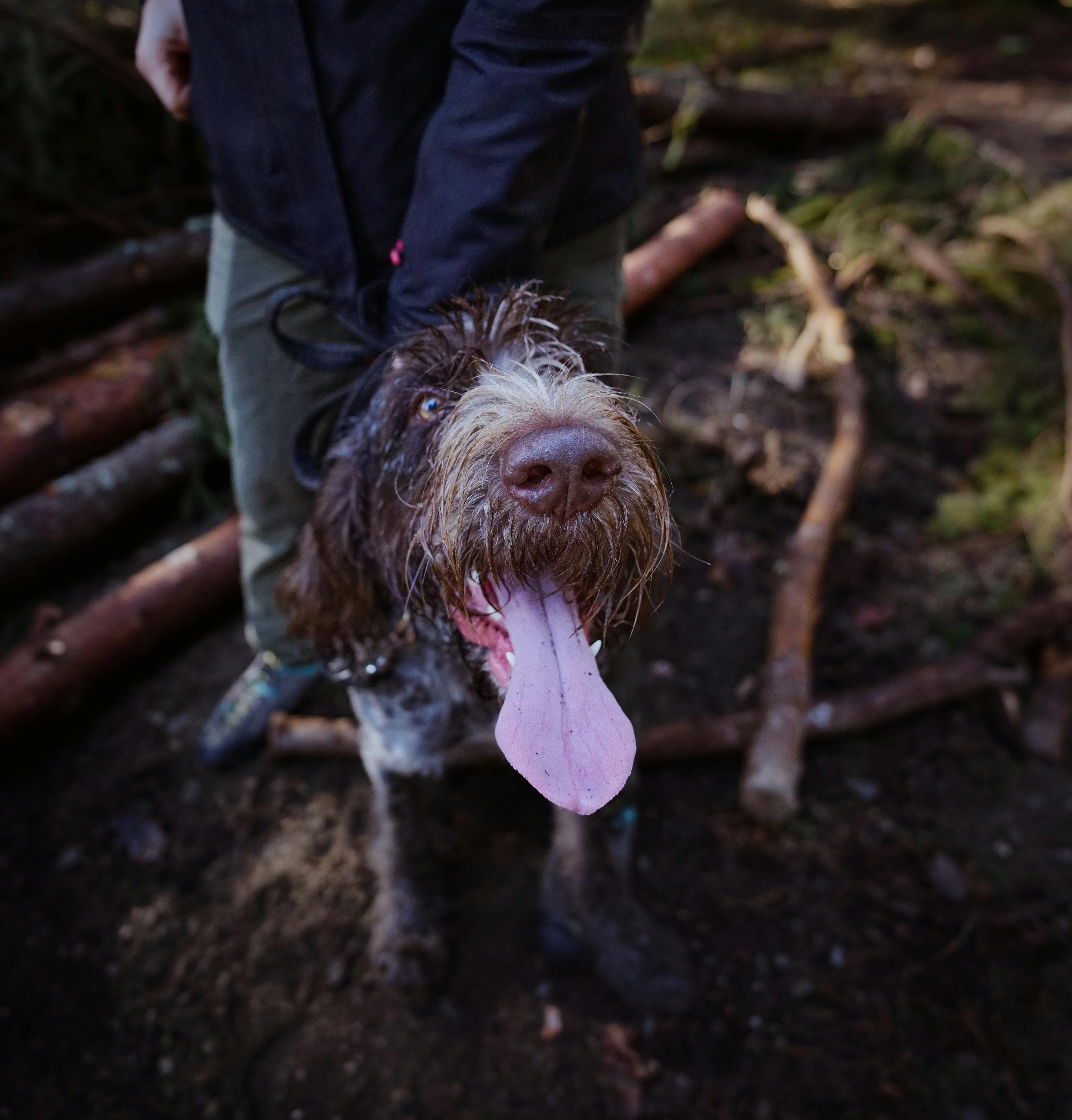
Dogs has been humanity’s companions for thousands of years, and their wet noses is one of the many quirks that makes them so endearing. But have you ever stop to wonder: why do dogs have wet noses? It’s not just an adorable feature; it serves a purpose! Let’s explore the fascinating truth behind this canine characteristic and what it might means for you and your furry friend.
The Science Behind the Wet Nose
Dogs noses are moist for several reasons. It’s a common misconception that a wet nose is a clear indicator of a dog’s health. While it’s often true that a healthy dog has a cool, damp nose, there’s more to it. Here are some key points:
- Scent Enhancement: Dogs have an incredible sense of smell, which is about 10,000 to 100,000 times more sensitive than humans. A wet nose helps to capture scent molecules from the air, allowing dogs to detect and analyze scents more effectively.
- Temperature Regulation: Dogs don’t sweat like humans do. Instead, they rely on their nose and paws to help regulate their body temperature. A moist nose can help cool them down.
- Health Indicator: While a wet nose is often associated with good health, other factors like hydration and environment can also play a role. A dry nose doesn’t automatically mean your dog is sick.
A Bit of History
The relationship between humans and dogs dates back to ancient times. Evidence suggests that dogs were domesticated over 15,000 years ago. Throughout history, these loyal companions has been bred for various traits, including their ability to scent and track. The wet nose trait is likely a result of natural selection favoring dogs that could hunt and gather food more effectively.
What a Wet Nose Means for You
So, what does it mean when your dog has a wet nose? Here are some considerations:
- Normal Behavior: A wet nose is typical, and most dogs will have one. It’s a sign that your dog is healthy and well-hydrated.
- Watch for Changes: If your dog’s nose suddenly becomes excessively dry or cracked, it could indicate dehydration or illness. Monitor their behavior closely and consult a vet if you notice any concerning symptoms.
- Environmental Factors: Weather can affect your dog’s nose too. Hot, dry conditions can lead to a drier nose, while humidity can keep it moist.
- Breed Differences: Different breeds may have varying nose moisture levels. For example, brachycephalic breeds like bulldogs may have less moisture due to their facial structure.
Fun Facts About Dogs’ Noses
- Dogs have about 220 million scent receptors in their noses, compared to about 5 million in humans.
- The unique pattern of a dog’s nose is like a human fingerprint; no two dogs have the same nose print.
- Dogs can detect certain diseases, like cancer, through their sense of smell due to the chemical changes in the body.
How to Care for Your Dog’s Nose
Keeping your dog’s nose healthy is important. Here’s a simple checklist:
- Hydration: Make sure your dog has access to fresh water at all times.
- Limit Sun Exposure: Just like humans, dogs can get sunburned. Use pet-safe sunscreen on their noses if they’ll be outside for an extended period.
- Regular Vet Check-ups: Regular check-ups can help monitor your dog’s overall health, including their nose condition.
Comparison of Dog Breeds and Their Nose Moisture
Different dog breeds can show variations in their nose moisture levels. Here’s a simple comparison:
| Breed | Typical Nose Moisture | Notes |
|---|---|---|
| Labrador Retriever | Generally moist | Friendly and active breed |
| Bulldog | Often dry | Brachycephalic structure |
| Dachshund | Usually moist | Long-nosed, scent hound |
| Chihuahua | Can vary | Small size, active personality |
Understanding your dog’s nose can help you better care for them. A wet nose can be a sign of good health, but it’s essential to remain observant of any changes.
In summary, dogs’ wet noses are not just cute; they serve crucial functions in their lives. From enhancing their sense of smell to helping with temperature regulation, it’s an integral part of what makes dogs such fascinating creatures. Keeping an eye on your pup’s nose and overall health is vital, ensuring a happy and healthy life together.
Understanding Dog Anatomy: The Role of Moisture in a Dog’s Snout
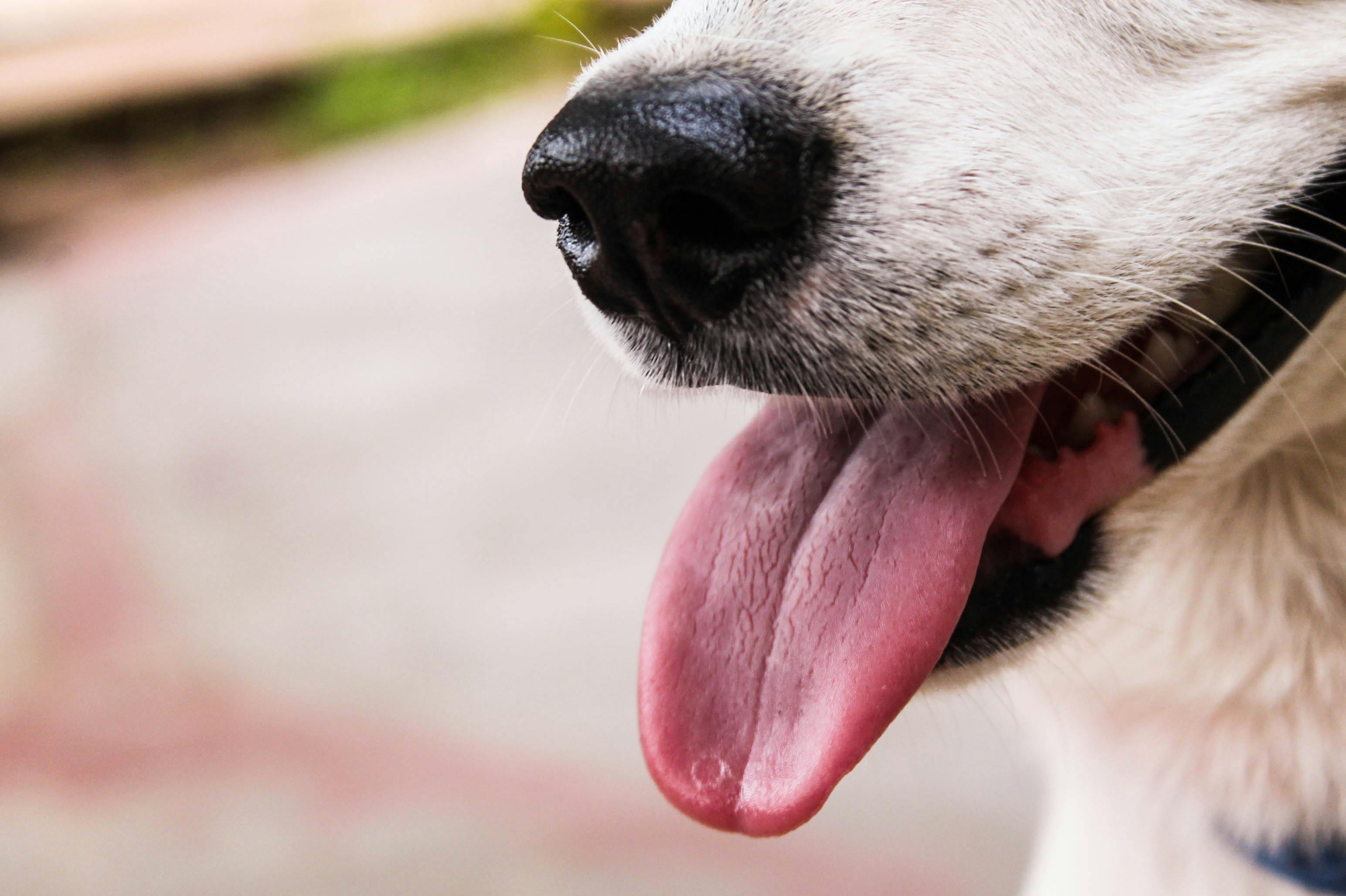
Ever wonder why dogs have wet noses? This question has puzzled many pet owners and animal enthusiasts alike. The moisture on a dog’s snout serves several important functions, and understanding dog anatomy can help you appreciate these furry companions even more. Let’s dive into the fascinating truth about why your dog’s nose is always a little damp.
The Anatomy of a Dog’s Nose
A dog’s nose is a complex structure. It’s not just for sniffing; it plays a key role in their sense of smell. Here’s a breakdown of its parts:
- Nasal Cavities: These are the spaces inside the nose that help with airflow and smelling.
- Nasal Mucosa: This moist tissue inside the nose helps trap scents.
- Sebaceous Glands: They produce oils that keep the nose supple and moist.
Dog noses are covered with skin that is rich in nerve endings. This anatomy allows dogs to detect scents at incredibly low concentrations, many times more than humans can.
Why Do Dogs Have Wet Noses?
Moisture on a dog’s nose isn’t just for show. Here’s why it matters:
Enhanced Smelling Ability: The moisture helps to dissolve scent particles, making it easier for a dog to pick up smells. Just think about it — when you’re cooking, the steam in the air carries aromas. Same goes for dogs!
Temperature Regulation: A wet nose can help dogs cool off. Dogs don’t sweat like humans do; instead, they rely on panting and the moisture in their noses to regulate body temperature.
Health Indicator: The condition of a dog’s nose can tell you about its health. A dry, cracked nose might indicate dehydration or illness, while a wet nose is generally a sign of a healthy dog.
Historical Context
Dogs have evolved alongside humans for thousands of years. Early domesticated dogs used their sense of smell to hunt and track prey, and the moisture on their noses was crucial for this. Over time, this feature became a standard trait in canines. Interestingly, different breeds have varying nose shapes and moisture levels based on their original purposes. For example, hound breeds often have longer noses with more surface area to enhance their tracking abilities.
Fascinating Facts About Dog Noses
- Unique Patterns: Just like human fingerprints, every dog has a unique nose print. You can even use it for identification!
- Temperature Sensitivity: Dog noses are sensitive to temperature changes. A cold, wet nose can signal that a dog is feeling fine, while a dry, warm nose may indicate they need some water or rest.
- Scent Detection: Dogs have approximately 300 million olfactory receptors in their noses, compared to a human’s 5 million. This makes their sense of smell about 40 times better than ours!
Practical Examples of Nose Moisture in Dogs
You might notice that after a dog drinks water or plays outside, its nose becomes particularly wet. Here’s a quick list of situations where you might observe changes in your dog’s nose moisture:
- After Eating or Drinking: It becomes wet from licking.
- After Exercise: Panting can increase moisture levels.
- In Humid Conditions: The environment can naturally keep the nose moist.
Comparison of Dog Breeds and Their Noses
Different dog breeds showcase a variety of nose types. Here’s how some of them compare:
| Breed | Nose Type | Moisture Level |
|---|---|---|
| Labrador Retriever | Short and broad | Typically moist |
| Greyhound | Long and slender | Moderate moisture |
| Bulldog | Flat and wide | Often dry |
| Beagle | Medium length | Usually moist |
Each type serves its purpose according to the breed’s needs and historical functions.
What Should You Watch For?
As a dog owner, it’s important to keep an eye on your dog’s nose. Here are some signs to look for:
- Dryness or Cracking: This might indicate dehydration or illness.
- Discoloration: A change in color could signify a health problem.
- Excessive Wetness: While a wet nose is normal, excessive discharge may require a vet visit.
So, next time you lean down to give your pup a scratch, take a moment to appreciate that damp snout. It’s not just cute; it’s a vital part of what makes dogs such amazing companions. Understanding dog anatomy can deepen your bond with your furry friend and help you take better care of them. Remember, a wet nose is generally a happy, healthy nose!
Wet Nose, Happy Dog: Do Dogs Feel More Comfortable with Moist Noses?
Ever wonder why dogs have those wet noses? It’s not just some quirky trait; it’s a fascinating aspect of their biology. Many dog owners might notice that a wet nose often means a happy dog. But is there really a connection between the moisture of a dog’s nose and its comfort level? In this article, we will explore the reasons behind why dogs have wet noses and what it means for their well-being.
Why Do Dogs Have Wet Noses?
Dogs are known for their unique characteristics, and their wet noses are one of the most noticeable. But why are they moist? Here are some reasons:
Thermoregulation: Dogs don’t sweat like humans do. Instead, they cool themselves off through their noses. The moisture evaporates, helping to regulate their body temperature. It’s like a natural air conditioner!
Sense of Smell: A wet nose actually helps dogs to smell better. The moisture traps scent particles from the air, enhancing their ability to detect different smells. Dogs have an incredible sense of smell, and a wet nose makes it even more efficient.
Health Indicator: A dog’s nose can be a good indicator of its health. A moist, cool nose often signifies a healthy pup, while a dry or warm nose may suggest illness or dehydration. However, this is not a foolproof method; other symptoms should also be considered.
Behavioral Response: Dogs often lick their noses, which keeps them moist. This behavior can also be a sign of anxiety, excitement, or curiosity. A happy dog might be more likely to have a wet nose due to increased activity and playfulness.
Historical Context of Dogs’ Noses
Throughout history, dogs have been companions to humans, and their noses have always been a point of interest. Ancient civilizations, like the Egyptians, revered dogs for their keen senses. They believed that dogs could sense things that were beyond human perception. This belief still holds today, as many dog enthusiasts and trainers emphasize the importance of a dog’s sense of smell in various activities like hunting, search and rescue missions, and even therapy work.
Interesting Facts About Dog Noses
- Dogs have up to 300 million smell receptors in their noses, whereas humans only have about 5 million.
- The shape and size of a dog’s nose can vary greatly among breeds, impacting their smelling abilities.
- A dog’s sense of smell is 40 times more powerful than that of humans, making them incredible scent detectors.
Comparing Dog Noses: Moist vs. Dry
It’s common for dog owners to wonder if a wet nose is better than a dry one. Here’s a simple comparison:
Moist Nose:
- Often indicates a healthy dog.
- Enhances olfactory abilities.
- Can cool down the dog’s body temperature.
Dry Nose:
- May indicate dehydration or illness.
- Can be normal depending on the dog’s activity level and environment.
- Not always a sign of health issues; context is crucial.
Practical Examples of Nose Health
If you’re worried about your dog’s nose, here are some practical tips to maintain its health:
- Hydration: Always provide fresh water to keep your dog hydrated. Dehydration can lead to dry noses.
- Humidity: Consider using a humidifier during dry seasons. This can help maintain moisture in the air, benefiting your dog’s nose.
- Regular Check-Ups: Regular visits to the vet can help catch any underlying health issues early.
Questions Many Dog Owners Ask
Can a dog have a dry nose and still be healthy?
Yes, a dog can have a dry nose and be perfectly healthy. Factors like the weather, activity level, and even sleeping can affect nose moisture.What should I do if my dog’s nose is consistently dry?
Monitor for other symptoms like lethargy or loss of appetite. If concerned, consult a veterinarian.Does the breed affect nose moisture?
Some breeds may naturally have drier noses, but this varies individually. Always consider the overall health of the dog rather than just the nose.
In the end, a wet nose is often a sign of a happy dog, but it’s not the only measure of a dog’s health. Understanding the reasons behind their wet noses can lead to better care and a happier life for your furry friends. So, the next time you give your dog a pat and feel that cool, moist nose, remember the fascinating biology at play!
From Scent to Temperature: The Fascinating Functions of Wet Dog Noses
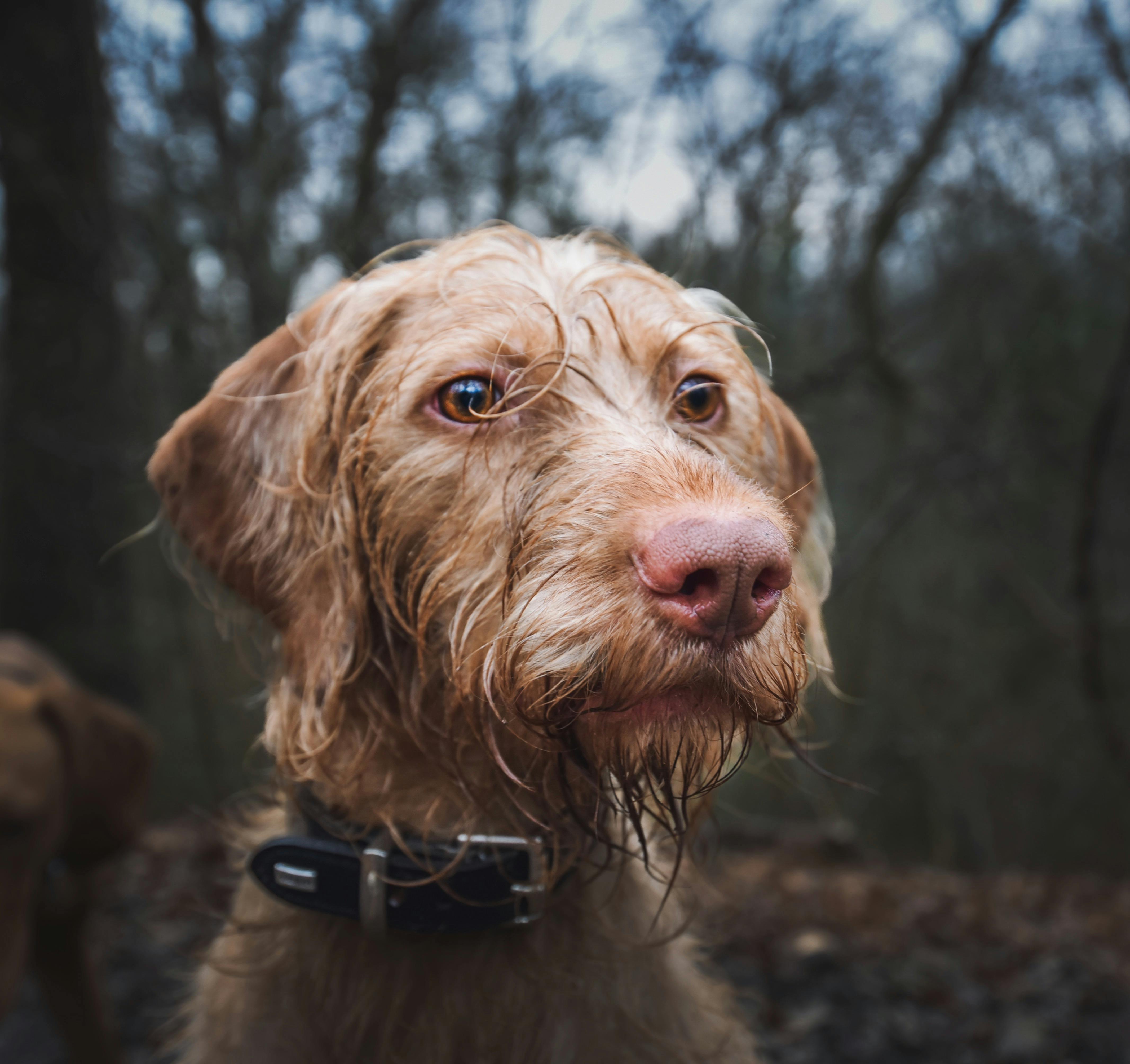
Ever wondered why dogs have wet noses? It’s not just a quirky trait! Wet dog noses serve multiple fascinating functions that benefit both the dogs and their owners. From enhancing their sense of smell to regulating their body temperature, these moist noses are more than just an adorable feature. Let’s dive into the surprising truths behind the wet noses of our canine companions.
The Science Behind Wet Noses
A dog’s nose is a complex organ with a lot of functions. The moisture on their noses comes from a combination of saliva and mucus. This wetness plays a crucial role in how dogs interact with the world around them. Here’s how it works:
Enhanced Smell: The wetness helps to capture scent particles, which improves a dog’s ability to smell. Dogs have up to 300 million smell receptors in their noses, compared to a human’s 6 million. This means they can detect scents at incredibly low concentrations.
Cooling Mechanism: Dogs do not sweat like humans. Instead, they rely on their noses to help regulate body temperature. A wet nose can help cool down a dog’s body through evaporation, similar to how sweating works for humans.
Health Indicator: A dog’s nose can also indicates health. A warm, dry nose might be a sign of illness or dehydration, whereas a cold, wet nose is often a sign of a healthy dog.
Historical Context of Dog Noses
The evolution of dogs has played a significant role in shaping their noses. Dogs are descendants of wolves, who rely on their sense of smell for hunting and survival. Over time, as dogs became domesticated, their noses adapted to serve various functions that are beneficial in a human environment.
Hunting and Tracking: Historically, dogs were bred for specific tasks like hunting, herding, or guarding. Their wet noses became essential tools for tracking scents and finding prey.
Companionship: As dogs transitioned into roles as companions, their noses still retained their crucial functions. They became more attuned to human emotions and can often sense feelings through their keen sense of smell.
Practical Examples of Wet Nose Functions
Here’s a quick look at the various uses of a dog’s wet nose:
Scent Detection: Dogs can be trained to detect drugs, explosives, and even diseases through their sense of smell. For example, some dogs can alert their owners to impending seizures or low blood sugar.
Communication: Dogs use their noses to communicate with other dogs. They often greet each other by sniffing, which provides information about the other dog’s health, mood, and even diet.
Temperature Regulation: On hot days, you might notice your dog lying on cool surfaces or panting. A wet nose helps to cool their body temperature as it evaporates.
Fun Facts About Dog Noses
Unique Patterns: Just like human fingerprints, every dog has a unique nose print. This could potentially be used for identification purposes!
Nose Color Changes: A dog’s nose color can change with the seasons. Some breeds may have darker noses in the summer and lighter noses in the winter.
Breeds and Nose Characteristics: Different breeds have different nose shapes and sizes which can affect their sense of smell. Bloodhounds, for instance, have one of the most powerful noses among dogs.
Comparison of Dog Noses
Here’s a simple comparison of how different dog breeds utilize their noses:
| Breed | Nose Size | Scent Detection Ability | Common Uses |
|---|---|---|---|
| Bloodhound | Large | Exceptional | Search and rescue |
| Beagle | Medium | Very good | Tracking scents |
| Dachshund | Small | Good | Hunting small game |
| Bulldog | Flat | Average | Companion work |
Fascinating Functions Summarized
- Smell Enhancement: Wet noses trap scent molecules.
- Temperature Control: Helps to cool the dog’s body.
- Health Monitoring: Indicates overall health status.
- Social Interaction: Used for communication with other dogs.
Understanding why dogs have wet noses gives us a glimpse into the incredible biology of these furry friends. It’s easy to overlook such a small feature, but it plays a vital role in their lives. The next time you give your dog a scratch behind the ears, take a moment to appreciate that wet nose and all the functions it serves. Dogs are truly remarkable creatures, and their wet noses are just one of the many features that make them so special.
Conclusion
In conclusion, the wetness of a dog’s nose serves several essential functions that contribute to their overall health and behavior. A moist nose helps enhance a dog’s sense of smell, as it traps scent particles and allows for more effective olfaction. Additionally, the moisture aids in temperature regulation, helping dogs stay cool and comfortable. The presence of a wet nose is often an indicator of a healthy dog, while dryness or abnormality can signal health issues. Understanding these aspects can deepen our appreciation for our canine companions and their unique biology. If you notice any significant changes in your dog’s nose or overall health, it’s crucial to consult a veterinarian. By staying informed and attentive, we can ensure our pets lead happy and healthy lives. So the next time you greet your furry friend, take a moment to appreciate that wet nose—it’s a small but significant part of what makes dogs so special.
