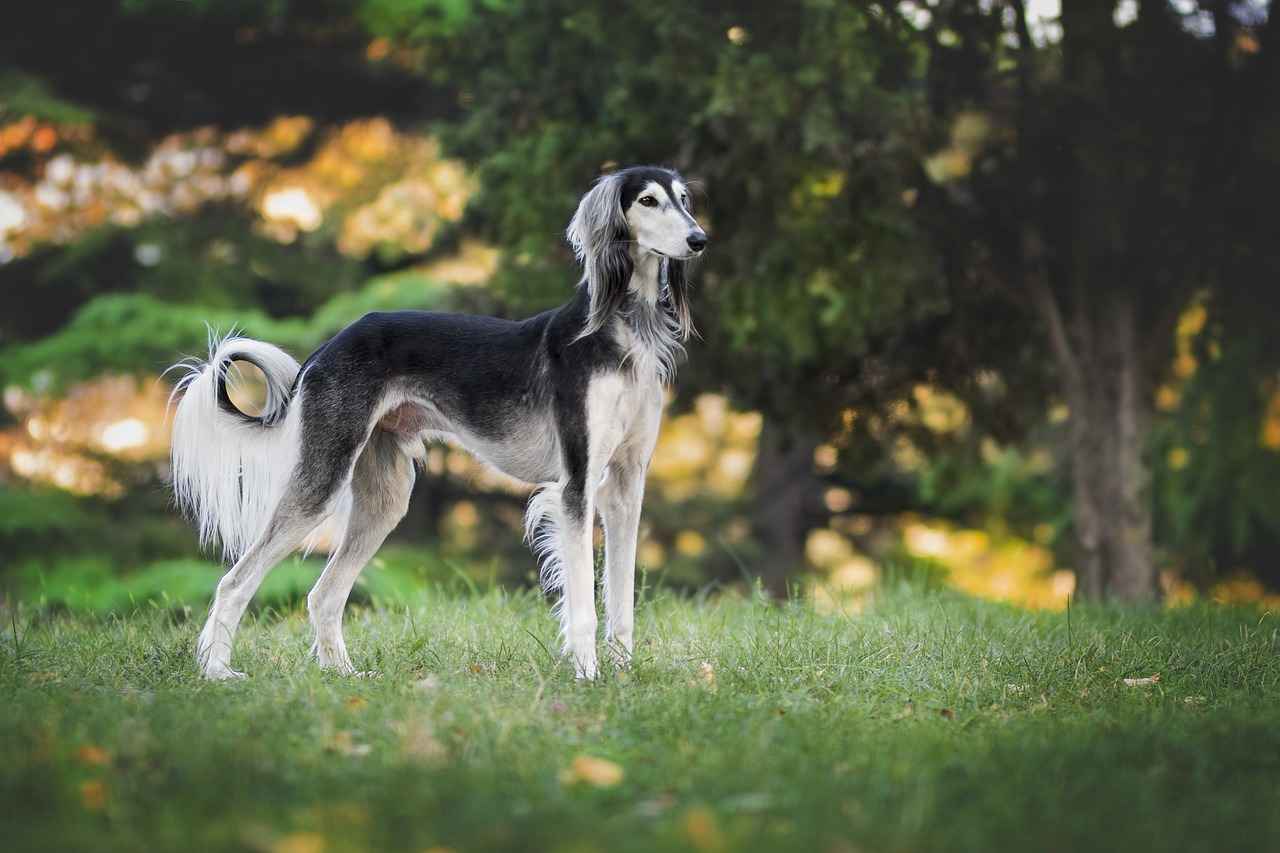
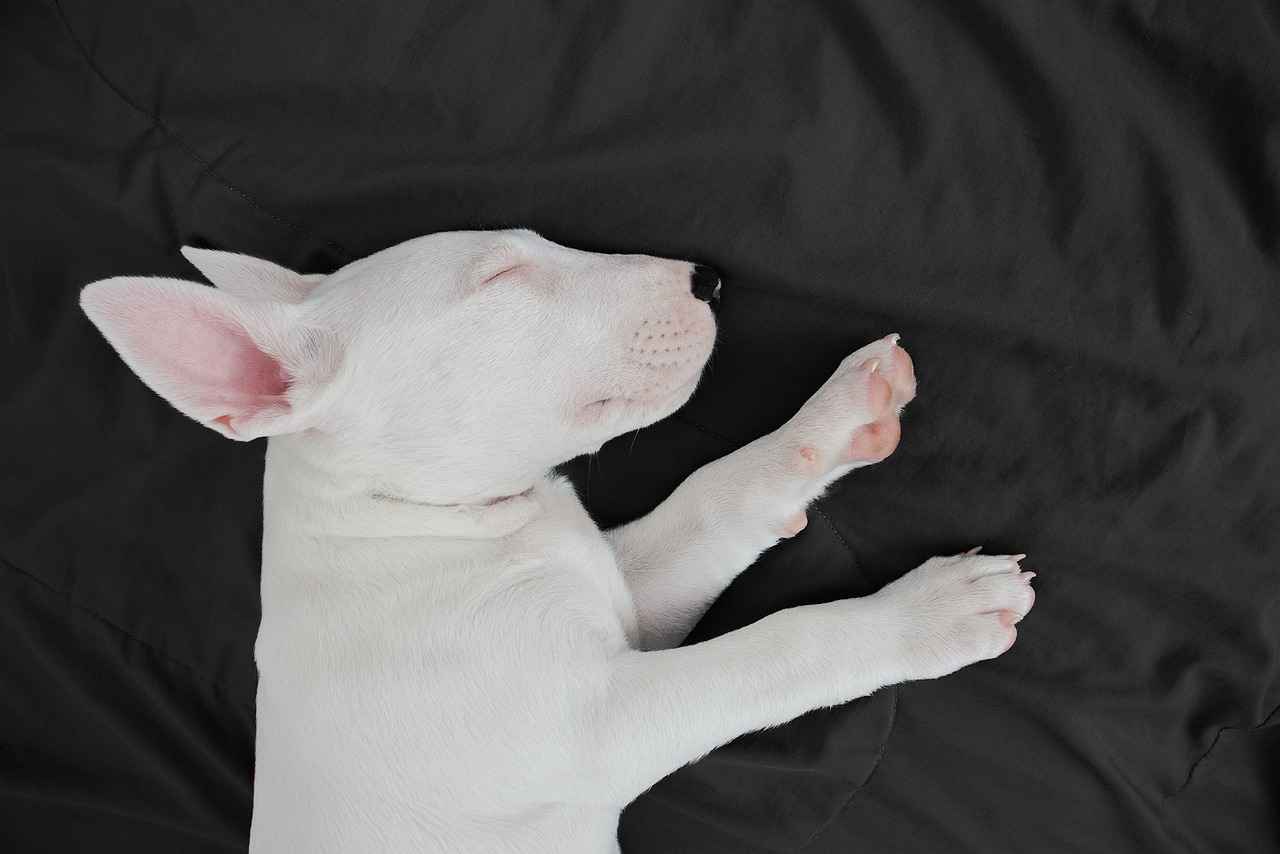
Have you ever wondered, why do dogs have wet noses? This curious trait of our furry friends isn't just a charming feature; it actually serves multi-functional purposes that can surprise every dog lover. The truth behind those moist noses in dogs is more than meets the eye! Many people often think that a wet nose simply means a dog is healthy, but there’s so much more to learn about this fascinating aspect of canine biology. Did you know that a dog’s nose is a powerful tool for scent detection? It’s true! The wetness helps capture scent particles in the air, enhancing their incredible sense of smell. Furthermore, have you ever ask yourself if a dry nose indicates illness? The answer might not be as straightforward as you think! In this blog post, we will explore the reasons behind this intriguing phenomenon and how it relates to your dog's health and happiness. Join us as we dive into the science of dog noses and uncover the secrets behind why they are often wet. Prepare to be amazed by the fascinating truth about your dog's unique features!
\n\nThe Science Behind Why Dogs Have Wet Noses: Unveiling the Mystery
\n\n \n\n
\n\nEver wonder why dogs have wet noses? It’s a question that many pet owners and dog lovers often think about. The truth behind this intriguing canine characteristic goes deeper than just a cute quirk. In fact, there’s a fascinating blend of biology, evolution, and even psychology involved. Let’s dive into the science behind why dogs have wet noses and uncover the mystery that surrounds this beloved feature.
\nThe Biological Function of Wet Noses
\nFirst off, a dog’s nose is not just for show. It serves multiple important functions. One of the primary reasons why dog noses are wet is related to their ability to smell. Dogs have an exceptional sense of smell, and a wet nose helps to enhance this ability. The moisture on their nose helps to capture scent particles from the air, making it easier for them to detect and differentiate various smells.
\n- \n
- Dogs have up to 300 million scent receptors in their noses. \n
- Wet noses can help absorb scent more effectively than dry ones. \n
- A wet nose also cools a dog’s body temperature and helps regulate heat. \n
Evolutionary Perspective
\nHistorically, dogs are descendants of wolves, and their wet noses have evolved over thousands of years. Wolves also have moist noses, and this trait has been passed down through generations. The evolutionary advantages of having a wet nose include:
\n- \n
- Better hunting skills: Moist noses help wolves track prey more efficiently. \n
- Social interactions: Dogs communicate and gather information about their environment through scent, which is critical for pack dynamics. \n
- Survival: A wet nose can help dogs detect changes in their surroundings, such as the presence of potential predators or food sources. \n
The Role of Nasal Mucus
\nNow you might ask, what exactly keeps a dog's nose wet? It’s a combination of nasal mucus and moisture from the environment. The nasal passages of dogs produce mucus, which keeps the nose moist. This mucus plays a crucial role in filtering and humidifying the air that dogs breathe. It also helps to trap dust and other particles, which can be harmful.
\n- \n
- The moisture helps to protect the olfactory receptors, which are vital for smelling. \n
- Dogs often lick their noses, which adds more moisture and potentially tastes the scents they encounter. \n
Temperature Regulation
\nAnother interesting aspect of wet noses is their role in thermoregulation. Dogs do not sweat like humans do; instead, they primarily regulate their body temperature through panting. However, having a wet nose can also help cool down a dog’s body. When they lick their noses, it can evaporate and create a cooling effect. It’s just another reason why wet noses are so beneficial!
\nComparing Dog Noses to Other Animals
\nDogs aren’t the only animals with wet noses. Many mammals exhibit this trait, but it functions differently depending on the species. Here’s a quick comparison:
\n| Animal | \nNose Type | \nPurpose | \n
|---|---|---|
| Dogs | \nWet | \nEnhances smell and helps regulate temperature | \n
| Cats | \nSemi-dry | \nGood sense of smell, less moisture needed | \n
| Pigs | \nWet | \nExcellent sense of smell, for rooting food | \n
| Cows | \nWet | \nHelps with smell but less pronounced than dogs | \n
The Psychological Aspect
\nIt’s not all about biology. There’s a psychological component to why dogs have wet noses too. When dogs approach humans with their wet noses, it can evoke a sense of affection and playfulness. The act of a dog nudging you with its wet nose releases oxytocin in both the dog and human, strengthening their bond. This behavior isn’t just charming; it’s rooted in how dogs communicate and express their feelings.
\nPractical Considerations for Dog Owners
\nAs a dog owner, understanding why your dog has a wet nose can help you better care for them. Here are some practical tips:
\n- \n
- Regularly check your dog’s nose for any unusual dryness or cracks, which could indicate health issues. \n
- Ensure your dog stays hydrated, as proper hydration supports a moist nose. \n
- Observe changes in your dog’s nose. A significant change can be a sign of illness. \n
Wet noses are just one of the many unique features that make dogs such special companions. Understanding the science behind this trait not only enriches your knowledge but also enhances the bond you share with your furry friend. So next time you get a gentle nudge from your dog’s wet nose, remember the fascinating truth behind it!
\n\n5 Fascinating Reasons Your Dog's Nose is Always Moist
\n\n \n\n
\n\nIf you ever wondered why your furry friend has a wet nose, you’re not alone. Many dog owners notice this characteristic, and it often leads to questions. So, what’s the deal? Here are five fascinating reasons your dog's nose is always moist. Let’s dive into the fascinating truth behind why do dogs have wet noses!
\n1. Temperature Regulation
\nDogs don’t sweat like humans do. Instead, they rely on their noses to help regulate their body temperature. The moisture on a dog’s nose helps to cool them down, similar to how sweat functions for us. When a dog pants, the moisture evaporates from their nose and helps them stay cool.
\n- \n
- A dog’s normal temperature is between 101 to 102.5 degrees Fahrenheit. \n
- Dogs can only sweat a little through their paw pads. \n
- A wet nose helps them cool off during hot days or after exercise. \n
2. Enhanced Sense of Smell
\nDid you know that a dog's sense of smell is about 10,000 to 100,000 times more acute than a human's? The moisture on a dog's nose helps to capture scent particles from the air, making it easier for them to detect and identify different smells. This means your dog's wet nose is not just a quirky feature; it plays a crucial role in their ability to explore the world.
\n- \n
- Dogs have up to 300 million smell receptors, compared to about 6 million in humans. \n
- The moisture on their nose helps keep scent particles active, enhancing their olfactory experience. \n
- A wet nose is essential for tracking scents, which many dogs do instinctively. \n
3. Communication Tool
\nIn the canine world, smells are essential for communication. Dogs use their noses to gather information about other animals and their environment. The wetness of the nose can help them pick up on pheromones and other scent markers left by other dogs. This is how they understand the social dynamics around them.
\n- \n
- Dogs greet each other by sniffing noses and behinds, which can tell them a lot about one another. \n
- A wet nose can indicate to another dog that they are friendly and willing to interact. \n
- The scent left by other dogs can inform your dog about potential mates, rivals, or even their own territory. \n
4. Health Indicator
\nWhile a wet nose is generally a good sign, changes in its temperature or moisture can indicate health issues. A healthy dog typically has a cool and moist nose, but if it becomes dry or excessively warm, it could be a signal that something's wrong. Monitoring your dog’s nose can help you catch potential health problems early.
\n- \n
- A dry nose could indicate dehydration or fever. \n
- If your dog’s nose is excessively dry or cracked, it might be time to consult with a vet. \n
- Changes in moisture can also be linked to allergies or respiratory infections. \n
5. Natural Anatomy
\nDogs’ noses are structured in a way that naturally promotes moisture retention. The skin on a dog's nose contains specialized glands that produce mucus, keeping it moist. This anatomical feature is essential for maintaining their sense of smell and overall health.
\n- \n
- The unique texture of a dog’s nose also helps trap moisture. \n
- Different breeds may have variations in nose moisture due to genetics. \n
- A dog’s nose can vary in color and texture depending on the breed and individual characteristics. \n
Fun Facts About Dog Noses
\n- \n
- Dogs have unique nose prints, much like human fingerprints, which can be used for identification. \n
- The wetness of a dog’s nose can vary based on the environment. For instance, it may be more moist after they drink water or after being outside in the rain. \n
- Puppies are born with dry noses, and it usually becomes moist as they grow. \n
The moisture on your dog’s nose serves multiple important functions, from helping them cool down to enhancing their incredible sense of smell. Understanding the reasons behind these wet noses not only helps you appreciate your pet more but also gives insight into their health and well-being. So next time you give your dog a pat on the head, take a moment to enjoy that moist nose. It’s all part of what makes them the wonderful companions that they are!
\n\nDo Wet Noses Mean a Healthy Dog? Discover the Truth About Canine Health
\n\n \n\n
\n\nWhen dog owners see their furry friends with wet noses, they often wonder, “Do wet noses mean a healthy dog?” It’s a common belief that a moist nose indicates good health in canines, but is that really the case? Let's dive into the fascinating world of dogs and their noses to reveal the truth about canine health, and also explore why do dogs have wet noses in the first place.
\nThe Science Behind a Wet Nose
\nDogs have wet noses due to a number of biological reasons. The moisture on their noses comes from a mixture of secretions from nasal glands and saliva. This moisture serves several purposes:
\n- \n
- Enhanced Sense of Smell: A wet nose helps to trap scent particles in the air, enhancing a dog's olfactory abilities. This is why dogs are often used in search and rescue operations, as their noses can detect even the faintest scents. \n
- Temperature Regulation: Dogs don’t sweat like humans do. Instead, they regulate their body temperature through panting and the moisture on their noses. A wet nose can help cool them down. \n
- Communication Tool: Dogs express themselves in many ways, and their noses play a part. A wet nose can indicate excitement or affection, while a dry nose might suggest anxiety or discomfort. \n
Common Myths About Dog Nose Health
\nMany myths surround the health indicators of a dog’s nose. Here are some important clarifications:
\n- \n
- Myth 1: A wet nose always means a healthy dog. Truth: While a moist nose can be a sign of good health, it isn’t the only indicator. Dogs can be sick or unwell even with a wet nose. \n
- Myth 2: If a dog’s nose is dry, it’s sick. Truth: A dog’s nose can be dry for various reasons, including weather changes, age, or even after sleeping. It doesn't necessarily mean something is wrong. \n
- Myth 3: A warm nose indicates fever. Truth: Dog’s noses can fluctuate in temperature throughout the day. The best way to check for a fever is by using a thermometer. \n
Reasons Why Dogs Have Wet Noses
\nDogs noses are fascinating, and they serve crucial functions in a dog’s life. Here’s a deeper look:
\n- \n
- Nasal Glands: These glands produce moisture that keeps the nose wet. This aids in scent detection. \n
- Saliva: When dogs lick their noses, it adds saliva to the moisture, enhancing their ability to smell. \n
- Environmental Factors: Humidity and temperature can also affect how wet a dog’s nose feels. A hot day may dry it out, while a cool, humid day keeps it moist. \n
What a Dog’s Nose Tells You About Their Health
\nHere’s what you should look for regarding your dog’s nose:
\n- \n
- Consistent Moisture: A healthy dog often has a moist, cool nose. \n
- Color Changes: If the color of the nose changes significantly, it might indicate a health issue. \n
- Cracking or Flaking: This can signal dryness or irritation, and you should consider consulting a vet. \n
When to Consult a Vet
\nIf you notice any of the following signs, it’s wise to consult a veterinarian:
\n- \n
- Persistent dryness or cracking. \n
- Discoloration that does not return to normal. \n
- Unusual discharge from the nose. \n
- Changes in behavior or appetite alongside nose changes. \n
The Role of Hydration in Nose Health
\nJust like humans, dogs need to stay hydrated for optimal health. Here’s why hydration is important:
\n- \n
- Keeps the Nose Moist: Sufficient water intake helps maintain moisture levels in the nose. \n
- Promotes Overall Health: Proper hydration supports all bodily functions, including the immune system, which helps fight off illnesses that could affect the nose. \n
Quick Tips for Dog Owners
\nHere’s a quick list of things you can do to help maintain your dog’s nose health:
\n- \n
- Ensure they drink plenty of water. \n
- Provide a balanced diet rich in nutrients. \n
- Regular vet check-ups to monitor overall health. \n
- Avoid exposing them to extreme weather conditions. \n
Understanding your dog’s health involves more than just observing their noses. While a wet nose can be a sign of a happy, healthy dog, it’s just one piece of the puzzle. Other behaviors, diet, and general well-being play significant roles too. So, the next time you look at your dog’s nose, remember it’s a fascinating window into their health and happiness, but not the only indicator. Keep an eye on their overall behavior and consult a vet when in doubt, as they can provide guidance tailored to your furry friend’s needs.
\n\nHow a Dog's Wet Nose Enhances Their Sense of Smell: An In-Depth Look
\n\n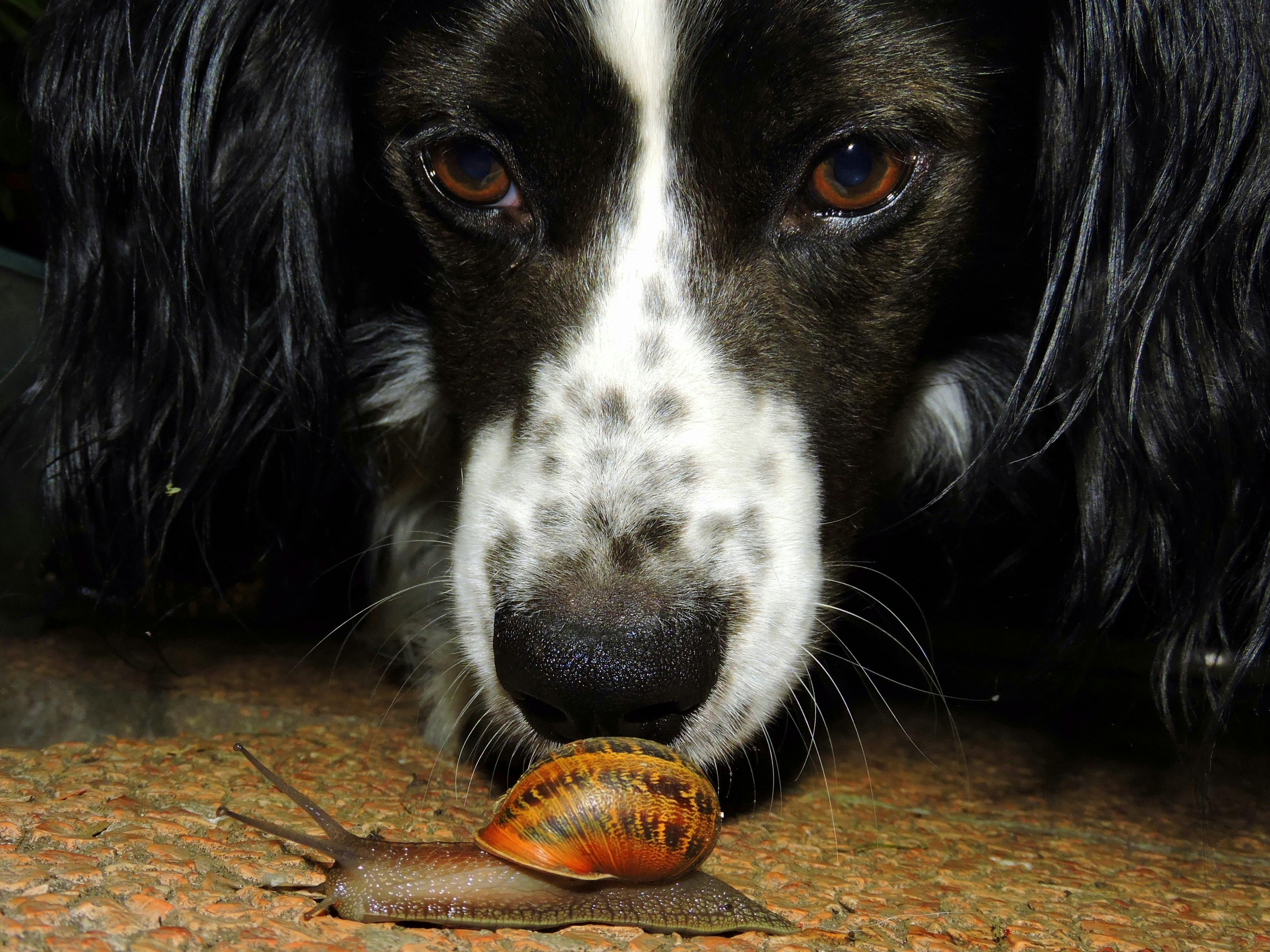 \n\n
\n\nDogs are fascinating creatures, and one of their most interesting features is their wet nose. If you ever wondered why do dogs have wet noses, you’re not alone. Many dog owners notice how their furry friends seem to have a constant sheen on their snouts, and it turns out, there’s a scientific reason behind it. Let's take a deep dive into the world of canine noses and discover how a dog's wet nose enhances their sense of smell.
\nThe Science Behind a Dog's Nose
\nDogs have an incredible sense of smell, estimated to be between 10,000 to 100,000 times more sensitive than humans. This ability is largely due to the structure of their noses. A dog's nose is made up of many folds and receptors, which help them detect different scents. The wetness of their noses plays a crucial role in this process.
\n- \n
- The moisture on a dog’s nose helps capture scent particles from the air. \n
- The wet surface allows the scent molecules to dissolve more easily. \n
- A dog's nose has about 300 million olfactory receptors, compared to a human's 5 million. \n
Why is a Dog's Nose Wet?
\nSo, why do dogs have wet noses? The wetness serves several practical purposes:
\n- \n
- Enhanced Scent Detection: As mentioned, moisture helps to absorb scent particles more effectively. \n
- Temperature Regulation: Dogs don’t sweat like humans do. A wet nose helps them cool down, especially during warm weather. \n
- Health Indicator: A wet, cool nose is sometimes seen as a sign of a healthy dog, while a dry nose might indicate illness or dehydration. \n
Historical Context of Dogs' Noses
\nHistorically, dogs have been bred for various purposes, including hunting and herding. Their sense of smell has been enhanced over generations. Breeds like Bloodhounds are famous for their tracking abilities, largely thanks to their wet noses and superior olfactory systems.
\n- \n
- Hunting Dogs: Bred for tracking scents of animals. \n
- Service Dogs: Trained to identify drugs or even diseases like cancer. \n
- Companion Dogs: Their sense of smell helps in recognizing their owner’s emotions. \n
Fun Facts about Dog Noses
\n- \n
- Unique Nose Prints: Just like human fingerprints, every dog's nose print is unique. Some organizations even use them for identification. \n
- Color Variation: A dog's nose can be black, brown, or even pink, depending on the breed and genetics. \n
- Nose Temperature: A dog's nose temperature can vary but is usually cooler than the rest of their body. \n
How to Keep Your Dog’s Nose Healthy
\nA healthy nose is vital for a dog’s well-being. Here’s how you can help maintain it:
\n- \n
- Hydration: Ensure your dog is drinking enough water to keep their nose moist. \n
- Avoid Irritants: Keep your dog away from smoke, strong perfumes, or cleaning chemicals that can dry out their noses. \n
- Regular Vet Visits: Regular check-ups can help identify any issues early on. \n
Signs of Nose Problems
\nSometimes a dog’s nose can indicate health issues. Watch out for these signs:
\n- \n
- Cracked Skin: This could be a sign of dehydration or allergies. \n
- Discolored Nose: A sudden change in color may indicate an underlying health issue. \n
- Excessive Dryness: If the nose is unusually dry, it could signal a fever or illness. \n
Comparison of Dog Noses and Human Noses
\nHere’s a quick comparison of dog noses and human noses:
\n| Feature | \nDog Nose | \nHuman Nose | \n
|---|---|---|
| Sensitivity | \n10,000 to 100,000 times | \n1x | \n
| Number of Receptors | \n~300 million | \n~5 million | \n
| Moisture Purpose | \nEnhances scent detection, cooling | \nPrimarily for moisture | \n
| Unique Identification | \nYes (prints) | \nNo (just fingerprints) | \n
Dogs are not just pets; they are companions who rely on their remarkable sense of smell to interact with the world around them. The wetness of their noses is more than a quirky trait; it's a testament to their evolutionary adaptations. Understanding why dogs have wet noses helps us appreciate these animals even more.
\nWhether you’re a dog owner or just a dog lover, knowing this fascinating truth can deepen your bond with your furry friend. Next time you see your dog’s wet nose, remember all the science behind it. The world of dogs is full of wonders, and their noses are just the beginning.
\n\nIs Your Dog’s Nose Wet? Here’s What It Reveals About Their Emotions
\n\n \n\n
\n\nHave you ever wondered why your dog’s nose is often wet? This common trait of our furry friends is more than just a quirky feature; it can actually reveal a lot about their emotions and well-being. In this article, we will dive into the fascinating truth behind wet noses in dogs, exploring the reasons why they are wet, what it signifies about their health and feelings, and some fun facts about our canine companions.
\nWhy Do Dogs Have Wet Noses?
\nDogs noses are usually moist for several reasons. Here’s a quick rundown of what makes their noses wet:
\n- \n
- \n
Cooling Mechanism: Dogs don’t sweat like humans do. Instead, they rely on their noses to help regulate body temperature. When their nose is wet, it helps to cool them down more effectively.
\n \n - \n
Enhanced Smell: The moisture on a dog’s nose helps to capture scent particles in the air. This makes their sense of smell even more acute, allowing them to detect scents better.
\n \n - \n
Health Indicator: A wet nose can indicate a healthy dog. It’s often a sign that their mucous membranes are functioning well, which is important for their overall health.
\n \n - \n
Behavioral Aspects: Dogs lick their noses frequently, and this behavior can also contribute to how wet it gets. You might notice your dog licking their nose more when they are excited or anxious.
\n \n
The Emotional Connection
\nNow, let’s talk about what your dog’s wet nose might reveal about their emotions. Dogs are known for their ability to express feelings through body language, and their nose is no exception. Here’s what different states could mean:
\n- \n
- \n
Excitement: A wet nose often accompanies a wagging tail and playful demeanor. When your dog is happy or excited to see you, expect that nose to be extra moist!
\n \n - \n
Nervousness: If your dog feels anxious, they might lick their nose more frequently. This might result in a wetter nose, which is an instinctive behavior to soothe themselves.
\n \n - \n
Comfort: A nose that remains wet while your dog is relaxed usually signifies they are comfortable and at ease.
\n \n - \n
Illness: A sudden change in the moisture level of your dog’s nose can be a sign of illness. For instance, if it becomes excessively dry or hot, this could indicate fever or dehydration.
\n \n
Fun Facts About Dog Noses
\nHere are some quirky facts about dog noses that you might not know:
\n- \n
- \n
Unique Patterns: Just like human fingerprints, each dog has a unique nose print. This can be used to identify them!
\n \n - \n
Sensitive Sensors: Dogs have more than 220 million scent receptors in their noses, compared to a human’s 5 million. This makes their sense of smell incredibly powerful.
\n \n - \n
Color Matters: The color of a dog’s nose can change with age, health, and even seasons. For example, some dogs may have a black nose that fades to pink in winter.
\n \n - \n
Nosework Activity: Many dog owners engage in nosework activities, which stimulate their dogs mentally and physically. This can be a great way for your dog to use their powerful sense of smell in a fun and rewarding way.
\n \n
Health Considerations
\nKeeping an eye on your dog’s nose is important for their health. Here’s a quick checklist to consider:
\n- \n
- \n
Check for Obvious Changes: If your dog’s nose becomes dry, cracked, or hot, these could be indicators of health issues.
\n \n - \n
Look for Discharge: If there's any unusual discharge or bleeding, it’s important to consult a veterinarian.
\n \n - \n
Monitor Hydration: Ensure your dog has access to fresh water, as hydration can affect nose moisture.
\n \n - \n
Regular Vet Visits: Regular check-ups can help catch any underlying health issues that might affect your dog’s nose and overall health.
\n \n
The fascinating truth about dog noses is that they are more than just a cute feature; they reflect a lot about your dog’s health and emotions. By understanding the reasons why dogs have wet noses and what it can indicate, you can become more attuned to your pet’s needs and feelings. So next time you notice your dog's wet nose, take a moment to consider what it might be telling you about their state of mind. It’s just one of the many ways dogs communicate with us, and being aware of these signs can strengthen the bond between you and your furry friend.
\n\nThe Role of Wet Noses in Dog Communication: What Every Owner Should Know
\n\n\nDogs are often called "man's best friend," and their unique ways of communicating with us can be both fascinating and puzzling. One of the most intriguing aspects of canine communication is their wet noses. Ever wonder why do dogs have wet noses? It’s not just an adorable trait; it serves multiple purposes that every dog owner should know. Understanding this can help you connect better with your furry friend and appreciate the little quirks of dog behavior.
\nThe Science Behind Wet Noses
\nDogs' noses are not just wet by chance. The moisture plays a vital role in their sense of smell, which is far more developed than humans. A dog’s nose contains up to 300 million smell receptors, compared to about 5 million in humans. This remarkable system is enhanced by the wetness of their noses, which helps to capture scent particles from the air. Here’s how it works:
\n- \n
- Enhanced Smell: The wet surface of the nose traps scent molecules, allowing dogs to better detect and identify odors. \n
- Cooling Mechanism: Just like sweating helps humans cool down, dogs can regulate their body temperature through their noses, especially on hot days. \n
- Communication Tool: A dog’s nose can also convey emotional states. A wet nose is often a sign of a happy, relaxed dog, while a dry nose can sometimes indicate stress or illness. \n
Why Do Dogs Have Wet Noses?
\nSo, why are dogs noses moist? Here are some interesting facts:
\n- \n
- Anatomy: The nasal cavity of dogs is lined with mucous membranes that keep the nose wet. This is important for their sense of smell, as mentioned earlier. \n
- Nature's Design: Wet noses evolved as a survival mechanism, helping dogs navigate their environment effectively. \n
- Health Indicator: A sudden change from wet to dry can indicate health issues. For example, dehydration or fever can lead to a drier nose. \n
Wet Noses and Dog Behavior
\nUnderstanding your dog's nose can also enlighten you about their behavior. Dogs will often nudge with their wet noses when they are seeking attention or trying to communicate a need. Here are some behaviors linked to wet noses:
\n- \n
- Greeting: A friendly wet nose nudging your hand is often a dog's way of saying hello. \n
- Exploration: Dogs use their noses to explore their surroundings. A wet nose helps them gather more information about their environment. \n
- Social Interaction: They might touch noses with other dogs, which is a form of social greeting. \n
Common Misconceptions About Dog Noses
\nThere are several myths surrounding dog noses that can mislead owners. Here are some clarifications:
\n- \n
- A Cold Nose Means Healthy: While a cool, moist nose is often seen as a sign of health, it’s not a definitive indicator. Dogs can be healthy with warm, dry noses too. \n
- Dogs Can’t Smell When Their Nose is Dry: This is not true. Dogs can still smell with dry noses, but their ability to pick up scents may be reduced. \n
- All Dogs Have Wet Noses: Some dog breeds, like Bulldogs and Pugs, may have less moist noses due to their physical characteristics. \n
Practical Tips for Dog Owners
\nTo maintain your dog’s nose health, consider these tips:
\n- \n
- Hydration: Ensure your dog always has access to fresh water to keep their nose moist. \n
- Regular Check-ups: Regular veterinary visits can help catch any potential health issues early. \n
- Watch For Changes: Monitor for sudden changes in your dog’s nose moisture as they could indicate illness. \n
Fun Facts About Dog Noses
\nDid you know that dog noses are as unique as human fingerprints? Here are some fun facts:
\n- \n
- Unique Patterns: Just like human fingerprints, every dog has a unique pattern of ridges and creases on their nose. \n
- Nose Prints: Some researchers have proposed using dog nose prints as a means of identification. \n
- Nasal Cooling: Dogs sweat through their paw pads, but their noses also play a role in cooling down their bodies. \n
Understanding why do dogs have wet noses and their role in communication can deepen the bond between you and your pet. By paying attention to your dog’s nose and behaviors, you can better respond to their needs and create a happier environment for both of you. Whether it’s a nudge for affection or a sniff of curiosity, your dog’s wet nose is a gateway to understanding their world.
\n\nWhy Do Some Dogs Have Drier Noses? Understanding Canine Nose Variations
\n\n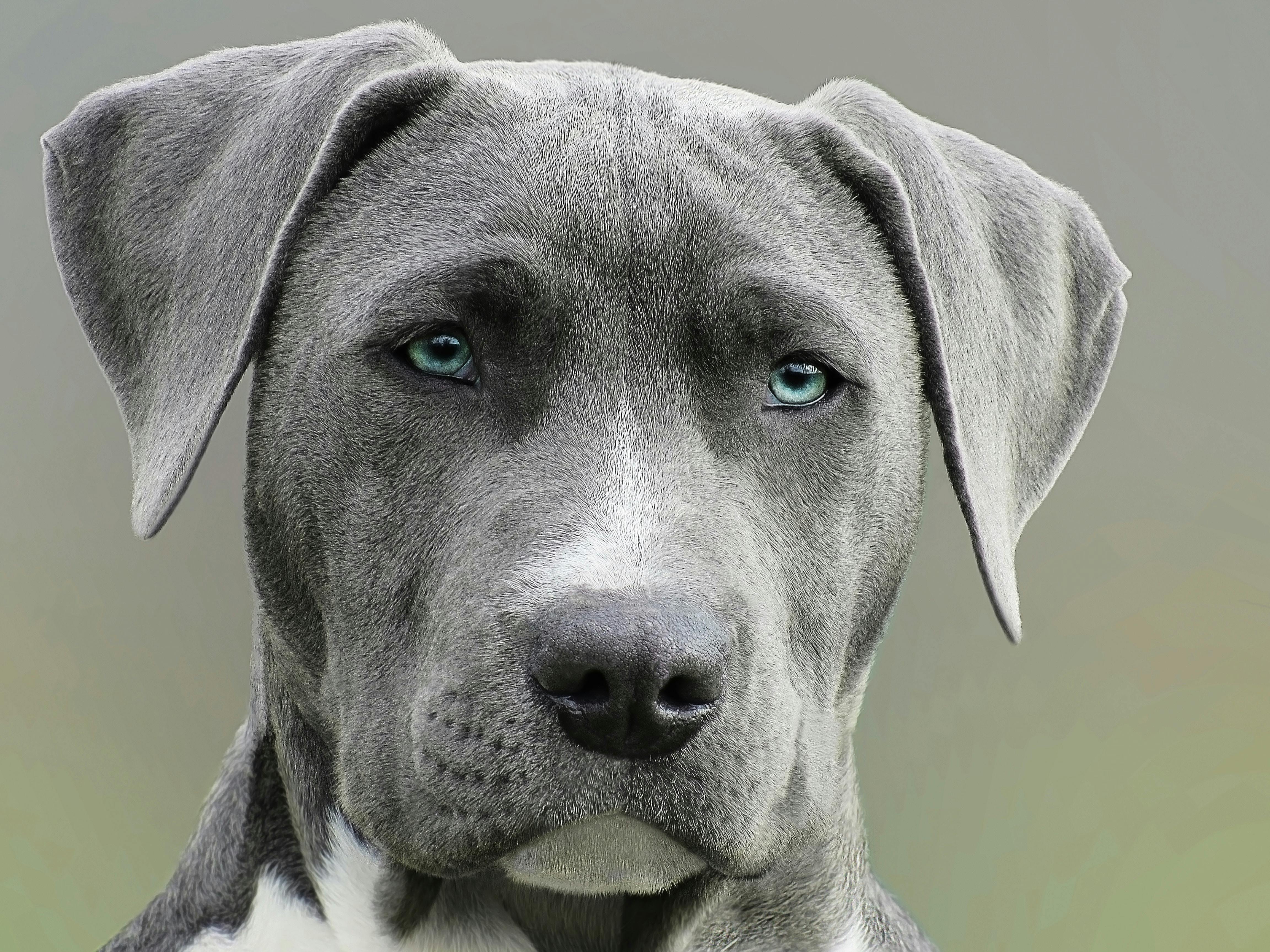 \n\n
\n\nWhen you look at your furry friend, you might notice their nose — sometimes it’s wet and sometimes it’s dry. This variation can leave you wondering, why do some dogs have drier noses? Understanding canine nose variations can help you know more about your pet's health and well-being.
\nWhy Do Dogs Have Wet Noses?
\nDogs have wet noses for several reasons. First, a wet nose helps them to smell better. The moisture in their noses captures scent particles more effectively, allowing dogs to process smells in a more efficient way. It's like a natural enhancement for their already powerful sense of smell!
\nHere’s a list of reasons why a dog’s nose may be wet:
\n- \n
- Nasal Secretions: Dogs produce mucus that helps in scent detection. \n
- Temperature Regulation: Moisture helps cool down their bodies, especially when panting isn’t enough. \n
- Hydration: A wet nose can indicate proper hydration levels in dogs. \n
Wet noses are typically seen as a sign of good health. However, some dogs have drier noses, and it’s important to understand why.
\nWhy Do Some Dogs Have Drier Noses?
\nSeveral factors can cause a dog’s nose to be dry. It could be an environmental issue, health-related, or simply a breed characteristic. Here are some reasons:
\n- \n
- Weather Conditions: Hot or dry weather can lead to dry noses. Dogs that live in arid climates often have drier noses. \n
- Dehydration: If a dog isn’t drinking enough water, their nose might dry out. \n
- Health Issues: Certain infections, autoimmune diseases, or skin disorders can cause a dog’s nose to be dry. \n
- Age: Older dogs tend to have drier noses due to decreased moisture production. \n
Understanding these factors is crucial for pet owners. If you notice a significant change in your dog’s nose moisture, it may be worth consulting a veterinarian.
\nThe Role of Breed in Nose Variations
\nDifferent dog breeds can have varying nose types. Some breeds are naturally prone to having drier noses. Here are a few examples:
\n- \n
- Bulldogs: They often have wrinkly skin which can lead to dryness. \n
- Shar Peis: Their unique skin folds can affect moisture retention. \n
- Chihuahuas: This breed might also have drier noses, especially in colder weather. \n
On the flip side, breeds like Retrievers and Beagles usually have moist noses due to their active lifestyle and higher levels of hydration.
\nCanine Nose Health: What to Look For
\nMonitoring your dog’s nose can give you clues about their overall health. Here are some things to watch for:
\n- \n
- Color Changes: A healthy nose is typically black or brown. If it turns pale or red, it could indicate a problem. \n
- Cracks or Peeling: This could be a sign of dryness or an underlying condition. \n
- Discharge: Any unusual discharge might warrant a vet visit. \n
- Temperature: A warm, dry nose could indicate a fever. \n
Fun Facts About Dog Noses
\n- \n
- Dogs have an incredible sense of smell that’s 10,000 to 100,000 times more sensitive than humans. \n
- Each dog’s nose print is unique, much like human fingerprints. \n
- Dogs use their noses to communicate with each other, leaving scent markers in their environment. \n
Practical Tips for Maintaining Your Dog's Nose Health
\nTo help keep your dog’s nose healthy, take note of these practical tips:
\n- \n
- Hydration: Always make sure your dog has access to fresh water. \n
- Moisturizers: There are pet-safe moisturizers available if dryness becomes a concern. \n
- Regular Vet Check-ups: Routine visits can help catch underlying health issues early. \n
- Limit Sun Exposure: Just like humans, dogs can get sunburned, which affects their noses. \n
Being attentive to your dog's nose can provide insights into their health. So if you notice changes, don’t hesitate to reach out to a vet.
\nNoses may be just a small part of a dog’s anatomy, but they play a big role in their health and happiness. Understanding why some dogs have drier noses can help you better care for your furry companion. Staying informed and observant is key to ensuring your pet remains healthy and vibrant.
\n\nWet Noses and Dog Breeds: Which Breeds Have the Wettest Noses?
\n\n \n\n
\n\nDogs are known for their unique characteristics, but one of the most distinctive features is their wet noses. Have you ever wondered, why do dogs have wet noses? It's a question that many dog owners may ask themselves, especially when they see their furry friends sniffing around. Some breeds are known to have particularly moist noses. Let’s explore which dog breeds have the wettest noses, and delve into the fascinating truth behind why our canine companions maintain this unusual trait.
\nWhy Do Dogs Have Wet Noses?
\nDogs noses are not just cute — they play crucial roles in their health and behavior. The moisture on a dog’s nose helps them to absorb scent chemicals, which enhances their sense of smell. When dogs sniff things, they are drawing in air that carries various scents. The moisture aids in capturing these scent particles, allowing dogs to better interpret the world around them. This explains why dogs seem to be constantly sniffing everything!
\nHere’s a quick overview of why dog noses are wet:
\n- \n
- Scent Detection: Wet noses are great for smelling. It helps them smell better and longer. \n
- Temperature Regulation: Dogs can lose heat through their noses, which helps in controlling their body temperature. \n
- Health Indicator: A wet nose can be a sign of good health, while a dry or cracked nose might indicate dehydration or illness. \n
Which Breeds Have the Wettest Noses?
\nSome dog breeds are known for having particularly wet noses. Here’s a list of breeds that often have moisture on their noses:
\n- \n
- Labrador Retriever: Labs are known for their friendly nature and wet noses, which help them in their role as hunting dogs. \n
- Golden Retriever: Similar to Labs, they are enthusiastic sniffers with wet noses that aid in tracking scents. \n
- Beagle: Beagles are scent hounds, and their wet noses are essential for their superior tracking skills. \n
- Bloodhound: This breed has one of the best sense of smell in the dog world, and their wet noses are quite prominent. \n
- Boxer: Boxers, with their playful energy, often have wet noses due to their active nature. \n
Fun Facts About Dog Noses
\n- \n
- Did you know that a dog’s nose print is as unique as a human fingerprint? Each dog has a distinct pattern on their nose that could potentially be used for identification. \n
- The surface of a dog's nose contains a lot of olfactory receptors. For example, a Bloodhound has around 300 million scent receptors, which is significantly more than humans who have only about 5 million! \n
- Dogs can also detect health issues in humans through their sense of smell. There are even trained dogs that can sniff out cancer or low blood sugar. \n
Dog Nose Care: Keeping It Healthy
\nEven though wet noses are a sign of health, it’s still important to care for your dog's nose. Here’s a few tips:
\n- \n
- Hydration: Make sure your dog has plenty of fresh water. Dehydration can lead to a dry nose. \n
- Protection: In extreme weather conditions, consider using nose balms to protect against cracking. \n
- Regular Check-ups: If you notice any changes in your dog’s nose, such as discoloration or excessive dryness, it’s a good idea to consult a vet. \n
Comparing Wet and Dry Noses
\nIt’s interesting to note the differences between wet and dry noses. Here's a simple comparison:
\n| Feature | \nWet Nose | \nDry Nose | \n
|---|---|---|
| Scent Absorption | \nBetter scent absorption | \nCan limit scent detection | \n
| Temperature | \nHelps regulate body temperature | \nLess effective at temperature regulation | \n
| Health Indicator | \nOften signifies good health | \nCan indicate dehydration or illness | \n
The moisture on a dog’s nose isn’t just for show; it serves multiple functions that are crucial for their well-being.
\nIn conclusion, wet noses are a fascinating aspect of our dog’s biology. They not only enhance a dog's ability to smell but also play a role in their overall health. Understanding why dogs have wet noses, and knowing which breeds tend to have the wettest, can deepen our appreciation for these loyal companions. So the next time your dog gives you a little nuzzle with that wet nose, you can appreciate the science behind it!
\n\nCan Weather Affect a Dog’s Nose Moisture? Exploring Environmental Factors
\n\n \n\n
\n\nCan weather affect a dog’s nose moisture? This question pops up a lot among dog owners who notice their furry friend’s noses changing with the seasons. It’s a curious topic that gets into the science of why dogs have wet noses in the first place, and how environmental factors, like temperature and humidity, play a role. Let’s dive in and explore the fascinating truth behind those moist noses and the impact of weather on them.
\nThe Science Behind Wet Noses
\nFirst off, why do dogs have wet noses? The moisture on a dog’s nose serves several purposes. It helps them to smell better, which is super important for their survival instincts. Dogs have an incredible sense of smell, and a wet nose enhances their ability to pick up scents in the air. Here’s a quick list of reasons why their noses are often damp:
\n- \n
- Enhanced olfactory abilities: Moisture helps to trap scent particles, making it easier for dogs to detect different smells. \n
- Cooling mechanism: Dogs don’t sweat like humans do, so a wet nose can help regulate their body temperature. \n
- Health indicator: A healthy dog usually has a moist nose, while a dry or cracked nose might signal dehydration or illness. \n
But what happens to this moisture when the weather changes?
\nHow Weather Affects Nose Moisture
\nWeather can indeed have an effect on a dog’s nose moisture. For example, during hot and dry summer days, a dog’s nose might become dryer. Conversely, rainy or humid days may lead to a wetter nose. Here’s a breakdown of how different weather conditions can play a role:
\n- \n
- Heat: High temperatures can cause a dog to lose moisture quickly, leading to a dryer nose. Dogs might pant to cool off, but their noses might not stay as moist. \n
- Cold: Cold weather can also dry out noses, especially if the air is dry. Dogs can be more prone to cracking or chapping as a result. \n
- Humidity: Increased humidity can help maintain moisture levels in a dog’s nose, making it appear wetter. \n
- Rain: Rainy weather naturally adds moisture, which can lead to a temporary increase in nose moisture. \n
Historical Context of Dogs’ Noses
\nDogs have been companions to humans for thousands of years. Historically, humans have bred dogs for specific traits, including those that affect their noses. Breeds like Bloodhounds have incredible olfactory senses, boasting wet noses that aid in tracking scents. Others, like the Shar Pei, might have drier noses due to their unique skin folds. It’s pretty interesting how breeding and environmental factors have shaped the anatomy of our canine companions.
\nComparing Dog Breeds and Nose Moisture
\nDifferent dog breeds could have various nose moisture levels based on their physical characteristics. Here’s a simple comparison of a few breeds:
\n| Breed | \nNose Type | \nTypical Nose Moisture Level | \n
|---|---|---|
| Labrador | \nWet and cool | \nHigh | \n
| Bulldog | \nShort and warm | \nModerate | \n
| Siberian Husky | \nMedium | \nHigh | \n
| Dachshund | \nLong and wet | \nVariable | \n
Practical Examples of Dog Care
\nAs a dog owner, it’s important to monitor your pet's nose condition closely. Here are some practical tips to help maintain a healthy nose, regardless of the weather:
\n- \n
- Hydration: Always supply fresh water to keep your dog hydrated, especially in hot weather. \n
- Humidity control: If you live in a dry climate, consider using humidifiers indoors during winter months. \n
- Regular vet check-ups: Ensure your dog gets regular health check-ups to rule out any underlying health issues that might affect nose moisture. \n
Final Thoughts
\nSo, can weather affect a dog’s nose moisture? Yes, it absolutely can! Factors like heat, humidity, and cold all play a significant role in how wet or dry a dog’s nose might be. Understanding why dogs have wet noses and how to take care of them can help owners ensure their furry friends stay healthy and happy. Next time you notice your dog's nose changes with the seasons, you'll know there’s a fascinating world of science behind it!
\n\nThe Truth About Dogs and Wet Noses: Myths vs. Facts You Need to Know
\n\n \n\n
\n\nThe bond between humans and dogs is one of the most cherished relationships, and many people often notice their furry friends have wet noses. But why do dogs have wet noses? It’s a question that sparks curiosity and, unfortunetly, misconceptions. In this article, we will explore the truth about dogs and their wet noses, debunking myths and presenting interesting facts you need to know!
\nWhy Do Dogs Have Wet Noses? The Basics
\nFirst off, let’s get to the core of the matter. A dog's nose is not just for sniffing around. It serves multiple purposes, and here are some key reasons why they tend to be moist:
\n- \n
- \n
Temperature Regulation: Dogs sweat through their paws, but their noses help cool them down too. A wet nose can help regulate body temperature, particularly on hot days.
\n \n - \n
Sense of Smell: The moisture on a dog's nose enhances their ability to smell. It helps capture scent molecules better, which is crucial since dogs have an incredible sense of smell, being 10,000 to 100,000 times more sensitive than humans.
\n \n - \n
Health Indicator: A wet nose can also indicate a dog’s health. Generally, a moist nose suggests they’re healthy, while a dry, cracked nose could signal dehydration or illness.
\n \n
Common Myths About Dogs’ Wet Noses
\nThere are plenty of myths floating around regarding why dogs’ noses are wet. Let’s bust a few of them:
\n- \n
- \n
Myth: All Dogs Have Wet Noses
\n- \n
- Fact: Not all dogs have wet noses all the time. Factors like breed, weather conditions, and health can affect nose moisture. \n
\n - \n
Myth: A Wet Nose Means a Dog is Sick
\n- \n
- Fact: While a dry nose can indicate health issues, a wet nose alone isn't a reliable sign of illness. \n
\n - \n
Myth: Dogs Lick Their Noses to Keep Them Wet
\n- \n
- Fact: Though they do lick their noses, it’s not the primary reason they are wet. The moisture is naturally produced by their bodies. \n
\n - \n
Myth: A Dog's Nose Never Dries Out
\n- \n
- Fact: Just like humans, dogs can experience varying levels of moisture in their noses depending on the environment. \n
\n
Historical Context of Dogs and Their Noses
\nDogs have been companions to humans for thousands of years, evolving alongside us. In ancient cultures, dogs were revered for their keen sense of smell, often being used for hunting and tracking. The importance of their noses can be traced back to these early roles. Over time, humans have selectively bred dogs for specific traits, including those that enhance their olfactory capabilities.
\nFun Facts About Dogs’ Noses
\n- \n
- Dogs possess more than 220 million scent receptors, while humans have only about 5 million. \n
- The wetness of a dog’s nose can change from breed to breed. For example, the bloodhound, known for its tracking ability, has a particularly moist nose. \n
- Dogs can detect certain diseases, like cancer and diabetes, through their olfactory senses with their wet noses aiding in this ability. \n
Practical Examples of Nose Functionality
\nLet’s break down how a dog’s wet nose assists them in everyday situations:
\n- \n
- \n
Hunting: A wet nose can help dogs detect prey by picking up scents carried by the wind. This ability helps hunters and working dogs excel in their jobs.
\n \n - \n
Search and Rescue: In emergency scenarios, dogs with wet noses can be critical in locating missing persons. Their ability to track scents in various environments can make the difference between life and death.
\n \n - \n
Detecting Changes: Some dogs can even sniff out changes in their owners' bodies, such as hormonal shifts or illnesses, which is why therapy dogs are often utilized in medical settings.
\n \n
The Importance of Nose Care
\nJust like any part of a dog’s health, their nose needs care too. Here are some tips for keeping your dog’s nose healthy:
\n- \n
- Hydration: Ensure your dog drinks enough water, especially on hot days. \n
- Check for Cracks: Regularly look for cracks or dryness. If you notice persistent issues, consult a vet. \n
- Limit Sun Exposure: Just like humans, dogs can get sunburned, so it’s wise to limit their exposure to intense sunlight. \n
Understanding why dogs have wet noses and what it means can deepen your appreciation for your furry friend. There’s so much more than meets the eye with dogs and their noses. By knowing the facts, you can ensure your dog stays healthy and happy. Remember, the next time you see that wet nose, it’s not just cute — it’s a fascinating part of what makes dogs so unique!
\n\nConclusion
\n\nIn conclusion, the wet noses of dogs serve multiple essential functions that contribute to their overall health and well-being. From enhancing their sense of smell to regulating body temperature, a dog's moist nose is a fascinating adaptation. The moisture helps to capture scent particles, making it easier for them to detect and interpret their environment. Additionally, a wet nose can indicate a healthy dog, as dehydration or illness often leads to a dry nose. Understanding the significance of your dog's wet nose can deepen your bond and enhance your care for them. So, the next time you greet your furry friend, take a moment to appreciate the science behind that cool, wet nose. Embrace the unique traits of your dog and monitor their health closely; a simple wet nose can provide valuable insights into their well-being. Share your experiences and thoughts in the comments below!
\n\n