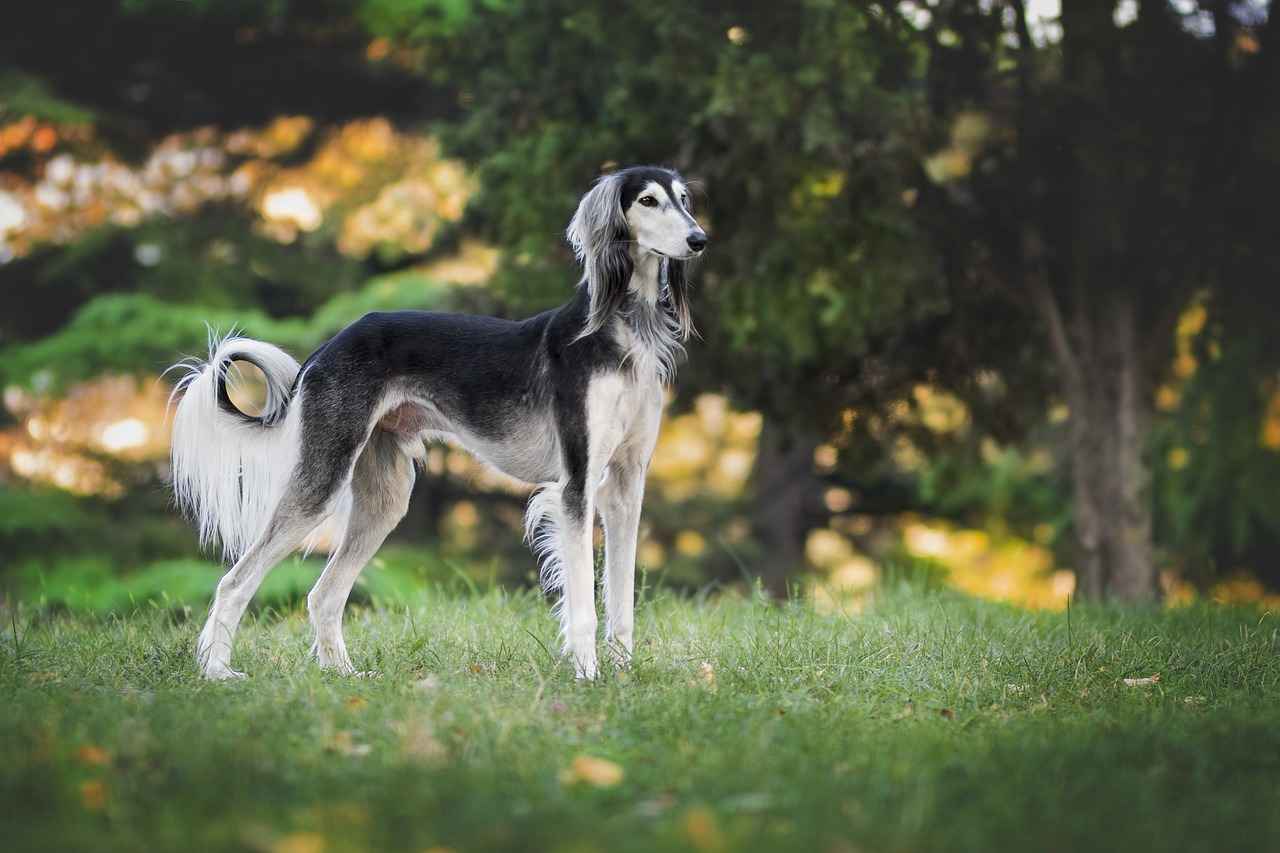
Have you ever wondered, "Why do dogs have wet noses?" This intriguing question has captured the curiosity of pet owners and animal lovers alike. The truth behind your furry friend’s wet nose is both fascinating and scientifically backed. Many people believe that a dog’s wet nose indicates health, but there’s so much more to it than that! Dogs rely on their noses to gather information about their environment, and a moist nose helps them do just that. Did you know that a wet nose can enhance their sense of smell? It’s true! This is because moisture helps to trap scent particles, making it easier for dogs to detect different smells. Not only does it play a crucial role in their sensing abilities, but a wet nose also helps regulate their body temperature. So, why do dogs have wet noses, and what does it mean for their health and behavior? In this article, we’ll explore the science behind this delightful feature, uncovering secrets that will deepen your bond with your canine companion. Get ready to discover the fascinating truth about your dog’s wet nose!
\n\nThe Science Behind Wet Noses: How Canine Physiology Enhances Their Sense of Smell
\n\n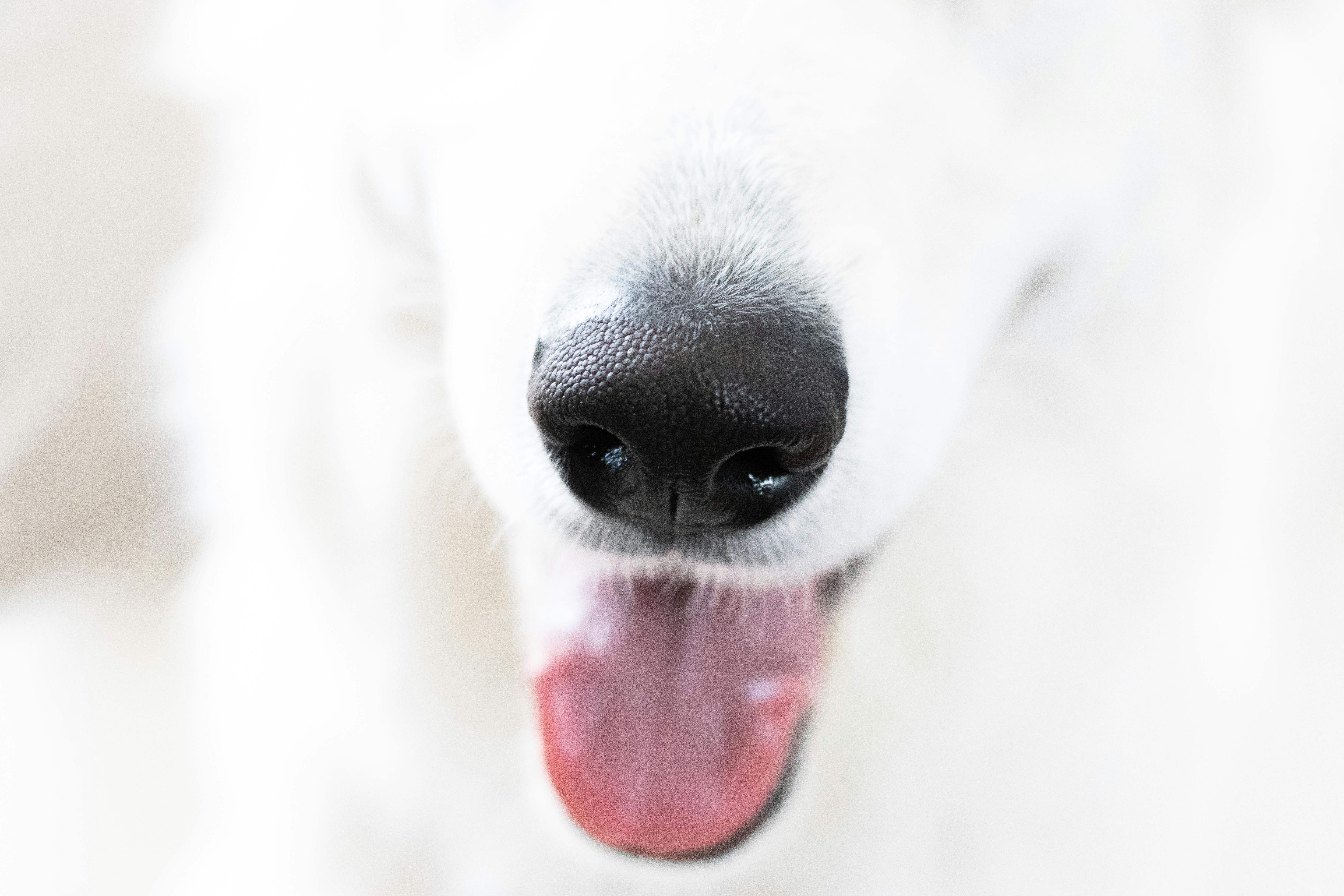 \n\n
\n\nEver wonder why your furry friend’s nose is wet? It’s more than just cute; it’s all about their incredible sense of smell! Dogs have evolved some amazing traits that help them sniff out things we humans can only dream about. Understanding the science behind wet noses can give you a deeper appreciation for our canine companions and their remarkable physiology. So let’s dive in to explore why dogs have wet noses and how it relates to their phenomenal olfactory capabilities.
\nThe Anatomy of a Dog’s Nose
\nA dog’s nose is not just an adorable feature; it’s a finely tuned organ that plays a crucial role in their ability to smell. Here’s a quick breakdown of the anatomy:
\n- \n
- Nasal Cavity: The large and complex nasal cavity allows for a vast amount of scent molecules to be processed. \n
- Olfactory Receptors: Dogs have around 300 million olfactory receptors, compared to a human's mere 5 million. This gives them a much stronger ability to detect and differentiate scents. \n
- Vomeronasal Organ: This organ helps dogs detect pheromones, which are chemical signals that can communicate information about other animals. \n
Why Are Dog Noses Wet?
\nYou might think a wet nose is just a quirk of nature, but there are actually several reasons for this phenomenon. Here’s a few key reasons:
\n- \n
- Scent Enhancement: The moisture on a dog’s nose helps to capture scent particles better. When their nose is wet, it can absorb more odor molecules, making it easier for them to identify specific scents. \n
- Temperature Regulation: Dogs don’t sweat like humans do; instead, they cool off through their noses. The moisture evaporating from their noses helps to regulate their body temperature. \n
- Health Indicator: A wet nose often signals a healthy dog. If a dog’s nose is excessively dry or cracked, it might indicate dehydration or illness. \n
The Evolution of Canine Smell
\nHistorically, dogs have been bred for various tasks that required exceptional scenting abilities. The traits we see today are the result of thousands of years of selective breeding. Here’s how it evolved:
\n- \n
- Hunting: Early humans relied on dogs to hunt and track prey. Those with better scenting abilities were favored, leading to the enhanced olfactory systems we see in breeds like Bloodhounds and Beagles. \n
- Working Dogs: Dogs were also trained for search and rescue, police work, and detecting drugs or explosives, all of which require a keen sense of smell. \n
- Companionship: Today, even as companion animals, dogs still retain their incredible olfactory skills, adding a layer of complexity to their interactions with humans. \n
Comparing Dog and Human Smell Abilities
\nLet’s put things into perspective by comparing the smell abilities of dogs and humans:
\n| Feature | \nHumans | \nDogs | \n
|---|---|---|
| Olfactory Receptors | \nAbout 5 million | \nAbout 300 million | \n
| Ability to Detect Scents | \nLimited | \nExtremely sensitive | \n
| Smelling Capacity | \nCan distinguish a few thousand odors | \nCan distinguish over 100,000 odors | \n
| Scent Memory | \nShort-term | \nLong-term and detailed | \n
Practical Examples of Canine Smell in Action
\nDogs’ noses are used in many practical applications. Here’s a look at how they’re employed in various fields:
\n- \n
- Search and Rescue: Dogs can locate missing persons in disaster zones due to their superior sense of smell. \n
- Medical Detection: Some dogs are trained to detect diseases like cancer or diabetes simply by smelling a person’s breath or urine. \n
- Tracking: Law enforcement uses dogs for tracking down criminals, finding drugs, or explosives through their incredible olfactory senses. \n
The Fascinating Truth About Dogs’ Wet Noses
\nSo, why do dogs have wet noses? It’s not just a fun fact; it’s linked to how they interact with the world around them. Their wet noses enhance their sense of smell, help regulate temperature, and can indicate overall health.
\nThe next time you see your dog with that shiny, wet nose, remember it’s a vital part of what makes them so special. Their ability to explore the world through scent is unmatched, and that wet nose is a key player in their olfactory adventures.
\nUnderstanding your dog’s physiology not only enriches your bond but also highlights the incredible world of senses that dogs experience daily. So next time you’re out on a walk and your furry friend is sniffing everything in sight, remember: it’s all about that amazing wet nose and the science behind it!
\n\nWhy Are Dogs' Noses Wet? Unveiling the Secrets of Canine Cooling Mechanisms
\n\n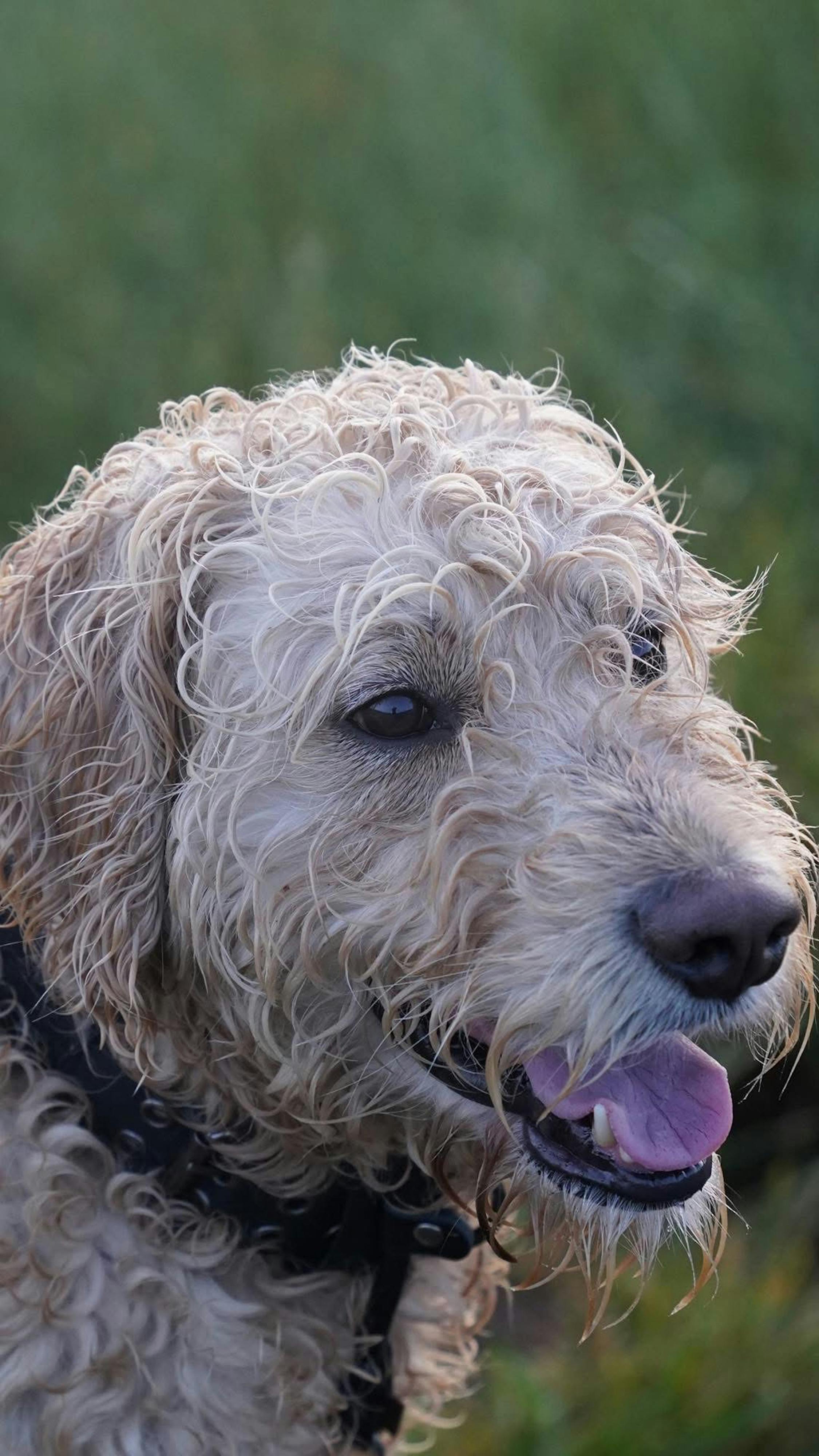 \n\n
\n\nDogs are such interesting creatures, right? One of the many fascinating things about them is their noses. You ever wonder why dogs have wet noses? It’s a question that has puzzled many pet owners and animal lovers alike. The truth is, there’s a lot more to those moist noses than meets the eye. Let’s dive into the secrets of canine cooling mechanisms and discover the fascinating truth about why do dogs have wet noses.
\nWhat Makes a Dog’s Nose Wet?
\nSo, have you noticed how dogs’ noses are usually damp? This wetness is not just for show. It serves several important functions, including:
\n- \n
- \n
Enhanced Sense of Smell: Dogs have an incredible sense of smell, estimated to be 10,000 to 100,000 times more sensitive than humans. A wet nose helps to capture scent particles more effectively. The moisture can trap these particles, allowing the olfactory receptors in the dog’s nose to detect them better.
\n \n - \n
Cooling Mechanism: Ever see your dog panting? It’s one of the ways they cool down. But their nose plays a role too! When dogs sweat, they mostly do it through their paw pads. The moisture on their noses helps with thermoregulation, keeping them cool in warm weather.
\n \n - \n
Health Indicator: A dog’s nose can tell you a lot about its health. A warm, dry nose may indicate illness, while a wet nose can be a sign of a healthy pup. However, this is not a definitive rule, and other symptoms should also be considered.
\n \n
Historical Context of Wet Noses
\nIt’s funny how dogs have been by human’s side for thousands of years. Early domesticated dogs likely had wet noses just like their wild ancestors. In the wild, animals with better olfactory senses had a higher chance of survival, leading to the evolution of wet noses among canines. This adaptation has helped them find food, detect danger, and even communicate with other dogs.
\nHow Wet Noses Benefit Dogs
\nYou might be wondering, what other benefits do wet noses provide? Here’s a quick list:
\n- \n
- \n
Communication: Dogs use their noses to gather information. A wet nose can help a dog pick up pheromones and scents from other dogs, which is crucial for social interactions.
\n \n - \n
Scent Discrimination: Wet noses can also help differentiate between smells more effectively. This is why dogs are used in search and rescue operations, detection work, and even in therapy settings.
\n \n - \n
Tracking and Hunting: The moisture on a dog’s nose helps in tracking scents over various terrains, especially when hunting or searching for specific items.
\n \n
Comparing Wet and Dry Noses
\nLet’s compare wet noses versus dry noses in dogs. Here’s a simple table to illustrate the differences:
\n| Aspect | \nWet Noses | \nDry Noses | \n
|---|---|---|
| Scent Detection | \nMore effective | \nLess effective | \n
| Health Indicators | \nGenerally healthier | \nMay indicate illness | \n
| Cooling Mechanism | \nAids in temperature regulation | \nLess efficient | \n
| Communication | \nBetter at picking up scents | \nLimited scent information | \n
Fun Facts About Dog Noses
\nHere’s some fun and interesting facts about dog noses that you probably didn’t know:
\n- \n
- \n
Unique Patterns: Just like human fingerprints, every dog has a unique nose print. It can even be used for identification purposes!
\n \n - \n
Nose Color: The color of a dog’s nose can vary based on breed and genetics. Some dogs have black noses, while others have liver-colored or pink noses.
\n \n - \n
Thermal Imaging: Dogs can detect changes in temperature through their noses, making them great at detecting things like warm bodies or heat sources.
\n \n
Practical Tips for Nose Care
\nKeeping your dog’s nose healthy is important. Here are some simple tips:
\n- \n
- \n
Hydration: Make sure your dog drinks enough water. Dehydration can lead to a dry nose.
\n \n - \n
Nose Balm: If your dog’s nose appears cracked or dry, consider using a dog-safe nose balm to moisturize it.
\n \n - \n
Regular Vet Check-ups: If you notice any significant changes in your dog’s nose, consult your veterinarian. Changes can be a sign of underlying health issues.
\n \n
So, next time you pet your furry friend and feel that wet nose, remember all the amazing things it does! Dogs’ noses are more than just cute; they’re vital tools for their survival and well-being. Understanding why do dogs have wet noses enriches our appreciation for these loyal companions and their fascinating biology.
\n\n5 Surprising Benefits of Your Dog’s Moist Nose: What Every Pet Owner Should Know
\n\n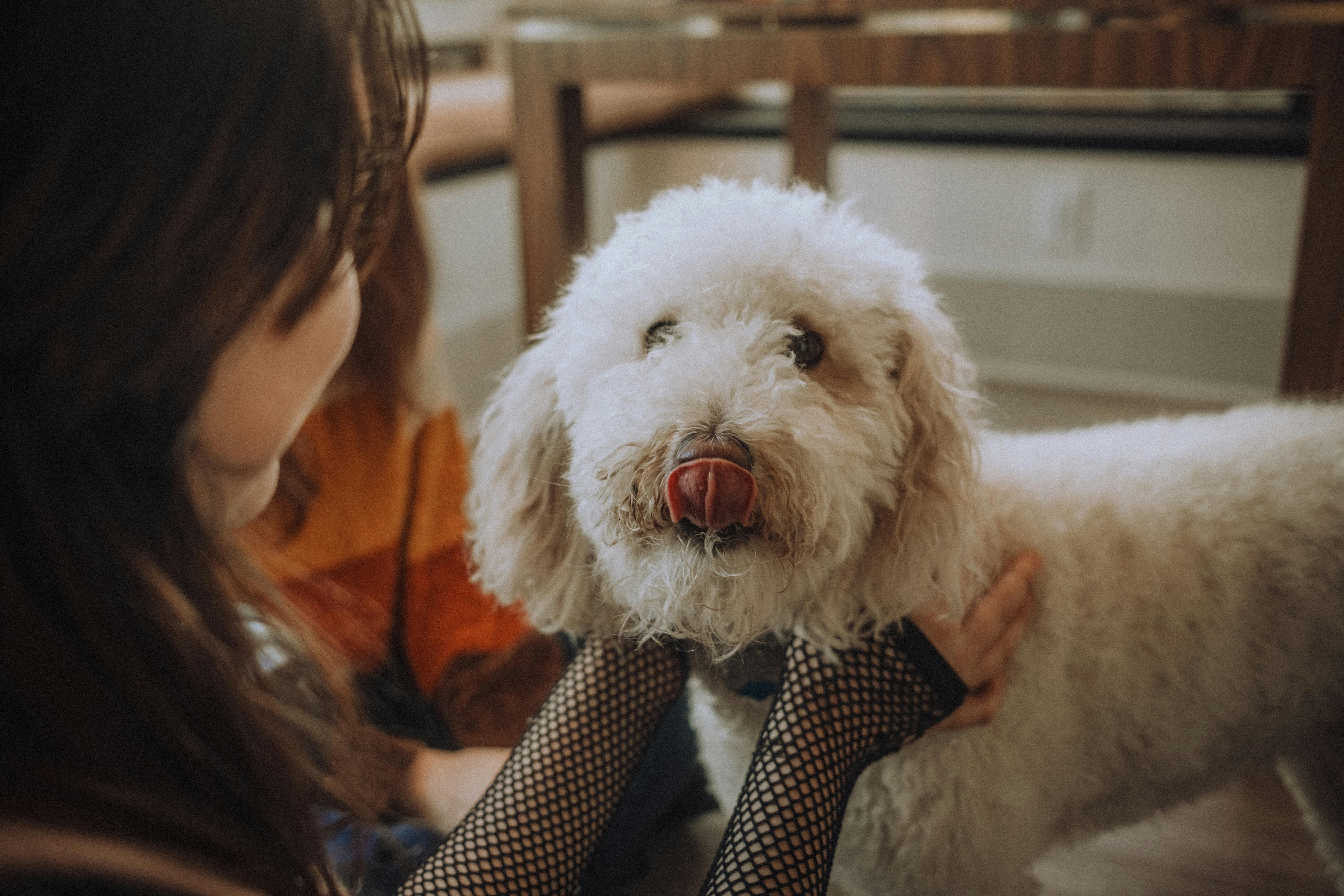 \n\n
\n\nDogs are often called man's best friend, and for good reason. They bring joy, companionship, and a whole lot of love into our lives. But have you ever wondered why dogs have wet noses? It's a question that many pet owners ponder, and the answer is not only fascinating but also comes with some surprising benefits. Here are five unexpected advantages of your dog's moist nose that every pet owner should know.
\n1. Enhanced Sense of Smell
\nOne of the reasons why dogs have wet noses is because it helps them smell better. The moisture on a dog’s nose traps scent particles, making it easier for them to pick up on different smells. Did you know that a dog's sense of smell is about 40 times better than humans? When sniffing around, a wet nose help them detect scents more accurately, which is vital for their survival and also for tracking down their favorite toys.
\n- \n
- Dogs have up to 300 million smell receptors. \n
- Humans only have about 5 million. \n
- Wet noses help keep those receptors functioning properly. \n
2. Temperature Regulation
\nAnother interesting fact about why do dogs have wet noses is that it assists in temperature regulation. Dogs can’t sweat like humans do; they rely on panting and their noses to help cool down. A moist nose can help dissipate heat, keeping your pup feeling comfortable. This is especially important during hot summer days when they might be outside playing.
\n- \n
- Wet noses can lower body temperature. \n
- Helps in maintaining a comfortable state. \n
- Important for breeds that have thick fur. \n
3. Communication Tool
\nDogs are social creatures, and their wet noses play a role in how they communicate. When a dog nudges you with their nose, it is often a sign of affection or a way of saying "hello." They use their noses to explore and communicate with other dogs too. A moist nose can often be an invitation for interaction, whether it's a play session or just a cuddle moment.
\n- \n
- Dogs sniff each other’s noses as a greeting. \n
- Moisture can signal health and vitality. \n
- An important part of canine body language. \n
4. Health Indicator
\nDid you know that a dog's nose can tell you a lot about their health? A wet nose is typically a sign of a healthy dog. Conversely, if your dog's nose is dry and cracked, it could indicate dehydration or illness. Regularly checking your dog's nose can help spot potential health issues early on.
\n- \n
- Healthy nose: Moist and cool. \n
- Dry, cracked nose: Possible health concerns. \n
- Changes in moisture levels can indicate stress or sickness. \n
5. Bonding Moment
\nHaving a wet nose can also enhance the bond between you and your furry friend. When you pet a dog and feel their cool, moist nose against your hand, it creates a moment of connection. Engaging with your dog this way can strengthen your relationship, allowing for more enjoyable interactions.
\n- \n
- Dogs often seek out contact with their owners. \n
- A wet nose can trigger playful behavior. \n
- Positive reinforcement through touch and affection. \n
Why Do Dogs Have Wet Noses?
\nThe science behind why dogs have wet noses is pretty interesting. The moisture is produced by special glands in their noses and is part of their natural anatomy. It’s not just for show; it serves multiple purposes, all of which contribute to their overall health and well-being.
\n- \n
- Moisture from glands aids in olfactory function. \n
- Helps maintain hydration and temperature. \n
- Essential for social and communicative behaviors. \n
In summary, the moisture on your dog's nose is more than just a quirky characteristic; it plays a critical role in their health and interactions. From enhancing their sense of smell to regulating their body temperature, a wet nose is an essential part of what makes dogs such incredible companions. Understanding these aspects can make you a more informed and attentive pet owner. So, next time you notice that wet nose, remember all the benefits it brings to your furry friend!
\n\nIs a Wet Nose a Sign of a Healthy Dog? Debunking Myths and Misconceptions
\n\n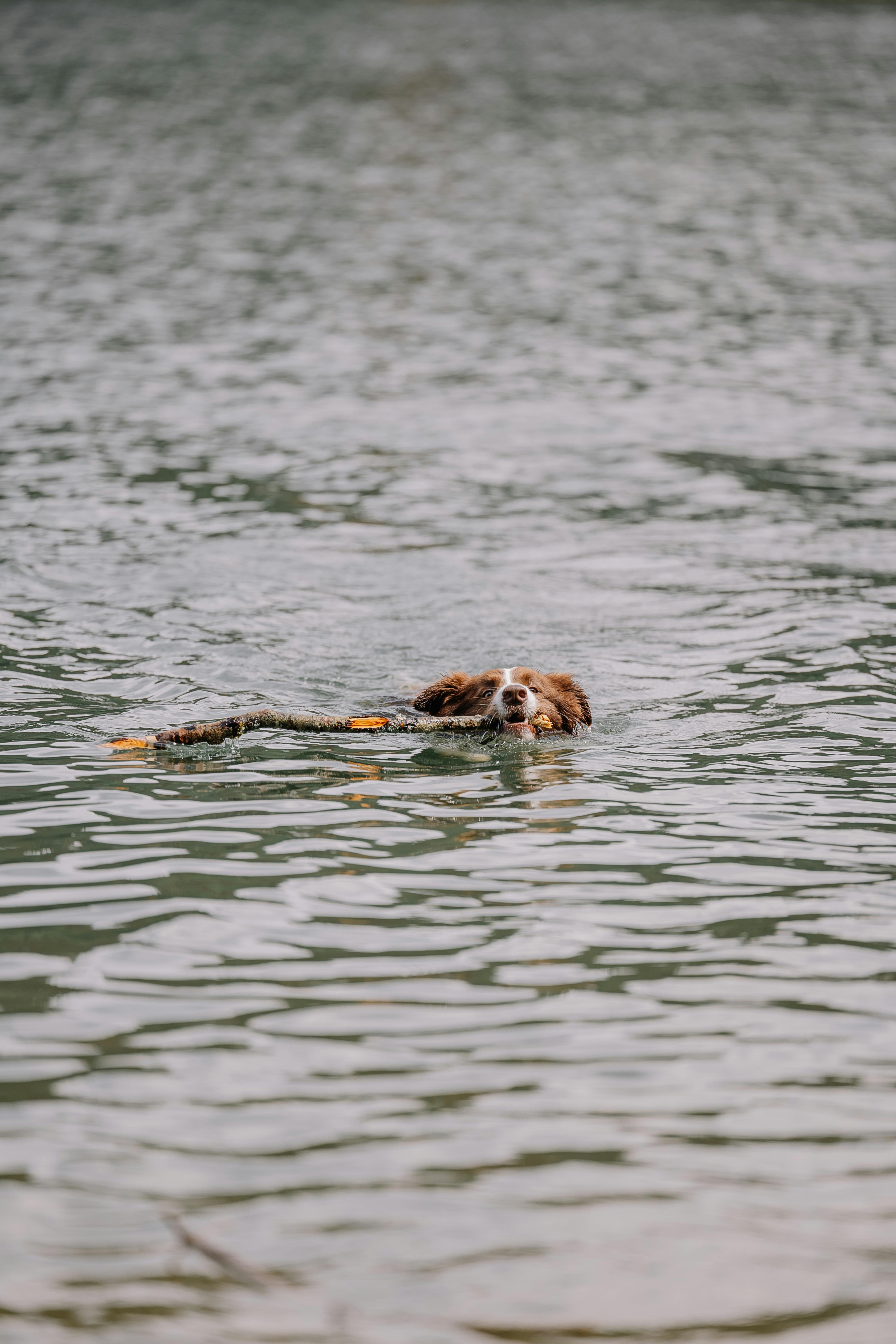 \n\n
\n\nIs a Wet Nose a Sign of a Healthy Dog? Debunking Myths and Misconceptions, Why Do Dogs Have Wet Noses? Discover The Fascinating Truth!
\nHave you ever wondered why dogs have wet noses? Many people thinks that a wet nose means your dog is healthy, but is that really true? In this article, we gonna dive into the science behind those moist snouts, explore common myths, and uncover the truths about our furry friends. Let’s get started!
\nWhat Makes a Dog’s Nose Wet?
\nA dog's nose is typically wet for a few reasons. First off, dogs have a special mucus that helps them smell better. That’s right! A wet nose helps to trap scent particles, making it easier for dogs to sniff out things. When a dog’s nose is moist, it can take in more smells, which is why they seem to be so curious about their surroundings.
\nHere’s some reasons why dogs have wet noses:
\n- \n
- Temperature Regulation: Dogs sweat through their noses, which helps them to cool down. \n
- Sense of Smell: A moist surface can absorb scent particles more effectively. \n
- Health Indicator: Sometimes, a wet nose is an indicator of hydration and good health, but not always. \n
Common Myths About Wet Noses
\nThere are plenty of misconceptions about wet noses and dog health. Let's bust some of those myths:
\n- \n
- \n
Wet Noses Always Mean Healthy Dogs: It’s a common belief that if a dog has a wet nose, it’s healthy. However, it’s not a foolproof indicator. Dogs can have dry noses and still be perfectly healthy.
\n \n - \n
Dry Noses Indicate Illness: A dry nose can be normal too, especially in certain breeds or during hot weather. If a dog is acting normal, a dry nose may not be a problem.
\n \n - \n
Nose Temperature Determines Health: People often thinks that a cold, wet nose means a dog is healthy while a warm, dry nose indicates sickness. This is not true! A dog’s nose temperature can change depending on various factors like exercise or the weather.
\n \n - \n
Dogs Only Have Wet Noses When They're Happy: While a happy dog may have a wet nose, there’s no direct correlation. Dogs can be excited or anxious and still have a dry nose.
\n \n
The Science Behind Dog Noses
\nDogs are fascinating creatures, and their noses are no exception. The anatomy of a dog’s nose is specifically designed for superior smelling ability. Here’s what makes their noses so special:
\n- \n
- \n
Olfactory Receptors: Dogs have around 220 million olfactory receptors in their noses, compared to humans who only have about 5 million. This means dogs can smell things that are completely undetectable to us!
\n \n - \n
Jacobsen’s Organ: This is a special organ located in the nasal cavity that helps dogs detect pheromones and other scents. This makes their sense of smell even more powerful.
\n \n
Observing Your Dog’s Nose
\nWhen it comes to your dog’s health, it's important to keep an eye on their nose, but also on their overall behavior and wellness. Here’s a simple checklist to monitor your dog’s nose health:
\n- \n
- Moisture: Is it consistently wet or dry? \n
- Color: Is it normal color or does it appear pale or discolored? \n
- Cracking: Are there any signs of cracking or bleeding? \n
- Behavior: Is your dog acting lethargic, not eating, or showing signs of distress? \n
When to Consult a Vet
\nIf you notice any of the following symptoms along with changes in your dog’s nose, it may be time to visit a veterinarian:
\n- \n
- Persistent dryness or cracking \n
- Unusual discharge (yellow or green) \n
- Changes in behavior (lack of appetite, lethargy) \n
- Excessive licking of the nose \n
Practical Tips for Dog Owners
\nTo keep your dog happy and healthy, consider the following tips:
\n- \n
- Hydration: Always provide fresh water to keep your dog hydrated. \n
- Regular Vet Check-Ups: Routine visits to the vet can help catch any issues early. \n
- Watch for Environmental Changes: Changes in weather can affect nose moisture. \n
- Healthy Diet: A balanced diet supports overall health, including skin and nose condition. \n
Understanding why dogs have wet noses and the myths surrounding them helps pet owners to be better informed. A wet nose can be an indicator, but it’s not the only sign of a healthy dog. Always pay attention to your dog's behavior and consult with your vet if you have concerns about their health. Keep your furry friend happy, healthy, and thriving!
\n\nHow Do Dogs Use Their Wet Noses to Communicate? The Fascinating Language of Scent
\n\n \n\n
\n\nDogs are often seen sniffing around, wet noses twitching with excitement, but have you ever thought about why dogs have wet noses? It's more than just a cute feature; it's a key part of how they communicate. Understanding this fascinating aspect of canine behavior can deepen your bond with your furry friend. So, let's dive into the intriguing world of canine communication through scent and the science behind those adorable wet noses.
\nThe Science of Wet Noses
\nFirst off, why do dogs have wet noses? Well, it's not just for show. A dog's nose is moist for a reason. The moisture helps to capture scent particles from the air, making it easier for dogs to detect different smells. In fact, a dog's sense of smell is estimated to be tens of thousands to possibly even 100,000 times more sensitive than humans. This incredible ability to smell is partly due to the unique structure of their noses.
\n- \n
- Nasal Structure: Dogs have a complex nasal cavity that contains a large number of scent receptors — around 220 million compared to our mere 5 million. \n
- Moisture: The wetness of a dog's nose helps to dissolve the scent particles, allowing them to be absorbed more effectively. \n
- Temperature Regulation: Besides enhancing their sense of smell, a wet nose also helps dogs cool down. Dogs don't sweat like humans do, so they rely on their noses to help regulate their body temperature. \n
How Dogs Use Their Noses to Communicate
\nSo, how do dogs use their wet noses to communicate? Dogs are incredibly social animals, and much of their communication happens through scent. When a dog sniffs another dog, they are gathering important information about that dog's identity, health, and even mood.
\n- \n
- Social Interaction: Dogs greet each other by sniffing each other's noses and behinds. This might seem odd to us, but it's a way for them to gather information about each other. \n
- Emotional State: A dog's nose can also indicate their emotional state. For instance, if a dog approaches you with a wet nose and a wagging tail, they're likely feeling friendly and happy. \n
- Health Signals: Dogs can detect changes in the scent of other dogs. If a dog is sick or stressed, their scent may change, and other dogs can pick up on this. \n
The Language of Scent
\nDogs communicate a lot through their sense of smell. It's like a language that they understand perfectly. Here’s how:
\n- \n
- Territorial Marking: When dogs urinate, they leave behind scent markers. Other dogs can read these scents to learn about who’s been there, their age, and even their health. \n
- Scent Trails: Dogs can follow scent trails left by other animals, which helps them understand their environment and locate food or other items of interest. \n
- Emotional Recognition: Research suggests that dogs can even detect human emotions through scent. They may be able to tell if you're happy or sad based on the chemical signals in your sweat. \n
The Importance of a Dog's Nose in Training
\nUnderstanding how dogs use their noses can be crucial for training. Positive reinforcement techniques often utilize scent as a way to keep dogs engaged and motivated. Here are some practical ways to incorporate scent into training:
\n- \n
- Scent Games: Hide treats around the house or yard and encourage your dog to find them. This not only sharpens their sense of smell but also keeps them active. \n
- Nose Work Classes: Many dog training facilities offer nose work classes, where dogs can learn to identify different scents and find hidden items. \n
- Tracking: Teaching your dog to track scents can be a fun and rewarding experience. Start with simple trails and gradually increase the difficulty. \n
Fun Facts About Dogs and Their Noses
\n- \n
- Did you know that the tip of a dog's nose has a unique pattern, much like a human fingerprint? This can be used to identify individual dogs! \n
- Dogs can even detect certain diseases, like cancer, through smell. Some service dogs are trained to alert their owners to changes in their health through scent. \n
- The wetness of a dog’s nose can vary with the weather. For instance, it may be drier during hot weather or when they are sick. \n
In summary, the wet nose of a dog is not merely a charming trait; it is a vital tool for communication and interaction with the world around them. By understanding the fascinating language of scent, you can enhance your relationship with your canine companion and appreciate the incredible abilities they possess. Next time your dog nudges you with their wet nose, remember, they're trying to tell you something special!
\n\nThe Role of a Wet Nose in Dog Behavior: What It Tells You About Your Furry Friend
\n\n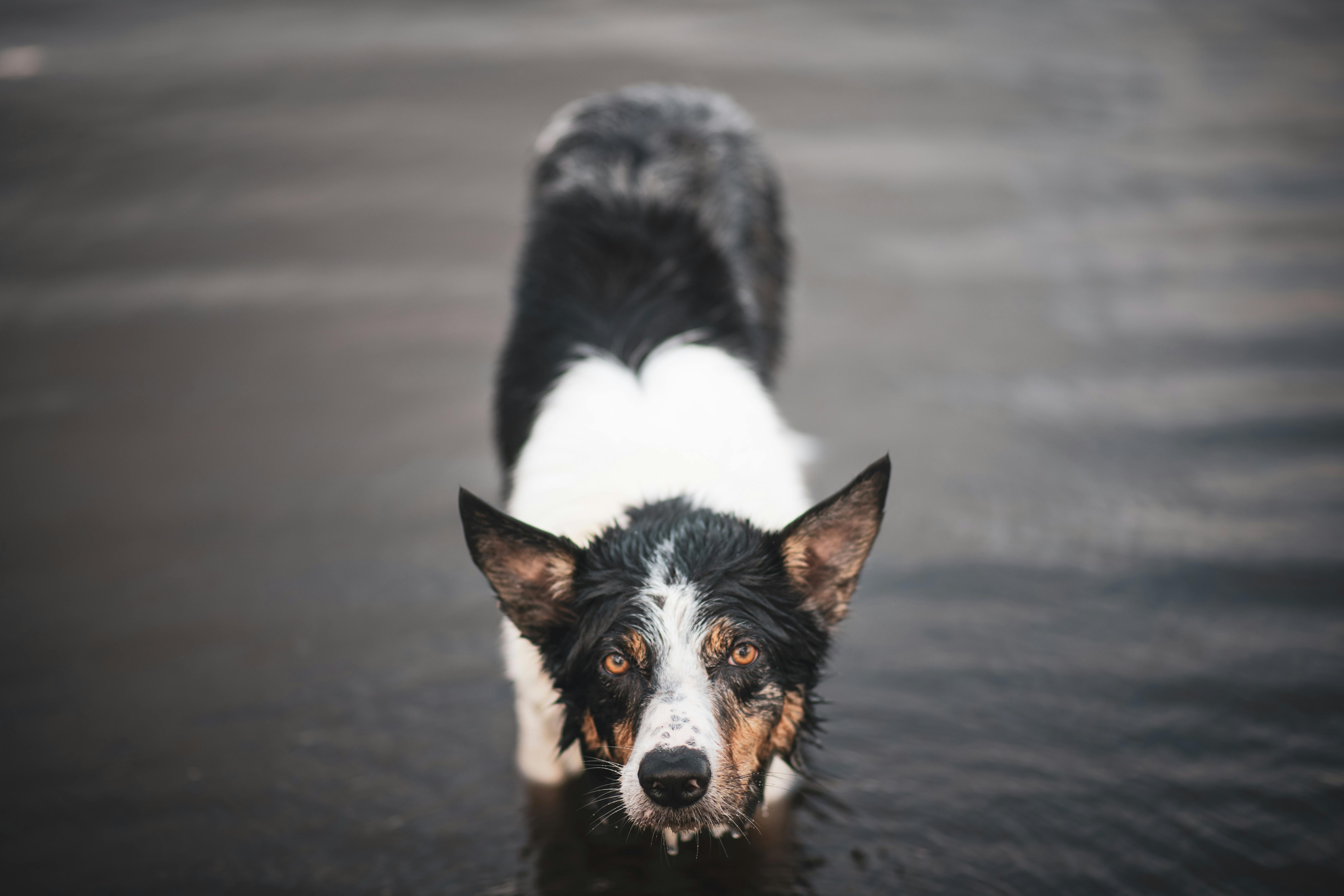 \n\n
\n\nHave you ever wonder why your dog's nose is always wet? It's one of those curious things about our furry friends that often goes unnoticed or taken for granted. But the truth about a dog's wet nose goes deeper than just being a quirky trait. It's actually can reveal a lot about their behavior, health, and even their emotions. So, let’s dive into the fascinating world of dog noses and discover what that wetness really means.
\nWhy Do Dogs Have Wet Noses?
\nDogs have wet noses for several reasons, many of which relate to their health and how they interact with the world. Here are the main factors that contribute to a wet nose:
\n- \n
- \n
Cooling Mechanism: Dogs don't sweat like humans do. Instead, they primarily regulate their body temperature through panting and their noses. A wet nose helps cool them down, especially after exercise or on hot days.
\n \n - \n
Scent Detection: A wet nose enhances a dog's ability to smell. The moisture helps capture scent particles, allowing dogs to gather more information about their environment. This is why dogs are often used in search and rescue missions, as well as in detecting various substances.
\n \n - \n
Health Indicator: The state of a dog’s nose can indicate its health. A healthy dog typically has a moist, cool nose. Conversely, a dry or warm nose might signal illness or dehydration, although this isn't always the case.
\n \n - \n
Communication Tool: Dogs use their noses to interact with each other and their humans. A wet nose can be a sign of affection, as dogs often nuzzle their owners with their wet noses to show love or seek attention.
\n \n
The Fascinating Truth About Dog Noses
\nEvery dog is unique, and their noses come in all shapes, sizes, and textures. Here are a few fascinating facts about dog noses that you might not know:
\n- \n
- \n
Unique Patterns: Just like human fingerprints, each dog has a unique nose print. This means that no two dogs have the same nose, which can serve as a form of identification.
\n \n - \n
Nasal Structure: A dog's nose contains up to 300 million scent receptors, compared to a human’s 5 million. This incredible olfactory capability makes dogs excellent at tracking scents and detecting changes in their environment.
\n \n - \n
Nose Temperature: The temperature of a dog's nose can fluctuate. A cool, moist nose is typically a sign of a healthy dog, while a warm, dry nose might indicate that your dog is feeling unwell. However, this is not a definitive rule.
\n \n
Behavioral Insights from a Wet Nose
\nUnderstanding your dog's nose can help you better interpret their behavior. Here’s how a wet nose can signify different things in your furry friend:
\nAffection and Comfort:
\n- \n
- If your dog nudges you with their wet nose, it often means they're looking for affection. Dogs are social animals, and this behavior is a way for them to connect with you. \n
Curiosity:
\n- \n
- A dog exploring its surroundings with a wet nose is just being naturally curious. They use their noses to gather information about other animals, people, and objects. \n
Stress or Anxiety:
\n- \n
- A persistently dry nose could indicate stress or discomfort. If your dog’s behavior changes and they seem more anxious than usual, it might be a good idea to look into what could be causing them stress. \n
Practical Tips for Nose Care
\nCaring for your dog's nose is essential for their overall health. Here are some simple tips:
\n- \n
- \n
Regular Checks: Keep an eye on your dog's nose for any changes in moisture, color, or texture. If it becomes cracked or overly dry, consult a vet.
\n \n - \n
Hydration: Ensure your dog has plenty of fresh water. Proper hydration is key to maintaining a healthy, moist nose.
\n \n - \n
Avoid Irritants: Be cautious of exposure to harsh chemicals or irritants that could dry out your dog's nose. This includes certain cleaning products or even extreme weather conditions.
\n \n - \n
Diet Matters: A balanced diet can influence overall skin and coat health, including the nose. Make sure your dog is eating high-quality food rich in nutrients.
\n \n - \n
Veterinary Visits: Regular check-ups with a vet can help catch any potential health issues early on. Don’t hesitate to ask about your dog’s nose during these visits.
\n \n
Your dog's wet nose is more than just a cute feature; it's a window into their health and emotions. By understanding the significance of their nose, you can better connect with your furry friend and ensure they remain happy and healthy. So next time you feel that familiar wet nudge, know that it’s not just a greeting, but a whole lot more!
\n\nWhy Do Dogs Have Wet Noses? Exploring the Evolutionary Advantages
\n\n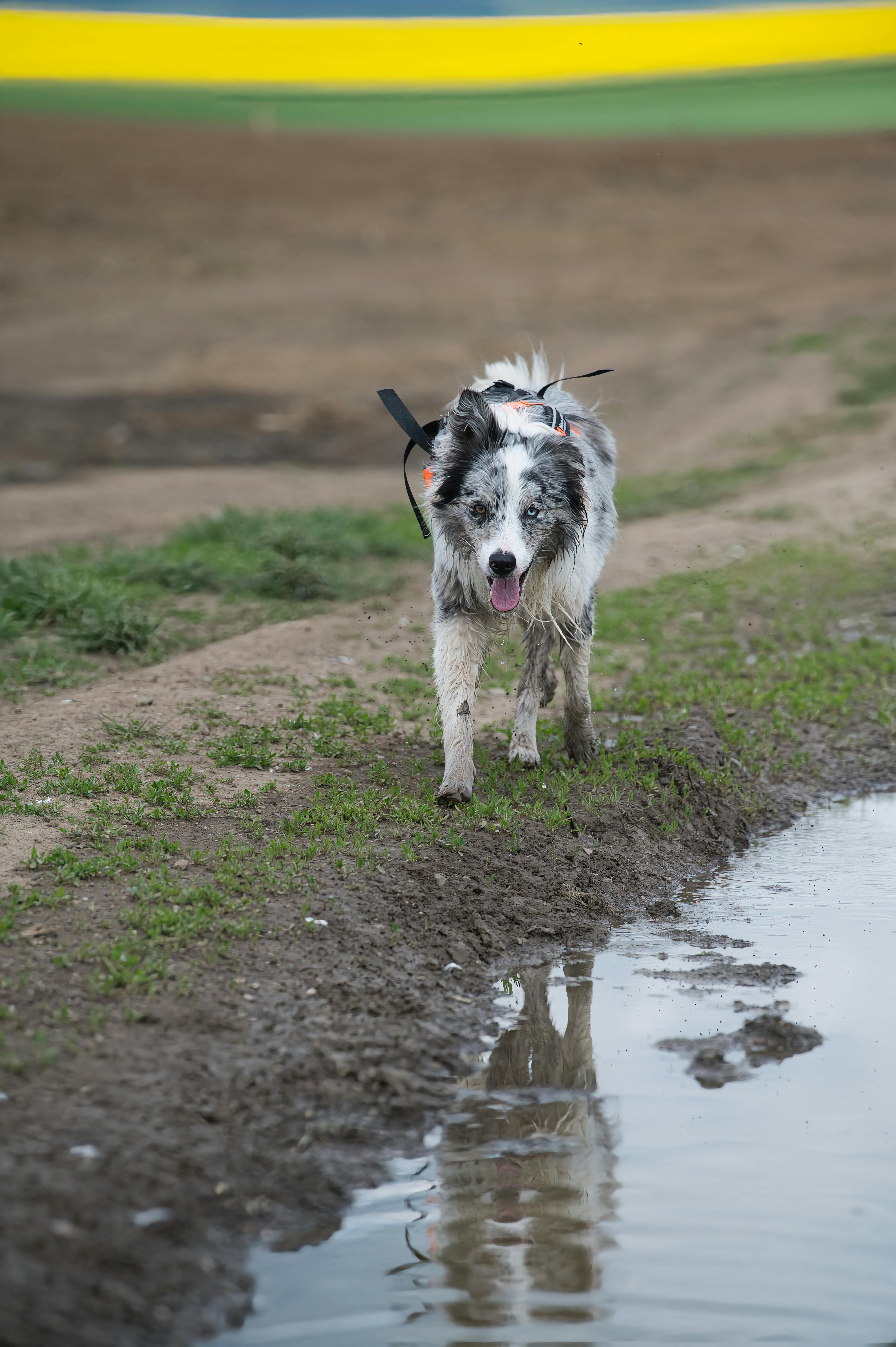 \n\n
\n\nDogs are one of the most beloved pets around the world. They bring joy, companionship, and a whole lot of love. But have you ever stop to wonder, why do dogs have wet noses? This question isn’t just a cute conversation starter; it digs deep into the evolutionary advantages that this unique feature provides. Let’s explore the fascinating truth behind those wet noses!
\nThe Science of Wet Noses
\nThe moisture on a dog's nose is more than just an endearing trait. It is actually a crucial part of how dogs interact with their environment. Here are some reasons why their noses are wet:
\n- \n
- Enhanced Smell: A wet nose helps to absorb scent chemicals from the air. This means that when a dog sniffs something, they can capture more scent particles which helps them to identify smells better. \n
- Temperature Regulation: Dogs can’t sweat like humans do. Their noses can help cool them down, as the moisture evaporates. This is particularly crucial during hot weather. \n
- Health Indicator: A wet nose can be a sign of a healthy dog. If a dog’s nose is dry, it may indicate dehydration or illness, although that’s not always the case. \n
Historical Context of Dog Noses
\nDogs have been companions to humans for thousands of years. Early domesticated dogs likely had wet noses as advantages in hunting and survival. They were bred for various tasks, and those with effective sense of smell were more likely to thrive. Over generations, the wet nose trait became more pronounced.
\n- \n
- Evolutionary Traits: Historically, dogs with wet noses could find food better and navigate their surroundings more effectively. This would lead to a higher survival rate, hence becoming a common trait among modern dogs. \n
- Breeds and Their Noses: Different breeds have variations in nose moisture levels. For instance, hounds tend to have wetter noses because they rely heavily on their sense of smell. \n
Comparing Dog Noses to Other Animals
\nWhen you look at other animals, you can see some similarities and differences in how noses function. Here’s a quick comparison:
\n| Animal | \nNose Type | \nFunctionality | \n
|---|---|---|
| Dogs | \nWet | \nEnhanced smell, cooling | \n
| Cats | \nDry | \nLess reliant on smell, but still good | \n
| Rabbits | \nWet/Dry | \nDepends on environment | \n
| Humans | \nDry | \nLimited smell capability | \n
Practical Examples of Dog Nose Function
\nTo understand why wet noses are so beneficial, consider these practical examples:
\n- \n
- Tracking: Dogs used in search and rescue missions rely on their wet noses to track scents over long distances. Their noses can pick up on scents that are days old! \n
- Hunting: Hunting dogs like Bloodhounds have exceptional scenting abilities. A wet nose maximizes their effectiveness in locating game. \n
- Detection Work: Police and military dogs are trained to detect drugs or explosives. Their wet noses play a vital role in their success, as they can discern scents more accurately. \n
Fun Facts About Dog Noses
\n- \n
- Did you know that every dog’s nose print is unique? Just like human fingerprints, they can be used for identification! \n
- Dogs have about 220 million scent receptors in their noses, compared to a human’s mere 5 million. \n
- The shape and size of a dog’s nose can affect its smelling ability. Longer noses tend to have a larger surface area for scent absorption. \n
Things to Keep in Mind
\nWhile a wet nose is usually a sign of good health, there are times when it might not be the case. Here are some considerations:
\n- \n
- Dry Nose: If your dog has a dry nose but is acting normal, it may just be a hot day or they’ve been sleeping. \n
- Excessive Moisture: If a dog’s nose is excessively wet, it could be a sign of allergies or an infection. \n
- Temperature Changes: Dogs' noses can change with the weather, so a wet nose in winter might not mean the same thing as in summer. \n
In summary, the wet nose of a dog is more than just an adorable characteristic; it plays a vital role in their health and functionality. Understanding why do dogs have wet noses not only helps us appreciate our furry friends more but also highlights the incredible adaptations they have evolved over time. So the next time you give your pup a pat on the head, take a moment to appreciate that wet nose and all the wonders it brings!
\n\n7 Common Questions About Dog Noses Answered: From Wetness to Temperature
\n\n \n\n
\n\nDogs are often called man's best friend, but have you ever wondered why their noses are so wet? It’s a question that many pet owners ask, and the answer is more fascinating than you might think. Here’s a deep dive into 7 common questions about dog noses, exploring everything from their unique wetness to temperature regulation.
\n1. Why Do Dogs Have Wet Noses?
\nOne of the most common question people have is, why do dogs have wet noses? The wetness of a dog's nose is actually very important. It helps them smell better! A wet nose can capture scent particles more effectively, which is why dogs rely heavily on their sense of smell. Wetness increases the surface area of the nose, allowing it to absorb more scents.
\n2. What Causes a Dog’s Nose to Be Wet?
\nThere’s several reasons why a dog’s nose might be wet. First off, dogs naturally produce mucous that keeps their noses moist. This moisture is essential for their olfactory function. Secondly, when dogs are excited or after they’ve been playing, they may lick their noses, adding to the wetness.
\n3. Does a Wet Nose Mean a Dog is Healthy?
\nMany people believe a wet nose indicates a healthy dog, but it’s not always that simple. While a moist nose can be a sign of good health, it isn’t a definitive indicator. Here are some things to consider:
\n- \n
- Temperature: A dog's body temperature can vary, and a wet nose doesn’t necessarily mean they are not sick. \n
- Behavior: If your dog is acting normal otherwise, then a wet nose is likely just part of their natural state. \n
- Changes: If a dog’s nose becomes dry suddenly, it might be worth consulting a vet. \n
4. How Does Temperature Affect a Dog's Nose?
\nTemperature plays a significant role in the condition of a dog’s nose. Typically, a dog’s nose will feel cooler than their body temperature. Here’s a quick breakdown:
\n- \n
- Cool and Moist: Normal state, good health. \n
- Warm and Dry: Could indicate a fever or dehydration. \n
- Cold and Wet: Normal, but could mean the dog is too cold. \n
5. Can You Tell a Dog's Health by Their Nose Color?
\nMany people think that the color of a dog’s nose can signal health issues. While the nose can change color due to various factors, it’s important to note that it’s not always a sign of illness. Here are some common colors and their implications:
\n- \n
- Black: Healthy and normal for most breeds. \n
- Pink: May be common in certain breeds, but can also indicate health issues if it changes suddenly. \n
- Spots: Sometimes indicates an allergy or irritation. \n
6. How Often Do Dogs’ Noses Change?
\nDog noses can change throughout their life due to various factors. Some dogs may experience seasonal changes, while others may show variations due to age, breed, or health status.
\nFactors that Influence Nose Changes:
\n- \n
- Breed: Certain breeds have naturally varying nose colors. \n
- Health Conditions: Issues like allergies or infections can alter nose appearance. \n
- Environmental Changes: Weather conditions can lead to temporary changes. \n
7. What Should You Do if Your Dog's Nose is Too Dry?
\nIf you notice your dog’s nose is excessively dry, there are a few steps you can take to help. These include:
\n- \n
- Hydration: Ensure that your dog is drinking enough water. \n
- Humidity: Use a humidifier if your home is dry, especially in winter. \n
- Consult a Vet: If the dryness persists or if you notice other symptoms, it’s best to seek professional advice. \n
Quick Recap of Dog Nose Facts
\n- \n
- Wet noses enhance smell sensitivity. \n
- A moist nose is not a definitive health indicator. \n
- Temperature can influence nose condition. \n
- Nose color can vary by breed and health status. \n
Understanding more about your dog's nose and its functions can enhance your bond with your pet. Knowing why do dogs have wet noses not only satisfies curiosity but also plays a role in their overall care. By paying attention to these characteristics, you can help ensure your furry friend stays healthy and happy. Always remember, regular vet check-ups are key to keeping your dog in tip-top shape.
\n\nThe Connection Between Wet Noses and Dog Health: When to Be Concerned
\n\n \n\n
\n\nHave you ever noticed your dog's nose? It's wet, right? Many dog owners often wonder, what does this mean? Can it tell us something about their health? It turns out, there’s a fascinating connection between wet noses and dog health. In this article, we will explore why do dogs have wet noses, when should you be concerned about it, and uncover the truth that many pet owners might not know.
\nWhy Do Dogs Have Wet Noses?
\nDogs have wet noses for a few reasons. First, the moisture helps enhance their sense of smell. A wet nose can absorb scent particles better than a dry one, allowing dogs to sniff out things we can't even imagine. This is why their noses are always wet, and it’s not just a random occurrence.
\nAlso, the moisture on a dog's nose comes from a few sources. Here’s a quick list of where that wetness comes from:
\n- \n
- Saliva: Dogs often lick their noses, which keeps them moist. \n
- Nasal secretions: Their bodies produce natural fluids to keep the nose moist. \n
- Environmental moisture: Dogs can pick up moisture from the air or surfaces they touch. \n
The Health Connection: When to Be Concerned
\nWhile a wet nose is generally a sign of a healthy dog, there are times when it might indicate an underlying health issue. If you notice any of the following signs, it may be time to consult with a veterinarian:
\n- \n
- Dry or Cracked Nose: A dry nose can signal dehydration or a fever. \n
- Excessive Discharge: If there’s a lot of discharge, especially if it’s thick or colored, it could mean an infection. \n
- Change in Temperature: A sudden change in the temperature of the nose could be a red flag. A hot, dry nose may signify illness. \n
- Behavior Changes: If your dog is acting differently, being lethargic or not eating, it’s worth checking in with a vet. \n
The Science Behind the Wet Nose
\nHistorically, the belief that a dog's nose can predict health isn’t new. Ancient cultures regarded dogs with wet noses as more alert and capable of sensing danger. This idea still holds some truth today. Scientifically, studies have shown that the moisture from a dog’s nose can be a good indicator of their well-being.
\nConsider these facts:
\n- \n
- Scent Detection: Dogs have up to 300 million smell receptors in their noses, compared to a human's 6 million. This means they can detect things we can't even imagine. \n
- Temperature Regulation: Dogs also use their noses to help regulate their body temperature, just like humans sweat. \n
- Hydration Indicator: A wet nose can indicate proper hydration. If it’s dry, it might be time to offer some water. \n
Fun Facts About Dog Noses
\nDid you know there's more to a dog's nose than just wetness? Here are some interesting tidbits:
\n- \n
- Unique Patterns: Just like human fingerprints, every dog has a unique nose print that can be used for identification. \n
- Coloration: The color of a dog’s nose can vary widely and can change based on their breed and even their age. \n
- Temperature Sensitivity: Dogs can sense changes in temperature through their noses, which helps them navigate their environment. \n
The Importance of Regular Vet Checkups
\nKeeping an eye on your dog's nose is just one part of monitoring their health. Regular vet visits are crucial to ensure your furry friend stays healthy. Here’s what you should expect during a routine checkup:
\n- \n
- Physical Examination: The vet will examine your dog's nose, ears, and overall body condition. \n
- Vaccinations: Staying up-to-date on vaccinations helps prevent diseases. \n
- Nutritional Advice: Your vet can offer guidance on the best diet for your dog’s age and breed. \n
Incorporating these vet visits into your routine can help catch potential health issues early.
\nIn summary, the connection between wet noses and dog health is quite significant. While a wet nose is generally a good sign, it's essential to stay vigilant for any changes that might indicate health problems. Understanding why do dogs have wet noses and when to be concerned can help you ensure your canine companion remains happy and healthy. Keeping an eye on their wet noses isn’t just about being observant, it’s about being a responsible pet owner.
\n\nHow to Keep Your Dog’s Nose Healthy and Moist: Tips for Pet Owners
\n\n \n\n
\n\nWhen it comes to our furry friends, one of the most noticeable features of a dog is its nose. Pet owners often wonder why do dogs have wet noses and how it relates to their overall health. Understanding this canine characteristic is important, especially in terms of keeping your dog’s nose healthy and moist. Here, we explore the fascinating truth behind wet noses, as well as tips on how to maintain your pup’s nasal health.
\nWhy Do Dogs Have Wet Noses?
\nThe wetness of a dog's nose is not just for show. There are several reasons why dog noses are usually moist:
\n- \n
- Scent Detection: Dogs have an extraordinary sense of smell, which is partly due to their wet noses. The moisture helps to capture scent particles, making it easier for them to identify different smells. \n
- Temperature Regulation: Dogs don't sweat like humans do. Instead, they cool themselves off through their noses. A wet nose can help regulate their body temperature. \n
- Health Indicator: A dog’s nose can often reflect its health status. A healthy dog typically has a cool, moist nose, while a dry or cracked nose could indicate dehydration or illness. \n
The Importance of Keeping Your Dog’s Nose Healthy
\nMuch like any other part of a dog's body, the nose requires proper care. Here are some reasons why maintaining a healthy, moist nose is essential:
\n- \n
- Prevents Cracking: A dry nose can lead to cracks and discomfort. \n
- Enhances Scent Abilities: Keeping the nose moist keeps the scent receptors working efficiently. \n
- Indicates Hydration: A moist nose often is a sign that your dog is well-hydrated. \n
Tips for Pet Owners on Keeping Your Dog’s Nose Healthy
\nMaintaining your dog's nose can be simple and straightforward. Here are some practical tips for pet owners:
\n- \n
- Hydration is Key: Ensure your dog has access to fresh water at all times. Dehydration can lead to a dry nose. \n
- Moisturize When Needed: If you notice your dog’s nose becoming dry or cracked, consider using a dog-safe moisturizer. Natural options like coconut oil can be effective. \n
- Regular Vet Check-ups: Regular visits to the vet can help monitor your dog’s overall health, including their nose condition. \n
- Watch for Allergies: Allergies can cause nose dryness. Take note of any changes in your dog's environment that may affect their nose. \n
- Keep Them Clean: Gently wipe your dog’s nose with a damp cloth to remove dirt and allergens. \n
What Causes a Dry Nose in Dogs?
\nUnderstanding the causes of a dry nose can help you take preventative measures. Some common causes include:
\n- \n
- Weather Changes: Hot or cold weather can affect nose moisture levels. \n
- Health Issues: Conditions like lupus or autoimmune diseases can lead to a dry nose. \n
- Skin Conditions: Dermatitis or infections may also contribute to dryness. \n
When to Be Concerned About Your Dog's Nose
\nWhile a dry nose can be common, it can also be a sign of something more serious. Pay attention to these symptoms:
\n- \n
- Persistent Dryness: If your dog’s nose remains dry for an extended period. \n
- Cracks or Bleeding: Noticeable cracks or blood can indicate a need for veterinary attention. \n
- Behavioral Changes: If your dog shows signs of discomfort or is lethargic, this could be a red flag. \n
Fun Facts About Dogs' Noses
\nDid you know that dogs have some of the most sensitive noses in the animal kingdom? Here are some interesting facts:
\n- \n
- Scent Receptors: Dogs have approximately 220 million scent receptors, compared to about 5 million in humans. \n
- Unique Nose Prints: Just like human fingerprints, every dog has a unique nose print that can be used for identification. \n
- Color Variations: Nose color can vary depending on breed, age, or even seasonal changes. \n
In summary, understanding the reasons behind a dog's wet nose and how to keep it healthy is essential for any pet owner. Regular monitoring and care can lead to a happy and healthy pup. By ensuring your dog stays hydrated and addressing any potential health issues early, you can help maintain that delightful wet nose that is so characteristic of our beloved furry companions.
\n\nConclusion
\n\nIn conclusion, the wet noses of dogs serve several important functions that contribute to their health and well-being. The moisture helps enhance their sense of smell, allowing them to detect scents more effectively, which is crucial for their communication and interaction with the world around them. Additionally, a wet nose plays a role in thermoregulation, helping dogs maintain their body temperature. While a wet nose is often seen as a sign of a healthy dog, it's essential for pet owners to monitor any significant changes, as they could indicate health issues. Ultimately, understanding the science behind a dog's wet nose can deepen our appreciation for these beloved companions. So next time you see your furry friend with a cold, moist nose, remember the fascinating reasons behind it and ensure you give them the love and care they deserve.
\n\n