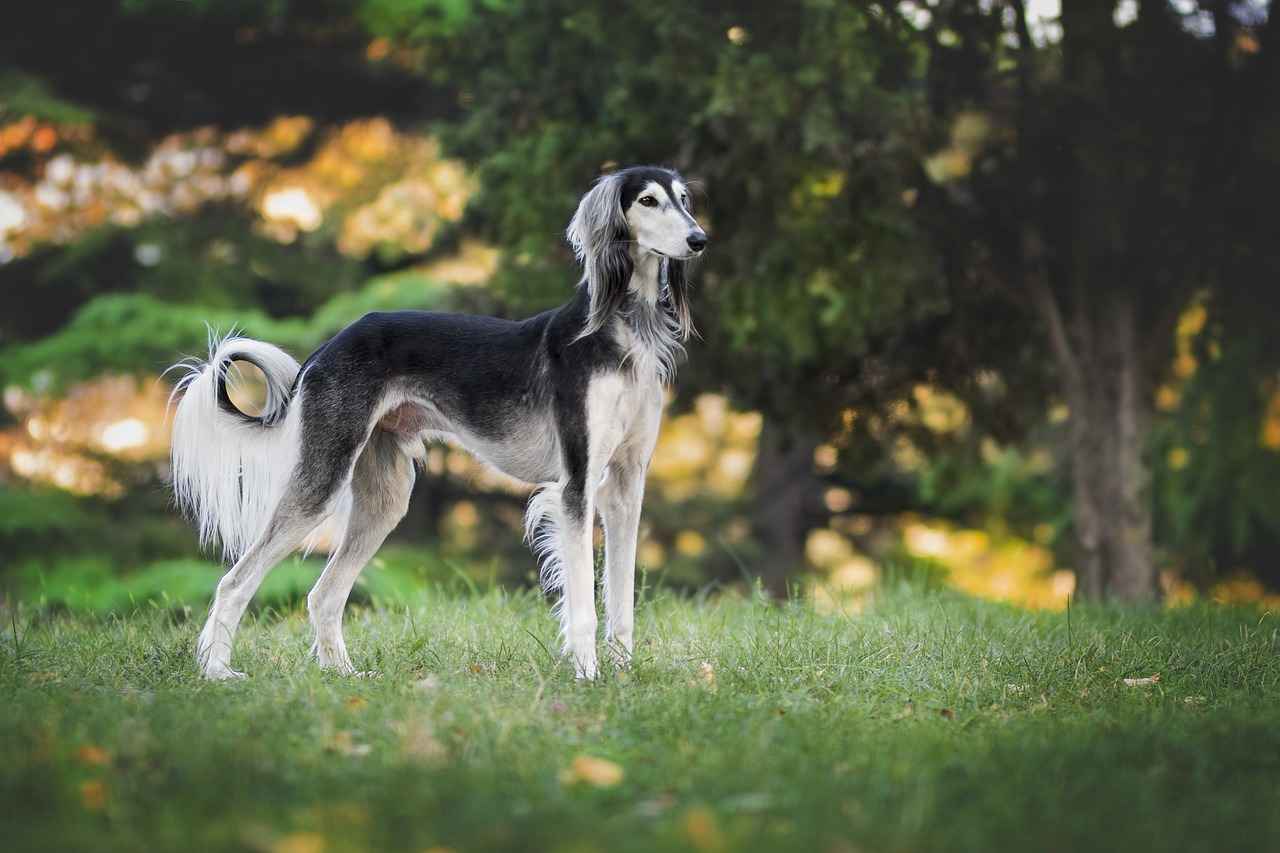
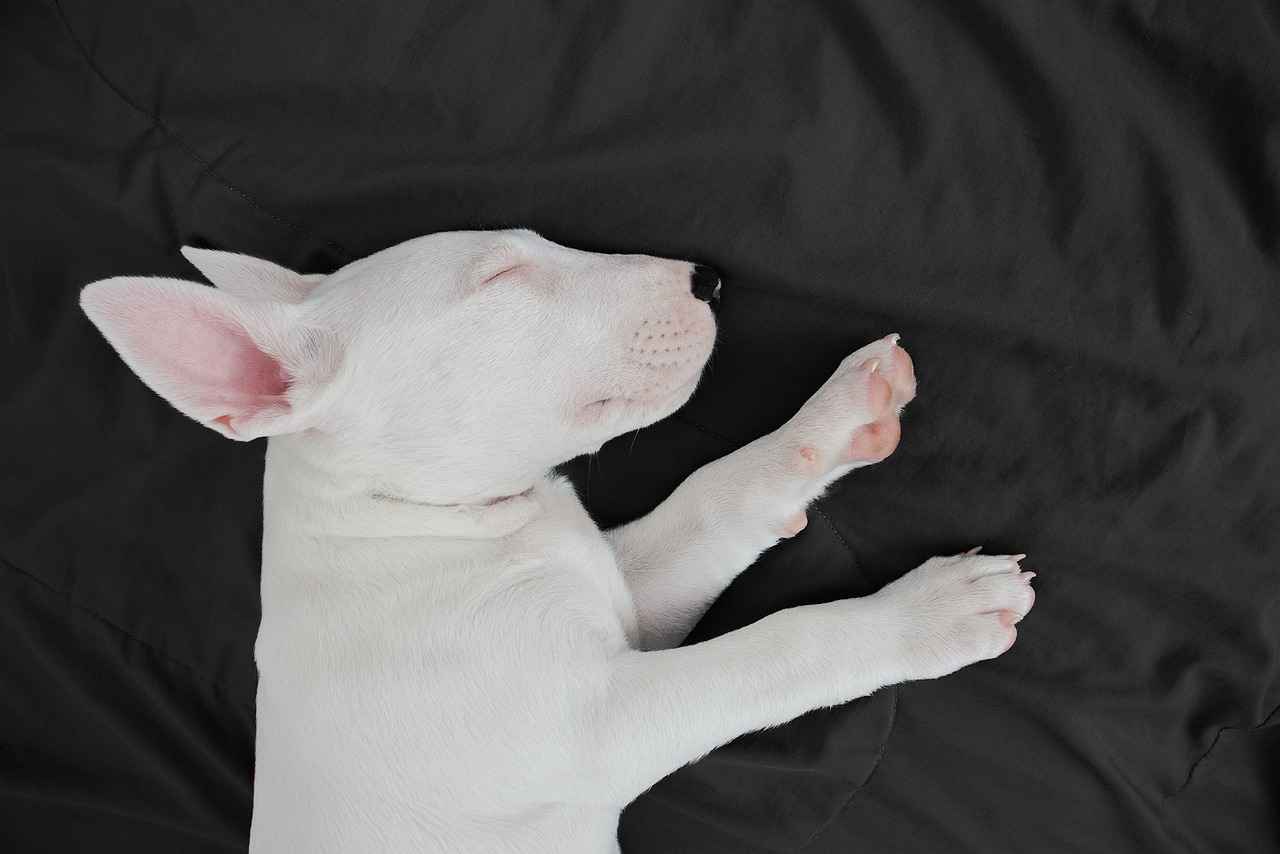
Have you ever wondered, why do dogs have wet noses? This peculiar trait is more than just a cute characteristic; it's a fascinating glimpse into a dog’s health and behavior. Many dog owners notice that their furry friends' noses are often damp, but what does it really mean? Wet noses are a sign of dog health and can even reflect their mood! In this post, we will explore the intriguing question of why dogs have wet noses and unveil the science behind this phenomenon. Could it be related to their sense of smell or do wet noses play a role in regulating their body temperature? You might be surprised to learn that a dog's nose is not just for sniffing. It also helps them interact with their environment in unique ways! If you’re a proud dog parent or simply a pet enthusiast, understanding this canine feature could deepen your bond with your four-legged companion. So, stick around as we uncover the fascinating truth behind those adorable, moist noses and what they reveal about your dog’s well-being. Don’t miss out; the answer might just blow your mind!
\n\nThe Science Behind Canine Nasal Moisture: Why Do Dogs Have Wet Noses?
\n\n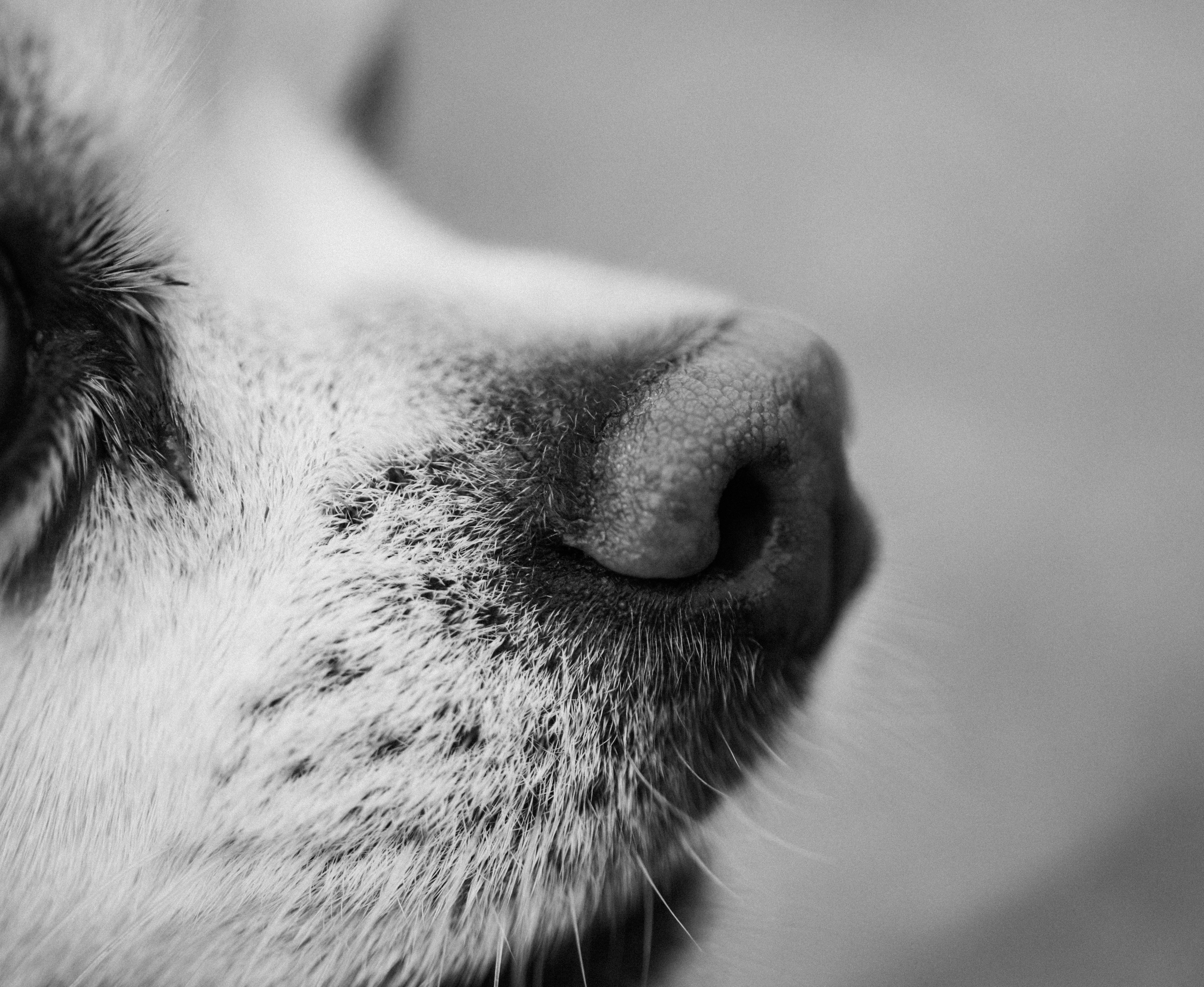 \n\n
\n\nDogs have long been our loyal companions, but there is one curious aspect about them that has puzzled many pet owners: why do dogs have wet noses? It's not just for show or a cute feature; there’s actually a scientific reasoning and some fascinating history behind it. Let’s dive into the science of canine nasal moisture and uncover the truth behind those slippery snouts!
\nThe Purpose of a Wet Nose
\nFirst off, a dog’s wet nose serves several important functions. The moisture on a dog's nose is primarily composed of mucus and water, which helps them in multiple ways:
\n- \n
- Enhanced Sense of Smell: Dogs have an incredible sense of smell, estimated to be between 10,000 to 100,000 times more sensitive than humans. The wetness on their noses helps to trap scent particles from the air, allowing them to sniff and analyze their surroundings more effectively. \n
- Temperature Regulation: Just like humans sweat through their skin, dogs use their noses to help regulate body temperature. The moisture evaporating from their noses can provide a cooling effect, especially when they are overheated. \n
- Health Indicator: A dog's nose temperature and moisture can be an indicator of their health. A dry or overly warm nose can sometimes suggest illness, while a wet, cool nose is often seen as a sign of a healthy dog. \n
Historical Context of Dog Noses
\nThe unique structure of a dog’s nose has evolved over thousands of years. Ancient breeds were developed for specific purposes, such as hunting, herding, and guarding. The moisture on their noses has always played a crucial role in their survival.
\n- \n
- Hunting Breeds: Dogs bred for hunting, like Bloodhounds, possess especially wet noses to help them track scents over long distances. Their ability to pick up on trails is largely due to the moisture that enhances their olfactory capabilities. \n
- Working Dogs: Breeds like German Shepherds and Belgian Malinois, often used in police and military work, also benefit from a wet nose, allowing them to perform tasks that require acute smell detection. \n
The Science of Canine Nasal Anatomy
\nThe anatomy of a dog’s nose is quite intricate. A dog's nose is covered in a thin layer of skin, which contains many tiny glands that produce moisture. This moisture is crucial for several reasons:
\n- \n
- Glandular Activity: Mucous glands in the nose secrete fluids that keep the nasal surfaces moist. This not only aids in scent detection but also helps to trap dust and allergens. \n
- Scent Receptors: Dogs have around 300 million scent receptors, compared to a human’s 5 million. The wetness helps these receptors function optimally. \n
- Surface Area: The structure of a dog’s nose increases the surface area for scent absorption. The moist surface can absorb more scent particles, enhancing their ability to detect scents. \n
Interesting Facts About Dog Noses
\n- \n
- Unique Patterns: Just like human fingerprints, each dog’s nose has a unique pattern of ridges and creases. This uniqueness can actually be used to identify dogs! \n
- Seasonal Changes: You may notice that a dog’s nose can be drier in winter and wetter in summer. This is due to environmental factors like humidity and temperature. \n
- Color Variation: The color of a dog’s nose can vary based on breed and genetics. While black noses are common, some breeds have liver-colored or even pink noses. \n
Practical Tips for Dog Owners
\nBeing aware of your dog’s nose condition can help you monitor their health. Here are some tips:
\n- \n
- Check for Consistency: Regularly check the moisture level of your dog’s nose. A sudden change could indicate a health issue. \n
- Hydration: Ensure your dog is well-hydrated, as this can affect the moisture level of their nose. \n
- Environmental Awareness: Be cautious of extreme weather conditions, which can impact your dog’s nose health. \n
Common Misconceptions
\nThere are several myths surrounding the wet noses of dogs:
\n- \n
- Myth 1: A wet nose means a dog is sick. (Not true! A healthy dog can have different moisture levels.) \n
- Myth 2: Dogs sweat through their noses. (Dogs actually sweat through their paw pads, not their noses.) \n
The moisture on a dog's nose is a complex yet fascinating aspect of their biology. It aids their sense of smell, helps regulate their body temperature, and serves as a health indicator. So next time you pet your furry friend, you can appreciate the science behind those wet noses! Understanding why dogs have wet noses adds another layer of appreciation for these beloved pets and their unique physiology.
\n\nTop 5 Fascinating Reasons Dogs' Noses Are Always Wet: Discover What You Didn't Know!
\n\n \n\n
\n\nDogs are truly amazing creatures, and one of their most fascinating features is their wet noses. You might have wondered why do dogs have wet noses? Well, there's more to it than just a cute, slushy touch. Here, we gonna explore the top 5 reasons why dogs’ noses stay wet, and you might just discover thing you didn’t know!
\n1. Enhanced Smell Abilities
\nDogs’ sense of smell is incredible—like, way better than humans. Their noses are equipped with special glands that produce moisture, which helps in trapping scent particles. When the nose is wet, it can absorb scents more effectively. This is why dogs can sniff out drugs, track humans, or even sense certain diseases in people!
\n- \n
- Dogs have up to 300 million smell receptors compared to a human's 5 million. \n
- Wet noses can absorb scent better, making it easier for dogs to identify what's around them. \n
2. Temperature Regulation
\nJust like humans sweat to cool down, dogs uses their noses to help regulate their body temperature. When a dog’s nose is wet, it helps them cool off, especially on hot days. It’s like a natural air conditioning system.
\n- \n
- Nasal moisture evaporates to help with cooling. \n
- Dogs don’t sweat like humans, so their noses play a significant role in keeping them comfortable. \n
3. Communication with Other Dogs
\nWet noses also play a role in how dogs communicate with each other. When a dog meets another dog, they often sniff each other’s noses. This behavior is part of their social interaction and helps them gather information about one another.
\n- \n
- Scent is fundamental to dog communication, and wet noses help carry these scents. \n
- Dogs can tell if another dog is happy, scared, or sick just by sniffing! \n
4. Health Indicator
\nA dog’s nose can also tell you a lot about their health. A healthy dog usually has a cool, moist nose. If you notice your dog’s nose is dry or cracked, it might indicate dehydration, fever, or even illness.
\n- \n
- Moisture level tells about hydration: A wet nose often means a dog is well-hydrated. \n
- Changes in temperature: A warm, dry nose can sometimes indicate a fever, although this isn’t always true. \n
5. Evolutionary Trait
\nThe wet nose of a dog is not just a random feature; it’s an evolutionary advantage. Dogs are descendants of wolves, and having a wet nose likely helped them in hunting and survival. Over time, this trait has been passed down through generations, making it a key part of what it means to be a dog.
\n- \n
- Survival Mechanism: Wet noses helped dogs track scents more effectively when hunting. \n
- Natural Selection: Those with better smelling abilities were more likely to survive and reproduce. \n
Fun Facts About Dogs' Noses
\n- \n
- Dogs have a unique nose print, much like a human fingerprint. \n
- The nose can come in various colors, and some breeds have distinctive markings. \n
- The wetness of a dog’s nose can vary throughout the day, depending on activity levels and environment. \n
Comparisons with Other Animals
\nDogs aren’t the only animals with wet noses. However, the reasons for moisture may differ:
\n- \n
- Cats: Their noses are also moist, but they use their sense of smell differently than dogs. \n
- Pigs: They have wet noses too, which helps in foraging and digging. \n
- Rhinoceroses: Their noses are wet to aid in temperature regulation just like dogs. \n
Practical Examples of Nose Use
\n- \n
- Tracking: Search-and-rescue dogs use their noses to locate missing persons, showcasing how essential a wet nose is for scent detection. \n
- Medical Detection: Some dogs are trained to sniff out diseases like cancer through scent detection, using their incredible noses. \n
So, why do dogs have wet noses? It's a blend of evolution, biology, and necessity, all working together to make dogs the amazing companions they are. The next time your furry friend gives you a wet-nosed nudge, you can appreciate the fascinating reasons behind that unique feature. Their wet noses are not just for show; they have a purpose and a history that enriches our understanding of these beloved pets.
\n\nDo Wet Noses Mean a Healthy Dog? Unveiling the Myth and the Truth!
\n\n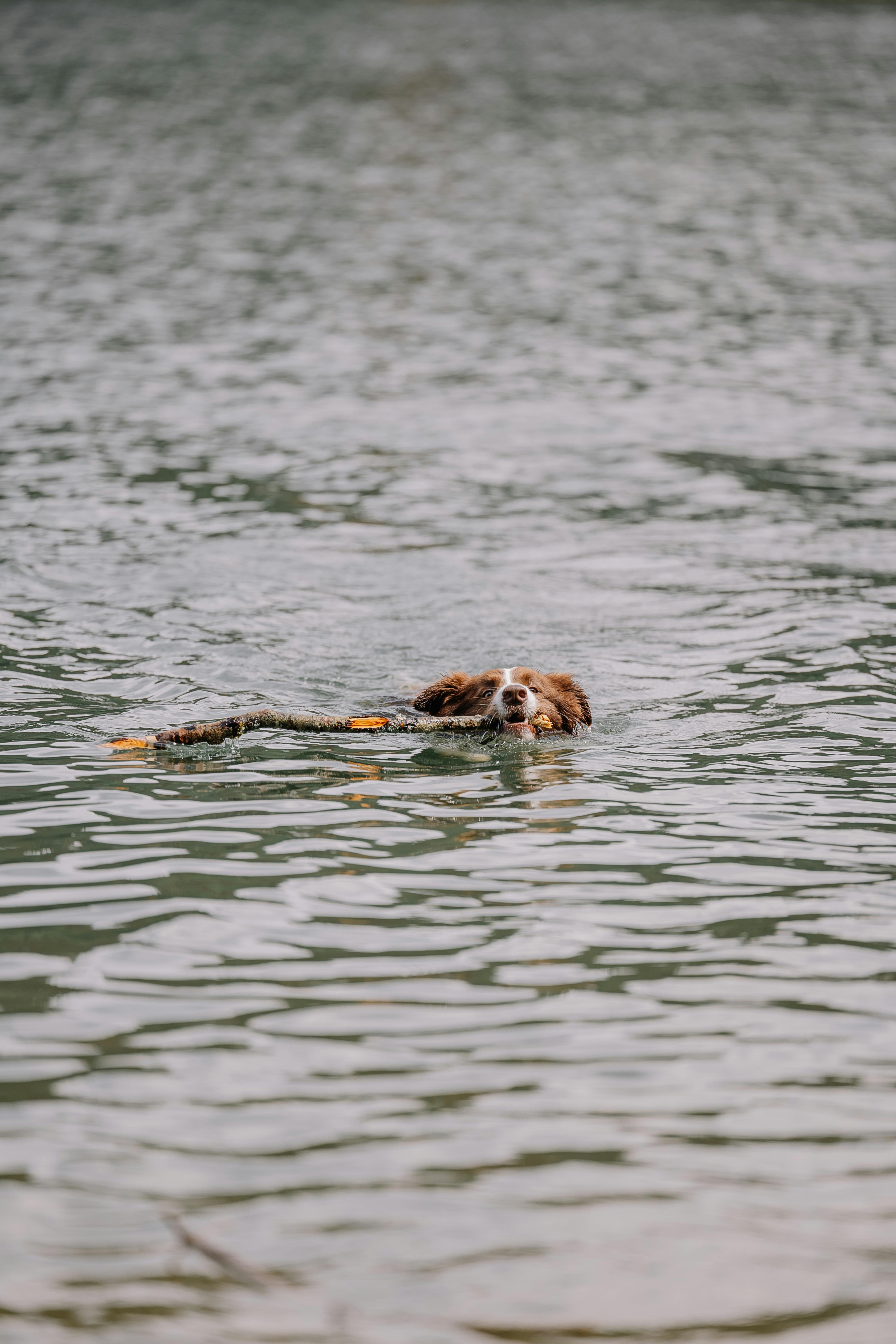 \n\n
\n\nWhen you see a dog with a wet nose, you might think, "Ah, that’s a healthy dog!" But is that really true? Many people, including pet owners, believe that a wet nose indicates a dog's overall health. However, the reality is a bit more complex than that. In this article, we will explore why do dogs have wet noses, if wet noses mean a healthy dog, and unravel some common myths surrounding this topic.
\nWhy Do Dogs Have Wet Noses?
\nThe wetness of a dog's nose is not just for show. There are several reasons why dogs have wet noses, and understanding these can help you take better care of your four-legged friend. Here’s a breakdown:
\n- \n
- \n
Cooling Mechanism: Dogs don’t sweat like humans. Instead, they pant to cool down. The moisture on their nose helps to regulate their body temperature. When the air evaporates from the wet surface, it cools the blood vessels close to the skin.
\n \n - \n
Enhanced Sense of Smell: A wet nose helps dogs pick up scents more effectively. The mucous on their nose traps scent particles, making it easier for them to detect odors. This is why dogs are so good at tracking and sniffing out things that humans can't.
\n \n - \n
Nasal Health: The moisture on a dog's nose keeps it healthy. It helps prevent the nose from cracking and drying out, which could lead to infections or other health issues.
\n \n - \n
Temperature Regulation: A dog’s nose serves as an indicator of their body temperature. A wet, cool nose might suggest a normal, healthy dog, while a dry, warm nose could indicate something is off. However, this is not always reliable as other factors play a role.
\n \n
Do Wet Noses Mean a Healthy Dog?
\nIt’s a common misconception that a wet nose is the ultimate sign of a healthy dog. However, this isn’t always the case. Here are some points to consider:
\n- \n
- \n
Variability: A dog’s nose can naturally vary from wet to dry throughout the day based on activity, climate, and stress levels. So just because a dog has a dry nose doesn’t mean they are sick.
\n \n - \n
Health Conditions: Certain health issues can cause a dog’s nose to become excessively dry. Conditions like fever, dehydration, or even skin allergies can lead to a dry nose.
\n \n - \n
Age Factor: Older dogs might have drier noses compared to puppies. Age-related changes can affect moisture levels.
\n \n - \n
Breed Differences: Some breeds tend to have drier noses than others. For example, bulldogs and pugs might have different moisture levels compared to retrievers or beagles.
\n \n
Common Myths About Dogs’ Noses
\nThere are many myths floating around about dogs' noses. Let’s debunk some of them:
\n- \n
- \n
Myth 1: A Dry Nose Means Illness: Not true! Dogs can have a dry nose and be perfectly healthy. Many factors contribute to nose moisture.
\n \n - \n
Myth 2: All Wet Noses are Healthy: Again, not necessarily. A wet nose can be a sign of health, but other symptoms should also be considered.
\n \n - \n
Myth 3: Dogs Sweat Through Their Noses: Dogs primarily sweat through their paw pads, not their noses.
\n \n
Practical Tips for Dog Owners
\nTo ensure your dog’s nose stays healthy, consider the following tips:
\n- \n
- \n
Hydration: Always provide fresh water to your dog. Proper hydration helps maintain moisture levels in the nose.
\n \n - \n
Regular Checkups: Routine vet visits can help catch any health issues early. Don't overlook changes in your dog’s nose!
\n \n - \n
Observe Behavior: If your dog starts to show signs of lethargy, loss of appetite, or other unusual behavior along with a dry nose, consult your vet.
\n \n - \n
Environmental Factors: Cold weather can cause a dog’s nose to dry out. Use a humidifier during winter months if necessary.
\n \n - \n
Diet Quality: Ensure your dog gets a well-balanced diet that supports their overall health, including skin and coat health.
\n \n
The next time you see a dog with a wet nose, remember that while it might be a sign of health, it’s not the only indicator. Understanding the complexity of why dogs have wet noses and their health can give you a better perspective on your furry friend’s well-being. Be observant, and always prioritize regular vet checkups for the best care possible!
\n\nHow Your Dog’s Wet Nose Plays a Crucial Role in Their Sense of Smell
\n\n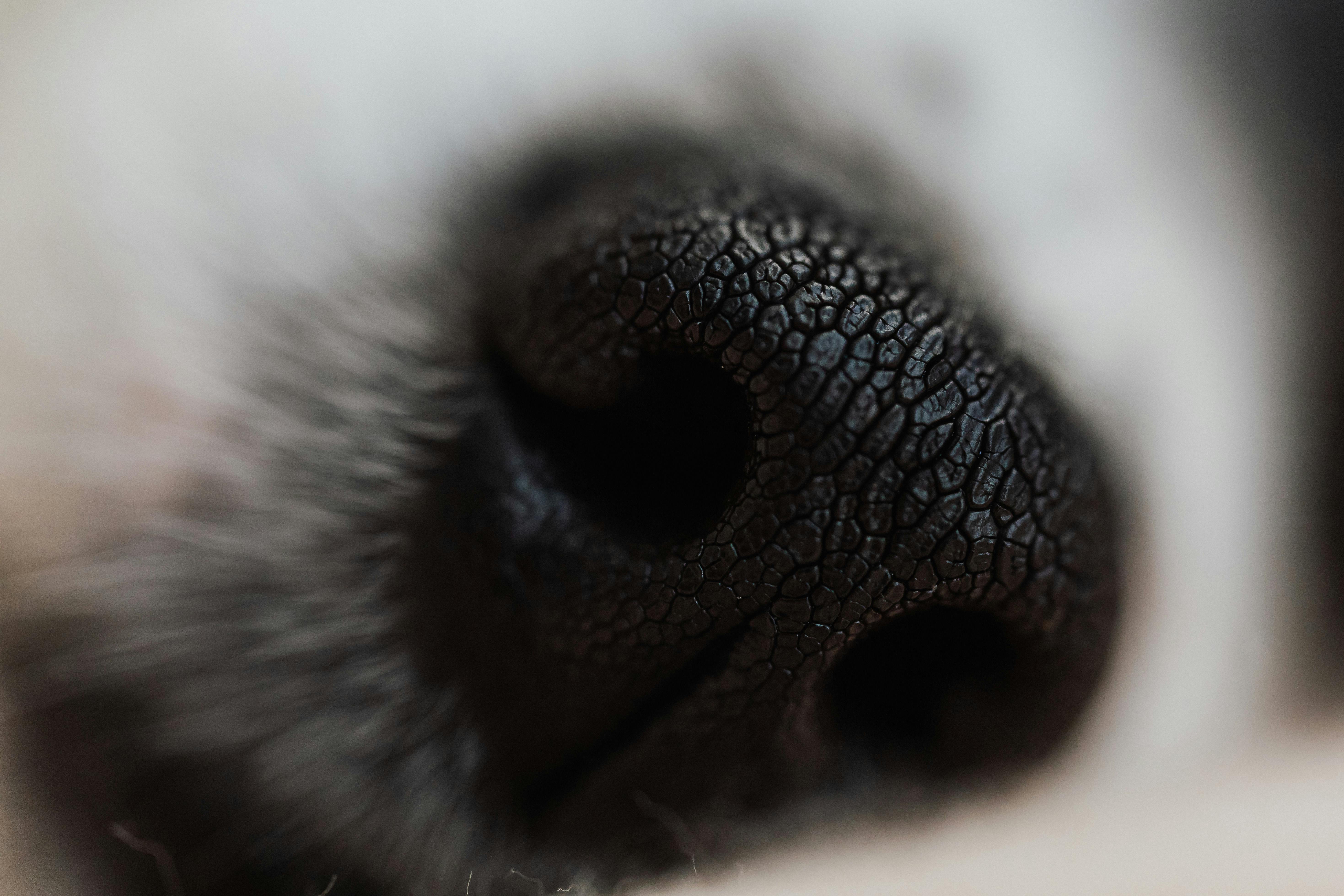 \n\n
\n\nDog lovers often wonder about the unique traits that make their furry friends so special. One of the most intriguing aspects of dogs is their wet noses. You might have asked yourself, "Why do dogs have wet noses?" The answer is not just interesting; it also reveals a lot about how dogs interact with the world around them.
\nThe Science Behind Wet Noses
\nA dog's nose is not only a cute feature; it's a powerhouse of sensory perception. Here's some stuff that explains why a wet nose is essential for dogs:
\n- \n
- Enhanced Sense of Smell: Dogs have an incredible sense of smell, estimated to be between 10,000 to 100,000 times more sensitive than humans. The moisture on their noses helps capture scent particles from the air, allowing them to detect smells more effectively. \n
- Cooling Mechanism: Just like people sweat to cool down, dogs lose heat through their noses. The wetness can help regulate their body temperature, especially when they are active or it’s hot outside. \n
- Health Indicator: A dog’s nose can change with their health. A wet nose is often a sign of a healthy and happy dog, while a dry nose may indicate dehydration or illness. \n
Why Are Dogs' Noses Wet?
\nYou might be curious about why dog noses are typically wet. Well, it turns out that this wetness serves multiple purposes:
\n- \n
- Scent Enhancement: The moisture helps scents stick to the nose better, enhancing their ability to smell. \n
- Communication Tool: Dogs can also communicate through their scents. A wet nose can help them leave scent markers when they meet other dogs or animals. \n
- Environmental Interaction: A wet nose can gather more information about the environment. Dogs often sniff around with their noses to learn about their surroundings, and the wetness aids this process. \n
The Role of Mucus
\nThe wetness of a dog's nose comes from a thin layer of mucus. This mucus has some fascinating properties:
\n- \n
- Trap Particles: The mucus can trap dust and other particles, preventing those from entering the dog’s respiratory system. \n
- Chemical Detection: Certain chemicals in the mucus can help enhance a dog’s ability to detect pheromones and other scents. \n
Historical Context: Why Do Dogs Have Wet Noses?
\nDogs have been companions to humans for thousands of years. Over time, their noses have evolved to be more efficient. Here’s how:
\n- \n
- Evolutionary Advantage: The ancestors of modern dogs, wolves, relied heavily on their sense of smell to hunt and survive. This trait carried over to domesticated dogs, making a wet nose a beneficial adaptation. \n
- Selective Breeding: Humans have bred dogs for specific traits, including excellent olfactory capabilities. Many breeds have exceptionally wet noses, which enhance their ability to perform tasks like tracking or search and rescue. \n
Fun Facts About Dog Noses
\nDid you know that dog noses are as unique as fingerprints? Here are some more fun facts:
\n- \n
- Nose Prints: Just like human fingerprints, each dog has a unique nose print that can be used for identification. \n
- Temperature Regulation: Dogs do not sweat like humans, but their noses aid in keeping them cool by evaporating moisture. \n
- Sniffer Dogs: Dogs are trained for various roles due to their keen sense of smell, including search and rescue, drug detection, and even cancer detection. \n
The Importance of Nose Health
\nMaintaining a healthy nose is crucial for your dog. Here are some things to keep in mind:
\n- \n
- Hydration: Make sure your dog has access to fresh water. A dehydrated dog can have a dry nose, which may indicate health issues. \n
- Regular Checkups: Regular vet visits can help detect any potential health problems associated with your dog’s nose. \n
- Watch for Changes: If your dog’s nose changes color, becomes excessively dry or cracked, you should consult a veterinarian. \n
Caring for Your Dog’s Nose
\nTo keep your dog’s nose in top condition, consider these tips:
\n- \n
- Regular Cleaning: Occasionally wipe your dog’s nose with a damp cloth to remove any dirt or debris. \n
- Healthy Diet: Ensure your dog is eating a balanced diet to support overall health, including their nose. \n
- Limit Exposure: Protect your dog’s nose from harsh weather conditions, like extreme heat or cold, which can cause dryness. \n
Understanding why dogs have wet noses gives you insight into their health and well-being. It's not just an adorable trait; it’s a vital part of their sensory and communicative abilities. The next time you see your dog’s wet nose, remember the fascinating truth behind it!
\n\nThe Surprising Benefits of a Wet Nose: What It Means for Your Dog’s Health
\n\n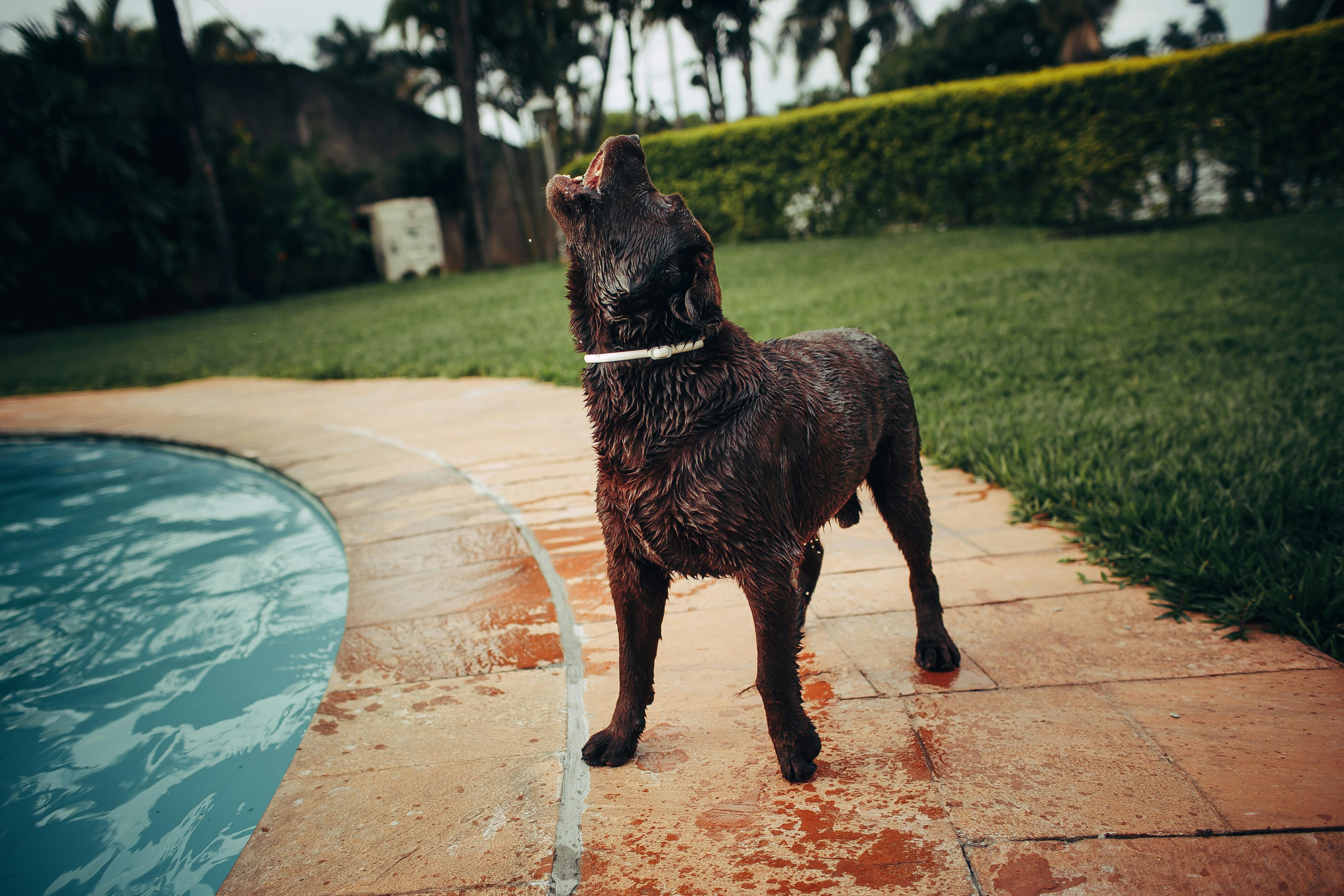 \n\n
\n\nHave you ever wondered why dogs have wet noses? It’s like a constant puzzle for many pet owners. Is it just a cute quirk, or does it have deeper significance? Well, turns out, there’s more to your furry friend’s wet nose than meets the eye! Understanding this feature can provides insight into your dog’s health and well-being. Let’s dive into the surprising benefits of a wet nose and uncover the fascinating truth behind this canine characteristic.
\nWhy Do Dogs Have Wet Noses?
\nDogs have wet noses for several reasons, and each one is pretty interesting. The moisture on a dog’s nose is a result of their unique anatomy and behavior. Here are some key points:
\n- \n
- Temperature Regulation: Dogs don't sweat like humans do. Instead, they rely on their noses to help regulate body heat. When it’s hot, the moisture evaporates, cooling them down. \n
- Enhanced Sense of Smell: A wet nose helps to capture scent particles in the air. This makes dogs’ sense of smell incredibly powerful. It’s estimated that dogs can smell anywhere from 10,000 to 100,000 times better than humans. \n
- Health Indicator: The condition of a dog’s nose can indicate their health. A wet, cool nose is often seen as a sign of a healthy pooch. Conversely, a dry or cracked nose might suggest dehydration or illness. \n
The Benefits of a Wet Nose
\nUnderstanding the benefits of a wet nose is important for any dog owner. Here are several surprising advantages:
\n- \n
- \n
Improved Scent Detection: As mentioned, the moisture helps dogs pick up on more scents. This is crucial for working dogs like search and rescue, therapy, or detection dogs. They rely on their noses to do their jobs effectively.
\n \n - \n
Cooling Mechanism: Dogs can’t sweat, so their noses play a vital role in thermoregulation. A wet nose can helps them cool down after running or playing, preventing overheating.
\n \n - \n
Social Communication: Dogs use their noses to communicate with each other and with humans. A wet nose can indicate friendliness and approachability. When a dog nudges you with their nose, they might be trying to engage with you or seek attention.
\n \n - \n
Hydration Status: A wet nose often indicates that a dog is well-hydrated. If your pup’s nose is dry, it might be time to offer them some water or check for signs of dehydration.
\n \n - \n
Infection Detection: A dog’s wet nose can also help them detect infections in other animals or even humans. They can sense changes in body chemistry, which can be useful in many situations.
\n \n
Common Myths About Dog Noses
\nThere are many misconceptions surrounding dog noses. Let’s clear some of them up:
\n- \n
- \n
Myth 1: A dry nose means a dog is sick.
\n
\nReality: Not all dogs have the same nose moisture. Some can have naturally dry noses and still be perfectly healthy. \n - \n
Myth 2: Dogs’ noses are always wet.
\n
\nReality: Noses can change moisture levels throughout the day depending on the environment and the dog’s activity. \n - \n
Myth 3: A cold nose means a dog is healthy.
\n
\nReality: While many healthy dogs have cool, wet noses, temperature alone isn’t a definitive health indicator. \n
What to Look For
\nWhen monitoring your dog’s nose, keep an eye on these factors:
\n- \n
- Moisture Level: Is it wet, dry, or cracked? \n
- Temperature: Is it cool to the touch or warm? \n
- Color: Is it a healthy pink, or does it have any discoloration? \n
- Texture: Is it smooth or rough? \n
When to Consult a Vet
\nIt’s always good to be proactive about your dog’s health. Consider visiting a vet if you notice:
\n- \n
- Persistent dryness or cracking. \n
- Changes in color or texture. \n
- Other signs of illness, like lethargy or loss of appetite. \n
Understanding your dog’s wet nose can help you to keep them healthy. It’s not just a random feature; it serves vital functions that contribute to their overall well-being. So next time you’re cuddling with your furry friend, take a moment to appreciate that wet nose! It’s a small but significant part of what makes dogs so special. Keeping an eye on it can help you ensure your dog remains happy and healthy.
\n\nWhy Are Some Dogs' Noses Wetter Than Others? Exploring Breed Differences
\n\n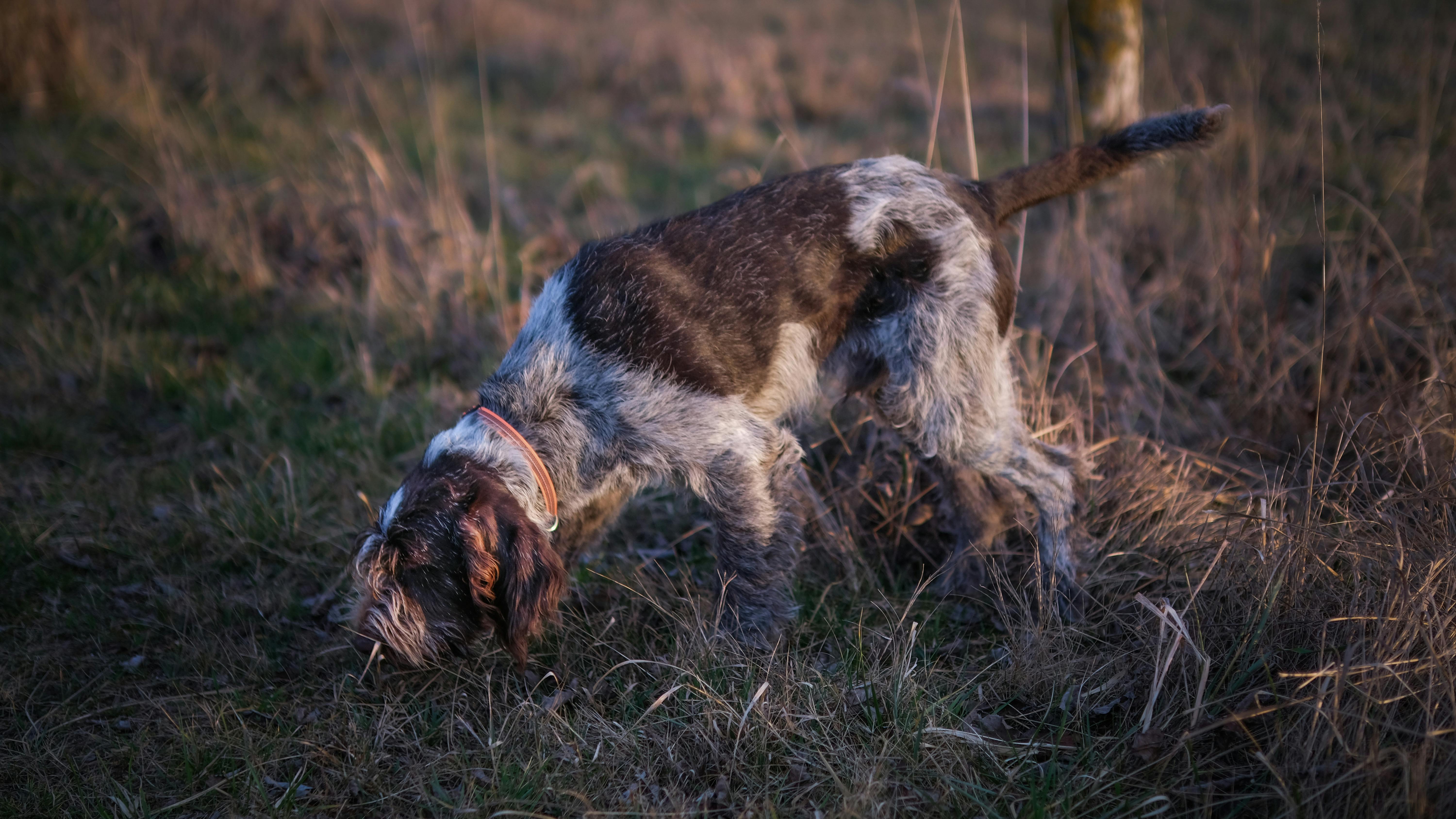 \n\n
\n\nHave you ever noticed how some dogs have noses that seem wetter than others? It's kind of strange, right? You might be thinking, "Why do dogs have wet noses?" and "Are there differences between breeds?" Well, you're in luck! This article delves into the fascinating truth behind those moist little snouts and explores how and why they vary from one dog to another.
\nWhy Do Dogs Have Wet Noses?
\nDogs have wet noses for a few different reasons. First off, a wet nose is like a natural thermometer. It helps dogs regulate their body temperature. When a dog's nose is moist, it can cool down more effectively, which is super important, especially in the heat. Also, wet noses are great for scent detection. Dogs have a fantastic sense of smell, and moisture in the air helps them pick up scents better. When their noses are damp, they can absorb more odor particles, enhancing their ability to sniff things out.
\nBreed Differences in Nose Moisture
\nNot all dogs are created equal, and that applies to their noses too! Some breeds have noticeably wetter noses, while others might have drier ones. Here’s a quick rundown of how breed differences can affect nose moisture:
\n- \n
- Retrievers (like Labrador and Golden Retrievers): Generally have wet noses. Their moisture helps them retrieve game from water. \n
- Bulldogs: Often have drier noses. Their short snouts make it harder for moisture to stay. \n
- Sighthounds (like Greyhounds): They can have a variety of nose conditions. Some are wet, others can be dry due to their unique skin structure. \n
- Hounds: Many hound breeds have wet noses. They rely heavily on their sense of smell, so it’s important! \n
- Terriers: This group can vary. Some have wetter noses, while others like the Boston Terrier might have drier noses. \n
Factors Affecting Nose Moisture
\nSeveral factors can influence how wet a dog's nose is. These include:
\n- \n
- Environment: Humidity levels can play a big role. In dry weather, noses might dry up more quickly. \n
- Health: A wet nose is often a sign of good health. If a dog has a persistently dry nose, it could be a sign of dehydration or illness. \n
- Age: Puppies tend to have wetter noses than older dogs. As dogs age, their nose moisture can change. \n
- Activity Level: An active dog might have a wetter nose after exercise compared to a couch potato. \n
The Science Behind Nose Moisture
\nThe moisture on a dog's nose comes from two primary sources: mucous membranes and environmental factors. The surface of the nose is covered with a specialized skin that secretes a thin layer of mucus. This mucus serves multiple purposes:
\n- \n
- Thermoregulation: Helps keep the dog cool. \n
- Scent Enhancement: Aids in the detection of scents. \n
- Protection: Moisture can protect the nose from cracking and drying out. \n
Common Myths About Dog Noses
\nMany myths circulate about dog noses, and it's time to clear some of them up!
\n- \n
- \n
Myth: A dry nose means a dog is sick.
\n
\nReality: Not necessarily! Dogs' noses can be dry for many reasons, including weather conditions or after sleeping. \n - \n
Myth: All wet noses are a sign of good health.
\n
\nReality: While a wet nose is often associated with health, it’s not a definitive indicator. Other symptoms should be considered too. \n - \n
Myth: Dogs' noses change color with their mood.
\n
\nReality: A dog's nose color can change due to temperature, health, or even breed characteristics, but it doesn't necessarily reflect their feelings. \n
Fun Facts About Dogs' Noses
\n- \n
- Dogs have about 220 million scent receptors in their noses, compared to humans who have around 5 million. \n
- The shape and size of a dog’s nose can actually determine how well they can smell. Wider noses usually mean better scent detection. \n
- Dogs can differentiate between a wide range of smells, even identifying specific scents in a mixture. \n
Understanding why some dogs have wetter noses than others and the function behind that moisture can be quite enlightening. It's a unique aspect of canine biology that reflects their adaptability and specialized senses. So next time you pet your furry friend, take a moment to appreciate that wet nose and all it represents!
\n\nCan a Dog’s Wet Nose Indicate Illness? Learn the Warning Signs to Watch For
\n\n \n\n
\n\nWhen you think about dogs, one of the first things that come to mind is probably their adorable wet noses. But have you ever wonder if a dog’s wet nose can indicate illness? Many pet owners worry about their furry friends and often look for signs of health issues. Understanding the reasons behind a dog’s wet nose and what warning signs to watch for can help you keep your canine companion happy and healthy.
\nWhy Do Dogs Have Wet Noses?
\nDogs’ noses are naturally moist, and this wetness serves several purposes. First off, it helps them to smell better. Their noses have special glands that produce a thin film of mucus, which helps to capture scent particles. This is why dogs are so good at sniffing things out—they can sense smells that humans can’t even imagine.
\nAlso, a wet nose can help regulate a dog’s temperature. Just like humans sweat to cool down, dogs can absorb heat through their noses. When a dog pants, moisture from their breath can then evaporate, helping to lower their body temperature.
\nHere’s a quick breakdown of why dogs have wet noses:
\n- \n
- Enhanced Smell: Wetness helps to capture scent particles. \n
- Temperature Regulation: Helps cool the body down. \n
- Health Indicator: Changes in moisture can signal health issues. \n
Can a Dog’s Wet Nose Indicate Illness?
\nSo, can a dog’s wet nose indicate illness? Yes, it can, but it’s not always a definitive sign. A healthy dog usually has a moist and cool nose, but there are exceptions. For instance, some breeds may naturally have drier noses. It’s important to watch for other warning signs.
\nWarning Signs to Watch For:
\n- \n
- Dry or Cracked Nose: Could indicate dehydration or illness. \n
- Excessive Moisture: An overly wet nose can be a sign of allergies or infection. \n
- Discoloration: Changes in color might signal an underlying health issue. \n
- Nasal Discharge: If there’s discharge, especially pus, it could mean infection. \n
- Behavioral Changes: If your dog is lethargic or not eating, that’s a bigger concern. \n
Fascinating Facts About Dog Noses
\nDid you know that dogs have incredible noses? Here’s some fascinating trivia that highlights just how unique their sense of smell is:
\n- \n
- Number of Olfactory Receptors: Dogs have about 220 million olfactory receptors, compared to humans who have only about 5 million. \n
- Smell Memory: Dogs can remember scents for years, which is why they can recognize familiar people or places long after their last visit. \n
- Scent Discrimination: Dogs can distinguish between different smells even if they are mixed together, making them excellent search and rescue animals. \n
- Wet Noses and Health: A dog's nose can change with its health status. For example, a healthy dog’s nose might be wet and cool, but if they’re sick, it can become dry and warm. \n
Keeping an Eye on Your Dog's Health
\nMonitoring your dog’s nose is just one part of keeping an eye on their health. Here are some other things you should do:
\n- \n
- Regular Vet Check-Ups: Annual vet visits can catch potential problems before they become serious. \n
- Watch for Changes: Any sudden changes in behavior or physical appearance should be reported to a vet. \n
- Proper Hydration: Make sure your dog always has access to clean, fresh water to prevent dehydration. \n
- Healthy Diet: A balanced diet helps maintain overall health, including skin and nose condition. \n
Final Thoughts
\nA dog’s wet nose is more than just a cute feature; it serves important functions for their health and senses. While a wet nose is often a sign of a healthy pup, changes in moisture and condition can indicate underlying health issues. By staying observant and understanding the signs of potential problems, you can help to ensure your furry friend remains in great health. If you notice any concerning signs, don’t hesitate to reach out to your veterinarian for advice. Always remember, a happy dog is a healthy dog!
\n\nThe Connection Between a Wet Nose and Temperature Regulation in Dogs
\n\n \n\n
\n\nDogs are wonderful companions, and their unique traits often lead to fascinating questions. One of those questions is, why do dogs have wet noses? This isn't just a quirky characteristic; it has some deep connections to how dogs regulate their body temperature and stay healthy. Let’s dive into this wet nose phenomenon and explore the interesting truth behind it!
\nThe Importance of a Wet Nose
\nA dog's nose is not just cute; it serves several important functions. The wetness of a dog's nose helps in temperature regulation and enhances their sense of smell. Here’s how it works:
\n- \n
- \n
Cooling Mechanism: Dogs don’t sweat like humans do. They rely on their noses to help cool down. When a dog licks its nose, it creates moisture which evaporates, cooling the blood vessels in the nose and ultimately helping to lower their body temperature.
\n \n - \n
Enhanced Sense of Smell: The moisture on a dog's nose captures scent particles from the air. This is why dogs are often used in search and rescue operations or in detecting substances; their noses are highly tuned instruments, and wetness plays a crucial role in that.
\n \n - \n
Health Indicator: A wet nose can be a sign of a healthy dog. However, if a dog’s nose suddenly becomes dry or cracked, it might be an indication of health issues such as fever or dehydration.
\n \n
Why Are Dog Noses Wet?
\nSo, why do dogs have wet noses? The answer lies in both anatomy and behavior:
\n- \n
- \n
Anatomical Structure: Dog noses are covered in a thin layer of mucous membrane. This membrane helps maintain moisture, which is essential for both scent detection and temperature regulation.
\n \n - \n
Behavioral Aspect: Dogs often lick their noses. This behavior helps keep the nose moist and can also be a sign of anxiety or anticipation, especially when they're curious about something.
\n \n
Fun Facts About Dog Noses
\nHere are some interesting facts that highlight how unique dog noses are:
\n- \n
- \n
Unique Patterns: Just like human fingerprints, every dog has a unique nose print. This could potentially be used for identification.
\n \n - \n
Temperature Sensitivity: Dogs can detect temperature changes and scents better when their noses are moist. It’s thought that this is why you’ll often see dogs sniffing around when they’re outdoors.
\n \n - \n
Variety in Shapes: Different dog breeds have different nose shapes and sizes, which can affect their scent-detecting abilities. Breeds like Bloodhounds have long, droopy noses that enhance their olfactory senses.
\n \n
Comparisons of Dog Noses to Human Noses
\nWhile both humans and dogs have noses, there are significant differences:
\n- \n
- \n
Functionality: Human noses primarily serve the purpose of breathing and smelling, but dogs' noses are incredibly more sensitive. A dog’s sense of smell is estimated to be 10,000 to 100,000 times more acute than that of humans.
\n \n - \n
Moisture Levels: Human noses can become dry, particularly in cold weather or due to dehydration, whereas dogs maintain moisture through licking.
\n \n - \n
Sweating: Unlike humans, dogs don't sweat through their noses but rather through their paw pads. This makes their nose even more crucial for temperature regulation.
\n \n
Temperature Regulation in Dogs
\nDogs primarily regulate their body temperatures through panting and their noses. Here’s a breakdown of how this works:
\n- \n
- \n
Panting: When a dog pants, it evaporates moisture from the tongue and respiratory tract, which helps cool the body.
\n \n - \n
Nasal Cooling: The wetness on a dog’s nose not only helps with scent detection but also plays an essential role in cooling the dog down when it’s hot outside.
\n \n - \n
Heat Sensitivity: Dogs can easily overheat, especially in warm weather. This makes their wet noses even more crucial during the summer months.
\n \n
Practical Examples of Nose Care
\nKeeping your dog’s nose healthy is important. Here are some tips:
\n- \n
- \n
Hydration: Ensure your dog always has access to fresh water to prevent dehydration.
\n \n - \n
Humidity: In dry climates, consider using a humidifier in your home to help keep your dog’s nose moist.
\n \n - \n
Regular Vet Check-ups: If you notice any unusual changes in your dog’s nose, like persistent dryness or cracks, consult your veterinarian.
\n \n
Understanding the connection between a wet nose and temperature regulation in dogs reveals why this feature is so important. The wetness not only aids in their sense of smell but also plays a vital role in keeping them cool and healthy. So, next time you see your furry friend with a shiny, wet nose, you’ll know it’s more than just cute—it’s a crucial part of their wellbeing!
\n\nFascinating Facts About Dog Noses: Why Wetness Matters More Than You Think!
\n\n \n\n
\n\nDogs, those loyal companions, has fascinated us for centuries. One of their most intriguing features is their noses. Ever wondered why do dogs have wet noses? It’s not just cute; it’s actually essential for their health and well-being. Let’s dive into some fascinating facts about dog noses and discover why wetness matters more than you might think!
\nThe Science Behind Wet Noses
\nDog noses are more than mere sniffing tools. They are sophisticated organs capable of detecting many smells, and the moisture on their surface plays a crucial role in this process. The wetness helps enhance their sense of smell by trapping scent particles. When a dog's nose is wet, it can absorb these particles more effectively, allowing them to identify various scents, from food to danger.
\nThe Importance of Moisture
\nSo, why do dogs have wet noses? It's simple! Moisture keeps their olfactory receptors functioning optimally. Here’s how:
\n- \n
- Increased scent absorption: A wet nose can capture more scent particles. \n
- Temperature regulation: Wetness helps cool down the dog, especially during hot weather. \n
- Health indicator: A healthy dog typically has a moist nose. Changes in this condition can signal health issues. \n
Historical Context of the Dog Nose
\nIf we look back in history, dogs have been domesticated for thousands of years. Ancient civilizations recognized their exceptional sense of smell, using them for hunting, tracking, and even in search and rescue operations. Even today, dogs are employed in police and military work because of their extraordinary olfactory abilities.
\nFun Facts About Dog Noses
\nHere are some intriguing tidbits about dog noses that you might not know:
\n- \n
- Unique Patterns: Just like human fingerprints, every dog has a unique nose print. \n
- Sniffing Speed: Dogs can sniff up to 100,000 times better than humans, depending on the breed. \n
- Nasal Anatomy: A dog's nose contains over 300 million smell receptors, compared to about six million in humans. \n
- Breeds Matter: Some breeds, like Bloodhounds, have an exceptional sense of smell, which is why they are often used in search and rescue missions. \n
How Wet Noses Affect Behavior
\nInterestingly, a dog's nose moisture can impact its behavior. Here’s how:
\n- \n
- Social Interaction: Dogs often greet each other by sniffing noses. The wetness of the nose helps them gather information about each other. \n
- Anxiety Indicators: A dry nose can indicate stress or illness. So, if your dog's nose suddenly gets dry, consider consulting your vet. \n
- Playfulness: Healthy, wet noses can mean a happy, playful dog! \n
Comparing Dog Noses to Human Noses
\nLet’s compare the two for a clearer understanding:
\n| Feature | \nDog Nose | \nHuman Nose | \n
|---|---|---|
| Scent receptors | \nOver 300 million | \nAbout 6 million | \n
| Moisture importance | \nEssential for smell absorption | \nLess critical | \n
| Unique identifiers | \nUnique nose prints | \nNo unique identifiers | \n
| Functionality | \nHunting, tracking, and signaling | \nBreathing and smelling | \n
Practical Tips for Keeping Your Dog’s Nose Healthy
\nHere’s how you can help maintain your dog’s nose in optimal condition:
\n- \n
- Hydration: Ensure your dog drinks plenty of water. \n
- Environment: Avoid exposing your dog to extreme temperatures for long periods. \n
- Regular Vet Check-ups: Monitor changes in the nose’s moisture level and consult a vet for any concerns. \n
Common Myths About Dog Noses
\nThere are many misconceptions about dog noses. Let’s debunk a few:
\n- \n
- A dry nose always means illness: While it can be a sign of health issues, many factors affect nose moisture. \n
- All dogs have wet noses: Some breeds may naturally have drier noses due to genetic factors. \n
- Nose temperature indicates health: A warm or cold nose doesn't necessarily mean a dog is sick. \n
Now that you know the truth about why do dogs have wet noses, it’s clear that it’s not just a quirky characteristic but an essential aspect of their biology. The moisture on a dog’s nose plays a vital role in their ability to interact with the world, keeps them healthy, and reflects their emotional state. So, the next time you pet your dog and feel that wet nose, remember all the fascinating science behind it!
\n\nHow to Keep Your Dog’s Nose Healthy: Tips for Maintaining Optimal Moisture Levels
\n\n \n\n
\n\nDog owners often wonder about their furry friends' health, especially when it comes to those adorable wet noses. You might be asking, "Why do dogs have wet noses?" or "How can I keep my dog's nose healthy?" It's an interesting topic that combines biology with a bit of care, and understanding it can help ensure your pooch stays happy and well.
\nWhy Do Dogs Have Wet Noses?
\nDogs noses are typically wet for a few reasons. First, a wet nose helps dogs smell better. It increases the surface area for scent particles to stick to, which can help dogs detect smells more effectively. A wet nose absorbs scents more easily than a dry one, making it crucial for their hunting and foraging instincts. Dogs also have special glands in their noses that produce moisture, which is why you often feel that cool, damp sensation when you give your pup a good pet.
\nAnother reason why dogs have wet noses links to thermoregulation. While dogs primarily cool off through panting, a moist nose helps them regulate their body temperature too. It’s a fascinating biological feature that serves multiple purposes!
\nHow to Keep Your Dog’s Nose Healthy: Tips for Maintaining Optimal Moisture Levels
\nKeeping your dog’s nose healthy is important for their overall well-being. A dry, cracked nose can be a sign of dehydration, illness, or environmental factors. Here are some simple tips to help maintain optimal moisture levels:
\n- \n
- Hydration is Key: Make sure your dog has access to fresh, clean water at all times. Dehydration can lead to a dry nose. \n
- Humid Environment: If you live in a dry climate, consider using a humidifier in your home, especially during winter months. \n
- Regular Check-ups: Routine veterinary visits can help catch any health issues that might affect your dog's nose. \n
- Sun Protection: Just like humans, dogs can get sunburned. If your dog has a light-colored or thinly furred nose, consider using a pet-safe sunscreen. \n
- Nose Balms: There are products specifically designed to moisturize and protect your dog's nose. Look for those with natural ingredients. \n
Common Nose Conditions in Dogs
\nDogs can experience various conditions related to their noses, some of which require veterinary care. Here's a quick list of common issues you might encounter:
\n- \n
- Dry Nose: This can be due to various reasons, such as dehydration or allergies. \n
- Cracked Nose: Often caused by extreme weather or lack of moisture. \n
- Nasal Discharge: This might indicate an infection or other health problems. \n
- Nasal Tumors: Though rare, tumors can develop in the nasal passage and require immediate attention. \n
Comparing Wet & Dry Noses: What’s Normal?
\nNot all wet noses are created equal. Here’s a simple table comparing different states of dog noses:
\n| Condition | \nCharacteristics | \nPotential Causes | \n
|---|---|---|
| Wet Nose | \nCool to touch, moist | \nNormal, healthy state | \n
| Dry Nose | \nWarm, dry, possibly cracked | \nDehydration, environmental factors | \n
| Excessively Wet | \nConsistently wet, dripping | \nPossible infection or allergies | \n
It’s essential to monitor your dog’s nose regularly. A healthy, moist nose can be a good indicator of overall health, but it’s not the only one. Other factors like energy levels, appetite, and behavior should also be observed.
\nFun Facts About Dog Noses
\nDid you know that dog noses are as unique as human fingerprints? Here some fun facts that you might not know:
\n- \n
- Dogs have about 300 million scent receptors in their noses compared to about 6 million in humans. \n
- The shape of a dog’s nose can tell you a lot about its breed; some breeds have longer noses that enhance their smelling abilities. \n
- A dog’s sense of smell is so powerful that it can even detect certain diseases, like cancer, in humans. \n
Understanding what keeps their noses healthy and why they're generally wet can help you care for your dog better. Regular hydration, protecting them from harsh weather, and routine vet checks can ensure your dog's nose stays in optimal condition.
\nBy paying attention to the signs and providing the right care, you can help your furry friend enjoy a long, healthy life. After all, a happy dog is a healthy dog!
\n\nConclusion
\n\nIn conclusion, the wet noses of dogs serve several important purposes that contribute to their overall health and behavior. The moisture on their noses helps enhance their sense of smell, allowing them to detect scents more effectively, which is crucial for communication and environmental awareness. Additionally, a wet nose plays a role in thermoregulation, helping dogs to cool down and maintain their body temperature. While a wet nose is often seen as a sign of a healthy dog, it's essential to remember that individual variations exist, and factors like dehydration or illness can lead to changes in nose moisture. Understanding these functions not only deepens our appreciation for our furry companions but also encourages responsible pet care. So, the next time you greet your dog, take a moment to appreciate that cool, wet nose—it's a remarkable feature that plays a vital role in their well-being.
\n\n