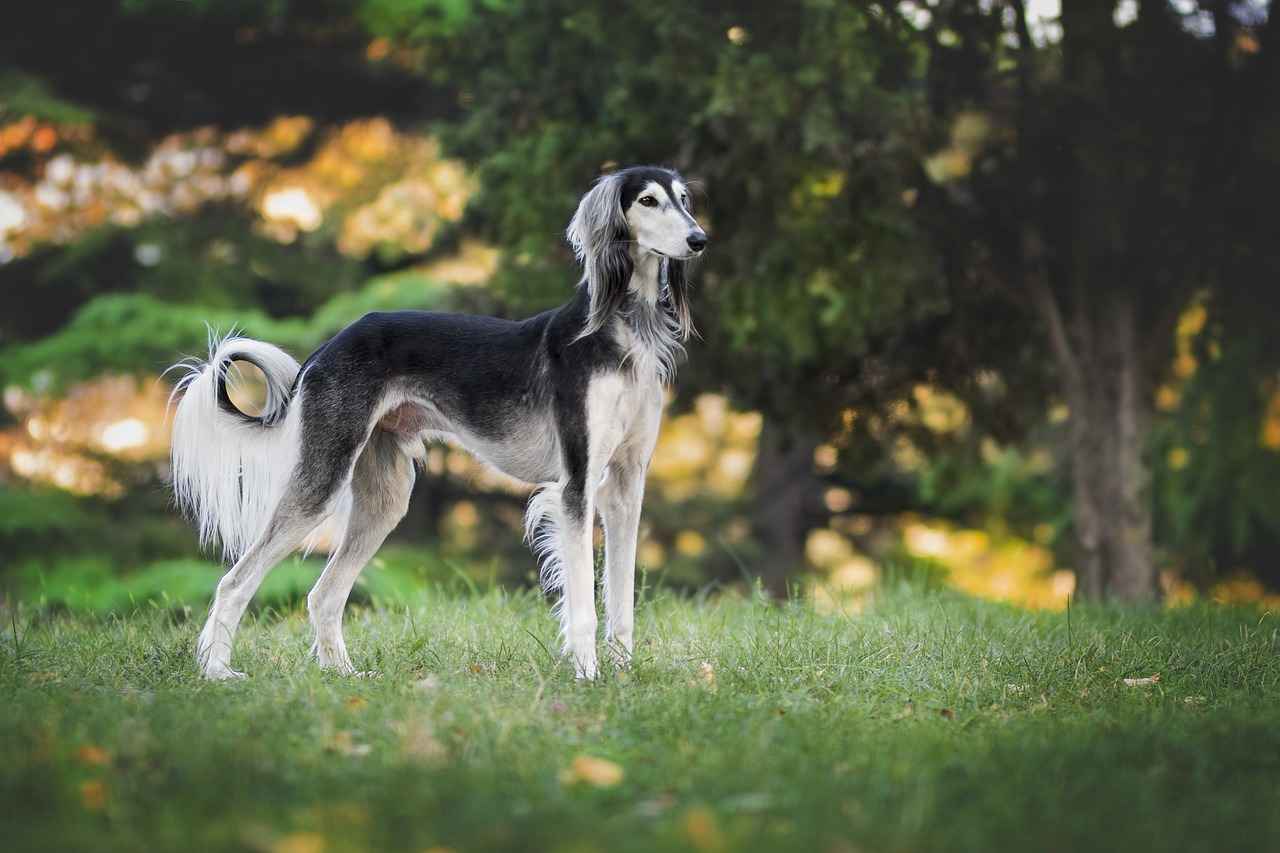
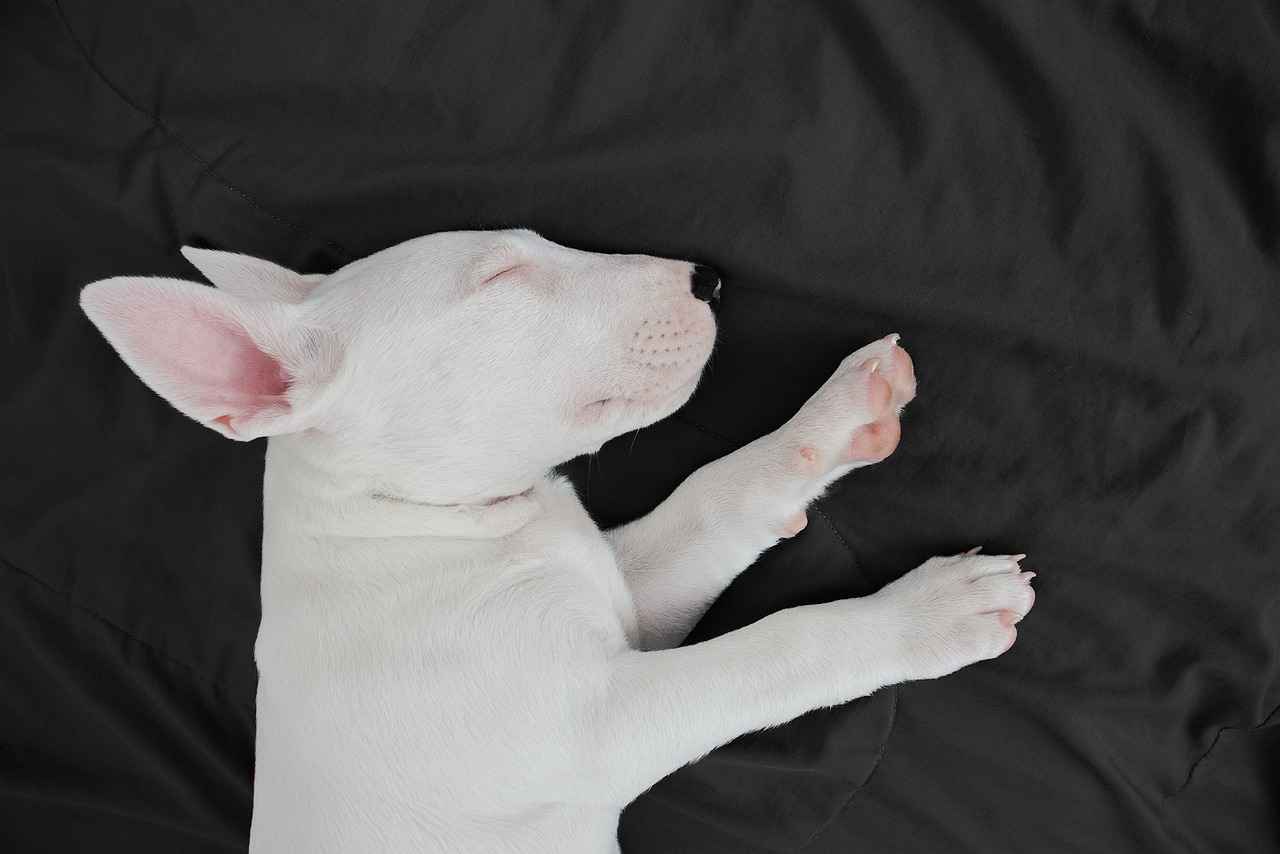
Have you ever wondered, why do dogs have wet noses? This intriguing question has captivated pet owners and animal lovers alike. The truth behind this fascinating phenomenon is not just a quirky trait; it reveals much about a dog's health, senses, and overall well-being. A dog’s nose is not just wet for show—it's an essential tool for their survival! Dogs rely on their nose to gather scent information, and a moist surface helps to enhance their sense of smell. But what exactly causes this wetness? Is it natural, or could it be a sign of something else? In this article, we’ll dive deep into the science and reasons behind those adorable, damp noses. You will discover how the environment, temperature, and even emotion can play a role in your furry friend's nose moisture. So, are you ready to uncover the secrets of your dog’s wet nose? Join us as we explore the fascinating truth behind this common yet often overlooked characteristic, and learn how it connects to your dog's health and happiness. Don't miss out on this exciting journey into the world of canine curiosities!
\n\nThe Science Behind Dog Noses: Why Are They Always Wet?
\n\n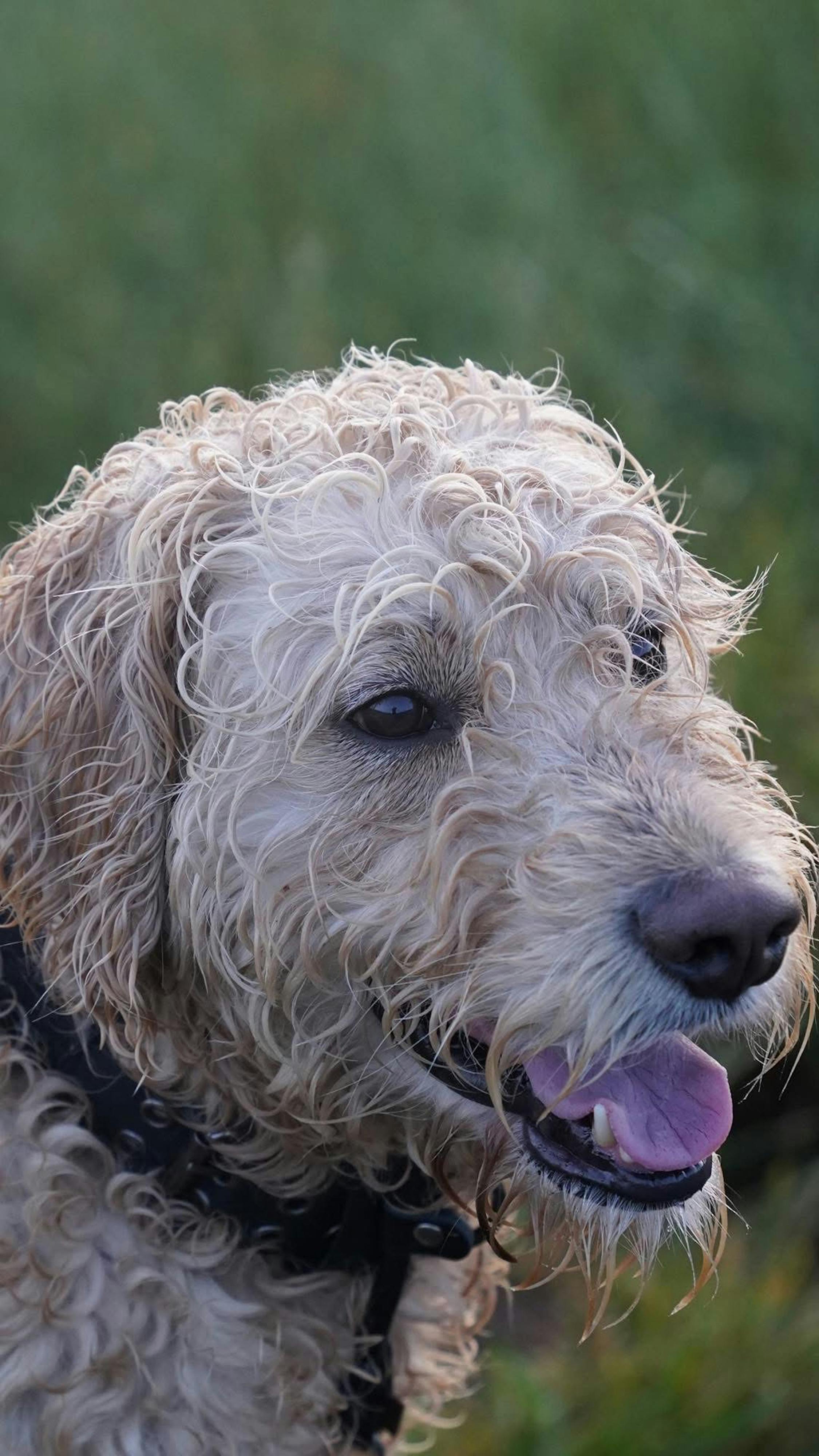 \n\n
\n\nDogs, those beloved furry companions, have many unique traits, one of which is their wet noses. You might’ve noticed how your playful pup’s snout is often damp, and you might ask yourself, why do dogs have wet noses? Well, it turns out there’s a fascinating science behind it, and it goes far deeper than just a cute quirk of their anatomy.
\nThe Purpose of a Wet Nose
\nA dog's wet nose serves several important functions, primarily helping them to sense the world around them. Here are some of the key reasons:
\n- \n
- Enhanced Sense of Smell: Dogs have incredibly sensitive noses, and the moisture actually helps to capture scent particles. When their noses are wet, it can absorb scents better, allowing dogs to pick up an array of smells from their environment. \n
- Temperature Regulation: Just like humans sweat to cool down, dogs also use their noses to help regulate their body temperature. The moisture on their nose can evaporate, helping to cool them off, especially on warm days. \n
- Health Indicator: A wet nose can often indicate a healthy dog. While a dry nose doesn’t always mean something is wrong, changes in the moisture level can signal illness or dehydration. \n
The Science Behind the Wetness
\nBut why are dog noses always wet? It has to do with the unique structure of their nasal membranes. Here’s a breakdown of the science:
\n- \n
- Nasal Glands: Dogs have specialized glands in their noses that produce mucus. This mucus keeps the nose moist, which is crucial for the dog’s sense of smell. \n
- Evaporation: The moisture on a dog's nose can evaporate quickly, especially in dry air. This is why you might notice your dog’s nose is sometimes wetter than at other times. \n
- External Factors: Factors like humidity, temperature, and even activity level can affect how wet a dog’s nose is. For example, a dog might have a drier nose after a long walk in the sun. \n
Historical Context
\nHistorically, dogs have been bred for various purposes, from hunting to herding, and their wet noses have always played a vital role. Ancient humans noticed that dogs with wet noses could track scents better, which helped in hunting and finding lost items. Over time, this trait became associated with the healthy, functional dogs we know today.
\nFun Facts About Dog Noses
\nHere are some interesting tidbits about dog noses that you might not have known:
\n- \n
- Dogs have up to 300 million olfactory receptors in their noses, compared to about 6 million in humans. \n
- The shape of a dog’s nose can determine its smell sensitivity. Breeds like Bloodhounds have long, droopy noses that can enhance their ability to smell. \n
- A dog's nose print is unique, much like a human fingerprint. This means every dog has a distinct nose that could potentially be used for identification. \n
Comparison of Dog Breeds and Their Noses
\nDifferent dog breeds exhibit varying nose characteristics, which can influence their sense of smell. Here’s a quick look at how some breeds stack up:
\n| Breed | \nNose Type | \nSmell Sensitivity | \n
|---|---|---|
| Bloodhound | \nLong and droopy | \nExtremely high | \n
| Beagle | \nShort and wide | \nHigh | \n
| German Shepherd | \nMedium and straight | \nHigh | \n
| Pug | \nShort and flat | \nLower | \n
As you can see, the structure of a dog’s nose can have a significant impact on their ability to smell.
\nPractical Examples of Nose Functionality
\nIn everyday life, you might see how your dog’s nose plays a role in their behavior:
\n- \n
- Tracking: When your dog follows a scent trail, they are utilizing that wet nose to its full potential. It’s fascinating how they can sniff out your hidden treats or even find other animals! \n
- Social Interactions: Dogs often greet each other with nose-to-nose contact, which helps them gather information about each other’s health and emotions through scent. \n
- Exploring the Environment: Dogs use their noses to explore new areas. That’s why you might see them sniffing everything when you go for a walk. \n
So, next time you pet your dog and notice that wet nose, remember all the intricate science and history behind it. Their moist snouts are more than just adorable; they play a crucial role in how they interact with the world around them. Understanding why dogs have wet noses can deepen your appreciation for these amazing animals and their unique abilities.
\n\n5 Surprising Reasons Dogs Have Moist Noses You Didn’t Know
\n\n \n\n
\n\nDogs are one of the most beloved pets around the world, and many of us have wondered about their unique traits. One particularly intriguing characteristic is their noses, which often feel wet when we touch them. You may ask yourself, "Why do dogs have wet noses?" While it might seem like a simple question, there are actually several surprising reasons behind this phenomenon that you may not know. Let’s dig into this fascinating truth about why our furry friends' noses are, well, a bit moist.
\n1. Enhanced Sense of Smell
\nDogs are known for their incredible sense of smell, which is way better than ours. They can detect scents in parts per trillion and their noses help them to do this. The moisture on a dog's nose helps to dissolve scents, making it easier for their sensitive olfactory receptors to pick them up. A wet nose can amplify a dog’s ability to detect smells, giving them the power to explore their world more thoroughly. So, if you ever see your dog sniffing around, remember that their wet noses are working hard to gather information!
\n2. Temperature Regulation
\nAnother surprising reason for wet noses is temperature regulation. Dogs don’t sweat like humans do. Instead, they primarily cool themselves through panting. However, their noses also play a role in this process. When a dog’s nose is moist, it helps to cool the air they inhale, which can be beneficial during hot weather. A wet nose can also help to keep the brain cool, which is vital for their overall health. So, if you're wondering why your dog’s nose feels wet on a summer day, it’s likely helping them stay cool!
\n3. Communication Tool
\nDid you know that dogs use their noses to communicate with each other? A moist nose can indicate various emotional states. For example, a dog that is nervous or stressed might have a drier nose, while a relaxed and happy dog usually has a wet one. This is a form of non-verbal communication that helps dogs convey their feelings to other dogs and even to humans. Pay attention next time you’re with your dog; their nose may give you clues about how they’re feeling!
\n4. Hygiene and Health Indicator
\nA dog’s nose can serve as a health indicator. A wet nose is typically a sign that a dog is healthy. However, if a dog has a dry or cracked nose, it could indicate dehydration, fever, or other health problems. Regularly checking your dog’s nose can help you notice any changes that may need veterinary attention. So, keep an eye on that little feature; it can say a lot about your furry friend’s health!
\n5. Natural Moisturizing
\nFinally, the wetness of a dog's nose is also due to natural secretions. Dogs produce mucus in their nasal passages, which helps keep their noses moist. This moisture aids in trapping dust and other allergens, preventing them from entering the respiratory system. A dog’s nose has specialized glands that secrete this mucus, ensuring that it stays healthy and functional.
\nFun Facts About Dogs’ Noses
\n- \n
- Dogs have an estimated 220 million scent receptors in their noses, compared to about 5 million in humans. \n
- The shape of a dog's nose can affect its sense of smell; for example, hounds have long noses that help them track scents better than flat-nosed breeds. \n
- A dog's nose print is unique, much like a human fingerprint, and can actually be used to identify them! \n
Summary of Reasons
\nHere’s a quick overview of the surprising reasons dogs have moist noses:
\n- \n
- Enhanced Sense of Smell: Moisture helps dissolve scents for better detection. \n
- Temperature Regulation: Aids in cooling the air and the brain. \n
- Communication Tool: Reflects the emotional state of the dog. \n
- Hygiene Indicator: A wet nose generally indicates good health. \n
- Natural Moisturizing: Glands produce mucus to keep the nose moist. \n
Understanding why do dogs have wet noses can deepen your bond with your furry friend. So next time you pet your dog and feel that cool, damp nose against your hand, you’ll know there’s a lot more to it than meets the eye! It’s a fascinating blend of biology, communication, and health that makes dogs such amazing companions. Embrace the quirks and traits of your dog, and remember that their wet noses are just one part of what makes them special.
\n\nHow a Wet Nose Helps Your Dog Interact with the World
\n\n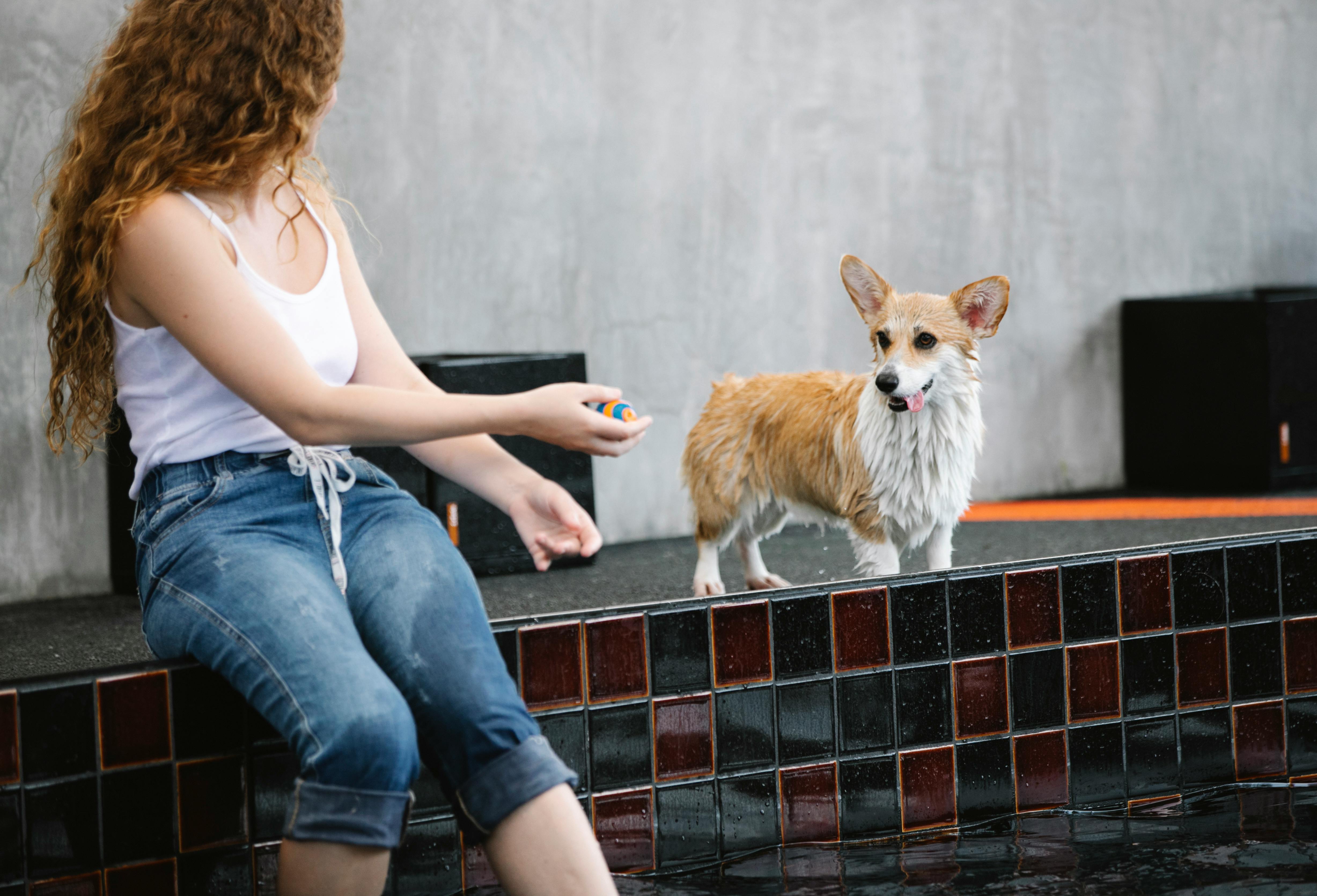 \n\n
\n\nDogs, those furry companions that bring us joy, have many unique traits. One of the most interesting features is their wet noses. You may wonder, why do dogs have wet noses? This question has intrigued pet owners and animal lovers alike for ages. Furthermore, the wetness of a dog’s nose plays a crucial role in how they interact with the world around them. Let’s explore this fascinating topic!
\nThe Science Behind Wet Noses
\nThere are several reasons why dogs have wet noses, and it’s more than just an adorable trait. A dog’s nose is equipped with a complex system of receptors that help them sense their environment. The wetness of the nose actually helps enhance their sense of smell. Here’s how it works:
\n- \n
- Moisture Capture: The wetness helps capture scent particles from the air, which enhances their ability to smell. \n
- Temperature Regulation: Dogs also use their noses to help regulate their body temperature. When they breathe through their noses, moisture evaporates, cooling them down. \n
- Communication Tool: Dogs often use their noses to communicate with other dogs and humans by sharing scents. \n
Historical Perspective
\nHistorically, dogs have relied on their noses for survival. Ancient humans used dogs for hunting and herding, and a keen sense of smell was essential for tracking down prey. Over time, the relationship between humans and dogs evolved, but their noses remained a critical tool for interaction and understanding their surroundings.
\nFun Facts About Dog Noses
\nDid you know that dogs’ noses are as unique as human fingerprints? Here are some more fun facts:
\n- \n
- Every dog has a unique nose print, just like humans have unique fingerprints. \n
- The average dog’s sense of smell is between 10,000 to 100,000 times more sensitive than a human’s. \n
- Dogs have about 220 million scent receptors, compared to humans, who have only about 5 million. \n
How Wet Noses Affect Interactions
\nA wet nose plays a significant role in how dogs interact with their environment and with people. Here’s a breakdown of the interaction types:
\n- \n
- Scent Exploration: Dogs use their noses to explore their surroundings. They sniff to gather information about where other animals have been, what food is nearby, and even how other dogs are feeling. \n
- Emotional Bonding: When a dog nuzzles or nudges you with their wet nose, it’s a form of affection. They often seek close contact to share their scent with you, which is a way of bonding. \n
- Health Indicator: A wet nose is often considered a sign of a healthy dog. If a dog’s nose becomes dry, it could indicate dehydration or illness, although this isn’t a definitive measure of health. \n
Comparing Wet and Dry Noses
\nNot all dogs have the same type of nose moisture. Some may have drier noses than others, and this can be due to various reasons. Here’s a quick comparison:
\n| Feature | \nWet Nose | \nDry Nose | \n
|---|---|---|
| Scent Detection | \nEnhanced, more sensitive | \nLess effective | \n
| Temperature | \nHelps cool the dog | \nMay indicate overheating | \n
| Health Indicator | \nGenerally healthy | \nMight indicate illness | \n
Practical Examples of Nose Usage
\nUnderstanding how dogs use their noses is not just for fun; it can also help you train and interact with them better. Here are some practical examples:
\n- \n
- Training: Use treats to encourage your dog to use their nose. Hide treats around your home and let them sniff them out. \n
- Exercise: Engage your dog in nose work games, which are designed to stimulate their sense of smell and keep them active. \n
- Socialization: Allow your dog to greet other dogs through sniffing, as it is a natural way for them to gather information and socialize. \n
Every time your dog gives you that wet-nosed greeting, remember it’s more than just a cute quirk. It’s a glimpse into their world, rich with scents and signals. Understanding why do dogs have wet noses can enrich your relationship with them and enhance your appreciation for their fascinating biology. Embrace your dog’s unique traits, and enjoy the special bond that the simple act of a wet nose can bring into your life!
\n\nIs Your Dog’s Wet Nose Healthy? Understanding Canine Health Indicators
\n\n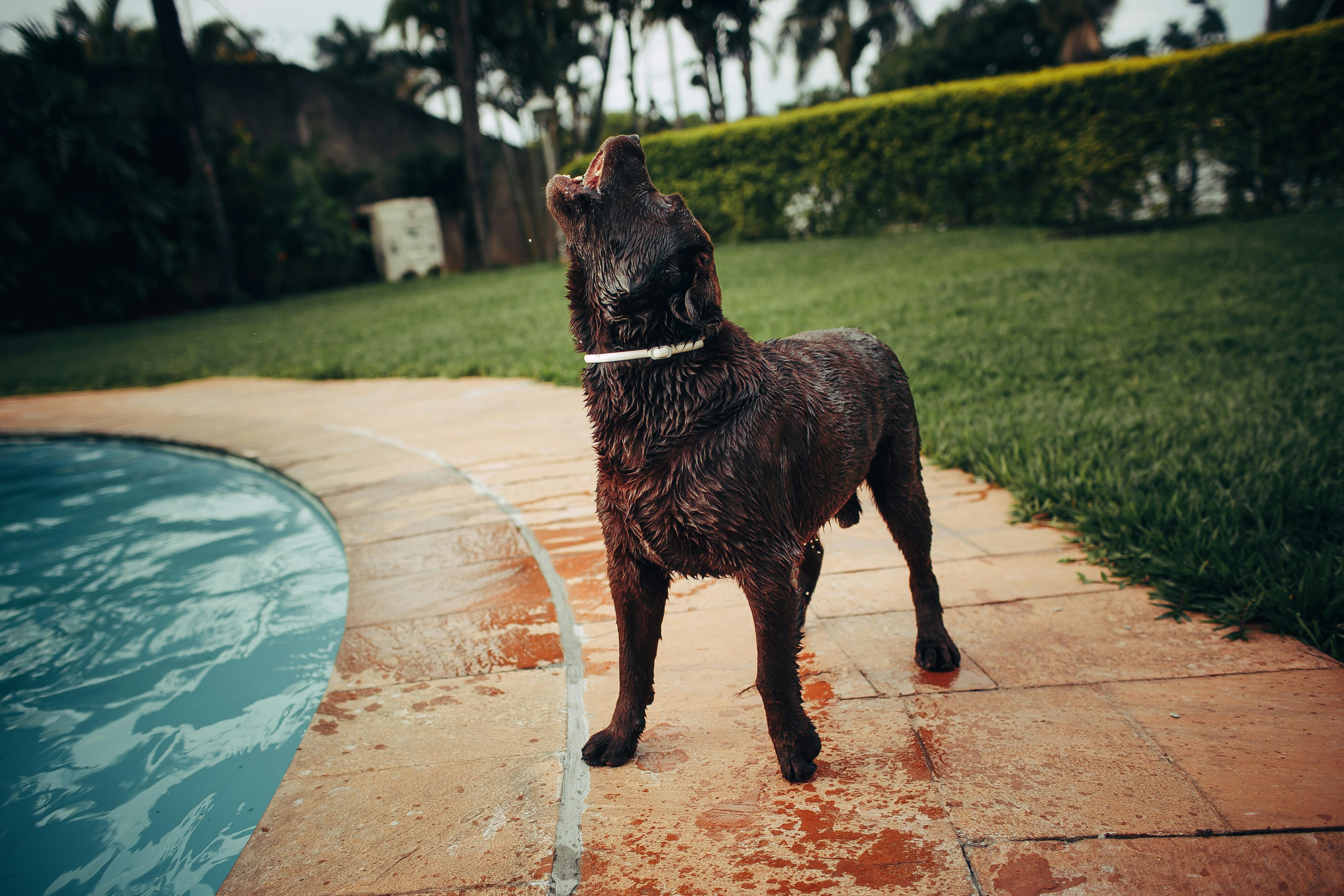 \n\n
\n\nWhen you think of a dog, what comes to mind? Their wagging tails, playful barks, and of course, that adorable wet nose! But have you ever wondered, is your dog’s wet nose healthy? Understanding canine health indicators can be a bit complicated. Wet noses are often perceived as a sign of a healthy dog, but there’s more to the story than just moisture. Let's dive into the fascinating world of why do dogs have wet noses and what it means for their overall health.
\nWhy Do Dogs Have Wet Noses?
\nDogs have wet noses for several reasons, and it's not just for show. The moisture on a dog's nose plays a crucial role in their sensory perception.
\n- \n
- \n
Enhanced Smell: The moisture helps trap scent particles in the air, which enhances a dog's ability to smell. Dogs have an incredible sense of smell—estimated to be between 10,000 to 100,000 times better than humans. A wet nose assists in this remarkable capability.
\n \n - \n
Cooling Mechanism: Just like humans sweat to cool down, dogs use their noses to regulate body temperature. The evaporation of moisture from their noses can help keep them cool, especially during warm weather.
\n \n - \n
Health Indicator: A wet nose is often seen as a sign of good health. However, it’s important to note that not all wet noses are an indicator of well-being.
\n \n
What Makes a Dog’s Nose Wet?
\nThe moisture on a dog's nose comes from various sources:
\n- \n
- Mucus Secretion: Dogs have glands in their noses that produce mucus to keep the nose moist. \n
- Saliva: Dogs frequently lick their noses, which adds to the moisture. \n
- Environmental Factors: Humidity and temperature can also affect how wet a dog's nose is. \n
Understanding Canine Health Indicators
\nWhile a wet nose is generally associated with a healthy dog, there are other indicators that owners should be aware of. Here are some signs that may indicate your dog’s health status:
\n- \n
- \n
Temperature: A normal body temperature for a dog is between 101 to 102.5 degrees Fahrenheit. If your dog’s nose feels hot and dry, it could be a sign of fever or illness.
\n \n - \n
Behavior Changes: If your dog is lethargic, not eating, or shows signs of distress, these could be red flags.
\n \n - \n
Nasal Discharge: Clear discharge is usually not a concern, but if it’s green or yellow, it might indicate an infection.
\n \n - \n
Dry Nose: While a dry nose can be normal, especially during certain weather conditions, a persistently dry or cracked nose may be a sign of underlying health issues.
\n \n
Factors Affecting Your Dog's Nose Moisture
\nThere are several factors that can cause changes in nose moisture. Here are a few to consider:
\n- \n
- Weather Conditions: Hot or dry weather can lead to a drier nose. \n
- Allergies: Dogs can have allergies just like humans, and these can affect nasal moisture. \n
- Dehydration: If a dog is not getting enough water, their nose may become dry. \n
- Health Issues: Certain health conditions like autoimmune diseases or infections can affect nose moisture. \n
Quick Tips for Monitoring Your Dog's Health
\n- \n
- Regular Vet Check-Ups: Regular visits to the vet can help catch any health issues early. \n
- Hydration: Always make sure your dog has access to fresh water. \n
- Observe Changes: Keep an eye on changes in your dog's behavior or physical condition, including their nose. \n
Fun Facts About Dog Noses
\n- \n
- Dogs have more than 300 million smell receptors in their noses. \n
- The pattern of a dog’s nose print is as unique as a human fingerprint. \n
- Some dog breeds, like Bloodhounds, are specifically bred for their exceptional sense of smell. \n
So, is your dog’s wet nose healthy? It can be, but it’s not the only factor to consider. Understanding why dogs have wet noses and recognizing other health indicators can help you keep your furry friend in tip-top shape. Remember, while a wet nose can indicate good health, be sure to pay attention to other signs to fully understand your dog's health status. Your pup relies on you to keep them happy and healthy, so stay informed and proactive!
\n\nThe Fascinating Role of a Dog’s Wet Nose in Temperature Regulation
\n\n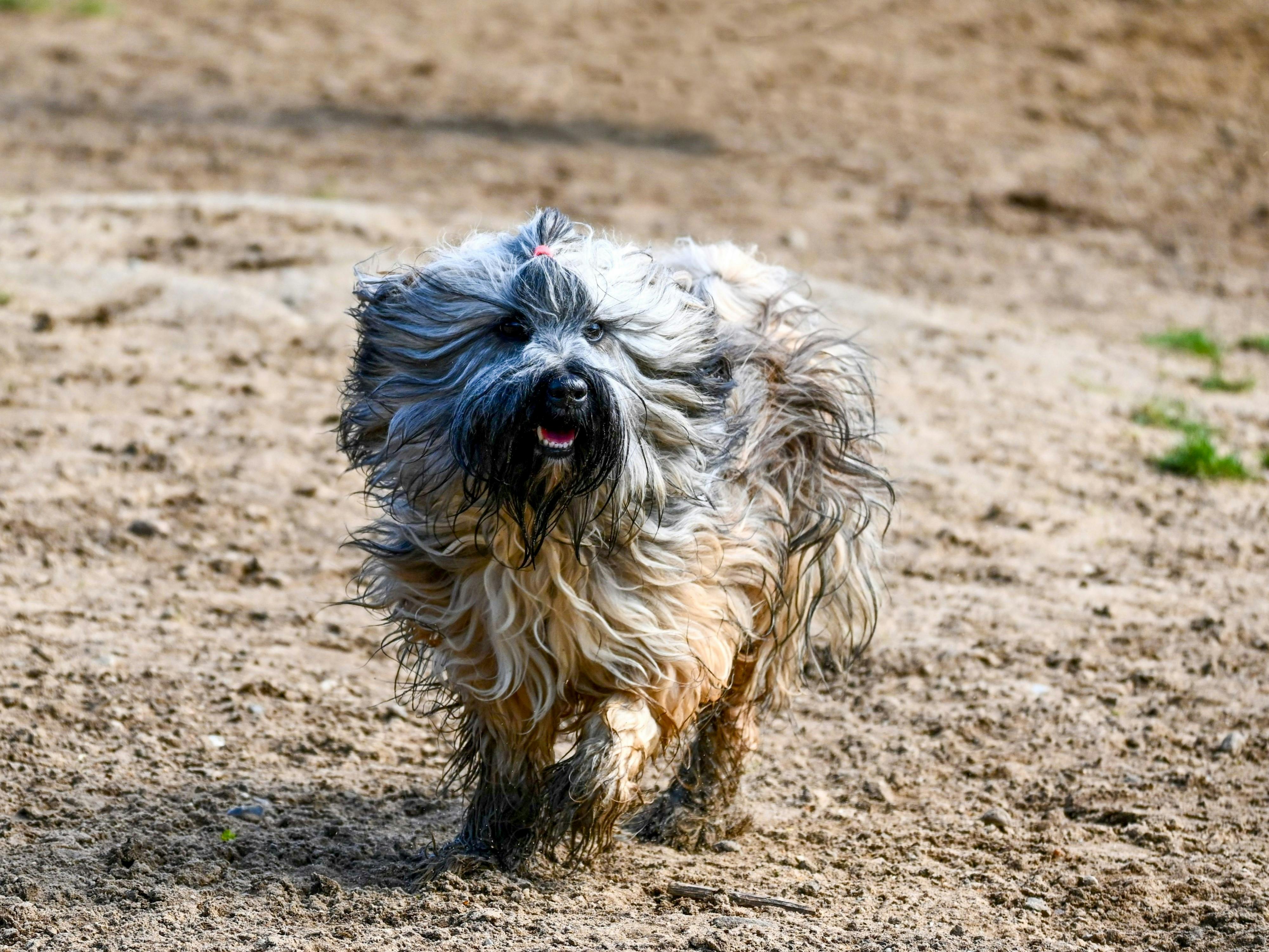 \n\n
\n\nDogs are often known for their unique characteristics, and one of the most fascinating features is their wet noses. Have you ever wondered why do dogs have wet noses? It’s not just a quirky trait; there’s a whole science behind it! Let’s dive into the captivating world of canine physiology and understand how a dog’s wet nose plays a crucial role in temperature regulation.
\nThe Science Behind a Wet Nose
\nDogs’ noses are not just for sniffing out treats or tracking scents. The moisture present on their noses helps them in several ways. A wet nose can be thought of as nature’s air conditioning system. When a dog pants, the moisture evaporates from their nose, which cools down their body temperature. This is especially important during hot weather or after physical activity.
\nHere’s how it works in simpler terms:
\n- \n
- Evaporation: When sweat evaporates, it removes heat from the body. Dogs don't sweat like humans do; instead, they rely on their noses and panting to cool off. \n
- Surface Area: The large surface area of a dog’s nose allows for more moisture evaporation, enhancing the cooling effect. \n
- Sensory Function: A wet nose can also help dogs with their sense of smell. It is believed that moisture enhances scent particles, making it easier for dogs to detect different odors. \n
Why Are Dog Noses Wet?
\nThe wetness of a dog’s nose comes from various sources. Here’s a quick list of reasons:
\n- \n
- Mucus Secretion: Dogs produce mucus that keeps their noses moist, which is crucial for scent detection. \n
- Saliva: Dogs often lick their noses, adding more moisture to the surface. \n
- Environmental Factors: Humidity and weather can also affect how wet a dog’s nose is. A dog’s nose might be drier in winter or cold climates. \n
Historical Context
\nIf we look back in history, dogs have been companions to humans for thousands of years. Their noses have evolved to adapt to various environments and tasks. Ancient breeds, like the Bloodhound, were specifically bred for their acute sense of smell, which is linked to their moist noses. The ability to detect scents was essential for hunting and herding, illustrating the evolutionary importance of this feature.
\nFun Facts About Dog Noses
\n- \n
- Did you know every dog’s nose print is unique? It’s like a fingerprint! \n
- Dogs can smell up to 100,000 times better than humans. Their wet noses play an essential role in enhancing their sense of smell. \n
- A dog’s nose can detect certain medical conditions in humans, such as diabetes or certain cancers, due to their keen sense of smell. \n
Comparisons: Dogs vs. Other Animals
\nLet’s compare how different animals regulate temperature through their noses:
\n| Animal | \nNose Type | \nTemperature Regulation Method | \n
|---|---|---|
| Dogs | \nWet | \nEvaporation and panting | \n
| Cats | \nDry | \nMostly through panting | \n
| Elephants | \nLarge and moist | \nFlapping ears, dusting water | \n
| Camels | \nDry | \nStore water and fat for hydration | \n
Practical Examples of Nose Care
\nWhile a wet nose is generally a sign of a healthy dog, there are situations when you should pay attention to it. If your dog’s nose becomes excessively dry or cracked, it might indicate dehydration or illness. Here are some practical tips to ensure your dog’s nose stays healthy:
\n- \n
- Hydration: Always provide fresh water. \n
- Moisturizing: If your dog’s nose looks dry, consider using dog-safe moisturizers. \n
- Regular Vet Check-ups: Keep an eye on any sudden changes in your dog’s nose appearance or temperature. \n
Final Thoughts
\nUnderstanding why do dogs have wet noses reveals more than just a cute characteristic; it showcases a remarkable adaptation that benefits their health and functioning. The interplay of moisture, temperature regulation, and enhanced senses is truly fascinating. So the next time you give your furry friend a pat on the head, take a moment to appreciate that wet little nose and all the science behind it. It’s just one of the many wonders that make dogs such incredible companions!
\n\nCan Dogs Sense Emotions? The Connection Between Wet Noses and Feelings
\n\n \n\n
\n\nCan dogs sense emotions? It's a question that many dog lovers ask themselves. Recent studies showing dogs can actually read human emotions has sparked a lot of interest. But how does this relate to why do dogs have wet noses? Wet noses might seem like a quirky trait, but they play a significant role in a dog's ability to connect with our feelings. Let’s dive into this fascinating topic and explore the science behind it all.
\nThe Science Behind Dogs and Emotions
\nDogs have an incredible ability to pick up on human emotions. They can sense when we are happy, sad, or even stressed. Research has shown that dogs can differentiate between human facial expressions, which suggest they are not just responding to our cues but actually understanding them in a way.
\nHere's what studies show:
\n- \n
- \n
Sense of Smell: Dogs have a highly developed olfactory system. They have approximately 300 million smell receptors, compared to about 5 million in humans. This allows them to detect subtle changes in our body chemistry when we experience different emotions.
\n \n - \n
Body Language: Dogs are experts at reading human body language. They notice our posture, movements, and even the tension in our muscles. This non-verbal communication helps dogs to gauge our emotional state.
\n \n - \n
Vocal Cues: The tone of our voice also matters. Dogs respond not just to the words we say but how we say them. A happy tone can make them wag their tails while a harsh tone might make them cower.
\n \n
Why Do Dogs Have Wet Noses?
\nNow, let’s get back to the wet noses. You might be wondering, why do dogs have wet noses anyway? Well, there are several reasons for this interesting feature:
\n- \n
- \n
Enhanced Smelling: A wet nose helps to absorb scent chemicals. When a dog’s nose is moist, it can trap more odor particles, enhancing their ability to smell. This is crucial for a dog's understanding of their environment and the emotions of the humans around them.
\n \n - \n
Temperature Regulation: Dogs don’t sweat like humans do. Instead, they cool down through their noses. A wet nose helps them regulate their body temperature, which is especially important when they are feeling anxious or hyper.
\n \n - \n
Health Indicator: A dog’s nose can tell a lot about their health. A healthy dog usually has a cool, moist nose. If it becomes dry and warm, it might be a sign of illness or dehydration.
\n \n
The Connection Between Wet Noses and Feelings
\nSo how does all this connect? When a dog approaches you with their wet nose, they could be trying to sense your emotional state. The moisture on their nose allows them to pick up on your unique scent, which can change with your emotions. For example, when a person is anxious, their body may emit different pheromones. A dog with a wet nose can detect these changes.
\nHere are some situations where a dog's ability to sense emotions comes into play:
\n- \n
- \n
Comforting: If you’re feeling down, your dog might come and rest their wet nose against your hand or face, trying to offer comfort. This is their way of connecting with you emotionally.
\n \n - \n
Alertness: If a dog senses that you’re stressed or anxious, they may become more alert themselves. This can lead to protective behavior, as they feel the need to safeguard their human.
\n \n - \n
Playfulness: On the other hand, when you're happy and excited, your dog may jump around with their wet nose nudging you, encouraging you to play.
\n \n
Practical Examples of Emotional Connection
\nHere’s a quick list of situations where you might notice your dog using their nose to connect with your feelings:
\n- \n
- During a sad movie: Your dog may sit closer, resting their nose on your knee. \n
- After a long day: They might come over and nuzzle you, sensing your stress. \n
- When you’re happy: They could bounce around with their wet noses tapping your arm, ready for a game. \n
Emotional Intelligence in Dogs
\nResearch indicates that dogs have a certain level of emotional intelligence. They are not just pets; they are emotional companions. Their ability to sense emotions and respond accordingly is a testament to their deep bond with humans. Whether it’s their wet noses or their expressive eyes, dogs have a unique way of connecting with us that can be both profound and comforting.
\nIn summary, the wet nose of a dog is much more than a quirky feature. It plays a crucial role in how they interact with us emotionally. The connection between wet noses and feelings is a beautiful aspect of the human-dog relationship, highlighting the intricate bond we share with our canine companions. So, next time your dog nudges you with their damp snout, remember they might just be tuning into your feelings!
\n\nWhat Your Dog's Wet Nose Reveals About Its Mood and Behavior
\n\n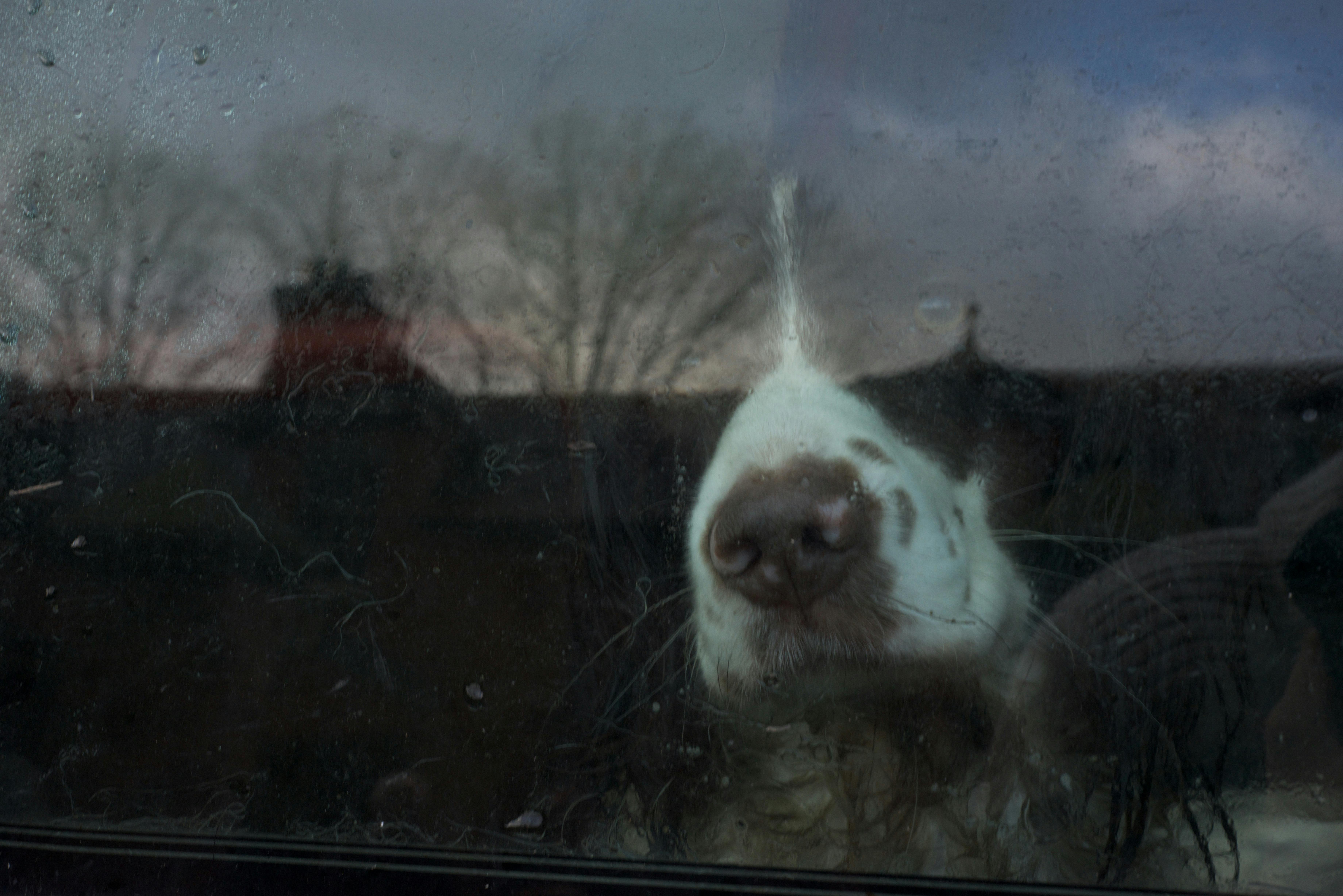 \n\n
\n\nDogs are often known as man's best friend, but have you ever wondered what your dog's wet nose reveals about its mood and behavior? It's quite fascinating how their noses can tell us so much without them saying a single word. Many pet owners may notice their furry companions’ noses are often damp, but they might not fully grasp the reasons behind this. Let’s dive into the science and the intriguing world of canine noses.
\nWhy Do Dogs Have Wet Noses?
\nEver since dogs have been domesticated, our furry friends have evolved to have wet noses. But why, you ask? The primary reason is that a wet nose helps dogs to smell better. Canines have an incredible sense of smell, and moisture plays a significant role in this. Here’s how it works:
\n- \n
- Scent Detection: A wet surface captures scent particles better than a dry surface. When a dog’s nose is moist, it can trap these scents more effectively, allowing them to gather information about their environment. \n
- Thermoregulation: Dogs don’t sweat like humans do. Instead, they use their noses to help regulate their body temperature. The moisture on their nose evaporates, which cools them off somewhat. \n
- Health Indicator: A wet nose can indicate a dog’s health. Generally, a moist nose is a sign of a healthy dog. Conversely, a dry or excessively warm nose could suggest that something might be off. \n
What Your Dog's Wet Nose Reveals About Its Mood
\nThe state of your dog’s nose can tell you a lot about its mood. A wet nose typically indicates that your dog is feeling happy and relaxed. Here’s how to interpret your dog's nose condition:
\n- \n
- Wet and Cool: A sign of comfort and relaxation. Your dog is likely feeling happy or content. \n
- Damp but Warm: Could indicate excitement or stress. Maybe they just saw a squirrel or are anticipating a playtime. \n
- Dry and Hot: This may suggest your dog is feeling unwell or anxious. If this lasts for a prolonged period, it might be worth contacting a vet. \n
The Fascinating Truth Behind Dog Noses
\nDogs have been companions to humans for thousands of years. Their noses also got some interesting historical aspects. Ancient civilizations saw dogs as hunters and protectors. Their keen sense of smell helped in tracking game and protecting homes. Not only that, but their noses were also used in search and rescue missions, demonstrating their invaluable skills.
\nFun Facts About Dog Noses
\n- \n
- Unique Patterns: Just like human fingerprints, each dog has a unique nose print. This could be used for identification. \n
- Nose Sensitivity: A dog’s sense of smell is estimated to be 10,000 to 100,000 times more acute than that of a human. \n
- Breeds and Noses: Some breeds, like Bloodhounds, are known for their exceptional smelling capabilities and are often employed in search operations. \n
Understanding Dog Behavior Through Their Noses
\nRecognizing the connection between a dog’s nose and its behavior can help owners better understand their furry friends. Here’s a quick guide:
\n- \n
- Sniffing Around: If your dog is frequently sniffing around, it’s their way of exploring the world. They are gathering information about other animals or people who have passed by. \n
- Licking Their Nose: This can indicate anxiety or stress. It’s a calming behavior they exhibit when feeling uneasy. \n
- Wet Noses and Playfulness: If your dog approaches you with a wet nose, they're likely seeking interaction or playtime. It’s their way of saying, "Hey, let’s have some fun!" \n
Keeping Your Dog's Nose Healthy
\nIt’s essential to monitor the health of your dog’s nose just like any other part of their body. Here are some tips:
\n- \n
- Hydration: Ensure your dog is drinking enough water since hydration plays a key role in keeping their nose moist. \n
- Regular Checkups: Routine vet visits can help catch any health issues early. \n
- Observe Changes: If you notice any drastic changes in their nose condition, it’s best to consult with a veterinarian. \n
Dogs with their wet noses not only showcase their health but also reflect their mood and behavior. Understanding these subtleties can enhance the bond between you and your pet. So, next time you see your dog’s wet nose, remember the fascinating truth behind it!
\n\nThe Evolutionary Benefits of a Wet Nose: What Science Says
\n\n \n\n
\n\nDogs are more than just pets; they are beloved members of our families. One of the most charming and intriguing features of dogs is their wet noses. Have you ever wondered, why do dogs have wet noses? It turns out, there’s a lot more science behind this than most people realize. Let’s explore the evolutionary benefits of a wet nose, and uncover the fascinating truth about why our furry friends have this unique trait.
\nThe Science Behind Wet Noses
\nFirst off, the moisture on a dog's nose plays several important roles. Dogs’ noses are moist due to a combination of factors, primarily the secretion of mucus and the surrounding environment. This moisture is crucial for a few reasons:
\n- \n
- \n
Enhanced Smell: A wet nose helps to capture scent particles better. When the nose is moist, it can absorb these scents, which allows dogs to have a heightened sense of smell. In fact, dogs' sense of smell is estimated to be 10,000 to 100,000 times more sensitive than that of humans.
\n \n - \n
Temperature Regulation: Just like humans sweat to cool down, dogs can use their noses to help regulate their body temperature. The moisture evaporates, which helps to cool the dog's body.
\n \n - \n
Health Indicator: A wet nose is often considered a sign of a healthy dog. While it’s not a definitive measure, dry or cracked noses might indicate dehydration or health issues.
\n \n
Historical Context of Wet Noses
\nHistorically, dogs have been domesticated for thousands of years. The ancestors of modern dogs, wolves, had wet noses too. This feature likely evolved to enhance their hunting capabilities. The wetness would help them track prey more effectively.
\n- \n
- \n
Evolutionary Adaptation: As dogs became companions to humans, their nose remained wet. The trait stuck around because it provided advantages in both hunting and social interactions with other dogs and humans.
\n \n - \n
Breeding and Nose Shapes: Different dog breeds have varying shapes and sizes of noses, but the moisture levels often stay consistent across breeds. This suggests a strong evolutionary advantage that has been preserved through selective breeding.
\n \n
Fascinating Facts About Dogs' Noses
\n- \n
- \n
Unique Nose Prints: Just like human fingerprints, each dog's nose print is unique. It can be used as a means of identification.
\n \n - \n
Dogs Can Sweat: While dogs primarily cool off through panting, they have sweat glands in their noses. This helps in temperature regulation, although it’s not their primary cooling method.
\n \n - \n
Nose Color Variations: The color of a dog's nose can vary based on genetics. Some have black noses, while others might have brown or pink noses.
\n \n - \n
Scent Discrimination: Dogs not only detect scents but can also distinguish between different smells. This capability is used in various fields, from search and rescue to detecting diseases in humans.
\n \n
The Benefits of a Wet Nose for Dogs
\nThe evolutionary benefits of a wet nose are not just about smell or temperature regulation. Here’s a list of some additional advantages:
\n- \n
- \n
Improved Social Interactions: Dogs use their noses to gather information about their environment, including other dog’s scents. This helps them understand social cues and communicate effectively with other dogs.
\n \n - \n
Hunting Skills: For working dogs, a moist nose aids in tracking scents over long distances, enhancing their ability to locate missing persons or detect drugs.
\n \n - \n
Emotional Bonding: Dogs often nuzzle their noses against humans as a form of affection. The wetness can be a sign of excitement or happiness, strengthening the human-animal bond.
\n \n
Comparing Dogs’ Noses to Other Animals
\nInterestingly, dogs are not the only animals with wet noses. Many mammals have this feature, but dogs stand out for their acute sense of smell. Here’s a comparison table of wet noses in various animals:
\n| Animal | \nNose Type | \nUnique Feature | \n
|---|---|---|
| Dogs | \nWet and cold | \nExceptional sense of smell | \n
| Cats | \nMostly dry | \nRelies more on sight than smell | \n
| Pigs | \nWet and warm | \nExcellent sense of smell | \n
| Horses | \nDry | \nUses other senses for navigation | \n
In conclusion, the wet nose of a dog is not just an endearing feature; it serves several critical functions that enhance a dog's life and abilities. From improving their sense of smell to serving as a health indicator, the wet nose is a fascinating aspect of canine biology. Understanding why dogs have wet noses deepens our appreciation for these remarkable animals and their evolutionary journey alongside humans.
\n\nCommon Myths About Dog Noses: Debunking Wet Nose Misconceptions
\n\n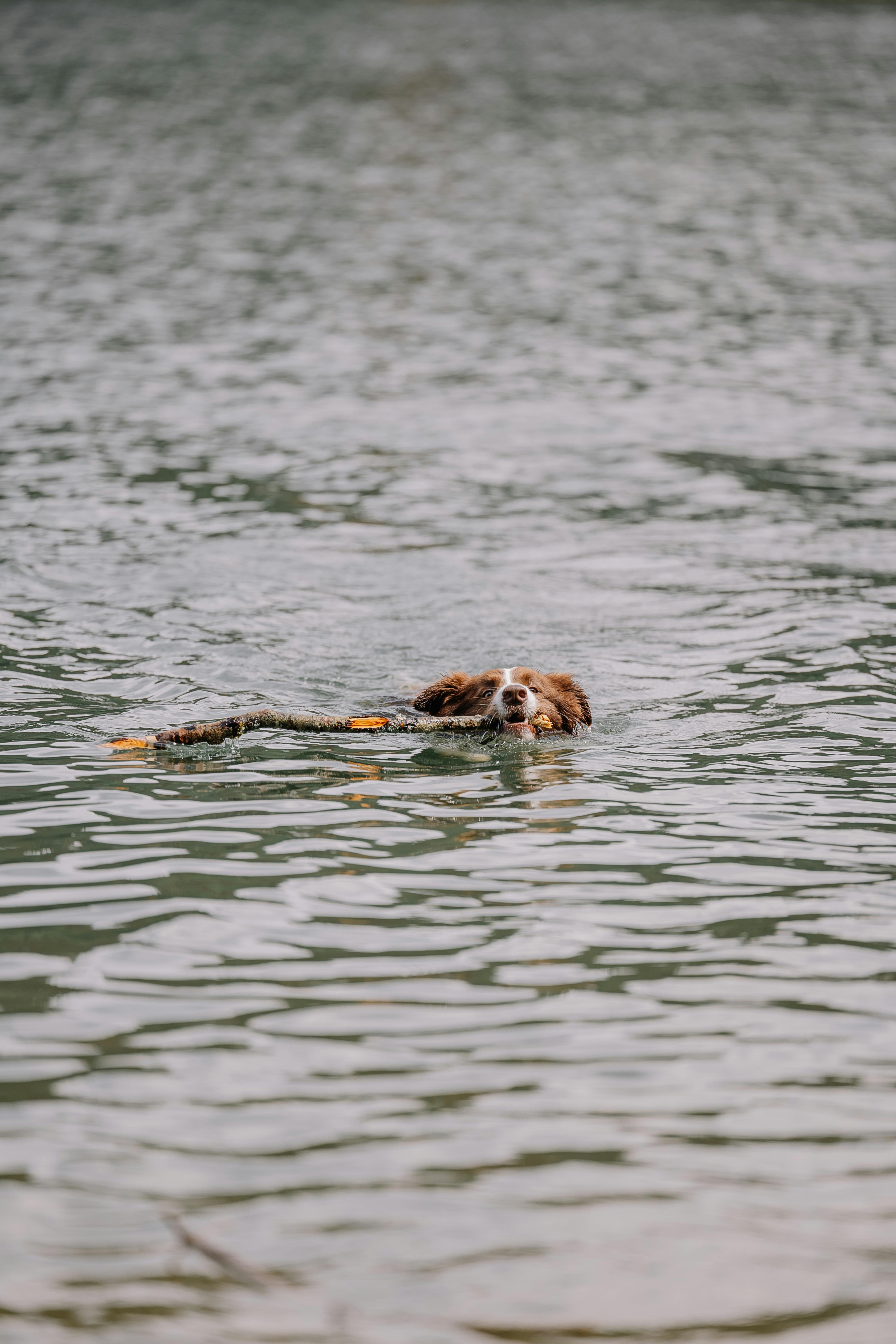 \n\n
\n\nEvery dog owner knows that a wet nose is a common sight, but what does it really mean? There are many myths surrounding the wetness of dog noses, and it's time to set the record straight. This article will explore the fascinating reasons behind why do dogs have wet noses, while debunking some of the most prevalent misconceptions.
\nThe Science of Wet Noses
\nFirst off, it’s important to know that a dog’s nose is not just a cute feature; it plays a very vital role in their health and behavior. But why should we care? Here are some key reasons:
\n- \n
- Sense of Smell: Dogs have a highly developed sense of smell, and their wet noses help to enhance this ability. The moisture on the nose captures scent particles from the air, making it easier for dogs to sniff out everything from a tasty treat to a hidden danger. \n
- Temperature Regulation: Dogs don’t sweat like humans. Instead, they cool themselves primarily through panting and the moisture on their noses. A wet nose helps to lower their body temperature. \n
- Health Indicators: A dog's nose can tell you a lot about their health. A dry, cracked nose may indicate dehydration or illness, while a moist nose is generally a good sign. \n
Common Myths About Dog Noses
\nNow let’s dive into some of the most common myths about dog noses and bust them wide open.
\n- \n
- \n
Myth 1: A Wet Nose Means a Healthy Dog
\n
\nReality: While a wet nose can indicate good hydration, it’s not the only indicator of health. Dogs can be sick and still have a wet nose. Always consult a vet if you notice other symptoms. \n - \n
Myth 2: Dogs' Noses are Always Wet
\n
\nReality: Just like human skin, dog noses can vary in moisture. Factors like weather, activity level, and health can affect how wet or dry a dog's nose is at any given time. \n - \n
Myth 3: All Dogs Have the Same Nose Condition
\n
\nReality: Different breeds can have different nose conditions. For instance, brachycephalic breeds (like Bulldogs) may have drier noses compared to others due to their facial structure. \n
Why Do Some Dogs Have Dry Noses?
\nDry noses can be a concern for many dog owners. Here are some reasons why a dog's nose might be dry:
\n- \n
- Dehydration: Dogs that don’t drink enough water can develop a dry nose. \n
- Weather Conditions: Hot, dry climates can lead to more dry noses. \n
- Health Issues: Certain health problems, like fevers or autoimmune diseases, can cause a dry nose. \n
Can Dogs' Nose Color Change?
\nYes, the color of a dog's nose can change over time. Some reasons include:
\n- \n
- Age: Older dogs may experience changes in nose pigmentation. \n
- Seasonal Changes: Some dogs may have darker noses in the summer and lighter in winter. \n
- Health Factors: A change in nose color can sometimes indicate health issues, so it's good to monitor changes closely. \n
Fun Facts About Dog Noses
\nHere are some additional interesting tidbits about dog noses:
\n- \n
- Unique Patterns: Just like a human fingerprint, every dog has a unique nose print that can be used for identification. \n
- Scent Detection: Dogs can detect certain smells at incredibly low concentrations, making them great for search and rescue operations. \n
- Nasal Anatomy: Dogs have more than 220 million scent receptors in their noses compared to about 5 million in humans. \n
Practical Tips for Dog Owners
\nTo maintain a healthy nose for your furry friend, consider these practical tips:
\n- \n
- Hydration: Always ensure your dog has access to fresh water. \n
- Regular Vet Check-Ups: Regular health check-ups can help to detect any underlying issues early. \n
- Monitor Changes: Keep an eye on your dog's nose for any sudden changes in moisture or color. \n
In the end, while the myths surrounding dog noses can be numerous, understanding the facts can help you be a better pet owner. A wet nose is just one piece of the puzzle in the intricate world of dog health. So next time you see your pup's wet nose, remember the science behind it, and don’t let the myths cloud your judgment. Your dog's health and happiness depend on you staying informed and attentive!
\n\nHow to Care for Your Dog’s Nose: Keeping It Healthy and Hydrated
\n\n \n\n
\n\nCaring for your furry friend goes beyond just feeding them and taking them for walks. One of the most intriguing aspects of a dog's anatomy is their nose. Many dog owners often wonder, "how to care for your dog’s nose" and "why do dogs have wet noses?" In this article, we will explore how to keep your dog's nose healthy and hydrated, and uncover the fascinating truth behind those wet noses.
\nWhy Do Dogs Have Wet Noses?
\nDogs, like many animals, have wet noses for several reasons. A wet nose helps them in many ways, some of which are pretty interesting:
\n- \n
- Enhanced Sense of Smell: Wet noses help dogs absorb scent chemicals more effectively, allowing them to detect odors better. The moisture helps to capture scent particles, making it easier for dogs to sniff out things. \n
- Temperature Regulation: Dogs don’t sweat like humans do; instead, they cool themselves through their nose and panting. A wet nose helps to regulate their body temperature, especially on hot days. \n
- Health Indicator: The state of a dog’s nose can be an indicator of their health. A healthy nose may be moist, while a dry or cracked nose could signify dehydration or illness. \n
How to Care for Your Dog’s Nose
\nKeeping your dog's nose healthy and hydrated is crucial for their overall well-being. Here are some practical tips to ensure their nose stays in tip-top shape:
\n- \n
- Hydration is Key: Make sure your dog has access to clean water throughout the day. Dehydration can lead to a dry nose. \n
- Moisturize When Necessary: If you notice your dog's nose looks cracked or dry, you can use natural oils such as coconut oil or specialized dog nose balms to moisturize it. Just a little bit can go a long way! \n
- Regular Check-Ups: During vet visits, don’t forget to ask about your dog’s nose health. Your veterinarian can spot any potential issues that may arise. \n
- Limit Sun Exposure: Just like humans, dogs can get sunburned. If your dog spends a lot of time outside, consider using a pet-safe sunscreen on their nose. \n
- Watch for Changes: Keep an eye on your dog’s nose. If you notice unusual changes such as discoloration, excessive dryness, or bleeding, consult a veterinarian immediately. \n
Common Myths About Dog Noses
\nThere are a few myths floating around about dog noses that are worth clearing up:
\n- \n
- Myth: A warm nose means a sick dog. Reality: A dog's nose temperature can vary throughout the day. A warm nose doesn’t necessarily indicate illness. \n
- Myth: All dogs have wet noses. Reality: Some dogs, especially certain breeds, can have drier noses naturally. \n
- Myth: A dog's nose color indicates health status. Reality: Nose color can vary greatly among breeds and does not directly correlate with health. \n
Quick Tips for Nose Health
\nHere's a quick reference list to help you remember how to care for your dog's nose:
\n- \n
- Ensure consistent hydration. \n
- Apply moisturizers if needed. \n
- Schedule regular vet check-ups. \n
- Protect from excessive sun. \n
- Monitor for any unusual changes. \n
Fascinating Facts About Dog Noses
\n- \n
- A dog's sense of smell is estimated to be anywhere from 10,000 to 100,000 times more sensitive than that of humans! This makes their noses not just cute but also incredibly functional. \n
- Dogs have more than 220 million smell receptors in their noses, compared to about 5 million in humans. \n
- The wetness of a dog’s nose can change throughout the day based on activity levels and environment. \n
Understanding the significance of your dog's nose is essential to providing them with the best care. By keeping their nose healthy and hydrated, you not only help them maintain their sense of smell but also contribute to their overall health. Dogs, with their wet noses and loving demeanor, bring joy and companionship to our lives. So, the next time you pet your dog, take a moment to appreciate that wet nose and remember the vital role it plays in their well-being.
\n\nConclusion
\n\nIn conclusion, the wet noses of dogs serve several important functions that contribute to their overall health and sensory capabilities. The moisture on a dog's nose aids in enhancing their sense of smell, allowing them to detect scents more effectively, which is crucial for communication and navigation in their environment. Additionally, the wet surface helps regulate their body temperature, acting as a natural cooling mechanism. Understanding the reasons behind this unique feature not only deepens our appreciation for our canine companions but also highlights the importance of keeping their noses healthy. If you notice any unusual changes in your dog's nose, such as excessive dryness or cracking, it may be worth consulting your veterinarian. By staying informed and attentive to your dog's needs, you can ensure they remain happy and healthy. Embrace the wonders of canine biology and cherish those wet noses that bring so much joy into our lives!
\n\n