Have you ever wondered, why do dogs have wet noses? It’s a question that sparks curiosity among pet owners and dog lovers alike. The truth behind the wet nose phenomenon is not just fascinating but also essential for understanding your furry friend’s health. Dogs' noses are not only wet but also play a critical role in their sense of smell, which is far superior to humans. But what causes this moisture? Is it simply a natural trait or does it serve a deeper purpose? Many people ask, do wet noses mean a dog is healthy? Discovering the intriguing reasons behind this unique characteristic can help you better care for your beloved pet. From physiological benefits to instinctual behaviors, the secrets of a dog’s wet nose are waiting to be uncovered. Join us as we delve into the science and myths surrounding this phenomenon, and learn how your dog’s nose can reveal so much more than you thought! Your journey into the world of canine biology and health starts here—let’s unlock the mysteries of why dogs have wet noses and what it means for your furry companion!
\n\nThe Science Behind Canine Noses: Why Are They Always Wet?
\n\n \n\n
\n\nDogs, often called man's best friend, have many fascinating traits. One of the most intriguing features about them is their noses. If you've ever wondered, "Why do dogs have wet noses?" you're not alone! It's a topic that sparks curiosity among dog lovers and scientists alike. This article dives into the science behind canine noses, revealing why they are almost always damp and what that means for our furry friends.
\nThe Purpose of a Wet Nose
\nA wet nose serves multiple purposes for dogs. First, it helps them with their incredible sense of smell. Dogs have up to 300 million smell receptors compared to about 6 million in humans! The moisture on their noses enhances their ability to detect scents. It works like this:
\n- \n
- Increased Surface Area: A wet nose increases the surface area exposed to air, allowing more scent particles to adhere. \n
- Chemical Reception: Moisture helps dissolve scent particles, making it easier for the olfactory receptors to pick them up. \n
Evolutionary Background
\nThe evolution of the dog’s wet nose can be traced back to their ancestors. Wolves, the ancestors of domestic dogs, relied heavily on their sense of smell for hunting and survival. A wet nose was likely advantageous because it improved their ability to track prey. Over time, this trait was passed down to dogs, who now possess this unique feature.
\nTemperature Regulation
\nAnother reason dogs have wet noses relates to temperature regulation. Just like humans sweat to cool down, dogs can lose heat through their noses. The moisture evaporates, helping to cool them off. This is especially important during hot weather or after vigorous exercise.
\nThe Health Indicator
\nA dog’s nose can also be an indicator of its health. Generally, a healthy dog has a moist and cool nose. Here’s a quick breakdown:
\n- \n
- Wet Nose: Usually indicates good hydration and health. \n
- Dry Nose: Could signal dehydration or illness, although it’s not always a cause for alarm. \n
- Cracked or Bleeding: This requires immediate veterinary attention. \n
Fun Facts About Dog Noses
\n- \n
- Unique Patterns: Just like human fingerprints, each dog has a unique nose print. \n
- Scent Discrimination: Dogs can distinguish between different scents and even tell if a person is sick just by smelling. \n
- Nasal Turbinates: Dogs have intricate nasal structures called turbinates that help filter, warm, and humidify the air they breathe. \n
- Nose Wetness: Wetness can vary depending on the environment; dogs might have drier noses during cold weather. \n
Comparisons with Human Noses
\nLet’s look at how dog noses compare to human noses in terms of functionality and features:
\n| Feature | \nDog Nose | \nHuman Nose | \n
|---|---|---|
| Sensory Receptors | \n300 million | \n6 million | \n
| Moisture Importance | \nIncreases scent detection | \nLess critical for smell | \n
| Temperature Regulation | \nHelps cool down | \nSweating primarily on skin | \n
| Unique Patterns | \nUnique nose prints | \nUnique fingerprints | \n
Practical Examples of Nose Functions
\n- \n
- Tracking: Police and rescue dogs can track scents over long distances, sometimes even days old, because of their wet noses. \n
- Detection: Service dogs can detect medical conditions like diabetes or seizures through their incredible sense of smell. \n
- Hunting: Sporting dogs are trained to use their noses to locate game, demonstrating the evolutionary advantages of a wet nose. \n
Myths About Dog Noses
\nDespite many beliefs, there are misconceptions about dog noses. Some people think:
\n- \n
- A wet nose means a dog is sick — That’s not always true. Some dogs naturally have drier noses. \n
- A dog’s nose temperature indicates health — While a cool nose can be a sign of health, it’s not a definitive measure. \n
It’s important to observe other health indicators and consult a veterinarian for concerns.
\nDogs are incredible creatures, and their wet noses are just one of the many features that make them so special. Understanding why dogs have wet noses not only deepens our appreciation for these pets but also helps us care for them better. Whether tracking scents or regulating their body temperature, those moist noses are a testament to the evolutionary marvel of canines. So, the next time you give your dog a scratch behind the ears, take a moment to appreciate that wet nose — it’s a remarkable part of what makes dogs, well, dogs!
\n\n7 Surprising Benefits of Your Dog's Wet Nose: What You Need to Know
\n\n \n\n
\n\nHave you ever wondered why dogs have wet noses? This question has puzzled many pet owners and animal lovers alike. The truth is, there are several reasons why a dog's nose is typically moist, and they might even surprise you! In this article, we’ll dive into the fascinating world of our furry friends and explore the 7 surprising benefits of your dog's wet nose.
\nWhy Do Dogs Have Wet Noses?
\nFirst off, let's tackle the basic question. Dogs’ noses are wet due to a combination of sweat and mucus. This moisture helps with scent detection, because a wet surface can trap scent particles better. A dog’s sense of smell is 10,000 to 100,000 times better than humans, so every little bit helps! Plus, the moisture on their noses helps them to cool down, as dogs don’t sweat like humans do.
\n7 Surprising Benefits of Your Dog's Wet Nose
\n- \n
- \n
Enhanced Smell Awareness
\n
\nThe wetness on a dog's nose improves their ability to pick up scents. It acts like a sponge, absorbing scent particles from the air. This is why dogs can sniff out drugs, detect diseases, and even find missing persons! \n - \n
Thermoregulation
\n
\nDogs don't sweat through their skin like humans do. Instead, they primarily cool off through panting and the moisture from their noses. A wet nose can help them regulate their body temperature, especially on hot days. \n - \n
Health Indicator
\n
\nA dog’s nose can be a good indicator of their health. A moist, cool nose usually signifies a healthy dog, while a dry or warm nose can sometimes indicate illness. Keeping an eye on your dog's nose can help you notice when something might be off. \n - \n
Social Signals
\n
\nDogs use their noses to communicate with each other. A wet nose can be a sign of friendliness and curiosity, inviting other dogs to sniff back. Wet noses are often associated with playful behavior and social interactions within the canine world. \n - \n
Natural Moisturizer
\n
\nThe mucus on a dog’s nose acts as a natural moisturizer, keeping the skin from drying out. This is especially important for breeds with sensitive skin or those that are prone to irritations. \n - \n
Protection Against Infection
\n
\nThe moisture can help trap dirt and particles, reducing the risk of infections. Dogs' noses have antibacterial properties that can help protect them from harmful bacteria, making it a natural defense mechanism. \n - \n
Better Taste
\n
\nDid you know that dogs also use their noses to enhance their sense of taste? The olfactory receptors in their noses can influence how they perceive flavors. When they take a sniff before eating, they are enhancing their overall tasting experience! \n
Fun Facts About Dogs’ Noses
\n- \n
- Dogs have about 300 million smell receptors in their noses, compared to a human's 5 million. \n
- The shape and size of a dog’s nose can determine its ability to smell. Breeds like Bloodhounds are known for their superior sniffing abilities. \n
- A dog’s nose print is unique, much like a human fingerprint. \n
Common Misconceptions
\n- \n
- \n
Myth: A warm nose means my dog is sick.
\n
\nFact: While a warm nose can indicate a dog might be unwell, it’s not a definitive sign. Always consult with a vet if you have concerns about your dog's health. \n - \n
Myth: Dogs only have wet noses when they are happy.
\n
\nFact: A dog's nose can be wet for many reasons, including environmental factors, not just emotions. \n
Maintaining Your Dog’s Nose Health
\nTo keep your dog’s nose healthy, consider the following tips:
\n- \n
- Regular Vet Check-ups: Make sure to have routine health checks to catch any issues early. \n
- Hydration: Ensure your dog stays well-hydrated, especially during hot weather. \n
- Avoid Irritants: Keep your dog away from harsh chemicals or allergens that may irritate their noses. \n
Uncovering the truth behind why dogs have wet noses not only satisfies our curiosity but also helps us understand our pets better. By taking the time to appreciate these unique features, we can enhance our relationship with our furry companions. So next time you see that wet nose, remember all the incredible benefits it brings!
\n\nWet Noses and Dog Health: Is Your Pup's Moisture Level Normal?
\n\n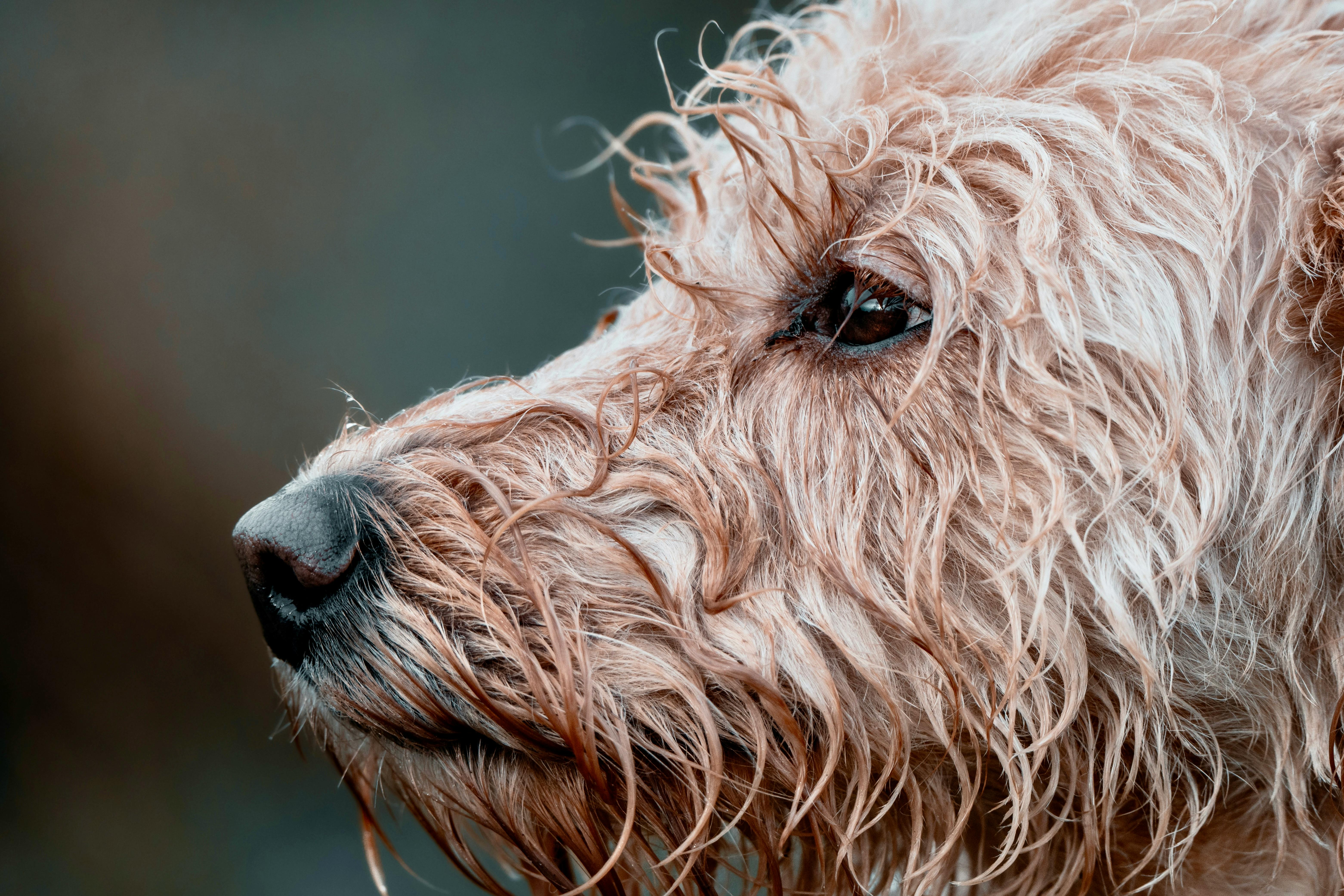 \n\n
\n\nWet noses are one of those curious things about dogs that many people just wonder about. Why do dogs have wet noses? Is it a sign of good health or something else? Let’s take a closer look at the fascinating truth behind our furry friends' moist noses and what it means for their overall health.
\nWhy Do Dogs Have Wet Noses?
\nThe moisture on a dog's nose serves several purposes. First, it helps them smell better. Dogs have an incredible sense of smell, and a wet nose can actually help them absorb scent molecules better. Here’s a few reasons why their noses stay wet:
\n- \n
- Enhanced Smell: A moist surface traps scent particles, allowing dogs to detect smells more effectively. \n
- Temperature Regulation: Dogs don’t sweat like humans. Their noses help in cooling them down when they are hot. \n
- Health Indicator: A wet nose is often seen as a sign of a healthy dog. However, this isn't always the case. \n
The Science Behind Wet Noses
\nHave you ever noticed how a dog's nose feels cold and wet? This wetness is actually mucus, which is produced by the nasal passages. The moisture is important for several reasons:
\n- \n
- Scent Absorption: The mucus helps to absorb scents, giving dogs a better understanding of their environment. \n
- Temperature Control: Dogs primarily regulate their body temperature through panting, but their noses also play a role, helping to keep their body cool. \n
- Health Monitoring: While a wet nose is generally a sign of health, it’s not the only factor to consider. \n
What Does a Dry Nose Mean?
\nA dry nose isn't necessarily a cause for alarm. However, it can indicate certain health issues. Here’s a list of possible reasons for a dry nose:
\n- \n
- Dehydration: If your pup isn’t drinking enough water, their nose might dry out. \n
- Illness: Sometimes, a dry nose can be a sign of an underlying health condition, like fever or allergies. \n
- Environmental Factors: Hot weather or dry air can cause a dog’s nose to dry out. \n
You should always keep an eye on your dog's overall behavior. If they seem lethargic or show other signs of illness, a vet visit is a good idea.
\nHow to Keep Your Dog’s Nose Healthy
\nKeeping your dog healthy goes beyond just their nose, but it can be a good indicator of their overall well-being. Here’s some tips for ensuring your dog's nose stays moist and healthy:
\n- \n
- Hydration: Make sure your dog always has access to fresh water. Dehydration can lead to a dry nose. \n
- Humidifier: If you live in a dry climate, consider using a humidifier to help maintain moisture in the air. \n
- Regular Vet Checkups: Regular veterinary visits can catch potential health issues early. \n
When to Seek Veterinary Help
\nIf you notice significant changes in your dog’s nose or overall health, it’s important to consult a veterinarian. Here’s a few signs that might indicate a health problem:
\n- \n
- Persistent Dryness: If your dog’s nose stays dry for a long period. \n
- Cracking or Bleeding: Any signs of cracks or bleeding should be addressed immediately. \n
- Behavioral Changes: Changes in eating, drinking, or activity levels can also be warning signs. \n
Fun Facts About Dogs and Their Noses
\n- \n
- Unique Patterns: Just like human fingerprints, each dog’s nose print is unique. \n
- Temperature Sensitivity: Dogs' noses can detect temperature changes, which helps them sense nearby dangers. \n
- Nose Work: Dogs are trained to use their noses for various tasks, including search and rescue and detecting certain medical conditions. \n
So, the next time you see your dog’s wet nose, remember that it’s more than just a cute feature. It plays an important role in their health and well-being. Understanding why do dogs have wet noses can help you be more attuned to your pup's health. A wet nose can be an indicator of a happy, healthy dog, but if you see any changes, don’t hesitate to reach out to a veterinarian. Keeping your furry friend hydrated and healthy is the best way to ensure they stay happy for years to come.
\n\nHow Dogs Use Their Wet Noses to Detect Emotions: A Deep Dive
\n\n \n\n
\n\nDogs are amazing creatures, aren’t they? They’ve been companions to humans for thousands of years. One of their most fascinating features is their wet noses. You might wonder: why do dogs have wet noses? And how do they use them to detect emotions? Let's dive deep into this captivating topic.
\nThe Science Behind Wet Noses
\nFirst off, the wetness of a dog’s nose isn’t just for show. It plays a crucial role in their sense of smell. A dog's nose is covered in a mucous layer which helps to capture scent particles. When these particles stick to the wet surface, it makes it easier for dogs to process and identify different odors. This is essential for them to detect emotions in people and other animals.
\n- \n
- Dogs have about 220 million scent receptors, compared to humans who only have about 5 million. \n
- The wetness of a dog's nose helps to enhance their olfactory abilities. \n
So, it’s clear that their noses are not only adorable but also super functional!
\nHow Dogs Use Their Noses to Detect Emotions
\nDogs are known for their ability to read human emotions, and their wet noses play a significant role in this process. They can pick up on scents that are associated with different feelings. For example, when a person is stressed or anxious, they release certain chemicals through their sweat. Dogs, with their incredible sense of smell, can detect these changes and respond accordingly.
\nHere’s how it works:
\n- \n
- \n
Chemical Signals: When humans feel emotions like fear or happiness, they release pheromones, which are scent molecules. Dogs can smell these and interpret them.
\n \n - \n
Facial Expressions and Body Language: While their noses are vital, dogs also combine this scent information with visual cues. A person’s facial expression or body posture can convey a lot about their emotional state.
\n \n - \n
Vocal Tones: Dogs pay attention to the tone of voice too. A happy tone can signal joy, while a harsh tone can indicate anger or fear.
\n \n
Why Do Dogs Have Wet Noses?
\nNow, let’s explore the reasons behind those wet noses. Besides enhancing their sense of smell, there are other reasons why dogs have moist noses:
\n- \n
- \n
Temperature Regulation: Dogs don’t sweat like humans do. Instead, they use their noses to help cool down. The moisture evaporating from their noses helps regulate their body temperature.
\n \n - \n
Health Indicator: A wet nose often indicates good health in dogs. If a dog has a dry nose, it may signify dehydration or illness, although that’s not always the case.
\n \n - \n
Social Interaction: Dogs often greet each other by sniffing noses. A wet nose can be more inviting and friendly, making socialization smoother among dogs.
\n \n
Fascinating Facts About Dog Noses
\nHere are some interesting tidbits about dog noses that you might not know:
\n- \n
- Dogs can detect certain diseases, including cancer and diabetes, through their sense of smell. \n
- A dog’s nose print is unique, just like a human fingerprint. \n
- Some breeds, like Bloodhounds, have an extraordinary sense of smell and can track scents over long distances. \n
Comparisons with Human Senses
\nTo appreciate the dog’s incredible abilities, let’s compare their sense of smell to that of humans:
\nDogs:
\n- \n
- 220 million scent receptors \n
- Ability to detect scents at incredibly low concentrations \n
- Can differentiate among various smells, even in complex environments \n
Humans:
\n- \n
- 5 million scent receptors \n
- Limited ability to distinguish smells, especially in crowded or mixed environments \n
Practical Examples of Dogs Detecting Emotions
\nImagine you come home after a long day. You’re feeling stressed and overwhelmed. Your dog, sensing your emotions through their wet nose and keen sense of smell, might come up and nuzzle you, providing comfort. Alternatively, if you’re excited and happy, your dog might bounce around, wagging their tail more vigorously.
\n- \n
- Stress Relief: Dogs can help lower anxiety levels. Their ability to sense our feelings allows them to provide support when we need it the most. \n
- Training and Assistance: Service dogs are trained to recognize signs of distress in their handlers. They can alert their owners to seizures or panic attacks by responding to emotional cues. \n
In summary, the wet noses of dogs serve multiple purposes, from enhancing their sense of smell to helping them connect with us on an emotional level. Their ability to detect emotions through scent is just one of the many reasons we cherish these furry friends. Dogs are not just pets; they are companions who understand us in ways we often take for granted.
\n\nThe Role of a Dog's Wet Nose in Smell: Unlocking Their Superpower
\n\n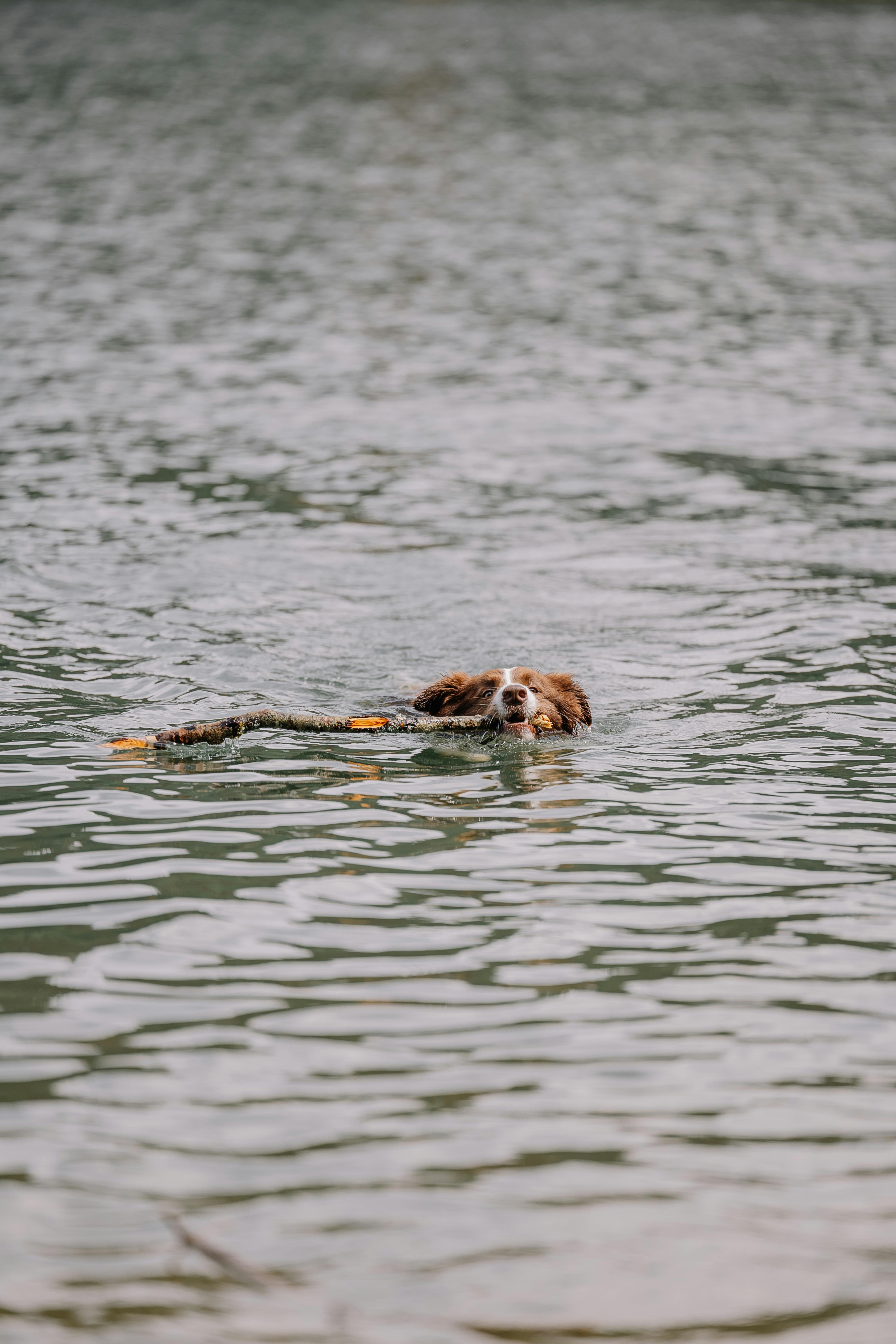 \n\n
\n\nDogs are often considered man's best friend, but have you ever wondered why they have wet noses? This seemingly small detail plays a big role in their sense of smell, which is one of their most impressive traits. The purpose of a dog's wet nose is more than just a cute quirk; it’s actually a vital part of their sensory system. So, let’s dive into the fascinating truth about the role of a dog’s wet nose in smell, and uncover why do dogs have wet noses.
\nThe Science Behind Wet Noses
\nDogs’ noses are typically moist due to a thin layer of mucus that helps to capture scent particles. This moisture increases the surface area of the nose, allowing for even greater absorption of smells. When a dog sniffs, the wet surface of its nose helps to trap these scent molecules, making it easier for the brain to interpret the smells.
\nHere’s a quick breakdown of how it works:
\n- \n
- Olfactory Receptors: Dogs have around 300 million olfactory receptors in their noses, compared to humans, who only have about 5 million. This makes their sense of smell incredibly sharp. \n
- Moisture: A wet nose can capture scent particles more effectively because they stick to the moisture, enhancing the dog’s ability to detect odors. \n
- Temperature Regulation: Wet noses also help dogs regulate their body temperature. When a dog pants, moisture evaporates from the nose, helping cool the body. \n
Historical Context: The Evolution of a Dog's Nose
\nHistorically, dogs have developed their keen sense of smell as a survival mechanism. Wild ancestors relied on their olfactory capabilities to find food, identify danger, and communicate with each other. As humans domesticated dogs, these traits were refined and enhanced.
\n- \n
- Hunting: Early humans would utilize dogs for hunting, relying on their superior smell to locate prey. \n
- Search and Rescue: Dogs have been used in search and rescue missions for centuries, where their ability to detect scents is invaluable. \n
- Detection Work: Today, dogs are trained in various detection roles, including drugs, explosives, and even medical conditions like low blood sugar or seizures. \n
Why Do Dogs Have Wet Noses? The Benefits Explained
\nThere are several reasons why having a wet nose is beneficial for dogs. Let’s look at a few of them:
\n- \n
- Enhanced Smelling Ability: As mentioned, moisture allows for better trapping of scent particles, giving dogs an edge in detecting smells. \n
- Hydration Indicator: A wet nose can indicate a dog’s hydration level. Dehydration can lead to a dry nose, so you can often tell if a dog needs water by checking its nose. \n
- Health Indicator: Changes in the moisture level of a dog’s nose can sometimes signal health issues. A sudden change to dry or cracked skin might indicate illness or stress. \n
Fun Facts About Dog Noses
\n- \n
- Unique Prints: Just like human fingerprints, every dog’s nose print is unique. This means it could theoretically be used for identification. \n
- Temperature Sensitivity: Dogs can actually detect changes in temperature, which helps them to sense their surroundings more effectively. \n
- Sniffing Technique: Dogs use a specific technique called “sniffing” where they rapidly inhale and exhale to analyze smells, which is different from how humans smell. \n
Dogs and Their Sense of Smell Compared to Humans
\nHere’s a quick comparison of how dogs and humans experience smell:
\n| Aspect | \nDogs | \nHumans | \n
|---|---|---|
| Olfactory Receptors | \n~300 million | \n~5 million | \n
| Scent Detection | \n10,000 to 100,000 times better | \nLimited detection | \n
| Smell Sensitivity | \nCan detect parts per trillion | \nCan detect parts per million | \n
| Use in Daily Life | \nTracking, hunting, rescue | \nMostly culinary experiences | \n
Practical Examples of Dog Nose Uses
\n- \n
- Search and Rescue: Dogs trained to find missing persons in disaster zones rely heavily on their sense of smell. \n
- Therapy Dogs: These dogs can detect emotional changes in humans and provide comfort. \n
- Detection Dogs: Police and military use dogs to sniff out drugs and explosives. \n
The next time you feel a cold, wet nose against your hand, remember it’s not just a sign of love; it’s a superpower in action! Dogs have evolved to use this unique trait to interact with the world in ways we can only imagine. With their remarkable ability to smell, they help us in so many aspects of life. Understanding why do dogs have wet noses not only deepens our appreciation of them but also sheds light on the incredible bond we share with our furry friends.
\n\nWhy Do Some Dogs Have Drier Noses? Common Causes Explained
\n\n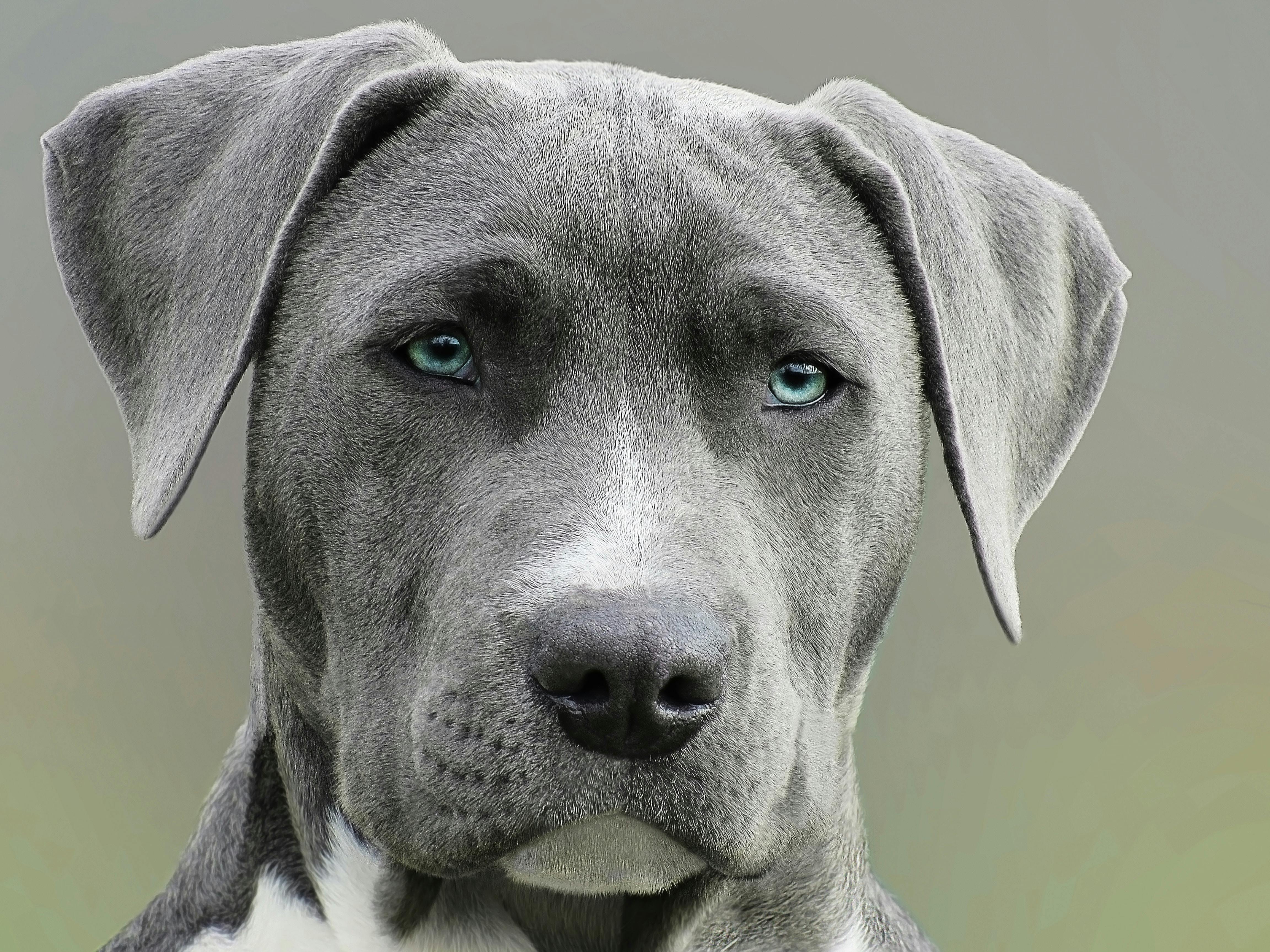 \n\n
\n\nDog noses are a topic that many pet owners wonder about, and it’s not unusual to see varying opinions on why some dogs have drier noses while others have that nice, wet feel. It’s just one of those things that seem to baffle us, right? So, let’s dive into the common causes behind these differences and explore the scientific reasons behind why dogs have wet noses.
\nWhy Do Some Dogs Have Drier Noses?
\nThere are several factors that can contribute to the dryness of a dog’s nose. It’s not always a cause for concern, but sometimes it might be an indicator of health issues. Here’s a list of potential reasons:
\n- \n
- Weather Conditions: Cold, windy, or dry climates can lead to a dog having a drier nose. Just like humans, dogs can experience the effects of the environment. \n
- Dehydration: If a dog isn’t drinking enough water, their nose may become dry. It’s important to keep your furry friend well-hydrated. \n
- Allergies: Allergies can cause inflammation and irritation, resulting in a dry nose. This could be due to environmental factors or even food. \n
- Infections: Bacterial or fungal infections can lead to a change in the moisture levels of a dog’s nose. If the dryness is accompanied by other symptoms, it might be time to visit the vet. \n
- Age: As dogs get older, their bodies may produce less moisture, leading to drier noses. Aging can affect many bodily functions, nose moisture included. \n
- Health Issues: Certain health problems, such as autoimmune diseases, can also result in a dry nose. If you notice persistent dryness, it might be worth consulting a veterinarian. \n
Why Do Dogs Have Wet Noses?
\nNow, let’s flip the coin and discuss wet noses! Dogs are often known for their moist, cool noses, and there’s actually some fascinating science behind this. A wet nose is a sign of a healthy dog, and here’s why:
\n- \n
- Temperature Regulation: Dogs use their noses to help regulate body temperature. A wet nose can help cool them down, much like how sweating works for humans. \n
- Enhanced Sense of Smell: The moisture on a dog’s nose helps to capture scent particles, enhancing their sense of smell. This is why dogs are often used in search and rescue operations or as service animals. \n
- Communication: Dogs often communicate with each other and with humans through scent. A wet nose can help convey information about their environment or their own emotional state. \n
- Natural Moisture Secretion: Dogs’ noses have glands that produce moisture naturally. This is completely normal and healthy! \n
Comparison of Wet and Dry Dog Noses
\nHere’s a simple table contrasting the characteristics of wet and dry dog noses:
\n| Feature | \nWet Nose | \nDry Nose | \n
|---|---|---|
| Temperature Regulation | \nHelps cool down the dog | \nLess effective in regulating heat | \n
| Sense of Smell | \nEnhances olfactory abilities | \nMay slightly diminish scent ability | \n
| Health Indicator | \nGenerally a sign of good health | \nCan indicate dehydration or illness | \n
| Environmental Factors | \nOften wet in humid environments | \nDrier in cold or windy climates | \n
When to be Concerned?
\nMost of the time, a dog’s nose can vary between wet and dry without cause for alarm. However, there are certain signs to look out for that might indicate a health issue:
\n- \n
- Persistent Dryness: If your dog’s nose is dry for an extended period and doesn’t return to being moist. \n
- Cracking or Bleeding: Any cracks or blood on the nose could indicate a more serious problem. \n
- Accompanying Symptoms: If there are additional signs, like lethargy, loss of appetite, or unusual behavior, this is a red flag. \n
- Changes in Color: If the nose changes color, it could be worth checking with a vet. \n
Practical Examples
\nLet’s take a look at some scenarios:
\n- \n
- Scenario 1: A Labrador in a humid area might have a wet nose most of the time, indicating they’re healthy and happy. \n
- Scenario 2: A Dachshund living in a dry, cold climate may experience a drier nose, but that doesn’t mean they’re sick. They might just need some extra hydration. \n
It's fascinating how much a dog's nose can tell us! Understanding the reasons behind why some dogs have drier noses while others have wet ones, and recognizing the health implications can help pet owners take better care of their furry friends. So, whether your dog’s nose is moist or dry, understanding these facts can help you ensure they’re living their best life.
\n\nThe Fascinating Evolutionary Reason for Your Dog's Wet Nose
\n\n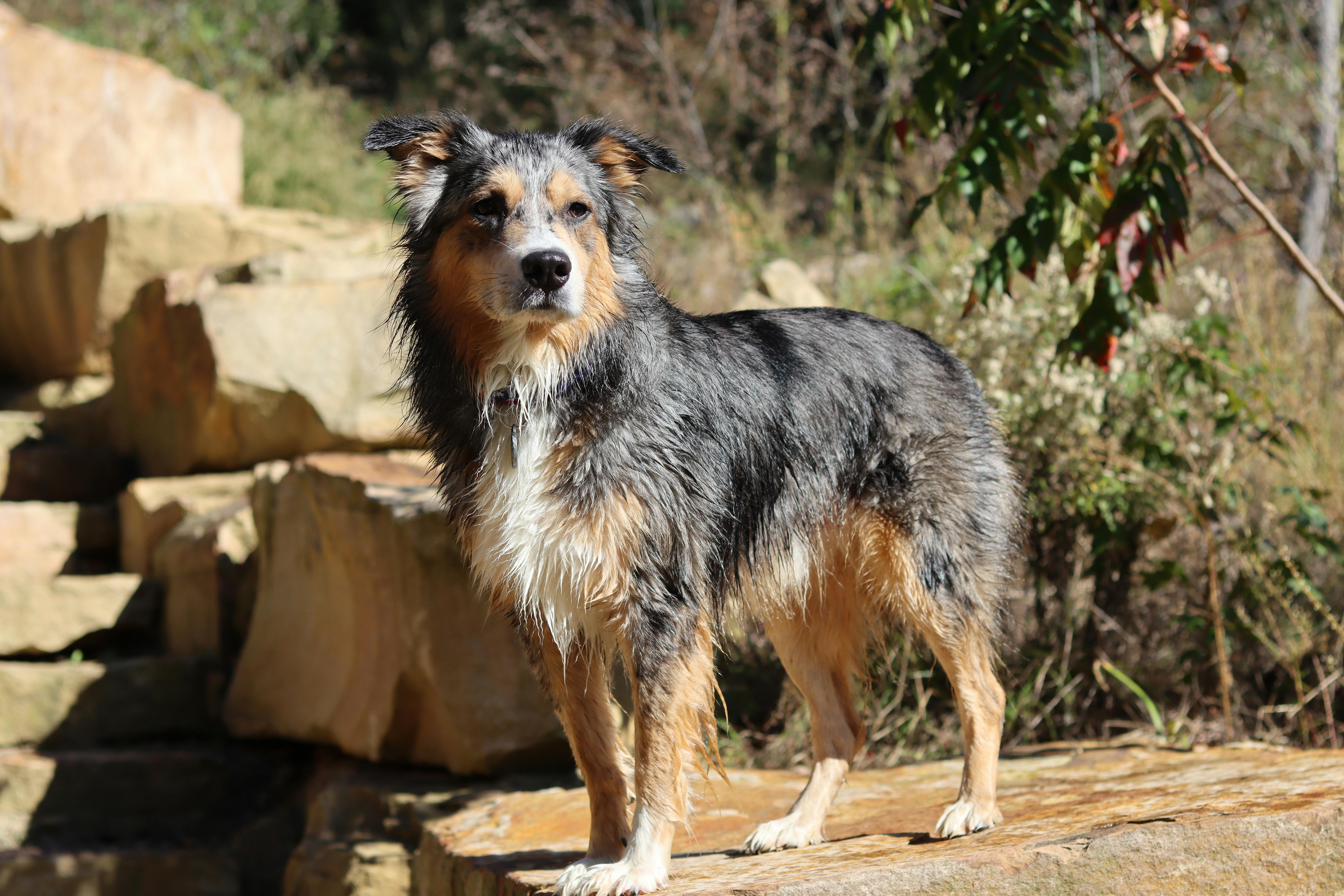 \n\n
\n\nHave you ever wonder why your dog’s nose feels like a little sponge? You know, that wet and cool sensation when you pet them? Well, it turns out there’s more to it than just a cute quirk. The question “Why do dogs have wet noses?” isn’t just a matter of curiosity; it involves a fascinating evolutionary journey, and there are reasons that might surprise you!
\nThe Science Behind the Wet Nose
\nDogs' noses are wet for several reasons, which relates to their biology and evolutionary history. A wet nose helps dogs regulate their body temperature, enhances their sense of smell, and keeps them hydrated. Here’s a breakdown of some of the key factors:
\n- \n
- \n
Temperature Regulation: Dogs don’t sweat like humans do. Instead, they primarily cool off through panting and the moisture on their noses helps with this. When a dog’s nose is wet, it can evaporate moisture and thus cool their body.
\n \n - \n
Enhanced Olfaction: Dogs have an extraordinary sense of smell, which is way better than ours. The moisture on their noses captures scent particles from the air, making it easier for them to detect different smells. This is why your pup can sniff out treats or find hidden toys!
\n \n - \n
Health Indicator: A wet nose generally indicates good health in dogs. If a dog’s nose becomes dry or cracked, it might be a sign of dehydration or illness. Keeping an eye on their nose can help you catch potential health issues early.
\n \n
A Historical Perspective
\nThe evolutionary journey of dogs is quite intriguing. Dogs are descendants of wolves, and the transition from wild to domesticated animals brought significant changes in their physiology, including the characteristics of their noses. Wolves have wet noses too, but they rely more on their keen sense of smell for hunting and survival.
\n- \n
- \n
Domestication Effects: As dogs became companions to humans, their senses adjusted to their new roles. A wet nose became even more advantageous as they learned to detect food, sense danger, and communicate with humans.
\n \n - \n
Breeds and Noses: Not all dogs have the same nose wetness. Certain breeds with shorter muzzles, like Bulldogs, might have drier noses compared to long-nosed breeds like Greyhounds.
\n \n
Fun Facts About Dog Noses
\nHere’s an interesting list of fun facts you might not know about dog noses:
\n- \n
- Dogs have about 300 million smell receptors in their noses, compared to about 5 million in humans. \n
- Each dog’s nose print is unique, much like a human fingerprint. \n
- The temperature of a dog’s nose can vary, but a typical healthy nose is cool and wet. \n
- Dogs can recognize their owner’s scent from a mile away! \n
Why Wet Noses Matter
\nUnderstanding why dogs have wet noses can help you appreciate your furry friend even more. Here are some practical reasons this knowledge is important:
\n- \n
- \n
Health Monitoring: Regularly checking your dog’s nose can help you monitor their health. If it’s too dry or has unusual discharge, it might be time to visit the vet.
\n \n - \n
Behavior Insights: A wet nose can indicate excitement or happiness. When your dog greets you with a wet nose, it's often a sign of affection.
\n \n - \n
Training and Bonding: Knowing how to interpret your dog’s behaviors related to their nose can improve your bonding experience. For example, when they nuzzle their nose against you, they might be seeking comfort or attention.
\n \n
The Bottom Line
\nSo, the next time you feel your dog’s wet nose, remember that it’s not just a random trait. It’s a part of what makes dogs so special and connected to their evolutionary roots. Their wet noses serve practical purposes that go beyond cuteness; they connect to survival, communication, and health monitoring.
\nBy appreciating these little details, you deepen the bond you have with your pet. It’s amazing how such a simple feature can be a window into their world! So, keep those noses wet, and cherish every moment with your furry companion.
\n\nCan a Dog’s Wet Nose Indicate Illness? What Pet Owners Should Watch For
\n\n\n\nCan a dog’s wet nose indicate illness? This is a question that many pet owners find themselves asking, especially when they notice their furry friend acting differently. Dogs are known for their wet noses, but what does it really mean? Is it just a cute trait or something more significant? Let’s dive into the fascinating truth about why dogs have wet noses, what pet owners should watch for, and the possible health implications linked to a dog’s nose moisture.
\nWhy Do Dogs Have Wet Noses?
\nDogs have wet noses for various reasons. The moisture on their noses serve a purpose, and it might be more than just looking adorable. Here are some key points about dog noses:
\n- \n
- \n
Temperature Regulation: A dog’s nose helps to cool their body. When they pant, moisture from their noses evaporates, which can help to lower their body temperature.
\n \n - \n
Sense of Smell: Dogs have an extraordinary sense of smell—much stronger than humans. A wet nose can enhance their ability to pick up scents. The moisture traps scent particles, making it easier for dogs to detect various smells.
\n \n - \n
Communication: Dogs communicate through scent, and a wet nose can help them gather more information about their environment and other animals.
\n \n - \n
Health Indicator: While a wet nose is often a sign of a healthy dog, changes in moisture levels can indicate health issues.
\n \n
Can a Dog’s Wet Nose Indicate Illness?
\nSo, can a dog's wet nose be a warning sign? Yes, it can. While a wet nose is typically a sign of health, if it suddenly becomes dry or excessively wet, it might be time to pay attention. Here are some signs to look for:
\n- \n
- \n
Dry Nose: A dry nose could indicate dehydration, fever, or certain health conditions. If your dog’s nose is dry and cracked, it might be worth consulting your vet.
\n \n - \n
Excessively Wet Nose: If your dog’s nose is unusually wet and they’re also exhibiting other symptoms, this could be a sign of illness. Excessive drooling or nasal discharge might require a vet visit.
\n \n - \n
Changes in Behavior: Along with nose changes, if your pet is lethargic, refuses to eat, or shows signs of distress, these could indicate underlying health issues.
\n \n
What Pet Owners Should Watch For
\nAs a responsible pet owner, it’s crucial to be observant. Here’s a handy list of signs that might indicate your dog needs a vet visit:
\n- \n
- Changes in appetite or drinking habits \n
- Lethargy or decreased activity level \n
- Vomiting or diarrhea \n
- Coughing or difficulty breathing \n
- Unusual behavior, like aggression or hiding \n
Historical Context of Dog Noses
\nHistorically, dog noses have been a topic of interest for many cultures. Ancient civilizations recognized the unique abilities of dogs, especially their keen sense of smell. In fact, dogs were often used in hunting and tracking due to their exceptional olfactory capabilities. The wet nose was seen not just as a charming characteristic but a necessary tool for survival.
\nFun Facts About Dog Noses
\n- \n
- \n
Did you know that each dog’s nose print is unique? Just like human fingerprints, no two dog noses are alike.
\n \n - \n
Dogs have around 220 million scent receptors in their noses, compared to humans, who have about 5 million. This explains why they can sniff out certain diseases!
\n \n - \n
The color of a dog's nose can change with age. Puppies often have pink noses that darken as they grow.
\n \n - \n
Dogs can even detect certain types of cancer by smelling the breath or urine of humans.
\n \n
Quick Comparison: Wet Nose vs. Dry Nose
\nHere’s a simple comparison to help you understand the significance of wet versus dry noses:
\n- \n
- \n
Wet Nose:
\n- \n
- Often indicates health \n
- Helps with scent detection \n
- Can regulate temperature \n
\n - \n
Dry Nose:
\n- \n
- May indicate dehydration or illness \n
- Can be a sign of overheating or fever \n
- Might require vet attention if persistent \n
\n
Being attentive to your dog's nose condition can be very beneficial. While a wet nose generally signals a healthy pup, remembering that changes might indicate health issues is crucial. Always consult with your veterinarian if you notice anything unusual, as they can provide the best advice for your furry friend's well-being. Your dog deserves the best care, so stay informed and proactive!
\n\nThe Connection Between Wet Noses and Dog Behavior: What’s the Link?
\n\n \n\n
\n\nDogs have been our loyal companions for thousands of years, and their behaviors often leaves us scratching our heads. One such behavior, the wet nose phenomenon, raises questions like, "Why do dogs have wet noses?" and "What’s the connection between wet noses and dog behavior?" Understanding these moist noses can unveil insights into canine health and communication. Let's dive into this fascinating topic!
\nThe Science Behind Wet Noses
\nFirst, let's talk about why dog noses are often wet. It’s not just a random trait; there’s more to it. A dog's nose is wet due to a combination of factors, including:
\n- \n
- \n
Mucus Production: Dogs have glands that produce mucus, which helps to keep their noses moist. This moisture increases their sense of smell, allowing them to detect scents more effectively.
\n \n - \n
Cooling Mechanism: Dogs do not sweat like humans do. Instead, they use their noses and panting as a way to cool down. A wet nose can help regulate their body temperature.
\n \n - \n
Sensory Enhancement: The moisture on a dog’s nose also helps to capture scent particles from the air, which enhances their smelling capabilities. This is crucial for dogs, as they rely heavily on their sense of smell to understand their environment.
\n \n
Historical Context of Dogs and Their Noses
\nThroughout history, dogs have been bred for various roles, from hunting to herding to companionship. The evolution of the dog’s nose can be traced back to their wild ancestors. Early wolves, for instance, had wet noses that helped them track prey over long distances. As dogs became domesticated, this trait remained, serving as a tool for communication and interaction with humans.
\nWhat Does a Wet Nose Indicate About a Dog's Health?
\nA wet nose is often seen as a sign of a healthy dog, but it’s not always the case. Here are some health-related considerations related to a dog's nose moisture:
\n- \n
- \n
Normal: A moist nose is generally a good sign. It means your dog is likely healthy and well-hydrated.
\n \n - \n
Dry Nose: A dry nose might be a sign of dehydration, fever, or certain health issues. If it stays dry for too long, a vet visit is usually a good idea.
\n \n - \n
Excessively Wet Nose: If your dog's nose is dripping or unusually wet, it may indicate allergies, infections, or other health concerns.
\n \n
How Wet Noses Affect Dog Behavior
\nWet noses play a role in how dogs behave and interact. Here’s how:
\n- \n
- \n
Greeting Behavior: Dogs often greet each other (and humans) with their noses. A wet nose can signify friendliness or eagerness to interact.
\n \n - \n
Exploration: A dog's curiosity often leads them to sniff everything. Their wet noses help them gather information about their environment, which can influence their behavior.
\n \n - \n
Communication: Dogs use their noses to communicate with each other. A wet nose can indicate a calm and relaxed state, while a dry nose might suggest stress or discomfort.
\n \n
Fun Facts About Dogs and Their Noses
\n- \n
- \n
Dogs have about 300 million smell receptors in their noses, compared to a human’s 5 million.
\n \n - \n
The unique pattern of a dog’s nose is similar to a human fingerprint; no two dogs have the same nose print.
\n \n - \n
Puppies are born with wet noses, but they may not be fully developed until they reach a few weeks of age.
\n \n - \n
Certain breeds, like Bloodhounds, are known for their extraordinary sense of smell and have particularly wet noses.
\n \n
Practical Tips for Dog Owners
\nSo, what can dog owners do to ensure their furry friends maintain healthy noses? Here’s a list of practical tips:
\n- \n
- \n
Hydration: Ensure your dog has access to fresh water at all times. Proper hydration contributes to a moist nose.
\n \n - \n
Regular Check-ups: Regular veterinary visits can help catch any potential health issues early.
\n \n - \n
Observe Changes: Keep an eye on your dog’s nose. Sudden changes in moisture levels can indicate health problems.
\n \n - \n
Nose Care: If your dog’s nose appears cracked or excessively dry, consider using a dog-safe moisturizer.
\n \n
Understanding the connection between wet noses and dog behavior can enrich your relationship with your canine companion. It opens up a whole new world of communication and health awareness. Next time you see your dog’s wet nose, remember, it’s not just cute; it’s part of their complex and fascinating biology. This little detail can tell you a lot about their overall well-being and mood. So keep observing, and enjoy the unique bond you share with your four-legged friend!
\n\nFun Facts About Dog Noses: Why Wetness Matters More Than You Think!
\n\n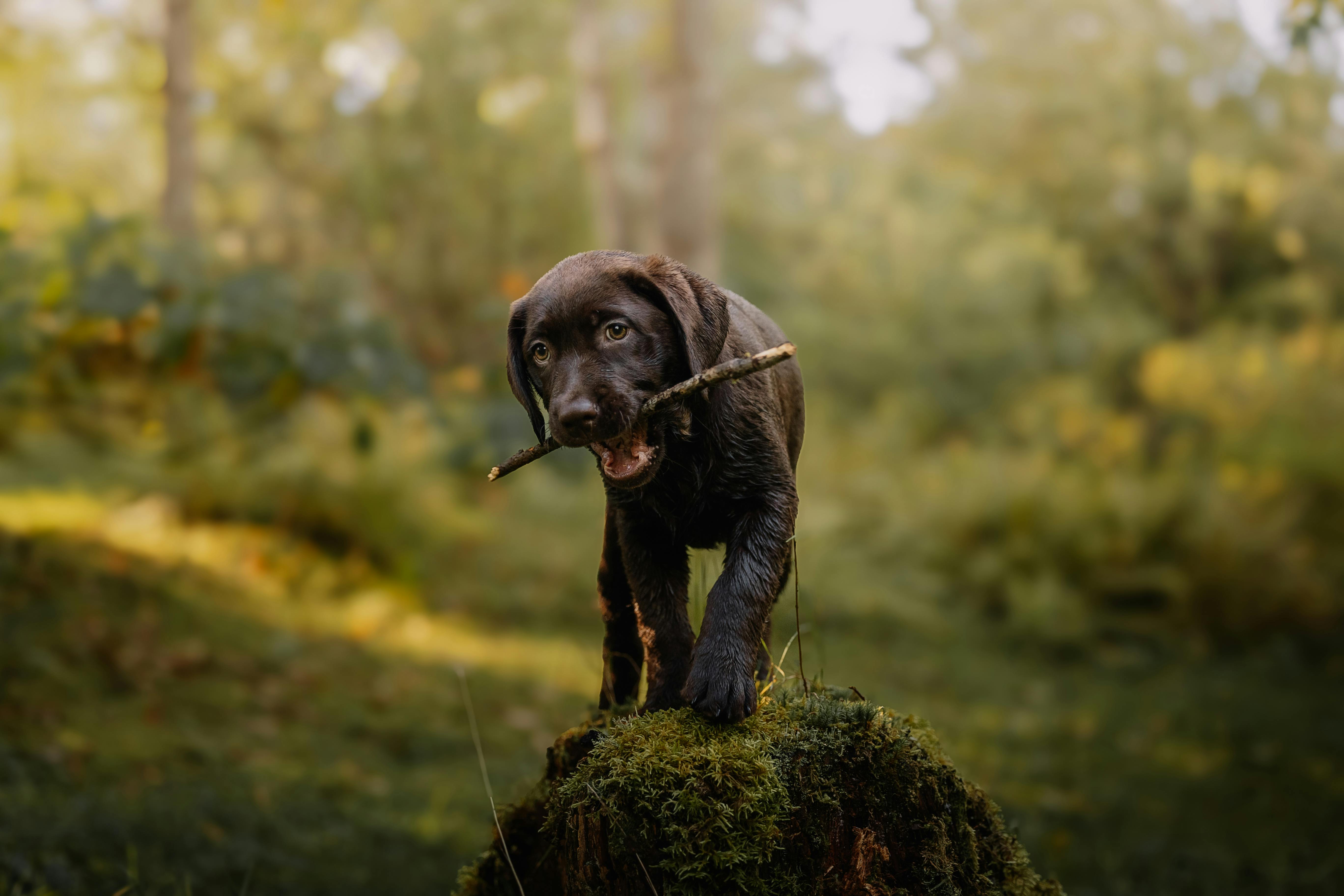 \n\n
\n\nEvery dog lover knows that a pooch’s nose is one of their most endearing features. But have you ever wondered, why do dogs have wet noses? It's not just for show; there's actually a lot of fascinating science behind it! Wet noses are more than just a quirky trait, they serve important functions in a dog’s life. Let’s dive into some fun facts about dog noses and discover why their wetness matters more than you think!
\nThe Science Behind Wet Noses
\nDogs have moist noses for several reasons. First off, the wetness helps to enhance their sense of smell. Here’s how it works:
\n- \n
- Olfactory Receptors: A dog's nose is packed with olfactory receptors, which are responsible for detecting scents. The moisture on their noses helps to trap scent particles, making it easier for them to sniff out what's around them. \n
- Temperature Regulation: Just like humans sweat, dogs use their noses to help cool down. When they are panting or feeling hot, the wetness on their noses evaporates, which can help to lower their body temperature a bit. \n
- Health Indicator: A dog’s nose can also be an indicator of their health. A wet nose is often a sign of a healthy dog, while a dry or cracked nose could suggest dehydration or illness. \n
Fun Facts About Dog Noses
\n- \n
- \n
Unique Prints: Just like human fingerprints, each dog has a unique nose print. This can actually be used for identification, although it’s not as common as using microchips.
\n \n - \n
Super Sniffers: Dogs have up to 300 million olfactory receptors in their noses, compared to a human’s 5 million. This makes them incredibly adept at sniffing out scents, which is why they are used in various fields, including search and rescue, detection of drugs, and even medical diagnoses.
\n \n - \n
Nose Temperature: The temperature of a dog's nose can vary. A cool, moist nose is often seen as a sign of good health, but a warm, dry nose doesn’t always mean they are sick. Dogs can have warm noses after they’ve been sleeping or if it's a hot day.
\n \n - \n
The Nose Knows: Dogs can smell some things up to 100,000 times better than humans. This extraordinary sense of smell allows them to detect things like bombs, drugs, and even diseases such as cancer.
\n \n
Why Wetness Matters More Than You Think
\nYou might be curious about the wetness itself. Why do dogs have wet noses? The answer is layered:
\n- \n
- Enhanced Sensory Reception: The moisture on a dog’s nose helps to dissolve scent particles, which enhances their ability to detect smells. \n
- Communication Tool: Dogs also use their noses to communicate. A wet nose can be a friendly nudge or a way of exploring their environment. When they greet you with a wet nose, it’s their way of saying, “Hello!” \n
Fun Comparisons: Dog Noses vs. Human Noses
\nLet’s break down some fun comparisons between our noses and dog noses:
\n| Feature | \nDog Noses | \nHuman Noses | \n
|---|---|---|
| Olfactory Receptors | \n300 million | \n5 million | \n
| Function | \nSmell, cooling, health indicator | \nSmell, breathing | \n
| Unique Prints | \nYes | \nNo | \n
| Temperature Regulation | \nYes | \nNo | \n
Practical Examples of Dog Nose Use
\n- \n
- Sniffer Dogs in Airports: Dogs are often employed to sniff out narcotics and explosives in airports. Their wet noses play a key role in detecting drugs hidden in luggage. \n
- Medical Detection: Some dogs can detect certain diseases by smelling changes in human breath or skin. Their wet noses help them to pick up these unique odors. \n
- Search and Rescue: When searching for missing people, rescue dogs utilize their incredible sense of smell, aided by their wet noses, to locate individuals even in challenging environments. \n
In summary, the wetness of a dog’s nose is not just a cute feature, but a vital aspect of their biology. From enhancing their incredible sense of smell to providing valuable health indicators, wet noses play an essential role in a dog’s life. Next time you give your furry friend a scratch behind the ears, take a moment to appreciate that wet nose and all the wonders it represents!
\n\nConclusion
\n\nIn conclusion, the wet noses of dogs serve several important functions that contribute to their overall health and behavior. The moisture on a dog's nose helps to enhance their sense of smell, allowing them to better perceive their surroundings and detect scents. Additionally, the wetness aids in thermoregulation, helping to keep them cool, particularly during warmer weather. Dogs also rely on their noses to communicate and gather information about their environment and other animals. Understanding the significance of a dog's wet nose can deepen the bond between pet owners and their furry companions. So, the next time you notice your dog’s moist nose, remember that it’s not just cute—it's a vital part of what makes them such incredible creatures. Consider sharing your newfound knowledge with fellow dog lovers to spread awareness about this fascinating aspect of canine biology!
\n\n