Have you ever wonder why do dogs have wet noses? This intriguing question not only sparks curiosity but also unveils the fascinating truth about our beloved furry friends! The wetness of a dog's nose is more than just an adorable trait; it actually serves several vital purposes. Did you know that a wet nose can help them smell better? That’s right! The moisture on their noses enhances their sense of smell, allowing them to detect scents more effectively. This is one of the reasons dogs are often used in search and rescue missions, sniffing out everything from missing persons to drugs. But what causes this wetness? Is it related to their health? Understanding why do dogs have wet noses can lead to insights about their overall well-being. Moreover, this simple feature can indicate if your pup is healthy or if something more serious is at play. So, join us as we dive deeper into this captivating topic and discover the science behind those cute, wet noses! Whether you're a dog owner or a pet enthusiast, you'll find the answers you seek and maybe even learn a few fun facts along the way!
\n\nThe Science Behind Wet Noses: Why Are Dogs' Noses Always Moist?
\n\n \n\n
\n\nWhen you think about dogs, you probably picture wagging tails and playful barks. But one of the most interesting things about our furry friends is their wet noses. Why do dogs have wet noses? It’s not just a cute quirk; there’s actually some fascinating science behind it. Let’s dive into this topic and uncover some of the truths behind those moist noses.
\nThe Function of a Wet Nose
\nDog noses are wet for several reasons, most of which are connected to their health and survival. Here’s some of the key functions:
\n- \n
- \n
Temperature Regulation: Dogs don’t sweat like humans do. Instead, they rely on their noses to help cool down. A wet nose can help regulate their body temperature, making them more comfortable in warm weather.
\n \n - \n
Enhanced Smell: A wet nose can absorb scent chemicals better. This gives dogs a heightened sense of smell, which is crucial for hunting, tracking, or simply exploring their environment.
\n \n - \n
Moisture Retention: The moisture on a dog’s nose prevents it from drying out, which can result in cracking or other skin issues.
\n \n - \n
Health Indicator: A wet nose is often seen as a sign of health. Dogs with dry or cracked noses might be suffering from dehydration or illness.
\n \n
Evolutionary Perspective
\nFrom an evolutionary standpoint, having a wet nose probably provided early dogs with survival advantages. It is believed that ancestors of dogs had moist noses to help them track prey over long distances. A wet nose can pick up scents from the environment much more effectively than a dry one, making hunting easier.
\n- \n
- Many dog breeds have evolved to have wet noses. The wetness helps with their unique hunting and tracking abilities. \n
- In some cases, dogs with longer noses might have more moisture. This is because the surface area is greater, allowing more scent absorption. \n
The Anatomy of a Dog’s Nose
\nTo understand why do dogs have wet noses, we should also look at the anatomy of a dog’s nose. The nose is made up of several parts:
\n- \n
- Nasal Cavity: This is where the air enters and is filtered. \n
- Olfactory Receptors: Dogs have about 220 million olfactory receptors, compared to humans, who have around 5 million. This is a big reason why dogs are such great sniffers. \n
- Moisture Glands: These glands produce mucus that keeps the nose moist. \n
Common Myths About Dog Noses
\nThere are many myths surrounding dog noses, and it’s important to clear those up:
\n- \n
- A Wet Nose Means a Healthy Dog: While a wet nose is often a sign of health, it’s not the only indicator. A dog can be sick even with a wet nose. \n
- Dogs Only Get Wet Noses When They're Sick: Not true! Dogs can have wet noses for many reasons, including excitement or after drinking water. \n
- The Color of the Nose Matters: Some people think that a darker nose is healthier than a lighter one. But, the color doesn’t directly reflect the health of the dog. \n
Things to Watch For
\nWhile wet noses are generally a good sign, there are times when you should be concerned:
\n- \n
- Dryness or Cracking: If a dog’s nose becomes dry or cracked, it could indicate dehydration or other health issues. \n
- Discharge: If there’s unusual discharge from the nose, it may be a sign of allergies or infections. \n
- Changes in Temperature: A suddenly warm or hot nose can indicate fever or illness. \n
Fun Facts About Dog Noses
\n- \n
- Dogs have a unique nose print, much like human fingerprints, and it can be used for identification. \n
- The moisture on their noses comes from a mix of saliva and mucus, which helps to trap scent particles. \n
- A dog’s sense of smell is so powerful that they can detect certain diseases, like cancer, through scent. \n
Understanding why do dogs have wet noses gives us insight into their health and behavior. It’s part of what makes them unique companions. Observing their noses can tell us a lot about their wellbeing. So next time you give your furry friend a scratch behind the ears, take a moment to appreciate that wet nose—it’s a fascinating feature that serves many important purposes!
\n\nTop 5 Fascinating Reasons Why Dogs Have Wet Noses You Didn’t Know About
\n\n \n\n
\n\nDogs are known for many things, but one of the most noticeable features is their wet noses. Ever wonder why they have this characteristic? There’s actually a lot more to this than meets the eye. Let’s dive into the top 5 fascinating reasons why dogs have wet noses you didn’t know about. Get ready to discover the fascinating truth behind that adorable, soggy snout!
\n1. Natural Cooling System
\nOne of the most interesting facts about dog noses is that they help regulate body temperature. Dogs don’t sweat like humans do, they actually rely on their noses to help cool themselves off. When a dog’s nose is wet, it helps to evaporate moisture, which can lower their body temperature. This is especially important during hot summer days when dogs can easily overheat.
\n- \n
- How It Works:
- \n
- Moisture on the nose evaporates. \n
- This process cools the blood vessels in the nose. \n
- The cooled blood circulates throughout the body. \n
\n
2. Enhanced Sense of Smell
\nAnother reason for a dog’s wet nose is that it enhances their sense of smell. A moist nose can absorb scent chemicals better than a dry one. This might seem trivial, but dogs have such powerful noses that they can detect scents in parts per trillion! The wetness helps to trap scent particles, making it easier for dogs to pick up on various smells in their environment.
\n- \n
- Interesting Facts:
- \n
- Dogs have up to 300 million scent receptors. \n
- Humans have about 5 million. \n
- A dog can smell a bone buried in the ground from several feet away! \n
\n
3. Communication Tool
\nDogs uses their noses as a way to communicate with other dogs and animals. A wet nose can signal different things, like excitement or submission. When dogs greet each other, they often sniff each other’s noses. The moisture can serve as a social signal that indicates trust and openness.
\n- \n
- Examples of Communication:
- \n
- A wet nose when greeting indicates friendliness. \n
- A dry nose may indicate stress or illness. \n
- Dogs also use their noses to sense emotions in humans. \n
\n
4. Health Indicator
\nThe condition of a dog’s nose can actually indicate their health status. A healthy dog typically has a cool, moist nose, while a dry or cracked nose might signal something’s wrong. However, it’s not always a clear indicator of health, but it can be a good starting point for dog owners.
\n- \n
- Health To Watch For:
- \n
- Dry Nose: Could indicate dehydration or fever. \n
- Cracked Nose: May suggest a skin condition. \n
- Excessively Wet Nose: Sometimes a sign of allergies or infections. \n
\n
5. Evolutionary Trait
\nThe evolution of the dog’s wet nose can be traced back to their ancestors. Early dogs likely developed wet noses to help them hunt and survive. The moisture helped them to track prey over long distances by picking up scents more effectively. Over time, this trait has persisted, even in today’s domesticated dogs.
\n- \n
- Evolutionary Background:
- \n
- Ancestors used noses for hunting. \n
- Wetness was advantageous in finding food. \n
- Modern dogs retain this trait, despite being pets. \n
\n
Dogs are truly amazing creatures with so many fascinating traits, wet noses included! Understanding the reasons behind their wet noses not only helps us appreciate them more, but it also gives us insight into their health and behavior.
\nIn summary, the next time you see that wet nose, remember it’s not just for show. It serves practical purposes that help your furry friend navigate their world more effectively. So, whether it’s cooling off, enhancing their sense of smell, or communicating with other dogs, that wet nose is a vital part of what makes dogs so special.
\n\nIs a Wet Nose a Sign of a Healthy Dog? Understanding Canine Health Indicators
\n\n \n\n
\n\nIs a Wet Nose a Sign of a Healthy Dog? Understanding Canine Health Indicators, Why Do Dogs Have Wet Noses? Discover the Fascinating Truth!
\nWhen you see a dog, one of the first things you probably notice is its wet nose. But have you ever asked yourself, is a wet nose really a sign of a healthy dog? This common belief is widely held among pet owners, and while there’s some truth to it, the reality is a bit more complex. Let's explore what a wet nose means and dive into canine health indicators.
\nWhy Do Dogs Have Wet Noses?
\nDogs have wet noses for several reasons that go beyond just appearance. Here’s a quick breakdown:
\n- \n
- Temperature Regulation: A dog’s nose plays a part in regulating its body temperature. When they pant or heat up, the moisture on their nose helps to cool them down. \n
- Enhanced Smell: Wet noses help to capture scent particles, making it easier for dogs to smell. The moisture makes the scent molecules stick, which increases their olfactory abilities. \n
- Health Indicator: While a wet nose can indicate a healthy dog, it’s not the only sign. A wet nose can also be a result of environmental factors like humidity. \n
What Does a Wet Nose Mean?
\nPeople often think that a wet nose means a dog is healthy, but that’s not always true. Here’s a list of what a wet nose might indicate:
\n- \n
- Healthy Dog: A wet nose can be a good sign. Most healthy dogs have moist noses, which shows they are well-hydrated. \n
- Fever: If a dog’s nose is dry and warm, it could be a sign of fever or illness. However, this isn't a definitive indicator. \n
- Dehydration: Dogs that are dehydrated may have a dry nose. If your pup's nose feels unusually dry, it might be time to check its water intake. \n
Normal Nose Conditions
\nNot all dogs have the same type of nose, and conditions can vary greatly. Here’s a comparison of nose types:
\n| Wet Nose | \nDry Nose | \n
|---|---|
| Common in healthy dogs | \nCan indicate illness | \n
| Enhanced smelling ability | \nMay show dehydration | \n
| Usually cool to touch | \nCan be warm or hot | \n
Signs of Health in Dogs
\nWhile a wet nose can be a sign of health, there are other indicators you should pay attention to. Here’s a list of common signs of a healthy dog:
\n- \n
- Bright and Clear Eyes: Healthy dogs usually have bright eyes, free from discharge or cloudiness. \n
- Shiny Coat: A shiny, clean coat is another sign of good health. Dull fur can indicate poor nutrition or health issues. \n
- Active Behavior: A healthy dog is usually energetic and playful. If your dog is lethargic, it may need a vet check. \n
- Good Appetite: Eating regularly and with enthusiasm can be a sign of well-being. \n
The Science Behind Dog Noses
\nEver wonder why dogs' noses are so unique? The anatomy plays a crucial role. Dogs have more than 200 million scent receptors in their noses compared to humans, who only have about 5 million. This makes dogs incredibly adept at detecting scents, which is why they are often used in search and rescue operations.
\nCommon Nose Problems to Watch For
\nWhile wet noses are often associated with health, there are issues that can arise. Here’s what to look out for:
\n- \n
- Nosebleeds: Frequent nosebleeds can indicate underlying health problems. \n
- Crusty or Scabbed Nose: This can be a sign of infections or allergies. \n
- Excessive Moisture: If the nose is overly wet, it could indicate a health issue that needs attention. \n
Final Thoughts
\nUnderstanding why dogs have wet noses and what it means for their health can help you take better care of your furry friend. Remember, while a wet nose is often a good sign, it’s just one part of a bigger picture. Always keep an eye on other health indicators like their appetite, energy levels, and coat condition. Regular vet check-ups and being aware of your dog's unique habits will help ensure they stay healthy and happy for years to come. So next time you feel that wet nose, appreciate it, but also keep an eye out for the overall signs of health!
\n\nHow Dogs Use Their Wet Noses to Communicate: Unveiling the Secrets of Canine Behavior
\n\n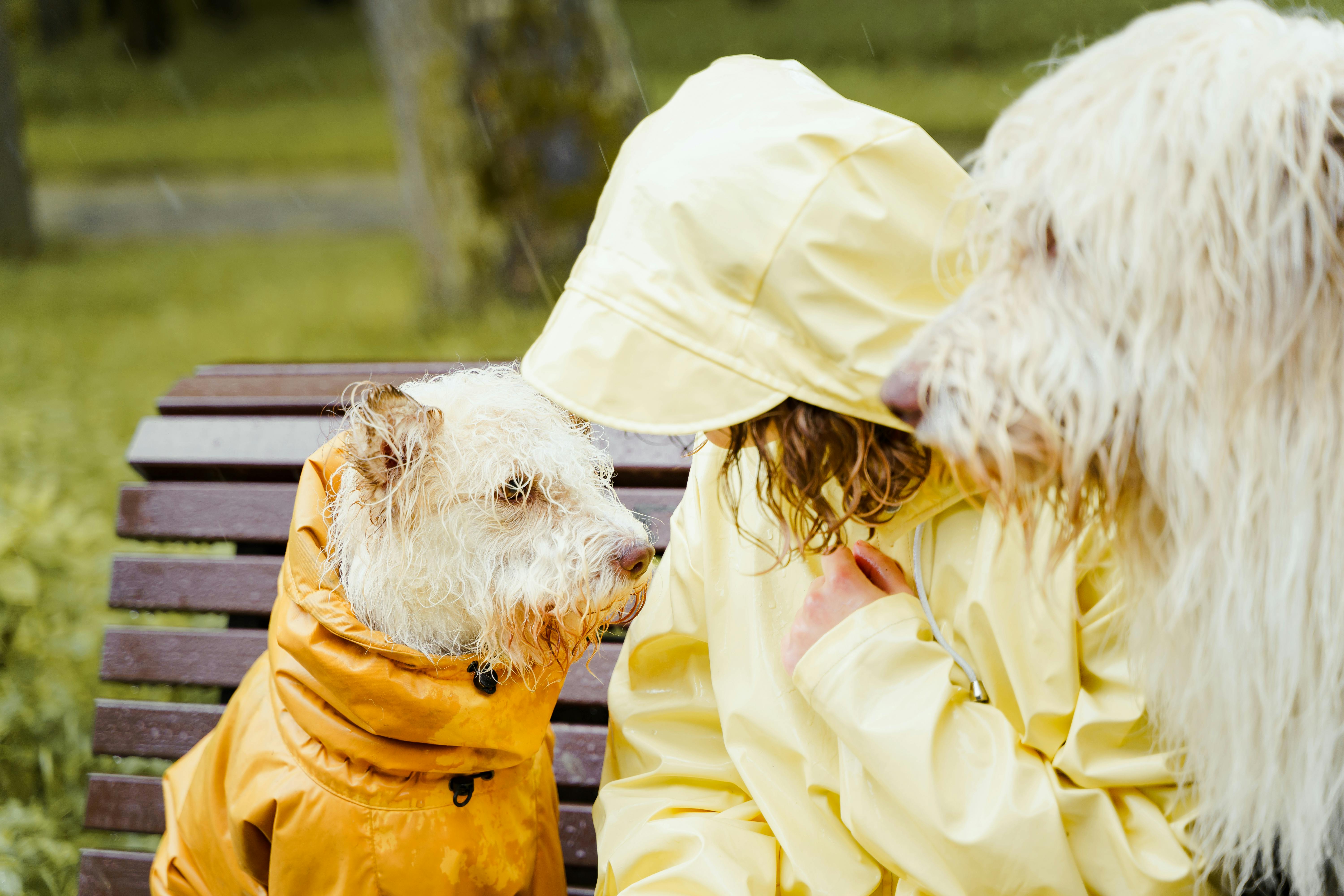 \n\n
\n\nDogs are often thought of as man's best friend, but did you ever wonder how they communicate? One of the most fascinating aspects of canine behavior is their wet noses. You might have noticed how your dog’s nose is always moist, but why do dogs have wet noses? This article will dig deep into the secrets of canine behavior, focusing on how dogs use their wet noses to interact with the world around them.
\nThe Science Behind Wet Noses
\nDogs have wet noses mainly because of their unique anatomical features. The moisture on a dog’s nose comes from a combination of mucus and saliva, which serves several purposes in their communication and sensory perception. Here’s some science-y stuff about it:
\n- \n
- \n
Temperature Regulation: Dogs don’t sweat like humans do. Instead, they cool down through panting, and their wet noses help in this process too. A cool nose helps to regulate their body temperature.
\n \n - \n
Enhanced Sense of Smell: Dogs have an extraordinary sense of smell, and their wet noses play a vital role in this. The moisture helps to capture scent particles in the air, which allows them to identify different odors more effectively.
\n \n - \n
Communication Tool: Dogs use their noses to communicate with each other and humans. A wet nose can indicate excitement, affection, or even submission. When dogs greet you with a nuzzle or a poke, it’s their way of showing love or curiosity.
\n \n
Why Do Dogs Have Wet Noses?
\nSo, why do dogs have wet noses? Let’s break it down:
\n- \n
- \n
Scent Detection: The wetness increases the ability to absorb scent molecules. This is why dogs are often used in search-and-rescue missions or for detecting drugs.
\n \n - \n
Social Interaction: Dogs communicate through scent. A wet nose can convey a lot of information about their feelings or intentions. For example, if your dog nudges you with their nose, they might want attention or play.
\n \n - \n
Health Indicator: A dog’s nose can also indicate their health status. A dry or excessively warm nose might signal illness. However, this isn’t a definitive measure, but it’s something to keep an eye on.
\n \n
Fascinating Facts About Dog Noses
\nHere are some interesting points about dog noses that you might not know:
\n- \n
- \n
Unique Patterns: Just like human fingerprints, every dog has a unique nose print. This means they could be identified by their nose, similar to how fingerprints work for humans.
\n \n - \n
Nasal Turbinates: Dogs have complex nasal turbinates which increase the surface area for scent detection. This structure allows for better filtration and processing of smells.
\n \n - \n
Moisture Levels: The amount of moisture on a dog's nose can vary based on the weather, activity level, and even their emotional state.
\n \n
A Look at Canine Behavior
\nCanine behavior is complex and deeply rooted in their evolutionary history. Here’s how their wet noses fit into the bigger picture:
\n- \n
- \n
Pack Dynamics: Dogs are pack animals, and their noses play a role in social hierarchy. A dog that sniffs another’s nose is often engaging in a greeting ritual or assessing the other dog’s status.
\n \n - \n
Fear and Submission: When a dog lowers its head and exposes its nose, it’s often a sign of submission. This behavior can be traced back to their wild ancestors who used similar gestures within their packs.
\n \n - \n
Exploration: Dogs rely heavily on their noses to explore their environment. They often “read” the scents left behind by other animals, which informs them about territory, food sources, or potential threats.
\n \n
Practical Examples of Nose Communication
\nHere are some practical examples of how dogs use their noses in communication:
\n- \n
- \n
Greeting Other Dogs: When meeting another dog, a nose touch can be a friendly gesture. They gather information about each other’s health, mood, and even diet through scent.
\n \n - \n
Interacting with Humans: If your dog nudges you with their nose, it might mean they want to go outside, play, or get petted. Watch their body language for clues.
\n \n - \n
Alerting to Danger: Dogs can sense changes in their environment through their noses. If they sniff and act alert, they might detect something unusual, like a fire or intruder.
\n \n
Understanding why dogs have wet noses and how they use them to communicate can enrich your bond with your furry friend. Dogs are remarkable creatures, and their wet noses are just one of the many fascinating features that make them unique. By paying attention to these subtle cues, you can better understand your dog's needs and emotions. So next time your pup nudges you with that cool, moist nose, remember that it's more than just a greeting; it's a whole world of communication waiting to be explored.
\n\nThe Role of a Dog’s Nose in Scent Detection: Why Wetness Matters for Tracking Smells
\n\n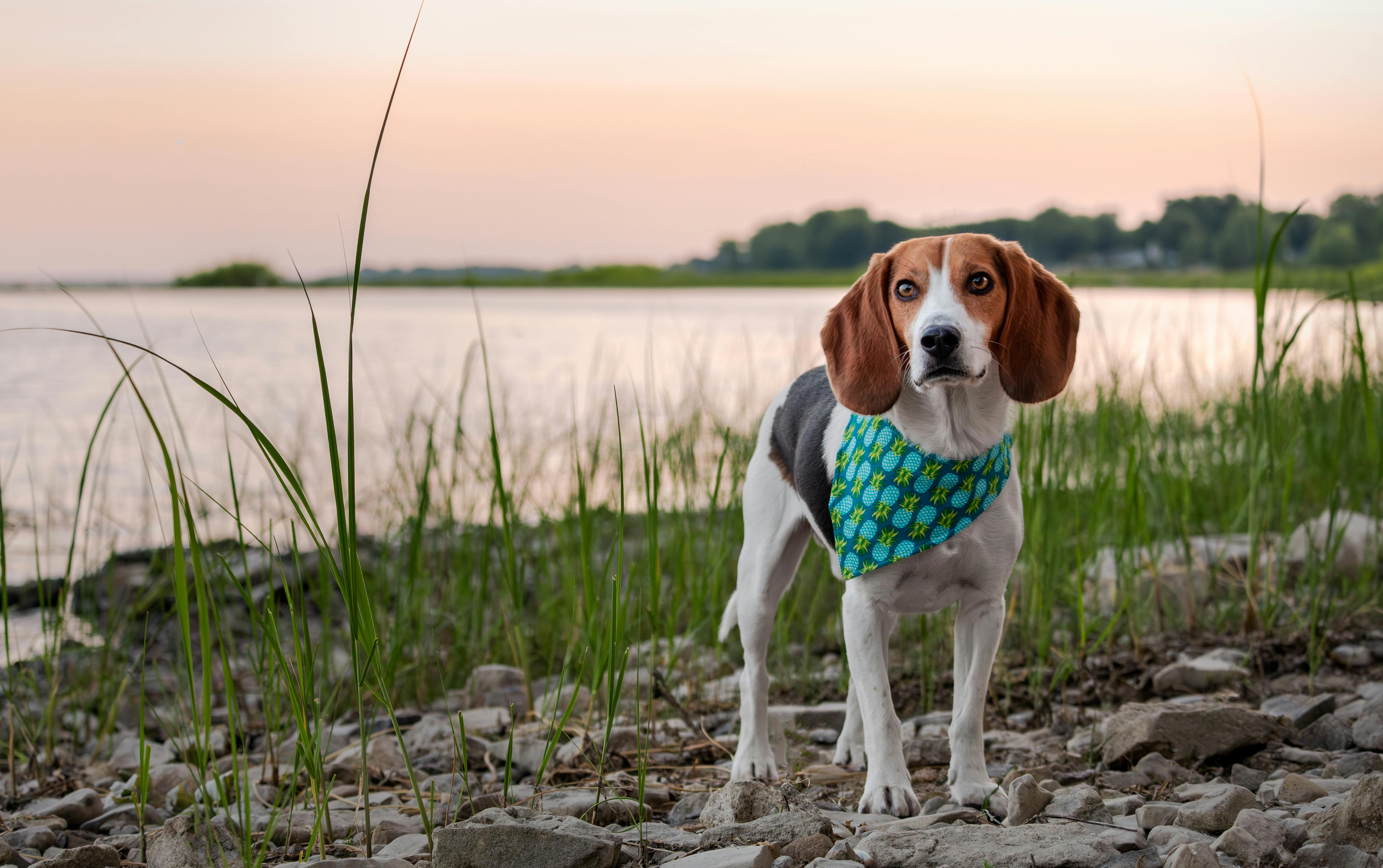 \n\n
\n\nThe nose of a dog is truly a remarkable instrument, one that can detect scents in ways that are almost magical. Ever wondered why do dogs have wet noses? The answer to this question not only unveils the secrets behind our furry friends' powerful sniffing abilities but also helps us understand the biology that supports their incredible scent detection skills. Let’s dive into the fascinating truth about the role of a dog’s nose in scent detection, and why that wetness is so important for tracking smells.
\nThe Anatomy of a Dog’s Nose
\nDog noses are specially designed for smelling. Their olfactory system is way more advanced than humans. Here are some key points:
\n- \n
- Dogs have up to 300 million olfactory receptors, compared to about 6 million in humans. \n
- The part of a dog’s brain that analyzes smells is about 40 times larger than that of a human. \n
- Dogs can detect certain scents at incredibly low concentrations, making them excellent at tracking odors. \n
This unique anatomy allows dogs to pick up on scents that we can’t even imagine. But what role does the wetness of their noses play in this?
\nWhy Do Dogs Have Wet Noses?
\nA dog’s nose is typically wet, and that wetness is not just for show. It serves multiple purposes:
\n- \n
- Enhances Scent Detection: The moisture on a dog’s nose helps to trap scent particles. When they sniff, the wet surface captures these particles, which allows the olfactory receptors to analyze the scent more effectively. \n
- Temperature Regulation: Dogs do not sweat like humans do. Their wet noses help them cool down. This is important, especially when they are working hard during scent detection tasks. \n
- Health Indicator: A dog’s nose can be an indicator of their health. A healthy nose is usually moist and cool, while a dry nose can sometimes mean a dog might be sick or dehydrated. \n
The Science Behind Wet Noses
\nHave you ever heard the term "wet dog nose syndrome"? It’s a bit of a joke, but it’s true that the wetness of a dog’s nose is scientifically significant. Here’s a closer look at how this works:
\n- \n
- The moisture helps dissolve scent molecules, making them easier to absorb. \n
- Dogs frequently lick their noses to keep them moist, which also helps them gather more scent information. \n
- The temperature of a dog’s nose can change based on their environment, which can also affect their ability to detect scents. \n
Historical Context of Dogs and Their Noses
\nHistorically, dogs have been used for scent detection purposes for centuries. From hunting to search and rescue, their noses have served humanity in many ways:
\n- \n
- Hunting: Early humans trained dogs to track down game, relying heavily on their keen sense of smell. \n
- Search and Rescue: Dogs have been used in disaster response to locate missing persons, as their noses can detect human scent beneath rubble. \n
- Detection Work: Law enforcement uses dogs to sniff out drugs, explosives, and even certain medical conditions. \n
Practical Applications of a Dog’s Nose
\nMany practical applications exist that take advantage of a dog’s incredible sense of smell. Some of these include:
\n- \n
- Therapy Dogs: Trained to detect changes in a person's emotional state through scent. \n
- Medical Detection: Dogs can be trained to detect diseases like cancer or diabetes through smell. \n
- Tracking and Trailing: Used in law enforcement to track down suspects or missing persons. \n
Fascinating Facts About Dog Noses
\n- \n
- Dogs can smell some scents up to 100,000 times better than humans. \n
- Greyhounds, Bloodhounds, and Beagles are among the breeds known for their exceptional scent detection abilities. \n
- The shape of a dog’s nose can also affect its smelling capabilities; longer noses tend to have more olfactory receptors. \n
Comparison: Dog Noses vs. Human Noses
\nHere’s a quick comparison to highlight the differences:
\n| Feature | \nDog Noses | \nHuman Noses | \n
|---|---|---|
| Olfactory Receptors | \nUp to 300 million | \nAbout 6 million | \n
| Smelling Ability | \nDetect scents in parts per trillion | \nDetect scents in parts per million | \n
| Nose Structure | \nWet and flexible | \nDry and rigid | \n
Understanding the role of a dog's nose in scent detection reveals just how fascinating these animals are. Their wet noses are not just adorable; they are a vital part of their biological toolkit. The next time you see a dog sniffing around, remember the science behind that wet nose and how it contributes to their unique abilities. Dogs are not just pets; they are incredible scent detectives with a biological advantage that we are only beginning to understand.
\n\nCurious Canine Facts: Does a Dog’s Wet Nose Change with the Weather?
\n\n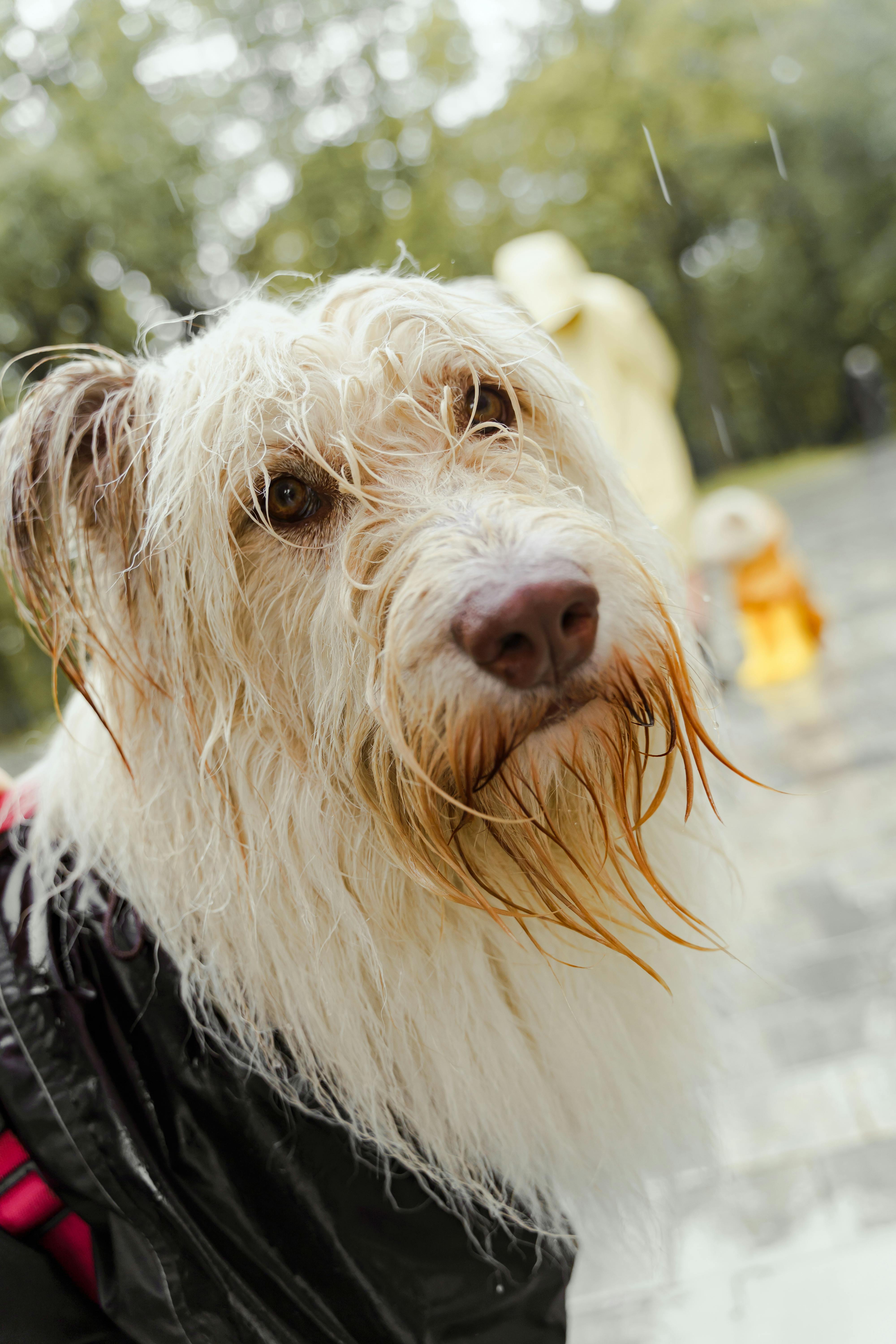 \n\n
\n\nHave you ever wonder why your furry friend’s nose is often damp? It's one of those curious canine facts that many dogs owners, including myself, find fascinating! The wetness of a dog's nose seems to be a constant, but does it really change with the weather? And why do dogs have wet noses in the first place? Let's dive into the intriguing world of our four-legged companions and uncover some interesting truths about their wet noses.
\nWhat Causes a Dog's Nose to Be Wet?
\nA dog's nose is moist for several reasons, and it’s more than just a quirk of nature. Here’s a quick list of factors that contribute to the wetness:
\n- \n
- \n
Natural Cooling Mechanism: Dogs don’t sweat like humans. Instead, they cool off through their noses and paw pads. The moisture on their noses helps regulate body temperature.
\n \n - \n
Enhanced Sense of Smell: A wet nose can help dogs capture scent particles better. The moisture traps scents, making it easier for them to detect different smells, which is vital for their survival instincts.
\n \n - \n
Health Indicator: A dog's nose can indicate health. A cold, wet nose is generally a sign of a healthy pup, while a dry one can mean they’re sick or dehydrated.
\n \n
Does a Dog’s Wet Nose Change with the Weather?
\nBelieve it or not, yes! The conditions outside can affect how wet or dry a dog's nose feels. Here’s how:
\n- \n
- \n
Humidity Levels: In humid weather, a dog's nose might feel more wet because the moisture in the air can help keep it damp.
\n \n - \n
Cold Weather: On colder days, a dog's nose may also be damp. The cold air causes the moisture in their nose to condense, making it feel even wetter.
\n \n - \n
Heat and Dryness: Conversely, during hot and dry days, you might notice your dog's nose is drier. This happens because they lose moisture more quickly than they can produce it.
\n \n - \n
Health Conditions: Sometimes, a sudden change in the wetness of a dog’s nose can signal a health issue. If it's persistently dry or cracked, it could be worth visiting a vet!
\n \n
Why Do Dogs Have Wet Noses? Discover the Fascinating Truth!
\nThe science behind why dogs have wet noses is pretty compelling. Here’s a breakdown of the reasons:
\n- \n
- \n
Scent Detection:
\n- \n
- Wet noses help absorb scent molecules. \n
- Dogs have a sense of smell that is 10,000 to 100,000 times more acute than humans! \n
\n - \n
Thermoregulation:
\n- \n
- As mentioned earlier, moisture helps them cool down. \n
- Dogs pant and release heat, but their noses help too. \n
\n - \n
Communication:
\n- \n
- Dogs use their noses to communicate with each other. A sniff can convey information about where another dog has been. \n
\n - \n
Hygiene:
\n- \n
- The moisture on a dog's nose can help wash away dirt and debris, keeping it clean and functional. \n
\n
Historical Context of Dog Noses
\nHumans have been living with dogs for thousands of years. The domestication of dogs, which dates back to around 20,000 years ago, has led to various adaptions, including the wet noses we see today. Early humans likely selected for dogs with keen senses of smell, which helped them in hunting and protection.
\n- \n
- \n
Ancient Beliefs: In some cultures, wet noses were believed to be a sign of mystical powers. They saw dogs as guardians and companions, attributing special meanings to their characteristics.
\n \n - \n
Scientific Studies: In more modern times, scientists have studied how a dog’s wet nose affects their ability to detect diseases in humans, such as cancer and diabetes. Their sense of smell is incredibly sensitive, leading to exciting developments in canine-assisted medical diagnostics.
\n \n
Fun Facts About Dog Noses
\nHere are some fun, quick facts to share with your friends about dog noses:
\n- \n
- \n
Dogs have about 300 million olfactory receptors, compared to a human's 5 million.
\n \n - \n
The texture of a dog's nose is unique, much like a human fingerprint.
\n \n - \n
Some breeds, like Bloodhounds, can track scents that are days old!
\n \n - \n
Dogs can be trained to detect drugs, explosives, and even certain medical conditions!
\n \n
In summary, a dog's wet nose is a marvelous feature that plays a vital role in their health and behavior. While the wetness can change with the weather, it serves multiple purposes from cooling to communication. Next time you pet your furry friend, take a moment to appreciate that moist little nose and all the fascinating truths behind it!
\n\n7 Surprising Benefits of a Wet Nose in Dogs: From Cooling Mechanisms to Enhanced Smell
\n\n \n\n
\n\nDogs are beloved companions for many, and one of their most intriguing features is their wet nose. You might have noticed that your furry friend’s nose is often slick and cool to the touch, but have you ever wondered why this is the case? The answer is fascinating and can actually reveal a lot about your dog’s health and behavior. So, let’s dive into the seven surprising benefits of a wet nose in dogs, exploring everything from cooling mechanisms to enhanced smell.
\n1. Cooling Mechanism
\nOne of the primary reasons dogs have wet noses is to help regulate their body temperature. Unlike humans, who sweat to cool down, dogs primarily rely on panting and the moisture on their noses. The wetness on their noses evaporates, which helps to cool down their body temperature effectively. When it’s hot outside, it’s important for dogs to maintain a safe temperature, and this wet nose plays a crucial role in that.
\n2. Enhanced Sense of Smell
\nDogs are already known for their incredible sense of smell, but did you know that their wet noses actually help enhance this ability? A wet nose can capture scent particles more effectively. The moisture helps to dissolve the scents, making it easier for the dog’s olfactory receptors to detect and process the odors. This is why you might see your dog sniffing around, their nose often wet and ready to pick up any new smells in the environment.
\n3. Communication Tool
\nDogs are social animals, and a wet nose can actually serve as a form of communication. When your dog nudges you with their wet nose, it can be a sign of affection, curiosity, or even a request for attention. It’s their way of saying, “Hey, I’m here! Let’s interact!” This behavior ties back to their instinctual nature as pack animals, where physical touch and scent play a critical role in social interactions.
\n4. Indicator of Health
\nA dog’s nose can also be a good indicator of their overall health. Generally, a healthy dog will have a cool, moist nose. If you notice that your dog’s nose becomes dry or excessively warm, it could be a sign of dehydration or illness. Paying attention to your dog’s nose can help you catch potential health issues early, making it an important aspect of responsible pet ownership.
\n5. Natural Lubricant
\nThe moisture on a dog’s nose is also beneficial for keeping their nasal passages moist. This is important for proper respiratory function. A wet nose helps trap dust and other particles, preventing them from entering the lungs. This natural lubrication is essential for dogs, especially those who spend a lot of time outdoors or in dusty environments.
\n6. Scent Memory
\nDogs have a remarkable ability to remember scents, and their wet noses aid in this process. When a dog encounters a new scent, the moisture helps to create a scent memory. This means that the next time they come across the same smell, their brain can recall it more easily. This is why dogs are often used in search and rescue operations – their ability to remember and track scents is unmatched.
\n7. Social Bonding
\nFinally, a wet nose can play a role in social bonding between dogs and humans. When a dog licks or nudges you with their nose, they are not only seeking attention but also strengthening their bond with you. This tactile interaction can release oxytocin, sometimes known as the “love hormone,” in both the dog and the human. It reinforces the emotional connection between pets and their owners.
\nQuick Facts About Dog Noses
\n- \n
- Why are dog noses wet? They are wet due to moisture from their bodies and saliva, which helps with scent detection. \n
- What does a dry nose mean? It can indicate dehydration, illness, or simply that the dog has been sleeping. \n
- Do all dogs have wet noses? Most do, but some breeds may have drier noses due to genetics or health issues. \n
In conclusion, the wet nose of a dog is more than just an endearing quality; it serves multiple vital functions that enhance their health, communication, and interactions with the world. From cooling mechanisms to aiding their remarkable sense of smell, understanding the benefits of a wet nose can deepen our appreciation for our canine companions. So, the next time you feel that cool, wet nose against your hand, remember there's a lot more going on than meets the eye!
\n\nWet Nose vs. Dry Nose: What Your Dog’s Nose Can Tell You About Their Well-Being
\n\n\n\nWhen you think about dogs, one of the first things that comes to mind is probably their wet noses. But have you ever wondered why do dogs have wet noses? This curious trait is not just a random quirk of nature; it actually serves several important purposes for your furry friends. The condition of a dog’s nose, whether wet or dry, can provide insight into their overall well-being. This article dives into the fascinating world of canine noses and what those moisture levels can tell you about your pup’s health.
\nThe Science Behind Wet Noses
\nA dog's nose is designed to be wet for a number of reasons. First, moisture helps dogs to sense their environment better. The wet surface of their noses helps to trap scent particles, which enhances their sense of smell. This is crucial for communication and navigation in their world, as dogs rely heavily on their noses to gather information.
\n- \n
- Scent Enhancement: Wet noses trap scent particles, improving smell. \n
- Temperature Regulation: Dogs don’t sweat like humans; a wet nose helps cool them down. \n
- Health Indicator: The moisture level can indicate hydration and overall health status. \n
Why Do Dogs Have Wet Noses?
\nYou might be asking yourself, why do dogs have wet noses? Well, a lot of it has to do with evolution and anatomy. Dogs are descendants of wolves, which use their keen sense of smell for hunting and survival. Wetness on the nose is a trait that has been adapted over time. The moisture comes from a combination of mucus and moisture in the air, which helps to enhance olfactory receptors.
\nMoreover, dogs lick their noses to keep them moist. This behavior aids in the following:
\n- \n
- Keeping the Nose Clean: Licking removes dirt and debris. \n
- Hydration: The saliva helps to maintain moisture levels. \n
- Scent Detection: The combination of saliva and moisture enhances their ability to detect scents. \n
Dry Noses: What Does It Mean?
\nA dry nose doesn’t always mean that your dog is sick. There are various factors that can cause a dog’s nose to dry out. For instance, weather changes, such as hot or windy conditions, can lead to a dry nose. Here are some potential reasons for a dry nose:
\n- \n
- Dehydration: If your dog isn’t drinking enough water, it may lead to a dry nose. \n
- Illness: Certain health issues, like fever or allergies, can manifest as dryness. \n
- Age: Older dogs might show more signs of dryness. \n
What to Watch For
\nSo, what should you do if you notice your dog's nose changing from wet to dry? It's important to keep an eye on other symptoms that might accompany the dry nose. Here’s a checklist to consider:
\n- \n
- Changes in appetite \n
- Lethargy or unusual behavior \n
- Coughing or sneezing \n
- Vomiting or diarrhea \n
If several of these symptoms are present along with a dry nose, it may be time to consult a veterinarian.
\nComparing Wet and Dry Noses
\nHere’s a simple comparison to help you understand the differences between wet and dry noses:
\n| Condition | \nWet Nose | \nDry Nose | \n
|---|---|---|
| Scent Detection | \nEnhanced ability to smell | \nDecreased scent ability | \n
| Health Indicator | \nUsually a sign of good health | \nCan indicate dehydration or illness | \n
| Temperature Regulation | \nHelps cool the dog down | \nMay indicate overheating | \n
The Role of Hydration
\nKeeping your dog hydrated is essential for maintaining a healthy, wet nose. Make sure your dog has constant access to fresh water. During hot weather, it’s especially important to monitor their water intake. Signs of dehydration in dogs can include:
\n- \n
- Loss of skin elasticity \n
- Dry gums \n
- Weakness or lethargy \n
Fun Facts About Dog Noses
\nDid you know that a dog’s sense of smell is about 40 times better than that of humans? Here are some fun facts that might surprise you:
\n- \n
- Dogs possess about 300 million smell receptors in their noses, compared to a human’s 5 million. \n
- The nose print of a dog is unique, much like a human fingerprint. \n
- Some breeds have naturally wetter noses, while others may have drier noses due to their breed characteristics. \n
Understanding your dog's nose can help you keep an eye on their health and well-being. Whether it’s wet or dry, always pay attention to changes in your pup’s nose and overall behavior. A dog’s nose can tell you so much about what’s going on inside their body. So, the next time you give your dog a pat, take a moment to check that nose!
\n\nCan Wet Noses Help Dogs Cool Down? Exploring Thermoregulation in Pets
\n\n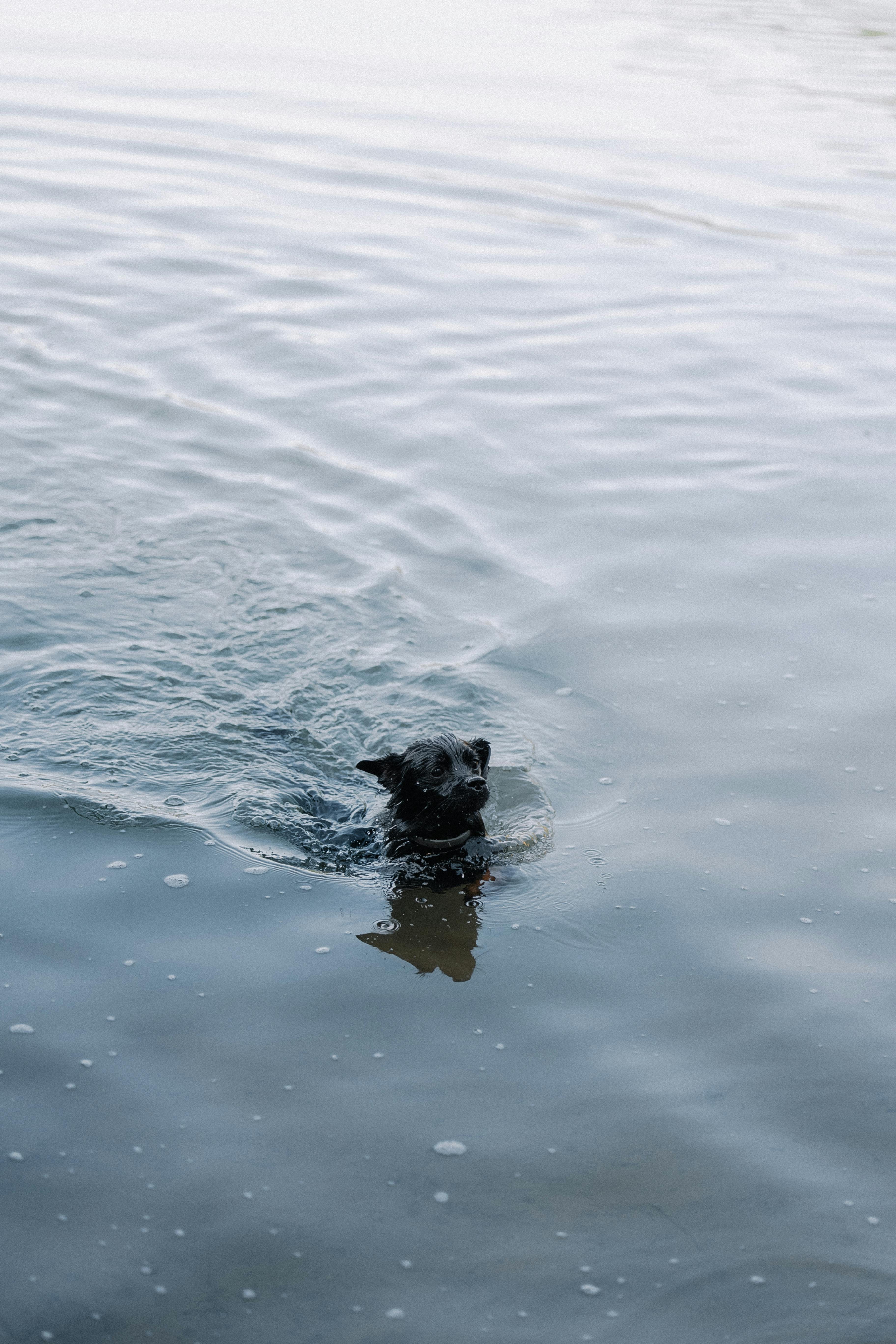 \n\n
\n\nWhen we think about dogs and their health, we often consider their diet, exercise, and vet visits. But there’s something fascinating about our furry friends that often goes overlooked: their wet noses. You might wonder, can wet noses help dogs cool down? Or, why do dogs have wet noses in the first place? Let's dig into this interesting topic and explore the science behind it.
\nUnderstanding Thermoregulation in Dogs
\nDogs, like humans, need to regulate their body temperature to stay healthy. However, their ways of cooling down are quite different from ours. Humans sweat to lose heat, but dogs don’t sweat like we do. Instead, they rely on panting, which helps them cool off by evaporating moisture from their tongue and lungs. But where does the wet nose come into play?
\n- \n
- Dogs pant to cool down: When a dog pants, air passes over moist surfaces in their mouth and nose, allowing heat to escape. \n
- Wet noses may enhance cooling: The moisture on their nose can help with temperature regulation, but it’s not the primary cooling method. \n
The Science Behind Wet Noses
\nSo, why do dogs have wet noses? A wet nose serves several purposes beyond just cooling. Here’s a breakdown:
\n- \n
- Enhanced Sense of Smell: Dogs have an extraordinary sense of smell, and a wet nose helps capture scent particles in the air. Moisture in the nose can trap these particles, making it easier for dogs to sniff out interesting smells. \n
- Temperature Regulation: While it’s not their main cooling method, the moisture on their noses can contribute to regulating body temperature. A cooler nose might help them feel fresher, especially on hot days. \n
- Health Indicator: A dog’s nose can be an indicator of their health. A healthy dog usually has a moist, cool nose, while a dry nose might indicate dehydration or illness. However, this isn't a definite rule as noses can vary based on activity, time of day, or weather. \n
Historical Context of Dogs' Noses
\nThe anatomy of a dog’s nose has evolved over thousands of years. Early domesticated dogs had wet noses, likely as a survival adaptation. Here’s a brief history:
\n- \n
- Evolution of Dogs: The domestication of dogs from wolves likely started around 20,000 to 40,000 years ago. Dogs that were better at sniffing out food and sensing danger survived and thrived. \n
- Role in Hunting and Herding: Wet noses may have helped ancient dogs to track prey more effectively, aiding in hunting and herding practices. \n
Fun Facts About Dogs' Noses
\nHere’s a quick list of interesting tidbits about dogs’ noses that you might not know:
\n- \n
- Unique Nose Prints: Just like human fingerprints, every dog has a unique nose print. This could be used for identification! \n
- Temperature Sensitivity: Dogs’ noses can detect temperature differences; they might be able to sense warm vs. cold areas. \n
- Nasal Cooling: Dogs have a special structure in their nasal passages that helps cool the air they breathe in and warms the air they breathe out. \n
The Importance of Hydration
\nWhile wet noses can help dogs somewhat, it’s crucial to remember that hydration is vital. Dogs may have wet noses, but they still need to drink plenty of water, especially during hot weather. Here’s what you can do:
\n- \n
- Provide Fresh Water: Always ensure your dog has access to clean, fresh water throughout the day. \n
- Watch for Signs of Dehydration: If your dog’s nose is dry and warm, they might be dehydrated. Consult with a vet if you notice any concerning signs. \n
Practical Tips for Keeping Your Dog Cool
\nKeeping your dog cool during hot weather is essential for their health. Here are some tips to help:
\n- \n
- Limit Outdoor Activities: Avoid walks during peak heat hours. Early mornings or late evenings are best. \n
- Shade and Water: Always provide shade and a place for your dog to cool off, along with plenty of water. \n
- Cooling Products: Consider dog cooling mats or vests designed to keep them comfortable. \n
Understanding your dog's anatomy and its functions can improve their well-being. While wet noses may not be the primary way dogs cool down, they play a role in their overall health and sensory capabilities. So, the next time you see your pup with that adorable wet nose, remember it’s a fascinating feature with a lot more going on than we might think!
\n\nUnderstanding Your Dog’s Nose: How Wetness Contributes to Their Sense of Smell and Health
\n\n \n\n
\n\nDogs is often seen with their wet noses, but have you ever wondered why? It’s not just a quirky trait, but plays a significant role in their health and their powerful sense of smell. Understanding your dog’s nose can help you appreciate why this characteristic is important to their wellbeing and abilities. Let’s dive into the fascinating world of canine noses and explore some of the reasons behind that adorable wetness.
\nThe Science Behind Wet Noses
\nThe moisture found on a dog’s nose is not merely for show. It serves several essential functions. Here's a breakdown of why a wet nose is crucial:
\n- \n
- \n
Enhanced Sense of Smell: Dogs have a remarkable ability to smell, which is thousands of times better than humans. The wetness on their nose helps to capture scent particles. When the nose is moist, it can absorb these particles more efficiently, enhancing their olfactory capabilities.
\n \n - \n
Temperature Regulation: Just like how sweat cools humans, a dog’s wet nose helps regulate their body temperature. When they breathe, the moisture evaporates, which can help to cool them down.
\n \n - \n
Health Indicators: The condition of a dog’s nose can indicate its health. A wet and cool nose usually suggests that the dog is healthy. Conversely, a dry or cracked nose can be a sign of dehydration, fever, or other health issues.
\n \n
Why Do Dogs Have Wet Noses?
\nSo, why do dogs have wet noses specifically? The answer lies in evolution and biology. Dogs have evolved from wolves, who also had wet noses. This trait likely developed as a survival mechanism. Wet noses helps wolves and dogs in hunting, helping them track down prey by picking up scents more effectively.
\nHistorical Context of Dog Noses
\nHistorically, dogs were bred for various functions, many of which relied on their sense of smell. Some breeds, like bloodhounds, were specifically bred for tracking scents over long distances. The moisture on their noses facilitates this ability. Here’s a quick look at how different breeds utilize their noses:
\n- \n
- Hounds: Known for their extraordinary sense of smell, hounds rely heavily on their wet noses to track scents. \n
- Terriers: These dogs often use their noses to dig and hunt small prey, benefiting from the moisture that captures scents. \n
- Working Dogs: Dogs trained for search and rescue or detection tasks depend on their wet noses to locate missing persons or drugs. \n
Why Nose Condition Matters
\nIt's essential to monitor your dog's nose condition for signs of health issues. Here are some factors to consider:
\n- \n
- \n
Normal Moisture Levels: A healthy dog typically has a cool, moist nose. If you notice it becoming dry or hot, it could indicate a health problem.
\n \n - \n
Discharge: Clear discharge is typically normal, but if there is a thick, colored discharge, it might signal an infection or allergy.
\n \n - \n
Cracks or Bleeding: This could be a sign of dehydration, environmental irritants, or infections, and should be evaluated by a vet.
\n \n
Fun Facts About Dog Noses
\n- \n
- Dogs have approximately 300 million scent receptors, while humans have about 5 million. \n
- The size of a dog’s nose can vary greatly between breeds, influencing their ability to smell. \n
- Dogs can distinguish between different types of scents and can even recognize individual scents. \n
Tips for Keeping Your Dog's Nose Healthy
\nMaintaining your dog's nose in good condition is crucial for their health. Here are some simple tips:
\n- \n
- Hydration: Always provide fresh water to keep your dog hydrated. Dehydration can lead to a dry nose. \n
- Humid Environment: In dry climates, consider using a humidifier to help maintain moisture in the air. \n
- Regular Vet Check-ups: Regular veterinary visits can help address any potential issues with your dog’s health, including nose conditions. \n
Understanding Your Dog's Needs
\nAs a dog owner, it’s important to recognize how your dog’s nose functions and what it indicates about their health. Pay attention to any changes in moisture levels, temperature, or texture. A dog’s nose can tell you a lot, and being aware of its condition can help you catch health issues early on.
\nDogs' noses is indeed one of nature's wonders. Their wetness not only aids them in their daily activities but also plays a critical role in their overall health. Embracing the uniqueness of your dog’s nose is part of the joy of being a pet owner. So next time you give your furry friend a scratch, take a moment to appreciate that wet nose and all it signifies.
\n\nConclusion
\n\nIn conclusion, the wet noses of dogs serve several important functions that contribute to their health and well-being. Primarily, a dog's moist nose enhances their sense of smell, allowing them to detect scents more effectively due to increased olfactory receptors. Additionally, the moisture on their noses helps regulate body temperature and keeps them cool. It's also worth noting that a wet nose can be an indicator of a dog's overall health, as changes in moisture levels may signal potential health concerns. Understanding these aspects not only deepens our appreciation for our canine companions but also helps us care for them better. So, the next time you give your furry friend a pat and feel that cool, wet nose, remember the remarkable biological functions it serves. Embrace the bond you share with your dog and stay attentive to their health – after all, a happy dog means a happy life!
\n\n