Have you ever wondered why do dogs have wet noses? This intriguing question has baffled many dog owners and animal lovers alike! A dog's nose isn't just a cute feature; it's a window into their health and well-being. Wet noses are often seen as a sign of a happy and healthy pup, but what’s the real reason behind it? In this article, we will dive deep into the fascinating truth about dog noses and uncover the science behind that delightful moisture. Is it just for cooling down? Or does it serve a more significant purpose in their sense of smell? Many people ask, do wet noses mean a dog is sick? Join us as we explore these questions and reveal the mysteries of canine anatomy. Whether you're a seasoned pet owner or a curious dog enthusiast, understanding why do dogs have wet noses can enhance your bond with your furry friend. So, are you ready to discover the secrets behind that adorable, wet nose? Keep reading to learn more about this captivating aspect of dog behavior and health!
The Science Behind Wet Noses: Why Are Dogs' Noses Always Moist?
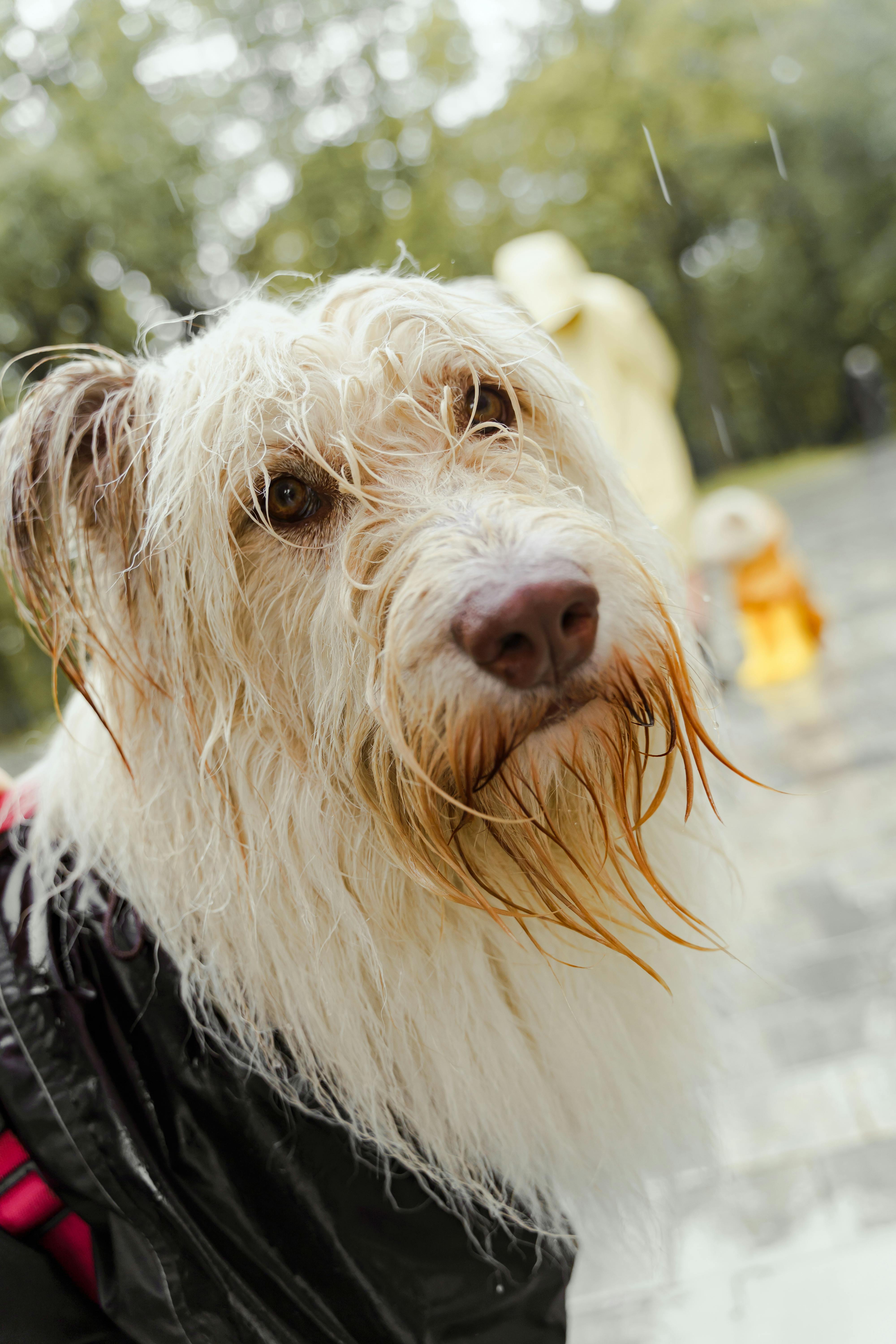
Have you ever wonder why your dog’s nose is always so wet? It’s a common sight for dog owners to see their furry friends with noses that are moist and cool to the touch. But what’s the science behind it? Why do dogs have wet noses? This fascinating aspect of canine biology actually plays a crucial role in their overall health and sensory perception. Let’s dig deeper into this interesting topic.
The Function of a Dog's Nose
Dog noses are not just cute; they serve multiple important purposes. Here are some key functions:
- Enhanced Smell: Dogs have an incredible sense of smell that's estimated to be between 10,000 to 100,000 times more sensitive than that of humans. The moisture on their noses helps to capture scent particles.
- Thermoregulation: Just like humans sweat to cool down, dogs can use their noses to help regulate their body temperature. A moist nose can assist in dissipating heat.
- Communication: Dogs communicate with each other through scent. A wet nose helps to pick up pheromones and other scents from their environment, aiding in social interactions.
Why Are Dog Noses Wet?
So, why do dogs have wet noses? The moisture comes from a combination of factors. Here’s a breakdown:
- Mucous Production: Dogs produce mucus on their noses which helps to trap scent particles, making it easier for them to detect smells.
- Saliva: Dogs often lick their noses, which adds additional moisture. This is a natural behavior and part of their way of exploring the world.
- Environmental Conditions: Depending on the weather, a dog’s nose can become wetter if they’ve been outdoors in humid conditions or after drinking water.
Historical Context
The evolution of dogs has led to certain traits that benefit their survival. Ancient canines relied on their sense of smell for hunting and social interactions. Over time, the development of a wet nose likely provided an evolutionary advantage, making it easier for them to hunt and communicate with other dogs.
The Anatomy of a Dog’s Nose
Understanding the anatomy of a dog's nose can help explain its moist nature. Here are some key components:
- Nasal Passages: Dogs have long and intricate nasal passages that allow them to process a vast array of scents.
- Jacobsen’s Organ: Also known as the vomeronasal organ, this helps dogs detect pheromones and other chemical signals.
- Sebaceous Glands: These glands in the skin of a dog’s nose secrete oils that keep it moist.
Fun Facts About Dog Noses
Did you know that dog noses have unique patterns? Here are some fun facts:
- Nose Prints: Just like human fingerprints, each dog has a unique nose print that can be used for identification.
- Temperature Sensitivity: A dog’s nose can also help them sense temperature changes, which is important for their survival.
- Color Variations: The color of a dog’s nose can vary based on breed and genetics, with some dogs having pink noses while others have black or spotted noses.
Comparing Dog and Human Noses
It’s interesting to see how dog noses compare to human noses. Here’s a quick comparison:
| Feature | Dog Nose | Human Nose |
|---|---|---|
| Smell Sensitivity | 10,000 to 100,000 times | 1 times |
| Moisture | Always moist | Varies |
| Functionality | Hunting, communication | Breathing, smelling |
| Unique Patterns | Yes | No |
| Temperature Regulation | Yes | No |
Practical Examples of Nose Behavior
You might notice your dog engaging in some specific nose behaviors. Here are a few common ones:
- Sniffing Around: When your dog sniffs the ground or objects, they are collecting scents that tell them a lot about their environment.
- Licking Their Nose: This behavior is often seen when they are curious or excited.
- Nose-to-Nose Contact: When dogs greet each other with nose-to-nose contact, they are sharing scents and gathering information.
Understanding the science behind wet noses can help dog owners appreciate the unique biology of their furry companions. It’s not just an adorable trait; it’s a vital part of what makes dogs such remarkable animals. The next time you give your dog a scratch and feel that cool, moist nose, remember that it’s an important tool for their survival and communication.
5 Surprising Benefits of a Dog's Wet Nose: More Than Just a Cute Feature
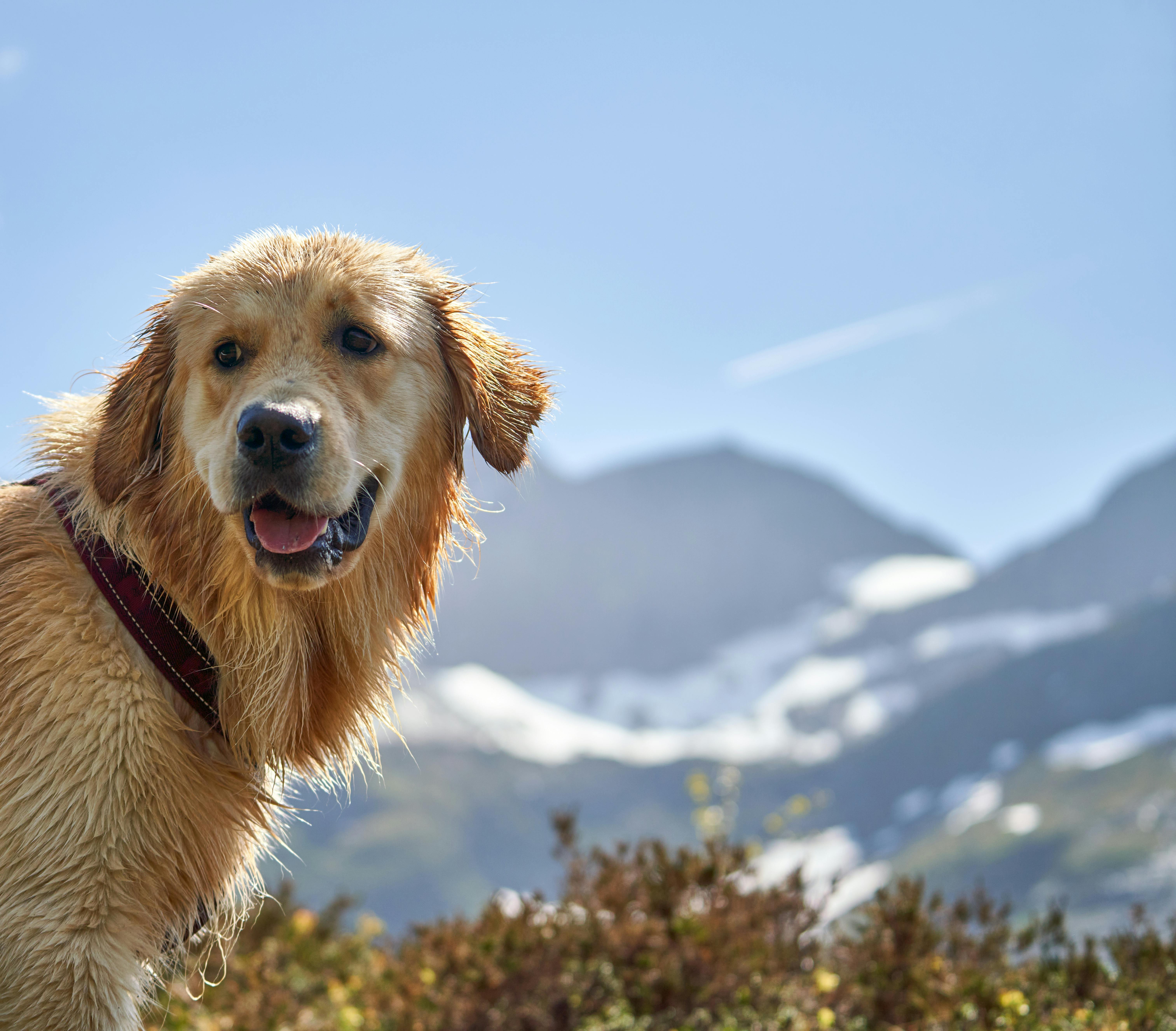
Dogs wet noses are often thought of as just a cute feature that make them more adorable. However, there's a lot more to it than meets the eye. You ever wonder why do dogs have wet noses? Well, it turns out that this common trait serves several fascinating purposes that goes beyond simply looking cute. Let’s explore five surprising benefits of a dog’s wet nose that might just change how you view your furry friend.
1. Temperature Regulation
One of the most important functions of a dog's wet nose is to help regulate their body temperature. Dogs don’t sweat like humans do; instead, they rely on panting and other methods to cool down. The moisture on their noses helps evaporate heat, functioning almost like a radiator.
- How It Works:
- As the moisture evaporates, it cools the blood vessels right beneath the surface.
- This cooling effect allows them to maintain a stable body temperature, especially during hot weather.
Imagine if your dog is out playing fetch in the summer sun. Their wet nose helps keep them cool while they enjoy their time outside.
2. Enhanced Sense of Smell
Ever notice how your dog sniffs everything? Their wet noses play a crucial role in their incredible sense of smell. The moisture on their noses helps capture scent particles from the air, making it easier for them to identify different smells.
- Why It Matters:
- A wet nose increases the surface area for scent absorption.
- Dogs have about 220 million scent receptors, compared to a human’s 5 million. This means they can detect smells at incredibly low concentrations.
So, when your dog is sniffing the ground or the air, they’re not just being curious; they’re gathering information about their environment.
3. Health Indicator
You might not realize it, but a dog’s nose can be a good indicator of their health. A healthy dog usually has a moist and cool nose. If the nose is dry or warm, it might suggest that something is off.
- What to Look For:
- Moist and Cool: Normal, healthy state.
- Dry and Hot: Potential fever or dehydration.
- Cracked or Flaky: Could indicate allergies or skin issues.
Monitoring your dog's nose can give you an early warning that they might need a vet visit. It’s one more way to keep an eye on their overall well-being.
4. Social Communication
Dogs also use their wet noses for social communication. When they greet other dogs or humans, they often nuzzle or sniff, which is their way of saying hello. The moisture on their noses can convey different messages based on how wet or dry it is.
- Social Cues:
- A wet nose can indicate curiosity or friendliness.
- Dogs may also use their noses to explore and understand the emotions of others.
Next time your dog nudges you or another dog with their nose, remember that they’re not just being affectionate — they're also communicating!
5. Natural Antiseptic Properties
The moisture on a dog’s nose isn’t just for show; it has natural antiseptic properties. The unique composition of their nasal secretions can help protect against bacteria and other pathogens.
- Benefits Include:
- Helps to keep the nasal passages clean.
- Reduces the risk of infections.
This natural defense mechanism can be quite beneficial, especially for dogs that love to explore the outdoors and come into contact with various substances.
Fun Facts About Dogs’ Wet Noses
- Dogs have a unique nose print, similar to human fingerprints. Each nose print is different!
- The moisture on a dog’s nose can change during different times of the day. It may be wetter in the morning and dryer by evening.
- Certain breeds tend to have wetter noses than others, such as Labrador Retrievers and Beagles.
Understanding why do dogs have wet noses and the benefits that come with it can give you a deeper appreciation for your canine companion. Their wet nose is much more than just a cute feature; it's a vital part of their health and well-being. So, the next time you see your dog’s wet nose, you can smile knowing it serves several important functions that keep them happy and healthy.
Why Do Dogs Have Wet Noses? Unraveling the Mystery of Canine Anatomy
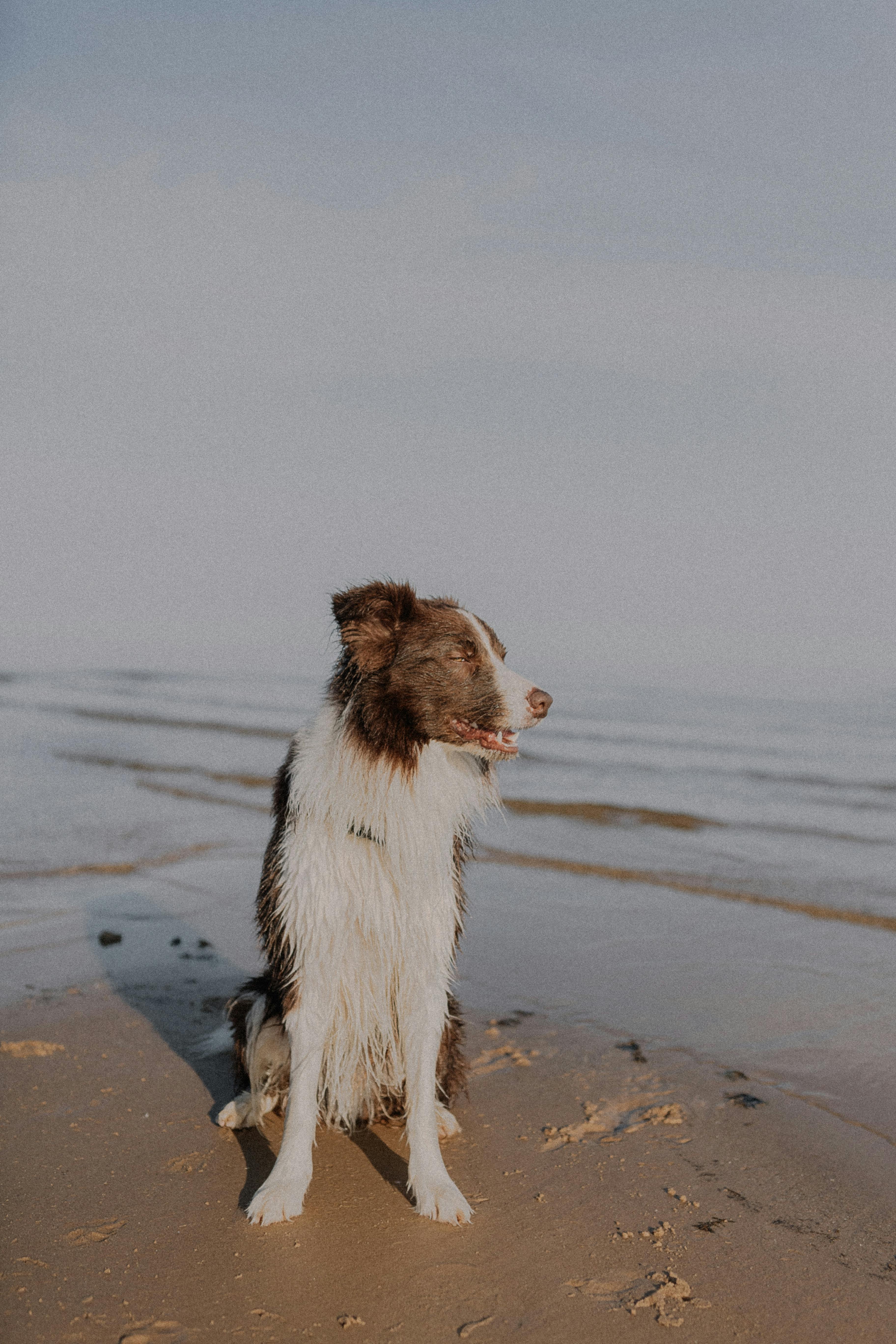
Dogs have long been celebrated as our loyal companions, but one curious feature that often raises questions is their wet noses. Have you ever wondered why do dogs have wet noses? Unraveling this mystery not only reveals fascinating truths about canine anatomy, but also gives insight into their behaviors and health. So, let’s dive into why those noses are so damp!
The Anatomy of a Dog’s Nose
First off, it’s important to understand the structure of a dog’s nose. The canine nose is made up of a complex network of olfactory receptors, which are responsible for their incredible sense of smell. In fact, dogs have about 220 million scent receptors compared to a human's mere 5 million! This remarkable anatomy is what allows dogs to detect scents that are imperceptible to us.
But, what does this have to do with being wet? Well, the moisture on a dog’s nose plays a crucial role in enhancing their sense of smell. The wetness help trap scent particles, making it easier for dogs to pick up on various odors.
Why Are Dog Noses Wet?
There are several reasons why dogs have wet noses. Let’s break them down:
Enhanced Scent Detection: As mentioned, moisture helps in capturing scent particles. A wet nose is more effective in detecting smells.
Cooling Mechanism: Dogs don't sweat like humans do. Instead, they cool down through panting and the moisture on their noses. The wetness helps to regulate their body temperature.
Health Indicator: A wet nose is often a sign of a healthy dog. If a dog's nose is excessively dry or warm, it might indicate dehydration or illness.
Licking: Dogs often lick their noses to keep them moist. This behavior is instinctive and helps them in their scent detection.
Historical Perspective
Dogs have evolved alongside humans for thousands of years. Their wet noses have been a vital part of their survival and companionship roles. Historically, dogs were bred for specific traits, one of which was an excellent sense of smell. Breeds like Bloodhounds and Beagles have particularly wet noses, which make them exceptional trackers.
The Science Behind the Wetness
Research shows that the moisture on a dog's nose comes from a combination of factors. Dogs have glands in their noses that secrete a thin layer of mucus. This mucus is not only for scent trapping but also helps in the dog’s ability to taste scents, as they can absorb scent particles through their nasal membranes.
Fun Facts About Dog Noses
Color Variations: Not all dog noses are the same color. Some are black, while others can be brown or pink. The color usually doesn’t affect their function.
Temperature Sensitivity: A dog's nose can be cooler than the rest of their body, which is normal. If a nose feels excessively hot, it might be worth consulting with a vet.
Unique Patterns: Just like human fingerprints, every dog’s nose print is unique. This means it can be used to identify them!
Comparison: Wet Noses vs. Dry Noses
Understanding the difference between wet and dry noses can also be helpful:
Wet Nose Dry Nose
Good for scent detection Can indicate health issuesNormal temperature May signal dehydration or feverRegularly licked by dogs Less frequently lickedSign of a healthy dog Sometimes a sign of illness
Practical Implications for Dog Owners
As a dog owner, knowing why do dogs have wet noses can help you better understand your furry friend. Here’s what you can do:
Regular Vet Checkups: Keep an eye on your dog’s nose. If you notice it’s persistently dry or cracked, consult your veterinarian.
Hydration: Make sure your dog has access to fresh water at all times to maintain moisture levels.
Nose Care: In extreme weather, consider using dog-safe balms to protect their noses from dryness.
Recognizing the significance of a dog’s wet nose isn’t just a quirky fact. It’s a peek into their complex biology and how they interact with the world. The next time you give your dog a pat and feel that cool, wet nose against your hand, you’ll appreciate the incredible anatomy behind it. So, the question of why do dogs have wet noses not only unravels a mystery of canine anatomy but also strengthens the bond between you and your four-legged companion.
The Role of a Wet Nose in Dog Health: What Every Pet Owner Should Know
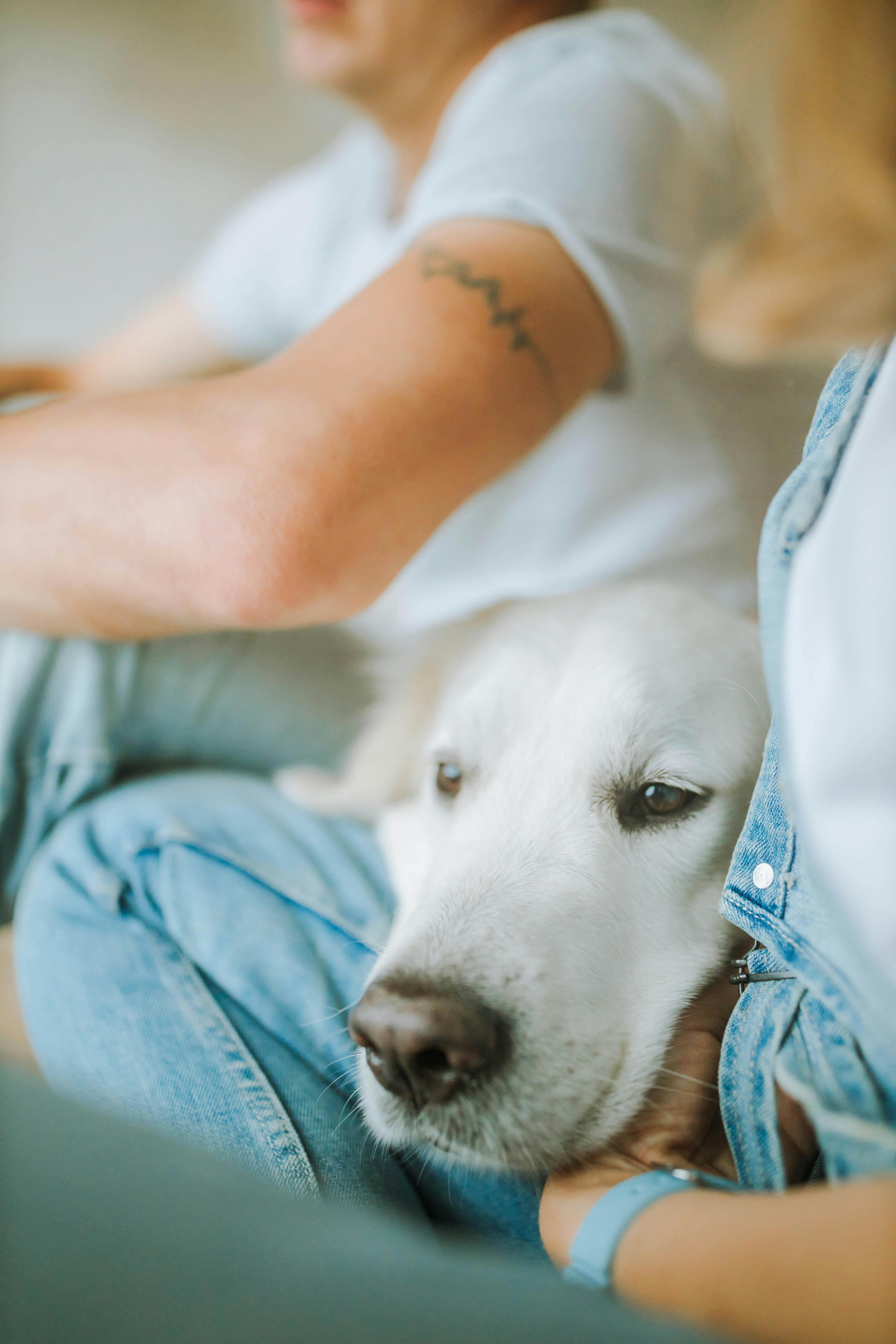
Dogs have been companions to humans for thousands of years, and one of the most intriguing aspects of our furry friends is their wet noses. Have you ever wondered why do dogs have wet noses? There’s actually a fascinating truth behind this common characteristic that every pet owner should know. It’s not just a quirky feature; it plays an important role in their overall health and well-being.
The Science Behind Wet Noses
Dogs have wet noses for several reasons, and understanding this can help pet owners take better care of their furry companions. The moisture on a dog's nose helps them to absorb scent chemicals. This is why dogs are such great sniffers! The wetness enhances their sense of smell, which is crucial for their survival and behavior. Interestingly, dogs have about 220 million scent receptors in their noses, compared to a human’s 5 million.
Why is a Wet Nose Important?
A wet nose is not just a sign of a healthy dog but also serves multiple functions:
- Scent Detection: As mentioned, the moisture helps in capturing scent particles, making their olfactory abilities even sharper.
- Regulating Body Temperature: Dogs don’t sweat like humans do. Instead, they regulate their body temperature through panting and by having a wet nose. The moisture evaporating from their noses helps cool them down.
- Health Indicator: A dog's nose can be an indicator of their health. A wet, cool nose usually indicates a healthy dog, while a dry or warm nose might signal illness. However, this isn't a foolproof method, and other symptoms should be checked.
Historical Context of Dog Noses
The evolution of a dog’s nose is quite interesting. Dogs have evolved from wolves, and their noses have adapted over time. Wolves relied heavily on their sense of smell for hunting and survival. As dogs became domesticated, this trait remained. Ancient civilizations often recognized the importance of a dog’s sense of smell, using them for hunting, herding, and even detection work.
Common Misconceptions
There are many misconceptions surrounding a dog's nose. For instance, many people believe that a warm nose means a dog is sick. While it can sometimes be true, a dog's nose temperature varies throughout the day and can be influenced by several factors. Here are some common myths:
- Myth 1: A dry nose means a dog is sick.
- Myth 2: Only certain breeds have wet noses.
- Myth 3: You should always check a dog's nose to determine their health.
What Affects a Dog's Nose Moisture?
Several factors can affect how wet or dry a dog's nose is:
- Weather Conditions: Hot, dry weather can lead to a drier nose.
- Hydration Levels: A dog that isn’t drinking enough water might have a drier nose.
- Health Issues: Allergies, infections, or other health problems could lead to changes in nose moisture.
Tips for Maintaining Your Dog's Nose Health
As a loving pet owner, here are some practical tips to help maintain your dog’s nose health:
- Stay Hydrated: Ensure your dog has access to fresh water at all times.
- Regular Vet Check-ups: Regular visits to the veterinarian can help catch any health issues early on.
- Watch for Changes: Monitor your dog’s nose. If you notice significant dryness, cracking, or bleeding, consult your vet immediately.
- Provide a Balanced Diet: A well-nourished dog is often a healthier dog. Make sure they get proper nutrition.
Wet Nose vs. Dry Nose: What to Look For
Here’s a quick comparison to help you understand what to expect from your dog’s nose:
Wet Nose:
- Cool to the touch
- Often indicates hydration
- Typically associated with a healthy dog
Dry Nose:
- Warm or hot to the touch
- May indicate dehydration or health issues
- Should be monitored closely
Understanding the role of a wet nose in dog health can make you a more informed and attentive pet owner. It’s fascinating how something as simple as a dog’s nose can have such a significant impact on their overall health and ability to interact with the world. So, the next time you stroke your furry friend, take a moment to appreciate that wet nose—it's not just cute; it's a vital part of what makes your dog, well, a dog!
How Your Dog's Wet Nose Affects Their Sense of Smell: Discover the Connection

Dog owners often wonder about the peculiarities of their furry friends, particularly why do dogs have wet noses? It’s a question that sparks curiosity and leads to deeper explorations into canines' amazing senses. Understanding the connection between a dog's wet nose and its sense of smell can shed light on the incredible adaptations these animals have developed over centuries.
The Science Behind Wet Noses
First off, a dog's nose is not just wet for no reason. The moisture on a dog’s nose comes from a combination of secretions from the nasal glands and saliva. This wetness helps to enhance their sense of smell. Dogs have an extraordinary olfactory system, with up to 300 million scent receptors in their noses compared to a human’s mere 5 million. The wet surface of their noses traps scent particles, making it easier for dogs to sniff out scents in the environment.
How Moisture Affects Their Sense of Smell
So, how does this moisture really improve their olfactory capabilities? Here are a few points to consider:
Scent Absorption: The wetness helps in absorbing scent molecules, which are essential for a dog's ability to identify various smells. When a dog sniffs something, the moisture allows those particles to stick better.
Temperature Regulation: The moisture on a dog's nose can also help regulate temperature. When dogs pant or breathe, the evaporation of this moisture cools them down and could also help them smell better.
Humidity Sensitivity: Dogs are particularly sensitive to humidity. A wet nose can pick up scents better in humid conditions, which is why you might notice your dog sniffing around more during rainy days.
Why Do Dogs Have Wet Noses?
The question of why dogs have wet noses is often tied to their evolution as hunters and scavengers. Historically, dogs needed to track prey and navigate through their environments using their sense of smell. The wet nose is an evolutionary trait that has helped them become some of the best scent-tracking animals on the planet. Here are some fascinating facts:
Evolutionary Trait: Dogs evolved from wolves, who also have wet noses. This trait is likely inherited and fine-tuned over generations.
Health Indicator: A wet nose is often seen as a sign of good health in a dog. While not always the case, a dry nose can sometimes indicate illness or dehydration.
Communication: Dogs use their noses for communication, too. Smelling another dog’s scent can provide countless information about that dog's health, mood, and even diet.
The Fascinating Truth About Dog Noses
Did you know that dog noses can also have different textures and temperatures? Here’s a quick breakdown:
Texture: A dog's nose can be smooth or rough, and this variation can depend on the breed. Some breeds, like the Shar Pei, have very wrinkled noses.
Temperature: While a wet nose is often cooler than a dog's body temperature, it’s not an absolute rule. A warm, dry nose doesn't always mean your dog is sick.
Color: Nose color can also vary among dogs. Some may have black noses, while others have pink or spotted noses.
Practical Implications for Dog Owners
As a dog owner, understanding your pet's nose can help you monitor its health and well-being. Here are some practical tips:
Regular Checks: Look at your dog’s nose regularly. Is it wet? Is it changing color? Any significant changes could indicate health issues.
Hydration is Key: Ensure your dog has access to water to keep that nose moist and healthy.
Consult Your Vet: If you notice persistent dryness or other changes, consulting a veterinarian is always a good idea.
Summary
In conclusion, the wet nose of your dog is more than just an endearing feature; it’s a sophisticated tool that significantly enhances their sense of smell. The moisture helps them identify scents more effectively while also playing a role in their overall health. Understanding this connection not only deepens your appreciation for your furry companion but also empowers you as a responsible pet owner. Next time you see your dog sniffing around with that wet nose, remember the fascinating truth behind it and the incredible abilities it provides.
Wet vs. Dry Noses: What Your Dog's Nose Says About Their Health
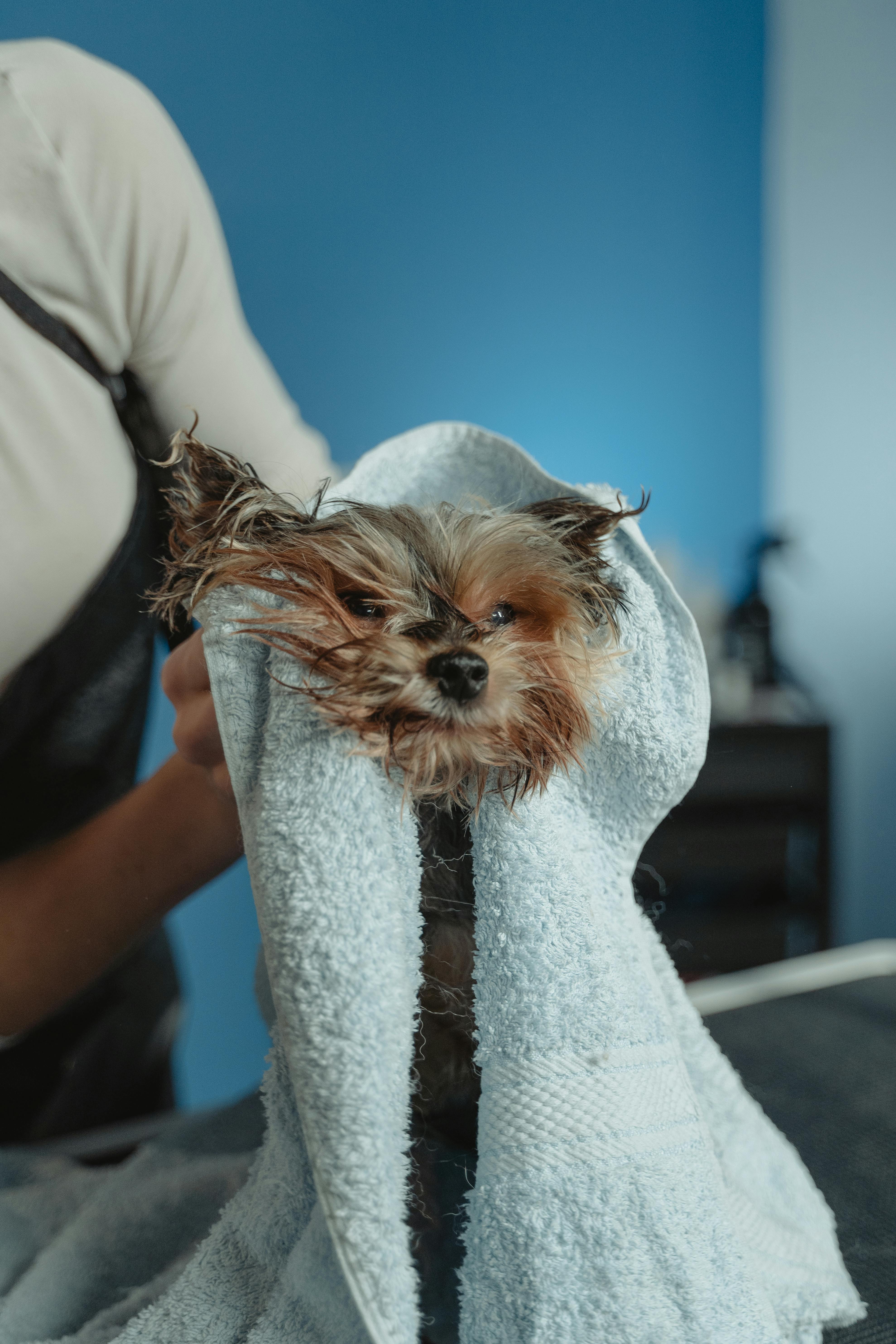
Dogs, our furry companions, are filled with mysteries and charms, and one of the most interesting things about them is their noses. Ever wonder why do dogs have wet noses? Or what the difference is between a wet and a dry nose? Well, it turns out that your dog’s nose can tell you a lot about its health and wellbeing. So let's dive into the fascinating world of wet vs. dry noses and what they might mean.
The Science Behind Wet Noses
Dogs have wet noses for a lot of reasons, but the main one is to help them smell better. A wet nose helps to capture scent particles in the air, making their sense of smell even more powerful than it already is. And, did you know that dogs have about 300 million smell receptors compared to humans who only have around 5 million? This means they can sniff out things we can’t even imagine!
Moreover, the moisture on a dog’s nose comes from a few different sources. Saliva is a big part of it. When dogs lick their noses, it keeps them moist. Also, the nasal passages produce mucus which adds to the wetness. This moisture plays a critical role in their olfactory abilities, allowing dogs to identify different scents.
What Does a Wet Nose Mean?
A wet nose can mean that your dog is healthy and happy. Here’s a quick list of what a wet nose usually indicates:
- Hydration: Dogs with wet noses are typically well-hydrated. If your dog’s nose is dry, it could be a sign of dehydration.
- Temperature Regulation: Dogs sweat through their noses and paw pads. A wet nose can help keep their body temperature stable.
- Healthy Mucous Membranes: A moist nose usually means that the mucous membranes are functioning properly.
The Mystery of Dry Noses
Now, what about dry noses? A dry nose doesn’t always mean something is wrong, but it can sometimes be a signal that you should pay attention. Here are some common reasons why dogs might have dry noses:
- Dehydration: If your dog hasn't had enough water, a dry nose could be one of the first signs.
- Weather Conditions: Hot or windy weather can dry out a dog’s nose.
- Illness: Certain illnesses like fever or skin conditions can cause dryness.
Comparing Wet and Dry Noses
It’s helpful to understand the differences between wet and dry noses when assessing your dog's health. Here’s a simple comparison:
| Characteristic | Wet Nose | Dry Nose |
|---|---|---|
| Hydration | Usually well-hydrated | Could indicate dehydration |
| Temperature Control | Helps cool the dog down | Less effective at temperature control |
| Health Indicator | Generally a sign of good health | May indicate illness or dehydration |
| Sensory Ability | Excellent sense of smell | Not directly related to smell |
When to Be Concerned
While a wet nose is often a sign of good health, there are times when you should consult a veterinarian. If your dog has a dry nose and it’s accompanied by the following symptoms, it’s best to seek professional advice:
- Lethargy: If your dog seems unusually tired or inactive.
- Loss of Appetite: If your dog isn’t eating or drinking.
- Vomiting or Diarrhea: These can be signs of more serious health issues.
- Nasal Discharge: Unusual discharge from the nose can signal infections.
Keeping Your Dog’s Nose Healthy
If you want to keep your dog’s nose in tip-top shape, here are some tips:
- Hydration: Always provide fresh water for your dog.
- Humidify: In dry seasons, consider using a humidifier to keep the air moist.
- Regular Check-ups: Regular vet visits can help catch any issues early.
The Bottom Line
So, next time you pet your dog and feel that cool, wet nose, remember that it’s more than just an adorable feature. It’s a sign of health, hydration, and a powerful sense of smell. Conversely, if you notice a dry nose, keep an eye on your dog’s behavior and health. Whether wet or dry, your dog’s nose is an interesting reflection of its overall wellbeing. Be observant and proactive; your furry friend depends on you to ensure they stay healthy and happy.
Fascinating Facts About Dogs' Wet Noses: What Science Reveals

When you look at a dog, one of the first things you might notice is their nose. It’s often wet, cold, and black, while it can make you wonder, why do dogs have wet noses? There’s actually some fascinating science behind this quirky characteristic that not only makes dogs charming but also serves practical purposes. Let’s dive in and see what science reveals about those adorable, wet noses.
The Science Behind Wet Noses
Dogs noses are wet for a few reasons. First, it helps them to smell better. Dogs have an incredible sense of smell, estimated to be 10,000 to 100,000 times more sensitive than humans. Their wet noses help to absorb scent chemicals in the air, which makes it easier for them to detect various odors. The moisture on their noses acts like a sponge, capturing scent particles that are then processed by their olfactory receptors.
Historical Context: Evolution of the Wet Nose
The wet nose of dogs is not just a random trait. It has evolved over thousands of years. Early domesticated dogs likely benefited from having wet noses, as it allowed them to track prey more effectively or avoid predators. Here’s a brief timeline of how wet noses may have played a role in canine evolution:
- 30,000 Years Ago: Dogs are believed to have been domesticated from wolves. Their wet noses likely aided in their survival.
- 15,000 Years Ago: As hunting partners, dogs with better olfactory capabilities (thanks to wet noses) were more successful in tracking and locating food.
- Modern Day: Today, dogs still rely on their noses for various tasks, from search and rescue to detecting diseases.
Why Wet Noses Matter: Health Benefits
Aside from sniffing out treats and tracking scents, wet noses serve a health-related purpose too. They help regulate a dog’s body temperature. When a dog pants, moisture from their nose and mouth evaporates, which cools them down. This is especially crucial during warm weather.
Fun Facts About Dogs' Wet Noses
- Temperature Regulation: A dog’s wet nose can be a sign of good health. If a dog’s nose is dry and warm, it may indicate illness or dehydration.
- Unique Patterns: Just like human fingerprints, each dog’s nose print is unique. It can even be used for identification!
- Communication Tool: Dogs often use their noses to communicate with other dogs. A wet nose can be a friendly gesture or an invitation to play.
- Hygiene Indicator: A healthy dog’s nose should be wet and cool. If it’s excessively dry or cracked, it may require attention.
The Anatomy of a Dog's Nose
Understanding the structure of a dog's nose helps explain its wetness. Here’s a simple breakdown:
- Nasal Cavity: The moist lining that enhances the sense of smell.
- Nasal Mucosa: Produces mucus that keeps the nose wet.
- Olfactory Receptors: Special receptors that detect smells, where the wetness helps absorb scent particles.
Common Misconceptions About Dog Noses
There are several myths surrounding dog noses that people often believe. Here are some of those misconceptions:
- A Wet Nose Means a Healthy Dog: While many healthy dogs do have wet noses, it’s not a definitive health indicator.
- Dogs' Noses Are Always Wet: It can vary based on factors like temperature or weather conditions.
- Dogs Use Their Noses Only to Smell: Dogs’ noses are also essential for social interaction and communication.
Caring for Your Dog's Nose
It’s important to keep your dog’s nose healthy. Here are some practical tips:
- Hydration: Ensure your dog drinks enough water to maintain moisture in their nose.
- Regular Check-ups: Regular vet visits can help catch any potential issues.
- Avoid Irritants: Protect your dog from harsh weather and chemicals that could dry out their nose.
Wet noses are just one of the many fascinating aspects of dogs that remind us why we love them so much. They not only enhance a dog’s sense of smell but also play a crucial role in their overall health and communication. Next time you give your furry friend a pat on the head, take a moment to appreciate that delightful wet nose and all the science behind it. It’s just another reason why dogs are truly man’s best friend!
Do All Dogs Have Wet Noses? Exploring the Variations Across Breeds
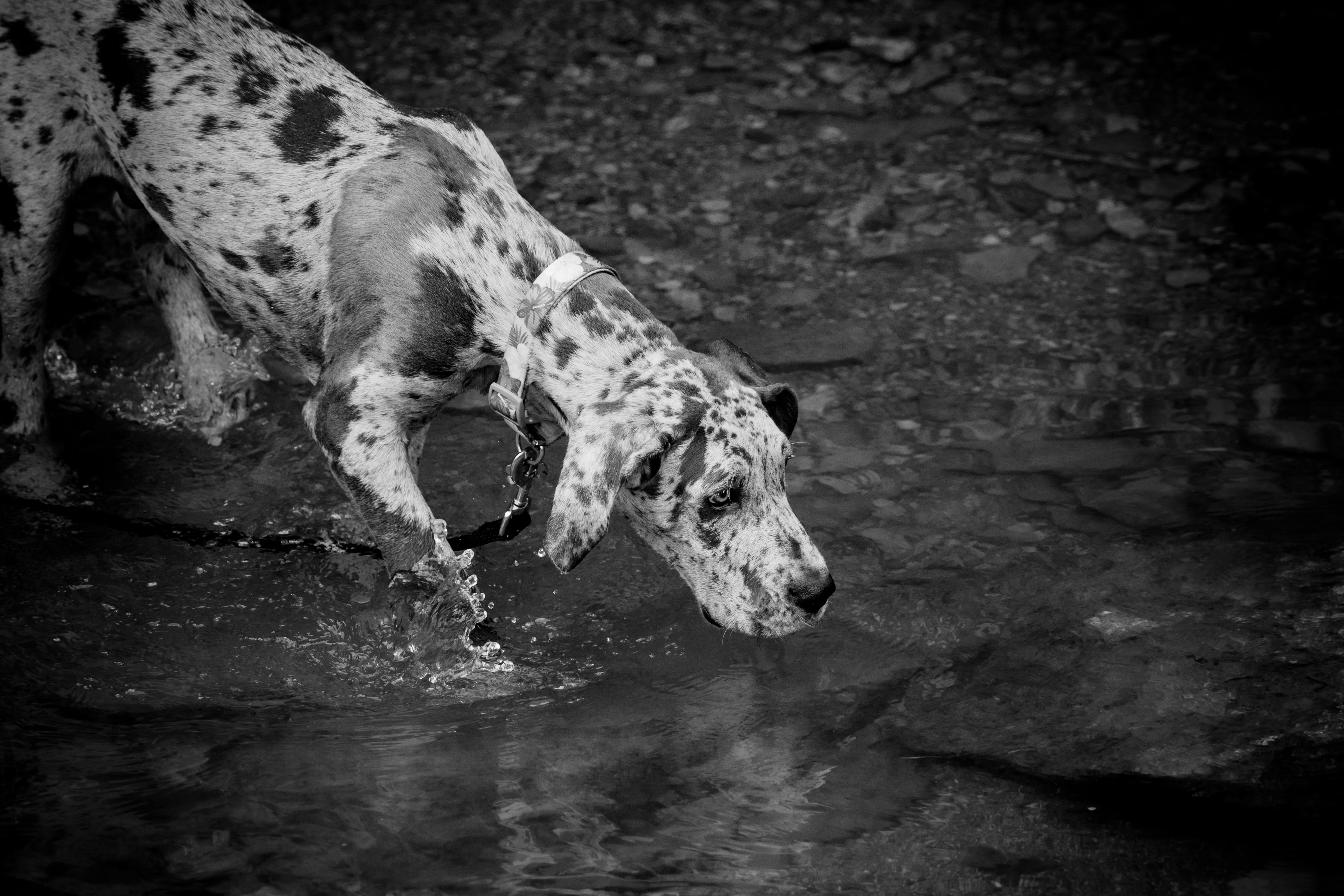
Ever wondered why dogs have wet noses? Or if all dogs have them? It’s a pretty common question among dog lovers and those who are just curious about our furry friends. Dogs noses, wet and cool to the touch, have always fascinated people. But do all dogs really have wet noses? And what’s the reason behind this natural characteristic? Let’s dive into the variations across breeds and explore the science—it's more interesting than you might think!
Do All Dogs Have Wet Noses?
No, not all dogs have wet noses, although most do. The amount of moisture on a dog's nose can vary significantly based on several factors. For instance, some breeds are more prone to having dry noses due to their unique physiology or health conditions. Here’s a brief overview of how different breeds can show variability:
Breeds with Generally Wet Noses:
- Labrador Retrievers
- Golden Retrievers
- Beagles
Breeds with Often Drier Noses:
- Bulldogs
- Pugs
- Basset Hounds
These variations are often due to genetic traits and environmental influences. For example, short-nosed breeds might have a harder time keeping their noses moist due to their facial structure.
Why Do Dogs Have Wet Noses?
So, why do dogs have wet noses? The answer is fascinating and multi-faceted. Dogs’ wet noses play several roles that are crucial for their health and communication. Here’s some reasons why:
Enhanced Sense of Smell: Dogs have an extraordinary sense of smell, and the moisture on their noses helps capture scent particles. This enhances their ability to detect various smells in the environment. A wet nose can actually absorb more scent than a dry one!
Thermoregulation: Just like humans sweat, dogs also need ways to cool down. A wet nose helps them regulate body temperature. When a dog pants, the moisture from their nose and mouth evaporates, which cools them down.
Health Indicator: A dog's nose can be an indicator of their health. Generally, a wet and cool nose is seen as a sign of good health. However, a dry nose doesn't necessarily mean something's wrong. But if it’s persistently dry or cracked, it may be a sign of dehydration or an underlying health issue.
Communication Tool: Dogs communicate through various means, including body language and scent. A wet nose allows them to leave scent marks, which can convey messages to other dogs. This is crucial for their social interactions.
Factors Influencing Nose Moisture
There are multiple factors that can influence the moisture level on a dog's nose, including:
- Humidity: Humid weather can keep a dog’s nose wetter than dry conditions.
- Health: Illness or dehydration can lead to a drier nose.
- Age: Older dogs might experience dry noses due to less oil production.
- Diet: Proper nutrition impacts skin and coat health, including the nose.
Fun Facts About Dog Noses
Let’s look at some other fun facts about dog noses that you might find interesting:
- Unique Patterns: Just like human fingerprints, every dog’s nose has a unique pattern.
- Scent Memory: Dogs have a sense of smell that is 10,000 to 100,000 times more acute than humans.
- Nasal Heat: A dog's nose can also sense heat, helping them locate warm prey.
- Color Changes: The color of a dog's nose can change with the seasons or due to health issues.
Quick Comparison: Wet vs. Dry Nose
| Wet Nose | Dry Nose |
|---|---|
| Good health indicator | May indicate dehydration or illness |
| Better at collecting scents | May struggle in scent detection |
| Cool to touch | Warmer and less moist |
This comparison can help you understand the significance of a dog’s nose condition.
As we explore the wonderful world of dogs, it’s clear their wet noses serve more than just a cute look. While most dogs have wet noses, variations exist due to breed, health, and environment. Understanding these aspects can help dog owners better care for their furry companions. So, the next time you lean in for a doggy kiss, remember the fascinating science behind that wet nose!
Can Your Dog's Wet Nose Predict Illness? Understanding the Signs
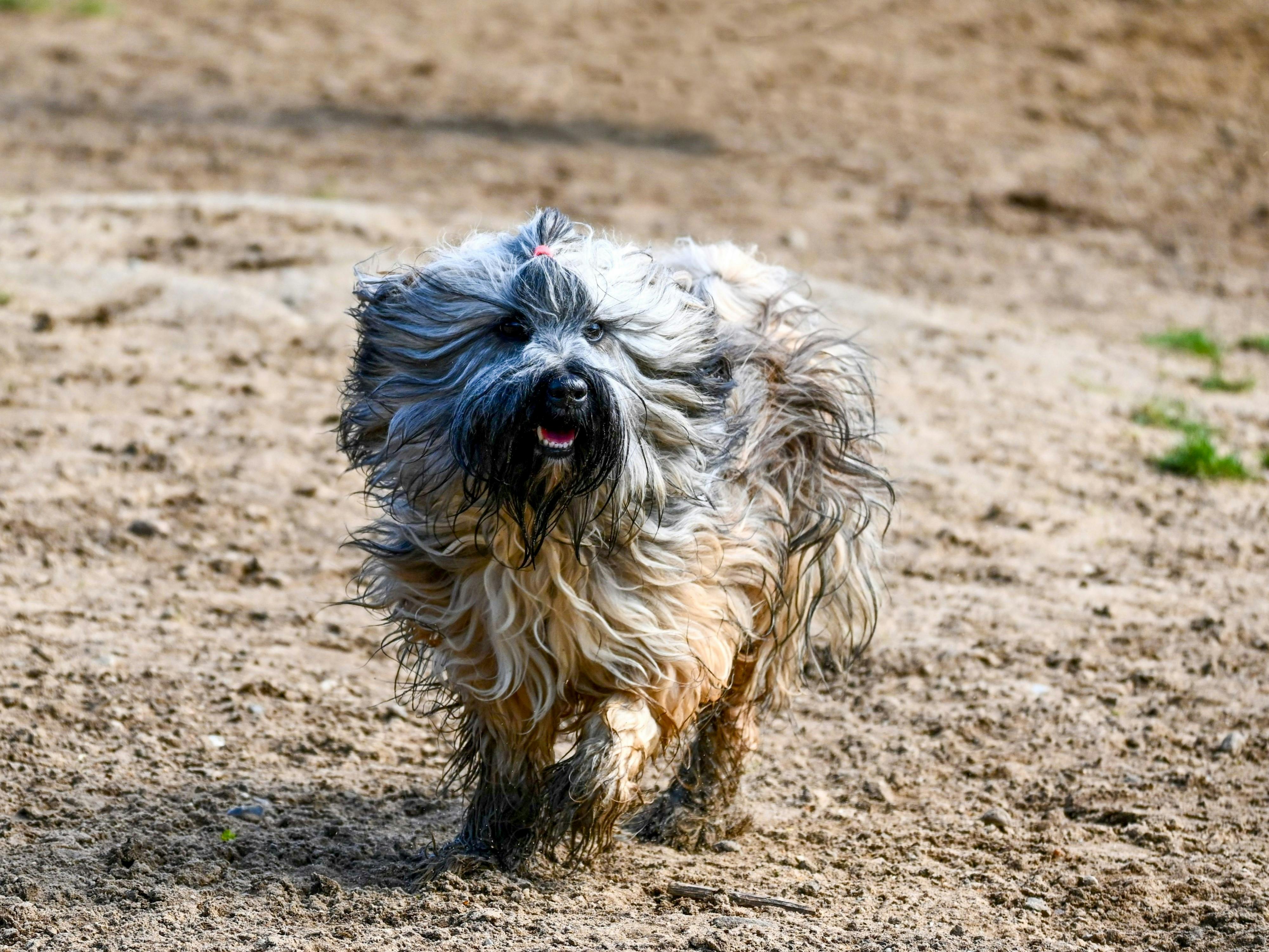
Can your dog’s wet nose predict illness? This is a question that many pet owners have pondered. We all love our furry companions, and we want to ensure they’re healthy and happy. But, is there any truth behind the idea that a wet nose can tell us something about their health? Let’s dive into the fascinating world of dog noses, why they’re wet, and what it could mean for your pup's well-being.
Why Do Dogs Have Wet Noses?
Dogs are known for their wet noses, which many people find cute and endearing. But, have you ever wondered why dog noses are moist? There are a few key reasons for this:
Enhanced Smell: A wet nose helps to absorb scent chemicals, allowing better detection of odors. Dogs have an incredible sense of smell, and the moisture on their noses aids in this process.
Temperature Regulation: Just like humans sweat, dogs use their noses to help cool down. The moisture evaporates and helps regulate their body temperature.
Health Indicator: In some cases, the state of a dog's nose can be a sign of their health. A healthy dog usually has a cool, moist nose, while certain conditions might cause it to become dry or warm.
Can Your Dog's Wet Nose Predict Illness?
The short answer is that a dog's wet nose can offer some clues about their health, but it's not a definitive measure. Here are some signs to watch for:
- Normal Wetness: A wet, cool nose is generally a sign of good health. It means your dog is likely hydrated and feeling good.
- Dry Nose: If your dog’s nose is unusually dry, this could be an indication of dehydration or illness. However, a dry nose can also be normal depending on the dog’s environment or after sleeping.
- Warm Nose: A warm nose might suggest a fever, but it’s important to consider other signs. If your dog is lethargic or has a lack of appetite, a visit to the vet is probably needed.
- Discharge or Crustiness: If you notice unusual discharge or crust forming around your dog's nose, this could mean an infection or allergy.
Dog Nose Facts and Myths
While many people believe a dog's wet nose is a sign of health, there are also myths surrounding this topic. Let’s clear some of these up:
Myth: A wet nose always means your dog is healthy.
- Fact: While it can be a good sign, it's not the only indicator. Always observe other health signs.
Myth: You can diagnose a dog’s illness just by touching their nose.
- Fact: A dog's nose temperature can vary greatly depending on multiple factors like activity level or weather.
Myth: Dogs only have wet noses because they lick them.
- Fact: While licking does contribute, the moisture is also due to physiological reasons explained above.
Signs of an Unhealthy Dog
If you're concerned about your dog's health, you should know the signs that may indicate a problem. Keep an eye out for:
- Changes in appetite or drinking habits
- Lethargy or decreased activity
- Vomiting or diarrhea
- Changes in behavior or temperament
- Coughing, sneezing, or nasal discharge
Practical Tips for Monitoring Your Dog’s Health
Monitoring your dog's health can help catch issues early. Here’s how to do it:
Regular Check-ups: Schedule annual visits with a vet to keep your dog up to date on vaccinations and health screenings.
Observe Behavior: Pay attention to changes in your dog’s behavior or habits.
Check Vital Signs: Learn how to check your dog’s temperature (normal is between 101°F and 102.5°F) and pulse.
Hydration: Make sure your dog always has access to fresh water, as hydration is crucial for maintaining a healthy nose.
Fun Facts About Dog Noses
Did you know that a dog's sense of smell is estimated to be 10,000 to 100,000 times more sensitive than a human's? Here are some more interesting points:
Unique Nose Prints: Just like human fingerprints, each dog has a unique nose print which can be used for identification.
Nasal Turbinates: Inside a dog's nose, there are complex structures called turbinates, which help filter and warm the air they breathe.
Scent Memory: Dogs can remember smells for years, which is why they can recognize people or places they've encountered long ago.
In summary, while a dog’s wet nose can give you some insights into their health, it’s essential to look at the bigger picture. Regular vet check-ups, observing behavior, and understanding your dog’s normal patterns
Keeping Your Dog's Nose Healthy: Tips for Maintaining Optimal Moisture Levels

Keeping your dog’s nose healthy is more important than you might think. Dog noses, those adorable wet little appendages, play a crucial role in your furry friend’s overall health. But, have you ever wondered why do dogs have wet noses? It’s kinda fascinating! Let's dive into the science behind it, learn why it matters, and discover tips for maintaining optimal moisture levels.
Why Do Dogs Have Wet Noses?
First off, dogs have wet noses for a reason. It’s not just because they’re cute, although they are! The moisture on a dog’s nose helps to enhance their sense of smell. When a dog’s nose is wet, it collects scent particles from the environment. This helps them to smell things better, which is super important for their communication and hunting instincts.
Here's some quick facts about dog noses:
- Wet noses help to absorb scent chemicals.
- Dogs can detect certain odors at concentrations as low as one part per trillion!
- The moisture also helps to cool them down, kinda like sweating for humans.
The Importance of Nose Moisture
Keeping your dog's nose moist is important for several reasons. A healthy, moist nose can indicate that a dog is well-hydrated and in good health. But sometimes, dog owners worry when their pup’s nose gets dry or crusty. This can happen for various reasons, including:
- Dehydration: If a dog isn't drinking enough water, their nose might dry out.
- Weather Conditions: Hot, dry weather can lead to a loss of moisture.
- Skin Conditions: Allergies or infections can affect the nose, leading to dryness.
- Age: Older dogs might have drier noses just because of age.
Tips for Maintaining Optimal Moisture Levels
So, how can you keep your dog’s nose healthy and moist? Here are some practical tips to consider:
- Hydration: Make sure your dog has plenty of fresh water. Always check their water bowl and refill it as needed.
- Humidifier: If you live in a dry area, consider using a humidifier in your home, especially during winter months. This can help keep the air moist, which can benefit your dog.
- Nasal Balms: There are dog-safe balms available that can help moisturize a dry nose. Look for products specifically made for dogs.
- Diet: A balanced diet can also help. Make sure your pup is getting enough essential fatty acids, as they can improve skin and coat health.
- Regular Vet Check-ups: Regular visits to the vet can catch any underlying issues that might be causing a dry nose.
Common Nose Problems in Dogs
Sometimes, a dog’s nose can face issues. Here are some common problems and what they might mean:
- Crusty Nose: This can indicate dehydration or skin problems.
- Bleeding: If your dog’s nose is bleeding, it’s important to take them to the vet right away.
- Discoloration: A change in color could signify allergies, infections, or other health issues.
- Excessive Moisture: While a wet nose is normal, if it gets excessively wet or is leaking, it could be a sign of an infection or other health concern.
Fun Facts About Dogs and Their Noses
- Did you know that different dog breeds have different nose shapes? Breeds like Bloodhounds have an extra-large surface area for smelling!
- Dogs have about 220 million scent receptors in their noses, compared to a human’s mere 5 million.
- The temperature of a dog’s nose can fluctuate. A warm nose doesn’t always mean they’re sick!
The Bottom Line
Understanding why do dogs have wet noses and how to keep them healthy is essential for every dog owner. Besides being adorable, a dog’s nose serves important functions that are vital to their well-being. Regular care and attention to your dog’s nose can ensure they remain happy and healthy. By keeping your pup hydrated, maintaining a suitable environment, and seeking help when needed, you can help ensure their nose stays in tip-top shape. Remember, a healthy nose often means a happy dog! So, next time you give your furry friend some love, don’t forget to check that nose!
Conclusion
In conclusion, the wet noses of dogs serve several important purposes that contribute to their health and functionality. The moisture on their noses enhances their sense of smell, allowing them to detect scents more effectively, which is vital for their survival and understanding of their environment. The wetness also aids in regulating their body temperature, acting as a natural cooling mechanism. Furthermore, a dog's nose can provide insights into their health; changes in moisture levels may indicate underlying issues. Understanding the significance of this unique feature not only deepens our appreciation for these loyal companions but also helps us care for them better. Next time you greet your furry friend, take a moment to appreciate their wet nose and the vital role it plays in their life. Consider scheduling regular vet check-ups to ensure your dog's overall health and well-being, keeping that nose moist and healthy!