
Have you ever wondered why do dogs have wet noses? This peculiar feature is not just for show; it’s a fascinating aspect of dog biology that can reveal much about their health and behavior. A dog’s wet nose serves several vital purposes, making it an intriguing topic for pet owners and animal lovers alike. Did you know that a moist nose helps dogs to smell better? This is because the moisture traps scent particles, enhancing their incredible sense of smell! But there’s more to it—dogs also rely on their noses to regulate body temperature and communicate with other animals. Have you noticed how your furry friend’s nose feels different when they are sick? This can be a sign of various health issues. Understanding why dogs have wet noses can help you become a more informed pet parent. Curious to learn more about this unique canine characteristic? Join us as we dive deeper into the science behind those adorable, wet noses and uncover some surprising facts that will make you appreciate your dog even more! Get ready to discover the fascinating truth behind this essential trait!
The Science Behind Wet Noses: Why Are Dogs’ Noses Always Moist?

Dogs are often known for their playful nature and loyal companionship, but one of the most intriguing aspects of our canine friends is their wet noses. Why do dogs have wet noses? This question leads us to uncover the fascinating truth about the science behind wet noses and what it means for our furry companions. Have you ever wondered why their noses are always moist? Let’s dive deeper into this curious phenomenon.
Evolutionary Significance of Wet Noses
Dogs, descendants of wolves, have evolved in ways that enhances their survival. A wet nose is not just a quirky trait but serves multiple purposes. In the wild, a moist nose helps in hunting and recognizing scents. The moisture allows for better scent absorption, which is crucial for tracking prey. Here’s some key points about the evolutionary benefits:
- Enhanced Olfactory Ability: A wet nose improves a dog’s ability to smell, which is important for finding food or detecting danger.
- Thermoregulation: Dogs do not sweat like humans; instead, they regulate their body temperature through panting and by their nose moisture.
- Health Indicator: A wet nose can often indicate a healthy dog, while a dry nose might suggest dehydration or illness.
How Do Dogs’ Noses Stay Moist?
The moisture on a dog’s nose comes from several sources. It’s not just magic, but rather a combination of biology and behavior. Here’s how it works:
- Mucous Membranes: The skin on a dog’s nose has mucous membranes that secrete a thin layer of moisture. This helps keep the nose wet.
- Saliva: Dogs often lick their noses, which adds moisture and helps them gather scent particles.
- Environmental Factors: Humidity and temperature can also contribute to how wet a dog’s nose is. Interestingly, a dog’s nose may dry out in hot weather or after exercise.
The Sensory Role of a Wet Nose
Dogs have an extraordinary sense of smell, estimated to be anywhere from 10,000 to 100,000 times more sensitive than humans. A wet nose plays a crucial role in their olfactory abilities. Here’s how:
- Scent Absorption: The moisture on their nose helps to capture scent particles in the air. The wet surface traps these particles, allowing the scent receptors to do their job more effectively.
- Chemical Communication: Dogs use their noses to communicate with each other and understand their environment. The moisture helps them detect pheromones and other chemical signals.
What About Changes in Nose Moisture?
A dog’s nose can change its moisture level for a variety of reasons. Here are some common conditions that may affect this:
- Health Issues: If a dog’s nose suddenly becomes dry or cracked, it may indicate health problems, such as a fever or dehydration.
- Environmental Changes: Seasonal changes, like winter, can lead to drier noses.
- Diet and Hydration: A dog’s diet and water intake significantly affect nose moisture. Keeping your pooch well-hydrated is essential for maintaining a healthy nose.
Fun Facts About Dogs’ Noses
Did you know that there are some amazing facts about dogs’ noses that you probably didn’t know? Here’s a list of interesting tidbits:
- Unique Patterns: Just like human fingerprints, each dog’s nose print is unique and can be used for identification.
- Color Variation: The color of a dog’s nose can vary widely, from black to brown to pink, and it can change due to temperature or health conditions.
- Nasal Folds: Some breeds have more pronounced nasal folds, which can help trap more scent particles.
Practical Tips for Dog Owners
To ensure your dog’s nose stays healthy and moist, consider these simple tips:
- Hydration: Always provide fresh water to your dog, especially during hot weather.
- Regular Vet Check-ups: Routine veterinary visits can help catch potential health issues early.
- Observe Changes: Keep an eye on your dog’s nose. If it becomes persistently dry or cracked, consult a vet.
Understanding why do dogs have wet noses can enhance our relationship with them. Their noses not only serve a functional purpose but also add to their charm. Next time you give your furry friend a scratch behind the ears, take a moment to appreciate that wet nose and all the science behind it. It’s just one of the many wonders that make dogs such special companions.
5 Surprising Reasons Dogs Have Wet Noses: Uncover the Truth!
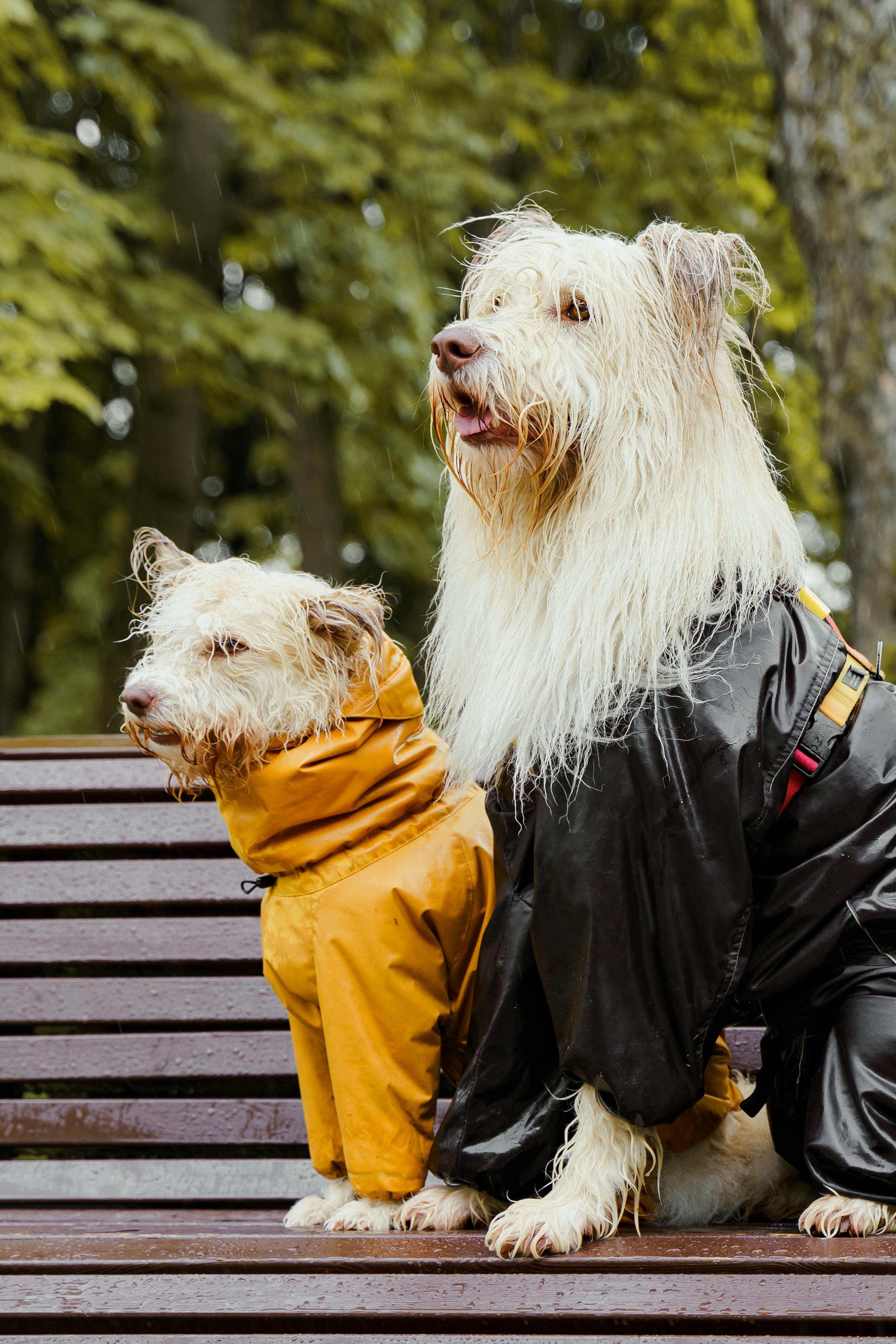
Ever noticed how your dog’s nose is always a bit damp? It’s one of those quirky characteristics that make them unique. But have you ever wondered why they have wet noses? You might think it’s just a dog thing, but there’s much more to it than meets the eye. Here are five surprising reasons dogs have wet noses, and they might just uncover the truth behind this fascinating canine feature!
1. Temperature Regulation
Dogs don’t sweat like humans do. Instead, they rely on their noses to help regulate their body temperature. When a dog is feeling hot, moisture from their nose evaporates, helping to cool them down. This is similar to how sweat cools down people. If you ever see your pup panting and their nose is particularly wet, it’s likely they’re trying to keep cool.
2. Enhanced Sense of Smell
A wet nose is not just for show. Dogs have an extraordinary sense of smell, and the moisture on their noses plays a critical role. The dampness helps to capture scent particles from the air, enhancing their ability to detect smells. In fact, some studies suggest that dogs’ noses can smell up to 100,000 times better than humans. So, next time your dog sniffs around the park, remember, they are just using their superpower!
3. Communication Tool
Believe it or not, a dog’s nose can also be a tool for communication. When dogs meet each other, they often sniff each other’s noses. A wet nose can indicate that a dog is friendly and open to interaction. It’s like their version of a handshake! Dogs can read each other’s scents and determine mood and intentions through this wet-nosed greeting. This social behavior is not just unique; it’s essential for canine interactions.
4. Health Indicator
A dog’s nose can also tell you quite a bit about their health. A healthy dog typically has a moist, cool nose. If you notice that your dog’s nose is dry or cracked, it could be a sign of dehydration or illness. However, keep in mind that a dry nose isn’t always a reason to panic. Factors like weather, activity level, or even sleep can influence the moisture level of your dog’s nose.
Signs of a Healthy Nose:
- Moist and cool to the touch
- No cracks or excessive dryness
- Normal color (not overly red or pale)
Possible Health Issues:
- Dry or cracked nose
- Unusual discharge
- Change in color
5. Breed Variations
Not all dogs have the same type of nose. Some breeds have wetter noses than others, and this can be influenced by genetics. Breeds like the Labrador Retriever or the Beagle often have moist noses, while others, like the Bulldog, may have drier noses due to their facial structure. The shape and length of a dog’s snout can also affect how wet their nose gets. So, if you have a specific breed, it might be worth looking into their typical nose moisture levels!
Comparison of Dog Breeds and Nose Moisture
Here’s a quick look at how different breeds compare in terms of nose moisture:
| Dog Breed | Typical Nose Moisture | Notes |
|---|---|---|
| Labrador Retriever | High | Very wet; excellent scent hunters |
| Bulldog | Low | Short snout causes drier nose |
| Beagle | High | Strong scent hounds with wet noses |
| Dachshund | Moderate | Average moisture, varies by activity |
Practical Examples of Nose Care
Maintaining your dog’s nose is important too! Here are some practical tips:
- Hydration: Always ensure your dog has access to fresh water to stay hydrated.
- Moisturizing: If you see signs of dryness, consider using a dog-safe nose balm.
- Check-ups: Regular vet visits can help monitor your dog’s overall health, including their nose condition.
So, there you have it! The wet nose of your dog is more than just an adorable quirk. It plays a role in temperature regulation, enhances their sense of smell, aids in communication, serves as a health indicator, and varies among breeds. Understanding these aspects not only deepens your bond with your pet but also helps you take better care of them. Next time you give your furry friend a scratch behind the ears, take a moment to appreciate that wet nose and all the amazing things it does!
How a Dog’s Wet Nose Affects Their Sense of Smell: The Fascinating Connection
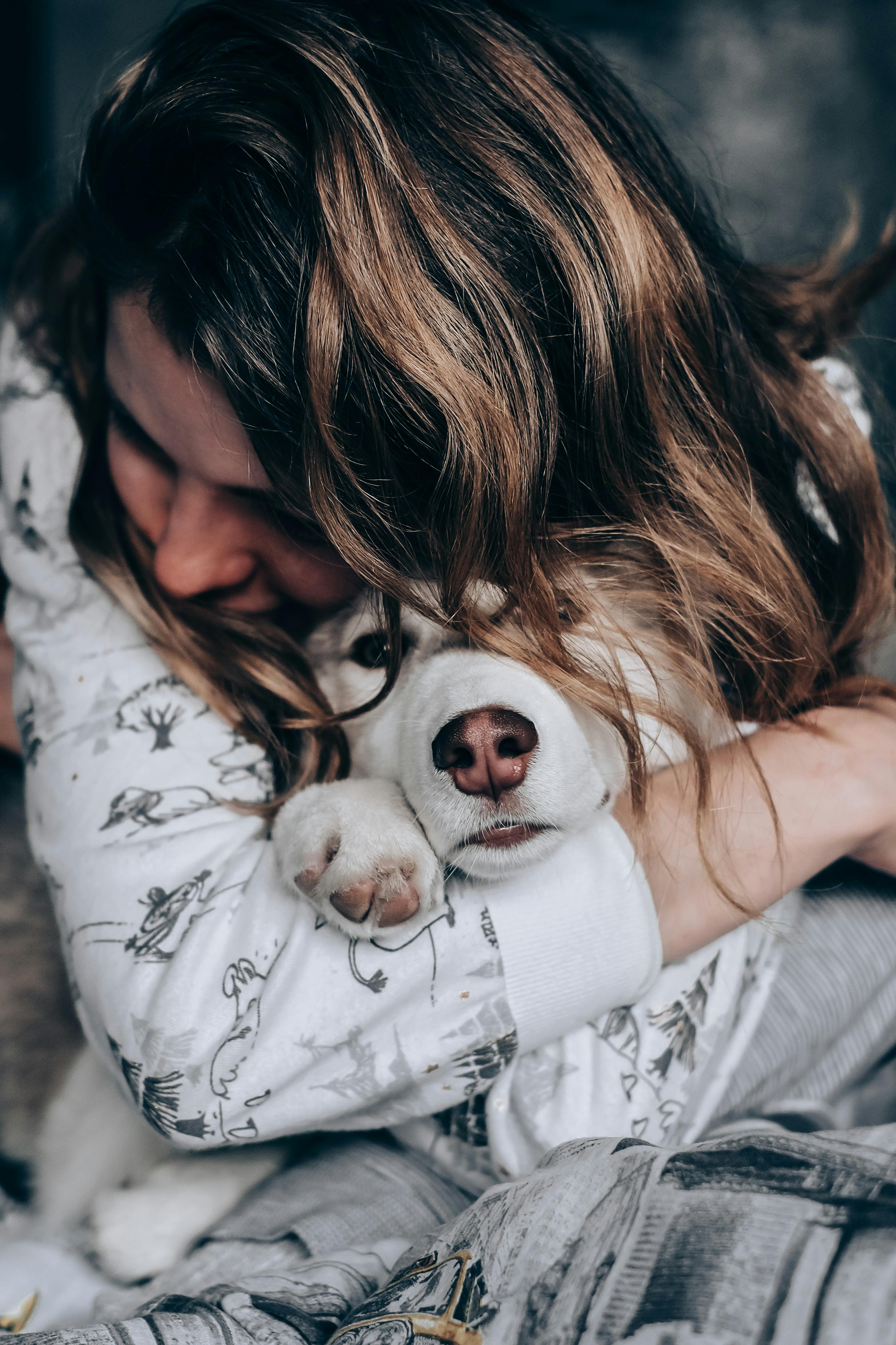
Dogs are known for many things—loyalty, companionship, and their playful nature. But have you ever wonder why dogs have wet noses? The answer to this age-old question is not just about looks; it goes deeper. A dog’s wet nose plays a vital role in their incredible sense of smell. Let’s dive into the fascinating connection between a dog’s wet nose and their olfactory abilities.
The Science Behind Wet Noses
A dog’s nose is a complex organ that houses an astonishing number of scent receptors. Humans have about 5 million olfactory receptors, while dogs have around 220 million. This difference explain why dogs are often used in search and rescue missions, as well as in detecting drugs or explosives. But, what does a wet nose got to do with it?
- Moisture enhances smell: The moisture on a dog’s nose helps to capture scent particles from the air. When a dog sniffs, the wetness allows these particles to stick better, making it easier for them to identify smells.
- Temperature regulation: A wet nose also helps regulate a dog’s body temperature. In hot weather, a dog might pant to cool down, but a moist nose helps them stay comfortable too.
Why Do Dogs Have Wet Noses?
There are a few reasons why dogs’ noses are often wet. It’s not just random happenstance.
- Cooling Mechanism: Dogs don’t sweat like humans do. Instead, they rely on their noses to help cool off. A wet nose is cooler than a dry one, and this helps keep their body temperature down.
- Health Indicator: A wet nose can also indicate a healthy dog. If a dog’s nose is dry or cracked, it could signal dehydration or illness. Owners should be observant of changes in their dog’s nose condition.
- Behavioral Aspect: Dogs often lick their noses. This licking adds moisture, and it also helps them taste the environment. Dogs have a special organ called Jacobsen’s organ that allows them to taste scents.
The Role of a Wet Nose in Smelling
So, how does a wet nose actually improve a dog’s sense of smell? Here’s a breakdown:
- Scent Particle Collection: A wet nose can collect scent particles more effectively than a dry one. This leads to better olfactory information being processed by the dog’s brain.
- Olfactory Function: When a dog’s nose is moist, it allows for more efficient olfactory signal transmission. The wetness helps to dissolve the scent particles, allowing the receptors to do their jobs better.
- Natural Behavior: Dogs naturally sniff around to gather information about their surroundings. A wet nose encourages this behavior, making dogs natural explorers.
Fun Facts About Dog Noses
- Unique Prints: Just like human fingerprints, every dog has a unique nose print. This can be used for identification.
- Color Variation: Dog noses come in various colors, from black to pink, depending on the breed. The color doesn’t affect their sense of smell.
- Dogs and Humans: While dogs have a much better sense of smell, humans can still train dogs to distinguish between different scents, like in drug detection or finding missing persons.
Comparisons: Dogs vs. Other Animals
While dogs are impressive, they’re not alone in their olfactory abilities. Here’s how they compare to some other animals:
| Animal | Number of Scent Receptors | Notable Skills |
|---|---|---|
| Dogs | 220 million | Tracking scents, search and rescue |
| Bloodhounds | 300 million | Best tracking abilities |
| Cats | 5 million | Good at detecting prey scents |
| Rats | 1,200 million | Used in research for scent detection |
As you can see, dogs are remarkable, but bloodhounds take the crown for the most scent receptors.
Practical Examples of Nose Use
In everyday life, you might see your dog engaging in nose-related behaviors. Here’s what they might do:
- Sniffing the ground: They are gathering information about other animals.
- Licking their nose: This helps them keep their nose moist for better smelling.
- Following a scent trail: Dogs can track scents over long distances, which is why they excel in search-and-rescue operations.
In summary, the wet nose of a dog is much more than just a cute feature; it’s a crucial part of how they explore and understand their world. Their incredible sense of smell is enhanced by the moisture on their noses, allowing them to gather and process scents effectively. So the next time you see your dog with that signature wet nose, remember, it’s not just for show—it’s an essential tool for their survival and interaction with the environment.
Wet Noses and Health: What Your Dog’s Nose Can Tell You About Their Well-Being

Dogs are known for their wagging tails and playful barks, but one of their most fascinating features is their wet noses. Many pet owners often wonder why do dogs have wet noses? This question leads us to the intriguing world of canine health. A dog’s nose can tell us a lot about their well-being, and understanding the science behind it can be beneficial for every dog lover.
The Science Behind Wet Noses
Most dogs have noses that are moist, and this has important purposes. The moisture on a dog’s nose helps to enhance their sense of smell, which is already incredibly powerful. When the nose is wet, it can better absorb scent molecules from the environment, making it easier for dogs to smell things.
A study from the Journal of Veterinary Behavior points out that dogs have about 300 million smell receptors compared to humans, who only have about 5 million. This immense difference allows dogs to detect scents at much lower concentrations than we can. The wetness of their noses plays a key role in this capability.
Why Do Dogs Have Wet Noses?
Thermoregulation: Dogs can’t sweat like humans do. Instead, they rely on their noses to help cool down. The moisture evaporates and helps to regulate their body temperature.
Sense of Smell: As mentioned, a wet nose can absorb more scent. This ability helps dogs to gather information about their surroundings, from identifying food to sensing the presence of other animals.
Health Indicator: The condition of a dog’s nose can give clues about their health. A healthy dog typically has a moist, cool nose. If it’s dry or cracked, it could signal dehydration or illness.
How to Interpret Your Dog’s Nose Condition
Here’s a simple guide to help you understand what different nose conditions might mean for your furry friend:
- Moist and Cool: Indicates a healthy dog. They’re usually well-hydrated and in good health.
- Dry and Warm: Could indicate fever or dehydration. Check for other symptoms.
- Cracked or Chapped: May suggest a lack of moisture or possible allergies. Consider consulting a vet.
- Excessively Wet: Sometimes, a nose that is too wet could indicate nasal discharge due to allergies or infection.
Historical Context of Dog Noses
Historically, wet noses have been essential for hunting dogs. Ancient civilizations relied on dogs for tracking game, and their ability to sniff out scents was crucial. The evolution of dogs has led to their noses becoming one of the most advanced sensory organs among mammals.
Fun Facts About Dog Noses
- Dogs can differentiate between similar scents. For instance, they can tell the difference between the smell of different types of food.
- The texture of a dog’s nose can vary. Some dogs have smooth noses while others have rough textures, and both can be healthy.
- Dogs have a “Jacobsen’s organ” which helps them process pheromones, further enhancing their sense of smell.
Practical Tips for Nose Care
Keeping your dog’s nose healthy is important. Here are some practical tips:
- Hydration: Make sure your dog has access to fresh water at all times. Dehydration can affect their nose.
- Moisturizers: If your dog’s nose tends to be dry, there are safe and vet-approved moisturizers available.
- Diet: A balanced diet rich in essential fatty acids can promote healthy skin and noses.
- Regular Check-Ups: Regular vet visits can help identify any health issues before they become serious.
The Fascinating Truth About Dog Noses
The wetness of a dog’s nose is not just a quirky feature; it’s a vital aspect of their health and well-being. Understanding your dog’s nose condition can help you monitor their health closely. Just like humans, dogs rely on their senses, and their noses play an essential role in how they experience the world.
When you next see your dog’s wet nose, remember, it’s more than just a cute feature. It speaks volumes about their health, happiness, and overall well-being. So, the next time you ask why do dogs have wet noses, you can appreciate the science, history, and practical implications that come with it.
Being attentive to your dog’s nose can lead to a deeper understanding of their needs and help keep them healthy and happy for many years to come.
Do All Dogs Have Wet Noses? Exploring Variations Across Breeds
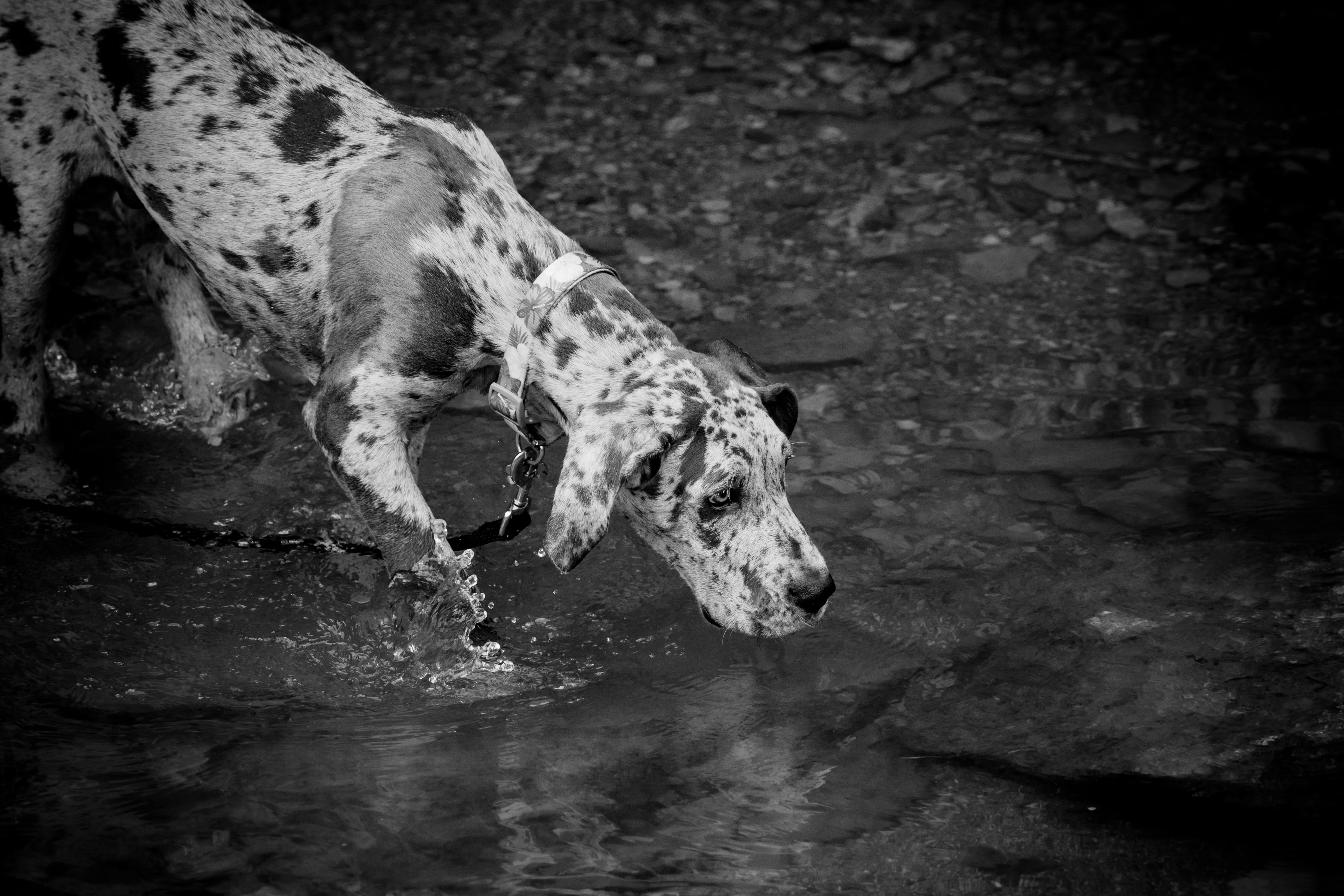
Dogs are often known for their wet noses, and many people often wonder, “Do all dogs have wet noses?” While it is common to see dogs with moist snouts, it not always the same across different breeds. This article aims to explore the variations in nose moisture among dog breeds, delve into the reasons behind why dogs have wet noses, and uncover some fascinating truths about these furry companions.
The Variations in Dog Noses
Not all dogs have the same type of nose. Some breeds have drier noses compared to others. Here’s a quick look at how different breeds can vary:
Breeds with Generally Wet Noses:
- Labrador Retrievers
- Golden Retrievers
- Beagles
Breeds with Drier Noses:
- Bulldogs
- Pugs
- Shar Peis
The moisture levels in a dog’s nose can depend on various factors like breed characteristics, environment, and even health. For instance, some dogs might have a naturally drier nose due to less mucous production or other reasons.
Why Do Dogs Have Wet Noses?
So, why do dogs have wet noses? There are several interesting reasons behind this phenomenon.
Sense of Smell: Wet noses help dogs smell better. The moisture on their noses traps scent particles, and this makes it easier for dogs to pick up different smells from their surroundings. Dogs have an exceptional sense of smell, and a wet nose enhances this ability.
Thermoregulation: Just like humans sweat to cool down, dogs use their noses to help regulate their body temperature. When they have a wet nose, it can help keep them cool, especially on warm days.
Health Indicator: A dog’s nose can be an indicator of their health. A wet, cool nose typically indicates that a dog is healthy, while a dry or warm nose might signal dehydration or illness.
Emotional Response: Dogs often lick their noses when they are excited or anxious, which can create a wet surface. This behavior is similar to how humans might fidget when nervous.
The Science Behind Nose Moisture
Dogs’ noses are made up of a complex structure. The skin contains many sweat glands that produce moisture, which then helps with various functions. Here’s a breakdown:
- Mucous Glands: These glands secrete mucus, which keeps the nose moist, aiding in the olfactory process.
- Skin Texture: The texture of a dog’s nose can also play a role. Breeds with rougher noses might have a different moisture retention compared to those with smoother noses.
Factors Influencing Nose Moisture
Several factors can impact how wet a dog’s nose is. Here are some key considerations:
- Environment: Humidity levels can affect how moist a dog’s nose stays. In dry climates, noses might become drier.
- Health Conditions: Certain medical conditions, such as allergies or fever, can lead to changes in nose moisture.
- Diet: A well-balanced diet can contribute to overall health, including a dog’s nose moisture levels.
Fun Facts About Dog Noses
- Dogs have over 220 million scent receptors in their noses, compared to about 5 million in humans.
- The texture of a dog’s nose is unique, much like a human fingerprint.
- Some dogs, like the Bloodhound, have such an acute sense of smell that they can track scents that are days old.
Common Misconceptions
Many people think that a warm, dry nose means a dog is sick. While it can be a sign, it’s not definitive. Other signs of illness include lethargy, loss of appetite, and unusual behavior.
In Conclusion
In summary, dogs don’t all have wet noses, and variations exist among breeds. Wet noses serve important functions, from enhancing their sense of smell to helping regulate body temperature. Understanding why dogs have wet noses can deepen our appreciation for these loyal companions. Whether you’re a dog owner or just a dog lover, knowing the facts about our furry friends can always enrich your experience. So next time you see a dog with a wet nose, you can smile, knowing there’s more to it than meets the eye!
The Role of a Wet Nose in Canine Communication: How Dogs Use Their Senses
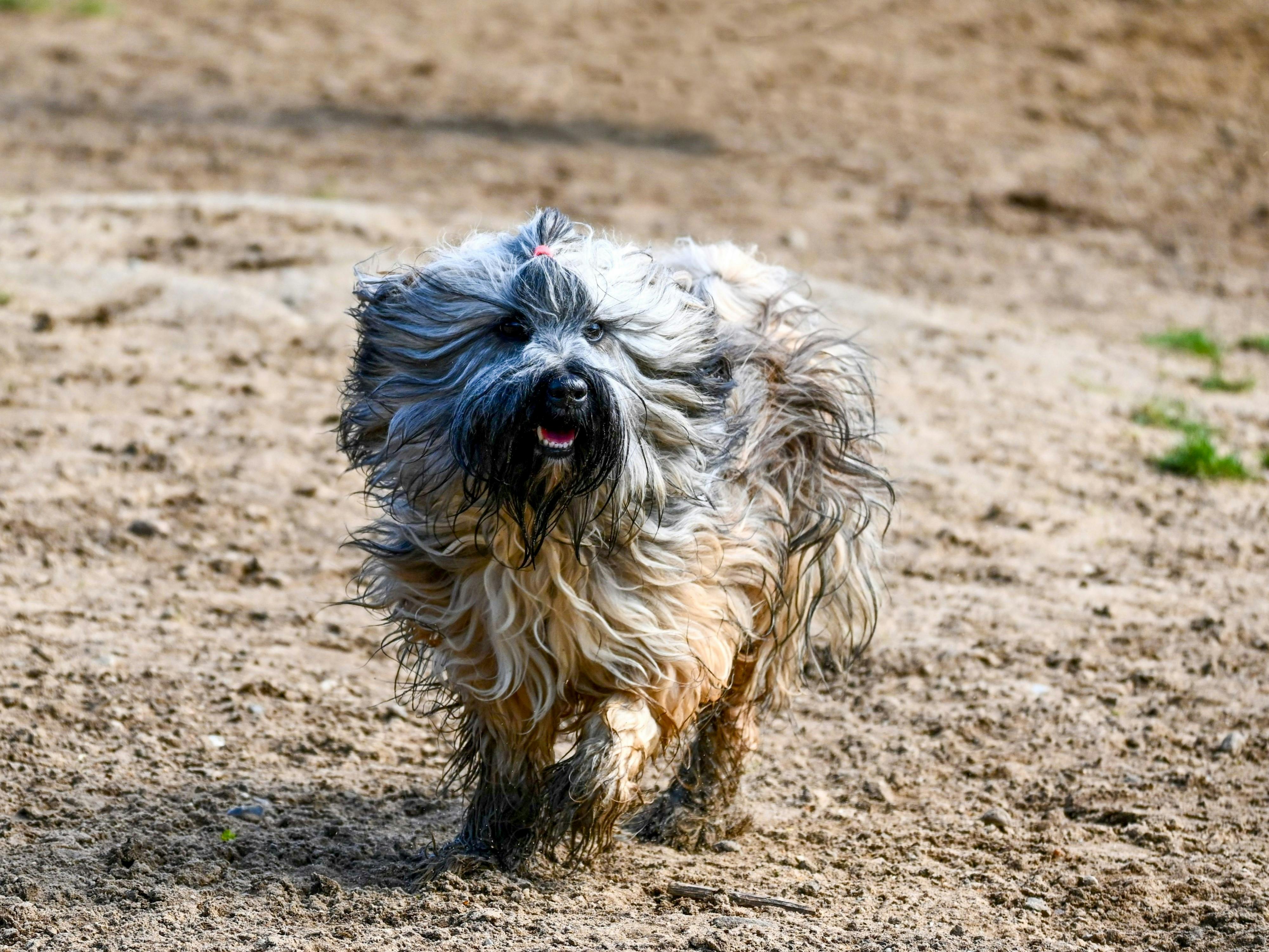
Dogs are often called man’s best friend, but have you ever wonder why their noses are so wet? This question leads to an exploration of the fascinating world of canine communication and how dogs interact with their environment. Understanding the role of a wet nose in dogs not only helps us appreciate our furry companions better, but it also sheds light on their unique way of perceiving the world.
The Science Behind Wet Noses
A dog’s nose is more than just a cute feature; it serves multiple essential purposes. The moisture on a dog’s nose comes from a combination of mucus and sweat. This wetness helps to enhance their sense of smell, which is significantly more powerful than that of humans. In fact, dogs have about 300 million scent receptors, compared to a human’s mere 5 million. The wet surface of their noses helps to trap scent particles, making it easier for them to detect various smells in their surroundings.
- Moisture helps catch scent particles
- Enhances the ability to smell
- Acts as a cooling mechanism
Why Do Dogs Have Wet Noses?
There is a popular belief that a dog’s nose should always be wet to indicate good health. While this isn’t a strict rule, it does hold some truth. A healthy dog tend to have a cooler and moist nose, while a dry nose can sometimes be a sign of dehydration or illness. However, not every dog has a consistently wet nose – it can vary depending on the breed, the weather, and other factors.
Dogs and Their Unique Communication
Dogs communicate in various ways, and their noses play a crucial role in this process. They use their sense of smell to gather information about their environment, other animals, and even humans. Here are some fascinating ways dogs use their noses and other senses in communication:
- Scent Marking: Dogs use their urine to mark territory, and they can smell the urine of other dogs to gather information about them.
- Social Signals: Dogs often sniff each other’s behinds as a greeting, which is a way to gather information about the other dog’s identity and health.
- Fear or Excitement: A dog may sniff the ground or another object when they are anxious or excited, as a way of grounding themselves.
The Role of Other Senses
While a dog’s sense of smell is often considered the most impressive, their other senses also contribute to communication. Here’s how they rank in terms of importance:
- Smell: Primary sense for gathering information.
- Hearing: Dogs can hear sounds at frequencies as high as 65,000 Hz, which helps them detect sounds we cannot.
- Sight: Though not as strong as humans in color detection, dogs excel in motion detection and peripheral vision.
Fun Facts About Dog Noses
- Nasal Print Identification: Just like human fingerprints, every dog has a unique nose print. This can be used for identification.
- Temperature Regulation: Wet noses can help dogs cool down. When they pant, moisture evaporates from their noses and helps maintain body temperature.
- Scent Discrimination: Dogs can distinguish between different scents, meaning they can identify specific smells even in a crowded environment.
What Makes Dogs’ Noses Wet?
Several factors contribute to the moisture on a dog’s nose. Here’s a quick list:
- Humidity Levels: The environment can affect how wet a dog’s nose is.
- Health Status: Illness or dehydration can lead to a dry nose.
- Breed Differences: Some breeds naturally have drier noses than others.
Comparing Dogs’ Noses to Other Animals
Dogs are not the only animals with wet noses. Other species, like cats and some marine mammals, also have moist noses. Here’s a brief comparison:
| Animal | Nose Type | Purpose |
|---|---|---|
| Dog | Wet | Enhances smell, social communication |
| Cat | Wet | Similar to dogs, but less pronounced |
| Dolphin | Wet | Helps in echolocation |
Understanding the role of a wet nose in canine communication reveals just how intricate and fascinating the world of dogs really is. Their ability to smell, combined with their unique behaviors, makes them exceptional companions. Next time you see a dog with a moist nose, remember that it’s not just a cute feature; it’s a vital part of how they communicate and interact with their world. Dogs may bark, wag their tails, and even dance around in excitement, but their noses tell a story that is just as important. So, the next time you ask, “why do dogs have wet noses?” remember the myriad ways this simple feature plays a role in their lives.
Wet Nose Wonders: How Dogs Use Moisture to Enhance Their Scent Detection

Dogs are truly remarkable creatures, and one of their most fascinating traits is their wet noses. You might’ve wondered, why do dogs have wet noses? The answer lies in more than just looks; it’s all about how they interact with the world around them. Wet noses are not just a cute feature; they play a crucial role in a dog’s scent detection abilities. Let’s dive into the science and the wonders of those wet noses.
The Science Behind Wet Noses
Dogs have a highly developed sense of smell, estimated to be between 10,000 to 100,000 times more acute than humans. But why does moisture matter? Well, moisture helps to enhance their olfactory capabilities. Here’s how it works:
- Scent Molecule Capture: A wet nose helps capture scent molecules from the air. When a dog sniffs, the moisture on their nose traps these molecules, allowing them to analyze scents more effectively.
- Temperature Regulation: Dogs don’t sweat like humans do. Their wet noses help cool them down, especially during hot days.
- Enhanced Sensitivity: The moisture on a dog’s nose increases sensitivity to smells. This is because wet surfaces can absorb more scent particles than dry ones.
Historical Context of Dog Noses
Dogs have been companions to humans for thousands of years. Historically, their sense of smell has been utilized in various ways, including hunting, herding, and even search and rescue operations. Ancient civilizations recognized the value of dogs’ noses. They were trained to track scents, leading to the development of specific breeds for this purpose.
The Anatomy of a Dog’s Nose
Understanding why do dogs have wet noses also requires looking at their anatomy. A dog’s nose has several unique features:
- Nasal Turbinates: These are complex structures that increase the surface area in a dog’s nasal cavity, enhancing their ability to detect scents.
- Jacobsen’s Organ: This organ, also known as the vomeronasal organ, allows dogs to detect pheromones, which are crucial for understanding social cues from other animals.
- Moisture Glands: Dogs have special glands in their noses that keep the surface moist. This moisture is essential for trapping scent particles.
Fun Facts About Dog Noses
- Color Variation: The color of a dog’s nose can vary greatly. Some dogs have black noses, while others might have pink or brown noses. The color doesn’t affect their sense of smell, though.
- Nose Prints: Just like human fingerprints, every dog has a unique nose print! This can be used for identification.
- Nasal Heat: A common myth is that a warm, dry nose indicates illness. However, a dog’s nose temperature can vary throughout the day.
Practical Examples of Scent Detection
Dogs’ wet noses are not just a fun fact; they have real-world applications. Here are some practical examples where dogs’ incredible sense of smell shines:
- Detection Dogs: Dogs are trained to detect drugs, explosives, and even certain medical conditions like diabetes or cancer.
- Search and Rescue: In disaster situations, dogs can locate missing persons due to their ability to smell scents buried under rubble.
- Tracking: Hunting dogs track scents over great distances, which is invaluable during hunting expeditions.
Comparison: Dogs vs. Humans
Let’s look at how dogs’ noses compare to ours when it comes to scent detection. Here’s a simple breakdown:
| Feature | Dogs | Humans |
|---|---|---|
| Number of Olfactory Receptors | About 300 million | About 6 million |
| Ability to Detect Scents | 10,000 to 100,000 times better | Standard human capability |
| Scent Memory | Exceptional, can remember thousands of scents | Limited, usually forgets after a short time |
| Nose Moisture | Wet, enhances scent detection | Dry, does not aid detection |
Wet noses aren’t just a cute characteristic of our furry friends; they serve a significant purpose in helping dogs navigate the world through scent. Understanding why do dogs have wet noses gives us insight into their amazing abilities and enhances our appreciation for these incredible animals.
So, next time you see a dog with a wet nose, remember that it’s not just for show — it’s a vital tool that helps them connect with their environment like no other creature can.
Is a Wet Nose a Sign of a Healthy Dog? Debunking Common Myths

Is a Wet Nose a Sign of a Healthy Dog? Debunking Common Myths, Why Do Dogs Have Wet Noses? Discover The Fascinating Truth!
When people think about their dogs, they often wonder about what makes them tick. One common question is whether a wet nose indicates a healthy dog. Many pet owners believe that a wet nose is a sure sign their furry friend is in tip-top shape. But is this really true? Let’s dive deep into the science behind why dogs have wet noses and explore some myths that surround this topic.
Understanding the Anatomy of a Dog’s Nose
First, it’s important to understand how a dog’s nose works. A dog’s nose contain special tissues that help them with smelling. Dogs have a much more complex olfactory system than humans, with about 300 million smell receptors compared to our mere six million! This means their noses are designed to be wet. The moisture helps to capture scent particles, making it easier for them to detect smells.
Why Do Dogs Have Wet Noses?
There are several reasons why dogs have wet noses, and here are some of the main ones:
- Scent Detection: The wetness of a dog’s nose helps to trap scent particles. It can enhance their ability to smell, which is vital for their survival.
- Thermoregulation: Dogs don’t sweat like humans do. Instead, they cool themselves off through their noses and paw pads. A wet nose can help regulate their body temperature.
- Health Indicator: While a wet nose is commonly associated with health, it’s not the only indicator. Factors like hydration, environment, and even breed can affect the moisture level.
Debunking the Myths
It’s time to bust some myths surrounding wet noses and dog health. Here are a few common misconceptions:
Wet Nose = Healthy Dog: While a wet nose is often a sign of a healthy dog, it’s not definitive. Dogs can be healthy and have dry noses, especially if they are sleeping or it’s a hot day.
Dry Nose Means Illness: A dry nose doesn’t automatically mean your dog is sick. Various factors like temperature, humidity, and even the dog’s activity level can cause variations in nose moisture.
All Dogs Have Wet Noses: Not all dog breeds have the same nose moisture. Some breeds may naturally have drier noses than others due to their genetic makeup or health conditions.
The Science Behind Nose Temperature
Interestingly, the temperature of a dog’s nose can also indicate health. A cold and wet nose is usually considered normal, while a warm and dry nose might raise some concern. However, this is not always a reliable measure. Here’s a simple breakdown:
- Cold and Wet: Typically indicates a healthy dog.
- Warm and Dry: Could suggest a fever, but not always.
- Warm and Wet: Possibly due to excitement or physical activity.
Factors Affecting Nose Moisture
Several factors can affect a dog’s nose moisture:
- Environment: Hot, dry weather can lead to a drier nose.
- Nasal Health: Conditions like allergies or infections can change the moisture level.
- Age: Older dogs might show different patterns in nose moisture.
Practical Tips for Pet Owners
To keep your dog healthy, it’s essential to monitor more than just their nose. Here are some tips to ensure your furry friend stays in good shape:
- Regular Vet Check-ups: Routine visits can help catch any health issues before they become serious.
- Hydration: Always provide access to fresh water. Dehydration can affect overall health.
- Observe Behavior: Changes in appetite, energy levels, or behavior can indicate health problems.
- Check the Nose: While it’s not a definitive measure, keep an eye on changes in the nose’s moisture level.
Summary of Signs to Watch For
Here’s a quick list of signs that may indicate your dog’s health:
- Wet, Cold Nose: Generally healthy.
- Warm, Dry Nose: Possible fever; monitor for other symptoms.
- Change in Nose Texture: Look for cracks or lesions.
- Nasal Discharge: Could indicate an infection.
Understanding your dog’s health is crucial for their well-being. A wet nose can be a good indicator, but it’s essential to consider the bigger picture. Always consult with a vet if you’re concerned about your dog’s health. Don’t rely solely on the moisture of their nose; take into account their overall behavior and well-being. By doing so, you can ensure a happy and healthy life for your beloved pet.
The Evolutionary Purpose of Wet Noses in Dogs: What Science Reveals

Dogs are often considered man’s best friend, and one of the most charming features they exhibit is their wet noses. Have you ever wondered, why do dogs have wet noses? This unique characteristic is not just an adorable quirk; it serves several important purposes, both evolutionary and practical. Let’s dive into the fascinating truth behind the evolutionary purpose of wet noses in dogs and discover what science reveals.
The Science Behind Wet Noses
Dog noses are wet for a bunch of reasons. One primary reason is that moisture helps dogs to smell better. Dogs have an extraordinary sense of smell, estimated to be anywhere from 10,000 to 100,000 times more sensitive than humans. A wet nose helps to dissolve scent particles, making it easier for them to detect odors.
- Moisture Retention: The wet surface keeps scent molecules clinging to the nose.
- Cooling Mechanism: Dogs can’t sweat like humans, so a wet nose helps regulate their body temperature.
- Health Indicator: A wet, cool nose is often a sign of a dog’s good health, while a dry nose can indicate dehydration or illness.
Historical Context of Dog Noses
It’s interesting to note that dogs have been domesticated for thousands of years. The evolutionary advantage of having a wet nose can be traced back to their ancestors, the wolves. Wolves relied heavily on their sense of smell for hunting and social interactions. Over time, these traits were passed down through generations, adapting further with the domestication of dogs.
- Ancient Breeds: Breeds like the Basenji, which is one of the oldest dog breeds, still exhibit a strong sense of smell and a wet nose.
- Selective Breeding: Breeders often chose dogs with enhanced olfactory abilities, further emphasizing the importance of wet noses.
Comparing Dog Noses to Other Animals
When you look at the animal kingdom, wet noses aren’t solely a dog thing. Other mammals, like cats and certain rodents, also have moist noses. However, the purpose and effectiveness vary significantly.
| Animal | Nose Type | Purpose |
|---|---|---|
| Dogs | Wet | Enhanced smell, cooling, health check |
| Cats | Mostly dry | Good smell but not as effective as dogs |
| Pigs | Wet | Great sense of smell, digging instincts |
| Cows | Dry | Less reliance on smell, herbivorous |
Practical Examples of Nose Functionality
Let’s consider some practical situations where a dog’s wet nose plays a crucial role:
Tracking Scent: Search and rescue dogs often find missing persons because of their incredible olfactory abilities. The wet nose helps them pick up scents even in challenging environments.
Detecting Illness: Some trained dogs can even detect certain diseases like cancer or diabetes through changes in a person’s scent, which can be influenced by their wet nose.
Social Interactions: Dogs communicate through scent, and a wet nose helps them gather information about other animals or humans they meet.
What Happens When a Dog’s Nose is Dry?
A dry nose doesn’t always mean a dog is sick, but it can be a signal of something unusual. Here are some common reasons for a dry nose in dogs:
- Dehydration: Not drinking enough water can lead to a dry nose.
- Weather Conditions: Hot or cold weather can affect nose moisture levels.
- Illness: Certain health issues can cause a dry nose, so if it’s persistent, it may require a vet visit.
Fun Facts About Dog Noses
- Dogs have a unique pattern on their noses, similar to human fingerprints.
- The wetness of a dog’s nose can change throughout the day based on activity and environment.
- Some dogs, like the Bloodhound, have a nose so powerful that their sense of smell can be used as evidence in court.
Understanding the evolutionary purpose of wet noses in dogs reveals much about our furry companions. Their wet noses do more than just feel cool to the touch; they play an essential role in their health, communication, and survival instincts. As we learn more about these amazing animals, we can appreciate the incredible adaptations that have made them such beloved pets. So, next time you give your pup a pat and feel that wet nose, remember the fascinating science behind it!
Curious Canine Facts: Why Your Dog’s Nose Is Moist and What It Means for You
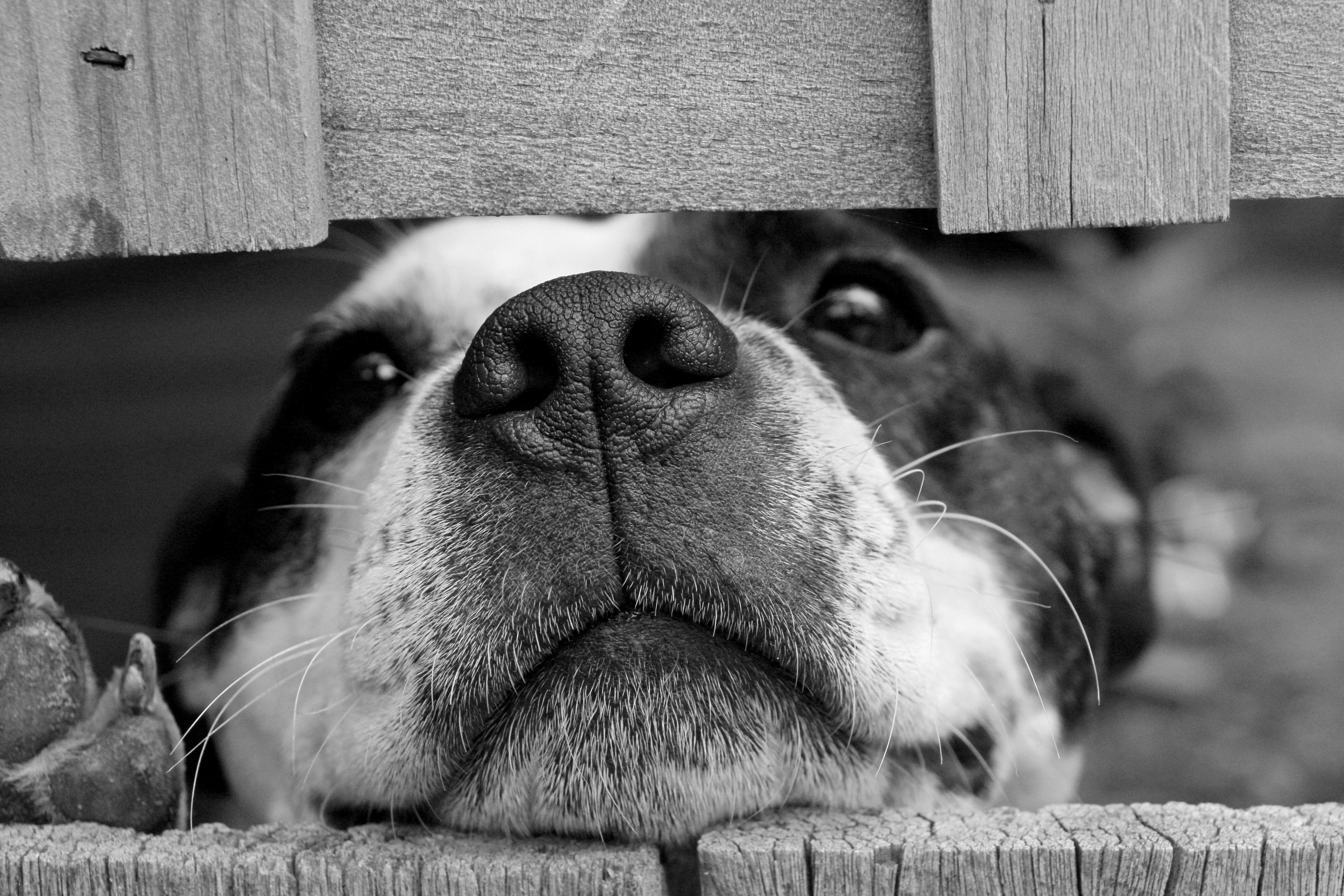
Dogs are often called man’s best friend, but have you ever stopped to wonder why your furry companion’s nose is always so moist? It’s a question many dog owners ask, and the answer is not just simple as you might think. Understanding why dogs have wet noses involve diving into their biology, behavior, and even some historical trivia. So let’s explore the fascinating truth behind those curious canine facts!
The Science Behind a Wet Nose
First off, dog noses are wet for a reason. The moisture serves a critical purpose in a dog’s health and communication. Here are several key points about wet noses:
- Enhanced Sense of Smell: A moist nose helps absorb scent particles, making it easier for dogs to detect smells. Since dogs have around 220 million scent receptors, compared to a human’s 5 million, every little bit helps.
- Temperature Regulation: Dogs don’t sweat like humans do. Instead, they regulate their body temperature through their noses and paws. A wet nose helps cool them down, especially on hot days.
- Health Indicator: A healthy dog’s nose is usually cool and wet. Changes in this moisture, like becoming dry or warm, could indicate health issues. It’s important to keep an eye on your pup’s snout!
Why Do Dogs Have Wet Noses?
Let’s break down the reasons why dogs have those characteristic wet noses in more detail.
- Scent Detection: Dogs rely heavily on their sense of smell. The moistness on their noses helps them pick up scents more effectively. It’s like having a built-in scent enhancer!
- Cooling Mechanism: Dogs don’t sweat like humans. They cool off through their noses and pads. A wet nose can help regulate their body temperature, especially when they are active.
- Behavioral Indicator: Dogs often exhibit different nose wetness depending on their emotional state. Excitement or nervousness can lead to a wetter nose.
Historical Context of Dog Noses
Dogs have been around for thousands of years, and their moist noses have played a crucial role in their evolution. Historically, dogs were bred for specific tasks, such as hunting or herding. Their wet noses were essential for tracking scents, which made them invaluable companions to humans. Some breeds, like Bloodhounds, have even more moisture in their noses, giving them an edge in scent detection.
| Dog Breed | Nose Moisture Level | Primary Function |
|---|---|---|
| Bloodhound | Very Moist | Tracking and hunting |
| Beagle | Moist | Hunting and scent work |
| Labrador Retriever | Moderately Moist | Assistance and companionship |
The Role of a Dog’s Nose in Health
If you’ve ever noticed changes in your dog’s nose, it could mean something. Here’s a simple list of what different states of a dog’s nose can indicate:
- Cold and Wet: Generally a sign of good health.
- Dry and Warm: Could indicate a fever or dehydration.
- Cracked or Flaky: Might be a sign of allergies or skin conditions.
It’s important to remember that not all dogs will have the same nose temperature or moisture level. Factors like breed, age, and environment can affect how your dog’s nose feels.
Practical Examples of Nose Care
Taking care of your dog’s nose is just as important as regular grooming or vet visits. Here are some tips for maintaining that perfect moisture level:
- Hydration: Make sure your dog drinks enough water, especially during hot weather. Dehydration can lead to a dry nose.
- Avoid Sunburn: Dogs can get sunburned, especially on their noses. Consider using pet-safe sunscreen if your dog spends a lot of time outdoors.
- Watch for Allergies: If you notice changes in your dog’s nose, consider if they have been exposed to new foods or environments that could cause allergic reactions.
Fun Facts About Dog Noses
- Dogs have unique nose prints, similar to human fingerprints. Each nose print is unique!
- Some breeds, like Poodles, may have less moisture due to their curly coats.
- Certain dog breeds are more prone to nose issues, such as Bulldogs and other flat-faced breeds.
So, why do dogs have wet noses? It’s a fascinating mix of biology, evolution, and health indicators. Understanding this aspect of your canine companion can help you bond with them even more. The next time you pet your dog, take a moment to appreciate that moist little nose and all the incredible functions it serves! Dogs truly are remarkable creatures with so many curious facts worth knowing.
Conclusion
In conclusion, the wet noses of dogs serve several vital purposes that contribute to their overall health and well-being. The moisture on their noses enhances their sense of smell, allowing them to detect scents more effectively, which is crucial for their communication and survival. Additionally, a wet nose helps regulate their body temperature and keeps them cool, as dogs primarily sweat through their paw pads. The unique moisture composition also plays a role in their immune system by trapping pathogens. Understanding why dogs have wet noses not only deepens our appreciation for these beloved companions but also highlights the importance of monitoring their health. If you notice any significant changes in your dog’s nose moisture or overall health, it’s essential to consult your veterinarian. Embrace the quirks of your furry friend and continue to learn about the fascinating biology that makes dogs such remarkable companions.
