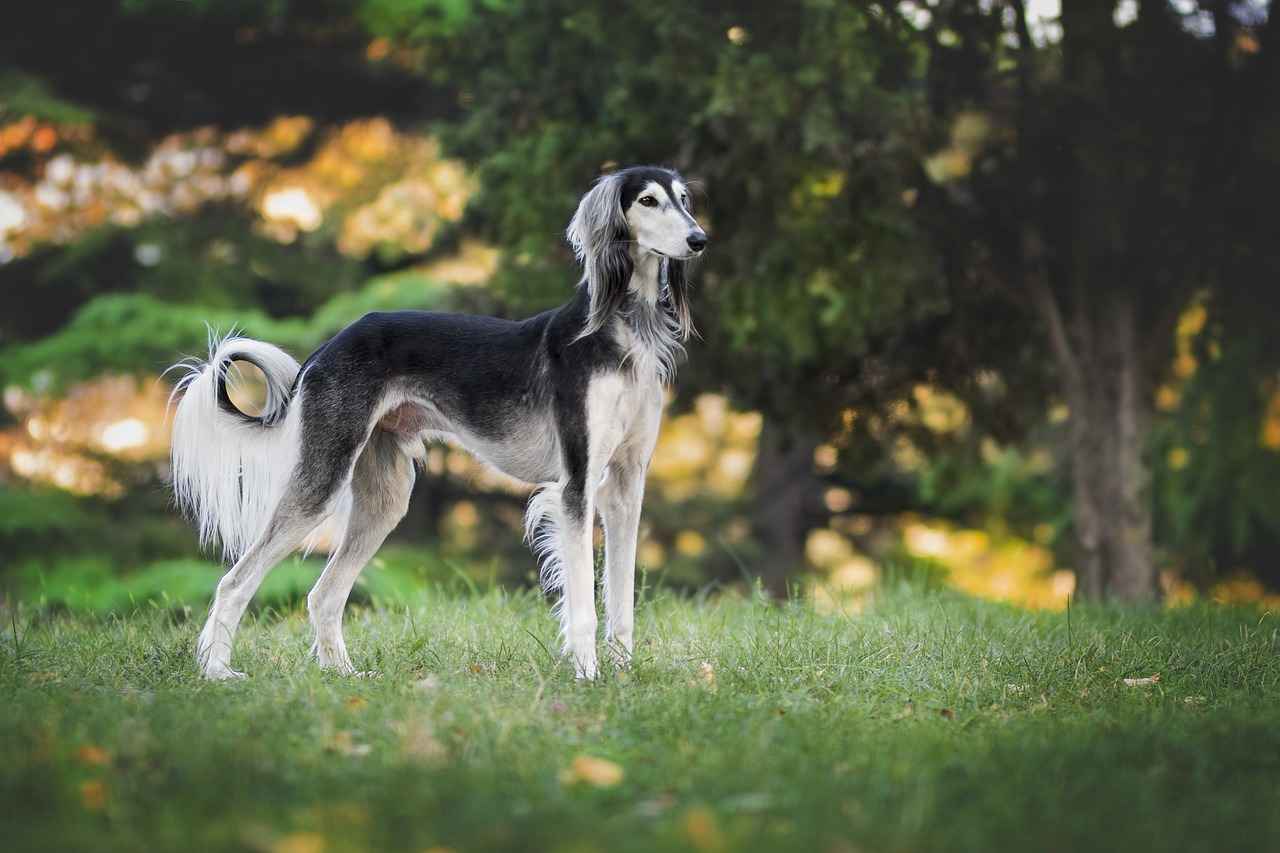
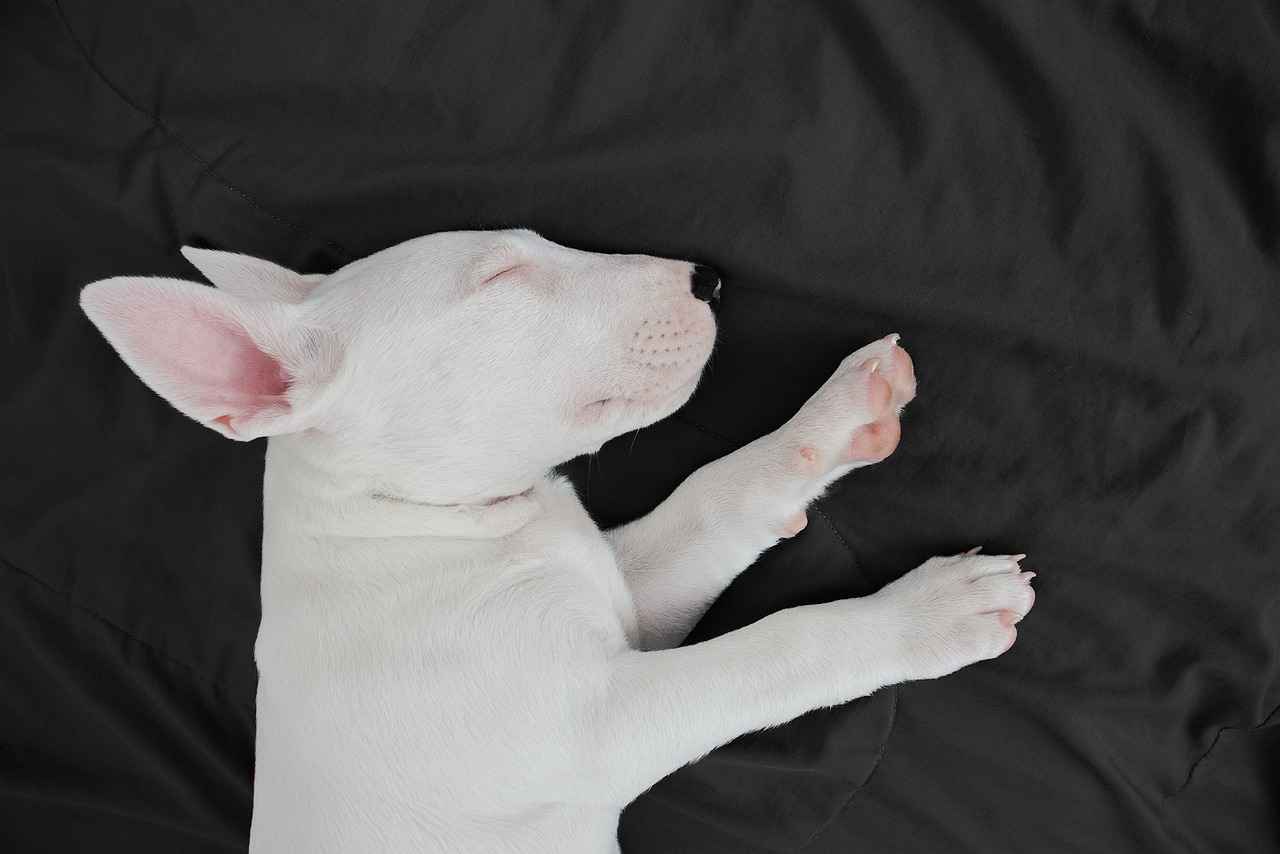
Have you ever wondered why do dogs have wet noses? This intriguing question has puzzled dog owners and enthusiasts alike! The truth behind those moist noses is not just for show; it reveals fascinating insights into your furry friend’s health and behavior. A dog's nose is not only a vital sensory organ, but it also plays a crucial role in their overall well-being. Wet noses helps dogs to detect scents more effectively, making it an essential part of their natural instincts. But why exactly are they always wet? Is it merely a sign of excitement, or does it serve a more profound purpose? In this blog post, we will explore the science behind why dogs have wet noses, uncovering the secrets that lie beneath the surface. You'll be amazed at how this simple feature can tell you so much about your pet's emotional state and health. So, if you're curious about how a dog’s nose contributes to their incredible sense of smell and what it means for their behavior, keep reading to discover the fascinating truth behind those wet noses!
\n\nThe Science Behind Canine Noses: Why Are Dogs’ Noses Wet?
\n\n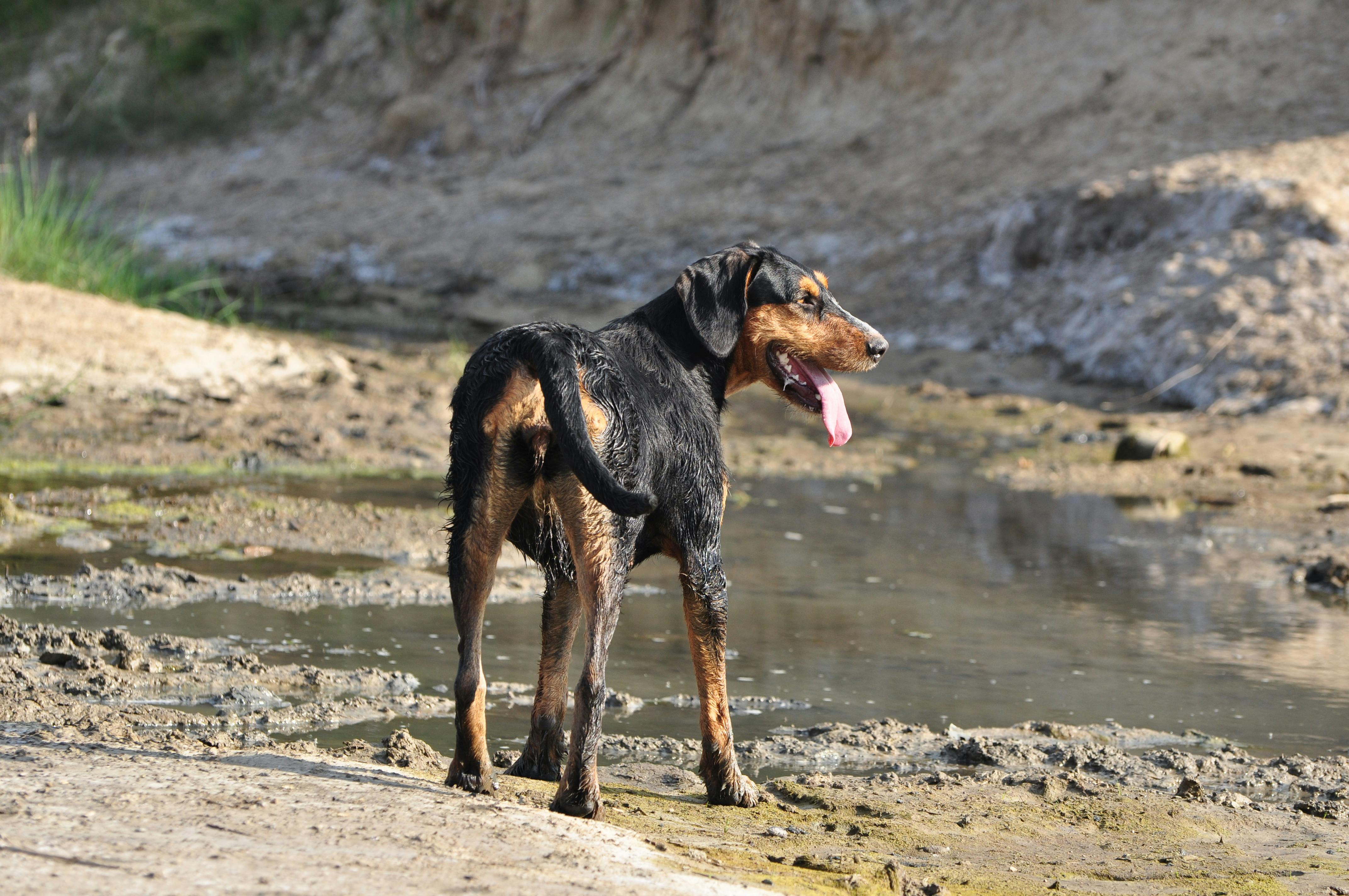 \n\n
\n\nDogs are often considered man's best friend, and their noses play a big role in that relationship. But you ever wonder, why do dogs have wet noses? This question might seem simple, but the science behind canine noses is surprisingly fascinating. Let’s dive into the wet-nosed world of dogs and uncover the reasons behind this unique feature.
\nThe Function of a Dog's Nose
\nFirst off, a dog’s nose is not just for sniffing out treats or detecting intruders. It serves various purposes, and wetness is a key factor. Here are several reasons why dogs have wet noses:
\n- \n
- \n
Enhanced Smelling Ability: The wetness of a dog’s nose helps capture scent particles. When the nose is moist, it can absorb smells better, allowing dogs to identify scents more accurately. This is why they can sniff out drugs, bombs, or even diseases in humans.
\n \n - \n
Temperature Regulation: A wet nose helps dogs cool down. Dogs don’t sweat like humans do. Instead, they rely on panting and their wet noses to regulate body temperature. When the moisture evaporates from their noses, it cools them down.
\n \n - \n
Health Indicator: A dog's nose can indicate its health status. A dry nose might signal dehydration or illness, while a wet nose is generally a sign of good health. However, it’s not a definitive rule, since different factors can affect a dog’s nose moisture.
\n \n
Why Are Dog Noses Wet?
\nYou might think, why do dogs have wet noses? Well, the answer lies in anatomy and behavior. The surface of a dog's nose contains special glands that produce mucus. This mucus keeps the nose moist, which is important for their sense of smell.
\nMoreover, dogs often lick their noses. This action helps to keep their noses wet, especially during hot weather or after they've been playing. It’s kind of like a natural self-care routine they have to maintain their sniffing abilities.
\nThe Science of Smell
\nDog noses are incredibly complex. Did you know that they have up to 300 million olfactory receptors? In contrast, humans have only about 5 million. This means dogs can smell things we can't even begin to imagine. Here’s a breakdown of how their sense of smell compares to ours:
\n- \n
- \n
Olfactory Receptors:
\n- \n
- Dogs: Approximately 300 million \n
- Humans: About 5 million \n
\n - \n
Part of the Brain:
\n- \n
- Dogs: 40 times larger olfactory area in the brain than humans \n
- Humans: Smaller olfactory processing area \n
\n - \n
Smelling Ability:
\n- \n
- Dogs can detect certain scents at incredibly low concentrations, even parts per trillion! \n
\n
Historical Context
\nHistorically, dogs have been used for various tasks that require a keen sense of smell. From hunting to search and rescue, their wet noses have played an important part in human activities for thousands of years. Ancient civilizations relied on dogs’ abilities to track game and even sniff out diseases.
\nPractical Examples
\nLet’s look at some real-world applications of a dog’s extraordinary sense of smell:
\n- \n
- \n
Search and Rescue: Dogs are trained to locate missing persons, often in challenging circumstances like avalanches or disasters. Their wet noses help them pick up scents from great distances.
\n \n - \n
Medical Detection: Some dogs can detect certain types of cancer or diabetes by smelling their owner’s breath or skin. They can often sense changes in a person’s body chemistry that humans cannot.
\n \n - \n
Detection of Illegal Substances: Police and border control agencies use dogs to sniff out drugs or explosives. Their ability to distinguish between scents makes them invaluable in security roles.
\n \n
The Importance of Nose Care
\nWhile a wet nose is generally a good sign, dog owners should also pay attention to their pets' noses. Here are some tips for maintaining nose health:
\n- \n
- \n
Regular Vet Checkups: Ensure your dog sees the vet regularly, especially if you notice changes in nose moisture or texture.
\n \n - \n
Hydration: Make sure your dog has access to fresh water to prevent dehydration.
\n \n - \n
Avoid Harmful Products: Be cautious with products like scented candles or air fresheners, which could irritate your dog’s sensitive nose.
\n \n
Understanding why do dogs have wet noses is not just a matter of curiosity; it’s a window into how these incredible animals interact with the world. Their noses are not only vital for their survival but also enhance the bond they share with humans. If you have a dog, you’re fortunate to have a companion equipped with one of nature’s most amazing tools!
\n\n5 Fascinating Facts About Why Dogs Have Wet Noses
\n\n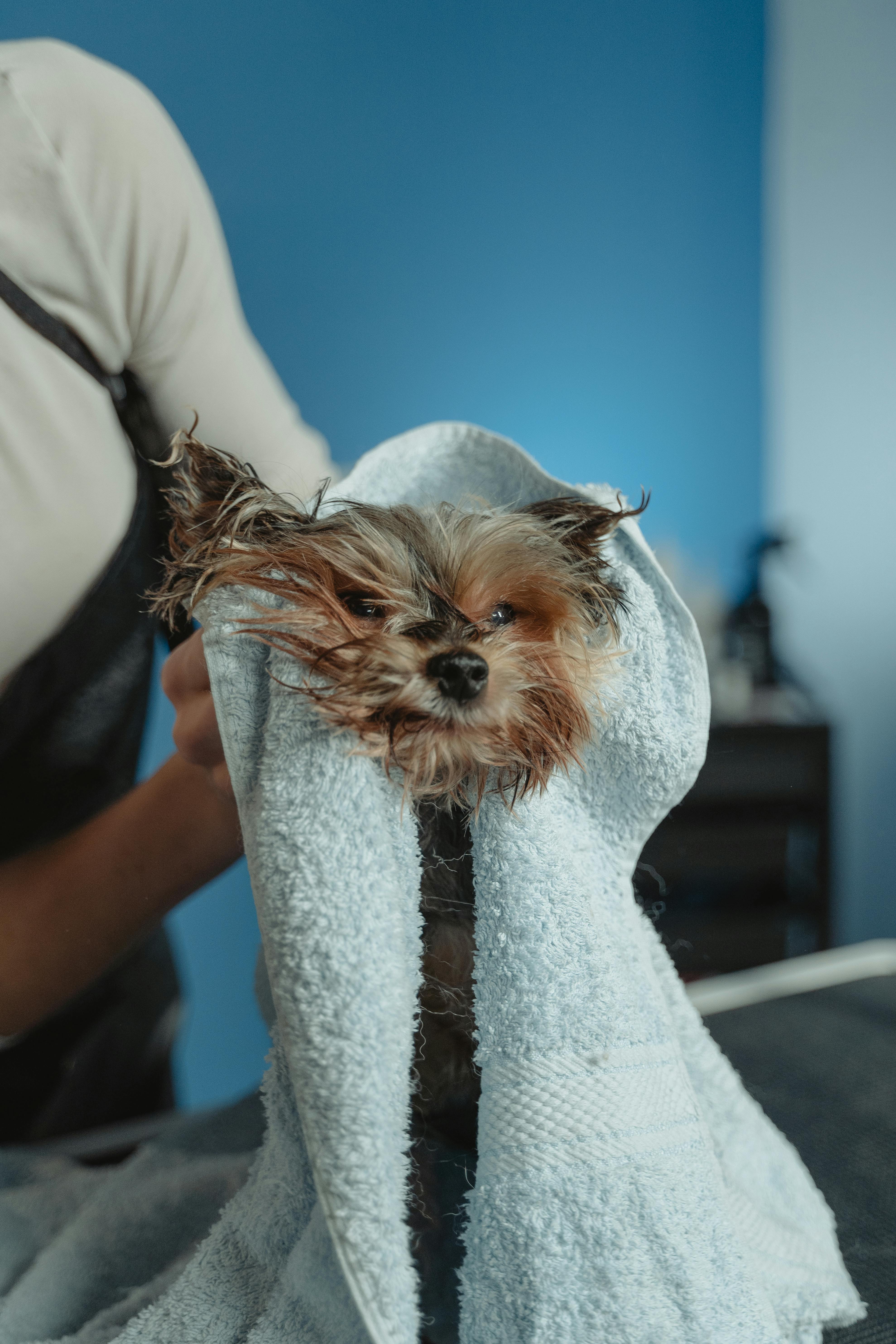 \n\n
\n\nHave you ever wondered why dogs have wet noses? It's one of those quirky traits that make our furry friends so special, but also a bit puzzling. Dogs are known for their wet noses, but there's more to this phenomenon than meets the eye. In fact, there are some fascinating facts behind this characteristic that might just surprise you!
\n1. The Science Behind the Moisture
\nA dog's nose is not just for show, it's actually a highly specialized organ. The moisture on their noses comes from a combination of secretions from the nasal glands and saliva. When dogs lick their noses, they help keep it moist, which is essential for their sense of smell. The wetness helps to capture scent particles, allowing them to identify smells much better than humans can. This is why dogs rely heavily on their noses to navigate the world around them.
\n- \n
- Moisture helps with scent detection. \n
- Licking increases humidity for better smell absorption. \n
- Dogs have around 300 million scent receptors in their noses! \n
2. Temperature Regulation
\nAnother fascinating truth about why dogs have wet noses is linked to thermoregulation. Dogs don't sweat like humans do; instead, they rely on panting and their noses to help cool down. A wet nose can assist in regulating their body temperature. When a dog is overheated, the moisture on their nose evaporates, which can help to cool them down. It's nature's way of ensuring they stay comfortable, especially during those hot summer days.
\n- \n
- Wet noses can cool dogs down. \n
- Helps maintain optimal body temperature. \n
- Works alongside panting for temperature regulation. \n
3. Health Indicators
\nA dog's nose can also be a telling sign of their health. While a cold, wet nose is often seen as a sign of a healthy dog, that's not always the case. Dogs can have different nose conditions, and the moisture level can change due to various reasons. For instance, if a dog's nose is dry and cracked, it could indicate dehydration or illness. Keeping an eye on your dog's nose can be an easy way to monitor their health.
\nSigns of a healthy dog nose:
\n- \n
- Moist and cool to the touch. \n
- Smooth texture. \n
- Consistent color (usually dark). \n
Signs that may indicate health issues:
\n- \n
- Excessively dry or cracked. \n
- Unusual color (lightened or red). \n
- Frequent sneezing or discharge. \n
4. Evolutionary Advantage
\nDogs' wet noses have evolutionary advantages too. It’s thought that their ancestors relied on their sense of smell for survival. Wet noses allow them to pick up more scents in their environment, helping them find food or avoid danger. This ability is deeply ingrained in their instincts. Over time, this trait has been passed down and refined, making dogs some of the best scent trackers in the animal kingdom.
\nThe evolutionary benefits include:
\n- \n
- Enhanced hunting abilities. \n
- Better social interactions with other dogs. \n
- Improved navigation in unfamiliar territories. \n
5. The Myth of the Warm Nose
\nMany people believe a dog's nose temperature can indicate its health, but that's more of a myth than fact. A warm nose doesn't automatically mean a dog is sick. Temperature can vary due to several factors, including the environment, activity levels, and even the time of day. Just because a dog has a warm nose doesn't mean they need a trip to the vet. It’s important to look for other signs of health rather than solely relying on nose temperature.
\nCommon misconceptions about dog noses:
\n- \n
- Warm noses = sick dog. \n
- Nose temperature is the only health indicator. \n
- All dogs should have wet noses at all times. \n
Dogs are wonderful creatures with many unique characteristics, and their wet noses are just one of the many things that make them so special. Understanding why dogs have wet noses can enhance our bond with them and help us better care for our furry companions. So next time you see your dog with their adorable, moist nose, remember the fascinating truths behind this quirky trait!
\nWhether it’s for health monitoring, temperature regulation, or simply understanding the science of their amazing sense of smell, knowing the reasons behind why dogs have wet noses can foster a deeper appreciation for these loyal friends.
\n\nHow a Wet Nose Benefits Your Dog’s Health: Understanding the Importance
\n\n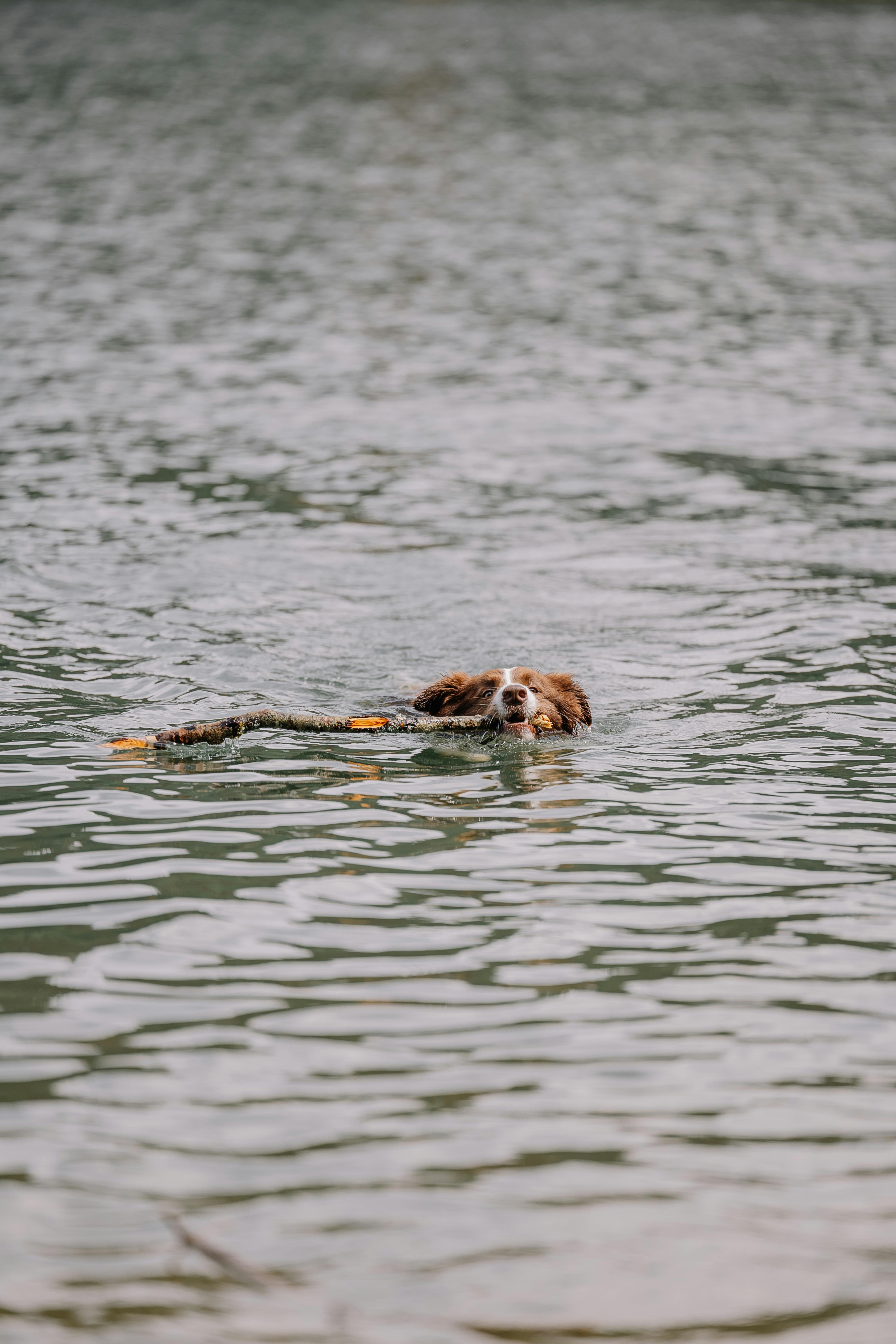 \n\n
\n\nDogs are one of the most beloved pets around the world, and their wet noses are often a source of fascination. Many people wonder, why do dogs have wet noses? Its not just for looks, there are several reasons why a dog’s wet nose is important for their health and well-being. Understanding this can help you take better care of your furry companion and ensure they live a happy life.
\nThe Science Behind Wet Noses
\nFirst, let’s talk about what makes a dog’s nose wet. The moisture on a dog’s nose comes from a combination of saliva and the secretion of mucus. This moisture serves several essential functions.
\n- \n
- Enhanced Sense of Smell: Dogs have an incredible sense of smell, estimated to be tens of thousands to possibly even 100,000 times more sensitive than humans. A wet nose helps to absorb scent molecules, allowing dogs to detect smells more easily. \n
- Temperature Regulation: Dogs don’t sweat like humans do. They primarily regulate their body temperature through their noses and panting. A wet nose can help cool them down, especially on hot days. \n
- Health Indicator: The condition of a dog’s nose can be a quick health indicator. A healthy nose is typically moist and cool, while a dry or cracked nose might indicate dehydration or illness. \n
Historical Context: The Evolution of the Wet Nose
\nDogs, descendants of wolves, have evolved over thousands of years. Their noses have developed to be an essential tool for survival. The wetness of a dog’s nose not only helps them track prey but has also played a significant role in their social interactions. Historically, wet noses were crucial for communication between pack members, conveying information about their environment.
\nFun Facts About Dog Noses
\nHere are some interesting facts about dog noses that you might not know:
\n- \n
- Unique Patterns: Just like human fingerprints, every dog has a unique nose print. This could be used for identification purposes! \n
- Nose Temperature: A dog’s nose temperature can vary. A warm nose does not always mean a dog is sick; there are many factors that can influence this. \n
- Nasal Turbinates: Dog noses have structures called nasal turbinates that increase surface area for scent detection. This makes them better sniffers than most animals. \n
The Role of Moisture in Dog Health
\nMoisture on a dog’s nose is essential for several reasons, and it can be helpful to know how to maintain it.
\n- \n
- Hydration: Ensure your dog has access to clean, fresh water. Dehydration can lead to a dry nose, which can be a sign of health issues. \n
- Humidity: In winter or dry climates, the air can become very dry. Consider using a humidifier in your home to help keep your dog’s nose moist. \n
- Regular Check-ups: Routine vet visits can help monitor the overall health of your dog, including their nose condition. \n
Comparison: Wet vs. Dry Nose
\n| Wet Nose | \nDry Nose | \n
|---|---|
| Indicates proper hydration | \nCan indicate dehydration | \n
| Helps with scent detection | \nMight suggest an underlying issue | \n
| Cool to the touch | \nCan be warm or cracked | \n
Understanding Nose Issues
\nSometimes, a dog’s wet nose can have issues. Here’s a quick list of problems you might encounter:
\n- \n
- Cracked Nose: Could be due to dehydration or allergies. It’s important to consult your vet if you notice this. \n
- Nose Discoloration: Changes in color can sometimes indicate health problems, including infections or autoimmune diseases. \n
- Excessive Nasal Discharge: This might point toward allergies or infections and should be examined by a vet. \n
Importance of Dog Nose Care
\nCaring for your dog’s nose is quite important. Here’s how you can help:
\n- \n
- Keep it Clean: Gently wipe your dog’s nose with a damp cloth to remove dirt or debris. \n
- Monitor Changes: Pay attention to changes in moisture, temperature, or color. \n
- Consult Professionals: If something seems off, don’t hesitate to reach out to a veterinarian. \n
Dogs are amazing creatures, and their wet noses are just one of the many fascinating aspects of their biology. By understanding why do dogs have wet noses, you can appreciate the intricate ways that nature has designed them. Their noses help them explore the world, keep them cool, and serve as vital health indicators. So next time you give your pup a loving pat on the nose, remember that there is so much more than meets the eye!
\n\nIs Your Dog’s Nose Too Wet? What It Means for Their Well-Being
\n\n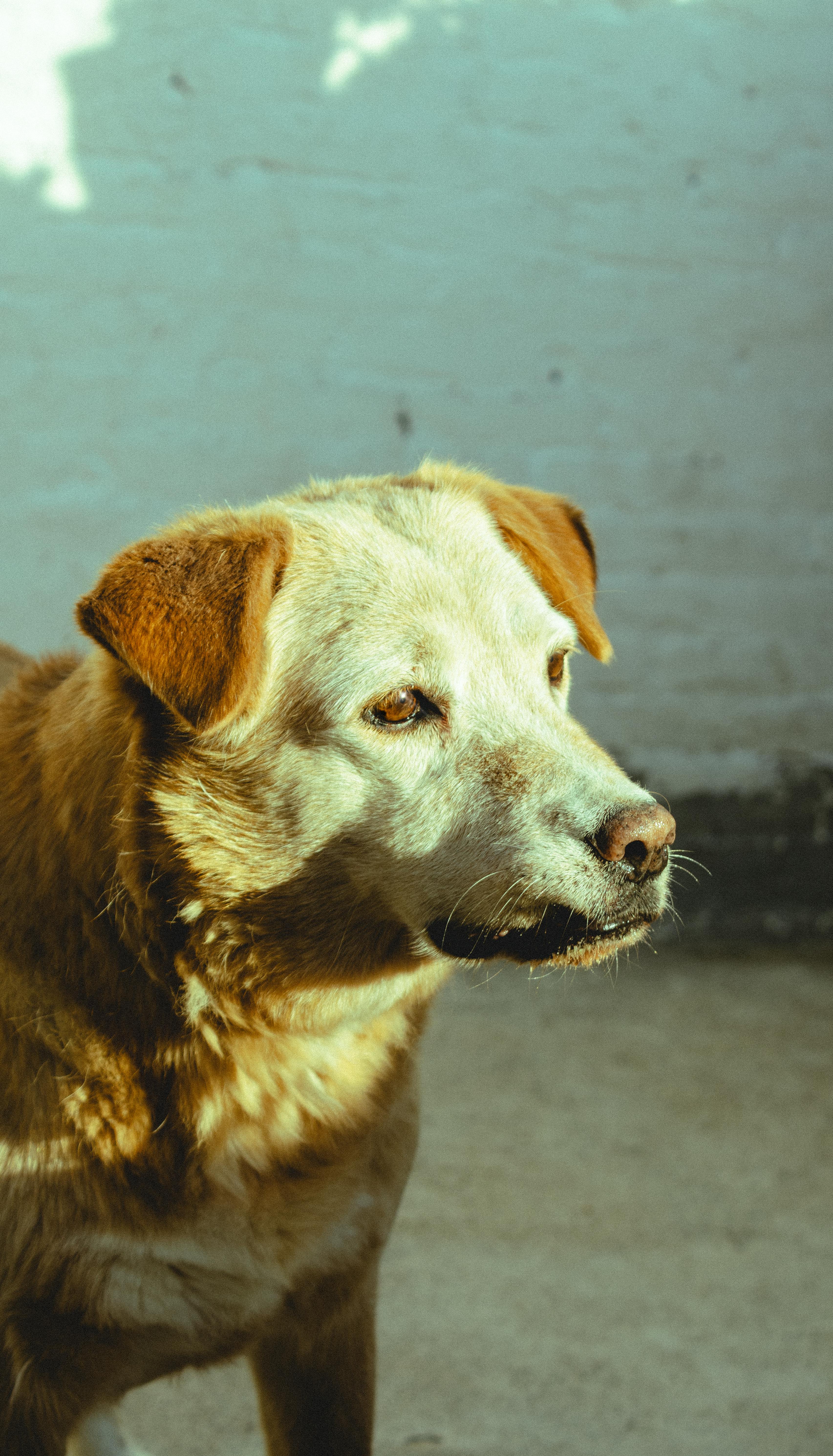 \n\n
\n\nIs your dog’s nose too wet? It’s a question many dog owners ask. You might have noticed that your furry friend’s nose is often moist, and you could wonder what it all means for their health and happiness. Let's dive into the fascinating truth about why dogs have wet noses and what it could signal about their well-being.
\nWhy Do Dogs Have Wet Noses?
\nDogs have wet noses mainly because of some unique biological functions. The moisture on their noses helps enhance their sense of smell, which is vital for their interaction with the world. Here are some reasons why their noses are wet:
\n- \n
- \n
Enhanced Olfactory Abilities: A wet nose helps capture scent particles from the air better. This moisture allows dogs to smell more efficiently, which is crucial for their survival instincts and social interactions.
\n \n - \n
Cooling Mechanism: Dogs don't sweat like humans. Instead, they cool themselves through panting, and a wet nose can help with thermoregulation. The moisture evaporates, which can help keep their body temperature down.
\n \n - \n
Health Indicator: A dog’s nose can also reflect their health. A wet, cool nose is generally a sign of a healthy dog. Conversely, if your dog’s nose is excessively dry or hot, it could indicate an underlying issue.
\n \n
What Does It Mean If Your Dog’s Nose Is Too Wet?
\nWhile a wet nose is often a sign of good health, sometimes an overly wet nose might be concerning. Here are some points to consider:
\n- \n
- \n
Allergies: Just like humans, dogs can suffer from allergies, which might cause their noses to become excessively wet.
\n \n - \n
Infections: Nasal infections can lead to increased moisture. Watch out for other symptoms like sneezing or discharge.
\n \n - \n
Environmental Factors: Humidity and temperature can affect how wet your dog’s nose gets. If it’s a hot day outside, they might have a wetter nose than usual.
\n \n
The Science Behind Dog Noses
\nDogs have around 220 million scent receptors in their noses, compared to a human’s 5 million. This remarkable sensory ability makes them excellent at detecting scents. The wetness aids in trapping scent molecules. Here’s a quick breakdown of how this all works:
\n- \n
- \n
Scent Detection: The moisture on the nose helps capture scent particles which are then transferred to the olfactory receptors.
\n \n - \n
Scent Memory: Dogs can remember scents, linking them to experiences. This is why they can find their way home or remember familiar faces.
\n \n
Key Facts About Dog Noses
\n- \n
- \n
Nose Temperature: A normal dog nose temperature can vary, but it should feel cool to the touch. A warm nose could indicate fever.
\n \n - \n
Nasal Discharge: If your dog’s nose is wet but also has a discharge, it’s worth consulting a vet.
\n \n - \n
Breeds and Nose Variations: Some breeds, like Bulldogs, have different nose structures which might influence how wet their noses get.
\n \n
When to Consult a Veterinarian
\nIf you’re worried about your dog’s nose or any changes in its moisture level, it’s always best to err on the side of caution. Here are some signs that you should contact a vet:
\n- \n
- \n
Excessive Dryness: If your dog’s nose is consistently dry, it may be a sign of dehydration or illness.
\n \n - \n
Change in Texture: If the nose becomes flaky or cracked, it might signal a skin condition or infection.
\n \n - \n
Behavior Changes: If your dog is acting differently—like being lethargic or refusing to eat—it’s time to see a professional.
\n \n
Practical Tips for Dog Owners
\nTo help maintain your dog’s nose health, consider these practices:
\n- \n
- \n
Hydration: Make sure your dog has plenty of fresh water available.
\n \n - \n
Balanced Diet: A nutritious diet supports overall health, including the skin and nose.
\n \n - \n
Regular Vet Check-Ups: Routine visits to the vet can help catch any issues early.
\n \n
Having a wet nose is part of a dog’s charm, and understanding its significance can help you keep your furry friend happy and healthy. Every dog is unique, and their noses are just one of the many fascinating aspects of their biology. If you notice significant changes or have concerns, don’t hesitate to consult a vet. After all, keeping your pup’s nose—and overall health—in check is essential for a long and happy life together.
\n\nThe Evolutionary Advantage: How Wet Noses Help Dogs Survive
\n\n \n\n
\n\nDogs are among the most beloved pets in the world, and their unique features often fascinate us. One of the most intriguing aspects of our furry friends is their wet noses. Most dog owners might have asked themselves, "Why do dogs have wet noses?" The answer goes beyond just a quirky trait; it’s rooted in biology, evolution, and survival instincts. Let’s dive into the fascinating truth about the evolutionary advantage of wet noses and how this feature helps dogs thrive.
\nThe Biological Purpose of a Wet Nose
\nWet noses are not just an adorable characteristic; they serve several critical functions. Here’s a breakdown:
\n- \n
- Enhanced Smell: Dogs have an extraordinary sense of smell, and a wet nose plays a significant role in that. The moisture helps capture scent particles from the air, allowing dogs to sniff more effectively. \n
- Temperature Regulation: Dogs don’t sweat like humans. Instead, they rely on their noses to help regulate body temperature. When their noses are wet, it helps cool them down. \n
- Health Indicator: A dog’s nose can also provide insight into their health. For example, a dry and hot nose might indicate illness or fever, while a cool, wet nose is generally a sign of a healthy dog. \n
How Wet Noses Help Dogs Survive
\nThe evolutionary perspective provides insight into why wet noses are so important for dogs. It’s all about survival and adaptation.
\n- \n
- Hunting and Tracking: In the wild, a dog’s ability to track scents is crucial for hunting. A wet nose can pick up scents better, which was vital for their ancestors in locating prey. \n
- Social Interactions: Dogs communicate with each other through scent. A wet nose enhances their ability to understand other dogs by picking up pheromones, which are vital for social behaviors. \n
- Environmental Awareness: Wet noses help dogs gather information about their environment. By being able to smell better, they can detect potential dangers or opportunities. \n
Historical Context of Dog Noses
\nDogs have evolved over thousands of years from their wild ancestors. The domestication of dogs began around 15,000 years ago, and selective breeding has shaped many of their characteristics, including their noses.
\n- \n
- Wolf Ancestors: Early dogs descended from wolves, who relied heavily on their sense of smell for survival. The wet nose was an advantageous trait that carried over into domesticated breeds. \n
- Breeding Practices: Different breeds have different nose shapes and sizes, but the need for a wet nose remained constant throughout history. Breeders focused on keeping this trait because of its practical benefits. \n
Interesting Facts About Dog Noses
\n- \n
- Dogs Have Over 300 Million Olfactory Receptors: In comparison, humans have about 5 million. This makes dogs' sense of smell far superior. \n
- Dogs Can Detect Diseases: Some studies have shown that dogs can be trained to detect diseases like cancer and diabetes through scent. \n
- Wet Noses Are Self-Cleaning: The moisture on a dog’s nose helps to trap dirt and debris, making it easier for them to keep their noses clean. \n
The Science Behind Wet Noses
\nLet’s break down a little bit of the science behind the functionality of wet noses:
\n- \n
- Mucous Layer: The moisture on a dog’s nose comes from a mucous layer that helps capture scent particles. This layer is produced naturally and keeps the nose moist. \n
- Temperature Sensation: The wetness also helps dogs sense temperature changes in their environment, which can be crucial for their survival instincts. \n
The Role of Wet Noses in Dog Health
\nMaintaining a healthy nose is important for your dog. Here are some tips to ensure your dog’s nose stays wet and healthy:
\n- \n
- Hydration: Always provide fresh water to keep your dog hydrated. \n
- Regular Vet Checks: Routine check-ups can help catch potential health issues early. \n
- Observe Changes: Be aware of any sudden changes in the nose's texture or temperature, which could indicate health problems. \n
Fun Comparisons
\nLet’s compare the wet noses of dogs to other animals:
\n- \n
- Cats: Cats also have moist noses, but their sense of smell is less developed than that of dogs. \n
- Humans: We have dry noses and rely on other senses more heavily, especially sight and hearing. \n
In summary, the wet nose of a dog is not merely a cute feature; it’s a crucial survival tool that enhances their ability to smell, communicate, and regulate their body temperature. Understanding why dogs have wet noses reveals the depth of their evolutionary history and how these traits have been refined over time. Embracing this fascinating truth not only enriches our bond with our furry companions but also reminds us of the incredible adaptations that nature has provided.
\n\nCan a Dog’s Wet Nose Indicate Emotions? Exploring the Connection
\n\n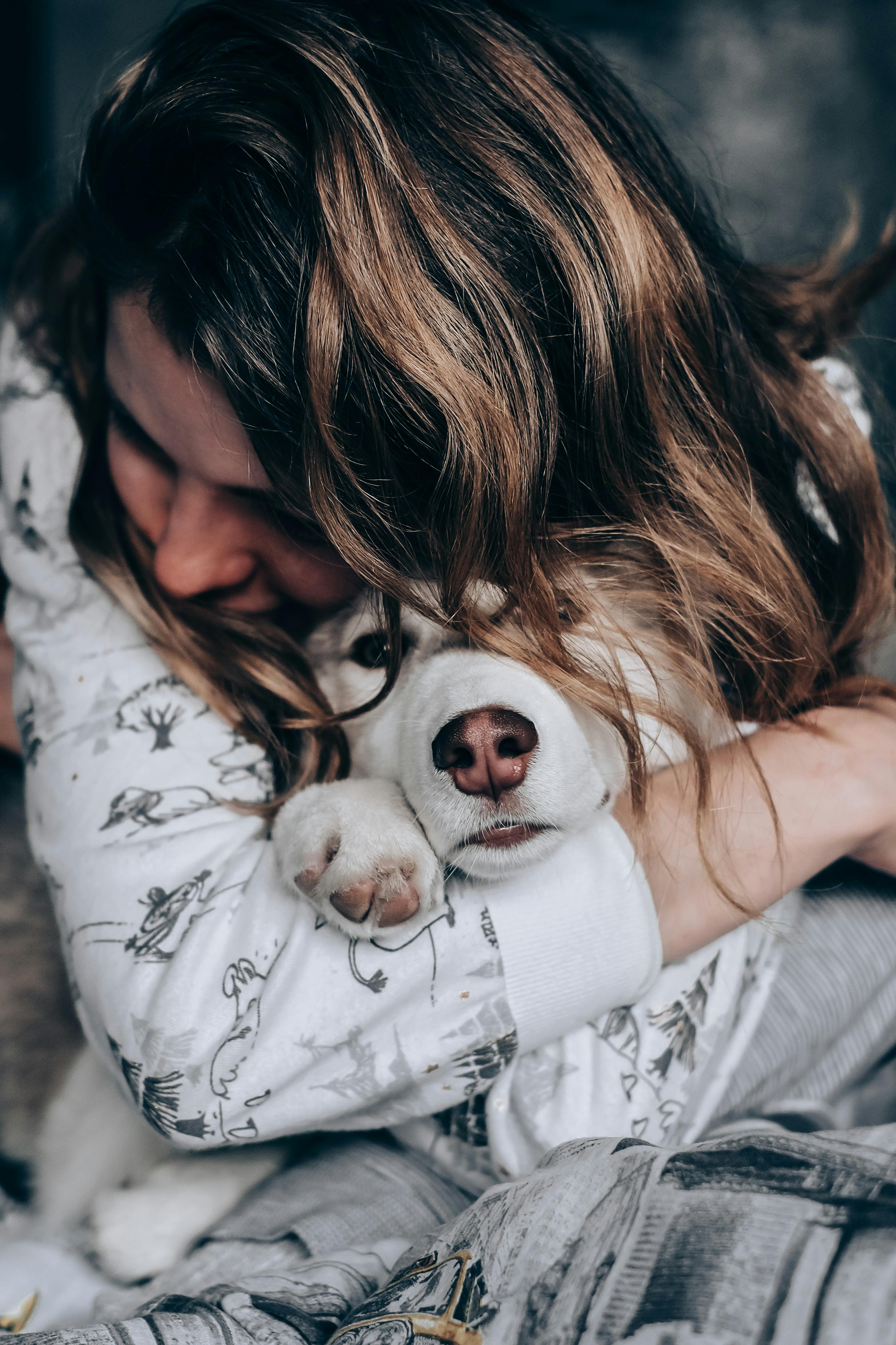 \n\n
\n\nDogs are often known as man's best friend, and one of the things that makes them so unique is their wet noses. You may have wondered, can a dog’s wet nose indicate emotions? Or even why do dogs have wet noses in the first place? Well, there is a fascinating connection between a dog's wet nose and their emotional state, as well as their health. Let’s dive into the intriguing world of canine noses and emotions.
\nWhy Do Dogs Have Wet Noses?
\nHave you ever touched a dog's nose and noticed its cool, moist texture? This wetness is not just for show; it serves several important purposes. Here are some reasons why dogs have wet noses:
\n- \n
- Sense of Smell: A wet nose helps to enhance a dog's sense of smell. The moisture traps scent particles in the air, allowing dogs to detect smells more effectively. \n
- Temperature Regulation: Dogs don't sweat like humans do. Instead, they cool off by panting and through their noses. The wetness helps to regulate their body temperature. \n
- Health Indicator: A dog's nose can be a good indicator of their health. A consistently dry or cracked nose may signal dehydration or illness, whereas a healthy nose is typically moist and cool. \n
The Emotional Connection
\nSo, can a dog’s wet nose indicate emotions? Some experts believe that there is indeed a connection. Dogs often use their noses to communicate, and the moisture level can change in response to their feelings. Here’s how:
\n- \n
- Excitement: When a dog is excited, their body releases adrenaline which can lead to a wetter nose. So, if you come home after a long day, and your dog greets you with a particularly wet nose, they might just be expressing their joy. \n
- Nervousness: Conversely, a nervous dog may have a dry nose. Stress or anxiety can impact their physiology, leading to changes in nose moisture. \n
- Relaxation: When dogs are calm and relaxed, their noses tend to be moist. Observing your dog’s nose can give you clues about their emotional state. \n
Historical Context
\nHistorically, dogs with wet noses have been regarded as healthier and more vibrant. In many cultures, a dog's nose has been a symbol of its vitality. Ancient societies believed that a wet nose could ward off evil spirits, and some even thought it brought good luck. This idea persists today, where many dog owners check their pet’s nose as a routine health check.
\nFun Facts About Dog Noses
\nDid you know that a dog's nose print is unique, much like a human fingerprint? Here are some other fascinating facts:
\n- \n
- Scent Detection: Dogs have up to 300 million smell receptors compared to about 5 million in humans. \n
- Temperature Sensitivity: A dog's nose is sensitive enough to detect changes in temperature as well as humidity. \n
- Wetness Variance: Not all dogs have the same level of nose moisture. Factors like breed, environment, and health can affect this. \n
Tips for Monitoring Your Dog’s Nose
\nKeeping an eye on your dog’s nose can help you gauge their health and emotional state. Here are some tips:
\n- \n
- Regular Checks: Make it a habit to check your dog’s nose daily. Look for changes in moisture and texture. \n
- Hydration: Ensure your dog drinks enough water, especially in hot weather. A dry nose can be a sign of dehydration. \n
- Observe Behavior: Pay attention to how your dog behaves. If their nose is dry and they seem lethargic or anxious, it might be time for a vet visit. \n
Comparing Wet vs. Dry Noses
\n| Condition | \nWet Nose | \nDry Nose | \n
|---|---|---|
| Health | \nGenerally healthy | \nMay indicate dehydration or illness | \n
| Emotional State | \nOften excited or relaxed | \nCould be anxious or stressed | \n
| Temperature | \nCooler than body temperature | \nWarmer than body temperature | \n
As you can see, the condition of a dog’s nose can tell you quite a bit about how they're feeling and their overall health.
\nIn summary, the wet noses of dogs hold more significance than many might realize. They not only enhance a dog's keen sense of smell but also serve as indicators of a dog's emotional state and health. So, the next time you see that familiar wet nose, remember the fascinating truth behind it and what it might be telling you about your furry friend!
\n\nDebunking Myths: Common Misconceptions About Dogs’ Wet Noses
\n\n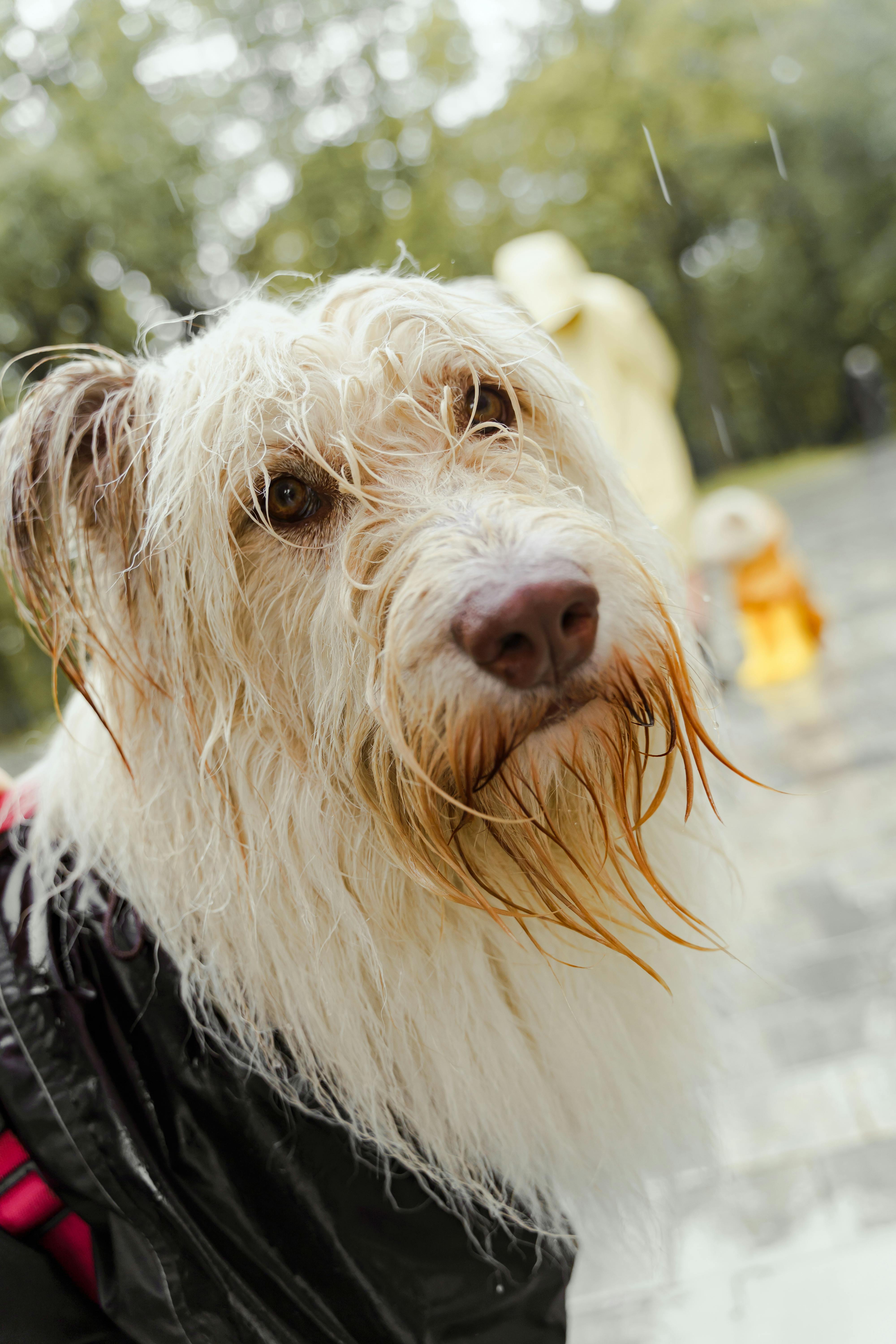 \n\n
\n\nDogs are often beloved companions, and one thing that stands out about them is their wet noses. Many pet owners and casual observers have their own ideas about why dogs have wet noses. Some of those beliefs are based in fact, while others are just myths. Let’s take a closer look at the fascinating truth behind this curious canine characteristic and debunk some common misconceptions along the way.
\nThe Science Behind Wet Noses
\nFirst off, let’s get into what makes a dog’s nose wet. The moisture on a dog’s nose comes from several sources, including saliva, the natural oils produced by their skin, and the environment. This wetness serves various purposes, which are important for a dog’s health and well-being.
\n- \n
- \n
Sense of Smell: One major reason a dog’s nose is wet is because it enhances their ability to smell. The moisture helps to capture scent particles from the air, making it easier for dogs to detect different smells. Dogs have an extraordinary sense of smell, estimated to be anywhere from 10,000 to 100,000 times more acute than humans. A wet nose helps maximize this ability.
\n \n - \n
Cooling Mechanism: Dogs don’t sweat like humans do. Instead, they cool down through panting and through their nose. A wet nose can help regulate their body temperature, especially on hot days.
\n \n - \n
Health Indicator: A dog’s nose can also serve as a health indicator. Changes in moisture levels or temperature could signal a health issue. For example, a dry, warm nose might indicate that a dog is sick or dehydrated.
\n \n
Debunking Common Myths
\nThere are many myths floating around about why dogs have wet noses. Here’s a closer look at some of those myths and the truth behind them:
\n- \n
- \n
Myth 1: Dogs’ noses are wet because they are sick.
\n- \n
- Reality: A wet nose is generally a sign of good health, not a bad one. However, if it’s excessively dry or hot, it could indicate illness. \n
\n - \n
Myth 2: Dogs' noses are wet from drinking water.
\n- \n
- Reality: While drinking can wet a dog’s nose, the primary moisture comes from other sources, such as saliva and skin oils. \n
\n - \n
Myth 3: A wet nose means a dog is happy.
\n- \n
- Reality: While many happy dogs do have moist noses, it’s not a definitive indicator of their emotional state. \n
\n
Historical Context and Cultural Beliefs
\nThroughout history, dogs have held a special place in human society. In ancient cultures, dogs were often viewed as protectors and companions. Their noses were seen as magical or mystical. For example, in some folklore, dogs were believed to possess the ability to sniff out evil spirits. These beliefs, rooted in cultural traditions, have persisted over the years, leading to various myths about dogs and their noses.
\nInteresting Facts About Dogs’ Noses
\nHere are some intriguing facts about dog noses that you might not know:
\n- \n
- \n
Unique Patterns: Just like human fingerprints, every dog’s nose print is unique. This could potentially be used for identification purposes.
\n \n - \n
Thermoregulation: Dogs use their noses to help cool themselves down, as mentioned earlier, but they also have sweat glands in their paws which play a small role in this process.
\n \n - \n
Health Monitoring: Some veterinarians use a dog’s nose as a quick assessment tool. A sudden change in texture or temperature could prompt further investigation.
\n \n - \n
Breeds and Noses: Different breeds can have distinct nose shapes and sizes, affecting how moisture is retained. For example, brachycephalic breeds, with their flat faces, may have different moisture retention compared to long-nosed breeds.
\n \n
Practical Tips for Dog Owners
\nUnderstanding your dog’s health is crucial. Here are some practical tips regarding your dog’s nose:
\n- \n
- \n
Regular Check-Ups: Keep an eye on the moisture level and temperature of your dog’s nose. If it changes significantly, consider a vet visit.
\n \n - \n
Hydration: Ensure your dog stays hydrated, especially during hot weather, to keep their nose and overall health in good shape.
\n \n - \n
Observe Behavior: Monitor any behavioral changes, like lethargy or loss of appetite, that may accompany changes in nose moisture.
\n \n - \n
Grooming: Regular grooming helps maintain healthy skin and fur, which can support a healthy nose.
\n \n
So, the next time you pet your dog and notice that wet and cold nose, remember the reasons behind it. It’s not just a quirky trait; it’s part of what makes dogs so special and adapted to their environments. Understanding these facts and debunking myths can help you take better care of your furry friend.
\n\nThe Role of Moisture in a Dog's Sense of Smell: What You Need to Know
\n\n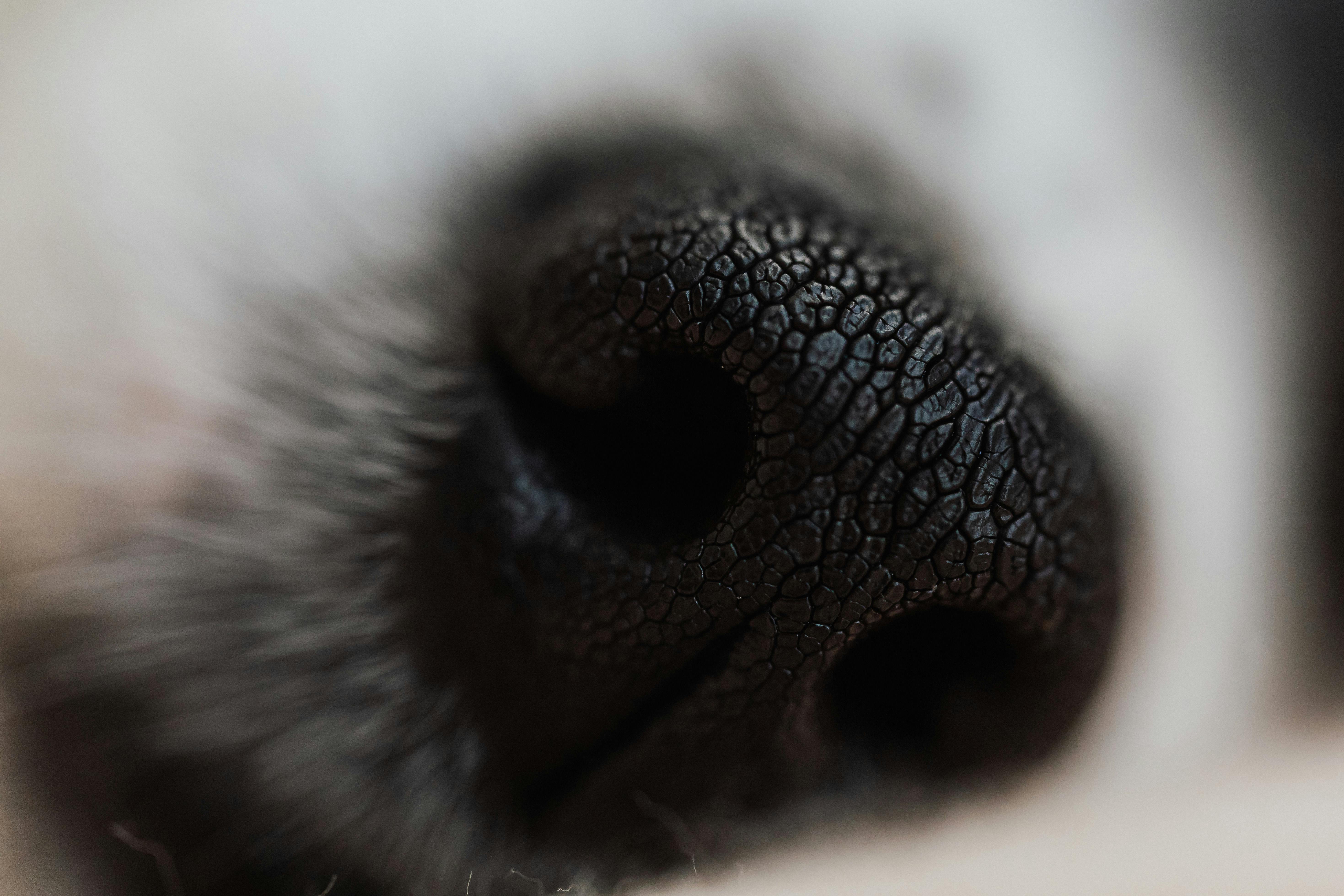 \n\n
\n\nDogs are truly fascinating creatures, and one of the most interesting aspects of their biology is their sense of smell. Many people wonder why do dogs have wet noses? This question leads us to explore the important role that moisture plays in a dog’s olfactory abilities. In this article, we will dive into the science behind a dog’s nose, the reasons it’s wet, and how it affects their ability to smell.
\nThe Science of Smell in Dogs
\nDogs have an incredible sense of smell that is estimated to be anywhere from 10,000 to 100,000 times more sensitive than that of humans. This remarkable ability is due to several factors, including:
\n- \n
- Olfactory receptors: Dogs have about 300 million olfactory receptors in their noses, compared to a human's 5 million. This means they can detect scents at incredibly low concentrations. \n
- Olfactory bulb: The part of a dog's brain that processes smells is proportionally larger than that of a human's. This allows dogs to analyze smells in great detail. \n
- Jacobsen's organ: Also known as the vomeronasal organ, it's located in the nasal cavity and helps dogs detect pheromones, which play a crucial role in communication and social behavior. \n
Why Do Dogs Have Wet Noses?
\nNow, let's get to the question that many pet owners might be asking: why do dogs have wet noses? The moisture on a dog's nose is not just for decoration; it serves several important purposes:
\n- \n
- \n
Enhancing Smell: A wet nose helps to capture scent particles. When moisture is present, it can trap scent molecules, allowing the dog to enjoy a more accurate and potent olfactory experience. This is why you might notice your dog sniffing around when it’s a little damp outside.
\n \n - \n
Temperature Regulation: Dogs don’t sweat like humans do. Their primary way of cooling down is through panting, but a wet nose can help in regulating body temperature as well. The moisture evaporates, which can cool the blood flow in the nasal passages.
\n \n - \n
Health Indicator: A dog’s nose can also be a health indicator. Wet and cool noses are typically seen as signs of a healthy dog. Conversely, a dry or warm nose can sometimes signal that a dog may be unwell, although it’s not a definitive measure.
\n \n
The Fascinating Truth Behind Dog Noses
\nThere’s a lot of history surrounding the wet nose of dogs. For centuries, humans have relied on dogs for hunting and companionship, and their incredible sense of smell has made them invaluable in various roles, including:
\n- \n
- Search and Rescue: Dogs are trained to locate missing persons or find victims in disaster situations using their superior sense of smell. \n
- Detection Work: From detecting drugs to locating explosives, dogs are often employed in law enforcement due to their keen ability to sniff out substances that humans cannot. \n
- Medical Detection: There’s ongoing research into how dogs can detect diseases like cancer or diabetes through smell, thanks to their unique olfactory capabilities. \n
Fun Facts About Dog Noses
\n- \n
- Dogs can distinguish between different scents, which allows them to recognize individual people or animals. \n
- The canine nose print is as unique as a human fingerprint, which means each dog has its own specific nose pattern. \n
- Dogs have a special ability to differentiate between smells, which helps them even when multiple odors are present. \n
Care Tips for Your Dog's Nose
\nTaking care of your dog's nose is important, as it can become dry or cracked, especially in certain environmental conditions. Here’s how you can help:
\n- \n
- Hydration: Ensure your dog is drinking enough water. Proper hydration is essential for maintaining moisture in their noses. \n
- Humidity: If you live in a dry area, consider using a humidifier at home to help keep the air moist. \n
- Regular Check-Ups: Keep an eye on your dog’s nose. If you notice persistent dryness, cracking, or unusual color changes, it may be time to consult your vet. \n
Dogs and their wet noses are more than just a cute feature; they are a vital part of how they interact with the world. Understanding the role of moisture in a dog's sense of smell can deepen your appreciation for these furry companions. So, next time you see your dog sniffing around with that wet nose, just remember the intricate biology and fascinating history behind it. Your dog's nose not only tells them about their environment but also connects them to the world in a way that is simply remarkable.
\n\nWhy Your Dog’s Nose Changes Throughout the Day: The Surprising Truth
\n\n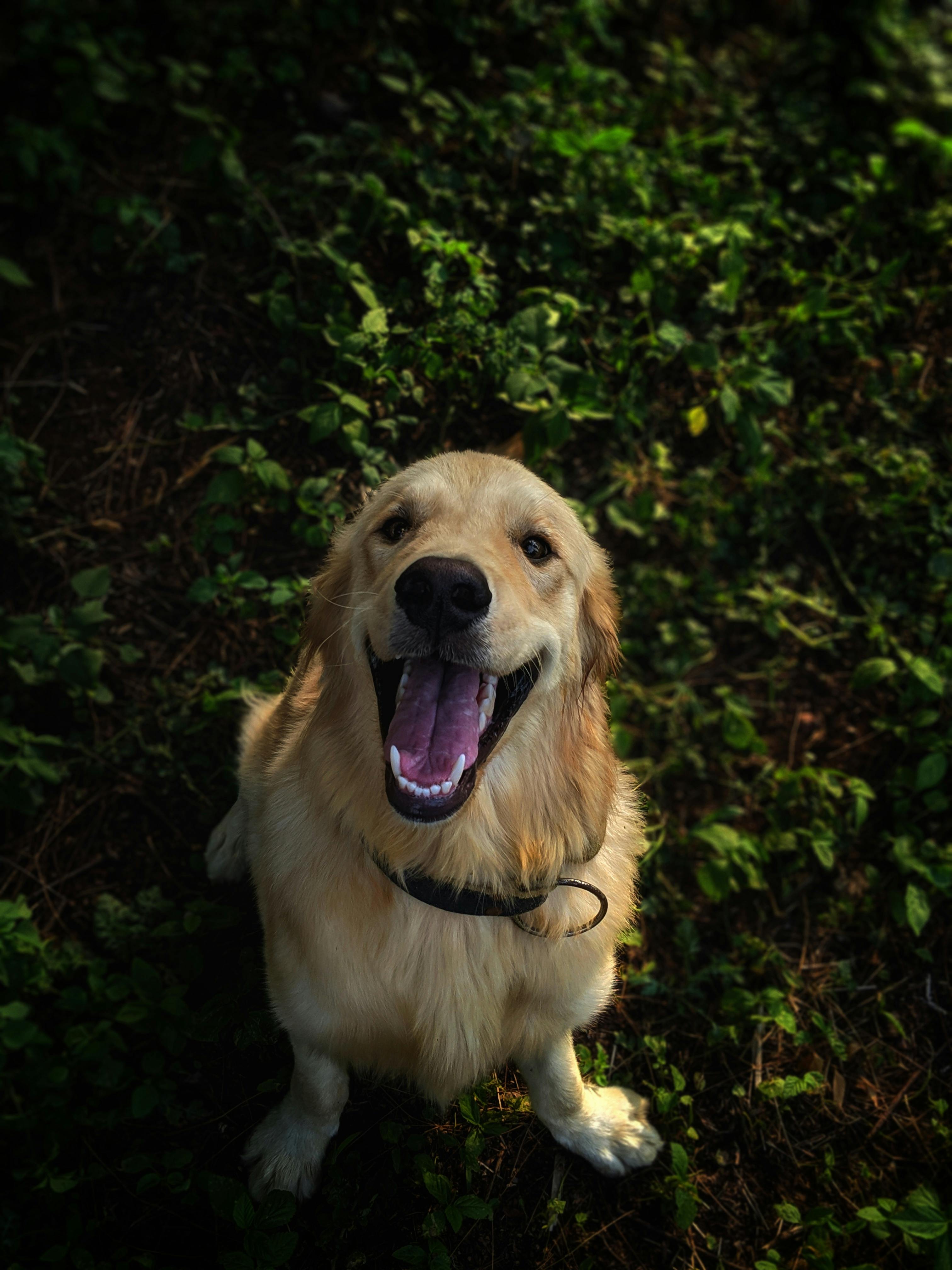 \n\n
\n\nHave you ever wondered why your dog’s nose changes throughout the day? Or why do dogs have wet noses in the first place? It’s one of those little mysteries that dog owners often discusses, but rarely get to the bottom of. Dogs' noses are not just cute; they serve some pretty important functions. Let’s dive into the world of canine noses and discover the surprising truth behind their wetness and changing temperatures.
\nThe Science Behind a Dog’s Nose
\nA dog’s nose is a marvel of nature. It’s not just a cute addition to their face; it plays a vital role in their health and well-being. The wetness of a dog’s nose can be attributed to several factors, including:
\n- \n
- \n
Temperature Regulation: Dogs don't sweat like humans do. Instead, they rely on their noses to help regulate their body temperature. A wet nose helps to cool down when a dog is feeling warm.
\n \n - \n
Scent Detection: The moisture on a dog’s nose helps to capture scent particles in the air. This enhances their ability to smell, making dogs superior in detecting scents compared to humans.
\n \n - \n
Health Indicator: Changes in a dog’s nose can indicate its health status. A dry or cracked nose might suggest dehydration, illness, or even allergies.
\n \n
Why Do Dogs Have Wet Noses?
\nSo, why do dogs have wet noses? It's a question that might seem simple, but the answer is layered. Here are some reasons:
\n- \n
- \n
Scent Enhancement: As mentioned earlier, a wet nose can help pick up scents more effectively. This is essential for dogs, as they rely heavily on their sense of smell for communication and understanding their environment.
\n \n - \n
Cooling Mechanism: Dogs can’t sweat, so they use their noses to cool down. When a dog pants, moisture evaporates from their nose, helping to lower their body temperature.
\n \n - \n
Social Interaction: Dogs communicate through scent, and a wet nose is often a sign of an excited or happy dog. A wet nose can also be a way for them to greet other dogs or humans, inviting interaction.
\n \n
The Daily Change in Nose Wetness
\nYou might notice that your dog’s nose can change from wet to dry throughout the day. Here’s what you should know:
\n- \n
- \n
Environmental Factors: The weather can greatly impact your dog’s nose. On hot, dry days, you might see a drier nose. Conversely, after a long walk outside, the nose could be wet from sniffing around.
\n \n - \n
Activity Level: When a dog is active, it might have a wetter nose. After a play session, the excitement can cause increased moisture.
\n \n - \n
Time of Day: Just like humans, dogs can experience fluctuations in moisture levels. Their noses might be wetter in the morning and dryer by evening as they go about their day.
\n \n
Fun Facts About Dog Noses
\n- \n
- \n
Unique Patterns: Just like human fingerprints, every dog has a unique nose print. This could be used for identification!
\n \n - \n
Scent Receptors: Dogs have around 220 million scent receptors in their noses, while humans have about 5 million. This makes their sense of smell incredibly powerful.
\n \n - \n
Temperature Sensitivity: A dog's nose is often cooler than the rest of their body, which can be an indicator of their overall health. A nose that’s warmer than usual could suggest a fever.
\n \n - \n
Breed Variations: Some breeds have naturally drier noses than others. For instance, breeds like Bulldogs and Boxers may have less moisture due to their facial structures.
\n \n
Keeping Your Dog’s Nose Healthy
\nA healthy nose is essential for your furry friend. Here are some tips to maintain a healthy nose:
\n- \n
- \n
Stay Hydrated: Make sure your dog has access to fresh water at all times. Dehydration can lead to a dry nose.
\n \n - \n
Regular Vet Check-ups: Routine vet visits can help catch any health issues early. Changes in your dog’s nose could indicate underlying health problems.
\n \n - \n
Protect from Harsh Weather: Just like humans can get chapped lips, dogs can experience dry noses in cold weather. Using a nose balm can help protect their sensitive skin.
\n \n - \n
Monitor Behavior: Keep an eye on your dog’s behavior. If they seem lethargic, have a consistently dry nose, or show signs of discomfort, it’s best to consult a vet.
\n \n
Understanding why your dog’s nose changes throughout the day and why they have a wet nose can deepen your bond with your furry friend. It’s not just a quirky characteristic; it’s part of what makes dogs so fascinating. So, the next time you notice your dog's nose, remember that there’s a lot more to it than meets the eye.
\n\nWet Noses and Dog Behavior: What Your Pup’s Nose is Telling You
\n\n\n\nWet noses are a common sight in the canine world, but have you ever stop to wonder why dogs have wet noses? It’s a question many pet owners ask, and the answer reveals a lot about your pup’s behavior and health. There’s more to those damp snouts than just a cute feature; it actually plays a significant role in how dogs interact with the world around them.
\nThe Science Behind Wet Noses
\nDogs have wet noses for a number of reasons. One of the main reasons is that it helps them to sense their surroundings better. A wet nose can absorb scent chemicals from the air, making it easier for dogs to detect smells. Research shows that a dog’s sense of smell is estimated to be between 10,000 to 100,000 times more sensitive than that of a human. Here’s a breakdown of why wet noses matter:
\n- \n
- Scent Detection: Moisture on a dog’s nose can capture scent particles, allowing the dog to identify and analyze different odors. \n
- Temperature Regulation: Dogs don’t sweat like humans do. Instead, they rely on their noses to help cool down. When it’s hot, moisture from the nose evaporates, which helps to cool the dog’s body. \n
- Health Indicator: A dog’s nose can tell a lot about their health. A healthy dog typically have a moist, cool nose, while a dry or warm nose could indicate a fever or other health issues. \n
Why Do Dogs Have Wet Noses?
\nWet noses are a characteristic feature of most dogs, but why are they wet in the first place? The truth is quite fascinating. Here’s what you need to know:
\n- \n
- Mucus Production: The nasal cavity of a dog produces mucus that keeps their nose wet. This mucus is important for trapping scent particles. \n
- Licking: Dogs often lick their noses, which not only keeps them wet but helps to spread the scent chemicals around for better detection. \n
- Environmental Factors: Weather conditions can also affect the moisture level of a dog’s nose. A dog might have a wetter nose in humid weather compared to dry conditions. \n
What Your Pup’s Nose is Telling You
\nThe state of your dog’s nose can be an indicator of their overall health. Here’s a simple guide to interpreting your dog’s nose condition:
\n- \n
- Wet & Cool: This is generally a sign of a healthy dog, happy and content. \n
- Dry & Warm: Could indicate that your dog is sick or dehydrated. \n
- Cracked or Flaky: May suggest a skin condition or allergy and should be checked by a vet. \n
- Excessive Moisture: If your dog’s nose is excessively dripping, this could be a sign of illness or infection. \n
Understanding Dog Behavior Through Their Noses
\nDogs use their noses not only to sniff out food but also to communicate with other dogs. The sense of smell is crucial for dogs. Here are some behaviors that relate to their noses:
\n- \n
- Sniffing Other Dogs: When dogs greet each other, they often sniff each other’s noses and behinds as a way of gathering information about each other. \n
- Marking Territory: Dogs will use their noses to smell and identify different scents in their territory. This is part of their natural instinct. \n
- Seeking Attention: If your dog nudges you with their wet nose, they may be trying to get your attention or show affection. \n
Fun Facts About Dog Noses
\n- \n
- Did you know that each dog’s nose print is unique, much like a human fingerprint? This uniqueness can be used for identification. \n
- Puppies are born with dry noses, and they usually start to develop that characteristic wetness around two weeks of age. \n
- Dogs can smell diseases, like cancer or diabetes, which is why some dogs are trained to detect medical conditions. \n
Practical Tips for Dog Owners
\nTaking care of your dog’s nose is important. Here’s a list of tips to keep your pup healthy:
\n- \n
- Hydration: Ensure your dog is drinking enough water, especially in hot weather. \n
- Regular Vet Check-ups: Keep an eye on any changes in their nose condition and consult a vet if you notice anything unusual. \n
- Watch for Allergies: Seasonal allergies can affect your dog’s nose, so be mindful of environmental changes. \n
Wet noses are just one of the many delightful aspects of dog behavior. Understanding why dogs have wet noses and what they signify can enhance your connection with your furry friend. Remember to observe your dog’s nose and overall health, as it can be a window into their well-being.
\n\nConclusion
\n\nIn conclusion, the wet noses of dogs serve several essential functions that contribute to their overall health and well-being. The moisture enhances their sense of smell, allowing them to detect scents more effectively, which is crucial for their communication and navigation. Additionally, a wet nose helps regulate body temperature and can be an indicator of a dog's health status. While it's normal for a dog's nose to be moist, any significant changes may warrant a visit to the veterinarian. Understanding the reasons behind this unique feature not only deepens our appreciation for our canine companions but also helps us care for them better. So, next time you feel your dog's cool, wet nose, remember the fascinating biology at play and cherish the bond you share. If you found this information helpful, consider sharing it with fellow dog lovers to spread awareness about the wonders of our furry friends!
\n\n