Have you ever wondered why do dogs have wet noses? This intriguing question has puzzled many pet owners and animal lovers alike. A dog's nose is not just an adorable feature; it plays a crucial role in their health and sensory perception. But the question remains, what makes those noses so damp? In this article, we will uncover the fascinating truth behind your furry friend's wet snout and explore the science that explains this common trait. Did you know that a wet nose can be an indicator of a dog's well-being? Yes, it can! From temperature regulation to enhancing their sense of smell, the reasons behind this phenomenon are both surprising and informative. Furthermore, we'll delve into how a dog's wet nose can signal their mood or health status. If you’re a dog owner or simply a dog enthusiast, understanding why do dogs have wet noses could transform the way you perceive your canine companion. Join us on this exciting journey as we reveal the secrets hidden in those moist, cold noses. Prepare to be amazed by the insights and facts that will deepen your connection with your beloved pet!
\n\nThe Science Behind Dog Noses: Why Are They Always Wet?
\n\n \n\n
\n\nDogs are often seen with their wet noses, but have you ever wondered why? It's not just an adorable quirk of our furry friends — there's actually a scientific reason behind it. Understanding why dogs have wet noses can give us insight into their health, behavior, and even their incredible sense of smell.
\nThe Anatomy of a Dog's Nose
\nA dog's nose is a marvel of nature. It's designed to be much more than just a tool for sniffing around. Here are some facts about it:
\n- \n
- Moisture: A dog's nose is generally moist, which helps them absorb scent chemicals. This dampness enhances their ability to smell, making them great scent trackers. \n
- Nasal Structure: The inside of a dog's nose contains a complex structure with millions of olfactory receptors, far surpassing what humans possess. While humans have around 5 million, dogs can have up to 300 million! \n
- Temperature Regulation: Dogs also use their noses to help regulate their body temperature. When they pant, moisture from their noses evaporates, cooling them down. \n
Why Are Dog Noses Wet?
\nSo, why do dogs have wet noses? There are multiple reasons, each contributing to their unique physiology:
\n- \n
- \n
Scent Detection: The wetness helps trap scent particles. When a dog sniffs, the moisture on their nose captures these particles which they can then analyze with their highly sensitive olfactory systems.
\n \n - \n
Health Indicator: The condition of a dog’s nose can be a health indicator. A healthy dog typically has a moist, cool nose. If it becomes excessively dry or warm, it might be a sign of dehydration or illness.
\n \n - \n
Thermoregulation: As mentioned, dogs often use their moist noses to help control body heat. This is particularly important on hot days or after exercise.
\n \n - \n
Social Interaction: Dogs also use their noses to communicate with each other. A wet nose is often seen as a friendly gesture in dog language.
\n \n
Historical Context
\nThe relationship between humans and dogs goes back thousands of years. As dogs evolved from wolves, their sense of smell became more pronounced to help them hunt and navigate. Interestingly, ancient cultures often revered dogs for their keen sense of smell, sometimes even using them for hunting and tracking.
\n- \n
- Ancient Egyptians: They used dogs for hunting and as companions, recognizing their incredible abilities. \n
- Native Americans: Many tribes relied on dogs for their sense of smell to find food and track animals. \n
Dogs and Their Sense of Smell
\nDogs are often referred to as “man’s best friend,” and their sense of smell plays a huge part in that relationship. Here’s how it compares to humans:
\n- \n
- \n
Sense of Smell:
\n- \n
- Humans: 5 million olfactory receptors \n
- Dogs: Up to 300 million olfactory receptors \n
\n - \n
Scent Discrimination: Dogs can detect certain scents at incredibly low concentrations, often in parts per trillion.
\n \n
Practical Examples of Dog Noses in Action
\nDogs are used in various roles that take advantage of their amazing noses. Here are some practical examples:
\n- \n
- Search and Rescue: Dogs are trained to find missing persons in disaster situations, using their noses to locate people trapped under rubble. \n
- Detection: Police and military dogs are often utilized to sniff out drugs, explosives, and even currency. \n
- Medical Detection: Some dogs can even sense medical conditions, like diabetes or certain types of cancer, by detecting changes in a person's scent. \n
Common Misconceptions About Dog Noses
\nThere are many myths that surround dog noses. Here are a few you might have heard:
\n- \n
- A Dry Nose Means a Sick Dog: While it can be an indicator, not all dry noses mean illness. It can also be due to environmental factors. \n
- Wet Noses Are Always Healthy: A wet nose does not guarantee good health. Regular vet check-ups are still essential. \n
The Bottom Line
\nIn summary, the science behind why dogs have wet noses is a fascinating blend of biology, evolution, and behavior. Their moist noses are not just cute; they serve essential functions that enhance their ability to interact with the world around them. Understanding these aspects can deepen our appreciation for these loyal companions and the intricate ways they communicate and understand their environment. Next time you see a dog with a wet nose, remember the science behind it and how it contributes to their unique abilities.
\n\n5 Surprising Benefits of a Dog's Moist Nose You Never Knew
\n\n \n\n
\n\nHave you ever wondered why dogs have wet noses? Many people just see them as cute and cuddly, but there's actually a lot more to a dog's moist nose than meets the eye. In fact, the fascinating truth about why dogs have wet noses comes with some surprising benefits that you might not know about. Let’s explore five of these benefits and uncover the science behind those damp little snouts.
\n1. Enhanced Sense of Smell
\nDogs are known for their incredible sense of smell. Their noses, which are often wet, play a big role in this. The moisture helps to capture scent particles in the air, making it easier for dogs to detect different smells. This is because wet surfaces, like a dog’s nose, can absorb more scent molecules.
\n- \n
- Dogs have up to 300 million scent receptors compared to humans who only have about 5 million. \n
- A wet nose can also help a dog identify pheromones and other chemical signals from other animals. \n
2. Body Temperature Regulation
\nAnother benefit of a dog’s moist nose is its role in regulating body temperature. Dogs don’t sweat like humans do; instead, they rely on panting and their noses to help cool down. When the nose is wet, it can evaporate moisture and help cool the blood flow to the brain.
\n- \n
- The moisture on the nose evaporates, which cools the blood. \n
- It is a natural way for dogs to maintain their body temperature, especially in hot weather. \n
3. Health Indicator
\nA dog’s nose can tell you a lot about its health. Generally, a healthy dog has a wet, cool nose. If you notice that your dog’s nose is dry or cracked, it can be a sign of dehydration, fever, or other health issues.
\n- \n
- A sudden change in the moisture level of your dog’s nose could indicate illness. \n
- Regularly check your dog's nose and consult your veterinarian if you notice anything unusual. \n
4. Communication Tool
\nDogs use their noses not just for smelling, but also for communication. When dogs greet each other, they often sniff each other's noses as a way of gathering information about one another. A wet nose can signal friendliness and curiosity, making it an important part of canine social interactions.
\n- \n
- Sniffing is a primary way dogs explore their environment and communicate with others. \n
- A moist nose can also indicate that a dog is relaxed and comfortable in a social situation. \n
5. Natural Lubrication
\nThe moisture on a dog's nose is not just there for show; it actually serves practical purposes. This wetness acts as a natural lubricant that keeps the nose supple and flexible. A dry nose can crack and become uncomfortable for a dog, making it harder for them to smell.
\n- \n
- The moisture prevents irritation and helps the nose function properly. \n
- Dogs often lick their noses to keep them moist, especially after they've been eating or drinking. \n
Fascinating Facts About Dog Noses
\n- \n
- Did you know that a dog's nose print is unique? Much like human fingerprints, no two dog nose prints are alike. \n
- The size and shape of a dog’s nose can determine how well they can smell. Breeds with longer noses, like Bloodhounds, tend to have a better sense of smell than those with shorter snouts. \n
- Dogs can even detect certain diseases in humans, like cancer or diabetes, through their sense of smell. \n
Quick Comparison: Dogs vs. Humans
\n| Aspect | \nDogs | \nHumans | \n
|---|---|---|
| Sense of Smell | \n300 million receptors | \n5 million receptors | \n
| Nose Temperature | \nHelps cool the body | \nSweating is primary cooling method | \n
| Communication Method | \nSniffing and wetness | \nVocalizations and body language | \n
| Health Indicator | \nWet nose is healthy | \nNo direct equivalent | \n
Dog’s moist noses are more than just an adorable feature—they’re essential to their health and well-being. So, the next time you pet your furry friend and feel that cool, wet nose, remember all the amazing benefits that come with it. Understanding why dogs have wet noses not only makes you appreciate them more but also helps you care for them better. It’s a small detail that carries a lot of significance in the life of your canine companion.
\n\nAre Wet Noses a Sign of Health? Understanding Your Dog’s Well-Being
\n\n \n\n
\n\nWhen it comes to our beloved pets, we often wonder about their health and well-being. One common question that dog owners might ask is, "Are wet noses a sign of health?" It's fascinating how a simple characteristic can spark so much curiosity. Let's delve into the reasons why dogs have wet noses, and what it might mean for their overall health.
\nWhy Do Dogs Have Wet Noses?
\nDogs' noses are wet for several reasons, and it’s not just for show. A few key factors contribute to this unique feature:
\n- \n
- \n
Temperature Regulation: Just like humans sweat to cool down, dogs utilize their noses. The moisture on their noses helps to dissipate heat and regulate body temperature.
\n \n - \n
Enhanced Sense of Smell: A wet nose can help dogs pick up scents better. The moisture traps scent particles, making it easier for their sensitive olfactory receptors to detect different smells.
\n \n - \n
Natural Behavior: Dogs often lick their noses, which keeps them moist. This behavior is instinctive and occurs more frequently when they are curious or excited.
\n \n - \n
Health Indicator: A wet nose can indicate a dog’s general health. However, it’s not a definitive rule. Some dogs may have a dry nose and still be perfectly healthy.
\n \n
The Science Behind Dog Noses
\nThe anatomy of a dog’s nose is quite remarkable. The surface of a dog’s nose is covered in a thin layer of skin that is packed with sweat glands, which contribute to the moisture. Here’s a quick comparison of dog noses:
\n| Type of Nose | \nCharacteristics | \n
|---|---|
| Wet Nose | \nUsually indicates health, cools body | \n
| Dry Nose | \nCan be normal, but may indicate dehydration or illness | \n
| Warm Nose | \nMight suggest fever or illness | \n
Signs of Health to Look For
\nWhile a wet nose can be a good sign, it’s important to consider other factors. Here’s a list of health indicators to keep in mind:
\n- \n
- Energy Levels: Is your dog active and playful? Low energy could indicate a problem. \n
- Appetite: A sudden change in eating habits may signal health issues. \n
- Behavior Changes: Unusual behavior can be an early warning sign of illness. \n
- Gums and Teeth: Healthy gums should be pink, not white or red. \n
What A Dry Nose Could Mean
\nNot all dogs with dry noses are sick, but it can sometimes indicate a problem. Here are a few possible reasons:
\n- \n
- Dehydration: If a dog isn't drinking enough water, it may lead to a dry nose. \n
- Allergies: Environmental factors can cause dryness or irritation. \n
- Illness: In some cases, a dry nose can be a sign of a fever or other health issues. \n
Myths and Misunderstandings
\nThere are many myths surrounding dog noses. Here are a few that need clarification:
\n- \n
- \n
Myth: A cold, wet nose means a dog is sick.
\n
\nFact: While a wet nose can indicate health, it’s not a reliable measure of a dog’s condition. \n - \n
Myth: All dogs have wet noses.
\n
\nFact: Some breeds naturally have drier noses. \n - \n
Myth: A dog’s nose should always be wet.
\n
\nFact: It's normal for a dog's nose to vary in moisture throughout the day. \n
Caring for Your Dog's Nose
\nTo ensure your dog stays healthy, it’s important to check their nose regularly. Here are some tips:
\n- \n
- Hydration: Always provide fresh water for your dog. \n
- Regular Vet Visits: Keep up with vaccinations and health check-ups. \n
- Watch for Changes: If your dog’s nose changes drastically, consult your vet. \n
Conclusion
\nUnderstanding your dog’s wet nose can provide insights into their health and well-being. While a wet nose can suggest a healthy dog, it’s essential to observe other signs and behaviors. Dogs communicate in their own ways, and being attentive to these signals can help you maintain their health better. The next time you cuddle with your furry friend, take a moment to appreciate that wet nose and what it represents.
\n\nThe Fascinating Role of a Dog's Nose in Their Sense of Smell
\n\n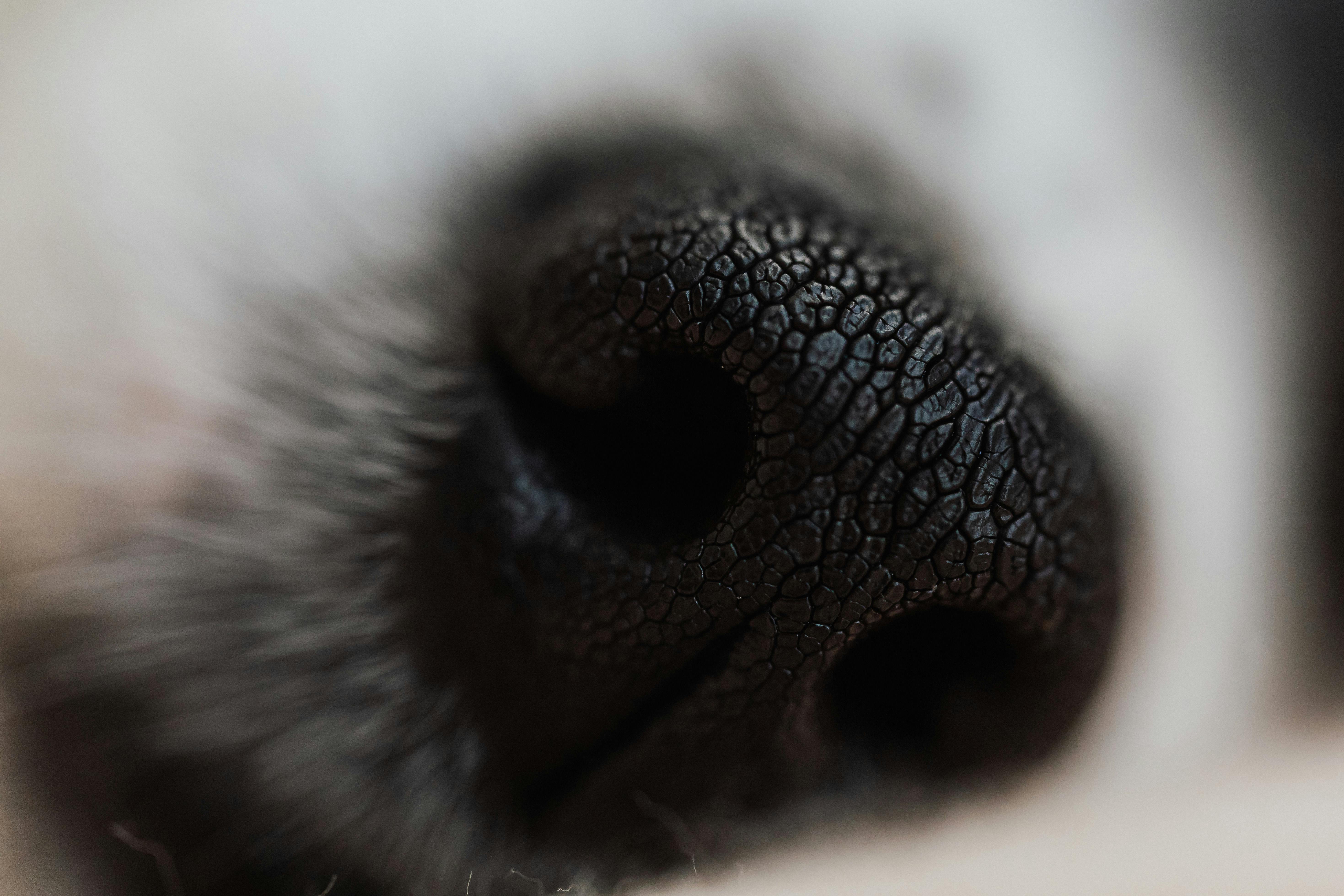 \n\n
\n\nEver wondered why dogs have those wet noses? It’s one of those curious things about our furry friends that often gets overlooked. The answer is more complex and fascinating than you might think. This article will delve into the science behind a dog’s nose, how it contributes to their extraordinary sense of smell, and why the moisture on their noses plays a significant role in their lives.
\nThe Science Behind a Dog's Sense of Smell
\nDogs noses are truly amazing. They have up to 300 million smell receptors compared to humans’ mere 5 million. This incredible sense of smell makes dogs experts in detecting scents. Here’s some interesting facts about dogs’ noses:
\n- \n
- Scent Receptor Count: Dogs can have between 220 to 300 million olfactory receptors. Humans only have around 5 million! \n
- Size Matters: The larger the nose, the more olfactory receptors it can hold. Breeds like Bloodhounds are known for their exceptional smelling abilities. \n
- Brain Power: A dog’s brain is dedicated to processing smells more than a human brain. About 40% of a dog's brain is involved in analyzing scents. \n
So, what does all this mean? Basically, dogs can sniff out things that we can’t even imagine. They can detect certain diseases, find missing persons, and even track scents over long distances.
\nWhy Do Dogs Have Wet Noses?
\nNow, let’s get to the burning question: why do dogs have wet noses? The moisture on a dog’s nose is not just for decoration. It serves several crucial purposes:
\n- \n
- Enhanced Scent Detection: A wet nose helps to capture scent particles better. When the nose is moist, it can absorb and hold onto smells more effectively, which helps dogs identify scents more accurately. \n
- Cooling Mechanism: Dogs don’t sweat like we do. Their noses can help regulate body temperature through moisture evaporation. It’s kind of like their own built-in air conditioning system. \n
- Health Indicator: A wet nose is often considered a sign of a healthy dog. Dry noses can indicate dehydration or illness, but it’s not always the case. However, it’s a good idea to keep an eye on your pup’s nose for changes. \n
Historical Context and Cultural Significance
\nDogs have been our companions for thousands of years. Their strong sense of smell has been utilized in various ways throughout history. Here are some examples:
\n- \n
- Hunting Partners: Early humans relied on dogs to help them hunt. Their ability to track scents helped in locating game. \n
- Search and Rescue: In modern times, dogs are trained for search and rescue missions. Their noses can find people trapped in rubble or lost in the wilderness. \n
- Detection Work: Dogs are often used in law enforcement to detect drugs, explosives, and even certain medical conditions in humans. \n
Comparison with Other Animals
\nWhile dogs are renowned for their sense of smell, they aren’t the only animals with impressive olfactory abilities. Here’s a quick comparison:
\n| Animal | \nNumber of Olfactory Receptors | \n
|---|---|
| Dogs | \n220 – 300 million | \n
| Cats | \n50 – 80 million | \n
| Humans | \n5 million | \n
| Bears | \n1,000,000,000 (1 billion!) | \n
| Sharks | \n20 million (in the nose) | \n
From this table, it’s clear that dogs are among the best sniffers in the animal kingdom, but bears and sharks also have their own unique talents.
\nFun Facts About Dogs' Noses
\n- \n
- Unique Patterns: Just like human fingerprints, every dog has a unique nose print. This could be used for identification! \n
- Nasal Turbinates: Dogs have intricate structures inside their noses called turbinates, which help to filter and warm the air they breathe. \n
- Scent Memory: Dogs can remember scents for a lifetime. This is why they can recognize their owners even after long periods of separation. \n
The wetness of a dog’s nose is not just a quirky trait; it plays a vital role in their health and survival. So next time you see your pup with that shiny, wet nose, remember it’s part of what makes them such incredible animals. Understanding the science and significance behind a dog’s nose can deepen our appreciation for these loyal companions.
\nIn the end, a dog’s nose is more than just a cute feature; it’s a powerful tool that helps them navigate the world in ways we can only imagine.
\n\nTop Reasons Dogs Have Wet Noses: Unveiling Nature’s Design
\n\n \n\n
\n\nDogs are often considered man's best friend, and their many unique traits make them endearing companions. One of the most fascinating and somewhat puzzling features of dogs is their wet noses. Have you ever wondered, why do dogs have wet noses? This article will explore the top reasons dogs have wet noses, unveiling nature's design and the science behind this intriguing characteristic.
\nThe Science Behind Wet Noses
\nFirst off, let’s talk about the basic biology of a dog’s nose. A dog’s nose contains a special kind of tissue that helps them smell better than humans. The moisture on their noses is important for a few reasons:
\n- \n
- \n
Enhanced Smell: The wetness helps to capture scent particles in the air, improving a dog's ability to sniff. Moisture on the nose acts like a sponge, trapping odors and enhancing the olfactory receptors.
\n \n - \n
Cooling Mechanism: Dogs don’t sweat like humans do. They mainly rely on panting to cool down. A wet nose can help regulate their body temperature. It provides a little cooling effect, especially in warmer weather.
\n \n - \n
Health Indicator: The condition of a dog’s nose can indicate its health. A healthy nose is typically moist and cool. Conversely, a dry or cracked nose can signal dehydration or illness.
\n \n
Historical Context
\nDogs have wet noses due to their evolutionary history. Canines, which includes wolves, have developed these moist noses as a survival technique. Historically, a heightened sense of smell has been crucial for hunting and foraging.
\n- \n
- Ancient breeds with stronger olfactory senses survived better, as they could locate food more efficiently. \n
- Over time, the anatomy of the canine nose adapted to enhance these capabilities, and wetness became a vital component. \n
Comparing Dog Noses to Other Animals
\nWhen looking at other animals, it’s interesting to see how different species use their noses. For example:
\n- \n
- \n
Cats: They have dry noses, but it does not mean they can’t smell well. Their olfactory receptors are also highly developed, just like dogs.
\n \n - \n
Humans: Our noses are mostly dry, and we rely heavily on other senses, unlike dogs with their incredible sense of smell.
\n \n
Reasons Dogs Have Wet Noses
\nHere are some more top reasons dogs have wet noses:
\n- \n
- \n
Improved Scent Detection: As mentioned earlier, moisture helps to capture scent particles, enhancing the dog's ability to detect smells.
\n \n - \n
Thermoregulation: A wet nose can help them cool down, especially during playtime or on hot days.
\n \n - \n
Communication: A dog’s nose can also serve as a way to communicate. They will often touch their noses to other dogs or humans, showcasing friendliness or curiosity.
\n \n - \n
Natural Behavior: Licking their noses is a common behavior among dogs. It keeps their noses moist and clean, ensuring they can continue sniffing effectively.
\n \n - \n
Health Monitoring: Vets often check the moisture level of a dog's nose during check-ups. A wet nose is generally seen as a sign of a healthy dog.
\n \n
Practical Examples
\nIn practice, you might notice your dog’s nose changing throughout the day. For instance:
\n- \n
- After a nap, their nose might feel warm and dry, but after a good romp in the park, it’s likely to be cool and moist again. \n
- If you notice persistent dryness or unusual texture, it’s best to consult your veterinarian for advice. \n
The Bottom Line
\nUnderstanding why do dogs have wet noses gives us a glimpse into their biology and behaviors. It’s a natural design that serves multiple purposes, from enhancing their sense of smell to providing a cooling effect. The unique characteristics of dogs remind us of the complex relationship we share with these amazing creatures. So next time you give your furry friend a pat, take a moment to appreciate that wet nose and all the reasons behind it.
\n\nCan a Dog's Wet Nose Indicate Illness? What Pet Owners Should Know
\n\n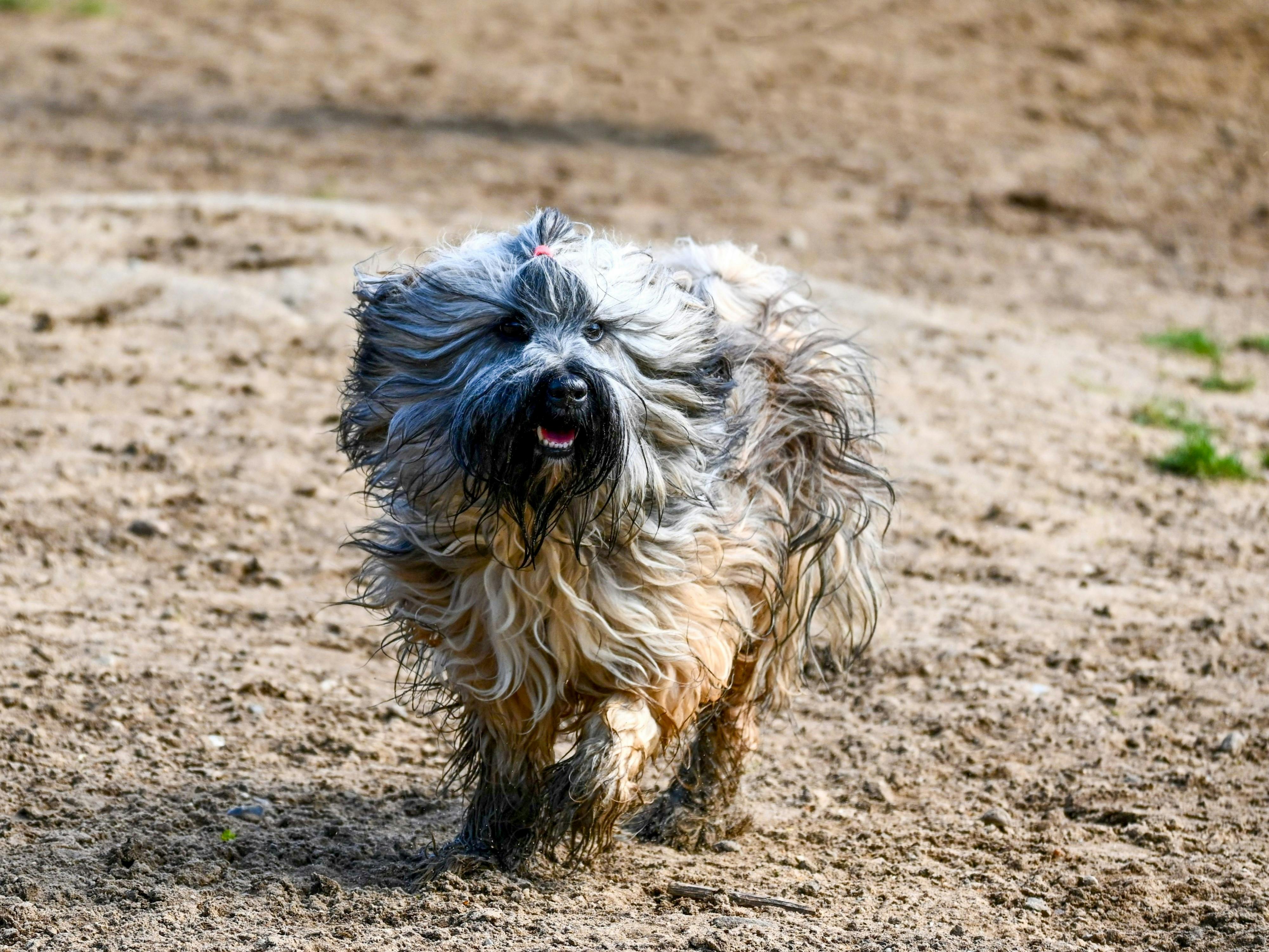 \n\n
\n\nWhen you think about your dog, their cute little nose probably comes to mind. But have you ever wondered why do dogs have wet noses? Or whether a dog’s wet nose can indicate illness? These questions are common among pet owners, and it’s important to understand the significance of your furry friend's nose.
\nWhy Do Dogs Have Wet Noses?
\nDogs noses are wet for a few reasons. One of the main reasons is that it helps them to smell better. The moisture helps to capture scent particles in the air, which enhances their extraordinary sense of smell. It's like a natural tool for sniffing out everything, from food to other animals.
\nAnother reason why dog’s noses are wet is thermoregulation. Dogs don’t sweat like humans do. Instead, they regulate their body temperature through their noses and tongues. A wet nose can help cool them down, especially in hot weather. So, the next time you give your dog a little pat on the head, remember that their wet nose is more than just an adorable feature.
\nCan a Dog's Wet Nose Indicate Illness?
\nWhile a wet nose is often a sign of a healthy dog, there are times when it might indicate illness. Here’s a list of situations where you should pay attention to your dog's nose:
\n- \n
- Dry Nose: If your dog’s nose suddenly becomes dry and cracked, it may signal dehydration or fever. \n
- Temperature Change: A nose that is usually wet but becomes hot and dry could mean your dog is sick. \n
- Discharge: If there is a discharge coming from your dog's nose, it might be a sign of an upper respiratory infection or allergies. \n
- Behavior Changes: If your dog is lethargic or not eating well, combined with a change in nose texture, it’s time to see a vet. \n
The Science Behind a Dog's Nose
\nThe moistness of a dog's nose is attributed to mucous glands. These glands secrete a thin layer of moisture that keeps the nose slick and helps to trap odors. This is a key aspect of a dog's olfactory system.
\nDogs have up to 300 million olfactory receptors in their noses, compared to about 6 million in humans. This difference is what makes their sense of smell so powerful. So, when you see your dog sniffing around, remember, they are not just being curious; they are gathering information about their environment.
\nHistorical Context and Myths
\nHistorically, the idea of a wet nose signifying health has been around for ages. Many cultures believed that a wet nose indicates a happy, healthy dog. However, there are myths that should be debunked.
\n- \n
- Wet Nose Equals Healthy: While a wet nose can suggest health, it’s not a definitive indicator. Dogs can be sick with a wet nose, and vice versa. \n
- Dogs Sweat Through Their Noses: This is a common misconception. Dogs primarily sweat through their paw pads, not their noses. \n
Practical Tips for Pet Owners
\nAs a responsible pet owner, it's crucial to monitor your dog's nose and overall health. Here are some practical tips:
\n- \n
- Regular Check-Ups: Schedule regular vet visits to ensure your dog’s health is on track. \n
- Hydration: Always provide clean, fresh water to keep your dog hydrated. \n
- Observe Behavior: Keep an eye on your dog’s behavior. Sudden changes could mean something is wrong. \n
- Watch for Symptoms: Look for signs like coughing, sneezing, or changes in appetite. These can be indicators of underlying health issues. \n
Conclusion
\nUnderstanding your dog's wet nose and what it means can help you maintain their health and well-being. While a wet nose is often a sign of a healthy pup, it’s also important to pay attention to changes that may indicate illness. So the next time you pet your dog, remember there’s more to that wet nose than just being cute! Keeping an eye on their nose and overall behavior can make a significant difference in their life.
\n\nHow Environment Affects Your Dog's Nose Moisture: 7 Key Factors
\n\n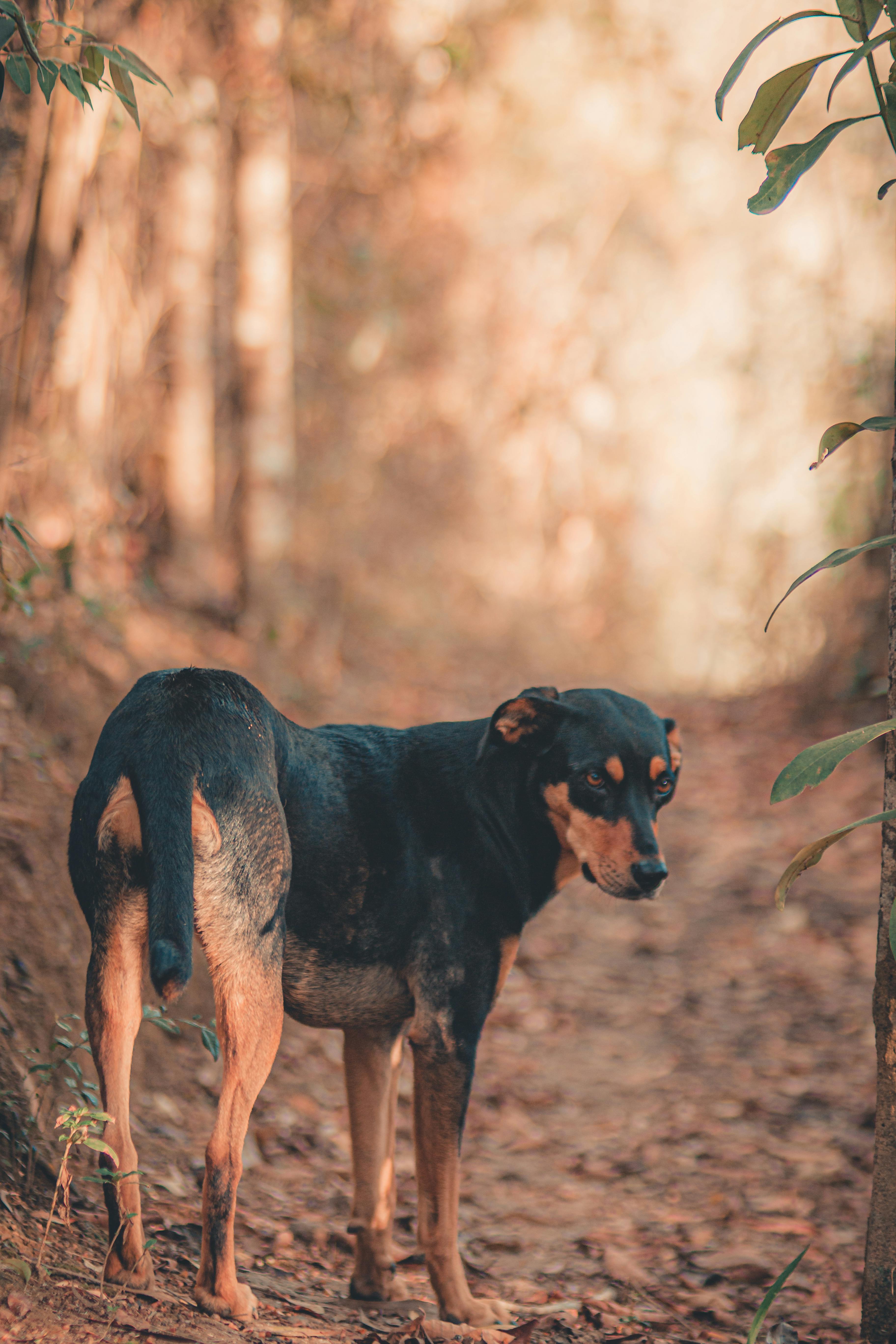 \n\n
\n\nHave you ever wondered why your dog's nose is often wet? There’s a lot more to it than just the fact that they love to sniff everything. In fact, the environment plays a huge role in how moisture levels in your dog’s nose fluctuate. This article explores seven key factors that affect your dog's nose moisture, and dives into the science behind why dogs have wet noses.
\nThe Role of Humidity
\nHumidity is a big factor. When the air is humid, your dog's nose can stay more moist. Dogs have a special gland called the nasal mucosa, and when it’s humid, this gland produces more mucus. This helps your furry friend to pick up scents better. In dry conditions, however, their noses tend to dry out quicker, making it harder for them to smell.
\n- \n
- High Humidity: More moisture, better scent capability. \n
- Low Humidity: Drier nose, reduced ability to smell. \n
Temperature Changes
\nTemperature is another element that influences your dog’s nose. High temperatures can lead to dehydration, which might cause their noses to dry out. On the other hand, when it’s cold, the air can hold less moisture, which can also affect the moisture levels. Dogs regulate their body heat through panting, and a humid environment can help them cool down better.
\n- \n
- Hot Weather: Increased risk of dehydration. \n
- Cold Weather: Less moisture in the air. \n
Physical Activity Level
\nThe amount of physical activity your dog does can also affect their nose moisture. If your dog runs around a lot, they pant more, which can lead to temporary dryness of their nose. When they pant, they lose moisture through their breath. So, after a long game of fetch, don’t be surprised if their nose feels a bit drier.
\n- \n
- Active Dogs: May have drier noses post-exercise. \n
- Resting Dogs: Typically have more moisture. \n
Health and Diet
\nHealth and diet can have a significant impact on your dog's nose. If they’re dehydrated or not eating well, their nose may appear drier. Certain health conditions can also lead to changes in moisture levels. For instance, allergies, infections, or even skin conditions can affect how moist or dry your dog’s nose is.
\n- \n
- Dehydration: Dry nose is a common sign. \n
- Diet: Nutrient-rich foods help maintain moisture. \n
Age Factors
\nJust like humans, dogs age too! Older dogs often have drier noses compared to younger ones. This can be attributed to a decrease in the body's ability to produce moisture. Additionally, older dogs may not be as active, which can further contribute to a drier nose.
\n- \n
- Young Dogs: Generally have moist noses. \n
- Older Dogs: Tend to have drier noses. \n
Breed Characteristics
\nSome dog breeds are naturally predisposed to have wetter noses than others. For example, hounds like Bloodhounds and Beagles often have very moist noses. On the other hand, breeds like Bulldogs might have drier noses due to their facial structure. Understanding your dog’s breed can help you know what’s normal when it comes to nose moisture.
\n- \n
- Moist-Nosed Breeds: Bloodhounds, Beagles. \n
- Drier-Nosed Breeds: Bulldogs, Pugs. \n
Environmental Changes
\nLastly, environmental changes can greatly affect your dog's nose moisture. Moving to a drier climate or spending more time in air-conditioned spaces can lead to drier noses. Seasonal changes also play a role; for example, winter can be particularly tough on a dog's nose due to the cold, dry air.
\n- \n
- Dry Climates: Can cause dryness in noses. \n
- Seasonal Changes: Winter often leads to drier noses. \n
So, why do dogs have wet noses? The moisture on a dog’s nose is not just for looks. It helps them absorb scent particles, which makes their sense of smell sharper. The wetness also helps cool them down in warm weather. The fascinating truth is that a dog’s nose is a vital tool for them, and its moisture plays a crucial role in their ability to interact with the world around them.
\nUnderstanding these factors can help you care for your dog better. If you notice persistent dryness or other changes in your dog’s nose, it might be a good idea to consult with a veterinarian. Keeping an eye on these aspects can ensure your furry friend stays healthy and happy. Always remember that a moist nose is typically a sign of a healthy dog, but not the only indicator.
\n\nThe Connection Between Dog Emotions and Their Wet Noses Explained
\n\n \n\n
\n\nDogs are often considered man's best friend, but have you ever wonder why their noses are always wet? It's a common sight to see a dog with a shiny, damp nose, but the connection between dog emotions and their wet noses is quite fascinating. So, why do dogs have wet noses? Let’s dive into this intriguing aspect of our furry companions and discover the truth behind it.
\nThe Science Behind Wet Noses
\nThe first thing to understand is that a dog’s nose is a incredibly sensitive organ. Dogs have more than 300 million smell receptors in their noses, compared to about 5 million in humans. This makes their sense of smell about 40 times better than ours. Wet noses play a big role in this enhanced sense of smell.
\nWhen a dog’s nose is moist, it helps to capture scent particles from the air. This is important for them to interpret scents better. The moisture on their noses allows them to better absorb these scents, making it easier for them to identify different smells, which is crucial for their survival and communication.
\nWhy Are Dog Noses Wet?
\nNow, let's explore why dog noses are wet in the first place. There are several reasons:
\n- \n
- \n
Cooling Mechanism: Dogs don’t sweat like humans do. Instead, they cool off through their noses and their paw pads. When a dog pants, moisture evaporates from their nose, helping them regulate their body temperature.
\n \n - \n
Sensory Enhancement: As mentioned, the moisture on their noses helps with their sense of smell. It captures scent particles, making it easier for dogs to detect and identify various odors.
\n \n - \n
Health Indicator: A wet nose is often considered a sign of a healthy dog. While it’s not a definitive indicator, a moist nose can mean they are hydrated and not sick. Conversely, a dry, cracked nose might signal a health issue.
\n \n
Emotional Connection and Dog Noses
\nDogs are emotional beings and their noses can reflect their feelings. For instance:
\n- \n
- \n
Excitement: A dog may have a wetter nose when they are excited or happy. The moisture can increase as they pant or move around.
\n \n - \n
Anxiety: When a dog is anxious or stressed, they may also have a wet nose. This can be due to rapid breathing or panting.
\n \n - \n
Relaxation: A dog that is calm may have a less moist nose. The nose may dry slightly when they are resting or when they feel secure.
\n \n
Historical Context of Dog Noses
\nHistorically, dogs have been bred for various roles, which has influenced their nose characteristics. For example:
\n- \n
- \n
Hunting Dogs: Breeds like Bloodhounds and Beagles have been selected for their extraordinary sense of smell. Their wet noses are vital for tracking scents over long distances.
\n \n - \n
Companion Dogs: Breeds that are kept more as pets may not have the same emphasis on scent, but they still retain the wet nose trait, which is essential for their emotional and communicative functions.
\n \n
Fun Facts About Dog Noses
\nHere are some interesting tidbits about dog noses:
\n- \n
- \n
Unique Patterns: Just like human fingerprints, every dog has a unique nose print. This could potentially be used for identification.
\n \n - \n
Temperature Regulation: A dog’s nose can also help regulate their body temperature. When they are hot, the moisture on their nose helps them cool down.
\n \n - \n
Sensitivity to Emotions: Dogs can actually sense human emotions through scent. Their wet noses help them pick up on changes in our body language and chemical signals.
\n \n
Comparison: Dog Noses vs. Human Noses
\nLet’s compare dog noses with human noses to see the differences:
\n| Feature | \nDog Noses | \nHuman Noses | \n
|---|---|---|
| Number of Receptors | \n300 million | \n5 million | \n
| Moisture | \nHelps with scent absorption | \nMostly dry, limited function | \n
| Function | \nCooling, scent detection | \nPrimarily breathing/smell | \n
Practical Examples of Using Dog Noses
\nPet owners can observe their dog’s nose to gauge their emotional state. Here’s how:
\n- \n
- Wet and Cool: Likely happy and healthy. \n
- Dry and Warm: May need more water or could be feeling unwell. \n
- Panting with Wet Nose: Excited or playing vigorously. \n
Understanding the connection between dog emotions and their wet noses can help pet owners ensure their furry friends are healthy and happy.
\nIt’s truly amazing how something as simple as a wet nose can indicate so much about a dog's health and emotions. Next time you pet your furry friend, take a moment to appreciate that unique, wet nose and all the fascinating truths it holds.
\n\nWet Noses and Dog Behavior: What Your Pup's Nose is Telling You
\n\n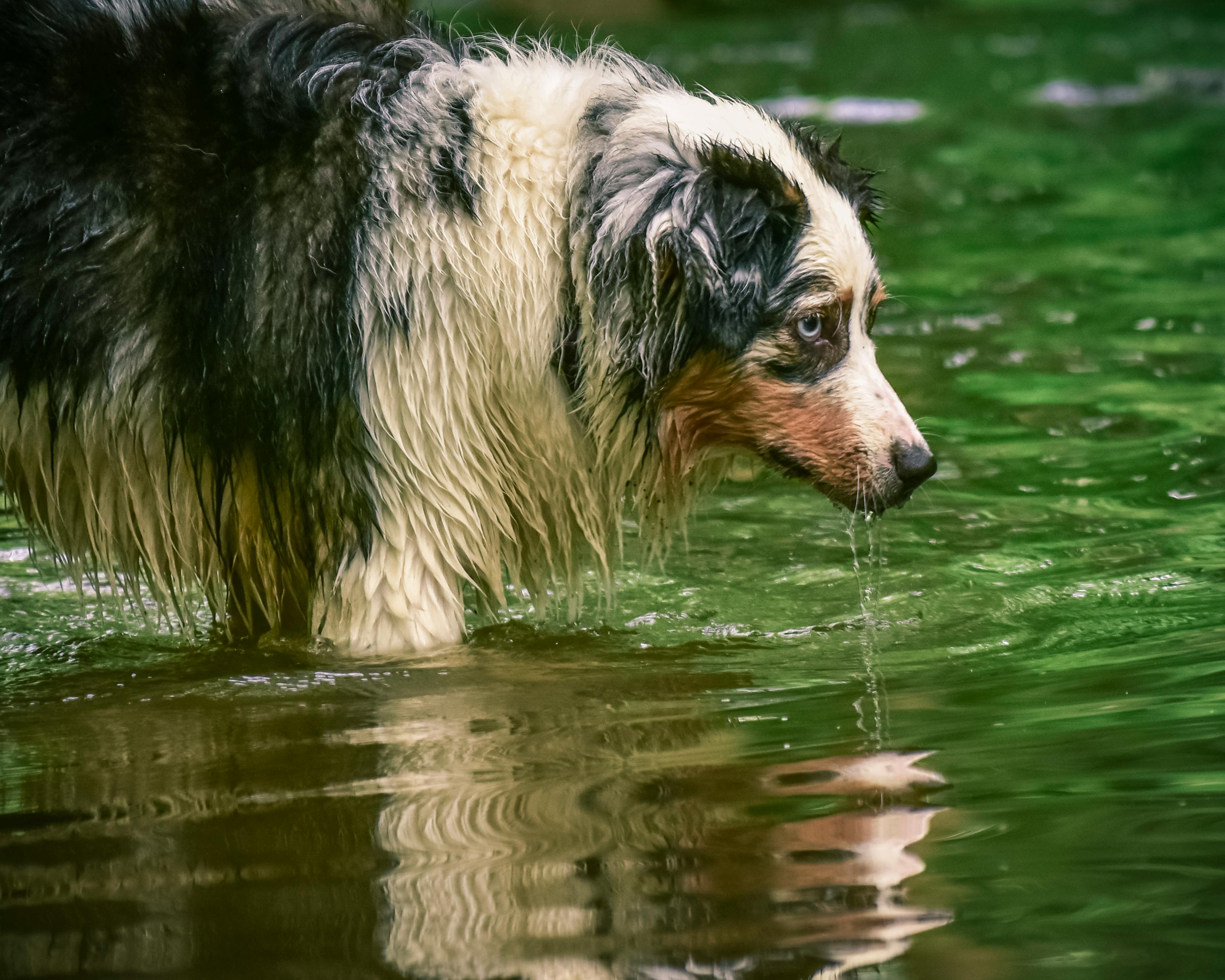 \n\n
\n\nDogs are often called man's best friend, and anyone who has ever owned a dog knows that these furry companions have some pretty unique traits. One of the most interesting features of dogs is their wet noses. You might have wondered, why do dogs have wet noses? What does it mean when their noses are like little sponges? Wet noses are more than just an adorable feature; they tell us a lot about your pup's health and behavior.
\nThe Science Behind Wet Noses
\nDogs have moist noses for several reasons, mainly related to their sense of smell. A wet nose helps to enhance a dog’s ability to smell, which is crucial for their survival and communication. The moisture on a dog’s nose helps to capture scent particles from the air. This is because the wetness allows the scent molecules to stick better, which makes it easier for dogs to identify smells.
\nHere’s a quick look at some fascinating facts about dog noses:
\n- \n
- Scent Detection: Dogs have up to 300 million scent receptors in their noses, compared to a human's 5 million. This makes their sense of smell incredibly acute. \n
- Temperature Regulation: A wet nose can help a dog cool down. Since dogs don’t sweat like humans, they rely on panting and their noses to regulate their body temperature. \n
- Health Indicator: A sudden change in a dog's nose moisture could indicate a health issue. A dry nose may suggest dehydration or illness, while a consistently wet nose is usually a sign of good health. \n
Why Do Dogs Have Wet Noses?
\nSo, why do dogs have wet noses? It all comes down to biology and behavior. Here are some points to consider:
\n- \n
- Enhanced Smell: As mentioned, moisture on the nose helps them pick up scents better. Think of it like putting your finger on a surface to feel for textures. \n
- Communication: Dogs often sniff each other’s noses. A wet nose might signal a friendly demeanor, while a dry nose can indicate stress or discomfort. \n
- Exploration: Dogs use their noses to explore the world. A wet nose means they’ve been actively investigating their surroundings, which is a natural behavior. \n
Common Misconceptions About Dog Noses
\nMany dog owners might think that a warm or dry nose means their pet is sick. This is not always true. Here are some common misconceptions:
\n- \n
- \n
Myth: A warm nose means the dog is sick.
\n- \n
- Truth: A dog’s nose temperature varies. It can be warm after sleeping or playing. \n
\n - \n
Myth: A dry nose always indicates dehydration.
\n- \n
- Truth: Many factors can cause a dry nose, such as weather or simply aging. \n
\n - \n
Myth: Dogs always have wet noses.
\n- \n
- Truth: Some breeds have drier noses due to their specific physiological traits. \n
\n
The Role of Dog Behavior
\nUnderstanding dog behavior is crucial in interpreting what your pup’s wet nose might be telling you. Dogs communicate a lot through their body language and facial expressions, and their noses are a big part of that. Here are some behavioral signs to watch for:
\n- \n
- Excitement: If your dog has a very wet nose and is wagging its tail, it likely means they are excited, perhaps to see you or to go for a walk. \n
- Curiosity: A wet nose combined with sniffing the ground or other objects indicates your dog is exploring its environment. \n
- Relaxation: A wet, cool nose can also be a sign of a relaxed dog. If they are lying down with a wet nose, they are likely content. \n
Practical Tips for Dog Owners
\nTaking care of your dog’s nose is important, as it can be indicative of their overall health. Here are some tips:
\n- \n
- Hydration: Always ensure your dog has access to fresh water, especially during hot weather. \n
- Regular Checkups: Regular vet visits can help catch any potential health issues early on. \n
- Observe Changes: Keep an eye on your dog's nose. If you notice it suddenly becomes dry or cracked, it might be time to consult your veterinarian. \n
Understanding your dog’s wet nose and what it signifies can deepen your bond with your furry friend. It's not just a cute characteristic; it’s a vital aspect of their health and communication. So next time you see your dog’s wet nose, remember that it holds a wealth of information about their well-being and emotions.
\n\nFrom Temperature Regulation to Scent Detection: The Importance of a Wet Nose in Dogs
\n\n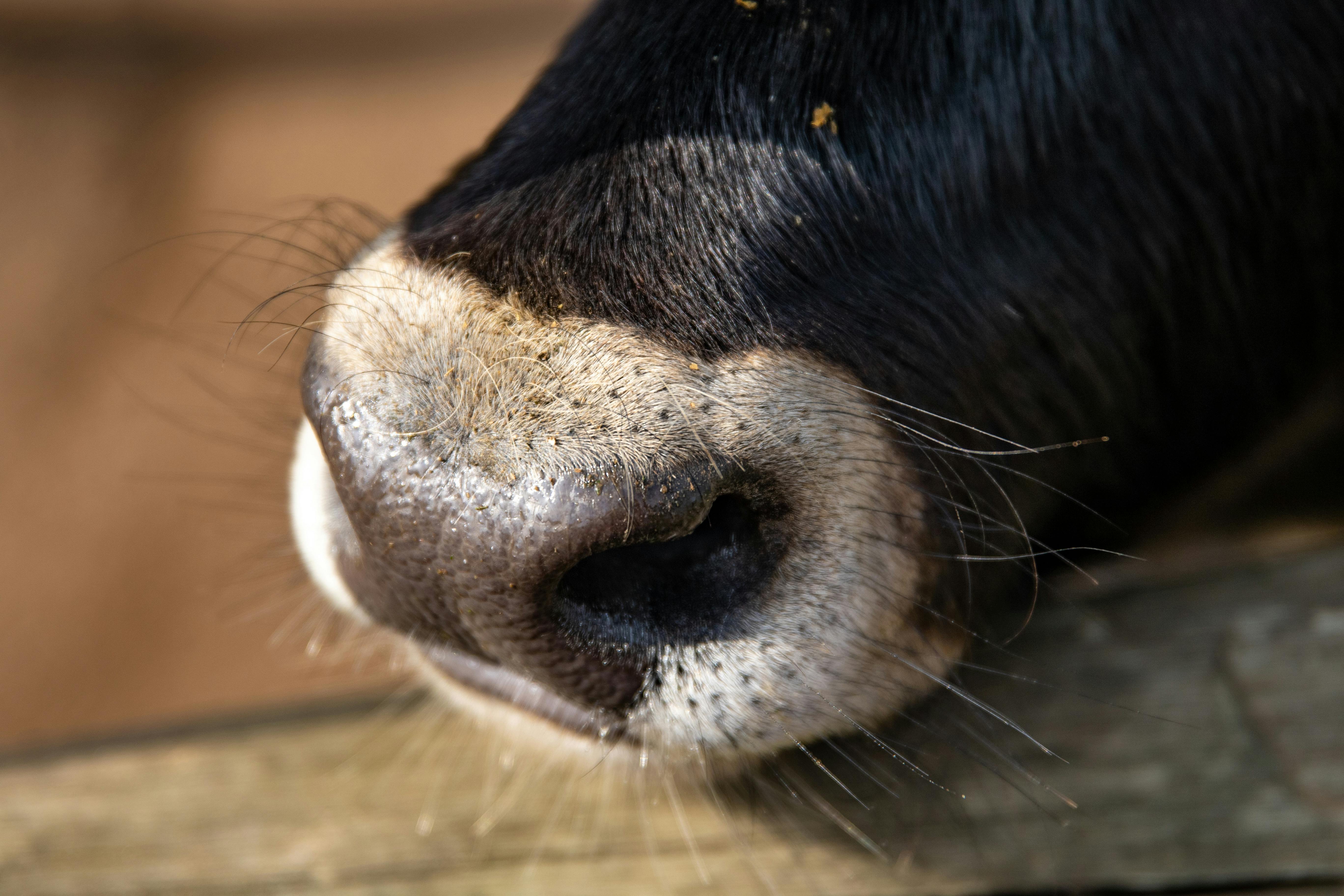 \n\n
\n\nEvery dog owner has noticed their furry friends' wet noses, but why do dogs have wet noses? It's not just for show or a quirk of nature, but there’s actually a fascinating scientific explanation behind it. From temperature regulation to enhanced scent detection, a wet nose serves many important purposes in a dog's life. Let's explore why those adorable snouts are often damp and what that means for our canine companions.
\nThe Science Behind the Wet Nose
\nDogs noses is wet for a variety of reasons, and understanding these can help dog owners appreciate their pets more.
\n- \n
- \n
Scent Detection: Dogs have an extraordinary sense of smell. Wet noses help to capture scent particles more effectively. The moisture on their noses traps these particles, allowing the dog to smell better and distinguish between different scents. This is why dogs are often used in search and rescue missions or even in detecting drugs and explosives.
\n \n - \n
Temperature Regulation: Just like humans sweat, dogs also use their noses to help regulate their body temperature. When dogs pant, moisture evaporates from their tongues and noses, cooling them down. This is particularly important for breeds that may struggle with heat regulation.
\n \n - \n
Sensory Enhancement: A wet nose is more sensitive than a dry one. The moisture allows for better sensory reception, helping dogs to detect pheromones and other chemical signals in their environment. This ability is crucial for communication among dogs and can help them read social cues.
\n \n
Historical Context of Dog Noses
\nThe evolution of dogs and their noses is pretty interesting. The domestic dog, Canis lupus familiaris, evolved from wolves thousands of years ago. Early humans favored dogs with better scenting abilities for hunting. This natural selection led to the development of breeds with incredibly sensitive noses.
\n- \n
- \n
Ancient Use: In ancient times, dogs were used for tracking prey and even for hunting. Their wet noses played a key role in this, as scent detection was vital for survival.
\n \n - \n
Modern Applications: Nowadays, we still see the importance of a dog's nose. Police and military dogs, for instance, are trained to utilize their keen sense of smell, which is enhanced by the wetness of their noses.
\n \n
Comparing Wet Noses to Dry Noses
\nNot all dogs have consistently wet noses. Some might have dry noses at times, and this can raise questions among pet owners. Here’s a comparison of wet versus dry noses:
\n| Characteristic | \nWet Nose | \nDry Nose | \n
|---|---|---|
| Scent Detection | \nEnhanced, captures more scent | \nReduced, less effective | \n
| Temperature Regulation | \nHelps cool the body | \nLess effective | \n
| Health Indicator | \nGenerally healthy | \nCan indicate illness or dehydration | \n
| Moisture Level | \nConstantly moist | \nVariable, can be dry or cracked | \n
Practical Examples and Observations
\nObserving your dog’s nose can give you insight into its health. Here are some practical points about what a dog’s nose condition might indicate:
\n- \n
- \n
Wet and Cool: This is usually a sign of a healthy dog. It means they are well-hydrated and active.
\n \n - \n
Dry and Cracked: If a dog's nose is dry, it might be a symptom of dehydration or illness. It's worth checking with a vet if this condition persists.
\n \n - \n
Temperature Changes: A warm nose is not necessarily a sign of fever, but if a dog has a combination of other symptoms, it might be worth a vet visit.
\n \n - \n
Seasonal Variations: Some dogs might have drier noses in winter due to the dry air. Keeping your dog hydrated can help alleviate this.
\n \n
Fun Facts About Dog Noses
\n- \n
- \n
Did you know that a dog's sense of smell is 10,000 to 100,000 times more sensitive than humans? That’s pretty impressive!
\n \n - \n
Each dog has a unique nose print, much like human fingerprints.
\n \n - \n
Dogs have about 300 million smell receptors, compared to humans, who only have about 5 million.
\n \n - \n
Some breeds, like Bloodhounds, are known for their incredible scent abilities and can follow a scent trail even days after it was laid.
\n \n
Understanding why dogs have wet noses can help dog owners appreciate their furry friends even more. It’s not just a cute feature, but a vital part of their biology that plays a role in keeping them healthy and happy. So, the next time you give your dog a pat and feel that wet nose, remember the fascinating truth behind it!
\n\nConclusion
\n\nIn conclusion, the wet noses of dogs serve several important functions that contribute to their overall health and behavior. The moisture on a dog's nose helps enhance their sense of smell, allowing them to detect scents more effectively, which is vital for their communication and survival. Additionally, a wet nose plays a role in thermoregulation, helping dogs to cool down and maintain their body temperature. While a wet nose is a common sign of a healthy dog, it's also important to monitor changes in moisture levels, as they can indicate underlying health issues. As a dog owner, understanding the significance of your pet's nose can enhance your bond and help you ensure their well-being. Next time you greet your furry friend, take a moment to appreciate that wet nose—it’s a unique feature that plays a crucial role in their incredible sensory world!
\n\n