Have you ever wondered, why do dogs have wet noses? This fascinating question leads us into the intriguing world of canine biology and behavior! Many dog owners often marvel at their furry companions’ moist noses, but few understand the science behind it. Is it just for cooling down? Or does it serve a more crucial purpose in dog health? One thing is certain: a wet nose is more than just an adorable feature; it plays a vital role in how our pets interact with the world. In fact, the wetness of a dog’s nose can provide insights into their emotions and overall health. Curious to know how this affects their sense of smell and even their ability to bond with humans? This blog post will unravel the mysteries of dog noses, revealing why they are essential for communication and survival. From understanding dog behavior to exploring the relationship between nose moisture and health, we’ll dive into the captivating truth behind those adorable snouts. So, are you ready to discover the secrets behind why dogs have wet noses? Let’s embark on this exciting journey together!
The Science Behind a Dog's Wet Nose: What Makes It So Unique?

Have you ever wonder why dogs noses are always wet? It's one of those things that make them unique, isn't it? The science behind a dog's wet nose is not just an interesting fact; it’s actually rooted in biology and evolution. When you see your furry friend with their cool, moist nose, know that there’s more than meets the eye. Let’s dive deep into the fascinating truth of why dogs have wet noses and what makes them so special.
The Biology of a Dog's Nose
A dog's nose is a marvel of nature. It's made up of millions of scent receptors, which is why dogs are often used in search and rescue operations, as well as in sniffing out drugs or detecting diseases. Here’s some quick facts about dog noses:
- Scent Receptors: Dogs have approximately 220 million scent receptors compared to humans, who have about 5 million.
- Moisture: The wetness of a dog’s nose helps to enhance their ability to smell. Wet surfaces can capture scent particles more effectively than dry ones.
- Temperature Regulation: Dogs don’t sweat like humans do. Their noses help regulate their body temperature.
Why Are Dog Noses Wet?
So, why do dogs have wet noses in the first place? It’s not just an aesthetic feature. Here’s a breakdown of the reasons:
Enhanced Smelling Ability: Wet noses help trap scent particles. A moist nose can absorb scents better, allowing dogs to detect smells from far away.
Cooling Mechanism: Dogs rely on their noses to cool down. When a dog’s nose is cool and wet, it can help lower their overall body temperature.
Health Indicator: The moisture level of a dog’s nose can sometimes indicate their health. A dry nose can signal dehydration or illness, while a wet nose is often a sign of a healthy pup.
Communication: Dogs use their noses to communicate with other dogs. A wet nose can be more inviting and friendly, helping them to interact better.
The Evolutionary Perspective
Dogs’ noses have evolved over thousands of years. Early domesticated canines needed to hunt, track, and communicate, so having a wet nose was beneficial for survival. Here are some evolutionary points to consider:
- Hunting: Primitive dogs who had better smelling capabilities likely had better hunting success, which meant more food and a greater chance of survival.
- Social Behavior: Dogs often greet each other with a sniff, and having a wet nose is an indication of a friendly disposition in the canine world.
- Adaptation: The wetness of the nose has adapted over time to help dogs thrive in various environments, whether they are working in fields or living as beloved pets.
Fun Facts and Comparisons
To further understand the unique nature of a dog’s wet nose, let’s look at some interesting comparisons and facts:
| Feature | Dogs | Cats |
|---|---|---|
| Scent Receptors | 220 million | 5 million |
| Nose Moisture | Yes (generally wet) | No (generally dry) |
| Hunting Ability | Excellent | Good, but not as strong |
- Did you know? The breed of dog can also affect the moisture of their nose. For instance, breeds like Bloodhounds are known for their highly moist noses due to their exceptional scent-tracking abilities.
- Dogs and Humans: While humans sweat through their skin, dogs sweat primarily through their paw pads and their noses. This is another reason why their noses stay moist.
Practical Examples to Observe
If you’re a dog owner, you can easily observe your dog’s nose and how it changes throughout the day. Here are some practical examples:
- After a walk: Your dog's nose may be a bit drier due to the heat and exposure.
- After drinking water: You might notice that your dog’s nose becomes wetter. This is normal and shows they are hydrated.
- When anxious or sick: A dog’s nose might become dry or warm, which could be a signal to check their health.
The unique characteristics of a dog’s wet nose not only serve practical purposes but also play a vital role in their overall interactions with the world around them. Understanding the science behind it gives us greater insight into our furry companions and enriches the bond we share with them. So, the next time you give your dog a pat and feel that wet nose, remember the incredible biology and evolution that makes it so special!
5 Surprising Benefits of Your Dog's Moist Nose You Never Knew About
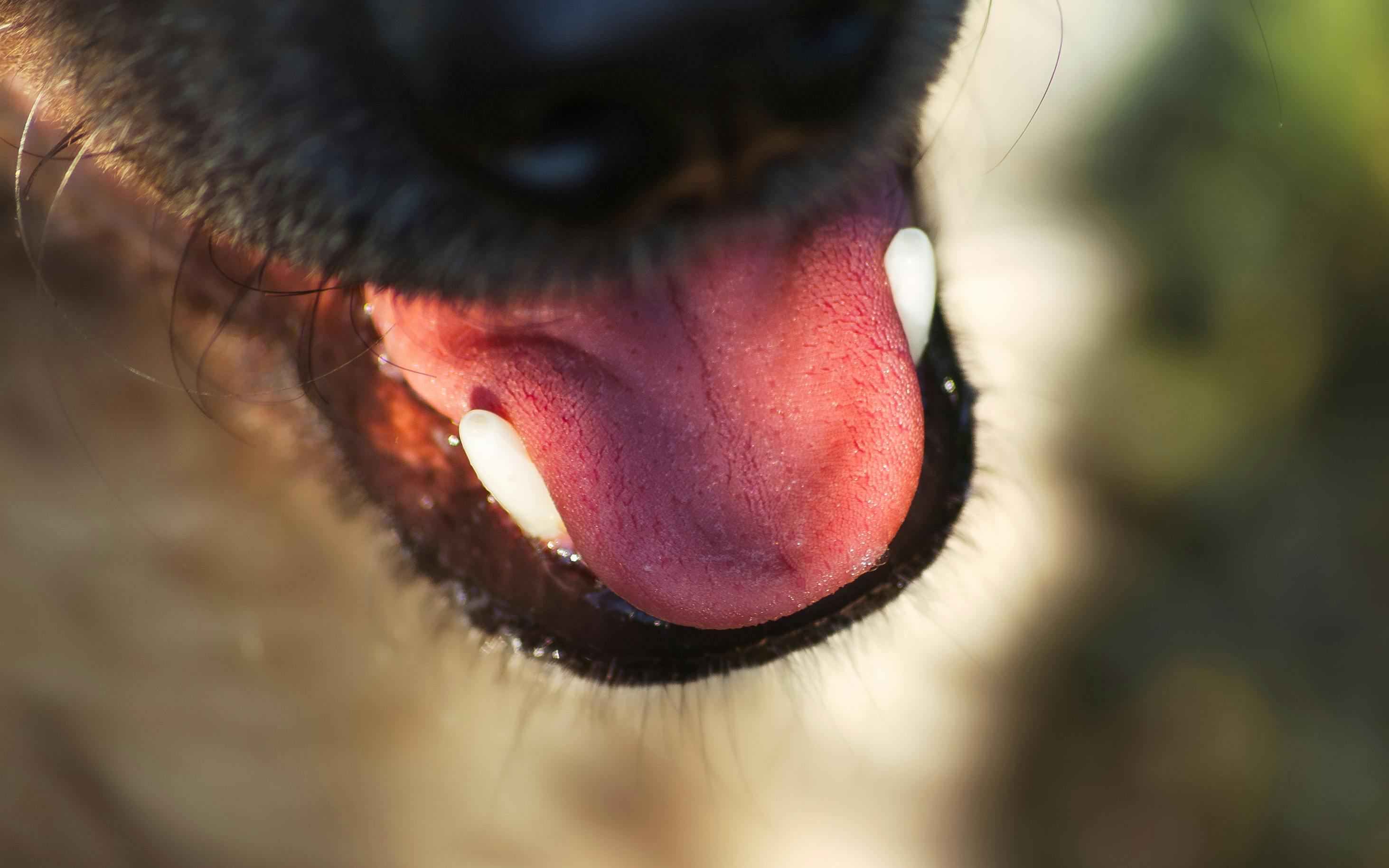
Dogs are some of the most beloved pets in the world, and their wet noses are often a source of curiosity and affection. But did you ever stop to think why do dogs have wet noses, or what benefits those moist noses might offer? You might be surprised to learn that there's more to your furry friend's snout than just adorableness. Let’s explore five surprising benefits of your dog’s moist nose that you probably never knew about.
1. Enhanced Sense of Smell
One of the most fascinating reasons why dogs have wet noses is that it helps them smell better. The moisture on a dog's nose allows scent particles to stick better, which amplifies their ability to detect odors. A dog's sense of smell is estimated to be around 10,000 to 100,000 times more sensitive than humans.
- How it works: The wetness on their nose creates a type of "chemical receptor" that captures scent molecules.
- Comparison with humans: Humans have about 5 million olfactory receptors, while dogs can have up to 300 million!
- Practical example: If your dog is sniffing around the park, they’re not just being nosy; they’re gathering a wealth of information about other animals and their environment.
2. Temperature Regulation
Dogs can’t sweat like humans, so their moist noses play an important role in temperature regulation. When dogs are hot, the moisture on their noses evaporates, helping to cool them down.
- How it helps: The evaporation process draws heat away from their bodies.
- Other cooling methods: Dogs also pant to regulate their body temperature, but the nose moisture is an additional tool.
- Important note: If your dog's nose is excessively dry, it might indicate overheating or dehydration, which should be addressed quickly.
3. Health Indicator
A dog's nose can also be an indicator of their health. While a wet nose is generally considered a sign of a healthy dog, changes in moisture levels can mean different things.
- What to look for: A dry, cracked nose could be a sign of various health issues, from dehydration to allergies.
- Normal variations: The moisture level can change based on climate, activity level, and even time of day.
- Veterinary advice: Always consult your vet if you notice any unusual changes. Regular check-ups can help catch potential health issues early.
4. Emotional Connection
Have you ever noticed how your dog might nuzzle you with their wet nose? This behavior is not just cute; it serves a purpose in strengthening the emotional bond between you and your pet. Dogs often use their noses to greet and comfort their humans.
- Nose nudging: This behavior can be a way of seeking attention, affection, or reassurance.
- Scientific backing: Research suggests that physical contact, including nose nudges, can trigger the release of oxytocin (the love hormone) in both dogs and humans.
- Building trust: A dog that regularly engages in this behavior is likely to feel secure and loved in their environment.
5. Social Interaction
Dogs are social animals, and their wet noses aid in social interactions with other dogs. When dogs meet, they often sniff each other’s noses as a form of greeting.
- Social cues: Sniffing provides information about the other dog’s mood, health, and even their diet.
- Hierarchy and communication: The act of sniffing is part of a complex social structure among dogs, often helping to establish hierarchy and friendships.
- Practical example: If you’ve ever watched your dog at the dog park, you’ve seen firsthand how important these interactions are in their social lives.
To sum it up, dogs’ moist noses are not just a quirky trait; they serve multiple functions that are vital to their health, social interaction, and emotional well-being. Understanding these benefits can deepen your appreciation for your furry companion. So next time you see those wet little noses, remember there's a lot going on beneath the surface, and it’s not just about being cute!
Is a Wet Nose Always a Sign of a Healthy Dog? Debunking Common Myths
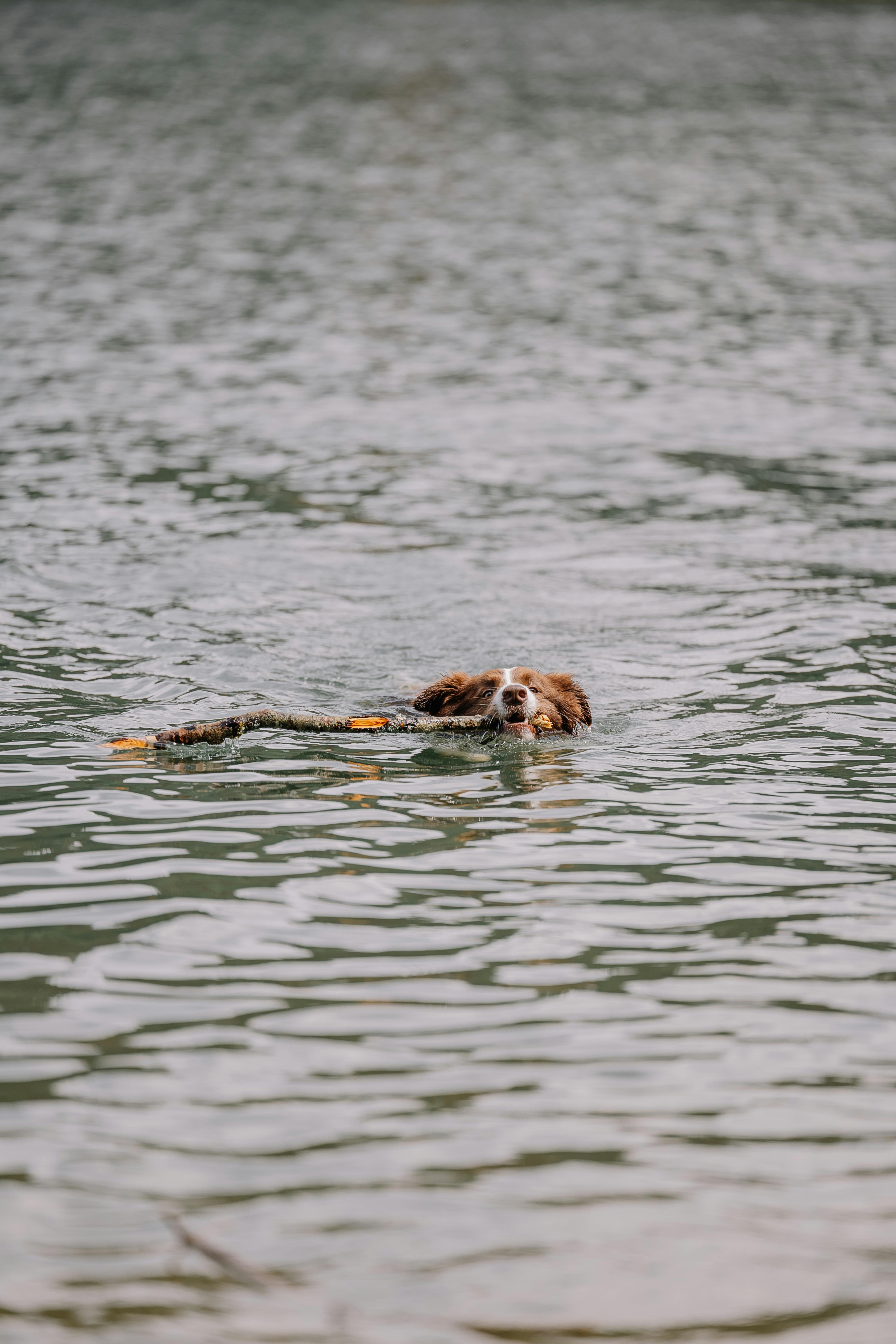
When you think about dogs, what often comes to mind is their playful nature, wagging tails, and yes, their wet noses. But have you ever stop to wonder, is a wet nose always a sign of a healthy dog? Well, let’s dive into this fascinating topic and debunk some common myths along the way.
Why Do Dogs Have Wet Noses?
First, let’s explore the reasons behind those damp noses. A dog’s nose is naturally moist for several reasons:
Scent Enhancement: The moisture on a dog's nose helps to capture scent particles in the air, which improves their sense of smell. It’s like nature’s little way of giving them a sniffing advantage!
Cooling Mechanism: Dogs don’t sweat like humans do. Instead, they cool themselves down through their noses and paw pads. A wet nose can be a sign that your pup is regulating its body temperature.
Health Indicator: While a wet nose can indicate good health, it’s not the only factor to consider. Dogs can have different nose conditions based on breed, environment, and even time of year.
Common Myths About Dog Noses
There are plenty of myths swirling around about dog noses. Let’s bust some of the most popular ones:
Myth 1: A wet nose means a dog is healthy.
- Reality: While a wet nose is often seen as a sign of good health, it doesn’t guarantee it. Dogs can be sick yet still have a moist nose.
Myth 2: A dry nose means a dog is sick.
- Reality: A dry nose can be normal for some dogs, especially in dry weather or after a nap. Other signs of illness should be considered.
Myth 3: All dogs’ noses should be the same temperature.
- Reality: Just like humans, dog nose temperatures can vary. Some may feel warm while others are cool. It’s the overall condition of the dog that matters.
Factors That Affect a Dog’s Nose Moisture
Various factors play into how wet or dry a dog’s nose can be:
Weather Conditions: Hot, dry weather can lead to a drier nose, while humidity often contributes to moisture.
Health Conditions: Illnesses like allergies, infections, or dehydration may affect the nose’s moisture level. Always keep an eye on other symptoms!
Age: Older dogs may have different nose characteristics compared to puppies.
Signs of a Healthy Dog Beyond the Nose
It’s important to remember, a dog’s health is not just about its nose. Here are other signs to check:
Energy Level: Is your dog energetic, playful, and alert?
Appetite: A healthy dog typically has a good appetite and is interested in food.
Coat Condition: A shiny, clean coat can indicate overall good health.
Behavior: Regular bathroom habits and sociability are good indicators too.
When to Consult a Veterinarian
If you notice any concerning symptoms in your dog, like lethargy, loss of appetite, or persistent dry nose, it might be time to consult your vet. Here are some potential signs to watch out for:
- Persistent coughing or sneezing
- Vomiting or diarrhea
- Changes in drinking habits
- Unusual behavior or aggression
Fun Facts About Dog Noses
Did you know that dog noses are as unique as human fingerprints? Here are some more fun facts:
Scent Sensitivity: Dogs can smell about 10,000 to 100,000 times better than humans.
Nose Prints: Just like fingerprints, each dog has a unique nose print that can be used for identification.
Nasal Turbinates: The complex structure inside a dog’s nose helps them to process and analyze scents better.
In conclusion, while a wet nose can be an indicator of a healthy dog, it’s not the only sign to consider. Dogs have wet noses for various reasons, but it’s important to keep an eye on their overall health. Regular check-ups with your veterinarian, along with observing your dog’s behavior and appetite, are essential for ensuring your furry friend stays happy and healthy!
How Do Dogs Use Their Wet Noses to Understand the World Around Them?

Dogs are often seen sniffing around, their wet noses twitching with excitement. But have you ever stopped to wonder why do dogs have wet noses, and how do they use them to explore the world around them? These fascinating creatures have a pretty unique way of experiencing life that goes beyond just their sight and hearing.
The Science Behind the Wet Nose
Firstly, it's important to understand the biology of a dog's nose. A dog's nose is not just wet for no reason; it serves a crucial purpose. The moisture on a dog’s nose helps enhance their sense of smell. When the nose is wet, it can better capture scent particles from the air, making it easier for dogs to identify smells. Here’s how it works:
- Moisture: The wetness helps to trap and absorb scent particles.
- Temperature Regulation: A wet nose helps cool a dog’s body temperature.
- Scent Reception: Specialized cells in the nose are more sensitive when moist, allowing dogs to detect a wider array of smells.
Why Do Dogs Have Wet Noses?
Now, let’s dive into why dogs’ noses are typically wet. It’s not just a quirk of nature; there are several reasons behind this phenomenon:
- Thermoregulation: Dogs can't sweat like humans do. Their noses help with cooling down their body temperature.
- Scent Detection: The wetness increases the surface area for scent molecules to adhere to, which is vital for their incredible olfactory abilities.
- Health Indicator: A wet, cool nose is often a sign of a healthy dog, while a dry, warm nose may indicate illness or dehydration.
How Dogs Use Their Noses
Dogs are known for their incredible sense of smell, estimated to be between 10,000 to 100,000 times more sensitive than humans. This amazing ability allows them to gather information about their surroundings in ways we can't even begin to imagine. Here’s a look at how dogs use their noses:
- Identifying Other Animals: Dogs can tell if another animal has been in an area by smelling the ground or objects.
- Detecting Emotions: They can sense human emotions through pheromones and other scent markers.
- Tracking and Hunting: Many breeds are used in tracking and hunting because of their ability to follow scent trails.
- Finding Food: Dogs can often smell food from miles away.
The Fascination with Dog Noses
It’s not just science that makes dog noses so interesting; there’s also a history to them. Ancient cultures recognized the importance of a dog’s sense of smell. For example, hunting dogs have been used for centuries, and their noses played a pivotal role in tracking game. Today, dogs are employed in various fields, including:
- Search and Rescue: Dogs are trained to locate missing persons in disaster scenarios.
- Medical Detection: Some dogs can detect diseases like cancer or diabetes through smell.
- Law Enforcement: K9 units use dogs to sniff out drugs, explosives, and even money.
Fun Facts About Dog Noses
- Unique Prints: Just like human fingerprints, each dog's nose print is unique.
- Cold vs. Warm Noses: A cold nose doesn’t always mean a healthy dog; it can vary depending on the environment and activity.
- Scent Memory: Dogs can remember scents for a long time, which can help them recognize people and places.
Caring for Your Dog's Nose
To ensure your dog’s nose stays healthy, here are some simple tips:
- Hydration: Make sure your dog has access to fresh water at all times.
- Avoid Irritants: Keep your dog away from strong chemicals or smoke that could dry out their nose.
- Regular Check-Ups: Visit your vet regularly to monitor your dog’s overall health, including their nose.
In summary, the wet nose of a dog is not just an adorable feature; it’s a vital tool for understanding their environment. Dogs use their wet noses to explore the world in ways that we can barely comprehend, relying on their extraordinary sense of smell to gather information. Next time you see a dog sniffing around, remember the fascinating truth behind why do dogs have wet noses and how they use them to make sense of their surroundings. It’s a remarkable aspect of these beloved pets that deserves our admiration and care.
The Role of a Dog’s Wet Nose in Temperature Regulation: What Pet Owners Must Know
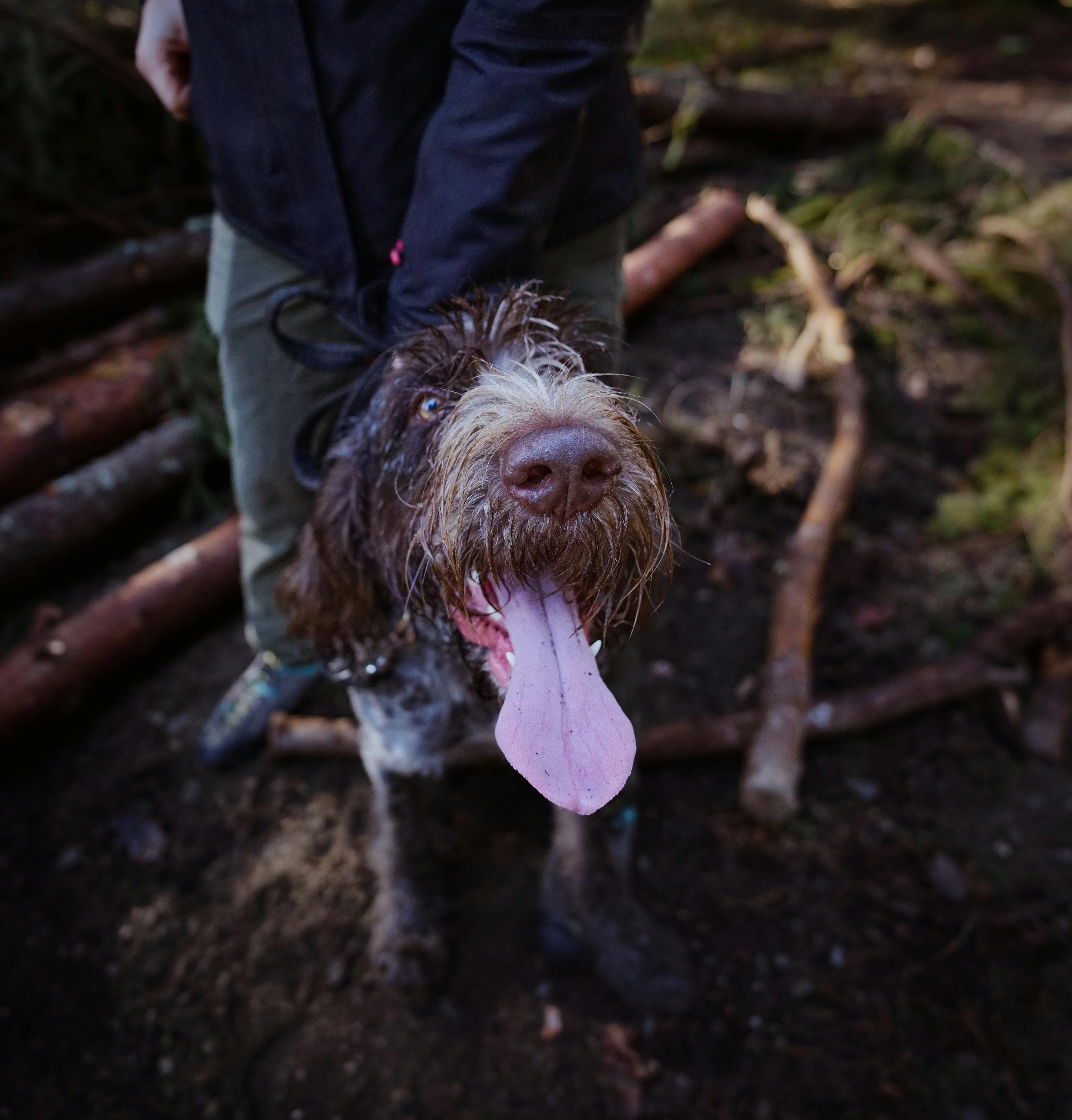
The fascinating world of dogs never cease to amaze pet owners. One of the most intriguing features of dogs is their wet noses. But why do dogs have wet noses, and what role does it play in temperature regulation? Understanding these aspects can be crucial for any pet owner wanting to ensure their furry friends stay healthy and comfortable.
What is the Purpose of a Dog’s Wet Nose?
A dog's wet nose serves several important purposes. Here are a few key points:
Temperature Regulation: Dogs can't sweat like humans do. Instead, they rely on their noses to help cool down. The moisture on their nose evaporates, which helps regulate their body temperature.
Enhanced Sense of Smell: The wetness of a dog’s nose helps to absorb scent particles from the air, making it easier for them to pick up smells. That’s why dogs are known for their incredible sense of smell—wet noses play a huge role in that.
Health Indicator: A dog's nose can give clues about their health. A dry or cracked nose can indicate dehydration or illness, while a wet nose is generally a sign of a healthy dog.
The Science Behind Temperature Regulation
So, how does the wet nose actually help with temperature regulation? It’s about evaporation. When moisture evaporates from the surface of the nose, it cools down the blood vessels beneath. This process helps lower the dog's overall body temperature. Here’s a quick look at how it works:
- Nasal Cooling: The moisture evaporates, cooling the blood vessels.
- Thermoregulation: This helps maintain a stable internal temperature, especially in hot weather.
- Behavioral Response: Dogs may lick their noses or drink more water when they feel overheated, which assists in keeping them cool.
Why Do Dogs Have Wet Noses?
You might wonder, why do dogs have wet noses in the first place? There are several theories:
Evolutionary Advantage: Wet noses may have provided an advantage for hunting ancestors by improving their sense of smell, which was crucial for survival.
Scent Detection: A wet nose is better at trapping scent particles, allowing dogs to detect scents more effectively. This is why they can track scents over great distances.
Communication: Some scientists speculate that wet noses might also play a role in how dogs communicate with each other, as they can pick up pheromones and other chemical signals better when their noses are moist.
Interesting Facts About Dog Noses
Unique Patterns: Just like human fingerprints, each dog's nose print is unique, which can be used for identification.
Dogs Sweat Too: While dogs primarily cool down through panting, they do have sweat glands, but only in their paw pads, not on their noses.
Size Matters: Larger breeds may have wetter noses due to their increased levels of activity, while smaller breeds might have drier noses.
How to Care for Your Dog’s Nose
Maintaining your dog's nose is crucial for their overall health. Here are a few tips pet owners should know:
Hydration: Ensure your dog drinks enough water daily. Dehydration can lead to a dry nose.
Check for Cracks: If you notice cracks or dryness on your dog's nose, consult a vet. It could indicate a health issue.
Protect From the Sun: Like humans, dogs can get sunburned. Use pet-safe sunscreen on their noses if they spend a lot of time outdoors.
Observe Changes: Pay attention to any significant changes in your dog's nose texture or temperature. These could be signs of potential health problems.
Common Myths About Dog Noses
There are also several myths surrounding dog noses that need debunking:
Wet Nose Equals Healthy Dog: While a wet nose is often a sign of health, it isn’t a definitive indicator. Dogs can be sick even with a wet nose.
Cold Nose Means Sick: A cold nose does not necessarily mean a dog is sick; dogs can have varying temperatures based on activity and environment.
All Dogs Have Wet Noses: Puppies may have drier noses initially, and not all dogs will have the same level of moisture due to breed differences.
Dog owners should be aware of these fascinating aspects of their pets’ anatomy. Being informed about why dogs have wet noses and their role in temperature regulation can help pet owners provide better care for their four-legged friends. Understanding your dog's needs and behaviors can lead to a healthier and happier life for both you and your pet.
Why Do Dogs Have Wet Noses? Unveiling the Evolutionary Advantage
Dogs are some of the most beloved pets around the world, and their unique traits often spark curiosity. One of the most interesting features of dogs is their wet noses. Why do dogs have wet noses? This question leads us into an exploration of both the evolutionary advantages of this characteristic and the biology behind it. Let’s dive into the fascinating world of our canine companions!
The Science Behind Wet Noses
The primary reason dogs have wet noses is due to their need for enhanced smell. Dogs are known for their extraordinary sense of smell, which is up to 100,000 times more sensitive than that of humans. The wetness of a dog’s nose plays a crucial role in this heightened olfactory ability. Here’s how it works:
- Moisture Helps Capture Scent Particles: A wet nose can trap scent particles better than a dry one. When a dog sniffs around, the moisture helps to absorb odor molecules, making it easier for their scent receptors to pick up the smells.
- Temperature Regulation: Dogs do not sweat in the same way humans do. Instead, they cool down through their noses. A wet nose can help regulate their body temperature, especially during hot weather.
- Health Indicator: The condition of a dog’s nose can indicate their health. A wet, cool nose generally suggests that a dog is healthy, while a dry or cracked nose might signal a potential health issue.
Evolutionary Perspective
From an evolutionary standpoint, dogs have developed wet noses over thousands of years. Their ancestors relied heavily on smell for hunting and survival. A wet nose would have given them an advantage in tracking prey, which was vital for their survival. Here are some key points about the evolution of dog noses:
- Hunting Traits: Early dogs that had wetter noses likely had better hunting success, thus passing on this trait to their offspring.
- Social Interactions: Smell is also crucial in canine social interactions. A wet nose can help dogs communicate through scent with each other, marking territory, or identifying members of their pack.
- Breeds Variation: Different breeds have different nose shapes and sizes, which can affect how wet they stay. Some breeds, like Bulldogs, may have shorter snouts, which can influence their scenting capabilities.
Comparisons with Other Animals
When we look at other animals, we see that many have wet noses too. However, the reasons can vary. Let’s compare the wet noses of dogs with those of other creatures:
| Animal | Purpose of Wet Nose | Unique Traits |
|---|---|---|
| Dogs | Enhanced smell, temperature regulation | Highly sensitive olfactory receptors |
| Cats | Scent capture, temperature control | Pheromone detection for social behaviors |
| Pigs | Foraging and rooting in the ground | Excellent sense of smell for food |
| Seals | Navigating in water, sensing surroundings | Adapted to aquatic living |
Practical Examples of Nose Functionality
Dogs use their noses not just for smelling but also for understanding their environment. Here are some practical examples of how dogs utilize their wet noses:
- Tracking: Search and rescue dogs use their noses to locate missing persons. Their wet noses help absorb scent particles over large distances.
- Detection: Many dogs are trained to detect drugs or explosives. Their ability to smell is enhanced by the moisture on their noses, allowing for quicker identification.
- Emotional Sensing: Dogs can detect changes in human emotions through scent. They can smell stress hormones, which explains why many service dogs are trained to assist individuals with anxiety or PTSD.
Common Myths About Dog Noses
There are several myths surrounding the wet noses of dogs. Here are some common misconceptions:
Myth 1: A warm, dry nose means a dog is sick.
- Reality: Dogs’ noses can vary in temperature for many reasons. Humidity, activity level, and even the time of day can affect nose temperature.
Myth 2: All dogs have equally wet noses.
- Reality: Some breeds naturally have drier noses. Factors like genetics and health can influence the moisture level.
Myth 3: Dogs lick their noses to keep them wet.
- Reality: While licking does help, their noses naturally secrete moisture to maintain their wetness.
Dogs’ wet noses are more than just an adorable feature; they serve important functional purposes that enhance their survival and interaction with the world. Understanding this unique aspect of canine biology not only deepens our appreciation for these loyal companions but also highlights the intricate connection between evolution and physiology. So, the next time you see a dog with a wet nose, remember the fascinating reasons behind it!
Can a Dog's Nose Tell You About Their Health? Key Signs to Watch For

Have you ever noticed your dog's wet nose and wonder if it tells you something about their health? Many pet owners have asked: "Can a dog's nose tell you about their health?" It's a fascinating question that leads to some interesting insights. In this piece, we will explore the signs to watch for regarding your furry friend's nose, why dogs have wet noses, and the fascinating truth behind it all.
Can a Dog's Nose Indicate Health Issues?
A dog's nose is often thought to be a reliable gauge of their health, and while it's not the only indicator, it can provide some clues. Here are some key signs to watch for:
Temperature Changes: If your dog's nose feels hot and dry, it might suggest they have a fever or illness. However, a warm nose doesn’t always mean your dog is sick.
Nasal Discharge: Clear discharge can be normal, but if it turns thick and colored, it could indicate an infection or allergies.
Cracking and Dryness: A nose that is excessively dry and cracked may signal dehydration or a skin condition that needs attention.
Behavioral Changes: If your dog is acting differently, like being less active or not eating, it might not just be the nose that's a concern.
Why Do Dogs Have Wet Noses?
So, why do dogs have wet noses anyway? A dog's nose is naturally moist for several reasons:
Enhanced Smell: The moisture helps to capture scent particles in the air, making their sense of smell even better. Dogs have an incredible sense of smell, and their wet noses play a role in this.
Cooling Mechanism: Just like humans sweat, dogs can regulate their body temperature through their nose. When their nose is wet, it helps cool them down.
Health Indicator: A wet nose can often mean that a dog is well-hydrated and healthy. However, it's essential to recognize that a dry nose doesn't always mean a dog is sick.
Fascinating Facts About Dogs' Noses
Dogs have some unique features that make their noses extraordinary. Here are a few interesting facts:
Unique Prints: Just like human fingerprints, each dog has a unique nose print that can be used for identification.
Sensitive to Temperature: Dogs can detect temperature changes more accurately than humans, thanks in part to their moist noses.
Nose Color Changes: A dog's nose color can change with the seasons or health conditions. For instance, some dogs experience a "winter nose" where their nose becomes lighter in color during colder months.
Signs of Health Issues Related to Nose Changes
If you notice changes in your dog's nose, here are some potential health issues to consider:
Dry and Cracked Nose: This could indicate dehydration, allergies, or even certain skin conditions.
Nasal Discharge: Green or yellow discharge might signal an infection, while clear discharge could be due to allergies.
Bleeding from the Nose: This is more serious and could indicate a variety of issues, from trauma to more severe health concerns.
Persistent Changes: If your dog's nose appears different for a prolonged period, it's always best to consult with a veterinarian.
Practical Examples of Nose-Related Health Checks
You can keep an eye on your dog's nose health by doing simple checks. Here’s how:
Daily Observation: Make it a habit to check your dog’s nose every day. Note any changes in temperature, moisture, or color.
Monitor Behavior: Pay attention to how your dog is acting. If they are lethargic or not eating, this could be a sign to look closer at their nose and overall health.
Hydration Check: Ensure your dog has access to fresh water at all times. A hydrated dog usually has a healthy, moist nose.
Vet Visits: Regular check-ups with your veterinarian can help spot issues before they become serious.
In summary, while a dog’s nose can provide some clues about their health, it's not the only factor to consider. Keeping an eye on your dog's nose along with their behavior and overall health is essential. Understanding why dogs have wet noses can help you appreciate this fascinating aspect of your furry friend. Remember to consult your vet if you have concerns about your dog's health.
The Fascinating Connection Between Your Dog's Nose and Their Emotions

Dogs are more than just our furry companions; they are emotional beings with complex ways of expressing their feelings. One of the most intriguing aspects of a dog is its nose. Why do dogs have wet noses? This question leads us down a fascinating path exploring the connection between a dog’s snout and their emotions. Believe it or not, a wet nose isn’t just a quirky feature — it’s a vital part of how dogs interact with the world around them.
The Science Behind Wet Noses
Dogs have moist noses for several reasons, and it’s not just about looking cute. The wetness of a dog’s nose helps with their sense of smell, which is way more powerful than humans. Here’s some interesting facts about why dogs have wet noses:
- Enhanced Scent Detection: A wet nose captures scent particles more effectively. When a dog's nose is moist, it helps to absorb these particles, allowing them to identify scents better.
- Temperature Regulation: Dogs don’t sweat like humans do. Instead, their noses help keep them cool by evaporating moisture, which can help regulate their body temperature.
- Emotional Indicator: The state of a dog’s nose can also indicate their emotional health. A dry nose might mean your pup is feeling unwell or stressed.
Historical Context of Dogs' Noses
Dogs have been our companions for thousands of years. Historically, people noticed the differences in dogs’ noses and their behavior. Ancient societies often associated a wet nose with a happy and healthy dog. They believed that a wet nose indicated vitality. This was even reflected in various cultures, where dogs were seen as symbols of loyalty and companionship.
Emotional Connection: What Does a Wet Nose Mean?
A wet nose can signify a variety of emotions in dogs. Here’s a breakdown:
- Happy and Playful: When your dog’s nose is moist and cool, they are often content. It’s a good indicator that they’re in a playful mood.
- Curious and Engaged: If your dog’s nose is wet after sniffing around, they’re probably excited and curious about their environment.
- Stressed or Anxious: A dry, warm nose can signal stress or anxiety. If your dog is panting and their nose feels warm, they might need some comfort.
Practical Examples of Nose Behavior
Understanding how a dog communicates with its nose can be helpful for all pet owners. Here are some scenarios you might notice:
- Nose to the Ground: When a dog is sniffing intensely, it’s processing a lot of information. This is usually a sign of curiosity or excitement.
- Nudging with Their Nose: If your dog nudges you with their nose, they could be seeking attention, food, or comfort. It’s a way of saying, “Hey, I need something!”
- Licking Their Nose: A dog might lick its nose when feeling anxious or unsure. It’s their way of self-soothing.
Quick Comparison: Dog Nose vs. Human Nose
| Feature | Dog Nose | Human Nose |
|---|---|---|
| Moisture Level | Typically wet | Usually dry |
| Scent Detection | Highly developed | Limited compared to dogs |
| Temperature Regulation | Helps cool down | Sweating is primary method |
| Emotional Indicator | Reflects health and mood | Less direct in expression |
Fun Facts About Dog Noses
- Unique Prints: Just like human fingerprints, every dog has a unique nose print. It can be used to identify them!
- Scent Memory: Dogs have a scent memory that can last for years. They can remember smells and associate them with memories.
- Nasal Anatomy: A dog’s nose has two air passages. One is for breathing, and the other is for smelling, making their snouts incredibly efficient.
Conclusion
The connection between a dog’s nose and their emotions is indeed fascinating. The wetness of their noses serves multiple purposes, from better scent detection to emotional indicators. Understanding these aspects can enhance the bond you share with your furry friend. So, next time you pet your dog and feel that wet nose, remember, it’s not just a cute feature — it’s a window into their emotional world. Your dog’s nose is telling you a story, so pay attention!
7 Reasons Why Your Dog's Nose Is Wet: Exploring the Facts and Fiction

Have you ever wondered why your dog’s nose is wet? It’s a common sight that raises many questions among pet owners. There’s a mix of facts and myths surrounding this topic, and knowing the reality can help you understand your furry friend better. Here are 7 reasons why your dog’s nose is wet and what it means for their health and behavior.
1. Natural Cooling Mechanism
Dogs don't sweat like humans. Instead, they regulate their body temperature through their noses. A wet nose helps cool them down, like how sweat works for us. When a dog's nose is damp, it's usually because they’ve been licking it or it’s simply the moisture in the air. This natural cooling system is vital, especially on hot days or after exercise.
2. Sense of Smell
Did you know that a dog’s sense of smell is far superior to ours? A wet nose enhances their olfactory abilities. The moisture helps capture scent particles from the air. So, when your dog sniffs around, they’re actually absorbing more smells, which is essential for their understanding of the world. It’s like having a built-in superpower!
3. Communication Tool
Dogs use their noses for communication, too. A wet nose can signify excitement or curiosity. When dogs meet each other, they often sniff each other’s noses. This behavior can reveal a lot about their mood and intentions. Think about it: if your dog approaches another with a wet nose, it’s likely trying to say “hello” in the best way they know how.
4. Health Indicator
The moisture level of a dog's nose can also indicate their health. A cold, wet nose is typically a sign of a healthy dog. However, if a nose becomes excessively dry or cracked, it could be a sign of dehydration or illness. Keep an eye on your pup’s nose. Changes in texture or moisture can signal that a trip to the vet might be necessary.
5. Environmental Factors
Humidity and temperature play a huge role in how wet your dog’s nose is. In humid conditions, noses tend to stay wetter, while in dry environments, they might dry out. Also, after a walk in the rain or snow, you’ll likely notice your dog’s nose is extra wet. It’s all about those environmental influences!
6. Licking Habit
Dogs have a habit of licking their noses, and this is another reason why they stay moist. They do this to clean themselves and to stimulate their sense of smell. You might see your dog licking its nose often, especially after eating or drinking. This behavior is normal and helps maintain their sense of smell.
7. Breed Differences
Not all dogs have the same nose moisture. Some breeds naturally have wetter noses, while others may have drier noses. For example, breeds like Labrador Retrievers tend to have moist noses more frequently than breeds like Bulldogs. Understanding your dog’s breed can help you gauge what’s normal for them.
Quick Facts about Dog Noses
- Olfactory Receptors: Dogs have about 300 million olfactory receptors, compared to about 6 million in humans.
- Temperature Regulation: Dogs sweat through their paw pads, but their noses are crucial for thermoregulation.
- Health Check: A healthy dog’s nose should be cool and moist, but not excessively wet.
Common Myths About Dog Noses
Myth: A dry nose means a dog is sick.
Fact: A dog's nose can be dry for many reasons, including sleep or environmental factors. It’s not always a sign of illness.
Myth: Dogs' noses are always wet because they are sick.
Fact: A wet nose is often just a normal characteristic of a healthy dog.
Myth: Dogs can’t smell if their nose is dry.
Fact: Dogs can still smell effectively, even with a dry nose.
Understanding why dogs have wet noses can help you become a more informed pet owner. It’s a mix of biology, behavior, and environmental factors that contribute to that delightful wetness. So next time you see your dog with a damp nose, you’ll know it’s not just a cute feature, but a fascinating aspect of their health and nature. Your furry friend’s nose is much more than just a nose; it's a tool for communication, exploration, and health!
How to Care for Your Dog’s Nose: Tips for Maintaining Their Health and Hydration

Dogs, those lovable companions, often have wet noses, but why? It's not just for show. Understanding how to care for your dog’s nose and keeping it healthy is important for their overall well-being. This article dives into the reasons behind those damp noses and offers tips on maintaining your furry friend's nose health and hydration.
Why Do Dogs Have Wet Noses?
Wet noses in dogs are pretty fascinating. Many people say that a dog’s nose feels cool to the touch, and it’s not just a random characteristic. Here's the scoop:
- Temperature Regulation: A wet nose helps dogs cool down, kinda like how sweating works in humans. When dogs pant, moisture evaporates from their noses, helping regulate body temperature.
- Enhanced Smell: The moisture on a dog's nose helps to capture scent particles, making it easier for them to smell. This is why dogs are such great sniffers! They can detect certain scents up to 100,000 times better than humans.
- Health Indicator: A wet nose can often be a sign of good health in dogs. If a dog's nose is dry, it might suggest dehydration or illness, but not always.
How to Care for Your Dog’s Nose
Keeping your dog's nose healthy and hydrated is crucial, yet it's often overlooked. Here are some simple tips you can follow:
- Regular Hydration: Make sure your dog drinks plenty of water. Dehydration can lead to a dry nose and other health issues. Keep fresh water available throughout the day.
- Moisturize When Needed: In dry weather or if your dog is prone to dry noses, consider using a dog-safe nose balm. This can help keep their nose from cracking or becoming sore.
- Check for Irritants: Be mindful of chemicals in cleaning products, and avoid exposing your dog’s nose to strong fumes or allergens. Always use pet-friendly products.
- Routine Vet Check-ups: Regular veterinary visits are essential. Your vet can assess your dog’s overall health, including their nose condition, and catch any potential issues early.
Signs of a Healthy vs. Unhealthy Nose
Knowing the signs of a healthy nose compared to an unhealthy one is key. Here’s a quick comparison:
Healthy Nose:
- Moist and cool to the touch
- No cracks or sores
- Normal pigmentation, matching the rest of their skin
Unhealthy Nose:
- Dry and warm to the touch
- Cracked or bleeding
- Discolored or has unusual discharge
A Closer Look at Nose-Related Issues
Sometimes, dogs can have nose problems that need attention. Here’s a list of common issues and symptoms:
- Nasal Dermatitis: This can cause crustiness and irritation. Look for redness or swelling.
- Nasal Tumors: Though rare, they can occur. Symptoms include persistent discharge or bleeding from the nose.
- Fungal Infections: These often lead to lesions or abnormal growths on the nose.
Fun Facts About Dog Noses
Did you know that a dog's nose print is as unique as a human fingerprint? Here’s some more interesting stuff about dog noses:
- Dogs have about 220 million scent receptors, while humans only have around 5 million!
- The shape and size of a dog's nose can affect their sense of smell. Breeds like Bloodhounds have long noses that enhance their olfactory abilities.
- Some breeds, like Bulldogs, have shorter noses, which can limit their ability to cool off effectively.
Tips for Keeping Your Dog’s Nose Healthy
- Avoid Excessive Sun Exposure: Just like humans, dogs can get sunburned, especially those with light-colored noses. Apply a dog-safe sunscreen during hot days.
- Watch for Cracking: If your dog’s nose is getting dry and cracked, it could be a sign of something that needs your attention.
- Use Natural Remedies: Some pet owners find that coconut oil or shea butter can be effective for moisturizing.
Maintaining your dog's nose health and hydration is essential for their well-being. By understanding why dogs have wet noses and how to care for them, you can help ensure your furry friend stays happy and healthy. Regular hydration, a good diet, and attention to their nose condition can make a big difference. Remember, a happy nose often means a happy dog!
Conclusion
In summary, the wet noses of dogs serve several crucial functions that contribute to their overall health and well-being. The moisture on a dog’s nose helps enhance their sense of smell, allowing them to detect scents more efficiently, which is vital for their communication and interaction with the world around them. Additionally, a wet nose plays a role in thermoregulation, helping to keep dogs cool while they engage in various activities. While the common belief that a wet nose indicates a healthy dog holds some truth, it’s important to remember that other factors should also be monitored for a pet's well-being. Ultimately, understanding the science behind your dog's wet nose can deepen your bond and enhance your care for them. Next time you give your furry friend a pat, take a moment to appreciate the unique features that make them special, and ensure their health with regular check-ups and love.