Have you ever wondered, why do dogs have wet noses? This intriguing question might have crossed your mind during those affectionate moments with your furry friend. Wet noses are not just a cute feature; they play a significant role in a dog's health and communication. The surprising truth behind this unique trait is both fascinating and informative! Many dog owners might ask, does a wet nose mean a dog is healthy? And if so, what does this tell us about their overall well-being? In this article, we will delve into the science behind why dogs’ noses are moist and how it relates to their extraordinary sense of smell. You’ll discover the interesting reasons for this phenomenon, including how it helps dogs regulate their body temperature and enhances their ability to detect scents. Plus, we’ll discuss common misconceptions related to wet noses and what they truly signify about your pet’s health. So, if you’re curious about the mysteries of dog physiology, read on and uncover the secrets behind those adorable, wet noses that are more than just a charming trait!
The Science Behind Dog Noses: Why Are They Often Wet and Cool?

Have you ever wondered why your dog’s nose is often wet and cool? It’s one of those little quirks that makes our furry friends even more lovable, but there’s actually a lot of science behind it. Understanding why do dogs have wet noses can help dog owners appreciate their pets even more. Plus, it’s fascinating how these little details play a big role in a dog's health and behavior. So let’s dive deep into this nosey subject!
The Anatomy of a Dog's Nose
A dog’s nose is not just an ordinary nose. It is a complex structure designed for one primary purpose: to smell. Here’s some key points about dog noses:
- Olfactory Receptors: Dogs have up to 300 million olfactory receptors, compared to humans who have only about 5 million. This means they can detect scents at incredibly low concentrations.
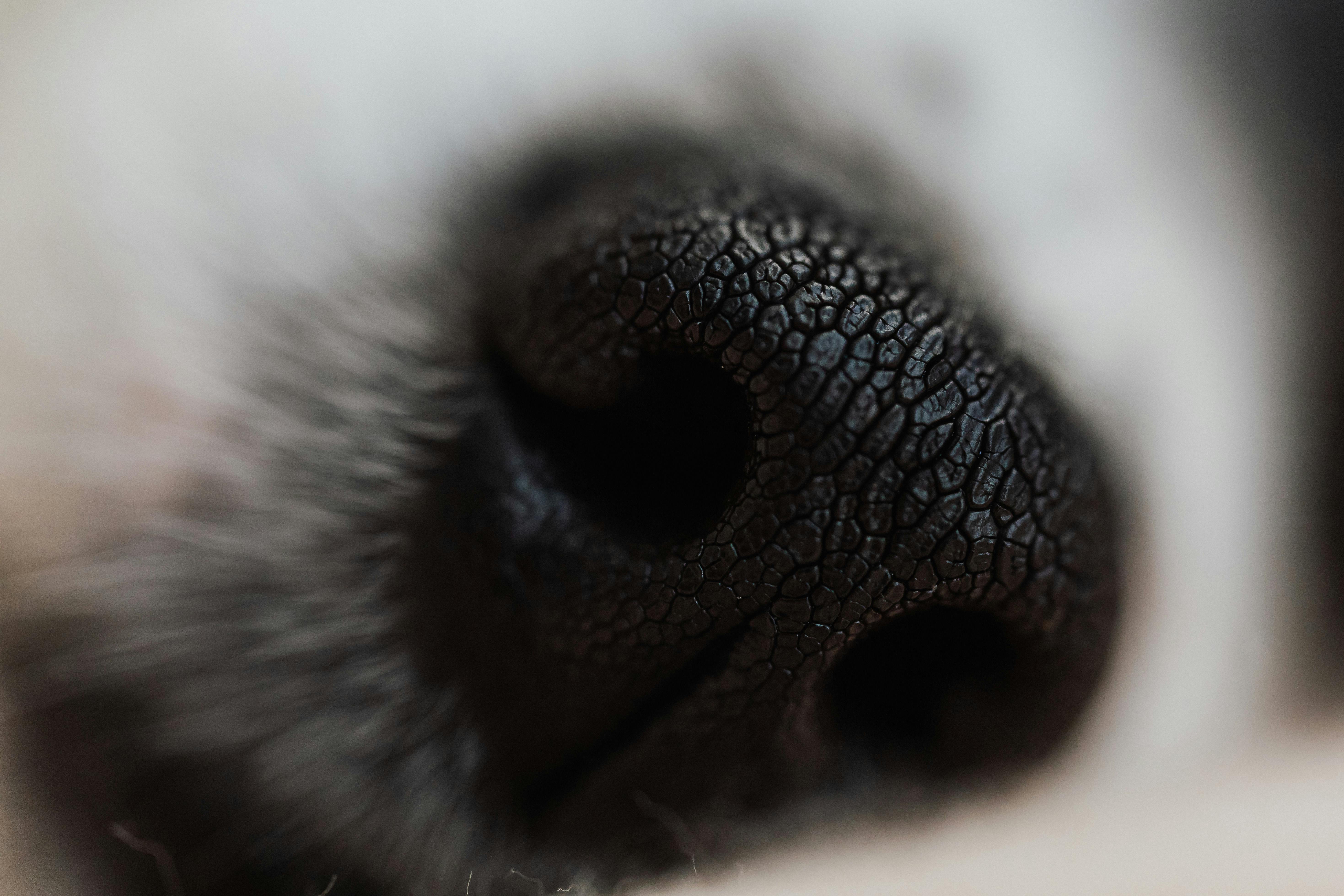
- Moisture: The wetness of a dog’s nose helps to capture scent particles in the air, enhancing their sense of smell. It acts like a sponge that absorbs odors.
- Temperature Regulation: Dogs do not sweat like humans do. Instead, they use their noses to help regulate their body temperature. A cool nose can indicate a well-functioning system.
Why Are Dog Noses Wet?
So, why do dogs have wet noses? The answer is a mix of biology and functionality. Here are some reasons:
- Enhanced Smelling Ability: The moisture on a dog’s nose helps to dissolve scent particles, making it easier for them to pick up a wide range of smells.
- Cooling Mechanism: When dogs are hot, their noses tend to feel cooler. This helps them regulate their body temperature in a way similar to sweating.
- Health Indicator: A wet nose is generally a sign of a healthy dog. If a dog’s nose is dry and warm, it might indicate they are sick or dehydrated.
The Surprising Truth About Dog Noses
It's surprising how much can be understood about a dog just by examining their noses. Here are some interesting facts you might not know:
- Nose Prints Are Unique: Just like human fingerprints, every dog has a unique nose print. This could theoretically be used for identification.
- Color Differences: The color of a dog’s nose can vary based on breed and genetics. Some noses are black, while others may be pink or spotted.
- Age-Related Changes: As dogs age, their noses might become drier. This can be normal, but it is always good to monitor changes.
Comparing Dog Noses with Human Noses
Let’s take a moment to compare dog noses with human noses. Here’s a simple table to illustrate the differences:
| Aspect | Dog Nose | Human Nose |
|---|---|---|
| Number of Receptors | 300 million | 5 million |
| Function | Primary sense of smell | Primarily for breathing |
| Wetness | Generally wet | Usually dry |
| Temperature | Can cool to regulate heat | Maintains consistent temp |
Practical Examples of Nose Functionality
Have you ever seen a dog sniffing around the park or following a trail? Their wet noses help them in these activities. Here are some practical examples of how a dog’s nose works:
- Tracking: Dogs can follow scents left behind by animals or people, thanks to their keen sense of smell.
- Detecting Illness: Some trained dogs can detect diseases like cancer or diabetes in humans through scent.
- Finding Food: Dogs use their noses to locate food, whether it's a treat hidden in the house or something they find outside.
Health and Care for Your Dog's Nose
Taking care of your dog’s nose is important. Here are some tips for maintaining healthy noses:
- Hydration: Ensure your dog is drinking enough water to keep their nose moist.
- Avoid Irritants: Keep your dog away from smoke and strong chemicals that can dry out their nose.
- Regular Check-Ups: Monitor your dog’s nose for any unusual changes and consult a vet if you notice anything concerning.
Understanding why do dogs have wet noses is more than just a curious fact; it’s a glimpse into the incredible biology of our canine companions. Their noses play a vital role in how they interact with their environment, their health, and their overall well-being. Next time you give your puppy a pat and feel that cool, wet nose, remember all the fascinating science behind it!
5 Fascinating Reasons Your Dog's Nose Is Always Moist
Every dog owner knows that a wet nose is just part of the package. But have you ever wonders why do dogs have wet noses? It’s not just for show or because they like to swim. There's actually some fascinating science behind it! Here are five compelling reasons why your furry friend’s nose is always moist.
1. Sense of Smell Enhancement
Dogs has an incredible sense of smell, way better than ours. A dog’s nose is packed with scent receptors—around 220 million, compared to a human's mere 5 million. The moisture on their nose helps capture scent particles better. When their noses are wet, they can smell more accurately and pick up on scents that would otherwise go unnoticed. So, next time you see your pup sniffing around the park, remember that wet nose is working hard!
2. Temperature Regulation
Just like humans sweat to cool down, dogs uses their noses for thermoregulation too. When a dog is hot, the moisture on their nose evaporates, helping to cool them off. This is especially important in the summer months or after vigorous playtime. A wet nose can actually indicate that your dog is in a comfortable temperature range. If their nose is dry and warm, it might be a sign they need to cool down or drink some water.
3. Health Indicator
A dog’s nose can tell you a lot about their health. Generally speaking, a moist nose is a sign of a healthy dog. However, if their nose becomes excessively dry or cracked, it might indicate dehydration or illness. Monitoring the moisture levels on your dog’s nose can serve as a quick, simple way to assess their well-being.
Here’s a quick reference on what different nose conditions might mean:
- Wet and Cool: Healthy and hydrated
- Dry and Hot: Possibly dehydrated or sick
- Cracked or Bleeding: Needs veterinary attention
4. Communication Tool
Dogs are social animals, and their noses play a significant role in communication. When two dogs meet, they often sniff each other's noses and bodies. A moist nose might signal friendliness and readiness to interact. Dogs use their olfactory senses to gather information about other dogs, people, and their surroundings. The moisture on their noses helps with this, making it easier to pick up on those important scent cues.
5. Natural Lubrication
A dog's nose is not just moist for the fun of it; there is a functional aspect too. The moisture helps keep the nose lubricated and prevents it from cracking. Additionally, this moisture can also help trap dust and other particles, serving as a natural filtration system. If a dog’s nose were always dry, it could become irritated and lead to potential health issues.
Fun Facts About Dog Noses
- Nose Prints: Just like human fingerprints, every dog has a unique nose print. It can be used for identification!
- Temperature Sensitivity: Dogs can detect changes in temperature through their noses, which can help them sense the environment.
- Color Variation: The color of a dog’s nose can vary. Some breeds have black noses, while others might have pink or spotted noses.
Differences in Dog Breeds
Not all dog noses are created equal. Here’s a quick comparison of how different breeds might show variations in their noses:
| Breed | Nose Type | Moisture Level |
|---|---|---|
| Labrador | Black | Generally moist |
| Bulldog | Short and flat | Often moist |
| Dachshund | Long and narrow | Moist |
| Chihuahua | Small | Can be dry sometimes |
What Should You Do?
If you notices your dog’s nose is frequently dry, it might be worth a trip to the vet. Keeping your dog hydrated is key, so make sure they’re drinking enough water. Additionally, consider the environment; dry air can also affect a dog's nose. Using a humidifier in your home can help.
Understanding the reasons behind your dog’s moist nose not only provides insight into their health but also enhances your bond with them. So next time you see that adorable, wet nose, remember all the incredible things it does! Your dog's nose is much more than just a cute feature; it's a fascinating tool they use in their daily lives.
Is Your Dog's Wet Nose a Sign of Health? Uncover the Truth!
Is your dog’s wet nose a sign of health? Many dog owners wonder about this common observation. It’s a topic that often sparks curiosity and even a little confusion. In fact, there's a lot more behind that moist snout than one might think. So let’s dive into why do dogs have wet noses and uncover the surprising truth!
What Makes a Dog’s Nose Wet?
A dog’s nose is usually wet for a couple of reasons. First, it’s important to understand that a dog's nose is not just a cute feature; it serves several functions. Here’s some of the main reasons:
- Cooling Mechanism: Dogs can't sweat like humans do, so they depend on panting and their noses to help regulate body temperature. A wet nose aids in cooling them off.
- Scent Detection: A moist nose helps to enhance a dog’s sense of smell. When the nose is wet, it can trap scent particles better, allowing dogs to identify smells more accurately.
- Health Indicator: A wet nose is often seen as an indicator of health. However, it’s not the only sign!
Is a Wet Nose Always Healthy?
While a wet nose can be an indicator of a healthy dog, it’s not a definitive measure. It is important to remember that noses can vary in moisture levels. Some dogs naturally have drier noses than others. Here are some factors that can affect nose moisture:
- Temperature: Hot weather can lead to a drier nose, while cooler temperatures may keep it moist.
- Activity Level: After exercise, dogs might have a drier nose. This doesn’t necessarily mean they’re unhealthy.
- Health Conditions: Certain health issues can cause a dry nose, such as dehydration, fever, or infections.
Why Do Dogs Have Wet Noses? The Surprising Truth
The wetness of a dog’s nose can be surprising, especially if you’re not familiar with canine biology. Historically, it's believed that dogs evolved with moist noses to enhance their hunting capabilities. Wet noses help them track scents in the wild, which was crucial for survival.
Key Reasons Behind Wet Noses
- Anatomy: The structure of a dog's nose includes mucus glands that keep the surface moist. This mucosal layer helps trap scents.
- Behavioral Traits: Dogs often lick their noses, which keeps them hydrated and enhances their olfactory senses.
- Environmental Influence: Humidity and temperature play a role too. A dog that spends time outside in wet conditions may have a wetter nose compared to one that stays indoors.
Understanding Nose Health
Here’s a quick list of what to look for regarding your dog's nose health:
- Consistency: Is the nose consistently dry? Or does it change throughout the day?
- Temperature: A warm nose can indicate a fever, while a cold, dry nose might suggest dehydration or illness.
- Discharge: Any unusual discharge might be a sign of an underlying issue that needs to be checked by a veterinarian.
What to Do If You’re Concerned
- Monitor Other Symptoms: Look for changes in behavior, appetite, or energy levels. A dry nose coupled with lethargy might warrant a vet visit.
- Hydration: Ensure your dog has access to fresh water. Dehydration can lead to a dry nose.
- Regular Vet Visits: Routine check-ups can help catch any health issues early.
Fun Facts About Dog Noses
- Dogs have more than 220 million scent receptors in their noses, while humans have about 5 million.
- Each dog’s nose has a unique pattern, much like a human fingerprint.
- Some breeds, like Bloodhounds, have an incredible sense of smell and rely heavily on their wet noses.
Wet noses are just one aspect of a dog’s health. While they can indicate good health, they aren’t the only sign. Observing your dog’s overall behavior and health is essential. If you ever have concerns about your furry friend’s health, don’t hesitate to contact a veterinarian. Your dog’s well-being relies on proactive care and attention. So next time you give your pup a pat on the head, remember that their wet nose is more than just a cute quirk; it’s part of what makes them the amazing creatures they are!
The Role of a Dog's Wet Nose in Their Sense of Smell: What You Need to Know
Dogs are beloved companions, and many dog owners often wonder about their furry friends’ unique traits. One of the most intriguing features is their wet noses. You might have noticed how a dog’s nose feels cool and damp when you give them a pet. But have you ever thought about why do dogs have wet noses? More importantly, what role does this play in their incredible sense of smell? Let’s dive into the surprising truth about our canine pals' noses.
The Science Behind Wet Noses
A dog's sense of smell is nothing short of extraordinary. In fact, dogs have up to 300 million olfactory receptors in their noses, compared to a human's mere 5 million. This means their capability to detect odors is far superior to ours. But why do dogs have wet noses? The moisture on their noses plays a critical role in enhancing this remarkable ability.
Cooling Mechanism: Dogs do not sweat like humans. Instead, they cool down through their noses and paw pads. The wetness helps regulate their body temperature.
Odor Absorption: A moist nose can absorb scent particles more effectively. When the nose is wet, it captures more air, which allows dogs to sniff out scents better.
Enhanced Sense of Taste: The wetness also aids in a dog’s taste. When a dog licks something, the moisture helps to carry scent molecules to the receptors in their mouth, enhancing flavor perception.
Historical Context of Dog Noses
Throughout history, dogs have been relied upon for their keen sense of smell. Ancient civilizations utilized dogs for hunting and tracking due to their superior olfactory abilities. For example, in ancient Egypt, dogs were used to guard homes and farms, thanks in part to their acute sense of smell.
Tracking and Hunting: Historically, breeds like Bloodhounds and Beagles were bred specifically for tracking game. Their wet noses were not just a random trait; they were essential to their survival and utility.
Search and Rescue: In modern times, dogs are still used for search and rescue missions. Their ability to smell and track scents, aided by their wet noses, has saved countless lives.
Why Does Nose Wetness Matter?
The moisture on a dog's nose doesn’t just serve a purpose; it has implications for their health and behavior. Here are some interesting facts:
Health Indicator: A dog’s nose can be an indicator of health. A dry, cracked nose may suggest dehydration or illness, while a wet nose is usually a sign of a healthy dog.
Behavioral Signals: Dogs also use their noses to communicate. A wet nose can signify curiosity or friendliness. When a dog nudges you with their nose, they might be saying hello or seeking attention.
Fun Facts About Dog Noses
A dog's nose print is as unique as a human fingerprint. Each dog has a distinct pattern of ridges and creases on their nose.
Dogs can detect certain diseases through scent, including diabetes and even cancer. Their noses can sense chemical changes in a person’s body.
The shape and size of a dog’s nose can influence its sense of smell. Breeds with long noses like Greyhounds often have better smelling capabilities than those with shorter noses.
Caring for Your Dog's Nose
Maintaining your dog’s nose health is essential. Here are a few tips:
Hydration: Ensure your dog drinks plenty of water to keep their nose moist.
Regular Checks: Check for dryness, cracks, or lesions. If you notice anything unusual, consult your veterinarian.
Sun Protection: Just like humans, dogs can get sunburned. Apply pet-safe sunscreen if your dog spends a lot of time outdoors.
Comparison of Dog Breeds and Their Noses
Different breeds have varying nose structures, which can affect their olfactory prowess:
| Breed | Nose Type | Smell Capability |
|---|---|---|
| Bloodhound | Long and wet | Exceptional |
| Beagle | Medium and moist | Highly sensitive |
| Bulldog | Short and flat | Moderate |
| German Shepherd | Medium and moist | Highly sensitive |
The variation in nose types can help explain why some breeds are better scent trackers than others.
Understanding why do dogs have wet noses and the role it plays in their sense of smell is more than just a curiosity. It opens a window into the amazing world of canine biology and enhances our appreciation for these loyal companions. Next time your pup nudges you with that cool, moist nose, remember the fascinating science and history behind it.
Wet Nose Wonders: How Dogs Use Their Moist Noses to Communicate

Dogs are truly remarkable creatures, and their wet noses are one of the most fascinating aspects of their anatomy. But why do dogs have wet noses? Many people might think it’s just a quirky feature, but it turns out that there are multiple reasons, both biological and communicative, behind this unique trait. Wet noses not only help dogs sense the world around them but also play a crucial role in how they interact with humans and other animals.
The Science Behind Wet Noses
First off, let’s look at the biology. Dogs have a special gland in their noses that produces mucus, and this mucus is what keeps their noses moist. The moisture helps dogs to absorb scent particles in the air, making their sense of smell more powerful. This is important for dogs, as they rely on their sense of smell to understand their environment. In fact, dogs have around 300 million smell receptors in their noses, compared to a human’s mere 5 million. This means their ability to detect scents is vastly superior, which is why dogs are often used in search and rescue missions.
Why Do Dogs Have Wet Noses?
So, why do dogs have wet noses? Here are some key reasons:
- Enhanced Smell: A wet nose helps to trap scent particles, allowing dogs to better interpret their surroundings.
- Temperature Regulation: Dogs don’t sweat like humans do. Their noses help them cool down, especially when they pant.
- Health Indicator: A dog’s nose can indicate their health. A dry nose can sometimes mean dehydration or illness, while a cool, moist nose is often a sign of good health.
- Communication Tool: Dogs use their noses to communicate with each other and with humans. A wet nose can mean they’re happy or excited, while a dry nose might indicate stress or discomfort.
The Role of Communication in Dogs
Dogs are social animals. They communicate in various ways, and their noses play a significant role in that. The act of sniffing is not just about identifying scents; it's also about gathering information. When a dog sniffs another dog, they are learning about that dog’s health, mood, and even their recent activities. Here’s a breakdown of how dogs use their noses to communicate:
- Greeting: When dogs meet, they often sniff each other’s noses and behinds as a form of greeting. This is their way of saying hello and getting to know each other.
- Exploration: Dogs often use their noses to explore new environments. A wet nose means they are actively taking in information about their surroundings.
- Emotional State: Dogs can sense human emotions through smell. A wet nose may indicate curiosity or excitement when they are around people they love.
Fun Facts About Dog Noses
Did you know that a dog’s wet nose isn’t just for show? Here are some interesting and surprising facts:
- Unique Patterns: Just like human fingerprints, every dog has a unique nose print. This means each dog can be identified by the pattern of ridges and creases on their nose.
- Temperature Sensors: Dogs have a unique ability to detect temperature differences. Their noses help them sense if something is hot or cold.
- Scent Discrimination: Dogs can differentiate between different scents, even in a mixture. For example, they can identify a specific person’s scent in a crowded area.
Caring for Your Dog’s Nose
It’s important to take care of your dog’s nose. Here are a few tips:
- Hydration: Ensure your dog has plenty of water. Dehydration can cause their nose to become dry.
- Avoid Irritants: Keep your dog away from smoke, chemicals, or other irritants that can dry out their nose.
- Regular Vet Check-Ups: If you notice any changes in your dog’s nose, such as excessive dryness or cracking, consult your veterinarian.
Comparison of Dog Nose to Other Animals
Dogs aren’t the only animals with wet noses. Here’s how they stack up against some other animals:
| Animal | Wet Nose? | Scent Receptors (approx.) |
|---|---|---|
| Dogs | Yes | 300 million |
| Cats | Yes | 50-80 million |
| Horses | No | 30 million |
| Pigs | Yes | 1,000 million |
In wrapping everything up, the wonder of dog noses is remarkable. It's not just a unique feature; it plays a vital role in their lives. From enhancing their sense of smell to being a tool for communication, wet noses are essential to how dogs interact with the world around them. Understanding these aspects can deepen our appreciation for these loyal companions and improve our relationships with them.
Why Do Some Dogs Have Drier Noses? The Surprising Factors Explained
Ever wonder why do some dogs have drier noses than others? Or why do dogs have wet noses in the first place? It's kinda interesting if you think about it. This article will dig into the surprising factors behind dog noses, and you'll find out some cool facts that many pet owners might overlook. So, let’s sniff out the truth!
The Basics of Dog Noses
First things first, dog's noses come in all different shapes and sizes, and wetness levels. The wetness of a dog’s nose can tell you a lot about their health and well-being. Most people think that a wet nose is a sign of a healthy dog, but that's not the whole truth. A variety of factors can influence the moisture level of a dog's nose.
Factors Affecting Nose Moisture:
- Breed Differences: Different breeds have different nose moisture. For example, bulldogs may have drier noses compared to Labrador Retrievers.
- Weather Conditions: Hot or dry weather can cause a dog’s nose to become dry. Similarly, cold weather can also lead to dryness.
- Health Issues: Sometimes, a dry nose may indicate an underlying health problem, like dehydration or a fever.
- Age: Older dogs may naturally have drier noses, just like humans do as they age.
- Activity Level: After playing outside, a dog may have a wetter nose due to increased activity.
Why Do Dogs Have Wet Noses?
Now, onto the big question: why do dogs have wet noses in the first place? Well, there’s actually a few reasons for this phenomenon that are both fascinating and functional.
Enhanced Sense of Smell: Dogs have an incredible sense of smell, and a wet nose helps to capture scent particles more effectively. The moisture helps to absorb those particles, making it easier for dogs to detect scents in the air.
Temperature Regulation: A dog’s nose can help regulate their body temperature. The wetness on the nose cools them down, much like how sweat works for humans. This is especially important on hot days or after vigorous exercise.
Communication: Dogs communicate through their sense of smell, and a wet nose can carry more scent information. A dog might use its nose to greet another dog or even to find its owner.
The Surprising Truth About Dry Noses
So, if wet noses are so great, why do some dogs have dry noses? It might seem odd, but there’s a number of reasons that can explain this condition.
- Dehydration: If a dog isn’t drinking enough water, their nose might dry out. Always make sure your furry friend has access to fresh water.
- Environmental Factors: Just like humans can get chapped lips from dry air, dogs can experience dry noses too. Air conditioning or heating systems can strip moisture from the air.
- Allergies: Some dogs might have allergies that cause their noses to become dry. Allergens can affect their skin and nose moisture levels.
- Health Concerns: Sometimes, a dry nose can signal health issues like autoimmune diseases. If your dog’s nose is persistently dry or cracked, a vet visit is a good idea.
When to Worry About a Dog's Nose
Usually, a dry nose is not a cause for concern, but there are times when it might be worth paying attention to. Here’s a quick checklist of signs to look out for:
- Cracked or bleeding nose
- Excessive dryness that persists
- Other symptoms like lethargy or loss of appetite
- Sudden changes in nose moisture
If you notice any of these signs, it might be time to consult with a veterinarian to rule out any serious issues.
Fun Facts About Dog Noses
- Dogs have about 300 million olfactory receptors, compared to about 5 million in humans.
- The wetness on a dog's nose can change throughout the day depending on their activity level and environment.
- A dog’s sense of smell is so strong that they can detect certain diseases in humans, including cancer and diabetes.
In the end, the moisture level of your dog’s nose is a complex mix of biology and environmental factors. Both dry and wet noses have their own stories to tell, and knowing what to look for can help you ensure your furry friend stays healthy and happy. So next time you give your pup a pat, take a moment to feel their nose. It might just tell you more than you think!
The Connection Between a Dog's Wet Nose and Their Emotions
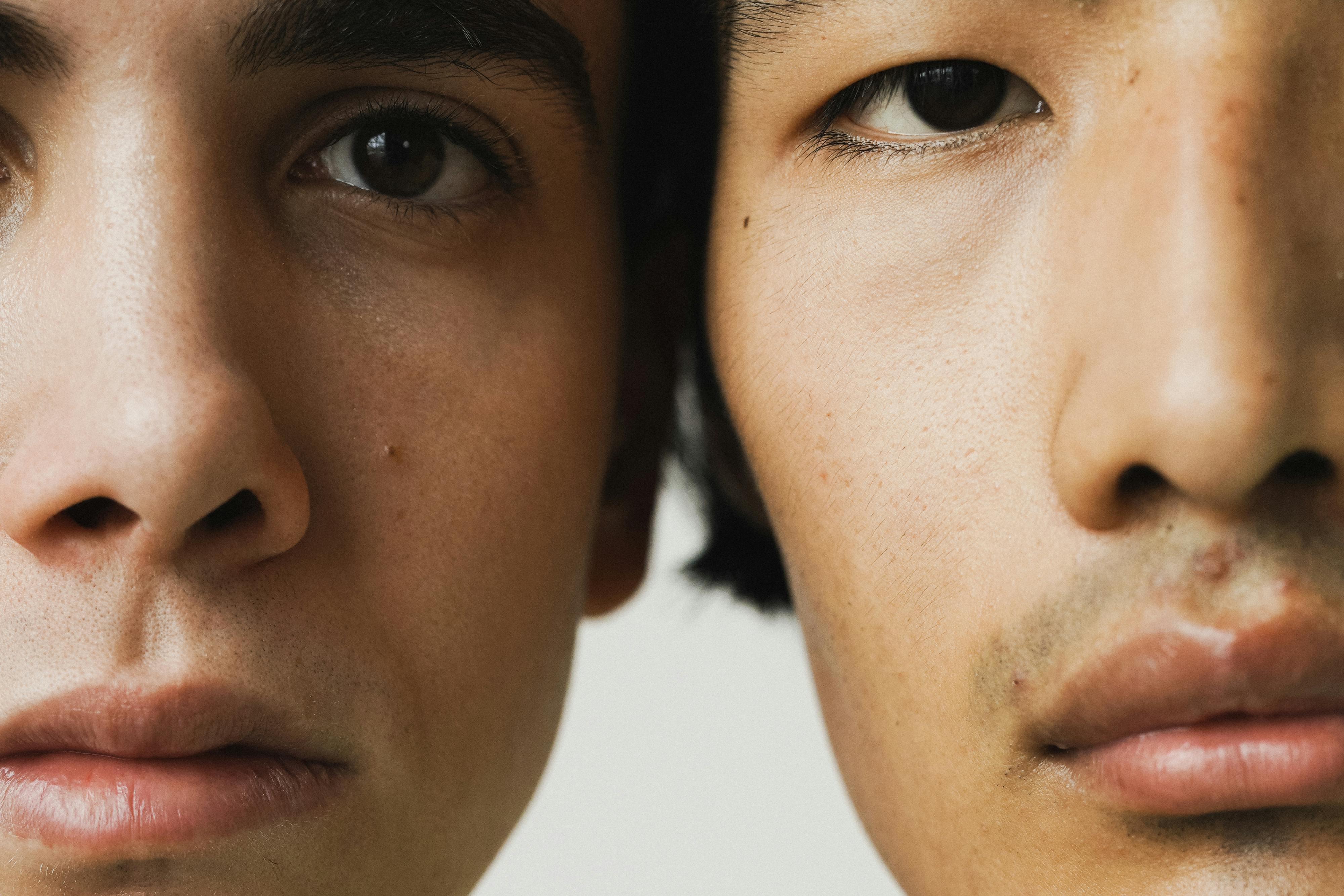
Dogs are often called man’s best friend, and their wet noses play a curious role in their overall personality and emotional state. Many dog owners wonder, "Why do dogs have wet noses?" Well, the answer is not just about hygiene or health. It turns out, that there is a fascinating connection between a dog's wet nose and their emotional well-being.
The Science Behind Wet Noses
Dogs noses are wet for several reasons. One of the main reasons is that moisture helps them smell better. The wetness of a dog’s nose helps to capture scent particles, allowing them to detect odors more effectively. This is crucial since dogs have a sense of smell that is 10,000 to 100,000 times more sensitive than humans.
Here’s a breakdown of why dog noses are wet:
- Scent Detection: A moist nose traps scent particles, making it easier for dogs to pick up smells.
- Temperature Regulation: Dogs don’t sweat like humans, so a wet nose helps them cool off.
- Health Indicator: Changes in nose moisture can indicate health issues; a dry or cracked nose might signal dehydration or illness.
Emotional Signals
Dogs communicate their feelings in many ways, and their noses can be a part of that. A wet nose is often seen as a sign of a content and happy dog. On the other hand, a dry nose can indicate stress, anxiety, or even illness. Here’s how a dog’s nose can reflect their emotions:
- Happy and Relaxed: If your dog approaches you with a moist nose, it can mean they are excited to see you and feeling comfortable.
- Anxious or Scared: A dry, warm nose can signal that your dog is feeling anxious or stressed. You might notice other behaviors too, like whining or hiding.
- Illness: If your dog’s nose suddenly becomes dry or cracked, it could be a sign they are not feeling well.
Historical Context of Dogs' Noses
Interestingly, the wet nose has a long history in canine evolution. Early domesticated dogs developed wet noses as a survival mechanism. They needed to detect scents in their environment to find food and avoid predators. Over time, this trait became more pronounced through selective breeding, where dogs with better olfactory capabilities thrived.
Practical Examples
Imagine you’re at a dog park, and your pup runs to greet another dog. If their nose is wet, it’s likely they are feeling friendly and playful. Contrast that with a dog that keeps its nose dry while backing away—this could be a sign of fear or discomfort. Recognizing these signals can help you better understand your dog’s emotional state.
What Can Affect a Dog’s Nose Moisture?
Several factors can influence the wetness of a dog’s nose, including:
- Weather Conditions: Hot, dry weather can lead to a dry nose.
- Health Issues: Allergies, infections, or dehydration can change the moisture level.
- Age: Older dogs might have changes in nose moisture due to various health factors.
Dog Nose Care Tips
To ensure your dog's nose remains healthy and moist, consider these tips:
- Hydration: Always provide fresh water to keep your dog hydrated.
- Regular Vet Check-ups: Regular visits can help catch any health issues early.
- Moisturizing Balms: If your dog has a dry nose, consider using pet-safe balms.
Fun Facts About Dog Noses
- Dogs have about 300 million scent receptors in their noses.
- The wetness of a dog’s nose can enhance their ability to detect pheromones.
- Dogs can even identify a person’s unique scent, which is why they are often used in search and rescue missions.
Understanding the connection between a dog’s wet nose and their emotions can deepen the bond between you and your furry friend. Paying attention to these small but significant details can give you insight into your dog’s feelings and health. As a pet owner, being aware of the signs can make all the difference in ensuring a happy and healthy life for your beloved companion.
Can a Wet Nose Predict Illness in Dogs? Exploring the Myths and Facts
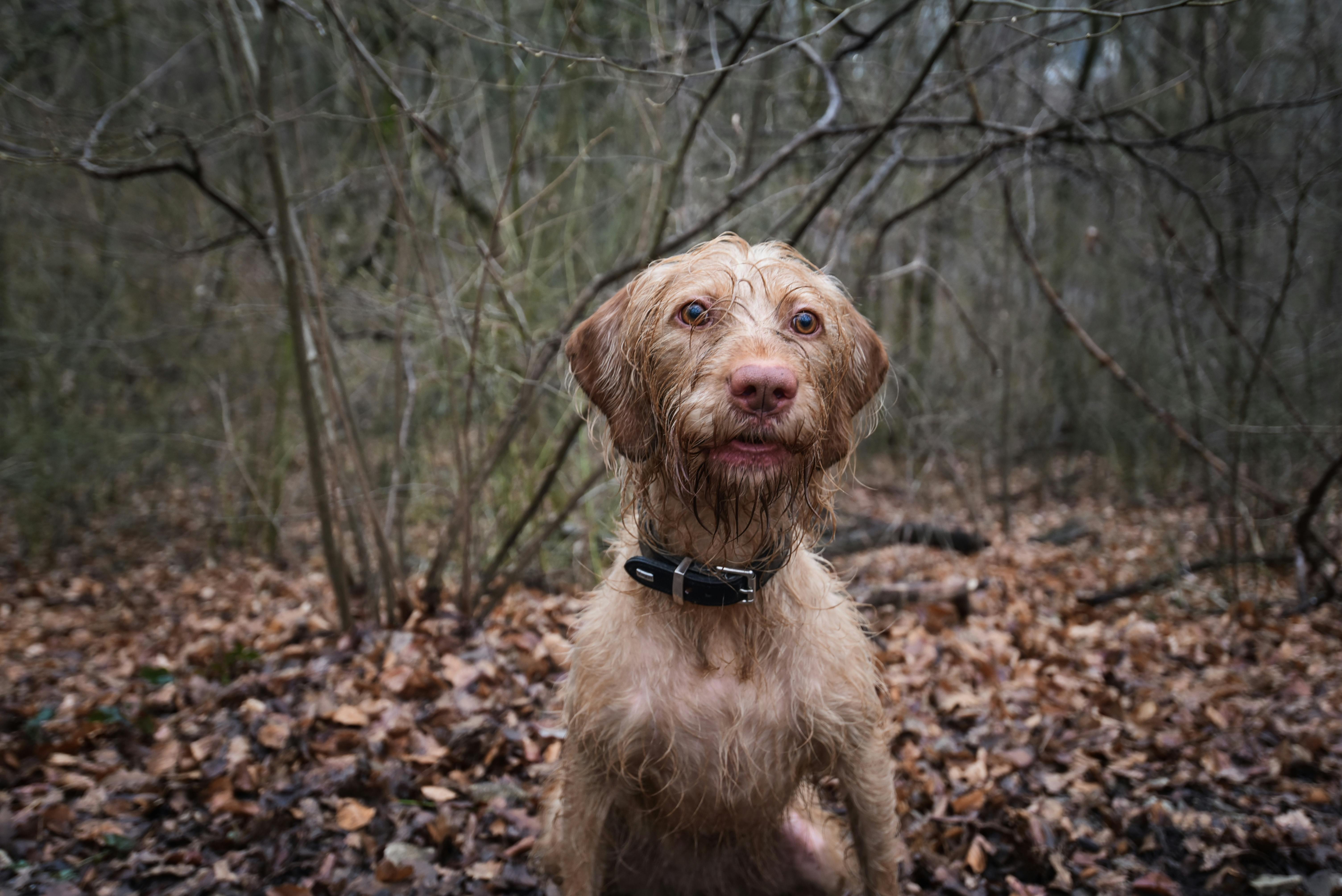
Many dog owners often wonder about their furry friends' health, especially when they notice their wet noses. A common belief is that a wet nose can predict illness in dogs. But what’s the truth behind this myth? Can a wet nose really be an indicator of health issues? Let's dive into this fascinating topic and discover the surprising facts behind why do dogs have wet noses.
The Science Behind Wet Noses
Dogs have wet noses because of several reasons. First, their noses are covered in a thin layer of mucus that helps them absorb scent chemicals, making them excellent at detecting smells. This is one of the reasons why dogs is often used in search-and-rescue operations or sniffing out drugs. A wet nose also helps regulate their body temperature, similar to sweating in humans.
Here’s a list of reasons why dogs have wet noses:
- Sense of Smell: The moisture on their noses helps capture scents better, enhancing their olfactory abilities.
- Temperature Regulation: Wet noses assist in cooling dogs down, especially when they pant.
- Health Indicator: A wet nose is often seen as a sign of a healthy dog, while a dry nose can sometimes indicate illness, but it’s not the only factor to consider.
Myths Surrounding Wet Noses
Many people believes that if a dog’s nose is dry, it means they're sick. While this can be true in some cases, it’s important to understand that a dog's nose can be dry for various reasons, not just illness. Different factors can affect the moisture level, such as:
- Weather Conditions: Hot weather can cause a dog’s nose to dry out.
- Activity Level: After playing or running around, a dog’s nose might be drier than usual.
- Sleep: Dogs often have drier noses after sleeping, just like humans.
So, while a wet nose can sometimes be a good sign, it is not a definitive indicator of your dog's health status.
Common Health Issues Related to Dry Noses
There are several reasons for a dry nose, which may sometimes indicate health issues. Here’s a list of common conditions that can lead to a dry nose in dogs:
- Dehydration: If a dog isn’t drinking enough water, their nose may become dry.
- Fever: Just like humans, dogs can have fevers, which can lead to a drier than normal nose.
- Skin Conditions: Allergies or infections can cause a dog’s nose to become dry.
- Autoimmune Diseases: In some cases, underlying health problems may lead to changes in nose moisture.
When to Be Concerned
It’s good to keep an eye on your dog’s nose, but it’s even more important to observe their overall behavior and health. If you notice any of these signs, it might be time to consult a veterinarian:
- Persistent dryness or cracking of the nose
- Changes in behavior, like lethargy or loss of appetite
- Nasal discharge, especially if it’s colored or has a strong odor
- Coughing, sneezing, or other respiratory issues
Comparing Wet and Dry Noses: What You Should Know
| Wet Nose | Dry Nose |
|---|---|
| Good sense of smell | Can be a sign of dehydration |
| Usually indicates hydration | Not always a sign of illness |
| Can vary based on activity | May be temporary after sleep |
| Affected by weather | Persistent dryness might need vet attention |
Final Thoughts
The belief that a wet nose can predict illness in dogs is more myth than fact. While a wet nose can sometimes indicate good health, it’s essential to consider the whole picture. A dog’s health should be assessed based on their overall behavior, appearance, and any other symptoms they may display. If you’re ever in doubt about your pet’s health, reaching out to a veterinarian is always the best course of action. Remember, a wet nose is just one of many signs of your furry friend's well-being. So, next time you see your dog’s wet nose, enjoy it as one of their many unique features, but don’t rely solely on it to gauge their health!
7 Ways to Care for Your Dog's Nose: Keeping It Healthy and Hydrated

Every dog owner knows that their furry friend’s nose is a unique and important feature. But have you ever wondered why do dogs have wet noses? It's not just for show! Their moist noses actually play a crucial role in their health and well-being. This article will explore reasons behind the wetness and provide you with 7 practical ways to care for your dog's nose, keeping it healthy and hydrated.
Why Do Dogs Have Wet Noses?
Dogs have wet noses for several fascinating reasons. First off, a wet nose helps them to smell better. The moisture on their nose traps scent particles, which allows dogs to detect smells more effectively. It's kinda like a sponge! Additionally, the wetness can help regulate body temperature. When dogs pant, the moisture on their nose helps to cool their body down.
Here are some fun facts about dog noses:
- Dogs have around 220 million scent receptors, compared to a human's 5 million.
- The surface area of a dog’s nose is different for every breed, contributing to their unique ability to smell.
- A dog's nose can even change color based on their health or temperature.
7 Ways to Care for Your Dog’s Nose
Taking care of your dog’s nose is important for their overall health. Here’s some ways you can keep it in top shape:
Hydration is Key
Just like humans, dogs need to stay hydrated. Make sure your dog has access to fresh water at all times. Dehydration can lead to a dry and cracked nose, which is not good!Regular Check-Ups
Regular vet visits can help identify any issues with your dog's nose early on. Look out for any changes in texture, color, or moisture levels.Use Nose Balm
If you live in a dry or cold climate, consider using a dog-safe nose balm. This can help protect their nose from cracking and keep it moisturized.Watch the Weather
Extreme temperatures can affect your dog's nose. In hot weather, dogs can get sunburned. Use a pet-safe sunscreen on their nose if they're going to be outside for long periods. In winter, consider keeping them indoors more to avoid chapped skin.Diet Matters
A balanced diet rich in Omega-3 fatty acids can improve skin and coat health, including the nose. Foods like fish or flaxseed oil can be great additions to their diet.Clean Their Nose
Gently wipe your dog’s nose with a damp cloth to remove any dirt or debris. This can help keep it clean and free of irritants.Monitor for Illness
A persistently dry or cracked nose can be a sign of illness. If you notice any other symptoms, like lethargy or loss of appetite, consult your veterinarian immediately.
Signs of a Healthy Dog Nose
Not sure if your dog's nose is healthy? Here’s some signs to look out for:
- Moisture: A healthy nose is usually moist, but not excessively wet.
- Color: The color should be consistent with your dog's breed. For instance, some dogs have black noses while others have pink.
- Texture: The texture should be smooth, without cracks or sores.
Comparing Dog Noses
Dog noses can differ greatly between breeds. Here’s a quick comparison:
| Breed | Nose Type | Characteristics |
|---|---|---|
| Labrador | Broad | Usually moist, good for smelling |
| Dachshund | Long | Moist, helps with scent tracking |
| Bulldog | Flat | Can be dry, needs extra care |
| Boxer | Square | Usually moist, prone to allergies |
Understanding your dog’s nose and how to care for it can contribute greatly to their happiness and health.
Taking a moment to think about your dog’s unique nose can lead you to better care practices. By providing proper hydration, regular check-ups, and a little TLC, you can help ensure that their nose stays healthy and hydrated. Remember, a dog’s nose isn't just cute—it's a vital part of their sensory experience and overall well-being!
The Evolutionary Purpose of a Wet Nose in Dogs: Insights You’ll Love!
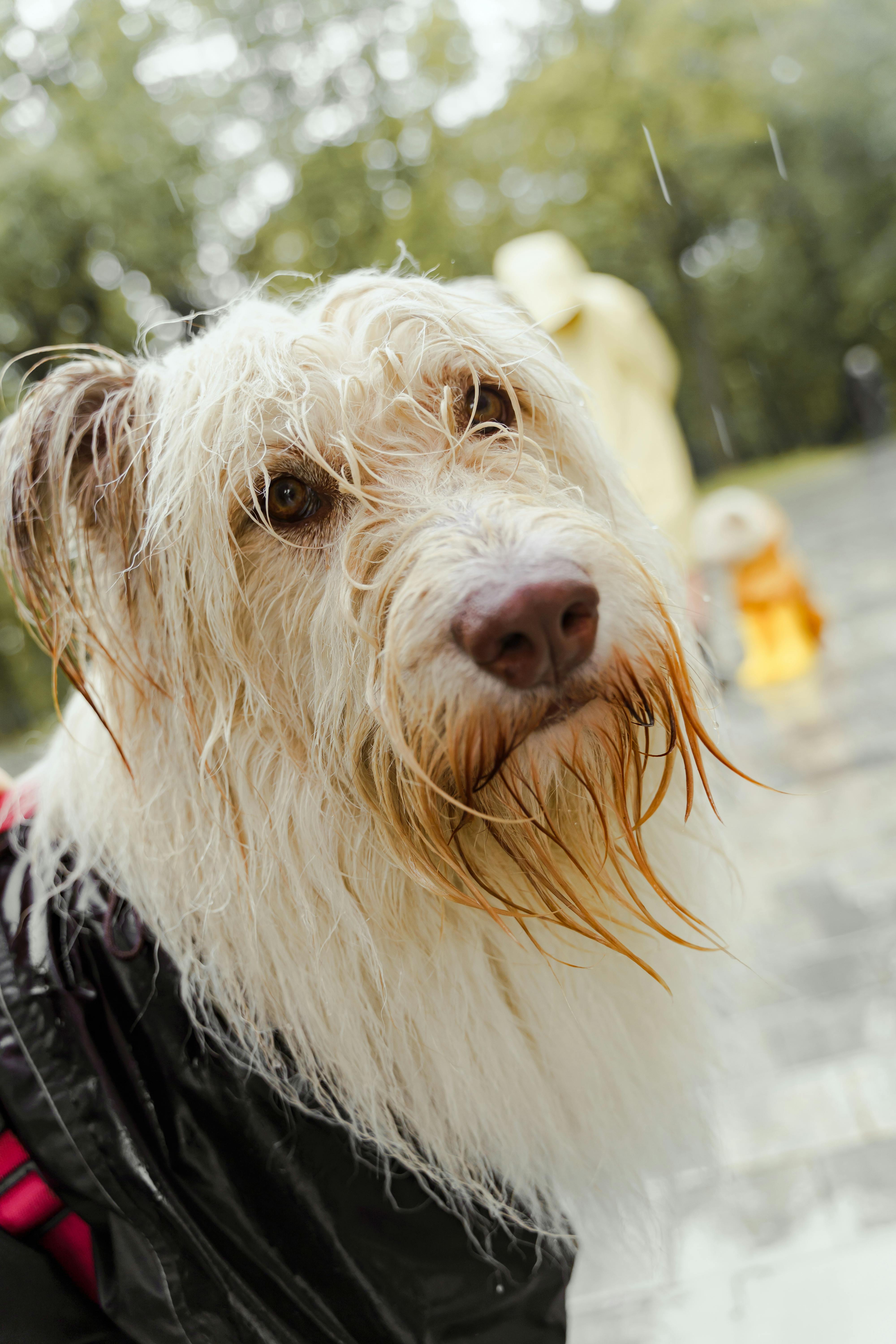
Dogs have been companions to humans for thousands of years, and their wet noses are a curious part of their anatomy that many people wonder about. Why do dogs have wet noses? It's a question that not only sparks curiosity but also touches on the evolutionary journey of our furry friends. In this article, we’re diving into the fascinating reasons behind why dogs have wet noses and the evolutionary purpose they serve. You’ll find insights that might surprise you!
The Science Behind the Wet Nose
A dog's nose is not just for sniffing; it's a complex organ that plays a critical role in their overall health and behavior. Here’s some key points about why dogs have wet noses:
Temperature Regulation: A wet nose helps regulate a dog's body temperature. Dogs don’t sweat like humans do; instead, they rely on their noses to help cool down. The moisture on their noses evaporates, which helps to cool the blood vessels underneath.
Enhanced Sense of Smell: Dogs have an incredible sense of smell, estimated to be anywhere from 10,000 to 100,000 times more acute than humans. A wet nose helps absorb scent molecules from the air, increasing their ability to detect various smells. A wetter nose means better smells!
Health Indicator: A wet nose can often indicate a dog's health. When a dog has a dry nose, it could be a sign of dehydration or illness. However, this is not always the case, and it’s best to consult a vet if you have concerns.
The Evolutionary Purpose of a Wet Nose
Dogs evolved from wolves, and their wet noses are believed to be a trait carried over from their ancestors. Here are some evolutionary insights:
Hunting and Survival: Early dogs needed to have an excellent sense of smell to hunt and find food. A wet nose would have been advantageous in tracking down prey and finding their way in the wild.
Communication: Dogs use their sense of smell not just for hunting but also for communication. A wet nose helps them pick up on pheromones and other scents left by other animals, which is crucial for social interaction.
Adaptability: In different environments, having a wet nose allows dogs to adapt better. For example, in hotter climates, the ability to cool themselves through their noses would have been a significant survival advantage.
Fun Facts About Dog Noses
Unique Patterns: Just like human fingerprints, every dog has a unique nose print. This could theoretically be used to identify them.
Scent Discrimination: Dogs can smell certain scents at incredibly low concentrations. They can detect a drop of blood in an Olympic-sized swimming pool!
Nasal Turbinates: Dogs have complex structures called nasal turbinates inside their noses that help filter and warm the air. This makes their sense of smell even more powerful.
Common Misconceptions
There are many myths surrounding dog noses that are worth debunking:
Cold Nose = Healthy Dog: While a cold, wet nose is often seen as a sign of good health, it’s not a definitive measure. Some healthy dogs can have warm noses, especially after a nap.
All Dogs Have Wet Noses: Not all dogs have a naturally wet nose. Some breeds, like bulldogs, may have drier noses due to their unique facial structures.
Nose Color Matters: The color of a dog’s nose does not indicate anything about their health or abilities. It varies by breed and individual dog.
Caring for Your Dog's Nose
To ensure your dog’s nose stays healthy, consider these tips:
Hydration: Keep your dog well-hydrated, especially during hot weather. A dry nose could indicate dehydration.
Check for Cracks: Look for any cracks or injuries on your dog’s nose. If you notice anything unusual, consult your veterinarian.
Avoid Irritants: Keep your dog away from harmful chemicals and allergens that could irritate their sensitive noses.
Understanding why dogs have wet noses not only deepens our appreciation for these amazing animals but also helps us care for them better. So next time you see that wet nose, remember the incredible evolutionary journey behind it! It’s not just cute; it serves a purpose that has stood the test of time. Whether you’re a dog owner or an enthusiast, these insights are sure to enrich your connection with your furry friends.
Conclusion
In conclusion, the wet noses of dogs serve multiple important functions that contribute to their overall health and well-being. As discussed, a dog's moist nose enhances their sense of smell, allowing them to detect scents more effectively and interact with their environment. The moisture also helps regulate their body temperature and provides a barrier against pathogens, keeping them healthier. Additionally, a wet nose can indicate hydration levels, making it a useful gauge for pet owners. Understanding the reasons behind this unique trait not only deepens our appreciation for dogs but also encourages us to monitor their health closely. Remember, if you ever notice a significant change in your dog's nose moisture or overall health, don't hesitate to consult your veterinarian. By staying informed and attentive, you can ensure your furry companion remains happy and healthy for years to come.