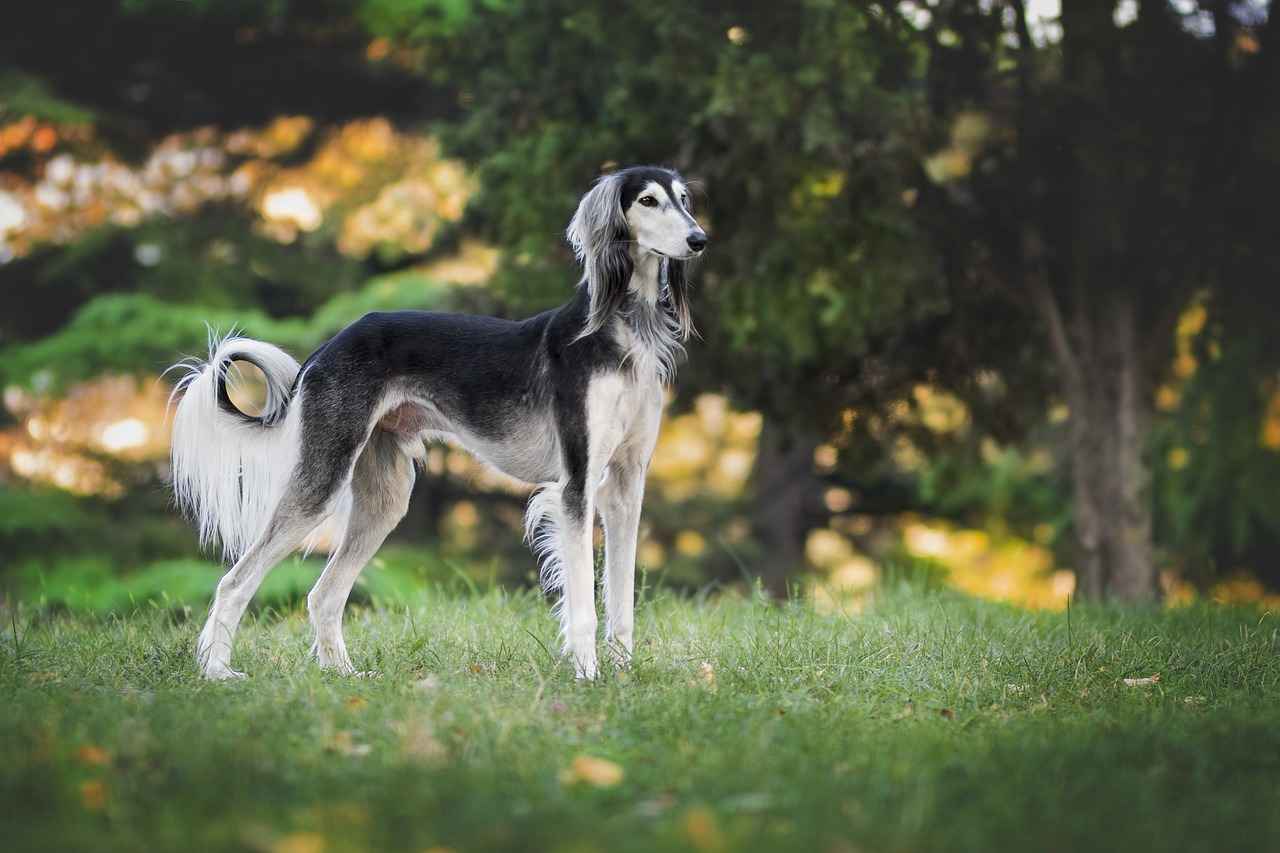
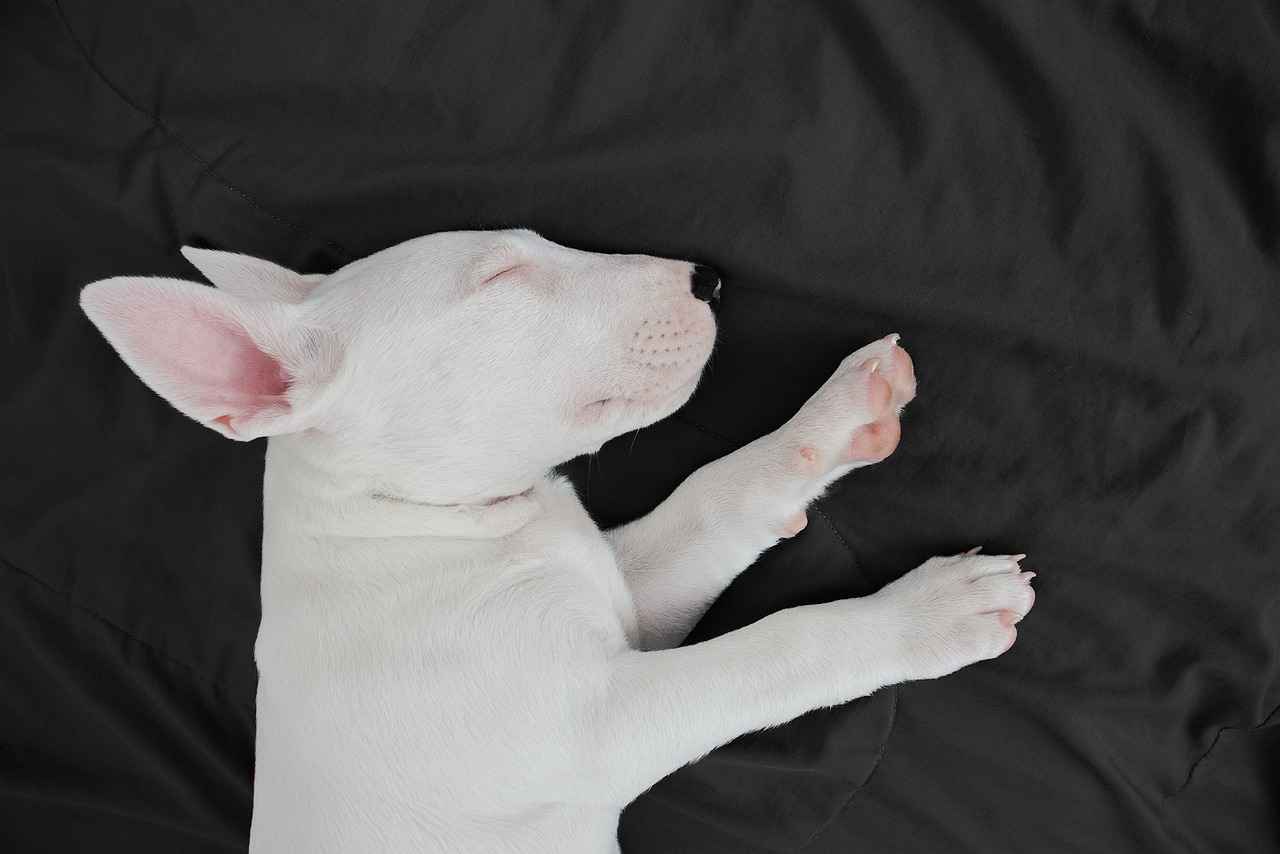
Have you ever wondered, "Why do dogs have wet noses?" This intriguing question not only sparks curiosity among pet owners but also reveals fascinating insights into the unique purpose of a dog's wet nose. It’s more than just a quirky characteristic; a dog's wet nose plays a significant role in their health and sensory perception. Did you know that a wet nose helps dogs smell better? The moisture on their noses captures scent particles, enhancing their incredible sense of smell. Moreover, a wet nose can also indicate your dog’s overall well-being. When your furry friend has a dry nose, it might be a sign of dehydration or illness. So, what makes a dog’s nose wet in the first place? This blog post will explore the science behind wet noses, shedding light on why they are essential for a dog’s communication and interaction with the world. Don't miss out on discovering the secrets behind those adorable, wet noses! Keep reading to uncover the unique purpose of a dog's wet nose and how it benefits their daily lives.
\n\nThe Science Behind Wet Noses: Why Are Dogs’ Noses Always Damp?
\n\n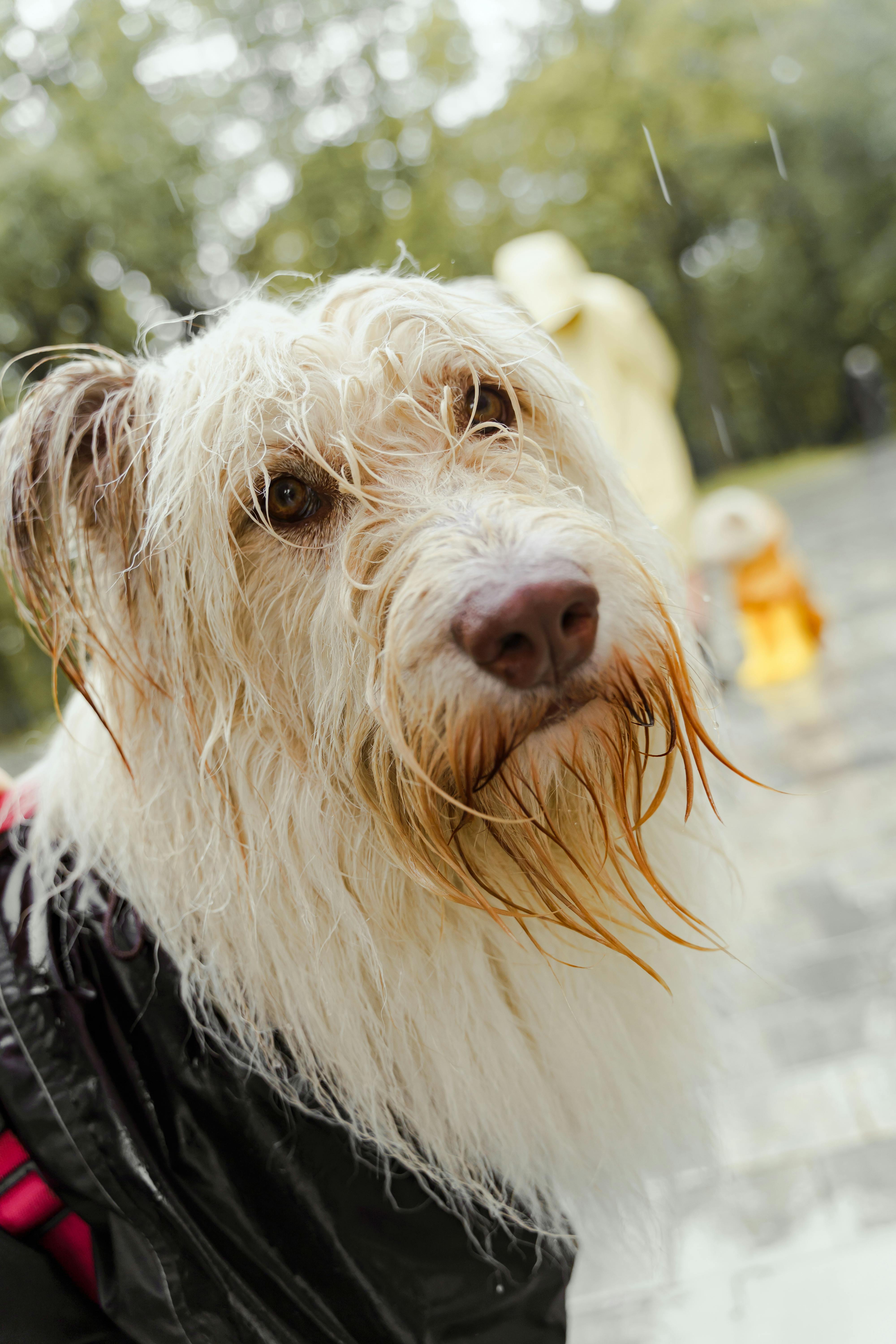 \n\n
\n\nHave you ever wondered why dogs always seems to have wet noses? It’s one of those traits that make dogs so unique and lovable. But there’s more to it than just being cute. Let’s explore the science behind wet noses, why do dogs have them, and their unique purpose in the animal kingdom.
\nThe Purpose of a Dog's Wet Nose
\nDogs, just like humans, use their senses to interact with the world. Their noses are not just for sniffing, but they have a vital role in their health and communication. Here’s why those wet noses are so important:
\n- \n
- Enhanced Smell: A wet nose helps to absorb scent chemicals more effectively. The moisture on their noses traps scent particles, which makes it easier for dogs to pick up smells. This is why dogs are such great trackers and can find things that are hidden or lost. \n
- Thermoregulation: Dogs don’t sweat like humans do. Instead, they regulate their body temperature through their noses and panting. A damp nose helps cool down their body, especially during hot weather. \n
- Health Indicator: The condition of a dog’s nose can often indicate its health. A healthy nose is typically moist and cool, while a dry or cracked nose could suggest dehydration, illness, or other health issues. \n
Why Are Dog Noses Always Damp?
\nSo, why do dogs have wet noses? The answer lies in a combination of biology and behavior. Here are some reasons:
\n- \n
- Mucus Production: Dogs’ noses secrete a thin layer of mucus which keeps them moist. This mucus is important for capturing scent particles. Additionally, when dogs sniff, they often lick their noses, which helps to refresh the moisture. \n
- Environmental Factors: The environment also plays a role. If it’s humid outside, a dog’s nose may naturally be more damp. Similarly, after a good romp in the grass or a dip in the water, their noses can be wetter than usual. \n
- Licking Behavior: Dogs often lick their noses for various reasons, including hygiene, curiosity, or simply out of habit. This licking can contribute to the moisture levels on their noses. \n
The Evolutionary Perspective
\nThe wet nose of a dog isn't just a random trait. It has evolved over thousands of years. Here's how:
\n- \n
- Survival Mechanism: An acute sense of smell has been essential for dogs’ ancestors to find food, avoid predators, and communicate with others. A wet nose improved this ability significantly. \n
- Domestication: As dogs became domesticated, their noses remained wet, enhancing their ability to bond with humans through scent recognition. This bond has been pivotal in their role as companions. \n
- Diversity Among Breeds: Different breeds have different wetness levels. For example, some breeds like Bulldogs have shorter noses which might not be as damp as those of a Bloodhound. \n
Interesting Facts About Dog Noses
\n- \n
- Unique Patterns: Just like human fingerprints, every dog’s nose has a unique pattern of ridges and creases. This can be used for identification purposes. \n
- Temperature Tolerance: Dogs can detect changes in temperature through their noses, which helps them stay aware of their surroundings. \n
- Scent Receptors: Dogs have approximately 300 million scent receptors in their noses, compared to about 6 million in humans. This allows them to smell things at much lower concentrations than we can. \n
Keeping Your Dog’s Nose Healthy
\nA healthy nose is a good indicator of your dog’s well-being. Here’s how to ensure your furry friend stays in tip-top shape:
\n- \n
- Regular Vet Check-Ups: Regular visits to the vet can help catch any health issues early. \n
- Hydration: Make sure your dog always has access to fresh water. Dehydration can lead to a dry nose. \n
- Observe Changes: Keep an eye on your dog’s nose. If you notice excessive dryness, cracking, or bleeding, it’s best to consult a veterinarian. \n
Conclusion
\nUnderstanding the science behind wet noses not only satisfies our curiosity but also helps us care for our canine companions better. Their damp noses are essential for their sense of smell, temperature regulation, and overall health. So the next time you get a wet nose nudge from your pup, remember the amazing biology behind it! It’s just one of the many reasons why dogs are such remarkable animals.
\n\n5 Fascinating Reasons Dogs Have Wet Noses That Will Surprise You
\n\n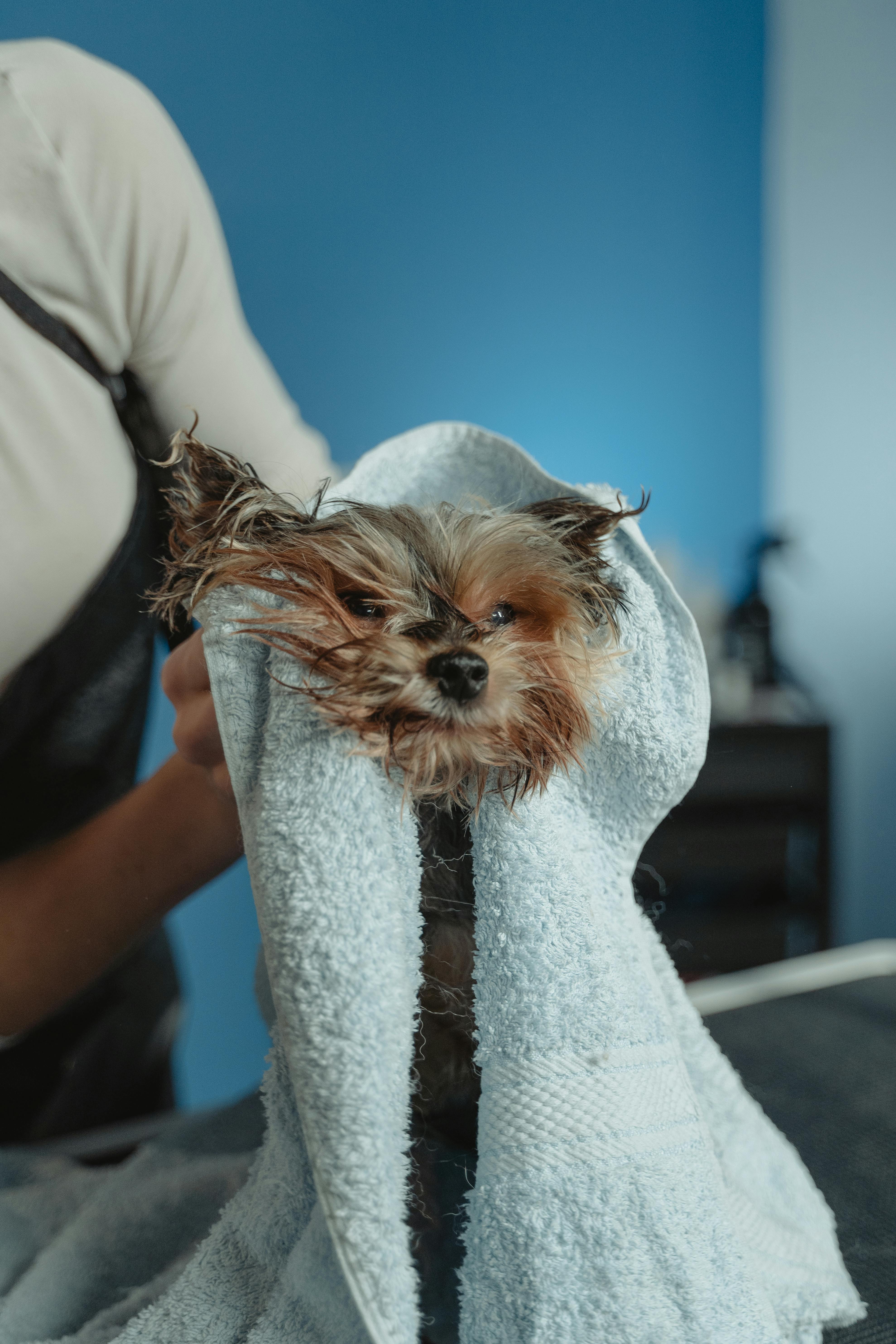 \n\n
\n\nHave you ever wondered why dogs have wet noses? It’s one of those quirky traits that many people notice, yet few really understand. Dogs have developed this unique characteristic over thousands of years, and there are some pretty fascinating reasons behind it. Let's dive into the mystery of those wet noses and discover five surprising purposes they serve!
\n1. Enhancing Sense of Smell
\nOne of the most significant reasons why dogs have wet noses is their incredible sense of smell. A dog's nose has a special mucous membrane that helps capture scent particles in the air. When a dog's nose is wet, it can absorb more smells and enhance their olfactory capabilities. They can smell things as much as 100,000 times better than humans, and a wet nose helps them pick up all those interesting scents.
\n- \n
- Wetness increases the ability to detect scents. \n
- Helps with tracking or finding food, mates, or even lost items. \n
- A dry nose can indicate dehydration or health issues, affecting their smell. \n
2. Temperature Regulation
\nDogs don't sweat like humans do. Instead, they cool down primarily through panting and their noses. The moisture on a dog’s nose helps to regulate their body temperature. When the water evaporates from the nose, it helps cool the dog down. This is especially important in hot weather or after lots of exercise.
\n- \n
- Wet noses cool the blood flow to the brain. \n
- Helps prevent overheating during play. \n
- A hot, dry nose may be a sign of overheating or illness. \n
3. Communication Tool
\nBelieve it or not, a dog’s wet nose is also a method of communication! Dogs often use their nose to greet other dogs and humans. A wet nose can be a way to express affection or to get attention. When they nudge you with their nose, it might be their way of saying, "Hey, look at me!" or even, "I love you!"
\n- \n
- Dogs use their noses to gather information about other animals. \n
- A wet nose indicates a friendly disposition. \n
- Dogs may also use their noses to ask for food or play. \n
4. Health Indicator
\nA dog's nose can actually be a good indicator of their health. Generally, a healthy dog has a cool, moist nose. Changes in the nose's texture or moisture level can signal health issues. For example, a dog with a dry, cracked nose might be dehydrated, while excessive discharge might indicate allergies or infection.
\n- \n
- Healthy dogs typically have moist noses. \n
- Changes in texture can indicate health issues. \n
- Regular nose checks can help in early detection of problems. \n
5. Evolutionary Advantage
\nFrom an evolutionary perspective, wet noses have given dogs a survival advantage. In the wild, canines that could smell better were more likely to find food and avoid danger. This trait has been passed down through generations, making wet noses a hallmark of canine evolution.
\n- \n
- Enhanced smell led to better hunting success. \n
- Wet noses have played a role in social behaviors among canines. \n
- Evolution favored dogs with better sensory capabilities. \n
Fun Facts About Dog Noses
\n- \n
- A dog's nose print is unique, similar to human fingerprints. \n
- Dogs have up to 300 million olfactory receptors in their noses. \n
- The wetness of a dog's nose is also due to the secretion of mucus which helps in capturing scent particles. \n
Quick Comparison: Dog Noses vs. Human Noses
\n| Feature | \nDog Nose | \nHuman Nose | \n
|---|---|---|
| Number of olfactory receptors | \n300 million | \nAbout 6 million | \n
| Moisture level | \nTypically wet | \nTypically dry | \n
| Primary function | \nSmell, temperature regulation | \nSmell, breathing | \n
| Unique identification | \nUnique nose print | \nUnique fingerprints | \n
Wet noses might seem like a trivial feature, but they play vital roles in a dog’s life. From enhancing their sense of smell to helping with communication, these wet wonders are essential for their well-being. So the next time you pet your furry friend and feel that cool, moist nose, remember all the incredible purposes it serves!
\n\nIs Your Dog’s Wet Nose a Sign of Health? Discover the Truth!
\n\n \n\n
\n\nIs your dog’s wet nose a sign of health? Many pet owners wonder why their furry friends have those moist, cold noses. Surprisingly, this little feature of our canine companions holds more significance than you might think. So, let’s dive into the truth about wet noses and what they really mean for your dog.
\nWhy Do Dogs Have Wet Noses?
\nDogs have wet noses for several reasons, and understanding these can help pet parents know more about their furry pals. Here's some interesting insights:
\n- \n
- \n
Enhanced Smell: Dogs have an extraordinary sense of smell. A wet nose actually helps in capturing scent particles in the air better. The moisture aids in dissolving these particles, making it easier for dogs to detect different smells.
\n \n - \n
Temperature Regulation: Just like humans sweat to cool down, dogs use their noses to help regulate body temperature. A wet nose can help dissipate heat, especially on hot days.
\n \n - \n
Health Indicator: While a wet nose is often a sign of a healthy dog, it’s not the only indicator. It’s important to consider other factors like behavior, energy levels, and appetite.
\n \n - \n
Hydration Level: A moist nose can also indicate that your dog is well-hydrated. Dehydration can lead to a dry nose, which might suggest they need water.
\n \n - \n
Communication: Dogs use their noses to gather information about their environment and communicate with other dogs. A wet nose allows them to pick up on scents left by other animals.
\n \n
The Science Behind Wet Noses
\nDogs have what’s called a "nasal mucosa" which keeps their noses moist. This mucous layer helps in several ways:
\n- \n
- Scent Detection: The moisture traps scents, enhancing the dog’s ability to pick up smells. \n
- Cooling Mechanism: The evaporation of moisture from the nose cools the blood vessels, helping regulate temperature. \n
- Healthy Skin: A wet nose can indicate healthy skin. If your dog’s nose is cracked or dry, it could be a sign of an underlying issue. \n
Common Misconceptions About Wet Noses
\nThere’s a lot of myths floating around about why dogs have wet noses. Let’s debunk some of them:
\n- \n
- \n
Myth 1: A wet nose always means a healthy dog.
\n- \n
- Truth: While a wet nose can be a sign of health, it’s not definitive. Other symptoms should be considered too. \n
\n - \n
Myth 2: Dogs’ noses are always wet.
\n- \n
- Truth: Some dogs may have drier noses due to breed characteristics or environmental factors. \n
\n - \n
Myth 3: Only sick dogs have dry noses.
\n- \n
- Truth: A dry nose can be common and not always a sign of illness. Seasonal changes can affect moisture levels. \n
\n
What to Observe in Your Dog’s Nose
\nKeeping an eye on your dog’s nose can provide valuable insight into their overall health. Here’s what to look out for:
\n- \n
- Color: Healthy dog noses are usually black or brown. If it changes to a pale color, it might mean something’s wrong. \n
- Moisture Level: Regularly check if their nose is wet. A consistently dry nose could be a sign of dehydration or illness. \n
- Cracks or Lesions: Any cracks or sores on the nose should be evaluated by a vet. \n
- Temperature: A warm nose can indicate fever, especially if accompanied by other symptoms. \n
When to Consult a Veterinarian
\nIf you notice any of the following signs, it might be time to visit your vet:
\n- \n
- Persistent dryness or cracks on the nose. \n
- Unusual changes in color or texture. \n
- Accompanying symptoms like lethargy, loss of appetite, or vomiting. \n
- Changes in behavior or energy levels that concern you. \n
Final Thoughts
\nUnderstanding why dogs have wet noses and what it means can help pet owners be more observant of their furry friends’ health. While a wet nose is often a sign of health, it’s essential to look at the bigger picture. Dogs communicate through their bodies in various ways, and their noses are just one part of that. So, next time you give your pooch a little pat on the nose, remember that there’s more than meets the eye. It’s all about keeping them healthy and happy!
\n\nExploring the Unique Purpose of Dogs’ Wet Noses: What You Need to Know
\n\n \n\n
\n\nDogs are often considered man's best friends, and one of the most distinctive features about them is their wet noses. You might have wondered, "why do dogs have wet noses?" It's a common question, and the answer is more fascinating than you might think. Let's explore the unique purpose of dogs' wet noses, and uncover the science behind this intriguing aspect of our furry companions.
\nThe Science Behind Wet Noses
\nDogs' noses are wet due to a combination of secretions and environmental factors. When a dog licks its nose, it helps to keep it moist, which is important for a few reasons:
\n- \n
- \n
Enhanced Smell: The moisture on a dog's nose helps to capture scent particles. This make sense because dogs have an extraordinary sense of smell, estimated to be between 10,000 to 100,000 times more sensitive than humans. Wet noses help dogs to better detect and identify scents in their environment.
\n \n - \n
Temperature Regulation: Dogs do not sweat the way humans do. Their primary method of cooling down is through panting and the evaporation of moisture from their noses. So, a wet nose can also help in regulating a dog’s body temperature.
\n \n - \n
Health Indicator: A wet nose is often considered a sign of a healthy dog, although not always. A dry or warm nose can indicate illness or dehydration, but it’s not the only factor to consider when assessing a dog's health.
\n \n
Historical Context: Why Do Dogs Evolve This Trait?
\nThe evolution of dogs has been influenced by their environment and their relationship with humans. Early domesticated dogs that had moist noses may have been more adept at hunting and tracking scents, which would have made them more valuable to humans. Over time, this trait became more pronounced, leading to what we see in dogs today.
\nFun Facts About Dogs’ Noses
\n- \n
- \n
Unique Patterns: Just like human fingerprints, every dog's nose print is unique. This means that you could actually identify a dog just by its nose!
\n \n - \n
Color Variation: The color of a dog's nose can range from black to pink, and even brown. This variation is often linked to the dog's breed and genetics.
\n \n - \n
Nose as a Thermometer: Some dog owners believe that a dog's nose temperature can indicate its health. A cooler, moist nose is often a good sign, while a warm, dry nose might suggest illness. However, this is not a definitive measure of health.
\n \n
Practical Examples of Nose Functionality
\n- \n
- \n
Tracking Dogs: Breeds like Bloodhounds are renowned for their remarkable sense of smell. They utilize their wet noses to track scents over long distances, making them invaluable in search and rescue operations.
\n \n - \n
Service Dogs: Many service dogs, especially those trained for medical alert tasks, rely on their sensitive noses to detect changes in their handler's body chemistry, such as blood sugar levels in diabetic individuals.
\n \n
Comparisons: Dogs vs. Other Animals
\nWhen we look at other animals, we see that many mammals also have wet noses, but the reasons vary:
\n- \n
- \n
Cats: Cats have moist noses too, but they rely less on their sense of smell than dogs. Their hunting strategy is different, focusing more on stealth and vision.
\n \n - \n
Pigs: Pigs have a wet nose as well, which helps them root around in the ground to find food. Their sense of smell is one of the most acute in the animal kingdom, similar to dogs.
\n \n
The Role of Environment
\nThe environment plays a significant role in the moisture level of a dog's nose. For instance:
\n- \n
- \n
Weather Conditions: A dog's nose may dry out in hot, dry weather, and become more moist in humid conditions. It’s important for dog owners to monitor their pet's nose and overall hydration.
\n \n - \n
Health Factors: Certain health conditions can affect the moisture levels of a dog’s nose. For example, allergies, infections, or skin conditions can lead to a dry nose.
\n \n
In summary, dogs' wet noses serve multiple purposes that are essential for their survival and well-being. They enhance a dog’s sense of smell, help with temperature regulation, and can even indicate health status. Understanding these unique features deepens our appreciation for our canine companions. So the next time your dog nudges you with that wet nose, remember, it’s not just a cute quirk, but a vital part of what makes them the amazing animals they are!
\n\nHow a Wet Nose Affects Your Dog’s Sense of Smell: The Hidden Connection
\n\n \n\n
\n\nHave you ever wonder why your furry friend has that cold, wet nose? It’s not just for show, there’s actually a fascinating connection between a dog’s wet nose and their incredible sense of smell. Dogs are known for their keen olfactory abilities, which is why they are often used in search and rescue, drug detection, and even therapy. But the moisture on their noses plays a significant role in how they smell the world around them. Let’s dive into the science of why do dogs have wet noses and how it affects their sense of smell.
\nThe Science Behind a Wet Nose
\nA dog's nose is moist due to a thin layer of mucus that helps in various ways. This moisture helps to capture scent particles from the environment. When dogs sniff, the moisture on their noses captures these particles, allowing their olfactory receptors to process smells more effectively. Here are some facts about their noses:
\n- \n
- Olfactory Receptors: Dogs have about 220 million olfactory receptors in their noses, compared to about 5 million in humans. This means they can smell things we can’t even imagine! \n
- Moisture Functionality: The wetness on a dog’s nose helps to dissolve scent molecules. Once these molecules are dissolved, they can be more easily detected by the receptors. \n
- Temperature Regulation: A wet nose also aids in regulating a dog’s body temperature. Dogs don’t sweat like humans do, so having a moist nose helps them stay cool. \n
Why Dogs Have Wet Noses?
\nSo, why do dogs have wet noses? Besides the olfactory benefits, there’s more to it. Here’s a list of reasons that highlight the purpose of a wet nose:
\n- \n
- Enhanced Smell: As mentioned, a wet nose captures scent particles better, which improves their sense of smell. \n
- Health Indicator: A dog’s nose can indicate their health. A warm, dry nose might signal a fever, while a cool, wet nose is typically a sign of good health. \n
- Communication: Dogs also use their noses to gather information about their environment and other animals. They can smell pheromones and other chemicals that communicate different messages. \n
Historical Context
\nHistorically, dogs have been companions to humans for thousands of years. Their sense of smell has been honed through selective breeding. Many breeds were developed for specific tasks that required strong olfactory skills, such as hunting and tracking. For example, Bloodhounds are renowned for their ability to track scents over long distances, and their wet noses play a crucial part in this ability.
\nThe Unique Purpose of a Wet Nose
\nIt’s interesting to think about how a wet nose serves a practical purpose. Here are some ways that this unique feature benefits our canine companions:
\n- \n
- Scent Discrimination: A dog can distinguish between different smells much better when their nose is wet. This is crucial for hunting and tracking. \n
- Social Interactions: Dogs often greet each other and humans with their noses. A wet nose can indicate a friendly approach, inviting interaction. \n
- Environmental Awareness: Wet noses can pick up subtle changes in the environment. This is especially important for dogs that work in search and rescue. \n
Practical Examples of Wet Nose Benefits
\nLet’s look at some practical examples of how a dog’s wet nose affects their ability to smell:
\n- \n
- Tracking Work: Dogs used in search and rescue missions rely on their wet noses to follow scents. The moisture helps them track scents that are days or even weeks old. \n
- Medical Detection: Some dogs are trained to detect diseases like cancer or diabetes. Their ability to smell changes in human bodies is enhanced by their wet noses. \n
- Behavioral Cues: When a dog is excited or anxious, their nose may become wetter. Owners can observe these changes as cues to their dog’s emotional state. \n
Conclusion
\nUnderstanding how a wet nose affects your dog’s sense of smell is not just fascinating, but it also helps us appreciate our furry friends even more. Their unique anatomy, combined with the evolutionary history of dogs, makes them adept at sensing the world around them. So, next time you give your dog a pat and feel that wet nose, remember there’s a whole lot of science and purpose packed into that little feature! Dogs are truly remarkable creatures, and their noses are just one of the many ways they connect with the world.
\n\nWet Noses and Dog Behavior: What Your Pup’s Moist Nose Really Means
\n\n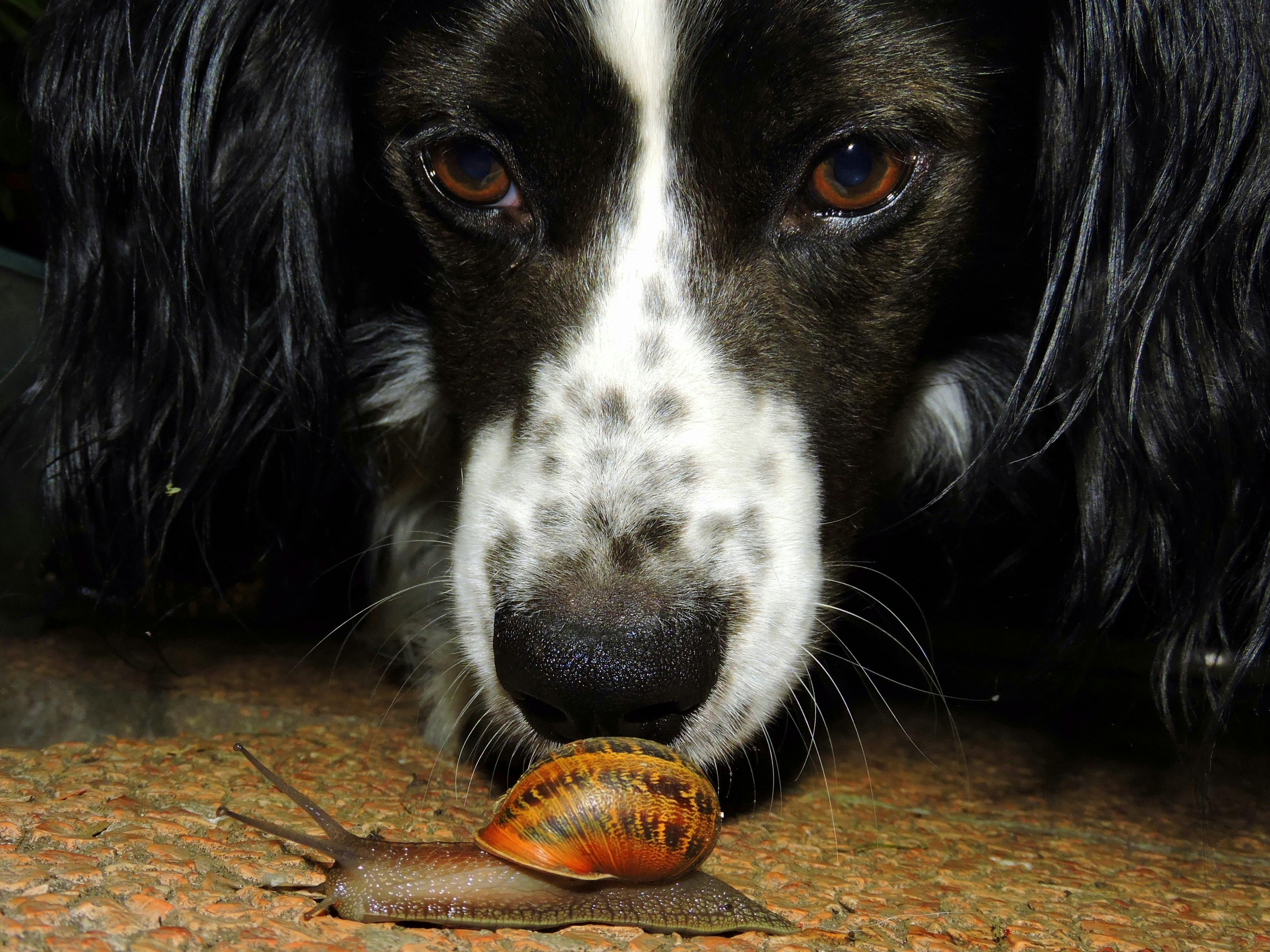 \n\n
\n\nWhen you see your dog approach you with its wet nose, you might wonder what it means, right? Wet noses and dog behavior can be quite fascinating! In fact, a dog's moist nose serves several purposes that are not just cute but also essential for their health and communication. So, why do dogs have wet noses? Let’s dive into the unique purpose of these little snouts and what they can tell us about our furry companions.
\nThe Science Behind Wet Noses
\nDogs have moist noses primarily because of the way their bodies are designed. Their noses are covered in a special kind of skin that helps them absorb scent molecules from the air. This moisture is like a secret weapon for sniffing out smells. The wetness helps to trap these odor particles, making it easier for dogs to detect scents. Here are some key points about the science of wet noses:
\n- \n
- Enhanced Smell: A wet nose helps dogs have a better sense of smell. With more moisture, they can pick up on scents much better than if their noses were dry. \n
- Temperature Regulation: Dogs can’t sweat like humans do, so their noses help to cool them down. The moisture evaporates and cools down their body temperature. \n
- Health Indicator: A wet nose is often a sign of a healthy dog. If a dog’s nose is excessively dry or cracked, it could indicate dehydration or illness. \n
Historical Context of Dog Noses
\nHistorically, dogs have developed their keen sense of smell over thousands of years. They were bred for various purposes such as hunting, herding, and companionship. This evolution has led to the development of a highly sophisticated olfactory system. Did you know that dogs have about 220 million scent receptors in their noses, compared to humans who only have around 5 million? That’s a huge difference!
\nThe Purpose of a Wet Nose
\nSo, why do dogs have wet noses? Here’s a breakdown of the unique purposes that they serve:
\n- \n
- Scent Detection: As mentioned, wet noses help to pick up scents more effectively. \n
- Communication: Dogs also use their noses to communicate with each other. A wet nose can signify excitement or affection. When your dog nudges you with its nose, it’s often a way of saying, "Hey, I love you!" \n
- Health Monitoring: Dogs can sometimes sense health changes in themselves and in humans through their noses. Some studies suggest that dogs can detect illnesses like cancer or diabetes just through smell. \n
What Does a Change in Nose Moisture Mean?
\nSometimes, you might notice that your dog’s nose is drier than usual. Here are some common reasons for this change:
\n- \n
- Weather Conditions: Just like us, dogs can get drier noses in certain weather conditions, especially in winter. \n
- Health Issues: If your dog’s nose becomes excessively dry, it might be a sign of dehydration or illness. It’s always best to consult with a vet if you’re worried. \n
- Age: Older dogs might naturally have drier noses as they age. \n
Fun Facts About Dog Noses
\n- \n
- Dogs can differentiate between different types of smells. For example, they can tell the difference between a familiar person and a stranger just by scent. \n
- Some breeds, like Bloodhounds, have an exceptional sense of smell and can track scents over great distances. \n
- Dogs can smell things in parts per trillion. This means they can detect scents that are incredibly faint to human noses. \n
Practical Tips for Nose Care
\nTaking care of your dog’s nose is important. Here’s how you can keep it healthy and moist:
\n- \n
- Hydration: Always make sure your dog has access to fresh water. \n
- Humidifier: In dry climates or during winter, using a humidifier can help keep your dog’s nose hydrated. \n
- Regular Vet Check-Ups: Regular veterinary visits can help monitor your dog’s health and ensure their nose is in good condition. \n
Comparing Dog Nose Types
\nDifferent dogs have different nose types and moisture levels. Here's a quick comparison:
\n| Breed | \nNose Type | \nMoisture Level | \n
|---|---|---|
| Labrador Retriever | \nBroad and wet | \nGenerally moist | \n
| Dachshund | \nLong and narrow | \nVaries | \n
| Bulldog | \nShort and broad | \nOften moist | \n
| Chihuahua | \nSmall and wet | \nUsually moist | \n
Understanding your dog’s wet nose can open up a whole new world of communication between you and your furry friend. Wet noses aren’t just adorable; they serve vital functions that enhance your dog’s health and behavior. So, the next time your pup greets you with a cold, moist nose, remember that it’s more than just a cute gesture. It’s a part of what makes them unique!
\n\nThe Role of a Dog’s Wet Nose in Temperature Regulation: An Essential Function
\n\n \n\n
\n\nDogs are often regarded as man's best friend, but have you ever pondered why their noses are so wet? It's more than just a quirky characteristic; in fact, there’s a fascinating science behind it. The wetness of a dog's nose plays a critical role in how they regulate their body temperature and interact with their environment. So, let’s dive into the subject and discover why do dogs have wet noses and what makes this feature essential for their health and survival.
\nThe Function of a Dog's Wet Nose
\nA dog’s wet nose serves multiple purposes, but the primary function is related to temperature regulation. Dogs don’t sweat like humans do; instead, they rely on their noses and paw pads to help cool down. Here’s how it works:
\n- \n
- Evaporative Cooling: When a dog pants, moisture from their nose evaporates, cooling the blood vessels just beneath the surface. This helps to lower their body temperature. \n
- Scent Detection: Wet noses are also better at absorbing scent particles. The moisture traps these particles, which enhances a dog’s sense of smell. Dogs have about 220 million scent receptors, which is why they can detect scents up to 100,000 times better than humans. \n
Why Do Dogs Have Wet Noses? A Deeper Look
\nThere are other reasons why a dog’s nose stays moist. It’s not just about cooling off. Let’s explore more unique purposes:
\n- \n
- Health Indicator: A dog's nose can be a good indicator of their health. A healthy dog usually has a cool, moist nose, while a dry or warm nose could signal fever or illness. However, exceptions exist, and it's not always a definitive sign. \n
- Social Interactions: Dogs communicate and gather information about other animals and humans through their sense of smell. A wet nose enhances their ability to pick up on pheromones and scents that convey social cues. \n
- Environmental Awareness: Dogs use their noses to gauge environmental factors. A wet nose can help them detect changes in humidity and temperature, making them more attuned to their surroundings. \n
Historical Context of Dog Noses
\nHistorically, dogs have been bred for specific tasks, including hunting, herding, and companionship. Each breed has different nose characteristics based on their purpose. For example:
\n- \n
- Bloodhounds: Known for their extraordinary sense of smell, their wet noses are essential for tracking scents over long distances. \n
- Terriers: Bred for hunting vermin, their wet noses help them navigate through underground burrows, improving their ability to locate prey. \n
Fun Facts About Dog Noses
\n- \n
- Unique Patterns: Just like human fingerprints, every dog has a unique nose print. This could potentially be used for identification. \n
- Nasal Turbinates: Dogs have complex nasal structures called turbinates that help filter and warm the air they breathe. \n
- Temperature Sensitivity: A dog’s nose can sense temperature changes in the environment, helping them stay alert to potential dangers. \n
Practical Tips for Dog Owners
\nMaintaining your dog's nose is important for their overall health. Here are some tips to keep it healthy:
\n- \n
- Hydration: Ensure your dog drinks plenty of water, as dehydration can lead to a dry nose. \n
- Check for Cracks: Look for any cracks or peeling in the nose, which could indicate a health issue. If you notice anything unusual, consult a veterinarian. \n
- Avoid Harsh Chemicals: Some cleaning products can irritate a dog’s nose. Use pet-safe products to keep their environment safe. \n
- Regular Vet Check-ups: Routine check-ups can help catch any potential problems before they escalate. \n
Conclusion
\nUnderstanding the role of a dog’s wet nose in temperature regulation and its many other functions gives us insight into our canine companions. It’s not just a cute feature; it's a vital part of their biology that helps them interact with the world. So, the next time you give your furry friend a scratch behind the ears, take a moment to appreciate that wet, cool nose. It’s doing a lot more than you might think!
\n\nCan a Dry Nose Indicate Illness in Dogs? Understanding Nose Variations
\n\n \n\n
\n\nDogs is known for their unique characteristics, one of which is their wet noses. But many pet owners might wonder, can a dry nose indicate illness in dogs? Understanding the variations in a dog's nose, why they are generally wet, and what changes might signal health issues is important for any dog owner. Let’s take a closer look at these aspects.
\nWhy Do Dogs Have Wet Noses?
\nThe moisture on a dog's nose serves several purposes, and it ain't just for show. Here are some main reasons:
\n- \n
- Enhanced Smell: A wet nose helps to capture scent particles from the air. This is crucial since dogs have an astonishing sense of smell, and moisture helps improve their olfactory capability. \n
- Temperature Regulation: Dogs don’t sweat like humans do. Instead, they can regulate their body temperature through their noses. A wet nose can help keep them cool. \n
- Health Indicator: The condition of a dog's nose can actually indicate their health status. A healthy nose is usually moist and cool, while changes can signify issues. \n
Understanding Nose Variations
\nDog noses can vary widely in appearance, texture, and temperature. It’s not just wet or dry. Here are some variations to consider:
\nNormal Nose Conditions
\n- \n
- Wet and Cool: This is generally a sign of a healthy dog. They are usually well-hydrated and in good spirits. \n
- Slightly Warm and Damp: This can be normal, especially after exercise. It may not be a cause for concern. \n
Potentially Concerning Conditions
\n- \n
- Dry and Cracked: A dry nose can be a sign of dehydration or illness. You should watch for other symptoms, like lethargy or loss of appetite. \n
- Excessively Warm: If the nose feels hot, this can indicate a fever or overexertion. It's wise to check their temperature. \n
- Discoloration: A sudden change in color, like a pink or red nose, can signal an allergic reaction or other health issues. \n
Common Illnesses Associated with a Dry Nose
\nHere is a list of some conditions that could make a dog’s nose dry:
\n- \n
- Dehydration: If a dog isn’t drinking enough water, their nose may dry out. \n
- Fever: A rise in body temperature can lead to a hot or dry nose. \n
- Autoimmune Disorders: Some diseases can affect a dog's skin, including the nose. \n
- Infections: Bacterial or viral infections can lead to dryness or other nose abnormalities. \n
What to Do If You Notice Changes
\nIf you've observed a dry nose or other changes in your dog's nose, here are some steps you should take:
\n- \n
- Monitor Other Symptoms: Check for other signs of illness like coughing, vomiting, or lethargy. \n
- Hydration: Ensure your dog has access to clean water at all times. \n
- Consult Your Vet: If the dryness persists or you notice other concerning symptoms, it’s best to consult a veterinarian. \n
Practical Tips for Dog Owners
\nTaking care of your dog's nose is part of their overall health. Here are some practical tips:
\n- \n
- Regular Vet Check-ups: Routine veterinary visits can catch health issues early. \n
- Hydration: Keep fresh water available, particularly during hot weather. \n
- Healthy Diet: A balanced diet contributes to overall health, including the condition of their nose. \n
- Avoid Irritants: Be mindful of environmental factors like smoke or chemicals that could irritate your dog’s nose. \n
Quick Comparison: Wet Nose vs. Dry Nose
\n| Wet Nose | \nDry Nose | \n
|---|---|
| Indicates hydration | \nMay indicate dehydration | \n
| Better sense of smell | \nMay limit olfactory function | \n
| Generally cool to the touch | \nCan feel warm or hot | \n
| Rarely a cause for concern | \nCould indicate health issues | \n
So, can a dry nose indicate illness in dogs? The answer is complicated but, yes, it can. Understanding the variations in a dog's nose, why they generally have wet noses, and what changes could suggest health problems is essential for every dog parent. Pay attention to your furry friend’s nose and overall behavior, and don't hesitate to reach out to a veterinarian if you see something unusual. Keeping your dog healthy is a labor of love, and knowing the signs can make all the difference.
\n\nHow to Keep Your Dog’s Nose Healthy: Tips for Maintaining Moisture
\n\n \n\n
\n\nDogs are often seen with their noses wet and cold, and many people wonder why. The moisture on a dog’s nose is not just for show; it serves several important purposes. Keeping your dog’s nose healthy is essential for their overall well-being, so let’s dive into how to maintain that moisture and understand the unique functions of their wet noses.
\nWhy Do Dogs Have Wet Noses?
\nDogs have wet noses for several reasons, and they all contribute to a dog’s ability to interact with the world. Here are some of the main reasons:
\n- \n
- Enhanced Smell: A wet nose helps to capture scent particles in the air. When the nose is moist, it can absorb these particles better, which enhance a dog’s sense of smell. This is why dogs are such great hunters and trackers. \n
- Temperature Regulation: Dogs don't sweat like humans do. Instead, they rely on their noses to help cool themselves down. A wet nose can cool the air that is inhaled, assisting in regulating body temperature. \n
- Health Indicator: A dog's nose can indicate their health status. A healthy dog typically has a moist, cool nose, while a dry or warm nose can sometimes signal illness. \n
How to Keep Your Dog’s Nose Healthy: Tips for Maintaining Moisture
\nMaintaining moisture in your dog’s nose is important, especially in dry or harsh weather conditions. Here are some practical tips:
\n- \n
- Stay Hydrated: Always ensure your dog has access to fresh, clean water. Dehydration can lead to a dry nose. \n
- Humidifiers: If you live in a dry climate, consider using a humidifier. It adds moisture to the air, which can help keep your dog’s nose moist. \n
- Natural Remedies: Applying a small amount of natural oils like coconut oil or olive oil can help moisturize a dry nose. Just be sure not to use too much, as dogs might lick it off. \n
- Regular Vet Check-ups: Regular visits to the vet can help catch any underlying health issues before they become serious. It’s essential to monitor any changes in the condition of your dog’s nose. \n
- Avoid Irritants: Keep your dog away from harsh chemicals and allergens that could dry out their nose. This includes smoke, strong perfumes, and cleaning products. \n
Common Issues with Dog Noses
\nEven with good care, dogs can face some nose issues. Here’s a list of common problems:
\n- \n
- Dry Nose: A dry nose can be a sign of dehydration or illness. If it persists, consult a veterinarian. \n
- Cracked Nose: This can be caused by extreme weather or allergies. Using a moisturizer can help, but severe cracking should be checked by a vet. \n
- Nasal Discharge: Clear discharge is usually normal. However, if it’s colored or excessive, it might indicate an infection or other health problems. \n
Fun Facts About Dogs' Noses
\n- \n
- Dogs have up to 300 million smell receptors in their noses, compared to about 5 million in humans. \n
- A dog's sense of smell is so powerful that they can detect certain diseases, such as cancer, in humans. \n
- The shape of a dog's nose can also influence their sense of smell—broad noses tend to have better scenting abilities than narrow ones. \n
Comparing Dog Noses to Human Noses
\nWhen you compare dog noses to human noses, several differences become apparent:
\n| Feature | \nDog Nose | \nHuman Nose | \n
|---|---|---|
| Number of Receptors | \n300 million | \n5 million | \n
| Scent Detection | \nExceptional, can detect specific scents | \nLimited, primarily for basic scents | \n
| Moisture Function | \nCools body and enhances smell | \nMostly for filtering air | \n
| Average Temperature | \nTypically cooler than body temp | \nWarmer, can vary greatly | \n
In conclusion, understanding why dogs have wet noses and how to keep them healthy can enhance the bond between you and your furry friend. Regular check-ups, hydration, and being mindful of environmental factors can ensure your dog’s nose stays in top condition. Keep an eye on any changes, and don’t hesitate to consult a veterinarian for advice. A healthy nose is a key part of your dog’s overall health and happiness!
\n\nDebunking Common Myths: What Really Causes Your Dog’s Wet Nose?
\n\n\n\nWhen you think of dogs, what comes to mind? Their wagging tails, excited barks, maybe even their playful antics. But one thing that always stands out is their wet noses. Many people wonder, why do dogs have wet noses? It’s a question that sparks curiosity and, believe it or not, there’s a lot of myths surrounding this topic. In this article, we’re gonna debunk some common misconceptions and explore the unique purpose behind your furry friend's wet nose.
\nMyth #1: Wet Noses Are Sign of Good Health
\nOne common myth is that a wet nose means a dog is healthy. While a wet nose can indicate hydration, it’s not a foolproof sign of overall health. Dogs can have wet noses for various reasons. Here are a few:
\n- \n
- Environmental Factors: Weather can affect nose moisture. A humid day might lead to a wetter nose. \n
- Nasal Discharge: Sometimes, a wet nose can be due to allergies or infections. \n
- Behavioral Responses: Dogs often lick their noses, especially when they’re excited or nervous, leading to temporary moisture. \n
Myth #2: All Dogs Have Wet Noses
\nNot all dogs have perpetually wet noses. Some breeds naturally have drier noses due to their genetic makeup. For instance, Bulldogs or Boston Terriers might not have the same moisture level as a Labrador Retriever. Here’s a quick comparison of different breeds and their nose moisture:
\n| Breed | \nTypical Nose Moisture | \n
|---|---|
| Labrador Retriever | \nUsually very wet | \n
| Bulldog | \nOften drier | \n
| Poodle | \nVaries by individual | \n
| German Shepherd | \nGenerally wet | \n
Why Do Dogs Have Wet Noses?
\nSo, if it’s not just about health or breed, then what’s the real reason behind these wet noses? Dogs have wet noses primarily for a couple of reasons related to their biology and senses.
\n- \n
- \n
Enhanced Sense of Smell: Dogs have an extraordinary sense of smell, which is an essential tool for survival. The moisture in their noses helps to capture scent particles, making it easier for them to detect smells in their environment. Essentially, a wet nose helps a dog smell better!
\n \n - \n
Temperature Regulation: Just like humans sweat, dogs also use their noses to help cool down. When they breathe out, moisture evaporates from the surface of their noses, which can help regulate their body temperature.
\n \n - \n
Communication: Dogs communicate through scent as much as through vocalizations. A wet nose can be a way of gathering information about their surroundings and other animals, which can be vital for social interactions.
\n \n
The Science Behind Nose Moisture
\nThe moisture on a dog’s nose is mainly due to mucus and saliva. Here’s how it works:
\n- \n
- Mucous Membranes: The inside of a dog’s nose contains mucous membranes that produce moisture. It’s similar to how our nasal passages work. \n
- Licking: Dogs frequently lick their noses, which adds moisture from their saliva. This is not just for hydration; it’s also a way for them to gather scent information. \n
Fun Facts About Dog Noses
\n- \n
- Unique Prints: Just like human fingerprints, every dog has a unique nose print. This can even be used for identification. \n
- Temperature Sensitivity: A dog’s nose can detect changes in temperature, making it easier for them to sense heat or cold in their environment. \n
- Health Indicator: While a wet nose isn’t a definitive health indicator, sudden changes in moisture level can signal possible health issues that should be checked by a vet. \n
Things to Watch Out For
\n- \n
- Dry Nose: If your dog's nose is consistently dry and cracked, it could indicate dehydration or other health issues. Consulting a vet is always recommended. \n
- Discharge: If there’s excessive discharge or a change in color, it could be a sign of an infection or allergy. \n
Understanding why do dogs have wet noses can deepen your bond with your furry companion. It’s fascinating to think about how something so simple is actually a complex part of a dog’s biology and behavior. The next time you give your dog a pet and feel that familiar wet nose, remember the underlying science and purpose behind it. It's all part of what makes dogs such incredible creatures!
\n\nConclusion
\n\nIn conclusion, the wet noses of dogs serve several important functions that contribute to their overall health and well-being. The moisture on their noses helps enhance their sense of smell, allowing them to detect scents more effectively, which is vital for their communication and interaction with the world around them. Additionally, a wet nose aids in temperature regulation, helping to cool them down on warm days. While the common belief that a wet nose indicates a healthy dog holds some truth, it’s essential to remember that various factors can influence nose moisture. Regular veterinary check-ups and monitoring your dog’s overall health are crucial for ensuring their well-being. So, the next time you give your furry friend a pat on the head, take a moment to appreciate that wet nose and the fascinating biological functions it serves. Share your thoughts or experiences about your dog's nose in the comments below!
\n\n