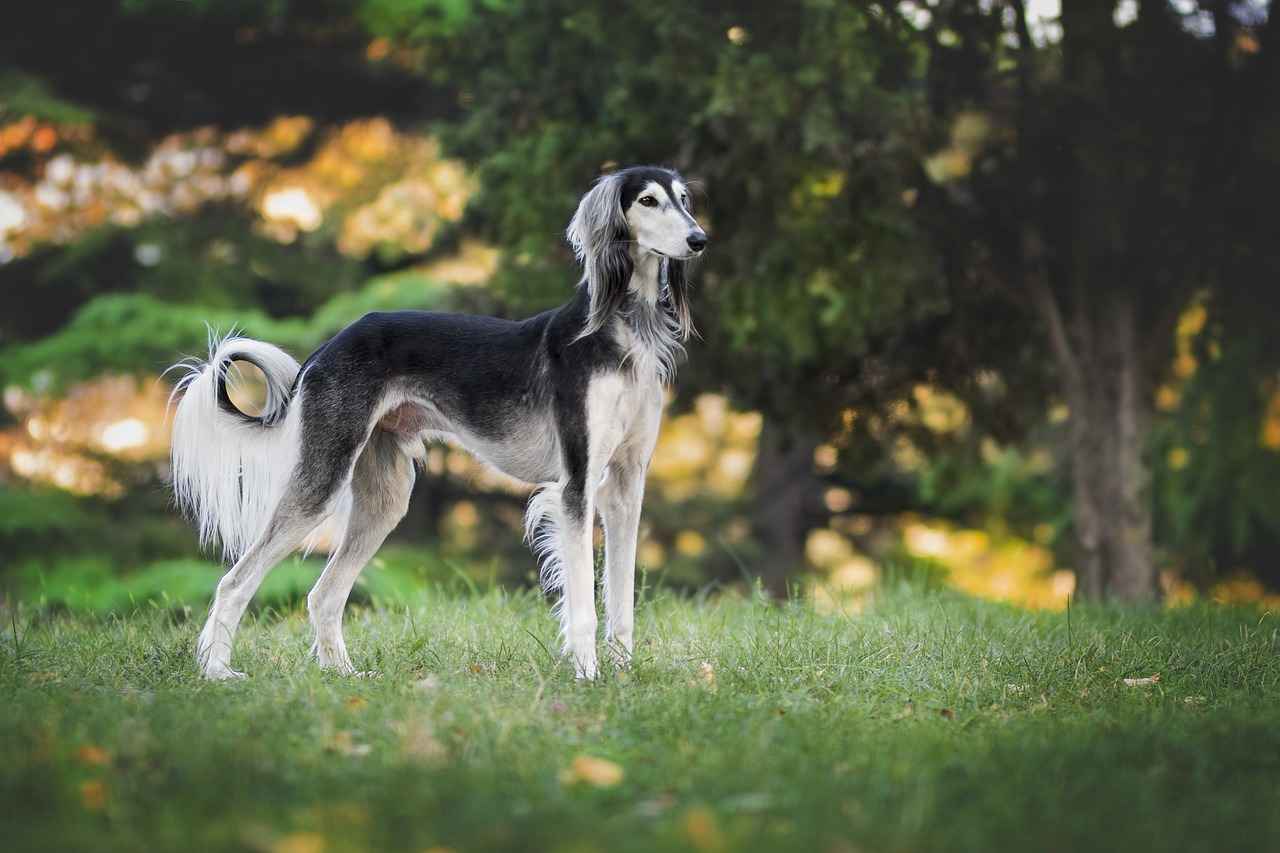
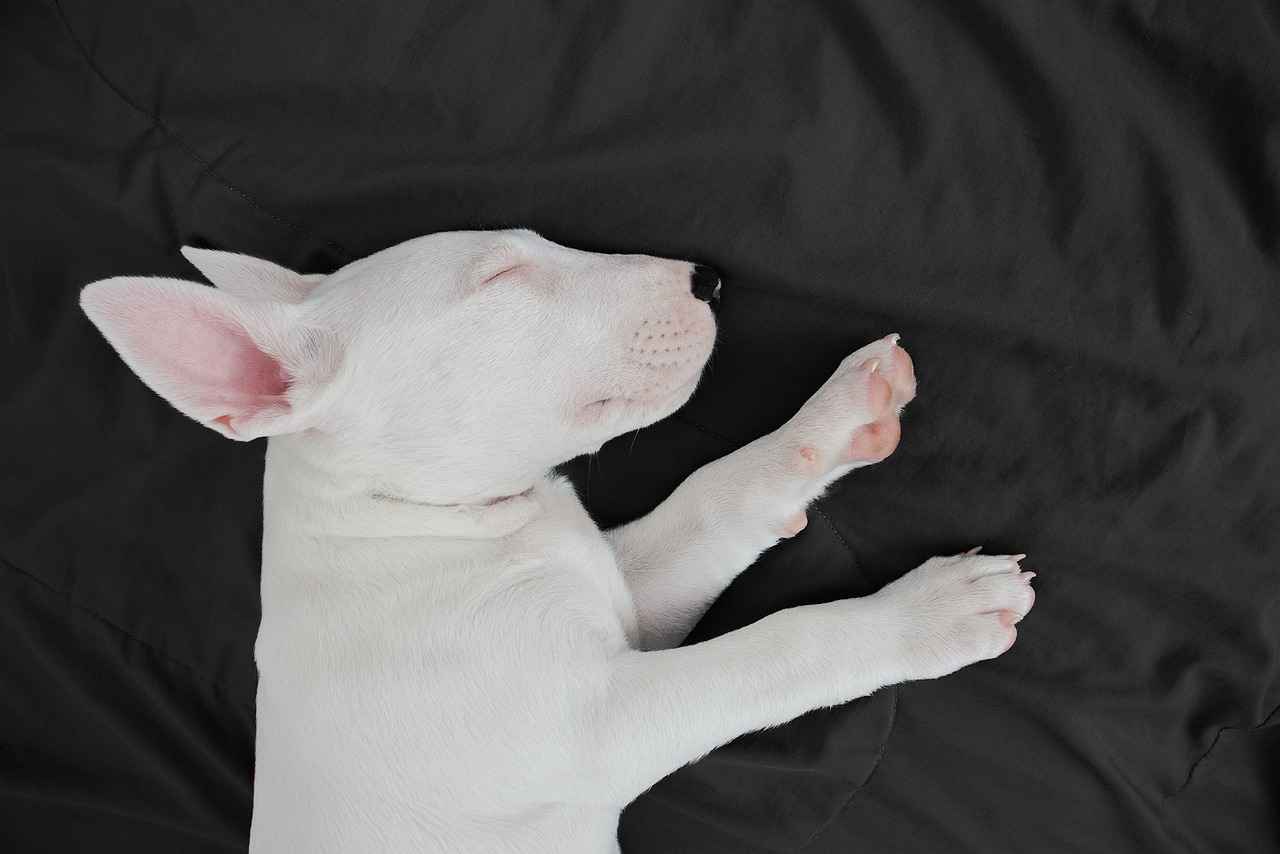
Have you ever wondered why do dogs have wet noses? This simple yet intriguing question opens the door to a world of fascinating facts about our furry friends. A dog’s nose is not just cute; it serves several important functions that contribute to their overall health and well-being. Wet noses help dogs to smell better, allowing them to explore their environment with incredible accuracy. But what causes this moisture? Is it just a natural trait, or does it have deeper meanings? In this post, we will dive into the science behind those damp dog noses and uncover secrets that many pet owners may not know. From the role of mucus in enhancing their sense of smell to how it relates to their emotions and health, you’ll be amazed at what you learn! Curious about the connection between wet noses and dog health? Get ready to discover why a wet nose is often a sign of a happy, healthy pup. So, let’s embark on this journey together and answer the burning question: why do dogs have wet noses? Your dog’s nose might just be one of the most fascinating features you’ve never thought much about!
\n\nThe Science Behind Why Dogs Have Wet Noses: Unraveling the Mystery
\n\n \n\n
\n\nDogs are one of the most beloved pets around the world, and their wet noses often bring a smile to our faces. But have you ever wondered, why do dogs have wet noses? This question is more than just a simple curiosity—there’s real science behind it. In this article, we unravel the mystery of why those adorable snouts are always damp, and discover the fascinating facts that come along with it.
\nThe Biological Purpose of a Wet Nose
\nSo, why do dogs have wet noses? The answer lies in their biology. A dog’s nose is covered in a special type of skin that is rich in glands. These glands produce moisture, which serves several significant functions.
\n- \n
- \n
Enhanced Smell: A wet nose helps to absorb scent particles from the air. This is crucial because dogs have an incredible sense of smell, estimated to be between 10,000 to 100,000 times more sensitive than humans. The moisture on their noses helps to capture scents, making it easier for them to detect different smells more accurately.
\n \n - \n
Temperature Regulation: Dogs do not sweat like humans do. Instead, they cool down through panting and the moisture on their noses. When the moisture evaporates, it helps to regulate their body temperature. This is important, especially during hot weather.
\n \n - \n
Health Indicator: The condition of a dog's nose can also be an indicator of their health. A healthy dog usually has a moist and cool nose, while a dry or cracked nose may suggest dehydration or illness.
\n \n
Historical Context of Dogs' Noses
\nThroughout history, dogs have been bred for various purposes, including hunting, herding, and companionship. These roles have influenced the characteristics of their noses.
\n- \n
- \n
Hunting Dogs: Breeds like Bloodhounds have particularly wet noses, which help them track scents over long distances. Their wet noses are essential in their ability to follow trails, a trait that has been honed over centuries of selective breeding.
\n \n - \n
Companion Dogs: Even smaller breeds, like Chihuahuas or Pugs, have wet noses, though they may not rely on scent as heavily. Their wet noses still provide comfort and a way to communicate with their owners.
\n \n
Interesting Facts About Dogs' Noses
\nDid you know there are some surprising facts about dog noses? Here are a few you might find intriguing:
\n- \n
- \n
Unique Prints: Just like human fingerprints, every dog has a unique nose print. This could even serve as a form of identification!
\n \n - \n
Temperature Sensitivity: Dogs' noses can detect changes in temperature. This allows them to sense nearby animals or even changes in the environment.
\n \n - \n
Nasal Turbinates: Inside a dog’s nose, there are structures called nasal turbinates. These help to warm and humidify the air they breathe, making it easier to smell.
\n \n
Comparisons: Dogs vs. Other Animals
\nWhen comparing dogs to other animals, their wet noses stand out. For instance:
\n- \n
- \n
Cats: Cats have relatively dry noses and rely more on their acute hearing and eyesight compared to dogs.
\n \n - \n
Humans: Our noses are dry and less sensitive in comparison to dogs. Humans rely more on their sense of sight rather than smell.
\n \n
Practical Implications for Dog Owners
\nUnderstanding why dogs have wet noses can help dog owners in various ways:
\n- \n
- \n
Health Monitoring: Keep an eye on your dog’s nose. If it becomes excessively dry or cracked, it might be time for a vet visit.
\n \n - \n
Training: Use their incredible sense of smell to your advantage. Scent games can be a great way to keep your dog mentally stimulated and engaged.
\n \n - \n
Cooling Methods: During hot weather, ensure your dog has access to cool water and shade, as their wet nose is a vital part of how they regulate their body temperature.
\n \n
It's fascinating how something as simple as a wet nose can tell us so much about a dog's biology and behavior. So, next time you pet your furry friend, remember that their wet nose is not just cute; it's a biological marvel that plays an essential role in their health and happiness. Understanding these aspects enriches our relationship with our canine companions, making us more informed and caring pet owners.
\n\nTop 5 Reasons Your Dog's Nose Is Always Moist: What You Need to Know
\n\n \n\n
\n\nEvery dog owner has probably noticed their furry friends have moist noses. It's kinda fascinating, right? You may be wondering, "Why do dogs have wet noses?" Well, let’s delve into the top five reasons your dog's nose is always moist and explore the science behind it. You'll discover not only why they feel like little sponges but also some interesting facts about canine olfaction and health.
\n1. Helps with Smelling
\nDogs have an extraordinary sense of smell, which is way more powerful than humans. Their noses are packed with scent receptors, which allows them to detect various smells from great distances. A moist nose helps to trap scent particles more efficiently. When the nose is wet, it can absorb these particles, enhancing their ability to "taste" smells.
\n- \n
- Dogs have around 220 million scent receptors. \n
- Humans only have about 5 million. \n
- The moistness of a dog’s nose creates a better environment for scent absorption. \n
2. Regulates Body Temperature
\nDid you know that a dog's nose also plays a role in thermoregulation? Unlike humans who sweat, dogs cool down primarily through panting. However, the moisture on their noses helps with temperature regulation, too. The evaporation of moisture from their noses can help to cool them down.
\n- \n
- Dogs don’t sweat like humans do. \n
- Moist noses can aid in keeping them cool. \n
- On hot days, you may notice your dog's nose is even wetter. \n
3. Sign of Good Health
\nWhile a wet nose is typical for most dogs, it can also be a sign of good health. A healthy dog generally has a moist and cool nose. If you notice a sudden change, such as a dry or warm nose, it could indicate something's not right. It's crucial to pay attention to these changes, as they may signal dehydration or other health issues.
\n- \n
- A moist nose usually indicates hydration. \n
- A dry nose can indicate fever or dehydration. \n
- Always consult a veterinarian if you’re concerned about your dog's health. \n
4. Natural Behavior
\nDogs often lick their noses as a natural habit. They do this to keep their noses moist and to clean off any dirt or debris. This behavior is instinctual and can be observed in many canines. Just like humans may wipe their faces, dogs groom their noses!
\n- \n
- Dogs lick their noses multiple times a day. \n
- It's a natural instinct to keep it clean. \n
- Some dogs may lick excessively due to anxiety or boredom. \n
5. Environmental Factors
\nThe environment also plays a big role in the moisture level of your dog’s nose. Factors such as humidity, temperature, and even the time of day can affect how wet your dog's nose is. For example, in humid weather, you might notice your dog's nose is particularly damp, while in dry climates, it may become drier.
\n- \n
- Humidity can increase moisture levels. \n
- Dry climates may lead to drier noses. \n
- Seasonal changes can also affect moisture retention. \n
Understanding Dog Nose Variations
\nWhile most dogs have moist noses, some breeds may have naturally drier noses. Here’s a quick comparison:
\n| Breed | \nNose Wetness Level | \n
|---|---|
| Labrador Retriever | \nTypically Moist | \n
| Siberian Husky | \nUsually Moist | \n
| Bulldog | \nMay be Drier | \n
| Poodle | \nOften Moist | \n
| Chihuahua | \nCan Vary | \n
It's essential to keep an eye on your dog's nose and be aware of individual differences. Some dogs may have naturally drier noses, and that’s perfectly fine!
\nInteresting Facts About Dog Noses
\n- \n
- Dogs can differentiate between various scents, even if they are mixed together. \n
- The texture of a dog’s nose is unique, much like a human's fingerprint. \n
- Dogs use their noses to communicate with each other, marking territory with their scent. \n
Keeping your dog’s nose moist is generally not something you need to worry about. However, if you notice any drastic changes, it might be a good idea to consult with your veterinarian. They can help determine if any underlying issues need to be addressed.
\nBeing a dog parent is a rewarding experience, and understanding the quirks of your furry friend adds to that joy. So, next time you give your pup a scratch behind the ears, take a moment to appreciate that moist little nose and all the fascinating reasons behind it!
\n\nHow a Dog's Wet Nose Enhances Their Sense of Smell: Fascinating Insights
\n\n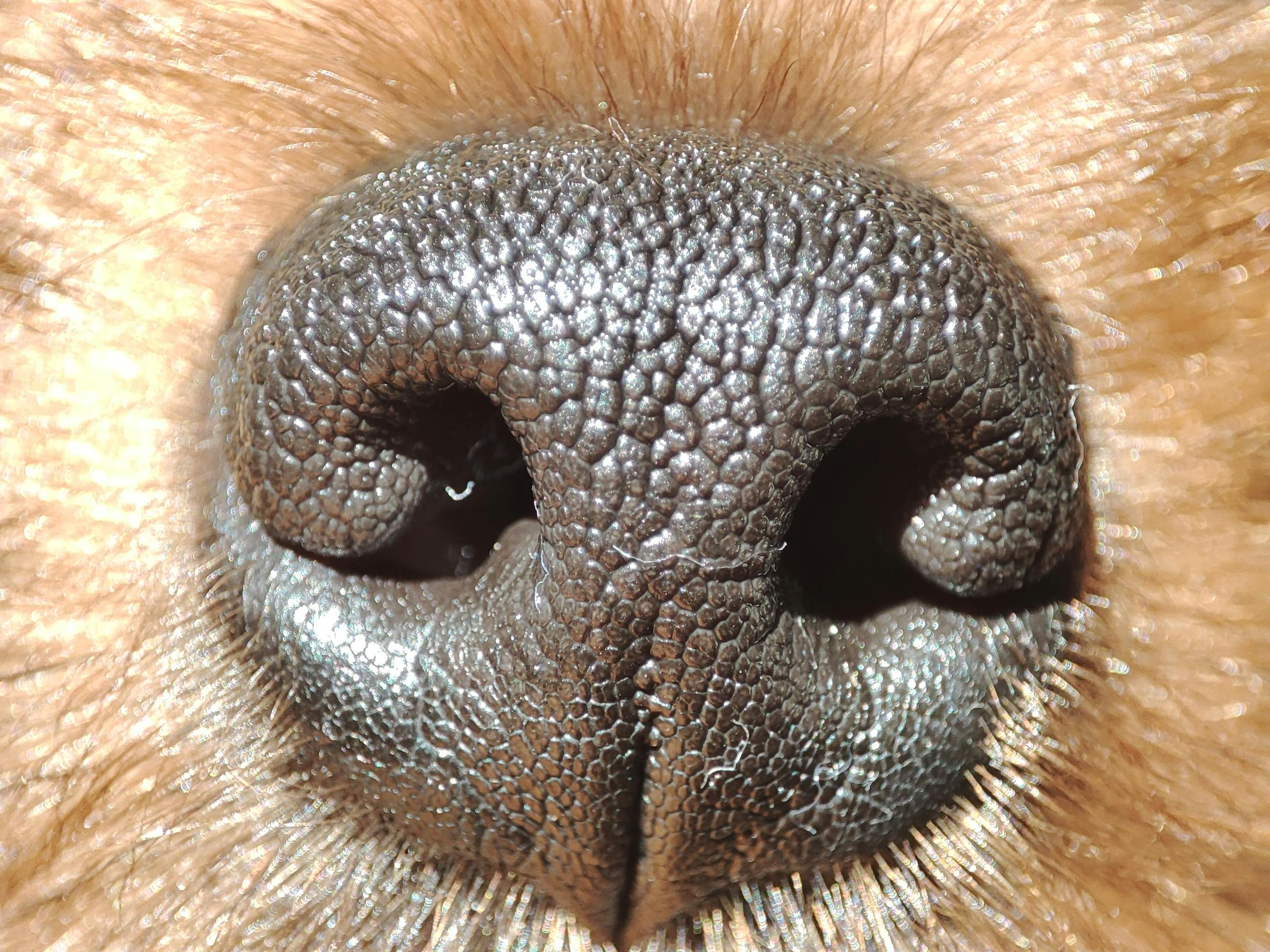 \n\n
\n\nDogs are known for their incredible sense of smell, which is way better than ours. But have you ever wondered why do dogs have wet noses? The answer is not just simple curiosity; it ties into how they perceive the world, especially when it come to scents. This article gonna explore how a dog's wet nose enhances their sense of smell and some fascinating insights into this unique canine feature.
\nThe Science Behind a Dog's Nose
\nA dog’s nose contains an amazing number of olfactory receptors. In fact, while humans have about 5 million olfactory receptors, dogs have around 220 million. That’s a big difference! But what does that mean for their sense of smell? Well, it means they can detect scents at incredibly low concentrations. A dog's wet nose plays a crucial role in this process.
\nWhen a dog's nose is wet, it helps to trap scent particles from the air. The moisture makes it easier for the scent molecules to stick, which allows the dog to process those smells more effectively. The wetness also aids in the cooling of their nasal passages, which enhances their olfactory capabilities. Isn’t that fascinating?
\nHow Wet Noses Work
\nHere is how a dog’s wet nose helps them sniff out the world:
\n- \n
- Moisture Attraction: Wetness attracts odor molecules. When a dog sticks its nose in the air, it can capture more scents. \n
- Increased Surface Area: The texture of a dog’s nose is not just for looks. It has a unique pattern which increases surface area, allowing for more scent absorption. \n
- Temperature Regulation: A wet nose is cooler than a dry one, which helps in regulating the temperature of the olfactory receptors, making them more sensitive. \n
Historical Context: Dogs and Their Noses
\nDogs have been domesticated for thousands of years, and their noses have always been a key part of their survival. Historically, they were used for hunting and tracking due to their superior sense of smell. Ancient civilizations noticed that dogs could smell things humans couldn’t, leading to their use in various roles like search and rescue or even as therapy animals today.
\nFun Facts About Dog Noses
\n- \n
- Unique Patterns: Just like human fingerprints, each dog has a unique nose print that can be used for identification. \n
- Scent Discrimination: Dogs can differentiate between smells and even tell if a smell is from a familiar person or a stranger. \n
- Health Indicator: A dog's nose can indicate their health. A dry or cracked nose could signal a health issue, although it’s not always the case. \n
Comparison: Dog Noses vs. Human Noses
\nHere is a quick comparison to understand just how powerful a dog’s sense of smell is compared to humans:
\n| Feature | \nHumans | \nDogs | \n
|---|---|---|
| Olfactory Receptors | \n5 million | \nAbout 220 million | \n
| Ability to Detect Scents | \nLimited | \nExtremely sensitive | \n
| Scent Discrimination | \nBasic | \nHighly advanced | \n
| Nose Moisture | \nRarely wet | \nUsually wet | \n
Practical Examples of Dogs Using Their Noses
\nDogs use their noses in various ways that are just incredible:
\n- \n
- Search and Rescue: Dogs can track down missing persons by following their scent trail. \n
- Medical Detection: Some dogs can detect diseases like cancer or diabetes by smelling changes in a person's body. \n
- Therapy and Service: Dogs are trained to help people with disabilities by using their noses to navigate and assist. \n
Each of these examples highlight how important a dog’s wet nose really is. It's not just an adorable feature; it’s a vital tool that helps them interact with their environment.
\nWhy Do Dogs Have Wet Noses?
\nSo, why do dogs have wet noses? It's all about functionality. The moisture on a dog's nose is not only essential for scent tracking but also plays a role in their overall health. A wet nose helps keep them cool and can also assist in regulating their body temperature.
\nMoreover, a wet nose can help dogs to better understand their environment, allowing them to communicate more effectively with other dogs and with humans.
\nIn the end, the wet nose of a dog is more than just a cute characteristic. It is a fascinating evolutionary trait that enhances their ability to smell and interact with the world around them. Whether they're sniffing out a favorite toy or detecting a hidden treat, their wet noses are doing an incredible job at helping them navigate their lives.
\n\nWet Noses and Health: What Your Dog's Nose Can Tell You About Their Well-Being
\n\n \n\n
\n\nWhen you look at your dog, one of the most distinctive features is their wet nose. You might wonder, why do dogs have wet noses? What does it mean for their health? It’s fascinating to dive into the reasons behind this common trait and what it can tell you about your furry friend's well-being. Dogs’ noses aren’t just cute; they serve a purpose, and understanding this can help you be a better owner.
\nWhy Do Dogs Have Wet Noses?
\nDogs have wet noses for a variety of reasons, both biological and behavioral. First, let’s consider the science of it. A dog's nose is naturally moist due to secretions from glands in the nasal passages. This moisture helps to enhance their sense of smell, which is already far superior to that of humans. The wetness allows odor particles to adhere better to the surface of the nose, improving their ability to detect scents.
\nHere are some key points about why dogs have wet noses:
\n- \n
- Enhanced Smelling: A wet nose helps dogs pick up scents better. \n
- Cooling Mechanism: Dogs don’t sweat like humans. Their noses help regulate temperature. \n
- Health Indicator: Changes in moisture levels can indicate health issues. \n
The Role of a Dog's Nose in Health
\nThe state of a dog’s nose can tell you a lot about their health. A healthy dog will typically have a cool, moist nose. But what does it mean when their nose is dry or warm? Here’s a quick breakdown:
\n| Nose Condition | \nPossible Meaning | \n
|---|---|
| Wet and cool | \nHealthy and hydrated | \n
| Dry | \nCould indicate dehydration | \n
| Warm | \nMay suggest fever or illness | \n
| Cracked or flaky | \nPossible allergies or skin issues | \n
If your dog’s nose changes dramatically or stays dry for an extended period, it might be time to consult a veterinarian.
\nHistorical Context: The Importance of Noses in Dogs
\nHistorically, dogs have been bred for specific traits, including their sense of smell. For example, bloodhounds are known for their incredible tracking abilities, which largely rely on their moist noses. The moisture aids in scent detection, making these dogs invaluable in search and rescue operations.
\nInterestingly, the concept of a dog’s nose as a health indicator isn’t new. Ancient cultures often believed that a wet nose was a sign of a healthy animal. People would routinely check their pets’ noses as a simple way to assess their wellness.
\nComparing Dogs’ Noses to Other Animals
\nIt might be interesting to compare dogs’ noses with those of other animals. Here’s a quick comparison table:
\n| Animal | \nNose Type | \nPurpose of Moisture | \n
|---|---|---|
| Dogs | \nWet and cool | \nEnhances smell, temperature regulation | \n
| Cats | \nTypically dry | \nLess reliance on smell | \n
| Horses | \nWet in certain conditions | \nScent detection and cooling | \n
Dogs have evolved to rely heavily on their sense of smell, which is why their wet noses are particularly effective.
\nWhat to Do If You Notice Changes
\nAs a dog owner, being observant can help you catch potential health issues early. If your dog’s nose becomes persistently dry or warm, consider the following steps:
\n- \n
- Hydrate: Ensure your dog has access to fresh water. \n
- Check Environment: Dry air can affect your dog’s nose, so consider using a humidifier. \n
- Consult a Vet: If changes persist, professional advice is crucial. \n
- Monitor Behavior: Look for other symptoms like lethargy or loss of appetite. \n
These steps can help you keep your furry friend healthy and happy.
\nFascinating Facts About Dogs' Noses
\nDid you know that dogs have up to 300 million olfactory receptors in their noses? In comparison, humans have only about 6 million. This incredible difference highlights why dogs rely on their noses for exploration and communication.
\nMoreover, many dogs can detect certain diseases, such as cancer or diabetes, through changes in a person's scent. This ability is being studied more and more in medical fields.
\nIn summary, your dog’s wet nose isn’t just an adorable feature; it serves important functions related to their health and well-being. Understanding why dogs have wet noses can help you take better care of your beloved pet. Keeping an eye on any changes in their nose can be an essential part of maintaining their overall health. Embrace the knowledge of your dog’s nose, and you’ll be well on your way to being the best pet owner you can be!
\n\nDo All Dogs Have Wet Noses? Exploring Variations Across Breeds
\n\n \n\n
\n\nEver wondered why your furry friend has that cool, moist nose? It's a question many dog lovers ask, and it turns out, the answer is more complex than you might think. Not all dogs have wet noses, and there’s a whole lot of variation depending on their breed, health, and even the weather. Let’s dive into why dogs have wet noses and explore the fascinating facts about why it matters.
\nDo All Dogs Have Wet Noses?
\nThe simple answer is no, not all dogs have wet noses. Some breeds, like Bulldogs or Pugs, often have drier noses. This might seem strange, but it can be perfectly normal for them. The wetness of a dog's nose can depend on several factors, including:
\n- \n
- Breed: Different breeds have different nose types. Some breeds tend to have drier noses. \n
- Health: A dog's health can affect nose moisture. Allergies or infections can cause dryness. \n
- Weather: Hot or cold weather can impact how moist a dog’s nose is. For instance, in winter, noses can get dry. \n
Why Do Dogs Have Wet Noses?
\nNow let’s explore why dogs have wet noses in the first place. A wet nose isn’t just for show; it serves several important functions.
\n- \n
- \n
Sense of Smell: Dogs have an incredible sense of smell, and a wet nose helps them absorb scent chemicals better. The moisture on their noses captures the scent particles, making it easier for them to detect different odors.
\n \n - \n
Temperature Regulation: Just like humans sweat to cool down, dogs use their noses to help regulate body temperature. A wet nose can help them stay cool, especially during hot days.
\n \n - \n
Health Indicator: A moist nose can be a sign of a healthy dog. If a dog’s nose becomes dry or cracked, it could indicate dehydration or illness. Keeping an eye on your dog's nose can help you catch health issues early.
\n \n - \n
Communication: Dogs often use their noses to interact with other dogs and humans. A wet nose can be a sign of excitement or affection, making it a valuable tool for social interaction.
\n \n
Variations Across Breeds
\nAs mentioned before, the moisture level of a dog's nose can vary greatly between breeds. Here are some examples:
\n- \n
- \n
Breeds with Wet Noses: Labrador Retrievers, Golden Retrievers, and Border Collies typically have moist noses.
\n \n - \n
Breeds with Drier Noses: Bulldogs, Boxers, and Shih Tzus often have drier noses.
\n \n - \n
Mixed Breeds: Mixed-breed dogs can inherit nose traits from their parent breeds, leading to a wide variety of nose moisture levels.
\n \n
Common Myths About Dog Noses
\nThere are plenty of myths about dog noses floating around. Let’s bust some of them!
\n- \n
- \n
Myth 1: A dry nose always means a dog is sick. This isn’t true; many healthy dogs can have dry noses.
\n \n - \n
Myth 2: A cold, wet nose indicates a happy dog. While many dogs do have cold, wet noses, happiness is not the sole reason for this condition.
\n \n - \n
Myth 3: All dogs have wet noses. As we discussed, some breeds naturally have drier noses.
\n \n
Tips for Nose Care
\nCaring for a dog's nose is important. Here are some tips to keep it healthy:
\n- \n
- \n
Hydration: Make sure your dog drinks enough water daily. Dehydration can lead to a dry nose.
\n \n - \n
Humidity: If you live in a dry climate, consider using a humidifier in your home. This can help keep your dog's nose moist.
\n \n - \n
Regular Checks: Keep an eye on your dog’s nose. If you notice cracking or excessive dryness, consult your vet.
\n \n - \n
Sun Protection: Dogs with light-colored or thin fur can get sunburned on their noses. Use dog-safe sunscreen if your dog will be outside for long periods.
\n \n
Understanding why dogs have wet noses and the variations across breeds can enhance your appreciation for these beloved pets. It’s just one of many fascinating aspects of dog biology that contribute to their unique charm. So next time you give your dog a pat and feel that cool, moist nose, remember all the important functions it serves!
\n\nThe Role of a Wet Nose in Dog Communication: Understanding Fido's Signals
\n\n \n\n
\n\nDogs, often called man's best friend, communicate in ways that often go unnoticed by their human companions. One of the most fascinating aspects of dog communication is the role of their wet noses. Why do dogs have wet noses? It's not just for show; it plays a critical role in how dogs understand their surroundings and convey messages to others. This article explores the importance of a wet nose in dog communication and offers insights into why this unique feature is so vital to Fido's social interactions.
\nThe Importance of a Wet Nose
\nA dog’s nose is not just a cute feature; it’s highly functional. The wetness of a dog’s nose helps in a variety of ways:
\n- \n
- \n
Enhanced Smell: The moisture on a dog’s nose helps to absorb scent particles, which makes it easier for them to identify different smells. Dogs have up to 300 million smell receptors, compared to a human's 5 million. The wetness enhances their ability to detect scents.
\n \n - \n
Temperature Regulation: Dogs can’t sweat like humans, so they rely on their noses to help cool down. A wet nose can help regulate body temperature by evaporation.
\n \n - \n
Health Indicator: The condition of a dog’s nose can indicate its health. A wet and cool nose is typically a sign of a healthy dog, while a dry or cracked nose could signal dehydration or illness.
\n \n
Why Do Dogs Have Wet Noses?
\nDogs have wet noses for several reasons that relate to their biology and behavior:
\n- \n
- \n
Scent Detection: Wet noses help dogs gather information about their environment. When a dog sniffs, the moisture captures scent particles, which are then analyzed by their keen olfactory system.
\n \n - \n
Social Interactions: Dogs use their noses to communicate with each other. A wet nose can be a friendly greeting. It's their way of saying “hi” or “I’m friendly.” When two dogs meet, they often sniff each other's noses, which is a social behavior that helps them learn about one another.
\n \n - \n
Behavioral Cues: Dogs may also use their noses to signal emotions. For example, a wet nose might indicate excitement or playfulness, while a dry nose might suggest that a dog is feeling unwell or anxious.
\n \n
Fascinating Facts About Dog Noses
\n- \n
- \n
Unique Prints: Just like human fingerprints, each dog has a unique nose print. This can be used for identification, though it’s not commonly practiced.
\n \n - \n
Temperature Sensitivity: Dogs can detect slight changes in temperature through their noses, which can help them find food or avoid danger.
\n \n - \n
Nosework: Some dogs are trained for nosework, which is a sport that involves finding specific scents. This showcases their incredible sense of smell and is a stimulating activity for them.
\n \n
How to Care for Your Dog’s Nose
\nKeeping your dog's nose healthy is important. Here are some tips:
\n- \n
- \n
Hydration: Ensure your dog drinks plenty of water to keep their nose moist. Dehydration can lead to a dry and cracked nose.
\n \n - \n
Avoid Irritants: Keep your dog away from harsh chemicals or extreme weather conditions that could dry out their nose.
\n \n - \n
Regular Check-ups: Regular vet check-ups can help identify any issues with your dog's nose and overall health.
\n \n
Common Misconceptions About Dog Noses
\n- \n
- \n
Myth: A wet nose means a dog is healthy.\nReality: While a wet nose can indicate good health, it’s not the only factor. Other symptoms like energy levels and appetite also matter.
\n \n - \n
Myth: All dogs have wet noses at all times.\nReality: Some dogs naturally have drier noses. Factors like breed and environment can influence this.
\n \n - \n
Myth: A warm nose means a dog is sick.\nReality: Nose temperature can vary throughout the day and doesn't always indicate illness.
\n \n
Understanding Your Dog
\nBy understanding why dogs have wet noses and what they signify, you can improve your relationship with your furry friend. Pay attention to how your dog communicates through its nose, and consider their health and well-being.
\nDogs are complex creatures with their own ways of expressing themselves. Their wet noses are just one of the many fascinating facts about them. The next time you see Fido with his wet nose, remember that it’s not just a cute feature; it’s a vital part of how he interacts with the world around him. By learning more about these signals, you can become a better dog owner and friend to your loyal companion.
\n\nThe Connection Between a Dog’s Wet Nose and Temperature Regulation
\n\n \n\n
\n\nDogs are one of the most beloved pets around the world, known for their loyalty, intelligence, and affectionate nature. One of the most curious things about dogs is their wet noses. Have you ever wondered why do dogs have wet noses? And what is the connection between a dog’s wet nose and temperature regulation? This fascinating fact might surprise you and give you a deeper appreciation for our furry friends.
\nThe Science Behind a Dog's Wet Nose
\nFirst off, let's talk about what actually makes a dog's nose wet. Dogs have special glands in their noses that produce moisture. This moisture helps them to smell better. But it’s not just about their sense of smell. A wet nose can also plays a role in regulating their body temperature. When dogs pant, the moisture from their noses evaporates, which helps cool them down.
\n- \n
- Nasal Glands: Dogs have mucous glands that secretes a thin layer of fluid over their noses. \n
- Evaporation: The moisture evaporates, helping to cool the blood vessels in the nose which helps regulate body temperature. \n
- Sense of Smell: A wet nose helps capture scent particles in the air, enhancing their ability to smell. \n
Historical Context of Dog's Noses
\nHistorically, dogs have been domesticated for thousands of years. Their noses have evolved to give them an exceptional sense of smell, which is vital for hunting, tracking, and even detecting diseases. Ancient civilizations recognized the importance of a dog’s nose. For example, in ancient Egypt, dogs were often used to assist hunters due to their keen sense of smell.
\nWhy Do Dogs Have Wet Noses?
\nThere are several reasons why dogs have wet noses, and understanding these reasons can help pet owners provide better care for their furry companions.
\n- \n
- \n
Temperature Regulation: As mentioned before, a dog’s wet nose helps cool them down. This is especially important in warm weather or after exercise.
\n \n - \n
Enhanced Smell: A wet nose can capture scent particles more effectively. This makes dogs amazing scent trackers. They can even detect certain diseases in humans by smelling changes in body chemistry.
\n \n - \n
Health Indicator: A wet nose is often seen as a sign of a healthy dog. However, a dry nose doesn’t always indicate a problem. It is important to look at other signs too, like behavior and appetite.
\n \n
Dogs' Nose Temperature Compared to Humans
\nIt's interesting to compare a dog's nose temperature with that of humans. Typically, a dog’s nose is cooler than their body temperature, which ranges from 101 to 102.5 degrees Fahrenheit. On the other hand, humans average around 98.6 degrees Fahrenheit.
\nHere’s a simple table comparing both:
\n| Feature | \nDogs | \nHumans | \n
|---|---|---|
| Average Body Temperature | \n101-102.5 °F | \n98.6 °F | \n
| Nose Temperature | \nCooler than body temperature | \nWarmer than body temperature | \n
Practical Examples of Nose Moisture Effects
\nHere are some practical examples of how a dog's wet nose plays a role in their daily lives:
\n- \n
- Playtime in the Park: When your dog runs around, their nose gets wet. This helps them cool down after vigorous activity. \n
- Scent Work: If your dog is a service dog, their wet nose is crucial for their ability to perform tasks like search and rescue or detecting certain medical conditions. \n
- Health Check: If you notice that your dog’s nose is unusually dry or cracked, it may be a good time to consult a vet, especially if it’s accompanied by other symptoms. \n
Dogs and Their Environment
\nA dog’s nose can also be influenced by environmental factors. For instance, if it’s a hot day, you might notice your dog’s nose becomes wetter. On the other hand, during winter or in dry climates, their noses could be drier.
\n- \n
- Humidity Levels: High humidity can keep a dog's nose moist, while dry air can lead to dryness. \n
- Health Conditions: Certain health issues, such as fever or dehydration, can also affect the moisture level of a dog’s nose. \n
As you can see, a dog’s wet nose is more than just an adorable trait; it serves multiple purposes that are essential to their well-being. The next time you see your pup with a wet nose, you could appreciate not only its beauty but also its fascinating function. Understanding why dogs have wet noses reveals just how remarkable these animals are, and why they hold such a cherished place in our lives.
\n\nWhy Do Puppies Have Wet Noses? Discover Unique Developmental Insights
\n\n \n\n
\n\nPuppies are adorable creatures, with their little paws, wagging tails, and those irresistibly wet noses. But have you ever wondered why do puppies have wet noses? This question might seem simple, but it unlocks a world of fascinating biological functions and developmental insights. Here, we explore the reasons behind those moist little noses, delve into the science of why dogs have wet noses, and reveal some unique facts that might just surprise you.
\nThe Science Behind Wet Noses
\nDogs have wet noses for a reason, and it connects deeply with their health and sensory perceptions. The moisture on a puppy's nose actually helps enhance their sense of smell, which is already incredibly advanced compared to humans. Here’s how it works:
\n- \n
- Moisture Capture: The wet surface of a dog’s nose traps scent particles from the air, allowing the dog to pick up smells more efficiently. \n
- Temperature Regulation: Dogs’ noses also help with thermoregulation. When a dog is hot, they might lick their nose to cool it down. \n
- Health Indicator: A wet nose is usually a sign of good health in dogs. If a puppy's nose is dry, it could indicate dehydration or illness, so monitoring this can be important. \n
Developmental Insights
\nWhen puppies are born, their noses are not fully developed. As they grow, their noses become more pronounced and functional. This is a crucial part of their development. Here are some key points about this growth:
\n- \n
- Initial Development: At birth, puppies are not able to see or hear. Their sense of smell is one of their first senses to develop, allowing them to bond with their mother and find nourishment. \n
- Growth Stages: As puppies grow, their noses become more sensitive. By the time they reach a few weeks of age, they can start using their noses to explore their environment and interact with their littermates. \n
- Learning Through Smell: Smell plays a vital role in a dog’s learning process. They learn about their surroundings, other animals, and even human emotions through scent. \n
Interesting Comparisons
\nIf you think that a wet nose is unique to dogs, think again! Many animals have developed similar traits. Here’s a quick comparison of wet noses across different species:
\n| Animal | \nNose Type | \nPurpose | \n
|---|---|---|
| Dogs | \nWet | \nEnhances smell, temperature regulation | \n
| Cats | \nWet | \nSimilar to dogs, but less pronounced | \n
| Pigs | \nWet | \nHelps in rooting around for food | \n
| Cows | \nDry | \nLess reliance on smell; more on sight | \n
| Elephants | \nMoist | \nStrong sense of smell, helps with foraging | \n
Fun Facts About Puppy Noses
\nLet’s dive into some fun and lesser-known facts about puppy noses:
\n- \n
- Unique Patterns: Just like human fingerprints, every dog’s nose print is unique. This means you could theoretically identify a dog by its nose! \n
- Changing Colors: A puppy's nose can change color as they grow; this is often seen in breeds like the Labrador Retriever. \n
- Temperature Sensitivity: Dog noses can detect changes in temperature. They can sense when it’s time to go outside for a walk or when a treat is nearby! \n
Practical Tips for Dog Owners
\nHere are some tips for ensuring your puppy’s nose stays healthy:
\n- \n
- Hydration: Always ensure your puppy has access to fresh water, as hydration plays a key role in maintaining a moist nose. \n
- Check for Dryness: Regularly check your dog’s nose for dryness or cracks; this could indicate an underlying health issue. \n
- Consult a Vet: If you notice significant changes in your puppy’s nose, such as persistent dryness, discoloration, or bleeding, consult your veterinarian immediately. \n
Understanding why dogs have wet noses can deepen our appreciation for these lovable companions. Wet noses are not just a cute trait; they are essential to their sensory experiences and health. As a puppy grows, that little wet nose will help them navigate their world and connect with their humans. So, next time you see your puppy with a glistening nose, remember the important role it plays in their life!
\n\nThe Fascinating Evolution of Dogs and Their Wet Noses: Nature’s Design
\n\n \n\n
\n\nDogs have been companions to humans for thousands of years, but have you ever wondered why do dogs have wet noses? It’s a question that many dog lovers might ask, and it turns out, the answer is as fascinating as the evolution of our furry friends themselves. In this exploration, we’ll delve into the reasons behind their moist noses, the science that supports it, and how it relates to their behavior and health.
\nThe Evolution of Dogs
\nDogs are descendants of wolves, and their journey from wild animals to beloved pets is a story of adaptation and companionship. The domestication of dogs began over 15,000 years ago, when humans and wolves started to form a bond. This relationship led to the breeding of different dog breeds, each with unique characteristics. Over time, traits like a wet nose became more pronounced, serving important functions.
\n- \n
- Domestication Timeline:
- \n
- 15,000 years ago: Wolves begin to bond with humans. \n
- 10,000 years ago: Early agricultural societies rely on dogs for hunting and protection. \n
- 5,000 years ago: Development of distinct breeds for specific tasks (herding, guarding, companionship). \n
\n
Why Do Dogs Have Wet Noses?
\nThe wetness of a dog's nose is not just a random trait; it serves several important purposes. Here are some reasons dogs might have wet noses:
\n- \n
- Sense of Smell: A wet nose helps enhance a dog’s sense of smell. The moisture captures scent particles in the air, making it easier for them to identify scents. \n
- Temperature Regulation: Dogs don’t sweat like humans do. Their noses help cool them down; moisture evaporates which can lower their body temperature. \n
- Health Indicator: A dog’s nose can change throughout the day. A wet nose is often a sign of good health, while a dry nose could indicate dehydration or illness. \n
Functionality and Benefits of Wet Noses
\nSo, the wet nose has a functional purpose for dogs, but that’s not all! It also plays a role in their social interactions. Dogs use their noses to communicate with each other and humans, sniffing to gather information about their environment and other animals.
\n- \n
- Key Benefits of Wet Noses:
- \n
- Improves olfactory function. \n
- Aids in thermoregulation. \n
- Acts as a social tool among canine companions. \n
\n
Historical Context and Cultural Significance
\nThroughout history, dogs have been portrayed in various cultures as loyal companions and protectors. Many cultures believed in the mystical or spiritual connection between humans and dogs, and the wet nose often symbolizes affection and warmth.
\n- \n
- Cultural References:
- \n
- Ancient Egypt: Dogs were revered and often depicted in art. \n
- In Greek mythology, dogs were seen as symbols of loyalty. \n
- Modern times: Dogs are often associated with therapy and emotional support due to their comforting presence. \n
\n
Fun Facts About Dogs and Their Noses
\n- \n
- Dogs have about 300 million smell receptors in their noses, compared to humans who only have about 6 million. \n
- The size and shape of a dog's nose can vary widely between breeds, influencing their smelling ability. \n
- Some dogs, like Bloodhounds, can track scents that are days or even weeks old! \n
Comparison of Dog Noses
\nHere’s a quick comparison of different dog breeds and their nose types:
\n| Breed | \nNose Type | \nScenting Ability | \n
|---|---|---|
| Bloodhound | \nLong and droopy | \nExceptional, can track scents for days | \n
| Beagle | \nShort and broad | \nGood, especially for hunting | \n
| Bulldog | \nFlat and short | \nLimited, but still functional | \n
| German Shepherd | \nProportional | \nExcellent, used in police work | \n
Practical Examples of Wet Noses in Action
\n- \n
- Tracking and Detection: Dogs are used in search and rescue missions. Their wet noses help them pick up scents that humans can’t detect. \n
- Therapy Dogs: Their comforting wet noses can bring emotional relief to patients in hospitals or nursing homes. \n
- Training: Trainers often use treats and commands to teach dogs to utilize their noses effectively, promoting good behavior. \n
The evolution of dogs and the science behind their wet noses is a testament to nature’s intricate design. Their moist noses not only enhance their ability to smell but also play a crucial role in their health and interactions. The next time you pet your dog and feel that wet nose, remember the fascinating biology and history behind it. It's a small but significant aspect that connects us to our four-legged friends in ways we often overlook.
\n\nCommon Myths About Wet Dog Noses: Debunking Misconceptions for Pet Owners
\n\n \n\n
\n\nMany pet owners often wonder why dogs have wet noses. This question seems simple, but it leads to a bunch of myths and misconceptions. In this article, we gonna explore the reasons behind those wet noses and bust some common myths that surround them. If you’re a dog lover, keep reading to find out surprising facts about your furry friend!
\nThe Science Behind Wet Noses
\nFirst off, dog noses are wet for a good reason. The moisture on a dog's nose helps them in a few ways. When a dog licks its nose, they’re actually enhancing their sense of smell. A wet nose can capture scent particles more effectively than a dry one. Here are some science facts about dog noses:
\n- \n
- Scent Detection: Dogs have a remarkable ability to sniff out scents, and a wet nose increases their olfactory capabilities. \n
- Temperature Regulation: The moisture helps regulate a dog's body temperature. They sweat through their noses, helping to cool down their bodies. \n
- Health Indicator: A wet nose is often considered a sign of a healthy dog. However, a dry nose doesn’t always mean something is wrong; it can vary based on environmental conditions. \n
Common Myths About Wet Dog Noses
\nNow let’s dive into some of the most common myths about wet noses. Understanding these can help pet owners take better care of their dogs.
\n- \n
- \n
Myth: A Wet Nose Means Your Dog is Healthy
\n- \n
- Reality: While many people think a wet nose indicates good health, it’s not a foolproof sign. Dogs can have dry noses for many reasons, like dehydration or allergies. Always check other health signs too! \n
\n - \n
Myth: Dogs Only Have Wet Noses Because They Lick Them
\n- \n
- Reality: It’s true that licking keeps their noses moist, but the wetness is also due to glands that secrete moisture. So, it’s not just about the licking! \n
\n - \n
Myth: All Dogs Have Cold, Wet Noses
\n- \n
- Reality: Dogs’ noses can vary in temperature and moisture. Some breeds have drier noses naturally, and it can depend on the time of day or their activity level. \n
\n - \n
Myth: Wet Noses Are Always A Sign of Illness
\n- \n
- Reality: A wet nose can mean many things, and illness is just one possibility. Stress, excitement, and even the weather can cause a dog’s nose to be wet or dry. \n
\n - \n
Myth: Dogs Have Wet Noses to Cool Off
\n- \n
- Reality: While a wet nose does help with temperature regulation, dogs primarily cool off through panting. The nose moisture is more about scent detection. \n
\n
What Makes Dog Noses Unique?
\nDog noses are pretty fascinating! Here’s a few additional facts that make them unique:
\n- \n
- Complex Structure: A dog’s nose has about 300 million olfactory receptors, compared to about 6 million in humans. \n
- Unique Pattern: Just like human fingerprints, each dog’s nose print is unique and can be used to identify them. \n
- Varying Shapes and Sizes: Different breeds have different nose shapes which can affect their sense of smell. For example, bloodhounds are known for their exceptional tracking abilities due to their long, droopy noses. \n
Tips for Pet Owners
\nAs a pet owner, understanding your dog’s nose can help you take better care of them. Here are some practical tips:
\n- \n
- Regular Health Checks: Monitor your dog’s nose for changes in moisture or color. Any sudden differences could warrant a vet visit. \n
- Stay Hydrated: Make sure your dog has plenty of water, especially in hot weather. Dehydration can lead to a dry nose. \n
- Be Observant: Keep an eye on your dog’s behavior. A change in nose moisture along with other symptoms could indicate health issues. \n
Fun Fact to Remember
\nDid you know that dogs can actually smell some diseases? They have been trained to detect conditions like cancer and diabetes just through their sense of smell. This incredible ability is partly due to their wet noses, which help them capture scent particles more efficiently.
\nSo, the next time someone asks you why dogs have wet noses, you can share all this knowledge! It’s more than just a cute feature; it’s a crucial aspect of their biology that helps them interact with the world.
\nDogs are amazing creatures, and understanding their unique traits can help deepen the bond between pet owners and their furry companions. Embrace the wet noses, and don’t let the myths misguide you!
\n\nConclusion
\n\nIn conclusion, the wet noses of dogs serve several important purposes that enhance their health and communication. We explored how a moist nose helps in temperature regulation and enhances their sense of smell, as the dampness allows scent molecules to adhere more effectively. Additionally, a wet nose can indicate a dog’s overall health, with changes in moisture levels potentially signaling illness. While the science behind this unique trait is fascinating, it also highlights the deep bond we share with our canine companions. Understanding the functionality of your dog's nose can lead to better care and awareness of their needs. So, the next time you notice your dog's wet nose, remember the vital roles it plays in their life. Encourage fellow dog owners to pay attention to their pets' health and behavior, and never hesitate to consult a veterinarian if you notice any significant changes. Your furry friend deserves the best!
\n\n